Have you ever wondered why do dogs have wet noses? This intriguing question has captured the curiosity of dog lovers and pet owners alike. A dog’s nose is not just an adorable feature; it plays a crucial role in their sense of smell and overall health. But why are these noses always moist? Is it just for show, or does it serve a deeper purpose? In this article, we’ll explore the fascinating science behind those wet noses and uncover secrets that many pet owners might not know. Did you know that a wet nose can actually help regulate a dog’s body temperature? Or that it can enhance their ability to smell? This compelling topic not only reveals interesting facts about canine biology but also highlights the unique bond we share with our furry friends. By diving into the reasons behind this common trait, you’ll gain a greater understanding of your pet's health and behavior. So, if you’re eager to learn more about dog nose moisture and its significance, keep reading! You might just discover something that will deepen your appreciation for your loyal companion.
\n\nThe Science Behind Canine Noses: Why Are Dogs' Noses Wet?
\n\n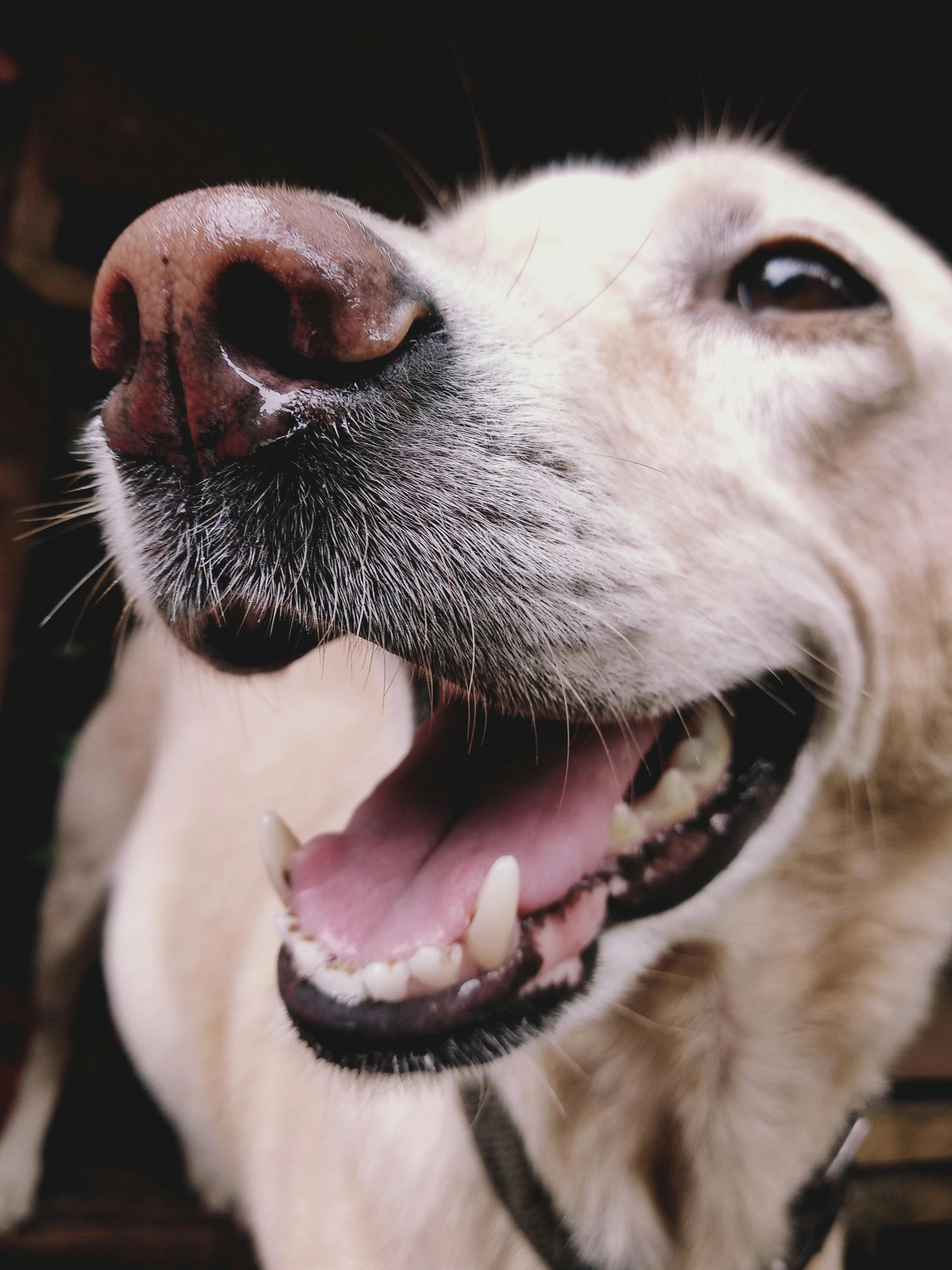 \n\n
\n\nHave you ever wondered why dogs have wet noses? It’s one of those adorable traits that makes dogs seem even more charming, right? But there's actually a fascinating science behind it. Dogs' noses are not just for sniffing; they play critical roles in their health and behavior. Let's dive into why dog noses are wet and what that means for our four-legged friends.
\nThe Anatomy of a Dog's Nose
\nDogs have an incredible sense of smell; it's estimated to be anywhere from 10,000 to 100,000 times more acute than humans. Their noses are specially designed with a complex structure, including:
\n- \n
- Nasal turbinates: These are thin bones inside the nasal cavity that help to warm and humidify air. \n
- Olfactory receptors: Dogs have around 300 million olfactory receptors, compared to a human's 5 million. \n
- Moist surface: The wetness on a dog's nose is crucial for trapping scent particles, making it easier for them to detect different smells. \n
Why Are Dog Noses Wet?
\nSo, why do dogs have wet noses? The answer lies in both biology and behavior.
\n- \n
- Scent Detection: A wet nose helps absorb scent molecules. When a dog sniffs, the moisture on their nose captures these smells, enhancing their ability to identify and distinguish between various odors. \n
- Temperature Regulation: Dogs don’t sweat like humans do. Instead, they regulate their temperature through their noses and panting. A wet nose cools the blood flow to their brain, helping them stay cool. \n
- Health Indicator: A wet nose can often indicate a healthy dog, while a dry nose might suggest dehydration or illness. However, this isn't always a foolproof measure. \n
The Role of Mucus
\nAnother factor that contributes to the wetness of a dog's nose is mucus. This fluid, produced by glands in the nose, helps to keep the surface moist. It also helps to trap dirt and allergens, keeping their nasal passages clear.
\nFun Facts About Dog Noses
\nDid you know that dog noses are unique, much like human fingerprints? Here are some interesting tidbits:
\n- \n
- Nose Prints: Each dog has a unique nose print, which can be used for identification. \n
- Color Variation: The color of a dog's nose can change with the seasons. For instance, some dogs may have a darker nose in the summer and a lighter one in the winter. \n
- Breed Differences: Certain breeds have drier noses than others. For example, Bulldogs often have more dry noses compared to breeds like Retrievers. \n
The Science of Smell
\nTo put into perspective just how powerful a dog's sense of smell is, here are some comparisons:
\n- \n
- Detection of Disease: Dogs can be trained to detect diseases like cancer and diabetes through scent. \n
- Search and Rescue: Dogs are used in search and rescue missions because they can track scents over long distances. \n
- Tracking: Bloodhounds can follow a scent trail that's days old, showing just how remarkable their noses are. \n
Practical Examples of Nose Functionality
\nHere are some behaviors linked to a dog's nose:
\n- \n
- Sniffing: When dogs sniff around, they are gathering information about their environment. They can tell what other animals have been around and even what mood their human is in. \n
- Licking: Dogs sometimes lick their noses to keep them moist, especially after they’ve been sniffing something new. \n
Nose Care Tips
\nWhile a wet nose is usually a good sign, caring for your dog's nose is important. Here are some tips:
\n- \n
- Hydration: Ensure your dog drinks enough water to maintain moisture in their nose. \n
- Check for Cracks: Keep an eye out for cracks or dryness, which may indicate health issues. \n
- Avoid Irritants: Limit exposure to harsh chemicals or extreme weather conditions. \n
Dogs' noses are more than just cute; they're essential tools for their survival and well-being. Understanding why dogs have wet noses can help you take better care of your furry friend. By keeping their noses healthy and understanding their unique capabilities, you can enhance the bond between you and your pet. The next time you see your dog with that adorable wet nose, remember the science and the amazing abilities that come with it!
\n\n5 Surprising Benefits of a Dog's Wet Nose You Didn't Know About
\n\n \n\n
\n\nDogs have been companions to humans for thousands of years, and their unique qualities never stop to amaze us. One of the most intriguing features of dogs is their wet noses. You might have asked yourself, why do dogs have wet noses? Well, it turns out there's more to it than just a quirky characteristic. In fact, there are surprising benefits of a dog's wet nose that you probably didn't know about. Let's dive into this fascinating secret!
\n1. Enhanced Sense of Smell
\nDogs, they are known for having an incredible sense of smell, and their wet noses play a big role in this. The moisture on a dog's nose helps to capture scent particles from the air. This can make their sense of smell even sharper. A dry nose might not pick up as many scents, which is why you might notice your dog sniffing around when their nose is moist.
\n- \n
- Dogs have up to 300 million smell receptors. \n
- Human noses, in contrast, have about 5 million. \n
2. Temperature Regulation
\nAnother surprising benefit of a dog’s wet nose is its role in temperature regulation. Dogs don’t sweat like humans do, so they rely on their noses to help cool down. The moisture evaporates from their noses, which helps to lower their body temperature. When you see your dog with a wet nose, it might be their way of cooling off after a good romp in the park or a hot day outside.
\n- \n
- Dogs sweat through their paw pads, but it’s not enough to cool them off. \n
- A wet nose can indicate that your dog is feeling comfortable and relaxed. \n
3. Health Indicator
\nDid you know that a wet nose can indicate your dog’s health? Vets often check a dog’s nose to gain insight into their overall well-being. A sudden change from wet to dry can signal potential health issues. For instance, if a dog’s nose is dry and warm, it might be a sign of fever or dehydration. Here’s a quick guide:
\n- \n
- Wet and cool: Generally healthy and hydrated. \n
- Dry and warm: Possible fever or dehydration. \n
- Consistently dry: Could indicate health concerns, consult a vet. \n
4. Social Interaction and Communication
\nDogs communicate in many ways, and their noses are a big part of that. When dogs greet each other, they often sniff each other’s noses, which is a way of saying “Hello!” A dog’s wet nose can also express affection towards humans. By nudging you with their noses, they might be trying to get your attention or show that they love you.
\n- \n
- Dogs use their noses to gather information about their surroundings. \n
- A gentle nudge with a wet nose can be a sign of affection or a request for playtime. \n
5. Natural Lubrication
\nLastly, a dog's wet nose serves as a natural lubricant. The moisture helps to prevent their noses from drying out, which can be uncomfortable or even painful. A well-hydrated nose is less likely to crack or become irritated. This is especially important in dry climates or during winter months when the air is less humid.
\n- \n
- Keeping a dog’s nose moist can help to prevent minor irritations. \n
- Some dogs may be more prone to dry noses than others. \n
Here’s a quick summary of these surprising benefits:
\n| Benefit | \nDescription | \n
|---|---|
| Enhanced Sense of Smell | \nMoisture captures scent particles. | \n
| Temperature Regulation | \nHelps cool the dog by evaporation. | \n
| Health Indicator | \nA wet nose can signal health issues. | \n
| Social Interaction | \nUsed for greetings and affection. | \n
| Natural Lubrication | \nPrevents dryness and irritation. | \n
Understanding why do dogs have wet noses and their benefits can deepen our appreciation for our furry friends. Each time you pet your dog and feel that wet nose against your skin, remember it’s doing more than just being adorable. It’s a tool for communication, a health indicator, and a mechanism for temperature control. So next time you’re wondering about your dog’s nose, just remember the fascinating secrets it holds!
\n\nWet Noses and Health: What Your Dog's Moisture Levels Reveal
\n\n \n\n
\n\nDogs are often said to be man's best friend, but have you ever wondered why do dogs have wet noses? This simple question leads us down a fascinating path of biology and behavior. Wet noses are more than just a cute feature; they play an essential role in your dog's health and communication. Let’s dive into the moist world of our furry friends and uncover the secrets behind those wet noses!
\nThe Science Behind Wet Noses
\nA dog's nose is not just for smelling; it has a significant role in their overall health. The moisture on a dog's nose comes from mucous membranes. When a dog licks their nose or when it’s simply exposed to the air, it keeps the nose moist. But why is this moisture important? Here’s what you need to know:
\n- \n
- Enhanced Smell: A wet nose helps to dissolve scent particles, making them easier for dogs to detect. This is crucial since dogs have a sense of smell that is far superior to ours. \n
- Cooling Mechanism: Dogs don’t sweat like humans. Instead, they cool themselves through panting and the moisture on their noses. A wet nose can help regulate body temperature, especially in warm weather. \n
- Health Indicator: A dog's nose can be an indicator of their health. Changes in the moisture level or temperature of the nose can signal illness. For example, a dry nose might suggest dehydration or fever. \n
Why Do Dogs Have Wet Noses?
\nSo, why do dogs have wet noses? It’s a combination of evolutionary biology and practicality. Dogs evolved from wolves, who also have moist noses. The ability to smell is vital for survival, helping them find food, avoid danger, and communicate with others. Over time, the wet nose has become a characteristic feature of dogs.
\n- \n
- Evolutionary Advantage: A moist nose can enhance the olfactory capabilities, allowing dogs to thrive in various environments. They used their nose to track scents over long distances, aiding in hunting and social interactions. \n
- Communication Tool: Dogs also use their noses to communicate. A wet nose can indicate friendliness or curiosity. When a dog nudges you with their wet nose, they might be seeking attention or affection. \n
Health Benefits of Wet Noses
\nMaintaining a healthy wet nose is important for your dog's well-being. Here are some health benefits associated with a moist nose:
\n- \n
- Detection of Illness: As mentioned earlier, a wet nose can help you notice changes in your dog’s health. Always keep an eye on your dog’s nose, as any significant changes could indicate a health issue. \n
- Hydration Monitoring: If the nose becomes excessively dry or cracked, it might be time to check if your dog is drinking enough water. Dehydration can lead to serious health problems. \n
- Temperature Regulation: A cool, wet nose is often a sign of a healthy dog. If you notice the nose is warm or dry, it could be a sign of overheating or illness. \n
Understanding Nose Variations
\nNot all dog noses are created equal. Different breeds can have varying nose textures and moisture levels. For example, brachycephalic breeds (like Bulldogs and Pugs) tend to have shorter noses, which might lead to different moisture retention. Here’s a quick comparison:
\n- \n
- Long-Nosed Breeds: Greyhounds and Collies often have very moist noses, which help with their incredible sense of smell. \n
- Short-Nosed Breeds: Bulldogs may have drier noses due to their shorter snouts, which can sometimes affect their ability to cool down. \n
What to Watch For
\nBeing a responsible dog owner means being attentive to changes in your dog's nose and health. Here’s a quick checklist to monitor:
\n- \n
- Moisture Level: Is the nose consistently moist? \n
- Color Changes: Is there any unusual discoloration? \n
- Texture: Is the nose dry, cracked, or flaky? \n
- Temperature: Is the nose unusually warm or cold? \n
If you notice any concerning changes, consulting a veterinarian is always a wise choice.
\nFinal Thoughts
\nUnderstanding why do dogs have wet noses not only satisfies our curiosity but also helps us become better pet owners. Wet noses are a sign of a healthy dog and play a crucial role in their ability to interact with the world. Keep an eye on your furry friend’s nose, and you might just uncover valuable insights into their health and happiness. Remember, a happy dog often has a wet nose!
\n\nThe Fascinating Role of Scent: How Wet Noses Enhance Dogs' Smell
\n\n \n\n
\n\nHave you ever wondered why dogs have wet noses? Is it just a quirky feature, or is there something more to it? Dogs, our furry companions, possess an incredible sense of smell. In fact, their noses are often considered their most important tool for exploring the world. The fascinating role of scent and the science behind those wet noses can reveal so much about how dogs interact with their environment.
\nThe Science Behind Wet Noses
\nSo, why do dogs have wet noses? Well, it turns out that a wet nose plays a critical role in enhancing a dog’s sense of smell. A dog's nose contains a special structure called the vomeronasal organ, which helps them detect pheromones, chemical signals that provide information about other animals. The moisture on a dog’s nose helps to capture scent particles from the air, making it easier for them to interpret these smells.
\nBenefits of a Wet Nose
\nHere are some benefits of a dog’s wet nose:
\n- \n
- Improved Scent Detection: The moisture helps to bind scent particles, allowing dogs to smell better. \n
- Temperature Regulation: A wet nose can help cool down a dog, much like sweating does for humans. \n
- Health Indicators: A change in the wetness of a dog's nose can indicate health issues. For instance, a dry nose might signal dehydration or illness. \n
Why Are Dog Noses Wet?
\nThe wetness of a dog's nose comes from a combination of factors. Dogs secrete mucus from glands in their nasal passages. This mucus keeps the nose moist and allows dogs to better analyze scents. Additionally, the act of licking their noses contributes to the moisture level, allowing them to enhance their smell even further.
\nDogs vs. Humans: The Smell Comparison
\nHumans have about 5 million scent receptors in their noses, while dogs have anywhere from 220 million to 300 million, depending on the breed. This incredible difference illustrates why dogs are so adept at tracking scents.
\nHere’s a quick comparison:
\n| Feature | \nHumans | \nDogs | \n
|---|---|---|
| Scent Receptors | \n5 million | \n220-300 million | \n
| Ability to Detect | \nBasic odors | \nComplex scent profiles | \n
| Smell Sensitivity | \nLimited | \nExceptional | \n
| Scent Memory | \nShort-term | \nLong-term | \n
Historical Context of Dogs' Noses
\nDogs have been by our side for thousands of years. Their sense of smell was crucial for early humans during hunting and gathering. Ancient civilizations relied on dogs for tracking game and even detecting dangers. The evolution of their noses has been fine-tuned over generations to adapt to their roles with humans.
\nPractical Examples of Dogs' Smell Abilities
\nDogs are used in various fields due to their extraordinary sense of smell. Some examples include:
\n- \n
- Search and Rescue: Dogs can locate missing persons in disaster situations. \n
- Detection Dogs: They are trained to detect drugs, explosives, and even certain medical conditions like cancer or diabetes. \n
- Therapy and Support: Their ability to sense human emotions allows them to provide comfort to those in distress. \n
Fun Facts About Dogs' Noses
\n- \n
- Dogs’ noses come in various shapes and sizes, which can affect their smelling abilities. \n
- The color of a dog’s nose can vary by breed; some dogs have pink noses while others have black or spotted noses. \n
- Dogs can distinguish between different smells and can even recognize familiar people or objects solely through scent. \n
So, next time you see your dog with its wet nose nudging you, remember that it’s not just a cute feature. It's a crucial aspect of how they experience the world around them. Their wet noses help them connect with their environment and communicate with us in ways we might not fully understand.
\nIn conclusion, the role of scent in a dog's life is fascinating, and their wet noses are just one part of this incredible sensory system. From enhancing their ability to smell to providing insight into their health, wet noses are a remarkable trait that showcases just how special our canine companions truly are.
\n\nDo All Dogs Have Wet Noses? Exploring Variations in Canine Breeds
\n\n \n\n
\n\nDogs, those furry companions we love, are often known for their characteristic wet noses. But do all dogs have wet noses? It’s a curious question that many pet owners ponder. The answer isn’t as straightforward as it seems. This article explores the variations in canine breeds, dives into the reasons why dogs have wet noses, and uncovers some fascinating secrets behind this unique feature.
\nDo All Dogs Have Wet Noses?
\nNot all dogs have wet noses, but most do. The moisture level of a dog's nose can vary depending on a few factors. For example, breed, environment, and even individual health can influence how wet or dry a dog’s nose can be.
\nSome dog breeds are known to have particularly moist noses, while others may have drier noses. Here are some examples of breed variations:
\n- \n
- Labrador Retrievers: Typically have wet noses. \n
- Bulldogs: Can have drier noses. \n
- Poodles: Generally have moist noses. \n
- Chihuahuas: Their noses can vary widely from wet to dry. \n
Why Do Dogs Have Wet Noses?
\nSo, why do dogs have wet noses anyway? There are several reasons for this peculiar characteristic. Here’s a list of the most significant factors:
\n- \n
- Temperature Regulation: Dogs don’t sweat like humans do. Instead, they regulate body temperature partly through their noses. A wet nose helps cool them down. \n
- Scent Detection: A moist nose helps enhance a dog's sense of smell. The moisture traps scent particles and helps them analyze different smells more effectively. \n
- Health Indicator: The state of a dog's nose can also be an indicator of their health. A healthy dog usually has a moist nose, while a dry nose might suggest dehydration or illness. \n
How Does Environment Affect Nose Wetness?
\nThe environment plays a big role in how wet a dog’s nose can be. Factors such as humidity and temperature can change the moisture level. For instance, in hot and dry climates, a dog’s nose may dry out more frequently. On the other hand, in humid areas, dogs tend to have wetter noses.
\n- \n
- Hot Weather: Increased evaporation can lead to drier noses. \n
- Cold Weather: Sometimes, in cold climates, noses can also get dry due to chapping. \n
- Indoor Conditions: Central heating can dry out the air, affecting a dog’s nose. \n
Comparing Canine Breeds: Wet vs. Dry Noses
\nWhen discussing dog noses, it can be interesting to compare different breeds' nose characteristics. Below is a simple comparison of some breeds:
\n| Breed | \nTypical Nose Condition | \nNotes | \n
|---|---|---|
| German Shepherds | \nWet | \nExcellent scent trackers. | \n
| Dachshunds | \nVaried | \nCan have both wet and dry noses. | \n
| Beagles | \nWet | \nKnown for their strong sense of smell. | \n
| Greyhounds | \nUsually wet | \nUnique for their speed and agility. | \n
| Shih Tzus | \nCan be dry | \nProne to respiratory issues, affecting nose. | \n
The Fascination Behind Wet Noses
\nThe wetness of a dog's nose is not just a random trait. It’s a fascinating aspect of canine biology that has evolved over time. Historically, dogs with wetter noses may have been better hunters, as their enhanced ability to smell helped them track prey.
\nAdditionally, when dogs greet you, they often nuzzle you with their noses. This behavior is not just for affection but also a way for them to gather information about you. A wet nose can indicate a dog is excited and healthy, while a dry nose might suggest something is off.
\nPractical Tips for Dog Owners
\nIf you’re a dog owner, paying attention to your pup’s nose can offer insights into their health. Here are some practical tips:
\n- \n
- Regular Check-ups: Make sure to schedule regular vet visits to check your dog’s overall health, including their nose. \n
- Hydration: Keep your dog hydrated, especially in hot weather, to maintain a healthy nose. \n
- Nose Balm: In cold weather, consider using a nose balm to prevent dryness and chapping. \n
- Observe Changes: If your dog’s nose suddenly becomes very dry or changes color, consult your vet. \n
Understanding why dogs have wet noses and the variations among breeds can enhance your relationship with your furry friend. These fascinating characteristics are just one of the many reasons we cherish our canine companions. So, the next time you notice your dog's wet nose, remember the science behind it and how it plays a role in their health and behavior.
\n\nCommon Myths About Dog Noses Debunked: The Truth About Wetness
\n\n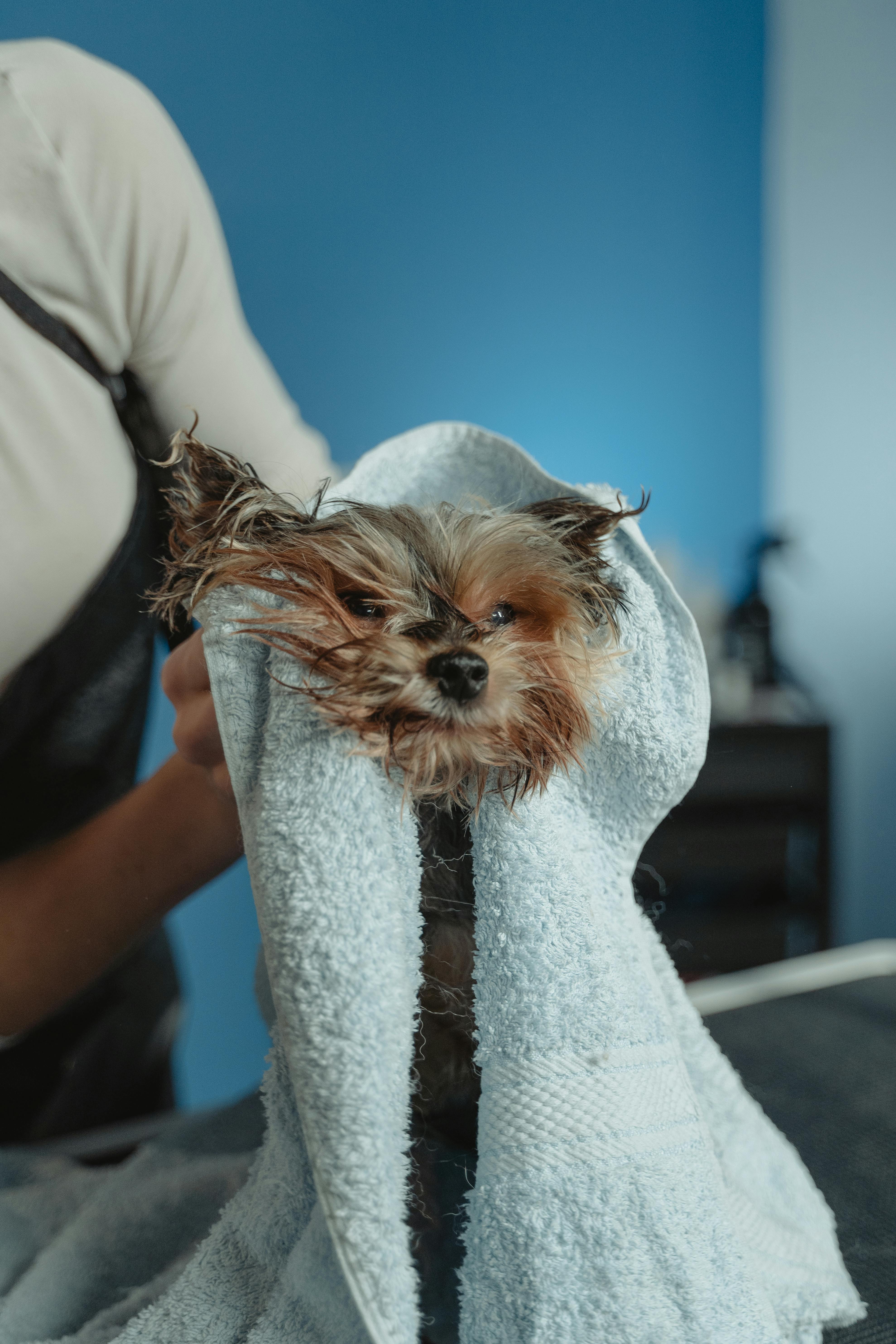 \n\n
\n\nPeople often wonder about their furry companions, especially when it comes to those wet noses. Why do dogs have wet noses? And what’s the deal with all the myths around them? Let’s dive into some common misconceptions about dog noses and uncover the fascinating truth behind their wetness.
\nThe Myth: Wet Noses Mean a Dog Is Healthy
\nOne of the most widely held beliefs is that a wet nose is a sign of a healthy dog. Many pet owners checks their dog’s nose regularly, expecting it to be cool and damp. If its nose seems dry, they freak out, thinking their dog might be sick. But here’s the thing: the moisture on a dog’s nose is not necessarily an indicator of health.
\nWhile a wet nose can be a sign that a dog is well-hydrated, it’s not a foolproof method. Dogs can have dry noses for various reasons, including the weather, allergies, or just their individual physiology. So, don’t panic if your pooch’s nose isn’t always moist.
\nThe Truth About Wetness
\nSo, why do dogs have wet noses? The answer lies in a few fascinating factors:
\n- \n
- Scent Detection: Dogs have an extraordinary sense of smell, and their noses are specially designed for this purpose. The moisture on the nose helps to absorb scent particles, making it easier for them to detect different smells. \n
- Cooling Mechanism: Dogs don’t sweat like humans do. Instead, they regulate their body temperature through their noses. A wet nose can help cool them down, especially in hot weather. \n
- Health Indicator: While not always a direct sign of health, some conditions can cause changes in the moisture of a dog’s nose. For instance, a consistently dry nose could indicate dehydration or illness, but it’s best to consult a vet rather than rely solely on this observation. \n
Common Myths About Dog Noses
\nHere are some common myths about dog noses, along with the real facts behind them:
\n- \n
- \n
Myth: Dogs’ Noses Are Always Wet
\n
\nReality: Not all dogs have perpetually wet noses. Some breeds, like bulldogs, may have drier noses. \n - \n
Myth: A Cold Nose Means a Dog Is Sick
\n
\nReality: A dog’s nose temperature can vary based on activity, environment, and other factors. A cold nose isn’t a definitive sign of illness. \n - \n
Myth: Dogs Lick Their Noses to Keep Them Wet
\n
\nReality: Dogs might lick their noses for various reasons, including grooming, but the moisture comes from the nasal glands rather than licking. \n - \n
Myth: Wet Noses Are Only Found in Dogs
\n
\nReality: Many animals, including cats and some mammals, have wet noses for similar reasons. \n
Why Do Dogs Have Wet Noses? The Science Behind It
\nLet's break down the science that explains why dog noses are wet:
\n- \n
- Mucous Membrane: The inside of a dog’s nose is lined with a mucous membrane that produces moisture. This moisture helps trap scents and enhance their sense of smell. \n
- Nasal Glands: Dogs have special glands that secrete fluid onto their noses, keeping them moist. This secretion varies from dog to dog. \n
- Environmental Factors: Humidity and temperature can influence how wet a dog’s nose feels. A dry, hot day can lead to a drier nose, while a humid day can make it feel wetter. \n
Fun Facts About Dog Noses
\n- \n
- Unique Patterns: Just like human fingerprints, every dog’s nose has a unique pattern of ridges and spots. \n
- Heat Sensors: Dogs can detect heat through their noses, which helps them find warm-blooded animals. \n
- Size Matters: Larger dog breeds often have larger noses, which can enhance their ability to smell. \n
Caring for Your Dog’s Nose
\nKeeping your dog’s nose healthy is important. Here’s a quick list of tips:
\n- \n
- Hydration: Ensure your dog drinks enough water, especially in hot weather. \n
- Check for Cracks: Look for dry, cracked skin on the nose; if you see this, consider using a dog-safe moisturizer. \n
- Vet Visits: Regular check-ups can help catch any potential issues early. \n
Understanding why do dogs have wet noses and debunking the myths surrounding them can help you take better care of your furry friend. The truth is, every dog is unique, and their noses tell a fascinating story about their health and abilities. So next time you pet your pup, remember that their wet nose is more than just a cute feature; it’s a vital part of what makes them such incredible companions.
\n\nIs Your Dog's Nose Too Dry? Signs of Dehydration and Health Issues
\n\n \n\n
\n\nIs your dog's nose too dry? It’s not just a quirky trait; it could signal issues with hydration or health. Many pet owners ask, "Why do dogs have wet noses?" This question leads us to explore the fascinating reasons behind our furry friends' moist noses and what it means for their overall health.
\nThe Function of a Dog's Wet Nose
\nThe wetness of a dog's nose isn't merely for show. In fact, it serves several important purposes. Here are some reasons why dogs have wet noses:
\n- \n
- \n
Temperature Regulation: Dogs don’t sweat like humans do. Instead, they regulate their body temperature through their noses. The moisture helps evaporate and cools them down.
\n \n - \n
Enhanced Smell: A damp nose can pick up scent particles better than a dry one. This is why dogs are such great scent trackers.
\n \n - \n
Health Indicator: A wet nose can be a sign of good health. It often indicates that your dog is hydrated and feeling well.
\n \n
Signs of Dehydration in Dogs
\nIf you notice your pup's nose is dryer than usual, it might be a sign of dehydration. Here are some signs to look out for:
\n- \n
- \n
Lethargy: If your dog seems unusually tired or less active, it could be a warning sign.
\n \n - \n
Loss of Appetite: A decrease in food intake can indicate that your dog is not feeling well.
\n \n - \n
Dry Gums: Check the gums; if they feel dry or sticky, it’s time to get your dog some water.
\n \n - \n
Sunken Eyes: This can be a serious indicator of dehydration. If you see this, consult a vet immediately.
\n \n - \n
Skin Elasticity: Gently pull up the skin on the back of your dog's neck. If it doesn’t return quickly to its original position, your dog might be dehydrated.
\n \n
What Causes a Dry Nose?
\nSeveral factors could contribute to a dry nose in dogs, and some are more serious than others.
\n- \n
- \n
Weather Conditions: Hot or dry climates can cause a nose to dry out. Dogs with light-colored or short fur might be more susceptible.
\n \n - \n
Allergies: Just like humans, dogs can have allergic reactions. Environmental allergies can lead to nasal dryness.
\n \n - \n
Health Issues: Certain illnesses, such as autoimmune diseases or infections, can result in a dry nose.
\n \n
The Importance of Hydration
\nKeeping your dog hydrated is crucial. Here are some tips to ensure your furry friend drinks enough water:
\n- \n
- \n
Fresh Water: Always provide fresh and clean water. Change it daily to encourage drinking.
\n \n - \n
Water Bowls: Place water bowls in multiple locations around your home. This makes it easier for your dog to access water.
\n \n - \n
Wet Food: Consider incorporating wet food into your dog’s diet. It contains more moisture than dry kibble.
\n \n - \n
Hydration Toys: Some toys can be filled with water. These can make drinking fun and engaging for dogs.
\n \n
When to See a Veterinarian
\nIf your dog's nose remains dry and you notice other symptoms, it might be time for a vet visit. Here are some circumstances when you should seek professional help:
\n- \n
- Persistent dryness lasting more than a day or two. \n
- Accompanied by other symptoms, like vomiting or diarrhea. \n
- If your dog is showing signs of discomfort or pain. \n
- Any changes in behavior that seem unusual. \n
Fun Facts About Dog Noses
\nDid you know that a dog's nose print is unique, just like human fingerprints? Here are more interesting tidbits:
\n- \n
- \n
Nasal Patterns: Each dog has a unique pattern on their nose, which can be used for identification.
\n \n - \n
Temperature Sensitivity: Dogs have a more sensitive nose than cats. They can detect changes in temperature, which helps them track scents.
\n \n - \n
Communication Tool: Dogs use their noses to communicate with one another. A wet nose can indicate friendliness, while a dry one might mean discomfort.
\n \n
Understanding why dogs have wet noses and recognizing signs of dehydration is essential for every pet owner. A dog's health is closely linked to their hydration levels, and being attentive to changes in your dog's nose can make a difference. So next time you’re petting your furry friend, take a moment to check that nose and ensure they’re happy and healthy.
\n\nWhy Do Dogs Lick Their Noses? Understanding This Quirky Behavior
\n\n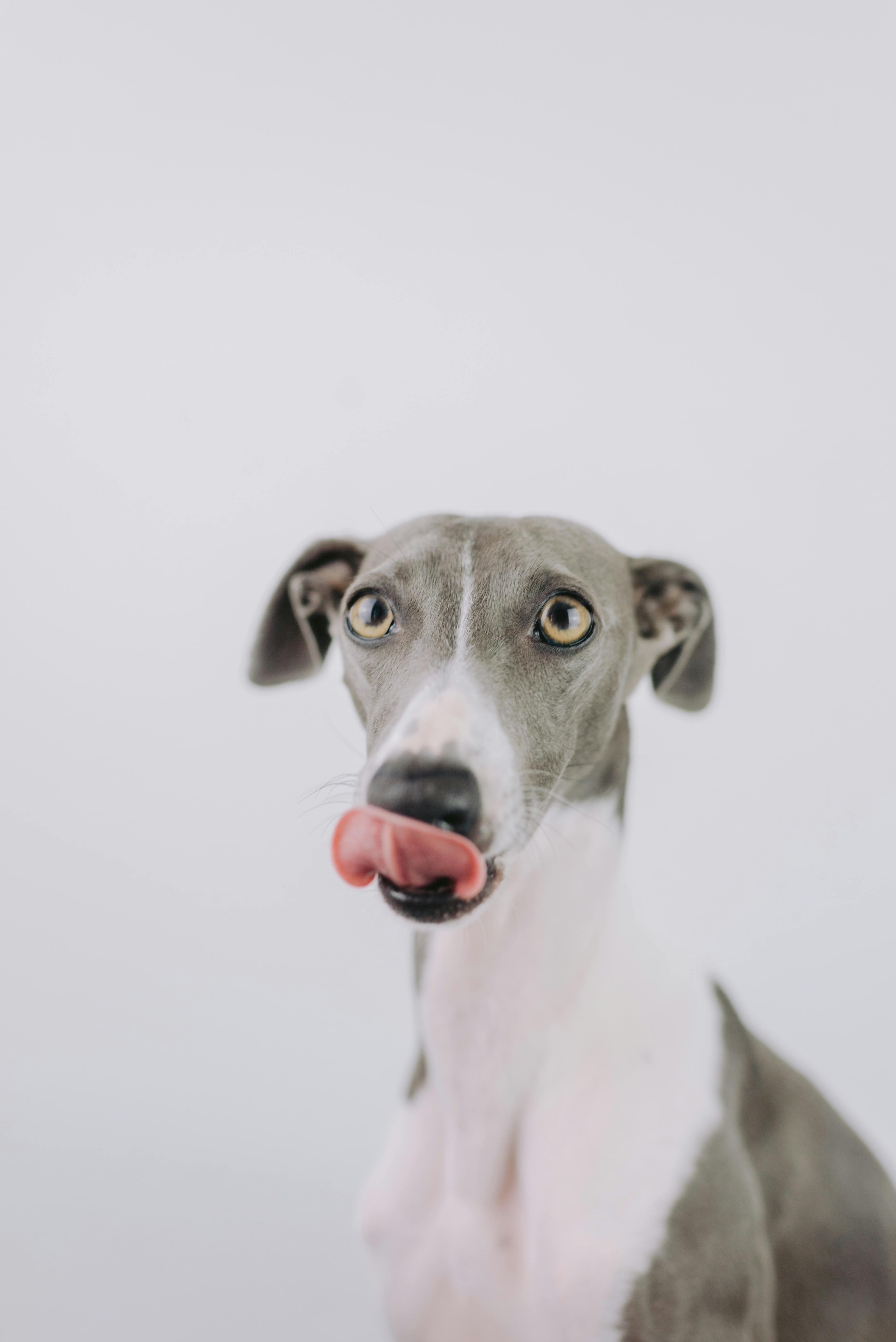 \n\n
\n\nHave you ever looked at your dog, watching them lick their noses back and forth, and thought "Why do dogs lick their noses?" It’s a quirky behavior that many pet owners have noticed but not everyone knows the reason behind it. Along with that, there's also the question, "Why do dogs have wet noses?" Let's dive into this fascinating secret about our canine companions.
\nThe Science Behind Nose Licking
\nDogs are curious creatures, and licking their nose can serve several purposes. First, they often do it to keep their noses clean. Dogs have a keen sense of smell, and a clean nose helps them to sniff out all the wonderful smells in their environment. Here’s some reasons dogs lick their noses:
\n- \n
- Moisture Maintenance: Dogs lick their noses to keep them moist. A wet nose helps them detect scents better, as moisture enhances the olfactory receptors. \n
- Taste and Smell: Dogs have a unique way of tasting the air, and a wet nose helps them gather scent particles. It’s like they are sampling the world around them. \n
- Stress Relief: Sometimes, when dogs are nervous or anxious, they might lick their noses as a self-soothing behavior. \n
- Health Check: A dog’s nose can indicate their health. If a dog suddenly stops licking its nose, it could be a sign of dehydration or illness. \n
Why Do Dogs Have Wet Noses?
\nNow, let’s explore the question of why do dogs have wet noses. It’s actually pretty fascinating. A dog’s nose is made up of various types of tissues that produce moisture. Here’s what you should know:
\n- \n
- Nasal Glands: Dogs have specialized glands in their noses that secrete mucus, keeping it moist. \n
- Cooling Mechanism: Wet noses can help dogs cool down. When they lick their noses, it can evaporate and provide a cooling effect. \n
- Sensory Function: The moisture on a dog’s nose helps capture scent particles from the air, which enhances their ability to smell. \n
Comparing Dog and Human Noses
\nIt can be interesting to compare dog noses to human noses. Here’s a quick breakdown of the differences:
\n| Feature | \nDog Nose | \nHuman Nose | \n
|---|---|---|
| Moisture Level | \nAlways moist | \nGenerally dry | \n
| Scent Detection | \nHighly sensitive | \nLess sensitive | \n
| Temperature Regulation | \nHelps cool the body | \nLess effective | \n
| Licking Behavior | \nCommon and instinctual | \nRare and not typical | \n
Historical Context
\nDogs have been companions to humans for thousands of years. The ancestors of modern dogs were adapting their behaviors for survival long before they became pets. Licking their noses and keeping them wet would have been essential for hunting and scavenging. This behavior is deeply ingrained in their instincts.
\nPractical Examples of Nose Licking
\nYou might see your dog lick its nose in different situations. Here’s a few common scenarios:
\n- \n
- After Eating: Dogs often lick their noses after meals. This could be to clean themselves off or enjoy the taste of their food lingering. \n
- While Exploring: When they are sniffing around, you’ll notice them licking their nose frequently. It’s part of how they take in information. \n
- When They’re Nervous: If a dog is anxious, like during a thunderstorm, they might lick their nose more often as a way to calm themselves down. \n
What to Watch For
\nWhile nose licking is usually normal, there are times when it could indicate a problem. Keep an eye out for these signs:
\n- \n
- Excessive Licking: If your dog is licking its nose excessively, it might be a sign of allergies or irritation. \n
- Dry Nose: A dry nose can indicate dehydration or illness, especially if it’s accompanied by other symptoms. \n
- Change in Behavior: If your dog’s licking behavior changes suddenly, it’s always best to consult a veterinarian. \n
Dogs are complex creatures with fascinating behaviors. Understanding why do dogs lick their noses and have wet noses can help pet owners appreciate their furry friends even more. This quirky behavior is not just random; it's tied to their biology, instincts, and health. Whether they're sniffing out a treat or just trying to cool down, every lick tells a story about the amazing world of dogs. So next time you see your pup licking its nose, remember, there's a lot more going on than meets the eye!
\n\nHow Weather Affects Your Dog's Nose: Wetness in Different Seasons
\n\n \n\n
\n\nWhen you think about your furry friend, have you ever wonder why their noses are always wet? This little detail often leads to a lot of questions, especially when the weather changes. In New York, where we experience all four seasons, the wetness of a dog's nose can vary significantly. So, how does the weather affect your dog's nose? And, why do dogs have wet noses in the first place? Let’s dive into this fascinating secret!
\nThe Science Behind Wet Noses
\nDogs have wet noses for a few reasons, and it’s not just because they like to stick their noses in puddles. Here are some key points:
\n- \n
- Temperature Regulation: A wet nose helps dogs cool down. When they breathe, the moisture evaporates, which cools their body temperature. \n
- Scent Detection: A wet nose enhances a dog's ability to smell. The moisture captures scent particles, making it easier for them to detect smells in the environment. \n
- Health Indicator: A wet nose can be a sign of health. When a dog's nose is dry, it could indicate dehydration or illness, although not always. \n
How Weather Changes Nose Wetness
\nIn New York, the climate can shift from sweltering summers to chilly winters, and this can affect your dog's nose in various ways. Here’s a look at how different seasons impact their wetness.
\nSpring
\n- \n
- Humidity: As temperatures begin to rise, humidity levels often increase. This leads to a wetter nose for many dogs since the moisture in the air helps keep their noses moist. \n
- Allergens: The blooming flowers and grasses can also affect dogs. Some may have allergies that can lead to a less wet nose due to inflammation or irritation. \n
Summer
\n- \n
- Heat and Sun: During the hot summer months, dogs may have drier noses more often. If they are dehydrated or overheated, their noses can become dry and warm. \n
- Water Play: If you take your dog to the beach or a pool, they may have a wetter nose from splashing around, which can be a fun way for them to cool off. \n
Fall
\n- \n
- Changing Temperatures: As the weather turns cooler and drier, you might notice your dog’s nose becoming less moist. This is normal and often not a cause for concern. \n
- Falling Leaves: Allergies can spike again in fall, which may cause some dogs to have drier noses if they are sniffing around. \n
Winter
\n- \n
- Cold Air: Cold weather can dry out a dog’s nose. Just like human skin, a dog’s nose can become chapped and dry in extremely cold conditions. \n
- Indoor Heating: When you crank up the heat inside, it can make the air dry, affecting your dog’s nose even when they are inside. \n
Practical Tips to Keep Your Dog's Nose Healthy
\nKeeping your dog’s nose healthy is essential. Here are some practical tips:
\n- \n
- Hydration: Ensure your dog has plenty of fresh water. Hydration is key to maintaining a wet nose. \n
- Nose Balm: Consider using a nose balm during dry seasons to protect against chapping and cracking. \n
- Regular Vet Check-ups: If you notice your dog’s nose is consistently dry or cracked, consult your veterinarian to rule out any health issues. \n
Fun Facts About Dog Noses
\n- \n
- Dogs have approximately 220 million scent receptors in their noses, compared to humans who only have about 5 million. \n
- The shape of a dog’s nose can actually affect their sense of smell. Breeds like Bloodhounds have longer noses which help them pick up scents better. \n
- Just like fingerprints, every dog’s nose print is unique! \n
In the end, it’s pretty fascinating that your dog’s nose can tell you so much about the weather and their health. Whether it’s a warm, sunny day or a chilly winter evening, keeping an eye on your pup's wet nose can be an easy way to check in on their wellbeing. So, next time you’re out for a walk in New York, take a moment to observe that nose! It’s not just wet; it’s working hard to keep your dog happy and healthy.
\n\nThe Evolution of Dogs’ Noses: Why Wetness is Key to Their Survival
\n\n \n\n
\n\nDogs have been companions to humans for thousands of years. Their unique features make them special, but one of the most fascinating things about dogs is their noses. Have you ever wondered why do dogs have wet noses? This question not only leads us to a deeper understanding of our furry friends but also unveils the evolutionary adaptations that have helped them survive in the wild.
\nThe Science Behind Wet Noses
\nFirst, let's delve into the biology of a dog's nose. Dogs’ noses are moist because of the mucous membranes that cover them. This wetness plays a crucial role in their ability to smell and interact with their environment. Here are some key points about the science of wet noses:
\n- \n
- Enhanced Smell: The moisture on a dog's nose helps capture scent particles from the air. This means that they can detect smells much better than humans. \n
- Temperature Regulation: A wet nose also helps to cool a dog down. When dogs pant, the moisture on their noses evaporates, which can help regulate their body temperature. \n
- Health Indicator: A wet nose is often seen as a sign of a healthy dog. If their nose is dry, it can indicate dehydration or illness. \n
Evolutionary Advantages of Wet Noses
\nWhen we think about evolution, it's all about survival. Wet noses gave early canines significant advantages. Here’s how:
\n- \n
- Hunting and Tracking: Dogs that had wetter noses were better at tracking prey. This increased their chances of survival and reproduction. \n
- Social Interactions: Wet noses also play a role in how dogs interact socially. They can pick up pheromones, which are essential for communication. \n
- Environmental Awareness: A moist nose allows them to sense changes in their environment, such as the presence of other animals or changes in weather conditions. \n
Historical Context: Dogs and Their Noses
\nThroughout history, dogs have been bred for various purposes, many of which relied heavily on their sense of smell. The evolution of dogs' noses can be traced back to their wild ancestors. Here’s a brief timeline of how this has developed:
\n- \n
- Prehistoric Times: Early dogs hunted in packs, using smell to locate prey. Their wet noses were key to their survival. \n
- Ancient Civilizations: As humans domesticated dogs, traits like enhanced olfactory abilities were favored. Dogs with wetter noses were often more effective as hunters and companions. \n
- Modern Breeding: Today, selective breeding has resulted in dogs with varying nose shapes and sizes, yet the fundamental purpose of their wetness remains unchanged. \n
What Does a Dry Nose Mean?
\nSometimes, dog owners might notice their pets have a dry nose. This can be concerning. Here are some common reasons for a dry nose:
\n- \n
- Dehydration: If a dog isn’t drinking enough water, it can lead to a dry nose. \n
- Illness: Certain health issues like fever can cause a dog’s nose to dry out. \n
- Environmental Factors: Hot weather or dry air can also contribute to a dry nose. \n
How to Care for Your Dog's Nose
\nTo ensure your dog's nose stays healthy and wet, consider these tips:
\n- \n
- Hydration: Always provide fresh water, especially during hot days. \n
- Regular Vet Visits: Keep up with vet check-ups to catch any potential health issues early. \n
- Avoid Irritants: Try to keep your dog away from harsh chemicals or extreme weather conditions. \n
Fun Facts About Dogs’ Noses
\nHere are some interesting facts that you might not know about dogs’ noses:
\n- \n
- Dogs have up to 300 million olfactory receptors, compared to a human’s 6 million. \n
- The shape and size of a dog's nose can affect its sense of smell. Some breeds are better at smelling than others. \n
- Wetness on a dog’s nose is not just for show; it plays a significant role in how they perceive the world. \n
In the end, the evolution of dogs’ noses is a captivating topic that reveals so much about their survival instincts and adaptability. Understanding why do dogs have wet noses helps us appreciate them even more. Their noses are not just cute; they are essential tools for their survival, enabling them to connect with their environment and us in ways that are truly remarkable. So, the next time you give your dog a scratch behind the ears, take a moment to marvel at that wet nose and all the wonders it represents.
\n\nConclusion
\n\nIn conclusion, the wet noses of dogs serve multiple important functions that are essential for their health and communication. The moisture helps enhance their sense of smell, allowing them to detect scents more effectively, while also providing a cooling mechanism during warm weather. Additionally, wet noses play a crucial role in social interactions, as they can convey feelings of excitement and curiosity. Understanding the reasons behind this unique characteristic not only deepens our appreciation for our furry friends but also highlights the importance of keeping their noses healthy through regular vet check-ups. As responsible pet owners, let’s ensure our canine companions are well cared for, which includes monitoring their nose health. Next time you greet your dog, take a moment to appreciate that wet nose—it’s a small but significant part of what makes them so special.
\n\n