Have you ever wondered, why do dogs have wet noses? This curious feature of our furry friends isn’t just for show—it’s packed with fascinating secrets! A dog’s nose is not only a unique characteristic but also serves important purposes. The moisture on their snouts helps to enhance their sense of smell, making them exceptional at detecting scents. But that’s not all; ever notice how they seem to get more excited when their noses are damp? This is because a wet nose can regulate their body temperature and keep them cool! So, what really causes this phenomenon? Is it purely biological, or is there more to it? Dive into the world of canine biology and discover the reasons behind that adorable, wet nose. Understanding why dogs have wet noses can deepen your bond with your pet and provide insights into their health and well-being. Curious to learn more about this intriguing topic? Keep reading as we unveil the secrets behind your dog’s moist nose and what it means for their overall health! Don’t miss out on these surprising facts that could change how you view your beloved canine companion!
The Science Behind Why Dogs Have Wet Noses: Unveiling the Mystery

Dogs have long fascinated humans, not just as companions, but for their unique features and behaviors. One of the most intriguing aspects of our canine friends is their wet noses. Have you ever stopped to ask, why do dogs have wet noses? This question leads us down a path of science and biology that reveals some pretty amazing insights about these beloved pets. Let’s dive into the mystery of why dogs have wet noses.
The Biological Purpose of a Wet Nose
A dog’s nose is not just a cute feature; it serves several important functions. The moisture on a dog's nose plays a significant role in their ability to smell and interact with the world around them. It's like having an enhanced sensory tool. Here’s how it works:
- Enhanced Smell: Dogs have an incredible sense of smell, approximately 10,000 to 100,000 times more acute than humans. The wetness helps to capture scent particles in the air. When their noses are moist, it increases their ability to detect different odors.
- Thermoregulation: Dogs do not sweat like humans. Instead, they cool down by panting and through their noses. A wet nose can help regulate their body temperature, helping them stay cool.
- Health Indicator: A dog's nose can indicate their health. Typically, a moist nose is a sign of a healthy dog. If a dog’s nose is dry or cracked, it could be a sign of dehydration or illness.
The Science of Nose Moisture
So, what causes a dog's nose to be wet? The answer lies in their unique physiology. Dogs have special glands in their noses that produce mucus and other fluids. This moisture serves to trap scent particles and also aids in the cooling process.
Here’s a quick rundown of the science behind it:
- Nasal Mucus: Dogs’ noses are lined with mucous membranes that secrete mucus. This mucus helps to keep the nose moist and aids in scent detection.
- Nasal Turbinates: These are structures inside the dog's nose that help filter and warm the air they breathe. They also help to keep the nose moist.
- Temperature Regulation: When a dog licks its nose, it adds more moisture, enhancing its cooling effect.
A Historical Perspective
Historically, the significance of a wet nose has been recognized across various cultures. Ancient civilizations often viewed dogs as sacred animals, and their unique characteristics were celebrated. For example, the Egyptians revered dogs, believing they had divine qualities. Their wet noses were seen as a symbol of health and vitality.
- Ancient Cultures: In many cultures, dogs were indicators of good luck and protection.
- Evolutionary Advantage: The development of a moist nose likely provided an evolutionary advantage, helping dogs hunt and survive in the wild.
Fun Facts About Dog Noses
Did you know that dog noses are as unique as human fingerprints? Here are some fun facts to ponder:
- Nose Print Identification: Just like a fingerprint, a dog’s nose print can be used to identify them.
- Color Variations: Dog noses come in many colors, from black to pink, and even spotted. The color can affect their sensitivity and ability to detect scents.
- Temperature Sensitivity: Dogs can detect minute changes in temperature through their noses, which is why they can sense things that humans cannot.
Practical Considerations for Dog Owners
As a dog owner, understanding the significance of your pet's nose can help you better care for them. Here are some important tips:
- Regular Check-Ups: Monitor your dog’s nose for dryness or cracks. If it's persistently dry, consult your veterinarian.
- Hydration: Ensure your dog is drinking enough water, especially in hot weather, to keep their nose healthy.
- Nose Care: If your dog’s nose becomes chapped, consider using a pet-safe balm to protect it.
Comparing Dog Noses to Other Animals
Dogs aren’t the only animals with wet noses. Here’s a quick comparison:
- Cats: Cats also have moist noses, but they tend to be less wet than dogs. Their sense of smell is strong too, but not as pronounced as dogs.
- Rabbits: Rabbits have moist noses as well, which helps them in their foraging habits.
- Pigs: Pigs have wet noses that aid in their exploration of the ground, just like dogs.
Understanding why dogs have wet noses unveils a fascinating aspect of their biology and behavior. From enhancing their sense of smell to regulating their body temperature, those wet noses are essential to their health and well-being. As you bond with your furry friend, remember that their unique features, like their wet noses, are just one of the many mysteries that make dogs truly special. Each wet nose tells a story of evolution, adaptation, and the deep connection
5 Fascinating Reasons Your Dog’s Nose is Always Wet
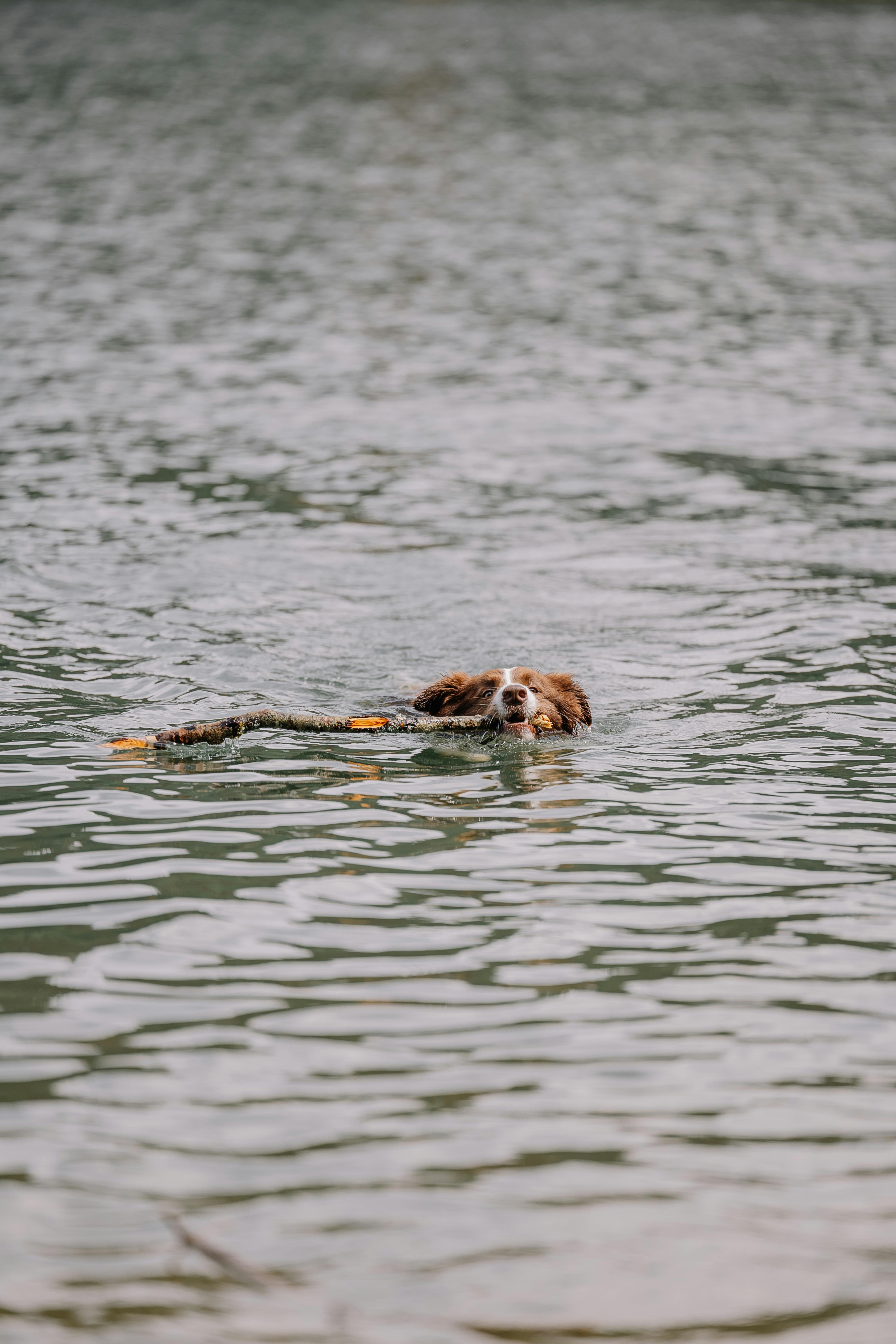
Have you ever wondered why your dog’s nose is always wet? It’s one of those quirky things about our furry friends that often leaves us scratching our heads. Many people just assume it’s normal, but there are actually several fascinating reasons behind this moist phenomenon. Let’s explore this delightful topic and uncover the secrets behind why dogs have wet noses!
1. Thermoregulation – Keeping Cool
Dogs don’t sweat like humans do. Instead, they rely on their noses to help regulate body temperature. The moisture on a dog's nose is part of their cooling system. When they pant, the moisture evaporates, helping to cool them down. This is especially important in hot weather. A wet nose can be an indicator of a dog’s ability to stay cool and comfortable.
- Dogs have sweat glands, but they are mostly located in their paw pads.
- Wet noses help cool the air that they inhale.
- Dogs are more likely to have wet noses on hot days.
2. Enhanced Sense of Smell
A wet nose plays an important role in a dog’s incredible sense of smell. The moisture helps to capture scent particles from the air, enhancing their olfactory reception. This is crucial for dogs as they rely heavily on their sense of smell for communication and understanding their environment.
- Dogs have up to 300 million scent receptors, compared to about 6 million in humans.
- A wet nose allows for better scent detection, making dogs better hunters and trackers.
- Dogs can differentiate between different scents, which is vital for their survival.
3. The Role of Mucous Membranes
The surface of a dog’s nose is covered with mucous membranes, which help keep the nose moist. This moisture not only aids in smell but also protects the sensitive tissues within the nose. The mucous membranes can also help in filtering out dust and other particles, maintaining a healthy nasal environment.
- The mucous membranes produce a thin layer of mucus that keeps the nose moist.
- A healthy dog will typically have a moist nose, while a dry nose can indicate dehydration or illness.
- Dogs can also lick their noses to keep them moist, which is a natural behavior.
4. Communication and Social Interaction
Dogs use their noses for communication, both with other dogs and with humans. A wet nose can indicate a dog’s emotional state. For example, a dog that approaches you with a wet nose is often seeking affection or attention. This behavior is rooted in their instinctual need for social interaction.
- Dogs may nuzzle or nudge you with their wet noses as a form of affection.
- A dog’s nose can also convey their mood; a wet nose often indicates a happy and healthy pup.
- Observing your dog’s behavior can provide insight into their emotional well-being.
5. Health Indicators
A dog’s nose can serve as a health barometer. While a wet nose is generally a sign of a healthy dog, changes in moisture levels can indicate underlying health issues. For example, a persistently dry nose can be a symptom of dehydration or illness.
- A sudden change to a dry or cracked nose could mean it’s time for a vet visit.
- Regularly checking your dog’s nose can help you catch potential health problems early.
- It's important to monitor other symptoms, like lethargy or changes in appetite.
Fun Facts About Dog Noses
- The average dog’s nose is about 20 to 40 times more sensitive than a human’s.
- Each dog has a unique nose print, similar to a human fingerprint.
- Dogs can detect certain diseases in humans, such as cancer and diabetes, through their sense of smell.
In summary, the wetness of your dog’s nose is not just a quirky trait; it serves multiple purposes from cooling to communication. Understanding these reasons can deepen your appreciation for your canine companion and foster a better bond between you and your pet. So next time you notice your dog’s wet nose, you can feel a little more informed about this fascinating feature! Dogs truly are remarkable creatures, and their wet noses are just one of the many things that make them so special.
How a Dog's Wet Nose Enhances Their Sense of Smell: The Surprising Connection

Dogs have long been known for their incredible sense of smell, which is often far superior to that of humans. But have you ever wondered why dogs have wet noses? This seemingly simple characteristic plays a crucial role in their olfactory abilities. In this article, we will explore how a dog's wet nose enhances their sense of smell and the fascinating science behind it.
The Science Behind a Dog's Wet Nose
A dog's nose is not just cute; it's also an important tool for their survival. The moisture on a dog's nose helps to capture scent particles in the air. When a dog sniffs, the wetness of the nose allows these particles to stick, making it easier for them to identify and analyze smells. This process is known as olfaction.
Here are some key points about a dog's nose:
- Olfactory Receptors: Dogs have about 300 million olfactory receptors in their noses, compared to a human's 5 million. This vast number enhances their ability to detect smells.
- Vomeronasal Organ: Also known as Jacobson's organ, this structure helps dogs detect pheromones, which are chemical signals that can indicate various social and biological cues.
- Moisture: The wetness of the nose not only captures scent particles but also helps to regulate temperature, which is vital for effective smelling.
Why Do Dogs Have Wet Noses?
The reason behind why dogs have wet noses can be traced back to evolution. Their ancestors required keen senses for hunting and survival. A wet nose provides a better mechanism for detecting prey and avoiding danger. It's like having a built-in superpower that enhances their natural abilities.
Here are some reasons why a dog’s wet nose is essential:
- Temperature Regulation: Dogs sweat very little, and their noses help to cool them down, much like the way they pant.
- Enhanced Scent Detection: Wet noses absorb scent particles more efficiently. This makes it easier for dogs to pick up on scents from their environment.
- Health Indicator: A wet nose often indicates good health in dogs. A dry nose can sometimes signal dehydration or illness, but not always. It’s important to consider other symptoms too.
Dogs vs. Humans: A Comparison of Smell
To put things into perspective, let’s compare the smelling abilities of dogs and humans.
| Feature | Dogs | Humans |
|---|---|---|
| Olfactory Receptors | ~300 million | ~5 million |
| Ability to Smell | 10,000 to 100,000 times better | Limited sensitivity |
| Detection Range | Up to several miles | Very limited range |
| Pheromone Detection | Highly sensitive | Less effective |
This table shows just how remarkable a dog's sense of smell really is. It’s not just about having a wet nose; it’s about the entire system that makes dogs such adept sniffers.
Practical Examples of a Dog's Sense of Smell
Dogs use their extraordinary sense of smell in various practical areas. Here are some examples where their wet noses and keen olfactory senses make a difference:
- Search and Rescue: Dogs can locate missing persons by following scent trails, even if the person has been missing for days.
- Detection of Illness: Canines are being trained to detect diseases like cancer and diabetes through scent, showcasing their keen ability to identify specific chemical changes in the body.
- Drug and Explosive Detection: Many law enforcement agencies use dogs to sniff out illegal substances or explosives because of their exceptional sense of smell.
The Fascinating Connection: Why Do Dogs Have Wet Noses?
So, why do dogs have wet noses? The answer lies in the incredible connection between their anatomy and their ability to smell. The wetness enhances scent detection, aids in temperature regulation, and can even serve as an indicator of health.
Did you know that a dog's nose print is unique, much like a human fingerprint? This uniqueness is yet another fascinating aspect of our canine companions.
In summary, a dog's wet nose is not just a quirky feature; it’s a vital part of their biology that has evolved over thousands of years to help them survive and thrive. As we continue to learn more about our furry friends, we uncover the secrets hidden in their wet noses and the amazing world of scent that they navigate daily. Understanding these traits deepens our appreciation for dogs and the roles they play in our lives.
Is Your Dog’s Wet Nose a Sign of Health? What Every Owner Should Know

Is your dog’s wet nose a sign of health? Many pet owners often wonders about this. When you see your furry friend with that moist, cool nose, you might think it means they’re in top shape. But what’s the truth behind this common belief? Let’s dive into why dogs have wet noses, what it really means for their health, and some fascinating secrets every dog owner should know.
Why Do Dogs Have Wet Noses?
Dogs are unique creatures, and their wet noses serves multiple purposes. Here’s a breakdown of what makes those noses so special:
Sense of Smell: A wet nose helps to enhance a dog’s sense of smell. The moisture on the nose captures scent particles from the air. This is why dogs are often able to smell things that humans can’t even detect.
Temperature Regulation: Dogs don’t sweat like humans do. Instead, they regulate their body temperature through panting and by having a cool nose. A wet nose can help to keep them cool.
Health Indicator: While a wet nose is often associated with a healthy dog, it’s not the only indicator. A dog can have a warm or dry nose and still be perfectly healthy.
Behavioral Communication: Dogs may have wet noses to express their emotions. When they’re excited or happy, their noses tend to be moist.
The Myth of the Wet Nose
Here’s a common misconception: many folks believes that a wet nose is a surefire sign that a dog is healthy. While it can indicate health, it’s not the definitive marker. Here’s a list of other signs of a healthy dog:
- Bright, Clear Eyes: Healthy dogs have clear, bright eyes without discharge.
- Shiny Coat: A shiny, clean coat indicates good nutrition and health.
- Active and Playful: An energetic dog usually is a healthy one.
- Normal Appetite: A consistent eating habit can be a good sign.
What A Dry Nose Might Mean
So, what if your dog has a dry nose? It can be concerning, but not always. Here’s a few reasons why a dog’s nose might be dry:
- Dehydration: If a dog isn’t drinking enough water, their nose might dry out.
- Heat: High temperatures can make a dog’s nose dry.
- Illness: In some cases, a dry nose could indicate illness, especially if accompanied by other symptoms.
Historical Context on Dog Noses
Historically, dogs have been companions to humans for thousands of years. The evolution of their noses has been fascinating. Ancient breeds had different nose structures based on their roles, such as hunting or herding. This diversity has led to a variety of nose types, each with its unique characteristics.
Fun Facts About Dog Noses
- Dogs have more than 220 million scent receptors in their noses, compared to about 5 million in humans!
- The texture of a dog’s nose is unique to each dog, similar to human fingerprints.
- Dogs can detect certain diseases in humans, like cancer or diabetes, through their sense of smell.
Daily Care Tips for Your Dog’s Nose
Keeping your dog’s nose healthy is important. Here’s some practical tips:
- Hydration: Always provide fresh, clean water for your dog to drink.
- Monitor Temperature: Avoid taking your dog out in extreme heat.
- Regular Vet Checkups: Regular visits to the vet can help catch any potential health issues early.
Signs That Should Worry You
If you notice any of these signs, it might be time to consult a vet:
- Cracks or sores on the nose
- Persistent dryness with no recovery
- Changes in behavior, like lethargy or loss of appetite
Comparing Dog Breeds and Nose Types
Different dog breeds have different nose types, and this can affect their health too. Here’s a brief comparison:
| Breed Type | Nose Characteristics | Health Implications |
|---|---|---|
| Short-Nosed Breeds | Flat, broad noses (like Bulldogs) | Prone to respiratory issues |
| Long-Nosed Breeds | Long, narrow noses (like Greyhounds) | Better air intake and cooling |
| Medium-Nosed Breeds | Balanced nose length (like Labs) | Generally balanced health risks |
Understanding your dog’s nose can help you be a better owner. Dogs are amazing companions, and knowing these facts can enhance your relationship with them. So, next time you see your dog’s wet nose, remember the fascinating biology behind it and take a moment to appreciate your loyal friend.
10 Fun Facts About Dog Noses That Will Leave You Amazed

Dogs are often referred to as man's best friend, but did you know their noses hold some pretty amazing secrets? One of the most fascinating aspects of dogs is their wet noses. You might be wondering, “Why do dogs have wet noses?” Well, prepare to be amazed as we explore 10 fun facts about dog noses that will change the way you think about these furry companions.
1. The Science of Wet Noses
First off, dog noses are typically wet because of a thin layer of mucus. This mucus helps to enhance their sense of smell. When they sniff around, the moisture captures scent particles, making it easier for them to detect different smells. It's like having built-in perfume testers, but much more effective!
2. Incredible Smell Power
Did you know that a dog's sense of smell is estimated to be 10,000 to 100,000 times more acute than that of humans? This incredible ability is largely due to their wet noses, which help them pick up and analyze scents in their environment. Dogs have around 300 million smell receptors compared to our meager 5 million.
3. Temperature Regulation
Wet noses also help dogs regulate their body temperature. Just like how humans sweat to cool down, dogs rely on their moist noses to release heat. When a dog is feeling warm, the moisture evaporates from their nose, helping to keep them cooler.
4. Unique Nose Prints
Every dog’s nose print is as unique as a human fingerprint! Just like snowflakes, no two dog nose prints are alike. This unique feature has led to some places considering using dog nose prints for identification purposes.
5. Emotional Indicators
Dogs use their noses to express feelings too. A wet nose can indicate excitement or happiness, while a dry nose might suggest your pup is feeling unwell. It’s not a definitive sign, but observing your dog’s nose can give you clues about their emotional and physical state.
6. Scent Communication
Dogs communicate with each other through scents. When they meet, they often sniff each other’s noses, which is a way of gathering information. It’s like a handshake but way more informative! Their wet noses allow them to absorb these scents better, enabling them to learn about other dogs’ health, mood, and even diet.
7. The Role of Breed
Different breeds have different nose shapes and sizes, which can affect their sense of smell. Hounds, for instance, have longer noses that allow for greater scent detection. Their wet noses are crucial for hunting and tracking. Meanwhile, brachycephalic breeds, like Bulldogs, have shorter noses, which can limit their smelling ability.
8. Nose and Health Connection
A dog’s nose can sometimes indicate health issues. While a warm, dry nose doesn’t always mean your dog is sick, it can be a sign of dehydration or an underlying health condition. Regular checks of your dog’s nose can help in spotting potential health issues early on.
9. The Importance of Hydration
Keeping your dog hydrated is essential for maintaining that wet nose. If a dog is dehydrated, their nose may become dry. Always ensure your furry friend has access to fresh water, especially during hot weather or after exercise.
10. Dogs and Humans: A Bond Beyond Words
Lastly, wet noses are just one of the many traits that make dogs lovable. The way they nuzzle up with their cold, wet noses can bring comfort and joy. They seem to know when you’re feeling down and use their noses to cheer you up.
Quick Facts Summary
- Wet Nose Functionality: Enhances sense of smell and regulates temperature.
- Identification: Unique nose prints for each dog.
- Emotional Indicators: Can signal health and mood.
- Scent Communication: Dogs learn about each other through smells.
- Hydration Importance: Affects the health of a dog’s nose.
In conclusion, the wet nose of a dog is not just an adorable feature but also a vital part of their biology and communication. From their extraordinary sense of smell to their unique ability to connect with us emotionally, dog noses are truly remarkable! Next time you pet your pup and feel that wet nose against your hand, remember all the amazing things it signifies. The bond between humans and dogs is strengthened by these little nuances that make them so special.
Why Do Dogs Have Wet Noses? The Evolutionary Advantage Explained
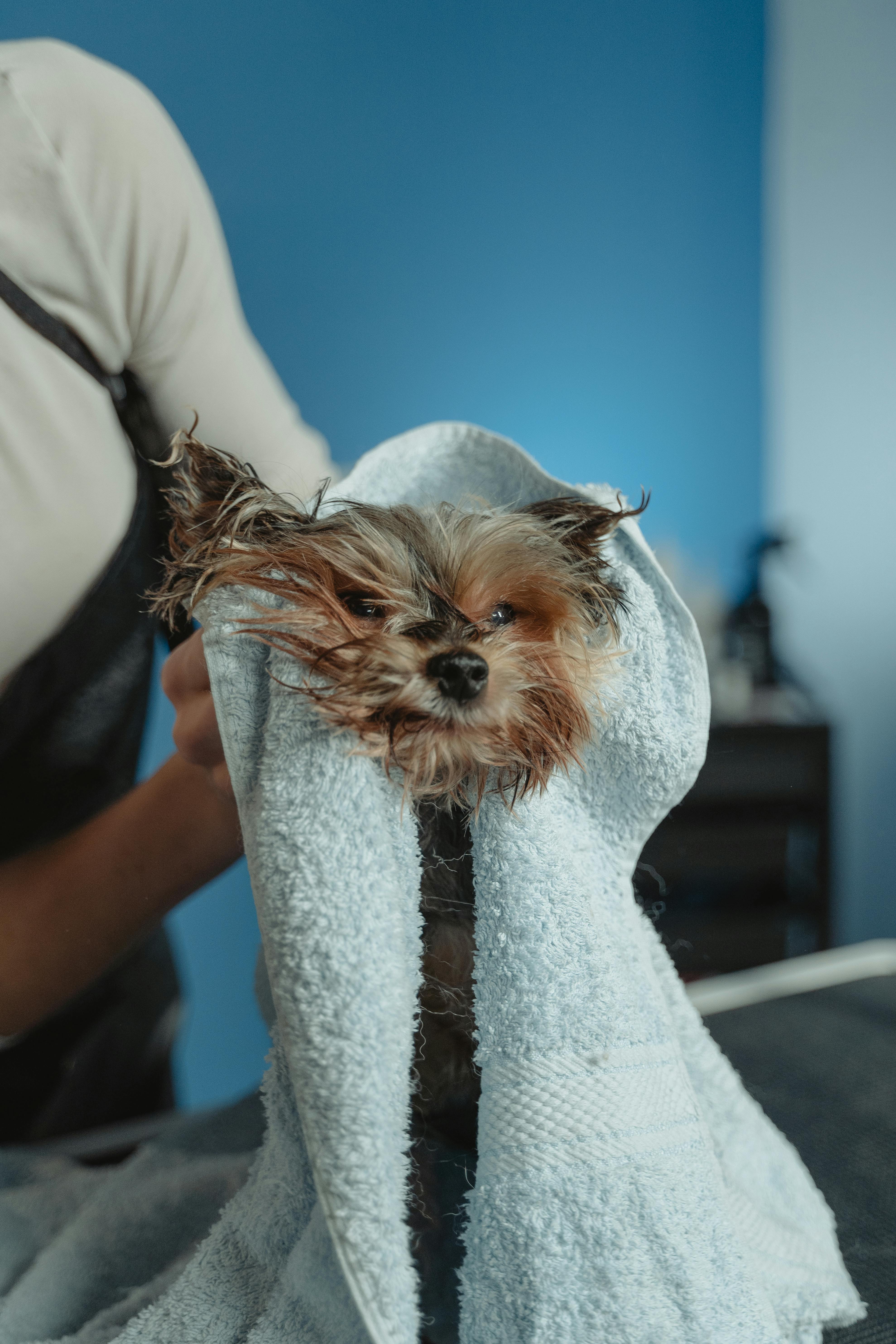
Dogs are beloved companions for many, and they come with a whole array of quirks and traits that make them unique. One of the most fascinating things about dogs is their noses. Have you ever noticed how they are always wet? You might wonder, why do dogs have wet noses? Well, turns out, there’s a lot more to it than meets the eye.
The Science Behind Wet Noses
Dog noses are not just for show — they play a significant role in how dogs perceive the world around them. A wet nose helps with their sense of smell, which is incredibly strong. In fact, dogs have up to 300 million smell receptors in their noses compared to about 5 million in humans. A wet surface on the nose helps to capture scent particles more effectively. When the nose is moist, it absorbs these particles better, allowing dogs to identify smells much more accurately.
Evolutionary Advantage
From an evolutionary standpoint, having a wet nose provides distinct advantages. Early canine ancestors needed to hunt and find food, and a keen sense of smell was essential for survival. Here’s a few ways that their wet noses helped them adapt:
- Enhanced Olfactory Abilities: Wet noses absorb scents better, which means dogs can track prey more efficiently.
- Temperature Regulation: Dogs also use their noses to help regulate their body temperature. The moisture evaporating from their noses cools them down.
- Social Interaction: Dogs use their noses to communicate and gather information about other animals and humans. A wet nose can indicate a dog is healthy and alert.
Fun Facts About Dog Noses
Now, let’s look at some intriguing facts about dog noses:
- Unique Patterns: Just like human fingerprints, every dog has a unique nose print.
- Temperature Sensors: A dog's nose can act as a thermometer; colder noses can indicate illness.
- Different Shapes and Sizes: Breeds like the Bloodhound have longer noses, which enhance their ability to smell trails.
The Role of Mucus
You might be wondering, what keeps their noses wet? Well, dogs have special mucus glands in their noses that produce the moisture. This mucus helps to trap scent particles and keeps the nose hydrated. Interestingly, the moisture can vary based on several factors, including weather conditions and the dog's activity level.
Here’s a simple table to illustrate some factors affecting a dog's nose moisture:
| Factor | Effect on Nose Moisture |
|---|---|
| Weather | Wet conditions increase moisture |
| Activity Level | More play can lead to drier noses |
| Health Status | Certain illnesses can dry out noses |
Why Do Dogs Lick Their Noses?
Ever see a dog licking its nose? There's a reason for that too! Dogs lick their noses to keep them moist. This behavior is instinctual and helps maintain their ability to smell effectively. Additionally, it can be a way for dogs to gather more scent information about their environment as they explore.
Common Misconceptions
There’s plenty of myths surrounding dog noses. Here are a few misconceptions to clear up:
- A Warm Nose Equals Illness: Many people believe that if a dog’s nose is warm, they are sick. However, this isn't always true. Nose temperature can vary throughout the day.
- All Dogs Have Wet Noses: Some breeds, especially those with short muzzles, may have drier noses. This does not necessarily mean they are unhealthy.
Conclusion
Understanding why dogs have wet noses gives us insight into their evolutionary history and how they interact with their environment. Their wet noses are not just a quirky trait; they are essential tools for survival, communication, and health. Next time you pet a dog, take a moment to appreciate that moist nose and all the fascinating reasons behind it. After all, it’s more than just a cute feature — it’s a testament to the incredible adaptability and evolution of our canine companions.
The Role of a Wet Nose in Dog Communication: How Dogs Use Scent
What Can You Learn From Your Dog’s Wet Nose? A Deep Dive into Canine Health
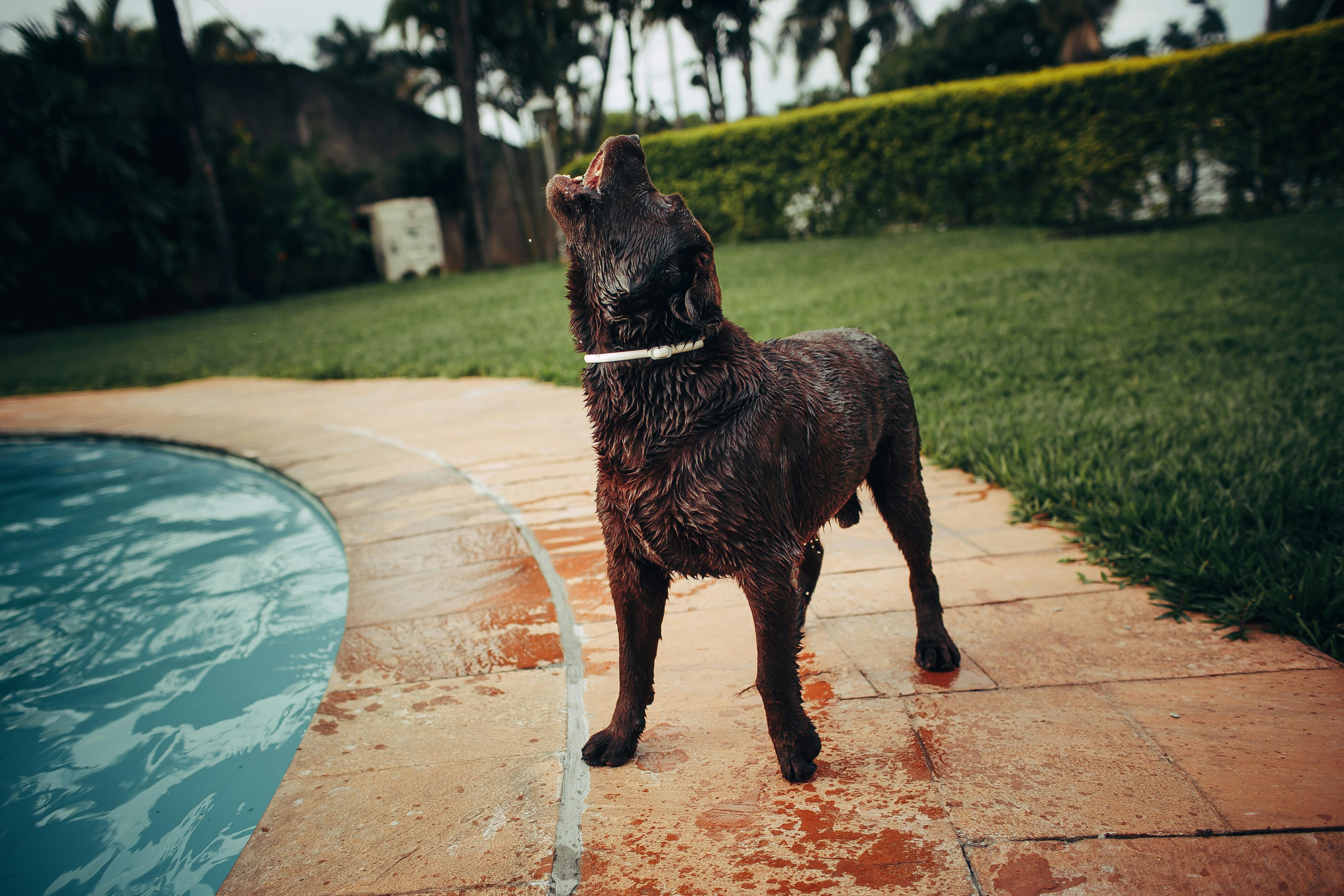
Ever wondered why your dog’s nose feels like a tiny sponge? It’s wet, cool, and sometimes surprising! Many dog owners notice this characteristic but might not realize how much it reveals about their furry friend’s health. So, what can you learn from your dog’s wet nose? Let’s dive into the fascinating world of canine health and discover the secret behind those adorable, moisture-laden snouts.
Why Do Dogs Have Wet Noses?
The wetness of a dog’s nose is not just a quirky trait; it serves several important functions. Here’s a list of the main reasons:
Enhanced Sense of Smell: Dogs have an incredible sense of smell, and their wet noses help to absorb scent particles. This moisture captures odors better than a dry surface, making it easier for them to detect scents in their environment.
Temperature Regulation: Dogs don’t sweat like humans do. Instead, they use their noses to help regulate body temperature. When dogs pant, moisture evaporates from their noses, cooling them down.
Health Indicator: A dog’s nose can tell you a lot about their health. A wet nose is generally a sign of a healthy pup, while excessive dryness or crustiness might indicate an underlying health issue.
The Science Behind the Wet Nose
Dogs have specialized glands in their noses that produce mucus, which keeps the nose moist. This mucus not only enhances their sense of smell but also helps in the process of cooling their body. It is believed that a dog’s sense of smell is anywhere from 10,000 to 100,000 times more acute than that of humans! This means that when you see your dog sniffing around, they are not just being nosy; they are gathering a wealth of information from their surroundings.
Historical Context of Dogs’ Noses
The history of the domestic dog goes back thousands of years. Early humans recognized the exceptional tracking abilities of dogs, which played crucial roles in hunting and herding. Over time, these traits have been selected and bred into various dog breeds, but the wet nose remains a common feature among them all. Understanding this trait links us back to the utilitarian roles dogs played in human history.
Changes in Nose Wetness: What to Look For
A dog’s nose can tell you a lot about its health. Here are some common nose conditions to watch for:
- Dry Nose: Could indicate dehydration, fever, or illness.
- Crusty or Flaky Nose: Might be a sign of allergies or skin conditions.
- Excessively Wet Nose: While usually normal, sudden changes can indicate anxiety or other issues.
Comparing Nose Conditions
Here’s a quick comparison of nose conditions and their potential implications:
| Nose Condition | Possible Cause | Action to Take |
|---|---|---|
| Dry and warm | Dehydration or fever | Ensure hydration, consult vet |
| Crusty and flaky | Allergies or skin issues | Vet check-up recommended |
| Excessively wet | Anxiety or illness | Observe behavior, consult vet |
| Normal wet and cool | Healthy dog | Keep up regular care |
Practical Examples of Nose Health
For instance, if your dog’s nose suddenly becomes dry and warm after a day of outdoor play, it might be time to offer them some water and monitor for any signs of illness. On the other hand, if you notice your dog’s nose is consistently dry and flaky, a visit to the vet may be necessary to rule out allergies or skin infections.
The Fascinating Secret Behind the Wet Nose
Did you know that dogs can also “taste” scents with their noses? This is because they have a special organ called the Jacobsen's organ, located in the roof of their mouths. When they curl back their lips and sniff deeply, they can gather even more information about the world around them. It’s like a superpower that allows them to analyze their environment in ways we can only imagine!
In summary, your dog’s wet nose is not just a cute feature; it is a window into their health and well-being. Keeping an eye on its condition can help you catch potential health issues early. Always remember to consult with a veterinarian if you notice any significant changes. Regular check-ups and being aware of your dog’s nose conditions can lead to a happier, healthier life for your furry companion. So next time you give your pup a pat and feel that dampness, take a moment to appreciate the fascinating biology and history behind it!
Wet Noses and Temperature Regulation: How Dogs Stay Cool in Heat

Dogs are amazing creatures, and one of the most intriguing things about them is their wet noses. Have you ever wondered why do dogs have wet noses? It’s not just a cute feature. Wet noses actually play a big role in how dogs regulate their body temperature, especially in the heat. Let’s dive into the fascinating world of canine physiology and see how these furry friends keep cool!
The Science Behind Wet Noses
First off, let's get into why dog noses are wet. A dog's nose is covered with a thin layer of mucous that helps them in several ways. This moisture improves their sense of smell, which is way better than ours. Dogs have about 220 million scent receptors in their noses, compared to a human's 5 million. The wetness from their noses helps to trap scent particles, making it easier for them to detect interesting smells.
- Enhanced smell: Wetness traps scent particles.
- Cooling mechanism: Helps regulate body temperature.
- Health indicator: A change in nose moisture can signal illness.
How Dogs Stay Cool in the Heat
When the temperature rises, dogs can't cool down the same way humans do. We sweat; they don’t. Instead, dogs primarily rely on panting and their wet noses to help keep cool. Let’s break down how these mechanisms work:
- Panting: When a dog pants, they evaporate moisture from their tongue and the lining of their lungs. This process helps to cool down their body temperature.
- Wet Noses: The moisture on a dog's nose evaporates too, which aids in cooling. As it evaporates, it draws heat away from the body.
- Shade Seeking: Dogs often seek out shade when they’re feeling hot, instinctively knowing to avoid direct sunlight.
- Hydration: Drinking water is essential. A well-hydrated dog can better manage heat.
Historical Context of Dog Noses
Interestingly, the moisture in a dog's nose has been a subject of interest for centuries. Ancient cultures often believed that a wet nose was a sign of a healthy dog. They thought that a warm, dry nose indicated illness. While this isn't entirely accurate, it does show how much people have observed and valued their canine companions over time.
Dogs and Temperature Regulation: A Comparison
Let’s compare how dogs and humans regulate their body temperatures.
| Method | Dogs | Humans |
|---|---|---|
| Primary Cooling Method | Panting and wet noses | Sweating |
| Nose Function | Enhances smell and cools down | N/A |
| Body Hair | Fur insulates but traps heat | Sweat glands help cool down |
| Behavior in Heat | Seek shade, pant, drink water | Remove clothing, find cool places |
Fascinating Facts About Dog Noses
- Unique Patterns: Just like human fingerprints, each dog’s nose print is unique. This might be used for identification in some cases.
- Temperature Sensitivity: Dogs can detect temperature changes through their noses. If it feels warm or hot, they may naturally seek a cooler area.
- Communication Tool: Dogs use their noses to communicate with other dogs. A wet nose can convey friendliness and curiosity.
Practical Tips for Keeping Dogs Cool
As a dog owner, you should know how to keep your furry friend comfortable during hot weather. Here’s a quick list of practical tips:
- Provide plenty of water: Always have fresh water available to keep them hydrated.
- Limit exercise: Avoid intense activities during peak heat hours, typically between 10 AM and 4 PM.
- Use cooling mats: Consider investing in a cooling mat or pad for your dog to lie on.
- Create shade: Ensure your dog has access to shaded areas while outdoors.
What If My Dog's Nose Is Dry?
A dry nose doesn’t necessarily mean your dog is sick. However, if you notice other symptoms like lethargy, vomiting, or changes in appetite, it's important to consult a vet. Here are some reasons a dog might have a dry nose:
- Weather: Hot or dry climates can lead to dryness.
- Dehydration: Not drinking enough water can cause nose dryness.
- Allergies: Environmental allergens might affect a dog's nose.
Understanding the role of a dog’s wet nose is more than just a fun fact; it reveals how these creatures adapt to their environment. By appreciating the science behind their physiology, we can better care for our dogs, ensuring they remain happy and healthy in any weather. So next time you see a dog with a wet nose, remember, it’s not just adorable—it’s a crucial part of how they stay cool in the heat!
Debunking Myths: The Truth About Wet Noses and Dog Behavior
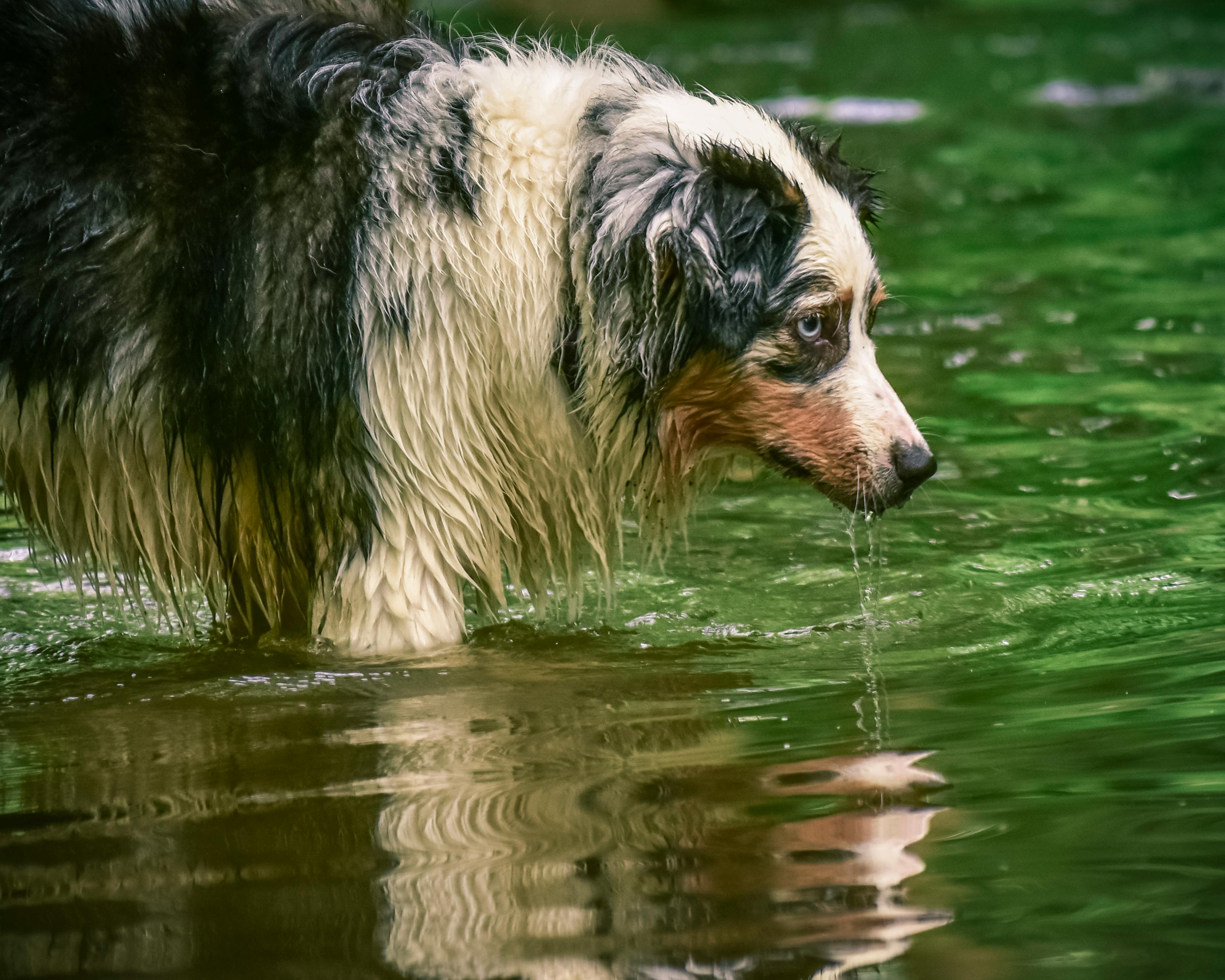
When you think about dogs, their wet noses probably come to mind. Many pet owners often wonder if there’s a deeper reason why dog noses are moist. It's time to clear up some myths and explore the science behind why do dogs have wet noses. Understanding this fascinating secret can help you appreciate your furry friend even more, and maybe even help with training and behavior.
What’s the Deal with Wet Noses?
First off, it's important to know that a dog’s nose is wet for a few different reasons. One reason dogs have wet noses is because of their anatomy. The surface of a dog's nose is covered in a special kind of skin that helps in sensing the world around them. This skin produces mucus, which helps to keep the nose moist.
- Scent Detection: Dogs rely heavily on their sense of smell. A wet nose helps to absorb scent chemicals from the air. The moisture helps trap these particles, making it easier for dogs to identify smells.
- Thermoregulation: Dogs don’t sweat like humans do; they cool off mostly through panting. A wet nose can help with temperature regulation by providing a little bit of cooling effect.
- Health Indicator: A wet nose is often seen as a sign of a healthy dog. However, that’s not always the case. A dry nose can also be normal, depending on the environmental factors and the individual dog's health.
Myths About Wet Noses
Now, let’s bust some common myths surrounding wet noses and dog behavior:
Myth: Wet Noses Mean a Dog is Sick
- Reality: A wet nose can indicate health, but it’s not a definite sign of illness. Dogs may have dry noses for various reasons like weather or hydration levels.
Myth: All Dogs Have Wet Noses
- Reality: Some breeds, especially those with shorter snouts, may have drier noses. This doesn’t mean they’re unhealthy; it’s just the way they are.
Myth: Wet Noses Are Always Better
- Reality: A wet nose doesn’t guarantee better health. Other signs, like energy levels and appetite, are more important indicators to monitor.
Historical Context of Dog Noses
Historically, dogs were bred for specific purposes like hunting, herding, or guarding. Their noses, wet or not, have played a significant role in these functions. Scent hounds, for example, have been bred for their incredible sense of smell, which is enhanced by the moisture of their noses.
- Ancient Roles: In ancient times, dogs were used for hunting, and their ability to track scents was valued. The moisture on their noses helped them pick up scents that were crucial for their survival and for their human companions.
- Breeding for Traits: Modern breeding has focused on optimizing certain traits, including those relating to scent detection.
The Science Behind the Moisture
So, why exactly do dogs have wet noses? Here’s a breakdown of the science:
- Nasal Glands: Dogs have mucous glands in their noses. These glands produce mucus that keeps their noses wet.
- Environmental Factors: Humidity and temperature can affect the moisture level of a dog’s nose. If it's hot or dry outside, you may notice a dog’s nose becoming drier.
- Health Conditions: Certain health conditions can affect the moisture levels in a dog's nose. For instance, dehydration or fever could lead to a dry nose.
Fun Facts About Dog Noses
- Dogs have up to 300 million smell receptors, compared to humans’ 5 million.
- The texture of a dog’s nose is unique to each dog, much like a human fingerprint.
- Some dogs can detect certain diseases, like cancer or diabetes, by smelling alterations in a person's scent.
Practical Tips for Dog Owners
Understanding wet noses can help dog owners provide better care for their pets. Here are some tips:
- Monitor Nose Health: Regularly check your dog’s nose for any changes in moisture or texture. If it’s persistently dry or cracked, consult a veterinarian.
- Hydration Matters: Ensure your dog always has access to fresh water to keep them hydrated.
- Watch for Other Symptoms: Pay attention to overall health signs, such as appetite, energy levels, and behavior changes, rather than just focusing on nose moisture.
In summary, while wet noses are an interesting aspect of dog behavior, they are just one piece of the larger puzzle of canine health. By understanding the reasons behind a dog’s wet nose, you can appreciate the complexities of your furry friend more deeply. Remember, a nose that's wet or dry can both be perfectly normal, but knowing the signs of health is key to being a responsible pet owner.
Conclusion
In conclusion, the wet noses of dogs serve several important functions, from enhancing their sense of smell to regulating their body temperature. We discussed how the moisture on a dog's nose helps to capture scent particles, making their olfactory abilities even more acute. Additionally, the wetness aids in thermoregulation, ensuring that dogs can cool down effectively. It's also worth noting that a wet nose is often a sign of a healthy dog, as it indicates proper hydration and overall well-being. So next time you greet your furry friend, take a moment to appreciate that cool, wet nose—it’s a remarkable feature that plays a crucial role in their health and sensory perception. For dog owners and enthusiasts alike, understanding this unique characteristic can deepen your bond with your pet. Consider sharing this knowledge with fellow dog lovers to spread awareness about these fascinating creatures!