
Have you ever wondered, why do dogs have wet noses? This fascinating trait not only contributes to their adorable charm but also plays a crucial role in their health and behavior. A dog’s nose is often a topic of curiosity among pet owners and animal lovers alike. The wetness of a dog’s nose serves important functions, including enhancing their sense of smell and regulating body temperature. But, there’s more to it than meets the eyes! You might be surprised to learn that a dog’s nose temperature can indicate their health. Have you noticed how some dogs’ noses are wetter than others? What does it mean? In this blog post, we will explore the science behind this intriguing characteristic, answering questions like why do dogs have wet noses and how it impacts their daily lives. From understanding the physiology of a dog’s nose to debunking common myths, get ready to dive into the world of our furry friends. Curious about what makes your pup unique? Stay tuned as we uncover the secrets behind those adorable, wet noses that every dog owner loves to kiss!
The Science Behind Dog Noses: Why Are They Always Wet?
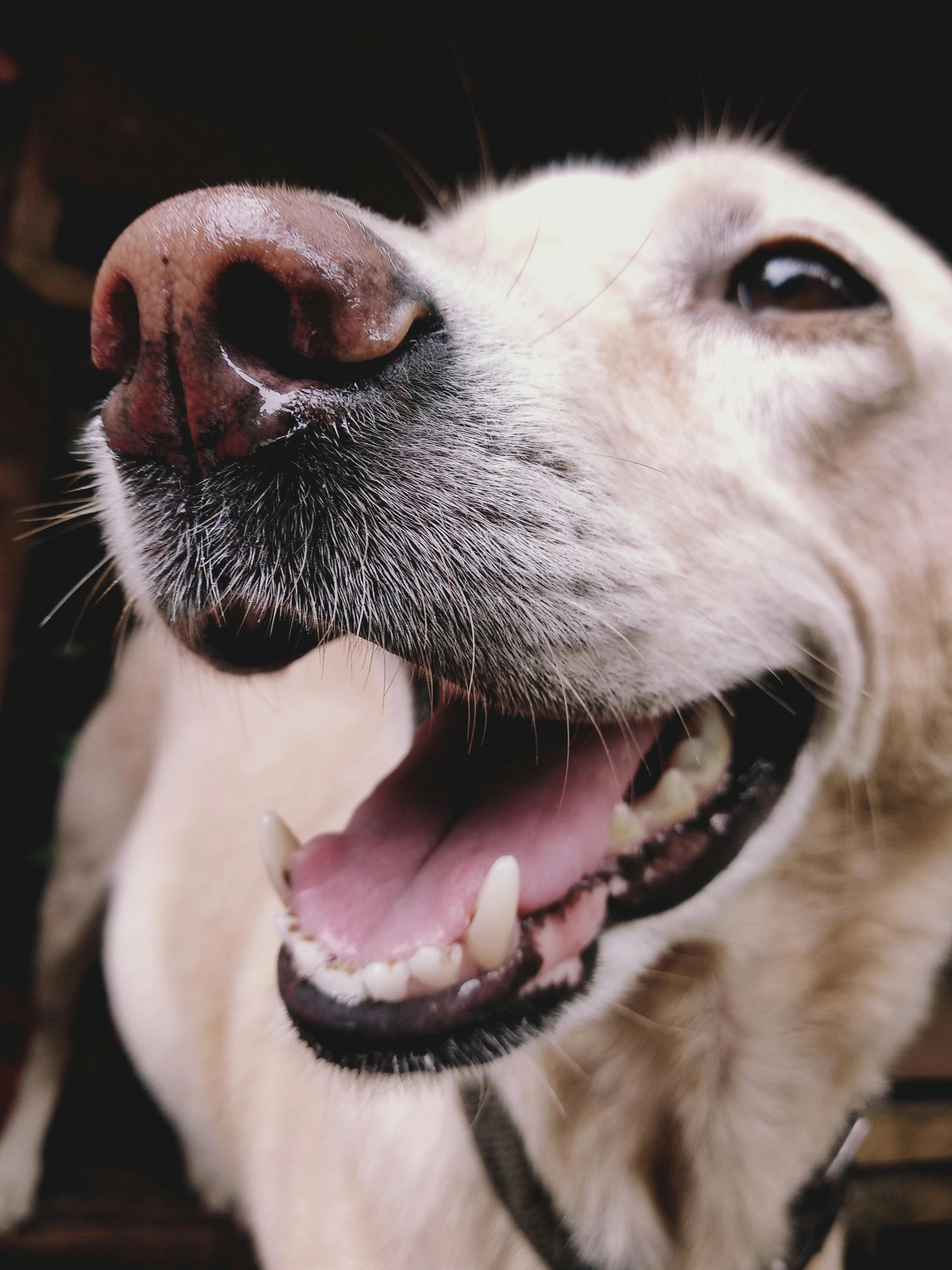
Have you ever noticed your dog’s nose? It’s always wet, right? This fascinating trait isn’t just quirky. It plays a crucial role in how dogs interact with their environment. Understanding the science behind dog noses can shed light on why they are always wet, and what it means for their health and behavior. Let’s dive into this intriguing aspect of our furry friends!
The Anatomy of a Dog’s Nose
The dog’s nose is a complex organ. It’s not just a simple appendage; it’s packed with sensitive receptors and tissues. Here’s a breakdown of its components:
- Nasal Mucosa: This moist lining helps to trap scent molecules, making it easier for dogs to smell.
- Sebaceous Glands: These glands produce oils that keep the nose moist, which is important for scent detection.
- Vascular Networks: Blood vessels in the nose help regulate temperature, keeping the nose cool and moist.
Why Do Dogs Have Wet Noses?
So, why do dogs have wet noses? Well, there are several reasons, and it’s not just about being cute.
Enhanced Smell: A wet nose can absorb more scent molecules. When the nose is moist, it captures odors more efficiently. Dogs rely heavily on their sense of smell, so this is super important for them. They can smell things at concentrations as low as one part per trillion!
Temperature Regulation: Just like humans sweat to cool down, dogs use their noses to regulate body temperature. A wet nose can help dissipate heat. It’s part of their overall ability to stay cool.
Health Indicators: The state of a dog’s nose can indicate their health. A dry or cracked nose might signal dehydration or illness. Wet noses, on the other hand, are typically a sign of a healthy dog.
The Role of Environment
The environment also plays a big role in how wet a dog’s nose is. Dogs that live in humid conditions might have wetter noses than those in dry climates. Here’s a quick list of factors that can affect nose moisture:
- Weather: Rainy or humid days often result in a wetter nose.
- Activity Level: After playing or exercising, a dog’s nose might be more moist.
- Health Status: Illness or dehydration can lead to changes in nose moisture.
Common Myths and Misconceptions
People often have misconceptions about why dog noses are wet. Here’s a list of common myths versus the facts:
Myth: A warm, dry nose means a dog has a fever.
Fact: While a warm nose can indicate illness, it’s not always reliable. Other symptoms should be considered.
Myth: Dogs’ noses are wet because they lick them.
Fact: Licking does contribute to moisture, but it’s not the primary reason for a wet nose.
Myth: All dogs have equally wet noses.
Fact: Some breeds naturally have drier noses than others.
Comparing Dog Noses to Human Noses
Dogs and humans have different nose structures and functions. Here’s how they compare:
| Feature | Dog Nose | Human Nose |
|---|---|---|
| Scent Receptors | About 300 million | About 5 million |
| Moisture Function | Helps absorb scents | Primarily for breathing |
| Temperature Control | Regulates body temperature | Less effective for cooling |
Practical Examples of Nose Functionality
To really see how important a wet nose is, consider these practical examples:
- Scent Detection: Dogs can be trained to detect drugs, explosives, and even certain diseases through scent. Their wet noses are a key part of this ability.
- Tracking: In search and rescue operations, dogs use their noses to track scents over long distances, relying on the moisture to help identify specific trails.
- Behavioral Signals: Dogs often sniff each other’s noses during greetings. This behavior helps them gather information about each other’s health and mood.
The wetness of a dog’s nose is more than just a cute feature. It’s an essential part of their biology that aids in their survival and interaction with the world. The next time you pet your dog, take a moment to appreciate the science behind that wet little nose! Understanding these traits not only enriches our knowledge of dogs but also deepens our bond with them.
5 Surprising Benefits of Your Dog’s Moist Nose You Didn’t Know About
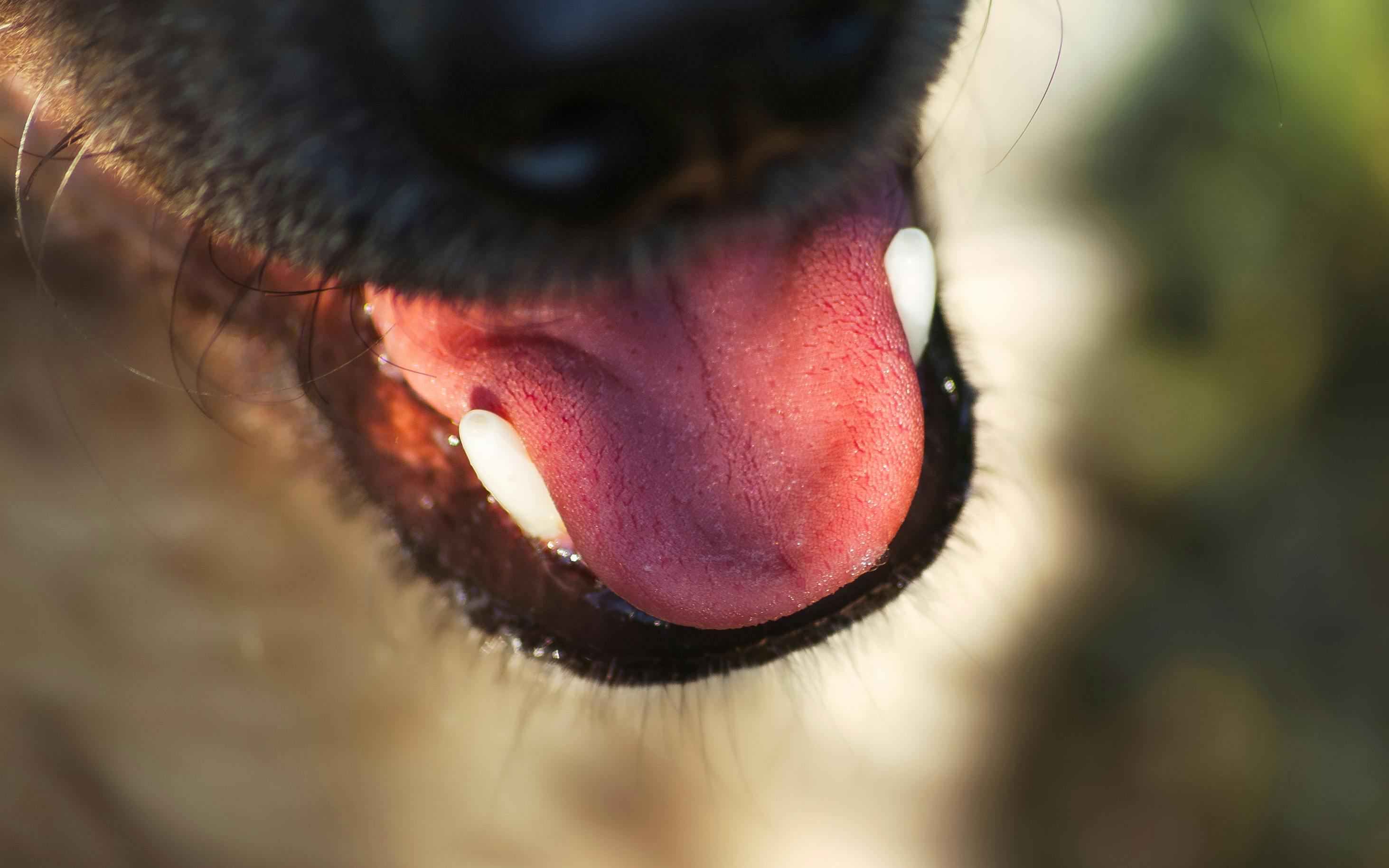
Dogs are often called man’s best friend, and one of the most charming and curious traits they have is their moist noses. You might have noticed how your dog’s nose feels like a little sponge, constantly wet and cool. But why do dogs have wet noses? This question leads to a fascinating exploration of canine biology and behavior. Let’s dive into this topic and uncover five surprising benefits of your dog’s moist nose that you might not know about.
1. Enhanced Sense of Smell
One of the primary reasons dogs have wet noses is to help them smell better. The moisture on their noses helps to trap scent particles, which makes it easier for them to detect various scents in their environment. A dog’s nose has up to 300 million scent receptors, compared to a human’s 5 million. This incredible sense of smell is key for hunting, tracking, and even finding their way back home.
- Dogs can detect certain scents up to 100,000 times better than humans.
- The wetness aids in olfactory function by increasing the surface area for scent absorption.
2. Temperature Regulation
Did you know that your dog’s moist nose also plays a role in thermoregulation? Dogs don’t sweat like humans do; they primarily regulate their body temperature through panting and the moisture on their noses. When a dog is overheated, the moisture evaporates, which can help cool their body down. This is especially important during hot summer months.
- Dogs can also lose heat through their paw pads and through panting.
- A wet nose can indicate a healthy level of hydration, which is vital for their overall health.
3. Social Interaction and Communication
The moistness of a dog’s nose can also serve social and communicative purposes. Dogs often greet each other by sniffing noses, and the wetness can help them gather information about other dogs. This is a form of communication that tells them about the other dog’s health, mood, and even diet.
- Dogs use their noses to communicate much more than humans realize.
- The scent of a dog can tell another dog if they are friendly or a threat.
4. Health Indicators
A dog’s nose can also serve as an informal health barometer. While many people believe that a cold and wet nose means a dog is healthy, it’s not always that simple. However, changes in the moisture level can indicate health issues. For example:
- A dry nose may signal dehydration, fever, or illness.
- Excessively wet noses could indicate allergies or infections.
Being attentive to these changes can help you catch potential health issues early.
5. Natural Cooling Mechanism
In addition to temperature regulation, the moistness serves as a natural cooling mechanism. When dogs are active, their noses can help them cool down. The evaporation of moisture from their noses helps them lower their body temperature, making it essential during strenuous activities like running or playing fetch.
- Dogs with longer snouts may have a more efficient cooling system thanks to the increased surface area.
- Keeping your dog hydrated can help maintain the moisture on their noses.
Fun Facts About Dog Noses
- Dogs can recognize their owners by scent alone, even if they haven’t seen them in a long time.
- The unique pattern of a dog’s nose is as distinctive as a human fingerprint.
- Some breeds have wetter noses than others, like Bloodhounds and Labrador Retrievers.
Caring for Your Dog’s Nose
To ensure that your dog’s nose remains healthy, regular care is important. Here are some tips:
- Keep your dog hydrated; it helps maintain moisture on their nose.
- Regular vet check-ups can help monitor any changes in their nose’s condition.
- Be aware of environmental factors that can dry out a dog’s nose, such as dry air or sun exposure.
Understanding why dogs have wet noses and their surprising benefits can enhance your relationship with your furry friend. Next time you give your dog a scratch behind the ears, take a moment to appreciate that cool, moist nose and all the amazing things it does for their health and well-being. Your dog’s nose is more than just a cute feature; it’s a vital part of their life and communication.
Wet Nose Wonders: How a Dog’s Sense of Smell Relies on Moisture
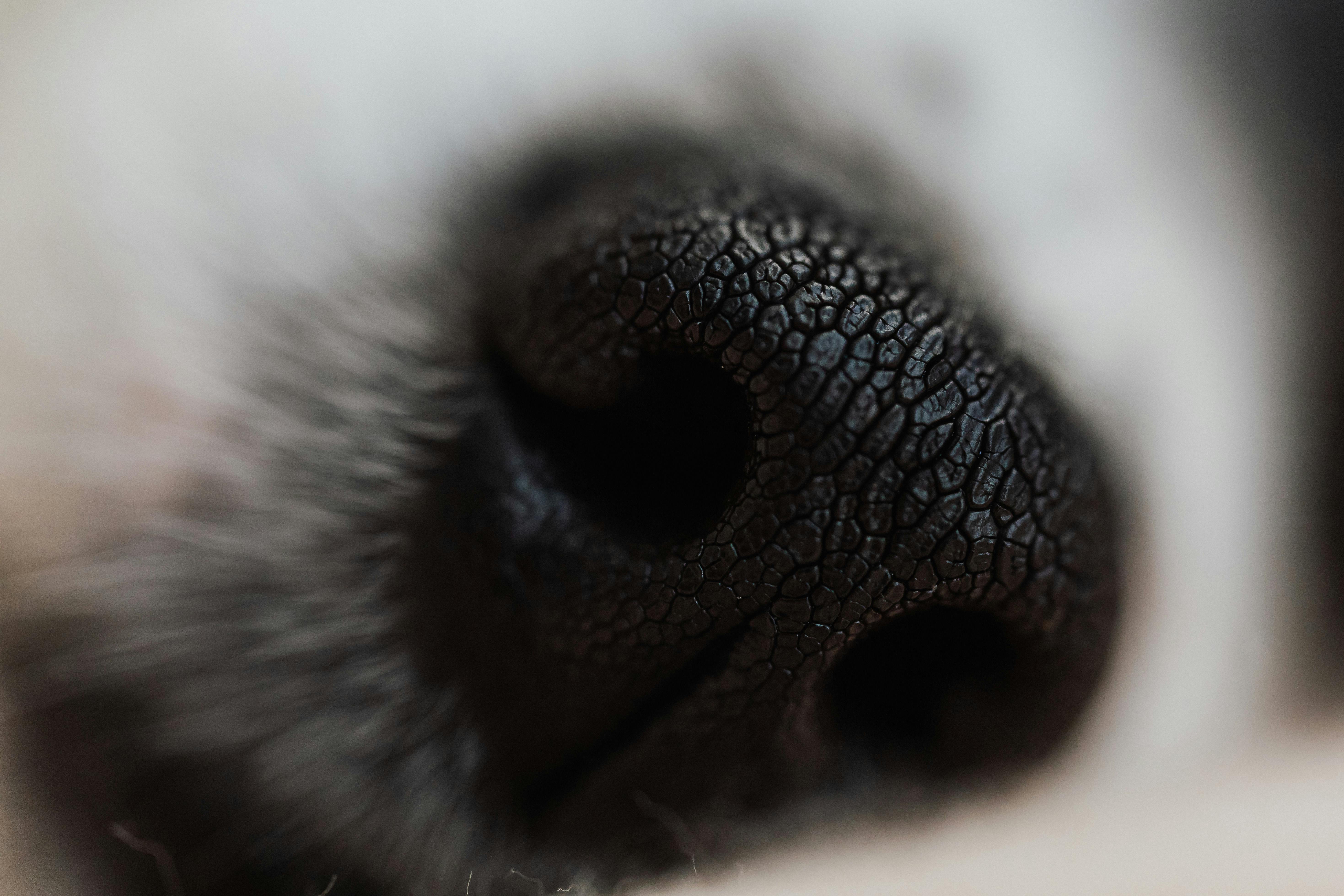
Dogs are known for their remarkable sense of smell, which is widely regarded as one of the best in the animal kingdom. If you’ve ever wondered, “Why do dogs have wet noses?” you’re about to discover the science behind this fascinating trait. Wet noses aren’t just a cute feature; they play a crucial role in how dogs perceive the world around them.
The Science Behind Wet Noses
A dog’s nose is not just for show. It’s packed with olfactory receptors that help them detect scents. But why are they wet? The moisture on a dog’s nose is essential for enhancing their sense of smell. When the nose is damp, it helps to capture scent particles more effectively. The moisture reacts with these particles, allowing the scent molecules to be absorbed and processed by the olfactory receptors.
- Dogs have about 220 million olfactory receptors in their noses, compared to humans who have about 5 million.
- The wetness on a dog’s nose helps to dissolve the scent particles, making it easier for them to identify different smells.
- A dog’s sense of smell is so powerful that they can detect certain diseases in humans, like cancer and diabetes, through their scent.
Historical Context of Dogs’ Olfactory Abilities
Dogs have been by our side for thousands of years, and their keen sense of smell has made them invaluable companions throughout history. In ancient times, dogs were used for hunting, herding, and even for search-and-rescue missions. Their noses played a vital role in these activities.
- In Ancient Egypt, dogs were revered for their hunting skills, and their sense of smell was seen as a gift from the gods.
- Police and military have employed dogs for their tracking abilities, often relying on their wet noses to sniff out drugs, explosives, and missing persons.
- Today, dogs are still used in various fields, including therapy, search and rescue, and even in detecting COVID-19.
What Causes the Moisture?
So, what causes a dog’s nose to be wet? Several factors contribute to this phenomenon:
- Glandular Secretions: Dogs have specialized glands in their noses that produce moisture. These glands secrete mucus, which keeps the nose moist.
- Environmental Influence: Dogs often lick their noses, which adds moisture. Additionally, humidity in the air can also contribute to a wet nose.
- Temperature Regulation: The moisture helps to cool down a dog’s body temperature. Just like humans sweat, dogs use their noses to help regulate their body heat.
Comparison of Dog Noses to Human Noses
When you look at a dog’s nose and compare it to a human’s, the differences are quite striking. Here’s a quick comparison:
| Feature | Dog Nose | Human Nose |
|---|---|---|
| Number of Olfactory Receptors | Approximately 220 million | About 5 million |
| Moisture Level | Generally wet | Usually dry |
| Functionality | Highly specialized for smell | Primarily for breathing |
Practical Implications of Wet Noses
Understanding why dogs have wet noses can have practical implications for pet owners. Here are some practical tips:
- Health Indicator: A wet nose usually indicates a healthy dog. If a dog’s nose is dry, it might be a sign of illness or dehydration.
- Regular Check-ups: Keep an eye on your dog’s nose condition. If it changes significantly, it might be worth consulting a veterinarian.
- Hydration: Make sure your dog is well-hydrated, as a dry nose can also indicate that they need more water.
Fascinating Facts About Dog Noses
- Dogs can distinguish between different smells, allowing them to identify specific individuals or dangers.
- It is said that a dog’s sense of smell is 40 times better than that of humans.
- The unique pattern of ridges and creases on a dog’s nose is as distinct as a human fingerprint.
Wet noses are more than just adorable; they are a testament to the incredible abilities of dogs. Their moist noses not only provide essential sensory information but also serve various biological functions. The next time you see your furry friend with a wet nose, remember that it’s more than just a cute quirk—it’s a vital part of what makes dogs such amazing companions. Embrace the wonders of nature that give dogs their unique capabilities, and cherish the bond that comes from understanding them better.
Unraveling the Mystery: What Your Dog’s Wet Nose Says About Their Health

Dogs are often known for their playful demeanor and loyal companionship, but there’s something about their wet noses that has puzzled many dog owners. Why do dogs have wet noses anyway? This intriguing question not only sparks curiosity but also sheds light on the health of our furry friends. Let’s dive into the mystery behind those moist little noses.
The Science Behind Wet Noses
First off, dogs’ noses are usually wet due to a combination of several factors. A dog’s nose secretes a thin layer of mucus, which helps them sense the world around them. This moisture is essential for their olfactory receptors to function effectively. The more wet the nose, the better a dog can smell. Isn’t that fascinating?
- Mucus Secretion: Dogs have glands in their noses that produce mucus.
- Environmental Factors: Humidity and temperature can also affect the moisture level.
- Health Indicators: A wet nose can sometimes indicate a healthy dog, while a dry nose might raise some flags.
Why Wet Noses Matter
A wet nose does more than just feel cool to the touch. It plays a crucial role in a dog’s health and day-to-day activities. Here’s how:
- Enhanced Sense of Smell: Wet noses trap scent particles better. That’s why dogs are often excellent at tracking and finding things.
- Thermoregulation: Dogs can’t sweat like humans do. Their noses help cool them down, reducing body temperature.
- Health Monitoring: Changes in nose moisture can indicate health issues. For instance, a suddenly dry nose could suggest dehydration or illness.
Historical Context of Dog Noses
If we look back in history, dogs have been by human sides for thousands of years. Early domesticated dogs were bred for specific tasks, like hunting or herding, where a keen sense of smell was vital. Their wet noses have evolved as part of their natural capabilities, enabling them to thrive in various environments.
Here’s a quick timeline:
- 15,000-30,000 Years Ago: Dogs began to be domesticated from wolves.
- Ancient Civilizations: Dogs were used for hunting, leading to the necessity of a great sense of smell.
- Modern Times: Various dog breeds have been refined for specific roles, from therapy to search and rescue, all benefiting from those wet noses.
Factors Influencing Nose Moisture
Several factors can influence the moisture level of a dog’s nose. Here are some common reasons why you might find your dog’s nose varying between wet and dry:
- Weather Conditions: Hot or windy days can dry out a dog’s nose.
- Health Issues: Conditions like fever, allergies, or dehydration can lead to a dry nose.
- Age: Older dogs might have less moisture in their noses compared to younger ones.
Signs of Health Issues
While a wet nose is generally a good sign, it’s important to monitor changes. Here’s a list of symptoms that may indicate your dog needs veterinary attention:
- Excessively Dry Nose: Could mean dehydration or illness.
- Cracking or Bleeding: Indicates possible skin issues or infections.
- Discoloration: A change in color may signal health problems.
Practical Tips for Nose Health
Taking care of your dog’s nose is easier than you might think. Here are some practical tips:
- Hydration: Ensure your dog has access to fresh water at all times. Dehydration is a leading cause of dry noses.
- Regular Vet Check-ups: Regular health checks can help catch any issues early.
- Nose Balms: Consider using dog-safe nose balms if your dog is prone to dry noses, especially in winter.
Comparing Dog Breeds and Nose Moisture
Different breeds can have varying moisture levels in their noses. Here’s a quick comparison table:
| Breed | Typical Nose Moisture Level | Characteristics |
|---|---|---|
| Labrador Retriever | Usually very moist | Known for their friendly nature |
| Chihuahua | Can be dry sometimes | Small size, often more prone to dryness |
| Bulldog | Generally moist | Short snouts but still good at smelling |
| Beagle | Very moist | Renowned for their scent detection |
Observing these traits can help you understand your dog’s health better and ensure they’re thriving.
The next time you pet your dog and feel that wet nose, remember the significance behind it. It’s not just a cute feature; it’s a window into their health and well-being. So keep an eye on those noses, and enjoy the companionship that comes from having a furry friend.
From Cool to Comforting: The Role of a Dog’s Wet Nose in Temperature Regulation

When you see a dog with a wet nose, you might wonder why that is. It’s one of those charming traits that seems to add to their appeal, right? But there’s more to it than just being cute; dogs’ wet noses play a significant role in their temperature regulation and overall health. In this article, we will explore why do dogs have wet noses, how it helps them, and some interesting facts about this unique feature.
The Science Behind the Wet Nose
Dogs have wet noses primarily because of a few reasons. Their noses are covered in a thin layer of mucus, which keeps them moist. This moisture is crucial for dogs because it helps them detect scents more effectively. A dog’s sense of smell is incredibly powerful, estimated to be anywhere from 10,000 to 100,000 times better than that of humans. When the nose is wet, it can trap more scent particles from the air, making it easier for dogs to identify smells.
- Moisture enhances scent detection.
- Wet noses help cool down their body temperature.
- Dogs use their noses to communicate, and a wet nose helps in that process.
How Does It Help in Temperature Regulation?
Dogs don’t sweat like humans do. Instead, they regulate their body temperature through panting and their noses. A dog’s wet nose can help in cooling down their body. Here’s how:
- Evaporation: The moisture on a dog’s nose can evaporate, which helps to cool the blood vessels right under the skin.
- Heat Exchange: As the moisture evaporates, it takes heat away from the body, helping to lower their overall temperature.
- Breathing: By inhaling through their nose, dogs can also cool off the air before it reaches their lungs.
Historical Context of Dogs and Their Noses
The wet nose is not just a modern-day trait. Historically, dogs have been bred for various tasks, many of which relied heavily on their sense of smell. Working dogs, such as those used in hunting or search and rescue, often have particularly moist noses. This has led to a fascinating evolution of this characteristic.
- Hunting Dogs: Bred for tracking scents, these dogs often have the wettest noses to aid in their work.
- Service Dogs: Dogs trained to assist humans also benefit from their keen sense of smell, which is enhanced by their wet noses.
Interesting Facts About Dogs’ Noses
- Dogs’ noses can come in a variety of shapes and sizes, which can affect how moist they stay.
- Different dog breeds can have different levels of nose moisture. For example, brachycephalic breeds, like Bulldogs, may have less moisture due to their short snouts.
- A wet nose is often associated with a healthy dog, but it’s not a definitive indicator of health.
What Happens When a Dog’s Nose is Dry?
If a dog’s nose is dry, it doesn’t necessarily mean they are sick, but it could indicate a few things. Here are some considerations:
- Dehydration: Just like humans, dogs need water. A dry nose might mean it’s time for a drink.
- Environmental Factors: Hot weather or heated indoor spaces can dry out a dog’s nose.
- Health Concerns: If the dry nose is accompanied by other symptoms, like lethargy or loss of appetite, it may be worth consulting a veterinarian.
Dogs’ Noses and Communication
Dogs also use their noses to communicate with other dogs. A wet nose can transmit pheromones, which are chemical signals used in dog communication. This means that when dogs greet each other, they are not just sniffing; they are also gathering important information about each other’s health, mood, and social status.
Maintaining Your Dog’s Nose Health
To ensure your dog’s nose stays healthy, consider these tips:
- Hydrate: Ensure your dog has access to fresh water at all times.
- Moisturize: If your dog’s nose appears excessively dry, you can use dog-safe moisturizers to help.
- Regular Check-ups: Routine veterinary visits can help catch any underlying health issues early.
Understanding why do dogs have wet noses is more than just a fun trivia fact; it’s key to appreciating how they interact with the world around them. Their noses are not only an essential tool for survival but also a fascinating aspect of their biology. So, next time you pet a dog and feel that wet nose, remember there’s a lot more going on than meets the eye.
Why Do Some Dogs Have Drier Noses? Understanding Variations in Moisture Levels
Dogs, man’s best friend, are known for their unique features and behaviors. One of the most fascinating traits is their noses, which can be wet or dry depending on various factors. Ever wonder why do some dogs have drier noses while others have wet noses? This article explores that question and looks into what makes these moisture levels vary among our furry companions.
Why Do Dogs Have Wet Noses?
Most dog owners have probably noticed that their dogs’ noses are often wet to the touch. But why is that? The wetness of a dog’s nose isn’t just a random feature; it serves important purposes.
Scent Enhancement: Dogs have an incredible sense of smell, and the moisture on their noses helps absorb scent particles. A wet nose can pick up more scents than a dry one, making it easier for dogs to explore their environment.
Temperature Regulation: Just like humans sweat to cool down, dogs use their noses to help regulate body temperature. A wet nose can aid in cooling their bodies down, especially during hot days.
Health Indicator: Generally, a wet nose is a sign of good health. A dog with a normal, moist nose is usually well-hydrated and not suffering from any illnesses.
Why Do Some Dogs Have Drier Noses?
On the other hand, some dogs have drier noses, which can be due to several reasons. It’s not always a sign of illness, but here are some factors to consider:
Dehydration: If a dog isn’t drinking enough water, his or her nose might dry out. Keeping your dog hydrated is essential for their overall health and nose moisture.
Weather Conditions: Dry, hot, or windy weather can lead to a drier nose. Just like humans get chapped lips, dogs can experience dryness in their noses too.
Age: Older dogs may naturally have drier noses, as their bodies and skin lose moisture over time.
Health Issues: While not always the case, certain health conditions, like allergies, autoimmune diseases, or infections, can lead to changes in nose moisture levels.
Comparing Wet and Dry Noses: A Quick Overview
Here’s a simple comparison chart to help you understand the differences between wet and dry noses:
| Wet Nose | Dry Nose |
|---|---|
| Good sign of hydration | May indicate dehydration |
| Enhances sense of smell | Less effective in scent absorption |
| Helps regulate temperature | Can lead to overheating |
| Indicates good health | Potential sign of illness |
Practical Examples of Nose Variations
Different breeds can also show variations in nose moisture. For instance:
Bulldogs: Often have drier noses due to their skin folds trapping moisture.
Retrievers: Typically have wetter noses as they are active and often exposed to water.
Tips for Maintaining Your Dog’s Nose Health
To keep your dog’s nose in optimal condition, consider these tips:
Hydration: Always provide fresh water for your dog. Dehydration can lead to a dry nose.
Humidity: If you live in a dry climate, using a humidifier can help maintain moisture in the air.
Regular Vet Check-ups: Regular visits to the vet can help catch any potential health issues early.
Observe Changes: Keep an eye on your dog’s nose. If you notice drastic changes, it might be best to consult a veterinarian.
Understanding Your Dog’s Nose
The moisture level of your dog’s nose can tell you a lot about their environment, hydration, and overall health. While many dogs have wet noses, others may have drier ones for various reasons. These variations are not always alarming, but they provide insight into your dog’s well-being.
In summary, whether your dog has a wet or dry nose, each serves its own purpose. Recognizing the signs and understanding the reasons behind these differences can help you better care for your beloved pet. Remember, if in doubt about your dog’s health, it’s always wise to consult your veterinarian for expert advice. Your dog’s nose may be small, but it plays a big role in their life!
Fact or Myth? Debunking Common Misconceptions About Wet Dog Noses
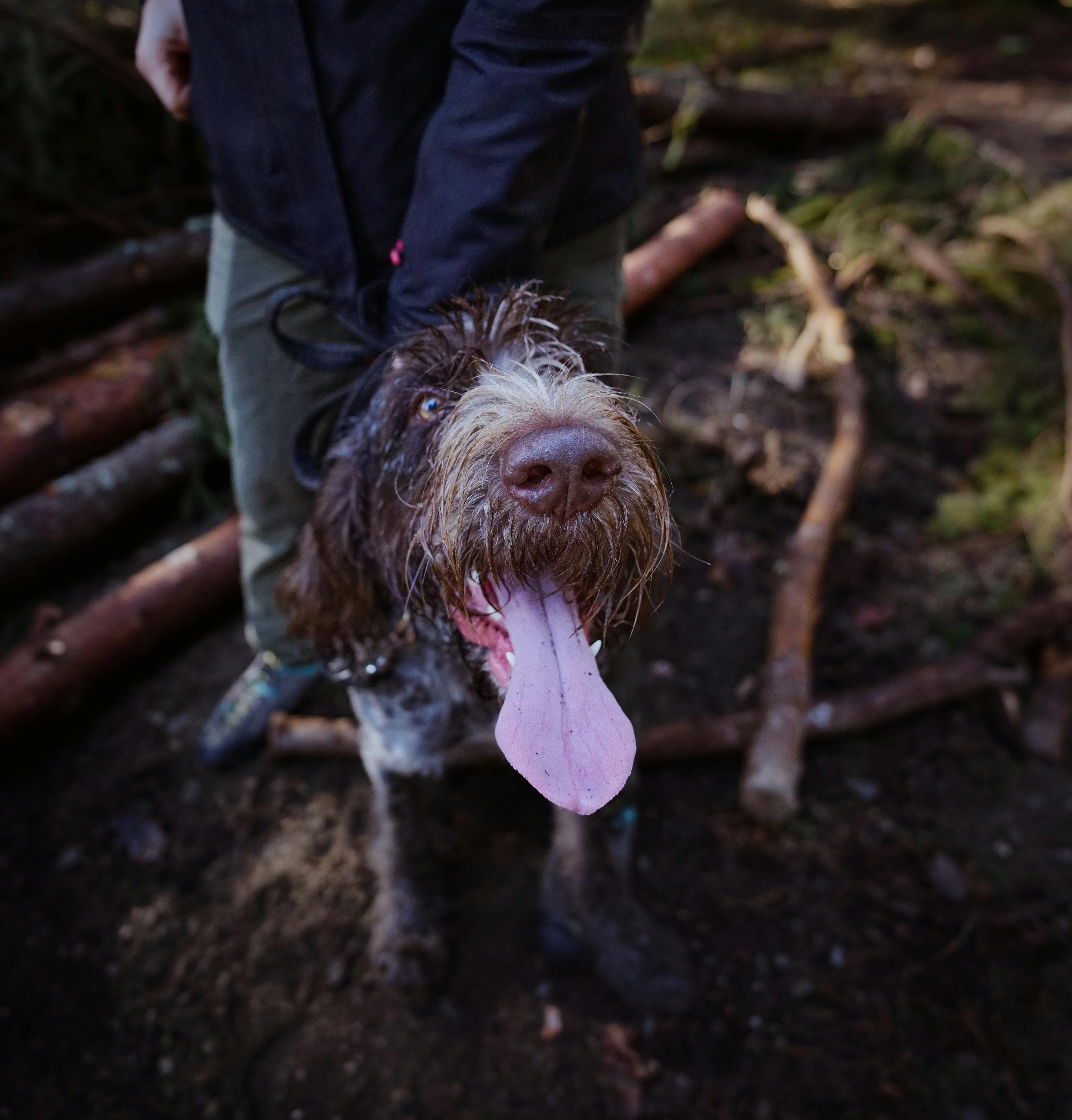
Dogs are often thought of as man’s best friend, and one of the most endearing traits they possess is their wet nose. But why do dogs have wet noses? Is it a fact or a myth? Let’s dive into this fascinating canine characteristic and debunk some common misconceptions surrounding it.
The Science Behind Wet Noses
First off, it’s important to understand that a dog’s nose is not just for show. It serves several important functions. A wet nose is actually a sign of a healthy dog. The moisture on their noses helps enhance their sense of smell. Dogs have an extraordinary olfactory system, and the wetness on their noses helps capture scent particles in the air. This moisture allows them to pick up smells better than a dry nose would.
Common Myths and Facts
Myth: A wet nose means a dog is healthy.
Fact: While a wet nose can indicate good health, it isn’t the only indicator. A dog’s overall behavior, appetite, and energy levels are better indicators of health.
Myth: Dogs have wet noses to cool off.
Fact: Dogs primarily cool off through panting, not through their noses. Their wet noses do aid in regulating temperature, but it’s a minor factor compared to panting.
Myth: All dogs have wet noses.
Fact: Some breeds may have drier noses due to their genetic makeup. For example, brachycephalic breeds like Bulldogs and Pugs might have drier noses.
Historical Context
The evolution of dogs and their characteristics goes back thousands of years. Dogs were domesticated from wolves, who also have wet noses. Scientists believe that a wet nose evolved as a necessity for survival, aiding in hunting and scavenging. The moisture could help them track prey more effectively.
Reasons Dogs Have Wet Noses
Enhanced Smell: The moisture makes it easier for scent particles to stick to the nose.
Temperature Regulation: While not their main cooling method, a wet nose can help a dog maintain body temperature.
Communication: Dogs often use their noses to explore and communicate with other dogs or humans. A damp nose can also be a sign of a dog that is alert and curious.
Health Indicator: A healthy dog typically has a moist nose, while a persistently dry nose could indicate dehydration or illness.
Fun Facts About Dog Noses
Unique Prints: Just like human fingerprints, each dog’s nose print is unique. They can even be used for identification!
Nose Color: The color of a dog’s nose can vary greatly among breeds. Some dogs have black noses, while others may have brown or even pink noses.
Sensitivity: A dog’s nose has more than 200 million smell receptors, compared to a human’s 5 million. This makes their sense of smell incredibly powerful.
Quick Comparisons
| Feature | Dog’s Nose | Human’s Nose |
|---|---|---|
| Smell Receptors | 200 million | 5 million |
| Temperature Regulation | Minor role | Major role (breathing) |
| Moisture Presence | Essential for smell | Not necessary |
Practical Examples
If you’re observing your dog, notice the changes in the moisture of their nose. For instance, if your dog has been playing outside and their nose is dry, it doesn’t necessarily mean they are sick. It might just be due to the sun or wind. On the other hand, if they have a persistently dry nose along with lethargy, lack of appetite, or other concerning symptoms, that’s when you should consult a veterinarian.
Maintaining Good Nose Health
To ensure your dog keeps a healthy nose, here are some tips:
Hydration: Make sure your dog has plenty of fresh water available. Dehydration can lead to a dry nose.
Regular Vet Visits: Routine check-ups can help catch any potential health issues early.
Watch for Changes: Be observant of any significant changes in your dog’s nose moisture or other behaviors.
Understanding why dogs have wet noses is not only a quirky fact about our canine companions but also a glimpse into their health and well-being. As myths are debunked, it becomes clear that this fascinating trait plays a crucial role in a dog’s life. Next time you pet your furry friend, take a moment to appreciate that wet nose, knowing it serves multiple essential purposes beyond just being cute!
How to Keep Your Dog’s Nose Healthy: Tips for Maintaining Optimal Moisture
Dogs are amazing creatures with many fascinating traits, one of the most interesting ones being their wet noses. If you ever wondered, “Why do dogs have wet noses?” you’re in the right place. This unique feature not only plays a role in their health but also helps them interact with the world around them. But, keeping your furry friend’s nose healthy is just as important. Here’s some tips on how to maintain optimal moisture and overall wellness for that adorable snout!
Why Do Dogs Have Wet Noses?
Dogs noses are generally wet for several reasons, and understanding these can help you appreciate this trait more. Here’s a few reasons why they have that lovely, moist nose:
Sense of Smell: A wet nose helps absorb scent chemicals. This means dogs can smell better when their noses are moist. The moisture captures scent particles, allowing them to detect smells better than humans, which is real impressive!
Cooling Mechanism: Just like humans sweat, dogs use their noses to help cool themselves off. The moisture on their noses evaporates, which can aid in regulating their body temperature.
Health Indicator: A wet nose is often a sign of a healthy dog. If your dog’s nose is dry or cracked, it could indicate dehydration or illness. This is something you should pay attention to!
How to Keep Your Dog’s Nose Healthy
Keeping your dog’s nose in tip-top shape is important for their overall health. Here are some practical tips:
Hydration is Key: Make sure your dog has access to fresh water at all time. Dehydrated dogs can have dry noses, which ain’t good.
Regular Vet Check-ups: Regular visits to the vet can help catch any underlying issues with your dog’s nose or overall health early on. Don’t skip those appointments!
Protect from Harsh Weather: Just like humans, dogs are affected by the weather. Cold, windy, or sunny conditions can dry out their noses. You can use pet-safe balms to protect their nose during extreme weather.
Keep It Clean: Gently clean your dog’s nose with a damp cloth regularly. This can help remove dirt and debris that might irritate their skin.
Watch for Signs of Trouble: Pay attention to changes in your dog’s nose. If it becomes cracked, excessively dry, or starts bleeding, it’s time to see a vet.
Common Nose Conditions to Watch Out For
While a wet nose is generally a sign of good health, sometimes conditions can arise that require attention. Here are some common issues:
Nasal Hyperkeratosis: This condition occurs when there’s an overproduction of keratin, leading to a dry, crusty nose. It may need treatment from a vet.
Infections: Bacterial or fungal infections can occur, causing swelling, redness, or discharge. If you notice any unusual symptoms, a vet visit is necessary.
Allergies: Just like humans, dogs can have allergies. These can lead to a dry or irritated nose, and you might notice other signs like itchy skin or watery eyes.
Tips for Maintaining Optimal Moisture
Here’s a list of things you can do to ensure your dog’s nose stays moist and healthy:
Use a Humidifier: If you live in a dry climate, consider using a humidifier in your home. It can help maintain moisture in the air and, in turn, help keep your dog’s nose from drying out.
Healthy Diet: A well-balanced diet contributes to overall health. Including omega fatty acids can improve skin health, including the nose.
Limit Sun Exposure: Just like humans can get sunburned, dogs can too. Limiting their sun exposure or applying dog-safe sunscreen can help.
Provide Soft Treats: Treats that are soft and moist can help maintain hydration levels in your dog. Be careful not to overdo it, though!
The Fascinating Trait of Wet Noses
Dogs’ wet noses are not just cute; they serve many purposes! It’s a combination of evolution and biology that makes them so special. The moisture on their noses plays a crucial role in their ability to smell and even regulate their body temperature.
Understanding why dogs have wet noses and how to keep them healthy can enhance your bond with your furry friend. So next time you give your dog a pat and notice that wet nose, remember it’s not just adorable; it’s a sign of their remarkable biology. Always pay attention to their health, as a wet nose is often a sign of a happy, healthy pup!
The Evolutionary Advantage of Wet Noses: How Dogs Use Their Senses

Dogs are known for their incredible senses, but one of the most fascinating traits about them is their wet noses. This unique feature isn’t just for show; it plays a crucial role in how dogs interact with the world around them. So, why do dogs have wet noses? Let’s explore this evolutionary advantage and learn about how dogs use their senses to navigate life.
The Biology Behind Wet Noses
First off, a dog’s nose is covered in a moist layer of mucous, which serves several important purposes. The moisture enhances their sense of smell, which is already far superior to that of humans. In fact, dogs have about 220 million scent receptors in their noses compared to just 5 million in humans. This significant difference allows dogs to detect scents at incredibly low concentrations.
- Scent Detection: The wetness helps to trap scent particles, making it easier for the dog to pick up on various odors.
- Temperature Regulation: Dogs also use their noses to help regulate their body temperature. When they breathe in through their noses, the moisture evaporates, helping to cool them down.
- Communication: Wet noses can also play a role in social interactions among dogs. When dogs greet each other, they often sniff each other’s noses, which can communicate a lot about their health and emotional state.
Evolutionary Context
So, how did this wet nose trait evolve? Long ago, ancestors of modern dogs needed to track prey and avoid predators. A keen sense of smell was essential for survival. The wet nose provided an evolutionary advantage by improving scent detection. Over time, this feature became a standard among canines as they adapted to their environments.
- Hunting: Early dogs that could smell better were more successful at hunting, leading to better survival rates.
- Social Pack Dynamics: Dogs that communicated effectively through scent could maintain better relationships within their packs. This social bonding may have contributed to the domestication of dogs by humans.
How Dogs Utilize Their Senses
Dogs don’t just rely on their noses; they have a rich array of senses that help them navigate their world. Here’s a breakdown of how dogs utilize their senses:
Smell: As mentioned, dogs have a superior sense of smell. They can detect scents up to 100,000 times better than humans can. This makes them great for search and rescue missions, tracking, and even detecting diseases like cancer.
Hearing: Dogs can hear sounds at frequencies as high as 65,000 Hz, while humans can only hear up to about 20,000 Hz. This allows dogs to hear sounds that we cannot, like a high-pitched whistle.
Sight: Dogs have dichromatic vision, meaning they see two colors primarily: blue and yellow. Although they don’t see the full spectrum of colors like humans, their night vision is superior. They have a tapetum lucidum, which reflects light in low-light conditions.
Touch: Dogs have sensitive skin, especially on their noses and paws. Their whiskers are also highly sensitive and help them navigate tight spaces.
Taste: While dogs have fewer taste buds than humans, they can still taste sweet, sour, and salty flavors. Their sense of taste is more about smell, so food that smells good often tastes better.
The Importance of a Wet Nose
A wet nose isn’t just a quirk; it’s crucial for a dog’s health. Here are some reasons why keeping a dog’s nose moist is important:
- Hydration: A moist nose indicates that a dog is well-hydrated.
- Health Indicator: Changes in the moisture of a dog’s nose can signal illness. A dry, cracked nose could indicate dehydration or other health issues.
- Enhanced Sensory Function: The moisture helps maintain the nose’s sensitivity, allowing dogs to perform tasks efficiently.
Fun Facts About Dog Noses
- Dogs can identify specific scents, like their owner’s smell, even among a large group of people.
- The texture and pattern of a dog’s nose are unique, much like human fingerprints.
- Some breeds, like Bloodhounds, have an extraordinary sense of smell that can even track scents that are days old.
Dogs and their wet noses are not just cute; they’re fascinating examples of evolution and adaptation. Understanding the biology and purpose behind this trait not only enriches our appreciation for these beloved pets, but it also highlights the intricate ways in which dogs interact with their environment. So next time you see your furry friend with their moist nose, remember, it’s not just wet for no reason—it’s a powerful tool that helps them understand the world in ways we can only imagine.
Curious Canine Facts: Why Do Dogs Lick Their Wet Noses So Often?
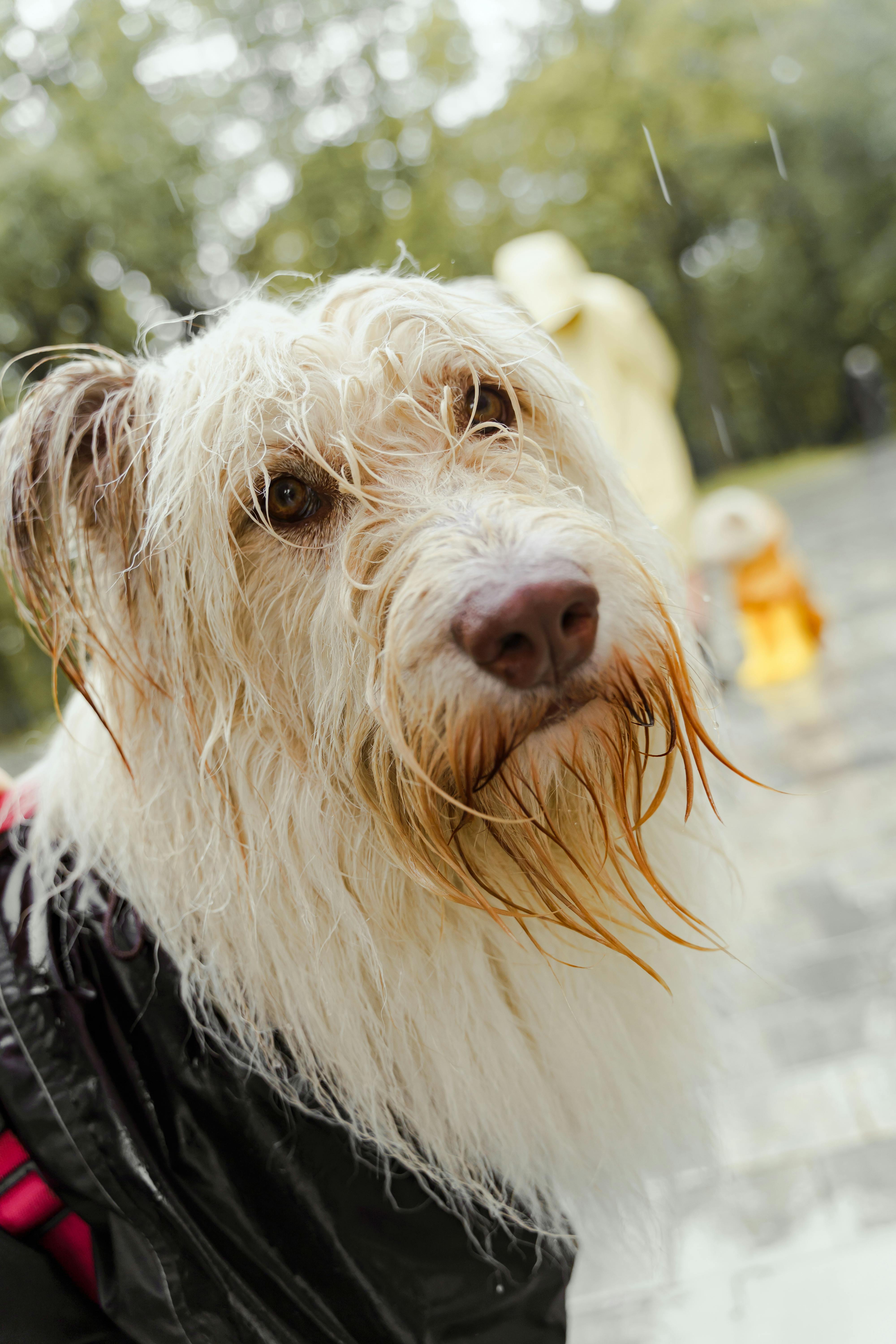
Curious Canine Facts: Why Do Dogs Lick Their Wet Noses So Often?
If you ever been around dogs, you probably noticed their wet noses. But have you ever wondered why is it that dogs have wet noses? Is it just a quirky trait, or does it serve a purpose? Let’s dig into this fascinating aspect of our canine companions and explore the reasons behind their moist noses.
The Science Behind Wet Noses
A dog’s nose is not just a cute feature; its actually a very special tool. The moisture on a dog’s nose helps them to smell better. Dogs have an astounding sense of smell, estimated to be anywhere from 10,000 to 100,000 times more acute than humans. When their noses are wet, they can capture scent particles better. This is because the moisture helps to dissolve these particles, making it easier for the olfactory receptors in their noses to pick up those scents.
- Dogs have around 300 million olfactory receptors in their noses.
- Humans only have about 5 million olfactory receptors.
- The wetness enhances their ability to detect pheromones, which are important for communication between dogs.
Why Do Dogs Lick Their Noses?
You might ask yourself, why do dogs lick their noses so much? Well, this behavior is not just random. Here are some reasons:
- To Keep It Moist: Dogs often lick their noses to maintain that moisture. A dry nose can mean a less effective sense of smell.
- Taste and Explore: Dogs are naturally curious creatures. When they lick their noses, they might be tasting the scents around them.
- Self-Cleaning: Just like how we brush our teeth, dogs lick their noses to keep it clean from dirt and debris. It’s a natural form of hygiene.
- Nervous Habit: Sometimes, dogs lick their noses when they are anxious or unsure. It can be a sign of stress or discomfort.
Historical Context of Dogs’ Noses
Dogs have been companions to humans for thousands of years. Their unique nose structure has evolved alongside their relationship with us. Historically, hunters and shepherds relied on dogs for their keen sense of smell. They were used to track game, find lost livestock, and even detect certain diseases.
- In ancient Egypt, dogs were regarded as sacred animals, often depicted with wet noses in hieroglyphs.
- In the Middle Ages, dogs played critical roles in hunting and herding, showcasing their sense of smell.
- Modern breeds have been developed, still retaining that powerful sense of smell for various tasks today.
Comparison: Wet vs. Dry Noses
Many dog owners often wonder if a wet nose is a sign of good health. While it’s generally true that a wet nose indicates hydration and good health, there are exceptions. Here’s a quick comparison:
Wet Nose:
- Generally indicates hydration.
- More effective for smelling.
- May be a sign of excitement or playfulness.
Dry Nose:
- Could indicate dehydration or illness.
- May happen during sleep.
- Not always a cause for concern unless accompanied by other symptoms.
Practical Tips for Dog Owners
If you’re a dog owner, you might want to keep an eye on your furry friend’s nose. Here are some practical tips to ensure their nose stays healthy:
- Hydration: Make sure your dog has access to fresh water at all times. Dehydration can lead to a dry nose.
- Regular Vet Check-ups: Regular visits to the vet can help catch any potential issues with your dog’s health.
- Watch for Changes: If your dog’s nose suddenly becomes dry or cracked, it may be time for a vet visit. Look for other symptoms like lethargy or loss of appetite.
- Grooming: Keep their face clean from dirt and debris. Wipe their nose with a damp cloth if necessary.
So, why do dogs have wet noses? It’s a fascinating combination of biology, evolutionary history, and behavior. Their wet noses not only enhance their incredible sense of smell but also serve as a means of communication and self-care. Next time you see your canine friend licking their nose, you can appreciate the science and instinct behind it.
Conclusion
In conclusion, the phenomenon of dogs having wet noses serves several important functions that contribute to their health and well-being. The moisture on a dog’s nose enhances their sense of smell, allowing them to absorb scent molecules more effectively, which is crucial for their communication and interaction with the environment. Additionally, a wet nose helps regulate their body temperature and can indicate their overall health, as dehydration or illness may lead to a dry nose. Understanding these reasons not only deepens our appreciation for our canine companions but also encourages us to monitor their health closely. As dog owners, we should ensure our pets stay hydrated and receive regular veterinary check-ups. By doing so, we can help maintain that signature wet nose that signifies a happy and healthy dog. So, the next time you notice your furry friend’s moist snout, remember the vital role it plays in their life and well-being!
