
Have you ever wondered why do dogs have wet noses? This curious trait of our furry friends is not just a quirky characteristic; it serves several amazing purposes! Dogs’ noses are often cool and damp, which might make you question—what’s the science behind this fascinating phenomenon? In this post, we’ll explore the reason behind wet noses in dogs, uncovering the secrets of their olfactory capabilities and how it impacts their health. Did you know that a dog’s wet nose is essential for their sense of smell? A moist surface helps them pick up scent particles more efficiently, making them excellent trackers. But that’s not all! A wet nose can also indicate a dog’s emotional state and overall well-being. So, if you’ve been asking yourself, “Why do dogs have wet noses?” you’re in for a treat! Join us on this intriguing journey to discover the truth behind your pup’s lovable snout. Understanding your dog’s wet nose can enhance your bond and lead to better care. Keep reading to find out what makes your furry companion’s nose so special and how it relates to their health and happiness!
The Science Behind Wet Noses: What Makes Dogs’ Noses So Moist?
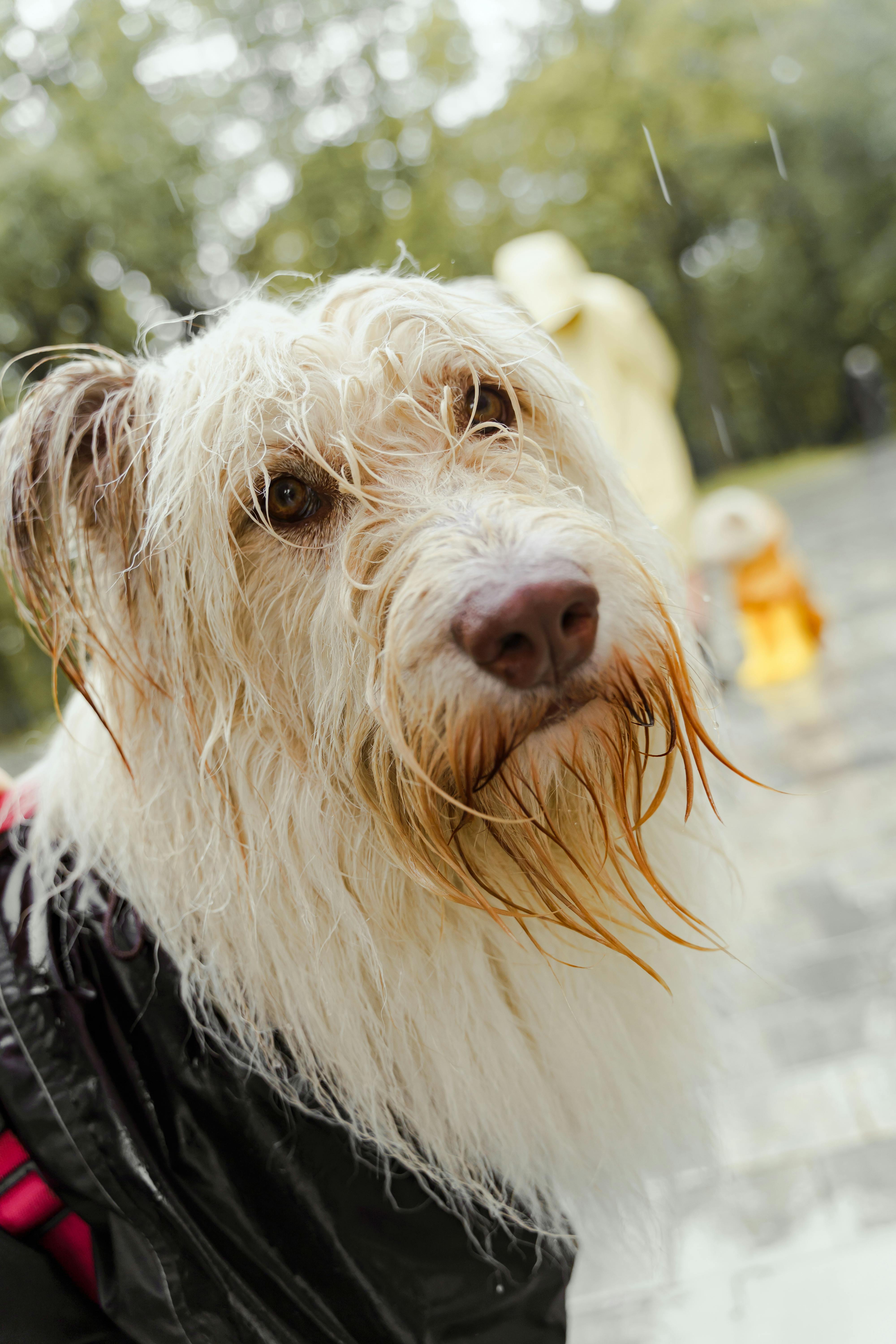
When you see a dog with a wet nose, have you ever wondered why it’s like that? It’s not just for show or some cute quirk; there’s actually a whole science behind it. The moisture on a dog’s nose plays a significant role in their overall health and sensory perception. Let’s dive into the fascinating truth about why do dogs have wet noses, and what makes them so moist.
The Anatomy of a Dog’s Nose
A dog’s nose is complex and uniquely designed. The outer layer, called the epidermis, is thin and permeable, which helps in keeping the nose moist. The underlying tissues are filled with blood vessels and mucous glands that also contribute in maintaining humidity. Here are some key points about dog noses:
- Mucous Production: Dogs have specialized glands that produce moisture. This mucus helps in trapping scent particles, making it easier for dogs to smell.
- Temperature Regulation: Just like humans sweat to cool down, dogs use their wet noses to help regulate their body temperature.
- Sensory Enhancement: The moisture on a dog’s nose enhances their sense of smell, which is critical for how they interact with the world.
Why Do Dogs Have Wet Noses?
So, why do dogs have wet noses? The answer lies in their evolutionary biology. Wet noses serve several purposes, which are vital for a dog’s survival and well-being.
- Enhanced Smelling Ability: Dogs have an extraordinary sense of smell, significantly better than humans. Their wet noses help to capture and absorb scent particles from the air. The moisture allows these particles to adhere to the nose, enhancing olfactory senses.
- Health Indicator: A wet nose is often a sign of a healthy dog. If a dog’s nose is dry or cracked, it could indicate dehydration or illness. Regularly checking a dog’s nose can help owners monitor their pet’s health.
- Communication Tool: Dogs use their noses to gather information about their environment and other animals. A wet nose can also indicate excitement or curiosity in social interactions with other dogs.
Historical Context and Evolution
The evolution of dogs has made them incredibly adaptable creatures. Their wet noses have developed over thousands of years, as they evolved from wolves to domesticated pets.
- Wolves vs. Domestic Dogs: Wolves also have wet noses, which help them in hunting and survival. As dogs became domesticated, these traits remained essential for their sensory functions.
- Cultural Significance: Various cultures have recognized the importance of a dog’s nose. For example, in ancient Egypt, dogs were revered for their hunting skills, which were significantly enhanced by their moist noses.
The Science of Moisture
The moisture on a dog’s nose is not just random; it’s a result of scientific processes that maintain their health. Here’s how it works:
- Humidity Levels: A dog’s nose secretes a thin layer of mucus that keeps it moist. Environmental humidity can affect how wet a nose gets.
- Behavioral Factors: Dogs may lick their noses frequently, which also helps in keeping them moist. This behavior can increase if they are excited or nervous.
- Temperature Reaction: When a dog is hot, their body might increase mucous production to cool down, thus keeping their noses wet.
Interesting Facts About Dog Noses
- Dogs have around 300 million smell receptors in their noses, compared to about 6 million in humans.
- The unique patterns on a dog’s nose are as distinct as human fingerprints.
- Different breeds may have varying levels of nose moisture; some breeds naturally have drier noses than others.
Practical Examples of Nose Health
To ensure your dog’s nose stays healthy, consider these tips:
- Hydration: Always provide fresh water for your dog. Dehydration can lead to a dry nose.
- Regular Vet Check-ups: Keep an eye on changes in your dog’s nose. If it becomes unusually dry or cracked, consult a vet.
- Seasonal Awareness: In winter, dry air can affect a dog’s nose. Consider using a humidifier in your home.
From enhancing their smell to acting as a health indicator, the science behind wet noses in dogs is both fascinating and essential. Understanding why dogs have wet noses can deepen our appreciation for these loyal companions and their unique biology. So, the next time you see a dog with a moist nose, remember, it’s more than just a cute feature; it’s a vital part of their existence and health.
5 Incredible Benefits of a Dog’s Wet Nose: More Than Just a Cute Feature!
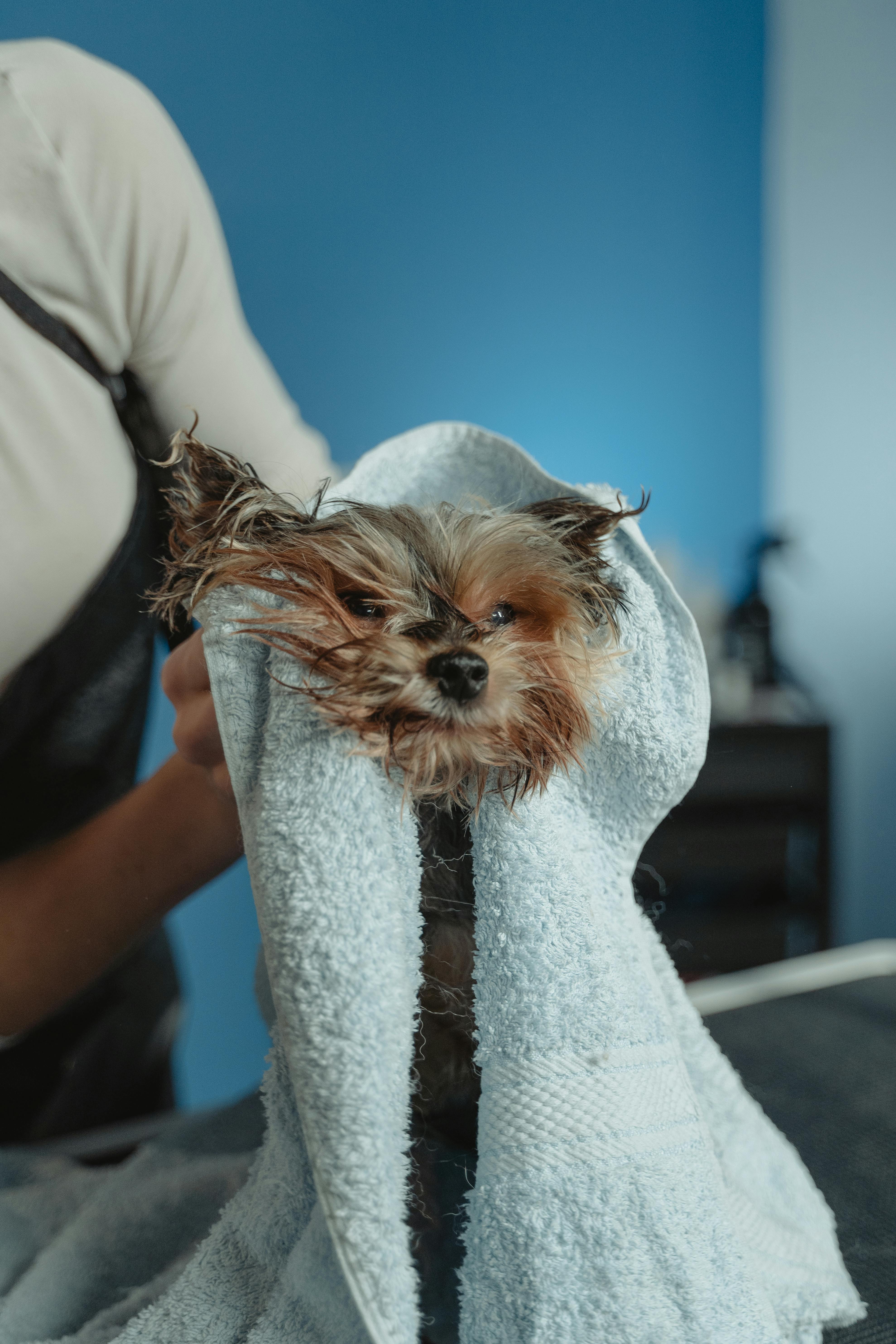
Dogs are often considered man’s best friend, and one of their most endearing features is their wet noses. But have you ever wondered why do dogs have wet noses? It’s not just a cute trait; it serves several fascinating purposes that can be really surprising! Let’s explore 5 incredible benefits of a dog’s wet nose and uncover the truth behind this unique characteristic.
1. Temperature Regulation
One of the primary reasons a dog’s nose is wet is to help them regulate their body temperature. Dogs don’t sweat like humans do; instead, they cool off by panting and through their noses. The moisture on a dog’s nose evaporates and cools the skin, which helps to keep the dog’s body temperature at a normal level. If a dog is overheated, a wet nose can be a sign that they’re trying to cool down.
- How it works:
- Evaporation of moisture cools the skin.
- Helps maintain normal body temperature.
2. Enhanced Sense of Smell
A dog’s sense of smell is incredibly powerful; in fact, it can be up to 100,000 times more sensitive than humans. A wet nose plays an essential role in this. The moisture on the nose helps to capture scent particles from the air, which enhances their ability to detect smells. This is why dogs are often used in search and rescue missions, as well as in police work.
- Key facts:
- Dogs have around 220 million scent receptors.
- Wet noses help absorb scent particles for better detection.
3. Communication Tool
Dogs also use their noses as a way to communicate with other dogs and even humans. A wet nose can signal excitement or affection. When a dog nudges you with their wet nose, they’re often trying to get your attention or show that they love you. This behavior is common in pack animals, where physical touch is a way to bond and interact.
- Common nose-related behaviors:
- Nosing you gently can mean they want playtime.
- A wet nose on your hand might mean they’re seeking affection.
4. Health Indicator
The condition of a dog’s nose can actually be an indicator of their overall health. Generally, a healthy dog’s nose is moist and cool, while a dry or cracked nose may suggest dehydration or illness. However, it’s important to note that variations can occur due to environmental factors, so it’s not always a definitive sign of health.
- What to watch for:
- Moist and cool = likely healthy.
- Dry or cracked = potential concern, but check other symptoms too.
5. Natural Lubrication
A wet nose also serves a practical purpose in terms of lubrication. The moisture helps to keep the nose flexible and prevents it from drying out and cracking. This is particularly important for dogs that spend a lot of time outdoors, as harsh weather conditions can take a toll on a dry nose.
- Benefits of moisture:
- Prevents cracking and discomfort.
- Maintains flexibility for better scent absorption.
Why Do Dogs Have Wet Noses? The Fascinating Truth Revealed!
So, why do dogs have wet noses? The truth is, it’s a combination of evolutionary adaptations and practical needs. From keeping themselves cool to improving their sense of smell, wet noses are crucial for their survival and communication.
Dogs have evolved over thousands of years to adapt to their environments, and their wet noses are just one example of how they have developed unique traits to help them thrive.
Final Thoughts
Understanding why dogs have wet noses can deepen our appreciation of these wonderful animals. Their noses aren’t just cute features; they are essential to their well-being, health, and communication. Next time you give your furry friend a pat and feel that familiar wet nose, remember all the incredible benefits it brings! Whether cooling them down or helping them sniff out your favorite treats, their wet noses are truly remarkable.
Why Do Dogs Have Wet Noses? Unveiling the Surprising Truth About Their Health

Dogs are often seen with their wet noses, and have you ever wondered why is that? It turns out that there are various reasons behind this, each more fascinating than the last. In fact, the moisture on their noses is not just a quirky characteristic but also plays a significant role in their health and overall well-being. So let’s dive into the world of our furry friends and uncover the truth about their wet noses.
The Science Behind Wet Noses
First off, dog’s noses contains a special kind of skin that is more sensitive compared to other parts of their body. This skin is known as the rhinarium and it helps dogs in a lot of ways. The moisture that you see on their noses is actually a combination of sweat and mucus, which serves several purposes.
- Scent Detection: Dogs have an incredible sense of smell, and moisture helps enhance their olfactory capabilities. The wetness traps scent particles, allowing them to detect smells better.
- Regulating Body Temperature: Just like humans sweat to cool down, dogs can lose some heat through their noses. A wet nose can help them regulate their body temperature effectively.
Historical Context of Dog Noses
Throughout history, dogs have been bred for various purposes, like hunting, herding, and companionship. Their noses have evolved along with them. In ancient times, dogs were essential for survival, and their keen sense of smell made them invaluable hunting partners. The wetness of their noses was not just for show; it was a survival tool that aided in tracking and hunting.
- Hunting Companions: Early humans relied heavily on dogs to track game. Their wet noses were instrumental in sniffing out scents over long distances.
- Companionship: As dogs became pets, their noses continued to play a role in communication and bonding with humans. A wet nose can also indicate a friendly, approachable demeanor.
Why Do Dogs Have Wet Noses? The Health Aspect
A wet nose often indicates that a dog is healthy, but not always. Here are some health-related reasons why dogs have wet noses:
- Hydration Indicator: A moist nose usually suggests that the dog is well-hydrated. Dehydration can lead to a dry nose, which could be a sign of health issues.
- Illness Warning: Conversely, if a dog has a dry or cracked nose, it could indicate a potential health problem such as fever, allergies, or even infections.
- Temperature Regulation: Dogs can regulate their body temperature through their noses. If you notice excessive dryness, it might be worth consulting a vet.
Comparison: Wet vs. Dry Noses
Here’s a little table outlining the differences between wet and dry noses in dogs.
| Nose Condition | Possible Implications | Action Required |
|---|---|---|
| Wet Nose | Generally healthy; well-hydrated | Usually no action needed |
| Dry Nose | Can indicate dehydration or illness | Monitor and consult vet |
| Cracked Nose | Possible health issue or environmental stress | Immediate vet visit |
The Role of Breed Differences
Interestingly, not all dogs have the same type of nose moisture. Certain breeds might have drier noses than others due to genetics. For instance, brachycephalic breeds (like Bulldogs and Pugs) may have more difficulty in keeping their noses moist.
- Brachycephalic Breeds: These dogs might be more prone to overheating, hence they need to be monitored closely.
- Working Breeds: Dogs like Bloodhounds and German Shepherds usually have extra moist noses, which is crucial for their work.
Fun Facts About Dog Noses
Here are some fun, quirky tidbits about dog noses that you might not know:
- Dogs’ noses have unique patterns, much like human fingerprints, which can be used to identify them.
- Some studies suggest that dogs can detect certain diseases, like cancer or diabetes, through their sense of smell.
- The temperature of a dog’s nose can vary throughout the day and can be influenced by their activity levels.
So, next time you see a dog with a wet nose, you can appreciate the fascinating reasons behind it. The moisture is not just a cute quirk but a critical part of their health and functioning. Always remember that a wet nose typically signifies a healthy pup, but a dry or cracked nose could indicate that you should check in with a veterinarian. With all this knowledge, you’ll be equipped to not only understand your furry friend better but also to ensure their well-being.
Wet Noses and Smell: How Dogs Use Their Noses to Understand the World
Dogs are often called man’s best friend, and they truly deserve that title for many reasons. One of the most fascinating aspects of dogs is their sense of smell, which is vastly superior to that of humans. But why do dogs have wet noses? This question might seem trivial, yet it’s deeply connected to how they understand their surroundings. This article reveal the intricate role that wet noses play in a dog’s life and the science behind it.
The Science of a Dog’s Nose
Dogs noses are not just cute; they are biological marvels! A dog’s sense of smell is estimated to be between 10,000 to 100,000 times more sensitive than that of humans. Here are some key points about a dog’s olfactory system:
- Olfactory Receptors: Dogs have approximately 300 million olfactory receptors in their noses, compared to a human’s mere 5 million.
- Brain Processing: The part of a dog’s brain that processes smells is about 40 times larger than that of humans, indicating just how important smell is in their daily lives.
- Vomeronasal Organ: This organ, also known as Jacobson’s organ, helps dogs detect pheromones, which are chemical signals sent by other animals.
These features help explain why dogs have wet noses.
Why Are Dog Noses Wet?
The moisture on a dog’s nose is not just for show. It serves multiple important functions. Here are some reasons why dog noses are wet:
- Enhanced Smelling: The wetness helps to capture scent particles, allowing dogs to detect smells better. A dry nose could hinder their ability to pick up various smells.
- Temperature Regulation: Dogs do not sweat like humans; they rely on their noses to help cool down. The moisture on the nose evaporates, helping to regulate body temperature.
- Health Indicator: A dog’s nose can indicate health. A wet nose is generally a sign of a healthy dog, while a dry nose might indicate dehydration or illness.
Historical Perspective on Dog Noses
Historically, dogs were bred for various purposes, many of which relied heavily on their sense of smell. For instance:
- Hunting Dogs: Breeds like Bloodhounds were developed specifically for tracking scents over long distances.
- Search and Rescue: Dogs have been used in search and rescue missions due to their ability to smell human scent even in challenging environments.
- Service Dogs: Many service dogs are trained to detect medical conditions like seizures or low blood sugar based on scent.
Fun Facts About Dogs and Their Noses
- Unique Patterns: Just like human fingerprints, every dog has a unique nose print!
- Sniffing Techniques: Dogs often use a technique called “sniffing in layers,” where they take multiple quick sniffs in succession to analyze a scent.
- Scent Discrimination: Dogs can distinguish between scents that are similar, allowing them to identify specific individuals among many.
A Day in the Life of a Dog’s Nose
Imagine a day in the life of a dog. The moment they wake up, their nose is already at work. Here’s a breakdown of what they might experience in a typical day:
- Morning Walk: Every tree, bush, and fire hydrant becomes a new adventure. They sniff to gather information about other animals that passed by.
- At Home: Dogs use their noses to locate food, toys, and even their human’s belongings.
- Playtime: During play, dogs often sniff out hidden toys or treats, engaging their sense of smell in a fun way.
Practical Tips for Dog Owners
- Keep Their Nose Healthy: Regularly check your dog’s nose for cracks or dryness. If it seems unusually dry, consult your veterinarian.
- Hydration is Key: Ensure your dog has access to fresh water at all times to help maintain that wet nose.
- Socialize: Allow your dog to meet other dogs and explore new environments. This can stimulate their sense of smell and keep them mentally healthy.
Understanding why dogs have wet noses and how they use them to interact with the world is crucial for pet owners. It not only highlights the uniqueness of dogs but also emphasizes the importance of their well-being. By caring for their noses and recognizing the signs of health, owners can contribute to their furry friends’ happiness and longevity. So the next time you see your dog with their wet nose sniffing around, remember that they are not just being curious; they are experiencing the world in a way that only they can.
Do All Dogs Have Wet Noses? Exploring Variations Among Breeds and Conditions

Dogs are often considered man’s best friend, and one of the most distinctive features they have is their wet noses. But do all dogs have wet noses? The short answer is no, not every dog has a nose that’s wet. Various breeds can exhibit different nose moisture levels, and certain conditions can also affect this.
The Science Behind Wet Noses
Have you ever wonder why dogs have wet noses in the first place? The truth is kinda fascinating, and it goes beyond just being cute. A wet nose helps dogs in a few important ways:
Scent Detection: Dogs rely on their sense of smell a lot. A wet nose can help trap scent particles more effectively, which allows them to detect smells better. Moisture on the nose enhances the olfactory receptors, making sniffing more efficient.
Thermoregulation: Dogs don’t sweat like humans do. Instead, they cool themselves off through their noses and panting. The moisture on their noses evaporates, helping to regulate their body temperature.
Health Indicator: A wet nose is often seen as a sign of a healthy dog. If a dog’s nose is dry or excessively cracked, it might indicate dehydration or illness. But there are exceptions!
Do All Breeds Have Wet Noses?
Now, let’s explore whether every breed of dog always has a wet nose. The answer is complicated. Some breeds, like the Labrador Retriever and the Beagle, typically have moisture on their noses. But then there are breeds such as Bulldogs and Pugs, who may have drier noses due to their unique facial structures.
Here’s a quick list of breeds and their common nose conditions:
Breeds with Wet Noses:
- Labrador Retriever
- German Shepherd
- Siberian Husky
Breeds with Drier Noses:
- Bulldog
- Pug
- Shar Pei
Factors Influencing Nose Moisture
There are also several factors that can influence how wet or dry a dog’s nose is:
Weather Conditions: Hot, dry weather can lead to drier noses. On the other hand, humidity can increase moisture levels.
Health Status: Certain illnesses or conditions can cause a dog’s nose to dry out. For instance, a dog with a fever might have a dry nose.
Age: Older dogs might experience changes in their nose moisture levels due to age-related health issues.
Health Conditions Affecting Nose Moisture
Sometimes, a dog’s nose can give clues about its health. Some conditions that can lead to changes in moisture include:
Dehydration: A dry, cracked nose may indicate that a dog is not drinking enough water. It’s important to monitor their water intake.
Allergies: Allergies can cause a dog’s nose to be dry and irritated. Look for other symptoms like itching or sneezing.
Nasal Infections: Infections can cause a dog’s nose to be excessively wet or even discharge fluids.
Autoimmune Disorders: Some more serious conditions may also manifest through changes in nose moisture.
What to Look For
If you’re concern about your dog’s nose, here’s a simple checklist to help you decide if you should consult a vet:
- Is the nose dry for a long period?
- Are there any cracks or sores?
- Is there excessive discharge?
- Are there any other unusual behaviors?
The Bottom Line
So, do all dogs have wet noses? Not exactly. While many dogs do have moist noses, several factors including breed, weather, and health can affect this. It’s also essential to understand that a dog’s nose can change throughout the day. Sometimes it’s wet, and sometimes it’s not, and that can be perfectly normal.
Dogs are unique creatures with individual traits, and their noses are just one of the many things that make them special. Understanding why dogs have wet noses and the variations among breeds can help pet owners provide better care for their beloved companions. If you notice any significant changes in your dog’s nose, it’s always best to consult with a veterinarian to rule out any health issues.
The Role of a Wet Nose in Dog Cooling: How It Helps Regulate Body Temperature
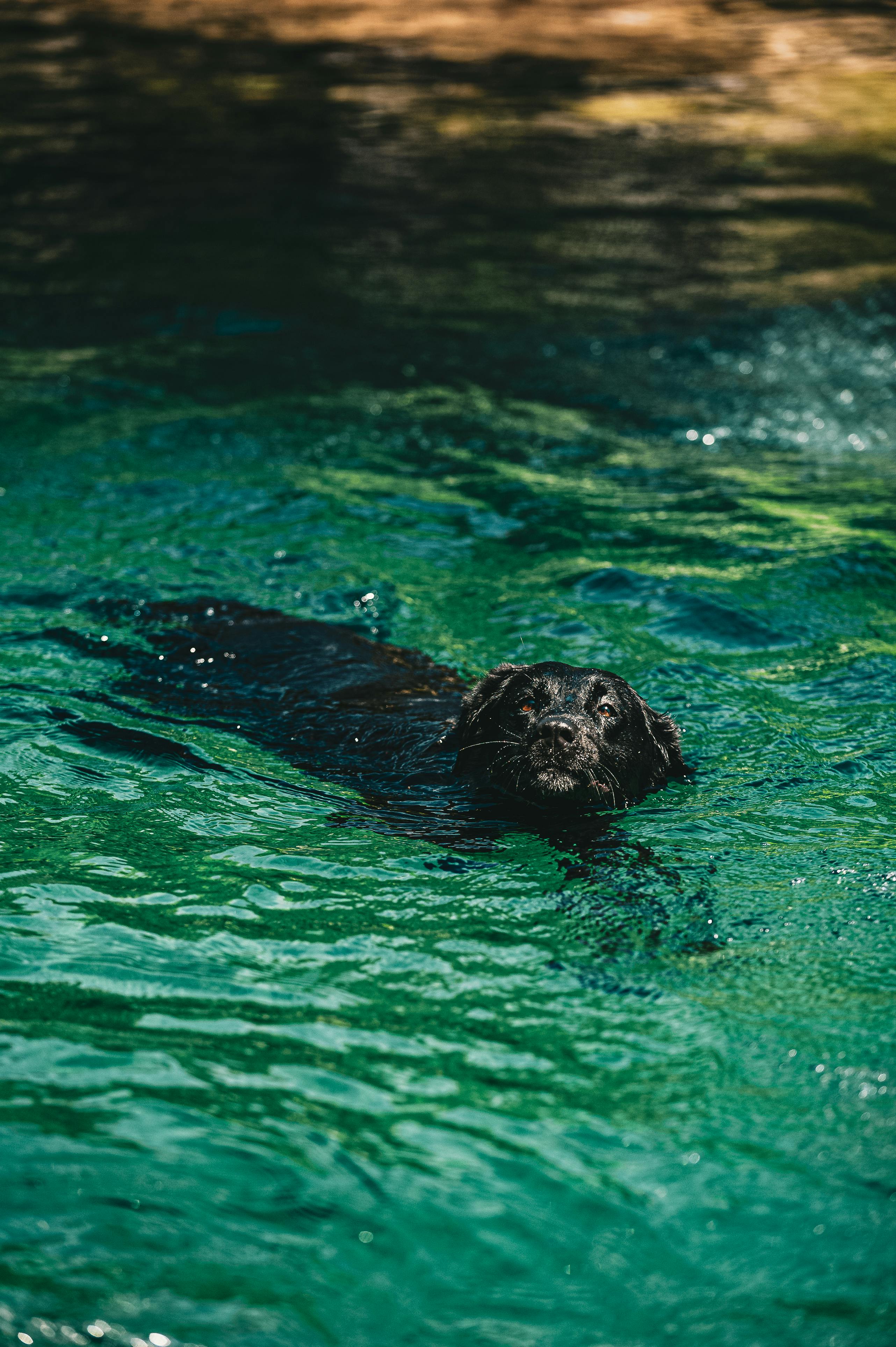
Dogs are known for their playful antics and loyal companionship, but have you ever wondered about the significance of their wet noses? It’s a curious feature that many people have noticed, and it plays a crucial role in the way dogs regulate their body temperature. Let’s dive into the fascinating truth behind why dogs have wet noses and how it helps cool them down.
The Science Behind the Wet Nose
A dog’s nose is not only adorable but also an essential part of their biology. The mucous membranes on their noses produce moisture, which serves multiple purposes. One of the primary functions of a wet nose is to assist in thermoregulation. Unlike humans, who sweat through their skin, dogs primarily cool off through panting and the evaporation of moisture from their noses.
- Temperature Regulation: When a dog’s nose is wet, it evaporates moisture, which helps cool the blood vessels just underneath the surface. This can help lower their overall body temperature.
- Enhanced Smell: A wet nose enhances a dog’s sense of smell. The moisture helps to trap scent particles, making it easier for dogs to detect and identify different smells.
- Health Indicator: A healthy dog typically has a cool, moist nose. Changes in the moisture level can indicate health issues, such as dehydration or fever.
Why Do Dogs Have Wet Noses?
The wetness of a dog’s nose is due to several factors. Understanding these can give you deeper insight into your furry friend’s well-being. Here are some reasons why dogs are born with wet noses:
- Evaporation Cooling: As mentioned earlier, the moisture on their noses evaporates, which helps cool them down. This is especially important during hot weather.
- Scent Detection: Dogs have a remarkable sense of smell, and a wet nose can pick up scents more effectively. The wetness allows scent particles to adhere better, enhancing their olfactory capabilities.
- Grooming Habits: Dogs often lick their noses, which keeps them moist. This behavior can also be seen as a way of cleaning their sense organs, making sure they can identify smells accurately.
- Communication: A dog’s nose can indicate its mood. A wet nose can signal contentment and friendliness, while a dry nose might suggest stress or illness.
Historical Context of Dog Noses
Historically, dogs have been bred for various purposes, and their noses have evolved to suit those needs. For instance, hunting dogs were bred for their keen sense of smell, which is directly linked to the moisture found on their noses.
- Bloodhounds: Known for their incredible tracking ability, bloodhounds rely heavily on their wet noses to follow scents over long distances.
- Scent Detection Dogs: Today, many breeds are trained to detect drugs, explosives, and even diseases like cancer, showcasing the importance of their wet noses in practical applications.
The Anatomy of a Dog’s Nose
Understanding the anatomy of a dog’s nose can shed light on why it’s so important for their health and well-being. Here’s a simple breakdown:
- Nasal Passages: Dogs have complex nasal passages that help filter, warm, and humidify the air they breathe.
- Olfactory Receptors: Dogs have up to 300 million olfactory receptors, compared to about 5 million in humans, allowing them to detect scents at incredibly low concentrations.
- Moisture Glands: These glands keep the nose wet, which is critical for both cooling and scent detection.
Practical Tips for Dog Owners
As a dog owner, it’s essential to pay attention to the condition of your dog’s nose. Here are some tips to ensure your dog stays healthy:
- Monitor the Moisture Level: A dry nose can sometimes indicate dehydration or illness. Keep an eye on your dog’s nose and consult a vet if you notice significant changes.
- Hydration: Always provide fresh, clean water. Hydration is key for keeping that nose moist!
- Temperature Awareness: In hot weather, ensure your dog has access to shade and cool water. Dogs can easily overheat, and a wet nose can only help so much.
In conclusion, a dog’s wet nose is not just a cute feature; it plays a vital role in their overall health and functioning. From cooling them down to enhancing their sense of smell, understanding the purpose behind that dampness can help dog owners take better care of their furry companions. So next time you give your pup a scratch behind the ears, take a moment to appreciate the fascinating science behind their wet nose!
Wet Noses and Canine Communication: What Your Dog Is Trying to Tell You!

Dogs are often considered man’s best friend, and their unique way of communicating can be both fascinating and puzzling. One of the most noticeable characteristics of dogs is their wet noses. Have you ever wondered why do dogs have wet noses? The answer is not just a quirky trait; it’s deeply rooted in their biology and communication methods.
The Science Behind Wet Noses
Dogs have moist noses for several reasons, and understanding these reasons can help you interpret what your furry friend is trying to say. A wet nose serves to enhance their sense of smell. Dogs have an incredible olfactory system, and the moisture on their nose helps to capture scent particles from the air. This moisture allows them to detect smells more effectively, which is crucial for their communication and understanding of the world around them.
- Enhanced Smell: Wet noses help trap scent molecules, improving a dog’s ability to detect odors.
- Temperature Regulation: Dogs also use their noses to regulate their body temperature. The evaporation of moisture helps cool them down.
- Health Indicator: A wet nose can often indicate a healthy dog, while a dry nose might suggest illness or dehydration.
Historical Context of Canine Communication
Throughout history, dogs have been companions to humans, and their ways of communicating have evolved alongside us. Early humans relied on dogs for hunting, herding, and protection, and understanding their signals became essential for survival. The communication methods of dogs, including vocalizations, body language, and, of course, their noses, were crucial in these early partnerships.
- Vocalizations: Barking, whining, and growling serve different purposes, like alerting owners or expressing excitement.
- Body Language: Tail wagging, ear positioning, and posture convey emotions and intentions.
- Scent Marking: Dogs use their noses not just for smelling but also to mark territory and gather information about other animals.
What Your Dog’s Nose is Trying to Tell You
Every time your dog nudges you with their wet nose, they’re likely trying to communicate something. Here’s a breakdown of possible meanings behind your dog’s nose nudging:
- Affection: A gentle nudge with a wet nose can mean your dog loves you and wants attention.
- Curiosity: If your dog pokes their nose into something, it’s probably just their way of exploring the world.
- Hunger: Dogs often nudge their owners with their noses when they want food or treats.
- Playfulness: A wet nose in your face can mean your dog is ready to play!
Fun Facts About Dogs’ Noses
Did you know that dogs have a unique nose print, just like human fingerprints? Here are some more fun facts about dog noses:
- Dogs have about 300 million smell receptors, compared to humans’ 5 million.
- The wetness of their nose can change depending on the environment.
- Dogs can even detect certain diseases, including cancer and diabetes, through scent.
Understanding Canine Communication
Recognizing how dogs communicate can greatly enhance the bond between you and your furry companion. Here are some tips on how to better understand your dog:
- Observe Body Language: Pay attention to your dog’s overall posture, tail position, and ear movement.
- Respond to Vocalizations: Different barks or whines can mean different things. Learn to distinguish between them.
- Engage in Play: Spend time playing with your dog to improve your understanding of their cues and signals.
The Importance of Nose Care
While a wet nose is often a sign of health, it’s essential to ensure that your dog’s nose remains healthy. Here are some care tips:
- Hydration: Ensure your dog has access to fresh water to keep their nose moist.
- Avoid Irritants: Be mindful of harsh chemicals or allergens that may cause dryness or irritation.
- Regular Vet Check-ups: Routine vet visits can help you monitor your dog’s overall health, including their nose.
By understanding the significance of your dog’s wet nose and the various ways they communicate, you can strengthen your relationship with your canine companion. Your dog is always trying to tell you something, and by paying attention to their cues, you can respond in ways that make them feel loved and understood. So the next time your dog gives you that familiar nudge, remember, they’re speaking to you in their own special language!
Can a Dry Nose Indicate a Health Problem? Understanding Your Dog’s Nose Condition

When you spot your dog with a dry nose, you might start wondering if it’s just a normal thing or if it could mean something more serious. Dogs noses are really interesting, and they play a big part in their health. In this article, we gonna explore the question: can a dry nose indicate a health problem? Also, we’ll dive into why do dogs have wet noses in the first place. Let’s get into it!
Why Do Dogs Have Wet Noses?
Dogs’ noses are usually wet for a few reasons. It’s not just a quirky feature; there’s actually a science behind it. Here’s some key points to consider:
Sense of Smell: Dogs have an extraordinary sense of smell, much more powerful than humans. A wet nose helps to absorb scents, making it easier for them to detect smells in the air.
Temperature Regulation: A wet nose helps to cool a dog’s body. Dogs don’t sweat like humans do; they mainly cool off through their noses and panting.
Health Indicator: A dog’s nose can indicate their well-being. A moist nose typically means they are healthy, while a dry nose might suggest something is off.
Can a Dry Nose Indicate a Health Problem?
So, when it comes to a dry nose, things can get a bit complicated. A dry nose can be a sign of various health issues, but it’s not always the case. Here are some possible reasons for a dry nose in dogs:
Dehydration: If your dog isn’t drinking enough water, their nose might dry out. This could be a simple fix by ensuring they have access to fresh water.
Allergies: Just like humans, dogs can suffer from allergies that can cause their noses to become dry. This could be due to pollen, dust, or even certain foods.
Illness: Sometimes a dry nose might be a symptom of a more serious health problem, like fever or infections. If your dog shows other signs of illness, like lethargy or loss of appetite, it’s best to consult with a vet.
Environmental Factors: Hot weather, low humidity, or air conditioning can also lead to a dry nose. Dogs can be sensitive to their environment, so it’s worth keeping an eye on the conditions they are in.
Comparing Wet and Dry Noses
Here’s a quick comparison to help you understand the difference between wet and dry noses in dogs:
| Wet Nose | Dry Nose |
|---|---|
| Usually indicates health | Can indicate dehydration or illness |
| Helps with sense of smell | May mean dog is sick or dehydrated |
| Normal in healthy dogs | Needs monitoring for other symptoms |
When to Worry About a Dry Nose
While a dry nose itself isn’t always a cause for concern, there are some situations when you should definitely pay attention. Here’s what to look for:
Duration: If your dog’s nose has been dry for a prolonged period, it could be worth checking with your vet.
Other Symptoms: If you notice additional symptoms, such as coughing, vomiting, or diarrhea, it’s best to seek professional advice.
Behavior Changes: If your dog is acting lethargic or refuses to eat, these could be red flags indicating a health issue.
Practical Tips for Dog Owners
Caring for your dog’s nose and ensuring their overall health is important. Here are some tips you can follow:
Hydration: Always provide fresh water for your dog. Dehydration can lead to a dry nose and other complications.
Regular Vet Check-ups: Regular visits to the vet can help catch any potential health issues early.
Observe Changes: Keep an eye on your dog’s behavior and nose condition. If you spot any changes, don’t hesitate to reach out to a vet.
Create a Comfortable Environment: Make sure your home is comfortable for your dog. Avoid overly dry environments and provide shade during hot days.
So, while a dry nose can sometimes indicate a health problem, it’s not always the case. Keeping an eye on your dog’s overall health and behavior is key. Understanding why dogs have wet noses helps us appreciate the unique biology of our furry friends. If you ever feel uncertain about your dog’s health, consulting with a veterinarian is always the best course of action for peace of mind.
From Puppies to Adults: How a Dog’s Nose Changes Over Time and What It Means

Dogs are often referred to as man’s best friend, but one of the most fascinating aspects of our canine companions is their noses. From puppies to adults, the way a dog’s nose changes over time can be quite intriguing. So, why do dogs have wet noses? The fascinating truth reveals much about their health and behavior. Let’s dive into this interesting topic, exploring everything from the science behind a dog’s nose to what these changes means throughout their life stages.
The Anatomy of a Dog’s Nose
First off, let’s understand why a dog’s nose is so special. A dog’s nose is made up of more than 300 million olfactory receptors, compared to a human’s mere 5 million. This makes their sense of smell incredibly powerful!
- Dogs have 300 million olfactory receptors
- Humans have only 5 million
- Dogs can detect certain scents up to 100,000 times better than humans
This remarkable ability is what allows dogs to pick up scents that are undetectable to us. The wetness of a dog’s nose plays a crucial role in this. The moisture helps to trap scent particles, enhancing their ability to smell.
Why Are Dog Noses Wet?
Now, why do dogs have wet noses? There are several reasons for this characteristic:
- Enhanced Smelling: As mentioned, moisture helps capture scent particles.
- Temperature Regulation: Dogs don’t sweat like humans. Their noses help cool them down.
- Health Indicator: A wet nose can sometimes be a sign of good health, while a dry nose may indicate something might be wrong.
The Evolution of a Dog’s Nose from Puppyhood to Adulthood
When dogs are born, their noses are not fully developed. They start off with a pink, smooth skin that gradually changes as they grow.
- Puppy Stage: Newborn pups have a soft, pink nose and lack the olfactory receptors they will have as adults.
- Juvenile Stage: As puppies grow, their noses become darker and develop a more textured surface. By the time they reach about six months, they usually have their adult nose.
- Adult Stage: Older dogs may experience changes in their noses due to age, dryness, or health issues, like allergies or infections.
What Changes Occur?
Here’s a look at how a dog’s nose transitions through life stages:
| Age Stage | Nose Characteristics | Health Indicators |
|---|---|---|
| Puppy | Smooth, pink, and soft | Sensitive to the environment |
| Juvenile | Darkening color, more texture | Can show signs of health issues |
| Adult | Fully developed, often wet | Healthy or potential health problems |
| Senior | May become dry or cracked | Needs regular check-ups |
Signs of Health Issues Related to Nose Changes
It’s important for dog owners to monitor their pet’s nose for changes. If a dog’s nose becomes excessively dry, cracked, or discolored, it could indicate health problems. Here are some common issues to watch for:
- Allergies: Seasonal or food allergies could lead to a dry nose.
- Infections: Bacterial or fungal infections might cause changes in texture or color.
- Dehydration: A dry nose can be a sign that your dog isn’t drinking enough water.
- Autoimmune Diseases: Certain conditions can lead to significant changes in a dog’s nose.
Tips for Keeping Your Dog’s Nose Healthy
You can help maintain your dog’s nose health with some simple steps:
- Hydration: Always provide fresh, clean water.
- Moisturizing: Use vet-approved moisturizers if your dog has a dry nose.
- Regular Check-ups: Regular vet visits can help catch any potential issues early.
- Watch for Changes: Keep an eye on the texture, color, and temperature of your dog’s nose.
The Bottom Line
Dogs’ wet noses are not just cute; they serve multiple purposes that are essential for their health and well-being. From puppies to adults, understanding how a dog’s nose changes can provide insight into their overall health. The next time you pet your dog, take a moment to appreciate their unique nose and what it tells you about them. Remember, a healthy nose can be a reflection of a happy and healthy dog. Being aware of these changes can help you keep your furry friend in tip-top shape.
Wet Nose Myths Debunked: Top 7 Misconceptions About Your Dog’s Moist Feature

Dogs are some of the most beloved pets in the world, and their wet noses often spark curiosity and questions. Why do dogs have wet noses anyway? Many people think that wet noses are a sign of health, but that’s not the whole story. There are lots of myths surrounding this moist feature, and it’s time to set the record straight. Let’s dive into the top 7 misconceptions about your dog’s nose and uncover the truth behind these fascinating and often misunderstood features.
Myth 1: Wet Noses Mean Your Dog is Healthy
While it’s common belief that a wet nose indicates a healthy pup, that’s not entirely true. Dogs can have wet noses for several reasons, including environmental factors. A dog’s nose can be wet from playing in the rain or licking something. So, just because a dog has a wet nose doesn’t mean it’s in perfect health.
Myth 2: Dry Noses Always Mean Illness
On the flip side, a dry nose doesn’t always mean your dog is sick. Dogs can have dry noses for various reasons such as being in a warm room or after a long nap. If your dog is acting normally, eating well, and doesn’t show any signs of distress, a dry nose might just be a temporary condition.
Myth 3: Dogs Have Wet Noses to Cool Down
It’s a common thought that dogs have wet noses to help cool their bodies down, but that’s more of a bonus than the main reason. Dogs cool off primarily through panting and sweating through their paw pads. The moisture on their noses helps enhance their sense of smell, which is essential for their survival and communication, rather than temperature regulation.
Myth 4: All Dogs Have the Same Type of Nose
People assume that all dogs have similar wet noses, but that’s not the case. Different breeds have different nose shapes, sizes, and moisture levels. For example, brachycephalic breeds like Bulldogs may have less moisture than longer-nosed breeds such as Greyhounds. Each dog’s nose can tell you a lot about its breed characteristics and needs.
Myth 5: Wet Noses Help Dogs Smell Better
This one is actually true! A wet nose helps dogs enhance their sense of smell. The moisture captures scent particles in the air, making it easier for dogs to detect scents. They have an extraordinary olfactory system, and the wetness of their noses is an evolutionary trait that helps them survive in the wild.
Myth 6: A Dog’s Nose Color Affects Moisture
Many people think that the color of a dog’s nose affects how wet it gets. However, the moisture level is not determined by color but rather by factors like temperature, humidity, and health. Dogs with lighter-colored noses can be just as wet as those with darker noses, and vice versa.
Myth 7: You Can Tell a Dog’s Mood by Its Nose
While some say a cold, wet nose means a happy dog and a warm, dry nose points to stress, this isn’t entirely reliable. Dogs express their moods through body language, barking, and other behaviors. Their nose moisture can change throughout the day based on various factors, making it an unreliable mood indicator.
The Fascinating Truth Revealed
So, why do dogs have wet noses? The primary reasons are for enhanced smell and to help with hydration. The nose’s surface area is huge, allowing for maximum moisture retention and scent detection. Here’s a quick summary of what we learned:
- Wet noses can indicate health but not always.
- Dry noses aren’t a definite sign of illness.
- Wetness helps dogs smell better, not cool off.
- Nose characteristics vary by breed.
- Moisture level is unrelated to nose color.
- Body language is a better mood indicator than nose moisture.
Understanding why dogs have wet noses and debunking these common myths can help dog owners take better care of their furry friends. Being informed allows you to notice changes in your pet’s health and behavior, leading to better overall well-being. Remember, while wet noses are fascinating, they are just one part of what makes dogs so special and beloved companions.
Conclusion
In conclusion, the wet noses of dogs serve multiple essential functions, from enhancing their sense of smell to regulating their body temperature. The moisture on a dog’s nose helps to capture scent particles, significantly improving their olfactory capabilities, which is crucial for communication and environmental awareness. Additionally, a wet nose aids in thermoregulation, helping dogs cool down and maintain their overall health. It’s fascinating how such a simple feature plays a vital role in a dog’s well-being and behavior. Understanding why dogs have wet noses not only deepens our appreciation for these loyal companions but also highlights the importance of regular veterinary check-ups to ensure their health. So, the next time you notice your furry friend’s damp nose, remember it’s more than just an adorable trait—it’s a testament to their incredible biology. Embrace the joy of having a dog and take the time to learn more about their unique characteristics!
