Have you ever wondered, why do dogs have wet noses? This intriguing question piques the curiosity of many dog lovers and pet owners alike. A dog's wet nose is not just an adorable feature; it serves several important purposes that enhance their overall health and well-being. In this post, we will uncover the fascinating truth behind this common canine characteristic. You might be surprised to learn that a dog's nose moisture plays a crucial role in their sense of smell, acting as a natural tool for detecting scents in their environment. But that's not all! The wetness of a dog's nose can also indicate their emotional state and even help regulate their body temperature. Have you ever thought about how different factors influence a dog's nose wetness? From weather changes to diet, there are many elements at play. Join us as we delve deeper into the science and secrets of why do dogs have wet noses, and discover how this unique trait contributes to your furry friend's health and happiness. Get ready to be amazed by these furry companions and their extraordinary abilities!
\n\nThe Science Behind Canine Moisture: Why Do Dogs Have Wet Noses?
\n\n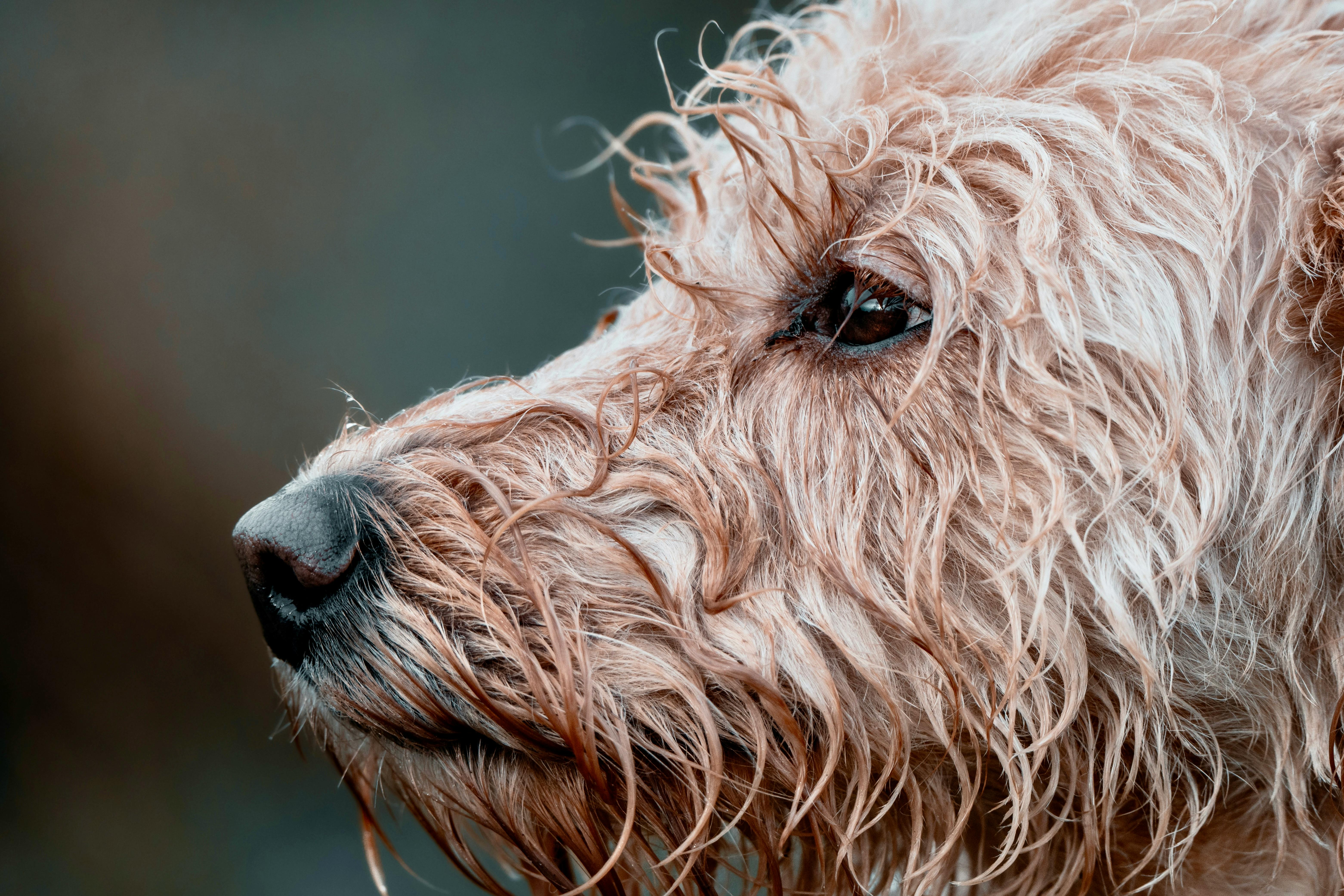 \n\n
\n\nDogs are some of the most beloved pets around the world, and one of their most endearing traits is their wet noses. People often wonder, "why do dogs have wet noses?" This curious feature not only adds to their charm but also serves some important purposes. In this article, we will explore the science behind canine moisture and uncover the fascinating truth about why our furry friends have those damp, cold noses.
\nThe Anatomy of a Dog's Nose
\nFirst off, let’s take a look at what makes dog noses so unique. A dog's nose is made up of a complex system of glands, skin, and cartilage. The outer layer is covered with a thin layer of skin which is very sensitive and packed with olfactory receptors. In fact, dogs have up to 300 million olfactory receptors in their noses compared to a mere 5 million in humans. This incredible sense of smell is one of the main reasons why dogs have wet noses.
\n- \n
- Olfactory Receptors: These are what allow dogs to detect a range of scents that are undetectable to humans. \n
- Moisture Glands: Dogs have specialized glands in their noses that produce moisture, keeping the nasal membranes damp. \n
Why Moisture Matters
\nNow, you may wonder, what’s the purpose of having a wet nose? Well, there are several reasons:
\n- \n
- Enhanced Smelling Ability: The moisture on a dog's nose helps to capture scent particles from the air. When the nose is wet, it can trap more odor molecules, making it easier for dogs to detect smells. \n
- Cool Down: Dogs can’t sweat like humans do, so their noses help them regulate their body temperature. When a dog is hot, moisture evaporates from their nose, which can help cool them down. \n
- Health Indicator: A dog’s nose can also be a good indicator of their health. A healthy dog usually has a moist, cool nose. Conversely, if a dog's nose is dry or excessively warm, it could indicate illness or dehydration. \n
Historical Context
\nThe fascination with dog noses isn’t new. Throughout history, dogs have been revered for their keen sense of smell. In ancient Egypt, dogs were often used for hunting and protection, and their ability to track scents was critical for survival. Fast forward to today, and dogs are still utilized in various fields such as search and rescue, drug detection, and even detecting medical conditions like cancer.
\nFun Facts About Dog Noses
\nHere’s a list of interesting tidbits about dog noses that may surprise you:
\n- \n
- Unique Nose Prints: Just like human fingerprints, no two dog nose prints are alike. This uniqueness can actually be used for identification. \n
- Color Variations: The color of a dog's nose can vary widely depending on the breed. For instance, Dalmatian dogs often have black spots on their noses. \n
- Temperature Variation: A dog's nose can change temperature depending on their activity level. After running around, a dog’s nose may become warmer due to increased blood flow. \n
Common Misconceptions
\nThere are many myths surrounding the wetness of a dog's nose. Here are a few of them:
\n- \n
- \n
Myth: A dry nose means a dog is sick.
\n
\nFact: While a dry nose can indicate illness, it is not a definitive sign. Factors such as age, weather, and activity level can also affect nose moisture. \n - \n
Myth: Dogs can’t smell when their noses are dry.
\n
\nFact: Dogs can still smell even if their noses are dry, but their ability to detect odors may be diminished. \n
Practical Examples and Comparisons
\nYou may want to observe your dog’s nose to get a better understanding of its state. Compare your dog’s nose in different situations:
\n- \n
- After a Nap: Usually, the nose may be slightly drier and warmer. \n
- After a Walk: The nose tends to be cooler and wetter. \n
- During Playtime: Expect a wet nose as they are sniffing around and exploring. \n
Conclusion
\nSo, the next time you ask yourself, "why do dogs have wet noses?" remember that it’s all part of their amazing biology and serves essential functions for their health and well-being. Wet noses not only help them smell better but also indicate their overall health. Whether you’re a dog owner or simply a lover of these furry companions, understanding the science behind their wet noses can deepen your appreciation for these incredible animals.
\n\n5 Fascinating Reasons Your Dog’s Nose Is Always Wet: Discover the Truth!
\n\n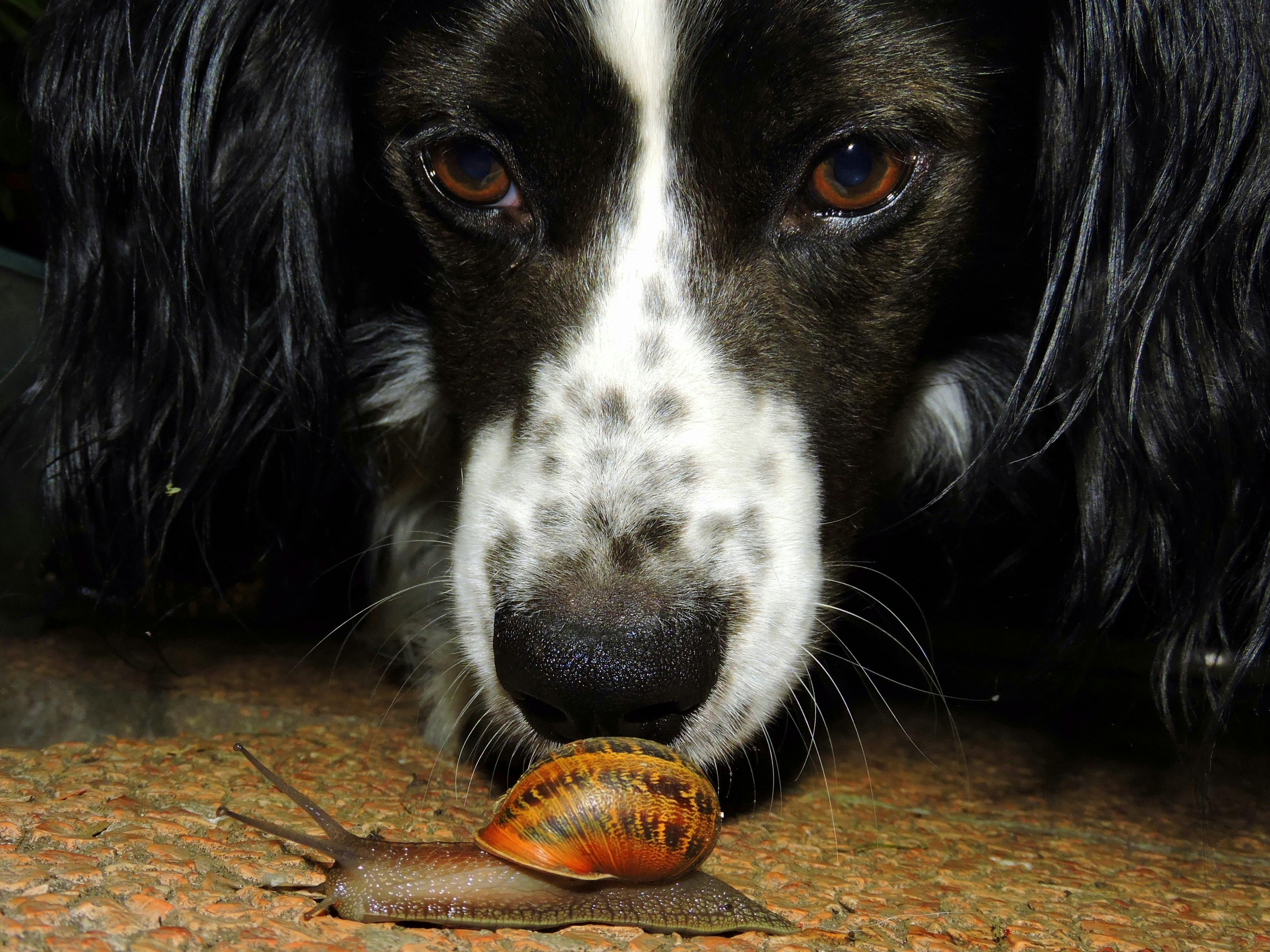 \n\n
\n\nHave you ever noticed how your dog's nose is always wet? You might think it's just a weird quirk of nature, but there’s actually more to it than meets the eye. So, let's take a deep dive into the fascinating world of canine noses and uncover some intriguing reasons why dogs have wet noses.
\n1. Cooling Mechanism
\nDogs don't sweat like humans do; instead, they regulate their body temperature primarily through panting and their noses. A wet nose helps cool them down by evaporation. When moisture evaporates from their nose, it creates a cooling effect, which is especially important on hot days. This is one of the main reasons why you might see your pup frequently licking its nose.
\n2. Enhanced Sense of Smell
\nOne of the coolest things about a dog’s nose is that it’s specially designed to help them sniff out scents better. The wetness on their nose actually aids in capturing scent particles. When a dog's nose is moist, it can trap more of these particles, allowing them to detect smells more efficiently. This is one of the reasons why dogs are used in search and rescue operations or as service animals.
\n3. Communication Tool
\nDogs are social creatures, and their noses play a significant role in how they communicate with each other and us. A wet nose can be a sign of excitement or curiosity, and it’s often a way for dogs to interact with their environment. When they nuzzle you with their wet noses, they might be trying to say, “Hey, look at me!” or “Let’s play!” It’s a part of their social behavior that helps them connect with humans and other dogs.
\n4. Keeping Their Noses Clean
\nDogs are naturally curious and they tend to explore their surroundings with their noses. This means their noses can get dirty! The moisture helps keep their noses clean by trapping dirt and debris. Plus, when they lick their noses, it helps remove any unwanted particles. It's like their own little cleaning system!
\n5. Health Indicators
\nA dog's wet nose can also be an indicator of its overall health. While a wet nose is normal, changes in moisture levels can signify health issues. For example, if your dog’s nose becomes dry or cracked, it may be a sign of dehydration or illness. Regularly checking your dog’s nose can help you keep an eye on their health and detect possible problems early.
\nFun Facts About Dog Noses
\n- \n
- Did you know that a dog’s sense of smell is about 10,000 to 100,000 times more sensitive than humans? This makes them incredible companions for hunting and detection work. \n
- Each dog has a unique nose print, which is similar to a human fingerprint. This means no two dog noses are exactly alike! \n
- The average dog has about 220 million scent receptors in their noses, compared to a human's 5 million. \n
Comparisons: Dog Nose vs. Human Nose
\nLet’s look at a quick comparison between dog noses and human noses:
\n| Aspect | \nDog Nose | \nHuman Nose | \n
|---|---|---|
| Scent receptors | \n220 million | \n5 million | \n
| Moisture function | \nHelps in scent detection | \nMinimal impact on smell | \n
| Temperature regulation | \nCooling mechanism | \nSweating primarily | \n
Practical Tips for Nose Care
\n- \n
- Hydration: Make sure your dog is well-hydrated. A well-hydrated dog will typically have a healthy, moist nose. \n
- Regular Checks: Look for any changes in your dog's nose. If it becomes excessively dry or cracked, consult your vet. \n
- Cleanliness: Keep your dog's environment clean to avoid dirt accumulating on their nose. \n
As you can see, the reasons for a dog's wet nose are not just trivial. They play significant roles in health, communication, and overall well-being. Whether your pup is sniffing around the park or giving you a nose nudge, remember that wet noses are a fascinating aspect of what makes dogs such amazing companions. Understanding these facts can help enhance your relationship with your furry friend and keep them happy and healthy.
\n\nAre Wet Noses a Sign of Health? Unpacking the Myths and Facts!
\n\n \n\n
\n\nDogs are often called man’s best friend, and there is much to love about them. One of the most notable features of our furry companions is their wet noses. But have you ever wondered, are wet noses a sign of health? Or, why do dogs have wet noses? In this article, we’ll unpack the myths and facts surrounding this interesting topic, offering insights into your dog’s health and general behavior.
\nWhy Do Dogs Have Wet Noses?
\nSo, what's the deal with those wet noses? Dogs have moist noses for several reasons, and it’s not just for show. Wetness helps heighten their sense of smell. Here’s how:
\n- \n
- Enhanced Smell: The moisture on a dog’s nose helps to capture scent particles, making it easier for them to sniff out different smells. \n
- Regulation of Temperature: Dogs can get quite hot, and their noses help with cooling down. The evaporation of moisture from the nose surface helps to regulate body temperature. \n
- Natural Behavior: It’s a natural biological characteristic. Most dogs have wet noses, but it can vary from breed to breed. \n
Are Wet Noses a Sign of Health?
\nMany pet owners often believe that a wet nose equals a healthy dog. But, it’s not that simple. A wet nose can indicate certain health aspects, but it’s not definitive proof. Here’s a better look:
\n- \n
- Healthy Dogs: Generally, a healthy dog will have a moist nose. However, if your dog’s nose is constantly dry, it could be a signal of dehydration or illness. \n
- Illness Indicators: A persistently dry or cracked nose could signal underlying health issues, like fever or skin problems. \n
- Normal Variations: Various factors, like temperature or humidity, can affect the moisture level of a dog’s nose. So, it’s important not to jump to conclusions based only on this feature. \n
Myths About Wet Noses
\nThere are many myths surrounding wet noses that deserve to be debunked. Here are some common misconceptions:
\n- \n
- Myth 1: Wet noses mean dogs are always healthy. \n
- Myth 2: All dogs have wet noses, and if they don’t, they are sick. \n
- Myth 3: The wetter the nose, the better the dog’s sense of smell. \n
Comparing Wet Noses Across Breeds
\nInterestingly, not all dog breeds have equally wet noses. Here’s a simple comparison:
\n- \n
- \n
Breeds with Typically Wet Noses:
\n- \n
- Labrador Retrievers \n
- Beagles \n
- German Shepherds \n
\n - \n
Breeds with Drier Noses:
\n- \n
- Bulldogs \n
- Pugs \n
- Shar Peis \n
\n
When Should You Be Concerned?
\nThere are times when a change in your dog's nose should raise flags. Here’s a quick list on when to see a veterinarian:
\n- \n
- Nose appears consistently dry or cracked. \n
- Discoloration or unusual growth on the nose. \n
- Excessive nasal discharge or bleeding. \n
- Changes in behavior, like lethargy or loss of appetite. \n
Practical Examples of Nose Health
\nUnderstanding your dog’s nose can provide valuable insights into their overall health. Here’s what you can observe:
\n- \n
- \n
Normal Moisture: If your dog’s nose is moist, cool, and clean, this usually indicates a healthy state.
\n \n - \n
Temperature Changes: A warm or hot nose can mean your dog might be sick. Check their temperature if you notice this.
\n \n - \n
Behavioral Changes: If your dog starts acting differently while also having a wet or dry nose, it’s worth a vet visit.
\n \n
The Fascinating Truth About Dog Noses
\nDogs have a unique ability to smell, estimated to be anywhere from 10,000 to 100,000 times more acute than humans. This incredible sense of smell is directly connected to the wetness of their noses. The moisture enhances the olfactory function of the nose, allowing dogs to detect scents at far greater distances. Isn’t it amazing?
\nIn summary, while wet noses can suggest your dog is healthy, it’s important to consider the whole picture. Many factors influence this characteristic, and it shouldn't be the sole indicator of health. Observing your dog's overall behavior, physical condition, and other symptoms is essential for maintaining their well-being. If you’re ever in doubt about your dog's health, it’s best to consult with a veterinarian. Understanding your furry friend better only enhances the bond you share with them.
\n\nHow Do Wet Noses Help Dogs Sense the World? The Surprising Connection
\n\n \n\n
\n\nHave you ever wondered why dogs have wet noses? It seems like a simple question, but the answer is surprisingly complex and fascinating. The connection between a dog's wet nose and their ability to sense the world around them is more significant than many people realize. Wet noses not only play a role in a dog’s health but also serve as a crucial tool in how they interact with their environment. So, let’s dive into this amazing topic and uncover the truth behind those adorable, moist snouts.
\nThe Science Behind Wet Noses
\nDogs, unlike humans, have a unique physiological structure that allows them to use their noses in extraordinary ways. Their noses are packed with scent receptors—more than 300 million, compared to just about 5 million in humans! This incredible olfactory ability is why dogs are often used in search and rescue, detection of drugs, and even in medical diagnosis.
\n- \n
- \n
Wet Noses and Scent Detection: The moisture on a dog’s nose serves several purposes. Firstly, it helps to dissolve scent particles in the air, making it easier for the dog to pick up different odors. This is why when your dog sticks their nose in everything, they are actually gathering information about the world around them.
\n \n - \n
Temperature Regulation: A wet nose also aids in regulating a dog’s body temperature. Dogs don’t sweat like humans do; instead, they cool down through panting and by having a moist nose. This is essential for their overall health, especially during hot summer days.
\n \n
Why Are Dog Noses Wet?
\nSo, why do dogs have wet noses? There are several reasons for this fascinating phenomenon:
\n- \n
- Moisture Retention: Dogs often lick their noses to keep them moist. This moisture helps enhance their sense of smell. \n
- Heat Dissipation: Dogs can cool themselves down through their noses. The moisture on the nose evaporates, providing a cooling effect, similar to how humans sweat. \n
- Scent Absorption: The wet surface of a dog’s nose absorbs scent particles better, giving them a more robust olfactory experience. \n
Historical Context of Dog Noses
\nThroughout history, dogs have been valued for their keen sense of smell. Ancient civilizations, like the Egyptians and Greeks, recognized dogs as excellent hunters and companions, largely due to their ability to sniff out prey and detect dangers. Over time, selective breeding has enhanced this trait, leading to a variety of dog breeds with specialized scent detection abilities.
\n- \n
- Tracking Dogs: Breeds like Bloodhounds have been specifically bred for tracking scents over long distances. Their wet noses are essential for this function. \n
- Service Dogs: Many service dogs are trained to detect medical conditions such as low blood sugar or seizures, relying heavily on their sense of smell. \n
Fun Facts About Dog Noses
\nHere are some surprising facts about dog noses that you might not know:
\n- \n
- Unique Nose Prints: Just like human fingerprints, every dog has a unique nose print. This could potentially be used for identification. \n
- Nose Color: The color of a dog’s nose can vary widely between breeds and can even change with the seasons! \n
- Nasal Turbinates: Dogs have complex structures in their noses called nasal turbinates that help to warm and humidify the air they breathe in, further enhancing their sense of smell. \n
Comparison: Dogs vs. Humans
\nLet’s look at how dog noses compare to human noses in terms of functionality:
\n| Feature | \nDogs | \nHumans | \n
|---|---|---|
| Scent Receptors | \n300 million | \n5 million | \n
| Ability to Smell | \n40 times better | \nLimited | \n
| Moisture Role | \nEnhances scent detection | \nMinimal | \n
| Cooling Mechanism | \nEvaporation | \nSweating | \n
How to Keep Your Dog’s Nose Healthy
\nSince a wet nose is crucial for your dog’s well-being, it’s vital to keep it healthy. Here are some tips:
\n- \n
- Regular Check-ups: Routine vet visits can ensure your dog’s nose and overall health are in check. \n
- Stay Hydrated: Ensure your dog has access to clean water, especially during hot weather. \n
- Watch for Changes: Any sudden change in your dog's nose condition—dryness, cracks, or unusual discharge—could indicate health issues, so consult a vet if you notice anything unusual. \n
Understanding the importance of a dog’s wet nose reveals just how incredible these animals are. Their ability to experience the world through scent is unparalleled, and the moisture on their noses plays a crucial role in that experience. So next time you see your furry friend with their wet nose, remember the amazing capabilities that come along with it!
\n\nCurious Canines: What Your Dog’s Wet Nose Really Tells You
\n\n \n\n
\n\nDogs have been companions to humans for thousands of years, and their wet noses have always been a point of curiosity. So, why do dogs have wet noses? Many people wonder about the significance of this trait, and what it might say about their furry friends. Let’s take a closer look at the fascinating truth behind those curious canines and their moist appendages.
\nThe Science Behind the Wet Nose
\nA dog’s nose is not just for sniffing; it's also a vital part of how they interact with the world. The moisture on a dog’s nose serves several purposes:
\n- \n
- Enhanced Smell: Dogs have an incredible sense of smell, and a wet nose helps to capture scent particles more efficiently. When the nose is moist, it can absorb these particles better, allowing dogs to detect smells far better than humans. \n
- Temperature Regulation: Dogs don’t sweat like humans do. They primarily cool down through panting and the moisture on their nose. A wet nose helps keep their body temperature regulated. \n
- Health Indicator: The condition of a dog's nose can reflect their health. A dry or cracked nose could indicate dehydration or illness, while a moist nose is generally seen as a sign of well-being. \n
Historical Context of Wet Noses
\nHistorically, dogs have been bred for various traits, and their noses are no exception. The wet nose is believed to be an evolutionary trait that has provided dogs with a survival advantage. For example, hunting breeds that relied heavily on their sense of smell, like Bloodhounds, have developed even wetter noses to enhance their tracking abilities.
\nIn ancient cultures, dogs were seen as loyal companions and vital hunters. A wet nose was often associated with a dog's vitality and alertness, making them more desirable as pets and working animals.
\nFun Facts About Dog Noses
\nThere’s a lot more to a dog’s nose than meets the eye. Here are some interesting facts:
\n- \n
- Unique Patterns: Just like human fingerprints, every dog has a unique nose print, which can be used for identification. \n
- Color Variation: The color of a dog’s nose can vary widely, from black to liver to pink, depending on the breed. But the moisture level doesn't depend on the color. \n
- Scent Memory: Dogs have a scent memory that can last for years. They can recognize the smell of a person or place long after they’ve encountered it. \n
What Does a Wet Nose Tell You?
\nSo, what can you infer about your dog based on the state of their nose? Here are some pointers:
\n- \n
- Moist and Cool: Generally a sign of a healthy dog. They are likely well-hydrated and content. \n
- Dry or Cracked: Could indicate dehydration, illness, or simply that it’s a hot day. If it persists, a vet visit may be necessary. \n
- Warm and Wet: Could be a sign of fever or illness. Monitor your dog’s behavior and consult with a vet if you're concerned. \n
Practical Examples of Nose Care
\nMaintaining your dog's nose health is important! Here are some practical tips:
\n- \n
- Hydration: Ensure your dog has access to fresh water at all times. \n
- Avoiding Irritants: Pollen, dust, and strong chemicals can irritate a dog's nose. Keeping their environment clean can help. \n
- Regular Check-ups: Just like humans, dogs benefit from regular vet visits, where their overall health, including their nose, can be assessed. \n
Comparing Dog Breeds and Their Noses
\nDifferent dog breeds exhibit various nose characteristics that can affect how wet they stay. Here’s a quick look:
\n| Breed | \nNose Type | \nMoisture Level | \n
|---|---|---|
| Bloodhound | \nLong and wet | \nVery high | \n
| Bulldog | \nShort and flat | \nModerate | \n
| Dachshund | \nLong | \nHigh | \n
| Shih Tzu | \nShort and compact | \nModerate | \n
Conclusion
\nUnderstanding why dogs have wet noses and what it tells us about their health and behavior can deepen our bond with them. The wet nose is not just a quirky trait; it’s an essential part of their biology and communication. Every time you greet your dog, remember that their nose is doing a lot more than just saying hello. It's a tool for survival, an indicator of their health, and a reflection of their unique personality. So next time you feel that cool, wet touch against your hand, know that you’re connecting with a fascinating creature that has so much to share with you!
\n\nThe Role of a Dog’s Wet Nose in Temperature Regulation: What You Need to Know
\n\n \n\n
\n\nDogs are often known for their quirky characteristics, and one of the most fascinating is their wet noses. Ever wonder why do dogs have wet noses? It’s not just for show. The role of a dog’s wet nose in temperature regulation is actually quite important, and many pet owners don’t even realize the intricacies behind this feature. Here’s what you need to know about this unique aspect of canine biology, and why it matters to your furry friend.
\nThe Science Behind Wet Noses
\nDog noses are moist for several reasons, and it all connects to their health and temperature regulation. The moisture on a dog's nose is primarily made up of mucus, which helps with scent detection. When the nose is wet, it can absorb scent particles better, allowing dogs to smell more accurately.
\nBut that’s not all! The wetness also plays a crucial role in thermoregulation. Just like humans sweat to cool down, dogs have a different method. They don’t sweat like us; instead, they rely on panting and the moisture on their noses to help regulate their body temperature.
\nSome facts about dog noses include:
\n- \n
- Temperature Regulation: A wet nose can help cool down the dog’s body temperature when it’s hot outside. \n
- Scent Detection: Wet noses are more effective for picking up scents, which is why dogs have such an impressive sense of smell. \n
- Health Indicator: The state of a dog's nose can indicate their health. A dry or cracked nose could signal illness or dehydration. \n
Historical Context of Dog Noses
\nDogs have been companions to humans for thousands of years. The wet nose is a trait that has been passed down through generations. Initially, it was thought that having a wet nose was purely an adaptation for hunting and survival.
\nIn ancient times, dogs were crucial for tracking scents and hunting game. Their ability to smell was directly linked to their survival, and the wet nose helped them excel in this area. As humans began to domesticate dogs, these traits remained, even as their roles shifted more towards companionship.
\nWhy Do Dogs Have Wet Noses? Unpacking the Myth
\nThere are several myths surrounding the reasons behind a dog’s wet nose. Some people believe that a wet nose means a dog is healthy, while others think it’s just a byproduct of living in a moist environment. Here’s a breakdown of some common misconceptions:
\n- \n
- \n
Myth: A wet nose means a dog is sick.
\n- \n
- Reality: A wet nose is normal and can indicate a healthy dog, but a dry nose doesn’t always mean illness. \n
\n - \n
Myth: All dogs have wet noses.
\n- \n
- Reality: While most dogs do have wet noses, certain breeds may have drier noses due to their genetics or environmental conditions. \n
\n - \n
Myth: Dogs can’t regulate temperature without a wet nose.
\n- \n
- Reality: Dogs do have other methods for temperature regulation, but their wet noses certainly aid in the process. \n
\n
Practical Examples of Nose Care
\nTaking care of your dog's nose is essential. Here are some tips to ensure their snout stays healthy:
\n- \n
- Regular Checks: Look for cracks or excessive dryness. If you notice any changes, consult with your veterinarian. \n
- Hydration: Ensure your dog has access to clean water. Dehydration can lead to nose issues. \n
- Environmental Control: Keep your dog in a comfortable temperature-controlled environment to prevent overheating. \n
Comparing Dog Noses with Human Noses
\nThe differences between dog noses and human noses are fascinating. Here’s a quick comparison:
\n| Feature | \nDog Nose | \nHuman Nose | \n
|---|---|---|
| Moisture Level | \nGenerally wet | \nGenerally dry | \n
| Scent Detection | \nHighly effective | \nLess effective | \n
| Temperature Control | \nAids in cooling | \nSweating helps in cooling | \n
| Health Indicator | \nChanges can indicate illness | \nChanges can indicate illness | \n
The Role of a Dog’s Wet Nose
\nUltimately, a dog’s wet nose serves multiple purposes. It isn’t just cute; it’s a crucial aspect of their biology that aids in their overall health and function. When you see your dog sniffing around with that adorable wet nose, remember it’s doing more than just exploring the world. It’s actively engaged in regulating its body temperature and uncovering scents that are vital to its experience of the environment.
\nUnderstanding the importance of a wet nose can enhance your relationship with your furry companion. So next time you ask, "Why do dogs have wet noses?" you'll have an answer that goes beyond the surface. Embrace the fascinating truth behind this unique trait, and take extra care of your pup’s health and well-being.
\n\nCan a Wet Nose Indicate Illness? Understanding Your Dog’s Health Signals
\n\n \n\n
\n\nDogs are known to be our loyal companions, and their health is often a reflection of their behavior and physical characteristics. One common characteristic that many pet owners notice is their dog's wet nose. But what does it mean? Can a wet nose indicate illness? Or is it simply a natural trait of canines? Let's dive deeper into understanding your dog's health signals and uncover the fascinating truth behind why do dogs have wet noses.
\nWhy Do Dogs Have Wet Noses?
\nWet noses are often associated with health and well-being in dogs. But, why do dogs have wet noses in the first place? There are several reasons, and they can be quite interesting!
\n- \n
- \n
Cooling Mechanism: Dogs don't sweat like humans do. Instead, they rely on their noses to help regulate body temperature. A wet nose helps to cool the dog down by allowing moisture to evaporate.
\n \n - \n
Sense of Smell: A wet nose enhances a dog's sense of smell. The moisture helps to capture scent particles better, which allows dogs to identify different smells more effectively. That's why they sniff around so much!
\n \n - \n
Health Indicator: While a wet nose is usually a sign of a healthy dog, it can also serve as an early warning sign of illness. A dry or warm nose might indicate dehydration or fever, although it's not always the case.
\n \n - \n
Behavioral Signals: Dogs often lick their noses when they are nervous or anxious. In this way, their wet noses can also indicate their emotional state.
\n \n
Can a Wet Nose Indicate Illness?
\nWhen it comes to dog health, many pet owners often ask: "Can a wet nose indicate illness?" The answer isn't simple, but there are some important points to consider:
\n- \n
- \n
Normal Variations: A wet nose is typically normal, but it can vary throughout the day. Factors like activity level, weather, and even the time of day can affect how wet your dog's nose is.
\n \n - \n
Signs of Illness: If your dog's nose becomes persistently dry or warm, it may be a sign to look out for. Here are some signs that might indicate illness:
\n- \n
- Loss of appetite \n
- Lethargy or unusual behavior \n
- Vomiting or diarrhea \n
- Coughing or sneezing \n
\n - \n
When to Consult a Vet: If you notice any of the above symptoms along with a change in your dog's nose moisture, it may be time to consult a veterinarian. They can provide a thorough examination and help determine if there is an underlying issue.
\n \n
Historical Context: The Science Behind Dog Noses
\nDid you know that the anatomy of a dog's nose is quite fascinating? Dogs have a complex structure that allows them to have a superior sense of smell. Here are some of the key components:
\n- \n
- \n
Olfactory Receptors: Dogs have approximately 220 million olfactory receptors in their noses, compared to humans who only have about 5 million. This gives them an incredible ability to detect scents.
\n \n - \n
Jacobsen's Organ: This is a special organ located in the nasal cavity that helps dogs process pheromones and other scents. It's part of what makes their sense of smell so unique.
\n \n - \n
Moisture and Heat Sensitivity: The wetness of a dog's nose helps to enhance their ability to detect scent, as it allows scent particles to adhere better.
\n \n
Practical Tips for Dog Owners
\nKeeping an eye on your dog’s nose can be a good practice for monitoring their health. Here are some practical tips for dog owners:
\n- \n
- \n
Regular Check-Ups: Schedule routine vet visits to ensure your dog’s health is being monitored.
\n \n - \n
Observe Behavior: Pay attention to any changes in your dog's drinking habits, appetite, or energy levels.
\n \n - \n
Hydration: Ensure your dog is drinking enough water, especially in hot weather, to keep their nose moist and healthy.
\n \n - \n
Grooming: Regular grooming can help maintain your dog’s overall health, including their nose.
\n \n - \n
Temperature Awareness: Be aware of the temperature of your dog's nose, but remember, it is not the only indicator of health.
\n \n
In summary, while a wet nose is often a good sign of health in dogs, it is important to look for other indicators to assess your pet’s well-being. By understanding what the moisture on your dog's nose means and what it signifies about their health, you can be a more informed and proactive pet owner. Remember, if you have any concerns about your dog's health, always consult a veterinarian for professional advice.
\n\nTop 7 Benefits of Your Dog’s Wet Nose: More Than Just Cute!
\n\n \n\n
\n\nEver wonder why your furry friend’s nose is always wet? It’s not just for show or because they’ve been drinking water. Dogs have wet noses for a variety of reasons that are both fascinating and beneficial for their health. Let’s dive into the top 7 benefits of your dog’s wet nose, and also explore the question, “Why do dogs have wet noses?”
\n1. Enhanced Sense of Smell
\nOne of the main reasons dogs have wet noses is to improve their sense of smell. A dog’s nose is packed with scent receptors, and moisture helps to trap scent particles in the air. When their noses are wet, they can pick up a wider range of smells. This is vital for their survival instincts, helping them track scents, identify food, and even recognize other animals.
\n- \n
- Wet noses hold scents better. \n
- Helps locate food and other animals. \n
- Vital for hunting breeds. \n
2. Temperature Regulation
\nDogs don’t sweat like humans do. Instead, they rely on their noses and panting to regulate body temperature. A wet nose can help cool down their body. When a dog licks its nose, the saliva evaporates, which cools the nose and, in turn, helps to lower their overall body temperature. This is especially useful in hot weather.
\n- \n
- Wet noses help in cooling. \n
- Evaporation of saliva cools their body. \n
- Important in preventing overheating. \n
3. Communication with Humans and Other Dogs
\nA dog’s nose is a communication tool, just like their body language. When your dog approaches you with a wet nose, they might be expressing affection or seeking attention. Additionally, wet noses can signal to other dogs their mood or health status. This non-verbal communication is essential in a dog's social interactions.
\n- \n
- Wet noses indicate affection. \n
- Dogs communicate their mood. \n
- Important in social interactions with other pets. \n
4. Sign of Health and Vitality
\nA healthy dog often has a moist, cool nose. If you notice your dog’s nose is excessively dry or hot, this may be a sign of illness. Regularly checking the moisture of your dog's nose can be a good indicator of their overall health. However, it’s not an absolute measure, so any concerns should be discussed with a veterinarian.
\n- \n
- Healthy dogs have moist noses. \n
- Dry noses may signal health issues. \n
- Regular checks can indicate well-being. \n
5. Natural Lubrication
\nThe moisture on a dog’s nose also acts as a natural lubricant. This helps them sniff without irritation. Just like humans might feel discomfort when sniffing dry air, a dog’s wet nose allows them to explore their environment comfortably. It makes it easier for them to gather information about their surroundings.
\n- \n
- Wet noses help sniff comfortably. \n
- Reduces irritation during scent exploration. \n
- Important for environmental interaction. \n
6. Immune System Benefits
\nA wet nose can help in trapping allergens and dust particles. When a dog sniffs around, the moisture on their nose captures these particles, preventing them from entering their respiratory system. This can be considered a natural defense mechanism that may help keep their immune system strong.
\n- \n
- Traps allergens and dust. \n
- Prevents respiratory irritation. \n
- Acts as a natural defense mechanism. \n
7. Sense of Security and Comfort
\nMany dogs feel secure when they can freely interact with their environment—this includes sniffing around. A wet nose can be a sign that your dog is relaxed and comfortable. This comfort can extend to their relationship with you, as dogs who feel safe are more likely to express affection with their wet noses.
\n- \n
- Wet noses indicate comfort and security. \n
- They express affection when relaxed. \n
- Important for building trust with owners. \n
Why Do Dogs Have Wet Noses? Uncover the Fascinating Truth!
\nSo, when you see your dog with that adorable wet nose, remember that it’s not just about cuteness. It’s part of their biology and plays a crucial role in their health and behavior. Dogs have evolved to have wet noses for several practical reasons, and understanding these can help you care for your furry friend better.
\nWhether it’s for enhancing their sense of smell, communicating with you, or simply expressing their health, the wet nose is an integral part of your dog’s well-being. Next time you cuddle with your pup, take a moment to appreciate that little wet nose—it’s more than just cute; it’s a vital part of who they are. Always remember, if you have any concerns about your dog’s health, don’t hesitate to consult with a vet to ensure your furry companion stays happy and healthy.
\n\nWhy Does Your Dog’s Nose Change From Wet to Dry? Unveiling the Mystery
\n\n \n\n
\n\nIf you ever wondered why does your dog’s nose change from wet to dry, you’re not alone. Many pet owners notice this phenomenon but often don’t understand the reasons behind it. Let’s dive into this curious aspect of our furry friends and uncover the fascinating truth about why do dogs have wet noses!
\nThe Science Behind Wet Noses
\nDogs noses are usually wet, and this is not just a random occurrence. The moisture on a dog’s nose helps with the sense of smell. When the nose is wet, it can catch scent particles from the air more effectively. Here’s a bit more detail about the science behind this:
\n- \n
- Nasal Mucous: Dogs have mucous membranes that produce moisture. This moisture helps to capture scent particles. \n
- Thermoregulation: The wetness helps to cool down the dog’s body, especially during hot weather. \n
- Health Indicator: A healthy dog usually has a moist nose. Changes in wetness can sometimes indicate health issues. \n
Why Do Dogs Have Wet Noses?
\nThe question why do dogs have wet noses is often linked to their evolutionary traits. Dogs are descendants of wolves, which have wet noses for similar reasons. Here’s more about it:
\n- \n
- Scent Detection: Wolves and dogs rely heavily on their sense of smell for hunting and exploring. A wet nose enhances their ability to detect scents. \n
- Communication: Dogs also use their noses to communicate with other dogs. A wet nose can signal a friendly approach. \n
- Adaptation: Over thousands of years, dogs have adapted their noses to be more efficient for their environment. This adaptation includes having a moist surface. \n
When Does the Nose Change?
\nAs a dog owner, you might notice that your dog's nose can shift from wet to dry throughout the day. Here are a few factors that influence this change:
\n- \n
- Activity Level: After playing or exercising, a dog’s nose may become drier due to increased body temperature and panting. \n
- Weather Conditions: On hot or windy days, the nose can dry out. Likewise, cold and humid weather might keep it moist. \n
- Health Status: If a dog is sick or dehydrated, their nose might be dryer than usual. Pay attention to other symptoms too. \n
Common Myths About Dogs’ Noses
\nMany myths surround the wetness of a dog’s nose. Here’s a look at some common misconceptions:
\n- \n
- Myth 1: A dry nose always means a sick dog.
- \n
- Truth: While a persistently dry nose can indicate health issues, it’s not always the case. \n
\n - Myth 2: Dogs’ noses should always be wet.
- \n
- Truth: It’s normal for dogs’ noses to vary in moisture throughout the day. \n
\n - Myth 3: All dogs have the same nose texture.
- \n
- Truth: Noses can vary greatly in texture and moisture level among different breeds. \n
\n
Observing Nose Changes
\nAs a responsible pet owner, it’s important to monitor your dog's nose condition. Here are some signs to watch for:
\n- \n
- Persistent Dryness: If your dog’s nose stays dry for an extended period, consider consulting a vet. \n
- Cracking or Bleeding: These are signs of potential health issues that need attention. \n
- Changes in Color: A sudden color change can indicate various health problems. \n
Fun Facts About Dogs’ Noses
\nDid you know that dogs have a unique nose print just like humans have fingerprints? Here are some more fun facts:
\n- \n
- Sensitive Skin: The skin on a dog’s nose is more sensitive than other parts of their body. \n
- Temperature Gauge: Dogs can sometimes sense changes in weather through their noses. \n
- No Two Noses Are Alike: Each dog’s nose has a unique pattern, which can be used for identification. \n
Practical Tips for Nose Care
\nTaking care of your dog’s nose is important! Here’s a simple checklist to keep in mind:
\n- \n
- Hydration: Ensure your dog drinks plenty of water to keep their nose moist. \n
- Wipe Down: If your dog’s nose gets dirty, gently wipe it with a soft cloth. \n
- Vet Visits: Regular vet check-ups can help catch any issues early. \n
Understanding why does your dog’s nose change from wet to dry can help you take better care of your furry friend. As you see, there’s a lot more going on than meets the eye! Keep an eye on their health, and don’t forget to enjoy every moment with your beloved pet.
\n\nThe Evolutionary Purpose of Wet Noses in Dogs: Nature’s Ingenious Design
\n\n \n\n
\n\nDogs are one of the most beloved pets around the world, and have been for centuries. But have you ever stop to think about their wet noses? Like, why do dogs have wet noses? The evolutionary purpose of these moist snouts is not just a quirky trait; it’s a fascinating aspect of canine biology. Let’s uncover the truth behind this natural design and see how it serves multiple functions in a dog's life.
\nThe Science Behind Wet Noses
\nFirst off, a dog’s nose is not just for looks. It’s an amazing organ that plays a vital role in their survival and communication. The wetness of a dog’s nose is primarily due to a thin layer of mucus that helps to absorb scent molecules. This means that when dogs sniff around, they can pick up more scents, which is crucial for their interaction with the environment.
\n- \n
- Increased Sensitivity: Dogs have up to 300 million scent receptors in their noses compared to humans, who only have about 6 million. The wetness helps them capture scent particles better. \n
- Temperature Regulation: A wet nose can help dogs regulate their body temperature. Dogs primarily sweat through their paw pads, so their nose helps to cool them down when they are hot. \n
- Health Indicator: A healthy dog usually has a moist nose. If it becomes dry or cracked, it might indicate an underlying health issue. \n
A Brief History of Canine Noses
\nDogs have been companions to humans for thousands of years. In fact, archaeological evidence shows that domesticated dogs first appeared around 15,000 years ago. Over time, their noses have evolved to serve specific purposes.
\n- \n
- Hunting and Tracking: Early dogs were bred for specific tasks, such as hunting. A wet nose enhances their ability to track scents, which made them valuable companions for hunters. \n
- Communication: Dogs use their noses to communicate with each other. The wetness helps them pick up pheromones and other scent signals from fellow canines. \n
The Role of Moisture
\nThe moisture on a dog’s nose comes from various sources. Saliva is one of the main contributors, and also, dogs lick their noses frequently. Here’s some interesting facts about nose moisture:
\n- \n
- Nasal Mucus: This thin layer of mucus helps capture scent particles. \n
- Licking Behavior: Dogs lick their noses often, which helps keep it moist and clean. \n
- Environmental Impact: Weather conditions can affect the moisture level in a dog’s nose. For example, during hot weather, a dog’s nose might dry out more quickly. \n
Fun Facts About Dogs’ Noses
\nHere are some tidbits about dog noses that might surprise you:
\n- \n
- Unique Prints: Just like human fingerprints, a dog’s nose print is unique to each dog. It can be used for identification purposes. \n
- Color Variations: The color of a dog’s nose can vary widely, from black to pink, and can even change with age. \n
- Sniffing Speed: A dog can sniff about 20 times per second, which allows them to gather a lot of information quickly. \n
Dogs and Their Sense of Smell
\nThe sense of smell is vital for a dog's survival. Here’s a comparison of how dogs and humans perceive scents:
\n| Feature | \nDogs | \nHumans | \n
|---|---|---|
| Number of Receptors | \nUp to 300 million | \nAbout 6 million | \n
| Part of Brain for Smell | \n40 times larger | \nSmaller relative size | \n
| Sensitivity | \nCan detect parts per trillion | \nMuch less sensitive | \n
Practical Examples of Nose Usage
\nDogs use their noses in many practical ways that benefit both them and their human companions. Here are some examples:
\n- \n
- Search and Rescue: Dogs trained to find missing persons rely heavily on their sense of smell. \n
- Medical Detection: Some dogs can detect diseases, including cancer, diabetes, and more, by smelling changes in their owner's body chemistry. \n
- Service Dogs: Many service dogs are trained to assist people with disabilities by using their sense of smell to alert them to important situations. \n
The evolutionary purpose of wet noses in dogs is a marvel of nature. It serves multiple critical functions that impact their health, communication, and interaction with the world. Understanding why dogs have wet noses not only deepens our appreciation for these furry friends but also highlights the incredible design of nature. Observing your dog's nose can reveal a lot about their health and well-being. So, the next time you pet your dog, take a moment to appreciate that wet nose and all the fascinating science behind it!
\n\nConclusion
\n\nIn conclusion, the wet noses of dogs serve multiple important functions that contribute to their overall health and behavior. The moisture on their noses enhances their sense of smell, allowing them to detect scents more effectively, which is crucial for their communication and environmental interaction. Additionally, a wet nose helps regulate body temperature, acting as a natural cooling mechanism. It’s also a sign of a dog’s hydration and well-being, making regular checks an essential part of pet care. Understanding these aspects not only enriches our appreciation for our furry companions but also encourages us to pay closer attention to their health. Next time you give your dog a pat, take a moment to observe their wet nose and consider the fascinating biology behind it. Remember, a healthy nose often reflects a happy dog, so ensure your canine friend stays hydrated and cared for!
\n\n