Have you ever wondered why do dogs have wet noses? This captivating question has intrigued pet owners and animal lovers alike for ages. The truth behind those adorable, moist noses is not only fascinating but also essential for your dog's health and well-being. Many people might think that a wet nose is simply a sign of a happy pup, but there’s much more to it! Did you know that a dog's nose is a powerful tool for sensing the world around them? In fact, the moisture on their snouts helps enhance their sense of smell, making them extraordinary companions. Curious about how wet noses contribute to a dog's overall health? This post will dive deep into the science and biology behind this intriguing characteristic. From cooling mechanisms to the role of nasal secretions, we’ll uncover the secrets that lie behind those delightful, damp noses! So, if you are eager to learn more about why your furry friend’s nose is always wet, keep reading! You might be surprised by the answers and the incredible facts about your pet’s anatomy that you never knew!
\n\nThe Science Behind Canine Noses: Why Are They Always Wet?
\n\n \n\n
\n\nHave you ever noticed how your dog’s nose is always wet? You might think it’s just one of those quirky things about dogs, but there’s actually some fascinating science behind it. So, why do dogs have wet noses? Let’s explore this curious trait and uncover the reasons behind it, along with some interesting facts about canine noses.
\nThe Anatomy of a Dog’s Nose
\nDog noses are uniquely designed for a variety of purposes. The wetness of a dog's nose plays an important role in their sense of smell. Here’s a breakdown of its anatomy:
\n- \n
- Moisture: The surface of a dog’s nose is typically covered in a thin layer of mucus. This moisture helps to absorb scent particles from the air. \n
- Nasal Turbinates: Inside their noses, dogs have structures called nasal turbinates, which increase the surface area and enhance their ability to detect smells. \n
- Scent Receptors: Dogs have approximately 300 million scent receptors, compared to about 5 million in humans. This makes their sense of smell about 40 times better than ours. \n
Why Are Dog Noses Wet?
\nNow, let’s get to the point. Why do dogs have wet noses? Here are a few reasons:
\n- \n
- Enhanced Smell: Moisture helps capture scent molecules, making it easier for dogs to smell. When the nose is wet, it can pick up more scents effectively. \n
- Cooling Mechanism: Dogs don’t sweat like humans do. They regulate their body temperature through panting and the moisture on their noses helps cool them down. \n
- Health Indicator: A dog’s nose can be an indicator of health. While a wet nose is often a sign of a healthy dog, a dry nose doesn’t always mean there’s a problem. Changes in moisture can indicate illness or dehydration. \n
Historical Context of Dogs' Noses
\nThroughout history, dogs have been bred for specific traits, and their noses have been a focal point in this development. For example:
\n- \n
- Hunting Dogs: Breeds like Bloodhounds and Beagles were developed for their incredible sense of smell, which has been used in tracking and hunting. \n
- Working Dogs: Dogs used in search and rescue operations rely heavily on their keen sense of smell to locate missing persons. \n
Fun Facts about Dog Noses
\nHere are some intriguing facts about the wet noses of dogs you might not know:
\n- \n
- Unique Nose Prints: Just like human fingerprints, every dog has a unique nose print. This means you could actually identify dogs by their nose patterns! \n
- Scent Discrimination: Dogs can differentiate between thousands of different scents. This is why they are used in police work, search and rescue, and even medical detection. \n
- Temperature Regulation: A dog’s nose can help in regulating their body temperature. If they’re feeling hot, they may lick their noses to cool down. \n
Comparing Dog Noses to Human Noses
\nWhile both humans and dogs have noses, they function very differently. Here’s a quick comparison:
\n| Feature | \nDog Nose | \nHuman Nose | \n
|---|---|---|
| Scent Receptors | \n~300 million | \n~5 million | \n
| Moisture Level | \nTypically wet | \nUsually dry | \n
| Smell Sensitivity | \nHighly sensitive | \nLess sensitive | \n
| Temperature Regulation | \nHelps cool down | \nSweating through skin | \n
Practical Examples of Canine Nose Functions
\nSo, how does a wet nose actually help in everyday situations? Here are a few examples:
\n- \n
- Finding Food: Dogs can smell food from miles away. Their wet noses help them locate meals more easily, whether it’s their dinner or a snack hidden in the garden. \n
- Detecting Emotions: Dogs can sense human emotions through smell. A wet nose helps them pick up on pheromones that indicate how someone is feeling. \n
- Tracking: In search and rescue, dogs use their noses to track scents, leading rescuers to missing people or animals. \n
Understanding why dogs have wet noses not only satisfies our curiosity but also highlights the incredible adaptations these animals have developed. Their noses are not just cute features but essential tools that contribute to their survival and their bond with humans. So next time you see your furry friend with that wet nose, remember it’s not just for show—it’s a marvel of nature in action!
\n\n5 Surprising Benefits of a Dog's Wet Nose You Didn't Know About
\n\n \n\n
\n\nEver wonder why your dog’s nose is always damp? It’s one of those quirky little things that makes dogs so unique. But there’s actually a lot more to a dog’s wet nose than meets the eye. Let’s dive into the surprising benefits and the science behind this fascinating feature.
\n1. Natural Thermoregulation
\nDogs can’t sweat like humans do. Instead, they regulate their body temperature through their noses. A wet nose helps them cool down. The moisture evaporates, which cools the surrounding tissue and helps lower their overall temperature. Kinda like how sweat works for us, but more efficient.
\n- \n
- Dogs can lose body heat up to 25% through their nose. \n
- A cool nose can indicate a healthy dog. \n
2. Enhanced Sense of Smell
\nYou might not know this, but dogs have an incredible sense of smell. Their noses are wet because it helps trap scent particles. This makes it easier for them to detect scents in the environment. The moisture on their noses acts like a sponge, capturing scents more effectively and allowing dogs to identify different smells.
\n- \n
- Dogs have about 300 million scent receptors. \n
- A dog’s sense of smell is 40 times better than humans. \n
3. Communication Tool
\nBelieve it or not, a dog’s wet nose is also a way for them to communicate with humans and other dogs. When a dog nudges you with their wet nose, it can signal affection, trust, or even a request for attention. Wet noses can show emotional states, and it’s like a dog’s version of a handshake.
\n- \n
- Frequent nudging often means your dog wants to play. \n
- Dogs also use their noses to greet each other. \n
4. Health Indicator
\nA dog’s nose can tell you a lot about their health. While it’s a common myth that a cold, wet nose means a dog is healthy, it’s not that simple. Changes in moisture levels can indicate underlying health issues. For example, if your dog’s nose is excessively dry or cracked, it could be a sign of dehydration or illness.
\n- \n
- Normal nose moisture varies throughout the day. \n
- Watch for other symptoms like lethargy or appetite changes. \n
5. Cooling Mechanism During Exercise
\nWhen dogs are active, their body temperature rises. A wet nose helps them cool down during and after exercise. It’s nature’s way of ensuring they don’t overheat. Keeping the nose wet is crucial, especially for dogs that love to run around.
\n- \n
- Active dogs can benefit from frequent water breaks. \n
- After exercise, check your dog’s nose for dryness. \n
Why Do Dogs Have Wet Noses?
\nThis question has puzzled many dog owners. The short answer is evolution. Wet noses are an adaptation that aids in survival. The moisture on a dog’s nose isn't just there for show; it serves critical purposes.
\n- \n
- Evolutionary Advantage: Dogs evolved from wolves, who relied heavily on scent for hunting and survival. A wet nose enhances their ability to detect prey. \n
- Social Behavior: Dogs are social animals. Having a wet nose helps them connect with their pack, whether that’s other dogs or their human family. \n
The Fascinating Truth
\nUnderstanding why dogs have wet noses and the benefits associated with it can deepen your bond with your furry friend. Next time your dog gives you a wet nuzzle, remember it’s more than just a cute gesture. It’s a sign of their health, their emotions, and their instincts.
\nIf you're a dog owner or thinking about becoming one, it's essential to keep an eye on your pup's nose. A wet nose is usually a good sign, but changes can help you catch potential health problems early.
\nSo, whether your dog is giving you love nips or sniffing around the park, appreciate the little nuances of their wet noses. Each droplet tells a story about their health, feelings, and instincts. Embrace the wet noses—they’re just one of the many incredible features that make dogs the amazing companions they are!
\n\nCan Your Dog's Wet Nose Indicate Health Issues? Find Out Here!
\n\n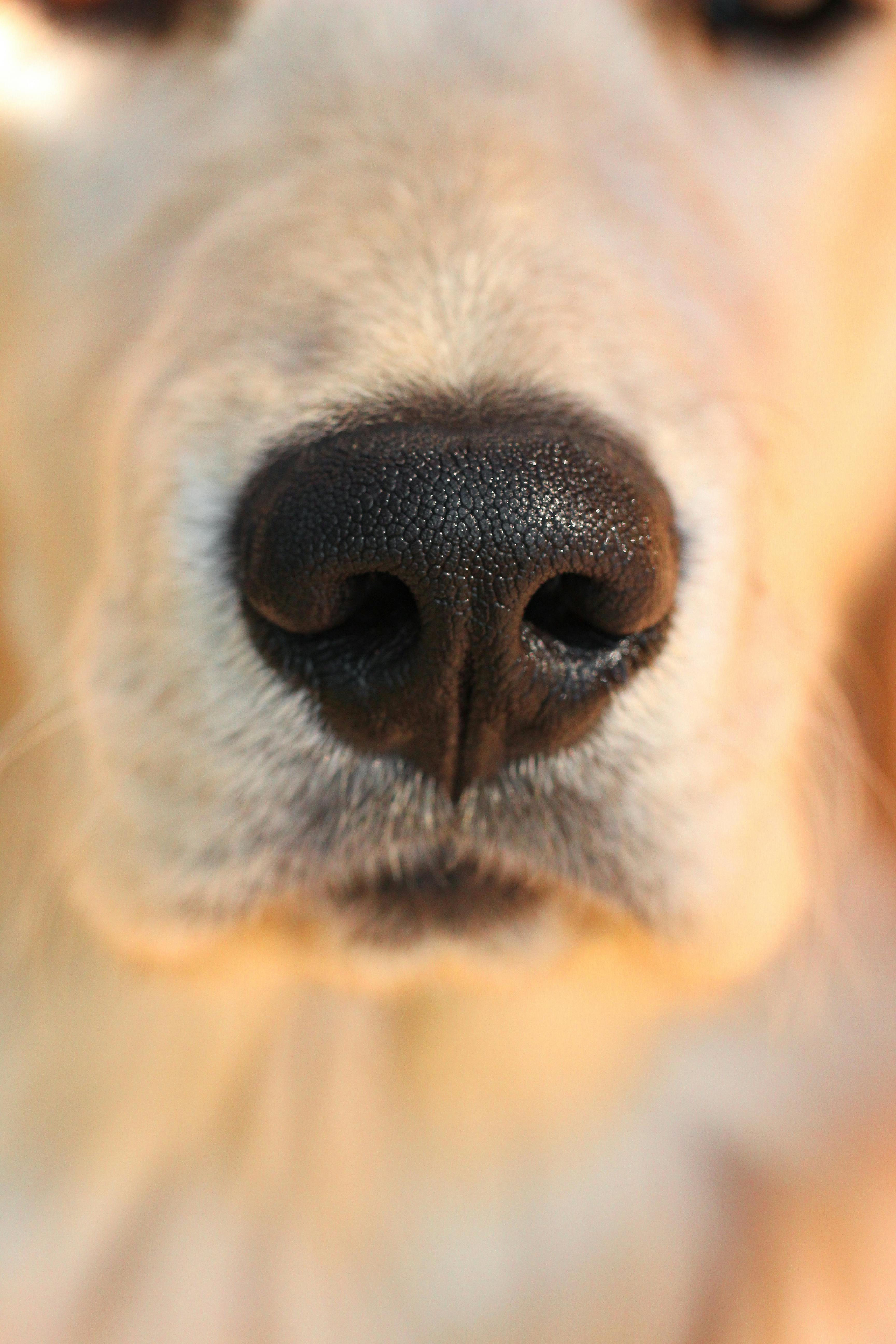 \n\n
\n\nDogs are often considered man's best friend, and one of their most endearing features is their wet noses. But have you ever stop to think why dogs have wet noses? Is it just for show, or does it serve a purpose? This article will explore the fascinating truth behind your dog’s wet nose and what it can indicate about their health.
\nWhy Do Dogs Have Wet Noses?
\nMany people think dogs have wet noses because they are always sniffing around or playing in the dirt. But it goes deeper than that! A dog’s nose is not just a cute feature; it plays a vital role in their sense of smell. The moisture on a dog’s nose helps to enhance their olfactory senses. Here’s how:
\n- \n
- Enhanced Smell: A wet surface allows scent particles to stick better, which help dogs pick up on various smells more efficiently. \n
- Cooling Mechanism: Just like humans sweat to cool down, dogs also lose heat through their noses. It helps regulate their body temperature. \n
- Health Indicator: A wet nose is generally a sign of a healthy dog, but it can also indicate health issues. If the nose is dry, it might not always mean something is wrong, but it’s worth keeping an eye on. \n
Can Your Dog's Wet Nose Indicate Health Issues? Find Out Here!
\nIt’s important to understand that a dog’s nose can tell you a lot about their overall health. While a wet nose is often a good sign, changes in moisture levels can point to potential health issues. Here are some common health concerns that can be indicated by a dry or excessively wet nose:
\n- \n
- Dehydration: If a dog’s nose is dry and cracked, it could be a sign that they're not getting enough water. \n
- Fever: An unusually warm or dry nose can indicate a fever. If your dog’s nose feels hot and dry, it's a good idea to check their temperature. \n
- Infections: Excessively wet or runny noses can sometimes be a sign of infections, especially if accompanied by other symptoms like sneezing or coughing. \n
- Allergies: Dogs can have allergic reactions that lead to nasal discharge. If the nose is excessively wet and clear, it may be a sign of allergies. \n
A Quick Look at Dog Nose Types
\nJust like breeds, dogs’ noses can be different in terms of moisture and texture. Here’s a brief overview:
\n- \n
- Wet and Cold: This is generally a sign of good health. \n
- Warm and Dry: Potentially concerning, especially if it persists. \n
- Nasal Discharge: If there is mucus or blood, it’s time to see a vet. \n
Fun Facts About Dog Noses
\n- \n
- Dogs have around 220 million scent receptors in their noses, compared to humans who only have about 5 million. \n
- A dog’s sense of smell is estimated to be 40 times better than that of humans, making them excellent at detecting scents. \n
- The texture of a dog’s nose is unique, much like a human fingerprint! \n
What To Do If Your Dog’s Nose Changes?
\nIf you notice a change in your dog's nose, it’s always best to observe them for additional symptoms. Here’s a quick checklist:
\n- \n
- Monitor Behavior: Is your dog acting differently? Eating less? \n
- Check Temperature: A normal dog’s body temperature is between 101-102.5°F. \n
- Look for Other Symptoms: Coughing, sneezing, or lethargy can all indicate health problems. \n
- Visit a Veterinarian: If you’re in doubt, always consult your vet! \n
Common Myths About Dog Noses
\nThere are many misconceptions about dog noses. Here are a few:
\n- \n
- \n
Myth: A dry nose always means a sick dog.
\n \n - \n
Fact: Dogs can have dry noses for many reasons that are not related to illness.
\n \n - \n
Myth: A cold nose means a dog is sick.
\n \n - \n
Fact: A dog’s nose temperature fluctuates and isn’t a reliable indicator of health.
\n \n
Understanding why dogs have wet noses and what it indicates can help you take better care of your furry friend. Keeping an eye on their nose can be an easy way to monitor their health. After all, being aware of these details can help ensure your dog stays happy and healthy! So, the next time you give your pup a scratch behind the ears, take a moment to check the state of their nose.
\n\nThe Fascinating Role of Moisture: How Dogs Use Their Noses to Understand the World
\n\n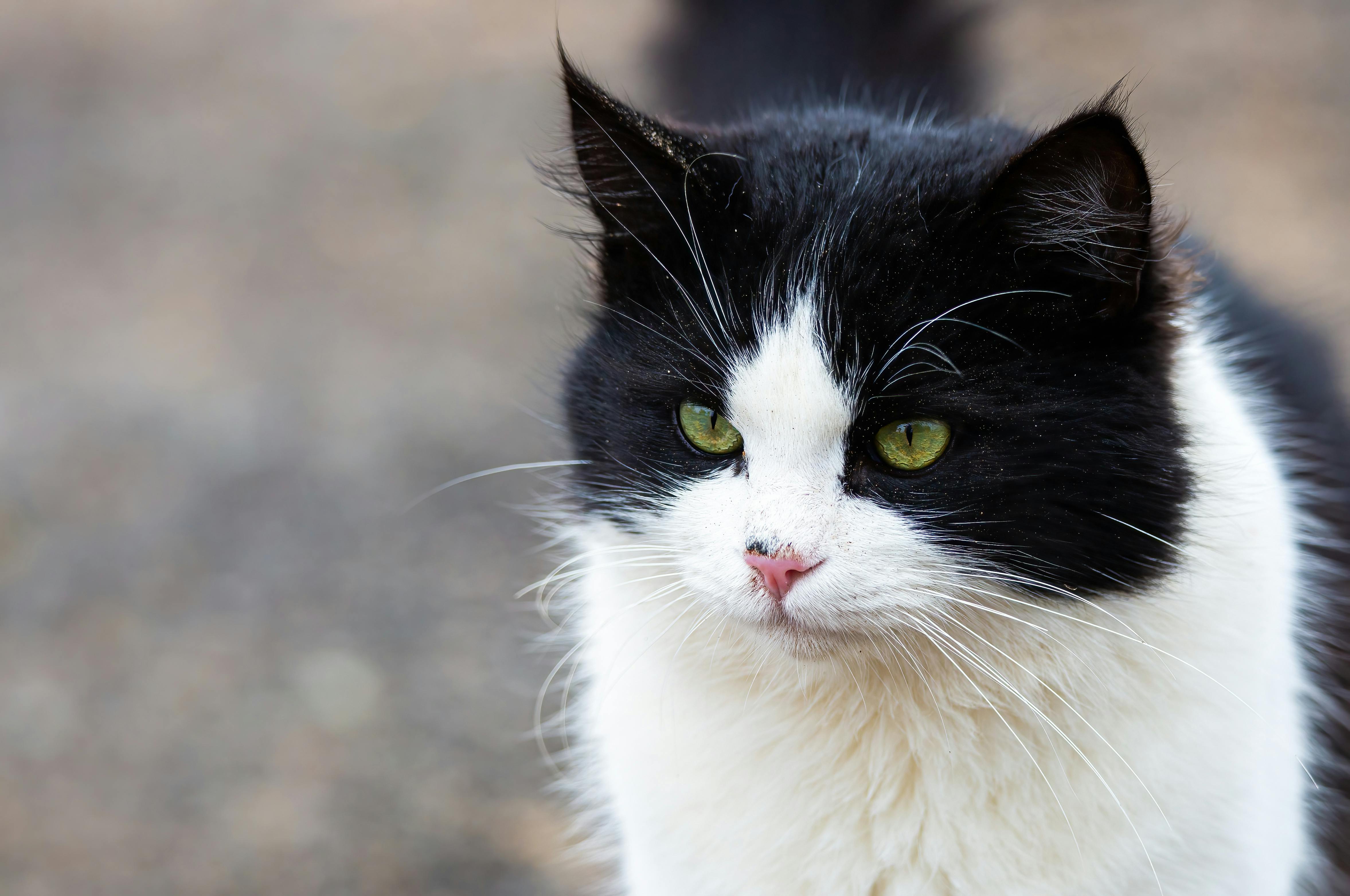 \n\n
\n\nDogs, those furry companions we adore, possess a remarkable ability to navigate their world, and much of this skill comes from their noses. But have you ever wondered why do dogs have wet noses? This question not only sparks curiosity but also reveals the fascinating interplay of biology and behavior in canines. Wet noses are not just cute; they serve multiple purposes that enhance a dog's interaction with their environment.
\nThe Science Behind a Dog's Nose
\nDogs have an incredible sense of smell, which is estimated to be between 10,000 to 100,000 times more acute than that of humans. Their noses are covered with olfactory receptors, which help them detect various scents. The moisture on their noses plays a critical role in this process. When the nose is wet, it helps to trap scent particles, allowing the dog to better analyze smells.
\n- \n
- Olfactory Receptors: Dogs have about 220 million olfactory receptors compared to a human's 5 million. \n
- Scent Detection: The wetness helps dissolve scent molecules, making it easier for dogs to pick up on different odors. \n
- Temperature Regulation: A wet nose can also help dogs cool down, providing a unique way to regulate body temperature. \n
Why Do Dogs Have Wet Noses?
\nThe moisture on a dog's nose serves several important functions, and understanding these can improve our appreciation for our furry friends. Here are some key reasons:
\n- \n
- Enhanced Smelling Ability: Moisture helps to absorb and hold scent particles, which improves a dog's ability to detect smells. \n
- Thermoregulation: Dogs don’t sweat like humans do. A wet nose helps them cool off, especially during warm weather. \n
- Communication: A dog's nose can communicate their mood or health; for instance, a dry nose might indicate dehydration or a fever. \n
- Social Interaction: Dogs use their noses to gather information about other animals and humans, making their noses a social tool as well. \n
Historical Context of Dog Noses
\nHistorically, dogs have been bred for various purposes, and their noses have evolved to suit those needs. From hunting to herding, the role of their sense of smell has been pivotal.
\n- \n
- Hunting Dogs: Breeds like Bloodhounds are famed for their tracking abilities, thanks to their enhanced sense of smell. \n
- Service Dogs: Many service dogs are trained to detect medical conditions, such as low blood sugar or seizures, utilizing their extraordinary olfactory senses. \n
Fascinating Facts About Dog Noses
\n- \n
- Unique Prints: Just like human fingerprints, every dog has a unique nose print. This can be used for identification. \n
- Color Variation: The color of a dog's nose can vary significantly, and while many are black or brown, some breeds have pink noses. \n
- Nose Temperature: A dog's nose temperature can indicate health issues; typically, a cool and damp nose is a sign of a healthy dog. \n
How to Care for Your Dog's Nose
\nMaintaining your dog's nose health is important, especially in extreme weather conditions. Here are some tips:
\n- \n
- Hydration: Ensure your dog stays well-hydrated, as a dry nose can be a sign of dehydration. \n
- Moisturizers: If your dog's nose becomes excessively dry or cracked, consider using dog-safe moisturizers. \n
- Regular Vet Checkups: Regular visits to the vet can help monitor changes in your dog's nose and overall health. \n
The Role of Moisture in a Dog's Life
\nMoisture isn’t just a trivial detail; it plays a significant role in helping dogs interact with their environment and communicate with others. It aids in their ability to smell and can even impact their mood.
\n- \n
- Weather Changes: A wet nose can help dogs adapt better to climate changes. For instance, they might be more comfortable in humid conditions. \n
- Behavioral Cues: Dogs will often change their nose moisture levels depending on their excitement or anxiety, providing cues to their emotional state. \n
Knowing why do dogs have wet noses adds another layer to our understanding of these incredible animals. Their noses are not just adorable features but essential tools that help them connect with the world around them. As dog owners, recognizing the significance of our canine companions' noses can lead to better care, improved communication, and a deeper bond with our furry friends. Embracing their unique traits, like wet noses, makes us appreciate the fascinating roles they play in our lives.
\n\nWet Noses and Communication: Do Dogs Use Their Noses to Convey Emotions?
\n\n \n\n
\n\nDogs are more than just pets; they are companions that communicate with us in various ways. One of the most interesting aspects of canine communication is their wet noses. Have you ever wondered why do dogs have wet noses? This unique feature serves multiple purposes and plays a significant role in how dogs express their emotions. So let’s delve into the fascinating truth about wet noses and what they reveal about our furry friends.
\nWhy Do Dogs Have Wet Noses?
\nThe first thing to know is that a dog's nose is not just for smelling. It’s also an important part of their sensory system. Here are some reasons why dogs have wet noses:
\n- \n
- \n
Enhanced Scent Detection: Dogs have an incredible sense of smell, estimated to be between 10,000 to 100,000 times more sensitive than humans. A wet nose helps to capture scent particles more effectively. The moisture on their noses allows them to absorb scents better, which is why they often sniff around before responding to their environment.
\n \n - \n
Temperature Regulation: Dogs regulate their body temperature through their noses. When a dog's nose is wet, it can help cool down their body. This is important especially during hot weather or after physical activity.
\n \n - \n
Health Indicator: A dog's nose can sometimes indicate their health status. While a wet nose is generally a sign of a healthy dog, a dry or cracked nose could suggest dehydration or illness. However, it's not the only factor to consider; other symptoms should also be evaluated.
\n \n - \n
Emotional Expression: Dogs use their noses to communicate emotions and intentions. A dog may nuzzle you with their wet nose as a sign of affection, or it might use its snout to explore and understand their surroundings.
\n \n
Dogs and Emotional Communication
\nDogs are known for their ability to communicate with humans and other animals. Their wet noses play a role in this non-verbal communication. Here are some ways dogs convey emotions through their noses:
\n- \n
- \n
Affection: When a dog nudges you with their nose, it's often a sign of love and trust. They are reaching out to connect with you, showing they care.
\n \n - \n
Curiosity: A sniffing dog is usually a curious dog. When they approach something new, their wet nose is often the first point of contact, indicating their desire to learn more about the object or person.
\n \n - \n
Anxiety or Stress: Sometimes, a dog may lick or sniff excessively when they're anxious. This behavior can be a self-soothing mechanism, much like a person might fidget when nervous.
\n \n - \n
Playfulness: A playful dog might use their nose to initiate play. They might nudge you or a toy with their wet nose as an invitation to engage in fun activities.
\n \n
Fun Facts About Dog Noses
\n- \n
- \n
Unique Patterns: Just like human fingerprints, every dog's nose print is unique. This means you could identify a dog by its nose alone!
\n \n - \n
Scent Memory: Dogs can remember scents for many years. This is why they can recognize their owners even after a long absence, based solely on smell.
\n \n - \n
Nose Temperature: The temperature of a dog’s nose can change, but it doesn't always indicate health. A warm nose doesn't automatically mean a dog is sick.
\n \n - \n
Nose Size and Shape: Breeds with longer noses tend to have better scenting ability than those with shorter snouts. For example, Bloodhounds are known for their extraordinary scent tracking abilities.
\n \n
Practical Examples of Nose Communication
\nYou might notice your dog using their nose in various situations. Here are some practical examples:
\n- \n
- \n
Greeting: When meeting new dogs or people, your dog may approach with a wet nose first, sniffing to gather information about the new scent.
\n \n - \n
Seeking Attention: If your dog nudges you with their nose while you're busy, they're likely trying to catch your attention for a walk or playtime.
\n \n - \n
Expressing Needs: If a dog needs to go outside or is feeling anxious, they might use their nose to indicate the door or even push against you for comfort.
\n \n
Understanding why do dogs have wet noses and how they use them to communicate can enhance the bond between you and your furry friend. Their wet noses are not just a unique characteristic but a window into their emotional world. By recognizing these signs, we can better respond to their needs and strengthen our connection with them. So next time you feel a wet nose against your hand, remember it’s more than just a greeting; it’s a message from a loving companion.
\n\nHow Do Weather Changes Affect Your Dog's Nose Moisture? Discover the Connection!
\n\n \n\n
\n\nAs dog owners, we often wonder about those little things that make our furry friends unique. One of the most fascinating aspects of dogs is their wet noses. Why do dogs have wet noses? It’s a question that many people ask, and it turns out there’s a lot more to it than just a quirky feature. In this article, we gonna explore how weather changes affect your dog’s nose moisture, and uncover some interesting facts about why dogs have those moist noses in the first place.
\nWhy Do Dogs Have Wet Noses?
\nTo understand the reasons behind a dog's wet nose, it's important to consider a few key factors. Wet noses in dogs primarily serve three main functions:
\n- \n
- Temperature Regulation: Dogs don’t sweat like humans do. Instead, they cool off through their noses and panting. A wet nose helps to regulate their body temperature, especially on hot days. \n
- Enhanced Sense of Smell: A moist nose helps trap scent particles. This is crucial for dogs, as their sense of smell is thousands of times more sensitive than that of humans. The moisture on their noses helps to absorb scents, making it easier for them to detect odors. \n
- Health Indicator: The moisture level of a dog's nose can sometimes indicate its health. A healthy dog usually has a cool, damp nose. But if it’s excessively dry or warm, it might suggest a health issue, like fever or dehydration. \n
How Do Weather Changes Affect Your Dog's Nose Moisture?
\nWeather can have a significant impact on how moist or dry a dog's nose is. Here’s how different weather conditions can affect it:
\n- \n
- \n
Hot Weather: In warmer temperatures, a dog’s nose might get drier because of the heat. Dogs tend to pant more, which may lead to less moisture on their noses. Owners should keep an eye on their pets and ensure they stay hydrated.
\n \n - \n
Cold Weather: Cold and dry air can also cause a dog's nose to become dry. Just like humans, dogs can experience chapped noses in winter. It's essential to apply a dog-safe moisturizer if you notice this happening.
\n \n - \n
Rainy or Humid Weather: On the flip side, humidity can cause a dog’s nose to remain moist. The damp air is absorbed by the nose, keeping it cool and wet. This can be a relief for dogs that struggle with dry noses in other conditions.
\n \n
Practical Tips for Dog Owners
\nIf you're a dog owner, you probably wanna take care of your pet's nose health. Here are some practical tips:
\n- \n
- \n
Hydration: Always provide fresh water, especially during hot days. Dehydration can lead to a dry nose and other health issues.
\n \n - \n
Moisturizing: If your dog’s nose looks dry, consider using a special nose balm designed for dogs. Avoid human products, as they can be harmful.
\n \n - \n
Regular Vet Check-ups: If you notice persistent changes in your dog’s nose moisture, it might be wise to consult your veterinarian. Changes could indicate underlying health issues.
\n \n
Interesting Facts About Dog Noses
\nHere are some fun and lesser-known facts about why dogs have wet noses:
\n- \n
- Dogs have approximately 220 million scent receptors in their noses compared to about 5 million in humans. \n
- A dog's nose print is as unique as a human fingerprint. No two dogs have the same nose print. \n
- The moisture in a dog’s nose can change throughout the day. You might find it wetter in the morning and drier in the afternoon. \n
- Dogs can “taste” scents through a special organ in their mouths called the vomeronasal organ, which works better when their noses are moist. \n
Quick Comparison: Dog Noses vs. Human Noses
\n| Feature | \nDog Nose | \nHuman Nose | \n
|---|---|---|
| Scent Receptors | \n220 million | \n5 million | \n
| Temperature Regulation | \nYes | \nNo | \n
| Moisture Absorption | \nHigh | \nLow | \n
| Unique Identification | \nYes (print) | \nNo (fingerprint) | \n
Understanding why dogs have wet noses and how weather changes can affect that moisture is not just interesting; it’s vital for dog owners. Keeping your dog's nose healthy should be a priority, and being aware of how different weather conditions impact it can help you better care for your furry friend. So, the next time you notice your dog's nose, think about all the fascinating science behind it!
\n\nThe Evolutionary Purpose of a Wet Nose: What Your Dog’s Sniffer Reveals
\n\n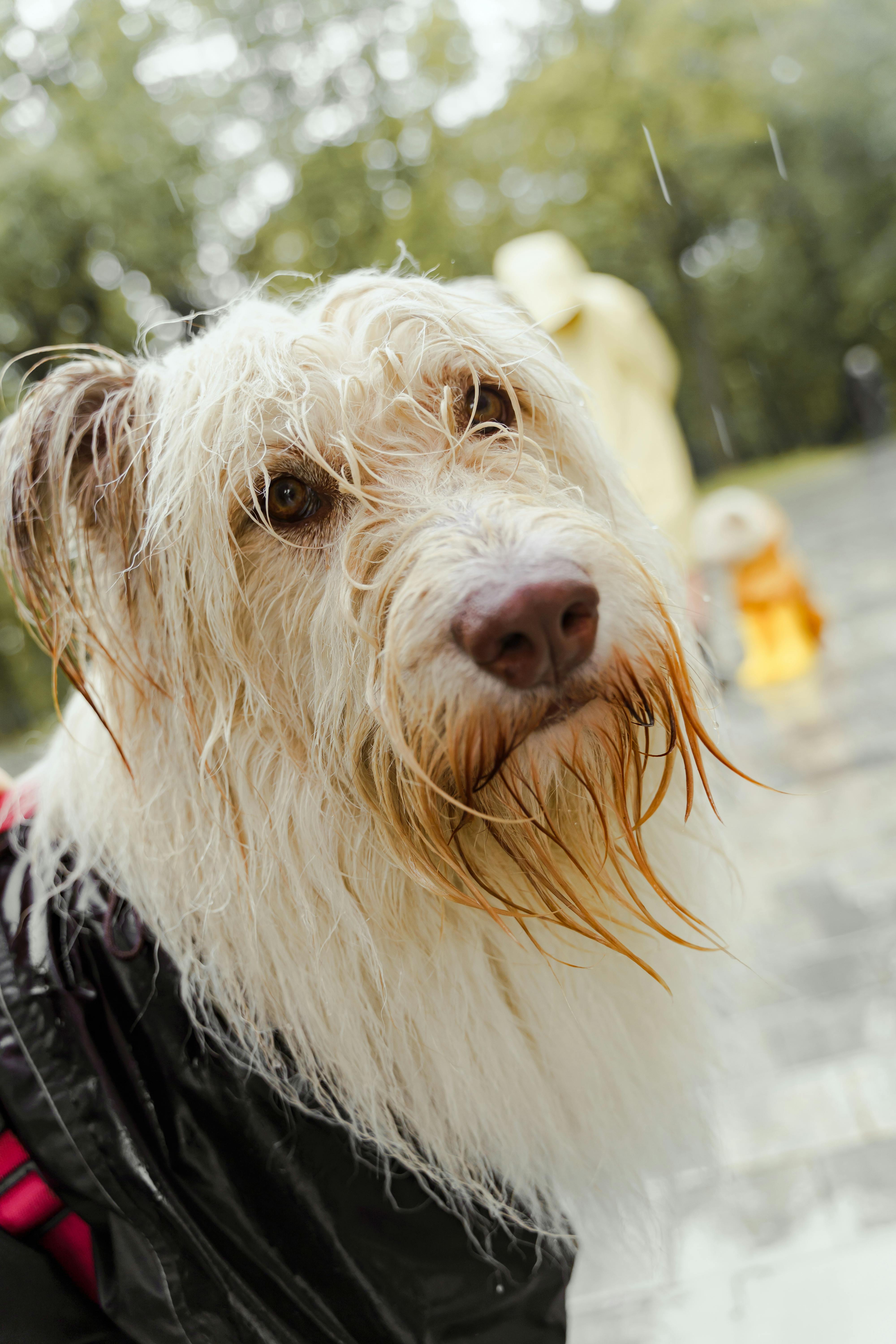 \n\n
\n\nDogs are known for their playful nature and loyalty, but one of the most interesting aspects of a dog is its nose. Ever wonder why do dogs have wet noses? Well, it turns out that there’s a fascinating evolutionary purpose behind this unique trait. A wet nose is not just a quirk of nature; it serves several important functions for our furry friends. Let’s dive into the reasons behind this feature and what it reveals about dogs.
\nThe Science Behind Wet Noses
\nFirst off, a dog's nose is not just for looks. The wetness is actually a result of mucus secretions. This mucus helps to trap scent particles, making it easier for dogs to pick up on different smells. Did you know that dogs have up to 300 million olfactory receptors in their noses compared to a human’s mere 5 million? This incredible sense of smell enables them to detect scents at incredibly low concentrations.
\nWhy Are Dog Noses Wet?
\nHere are some reasons why dogs have those moist noses:
\n- \n
- \n
Enhanced Smell: A wet nose can absorb scent chemicals better. The moisture allows scent particles to adhere more effectively, amplifying a dog’s ability to identify and differentiate smells.
\n \n - \n
Temperature Regulation: Dogs can’t sweat like humans do. Their wet noses help regulate body temperature. When the moisture on their noses evaporates, it cools them down, which is especially helpful during hot weather.
\n \n - \n
Health Indicator: A dog’s nose can also indicate its health. For example, a dry or cracked nose might sometimes signal dehydration or illness. Conversely, a consistently wet nose is usually a sign of a healthy pup.
\n \n
Historical Context of Dog Noses
\nHistorically, dogs were bred for various purposes, including hunting, herding, and guarding. Their sense of smell was paramount in these roles. Ancient civilizations recognized this, often using dogs for tracking game or for search-and-rescue missions.
\n- \n
- \n
Hunting: Early hunters used dogs to track down prey thanks to their keen sense of smell.
\n \n - \n
Search and Rescue: Dogs have been trained to locate missing persons or detect substances like drugs and explosives over the years, tapping into that powerful olfactory ability.
\n \n
Fun Facts About Dog Noses
\nHere are some quirky and interesting facts that you might not know about dog noses:
\n- \n
- \n
Unique Prints: Just like human fingerprints, every dog has a unique nose print. Some even say they can be used to identify your pet!
\n \n - \n
Color Changes: A dog’s nose can change color depending on the season or their health. For example, some dogs get a "snow nose" in winter, where their noses turn lighter.
\n \n - \n
Scent Memory: Dogs have a remarkable scent memory. They can remember a scent for years, which is why they can recognize their owners even after long periods apart.
\n \n
Comparisons: Dog Noses vs. Human Noses
\n| Feature | \nDog Nose | \nHuman Nose | \n
|---|---|---|
| Olfactory Receptors | \nUp to 300 million | \nAbout 5 million | \n
| Scent Detection | \nCan detect scents in parts per trillion | \nLess sensitive to faint odors | \n
| Moisture | \nTypically wet to enhance smell | \nGenerally dry | \n
| Temperature Control | \nHelps cool body through evaporation | \nRelies more on sweating | \n
Practical Tips for Dog Owners
\nAs a dog owner, understanding the significance of your dog's nose can help you better care for your furry friend. Here are some practical tips:
\n- \n
- \n
Keep it Clean: Regularly check and clean your dog’s nose. Dirt can hinder their ability to smell.
\n \n - \n
Hydration is Key: Ensure your dog stays hydrated, as a dry nose could indicate dehydration.
\n \n - \n
Observe Changes: Pay attention to any sudden changes in the wetness or color of your dog's nose, as it could signal a health issue.
\n \n - \n
Encourage Sniffing: Allow your dog to explore and sniff during walks. It’s natural for them and great for mental stimulation.
\n \n
So, why do dogs have wet noses? It’s a combination of evolutionary adaptation and practicality! Their moist noses enhance their incredible sense of smell, help regulate body temperature, and can even indicate their health status. Next time you pet your dog, take a moment to appreciate that wet nose and all that it represents.
\n\nCuriosity Unleashed: Why Do Some Dogs Have Drier Noses Than Others?
\n\n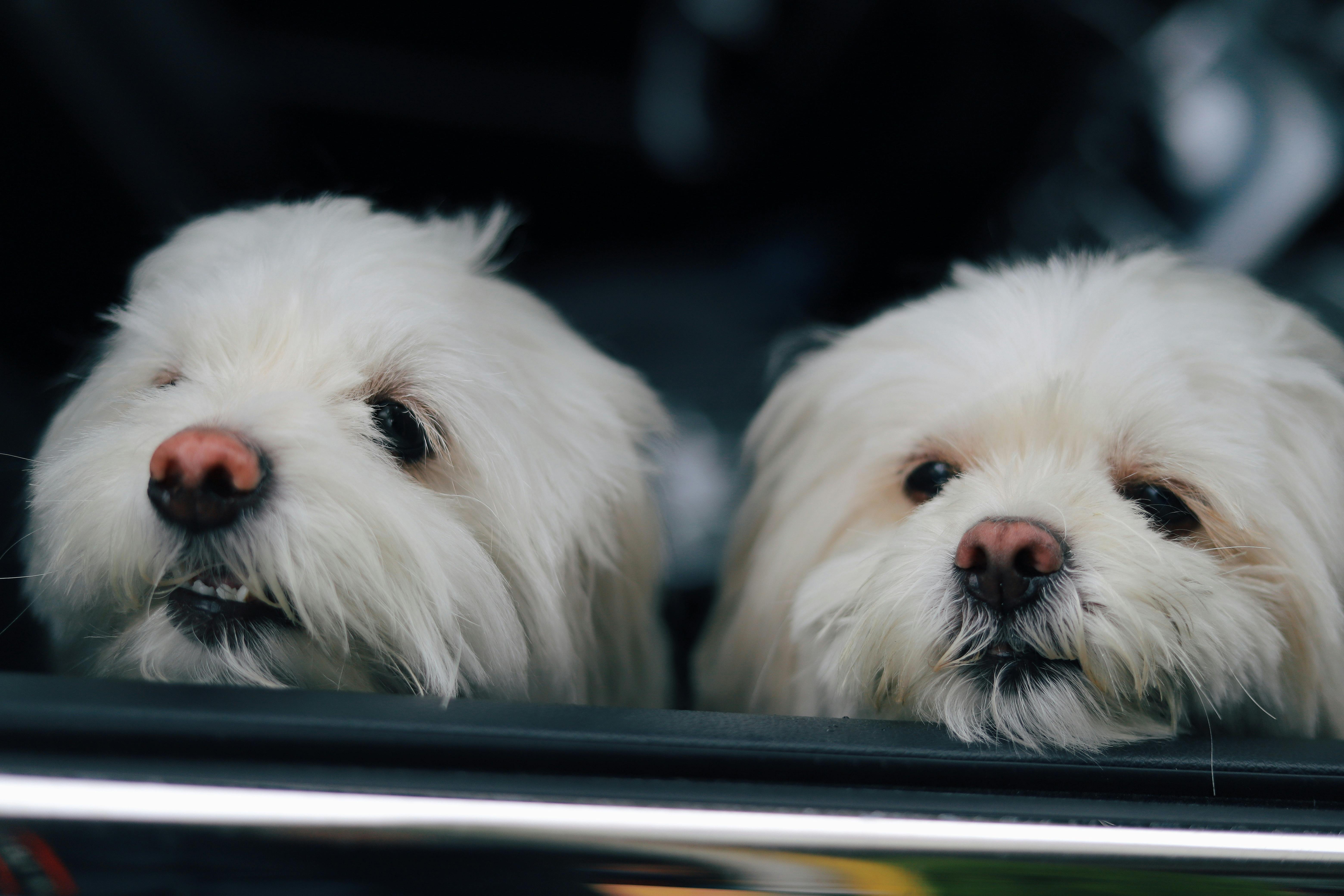 \n\n
\n\nCuriosity Unleashed: Why Do Some Dogs Have Drier Noses Than Others? Why Do Dogs Have Wet Noses? Uncover The Fascinating Truth!
\nWhen you look at your furry friend, you might notice something curious: their noses come in all sorts of textures and moisture levels. Some dogs have wet, shiny noses, while others seem to have dry, cracked ones. This might got you wondering, why do dogs have wet noses? And why do some seem drier than others? Let’s dive into the captivating world of canine noses and uncover the truth behind this phenomenon.
\nThe Science Behind the Wet Nose
\nA dog's nose is not just a cute feature; it's a crucial part of how they interact with the world. Canine noses are designed to be highly sensitive and they help dogs to smell things that are unimaginable to humans. The wetness of a dog's nose plays a key role in enhancing their olfactory capabilities.
\n- \n
- Moisture and Smell: Wet noses help to capture scent particles from the air. When a dog's nose is moist, it can absorb scent molecules better, allowing them to detect smells more effectively. \n
- Temperature Regulation: Dogs don't sweat like humans do; they primarily regulate their body temperature through panting and their noses. Moisture on a dog's nose can help keep them cool. \n
- Health Indicator: A wet nose is often seen as a sign of good health. If a dog has a dry nose, it might indicate dehydration, illness, or other health issues. But it’s not always a reason for concern! \n
Why Do Some Dogs Have Drier Noses?
\nNow, let’s tackle the question of why some dogs have drier noses than others. There's actually a variety of factors that contribute to this difference.
\n- \n
- Breed Differences: Certain breeds are more prone to having dry noses. For example, brachycephalic breeds like Bulldogs and Pugs tend to have drier noses due to their facial structure. \n
- Environmental Factors: Weather plays a huge role too. Dogs living in hot or dry climates might have drier noses compared to those in humid areas. \n
- Health Conditions: Conditions like allergies, autoimmune diseases, or even sunburn can lead to a dry nose. If a dog’s nose suddenly becomes dry, it might be a sign to check with a vet. \n
The Evolutionary Perspective
\nDogs have been companions to humans for thousands of years, and their noses have evolved just like the rest of their bodies. Historically, dogs were bred for specific purposes, and their nose conditions could reflect their roles.
\n- \n
- Hunting Dogs: Breeds like Bloodhounds or Beagles often have wetter noses due to their need for acute scent tracking. \n
- Companion Breeds: Smaller breeds, often bred for companionship, might not have the same necessity for a wet nose and could show more variety in moisture levels. \n
Interesting Facts About Dog Noses
\n- \n
- Unique Patterns: Just like human fingerprints, every dog has a unique nose print. \n
- Scent Capacity: Dogs have up to 300 million olfactory receptors in their noses, while humans only have about 5 million. \n
- Nose Temperature: A dog’s nose can change temperature, which is another way for them to sense their surroundings. \n
Practical Tips for Nose Care
\nTaking care of your dog’s nose is essential for their overall health. Here’s a quick list of care tips:
\n- \n
- Hydration: Ensure your dog has access to fresh water at all times. Staying hydrated helps maintain a healthy nose. \n
- Avoid Sunburn: If your dog has a light-colored or thin-skinned nose, consider using pet-safe sunscreen. \n
- Regular Vet Check-ups: If you notice any sudden changes in your dog’s nose condition, consult a veterinarian. \n
Comparing Wet and Dry Noses
\nHere’s a quick comparison of the characteristics of wet and dry noses:
\nWet Nose:
\n- \n
- Typically cooler to the touch \n
- Indicative of good health \n
- Helps in smelling \n
Dry Nose:
\n- \n
- May feel warm \n
- Can indicate health issues \n
- More common in specific breeds \n
Understanding the reasons behind why do dogs have wet noses and why some are drier not only satisfies your curiosity but can also enhance your bond with your pet. Recognizing changes in your dog’s nose can provide insights into their health and wellbeing.
\nThe next time you give your furry friend a scratch behind the ears, take a moment to appreciate their unique nose. It’s a fascinating feature that plays a significant role in their daily life. With all the wonders of a dog's nose, it’s clear that there’s always more to learn about our canine companions.
\n\nCommon Myths About Wet Noses: Debunking the Misconceptions About Dogs
\n\n \n\n
\n\nDogs are often known for their wet noses, but there’s a lot of misconceptions surrounding this curious characteristic. Many people wonder why do dogs have wet noses, and some even believe myths about what it means. Let’s dive into some common myths and uncover the fascinating truth about our furry friends and their snouts.
\nMyth 1: A Wet Nose Means a Dog is Healthy
\nOne of the biggest myths is that if a dog has a wet nose, it means they are healthy. While it’s true that many healthy dogs have moist noses, it’s not a definitive sign of good health. Just like humans, dogs can have varying nose conditions. A dry nose can also be perfectly normal, depending on the weather, activity level, or even breed. Some dogs naturally have drier noses, and it doesn't necessarily indicate sickness.
\nMyth 2: Dogs Lick Their Noses to Keep Them Wet
\nAnother common belief is that dogs lick their noses to maintain moisture. While it’s true that dogs do lick their noses, it’s not primarily for hydration. Instead, dogs have a unique physiological feature that helps keep their noses moist. Their noses secrete mucus which helps in scent detection, so when they sniff, the moisture captures scent particles, enhancing their sense of smell. Therefore, it’s not just a matter of keeping it wet.
\nThe Fascinating Anatomy of a Dog’s Nose
\nDogs have an extraordinary sense of smell, and their noses are a big part of that. Here are some interesting facts about a dog’s nose:
\n- \n
- Number of Olfactory Receptors: Dogs have up to 300 million olfactory receptors, compared to humans who have about 5 million. This is why dogs can detect scents that are undetectable to us. \n
- Moisture and Scent Detection: The moisture on a dog’s nose helps to absorb scent particles, making it easier for dogs to identify different smells. \n
- Temperature Regulation: A dog’s wet nose also helps in thermoregulation. When a dog pants, they can cool down their body temperature partially through the moisture on their noses. \n
Myth 3: All Dogs Have Wet Noses
\nSome people think all dogs have wet noses, but that’s not true. Certain breeds, like Bulldogs or pugs, may have drier noses due to their facial anatomy. This doesn’t mean they are sick; it’s just how they are built.
\nThe Role of Environment
\nThe environment can also play a big role in whether a dog’s nose is wet or dry. For example, during hot summer days, a dog’s nose may be drier compared to cooler, humid days. Here’s a look at how different conditions can affect a dog’s nose:
\n- \n
- Hot Weather: Dogs may have drier noses when it’s hot outside. It’s important to keep them hydrated and cool. \n
- Cold Weather: In cold weather, dogs may develop a dry, chapped nose. A dog-friendly moisturizer can help. \n
- Indoor Heating: Central heating can dry out the air, resulting in drier noses for dogs that spend a lot of time indoors. \n
Common Misconceptions About Dog Health
\nWhen it comes to dog health, many pet owners might jump to conclusions based on their dog’s nose condition. Here are some common misconceptions:
\n- \n
- A warm, dry nose means a dog has a fever: This isn't always true. A dog’s temperature is best assessed through a thermometer. \n
- Nose color changes indicate illness: A dog’s nose color can change for various reasons, including breed variations, age, or exposure to sunlight, and it doesn’t always indicate a health issue. \n
How to Care for Your Dog's Nose
\nMaintaining your dog’s nose health is important, and here are some tips:
\n- \n
- Regular Check-ups: Make sure to visit the vet for regular check-ups to catch any potential issues early. \n
- Hydration: Keep your dog hydrated, especially during hot weather. \n
- Moisturize: If your dog has a dry nose, consider using a pet-safe moisturizer. \n
Understanding why do dogs have wet noses and debunking common myths helps pet owners take better care of their furry companions. It’s fascinating to learn about the biology behind such a simple feature and how it plays a significant role in a dog’s life. Now you can confidently share your newfound knowledge with others and help dispel these myths surrounding our beloved pets.
\n\nUnderstanding Your Dog: What a Wet Nose Really Means for Their Health and Happiness
\n\n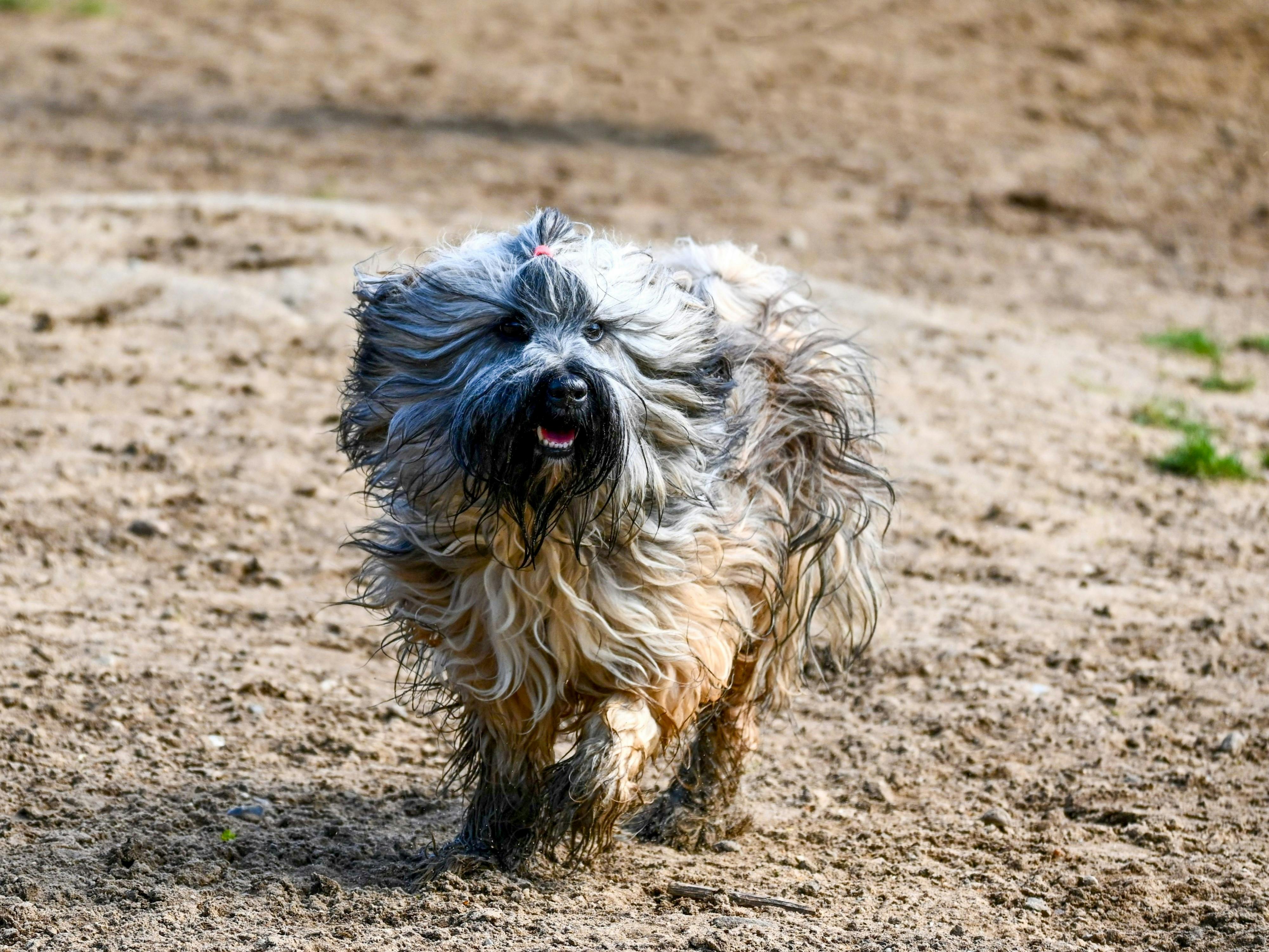 \n\n
\n\nDogs are often considered man's best friend, and there's so much we can learn about them. One of the most intriguing aspects of dogs is their wet noses. You might’ve noticed how your furry friend’s nose feels cool and moist to the touch. But, why do dogs have wet noses? What does it mean for their health and happiness? Let’s dive into the fascinating truth behind this canine characteristic.
\nUnderstanding the Science Behind Wet Noses
\nDogs’ noses are wet for a variety of reasons, and it’s not just a random feature. The moisture on your dog’s nose plays a key role in their health and sense of wellbeing. Here’s a breakdown of why dog noses are often wet:
\n- \n
- Cooling Mechanism: Dogs do not sweat the same way humans do. Instead, they rely on their noses to help regulate body temperature. A wet nose can cool them down as moisture evaporates. \n
- Enhanced Smell: Dogs have an extraordinary sense of smell, which is about 40 times better than humans. The moisture on their nose helps to trap scent particles, allowing them to detect smells more efficiently. \n
- Health Indicator: A wet nose is often a sign of a healthy dog. If your dog’s nose is dry or cracked, it might indicate dehydration or illness. \n
Historical Context of Dog Noses
\nThe anatomy of a dog’s nose has evolved over thousands of years. Historically, dogs have been used for hunting and herding, where their sense of smell was vital. Ancient civilizations recognized the importance of a dog’s nose and bred them for specific traits. Wet noses were a desirable trait as they indicated better olfactory capabilities.
\nWhat Influences a Dog's Nose Moisture?
\nA dog’s nose can become wet or dry due to several factors, including:
\n- \n
- Weather Conditions: Humidity and temperature can affect the moisture level on a dog's nose. Hot, dry days can lead to a drier nose. \n
- Activity Level: After playing or exercising, a dog’s nose may dry out due to increased breathing and panting. \n
- Health Issues: Persistent dryness or unusual changes in moisture could indicate health problems, such as fever or allergies. \n
The Fascinating Truth About Wet Noses: Fun Facts
\nHere are some fun and interesting facts about dog noses:
\n- \n
- Unique Prints: Just like human fingerprints, each dog’s nose print is unique. \n
- Temperature Sensing: A dog's nose can detect changes in temperature, which helps them navigate their environment. \n
- Communication Tool: Dogs use their noses to communicate with other dogs. A wet nose can signal friendliness and curiosity. \n
When to Worry About Your Dog's Nose
\nWhile a wet nose is typically a sign of good health, there are situations where you should take notice. Here’s what to look out for:
\n- \n
- Dry, Cracked Nose: If your dog’s nose is consistently dry or cracked, it could indicate dehydration or a health issue. \n
- Discoloration: A sudden change in the color of the nose might be due to an allergic reaction or a skin condition. \n
- Excessive Moisture: Conversely, if the nose is excessively wet, it could be a sign of a respiratory infection or other health concerns. \n
Practical Tips for Dog Owners
\nTaking care of your dog's nose is just as important as their overall health. Here are some practical tips:
\n- \n
- Stay Hydrated: Make sure your dog always has access to fresh water to prevent dehydration. \n
- Check Regularly: Regularly check your dog’s nose for any changes in moisture or texture. \n
- Consult the Vet: If you notice any unusual changes in your dog’s nose, don’t hesitate to consult your veterinarian. \n
Comparison: Dog Noses vs. Human Noses
\nHere’s a quick comparison between dog noses and human noses:
\n| Feature | \nDog Nose | \nHuman Nose | \n
|---|---|---|
| Sensitivity | \nExtremely sensitive | \nLess sensitive | \n
| Moisture Function | \nEnhances smell detection | \nRegulates temperature | \n
| Unique Prints | \nYes, each is distinct | \nNo, similar patterns | \n
| Cooling Mechanism | \nEvaporation cools body | \nSweating cools body | \n
Understanding your dog and its wet nose can enhance your bond with your furry friend. So next time you give your pup a pat, take a moment to appreciate that lovely wet nose and all it signifies about their health and happiness. Your dog communicates with you in ways that are unique, and knowing what their nose says about them can deepen your connection.
\n\nConclusion
\n\nIn conclusion, the wet noses of dogs serve several important functions that contribute to their overall health and well-being. The moisture helps enhance their sense of smell, allowing them to detect scents more effectively, which is integral to their communication and hunting instincts. Additionally, a wet nose can aid in regulating their body temperature, as dogs primarily rely on panting and moisture evaporation for cooling. Understanding why dogs have wet noses not only deepens our appreciation for these beloved pets but also highlights their unique adaptations. As dog owners, we should pay attention to changes in our pets' noses, as it can be an indicator of their health. So, the next time you give your furry friend a pat, take a moment to appreciate that wet nose—it's a vital part of what makes them the amazing companions they are. Embrace the joy of dog ownership and ensure your furry friend stays healthy and happy!
\n\n