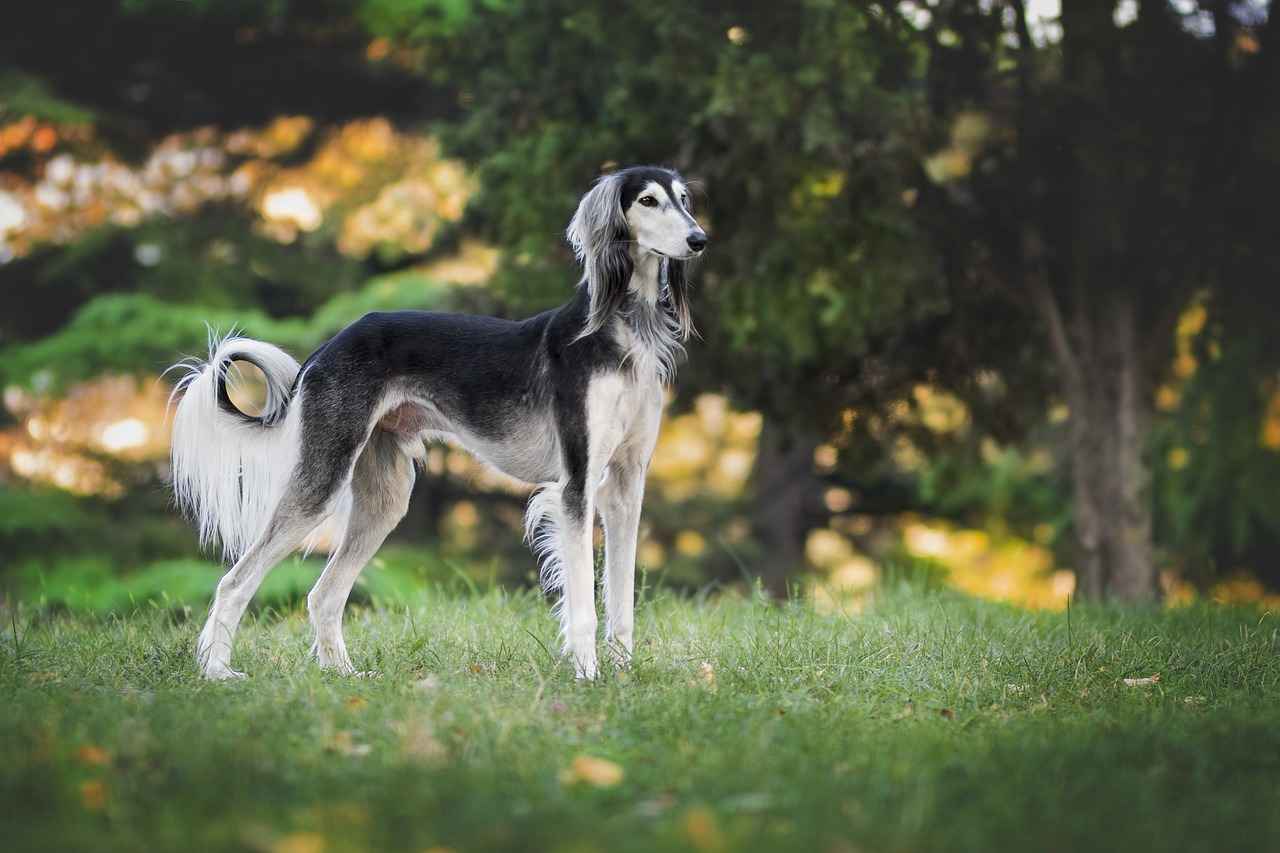
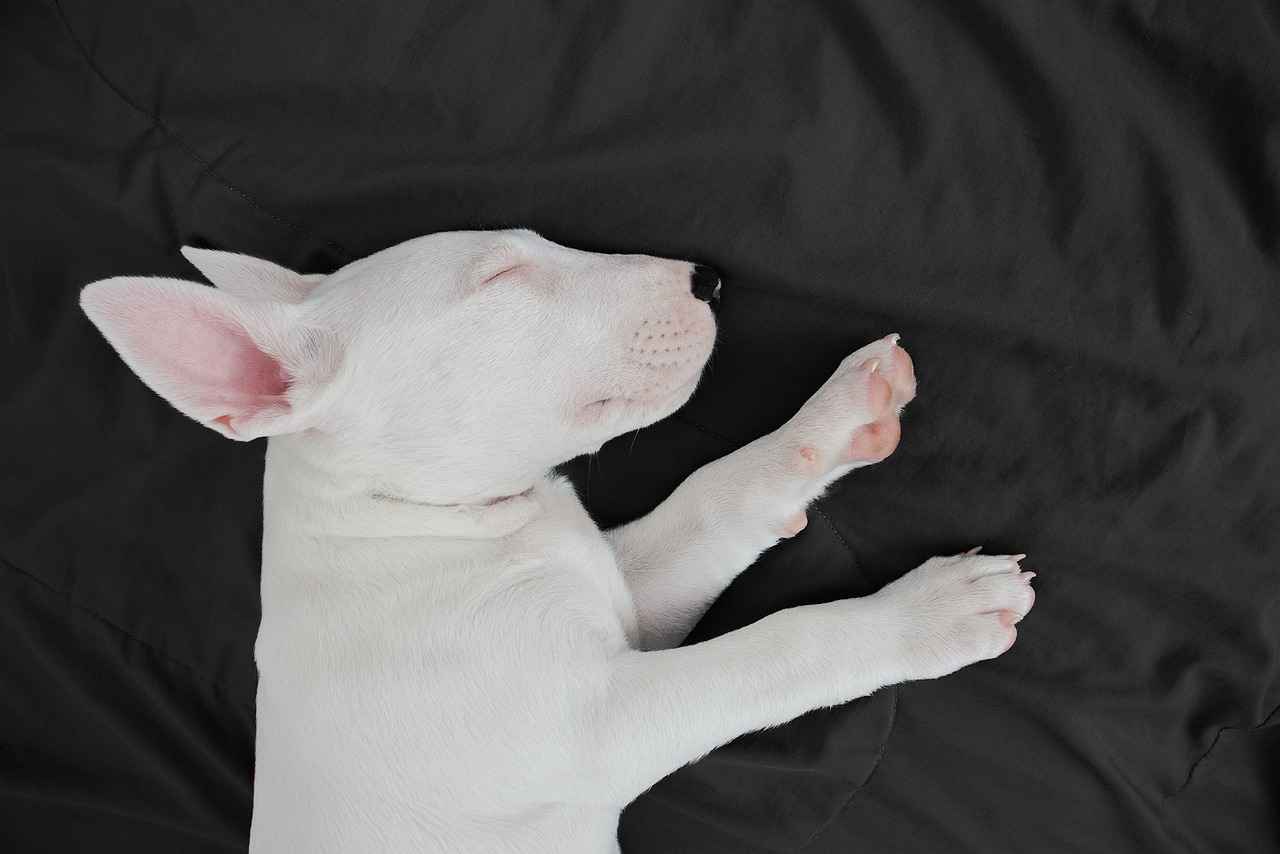
Have you ever wondered why do dogs have wet noses? This intriguing question has puzzled many pet owners and animal enthusiasts alike! A dog’s nose is not just a cute feature; it serves several important purposes. In this blog post, we will uncover the mystery behind wet dog noses and explore the fascinating reasons why they are often moist. Is it just a quirk of nature, or does it serve a purpose in a dog's incredible sense of smell? Dogs rely heavily on their noses to navigate the world, and the wetness plays a crucial role in how they perceive scents. So, what makes a dog’s nose wet, and how does it benefit them? We will dive deep into the science behind this phenomenon and answer your burning questions about dog nose moisture. Whether you are a proud dog owner or simply a curious animal lover, understanding the reasons behind this unique trait will enhance your appreciation for our furry friends. Get ready to explore the world of canine senses and discover the secrets hidden in those wet noses!
\n\nThe Science Behind Wet Noses: What Makes Your Dog's Nose Moist and Cool?
\n\n \n\n
\n\nDogs are often called man's best friend, and one of the most charming features of our canine companions is their wet noses. But have you ever wondered, why do dogs have wet noses? This question goes beyond mere curiosity; it touches on the fascinating science behind why our furry friends' noses are cool and moist. Let’s dive into this intriguing topic that many dog owners might not even think about.
\nThe Biological Function of a Dog's Nose
\nDog's noses are not just cute; they serve several important purposes. The moisture on a dog's nose is vital for their sense of smell, which is significantly more developed than ours. Here’s how it works:
\n- \n
- Enhanced Smell: A moist nose helps to capture scent particles. When a dog sniffs, the moisture helps to bind the scent to the receptors in the nose, making it easier for dogs to detect even the faintest of smells. \n
- Thermoregulation: Dogs don’t sweat like humans do. Instead, they rely on their noses to help cool their bodies down. A wet nose can help regulate their body temperature, especially during warm weather. \n
- Health Indicator: The moisture level of a dog’s nose can indicate their health. A dog with a dry nose might be dehydrated, sick, or overheated, whereas a moist nose is usually a sign of a healthy pup. \n
What Makes a Dog's Nose Moist?
\nYou might be thinking, "What exactly makes a dog's nose moist?" Well, it’s a combination of factors. Here’s a breakdown:
\n- \n
- Mucous Glands: Dogs have specialized mucous glands in their noses that secrete a thin layer of mucus. This mucus keeps the nose moist and helps with scent detection. \n
- Saliva: Dogs often lick their noses, which adds an extra layer of moisture. The saliva also helps to trap scents, enhancing their olfactory ability. \n
- Environmental Factors: Humidity and temperature can also influence how moist a dog’s nose appears. For instance, during hot summer days, you might notice your dog's nose drying out more quickly. \n
Historical Context on Dog Noses
\nThroughout history, dogs have been bred for various purposes, many of which relied on their incredible sense of smell. For instance:
\n- \n
- Hunting: Breeds like Bloodhounds and Beagles have been developed specifically for tracking scents, and their wet noses are crucial for this task. \n
- Working Dogs: Dogs used in search and rescue, detection, and even police work rely heavily on their olfactory senses, which are enhanced by that moisture on their noses. \n
Interesting Facts About Dog Noses
\nDid you know that a dog’s nose is as unique as a human’s fingerprint? Here are more fascinating tidbits:
\n- \n
- Scent Receptors: Dogs have about 220 million scent receptors in their noses, compared to a human's 5 million. \n
- Temperature Sensitivity: A dog's nose can detect temperature changes, which helps them sense nearby animals or changes in their environment. \n
- Nose Color: The color of a dog's nose can vary widely, from black to liver, and even pink, depending on the breed. \n
Practical Considerations for Dog Owners
\nAs a responsible dog owner, you might want to keep an eye on your dog's nose. Here are some practical tips:
\n- \n
- Hydration: Ensure your dog has access to fresh water to maintain that lovely moist nose. \n
- Temperature Check: If your dog's nose is excessively dry and warm, it might be time to visit the vet. \n
- Seasonal Care: In winter, cold air can dry out a dog’s nose. Consider using nose balms designed for dogs during harsh weather. \n
Common Misconceptions
\nThere are several myths surrounding dog noses that are worth addressing:
\n- \n
- A Hot Nose Means a Fever: Not necessarily. Dogs can have warm noses for a variety of reasons, and it’s best to check other symptoms. \n
- Dogs Only Lick Their Noses When They’re Thirsty: Dogs lick their noses for many reasons, including scent gathering and cleaning. \n
Understanding why dogs have wet noses not only satisfies our curiosity but also helps us care better for our furry friends. Their moist noses serve crucial functions that enhance their lives and ours. So next time you give your pup a pat, take a moment to appreciate that cool, wet nose and all the science behind it.
\n\n5 Surprising Reasons Why Dogs Have Wet Noses: More Than Just a Quirky Trait!
\n\n \n\n
\n\nDogs are some of the most beloved pets in the world, and one of their quirkiest traits is their wet noses. Have you ever wondered why do dogs have wet noses? Besides being an adorable characteristic, there’s a lot more to it. Let’s dive into five surprising reasons that may just change the way you look at your furry friend.
\n1. Enhanced Sense of Smell
\nOne of the most fascinating reasons for a dog's wet nose is that it helps them smell better. A wet nose can absorb scent chemicals more efficiently than a dry one. Dogs have a highly developed sense of smell, estimated to be between 10,000 to 100,000 times more sensitive than humans. When the nose is moist, it picks up more scent particles, which allows them to analyze their environment better.
\n- \n
- Scent Absorption: The moisture on the nose catches scent particles. \n
- Temperature Regulation: A wet surface cools the nose, which helps with the olfactory receptors functioning better. \n
2. Cooling Mechanism
\nDid you know that dogs, unlike humans, don't sweat in the same way? Instead, they rely on their noses to help regulate body temperature. When a dog is active or it’s a hot day, the moisture on their nose can evaporate, which cools them down. This is a vital aspect of their health, especially in warmer months.
\n- \n
- Evaporation: The moisture evaporates, helping to lower body temperature. \n
- Behavior Changes: Dogs might seek out cooler surfaces to lie on when they're too warm. \n
3. Communication Tool
\nDogs are social animals, and their noses play a key role in how they communicate with each other and humans. A wet nose is often seen as a sign of affection or excitement. When a dog nudges you with their moist nose, they might be seeking attention or trying to express love.
\n- \n
- Nudging: A common behavior when they want to play or get petted. \n
- Social Interaction: Dogs greet other dogs with nose-to-nose contact, which can show friendliness or curiosity. \n
4. Health Indicator
\nThe condition of a dog’s nose can actually be an indicator of their health. A healthy dog usually has a moist and cool nose. If a dog’s nose is excessively dry or warm, it could be a sign of illness or dehydration. Keeping an eye on your dog's nose can help you catch potential health issues early.
\n- \n
- Signs of Illness: Dry or cracked noses may indicate health problems. \n
- Hydration Issues: A dog that is dehydrated may have a warm, dry nose. \n
5. Evolutionary Advantage
\nFrom an evolutionary standpoint, having a wet nose likely provided dogs’ ancestors an advantage in hunting and survival. Moist noses could enhance their ability to smell prey, making them more effective hunters. This trait has been passed down through generations, which is why it’s so prevalent in modern dogs.
\n- \n
- Prehistoric Roots: Dogs evolved from wolves, who relied on their sense of smell for hunting. \n
- Survival Skills: A wet nose is just one of the traits that made early canines successful hunters. \n
Fun Facts about Dog Noses
\n- \n
- Dogs have unique nose prints, much like human fingerprints. \n
- A dog's sense of smell can be trained to detect diseases, such as cancer or diabetes. \n
- Dogs can smell certain emotions in humans, such as fear or happiness. \n
What to Expect with Your Dog's Nose
\nIf you’re a dog owner, knowing the significance of your pet’s wet nose can enhance your relationship. Here’s a quick overview of what is normal and what isn’t:
\n| Nose Condition | \nNormal Behavior | \nPotential Issues | \n
|---|---|---|
| Moist and Cool | \nHappy, healthy dog | \nNothing to worry about | \n
| Dry and Warm | \nPossible dehydration or illness | \nVet check advised | \n
| Cracked or Bleeding | \nCould indicate a health concern | \nUrgent vet visit recommended | \n
Understanding why dogs have wet noses is not just about curiosity; it helps you become more attuned to your pet's needs. So next time you see your dog with that adorable, moist nose, remember that there's a lot more happening than just a quirky trait. Keeping an eye on their nose can be a fun way to stay connected to your furry friend’s health and well-being.
\n\nCan a Dog’s Nose Tell You How They Feel? Understanding Nose Temperature and Health
\n\n \n\n
\n\nCan a dog’s nose tell you how they feel? It's a question that many pet owners ask themselves, especially when trying to understand their furry friends. The truth is, a dog's nose can provide some insight into their health and emotions, but it's not as straightforward as one might think. Let’s dive into the fascinating mystery of why dogs have wet noses and what it could mean for their well-being.
\nThe Science Behind Dog Noses
\nDog noses are unique and complex. They are packed with scent receptors—about 300 million of them, compared to a human's mere 5 million. This incredible sense of smell allows dogs to detect scents in ways that humans can't even imagine. But what about the temperature of their noses?
\n- \n
- A dog's nose can be cool or warm. \n
- Generally, a cool, moist nose is seen as a sign of good health. \n
- A warm, dry nose might indicate a fever, but this isn't a hard and fast rule. \n
Why Do Dogs Have Wet Noses?
\nSo, why do dogs have wet noses? The reason is pretty interesting! Here are some key points:
\n- \n
- Cooling Mechanism: Dogs use their noses to help regulate their body temperature. When they lick their noses, it helps keep them cool and comfortable. \n
- Scent Enhancement: A wet nose can capture more scent particles. This means that when a dog sniffs around, the moisture helps them detect smells better. \n
- Health Indicator: While a wet nose is often associated with good health, it's not always the case. Factors like dehydration or illness can affect the moisture level in a dog's nose. \n
Understanding Nose Temperature and Health
\nThe temperature of a dog's nose may vary throughout the day and can be influenced by several factors. Here’s a breakdown:
\n- \n
- Normal Range: A dog's nose is usually around 101 to 102.5 degrees Fahrenheit. \n
- Warm Noses: If a dog's nose feels warm, it might not necessarily mean they're sick. It could just be that they've been sleeping or playing. \n
- Dry vs. Wet: A dry nose might indicate dehydration, but it could also just mean the dog is simply not licking it as frequently. \n
Signs of Health Issues
\nWhile dog noses can tell you some things, they shouldn't be the only indicator of health. Here’s what to watch for:
\n- \n
- Persistent Dryness: If your dog's nose stays dry for an extended period or cracks appear, it could be a sign of dehydration or other health issues. \n
- Discharge: Any unusual discharge from the nose can indicate a potential infection or allergies. \n
- Change in Temperature: If the nose is consistently warm when your dog is resting, it might be a good idea to consult a veterinarian. \n
How to Keep Your Dog's Nose Healthy
\nTaking care of your dog's nose is important, and here are some tips on how to do that:
\n- \n
- Hydration: Make sure your dog has access to fresh water at all times. \n
- Humid Environment: If you live in a dry area, consider using a humidifier in your home. \n
- Regular Vet Check-Ups: Regular veterinary visits can help catch any health issues early on. \n
Fun Facts About Dog Noses
\n- \n
- Dogs have unique nose prints, much like human fingerprints, which can be used to identify them. \n
- The wetness of a dog's nose can vary by breed; some breeds naturally have drier noses than others. \n
- Dogs can actually sense human emotions through scent, thanks to their keen sense of smell. \n
Final Thoughts
\nSo, can a dog’s nose tell you how they feel? In a way, yes. But it's just one piece of the puzzle. Understanding your dog’s behavior, body language, and overall health is crucial for maintaining a happy and healthy pet. While a wet nose is often a sign of a healthy dog, it’s important to look at the bigger picture. Being attentive to changes in your dog’s nose temperature and moisture levels can alert you to potential health issues, but don’t forget the importance of regular veterinary care. Your furry friend relies on you to keep them healthy and happy!
\n\nWhy Do Dogs Have Wet Noses? Unveiling the Myths and Facts You Need to Know!
\n\n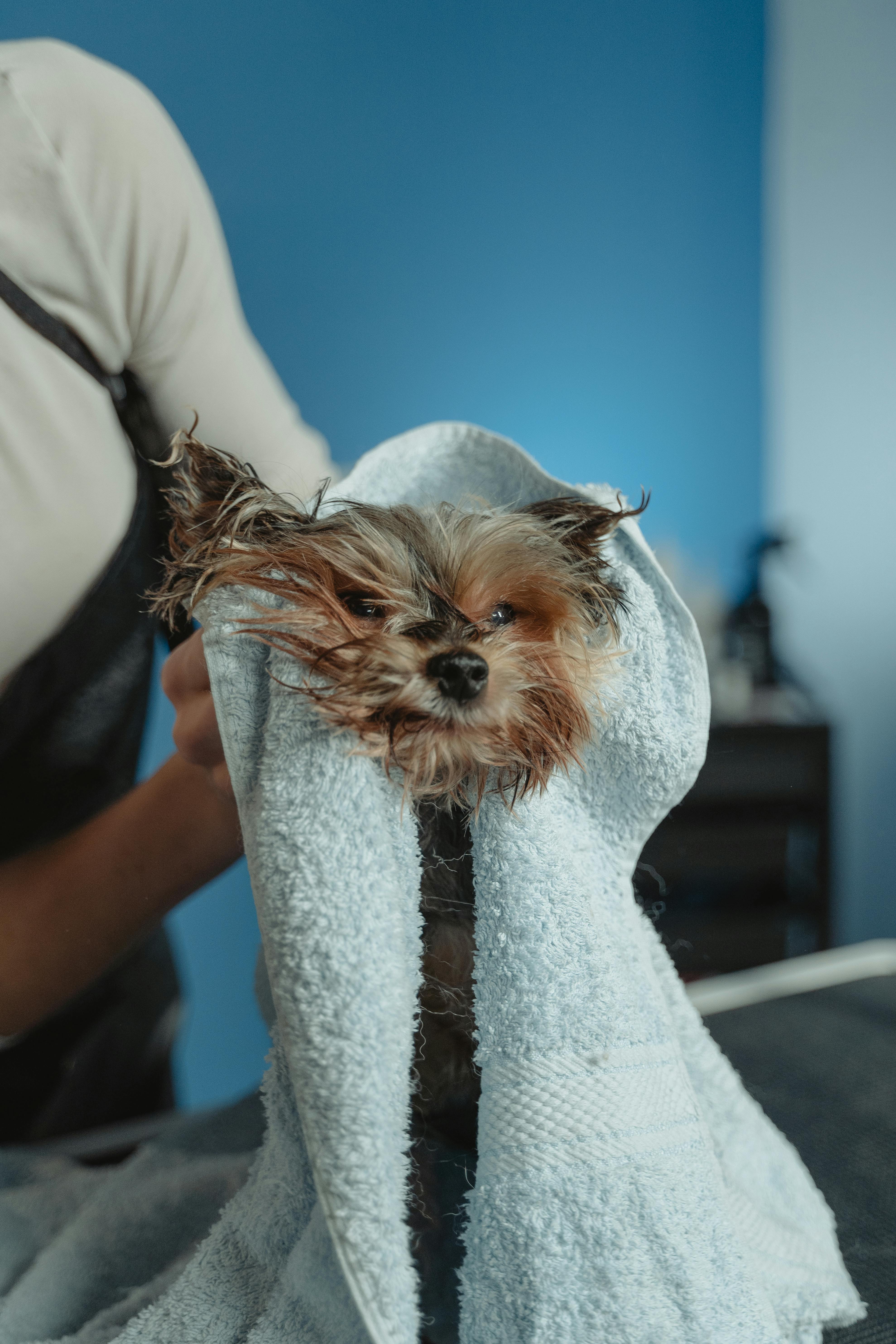 \n\n
\n\nDogs are often regarded as man's best friend, and their unique characteristics continue to fascinate us. One of the most intriguing features of dogs is their wet noses. You might have wondered, "Why do dogs have wet noses?" This question leads to a variety of myths and facts. Let's delve into this captivating mystery, breaking everything down in an easy-to-understand way.
\nThe Science Behind Wet Noses
\nWhen we talk about why dog noses are wet, we got to look at some basic science. A dog’s nose is covered in a thin layer of mucus which helps them smell better. Yes, that's right! Dogs have an incredible sense of smell, estimated to be between 10,000 to 100,000 times more sensitive than humans. The wetness of their noses enhances this ability. Here's how:
\n- \n
- \n
Moisture helps in scent detection: The wet surface of a dog’s nose captures scent particles from the air. This means, when a dog sniffs, the moisture helps absorb those smells, making it easier for them to identify different scents.
\n \n - \n
Cooling Mechanism: A dog’s nose also helps regulate their body temperature. Just like humans sweat, dogs can cool down through their noses. When they are panting, the moisture on their noses evaporates, which cools their blood.
\n \n
Evolutionary Context
\nThis wet nose trait is not just a random feature. It has evolutionary roots. Dogs, descended from wolves, have retained many characteristics that enhance their survival. A wet nose could have been beneficial for hunting and tracking prey. Here’s some historical context:
\n- \n
- \n
Tracking: Wolves would have relied on their sense of smell to hunt. A wet nose would help them pick up scents better in the wild.
\n \n - \n
Social Interaction: Wet noses also play a role in communication with other dogs. Scent is crucial in dog social behavior, marking territory, and identifying each other.
\n \n
Common Myths About Dog Noses
\nThere are plenty of myths surrounding dog noses. Here’s a list of some common ones that need debunking:
\n- \n
- \n
Myth 1: A wet nose means a dog is healthy: This is not always true. Dogs can have wet noses and still be sick. While a dry nose can indicate illness, the wetness alone isn’t a reliable health indicator.
\n \n - \n
Myth 2: Dogs sweat through their noses: Dogs primarily sweat through their paw pads. Their noses do help with cooling, but they don’t sweat in the same way humans do.
\n \n - \n
Myth 3: All dogs have wet noses: Some dogs, especially certain breeds or those with health issues, might have dry noses. It varies from dog to dog.
\n \n
Practical Insights About Dog Nose Care
\nWhile the wetness of a dog’s nose is fascinating, it’s also essential to know how to care for it. Here are some tips for keeping your dog's nose healthy:
\n- \n
- \n
Hydration: Make sure your dog has plenty of water. Dehydration can lead to a dry nose.
\n \n - \n
Avoid Irritants: Keep your dog away from chemicals and allergens that can irritate their nose.
\n \n - \n
Regular Check-ups: During vet visits, have your vet examine your dog’s nose to make sure everything is normal.
\n \n
Fun Facts About Dog Noses
\nDid you know that dog noses are as unique as human fingerprints? Here are some cool facts:
\n- \n
- \n
Nose Prints: Each dog has a unique nose print. Just like how human fingerprints are unique, you could technically use a dog’s nose print for identification.
\n \n - \n
Color Changes: A dog's nose color can change based on seasons or health. This is often normal but should be monitored.
\n \n - \n
Types of Noses: Dogs come in various breeds with different nose shapes and sizes. Some breeds have longer noses, while others have flat noses, which can affect their sense of smell.
\n \n
Conclusion
\nUnderstanding why dogs have wet noses is not just a fun fact; it also reveals a lot about their biology and behavior. From enhancing their sense of smell to cooling their bodies, the wetness of a dog’s nose serves multiple purposes. By knowing these facts and clearing up myths, you can better care for your furry friend. So, the next time you see your dog’s wet nose, remember, it's more than just a cute feature—it's a remarkable tool for survival and communication!
\n\nThe Link Between Wet Noses and Canine Senses: How Moisture Enhances Their Smell
\n\n\n\nEver wonder why do dogs have wet noses? It’s one of those quirks of canine biology that makes pet owners scratch their heads in curiosity. The link between wet noses and canine senses is not just a random fact. In fact, it plays a significant role in how dogs experience the world. Let’s explore this fascinating mystery together.
\nThe Science Behind Wet Noses
\nDogs’ noses are often wet because they secrete a thin layer of mucus. This moisture helps in enhancing their olfactory abilities. A dog’s sense of smell is up to 100,000 to 10 million times more sensitive than that of humans. This makes it the most powerful tool in their sensory arsenal.
\nHere’s how the moisture helps:
\n- \n
- Increases scent capture: Wet noses can trap scent molecules better than dry ones. When exposed to different odors, the moisture helps bind these molecules, making it easier for dogs to analyze and recognize smells. \n
- Temperature regulation: Just like humans sweat to cool down, dog's noses help them maintain body temperature. The moisture evaporating from their noses cools them off, which is essential, especially during hot weather. \n
Historical Context of Canine Evolution
\nDogs have evolved with wet noses for a reason. Historically, their ancestors relied heavily on their sense of smell for hunting and survival. The wetness of their noses is an adaptation that has persisted through generations.
\n- \n
- Hunting and Gathering: Early domesticated dogs used their keen sense of smell to track prey. A wet nose would have enhanced their ability to locate food, which was crucial for survival. \n
- Communication: Dogs also use scent to communicate with each other. A wet nose can pick up pheromones and other scents that relay important information about their environment, potential mates, or even other dogs’ emotional states. \n
Why Do Dogs Have Wet Noses?
\nNow, the question arises, why exactly do dogs have wet noses? Here are a few reasons:
\n- \n
- Enhanced Smell: As mentioned, moisture helps them detect scents better. \n
- Health Indicator: A dog’s nose can indicate its health status. A consistently dry or warm nose may signal illness or fever. \n
- Behavioral Traits: Dogs often lick their noses, which keeps it moist. This behavior is instinctive and helps them gather more information about their surroundings. \n
Interesting Facts About Dog Noses
\n- \n
- Unique Patterns: Just like human fingerprints, each dog's nose print is unique. This could potentially be used for identification! \n
- Heat Sensing: Dogs can also sense heat through their noses, allowing them to detect warmer objects around them. \n
- Scent Memory: Dogs have a remarkable scent memory, which allows them to remember smells for years. \n
The Role of Moisture in Scent Detection
\nMoisture plays an essential role in how dogs analyze scents. Here’s a breakdown:
\n- \n
- Hydrophilic Receptors: Dogs have specific receptors in their noses that pick up on water-soluble scent molecules. When their noses are wet, they can absorb these molecules more effectively. \n
- Vomeronasal Organ: Also known as Jacobson's organ, this structure allows dogs to detect pheromones. A wet nose can enhance its functionality. \n
How Does This Affect Your Dog?
\nUnderstanding why do dogs have wet noses can help you take better care of your furry friend. Here’s some practical advice:
\n- \n
- Regular Nose Checks: Keep an eye on your dog’s nose. If it seems dry or cracked for an extended period, consult your veterinarian. \n
- Hydration Matters: Ensure your dog has access to fresh water. Proper hydration helps maintain healthy nose moisture. \n
- Grooming: Regular grooming can help prevent dirt and debris from accumulating, which can affect their sense of smell. \n
Fun Comparisons
\nDogs’ wet noses can be compared to other animals’ sensory adaptations:
\n| Animal | \nNose Type | \nPurpose | \n
|---|---|---|
| Dogs | \nWet and cool | \nEnhanced sense of smell, cooling | \n
| Cats | \nDry | \nMore focused on sight and stealth | \n
| Elephants | \nLong and flexible | \nStrong scent detection over large areas | \n
| Bears | \nVery wet | \nExceptional smell for foraging | \n
By understanding the benefits of a dog’s wet nose, pet owners can appreciate their pets' incredible abilities even more.
\nThe link between wet noses and canine senses reveals a lot about how dogs interact with their world. The moisture on their noses isn’t just a quirky feature; it’s a fundamental part of their biology that enhances their olfactory skills and helps them navigate through life. Whether it’s tracking a scent or cooling off, those wet noses are hard at work!
\n\nIs a Wet Nose Always a Sign of a Healthy Dog? Discover the Truth About Canine Nose Health
\n\n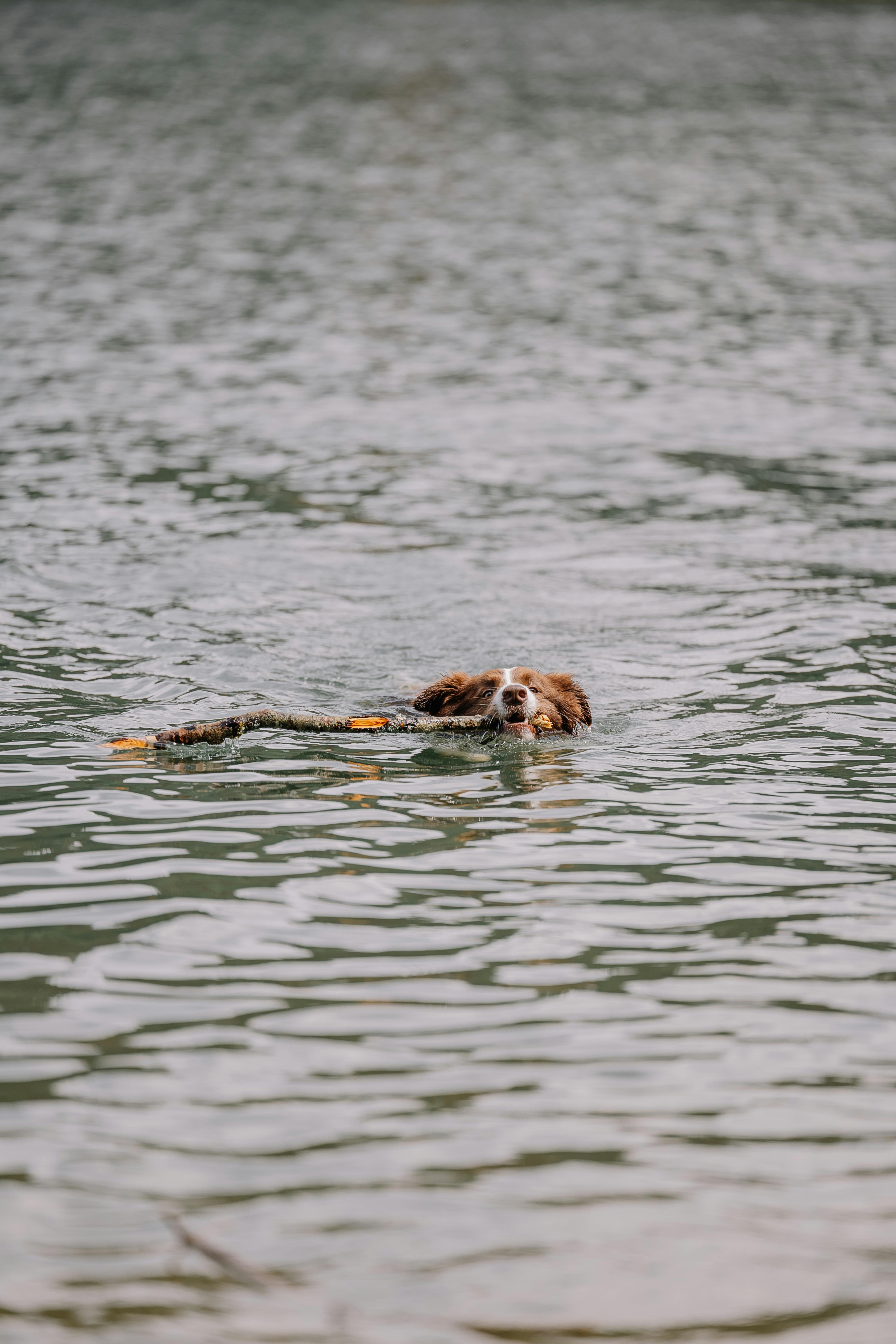 \n\n
\n\nDog owners often wonder about the health indicators of their furry friends, and one of the first things that come to mind is whether a wet nose means a healthy dog. Many people thinks that a wet nose is a sign of good health, but is that really the case? Let's dive into this fascinating topic and uncover the truth about canine nose health, as well as the reasons why dogs have wet noses.
\nThe Science Behind Wet Noses
\nDogs have wet noses due to a combination of factors. The primary reason is that moisture on the nose helps dogs to smell better. A wet surface can capture more scent particles, which is crucial because dogs have an incredible sense of smell that's estimated to be anywhere from 10,000 to 100,000 times more sensitive than that of humans. This ability is essential for their survival and helps them in many ways like hunting, tracking, and even detecting human emotions.
\n- \n
- Moisture Production: The nasal glands produce mucus that keeps the nose moist. \n
- Cooling Mechanism: When dogs pant, it helps cool their body, and wet noses can also aid in temperature regulation. \n
- Scent Detection: Wet noses can trap scent particles, enhancing a dog's ability to detect odors. \n
Common Misconceptions About Dog Nose Health
\nThere’s a common belief that a wet nose automatically signifies a healthy dog, but it’s not that simple. While many healthy dogs do have moist noses, some sick dogs may also have wet noses. Here are some misconceptions to consider:
\n- \n
- A Wet Nose Equals Good Health: Not always, as dogs with illnesses like kennel cough can still have wet noses. \n
- Dry Noses Mean Illness: A dry nose can be normal for some dogs, especially when they are sleeping or after being in a warm environment. \n
- Temperature Is the Only Indicator: While a dog's nose can indicate temperature, it shouldn't be the sole measure of their health. \n
Why Do Dogs Have Wet Noses? Unveiling the Mystery
\nNow, let’s look at why dogs have wet noses. The reasons are both biological and behavioral:
\n- \n
- Scent Enhancement: As mentioned, moisture helps dogs smell better, which is essential for their daily activities. \n
- Communication: Dogs can use their noses to communicate with other dogs. A wet nose can be a friendly gesture. \n
- Health Monitoring: Dogs are known to lick their noses, which can help them keep track of changes in their environment or health. \n
Factors That Affect Nose Health
\nA dog’s nose can vary in wetness depending on several factors. Here’s a simple list:
\n- \n
- Weather Conditions: Hot, dry weather can lead to a drier nose. \n
- Hydration Levels: Dogs that are dehydrated may have drier noses. \n
- Activity Level: After playtime, a dog’s nose may be wetter due to increased panting and licking. \n
- Health Issues: Certain conditions, like allergies or infections, can affect nose moisture. \n
When to Be Concerned
\nIt’s important for dog owners to keep an eye on their pet’s overall health, not just the state of their nose. Here are some signs that may indicate a need for a vet visit:
\n- \n
- Persistent dryness, cracking, or bleeding of the nose. \n
- Excessive moisture, especially if it’s accompanied by a foul smell. \n
- Changes in behavior, like lethargy or loss of appetite. \n
- Signs of distress, such as coughing or difficulty breathing. \n
Table: Signs of Nose Health in Dogs
\n| Sign | \nHealthy Nose | \nUnhealthy Nose | \n
|---|---|---|
| Moisture Level | \nNormally moist | \nExcessively dry or wet | \n
| Color | \nPink or black, depending on breed | \nRed, swollen, or discolored | \n
| Temperature | \nCool to the touch | \nHot or unusually warm | \n
| Odor | \nMild, no foul smell | \nStrong or foul odor | \n
Final Thoughts
\nIn summary, while a wet nose can often be associated with a healthy dog, it’s not a definitive indicator of their overall health. Understanding the reasons behind a dog’s wet nose, as well as the factors that can affect it, is crucial for every dog owner. Regular check-ups with a veterinarian, along with being observant of other health signs, will provide a clearer picture of your dog’s well-being. So the next time you notice your dog's nose, remember that while it’s an interesting feature, it's just one piece of the health puzzle.
\n\nFrom Evolution to Behavior: The Fascinating History of Dogs and Their Wet Noses
\n\n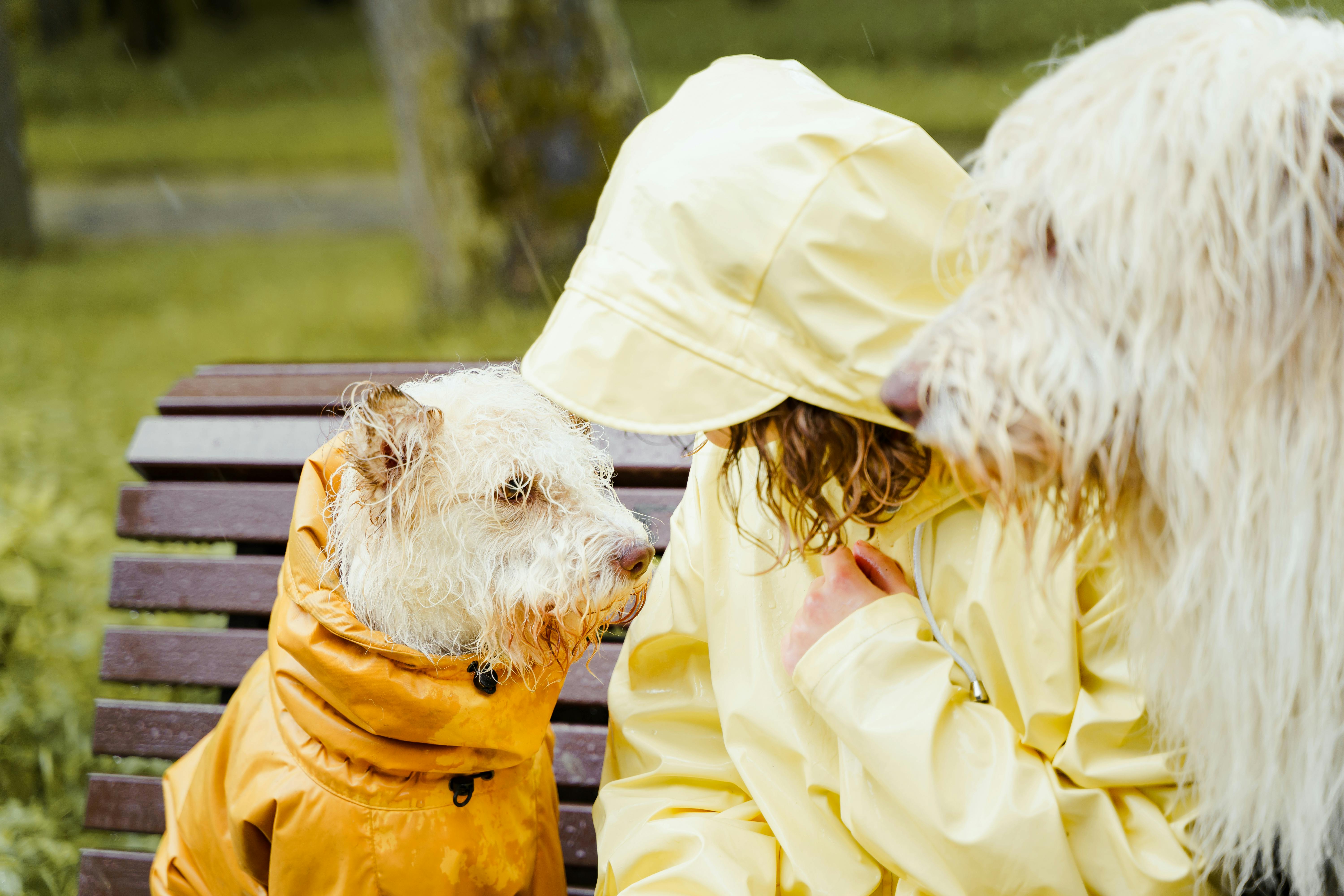 \n\n
\n\nDogs, often known as man's best friend, have been by our sides for thousands of years. Their history is rich and complex, intertwining with the evolution of human civilization. One of the most curious aspects of our canine companions is their wet noses. You might have wondered, "Why do dogs have wet noses?" This article explores the fascinating history of dogs, how their wet noses come into play, and what that means for their behavior and health.
\nThe Evolution of Dogs
\nDogs descended from wolves, and this transformation began over 15,000 years ago. Early humans domesticated wolves for various reasons, including hunting and companionship. Through selective breeding, certain traits were emphasized—like size, temperament, and yes, even their noses. The wetness of a dog’s nose is believed to have originated from these early ancestors.
\n- \n
- Wolves to Dogs: The transition from wild to domesticated involved various social and environmental factors. \n
- Selective Breeding: Humans choose dogs with certain traits, influencing their physical characteristics. \n
- Diversity in Breeds: Today, there are hundreds of dog breeds, each with unique traits, including nose moisture levels. \n
Why Do Dogs Have Wet Noses?
\nSo, what’s the deal with those wet noses? The moisture on a dog’s nose serves multiple purposes, each playing a critical role in their behavior and health. Here’s what scientists and pet owners believe:
\n- \n
- \n
Enhanced Smell: A wet nose helps to capture scent particles. This makes sense, right? Dogs have an extraordinary sense of smell—up to 100,000 times better than humans! The moisture helps to dissolve these particles, making it easier for dogs to detect scents.
\n \n - \n
Cooling Mechanism: Dogs don’t sweat like humans do. Instead, they rely on panting and some evaporation through their noses to help regulate body temperature. A wet nose can aid in cooling down their body.
\n \n - \n
Health Indicator: The condition of a dog’s nose can indicate health. A healthy dog usually has a moist nose, while a dry or cracked nose might suggest dehydration or illness. However, many factors can influence this, so it’s not a definitive measure.
\n \n
Historical Context and Cultural Significance
\nThroughout history, dogs have been revered in various cultures. From ancient Egyptians who worshipped them to modern-day service dogs, their roles have evolved. Here’s a brief overview of how dogs were perceived in different times:
\n- \n
- Ancient Civilizations: Dogs were often seen as guardians and companions. The Egyptians even had deities associated with them. \n
- Medieval Times: They were primarily working animals, used for herding and hunting. \n
- Modern Era: Today, dogs are beloved pets and companions, with specialized roles in therapy, law enforcement, and more. \n
Interesting Facts About Dog Noses
\n- \n
- Unique Nose Prints: Just like human fingerprints, each dog’s nose print is unique. This can even be used for identification. \n
- Color Differences: A dog’s nose can change color based on temperature, health, or even breed. Some breeds have black noses, while others have pink or spotted noses. \n
- Nasal Turbinates: Dogs have complex structures in their noses called turbinates that help filter and warm the air they breathe. \n
Practical Examples and Comparisons
\nJust like humans have different ways of sensing the world, dogs utilize their noses as their primary sensory organ. Here’s a comparison of how their noses stack up against our own:
\n- \n
- \n
Sense of Smell:
\n- \n
- Dogs: 300 million olfactory receptors \n
- Humans: About 5 million olfactory receptors \n
\n - \n
Scent Detection:
\n- \n
- Dogs can detect certain diseases, such as cancer and diabetes, through smell. \n
- Humans rely on sight and sound more than smell in daily life. \n
\n
Final Thoughts
\nUnderstanding why dogs have wet noses not only unravels a mystery but also deepens our appreciation for these remarkable animals. Their wet noses are a testament to their evolutionary journey and unique adaptations. As we continue to live alongside our furry friends, acknowledging their history and biology can enhance our bond with them. So next time you notice that familiar wet nose nudging your hand, remember the fascinating history and science behind it. Your dog’s wet nose is more than just a cute characteristic; it’s a window into their world and a reminder of the incredible relationship we share.
\n\nCurious Canines: Why Do Dogs Lick Their Noses? The Role of Moisture in Their Lives
\n\n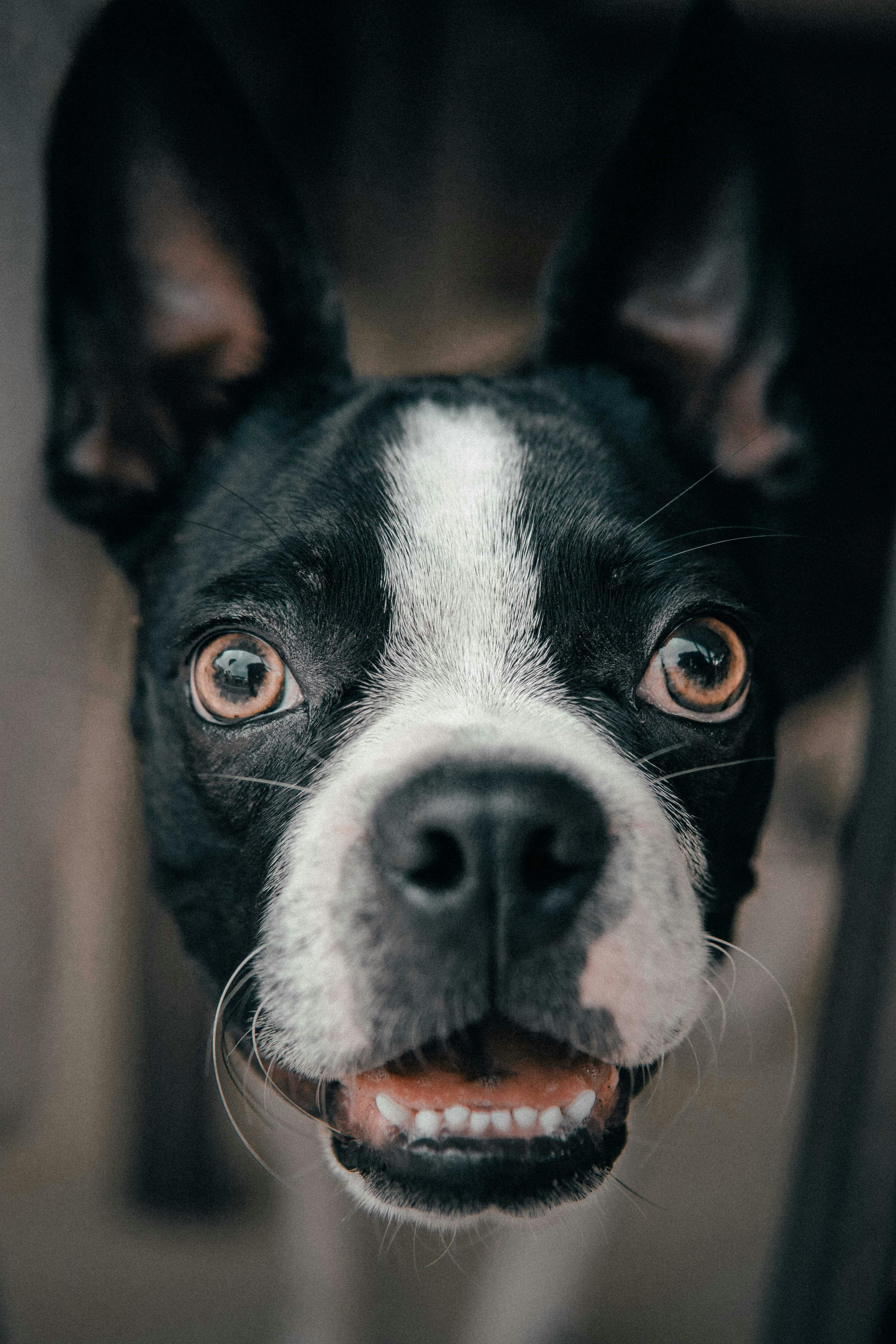 \n\n
\n\nCurious Canines: Why Do Dogs Lick Their Noses? The Role of Moisture in Their Lives
\nHave you ever seen your dog licking its nose and thought, "What are you doing?" It is a common sight for dog lovers, yet the reasons behind this behavior can be puzzling. Why do dogs have wet noses? This question opens a fascinating window into the world of our furry friends. Dogs' noses aren't just cute; they serve vital functions in their everyday lives.
\nThe Science Behind Wet Noses
\nDogs have wet noses mostly because of a thin layer of mucus. This mucus helps to trap scent particles, which allows dogs to smell better. The moisture on a dog's nose can also help to cool them down. Dogs don't sweat like humans do; instead, they rely on panting and the moisture on their noses to stay cool.
\n- \n
- Benefits of a Wet Nose:
- \n
- Enhances sense of smell \n
- Helps with temperature regulation \n
- Aids in tasting scents \n
\n
Historical Context and Evolution
\nHistorically, dogs have been in close contact with humans for thousands of years. Their olfactory abilities have been fine-tuned through evolution. Wet noses may have been advantageous for their ancestors as they hunted and foraged. When dogs evolved from wolves, having a wet nose helped them track prey better and survive in the wild. Over time, this feature became a standard trait among various dog breeds.
\nThe Role of Moisture in a Dog's Life
\nMoisture is vital for dogs, not just in terms of their noses but also for overall health. A dog’s nose can tell a lot about its health. A dry or cracked nose might indicate dehydration or illness. Here are some interesting facts about dog noses:
\n- \n
- Nose Temperature: A dog's nose is typically cooler than its body temperature, which can help regulate heat. \n
- Health Indicators: A healthy dog's nose is usually moist and cool. Changes in moisture levels can be a sign of health issues. \n
- Scent Discrimination: Dogs have up to 300 million smell receptors, compared to humans who only have about 5 million. The moisture on their noses helps maximize scent detection. \n
Why Do Dogs Lick Their Noses?
\nDogs lick their noses for several reasons, and it’s not just about keeping it moist. Here are some common reasons why dogs engage in this behavior:
\n- \n
- Scent Gathering: Licking helps to absorb scent particles, which enhances their ability to smell. \n
- Nervous Habit: Some dogs lick their noses when they are anxious or nervous, similar to how humans might bite their nails. \n
- Taste Testing: Dogs are naturally curious creatures. They lick their noses to taste the scents they pick up, providing them with more information about their environment. \n
- Hygiene: Just like how humans wash their hands, dogs lick their noses to keep them clean from dirt and bacteria. \n
The Mystery of the Dry Nose
\nNot all dog owners know that a dry nose isn't always a cause for alarm. Dogs can have dry noses for various reasons:
\n- \n
- Weather Changes: Hot and dry weather can lead to a dry nose. \n
- Dehydration: If a dog isn't drinking enough water, it might reflect in the moisture of their nose. \n
- Health Issues: Certain medical conditions, like autoimmune diseases or allergies, can lead to a persistently dry nose. \n
Fun Facts About Dog Noses
\n- \n
- Dogs’ noses can detect certain scents up to 40 times better than humans. \n
- Each dog’s nose print is unique, much like human fingerprints. \n
- Dogs have a special organ called the Jacobsen's organ located in the nasal cavity that helps them detect pheromones. \n
What to Watch For
\nIt's essential for dog owners to monitor their dog's nose condition. Here’s a quick checklist:
\n- \n
- Moist and cool: Healthy \n
- Dry or cracked: Could indicate dehydration or health issues \n
- Excessive licking: Maybe a sign of anxiety or irritation \n
Being aware of these conditions can help dog owners maintain their pet’s health and well-being. Regular vet check-ups can also ensure that any changes in moisture or licking habits are addressed promptly.
\nIn summary, the curiosity behind why dogs lick their noses and why they have wet noses speaks volumes about their biology and behavior. Understanding these aspects not only helps us care for our dogs better but also deepens our bond with them. Next time you see your pup licking its nose, you can appreciate the fascinating reasons behind it!
\n\nWet Noses and Dog Communication: How Dogs Use Their Senses to Connect with Us
\n\n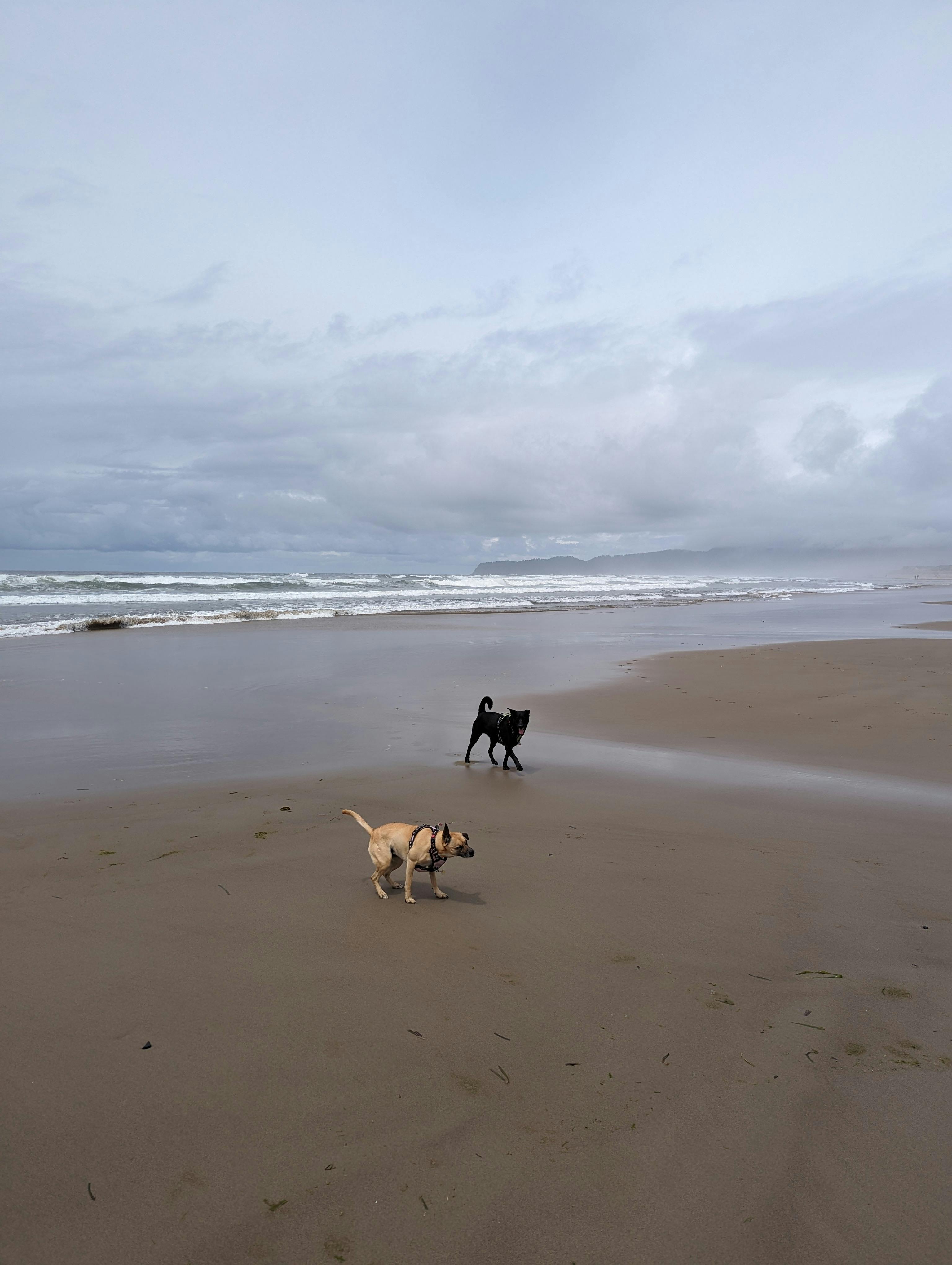 \n\n
\n\nDogs are often called man's best friend, but have you ever wondered about the science behind their unique characteristics? One of the most intriguing features of our furry companions is their wet noses. Why do dogs have wet noses? This question is not just a matter of curiosity; it digs into how dogs communicate and connect with us and their environment.
\nThe Function of a Wet Nose
\nFirst off, a dog's nose plays a crucial role in its health and communication. Wet noses serve multiple purposes:
\n- \n
- \n
Enhanced Smell: A moist nose helps trap scent particles, making it easier for dogs to smell things. Dogs have up to 300 million smell receptors, while humans have only about 5 million. This means they rely heavily on their sense of smell to understand the world around them.
\n \n - \n
Temperature Regulation: Dogs don't sweat like humans do. Instead, they cool down through panting and the moisture on their noses. A wet nose can help regulate their body temperature, especially on hot days.
\n \n - \n
Health Indicator: A dog's nose can change in moisture and temperature based on its health. A very dry or warm nose might signal illness or dehydration, while a wet, cold nose is usually a sign of a healthy pup.
\n \n
How Dogs Use Their Senses to Communicate
\nDogs are not just about the wetness of their noses; they also use a combination of their senses to communicate with us and each other. Here’s how they do it:
\n- \n
- \n
Smell: As mentioned, a dog’s sense of smell is extraordinary. They can detect scents from miles away. For example, they can sense fear or stress in humans through pheromones.
\n \n - \n
Sight: Dogs see colors differently than humans. They can see shades of blue and yellow but struggle with red and green. This means they might perceive the world in a way that is less vivid than we do, relying more on motion and brightness.
\n \n - \n
Hearing: Dogs can hear frequencies that are inaudible to humans, which allows them to pick up on sounds that we can’t. This skill makes them excellent watchdogs, as they can alert us to danger long before we sense it.
\n \n - \n
Body Language: Dogs communicate a lot through their posture, tail wagging, and facial expressions. For instance, a wagging tail can mean excitement, but a stiff tail might indicate anxiety or aggression.
\n \n
The Science Behind Wet Noses
\nSo, why do dogs have wet noses? The answer is partly evolutionary. In the wild, dogs and their ancestors needed to be adept hunters. A wet nose enhances their ability to track scents, which was vital for hunting. Plus, a wet nose could help them identify other animals or mark their territory more effectively.
\nHere are some fascinating facts about dog noses:
\n- \n
- \n
Unique Patterns: Just like human fingerprints, each dog has a unique nose print.
\n \n - \n
Health Monitoring: Veterinarians often check a dog's nose as part of a health assessment, noting the color and moisture levels.
\n \n - \n
Temperature Sensitivity: A dog's nose can change temperature based on its environment and health, providing clues to their well-being.
\n \n
Historical Context of Dog Noses
\nDogs have been companions to humans for thousands of years. The relationship between dogs and humans goes back to ancient civilizations, where dogs were used for hunting, protection, and companionship. It's believed that humans domesticated dogs around 15,000 to 40,000 years ago. Over time, certain traits, like a wet nose, became more pronounced through selective breeding.
\nFun Facts About Dogs and Their Noses
\n- \n
- \n
Dogs Can Smell Cancer: Research has shown that dogs can detect certain types of cancer through smell, leading to their use in some medical fields.
\n \n - \n
Breeds Matter: Different breeds have varying nose shapes and wetness levels, impacting their smell and communication abilities.
\n \n - \n
Nosework: Dog sports that utilize their sense of smell, like scent detection, have become popular, showcasing their incredible abilities.
\n \n
Practical Tips for Dog Owners
\nTo ensure your furry friend stays healthy, pay attention to their nose and overall behavior. Here are some tips:
\n- \n
- \n
Regular Vet Checkups: Keep up with regular vet visits to monitor your dog’s health and nose condition.
\n \n - \n
Hydration: Ensure your dog has access to fresh water to keep their nose moist and healthy.
\n \n - \n
Observe Changes: If you notice changes in your dog’s nose, such as excessive dryness or cracks, consult your vet.
\n \n
Dogs are fascinating creatures that bring immense joy to our lives. Their wet noses are just one aspect of how they connect with us and interpret the world. By understanding the reasons behind their wet noses and their communication methods, we can strengthen our bond with our furry friends even further.
\n\nThe Role of Environment in Your Dog’s Wet Nose: How Weather Affects Canine Physiology
\n\n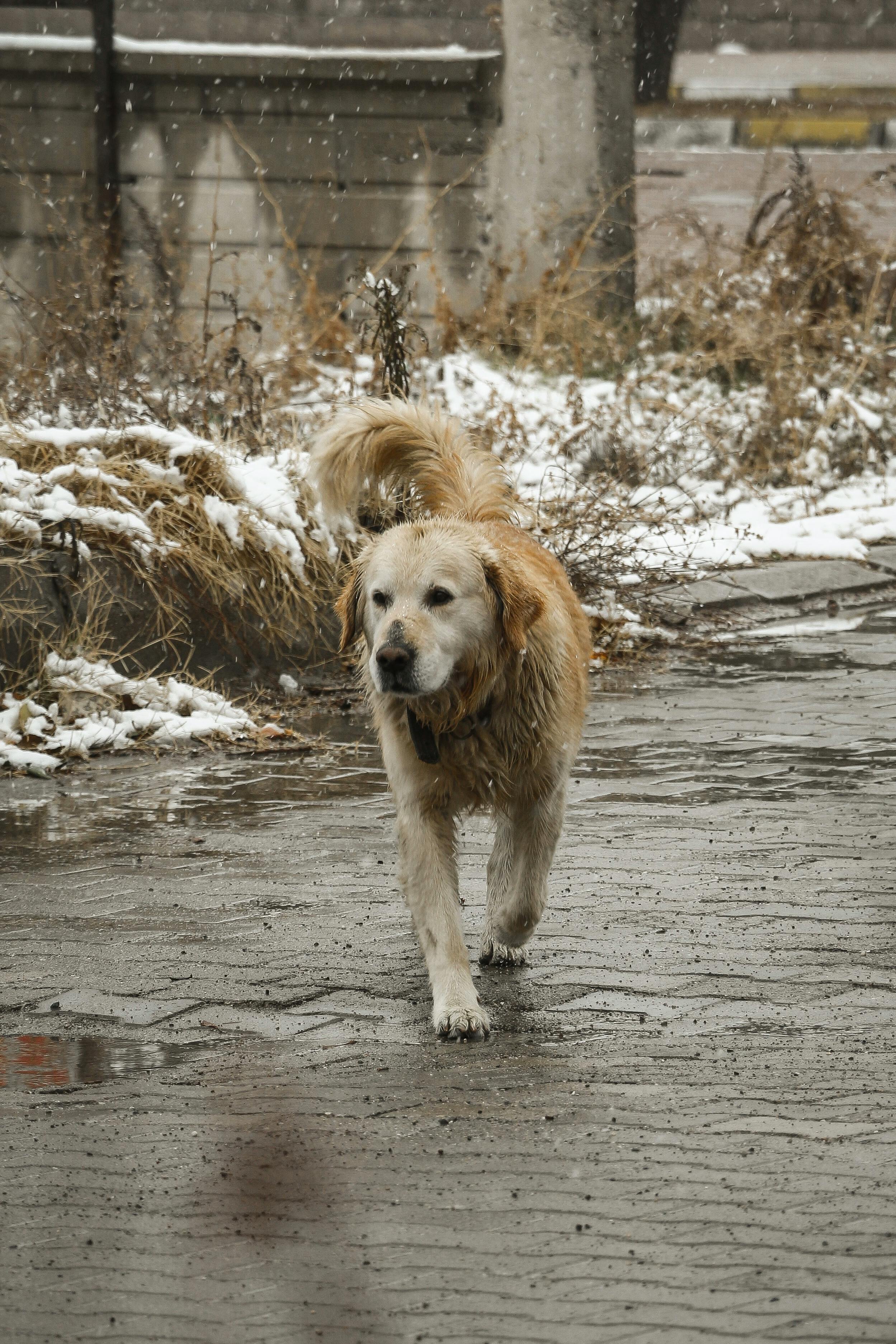 \n\n
\n\nDogs are often known for their wet noses, and many people wonder why this is. Have you ever thought about how the environment plays a role in this? Weather can impact a dog’s physiology in interesting ways. In this article, we’ll explore the reasons behind dogs' wet noses, how the weather affects them, and much more. It's a fascinating topic that combines biology, behavior, and a bit of mystery!
\nWhy Do Dogs Have Wet Noses?
\nThere are multiple reasons dogs have wet noses. It isn't just for show. Here are some of the main reasons:
\n- \n
- Temperature Regulation: Dogs don’t sweat like humans do. Instead, they release heat through their noses. A wet nose helps them stay cool. \n
- Enhanced Smell: The moisture traps scent particles better, which helps dogs to smell more effectively. This is why dogs are excellent at tracking scents. \n
- Health Indicator: A wet nose can indicate a dog’s health. If a dog has a dry nose, it may be a sign of dehydration or illness. However, it is not always a definitive indicator. \n
The Science Behind Wet Noses
\nHave you ever felt your dog's nose and wondered why it's moist? The moisture on a dog’s nose is primarily due to a thin layer of mucus. This mucus helps to absorb scent particles from the air, allowing dogs to gather more information about their surroundings. Studies show that a dog’s sense of smell is about 10,000 to 100,000 times more sensitive than that of humans. So, that wet nose has a crucial role in their ability to interpret the world.
\nHow Weather Affects Your Dog’s Nose
\nThe weather can have a huge impact on your dog's wet nose. Different conditions can lead to variations in how moist or dry their nose gets. Here’s a quick breakdown of how various weather conditions can affect them:
\n- \n
- Cold Weather: In colder climates, a dog’s nose may become more moist as they breathe in cold air. The humidity in the air can help keep their noses wet. \n
- Hot Weather: During hot days, a dog can lose moisture quickly. Their noses might become drier unless they are adequately hydrated. \n
- Rainy Weather: When it rains, dogs often have wetter noses due to the increased humidity and moisture in the air. They might also play in puddles, adding to the wetness. \n
- Dry Weather: In dry conditions, like during winter months or in arid regions, dogs often experience drier noses. This is usually a sign that they need more water. \n
Practical Tips for Dog Owners
\nUnderstanding how weather affects your dog’s nose can help you take better care of your furry friend. Here are some practical tips:
\n- \n
- Hydration: Always ensure your dog has access to fresh water, especially during hot days. \n
- Monitor Nose Condition: Keep an eye on your dog’s nose condition. If it becomes persistently dry or cracked, consult a vet. \n
- Avoid Extreme Conditions: Try to limit your dog’s exposure to very hot or very cold weather. Dogs can suffer from heatstroke or frostbite, just like humans. \n
- Grooming: Regular grooming can help. Sometimes, dirt and debris can stick to a dog’s nose, affecting moisture levels. \n
Fun Facts About Dogs’ Noses
\n- \n
- Did you know that dogs have unique nose prints, just like human fingerprints? Each dog’s nose has a distinct pattern! \n
- The average dog has about 220 million scent receptors in their noses, compared to about 5 million in humans. \n
- Dogs can even detect certain diseases in humans, such as cancer, through their sense of smell. \n
A Historical Perspective
\nDogs have been companions to humans for thousands of years. Historical records show that our ancestors relied on dogs for hunting and herding, which required exceptional olfactory senses. The wet nose was an evolutionary advantage for them. In ancient times, a dog’s ability to smell could have meant the difference between life and death, whether in finding food or detecting danger.
\nIn summary, the role of environment in your dog’s wet nose is both fascinating and complex. By understanding the science behind it, you can better care for your pet. Their noses are not just cute features; they serve important functions in helping them navigate their world. So the next time you see your dog's wet nose, remember it's more than just moisture—it's a window into their unique physiology and their relationship with the environment!
\n\nConclusion
\n\nIn summary, the wet noses of dogs serve multiple essential functions that contribute to their overall health and sensory abilities. The moisture on a dog's nose helps enhance their sense of smell, allowing them to detect scents more effectively in their environment. Additionally, a wet nose plays a role in thermoregulation, helping to cool down a dog’s body temperature. The presence of mucus on the nose also aids in trapping scent particles, further amplifying their keen olfactory skills. Understanding why dogs have wet noses not only deepens our appreciation for these loyal companions but also highlights the fascinating biology that underpins their behavior. Next time you greet a dog and feel that cool, wet nose against your skin, remember that it's a sign of their health and an essential tool for their exploration of the world. Consider sharing this knowledge with fellow dog lovers to foster a greater understanding of our furry friends!
\n\n