Have you ever wondered why do dogs have wet noses? This intriguing question has captivated pet owners and animal lovers alike. The answer is not just about the unique physiology of dogs, but it also relates to their health, communication, and even their emotional state. A dog's nose can be a window into their world, revealing secrets that many of us might overlook. Wet noses are not only a sign of a happy dog, but also play a crucial role in their sense of smell and thermoregulation. Did you know that a wet nose helps dogs better detect scents, making them exceptional hunters? Moreover, understanding the reasons behind this phenomenon can enhance your bond with your furry friend. So, what exactly do these wet noses tell us about our canine companions? Are they an indicator of health or simply a quirky trait? Dive in with us as we unlock the secrets behind this fascinating aspect of dog behavior. Whether you're a seasoned dog owner or just curious about our four-legged friends, this exploration into why do dogs have wet noses is sure to pique your interest and deepen your understanding of these beloved pets.
\n\nThe Science Behind Wet Noses: Why Do Dogs Have This Unique Feature?
\n\n \n\n
\n\nWhen you see a dog, one of the first things you might notice is its wet nose. It's almost like a signature feature, right? You might wonder why do dogs have wet noses? Well, the answer is more fascinating than you might think. Let’s dive into the science behind this unique trait and unlock some secrets about our furry friends.
\nThe Biological Purpose of Wet Noses
\nDogs noses are wet for several reasons, and it’s not just for show. The moisture on a dog’s nose plays a critical role in their sense of smell, which is far superior to that of humans. The wetness helps to capture scent particles from the air. Here’s how it works:
\n- \n
- Enhanced Smell: The moisture on the nose, combined with a complex olfactory system, allows dogs to absorb more scent molecules. This leads to better detection of smells. \n
- Temperature Regulation: Dogs can’t sweat like humans do. Their noses help in regulating body temperature. The evaporation of moisture from the nose can cool them down. \n
- Health Indicator: A dog’s nose can indicate its health status. A wet nose generally suggests good health, while a dry or cracked nose could signal dehydration or illness. \n
Evolution and History
\nDogs have evolved from wolves, and the characteristics they inherited include a keen sense of smell. Historically, wet noses may have helped early canines track prey or detect danger. Here’s a brief history of their evolution:
\n- \n
- Ancestry: Dogs descended from wolves around 20,000 to 40,000 years ago. \n
- Survival Skills: Wet noses were essential for survival, aiding in hunting and scavenging. \n
- Domestication: As humans began to domesticate dogs, those with better olfactory abilities thrived. \n
The Science of Nose Wetness
\nWhat makes a dog’s nose wet? It’s primarily due to a special secretion. Here’s a breakdown:
\n- \n
- Mucous Glands: Dogs have mucous glands in their noses that produce moisture. \n
- Environmental Factors: Weather, humidity, and even the dog’s activity level can impact how wet their nose is. \n
- Behavioral Aspects: Dogs often lick their noses, which adds to the moisture. \n
Fun Facts About Dog Noses
\nHere are some interesting tidbits about those adorable wet noses:
\n- \n
- Unique Patterns: Just like human fingerprints, no two dog noses are alike. Each dog has a unique nose print. \n
- Sense of Smell: Dogs have up to 300 million olfactory receptors, compared to about 5 million in humans. This makes their sense of smell 40 times more acute. \n
- Thermal Imaging: Studies suggest that dogs can detect certain illnesses in humans, like cancer, through smell. They can even sense when someone is about to have a seizure. \n
Why Do Dogs Have Wet Noses? A Quick Comparison
\nHere’s a brief comparison of wet noses in dogs and other animals:
\n| Animal | \nNose Type | \nPurpose | \n
|---|---|---|
| Dogs | \nWet | \nEnhances smell, regulates temperature | \n
| Cats | \nDry | \nPrimarily for grooming; less emphasis on smell | \n
| Elephants | \nWet | \nSimilar to dogs; helps in smell and cooling | \n
| Reptiles | \nDry | \nRelies on other senses, not as dependent on smell | \n
Caring for Your Dog’s Nose
\nKeeping your dog’s nose healthy is important. Here are some tips:
\n- \n
- Hydration: Ensure your dog drinks enough water to keep their nose moist. \n
- Check for Cracks: If you notice your dog’s nose is cracked or dry, it may need veterinary attention. \n
- Avoid Harsh Conditions: Protect your dog’s nose from extreme weather or harsh chemicals that can cause irritation. \n
Conclusion
\nThe wet nose of a dog is not just a cute characteristic; it serves multiple functions that are essential for their survival and well-being. From enhancing their sense of smell to helping regulate their body temperature, wet noses play a crucial role in a dog’s life. Understanding this unique feature can deepen the bond between you and your furry companion. So next time you see that adorable wet nose, remember the science and history behind it! Whether you’re a dog owner or just an admirer of these amazing creatures, knowing why dogs have wet noses adds another layer of appreciation to their charm.
\n\n5 Fascinating Reasons Your Dog’s Wet Nose Is More Than Just Cute
\n\n \n\n
\n\nWhen you think about dogs, one of the first things that probably pop into your head is their adorable, wet noses. But have you ever wondered why do dogs have wet noses? It’s not just some quirky trait; there are actually fascinating reasons behind it! Let’s dive in and explore five intriguing facts about your furry friend’s moist snout.
\n1. The Function of a Wet Nose
\nFirst off, a wet nose helps dogs to smell better. The moisture on their noses helps to capture scent particles floating in the air. This is super important for dogs since they have an incredible sense of smell—far superior to humans. While a human’s sense of smell is around 5-10 million scent receptors, dogs have anywhere from 220 to 300 million! With a wet nose, the scent molecules stick better, making it easier for dogs to sniff out things, like food, other animals, or even people.
\n2. Temperature Regulation
\nDid you know that dogs sweat through their noses? Well, kinda! Dogs don't sweat the same way humans do. They primarily cool down by panting, but their noses also play a role in regulating their body temperature. When a dog’s nose is wet, it helps to cool them down. The moisture evaporates, which cools the surface of their skin. This is especially important on hot days when dogs might struggle to keep their cool.
\n3. Sign of Health
\nA wet nose is often seen as a sign of a healthy dog. But, it’s not a hard and fast rule. Generally, if a dog’s nose is cold and wet, it could indicate that they are healthy and hydrated. However, if you notice that your dog’s nose is dry or flaky, it might be a sign of dehydration or illness. Some conditions can cause a dry nose, such as allergies, or even more serious issues like autoimmune diseases. Keeping an eye on your dog’s nose can provide clues about their overall health.
\n4. Communication Tool
\nDogs use their noses not just for smelling, but also for communication. When dogs greet each other, they often sniff each other's noses. This helps them gather information about the other dog’s identity, health, and even mood. It’s like their version of shaking hands! The wetness of their noses may also make the interaction more pleasant for both dogs. Just like humans who might shake hands with a moist grip, dogs might feel more friendly with a wet nose-to-nose greeting.
\n5. Evolutionary Trait
\nLastly, the wet nose is an evolutionary trait. Researchers believe that the ancestors of modern dogs had wet noses as a way to help them survive in the wild. Being able to smell better meant they could hunt for food more effectively and avoid predators. Over time, this trait persisted as dogs evolved alongside humans. So, the next time you see your pup with their wet nose, remember that it’s a feature that has helped them thrive for thousands of years!
\nFun Facts About Dog Noses
\n- \n
- Dog noses are unique, just like human fingerprints! Each dog’s nose print is different and can even be used for identification. \n
- The color of a dog’s nose can vary widely from black, brown, to pink. Interestingly, the color doesn’t affect their sense of smell. \n
- Dogs can even detect diseases like cancer or diabetes through their sense of smell, thanks to their wet noses! \n
Quick Comparison: Dog Nose vs. Human Nose
\n| Feature | \nDog Nose | \nHuman Nose | \n
|---|---|---|
| Scent Receptors | \n220-300 million | \n5-10 million | \n
| Moisture | \nHelps smell and cool | \nMinimal role | \n
| Unique Prints | \nYes | \nNo | \n
| Primary Function | \nSmelling, communication | \nBreathing, smelling | \n
Understanding why do dogs have wet noses can help dog owners appreciate their pets even more. Next time you see your dog, take a moment to admire that cute, wet nose! It’s more than just an endearing feature; it holds the secrets of their health, survival, and communication. So, give your furry friend some extra love, knowing their wet nose is a remarkable marvel of nature.
\n\nUnderstanding Canine Anatomy: What Makes Dogs’ Noses So Moist?
\n\n \n\n
\n\nDogs are one of the most beloved pets around the world, and many of us often wonder about their unique physical traits. One of the most intriguing features is their wet noses. But why do dogs have wet noses? Is it just a quirky characteristic, or does it serve a purpose? Let's dive into understanding canine anatomy and uncover the secrets behind our furry friends' moist noses.
\nThe Science Behind Wet Noses
\nDogs' noses have a special moisture that helps them smell better. You know, dogs have an incredible sense of smell, which is estimated to be anywhere from 10,000 to 100,000 times more acute than humans. This heightened olfactory ability is due to the structure of their noses. The wetness on their noses serves several functions:
\n- \n
- \n
Enhanced Scent Detection: The moisture on a dog's nose helps to trap scent particles. When the air passes over the wet surface, it sticks to the moisture, making it easier for dogs to pick up various scents.
\n \n - \n
Temperature Regulation: Dogs can't sweat like humans do. Instead, they cool themselves through panting and by having a wet nose. The moisture evaporates, helping to regulate their body temperature.
\n \n - \n
Health Indicator: A dog's nose can indicate their health. A healthy dog usually has a moist nose, while a dry nose can sometimes indicate dehydration or illness. However, this is not a definitive measure, as many factors can affect the moisture level.
\n \n
Historical Context of Dog Noses
\nHistorically, dogs have been bred for specific traits, and their noses play a significant role in hunting and tracking. Breeds like Bloodhounds or Beagles were specifically developed for their exceptional sense of smell. Their wet noses were essential for tracking scents over long distances, making them valuable companions for hunters and law enforcement alike.
\n- \n
- \n
Bloodhound: Renowned for tracking scents, with a wet nose that enhances their olfactory abilities.
\n \n - \n
Beagle: Smaller but mighty in scent, known for their wet noses helping them follow trails for hunting.
\n \n - \n
German Shepherd: Often used in police and military roles, their noses are crucial for detection work.
\n \n
What Makes Dogs' Noses Moist?
\nSeveral factors contribute to the moisture of a dog's nose. Here’s a quick rundown:
\n- \n
- \n
Mucous Glands: Dogs have mucous glands in their noses that produce a thin layer of mucus. This mucus helps capture scent particles.
\n \n - \n
Saliva: Dogs often lick their noses, which adds to the moisture. The saliva contains enzymes that help break down scent particles, further enhancing their sense of smell.
\n \n - \n
Environmental Factors: Weather can play a role too. Humidity levels can make noses feel more moist. For instance, a dog might have a wetter nose on a rainy day compared to a dry, sunny day.
\n \n
Comparing Dog Noses to Human Noses
\nYou might be curious about how dog noses stack up against human noses. Here’s a comparison:
\n- \n
- \n
Moisture Level: Dog noses are usually more moist than human noses. While humans have some moisture, it’s not nearly as significant as in dogs.
\n \n - \n
Scent Detection: Dogs can detect scents in parts per trillion, while humans can only detect scents in parts per million. That’s a huge difference!
\n \n - \n
Structure: Dogs have a more complex structure in their noses, with more olfactory receptors than humans. A human has about 5 million olfactory receptors, while a dog can have up to 300 million!
\n \n
Fun Facts About Dog Noses
\n- \n
- Every dog has a unique nose print, similar to a human fingerprint. \n
- Dogs' noses can change color with temperature. A warm nose in a cool environment can indicate a change in health. \n
- Some breeds, like the Shar Pei, are known for their distinctive, wrinkled noses. \n
So, next time you see your furry friend with a wet nose, remember that it’s not just an endearing trait, but rather a crucial aspect of their biology. Dogs rely on their moist noses for scent detection, temperature regulation, and even as a health indicator. This fascinating feature showcases just how remarkable canine anatomy is and reinforces the bond between humans and dogs.
\nUnderstanding why dogs have wet noses goes beyond just curiosity; it highlights the incredible evolutionary adaptations that help dogs thrive in their environment. Whether they’re hunting, playing, or simply lounging on your lap, their moist noses are a small but significant part of what makes them so unique.
\n\nThe Role of Wet Noses: How They Enhance Your Dog’s Sense of Smell
\n\n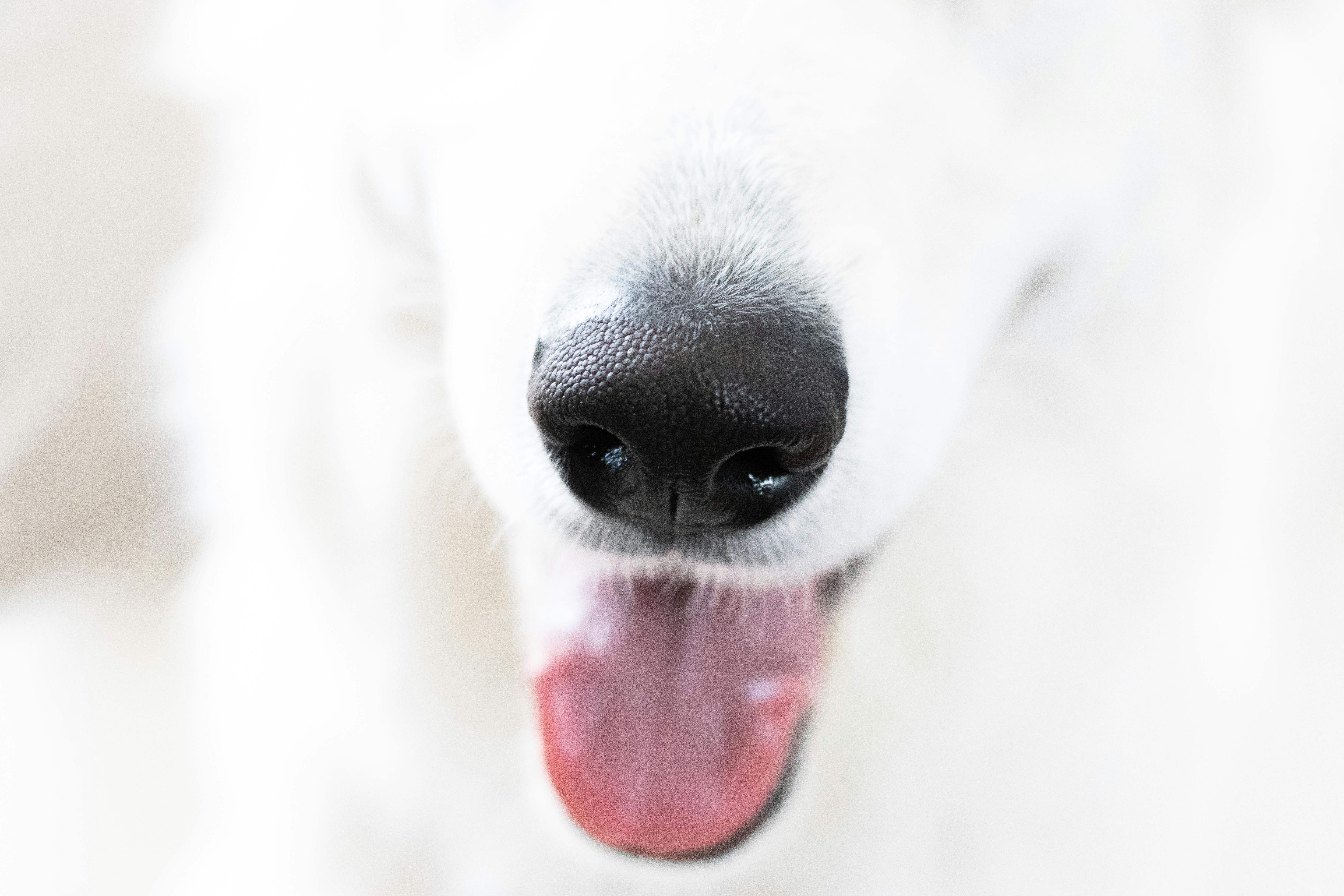 \n\n
\n\nDogs are amazing creatures, and one of the most fascinating aspects about them is how they interact with the world through their sense of smell. An integral part of that interaction is their wet noses. You might wonder, why do dogs have wet noses? Well, it turns out, there’s more to it than just being cute! Let’s dive into the role of wet noses and how they enhance a dog’s ability to sniff out everything from dinner leftovers to hidden dangers.
\nThe Science Behind Wet Noses
\nFirst off, let’s talk about what makes a dog’s nose wet. The moisture on a dog’s nose comes from a combination of saliva and the natural oils produced by the skin. This wetness is crucial for a few reasons:
\n- \n
- Enhanced Olfactory Function: The wet surface helps capture scent particles in the air. This increase in moisture allows more scent molecules to stick, which is vital for dogs to pick up on smells. \n
- Temperature Regulation: Dogs can’t sweat like humans do. Their noses help with cooling down their body temperature when they are panting after a long run or a game of fetch. \n
How Dogs Smell
\nDogs have an extraordinary sense of smell. While humans have about 5 million olfactory receptors, dogs boast around 220 million. Their brains are also wired to prioritize smell over sight. This means, in many ways, a dog’s world is painted by its nose.
\nSome interesting facts about a dog’s sense of smell include:
\n- \n
- Dogs can detect certain diseases, including cancer, by smelling the chemical changes in a person’s body. \n
- They can locate missing persons or drugs using their incredible sniffing abilities. \n
- Certain breeds, like Bloodhounds, are especially known for their scent-tracking skills. \n
Why Are Wet Noses Important?
\nSo, why do dogs have wet noses? It’s not just for show! Let’s break down the benefits:
\n- \n
- Improved Scent Detection: Wet noses are better at holding onto scent particles. This is essential for tracking scents over distances. \n
- Health Indicator: A wet nose often indicates good health. If a dog’s nose is dry and cracked, it could be a sign of dehydration or illness. \n
- Communication: Dogs often use their noses to greet each other and communicate. A damp nose can convey friendliness and openness. \n
Historical Context of Dog Noses
\nThroughout history, dogs have been bred for specific tasks, many of which relied heavily on their sense of smell. For instance:
\n- \n
- Hunting Dogs: Bred to track and find game animals. Their wet noses are essential for following trails. \n
- Service Dogs: Used in search and rescue operations. Their ability to smell is crucial for finding survivors or detecting drugs. \n
In ancient times, dogs were one of the first domesticated animals. Their keen sense of smell made them invaluable companions for humans in hunting and protection.
\nFun Facts About Dog Noses
\nHere’s a quick list of some fun facts about dog noses:
\n- \n
- Each dog’s nose print is unique, similar to human fingerprints. \n
- Dogs can smell up to 100,000 times better than humans. \n
- Certain breeds, like the German Shepherd and Labrador Retriever, are known for their exceptional smelling capabilities. \n
Caring for Your Dog’s Nose
\nTaking care of your dog’s nose is as important as caring for other parts of their body. Here are some tips:
\n- \n
- Hydration: Ensure your dog has access to plenty of fresh water. A well-hydrated dog is more likely to have a healthy, moist nose. \n
- Check for Irritation: Regularly check your dog’s nose for cracks or excessive dryness. If you notice anything unusual, consult your veterinarian. \n
- Avoid Harmful Products: When using cleaning products or chemicals, be mindful of your dog’s environment. Strong smells can irritate their sensitive noses. \n
Wet noses are an essential part of a dog’s anatomy that plays a vital role in their ability to smell and interact with their environment. Understanding why do dogs have wet noses can help dog owners appreciate the complexity and beauty of their furry friends even more. So next time you see your dog sniffing around with that adorable wet nose, remember all the incredible things happening behind the scenes!
\n\nIs a Wet Nose a Sign of Health? Debunking Common Myths About Dogs
\n\n \n\n
\n\nDogs are often known as man's best friend, and one characteristic many people notice is their wet noses. But is a wet nose a sign of health? This question has sparked numerous discussions and myths over the years. Let’s debunk some of these myths and explore why do dogs have wet noses in the first place.
\nThe Science Behind Wet Noses
\nDogs have wet noses for a variety of reasons. One of the primary reasons is that it helps them sense the world around them better. A wet nose can absorb scent molecules, enhancing a dog's ability to smell. This is particularly important since dogs’ sense of smell is estimated to be between 10,000 to 100,000 times more sensitive than humans.
\n- \n
- Scent Absorption: A moist nose helps trap scent particles, making it easier for dogs to identify smells. \n
- Cooling Mechanism: Dogs don’t sweat like humans do. Their noses help them cool down, especially in hot weather. \n
- Health Indicator: While a wet nose can indicate that a dog is healthy, it is not a foolproof sign. \n
Debunking Common Myths
\nThere’s a bunch of myths surrounding dog noses. Here are a few:
\n- \n
- Wet Nose Equals Healthy Dog: It's a belief that a wet nose is always a sign of a healthy pup. This is not always true. Dogs can have dry noses and still be perfectly healthy. \n
- Dogs Only Get Sick When Their Nose is Dry: Many think a dry nose is an immediate sign of illness. While it can indicate dehydration or fever, many other factors can cause a dry nose. \n
- All Dogs Have Wet Noses: Not all dogs have the same nose moisture. Some breeds naturally have drier noses, like bulldogs and terriers. \n
Why Do Dogs Have Wet Noses?
\nTo understand why dogs have wet noses, it’s helpful to look at their evolutionary history. Dogs are descendants of wolves, who also have wet noses. This trait likely developed for hunting and survival purposes. A wet nose helps them track prey by picking up scents in the environment.
\nPractical Insights on Dog Nose Health
\nIf you’re a dog owner or considering getting a dog, here are some practical insights on what to watch for regarding your dog’s nose:
\n- \n
- Observe Changes: Keep an eye on your dog’s nose. If it suddenly becomes excessively dry or crusty, it could be a sign of a problem. \n
- Temperature Check: A warm nose can indicate fever, but it’s not always a reliable indicator. It’s best to take your dog to a vet if you suspect illness. \n
- Hydration Matters: Make sure your dog stays hydrated, as dehydration can lead to a dry nose. \n
When to Consult a Veterinarian
\nIf you notice your dog's nose changes, here are some signs that should prompt a vet visit:
\n- \n
- Cracking or bleeding on the nose \n
- Persistent dryness \n
- Excessive discharge from the nose \n
- Changes in behavior or appetite \n
Fun Facts About Dog Noses
\nHere are some interesting tidbits about dog noses:
\n- \n
- Unique Prints: Just like human fingerprints, every dog’s nose print is unique. They can actually be used to identify them! \n
- Scent Detection: Dogs have up to 300 million smell receptors, while humans have about 6 million. This is why they excel in scent detection work, like search and rescue operations. \n
- Nose Temperature: A dog’s nose can tell you a lot about its health, but it’s just one of many indicators. \n
Comparing Dog Noses to Human Noses
\nHere’s a quick comparison of dog noses and human noses:
\n| Feature | \nDog Nose | \nHuman Nose | \n
|---|---|---|
| Scent Receptors | \n300 million | \n6 million | \n
| Moisture Level | \nCan vary | \nGenerally dry | \n
| Function | \nScent detection | \nBreathing, filtering | \n
| Temperature Sensitivity | \nMore sensitive | \nLess sensitive | \n
Understanding why do dogs have wet noses and what that means for their health can help owners provide better care. So, while a wet nose can be a sign of a healthy dog, it's not the only indicator. Always consider the whole picture when assessing your furry friend’s well-being.
\nDogs bring so much joy into our lives, and knowing how to care for them properly is essential. So, next time you give your pup a pat and feel that cool, wet nose, remember there's a lot more going on than just a sign of health.
\n\nHow Weather Affects Your Dog’s Nose: What Every Pet Owner Should Know
\n\n \n\n
\n\nEvery dog owner probably observed that their furry friends have wet noses. But have you ever wondered why? And how does the weather influence this curious aspect of your pet? In this article, we dive into the science and the reasons behind why do dogs have wet noses, and how different weather conditions might affect them.
\nThe Science Behind Wet Noses
\nDogs have wet noses for a bunch of reasons, and it’s not just for show. The moisture on a dog's nose serves important purposes. Here are some key points to understand:
\n- \n
- \n
Temperature Regulation: Dogs don’t sweat like humans do. Instead, they rely on their noses to help cool down their body temperature. The moisture evaporating from their nose can assist in keeping them comfortable in warmer weather.
\n \n - \n
Sense of Smell: A wet nose enhances a dog's sense of smell. The moisture helps to capture scent particles in the air, making it easier for dogs to pick up smells. Dogs have an incredible sense of smell, and moisture on their nose plays a big role in that.
\n \n - \n
Health Indicator: The condition of a dog's nose can sometimes indicate their health. A wet nose is generally a sign of a healthy dog, while a dry or cracked nose could suggest dehydration or illness.
\n \n
How Weather Affects Your Dog's Nose
\nWeather conditions can have a significant impact on the moisture level of your dog’s nose. Let’s look into the different types of weather and their effects.
\nHot Weather
\nIn hot weather, you might notice your dog’s nose staying quite wet. This is because dogs are trying to cool themselves down. But, if it gets too hot, the nose can become dry due to dehydration. It’s important for pet owners to ensure their dogs stay hydrated, especially during summer months. Here’s what to keep in mind:
\n- \n
- Hydration: Always provide fresh water, especially on hot days. \n
- Shade: Keep your dog in shaded areas to prevent overheating. \n
- Limit Exercise: Avoid long walks or playtime during peak heat hours. \n
Cold Weather
\nWhen temperatures drop, you might see your dog’s nose get drier. Cold, dry air can lead to a dry and cracked nose, which can be uncomfortable for your pet. Here’s how you can help:
\n- \n
- Moisturize: Use a dog-safe moisturizer on their nose to prevent cracking. \n
- Indoor Time: Keep your dog indoors during severe weather, as low temperatures can be harsh on their sensitive skin. \n
- Monitor: Watch for signs of discomfort, such as constant licking or pawing at the nose. \n
Common Myths About Dog Noses
\nThere are also many myths surrounding dog noses that pet owners should be aware of. Here are a few to debunk:
\n- \n
- \n
Wet Nose = Healthy Dog: While a wet nose can indicate good health, it’s not a guarantee. Some dogs can be perfectly healthy with a dry nose.
\n \n - \n
Dogs Get Colds from Wet Noses: Dogs don’t catch human colds. Their immune systems are different, and a wet nose has no connection to catching a cold.
\n \n - \n
Color of Nose Indicates Health: The color of a dog’s nose can vary by breed and isn’t necessarily a health indicator.
\n \n
Fun Facts About Dog Noses
\n- \n
- Dogs have more olfactory receptors than humans. They have about 220 million, while humans have only about 5 million. \n
- A dog's sense of smell is 40 times better than a human's! \n
- The unique pattern of a dog's nose is similar to a human fingerprint. No two dogs have the same nose print. \n
Caring for Your Dog’s Nose
\nHere are some practical tips to keep your dog’s nose healthy:
\n- \n
- Regular Checks: Inspect your dog’s nose regularly for dryness or cracks. \n
- Proper Diet: A balanced diet helps maintain skin and coat health, including their noses. \n
- Vet Visits: If you notice persistent dryness or unusual changes, consult your veterinarian. \n
In summary, understanding how weather affects your dog’s nose can provide valuable insight into your pet’s well-being. Whether it’s keeping them hydrated during the heat or moisturizing their nose in the cold, being mindful of these factors can make a significant difference. Knowing why do dogs have wet noses, and what it signifies, is crucial for any pet owner. So, keep an eye on those wet noses, and make sure your furry pals are always comfortable!
\n\nThe Connection Between a Dog’s Mood and Its Wet Nose: What the Experts Say
\n\n \n\n
\n\nDogs have always been known for their unique characteristics and behaviors, and one of the most fascinating aspects of our furry friends is their wet noses. You might wonder, what’s the connection between a dog’s mood and its wet nose? Why do dogs have wet noses in the first place? Let's delve into the details as we unlock the secrets behind it, exploring what the experts say and what science reveals.
\nWhy Do Dogs Have Wet Noses?
\nFirst, it’s important to understand that a dog's nose is naturally moist. But why? There are several reasons behind this phenomenon:
\n- \n
- \n
Cooling Mechanism: Dogs don’t sweat like humans. Instead, they regulate their body temperature partly through their noses. A wet nose helps to cool down their body.
\n \n - \n
Enhanced Sense of Smell: The moisture on a dog’s nose helps to absorb scent particles from the air. This increases their olfactory sensitivity, allowing them to detect scents better, which is why dogs are often used in search and rescue operations.
\n \n - \n
Health Indicator: A wet nose is often considered a sign of good health in dogs. However, it’s worth noting that a dry nose doesn’t always mean a dog is sick. Changes in moisture level can indicate various health issues, but it’s essential to consider other symptoms as well.
\n \n
The Connection Between a Dog’s Mood and Its Wet Nose
\nExperts have observed a correlation between a dog’s mood and the condition of its nose. Here’s how mood and wetness can be connected:
\n- \n
- \n
Excitement and Happiness: When dogs are excited or happy, their noses tend to be wetter. This is often because they’re panting or breathing more rapidly, which can enhance the moisture on their noses.
\n \n - \n
Stress or Anxiety: Conversely, a stressed or anxious dog might have a drier nose. This can happen when they’re frightened, feeling unwell, or if they are experiencing some emotional distress.
\n \n - \n
Relaxation: When a dog is resting or relaxed, their nose may also be wet, but it could be because they are not panting or moving around as much.
\n \n
Historical Context: The Importance of a Dog's Nose
\nHistorically, dogs have been companions to humans for thousands of years. They were bred for various purposes, including hunting, herding, and guarding. The importance of a dog’s sense of smell has always been recognized. In ancient times, dogs helped humans track animals for food, and their wet noses played a crucial role in this.
\nFactors Affecting Nose Wetness
\nSeveral factors can influence the moisture of a dog’s nose. Here are a few:
\n- \n
- \n
Environmental Conditions: Hot weather or dry air can lead to a drier nose. On the other hand, during humid weather, dogs might have wetter noses.
\n \n - \n
Hydration Levels: Just like humans, if a dog is well-hydrated, it may have a more moist nose.
\n \n - \n
Health Issues: Certain health problems can affect the moisture level of a dog’s nose. Conditions like allergies, infections, or autoimmune disorders can lead to changes in nose wetness.
\n \n
Practical Examples and Observations
\nMany dog owners notice certain patterns with their pets. For instance:
\n- \n
- \n
When dogs get excited about going for a walk or seeing their favorite person, their noses tend to become noticeably wetter.
\n \n - \n
After a vet visit, many dogs might show signs of stress, and their noses could be drier than usual.
\n \n - \n
A play session with other dogs often results in wet noses due to the excitement and heavy breathing that comes from running around.
\n \n
Signs to Watch For
\nAs a dog owner, it’s crucial to watch for changes in your pet’s nose and overall behavior since they can indicate health issues. Here are some signs to be alert for:
\n- \n
- \n
A persistently dry nose, especially if accompanied by other symptoms like lethargy, loss of appetite, or coughing.
\n \n - \n
A nose that is excessively wet or has discharge, which could signal an infection.
\n \n - \n
Sudden changes in your dog’s mood or behavior, especially if they seem more anxious or withdrawn than usual.
\n \n
Dogs are complex creatures, and their wet noses are just one of the many intriguing aspects of their biology. Understanding why dogs have wet noses and how it relates to their mood can deepen your bond with your furry companion. It’s essential to monitor their health and behavior while appreciating the little things that make them unique. So next time you pet your dog and feel that wet nose, remember there’s a lot more to it than meets the eye!
\n\nDogs and Their Wet Noses: A Deep Dive into Canine Cooling Mechanisms
\n\n \n\n
\n\nDogs are often called man's best friend, and one unique feature they have is their wet noses. Have you ever wondered why dogs have wet noses? This seemingly simple characteristic serves multiple purposes, especially in regulating their body temperature and maintaining their overall health. In this article, we gonna take a deep dive into the fascinating world of canine cooling mechanisms and uncover the secrets behind those adorable, damp noses.
\nThe Science of a Dog's Nose
\nA dog's nose is not just for smelling. It's a highly specialized organ that helps them in various ways. Here are some key facts about their nose:
\n- \n
- \n
Moisture and Temperature Regulation: The wetness of a dog's nose plays a crucial role in helping them cool down. When the moisture evaporates, it helps to lower their body temperature. This is particularly important since dogs don’t sweat like humans do.
\n \n - \n
Enhanced Sense of Smell: The moisture on a dog’s nose also helps capture scent particles. A wet nose can pick up scents better than a dry nose, allowing dogs to detect smells more effectively. This is why they are often employed in search and rescue missions, or tracking scents.
\n \n - \n
Health Indicator: A dog’s nose can also serve as an indicator of their health. A healthy dog often has a cool, wet nose, while a dry or warm nose can sometimes suggest illness or dehydration.
\n \n
Historical Context: The Evolution of the Canine Nose
\nDogs have evolved over thousands of years, and their noses have adapted to serve them well in various environments. Historically, dogs were used for hunting and herding, and having a keen sense of smell was vital for their survival.
\n- \n
- \n
Hunting: Dogs needed to track prey, and their wet noses were essential for this. The moisture helped them to follow trails and detect scents from far away.
\n \n - \n
Herding: In herding, dogs would use their sense of smell to communicate with livestock. A wet nose would help them ensure they are guiding animals effectively.
\n \n
The Anatomy of a Dog's Nose
\nUnderstanding the anatomy of a dog’s nose is key to appreciating its functionality. Here’s a basic outline:
\n- \n
- \n
Nasal Cavity: A complex structure filled with olfactory receptors. Dogs have about 220 million receptors compared to humans' 5 million.
\n \n - \n
Jacobsen’s Organ: Also known as the vomeronasal organ, this helps dogs sense pheromones, which are chemicals important for communication.
\n \n - \n
Wetness: The nose is kept moist by mucus and saliva, which enhances its ability to detect scents.
\n \n
Why Do Dogs Have Wet Noses? The Main Reasons
\nHere’s a list of the primary reasons why dogs have wet noses:
\n- \n
- Cooling Mechanism: Helps regulate body temperature. \n
- Enhanced Smell: Increases the ability to detect scents. \n
- Health Monitoring: Indicates hydration levels and overall health. \n
- Communication: Plays a role in social interactions with other dogs. \n
Comparison: Dogs vs. Other Animals
\nDogs aren’t the only animals with wet noses. However, the function and structure can be different. Here’s a quick comparison:
\n| Animal | \nNose Type | \nFunctionality | \n
|---|---|---|
| Dogs | \nWet and cold | \nCooling, scent detection, health indicator | \n
| Cats | \nWarm and sometimes dry | \nPrimarily for scent detection, less cooling | \n
| Pigs | \nWet and sensitive | \nExcellent for rooting and scent detection | \n
| Horses | \nDry and warm | \nLimited scent detection compared to dogs | \n
Practical Examples of Canine Cooling
\nDogs have a few ways to cool down, and their wet noses play a role in that. Here are some practical examples:
\n- \n
- \n
Panting: Dogs pant to evaporate moisture from their tongues, which helps cool them down. Their wet noses assist this process.
\n \n - \n
Licking: Dogs often lick their noses, which keeps them moist and enhances their sense of smell.
\n \n - \n
Seeking Cool Surfaces: Dogs may lie on cool tiles or grass to help lower their body temperature, and a wet nose helps them stay cooler in these situations.
\n \n
Dogs and their wet noses are more than just a cute feature. They’re vital for a dog’s health and well-being, helping them navigate the world through scent and regulating their body temperature. Understanding why dogs have wet noses unlocks a deeper appreciation for these furry companions. As dog owners, it’s important to keep an eye on their nose health, ensuring it stays moist and cool, which is a sign of a happy, healthy pup.
\n\nWhy Do Some Dogs Have Drier Noses? Exploring Variations Among Breeds
\n\n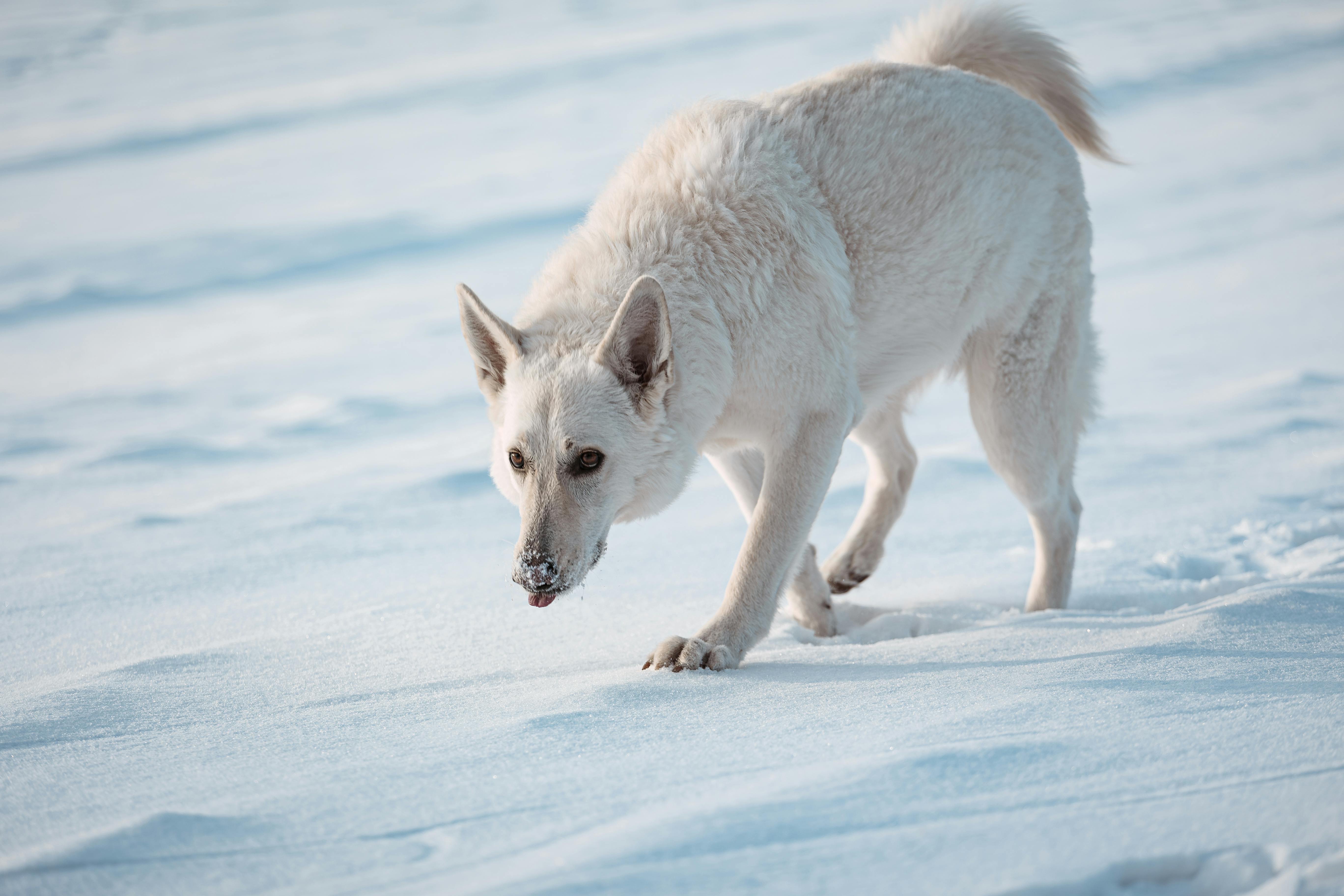 \n\n
\n\nDogs, our loyal companions, come with many quirks and characteristics that often leave us wondering. One of the most common questions that pet owners have is, "Why do some dogs have drier noses?" It's a fascinating topic that dives into breed variations, environmental factors, and even health considerations. But wait, there's more! Let's also explore the other side of the coin: "Why do dogs have wet noses?" This article unpacks these mysteries and gives you insights into your furry friend's nose.
\nUnderstanding Dog Noses: The Basics
\nFirstly, dog noses are one of the most sensitive parts of their body. They are packed with olfactory receptors, which enable dogs to smell things that are way beyond our human capabilities. A dog's nose can detect scents at incredibly low concentrations, helping them in tracking, hunting, and sometimes even detecting diseases.
\nWhy Do Some Dogs Have Drier Noses?
\nNot all dogs have the same type of nose. There are several factors that could make some dogs have drier noses than others. Here's a breakdown:
\n- \n
- Breed Differences: Certain dog breeds are more likely to have drier noses. For instance, breeds like the Shar Pei or the Bulldog tend to have drier noses due to their unique skin structure. \n
- Age: Just like humans, dogs can experience changes as they age. Older dogs might have drier noses compared to younger ones. \n
- Weather and Environment: Hot, dry climates can lead to a dog having drier noses. On the flip side, humidity can promote a wetter nose. \n
- Health Issues: Sometimes, a dry nose can be a sign of underlying health issues, such as dehydration or allergies. If your dog's nose is persistently dry, it's better to consult a vet. \n
Why Do Dogs Have Wet Noses?
\nNow, let’s uncover the secrets behind those famously wet noses. The wetness is not just for show; it serves several important functions:
\n- \n
- Enhanced Smell: A wet nose helps in trapping scent particles from the air, making it easier for dogs to smell things around them. \n
- Temperature Regulation: Dogs use their noses to help regulate body temperature. The moisture on their nose can evaporate and cool them down. \n
- Health Indicator: Generally, a wet nose is a sign that a dog is healthy. However, it’s important to note that wetness can vary throughout the day based on activity levels and the dog’s environment. \n
Comparison of Dry vs. Wet Noses
\nHere’s a quick comparison of dry and wet noses in dogs:
\n| Feature | \nDry Nose | \nWet Nose | \n
|---|---|---|
| Smell Ability | \nCan be reduced | \nEnhanced smell capability | \n
| Temperature Regulation | \nLess effective | \nEffective cooling method | \n
| Health Indicator | \nMay indicate dehydration or illness | \nGenerally indicates good health | \n
The Science Behind Nose Moisture
\nA dog's nose moisture comes from a mixture of mucus and secretions from glands in the nose. These secretions keep the nose moist, which is essential for its functionality. When a dog sniffs, the moisture helps to absorb scent particles, leading to better olfactory capability.
\nCommon Myths About Dog Noses
\nThere are many myths surrounding dog noses. Here are a few debunked:
\n- \n
- Myth 1: A warm, dry nose means your dog is sick. This isn't always true; nose temperature can change frequently. \n
- Myth 2: Dogs with wet noses are always healthy. While a wet nose is often a good sign, other health factors should be considered. \n
- Myth 3: All breeds have wet noses. As mentioned earlier, some breeds naturally have drier noses due to their unique characteristics. \n
Practical Tips for Dog Owners
\nIf you're concerned about your dog's nose, here’s what you can do:
\n- \n
- Hydration: Ensure your dog has constant access to fresh water to prevent dehydration. \n
- Regular Vet Check-ups: Regular visits to the vet can help keep an eye on your dog’s overall health, including their nose. \n
- Provide a Balanced Diet: A nutritious diet supports overall health and can affect skin and coat condition. \n
Dogs are unique creatures with diverse characteristics, and their noses are no exception. Understanding why some dogs have drier noses and others have wet ones can help you better care for your furry friend. If you have any concerns about your dog's nose or overall health, always consult a veterinarian for personalized advice. Your dog relies on you for their well-being, so staying informed is key!
\n\nWet Nose, Happy Dog: The Surprising Benefits of a Moist Canine Snout
\n\n \n\n
\n\nWet noses are one of the most endearing traits of dogs. They are not just cute; they actually serve important functions for our furry friends. So, why do dogs have wet noses? Let’s explore the surprising benefits of a moist canine snout and unlock the secrets behind it.
\nThe Science of a Wet Nose
\nFirst of all, a dog's nose is wet for a reason. The moisture on their snout comes from a combination of saliva and mucus. This wetness helps dogs in several ways. It enhances their sense of smell, which is significantly better than that of humans. A dog's nose has a larger surface area and more olfactory receptors, allowing them to detect scents at incredibly low concentrations.
\nWhen a dog sniffs with their wet nose, the moisture captures scent particles, which then get absorbed into the nasal tissues. This process enhances their ability to analyze and recognize different smells. That's why dogs can find lost items or even detect certain diseases in humans!
\nHealth Benefits of a Wet Nose
\nA wet nose is often a sign of a healthy dog. Here are some health benefits related to a moist snout:
\n- \n
- Temperature Regulation: Dogs don’t sweat like humans. Instead, they pant to cool off, and the moisture on their noses helps with temperature regulation. \n
- Hydration Indicator: A wet nose often indicates that a dog is well-hydrated. If a dog's nose appears dry and cracked, it could be a sign of dehydration or illness. \n
- Sense of Well-Being: Dogs tend to have wet noses when they are relaxed and happy. A wet nose is often synonymous with a dog that is feeling good. \n
Why Do Dogs Have Wet Noses? The Evolutionary Perspective
\nHistorically, dogs evolved from wolves, who also have wet noses. This feature likely provided an advantage in the wild. A moist nose helps in both hunting and social interactions. In fact, dogs use their noses to communicate with each other. The scent trails they leave behind can convey information about their whereabouts, health, and even emotional states.
\nA Comparison: Wet vs. Dry Nose
\nTo better understand the implications of a wet versus dry nose, here’s a simple comparison chart:
\n| Feature | \nWet Nose | \nDry Nose | \n
|---|---|---|
| Hydration Status | \nGenerally hydrated | \nMay indicate dehydration | \n
| Health Indicator | \nTypically healthy | \nPossible illness or stress | \n
| Sense of Smell | \nEnhanced smell perception | \nNormal, but less efficient | \n
| Temperature Control | \nAids in regulating temp | \nLess effective in cooling down | \n
As you can see, a wet nose is generally associated with health and well-being in dogs.
\nFun Facts About Dog Noses
\n- \n
- Dogs have a unique nose print, just like human fingerprints. Each dog’s nose print is different and can even be used for identification. \n
- The color of a dog's nose can change depending on factors like temperature and overall health. A pink nose may indicate certain breeds or health conditions. \n
- Dogs can detect some diseases with their noses, including cancer and diabetes, due to their extraordinary olfactory capabilities. \n
Practical Tips for Dog Owners
\nTo ensure your dog maintains a healthy, moist nose, consider these tips:
\n- \n
- Hydration: Make sure your dog always has access to fresh water. Proper hydration contributes to a wet nose. \n
- Humidity: During dry months, consider using a humidifier in your home to help keep your dog’s nose moist. \n
- Diet: A balanced diet can also contribute to overall health, including the health of their snout. Look for high-quality dog food that meets their nutritional needs. \n
- Regular Vet Check-ups: Regular visits to the vet can help catch any potential health issues early. If you notice your dog’s nose becoming persistently dry or cracked, consult a vet. \n
So, the next time you give your dog a scritch behind the ears and feel that delightful wet nose, remember that it’s more than just a cute feature; it’s a key part of what makes dogs such incredible companions. Understanding the reasons behind a wet nose not only deepens our appreciation for our canine friends but also highlights the importance of proper care and attention to their health.
\n\nConclusion
\n\nIn conclusion, the wet noses of dogs serve several important functions that contribute to their overall health and well-being. The moisture on a dog's nose enhances their sense of smell, allowing them to detect scents more effectively—an essential trait for their survival and communication. Additionally, a wet nose helps regulate their body temperature and plays a role in the process of thermoregulation. The presence of mucus on the nose also aids in trapping scent particles, further enhancing their olfactory capabilities. Understanding these fascinating aspects of canine physiology not only enriches our appreciation for dogs but also underscores the importance of keeping their noses healthy. As a dog owner, observing your pet's nose can provide insights into their health, so pay attention to any changes. Embrace the unique characteristics of your furry friend and ensure they receive the care they deserve for a happy, healthy life.
\n\n