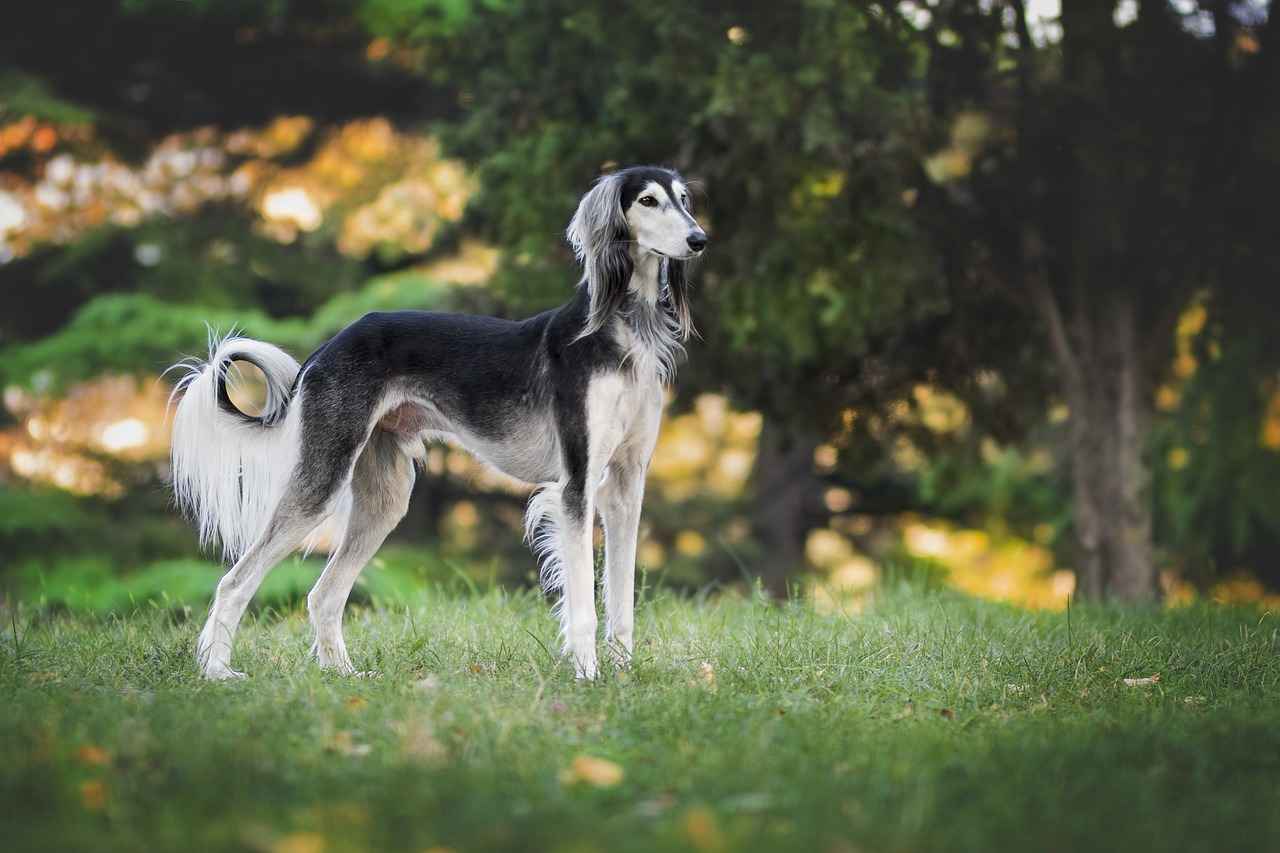
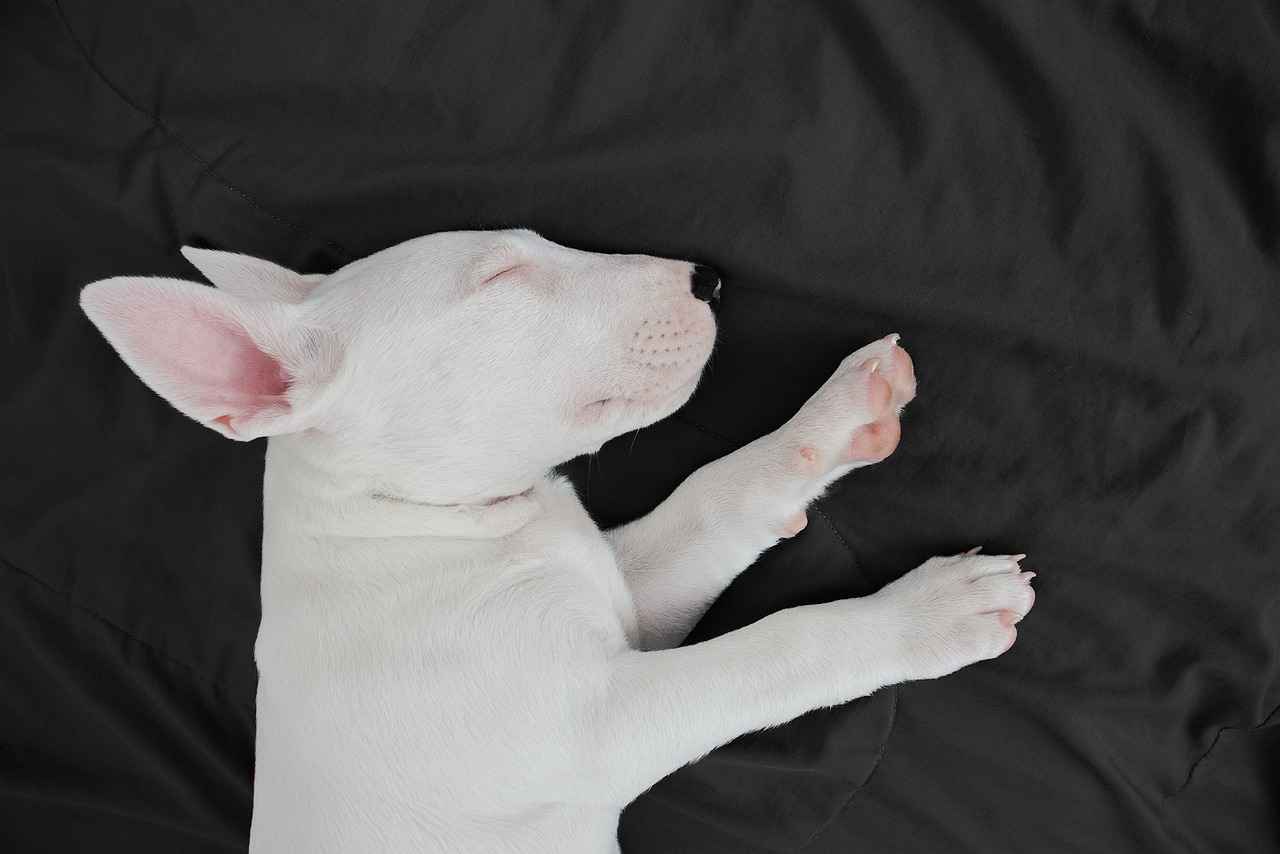
Have you ever wondered, why do dogs have wet noses? This quirky trait has puzzled dog lovers and scientists alike for ages. While many pet owners might think a wet nose indicates a healthy dog, there’s much more behind this fascinating mystery. Dogs’ noses are not just cute; they’re also incredibly functional! So, what makes their noses so unique? Did you know that a dog's nose can actually help them detect scents up to 100,000 times better than humans? This incredible sense of smell is partly due to the moisture on their noses, which enhances their olfactory abilities. Moreover, the wetness helps dogs regulate their body temperature, making it an essential aspect of their overall health. Curious about how environmental factors might affect this characteristic? Or maybe you’re interested in what it means if your dog’s nose is dry? Join us as we delve deeper into the science and charm behind dog nose moisture, uncovering the secrets of why our furry friends have those iconic wet snouts. Stay tuned for more insights and tips on keeping your dog healthy and happy!
\n\nThe Science Behind Wet Noses: Why Do Dogs Have This Unique Trait?
\n\n \n\n
\n\nDogs are one of the most beloved pets in the world, and they have many unique traits that make them special. One of the most interesting features of dogs is their wet noses. Have you ever wondered why do dogs have wet noses? This question has puzzled pet lovers and scientists alike, and the answer is more complex than it might seem.
\nThe Science Behind Wet Noses
\nA dog’s nose is not just for show; it serves several important functions. The moisture found on a dog’s nose helps enhance their sense of smell, which is much more advanced than humans. Dogs have about 300 million scent receptors, compared to a human’s 5 million. The wetness of their noses helps to trap scent particles from the air, allowing dogs to pick up on scents more effectively.
\n- \n
- Moisture Retention: The moisture on a dog's nose keeps the scent receptors hydrated, which is crucial for odor detection. \n
- Cooling Mechanism: Just like humans sweat, dogs can regulate their body temperature through their noses. When they pant, the moisture on their noses evaporates, which helps cool them down. \n
- Health Indicator: A dog's wet nose can also be a health indicator. A healthy dog typically has a cool, moist nose, while a dry nose can sometimes indicate illness or dehydration. \n
Why Do Dogs Have Wet Noses? Unraveling This Fascinating Mystery
\nSo, why do dogs have wet noses? It's not just for show or because they enjoy splashing in puddles. The wetness serves multiple purposes, including enhancing their incredible sense of smell and regulating body temperature. But there’s more to it than that.
\n- \n
- \n
Scent Detection: Dogs are natural hunters, and their wet noses help them sniff out prey. The moisture on the nose helps absorb scent particles, making it easier for them to detect and identify various smells.
\n \n - \n
Thermoregulation: Dogs do not sweat like humans. Instead, they rely on their noses and the pads on their feet to help regulate their temperature. This is why you might notice a dog’s nose is often cooler than the rest of their body.
\n \n - \n
Social Interaction: Dogs use their noses for social interactions just like humans use their voices. They greet other dogs and people with their noses, and a moist nose can be more inviting than a dry one.
\n \n
Historical Context of Dogs' Noses
\nThe evolutionary history of dogs is fascinating and sheds light on why they have wet noses. Dogs were domesticated from wolves thousands of years ago. Wolves, being hunters, relied heavily on their sense of smell to catch prey. Over time, as dogs became companions to humans, their keen sense of smell became a vital part of their interaction with people.
\n- \n
- Domestication: As dogs were domesticated, they adapted to living with humans, but their noses remained a crucial tool for survival. \n
- Breed Variations: Different breeds may have varying nose moisture levels. For instance, breeds like Bloodhounds have exceptionally wet noses due to their incredible tracking abilities. \n
Fun Facts About Dogs' Noses
\n- \n
- Dogs can distinguish between different scents even when they are mixed together. \n
- The wetness of a dog's nose can change based on the environment; for example, it might be drier during winter. \n
- Dogs have a unique nose print, much like human fingerprints, which can be used to identify them. \n
Comparing Dog Noses to Human Noses
\nIt’s interesting to compare dog noses and human noses:
\n| Feature | \nDog Nose | \nHuman Nose | \n
|---|---|---|
| Scent Receptors | \nAbout 300 million | \nAbout 5 million | \n
| Moisture Level | \nTypically wet | \nUsually dry | \n
| Functionality | \nScent detection, cooling | \nMainly breathing, smelling | \n
| Health Indicator | \nCan indicate health | \nLess indicative | \n
Practical Examples of Dogs Using Their Noses
\n- \n
- Search and Rescue: Dogs are often trained to locate missing persons using their sense of smell. \n
- Detecting Illness: Some dogs can even detect certain diseases in humans through their sense of smell, like cancer or diabetes. \n
The wet nose of a dog isn’t just a cute feature; it's a marvel of nature that serves multiple purposes and highlights the incredible abilities of our canine companions. From their evolutionary history to their role in our everyday lives, the science behind wet noses reveals just how special dogs really are. The next time you see your furry friend with that charming, wet nose, you can appreciate the complexity and importance of this unique trait.
\n\n5 Surprising Benefits of a Dog’s Wet Nose You Didn’t Know About
\n\n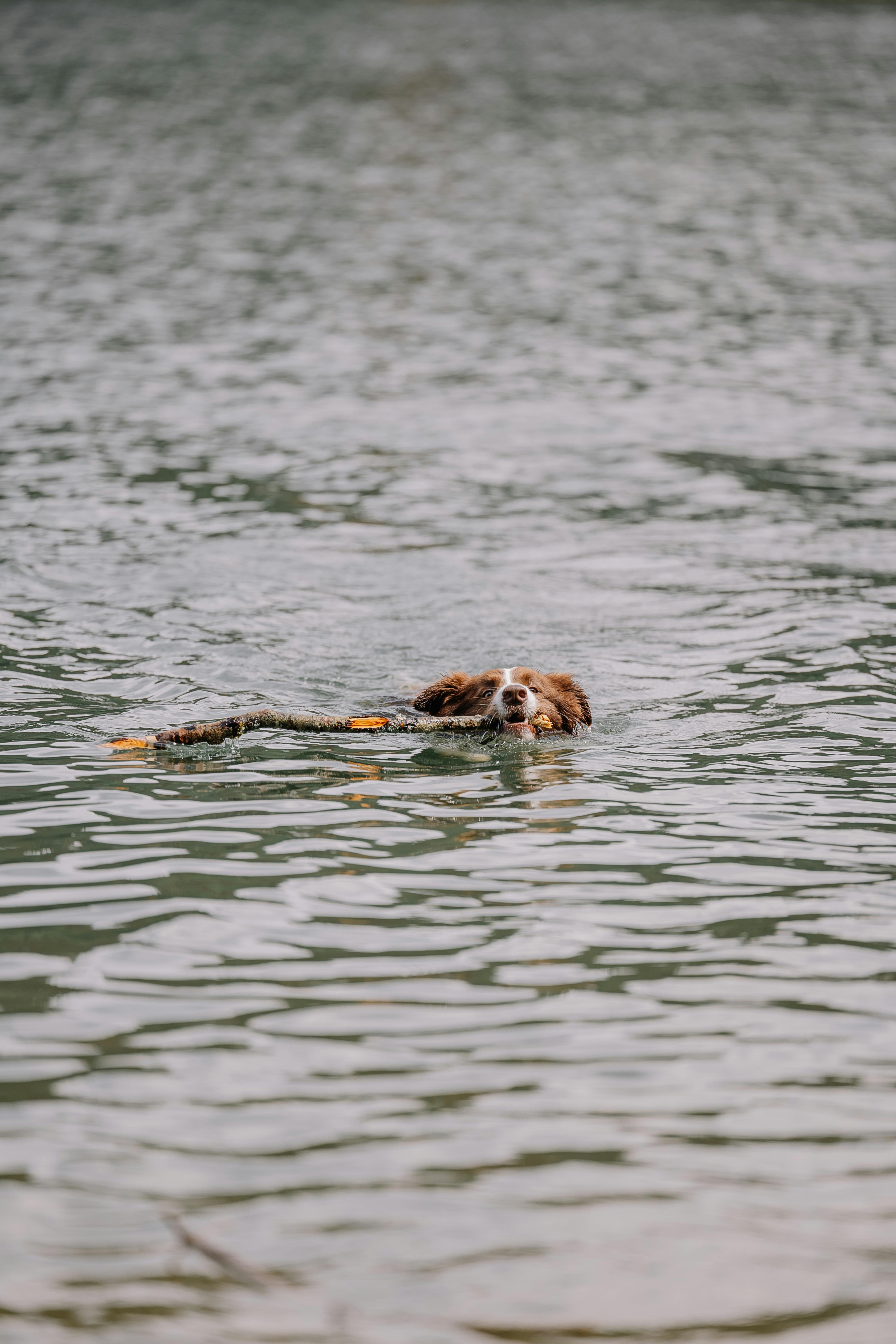 \n\n
\n\nWhen you think about why do dogs have wet noses, you might just assume it’s just a quirk of nature. But there’s a deeper reason, and it’s not just about being cute. Wet noses are often seen as a sign of a healthy dog, but there are some surprising benefits that come along with those moist snouts. Let’s dive into the fascinating world of dog noses and uncover 5 surprising benefits of a dog’s wet nose you didn’t know about.
\n1. Enhanced Sense of Smell
\nOne of the biggest reason why do dogs have wet noses is related to their sense of smell. Dogs have an incredible olfactory system that is far superior to that of humans. The moisture on their noses helps to capture scent particles from the air, which enhances their ability to detect smells.
\n- \n
- Dogs can sniff out certain scents at concentrations as low as one part per trillion. \n
- Their noses have up to 300 million smell receptors, compared to a human's 5 million. \n
This means, when your pup has a wet nose, they’re likely able to pick up on scents that you could never fathom.
\n2. Temperature Regulation
\nDid you know that a dog’s wet nose also plays a role in regulating their body temperature? When dogs pant, they release moisture through their mouths and noses. This evaporation cools them down, similar to how sweating works in humans.
\n- \n
- Dogs don’t sweat like we do; they primarily cool off through panting and the moisture on their nose. \n
- A wet nose can help lower their body temperature in hot weather. \n
So, if you’ve ever noticed your dog’s nose being particularly moist during the summer, it could be a sign they’re trying to cool off!
\n3. Health Indicator
\nA wet nose is often a sign of a healthy dog, but it can also indicate various health issues. Here’s a quick rundown:
\n- \n
- Healthy Dog: A cool, wet nose is often associated with good health. \n
- Dehydration: If a dog’s nose is dry, it might mean they need more water. \n
- Fever: A warm, dry nose could indicate a fever or illness, especially if other symptoms are present. \n
Observing your dog's nose can provide you with valuable insights into their health. If you notice any significant changes, it might be time to consult with your veterinarian.
\n4. Social Signals
\nDogs use their noses not just for smell but also as a social tool. A wet nose can be an important part of dog communication. When dogs greet each other, they often sniff one another's noses and behinds, which is how they gather information about each other.
\n- \n
- A wet nose can signify friendliness and approachability. \n
- Dogs often use their noses to express emotions; a wet, warm nose can indicate excitement and happiness. \n
Understanding these signals can improve your communication with your furry friend and other dogs.
\n5. Natural Humidifier
\nDid you know that a dog’s nose acts like a natural humidifier? The moisture produced by their noses helps to keep the airways and lungs moist, which is especially important in dry environments.
\n- \n
- This can help prevent respiratory issues, especially during the winter months when the air is particularly dry. \n
- A wet nose can help maintain optimal humidity levels in their breathing passages, promoting overall respiratory health. \n
So, when your dog’s nose is wet, it's not just for show; it’s serving a purpose in their health and comfort.
\nFun Facts About Dog Noses
\n- \n
- Dogs have unique nose prints, similar to human fingerprints. Each dog’s nose is different! \n
- A dog’s nose can detect certain diseases, including some types of cancer. \n
- The color of a dog’s nose can change with their age or health status. \n
In conclusion, the wet noses of dogs are more than just adorable — they come with a range of surprising benefits that enhance their health, communication, and sensory abilities. Next time you wonder why do dogs have wet noses, remember that it’s a fascinating blend of biology and evolution designed to help them thrive in their environments. Embrace the quirky nature of your furry friend, and appreciate all the little things about them, including that delightful wet nose!
\n\nExploring the Myths: Do Wet Noses Really Indicate a Dog’s Health?
\n\n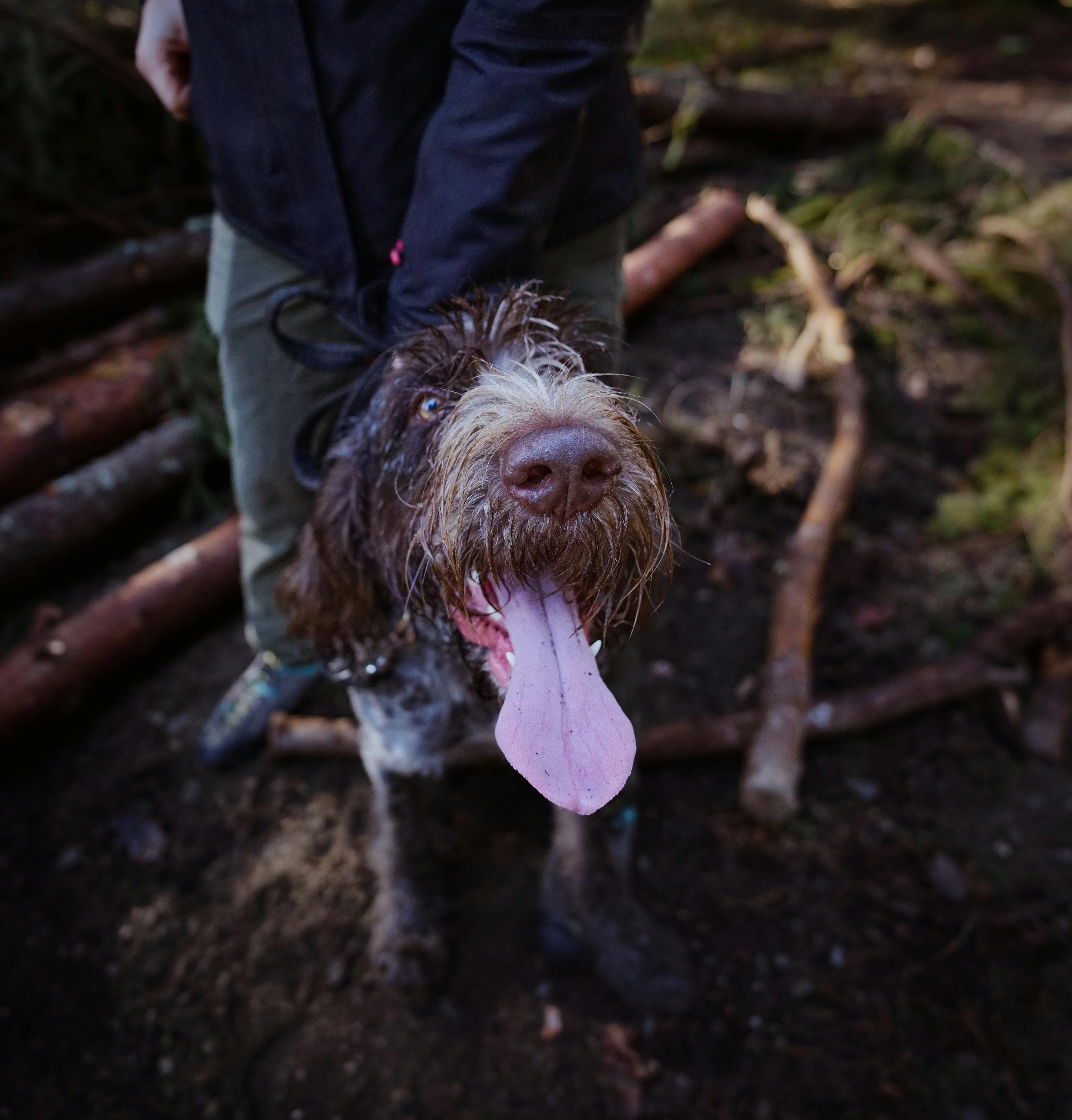 \n\n
\n\nDogs have been our companions for thousands of years, but many people still have questions about their health and behavior. One common belief is that a dog's wet nose is a sign of good health. This notion is often passed down from one dog owner to another, but is it really true? In this article, we will be exploring the myths surrounding wet noses and what they may actually indicate about a dog’s health. Plus, we will delve into the fascinating reasons why dogs have wet noses in the first place.
\nThe Myth of the Wet Nose and Health
\nMany dog owners think that a wet nose equals a healthy dog. However, the truth is a bit more complicated. While it is true that a moist nose can be a sign of a dog being well-hydrated, it is not the only indicator of health. Some key points to consider include:
\n- \n
- Temperature Regulation: Dogs regulate their body temperature through their noses. A wet nose helps to cool their body down. \n
- Scent Sensitivity: The moisture on a dog’s nose helps enhance their sense of smell. This is crucial for hunting and detecting scents in their environment. \n
- Not Always a Health Indicator: A dry nose doesn't necessarily mean a dog is sick. Dogs can have dry noses for various reasons, including weather conditions or even just waking up. \n
Why Do Dogs Have Wet Noses?
\nSo, why do dogs have wet noses in the first place? Well, there are several reasons that dive into both biology and behavior.
\n- \n
- \n
Anatomy of a Dog’s Nose: Dogs have a unique anatomy that makes their noses moist. The mucus on the nose helps trap scents, allowing them to smell better.
\n \n - \n
Nasal Glands: Dogs have specialized glands in their noses that produce moisture. This secretion is often enhanced when they are excited or engaged in activities, like playing or sniffing around.
\n \n - \n
Environmental Factors: When dogs spend time outside, their noses can get wet from dew, rain, or even snow. This can affect how their noses feel at any given time.
\n \n - \n
Health and Hydration: Well-hydrated dogs often have moist noses, as a lack of water can lead to dehydration which may cause dryness.
\n \n
Factors Affecting Nose Wetness
\nUnderstanding why a dog’s nose might be wet or dry can also depend on several factors. Here are some of them:
\n- \n
- Climate: Dogs living in humid climates are likely to have wetter noses compared to those in dry areas. \n
- Time of Day: Dogs may wake up with a dry nose after a night of sleep. \n
- Health Conditions: Certain medical conditions can lead to a dry nose, such as fever, allergies, or even nasal infections. \n
- Age: Older dogs may experience changes in their nose moisture levels. \n
Common Misconceptions
\nThere are a few misconceptions that are worth addressing when it comes to a dog’s nose and health:
\n- \n
- Wet Nose = Healthy Dog: As previously mentioned, this is not always true. A dog can have a wet nose and still be unwell. \n
- Dry Nose = Sick Dog: This is another myth. Many factors can cause a dry nose, and it doesn't always indicate illness. \n
- Only Certain Breeds Have Wet Noses: All dogs, regardless of breed, can have wet noses. \n
Practical Tips for Dog Owners
\nTo ensure that your furry friend stays healthy, consider these practical tips:
\n- \n
- Regular Vet Visits: Consistent check-ups can help catch any health issues early on. \n
- Hydration: Keep your dog well-hydrated, especially in hot weather. \n
- Monitor Behavior: If your dog shows signs of illness (like lethargy, lack of appetite, or persistent dry nose), consult a vet. \n
Final Thoughts
\nThe truth about a dog’s wet nose is more nuanced than many people realize. While a wet nose can indicate hydration and can enhance a dog's sense of smell, it is not the definitive indicator of a dog’s health. Dogs are complex creatures, and understanding their biology can help enhance the bond between you and your pet. So the next time you check your dog’s nose, remember that it's just one piece of the puzzle in understanding their overall well-being.
\n\nHow Dogs Use Their Wet Noses to Detect Emotions and Communicate
\n\n \n\n
\n\nDogs are often call man’s best friend, and for good reason. They have this remarkable ability to sense our feelings and respond to them. One of the most intriguing aspects of dogs is their wet noses. Ever wonder why do dogs have wet noses? Or how they use them to detect emotions and communicate with us? Let’s dive into this fascinating mystery that combines biology, history, and a bit of science.
\nWhy Do Dogs Have Wet Noses?
\nThe wetness of a dog’s nose is more than just a quirky feature. It plays an important role in their overall health and communication. Here are some reasons why dog noses are wet:
\n- \n
- \n
Scent Detection: A wet nose helps dogs absorb scent molecules. The moisture on the surface of the nose captures these molecules, enhancing a dog’s sense of smell, which is already incredibly powerful. A dog’s sense of smell is estimated to be anywhere from 10,000 to 100,000 times more acute than a human’s.
\n \n - \n
Temperature Regulation: Dogs don’t sweat like humans do. Instead, they regulate their body temperature through panting and the moisture on their noses. A wet nose helps keep them cool, especially during hot weather.
\n \n - \n
Health Indicator: The condition of a dog’s nose can indicate their health. If a dog’s nose is excessively dry or cracked, it could be a sign of dehydration or illness.
\n \n - \n
Communication Tool: Dogs use their noses to communicate with each other and with humans. A moist nose can signal excitement or readiness to engage, while a dry nose may indicate a lack of interest or energy.
\n \n
Dogs and Emotion Detection
\nDogs are not just great companions; they are also skilled at reading human emotions. Their wet noses play a key role in this emotional intelligence. Research has shown that dogs can detect subtle changes in human body language and scent that indicate feelings like happiness, sadness, or stress.
\n- \n
- \n
Empathy: Studies suggest that dogs can sense human emotions and respond accordingly. For example, when a person is crying, dogs may approach and offer comfort, perhaps nudging with their wet noses or lying next to them.
\n \n - \n
Scent Memory: Dogs have the ability to remember scents associated with certain emotions or events. This means that if a dog has been present during a happy moment, they may associate that scent with joy and react positively when they encounter it again.
\n \n
Historical Context of Dogs’ Noses
\nDogs have been companions to humans for thousands of years, and their noses have played a significant role in their evolution. The domestic dog's ancestor, the wolf, relied heavily on scent for hunting and survival. Over time, dogs became attuned to human emotions and behaviors, possibly due to their close living arrangements with humans.
\n- \n
- Breeds with Specialized Noses: Some dog breeds have developed particularly keen olfactory senses. For instance:
- \n
- Bloodhounds are known for their exceptional tracking abilities. \n
- Beagles are also known for their strong sense of smell, making them great detection dogs. \n
\n
Fun Facts About Dogs’ Noses
\nHere are some interesting tidbits about dogs and their noses:
\n- \n
- \n
Unique Patterns: Just like human fingerprints, each dog’s nose print is unique. This means they can be used for identification.
\n \n - \n
Nasal Turbinates: Dogs have complex nasal structures called turbinates that increase the surface area of their noses, allowing for better scent detection.
\n \n - \n
Nose Temperature: A dog's nose can change temperature based on their environment. A cool, wet nose is usually a sign of a healthy dog.
\n \n
How Dogs Communicate with Their Noses
\nDogs use their noses to communicate not just with humans but also with other dogs. They may sniff each other’s noses as a greeting or to gather information about each other’s emotional states. This form of communication is essential for social interactions among dogs.
\n- \n
- \n
Sniffing: Dogs will often sniff around to gather information about their surroundings, other animals, and even humans. This behavior is a natural instinct and part of their exploration.
\n \n - \n
Nudging: A gentle nudge from a dog’s wet nose can mean different things. It might be a request for attention, food, or playtime.
\n \n - \n
Licking: Sometimes, dogs will lick their human’s face or hands. This is another way they show affection or seek connection.
\n \n
The bond between dogs and humans is enhanced by their unique ability to connect emotionally. Their wet noses, which serve multiple purposes, are a big part of that connection. Understanding why do dogs have wet noses and how they utilize this feature can deepen our appreciation for these loyal companions and the way they interact with us. So next time your furry friend nudges you with their moist nose, remember, it’s not just a quirky trait but a bridge to emotional connection.
\n\nThe Role of a Dog’s Wet Nose in Temperature Regulation: What You Need to Know
\n\n \n\n
\n\nDogs are often considered man's best friend, but there's more to these furry companions than just loyalty and companionship. One fascinating aspect of dogs that has puzzled many is their wet noses. Why do dogs have wet noses? What role does this play in their overall health and behavior? In this article, we will unravel the mystery of dog’s wet noses and explore their significance in temperature regulation and more.
\nThe Science Behind a Dog's Wet Nose
\nA dog's nose is not just a cute feature; it serves multiple purposes. One of the primary functions of a dog's wet nose is to help regulate their body temperature. Unlike humans who sweat to cool down, dogs have a different mechanism. Here’s how it works:
\n- \n
- Moisture Evaporation: The moisture on a dog's nose helps to cool their body. When the water evaporates, it takes heat away, providing a cooling effect. \n
- Enhanced Scent Detection: A wet nose can absorb scent particles better than a dry one. This aids in their exceptional sense of smell, which is about 40 times more sensitive than that of humans. \n
Why Are Dog Noses Wet?
\nSo, why do dogs have wet noses, and how do they maintain this moisture? Here are some key points:
\n- \n
- Glandular Secretions: Dogs have special glands in their noses that secrete mucus, which keeps the nose moist. \n
- Environmental Factors: Humidity and temperature can affect how wet a dog’s nose is. For example, on a hot day, their nose might be drier than usual. \n
- Health Indicators: A change in the moisture level of a dog's nose can sometimes indicate health issues. A dog with a dry, cracked nose might be dehydrated or unwell. \n
Historical Context
\nHistorically, the understanding of dogs' noses has evolved. In ancient cultures, dogs were valued not only for their companionship but also for their ability to track scents. People noticed that dogs could often track animals or find their way home based on their sense of smell. The wetness of their noses was seen as an indicator of health and vitality.
\nTemperature Regulation in Dogs
\nDogs regulate their temperature differently than humans, and their wet noses play a critical role in this process. Here's a comparison of how dogs and humans manage heat:
\n| Feature | \nHumans | \nDogs | \n
|---|---|---|
| Primary Cooling Method | \nSweating through skin | \nEvaporation through nose | \n
| Body Temperature | \nRegulated by sweat glands | \nMaintained via wet nose and panting | \n
| Sensitivity | \nLess sensitive to smell | \nHighly sensitive to smells | \n
Practical Examples of Nose Moisture
\nUnderstanding the moisture of a dog’s nose can help in various practical scenarios:
\n- \n
- Health Monitoring: If you notice your dog’s nose is unusually dry for an extended period, it may be time to consult a veterinarian. \n
- Seasonal Changes: During winter, dogs may have drier noses due to cold air. In such cases, applying a dog-safe moisturizer might help. \n
- Active Dogs vs. Couch Potatoes: An active dog that spends a lot of time outdoors may have a continuously wet nose compared to a less active dog. \n
Conclusion on Wet Noses and Health
\nThe wetness of a dog’s nose can be more than just an interesting fact; it is a key indicator of their health and well-being. Regularly checking your dog’s nose can provide insights into their hydration levels and overall health. A dog’s wet nose is not only a sign of vitality but also an essential tool in their daily lives, aiding in scent detection and temperature regulation. The next time you give your furry friend a scratch behind the ears, take a moment to appreciate the science behind their wet nose and what it means for their health and happiness.
\n\nIs Your Dog’s Nose Too Wet or Too Dry? Understanding the Health Indicators
\n\n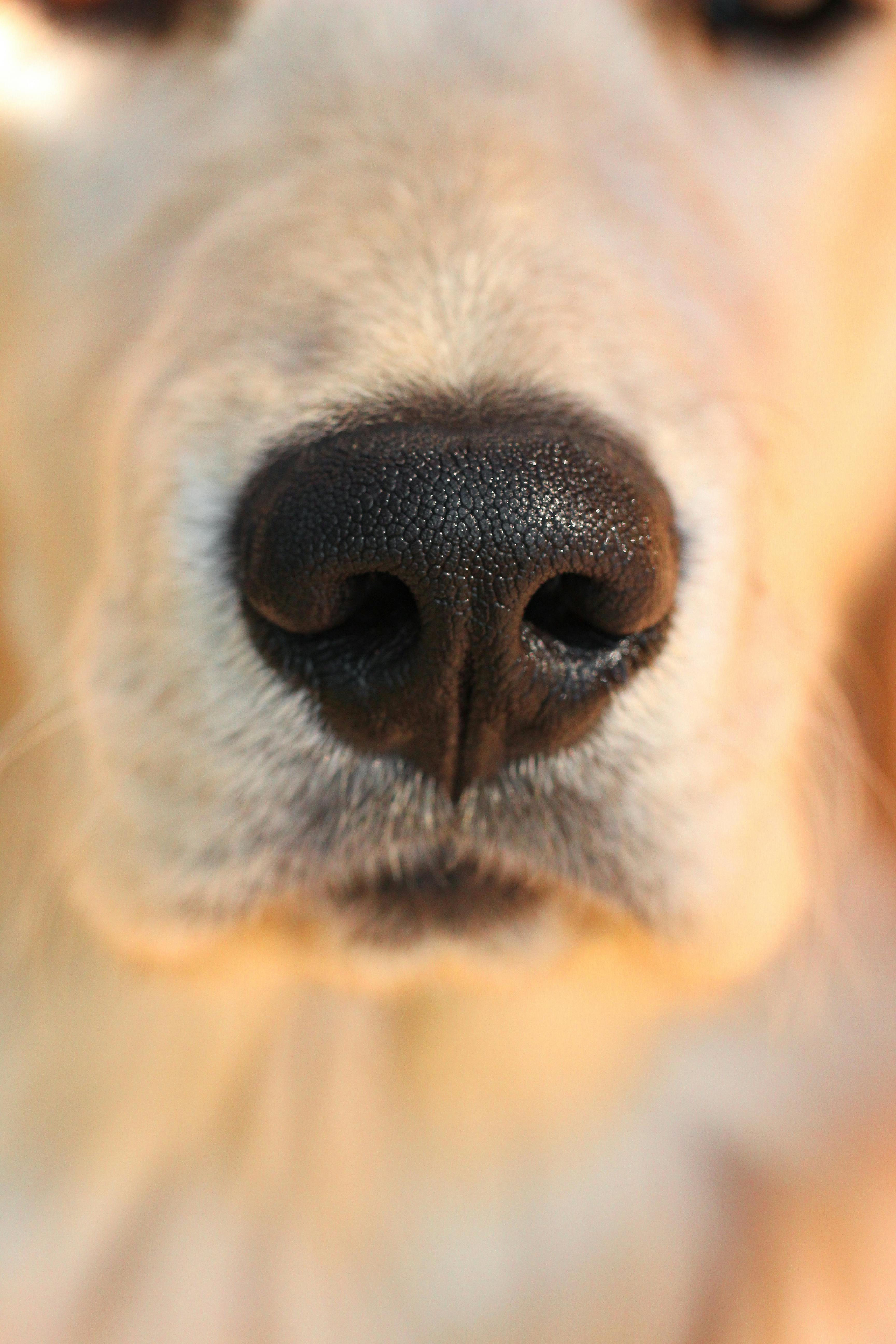 \n\n
\n\nWhen you’re a dog owner, you might find yourself curious about the little things that makes your furry friend tick. One of those things is their nose. Is your dog’s nose too wet or too dry? This can be an important health indicator, and understanding why dogs have wet noses can help you keep your pet healthy. In this article, we'll dive deep into this fascinating mystery that many pet owners wonder about.
\nWhy Do Dogs Have Wet Noses?
\nFirst off, let’s tackle the question that’s on everyone’s mind: why do dogs have wet noses? There’s a few reasons for this phenomenon.
\n- \n
- \n
Cooling Mechanism: Dogs don’t sweat like humans do. Instead, they cool themselves off primarily through panting and the moisture on their noses. A wet nose helps to regulate their body temperature.
\n \n - \n
Enhanced Sense of Smell: A wet nose helps to capture scent particles. The moisture on it can trap smells, enhancing a dog’s already incredible sense of smell. This is especially important since dogs have about 220 million scent receptors compared to humans’ 5 million.
\n \n - \n
Health Indicator: A dog’s nose can also be an important indicator of health. Changes in its moisture can signal various conditions.
\n \n
Understanding Nose Moisture: What Is Normal?
\nGenerally, a dog’s nose should be moist, but there are exceptions where a dry nose can also be normal. Here’s a breakdown of what you should know:
\n- \n
- Wet Nose: Indicates hydration and good health. \n
- Dry Nose: Could be a sign of dehydration, fever, or other health issues. However, it can also be normal if the dog has been sleeping or it’s a hot day. \n
Factors Affecting Nose Moisture
\nMany factors can affect whether your dog’s nose is wet or dry. Understanding these factors can help you better assess your pet’s health:
\n- \n
- Environmental Conditions: Hot, dry weather can lead to a dry nose. Conversely, a humid environment can keep it moist. \n
- Age: Puppies usually have wetter noses than older dogs. As dogs age, it’s natural for their noses to become drier. \n
- Activity Level: After a vigorous play session, a dog’s nose might become drier as they pant and exert energy. \n
- Health Issues: If you notice a consistent change, it could indicate an underlying health concern that needs veterinary attention. \n
When to Be Concerned
\nWhile a change in your dog’s nose moisture could be normal, there are certain signs that should prompt a trip to the vet:
\n- \n
- A persistently dry nose accompanied by other symptoms like lethargy or loss of appetite. \n
- Cracking or peeling of the skin on the nose. \n
- Excessive discharge from the nose, whether clear or colored. \n
Common Myths About Dog Noses
\nThere are many myths out there about dog noses. Here are a few that are commonly believed:
\n- \n
- Myth 1: A warm nose means a sick dog. This isn’t always true. Dogs can have warm noses for many reasons, including just being in a warm environment. \n
- Myth 2: A dry nose is always a sign of illness. While it can be an indicator, it’s not definitive. Many healthy dogs may have dry noses at times. \n
- Myth 3: All dog noses are wet. Some breeds naturally have drier noses than others. \n
Practical Tips for Monitoring Your Dog’s Nose
\nTo keep track of your dog’s nose health, here’s some practical advice:
\n- \n
- Regular Check-Ups: Make it a habit to check your dog’s nose daily. Take note of any changes in moisture or texture. \n
- Hydration: Ensure your dog has access to fresh water at all times. Proper hydration is key to keeping that nose wet! \n
- Watch for Symptoms: If the nose change is accompanied by other symptoms like coughing or lethargy, it’s crucial to consult a vet. \n
The Bottom Line
\nUnderstanding your dog's nose can be a key aspect of their overall health. Whether it’s wet or dry, knowing the reasons behind it gives you insight into your furry friend’s wellbeing. Remember, while a wet nose is generally a good sign, it’s important to keep an eye on any changes. After all, your dog can’t tell you when something’s wrong, so being observant and informed is the best way to ensure they remain healthy and happy. So next time you pet your dog, give that nose a little check!
\n\n7 Fascinating Facts About Dogs’ Wet Noses That Will Amaze You
\n\n \n\n
\n\nDogs are often called man's best friend, and one of their most intriguing features is their wet nose. Have you ever wondered why do dogs have wet noses? This question leads to several fascinating facts that many dog owners may not even be aware of. In this article, we will uncover seven amazing insights about dogs’ wet noses that might just leave you in awe.
\n1. Nature's Thermometer
\nDid you know that a dog’s wet nose helps them regulate their body temperature? Just like humans sweat, dogs use their noses to cool off. The moisture on their noses evaporates, which helps to lower their overall body temperature. So next time you see your pooch with a wet nose, remember it’s not just cute — it’s also a way for them to stay cool!
\n2. Enhanced Smell Power
\nDogs have an extraordinary sense of smell, and their wet noses play a crucial role in this. The moisture on their noses helps to trap scent particles, making it easier for them to detect and identify different smells. This is why dogs are often used in search and rescue operations, or even in detecting drugs and explosives. The wetness enhances their olfactory abilities, giving them an edge in sniffing out things that are hidden from human senses.
\n3. Health Indicators
\nA dog’s nose can be an indicator of their health. Many dog owners may notice that a healthy dog's nose is usually moist and cool. In contrast, a dry or hot nose could signal a health issue, although it’s not always the case. Here are some health indicators associated with a dog’s nose:
\n- \n
- Wet and Cool: Generally a sign of good health. \n
- Dry and Warm: Might indicate a fever or dehydration. \n
- Cracked or Bleeding: Could be a sign of allergies or skin problems. \n
It’s always best to consult a veterinarian if you notice any significant changes in your dog’s nose condition.
\n4. A Unique Identifier
\nJust like human fingerprints, dogs have unique nose prints! Each dog's nose has a distinct pattern of ridges and creases, which can be used to identify them. Some animal shelters and dog registries even record nose prints for identification purposes. Who would’ve thought that a simple wet nose could be a key to a dog's identity?
\n5. Communication Tool
\nDogs also use their noses to communicate. When they sniff you, they are gathering information about you and your emotional state. This is similar to how humans use facial expressions and body language. A wet nose can indicate excitement or happiness, which is why you might feel a cold, wet nose nudging you when your dog is eager for attention or playtime.
\n6. Historical Significance
\nInterestingly, the wet nose of dogs has historical significance too. Ancient civilizations viewed dogs as companions and protectors. They believed that a dog's wet nose was a sign of their loyalty and connection to humans. In fact, many cultures regarded dogs as sacred animals. The wetness of their noses was thought to be a gift from the gods, enhancing their ability to serve and protect their human families.
\n7. Environmental Adaptation
\nDogs' noses are adapted to their environments. For instance, breeds that have originated in colder climates tend to have thicker fur and may have slightly drier noses compared to those from warmer areas. This adaptation helps them in their specific habitats, making their wet noses functionally beneficial according to their lifestyles.
\nFascinating Nose Trivia
\nHere are some additional fun facts about dog noses:
\n- \n
- Dogs have approximately 300 million smell receptors compared to humans' 6 million. \n
- The wetness of a dog's nose can change based on the weather; it might be drier on a hot, sunny day. \n
- Puppies are born with dry noses and they usually become wet as they grow. \n
Dogs are truly remarkable creatures, and their wet noses are just one of the many things that make them special. From aiding in temperature regulation to serving as a health indicator, the wet nose of a dog is more than just an adorable feature. It’s fascinating to think about how much these little details tell us about our furry companions. So, next time you pet your dog and feel that wet nose against your hand, remember all the amazing science and history behind it!
\n\nThe Connection Between Dog Behavior and Wet Noses: What Science Says
\n\n \n\n
\n\nDogs are often considered man's best friend, but have you ever wondered about something so simple yet intriguing, like why do dogs have wet noses? This question pops up in many dog owners’ minds. Wet noses are not just a cute trait; there's a fascinating connection between a dog’s behavior and that dampness we all recognize. Let’s dive into the science behind this phenomenon and unravel this mystery.
\nThe Science Behind Wet Noses
\nDogs have wet noses largely because of a special gland located in their nostrils called the nasal glands. These glands produce mucus that helps in capturing scent particles in the air. It’s like a built-in perfume for their noses! The moisture helps dogs smell better, which is crucial since they rely heavily on their sense of smell to understand their environment. Here’s how it works:
\n- \n
- Scent Detection: The wetness on their nose enhances olfactory receptors. \n
- Cooling Mechanism: Just like humans sweat, dogs use their noses to help regulate body temperature. \n
- Health Indicator: A wet nose can be a sign of a healthy dog, while a dry nose might indicate dehydration or illness. \n
What Does History Say?
\nHistorically, dogs have evolved from wolves, and wet noses are thought to be an adaptation that improved their hunting capabilities. Wolves, just like dogs, have a keen sense of smell. As dogs became domesticated, their noses stayed wet, helping them adapt to their roles as companions and helpers to humans.
\n- \n
- Wolves: Their ancestors had wet noses to track prey. \n
- Domestication: As dogs evolved, they retained the ability to smell effectively. \n
- Breeds: Different breeds maintain varying degrees of moisture based on their environments and activities. \n
Why Do Dogs Lick Their Noses?
\nMany dog owners notice their furry friends licking their noses frequently. This behavior is not just cute; it serves several purposes:
\n- \n
- Taste and Smell: Dogs use their tongues to taste the air, which increases their scent detection abilities. \n
- Hydration: Licking helps to keep their noses moist, ensuring they can continue to smell effectively. \n
- Comfort: Sometimes, dogs might lick their noses when they are anxious or nervous. \n
The Importance of Nose Wetness
\nA dog’s wet nose serves many important functions. Here are a few reasons why it's vital for their health and behavior:
\n- \n
- Thermoregulation: Wet noses help cool down the dog’s body, especially in warm weather. \n
- Scenting Ability: A wet nose is crucial for distinguishing various scents, which is essential for their survival instincts. \n
- Social Interaction: Dogs often use scent to communicate with each other, and a wet nose aids in this process. \n
What Makes a Dog's Nose Dry?
\nWhile a wet nose is generally a sign of health, there are times when a dog’s nose can become dry. It could be due to various reasons:
\n- \n
- Dehydration: Not drinking enough water can lead to a dry nose. \n
- Weather: Hot or dry climates can contribute to dryness. \n
- Illness: Sometimes, a dry nose can indicate health issues, so it’s crucial to monitor other symptoms. \n
Fun Facts About Dog Noses
\n- \n
- Dogs have around 300 million scent glands in their noses, compared to humans, who only have about 5 million. \n
- The temperature of a dog's nose can change based on their activity levels; it’s cooler when they’re resting. \n
- Dogs can smell certain diseases, including cancer, due to their highly developed sense of smell. \n
Practical Tips for Dog Owners
\nIf you’re a dog owner, there are ways you can ensure your pup maintains a healthy, wet nose:
\n- \n
- Hydration: Make sure your dog always has access to fresh water. \n
- Moisturize: If their nose appears excessively dry, consider using vet-approved moisturizers. \n
- Regular Check-ups: Keep up with vet appointments to monitor any changes in their health. \n
In summary, the connection between dog behavior and wet noses reveals a lot about how these beloved pets interact with their world. Wet noses are not only charming but also serve crucial functions in their lives. By understanding why do dogs have wet noses, owners can better appreciate their furry friends and ensure their well-being. So the next time you see your dog’s wet nose, remember it’s more than just a cute feature; it’s a key part of what makes dogs so unique.
\n\nCan a Dog’s Wet Nose Predict Their Mood? Understanding the Emotional Signals
\n\n \n\n
\n\nDogs, those lovable companions, have long been a source of fascination for humans. One of the most intriguing questions is, can a dog’s wet nose predict their mood? Many dog owners often wonder why their furry friends have such moist noses. This article will explore the emotional signals that a wet nose might send, as well as the science behind why dogs have wet noses in the first place.
\nUnderstanding Emotional Signals
\nDogs communicates through various signals, and their body language tells us a lot about their feelings. A wet nose can be one of these signals. While it’s not a definitive mood indicator, it can give us some clues about how a dog feels.
\n- \n
- Excitement: When dogs are happy or excited, they might have a wet nose. This is often seen when they are playing or greeting you after a long day. \n
- Anxiety: Conversely, a dog that is feeling anxious might also have a wet nose. The moisture can be a result of stress or nervousness. \n
- Comfort: A relaxed and comfortable dog might also have a wet nose. When they are at ease, they tend to breathe more calmly, which can create moisture in their noses. \n
Why Do Dogs Have Wet Noses?
\nNow, let’s dive into the fascinating mystery of why do dogs have wet noses. The moisture found on a dog's nose plays several important roles in their health and behavior.
\n- \n
- \n
Enhanced Sense of Smell: Dogs have an incredible sense of smell, estimated to be 10,000 to 100,000 times more sensitive than humans. The wetness of their noses helps to capture scent particles, making it easier for them to detect smells. This is crucial for their hunting and foraging instincts.
\n \n - \n
Cooling Mechanism: Just like humans sweat to cool down, dogs can use their noses as part of their thermoregulation. When they are hot, the wetness helps to keep them cool.
\n \n - \n
Health Indicator: A dog’s nose can also be an indicator of their health. A wet, cool nose is generally seen as a sign of a healthy dog. Conversely, a dry or warm nose can sometimes indicate illness, but it’s not a foolproof method.
\n \n
Historical Context
\nThroughout history, dogs have been revered as loyal companions. Ancient civilizations, like the Egyptians and Romans, recognized the significance of dogs in their societies. These cultures often viewed dogs as protectors and hunters, highlighting the importance of their senses, including smell. The wet nose is a trait that has evolved over time, enhancing a dog’s ability to survive and thrive in various environments.
\nInteresting Facts About Dog Noses
\n- \n
- \n
Unique Patterns: Just like human fingerprints, every dog has a unique nose print. This can actually be used to identify them.
\n \n - \n
Temperature Regulation: Dogs sweat through their paw pads, but their noses help in regulating their body temperature too.
\n \n - \n
Scent Discrimination: Dogs can distinguish between different odors, which is why they are often used in search and rescue operations.
\n \n
Common Myths
\nThere’s a lot of myths surrounding dog noses. Here are a few:
\n- \n
- \n
A wet nose means a healthy dog: While it can be a sign of good health, it’s not the only indicator. Always look for other signs of well-being.
\n \n - \n
Dogs only have wet noses when they are sick: This is false. A wet nose can be a normal part of a dog’s physiology.
\n \n
Practical Examples
\nHere are some practical examples of how to interpret a dog’s wet nose and behavior:
\n- \n
- \n
Scenario 1: Your dog greets you at the door with a wet nose and wagging tail. This usually means they’re happy to see you.
\n \n - \n
Scenario 2: If your dog has a wet nose but is hiding under the table, they might be feeling stressed or scared.
\n \n - \n
Scenario 3: A wet nose during playtime can indicate your dog is ready for fun and games.
\n \n
Final Thoughts
\nUnderstanding a dog’s behavior can be tricky, but recognizing the significance of their wet nose can provide insight into their emotional state. While it might not be an exact science, the signals that dogs send us are worth noting. Whether it’s excitement, anxiety, or comfort, a dog’s wet nose can hold the key to understanding their moods better. So, the next time you pet your furry friend, take a moment to observe that wet nose and ponder the emotional depth behind it.
\n\nFrom Evolution to Behavior: The Journey of the Dog’s Wet Nose Explained
\n\n \n\n
\n\nDogs have been man’s best friend for thousands of years, and one of their most curious features is their wet noses. Why do dogs have wet noses? This question might seem simple, but it opens up a fascinating exploration of evolution, biology, and the unique behaviors of our furry companions. Let’s unravel this mystery together.
\nThe Science Behind Wet Noses
\nA dog’s nose is not just a cute feature; it serves a crucial role in their lives. The moisture on their noses comes from a combination of environmental factors and biological functions. Here’s a breakdown:
\n- \n
- Thermoregulation: Dogs don’t sweat like humans do. Instead, they regulate their body temperature through panting and their noses. A wet nose helps cool down their body by evaporating moisture. \n
- Enhanced Smell: A wet surface can help capture scent particles in the air. Dogs have an extraordinary sense of smell—estimated to be 10,000 to 100,000 times better than humans. The moisture on their noses helps them absorb scents more effectively. \n
- Health Indicator: A dog's nose can indicate their health. A warm, dry nose might signal a fever or illness, while a cool, wet nose is generally a sign of good health, although this is not a strict rule. \n
Evolutionary Perspective
\nFrom an evolutionary standpoint, the wet nose has been beneficial for dogs in the wild. Here’s how it played out:
\n- \n
- Survival Mechanism: In their ancestral environment, dogs that had wet noses were better at hunting and foraging. Being able to identify scents from a distance would have given them a significant advantage in locating food. \n
- Social Interactions: The moisture on a dog’s nose also aids in social bonding. Dogs often greet each other by sniffing noses, and a wet nose is more inviting and less threatening. This behavior has roots in their evolutionary history as pack animals. \n
The Role of Environment
\nThe environment plays a significant role in how wet a dog’s nose can become:
\n- \n
- Humidity Levels: In humid conditions, dogs’ noses tend to stay wetter. Conversely, in dry climates, you might notice your dog’s nose becomes drier. \n
- Activity Level: Active dogs, especially those who are frequently outside, may have wetter noses due to increased inhalation of moisture-laden air. \n
- Health Factors: Certain health conditions can affect the moisture levels of a dog’s nose. For example, dehydration or fever can lead to a drier nose. \n
Common Misconceptions
\nThere are several misconceptions surrounding why dogs have wet noses:
\n- \n
- Myth: A dog's nose should always be wet.
- \n
- Fact: While a wet nose is generally a sign of health, dogs can have varying nose moisture levels depending on numerous factors. \n
\n - Myth: A dry nose means a sick dog.
- \n
- Fact: A dry nose alone is not a definitive sign of illness. Other symptoms should be considered. \n
\n
Interesting Facts About Dog Noses
\nHere are some fun and intriguing facts about dog noses:
\n- \n
- Dogs have around 220 million scent receptors in their noses, compared to about 5 million in humans. \n
- The unique pattern of a dog’s nose print is as distinctive as a human fingerprint. \n
- Dogs can detect certain diseases, including cancer and diabetes, through their sense of smell. \n
Comparison of Dog Breeds
\nDifferent dog breeds can exhibit variation in nose moisture based on their physical characteristics. Here’s a quick comparison of a few popular breeds:
\n| Breed | \nNose Moisture Level | \nScenting Ability | \n
|---|---|---|
| Labrador Retriever | \nGenerally wet | \nExcellent | \n
| German Shepherd | \nModerate | \nOutstanding | \n
| Bulldog | \nVaries | \nGood | \n
| Poodle | \nGenerally wet | \nVery good | \n
Practical Examples
\nHave you ever wondered how to keep your dog healthy? Here are some practical tips:
\n- \n
- Hydration: Ensure your dog has access to fresh water. Hydration helps maintain a healthy nose. \n
- Regular Vet Check-Ups: Regular veterinary visits can help monitor your dog’s overall health, including the condition of their nose. \n
- Watch for Changes: If you notice significant changes in your dog’s nose, such as dryness, cracking, or discoloration, consult a veterinarian. \n
Understanding why dogs have wet noses not only satisfies curiosity but also helps us appreciate the complexities of our canine companions. Their wet noses are just one part of what makes them unique and wonderful. By learning about their biology and behavior, we can provide better care and nurture our bond with these amazing animals.
\n\nConclusion
\n\nIn conclusion, the wet noses of dogs serve multiple vital functions, from enhancing their sense of smell to regulating body temperature and maintaining hydration. The moisture on a dog's nose helps capture scent particles, making it easier for them to detect and analyze their surroundings. Additionally, the cooling effect of a wet nose plays a crucial role in thermoregulation, especially during warm weather. Understanding these physiological aspects deepens our appreciation for our furry companions and their unique adaptations. As dog owners, it’s essential to recognize the importance of a healthy nose, as changes in moisture levels can indicate potential health issues. Regular veterinary check-ups and observations of your pet's overall well-being are crucial. So, the next time you see your dog’s wet nose, remember the incredible functions it serves and ensure you’re providing the best care for your beloved pet.
\n\n