
Have you ever wondered, why do dogs have wet noses? This intriguing question has puzzled pet owners and animal lovers alike. A dog’s nose is not just a cute feature; it serves multiple purposes that can enhance their overall health and behavior. In fact, the moisture on a dog’s nose plays a crucial role in their sense of smell, which is far superior to ours. But what exactly causes this canine wet nose phenomenon? Is it simply a natural trait, or does it indicate something more? In this article, we’ll unravel the mystery surrounding why do dogs have wet noses, exploring the fascinating science behind it. You might be surprised to learn that a wet nose can be an indicator of a dog’s mood and health, making it an essential aspect of their well-being. So, whether you’re a seasoned dog owner or a curious newcomer to the pet world, join us as we dive into the captivating reasons behind this canine characteristic. Get ready to discover why your furry friend’s wet nose is more than just a charming quirk; it’s a vital part of what makes dogs such amazing companions!
The Science Behind Dog Noses: Why Are They Always Wet?
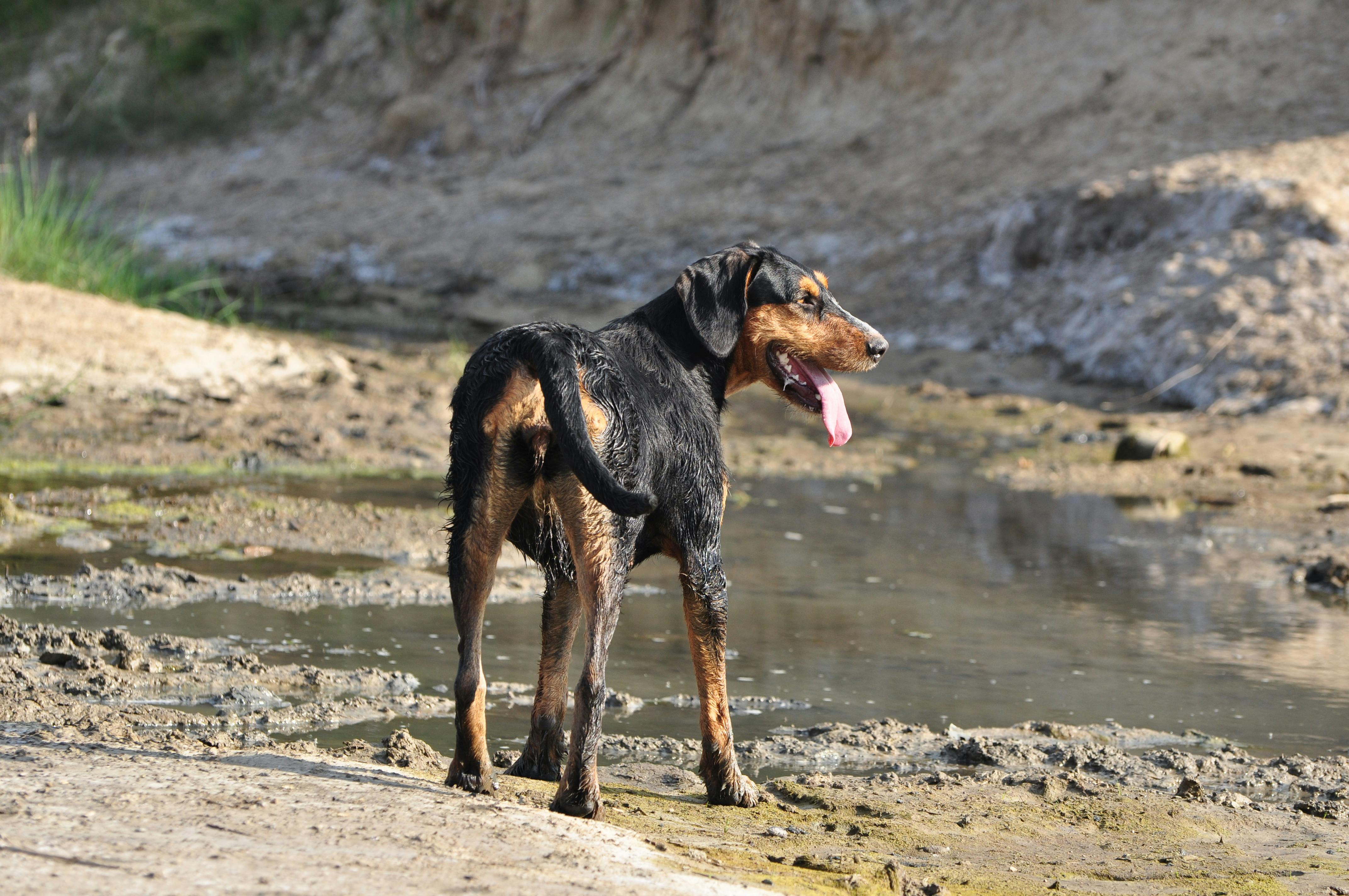
Have you ever noticed how your dog’s nose is always wet? It’s one of those quirky things that makes dogs so unique. But have you ever wondered why do dogs have wet noses? It’s not just a random characteristic, there’s science behind it that reveals fascinating insights into our furry friends. Let’s explore this canine mystery together!
The Anatomy of a Dog’s Nose
Dog noses, they are more than just cute! The surface of a dog’s nose is covered in a layer of moist tissue called the nasal mucosa. This tissue helps to trap scent particles, enhancing their sense of smell. In fact, dogs have up to 300 million olfactory receptors compared to a human’s 5 million. That’s a big difference!
- Moisture: The moisture on a dog’s nose helps to dissolve scent molecules, making it easier for them to detect smells.
- Temperature Regulation: A wet nose also assists in regulating body temperature. Dogs do not sweat like humans; instead, they rely on their noses to release heat.
- Health Indicator: A wet nose is often seen as a sign of health in dogs. If a dog’s nose is dry, it could indicate dehydration or illness.
Why Are Dog Noses Wet?
So, why do dogs have wet noses? Here are some of the main reasons:
- Enhanced Smell: As mentioned, the moisture helps with smell detection. It’s like a fishing net that catches scent particles!
- Cooling Mechanism: Dogs can’t sweat, so they need other ways to cool down. A wet nose helps them to regulate their body temperature.
- Instinctual Behavior: Dogs often lick their noses, which keeps them moist. This is a natural behavior and part of their instinct.
Historical Perspective
Dogs have been companions to humans for thousands of years. Over time, their noses have adapted to help them survive and thrive alongside us. Historically, dogs were used for hunting and herding, and a keen sense of smell was crucial.
- Hunting: Early humans relied on dogs with strong smelling abilities to track and hunt animals.
- Companionship: As dogs became more domesticated, their noses continued to play a vital role in their interactions with humans.
Fun Facts About Dog Noses
- Unique Patterns: Just like human fingerprints, each dog’s nose print is unique. This means you could identify a dog by its nose!
- Color Variation: The color of a dog’s nose can vary, ranging from black to pink, and can even change due to environmental factors or health conditions.
- Temperature Sensitivity: Dogs can detect changes in temperature with their noses, which also helps them understand their environment better.
Common Misconceptions
There are several myths about dog noses that are worth addressing:
- A Cold Nose Means a Healthy Dog: While a wet and cool nose can indicate health, it’s not a definitive measure. Dogs can be healthy with warm or dry noses too.
- Dogs Only Use Their Noses to Smell: Dogs also use their noses to communicate with each other. They can tell a lot about another dog just by sniffing!
- All Dogs Have Wet Noses: Some dogs, especially those with certain health issues or breeds with different anatomical structures, might have drier noses.
Practical Examples
If you’re a dog owner or thinking of getting a dog, understanding the importance of their noses can help you care for them better. Here’s how you can keep your dog’s nose healthy:
- Hydration: Ensure your dog has access to fresh water at all times.
- Regular Vet Check-ups: Regular visits to the vet can help catch any health issues early.
- Avoid Irritants: Keep your dog away from strong chemicals or irritants that could dry out their nose.
Final Thoughts
In summary, the question of why do dogs have wet noses leads us down a path of science, history, and a bit of canine charm. The wetness of a dog’s nose is not just a simple feature; it plays crucial roles in their health and ability to smell. Understanding this can help strengthen the bond between you and your furry friend. Next time you see your dog’s wet nose, remember it’s not just cute — it’s a scientific marvel!
5 Fascinating Reasons Your Dog’s Nose Is Wet: What You Need to Know

If you ever notice your dog’s nose, you probably see it’s wet, right? It’s one of those things that make us go, “Why do dogs have wet noses?” This question has puzzled pet owners for ages. There’s actually more to it than meets the eye. Let’s dive into five fascinating reasons your dog’s nose is wet, giving you the knowledge you need to understand this canine mystery.
1. Sense of Smell Enhancement
Dogs have an incredible sense of smell, that’s no secret. Their noses are designed to detect scents far better than humans can. A wet nose helps enhance this ability. The moisture on the surface of the nose traps scent particles, making it easier for dogs to pick up on different smells. It’s like having a built-in scent magnet!
- Increased sensitivity: Wet noses can absorb scents better.
- Essential for hunting: Many breeds with wet noses were bred for tracking and hunting.
- Communication tool: Dogs can also use smell to communicate with each other.
2. Temperature Regulation
Did you know that dogs don’t sweat like humans? Instead, they regulate their body temperature through their noses and panting. A wet nose can actually help cool a dog down, especially on hot days. When a dog’s nose is wet, it helps to evaporate moisture, which cools them off. This is crucial for dogs, particularly in the summer months.
- Evaporation cooling: The moisture evaporating off the nose lowers body temperature.
- Panting: This combined with panting, helps maintain their body heat.
- Health indicator: A very dry nose can sometimes signal dehydration or illness.
3. Natural Lubrication
A dog’s nose secretes a natural lubricant. This keeps it moist. The moisture is important for various reasons, including aiding in their sense of smell and helping to protect their nose from environmental factors. Just like humans have mucus to keep our noses moist, dogs have a similar system in place.
- Protection against irritants: Moisture helps to filter dust and other particles.
- Preventing cracking: A well-lubricated nose prevents dryness and cracks.
- Health monitoring: Changes in moisture levels can indicate health issues.
4. Sign of Health
You may have heard the old wives’ tale that a dog’s nose should be cold and wet to be healthy. While this is not a definitive rule, a wet nose can be a sign of a healthy and hydrated dog. If your dog’s nose is dry or excessively warm, it might indicate they are sick or dehydrated. So, keeping an eye on your dog’s nose can be part of monitoring their health!
- Healthy indicators: Wet, cool noses often indicate a happy dog.
- Dryness: A dry nose can be a sign of illness or dehydration.
- Temperature checks: Consider checking the nose along with other symptoms.
5. Behavioral Indicators
Dogs can also change the moisture of their noses based on their mood. For example, when a dog is excited or anxious, their nose may become wetter. This can be a part of their body language. A wet nose might suggest that your dog is feeling playful, curious, or even a bit nervous. Understanding these behaviors can strengthen your bond with your furry friend.
- Excitement and anxiety: More moisture can mean heightened emotions.
- Calm states: When relaxed, a dog’s nose may be less wet.
- Communication: Dogs use their noses to express how they feel.
It’s pretty fascinating when you think about how much a simple wet nose can signify. The next time you pet your dog and feel that wet nose, remember it’s not just a quirky trait. It’s a part of their biology and behavior that helps them interact with the world around them. So, next time someone asks, “Why do dogs have wet noses?” you can share these intriguing insights! Understanding your dog’s nose and its reasons for being wet can deepen your appreciation for your canine companion, and maybe even give you a few more talking points at the dog park.
Pets are not just animals; they are family. And knowing how they work can help us provide better care and companionship. So keep an eye on that wet nose; it’s more than just cute!
Is a Wet Nose a Sign of Good Health? Understanding Your Dog’s Sniffer

When you see your dog happily sniffing around with their wet nose, you may ask yourself, “Is a wet nose a sign of good health?” It’s a common assumption that a moist nose indicates a healthy pup, but the reality is a bit more complex. Understanding your dog’s sniffer can be fascinating and important for their overall health. So, let’s dive into this canine mystery and explore why do dogs have wet noses.
Why Do Dogs Have Wet Noses?
The wetness of a dog’s nose serves several purposes, and it’s not just about looking cute. Here’s a breakdown of the main reasons:
Enhanced Sense of Smell: A wet nose helps to trap scent particles, making it easier for dogs to pick up on odors. This is crucial for their survival instincts as they use their noses to gather information about their environment.
Cooling Mechanism: Dogs don’t sweat like humans do. Their noses help cool them down. When a dog pants, moisture from the nose evaporates, helping to regulate body temperature.
Protection: A moist nose can help protect against germs and bacteria. The mucus on a dog’s nose has enzymes that can kill harmful pathogens, acting as a natural defense.
Communication: Dogs use their noses to communicate with each other. A wet nose can signal a friendly approach, while a dry one might suggest discomfort or stress.
Is a Wet Nose Always a Sign of Good Health?
While a wet nose can indicate good health, it isn’t a definitive measure. Here are some factors to consider:
Temperature and Environment: A dog’s nose can be affected by the weather or their activity level. For instance, after a long walk, a dog might have a drier nose due to the wind or sun exposure.
Health Conditions: Certain health issues can cause a dog’s nose to become dry or cracked. Conditions like allergies, dehydration, or even more serious illnesses can affect nose moisture.
Breed Variations: Some breeds naturally have drier noses. For example, Bulldogs and Pugs often have less moisture than breeds like Retrievers.
Common Myths About Dogs’ Noses
There are many myths floating around about wet noses. It’s time to separate fact from fiction:
Myth 1: A wet nose means a dog is sick.
- Fact: A dog can have a wet nose and still be unwell, or have a dry nose and be perfectly healthy.
Myth 2: All dogs have wet noses.
- Fact: As previously mentioned, some breeds may have drier noses due to their unique anatomy.
Myth 3: A warm nose indicates fever.
- Fact: A dog’s nose temperature isn’t a reliable indicator of fever. Other symptoms should be considered.
How to Monitor Your Dog’s Nose Health
Keeping an eye on your dog’s nose can help you catch any potential health issues early. Here’s what you can do:
Daily Checks: Make it a habit to check your dog’s nose daily for changes in moisture, color, or texture.
Hydration: Ensure your dog has access to fresh water at all times to prevent dehydration, which can lead to a dry nose.
Vet Visits: Schedule regular check-ups with your veterinarian. They can give professional advice tailored to your dog’s specific breed and health needs.
Signs of Concern
If you notice any of the following signs, it might be time to consult a veterinarian:
- Persistent dryness or cracking of the nose
- Nose bleeding or unusual discharge
- Changes in color (like a black nose turning pink)
- Signs of discomfort (like pawing at the nose)
Fun Facts About Dogs’ Noses
- Dogs have up to 300 million scent receptors in their noses, compared to about 6 million in humans.
- The wetness of a dog’s nose can also help them detect pheromones, which are important for social interactions.
Understanding why do dogs have wet noses not only enriches your relationship with your pet but also helps you to monitor their health effectively. While a wet nose can be a good sign, it’s important to consider the whole picture. Keeping an eye on your dog’s overall behavior and health is the best way to ensure they’re happy and thriving. Always remember, your pup’s health goes beyond just their nose!
Curious Canines: How Wet Noses Enhance Your Dog’s Sense of Smell
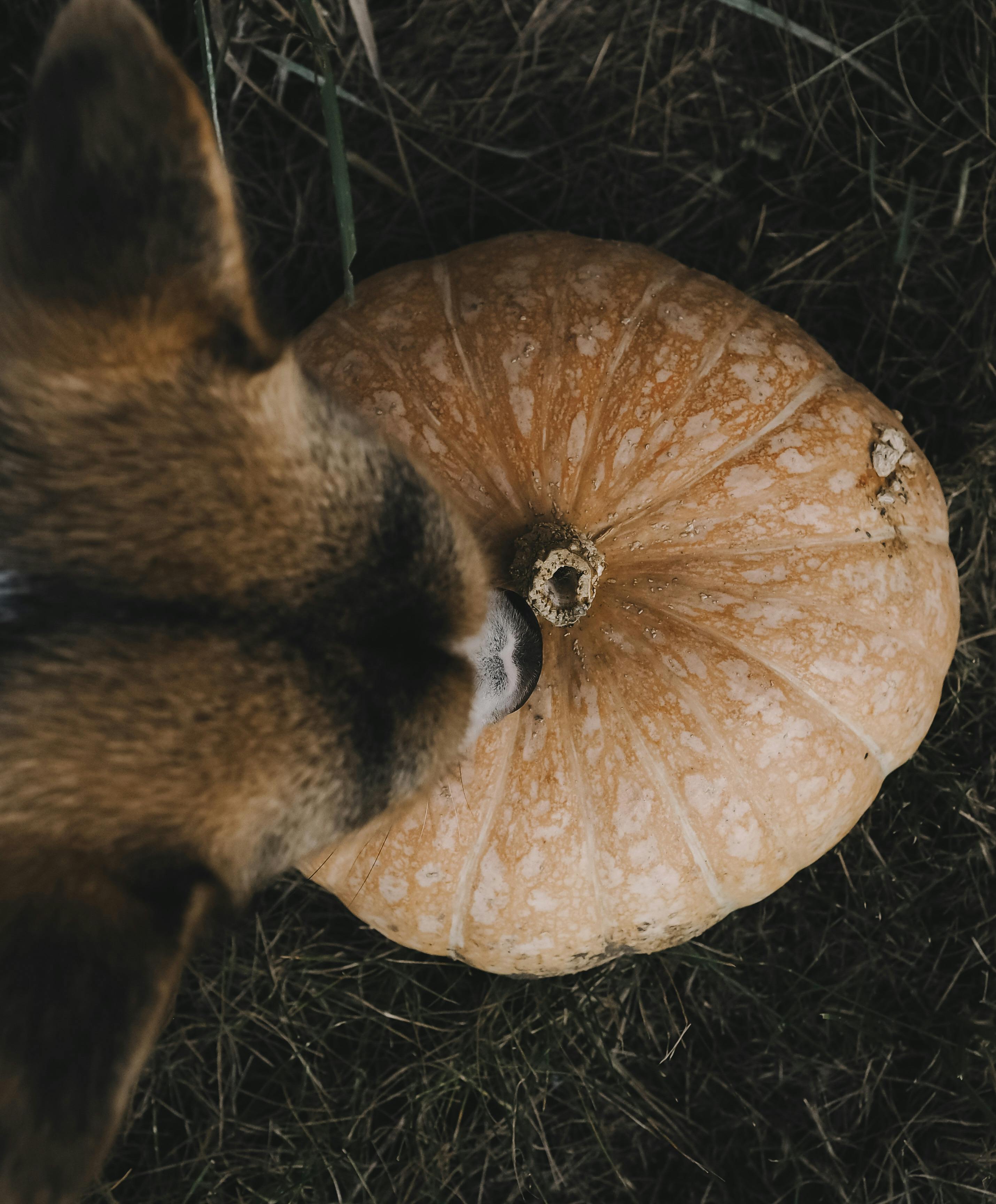
Dogs have a way of capturing our hearts with their playful antics and loyal companionship. But have you ever wondered why do dogs have wet noses? This curious feature is more than just a cute trait; it’s deeply connected to their unique sense of smell. Let’s explore how those wet noses work and why they’re so important for our furry friends.
The Science Behind Wet Noses
Dogs have an extraordinary sense of smell, and their wet noses play a crucial role in enhancing this ability. The moisture on a dog’s nose help to capture scent particles in the air. When they sniff, the wet surface attracts and binds to these particles, allowing the dog to identify different smells more effectively.
Here are some fascinating facts about how wet noses contribute to a dog’s sense of smell:
- Enhanced Scent Detection: The wet surface of a dog’s nose can absorb chemicals from the environment, which makes it easier for dogs to detect different scents.
- Temperature Regulation: A wet nose helps regulate a dog’s body temperature. When they pant, the moisture on their nose evaporates, cooling them down.
- Health Indicator: A dog’s nose can indicate their health. A healthy dog usually has a cool, moist nose, while a dry, warm nose might signal illness.
Why Do Dogs Have Wet Noses?
There are several reasons dogs evolved to have wet noses, and these reasons are grounded in biology and survival instincts.
Better Smelling Ability: Dogs have up to 300 million olfactory receptors in their noses, compared to a human’s 5 million. This allows them to pick up scents that are undetectable to us. The wetness of their noses helps trap scent particles, enhancing their ability to smell.
Social Interaction: Dogs communicate through scent. When dogs greet each other, they often sniff noses as a way of gathering information. A wet nose helps them pick up more information about another dog’s identity, health, and mood.
Hunting and Tracking: Historically, dogs have been used for hunting and tracking. A wet nose helps them track scent trails over long distances, making them invaluable companions to hunters.
The Role of Breed Differences
Not all dogs have the same level of wetness in their noses. Different breeds can exhibit varying degrees of nose wetness based on their genetics and environments. For instance:
- Hounds tend to have wetter noses, which assist them in tracking scents over long distances.
- Bulldogs and other brachycephalic breeds might have drier noses due to their shorter snouts, which can affect their scent detection abilities.
Fun Facts About Dogs’ Noses
- Temperature Sensitivity: Dogs can sense temperature differences through their noses, helping them navigate their environment.
- Unique Patterns: Just like human fingerprints, each dog has a unique nose print that can be used for identification.
- Scent Memory: Dogs can remember scents for years; their wet noses help them retain scent information longer.
Keeping Your Dog’s Nose Healthy
A dog’s nose can tell you a lot about their health. Here are some tips to maintain the health of your canine’s nose:
- Hydration: Ensure your dog is drinking enough water, as dehydration can lead to a dry nose.
- Regular Vet Check-ups: Routine examinations can help catch any potential issues early.
- Avoid Harsh Chemicals: If you use cleaning supplies at home, make sure they are pet-friendly to avoid irritating your dog’s nose.
Common Misconceptions
Many people think that a wet nose is a sign of a healthy dog, but that’s not always true. A dog’s nose can fluctuate between wet and dry depending on various factors like temperature, activity level, or even the humidity of the air.
In summary, wet noses are an essential part of what makes dogs the incredible creatures they are. These moist surfaces enhance their sense of smell, contribute to their health, and allow them to interact with the world in ways we can only imagine. So, the next time you see your dog sniffing around with that adorable wet nose, remember that it’s not just cute—it’s a vital tool in their canine toolkit. Understanding why do dogs have wet noses not only enriches our knowledge about them but also deepens our bond with these remarkable animals.
The Truth About Wet Noses: Do They Really Help Dogs Stay Cool?

Dogs are known for their playful antics, loyal companionship, and of course, those wet noses! But have you ever wondered why dogs have wet noses? Is it really for cooling off? Let’s dig into this fascinating canine feature and uncover the truth about wet noses and their role in a dog’s health and behavior.
The Science Behind Wet Noses
Wet noses in dogs are not just a cute characteristic. They serve important purposes. First, a wet nose helps dogs to sense the world around them. The moisture on a dog’s nose enhances their sense of smell, which is already thousands of times more sensitive than humans. This moisture captures scent particles from the air, allowing dogs to detect odors better.
- Enhanced Smell: A wet nose can absorb scent particles more effectively.
- Temperature Regulation: Some believe it helps in cooling the dog and regulating body temperature.
- Health Indicator: A wet nose can also be an indicator of a dog’s health; a dry nose might suggest dehydration or illness.
Why Do Dogs Have Wet Noses? Unraveling This Canine Mystery
So, why exactly do dogs have wet noses? Well, there are a few theories floating around. Here are some of the main reasons:
- Scent Detection: As mentioned, moisture helps with smell. Dogs rely heavily on their noses to explore their environment.
- Cooling Mechanism: While not the primary function, it’s thought that a wet nose can help in thermoregulation. Dogs don’t sweat like humans do; they primarily cool off by panting and through their nose.
- Behavioral Communication: Dogs often use their noses to greet and communicate with other dogs. A wet nose might signal friendliness and approachability.
- Health Status: Vets often check a dog’s nose as part of a health assessment. Changes in moisture or temperature can indicate health issues.
Common Misconceptions About Wet Noses
There are several myths about wet noses that are worth debunking:
- Myth: Wet Noses Mean a Healthy Dog: While a wet nose can signify that a dog is healthy, it’s not a definitive indicator. Some dogs might have a wet nose due to other factors like humidity or recent activity.
- Myth: Dogs Only Sweat Through Their Noses: Dogs primarily cool off through panting, not through their noses. The wetness is more about scent absorption than cooling.
- Myth: All Dogs Have Wet Noses: Not all dogs will have consistently wet noses. Certain breeds or individuals may have drier noses due to genetics or health issues.
Fun Facts About Dogs and Their Noses
Here are some interesting tidbits about dogs and their noses:
- Dogs have about 220 million scent receptors, compared to humans with about 5 million.
- The texture of a dog’s nose is unique, much like a human fingerprint.
- A dog’s sense of smell is so powerful it can even detect certain diseases in humans, like cancer.
How to Care for Your Dog’s Nose
Taking care of your dog’s nose is essential. Here are some practical tips:
- Hydration: Ensure your dog is hydrated, as a dry nose can sometimes indicate dehydration.
- Regular Check-ups: Keep regular vet appointments to monitor your dog’s health.
- Avoid Irritants: Protect your dog from harsh chemicals or extreme weather, which can dry out their nose.
Comparing Wet and Dry Noses
Here’s a quick comparison of wet vs. dry dog noses:
| Wet Nose | Dry Nose |
|---|---|
| Usually indicates hydration | May indicate dehydration or illness |
| Enhances sense of smell | Can still smell, but less effectively |
| Common in healthy dogs | Not necessarily unhealthy, but check if persistent |
It’s important to note that while wet noses are often associated with health, the reality is more nuanced. A dry nose might not mean anything serious.
In summary, dogs have wet noses for a variety of reasons, including improved scent detection and communication, and they can sometimes contribute to temperature regulation. Understanding the role of a dog’s nose can help to foster a better relationship with your furry friend. Whether you’re a dog owner or simply a canine enthusiast, the mystery of wet noses adds another layer of intrigue to the remarkable world of dogs.
Dogs and Their Wet Noses: What Your Pet’s Nose Says About Their Mood
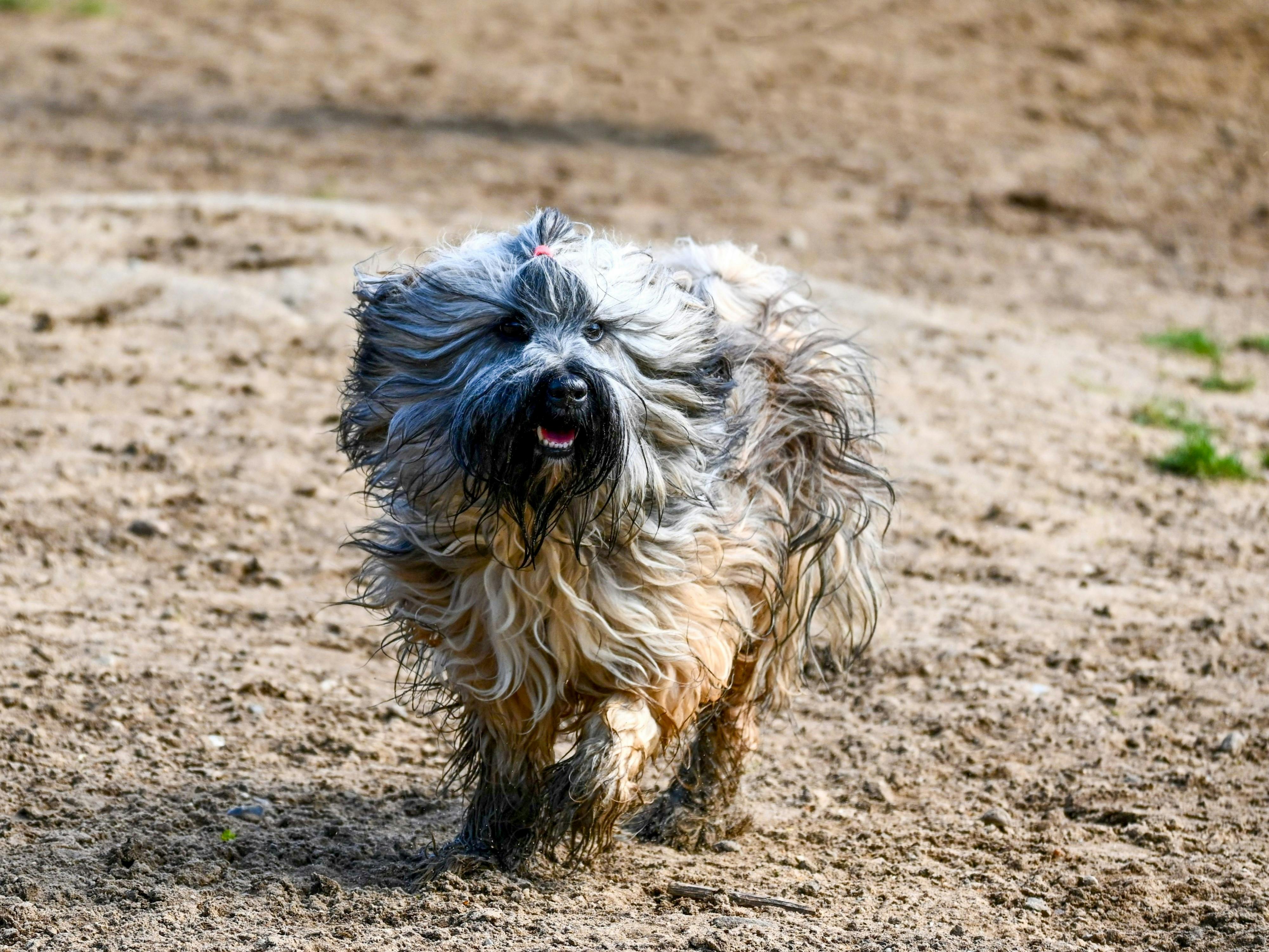
Ever wonder why dogs have wet noses? It’s one of those things that make you pause and think. When you see your furry friend with their cold, damp snout, it might just be a cute quirk. But there’s actually more to it than meets the eye. Dogs’ noses are like a window into their moods and health. This article will explore what your pet’s nose says about their feelings while unraveling the mystery of why they often feel wet.
The Science Behind Wet Noses
First things first, why do dogs have those moist noses? The moisture on a dog’s nose serves several important functions. Dogs have a special gland in their nose that produces mucus, which helps them smell better. That’s right! A wet nose helps enhance their sense of smell, which is significantly stronger than ours. Dogs possess up to 300 million olfactory receptors, compared to a human’s 5 million. This is why they can sniff out things we can’t even imagine!
- Enhanced Smelling: The wetness helps trap scent particles in the air, making it easier for dogs to pick up smells.
- Body Temperature Regulation: A wet nose can also help regulate body temperature. When dogs pant, the moisture evaporates from their noses, cooling them down.
- Health Indicator: The condition of a dog’s nose can sometimes indicate health issues. If it’s dry and cracked, it might signal dehydration or illness.
Dogs and Their Mood
Now let’s talk about how a dog’s nose can reflect their mood. You may notice that your dog’s nose changes in moisture levels depending on how they feel. For instance, a happy dog might have a nice, wet nose, while a nervous or sick dog might have a dry one. Here are some signs to look for:
- Happy and Playful: Wet, cool nose, wagging tail, playful demeanor.
- Anxious or Scared: Dry, warm nose, tucked tail, hiding behavior.
- Illness: Extremely dry, cracked nose, lethargy, lack of appetite.
The Role of Temperature and Environment
The environment plays a significant role in how wet a dog’s nose is. Dogs living in humid climates may have wetter noses than those in arid areas. Also, temperature changes can affect their nose moisture.
- Cold Weather: In winter, dogs might have drier noses due to the cold air.
- Heat: On hot days, dogs may have wetter noses as they try to cool off.
Fun Facts About Dog Noses
Did you know that every dog’s nose print is unique? Just like human fingerprints, no two dogs have the same nose patterns! This uniqueness can be used for identification. Here are some more fun facts about dog noses:
- Dogs can smell diseases like cancer or diabetes.
- The wetness of a dog’s nose can change throughout the day.
- Dogs’ noses can sense changes in the environment, like approaching storms.
Keeping Your Dog’s Nose Healthy
It’s important to pay attention to your dog’s nose, as it can be a reflection of their overall health. Here are some tips for keeping it healthy:
- Hydration: Ensure your dog drinks plenty of water, especially in hot weather.
- Regular Checks: Look for cracks or extreme dryness, which might need a vet’s attention.
- Nose Balm: If your dog has a dry nose, consider using a dog-safe nose balm.
Comparing Dog Noses to Other Animals
When you think about it, dog noses are fascinating compared to other species. Let’s take a quick look at how they compare:
| Animal | Number of Olfactory Receptors | Nose Unique Features |
|---|---|---|
| Dog | 300 million | Wet, helps in scent detection |
| Cat | 50-80 million | Dry, not as effective in scent |
| Human | 5 million | Limited scent detection |
Understanding Your Dog’s Behavior Through Their Nose
Knowing about your dog’s nose can help you understand their behavior better. If your dog is sniffing around a lot with a wet nose, they might be curious or excited. If they come to you with a dry nose, they might need some extra love or care.
The wetness of your pet’s nose is more than just a quirk; it’s a sign of their health and emotional state. So next time you see your dog with that adorable, wet nose, remember the important role it plays in their life. Understanding why dogs have wet noses can help you bond with your furry friend and ensure they are happy and healthy. Keep those noses wet and wagging!
Wet Noses and Dog Behavior: How Your Pup Communicates Through Scent
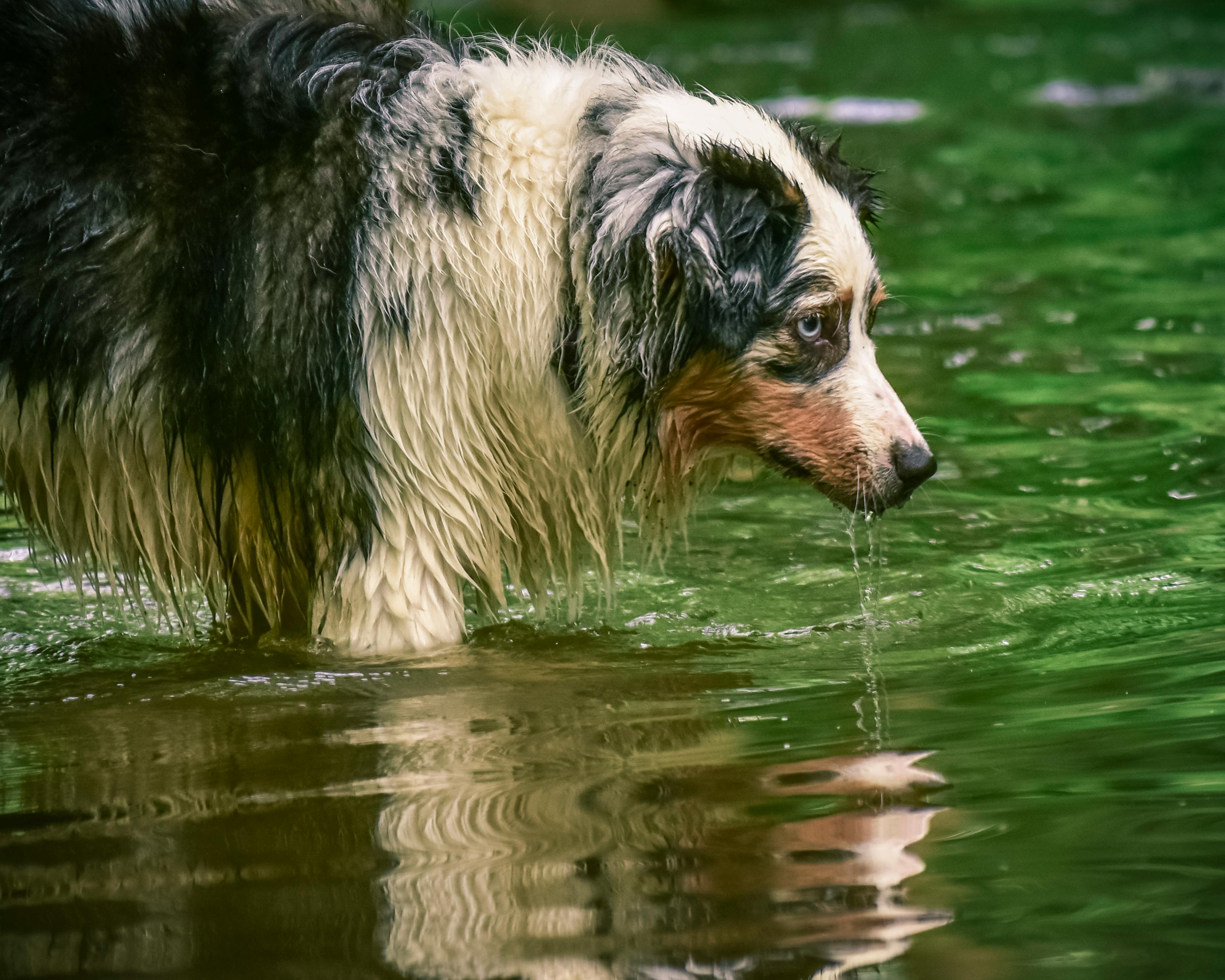
Dogs have always been known for their unique ability to communicate, but have you ever wondered about that wet nose? Why do dogs have wet noses? This question is more than just a curious thought; it actually reveals a lot about how dogs interact with their environment and with us. Wet noses serve a purpose that goes beyond just being an endearing feature of our furry friends.
The Science Behind Wet Noses
Wet noses are a common characteristic of canines, and there’s a scientific reason for this. Dogs’ noses are moist because they secrete a thin layer of mucus which helps them smell better. The moisture increases the surface area of the nose, allowing scent molecules to stick better. Dogs have an incredible sense of smell, estimated to be anywhere from 10,000 to 100,000 times more sensitive than humans.
Why is Scent Important?
Scent plays a vital role in a dog’s life. Here are some reasons why:
- Communication: Dogs communicate a lot through their sense of smell, which helps them understand their environment and other dogs.
- Tracking: Many dogs are used in search-and-rescue operations due to their ability to track scents over long distances.
- Social Interactions: Dogs often sniff each other to gather information about health, mood, and identity.
Historical Context of Dogs and Their Noses
Historically, dogs were bred for specific tasks, and their noses were a key factor in their roles. For example, hunting dogs were valued for their ability to track scents and locate game. This emphasizes the importance of the nose in canine evolution.
The Role of a Wet Nose in Health
A wet nose can also be an indicator of your dog’s health. A healthy dog usually has a moist, cool nose. However, it’s important to note that a dry nose, while it can indicate dehydration or illness, doesn’t always mean something is wrong. Factors like the environment, breed, and activity level can influence how dry or wet a dog’s nose gets.
Comparing Wet and Dry Noses
Here’s a simple comparison chart that shows the implications of a dog’s wet vs. dry nose:
| Wet Nose | Dry Nose |
|---|---|
| Typically indicates health | Can indicate dehydration |
| Helps with scent detection | May mean dog is sick (but not always) |
| Cool to touch | Warm to touch |
Understanding Dog Behavior Through Scent
Dogs communicate a lot through their sense of smell. When your dog sniffs around, they’re gathering information. Here are some behaviors that reflect this:
- Sniffing the Ground: This is like reading a newspaper for dogs, gathering info about other animals that have passed by.
- Rolling in Smells: Dogs often roll in scents they find, which can be a way to mark territory or blend in with their environment.
- Following Scents: If your dog is fixated on a particular smell, it might be trying to track something—whether it’s a critter or even just another dog’s scent trail.
Practical Examples of Canine Communication
Dogs express themselves through various behaviors tied to their sense of smell. For example:
- Greeting Other Dogs: When meeting another dog, they will often sniff each other’s behinds, a behavior that conveys a lot of information.
- Exploring New Environments: When taken to a new park or place, a dog will often spend time sniffing to collect data about the area.
- Alertness: If your dog suddenly focuses intently on a smell, they might sense something unusual or interesting nearby.
Fun Facts About Dog Noses
- Each dog’s nose has a unique pattern, just like human fingerprints.
- Dogs can be trained to detect medical conditions, like diabetes or even cancer, through scent.
- The average dog has around 220 million scent receptors compared to about 5 million in humans.
Understanding why do dogs have wet noses provides insight into their behavior and communication style. The next time you see your pup with that signature wet nose, remember it’s more than just a cute feature; it’s a vital tool for how they interact with the world. This knowledge can help you improve your relationship with your furry friend, as you learn to recognize the signs they are communicating through scent. Dogs are remarkable creatures, and their wet noses are just one of the many fascinating aspects of their behavior.
Can a Dry Nose Indicate Illness? Debunking Myths About Dog Nose Conditions

Dogs are often considered man’s best friend, and their health and well-being is a top priority for many pet owners. One common question that arises is, “Can a dry nose indicate illness?” It’s a topic surrounded by myths and misconceptions. Understanding the reasons why dogs have wet noses and what a dry nose might mean can help owners take better care of their furry companions.
The Myth of the Dry Nose
Many people believe that a dry nose in dogs can be a sign of illness. However, this isn’t always the case. Dogs noses can change due to various factors like temperature, activity level, and even what they are eating. A dry nose doesn’t automatically mean your dog is sick. It can be perfectly normal based on their environment.
Factors Influencing Nose Moisture:
- Humidity Levels: Dry air can cause a dog’s nose to dry out.
- Temperature Changes: Hot weather can lead to a drier nose.
- Hydration: If a dog isn’t drinking enough water, their nose can also become dry.
- Health Conditions: Some illnesses can cause a dry nose but it’s not the only indicator.
Why Do Dogs Have Wet Noses?
Now let’s tackle the question of why do dogs have wet noses in the first place. A wet nose is generally a sign of a healthy dog. The moisture on a dog’s nose can help them smell better. Here’s how it works:
- Enhanced Scent Detection: The moisture helps trap scent particles, which aids dogs in their incredible sense of smell.
- Cooling Mechanism: Dogs can’t sweat like humans do, so a wet nose can help them regulate body temperature.
- Communication: Dogs use their noses to gather information about their environment, and a moist nose can help them interact better with other dogs.
The Science Behind a Dog’s Nose
The structure of a dog’s nose is quite fascinating. It consists of a complex system of olfactory receptors that can detect a vast array of smells. In fact, dogs have around 220 million scent receptors compared to a human’s 5 million. This means dogs can detect scents at incredibly low concentrations.
Nasal Anatomy:
- Olfactory Bulb: Part of the brain that processes smells. It is much larger in dogs than in humans.
- Nasal Turbinates: These are bone structures in the nasal cavity that help warm and humidify the air a dog inhales.
Common Misconceptions About Dog Nose Conditions
There are several myths that persist regarding dog nose conditions. Let’s debunk some of these:
Myth: A dry nose means the dog has a fever.
- Fact: A dog’s temperature is best checked with a thermometer, not by the moisture of their nose.
Myth: Wet noses always indicate good health.
- Fact: While a wet nose is usually a sign of health, other symptoms should be considered.
Myth: Dogs’ noses change color due to illness.
- Fact: Changes in color can occur for various reasons including breed characteristics and environmental factors.
When to Be Concerned
Although a dry nose is not always a sign of illness, there are times when it’s important to pay attention. If your dog’s nose is persistently dry and accompanied by other symptoms, like lethargy, loss of appetite, or coughing, it may be time to consult a veterinarian.
Signs to Watch For:
- Excessive Thirst: Could indicate dehydration or other health issues.
- Behavior Changes: If your dog is less active than usual, that could be a red flag.
- Nasal Discharge: Any unusual discharge from the nose should be evaluated.
Caring for Your Dog’s Nose
To keep your dog’s nose healthy, here are some practical tips:
- Hydration: Always ensure your dog has access to fresh water.
- Environment: Keep them in a comfortable humidity level. Consider using a humidifier in dry seasons.
- Regular Check-ups: Routine veterinary visits can help catch potential health issues early.
Understanding why dogs have wet noses and the implications of a dry nose can help pet owners take better care of their furry friends. Knowledge is power, and by debunking myths about dog nose conditions, we can ensure our pets lead healthy, happy lives. If you notice any concerning changes in your dog’s health, don’t hesitate to seek professional advice. It’s always better to be safe than sorry when it comes to your beloved pet’s well-being.
7 Surprising Facts About Dog Noses: The Wet Nose Mystery Explained
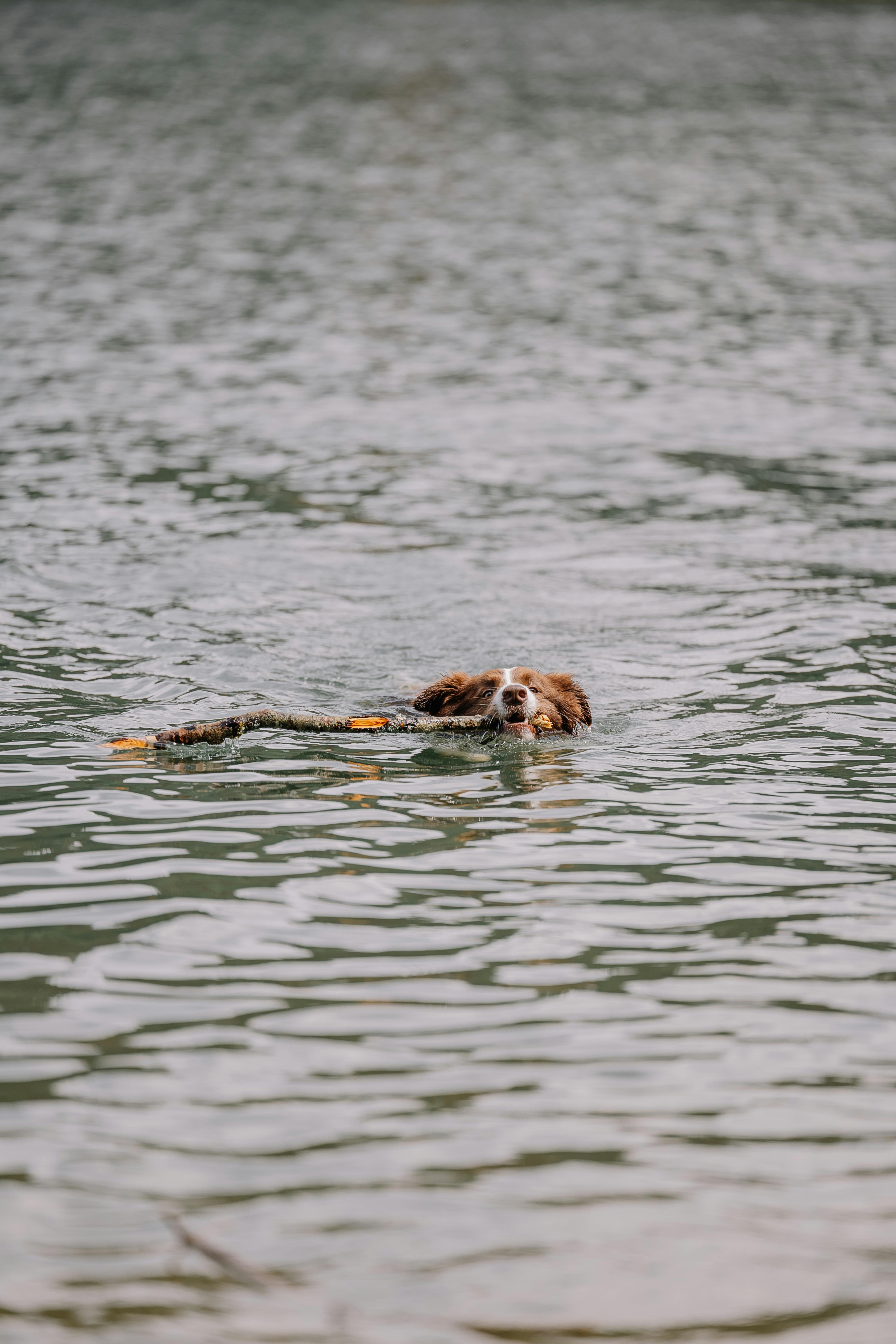
When you look at your furry friend, one of the first things you probably notice is their wet nose. It’s almost like a trademark of being a dog. But why do dogs have wet noses? This question has baffled many dog owners and lovers alike. Today, we’re diving into the wet nose mystery, revealing 7 surprising facts that may just change how you view your pup’s sniffer.
1. The Wetness Serves a Purpose
One of the main reasons why dogs have wet noses is because it helps them smell better. The moisture on a dog’s nose helps to capture scent particles from the air. This allows dogs to pick up on scents more effectively than they could if their noses were dry. So, the next time your dog is sniffing around, remember that their wet nose is a key player in their incredible sense of smell.
2. Temperature Regulation
Did you know that dogs also use their noses to help regulate their body temperature? When a dog pants, the moisture on their nose can evaporate, which cools them down. It’s like nature’s built-in air conditioning system! So, a wet nose could be a sign that your dog is working hard to stay cool, especially on hot days.
3. Health Indicator
A dog’s nose can be a good indicator of their overall health. Generally, many people think that a cold and wet nose means a dog is healthy, while a warm and dry nose could indicate illness. However, this isn’t always the case. While a wet nose may suggest hydration, it’s not a definitive sign of health. Always consult a veterinarian for accurate health assessments.
4. Unique Patterns
Just like human fingerprints, each dog’s nose has a unique pattern. This means you can identify individual dogs just by looking at their noses! Some researchers even say that these nose prints could be used for identification purposes, similar to how we use fingerprints for humans. This adds to the uniqueness of our canine companions.
5. Evolutionary Trait
The wet nose trait in dogs is thought to have evolutionary origins. Canines developed moist noses as a way to enhance their hunting abilities. Wild dogs, like wolves, rely heavily on their sense of smell for tracking prey. A wet nose can trap scent particles better, which is crucial for survival. This skill has been passed down through generations, making your household dog a descendant of skilled hunters.
6. Social Interactions
Interestingly, a dog’s nose also plays a role in social behavior. Dogs often greet each other by sniffing noses. This is a form of communication and helps them gather information about each other, like age, health, and even mood. When your dog meets another dog, they are not just being friendly, but they are trying to learn more about their new acquaintance through that wet snout.
7. A Sign of Bonding
For many dog owners, seeing their pet’s wet nose can bring a sense of comfort and bonding. Dogs often nuzzle their noses against their owners or other pets as a sign of affection. This behavior can strengthen the bond between dogs and their humans. So, if your pup nudges you with their wet nose, it’s their way of showing love!
Quick Facts Recap
- Dogs have wet noses to enhance their sense of smell.
- Wet noses help with temperature regulation.
- A dog’s nose can indicate their health, but it’s not a definitive measure.
- Each dog has a unique nose print.
- Wet noses are an evolutionary trait that aids in hunting.
- Dogs use their noses for social interactions with other canines.
- A wet nose can signify affection and bonding.
Understanding why dogs have wet noses can deepen your appreciation for these wonderful animals. Whether it’s for their health, their evolutionary traits, or the way they communicate with others, a dog’s nose is truly fascinating. So, the next time you feel that wet nuzzle against your hand, remember, it’s more than just a cute gesture; it’s a complex and essential part of what makes dogs so special. Embrace the wet nose mystery, and cherish the unique bond you share with your furry friend!
How to Care for Your Dog’s Nose: Tips for Keeping It Healthy and Hydrated

Taking care of your dog’s nose is more important than you might think. Many dog owners often overlook this vital part of their pet’s health. It’s not just about how it looks; the nose plays a crucial role in a dog’s overall well-being. So, how to care for your dog’s nose? And why do dogs have wet noses anyway? Let’s dive deeper into these fascinating topics.
Understanding Your Dog’s Nose
A dog’s nose is not just for show. Its structure allows for an incredible sense of smell, which is essential for their communication and interaction with the world. Dogs have around 220 million scent receptors in their noses, while humans only have about 5 million. This gives dogs the ability to smell things that are far beyond our capability.
Why Do Dogs Have Wet Noses?
You might ask, why do dogs have wet noses? The answer to this mystery is quite interesting and it relates to their health and behavior. Here’s a quick breakdown:
Cooling Mechanism: Just like humans sweat, dogs use their noses to help regulate body temperature. The moisture helps in cooling them down.
Scent Enhancement: A wet nose can trap scent particles more effectively, which helps dogs in identifying smells better. This is important for hunting or tracking.
Health Indicator: A dog’s nose can be an indicator of their health. A wet, cool nose often means a dog is healthy, while a dry, warm nose might suggest something is off.
Caring for Your Dog’s Nose
Just like the rest of their body, a dog’s nose needs some care. Here are some practical tips to keep it healthy and hydrated:
Hydration is Key: Make sure your dog is drinking enough water. Dehydration can lead to a dry nose.
Regular Checks: Inspect your dog’s nose regularly for any cracks, bleeding, or unusual changes in color. If you spot anything odd, consult your veterinarian.
Protect from Sunburn: Just like humans, dogs can get sunburned, especially on their noses. Apply dog-safe sunscreen if your dog spends a lot of time outdoors.
Moisturize: If your dog’s nose becomes dry or cracked, you can apply a small amount of coconut oil or a vet-recommended nose balm to keep it hydrated.
Balanced Diet: Ensure your dog is on a nutritious diet. Proper nutrition helps maintain skin and coat health, including their nose.
Avoid Irritants: Keep your dog away from harsh chemicals, smoke, or anything that could irritate their nose.
Common Nose Problems in Dogs
Sometimes, despite best efforts, dogs can face nose issues. Here are a few common problems to be aware of:
Nasal Hyperkeratosis: This condition is characterized by the thickening of the skin on the nose. It can be treated with regular moisturizing.
Nasal Dermatitis: Allergies or contact with irritants can cause inflammation. Look for signs like swelling or redness.
Infections: Bacterial or fungal infections can occur. Symptoms might include discharge or excessive sneezing.
Cold Sores: Dogs can get cold sores just like humans. These can be painful and usually require veterinary attention.
Fun Fact About Dog Noses
Did you know that every dog has a unique nose print, much like a human fingerprint? This can be used for identification purposes. Isn’t that fascinating?
Summary of Care Tips
Here’s a quick list of care tips for your dog’s nose:
- Keep it hydrated with water and moisturizers.
- Regularly inspect for any changes.
- Protect it from sunburn and irritants.
- Feed them a balanced diet.
- Consult a vet if you notice any unusual symptoms.
Taking care of your dog’s nose is essential for their health, and understanding why dogs have wet noses can help you appreciate your furry friend even more. Make sure to include these care tips into your routine. Keeping your dog healthy involves more than just regular vet visits; it’s about daily attention to their needs, including that adorable, wet nose. Remember, a happy dog is a healthy dog!
Conclusion
In conclusion, the wet noses of dogs serve several essential purposes that contribute to their overall health and well-being. From enhancing their sense of smell and helping regulate body temperature to indicating hydration levels, a dog’s moist nose is a fascinating aspect of their biology. The moisture that coats their noses allows for the absorption of scent molecules, making them astoundingly adept at detecting various odors. Additionally, the cooling effect of a wet nose is vital in preventing overheating, especially during physical activities. Understanding these functions not only deepens our appreciation for our furry companions but also encourages us to monitor their health closely. If you notice any significant changes in your dog’s nose, such as excessive dryness or discharge, it may be time for a vet visit. Embrace the uniqueness of your dog and ensure their well-being; after all, a happy, healthy dog makes for a joyful home.
