
Have you ever wondered, “Why do dogs have wet noses?” This intriguing question has puzzled many pet owners and animal lovers alike. The truth is, there are several fascinating reasons behind this unique feature of our furry friends. A dog’s wet nose is not just an adorable trait; it serves vital purposes that can enhance their health and well-being. Did you know that a wet nose helps to regulate a dog’s body temperature? This natural phenomenon also plays a crucial role in their sense of smell, making it more powerful. But that’s not all! There are also common misconceptions about dog nose moisture that need to be debunked. For instance, many believe that a dry nose indicates illness, but that’s not always the case! Understanding why dogs possess wet noses can deepen your bond with your pet and enhance your knowledge as a responsible owner. In this article, we will explore the science behind dog noses, the benefits of moisture, and much more. Are you ready to uncover the secrets of your canine companion’s nose? Let’s dive into the captivating world of dogs and their wet noses!
The Science Behind the Slobber: Why Are Dog Noses Wet?
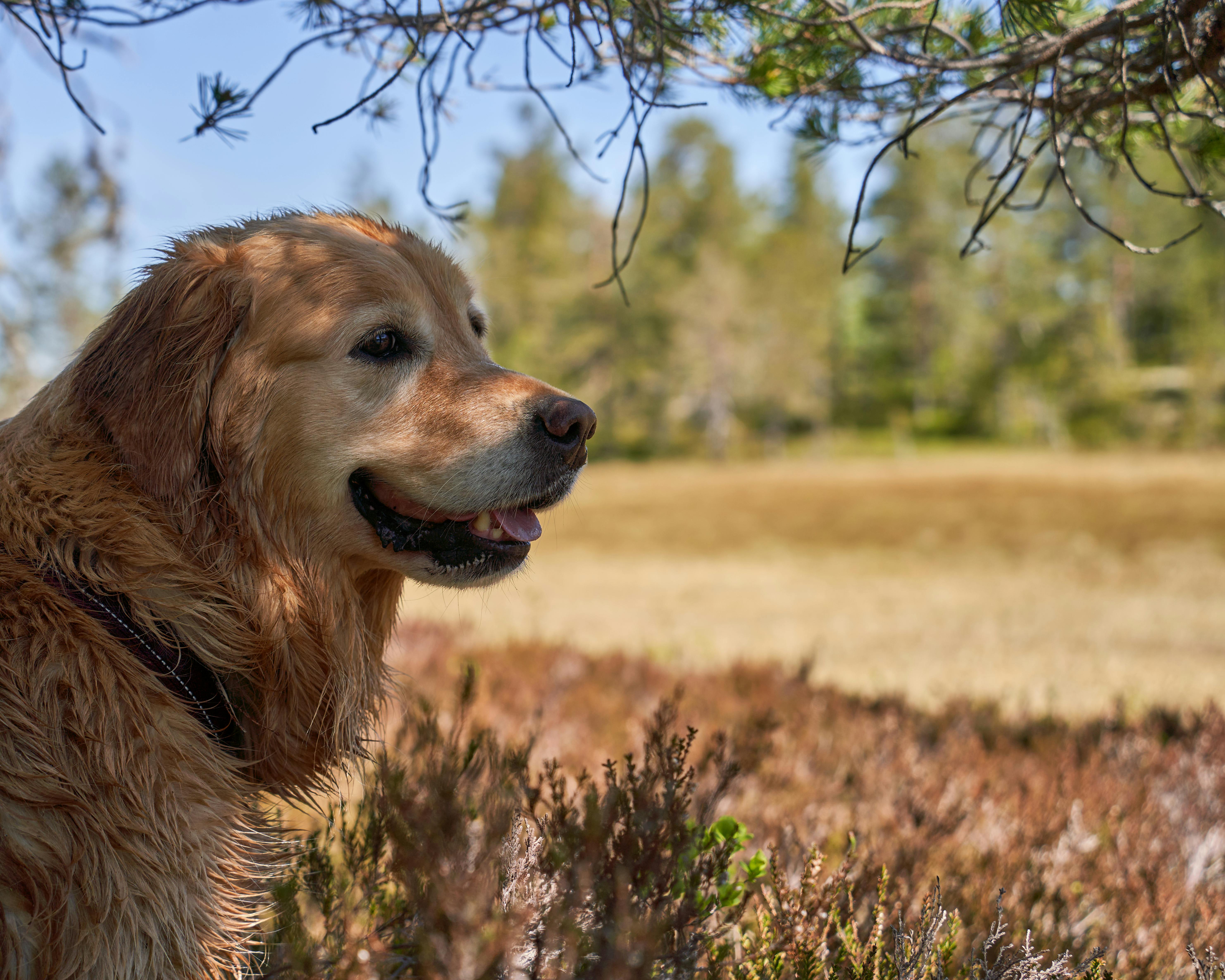
Have you ever wondered why your furry friend’s nose is often wet? It’s a common question among dog owners, and the answer is more fascinating than you might think. The science behind the slobber, or why do dogs have wet noses, combines biology, functionality, and even a bit of history. Let’s dive into this slippery subject and discover the reasons behind those moist doggy noses!
The Anatomy of a Dog’s Nose
First of all, let’s talk about the dog’s nose itself. The nose of a dog is made up of a unique structure that includes:
- Nasal Cavity: The area where the scent receptors are located.
- Mucous Membrane: A layer that helps keep the nose moist and traps odors.
- Scent Receptors: Dogs have up to 300 million scent receptors, compared to humans’ 5 million.
This complex structure is why dogs are often considered better sniffers than humans. But, why is it wet?
The Purpose of a Wet Nose
Dogs’ wet noses serve several important functions:
Enhanced Smell: The moisture on a dog’s nose helps capture scent particles from the air. A wet nose can absorb more odors, making it easier for dogs to detect scents.
Temperature Regulation: Dogs don’t sweat like humans. Instead, they cool off through their noses and panting. A wet nose can help regulate their body temperature, especially during warm weather.
Health Indicator: The condition of a dog’s nose can sometimes indicate its overall health. A healthy nose is usually moist and cool, while a dry or cracked nose may suggest dehydration or illness.
Why Are Dog Noses Wet? The Science Explained
So, what contributes to the wetness of a dog’s nose? Here’s a breakdown of the scientific reasons:
Mucus Production: Dogs’ noses produce mucus, which helps keep the surface moist. This mucus is crucial for trapping scent particles.
Saliva: Dogs often lick their noses, which adds to the moisture. When a dog licks its nose, it’s not just grooming; it’s also enhancing its ability to smell!
Environmental Factors: A dog’s nose may become wetter in humid conditions or after drinking water.
Historical Context: Dogs and Their Noses
Historically, dogs have been bred for specific tasks, many of which rely on their sense of smell. For example:
- Hunting Dogs: Bred for tracking and hunting, their wet noses help them locate prey more effectively.
- Service Dogs: Dogs trained for search and rescue or detection work benefit from their amazing olfactory abilities, which are enhanced by their wet noses.
Fun Facts About Dog Noses
Did you know that dog noses are as unique as fingerprints? Here are some fun facts to chew on:
- Nose Prints: Each dog has a unique nose print, which can be used for identification.
- Color Variations: The color of a dog’s nose can vary depending on the breed, age, and health condition.
- Temperature Sensitivity: A dog can detect changes in temperature, thanks to their moist noses.
Caring for Your Dog’s Nose
Keep your pup’s nose healthy with these tips:
- Hydration: Make sure your dog drinks enough water to stay hydrated.
- Moisturize: If your dog’s nose appears dry, consider using a safe nose balm.
- Veterinary Check-ups: Regular visits to the vet can help catch any potential health issues early.
Comparisons: Dogs Vs. Humans
It’s interesting to compare dog noses to human noses:
- Sensitivity: A dog’s sense of smell is 10,000 to 100,000 times more sensitive than that of a human.
- Sweating: Humans rely on sweat glands to cool down, while dogs rely more on their noses and panting.
- Scent Receptors: Dogs have about 300 million scent receptors, whereas humans only have around 5 million.
Understanding why dogs have wet noses gives us a glimpse into their biology and behavior. It’s fascinating how something so simple can be connected to their health, well-being, and abilities as companions. So next time you see your dog’s wet nose, remember: it’s not just cute — it’s part of what makes them such incredible animals!
5 Amazing Reasons Your Dog’s Nose Is Always Damp

If you’ve ever wondered why your dog’s nose is always damp, you’re not alone. Many dog owners are curious about this peculiar characteristic. Dogs come in all shapes and sizes, but one thing that most of them have in common is a wet, cold nose. So, why do dogs have wet noses? Let’s explore five amazing reasons that explain this fascinating phenomenon!
1. Enhanced Sense of Smell
One of the main reasons why dogs have wet noses is that it helps them smell better. The moisture on a dog’s nose helps to capture scent particles from the air. This is important because dogs have a remarkable sense of smell, which is estimated to be 10,000 to 100,000 times more sensitive than humans. When their noses are damp, it increases their ability to detect various scents, allowing them to gather more information about their environment.
- Fact: Dogs have up to 300 million smell receptors, compared to a human’s 5 million.
- Benefit: A wet nose means better scent detection, which is essential for hunting, tracking, and even just exploring the backyard.
2. Temperature Regulation
Another great reason for a moist nose is temperature regulation. Dogs can’t sweat like humans do, and they primarily cool themselves through panting. However, their noses also play a role in keeping their body temperature down. A wet nose helps to cool the dog’s body by evaporating moisture, much like how sweat helps cool humans down.
- Quick Tip: If your dog’s nose feels excessively dry or hot, it could indicate a health issue. Monitor their temperature and behavior.
3. Natural Lubrication
Dogs also have a natural mechanism for keeping their noses moist. The glands in their noses produce a thin layer of mucus, which serves as a lubricant and keeps the surface from drying out. This moisture is essential for maintaining their sense of smell and overall nasal health.
- Comparison: Just like humans need to keep their skin hydrated, dogs require moisture in their noses for optimal functionality.
- Example: If you notice your dog’s nose becoming too dry, it might be beneficial to consult a vet to check for underlying conditions.
4. Communication Tool
Believe it or not, a dog’s nose can also be a communication tool! Dogs often use their noses to greet each other, and a wet nose can signify friendliness and approachability. When dogs nuzzle or touch noses, they are engaging in a form of social interaction that can convey various emotions, from curiosity to affection.
- Interesting Fact: Dogs have scent glands in their noses that can communicate emotional states. A wet nose might indicate a relaxed and happy pup!
- Social Behavior: This is one reason why your dog may nudge you with their nose; it’s their way of saying “hello” or seeking attention.
5. Health Indicator
A wet nose can also be an indicator of a dog’s health. In general, a healthy dog will have a moist nose. However, if you notice a sudden change in the moisture level of your dog’s nose, it might be worth investigating further.
- Signs of Concern: A dry or cracked nose could indicate dehydration, fever, or other health issues.
- What to Look For:
- Consistency: Is it consistently dry or wet?
- Color: Is there any discoloration?
- Behavior: Is your dog acting differently (e.g., lethargic, eating less)?
Summary of Reasons Why Dogs Have Wet Noses
Here’s a quick recap of the reasons dogs have damp noses:
- Enhanced Sense of Smell: Moisture helps capture scent particles, boosting their incredible olfactory abilities.
- Temperature Regulation: A wet nose aids in cooling their bodies, especially during warmer days.
- Natural Lubrication: Glands produce mucus to keep the nose moist, ensuring optimal function.
- Communication Tool: A damp nose often signifies friendliness and can be used to convey emotions.
- Health Indicator: A change in moisture levels can hint at health problems that may need attention.
Understanding why your dog’s nose is always damp not only satisfies curiosity but also helps you monitor their health. Always keep an eye on any changes, and don’t hesitate to reach out to a veterinarian if something seems off. After all, our furry friends depend on us to keep them happy and healthy!
Uncovering the Mystery: What Does a Wet Nose Say About Your Dog’s Health?

Dogs are often called man’s best friend, but have you ever wondered what that wet nose of theirs really means? Many people assume that a wet nose is just a sign of a happy pup, but there is much more beneath the surface. So, why do dogs have wet noses? This article dives into the fascinating reasons behind this unique characteristic and what it can indicate about your dog’s health.
The Science Behind the Wet Nose
A dog’s nose is not just cute – it serves important functions too. The primary reason a dog’s nose is wet relates to their sense of smell. A wet surface helps to capture scent particles in the air, making it easier for dogs to detect smells. When a dog’s nose is moist, it can pick up scents better, which is crucial for their survival instincts, hunting, and communication.
Why are Dog Noses Wet?
Here are some reasons why dogs have wet noses:
Scent Detection: Wet noses improve a dog’s ability to detect and process smells. This is why dogs are often used in search and rescue missions, as well as in police work.
Temperature Regulation: Just like humans sweat to cool down, dogs use their noses. A wet nose helps to regulate their body temperature, keeping them comfortable in various environments.
Health Indicator: A dog’s nose can provide clues about their health. Varying moisture levels can indicate different health conditions.
Behavioral Communication: Dogs often use their noses to communicate with other dogs. A wet nose can signal friendliness and approachability.
What Does a Wet Nose Indicate About Health?
Not all wet noses are created equal, and the moisture level can tell you a lot about your dog’s health. Here’s a breakdown of what different nose conditions might indicate:
Normal: A wet, cool nose is typically a sign of a healthy dog. It means they are hydrated and their body is functioning well.
Dry Nose: A dry nose could indicate dehydration, fever, or illness. If your dog’s nose is unusually dry and warm, it might be time to consult a veterinarian.
Cracked or Rough Nose: This could be a sign of allergies, skin infections, or even sunburn. Monitor your dog’s behavior and seek medical advice if needed.
Excessively Wet Nose: Sometimes a nose that is too wet can be a sign of nasal discharge or even a respiratory infection. Keep an eye out for other symptoms like coughing or sneezing.
The Historical Context of Dog Noses
Historically, dogs have been bred for their keen sense of smell. For example, Bloodhounds are known for their scent-tracking abilities, while Beagles are often used in detection roles. The wet nose is a trait that has been favored for generations, as it enhances a dog’s natural instincts. Ancient civilizations recognized the importance of a dog’s sense of smell, which led to the development of various breeds with specialized abilities.
Fun Facts About Dog Noses
Unique Patterns: Just like human fingerprints, each dog’s nose print is unique. This means you could theoretically identify a dog by its nose!
Temperature Sensitivity: Dogs can sense changes in temperature through their noses, which helps them detect heat sources or cooler areas.
Nose Licking: Dogs often lick their noses to keep them moist. This behavior is instinctive and helps them maintain their sense of smell.
Nose and Breeds: Some breeds have wetter noses than others. For example, the Boxer and the Labrador Retriever are known for their moist noses, while breeds like the Bulldog might have drier noses.
Practical Tips for Dog Owners
If you’re a dog owner, it’s important to monitor the condition of your dog’s nose. Here are some tips:
Hydration: Ensure your dog has constant access to fresh water to keep their nose and overall health in check.
Regular Check-ups: Schedule routine vet visits to catch any health issues early on.
Observe Behavior: If you notice any changes in your dog’s nose or overall behavior, don’t hesitate to reach out to a veterinarian.
Healthy Diet: A balanced diet contributes to your dog’s overall well-being, including the health of their nose.
Understanding why dogs have wet noses offers insight into not just their unique physiology but also their overall health. Whether it’s for scent detection or communication, a wet nose plays an essential role in a dog’s life. So, the next time you get a nuzzle from your furry friend, consider what that wet nose might be telling you!
Is a Wet Nose a Sign of a Happy Dog? Exploring Emotional Connections
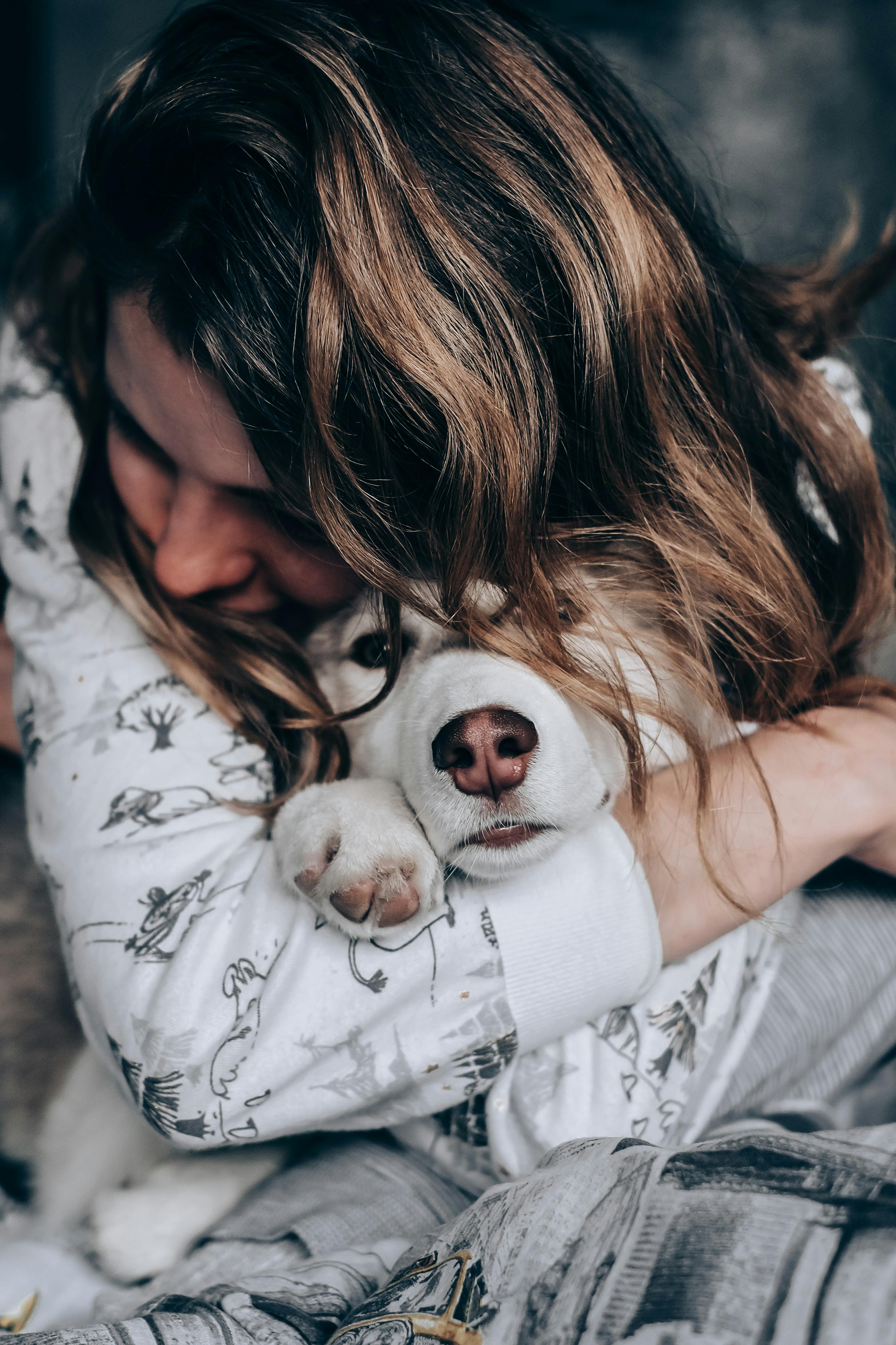
The question of whether a wet nose is a sign of a happy dog has intrigued pet owners and animal lovers alike for ages. You may have noticed that your furry friend’s nose often feels damp, and you might wonder, “What does this mean?” Is it just a quirk of nature, or does it indicate something more profound about their emotional state? In this article, we explore the fascinating reasons behind why dogs have wet noses and dive into the emotional connections that dogs have with their humans.
Why Do Dogs Have Wet Noses?
Dogs have wet noses for several different reasons, and it’s not just because they love to stick their noses into everything. Here are a few key factors that contribute to this phenomenon:
Cooling Mechanism: Dogs don’t sweat like humans do. Instead, they rely on their noses to help regulate their body temperature. A wet nose can help cool down a dog on hot days. As moisture evaporates from their nose, it helps lower their body temperature, which is especially important for active breeds.
Sense of Smell: The moisture on a dog’s nose enhances their sense of smell. A wet surface is better at trapping scent particles, allowing dogs to pick up more smells around them. This is one of the reasons why dogs have such incredible olfactory capabilities.
Health Indicator: A wet nose can also be an indicator of a dog’s health. Generally, a wet and cool nose is a sign of a healthy dog. However, if a dog’s nose becomes excessively dry or warm, it may signal an illness or dehydration.
Emotional Connection: Dogs are known to express their feelings through their behavior and physical state. A wet nose might suggest that a dog is relaxed and content, but it’s not the only indicator of happiness.
Emotional Connections: Is a Wet Nose a Sign of a Happy Dog?
So, does a wet nose mean your dog is happy? Well, it can be an indicator but not the sole one. Dogs communicate their emotions through various behaviors, and a wet nose is just one piece of the puzzle. Here are some other signs that can indicate your dog’s happiness:
Wagging Tail: A wagging tail, especially when it’s high and moving rapidly, usually signifies a happy pup.
Playfulness: If your dog is engaging in playful behavior, like fetching a ball or rolling around, it’s a good sign they’re feeling good.
Relaxed Body Language: A relaxed posture, with loose muscles and a soft expression, indicates that your dog feels safe and happy.
Affectionate Behavior: When your dog seeks out affection, whether it’s cuddling or giving you kisses, it’s a clear sign they’re feeling loved.
The Fascinating Reasons Behind Wet Noses
Understanding the science behind a dog’s wet nose can deepen your appreciation for your furry friend. Here’s a more detailed look at the reasons we discussed earlier:
Anatomy of a Dog’s Nose: The skin on a dog’s nose is covered with mucous membranes, which produce moisture. This moisture helps with scent detection and thermoregulation.
Evolutionary Perspective: Historically, dogs have evolved with this trait. Their ancestors relied on their keen sense of smell to hunt and survive, and a wet nose was advantageous in this regard.
Seasonal Changes: You might notice that your dog’s nose can vary in moisture depending on the weather. For instance, in colder months, noses may feel drier, while in the summer, they’re often wetter.
Health Monitoring: As mentioned, a wet nose is typically a sign of good health, but changes can signal health issues. Regularly checking your dog’s nose can help you monitor their well-being.
Fun Facts About Dogs and Their Noses
Unique Patterns: Just like human fingerprints, every dog has a unique nose print that can be used to identify them.
Heat Detection: Dogs can pick up on heat signatures through their noses, allowing them to detect living beings even when they can’t see them.
Nasal Folds: Dogs have folds and grooves on their noses that increase the surface area for scent detection, enhancing their sense of smell.
Nose Length: A dog’s nose length can affect its smell capabilities. Breeds like Bloodhounds have longer noses, which help them track scents more effectively.
A wet nose can indeed be a sign of a happy dog, but it’s essential to consider other aspects of their behavior as well. The bond we share with our pets is unique and complex, and understanding their physical traits, like wet noses, helps us connect with them on a deeper level. Next time you give your dog a pat, take a moment to appreciate that wet nose — it’s more than just a cute feature; it’s
The Role of Nose Moisture in Canine Scent Detection: What Every Dog Owner Should Know
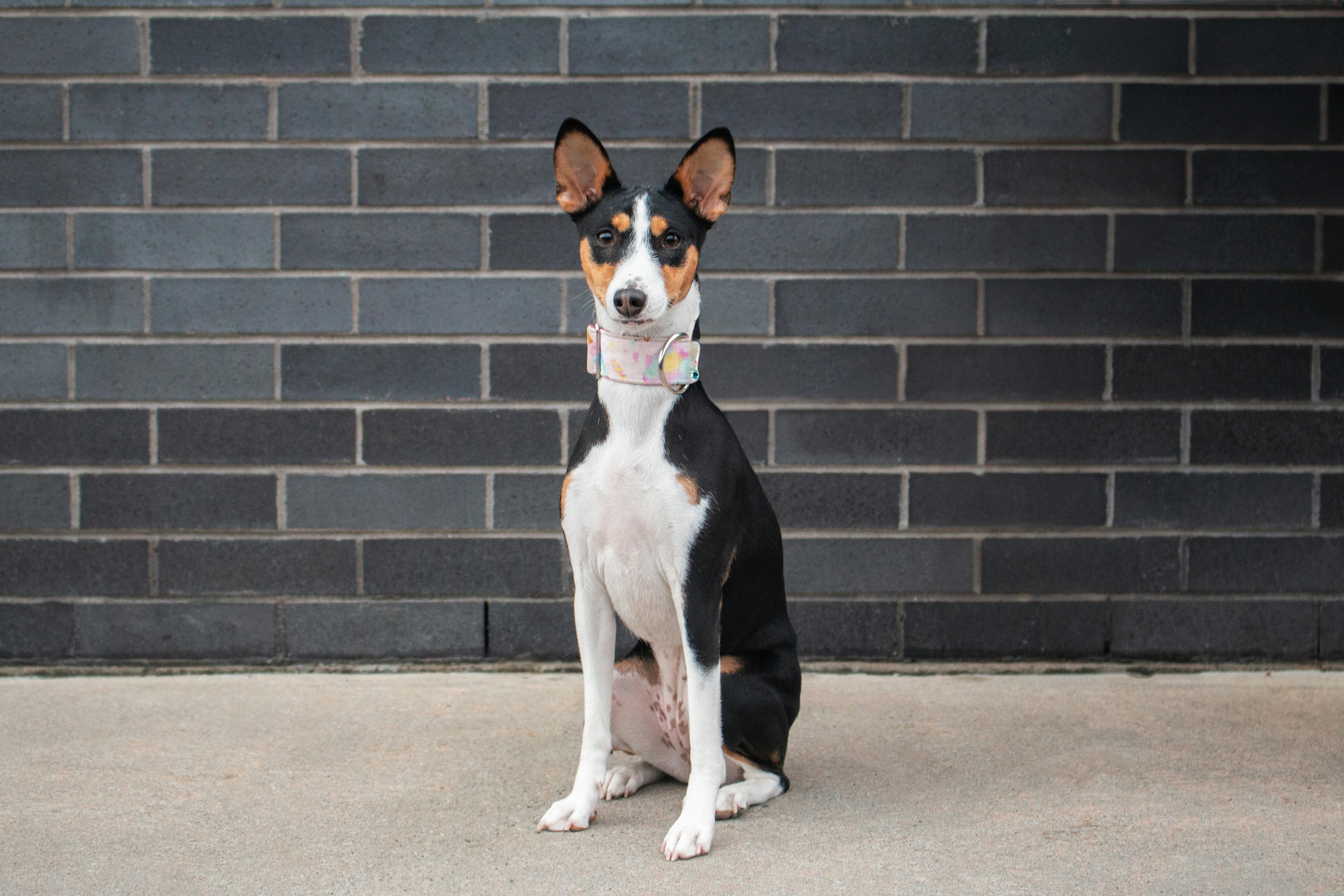
Dogs are often considered man’s best friend, but there’s a lot more to them than wagging tails and cute faces. One of the most interesting features of dogs is their noses, specifically how moist they are. The role of nose moisture in canine scent detection is a topic that many dog owners should be aware of. So, why do dogs have wet noses, and how does this moisture enhance their incredible sense of smell?
Why Do Dogs Have Wet Noses?
The moisture on a dog’s nose serves several important functions. First off, it helps to absorb scent particles. When a dog sticks its nose to the ground or into the air, the wet surface captures more scent molecules, making it easier for the dog to identify different smells. But that’s not all. Here are some fascinating facts about why dogs have wet noses:
- Enhanced Scent Detection: A wet nose can detect smells more effectively. The moisture aids in trapping odor molecules, which then interact with the olfactory receptors in the dog’s nose.
- Thermoregulation: Dogs don’t sweat like humans do. Instead, they regulate their body temperature by panting and through their noses. The moisture helps cool them down.
- Health Indicator: A wet nose is often seen as a sign of a healthy dog. If a dog’s nose is dry or warm, it may indicate illness or dehydration.
- Sense of Taste: Dogs also use their noses to taste. When they lick their noses, they can better understand the scents they are encountering.
The Science Behind Canine Scent Detection
Canine scent detection is nothing short of extraordinary. Dogs have up to 300 million olfactory receptors in their noses, compared to about 6 million in humans. This gives dogs the ability to smell things at incredibly low concentrations.
Here’s a breakdown of how dogs process scents:
- Scent Reception: The moist surface of the nose captures scent particles.
- Olfactory Bulb: The scent particles are then processed in the olfactory bulb, which is much larger in dogs than in humans relative to their brain size.
- Brain Processing: The brain interprets these smells, allowing dogs to identify and differentiate between a myriad of scents.
Interesting Comparisons: Dogs vs. Humans
When it comes to scent detection, the difference between dogs and humans is astounding. Here’s a quick comparison:
| Feature | Dogs | Humans |
|---|---|---|
| Olfactory Receptors | 300 million | 6 million |
| Ability to Detect Smells | Can detect parts per trillion | Can detect parts per million |
| Area of Olfactory Bulb | Larger relative to brain size | Smaller relative to brain size |
| Sensitivity to Odors | Can identify specific smells from great distances | Limited to stronger smells only |
Practical Examples of Canine Scent Detection
Dogs are employed in various fields due to their incredible sense of smell. Some of the most notable examples include:
- Search and Rescue: Dogs can locate missing persons in disasters or wilderness settings.
- Drug Detection: Law enforcement uses dogs to find illegal substances in luggage or vehicles.
- Medical Detection: Some dogs are trained to detect diseases like cancer or diabetes by smelling chemical changes in human bodies.
- Tracking: Hunters and trackers use dogs to follow scents of animals over great distances.
What Every Dog Owner Should Know
As a dog owner, understanding the significance of your pet’s moist nose can help you take better care of them. Here are some tips:
- Monitor Nose Condition: Regularly check if your dog’s nose is moist. A sudden change can signal health issues.
- Hydration: Ensure your dog has access to fresh water, especially in hot weather, to keep their nose and body hydrated.
- Grooming: Keep the area around the nose clean. Dirt can affect their ability to smell.
The moisture on a dog’s nose is not just a cute feature; it plays a critical role in their ability to interact with the world. From detecting danger to finding lost individuals, a dog’s wet nose is a powerful tool. Understanding why dogs have wet noses and how they impact scent detection can greatly enhance your bond with your furry friend. So, next time you give your dog a pat, remember how much their wet nose contributes to their extraordinary capabilities.
7 Surprising Benefits of a Wet Nose in Dogs: A Deep Dive into Canine Physiology
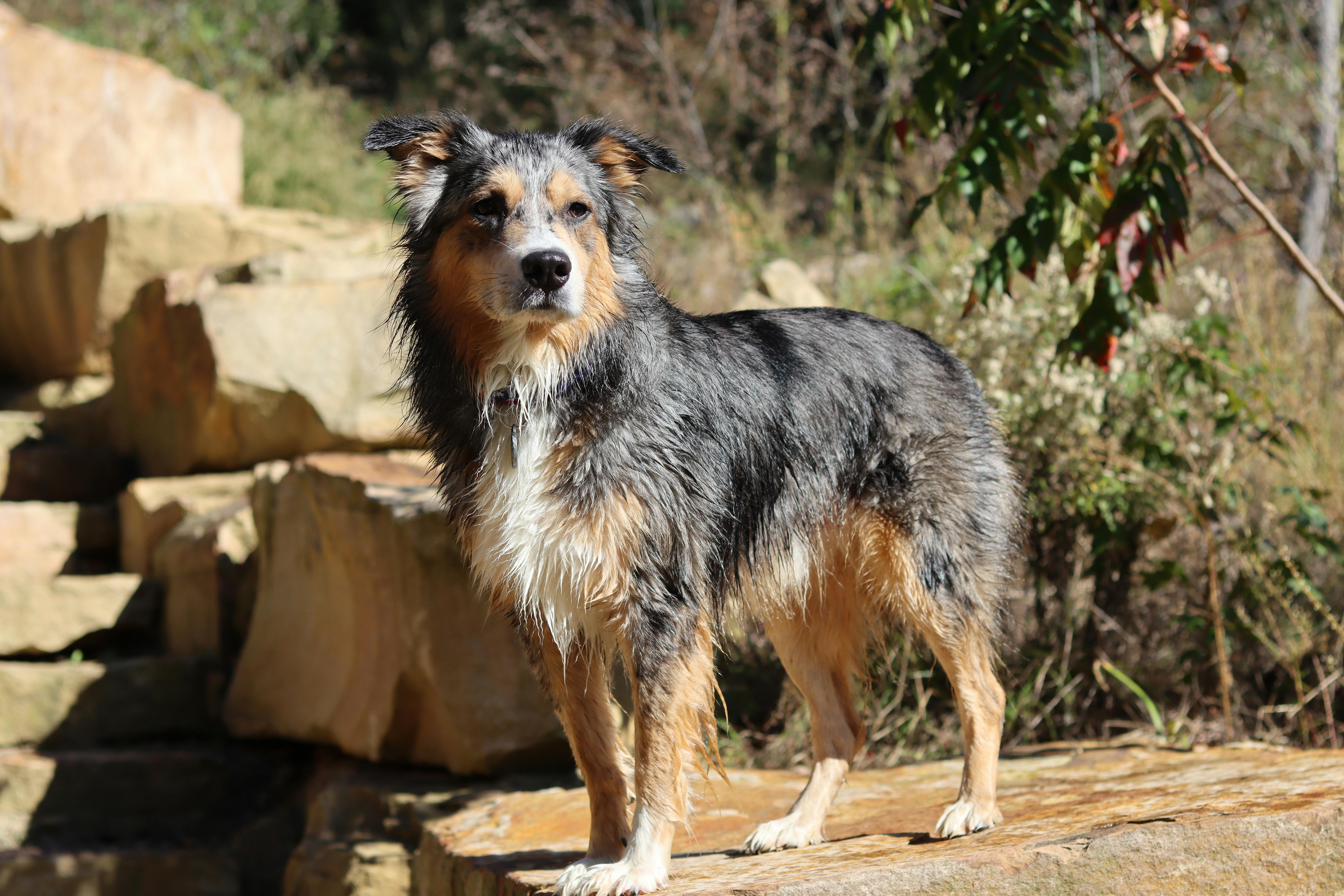
Dogs are known for many things, from their loyalty to their playful antics, but one of the most intriguing aspects is their wet noses. You might have noticed that when your furry friend greets you, their nose is often damp. This characteristic is not just an adorable quirk but serves several important functions. As we dive into the fascinating world of canine physiology, let’s explore the surprising benefits of a wet nose in dogs and uncover why they have these moist appendages in the first place.
The Science Behind Wet Noses
Did you ever wonder why do dogs have wet noses? There’s actual science behind this. Dog noses are covered in a thin layer of mucus that helps to enhance their sense of smell. This moisture captures scent particles from the air, allowing dogs to detect odors much better than humans can. A wet nose acts like a sponge for scents, which is crucial for their survival instincts.
7 Surprising Benefits of a Wet Nose in Dogs
Enhanced Olfactory Abilities
- Dogs has an extraordinary sense of smell, estimated to be between 10,000 to 100,000 times more acute than humans. The moisture on their noses aids in absorbing scent molecules, making it easier for them to identify and track smells.
Temperature Regulation
- Just like humans sweat to cool down, dogs can regulate their temperature through their noses. The evaporation of moisture from their noses helps to cool their body when they are feeling hot, which is essential during those sweltering summer days.
Health Indicator
- A dog’s nose can serve as an indicator of its health. A wet, cold nose is often seen as a sign of a healthy dog, while a dry or warm nose might suggest the pup is unwell. However, this isn’t a definitive rule, as many factors can influence the temperature and moisture of a dog’s nose.
Communication Tool
- Dogs uses their noses not just to sniff around but also to communicate with other dogs. A wet nose can indicate a friendly disposition, while a dry nose might signal stress or unease. So, next time your dog greets another pooch, pay attention to their noses!
Sense of Taste
- Believe it or not, dogs also uses their noses for tasting! The moisture helps to enhance the flavor of their food. When they sniff their meal, it’s not just for aroma; they’re getting a taste of it too.
Increased Hydration
- A wet nose can help dogs to stay hydrated. The moisture they produce can be absorbed into their bodies, which is particularly helpful for active dogs who might lose moisture through panting.
Social Bonding
- Dogs often greet each other by sniffing noses. This is a crucial part of their social interactions. The wetness of their noses makes the greeting more engaging and informative, allowing them to gather information about each other.
Fun Facts About Dog Noses
- The surface of a dog’s nose has unique patterns, much like human fingerprints. This is why each dog has a distinct nose print.
- Dogs have up to 300 million olfactory receptors in their noses, compared to about 5 million in humans.
- The wetness of a dog’s nose can vary depending on the breed, age, and even the temperature of their environment.
Comparing Wet Noses to Dry Noses
Wet Nose:
- Typically indicates health and hydration.
- Enhances sense of smell.
- Aids in temperature regulation.
Dry Nose:
- May indicate dehydration or illness.
- Can affect the sense of smell negatively.
- Might be normal for some breeds or in certain conditions.
When to Be Concerned About a Dog’s Nose
While a wet nose is usually a sign of health, there are times when you should pay attention. If your dog’s nose becomes excessively dry, cracked, or if there are noticeable changes in color, it might be time to consult a veterinarian. Other symptoms like lethargy or changes in appetite should also prompt a visit to the vet.
Dogs’ wet noses are more than just a cute feature; they play crucial roles in their health, communication, and sensory perception. Understanding these benefits can deepen your appreciation for your four-legged friend and enhance the bond you share. So, the next time your pup greets you with a wet nose, remember the fascinating reasons behind it!
How Climate Affects Dog Nose Moisture: What Every Pet Parent Needs to Understand

Every pet parent probably wonder why dogs have wet noses. It’s one of those things that seems normal but actually, it’s quite fascinating! The moisture on a dog’s nose is connected to their health, senses, and even climate. Let’s dive into how climate affects dog nose moisture and why it’s important for pet owners to understand this.
What Makes Dog Noses Wet?
Firstly, dog noses are wet for a few key reasons. The moisture helps in several ways:
Scent Detection: Dogs have an incredible sense of smell, and a wet nose helps enhance that. The moisture captures scent particles, making it easier for dogs to identify smells in their environment.
Temperature Regulation: A wet nose also assist in regulating a dog’s body temperature. Like sweating for humans, the moisture evaporates, helping cool them down.
Health Indicator: The moisture level can also indicate a dog’s health. A dry nose may suggest dehydration or illness, while a wet nose is typically a sign of a healthy dog.
How Does Climate Affect Nose Moisture?
Climate plays a huge role in the moisture levels of a dog’s nose. Let’s break it down:
Humidity: In humid conditions, a dog’s nose tends to stay moist longer because there’s more water vapor in the air. Dogs may have an easier time keeping their noses wet during summer months in places like New York.
Dry Weather: Conversely, in dry climates or during winter, noses can become dry. This can lead to cracked or chapped noses, which can be uncomfortable for dogs.
Temperature Fluctuations: Extreme temperatures can also cause changes. Hot weather may cause a dog to lose moisture quickly, while cold weather can make the nose seem drier due to lack of humidity.
Why Wet Noses Matter
Understanding the importance of a dog’s wet nose can help pet parents take better care of their furry friends. Here are some important points to consider:
Regular Checks: Pet owners should regularly check their dog’s noses. If it seems excessively dry or cracked, it could be a sign of dehydration or other health issues.
Hydration is Key: Keeping a dog hydrated is essential. Ensure they have access to fresh water at all times, especially in hot weather.
Humidity Control: If you live in a dry area, consider a humidifier. This can help maintain moisture levels in the air, making it easier for your dog to keep their nose wet.
Interesting Facts About Dog Noses
Here are some fun and interesting facts about dog noses that every pet parent should know:
Unique Patterns: Just like human fingerprints, each dog has a unique nose print. This can even be used for identification!
Temperature Sensitivity: A dog’s nose can detect changes in temperature. This is why they can sense when someone is sick or there is an emergency.
Breed Differences: Some breeds have wetter noses naturally than others. For example, breeds like Labrador Retrievers tend to have consistently moist noses, while others may not.
Practical Tips for Dog Owners
To ensure your dog’s nose stays healthy and moist, consider these tips:
Stay Hydrated: Always provide fresh water and encourage your dog to drink regularly.
Outdoor Care: If you take your dog outside in dry or hot weather, keep an eye on their nose. If it looks dry, bring them inside and offer water.
Nose Balm: For dogs with chronically dry noses, there are balms available that can be applied to keep the moisture locked in.
Regular Vet Visits: Routine check-ups with a vet can help monitor your dog’s overall health, including their nose condition.
Understanding why dogs have wet noses and how climate affects this moisture is essential for all pet parents. Taking simple actions can make a big difference in your dog’s health and comfort. Remember, a happy dog is often a wet-nosed dog! So keep an eye on their nose and adjust care based on the weather, ensuring your furry friend stays healthy and thriving.
Wet vs. Dry Dog Noses: When to Worry and What It Means for Your Pup
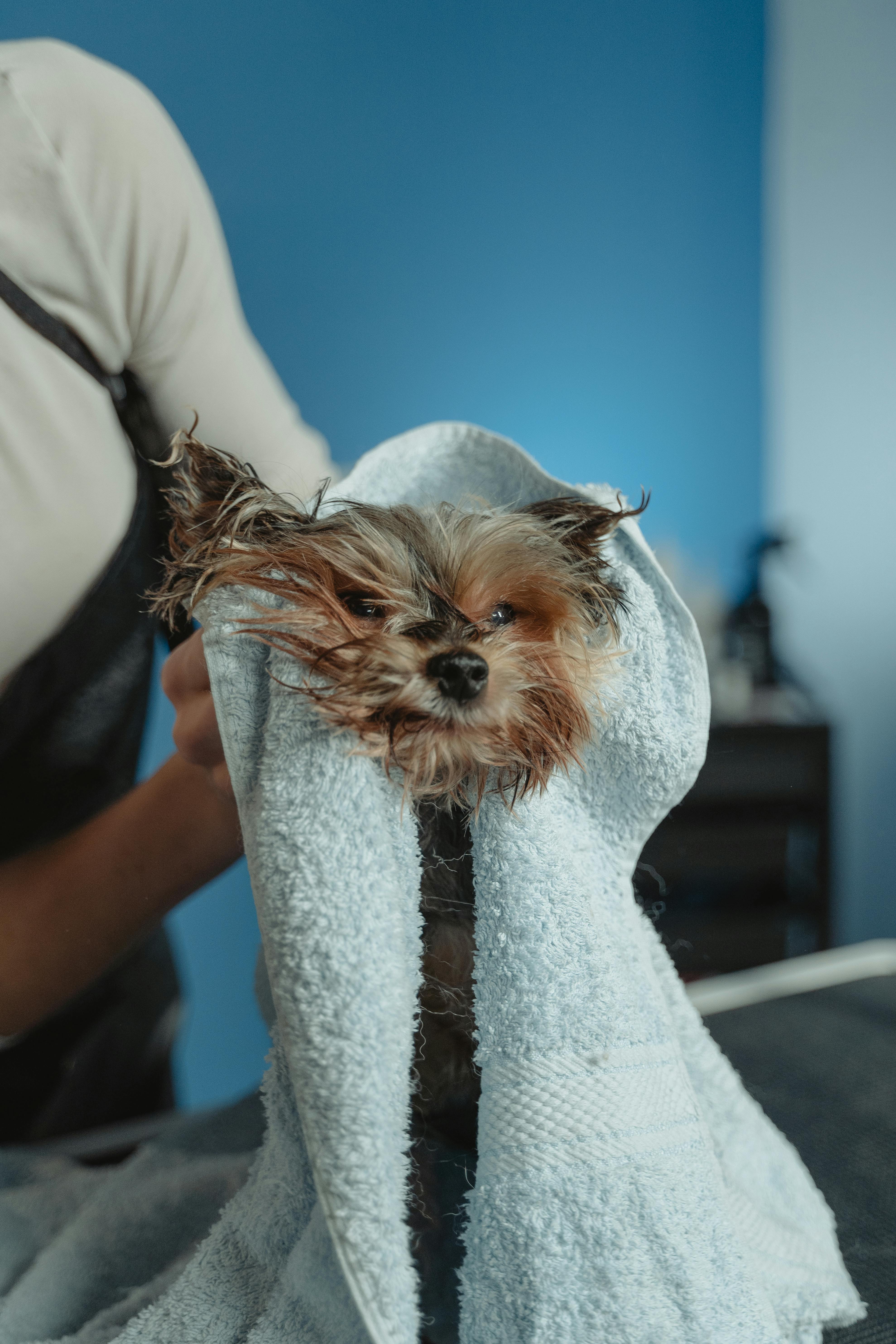
Many dog owners has wondered about the wetness of their pups noses. Wet vs. dry dog noses is a topic that sparks curiosity and concern. So, when should you worry about your dog’s nose? What does it mean if it is wet, or if it is dry? Let’s explore these questions and uncover the fascinating reasons behind why dogs have wet noses.
Why Do Dogs Have Wet Noses?
Dogs have wet noses for various reasons. It’s not just about keeping them cool, although that is one of the reasons. Here are some factors that contribute to that delightful dampness:
- Thermoregulation: A wet nose helps dogs regulate their body temperature. It absorbs moisture from the air, which helps cool them down.
- Sense of Smell: The moisture on a dog’s nose helps to trap scent particles. This is why dogs are excellent at sniffing out things, because their noses are designed to detect various smells more effectively when they’re damp.
- Health Indicators: A wet nose is often a sign of a healthy dog. It shows that the dog is well-hydrated and in good health.
- Grooming: Dogs often lick their noses, which keeps it moist and also helps in cleaning it.
Wet vs. Dry: What Should You Worry About?
Not every change in your dog’s nose means there’s a problem. However, it’s important to pay attention to the moisture level, as it can indicate health issues. Here’s a quick comparison of wet and dry noses:
| Nose Condition | What It Indicates | When to Worry |
|---|---|---|
| Wet Nose | Generally healthy, well-hydrated, and alert | If it becomes excessively wet or has discharge |
| Dry Nose | May be normal, especially in hot weather | If it’s cracked, flaky, or persists for a long time |
Symptoms to Watch
If your dog’s nose is dry, it doesn’t always mean something is wrong, but it’s good to know when to consult a veterinarian. Here are some symptoms to keep an eye out for:
- Cracking or bleeding: This could indicate dehydration or skin conditions.
- Discharge: A thick or colored discharge may suggest an infection.
- Behavior changes: If your dog is lethargic, not eating, or showing signs of discomfort, it’s time to check with a vet.
- Change in temperature: A dog’s nose is usually cool, but if it feels hot, it might be a sign of a fever.
Why Does My Dog’s Nose Change Throughout the Day?
You may notice that your dog’s nose changes from wet to dry throughout the day. Here are some reasons why this happens:
- Environmental Changes: If it’s hot or dry outside, the nose may dry out more quickly.
- Activity Level: After playing or exercising, a dog might have a drier nose.
- Health Fluctuations: A dog’s nose can also dry out temporarily due to minor health changes, like a mild illness.
What Causes a Dog’s Nose to Be Persistently Dry?
If your dog has a consistently dry nose, there are several potential causes:
- Dehydration: Make sure your dog has access to fresh water.
- Allergies: Environmental allergens can affect your dog’s skin and nose.
- Infections: Bacterial or fungal infections can lead to dryness.
- Autoimmune Diseases: Certain diseases can impact nose moisture.
Dog Nose Care Tips
Keeping your dog’s nose healthy is important. Here are some tips to help maintain that wet, healthy nose:
- Hydration: Always ensure your dog has access to fresh water.
- Nutrition: Feed a balanced diet, rich in Omega-3 fatty acids, which can help skin and coat health.
- Grooming: Regular grooming can help avoid allergies and irritations.
- Protect from the Sun: In sunny weather, consider using pet-safe sunscreen on your dog’s nose to prevent sunburn, especially in light-colored dogs.
Fun Fact About Dog Noses
Did you know that every dog’s nose print is unique? Just like human fingerprints, no two dog noses are alike. This unique characteristic can even be used for identification purposes.
Understanding your dog’s nose can give you insights into their health and well-being. While a wet nose is generally a good sign, it’s important to pay attention to changes. Always consult a veterinarian if you have concerns about your pup’s health. By staying informed, you can ensure that your furry friend remains happy and healthy.
The Fascinating Evolution of Dog Noses: Why Wet Noses Are the Norm
Have you ever wondered why dogs have wet noses? It’s actually kinda fascinating when you think about it. Most people just accept it as a doggy trait, but there’s a lot more going on under that shiny surface. Wet noses are not just a random feature; they serve several important functions for our furry friends. Let’s dive into the evolution and science behind those lovable wet noses.
The Science of Dog Noses
Dog noses are unique, and they got some serious science behind them. A dog’s sense of smell is far superior to humans, and wet noses play a crucial role in this. Here’s how:
- Moisture Helps Absorb Scents: The wetness on a dog’s nose helps capture scent particles. When they sniff, the moisture picks up the scent molecules, which then get to the olfactory receptors, allowing the dog to identify different smells.
- Temperature Regulation: Dogs don’t sweat like we do. Instead, they rely on their noses to help cool themselves down. A wet nose can help regulate their body temperature, especially during hot weather.
- Health Indicator: A dog’s nose can be a good indicator of their health. A consistently dry nose might suggest dehydration or illness, while a moist nose is usually a sign of a healthy pup.
The Evolutionary Perspective
From an evolutionary standpoint, having a wet nose makes sense. Dogs are descendants of wolves, and their ancestors relied heavily on their sense of smell for hunting and survival. Wet noses became the norm for several reasons:
- Enhanced Hunting Ability: A wet nose can pick up scents more effectively, giving dogs a better chance to hunt and locate prey.
- Social Interaction: Dogs communicate with each other through scent. A wet nose helps them gather more information about their surroundings and other animals, which is crucial for social behavior and bonding.
- Survival in Diverse Environments: Dogs evolved in various climates and terrains. The ability to sense smells more accurately allowed them to adapt and thrive, whether they were in forests, plains, or even urban areas.
Fun Facts About Dog Noses
Did you know that the patterns on a dog’s nose are as unique as human fingerprints? Here are some other interesting tidbits:
- Dogs have approximately 225 million scent receptors in their noses, compared to about 5 million in humans.
- The wetness of a dog’s nose can change throughout the day. It often gets drier when they are sleeping or resting.
- Certain breeds have more pronounced noses, which can affect their ability to smell. For instance, Bloodhounds are known for their incredible tracking abilities due to their long, droopy noses.
Why Do Dogs Lick Their Noses?
You might have noticed your dog licking its nose frequently. This behavior isn’t just adorable; it serves several purposes:
- Moistening the Nose: Dogs often lick their noses to keep them wet. This is especially important when they are sniffing around and trying to gather scents.
- Cleaning the Nose: Just like we wash our hands, dogs use their tongues to clean their noses, removing dirt or other debris.
- Expressing Calmness: In some cases, licking can be a sign of stress or anxiety, as dogs may lick their noses to self-soothe.
Practical Tips for Dog Owners
Understanding your dog’s nose can help you take better care of your furry friend. Here are some practical tips:
- Monitor Wetness: Keep an eye on your dog’s nose. If it’s constantly dry or cracked, it might be time to consult a vet.
- Hydration is Key: Ensure your dog is drinking enough water, especially in hot weather. Dehydration can lead to a dry nose, which may indicate health issues.
- Regular Vet Check-ups: Regular check-ups can catch any health problems early. Your vet can assess your dog’s nose and overall health.
The Bottom Line
So, the next time you pet your dog and feel that wet nose, remember it’s more than just a cute feature. It’s a blend of evolutionary adaptations and essential functions that contribute to your dog’s health and well-being. The wetness, the sniffing, and all the behaviors associated with their noses are deeply rooted in their biology and history. Understanding these traits can enhance your relationship with your furry companion. Embrace the quirks of your pup, and appreciate that fantastic wet nose!
Can Dogs Control Their Nose Moisture? Discover the Secrets of Canine Adaptation
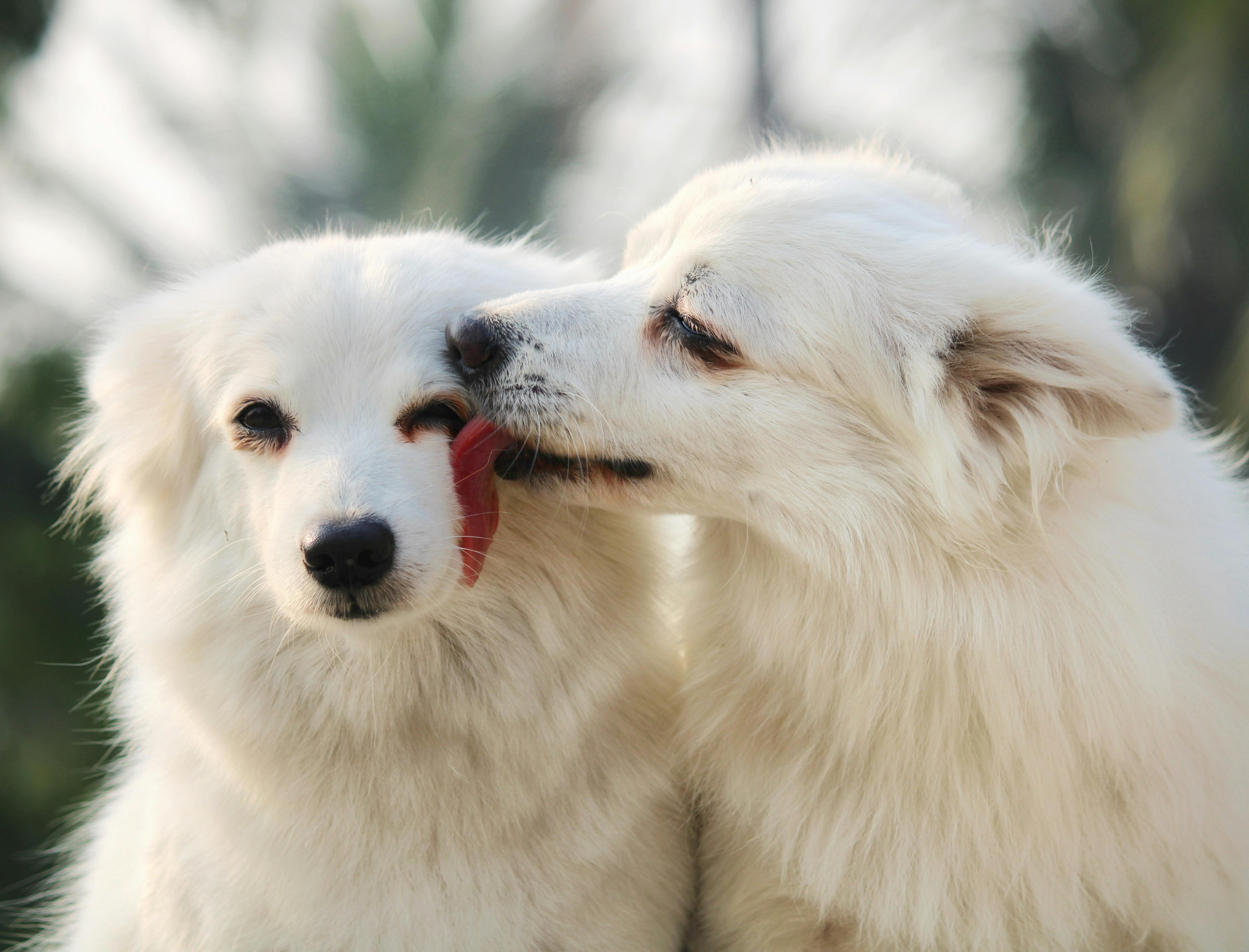
Have you ever wondered why dogs have wet noses? It’s a question that many pet owners ask, and it turns out, there are several interesting reasons behind this phenomenon. Dogs’ noses are not just cute features; they serve important functions that contribute to their overall health and survival. So, can dogs control their nose moisture? Let’s dive into the fascinating world of canine adaptation and explore the secrets behind those wet noses.
The Science Behind Wet Noses
Dogs’ noses are typically moist due to a combination of factors. The primary reasons include:
Temperature Regulation: Dogs don’t sweat like humans do. Instead, they regulate their body temperature through panting and the moisture on their noses. A wet nose helps to cool them down.
Enhanced Sense of Smell: A moist nose can capture scents more effectively. The moisture helps to dissolve scent particles, making it easier for dogs to identify different odors. That’s why they often sniff around so much!
Health Indicator: A dog’s nose can tell a lot about its health. A consistently dry or cracked nose may indicate dehydration or illness, whereas a moist, cool nose is often a sign of a healthy dog.
Dogs can’t consciously control the moisture level of their noses, but they can influence it through behavior. For instance, they may lick their noses to maintain moisture when sniffing around.
Historical Context of Dog Noses
Historically, dogs have evolved from their wild ancestors, who needed keen senses to survive. The wet nose is a trait that has been passed down through generations. Here are some key points in the evolutionary history of dogs:
Hunting and Scavenging: Early dogs relied on their sense of smell to hunt and locate food. A wet nose was crucial for tracking scents in the wild.
Domestication: As dogs became domesticated, their noses remained an essential tool for communication and bonding with humans. They have learned to use their sense of smell to understand human emotions and intentions.
Why Do Dogs Have Wet Noses? Discovering the Reasons
The wetness of a dog’s nose is not just for show. Here are some more detailed reasons:
Scent Detection: Dogs have approximately 220 million scent receptors in their noses, compared to about 5 million in humans. This incredible olfactory ability means that a wet nose is a must for optimal scent detection.
Behavioral Aspect: Dogs often lick their noses, which keeps them moist. This behavior is instinctual and helps them better analyze their environment.
Thermoregulation: The moisture on a dog’s nose can evaporate, which cools the blood flow beneath the surface, helping to regulate body temperature. This is especially vital during hot weather.
Social Signals: Dogs communicate through various body language cues, and a wet nose can indicate curiosity or excitement. It acts as a sign for other dogs and humans to engage.
Tips for Dog Owners
Understanding why dogs have wet noses can help owners take better care of their furry friends. Here are some tips:
Hydration: Always ensure your dog has access to fresh water, as hydration affects nose moisture.
Regular Check-ups: Keep an eye on your dog’s nose for changes. If it becomes excessively dry or cracked, consult your veterinarian.
Comfort in Heat: During hot weather, provide shade and water to help them cool down. A wet nose can only do so much!
Behavior Observation: Notice how your dog uses its nose. If they seem to be excessively licking it, it could indicate allergies or discomfort.
Fun Facts About Dog Noses
- Dogs’ noses are as unique as human fingerprints. Each dog has a distinct nose print.
- The texture of a dog’s nose can change with age or health, offering insight into their well-being.
- Certain breeds have more prominent wet noses than others, often linked to their specific roles, like hunting or herding.
So, in summary, the wet nose of a dog is an adaptation that plays a vital role in their health, communication, and survival. It’s fascinating to realize how something so simple can have such profound implications. Next time you give your dog a scratch behind the ears, take a moment to appreciate their wet nose and all the secrets it holds about their incredible adaptations. Whether it’s for scent detection or temperature regulation, those moist noses are truly remarkable!
Conclusion
In conclusion, the wet noses of dogs serve several essential functions that contribute to their overall health and well-being. The moisture helps enhance their sense of smell, allowing them to detect scents more acutely, which is a vital part of their communication and interaction with the world around them. Additionally, a wet nose aids in thermoregulation, helping dogs stay cool during warm days. While a wet nose is often associated with a healthy dog, it’s important to remember that other factors, such as behavior and overall health, also play crucial roles. So, the next time you greet your furry friend, take a moment to appreciate their unique physiology. By understanding these characteristics, you can better care for your canine companion. If you’re curious to learn more about dog health or behavior, consider consulting your veterinarian or exploring reputable resources for pet owners.
