
Have you ever wondered why do dogs have wet noses? It’s a question that many pet owners ask, often filled with curiosity about their beloved companions. The truth behind this fascinating trait is more than just a quirky characteristic; it holds surprising health implications for our furry friends! Dogs’ noses are not only moist, but they also play a crucial role in their sense of smell. A wet nose helps to enhance their ability to detect scents, making them exceptional hunters and companions. This natural phenomenon raises another question: does a wet nose indicate a healthy dog? Understanding the reasons behind this unique feature can deepen your bond with your pet and improve their care. So, if you’re eager to discover the science behind wet noses and what it means for your dog’s overall well-being, you’re in the right place! Join us as we unravel the mysteries of why our canine pals have these damp noses and explore the fascinating world of dog health and behavior. Click to learn more about the surprising truth of your dog’s wet nose!
The Science Behind Why Dogs Have Wet Noses: Unveiling the Mystery

Have you ever wondered why dogs have wet noses? It’s one of those questions that pop into our minds when we interact with our furry friends. The notion of a wet nose is often associated with health and happiness in dogs. But the truth behind it is a bit more complex and fascinating. So, let’s dive into the science behind this curious feature.
The Biological Purpose of a Dog’s Wet Nose
Dog’s noses are wet for several reasons, and most of them are tied to their biology. One primary function of a wet nose is to enhance their sense of smell. Dogs have an incredible olfactory system, more than 220 million scent receptors compared to a human’s mere 5 million. A wet nose helps to trap scent particles in the air, making it easier for them to identify various smells. Here’s how it works:
- Scent Absorption: The moisture on a dog’s nose allows scent particles to stick better.
- Temperature Regulation: A wet nose can help in cooling down their body, as dogs don’t sweat like humans do.
- Health Indicator: In many cases, a wet nose is a sign of good health. If a dog’s nose is dry, it might indicate illness or dehydration.
The Evolutionary Aspect
The evolutionary journey of dogs is also interesting in relation to their wet noses. Canines, being descendants of wolves, have retained many traits that aid them in survival. Historically, a wet nose would have been advantageous for hunting and foraging. The ability to smell better would have enabled them to find food more effectively.
- Hunter vs. Scavenger: While wolves primarily hunted, domestic dogs have adapted to a more varied diet, but the benefit of a wet nose remains.
- Social Interaction: The moisture can also enhance social cues among dogs. The wetness can signal excitement or interest during interactions with other dogs or humans.
The Composition of a Dog’s Nose
The moisture on a dog’s nose isn’t just plain water. It’s a combination of different fluids which include:
- Mucus: Helps in trapping odor molecules.
- Saliva: When a dog licks their nose, it creates a thin film that assists in scent detection.
- Environmental Factors: Weather conditions can affect how wet a dog’s nose gets. For instance, humidity can maintain moisture better than dry climates.
Why Some Dogs Have Drier Noses
Not all dogs have perpetually wet noses, and there can be various reasons for this. Here are some possible explanations:
- Health Issues: A dry nose may indicate allergies, fever, or other health problems. If a dog’s nose is unusually dry, it’s advisable to consult a veterinarian.
- Age: Older dogs might naturally have drier noses.
- Breed Differences: Certain breeds are known to have drier noses than others. For example, Bulldogs often have less moisture.
Fun Facts About Dog Noses
Here are some interesting tidbits about dog noses that you might not know:
- Unique Patterns: Just like human fingerprints, every dog’s nose print is unique.
- Heat Detection: Dogs can detect heat signatures, which helps them find warm-blooded prey.
- Nosework: Canines are increasingly being trained for nosework, which is a sport that emphasizes their natural ability to detect scents.
Practical Care Tips for Dog Noses
Maintaining a dog’s nose health is important. Here are a few tips:
- Hydration: Ensure your dog is always well-hydrated, especially during hot days.
- Moisturize: If your dog has a persistently dry nose, consider using a dog-safe nose balm.
- Veterinary Check: Regular check-ups can help identify any underlying health issues related to nose condition.
Comparison Between Dog and Human Noses
Here’s a quick comparison between the noses of dogs and humans:
| Feature | Dogs | Humans |
|---|---|---|
| Scent Receptors | 220 million | 5 million |
| Nose Temperature | Can cool | Cannot cool |
| Moisture Presence | Often wet | Typically dry |
| Unique Patterns | Yes | No |
So, the next time you see your dog with their wet nose, remember it’s not just a quirky feature but a remarkable aspect of their biology that serves several important functions. Understanding the science behind why dogs have wet noses unveils their evolutionary adaptations and health indicators, making it a delightful mystery worth exploring.
5 Fascinating Reasons Your Dog’s Nose Is Always Moist
Ever wonder why your furry friend’s nose is always wet? It’s kinda fascinating when you think about it. The moistness of a dog’s nose isn’t just a quirk; there are some pretty interesting reasons behind it. This article is gonna dive into the details and reveal the surprising truth about why do dogs have wet noses. So buckle up and let’s get started!
1. Natural Thermoregulation
Dogs don’t sweat like humans do. Instead, they rely on their nose to help regulate their body temperature. When they lick their noses, the saliva evaporates which cools them down. It’s like their own little air conditioning system! This is especially important on hot days or after they’ve been running around.
- How it works:
- Moisture on the nose evaporates.
- This process cools the surface of the nose.
- Results in a cooler dog overall.
2. Enhanced Sense of Smell
Another reason for that wet nose is related to their sense of smell. A moist nose helps dogs pick up scents better. The moisture captures scent particles, allowing the sensitive receptors in their nose to detect odors more effectively. Think of it like adding a little bit of glue to a surface to help things stick—it’s the same concept!
- Fun Fact:
- Dogs have up to 300 million scent receptors.
- Humans only have about 5 million.
- This makes their sense of smell roughly 40 times better than ours!
3. Communication Tool
Dogs also use their noses to communicate with other dogs and even with humans! A wet nose can indicate excitement, curiosity, or even submission. When your dog nudges you with its moist nose, it could be their way of saying, “Hey, pay attention to me!”
- Different meanings behind a wet nose:
- Excitement: A dog might greet you with a wet nose when they’re happy.
- Curiosity: Investigating new scents can leave their noses damp.
- Comfort: A wet nose can be a sign that the dog is feeling safe and secure.
4. Health Indicator
A dog’s nose can also serve as a health barometer. While a cold, wet nose is generally a sign of a healthy dog, a dry or cracked nose can sometimes signal health issues. If your dog’s nose suddenly becomes dry and warm, it might be time to check in with the vet.
- What to look for:
- Normal: Cold and moist.
- Possible issues: Dry, cracked, or excessively warm.
- When to worry: Sudden changes in moisture level or temperature.
5. Evolutionary Trait
The wet nose could also be traced back to evolutionary benefits. Dogs are descendants of wolves, who likely had moist noses to help them survive in the wild. A better sense of smell would help them track prey and find food. Over time, this trait has persisted in domesticated dogs, aiding them in their daily lives.
- Evolutionary advantages:
- Better hunting skills due to improved olfactory senses.
- Enhanced ability to find mates and avoid predators.
- Adaptation to various environments because of their keen sense of smell.
Summary of Reasons
Here’s a quick recap of the five fascinating reasons why dogs have wet noses:
- Natural Thermoregulation: Helps dogs cool down.
- Enhanced Sense of Smell: Moisture aids in capturing scents.
- Communication Tool: Signals emotions and needs.
- Health Indicator: Reflects overall health status.
- Evolutionary Trait: Passed down from ancestors for survival.
So next time you notice your dog’s wet nose, remember that it’s not just a random characteristic. It’s a multifunctional part of their biology that plays a significant role in their health, communication, and even their survival!
In conclusion, the next time you ask yourself, “Why do dogs have wet noses?” you can impress your friends with these fascinating facts. Dogs are truly amazing creatures, and their wet noses are just one of the many things that make them so special!
Is a Wet Nose a Sign of a Healthy Dog? Discover the Truth!

When we see a dog with a wet nose, we often thinks it’s a sign of good health. But is that really the case? Many dog owners wonder about their furry friends’ wet noses and if it really indicates something about their well-being. Let’s explore the surprising truth behind this common belief.
Why Do Dogs Have Wet Noses?
Dogs have wet noses for a couple of reasons, and it’s not just the result of slobber. The moisture on a dog’s nose can come from several sources. Here’s a breakdown:
- Sweat Glands: Dogs actually don’t sweat like humans do. Instead, they have sweat glands mainly located in their paw pads. However, their noses also contribute to moisture through other mechanisms.
- Environmental Factors: Dogs can get moisture from the air. When they breathe, the air can cause their noses to become damp. This is especially true in humid conditions.
- Health Indicators: A wet nose can sometimes indicate that a dog is healthy and hydrated. However, it’s not the only indicator of health.
The Science Behind Wet Noses
Scientific research shows that wet noses can help dogs in unique ways. Dogs have a highly developed sense of smell, and a moist nose can actually enhance their olfactory abilities. Here’s how:
- Odor Absorption: A wet surface can help capture scent particles more effectively. This means a dog can smell better, which is really important for their hunting instincts and social interactions.
- Temperature Regulation: In some cases, a damp nose can help regulate a dog’s body temperature, similar to how humans might sweat.
Common Myths About Wet Noses
There are numerous myths surrounding dog noses. Here’s a few that are commonly believed:
- Myth 1: A Wet Nose Always Means Good Health: While a wet nose can indicate hydration, it’s not a definitive sign of overall health. Dogs can be sick and still have wet noses.
- Myth 2: A Dry Nose Means Illness: A dog’s nose can be dry for many reasons, including weather changes or just waking up. It doesn’t automatically mean your dog is unwell.
- Myth 3: Only Certain Breeds Have Wet Noses: All dogs can have wet noses, regardless of breed. Some breeds may have naturally drier noses, but that doesn’t mean they are unhealthy.
What Should Dog Owners Watch For?
So, what should you, as a dog owner, keep an eye on regarding your pet’s nose and overall health? Here’s a simple list of things to consider:
- Nose Condition: Look for cracks, sores, or discoloration. These can indicate potential health issues.
- Behavior Changes: If your dog is lethargic or not eating, it could be a sign of sickness regardless of their nose condition.
- Temperature: If your dog’s nose feels excessively hot or cold, it may be worth a trip to the vet.
- Hydration: Ensure your dog is drinking enough water, as hydration can affect nose moisture.
When to Consult a Veterinarian
If you notice any concerning symptoms, it’s important to reach out to a veterinarian. Here’s a few signs that should prompt a visit:
- Persistent dry or cracked nose
- Excessive sneezing or nasal discharge
- Changes in appetite or energy levels
- Signs of pain or discomfort
The Bottom Line
So, is a wet nose a sign of a healthy dog? It can be, but it’s not the only thing to consider. While a wet nose might indicate hydration and good scent capability, other factors play a role in a dog’s overall health. Always pay attention to your dog’s behavior and physical condition.
A healthy dog is much more than just a wet nose. Regular check-ups with a vet and being observant about your dog’s behavior and habits are key in ensuring they stay happy and healthy. Remember, being a responsible pet owner goes beyond just looking at the nose!
Dogs’ Wet Noses: What They Reveal About Your Pet’s Health
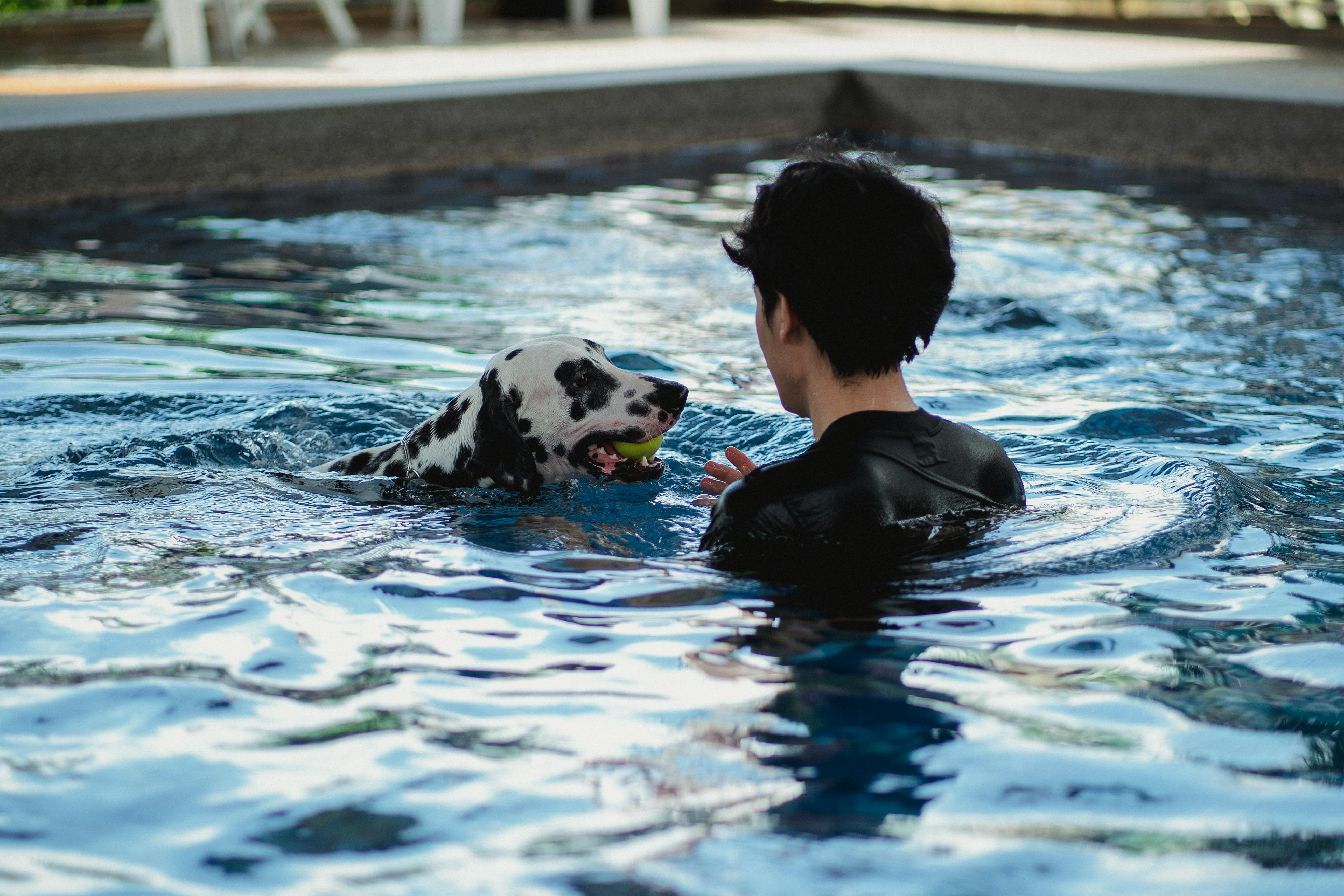
Dogs’ wet noses are one of the most endearing features of our furry friends, but have you ever wonder why they’re always so damp? It’s not just about cuteness; a dog’s nose can reveal a lot about their health. In this article, we’ll explore the surprising truth behind why dogs have wet noses and what those noses can tell us about our pets.
What Makes Dogs’ Noses Wet?
Dogs have wet noses due to several reasons, and it plays a crucial role in their health and well-being. First off, the moisture on a dog’s nose helps enhance their sense of smell. Dogs are known for their exceptional olfactory abilities, and the wetness traps scent particles better than a dry surface. This makes them excellent hunters and companions.
When a dog sniffs, the moisture on its nose also cools down the air before it goes into the lungs, which is important for their respiratory health. It’s like a natural air conditioning system. Plus, the wetness is also a product of their body temperature regulation.
Historical Context: Why Are Dog Noses Wet?
The evolution of dogs dates back thousands of years. Originally, their ancestors hunted for food and relied on their noses to track scents. Over time, those with wetter noses may have had an advantage in finding prey. This could explain why dogs today still retain this trait, as it aids their survival and functionality.
You might be thinking, “But what does it mean if my dog’s nose is dry?” Let’s break it down.
Understanding Nose Conditions
- Wet Nose: Often indicates hydration and good health.
- Dry Nose: Can be normal, but might also signal dehydration or illness.
- Cold Nose: Typically signifies a calm and healthy dog.
- Warm Nose: Could hint at fever or overheating.
Factors Affecting Your Dog’s Nose Moisture
Many factors can influence the moisture level of a dog’s nose. Here’s a quick list:
- Weather Conditions: Hot or dry weather can lead to a drier nose.
- Activity Levels: After exercise, noses may dry out.
- Health Issues: Allergies, infections, or illnesses can alter nose wetness.
- Age: Older dogs may experience changes in nose moisture.
Signs of Health Issues: What to Look For
If you notice changes in your dog’s nose, it might be wise to keep an eye on other symptoms. Here’s a handy list of signs that could indicate something is wrong:
- Loss of appetite
- Lethargy or unusual behavior
- Vomiting or diarrhea
- Excessive scratching or licking
- Coughing or sneezing
Comparing Nose Wetness in Different Breeds
Interestingly, different breeds may have different nose wetness patterns. For example:
- Scent Hounds (like Beagles): Often have very wet noses due to their keen sense of smell.
- Bulldogs: May have less moist noses, which can be normal for their breed.
- Terriers: Tend to have moderate nose moisture, adapting to their active lifestyle.
Fun Facts About Dogs’ Noses
Did you know that a dog’s nose print is as unique as a human fingerprint? Each dog has a distinct nose pattern that can be used for identification. Also, dogs possess up to 300 million smell receptors, compared to humans who have about 5 million. That’s why they can sniff out everything from drugs to diseases!
Practical Tips for Nose Care
To ensure your dog’s nose stays healthy, consider these simple tips:
- Hydration: Always provide fresh water to keep them hydrated.
- Diet: Feed a balanced diet rich in nutrients.
- Regular Vet Check-ups: Ensure your dog’s overall health is monitored.
- Watch for Changes: Be observant of any sudden changes in nose moisture.
Final Thoughts
Understanding your dog’s wet nose goes beyond mere curiosity. It’s a window into their health and well-being. By paying attention to these signs, you can ensure your furry friend remains happy and healthy. So next time you give your pup a scratch behind the ears, take a moment to appreciate that wet nose and all the information it holds about their health!
The Role of Canine Smell: How a Wet Nose Enhances Your Dog’s Senses
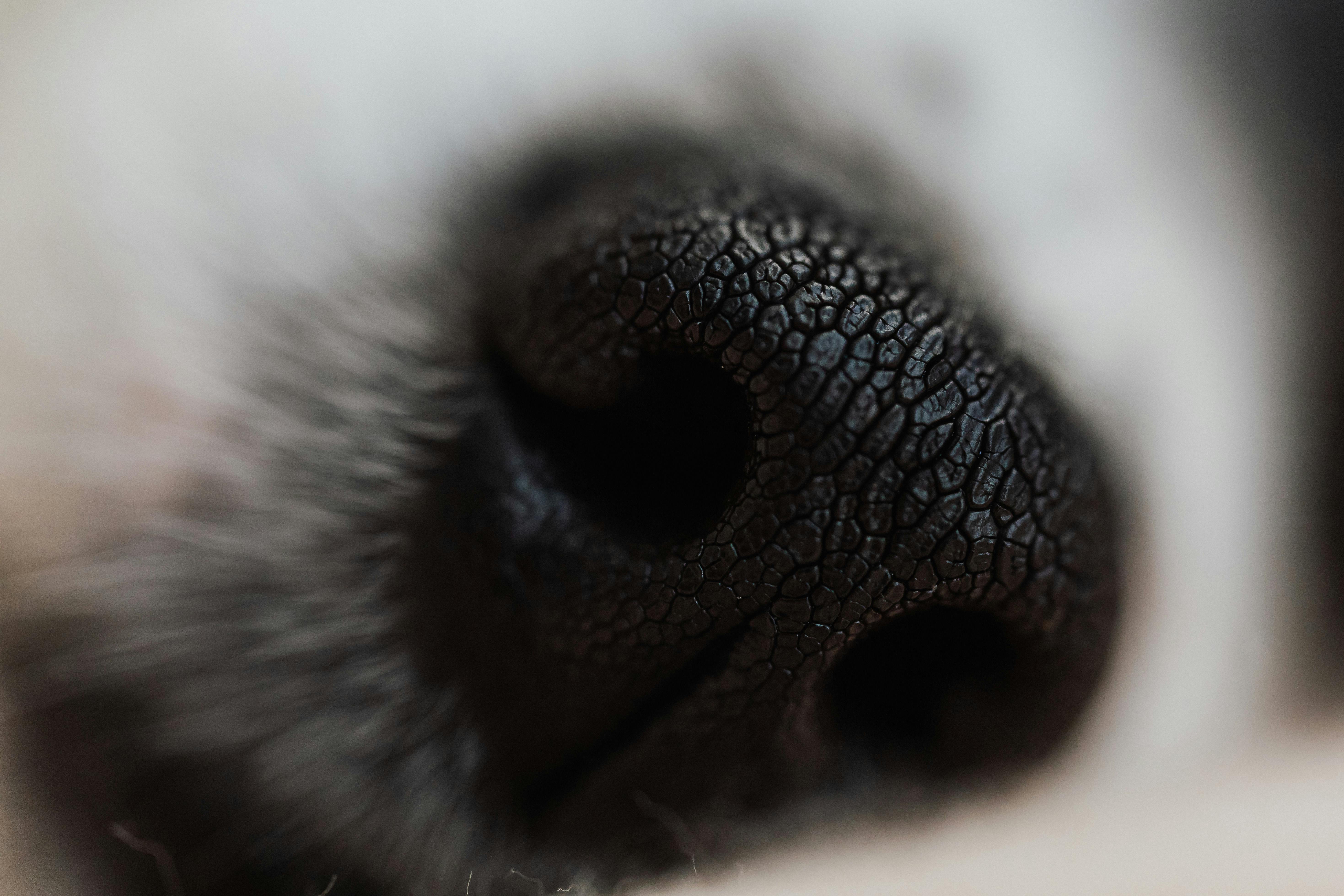
The ability of dogs to sniff out things is nothing short of remarkable. Their noses are not just cute; they serve a purpose that is critical in their everyday lives. Many people wonder, why do dogs have wet noses? Well, that moistness plays a vital role in enhancing their sense of smell. This article will dive deep into the fascinating world of canine olfaction and explore the science behind why dogs’ noses are always a bit damp.
The Anatomy of a Dog’s Nose
Dogs have a unique nose structure, which is vastly different than that of humans. Here are some intriguing facts about it:
- Olfactory Receptors: Dogs have approximately 300 million olfactory receptors in their noses compared to a human’s 5 million. This difference is what gives dogs their extraordinary sense of smell.
- Jacobsen’s Organ: Also known as the vomeronasal organ, this is an additional sensory organ that allows dogs to detect pheromones, which contributes to their social behaviors and instincts.
- Nasal Turbinates: The complex structure of the nasal cavity allows for increased surface area, which helps in trapping scents better.
Why Are Dog Noses Wet?
Now, let’s answer the burning question: why do dogs have wet noses? This moisture is not just for show; it actually serves several purposes:
- Enhanced Smell: A wet nose helps to capture scent particles more effectively. When the nose is moist, it can trap scents better, which leads to more accurate and detailed smelling.
- Thermoregulation: Dogs do not sweat like humans do. Instead, they rely on their noses to help regulate their body temperature. The moisture evaporates and cools their body down.
- Health Indicator: A healthy dog’s nose is usually moist and cool. If a dog’s nose is dry and warm, it might be a sign of illness or dehydration.
The Importance of Canine Smell
Dogs use their incredible sense of smell for various purposes, both in the wild and domesticated life. Here are a few ways how dogs utilize their olfactory abilities:
- Hunting: In nature, dogs rely on their nose to track prey. They can follow scent trails that are days old.
- Search and Rescue: Trained dogs can find lost persons or even detect natural disasters, thanks to their heightened sense of smell.
- Medical Detection: Dogs can be trained to sniff out diseases like cancer or diabetes by detecting changes in a person’s scent.
Fun Facts About Dog Smell
- Dogs can detect certain drugs and explosives at incredibly low concentrations, often in parts per trillion.
- Bloodhounds can track a scent that is over 300 hours old, making them extremely valuable in search operations.
- Some dogs can even smell fear, as emotional states can alter body odor.
Comparison: Dog Noses vs. Human Noses
Let’s break down the differences between canine and human noses:
| Feature | Dogs | Humans |
|---|---|---|
| Olfactory Receptors | ~300 million | ~5 million |
| Sense of Smell | 10,000 to 100,000 times better | Relatively less sensitive |
| Nose Moisture | Wet, enhances smell | Usually dry |
| Smelling Technique | Inhale and exhale separately | Inhale and exhale together |
Practical Implications of Dog’s Sense of Smell
Understanding your dog’s olfactory capabilities can be useful in many ways. Here are some practical examples:
- Training: Using treats that have strong scents can help in training your dog to follow commands or find hidden objects.
- Health Monitoring: Pay attention to the condition of your dog’s nose. A sudden change can indicate health issues.
- Safety: Be mindful of how your dog reacts to different smells. If they show anxiety or fear, it might be worth investigating what they are sensing.
Dogs are not just our companions; they are amazing creatures equipped with incredible senses that can enhance our lives in many ways. Their wet noses are a small but significant part of what makes them unique. So, the next time you pet your furry friend, you can appreciate that wet nose and all the wonders it brings to the world of canine senses. Remember, they are not just cute features; they are essential tools for survival and interaction in the environment.
Why Does Your Dog’s Nose Change? Understanding Wet and Dry Noses
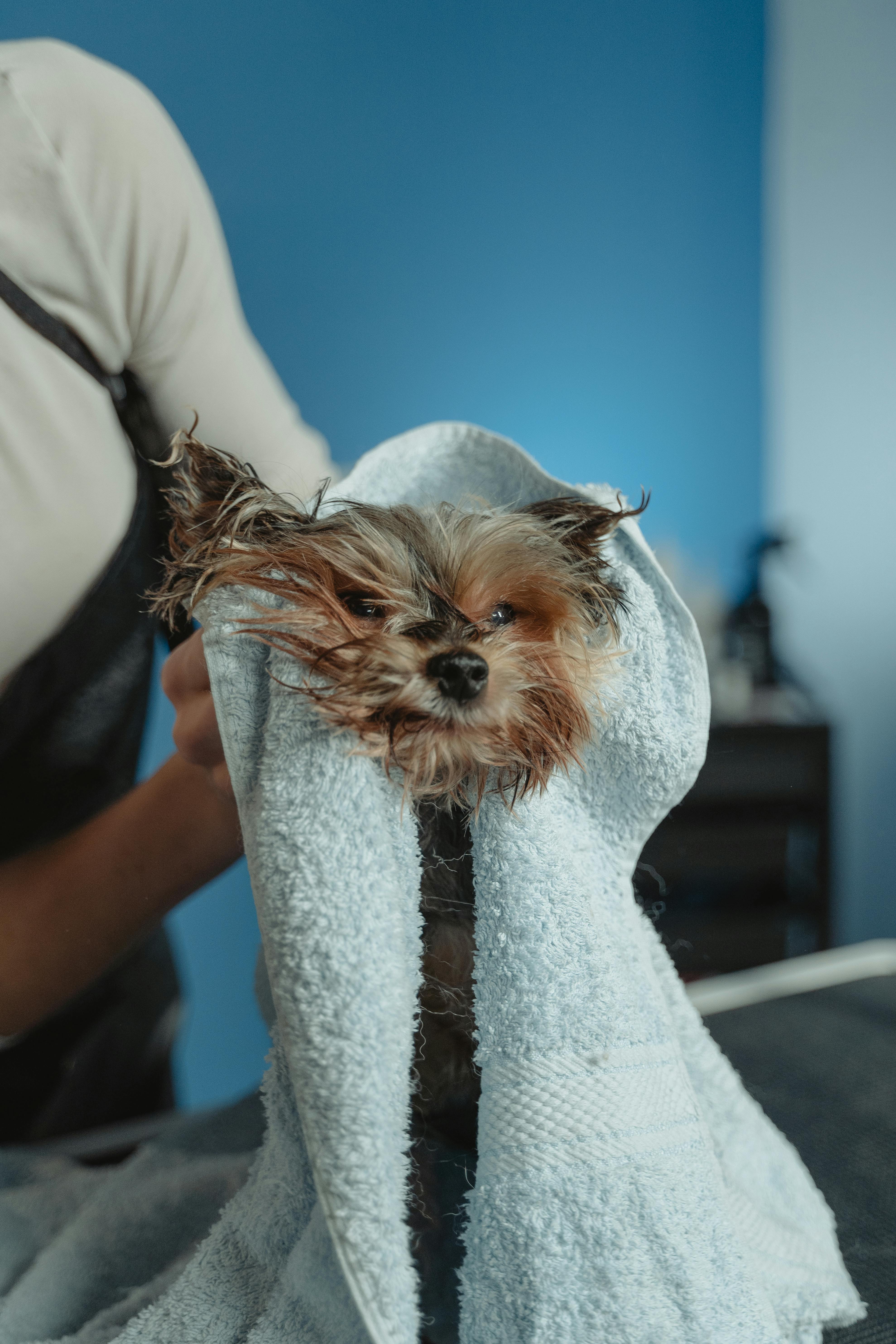
Have you ever looked at your dog and wondered why their nose sometimes feels wet and other times it’s dry? You’re not alone! Many dog owners have pondered this curious phenomenon. Understanding why does your dog’s nose change can lead you to insights not just about your furry friend’s health, but their behavior too. Let’s dive into the world of dog noses and discover the surprising truth behind those wet and dry noses.
The Basics of Dog Noses
Dogs have an incredible sense of smell, and their noses play a huge role in this. A dog’s nose is moist for several reasons, and a wet nose helps dogs to smell better. But what really causes this change between wet and dry? Here’s some fundamental info:
- Moisture: Dogs’ noses are typically moist due to a thin layer of mucus that helps to trap scent particles. When they sniff, it enhances their ability to detect smells.
- Temperature Regulation: Just like humans sweat to cool down, dogs can use their noses to help regulate body temperature too. A wet nose can indicate that your dog is trying to cool off.
- Health Indicator: A change in the moisture level of a dog’s nose can sometimes indicate health issues. For instance, a persistently dry nose might be a sign that your dog is dehydrated or sick.
Why Do Dogs Have Wet Noses?
So, why do dogs have wet noses? Let’s break it down:
- Scent Detection: A wet nose is more effective at capturing scent particles in the air. This is crucial for dogs as they rely heavily on their sense of smell for communication and exploration.
- Cooling Mechanism: Dogs don’t sweat like humans, but their noses help them stay cool. The moisture on their noses evaporates, similar to sweat, helping to lower their body temperature.
- Behavioral Signals: Dogs can also use their noses to express emotions. A wet nose can be a sign of excitement or happiness, while a dry nose might indicate stress or discomfort.
Changes in Nose Moisture
Dog noses change moisture levels due to various factors. Here’s a quick list of what might influence the wetness or dryness of your dog’s nose:
- Weather Conditions: Hot or dry weather can lead to a dry nose, while humid conditions can make it more moist.
- Health Issues: Conditions like allergies, infections, or even more severe issues can change the moisture of a dog’s nose.
- Dehydration: If your dog isn’t drinking enough water, their nose might become dry.
- Age: Older dogs may naturally have drier noses as they age.
What Should You Look Out For?
While a wet nose is generally considered a sign of a healthy dog, there are some things to keep an eye on. Here are some examples of when to consult a vet:
- Persistent Dryness: If your dog’s nose stays dry for extended periods and shows no signs of being sick, it might be something to discuss with a vet.
- Cracking: A dry nose that cracks may indicate dehydration or skin problems.
- Color Changes: If the nose changes color, especially if it becomes pale or develops sores, it’s a cause for concern.
- Other Symptoms: If your dog shows signs of lethargy, loss of appetite, or excessive panting, it could be a sign of illness.
The Surprising Truth About Dog Noses
There’s more to dog noses than meets the eye! Consider these surprising facts:
- Unique Patterns: Just like human fingerprints, each dog has a unique nose print that can be used for identification.
- Enhanced Smell: Dogs have up to 300 million smell receptors in their noses, compared to a human’s 5 million. This is why they are often used in search and rescue operations.
- Scent Memory: Dogs can remember scents for years, and they can associate smells with memories, much like humans do with sounds or images.
Final Thoughts
So, the next time you wonder why does your dog’s nose change from wet to dry, remember it’s a complex dance between health, environment, and their unique biology. Keeping an eye on your dog’s nose, along with their overall behavior, can be an important part of being a responsible pet owner. Whether it’s a joyful wet nose or a dry one needing attention, understanding these changes can help you ensure your furry friend stays happy and healthy. Dogs are not just pets; they are family, and knowing how they work makes you a better caretaker!
Can a Wet Nose Indicate Illness in Dogs? 3 Key Symptoms to Watch

If you ever noticed your dog’s nose feeling wet and wondered if it means something, you’re not alone. Many dog owners have questions about their furry friends, specially when it comes to health indicators. A wet nose is often seen as a sign of a healthy dog, but can it also indicate illness? Let’s dive into the surprising truth behind why do dogs have wet noses, what that means for their health, and the key symptoms you should be aware of.
Why Do Dogs Have Wet Noses?
Wet noses in dogs are commonly thought to be a sign of good health. But what’s the science behind it? Here are a few reasons why dogs have wet noses:
- Cooling Mechanism: Dogs don’t sweat like humans. Instead, they regulate their body temperature through panting and their noses. A wet nose can help keep them cool.
- Sense of Smell: The moisture on a dog’s nose helps absorb scent particles from the air, enhancing their sense of smell. This is why you might notice your dog sniffing around more when their nose is wet.
- Health Indicator: A wet nose is often associated with a healthy dog, but it can also change based on various factors like the environment, activity level, and health status.
Can a Wet Nose Indicate Illness?
While a wet nose is often a sign of health, it doesn’t always mean your dog is well. There are several conditions that might cause an abnormal change in your dog’s nose. Here’s what to watch for:
- Dry Nose: If your dog’s nose is unusually dry and cracked, it could indicate dehydration or fever.
- Excessive Moisture: An overly wet nose, combined with other symptoms, could signal a respiratory infection or allergies.
- Discoloration: If the color of your dog’s nose changes significantly, it might be a sign of underlying health problems like autoimmune diseases.
3 Key Symptoms to Watch
Besides the change in wetness, there are other symptoms that you should keep an eye on which may indicate your dog is ill:
- Loss of Appetite: If your dog isn’t eating, it’s a strong indicator something is wrong. Dogs can be picky, but consistent refusal to eat is often a red flag.
- Lethargy: If your normally energetic dog is suddenly sleeping more or lacks energy, it may be a sign of illness.
- Vomiting or Diarrhea: These symptoms can indicate a variety of issues, ranging from dietary indiscretion to more serious conditions.
When to Consult a Veterinarian
If you notice any combination of the symptoms mentioned above, it’s important to consult a veterinarian. Here’s a simple checklist to help you decide:
- Is the wetness of the nose unusual?
- Are there any changes in appetite or drinking habits?
- Is there any other abnormal behavior, like excessive barking or hiding?
Conclusion
Understanding your dog’s health can be puzzling at times, but knowing why do dogs have wet noses and what changes to look for can empower you as a pet owner. A wet nose is generally a good sign, but it’s crucial to monitor your dog for other symptoms that may indicate illness. Keeping track of these factors can help ensure your dog remains happy and healthy. Always trust your instincts, and if something feels off, don’t hesitate to contact your veterinarian. Your furry friend depends on you to keep them safe and healthy!
Keeping Your Dog’s Nose Healthy: Tips for Optimal Moisture Levels
Keeping Your Dog’s Nose Healthy: Tips for Optimal Moisture Levels, Why Do Dogs Have Wet Noses? Discover The Surprising Truth!
Have you ever wondered why dogs have wet noses? It’s a question that many pet owners ask, and the answer might surprise you. Dogs noses are not just cute; they serve very important functions that contributes to their well-being. Keeping your dog’s nose healthy is essential, and understanding why it gets wet is part of that. Let’s dive into the science and tips for maintaining optimal moisture levels for your furry friend’s snout.
The Science Behind Wet Noses
A dog’s nose is often wet, and there’s a good reason for it. The moisture serves multiple purposes. First, it helps dogs to smell better. Dogs have an incredible sense of smell, and a moist nose enhances their ability to pick up scents. When the nose is wet, it can absorb more scent molecules. This is why you often see dogs sniffing around!
Also, the moisture on a dog’s nose helps to regulate their body temperature. Dogs mostly cool off through panting, but a wet nose contributes to heat dissipation as well.
So, why do dogs have wet noses? Here are some key points:
- Enhanced Smell: Moisture captures scent particles.
- Temperature Regulation: Aids in cooling down the body.
- Health Indicator: Changes in moisture can indicate health issues.
Keeping Your Dog’s Nose Healthy
Maintaining your dog’s nose in good condition is crucial. Here are some tips on how to ensure optimal moisture levels:
Hydration Is Key: Always provide fresh water. Dogs need to stay hydrated, especially in warmer months.
Humid Environment: Use a humidifier, especially in dry winter months. It helps to keep the air moist, which in turn keeps your dog’s nose moist.
Regular Check-ups: Regular vet visits can help to identify any potential health issues that might be affecting your dog’s nose.
Avoid Irritants: Keep your dog away from smoke, harsh chemicals, and other irritants that can dry out their nose.
Natural Remedies: Use natural balms or oils that are safe for dogs. Coconut oil can be a great option to keep their nose hydrated.
Common Nose Issues in Dogs
Sometimes, there can be issues with your dog’s nose. Here’s a list of common problems and what they might mean:
- Dry Nose: Can be a sign of dehydration or illness. Keep an eye on your dog’s water intake.
- Cracked Nose: Could indicate allergies or skin conditions. If it persists, consult your vet.
- Discolored Nose: Changes in color may suggest a health issue. Always best to get it checked out.
Fun Facts About Dog Noses
Here are some interesting tidbits about dog noses that you might not know!
- Unique Patterns: Just like human fingerprints, every dog has a unique nose print.
- Temperature Detection: Dogs can detect changes in temperature and are able to sense heat signatures.
- Scent Memory: Dogs can remember scents for years, which is why they might get excited when they smell something familiar.
Comparing Dog Noses with Other Animals
It’s interesting to compare dog noses with those of other animals. Here’s a quick look:
| Animal | Nose Characteristics | Smell Capability |
|---|---|---|
| Dogs | Wet, cool, enhances scent detection | 10,000 to 100,000 times better than humans |
| Cats | Dry, often warm, sensitive to certain scents | About 5 times better than humans |
| Elephants | Long trunk, very sensitive, able to detect water | Excellent for tracking scents |
Practical Examples of Nose Care
- Regular Wipes: Use a soft cloth to gently wipe your dog’s nose if it gets too dry or dirty.
- Diet Matters: High-quality food can improve overall health, including the condition of the nose.
- Monitor Changes: Keep an eye on any sudden changes in your dog’s nose. Early detection is key.
Understanding why dogs have wet noses and how to keep them healthy is essential for every dog owner. It is not just about looks; it affects their overall health and well-being. Ensuring your dog’s nose stays moist and healthy can lead to a happier and more active pet. Regular vet visits, proper hydration, and a little bit of care can go a long way in maintaining optimal moisture levels for your furry friend. So, next time you see your dog’s adorable, wet nose, you’ll know just how important it is!
The Evolution of Dogs’ Wet Noses: A Look into Canine Ancestry
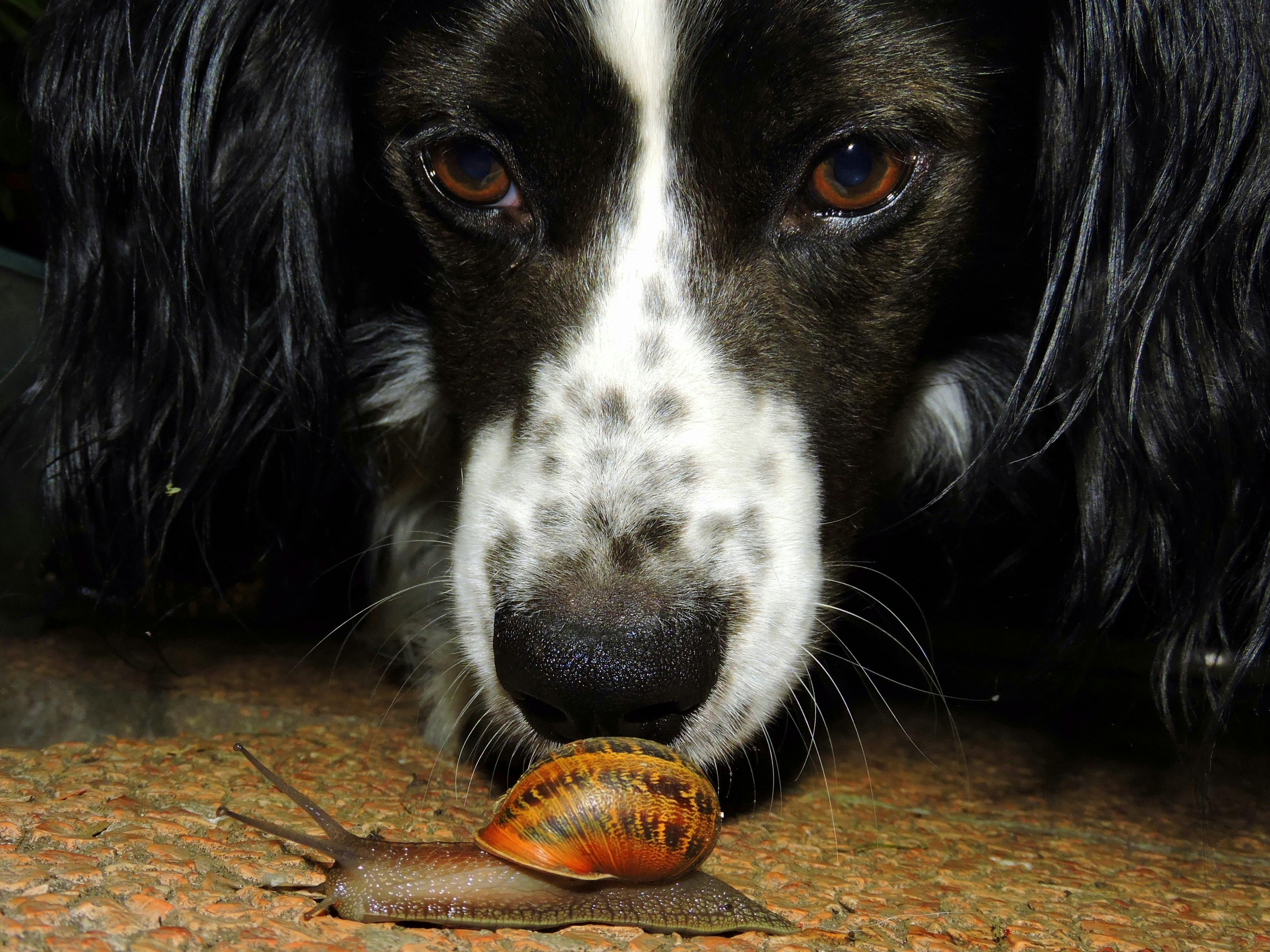
Dogs are one of the most beloved pets around the world, and they come with their own peculiar traits. One of the most interesting features of dogs is their wet noses. Ever wondered why do dogs have wet noses? This question takes us on a journey through canine ancestry and evolution, revealing surprising truths about our furry companions.
The Historical Context of Canine Noses
Dogs are descendants of wolves, and their ancestry tells us a lot about their traits. Wolves, the ancestors of dogs, had wet noses as well. The wetness of a dog’s nose is thought to be an evolutionary trait that has been passed down through generations. It helps them in various ways. In the wild, a wet nose might help wolves and their descendants to track scents better, improving their hunting skills.
- Ancestral Connection:
- Wolves have wet noses.
- Canine evolution links back to these animals.
- Wet noses aid in scent detection.
Why Do Dogs Have Wet Noses? The Science Behind It
There are several reasons that explain why dogs have those cool, moist noses. Their noses are not just a cute feature; they serve specific purposes. Here’s a closer look at the science:
Scent Detection:
- Dogs have a remarkable sense of smell. A dog’s nose contains around 220 million scent receptors, compared to a human’s 5 million. This makes their noses wet for a reason. The moisture helps to absorb scent particles, allowing dogs to detect smells more effectively.
Temperature Regulation:
- Dogs do not sweat like humans do; they primarily cool off through panting. A wet nose helps regulate their body temperature by evaporating moisture, similar to how sweating works for humans.
Health Indicator:
- The condition of a dog’s nose can indicate its health. A healthy dog usually has a moist and cool nose, while a dry or cracked nose could suggest dehydration or illness.
Fun Facts About Dog Noses
Here are some intriguing tidbits about dog noses that you might not know:
- Unique Patterns: Just like human fingerprints, every dog has a unique nose print.
- Color Differences: The color of a dog’s nose can vary based on breed and genetics. Black noses are common, but some breeds, like the Dalmatian, may have spotted noses.
- Nose Shape: Different breeds have different nose shapes, affecting their scenting abilities. For instance, Bloodhounds have long, droopy noses that help them trap scent particles.
Comparison of Dog Breeds and Their Noses
Not all dog noses are created equal. Different breeds exhibit various characteristics:
Short-Nosed Breeds (like Bulldogs and Pugs)
- Tend to have a less effective sense of smell.
- Often face breathing issues due to their nose shape.
Long-Nosed Breeds (like Greyhounds)
- Have a heightened sense of smell.
- Generally better at scent detection and tracking.
Wet-Nosed Breeds (like Labrador Retrievers)
- Known for their friendly demeanor and strong sense of smell.
- Their wet noses are often associated with their playful nature.
The Role of Wet Noses in Communication
Dogs also use their noses for communication. When dogs greet each other, they often sniff each other’s noses. This behavior is a form of social interaction, similar to how humans shake hands. The wetness of the nose facilitates this interaction, providing a wealth of information about another dog’s health, mood, and even diet.
The Surprising Truth About Dog Noses
Many people think a dog’s wet nose is simply a sign of health, but there’s much more to it. A wet nose can indicate a dog’s emotional state. For instance, a nervous dog might have a wetter nose due to increased moisture production, while a relaxed dog might have a normal wetness.
Practical Tips for Dog Owners
As dog owners, it’s essential to pay attention to your dog’s nose. Here are some practical tips:
- Regular Checks: Monitor your dog’s nose for signs of dryness or cracking.
- Hydration: Ensure your dog has access to fresh water, especially in hot weather.
- Vet Visits: If you notice changes in your dog’s nose, it might be a good idea to consult a vet.
Understanding why do dogs have wet noses not only helps us appreciate our pets more but also strengthens our bond with them. Wet noses play a significant role in everything from communication to health indicators. By knowing this, we can ensure our furry friends lead happy, healthy lives.
How to Interpret Your Dog’s Nose: Wet, Dry, and Everything in Between!
Ever wondered why your dog’s nose is wet? Or maybe you noticed it feel dry sometimes? It’s really interesting how much you can learn from these little details. Dogs noses can tell you a lot about their health and mood. Let’s dig into the wet, dry, and everything in between about your furry friend’s nose!
The Science Behind a Dog’s Wet Nose
A wet nose is more than just an adorable feature. It actually plays a crucial role in how dogs sense the world around them. The moisture on their nose helps them smell better. Dogs have an incredible sense of smell, and a wet nose helps enhance that by trapping scent particles. Here’s some facts:
- Enhanced Scent Detection: The moisture on their nose works as a magnet for odors.
- Cooling Mechanism: Dogs don’t sweat like humans. A wet nose helps them regulate their body temperature.
- Health Indicator: Changes in the moisture level can indicate health issues.
Why Do Dogs Have Wet Noses?
So, why do dogs have wet noses? It’s not just because they just love to sniff everything. It relates to their biology and behavior. Some surprising truths include:
- Evolutionary Advantage: An ancestor of dogs had wet noses too, which helped them survive by tracking prey.
- Thermoregulation: Dogs don’t have sweat glands like humans, so their wet noses helps keep them cool.
- Communication Tool: Dogs use their noses to gather information about their environment, which is part of how they communicate with each other.
What Affects Nose Moisture?
If you’ve ever noticed your dog’s nose being dry, you might wonder if there’s something wrong. Here’s a look at factors that can influence the moisture levels:
- Environmental Conditions: Hot and dry weather can cause a dog’s nose to dry out.
- Health Issues: Conditions like allergies, infections, or even autoimmune disorders can lead to a dry nose.
- Age: Older dogs might have drier noses compared to younger pups.
Wet Nose vs. Dry Nose: What Does It Mean?
Understanding the differences between a wet and dry nose can be crucial for dog owners. Here’s a handy comparison list:
| Nose Condition | Possible Meaning |
|---|---|
| Wet Nose | Healthy, hydrated, and happy dog. |
| Dry Nose | Could indicate dehydration, illness, or stress. |
| Warm Nose | May suggest a fever or infection. |
| Cracked Nose | Can be a sign of allergies or environmental issues. |
How to Care for Your Dog’s Nose
Keeping your dog’s nose healthy is really important. Here’s how you can do it:
- Regular Check-ups: Always take your dog for vet visits. They can check your dog’s nose along with other health aspects.
- Hydration: Make sure your dog drinks enough water, particularly in hot weather.
- Moisturize: If your dog’s nose seems excessively dry, consult your vet about safe moisturizers.
- Watch for Changes: Pay attention to any changes in your dog’s nose. Fluctuations in moisture or color could signal health issues.
When to Be Concerned
Not every dry nose means there’s a serious problem, but some signs should raise a red flag. Here are some conditions that require immediate attention:
- Persistent dryness that doesn’t improve with hydration.
- Cracking or bleeding of the nose.
- Changes in color, such as darkened areas or excessive paleness.
- Accompanied by lethargy, lack of appetite, or vomiting.
Fun Facts About Dog Noses
Dog noses are indeed fascinating! Here are some quirky facts that might surprise you:
- Unique Prints: Just like human fingerprints, no two dog noses are alike.
- Scent Sensitivity: Dogs can smell about 10,000 to 100,000 times better than humans.
- Nose Temperature: The temperature of a dog’s nose can change depending on their health.
Understanding your dog’s nose can create a better bond between you and your furry companion. It’s not just about petting and feeding; it’s about being aware of their health and well-being. So the next time you give your dog a scratch behind the ears, take a moment to check out that nose too. It tells a story of its own, full of surprises and insights into your beloved pet’s life!
Conclusion
In conclusion, the wet noses of dogs serve several important purposes that contribute to their overall health and well-being. The moisture on their noses enhances their sense of smell, allowing them to detect scents more effectively, which is vital for their survival and interaction with the environment. Additionally, a wet nose helps regulate their body temperature through evaporation, much like sweating in humans. The unique composition of canine nasal mucus also plays a role in trapping scent particles, further amplifying their olfactory capabilities. As pet owners, understanding these fascinating aspects of our furry friends can deepen our appreciation for their biology. So, the next time you greet your dog and feel that cool, wet nose against your skin, remember that it’s not just a sign of affection but also a testament to their incredible sensory abilities. Embrace the science behind your dog’s nose and share this knowledge with fellow dog lovers!
