
Have you ever wondered, why do dogs have wet noses? This intriguing question has puzzled pet owners and animal lovers alike. A dog’s nose is not just cute; it serves as a powerful tool for their survival! In this blog post, we will explore the fascinating truth behind those damp snouts. But what makes a dog’s nose so special? Is it merely an anatomical feature, or does it hold deeper secrets? Wet noses in dogs are believed to play a significant role in their sense of smell, enhancing their ability to detect scents. This unique characteristic can even indicate a dog’s health status. Curious yet? As we dive deeper, you’ll discover the science behind the moisture, the connection to their environment, and how it influences their behavior. So, if you’ve been asking yourself, “What’s up with my dog’s wet nose?” you’re not alone. Stay tuned to uncover the intriguing reasons why your furry friend’s nose is always a little damp! Let’s embark on this journey to learn more about the wonders of canine anatomy and behavior that will leave you amazed!
The Science Behind Wet Noses: How Canine Physiology Enhances Their Sense of Smell
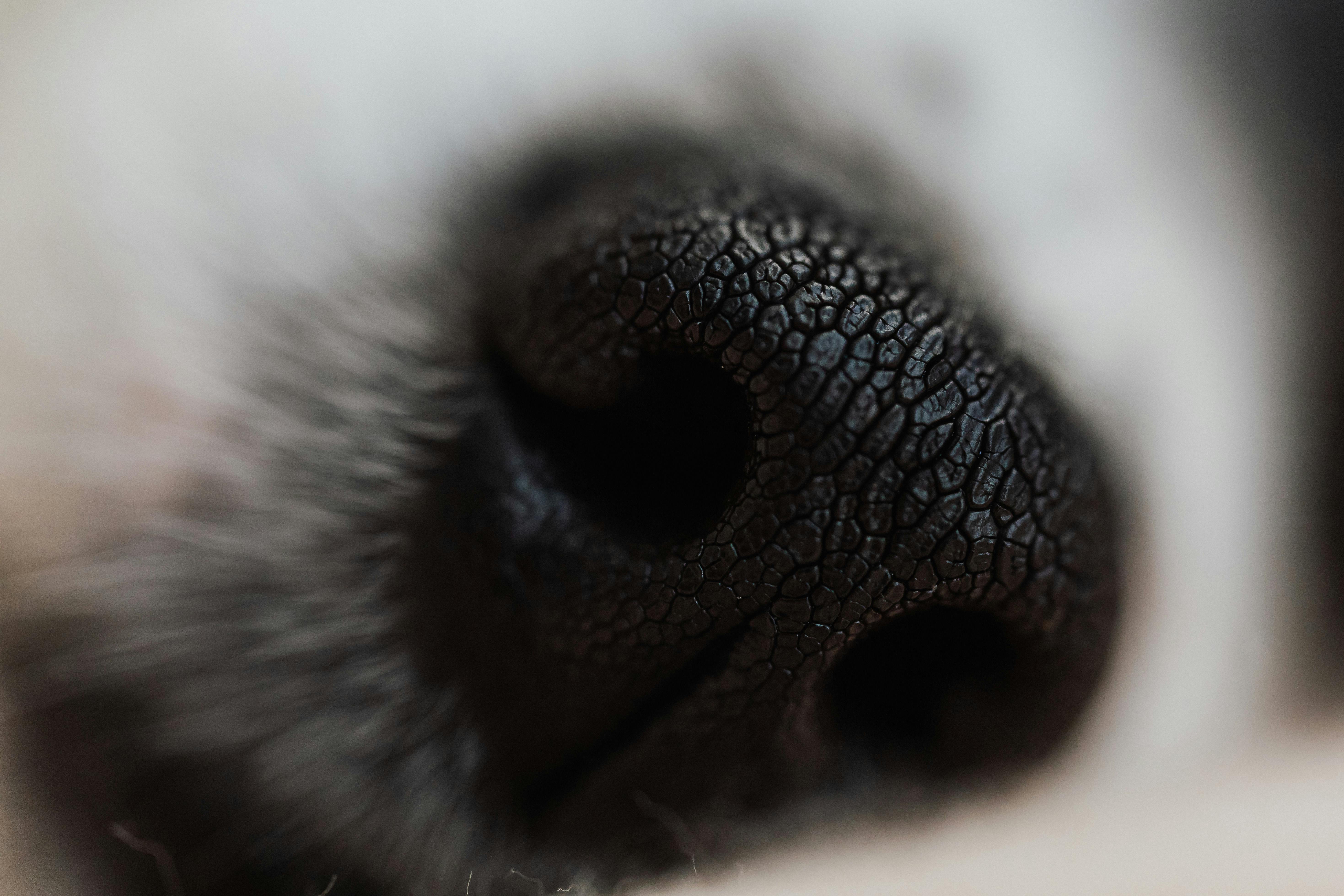
Dogs are some of the most beloved pets around the globe, and one of their most endearing features is their wet noses. But what makes these noses so unique? The science behind wet noses is deeply rooted in canine physiology, and it reveals how these furry friends have evolved to enhance their sense of smell. So, why do dogs have wet noses? Let’s dive into the fascinating truth behind this charming characteristic.
The Physiology of a Dog’s Nose
First off, a dog’s nose isn’t just for show; it’s a highly sophisticated organ. Dogs have around 220 million scent receptors in their noses, compared to a human’s mere 5 million. This means they can detect smells at incredibly low concentrations. But wet noses play a crucial role in enhancing this already impressive capability.
- Moisture and Scent Detection: The moisture on a dog’s nose helps to capture scent particles from the air. When a dog sniffs, the wet surface of their nose collects these particles, making it easier for them to identify different smells.
- Chemical Reception: The wetness of the nose also helps to dissolve odor molecules. This is important because dogs have a special organ called the Jacobsen’s organ that helps them analyze these dissolved chemicals, further enhancing their ability to smell.
Evolutionary Advantage of Wet Noses
Historically, dogs have been bred for various tasks, many of which require a keen sense of smell. From hunting to search and rescue, a wet nose has given dogs an edge in detecting scents that humans can’t even fathom. Here are some interesting points:
- Hunting: In the wild, dogs with wet noses could track prey more effectively, securing food for themselves and their pack.
- Search and Rescue: Modern-day dogs are used in search and rescue missions because their wet noses allow them to pick up scents even in challenging conditions.
Why Do Dogs Have Wet Noses?
There’s a mix of biology and behavior behind why dogs’ noses are wet. Here are a few key reasons:
Temperature Regulation: Dogs don’t sweat like humans. Their noses help them cool down and regulate their body temperature. When a dog pants, moisture evaporates from their nose, which cools them off.
Health Indicator: A dog’s nose can also be an indicator of their health. While a wet nose is generally a sign of a healthy dog, an excessively dry or cracked nose could suggest health issues or dehydration.
Social Interaction: Dogs often engage in scent marking, and a wet nose helps them leave their scent on objects. This is an important part of how they communicate with each other in the canine world.
Fun Facts About Dog Noses
- Unique Patterns: Just like human fingerprints, each dog has a unique pattern of ridges and creases on their nose.
- Color Variation: The color of a dog’s nose can change based on their breed, but it doesn’t affect their sense of smell.
- Nose Work Training: Many dog owners are now engaging their pets in nose work activities, teaching them to find hidden items based on scent.
Comparison of Dog and Human Smell Abilities
| Feature | Dogs | Humans |
|---|---|---|
| Scent Receptors | 220 million | 5 million |
| Primary Use | Tracking, hunting | Basic smell recognition |
| Nose Moisture | Wet for scent absorption | Dry, less effective |
The Importance of Keeping a Dog’s Nose Healthy
To help maintain their excellent sense of smell, it’s crucial to care for your dog’s nose. Here are some tips:
- Hydration: Ensure your dog drinks plenty of water to keep their nose moist.
- Humidity: In dry environments, consider using a humidifier to prevent their nose from cracking.
- Regular Vet Checks: Periodic check-ups can help catch any potential issues early.
In conclusion, the wet nose of a dog is more than just an adorable feature; it’s a complex, functional part of their anatomy that aids in their incredible sense of smell. Understanding this fascinating aspect of canine physiology not only deepens our appreciation for these loyal companions but also highlights the importance of caring for their health. Whether they’re sniffing out a hidden treat or exploring the great outdoors, their wet noses are an essential tool that enhances their experience of the world.
7 Surprising Reasons Why Your Dog’s Nose is Always Wet: Beyond the Myths
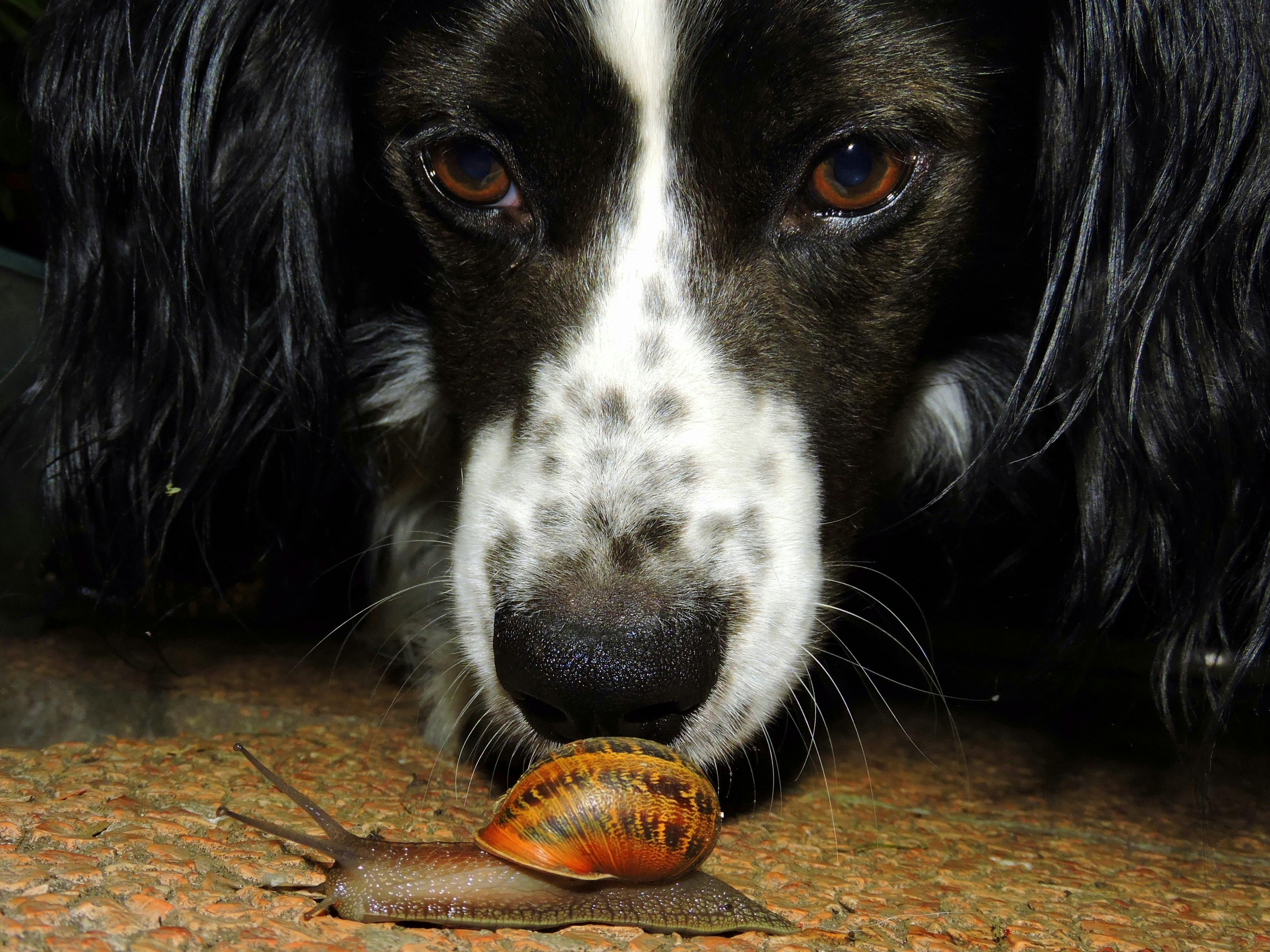
Have you ever wondered why your dog’s nose is always wet? It’s a common question among pet owners, and there are many myths surrounding this topic. Some people think that a wet nose means a dog is healthy, while others believe it’s just a sign of their playful nature. But what’s the real reason behind those moist snouts? Here are 7 surprising reasons why your dog’s nose is always wet, and it goes way beyond the myths.
1. Natural Cooling Mechanism
Dogs can’t sweat like humans do. Instead, they use their noses to help regulate their body temperature. When the dog licks its nose, moisture evaporates and cools the skin. This is especially important during warm weather, when dogs can easily overheat. So, a wet nose might be your furry friend’s way of staying cool!
2. Smelling Enhanced
A wet nose helps dogs to smell better. The moisture on their noses traps scent particles in the air, which then gets absorbed by their olfactory receptors. This means when your dog has a wet nose, it’s actually enhancing its ability to sniff out all sorts of interesting smells. It’s like a built-in superpower for finding treats or tracking scents!
3. Hydration Indicator
Some people think dogs’ noses are always wet just because they are drinking water. But actually, the moisture is also a sign of hydration. A dog with a dry nose might not be getting enough water or could be feeling unwell. So, keep an eye on that wetness — it could be an indicator of their overall health!
4. Environmental Factors
Humidity and weather play a big role in how wet a dog’s nose gets. For example, dogs that live in humid areas might have consistently wet noses, while those in dry climates may have drier noses. Rain or snow can also make a dog’s nose wet since they naturally explore their environment with their snouts.
5. Licking Habit
Dogs often lick their noses, and this is a behavior that’s both instinctual and playful. When they lick their noses, it keeps them moist and also serves as a way to explore their surroundings. Just think about it! When your dog sees something interesting, it often gives its nose a quick lick to gather more information about it.
6. Health Conditions
While a wet nose can indicate good health, it can also be a sign of certain health issues. For instance, excessive moisture may be a sign of allergies or infections. If you notice that your dog’s nose is unusually wet and it’s accompanied by other symptoms like lethargy or loss of appetite, consult your veterinarian. They can help determine if there’s an underlying health issue.
7. Breed Differences
Some dog breeds are more likely to have wet noses than others. Breeds like Labrador Retrievers and Beagles tend to have moister noses due to their genetic makeup and lifestyle. On the other hand, breeds with shorter snouts, like Bulldogs, might have drier noses. Each breed has its characteristics, and nose wetness is just one of them!
Quick Facts About Dog Noses
- A dog’s sense of smell is 10,000 to 100,000 times more sensitive than humans.
- Dogs have approximately 300 million smell receptors in their noses compared to about 5 million in humans.
- A wet nose can help detect certain medical conditions in dogs, like fever or dehydration.
Comparing Dog Nose Wetness
| Wet Nose | Dry Nose |
|---|---|
| Cooler body temp | May indicate heat or dehydration |
| Better smelling | Could signal health issues |
| Common in humid areas | More common in dry climates |
Understanding why your dog has a wet nose can give you deeper insight into their health and well-being. Next time you give your furry friend a pat on the head, take a moment to appreciate that wet nose and all the fascinating reasons behind it. It’s more than just a cute feature — it’s a complex part of your dog’s biology and behavior!
The Fascinating Role of Dog Noses in Communication: What Their Moisture Says About Them
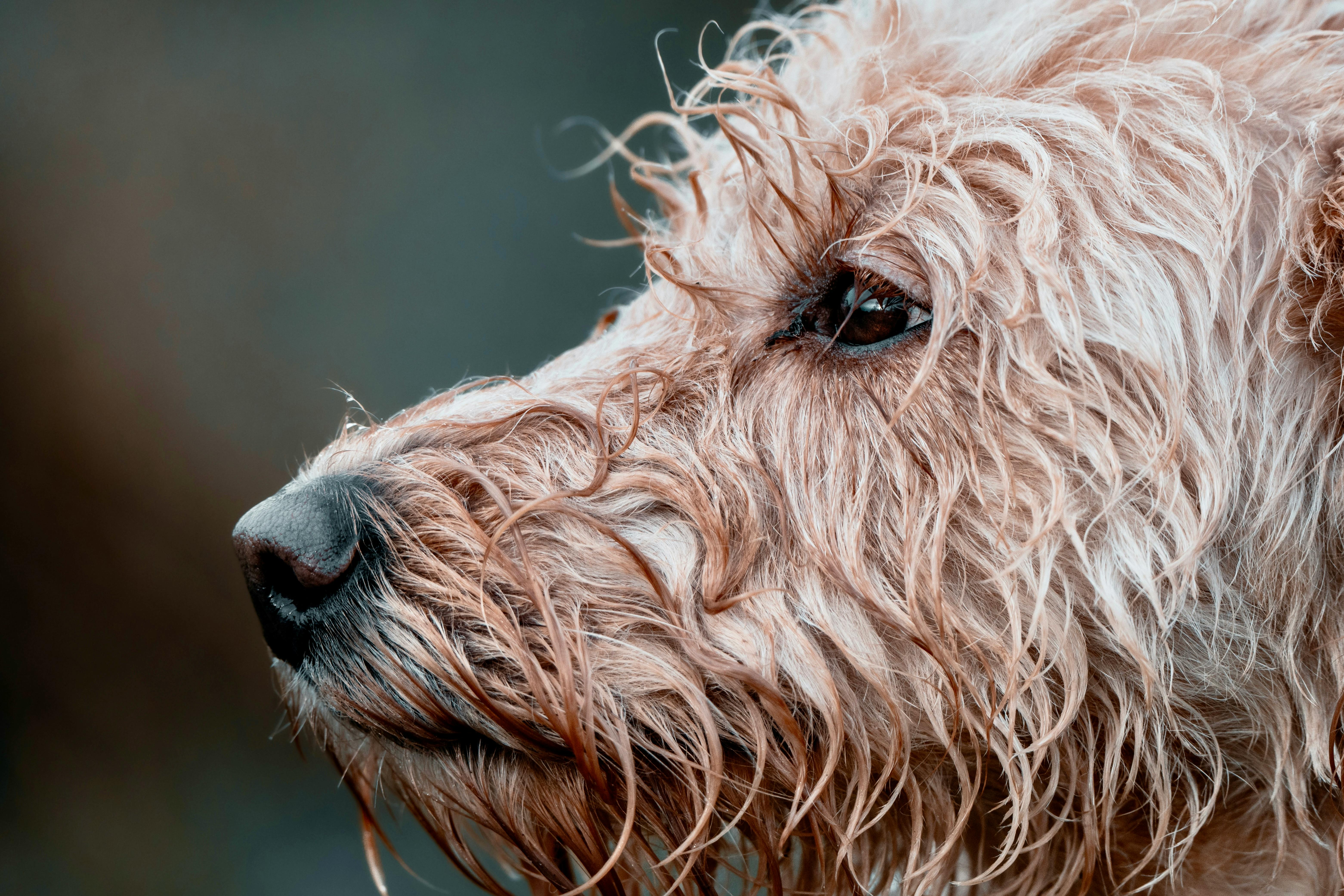
Have you ever noticed how your dog’s nose feels wet? It’s like a little sponge of moisture that can sometimes surprise you. Many people wonder why do dogs have wet noses. The truth is, there’s a fascinating science behind it! Dog noses are not just cute; they play a significant role in how dogs communicate and understand the world around them. Let’s dive into the reasons behind those moist noses and what they can tell us about our furry friends.
The Anatomy of a Dog’s Nose
Dog noses are unique, not only in their shape but also in their structure. They contain a complex network of cells that are designed for smelling. The wetness of a dog’s nose actually helps to enhance their sense of smell. Here are some interesting facts about their noses:
- Moisture helps capture scent particles: A wet nose can trap more scent molecules, allowing dogs to smell better. This is why you often see dogs sniffing around; they are gathering as much information as they can.
- Temperature regulation: Dogs don’t sweat like humans do. Their noses also serve as a way to cool down. Moisture evaporating from the nose can help to regulate their body temperature.
- Communication tool: Dogs communicate through scent. A wet nose can convey a lot of information about a dog’s emotional state or health condition.
Why Are Dog Noses Wet?
There are several reasons why dogs have wet noses. It’s not just for show—there’s a biological purpose behind it.
Scent Detection: As mentioned, a wet nose helps dogs to detect scents more efficiently. It’s like having a built-in tool to understand their environment.
Health Indicator: The moisture levels of a dog’s nose can be an indicator of their health. A dry nose can suggest dehydration, fever, or illness, while a wet nose usually signifies hydration and good health.
Social Interaction: Dogs often use their noses to greet each other. They sniff each other’s noses and behinds as a way of gathering information. A wet nose is often associated with a friendly greeting.
Emotional Barometer: Dogs can express their feelings through their noses. A dog that is excited or happy often has a wetter nose, while a stressed or anxious dog might have a drier nose.
Historical Context of Dog Noses
Dogs have been our companions for thousands of years. Historically, they were bred for specific purposes, and their noses played an important role in those functions.
- Hunting: Many breeds were developed for hunting. Their keen sense of smell helped hunters track game. Wet noses helped them in this endeavor.
- Herding: Herding dogs used their noses to communicate with their flock, often guiding them to safety.
- Rescue Work: Nowadays, dogs are often used in rescue operations. Their moist noses help them locate missing persons by detecting scents in various environments.
The Science Behind the Moisture
Have you ever wondered what makes a dog’s nose wet? The moisture comes from mucus glands located in their noses. This mucus plays a couple of roles:
- Hydration of Scent Cells: The moisture keeps the scent receptors in the nose hydrated, which is crucial for their sense of smell.
- Evaporation: When a dog breathes in, the moisture on their nose evaporates, which helps to cool their body temperature.
Fun Facts About Dog Noses
- A dog’s sense of smell is about 40 times better than a human’s.
- The surface of a dog’s nose has a unique pattern, much like a human fingerprint.
- Dogs’ noses can differentiate between various scents, allowing them to identify specific people or objects.
Comparing Dog Noses to Human Noses
| Feature | Dog Nose | Human Nose |
|---|---|---|
| Sense of Smell | 40 times better | Limited to basic scents |
| Moisture | Always moist | Can be dry or wet |
| Communication | Uses scent to communicate | Primarily verbal communication |
| Temperature Regulation | Helps cool body | Less effective |
Understanding why do dogs have wet noses can enhance the way we care for and communicate with our pets. It’s a remarkable trait that not only aids their survival but also deepens our bond with them. Next time you give your dog a pat and feel that soft, moist nose, remember all the fascinating functions it serves! Dogs are truly extraordinary creatures, and their noses are just one of the many reasons we love them.
Do Wet Noses Mean a Healthy Dog? Understanding the Link Between Nose Moisture and Canine Health
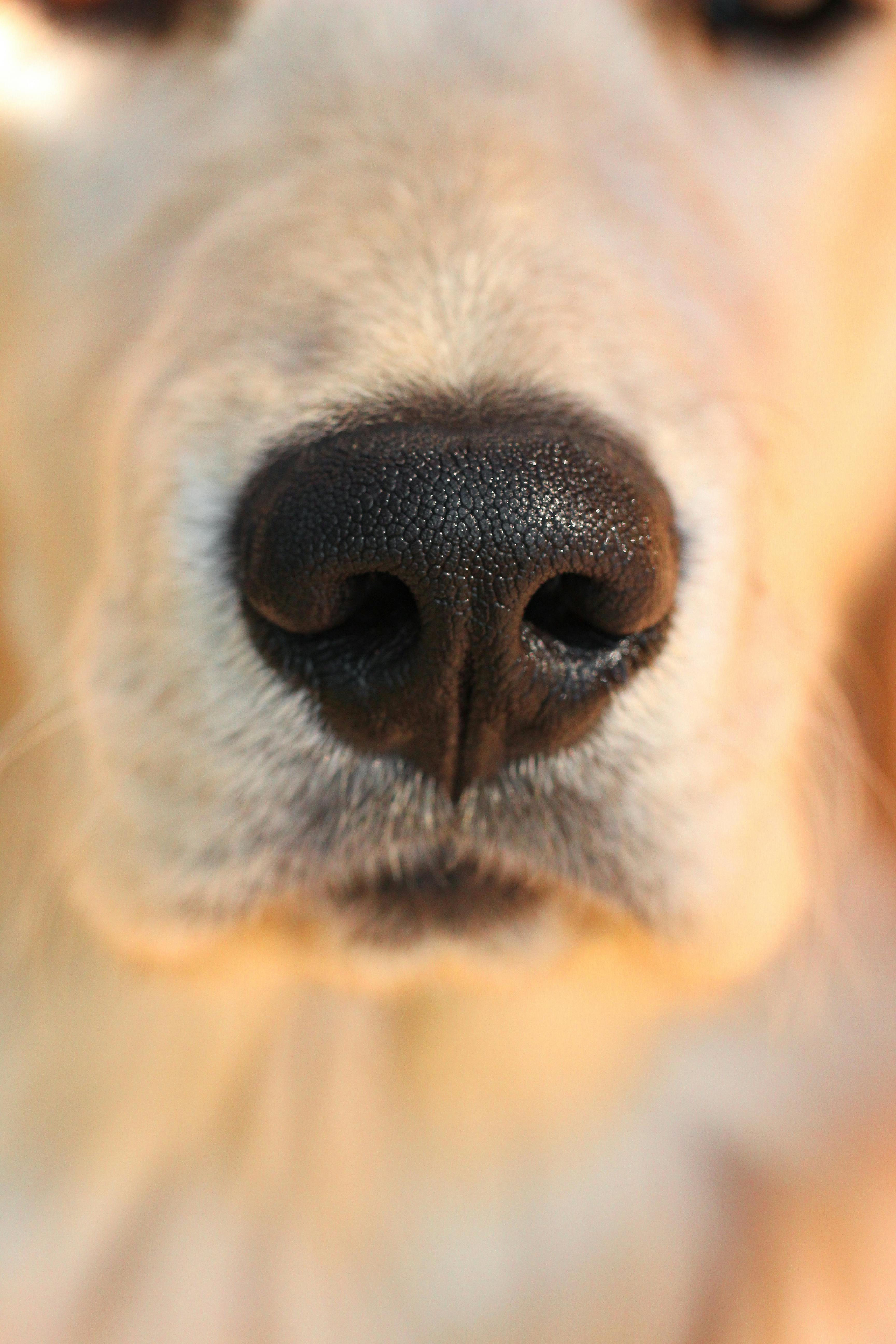
When you have a dog, one of the first things you probably notice is their nose. It’s often wet, cold, and sometimes even a bit slimy. Many dog owners wonders, “Do wet noses mean a healthy dog?” While it might seem like a simple question, the relationship between nose moisture and canine health is actually quite fascinating. Let’s dive deeper into why dogs have wet noses and what it might tell you about their health.
The Science Behind Wet Noses
Dogs noses are wet for a few reasons, and it’s more than just for show. The moisture helps to enhance their sense of smell. Dogs have an incredible olfactory system, which is about 40 times more sensitive than humans. A wet nose helps to trap scent particles in the air, allowing dogs to sniff better. Some scientific studies have shown that moisture can help dissolve scent molecules, making it easier for dogs to detect various smells.
Why Do Dogs Have Wet Noses?
There are several reasons why dog noses are often wet:
Cooling Mechanism: Dogs don’t sweat like humans do. They mainly rely on panting and their nose to regulate body temperature. When the nose is moist, it can help cool down their body.
Scent Detection: As mentioned, a wet nose is more efficient at picking up scents. This is vital for dogs, as they use their sense of smell to learn about their environment and communicate with others.
Health Indicator: While a wet nose is often seen as a sign of good health, it’s not the only indicator. Dogs can still be healthy with a dry nose, depending on the circumstances.
Natural Moisture Production: Dogs produce a natural mucus that keeps their noses moist. This mucus is also believed to help collect scent particles.
Do Wet Noses Mean a Healthy Dog?
So, do wet noses truly indicate a healthy dog? Not necessarily. While a wet nose can be a sign of good hydration and proper body temperature regulation, it doesn’t always correlate with overall health. Here are some things to consider:
Context Matters: A dog’s nose may be dry after sleeping or during hot weather. This doesn’t automatically mean they are unhealthy.
Other Symptoms: It’s important to look at other signs of health. If your dog has a wet nose but is lethargic, coughing, or isn’t eating, it’s time to consult a veterinarian.
Breed Differences: Some breeds naturally have drier noses. For example, Bulldogs and some terriers might not have the same level of moisture as a Labrador Retriever.
Common Misconceptions About Dog Noses
There are many myths surrounding dog noses. Here are a few common misconceptions:
A Warm Nose Equals Illness: While some believe a warm or dry nose indicates a fever, it’s not a reliable measure. Temperature should be checked more accurately with a thermometer.
Always Wet = Always Healthy: Just because a dog has a consistently wet nose doesn’t mean they are immune to health issues.
Nose Color Matters: Some people think the color of a dog’s nose can indicate health status. In truth, nose color varies widely among breeds and is not a health indicator.
What to Monitor for Canine Health
As a dog owner, you should be aware of various signs of your pet’s health. Here is a quick list to monitor:
Appetite Changes: Eating less or showing disinterest in food can be a sign of health issues.
Lethargy: If your dog is less active than usual, it could indicate a health problem.
Vomiting or Diarrhea: Frequent vomiting or diarrhea should never be ignored.
Persistent Coughing or Sneezing: These can be symptoms of respiratory issues.
Behavior Changes: Sudden changes in behavior, like increased aggression or withdrawal, can signal health issues.
Practical Tips for Dog Owners
Regular Vet Check-ups: Ensure your dog gets regular veterinary care to catch any potential health issues early.
Monitor Hydration: Always provide fresh water and keep an eye on your dog’s drinking habits.
Healthy Diet: Feed them a balanced diet appropriate for their age, size, and health needs.
Observe Behavior: Pay attention to any changes in behavior, and trust your instincts if something seems off.
Keep Track of Nose Condition: While a wet nose is great, don’t solely rely on it for assessing health. Look at the bigger picture.
In the end, while a wet nose can be a characteristic of a healthy dog, it’s just one piece of the puzzle. Keep an eye on your furry friend’s overall wellbeing, and consult a vet if you have concerns. Remember, understanding your dog is a vital part of being a
How Environment Affects Your Dog’s Nose: The Impact of Weather on Wetness

Have you ever wonder why dogs noses are always wet? It’s a question many pet owners have asked themselves. The answer is a little more complicated than you might think, and it has everything to do with the environment and the weather. Dogs have wet noses for a variety of reasons, and understanding how environmental factors affect this can help you care for your furry friend better. Let’s dive into the fascinating world of canine noses and how the weather can play a significant role.
The Science Behind a Dog’s Wet Nose
Dogs’ noses are moist for several reasons. First, the moisture helps to enhance their sense of smell. A wet nose can trap scent particles better, allowing dogs to identify odors more effectively. This is because the mucus on their noses captures tiny scent molecules, which are then processed by their olfactory receptors.
Here are some key facts about why dogs have wet noses:
- Enhanced Smell: The moisture helps in capturing scent molecules.
- Temperature Regulation: Dogs also use their noses to help regulate their body temperature.
- Health Indicator: A wet nose is often a sign of good health, while a dry nose can indicate dehydration or illness.
How Environment Impacts Dog’s Nose Wetness
The environment plays a huge role on how wet or dry a dog’s nose will be. Weather conditions, humidity levels, and even seasonal changes can affect the moisture on your dog’s nose, resulting in noticeable changes. Here’s how different factors come into play:
- Humidity: In humid conditions, a dog’s nose tends to remain wetter. The moisture in the air helps to keep the nose moist.
- Temperature: Hot weather may cause a dog’s nose to dry out. When temperatures soar, dogs might pant more to cool off, leading to less moisture on their noses.
- Rain: After a rain, dogs often have wetter noses due to the additional moisture in the air and on the ground.
Seasonal Changes and Their Effects
Seasons can dramatically influence the wetness of your dog’s nose. Let’s look at how each season impacts this aspect:
- Spring: Increased humidity from melting snow and rain often leads to wetter noses.
- Summer: Hot and dry weather can cause a dog’s nose to become dry and cracked.
- Autumn: As temperatures drop, dogs might have a mix of wet and dry noses, depending on the humidity levels.
- Winter: Cold weather can lead to dry and chapped noses, especially if there is little moisture in the air.
Practical Tips for Dog Owners
To ensure your dog’s nose stays healthy and moist, consider these practical tips:
- Hydration: Always provide fresh water for your dog to drink. Dehydration can lead to a dry nose.
- Humidity: If you live in a dry climate, consider using a humidifier in your home during winter months.
- Nose Balm: If your dog’s nose becomes too dry, using a pet-safe nose balm can help restore moisture.
Common Misconceptions
There are several myths surrounding wet noses that many people believe. Here’s a list of some common misconceptions:
- A dry nose means sickness: While a dry nose can indicate health issues, it’s not always the case. Always consult your vet if you are concerned.
- All dogs have wet noses: Some breeds naturally have dryer noses due to their genetics or health.
- Nose wetness is constant: A dog’s nose can change throughout the day due to activities, temperature, and other factors.
Understanding Your Dog’s Nose Health
Monitoring the health of your dog’s nose can be an important part of pet ownership. You should keep an eye on the following signs:
- Cracking or bleeding: This could indicate dehydration or other health issues.
- Change in color: If your dog’s nose changes color, it might be worth discussing with your vet.
- Odor: A foul smell could indicate an infection or other health problems.
The fascinating truth about dogs and their noses show how closely tied they are to their environment. Understanding the impacts weather can have, you can better care for your pet. Your dog’s wet nose is not just a quirky trait; it reflects their health and well-being, deeply influenced by the world around them.
Wet Nose, Happy Dog: Exploring the Emotional Benefits of a Moist Canine Snout
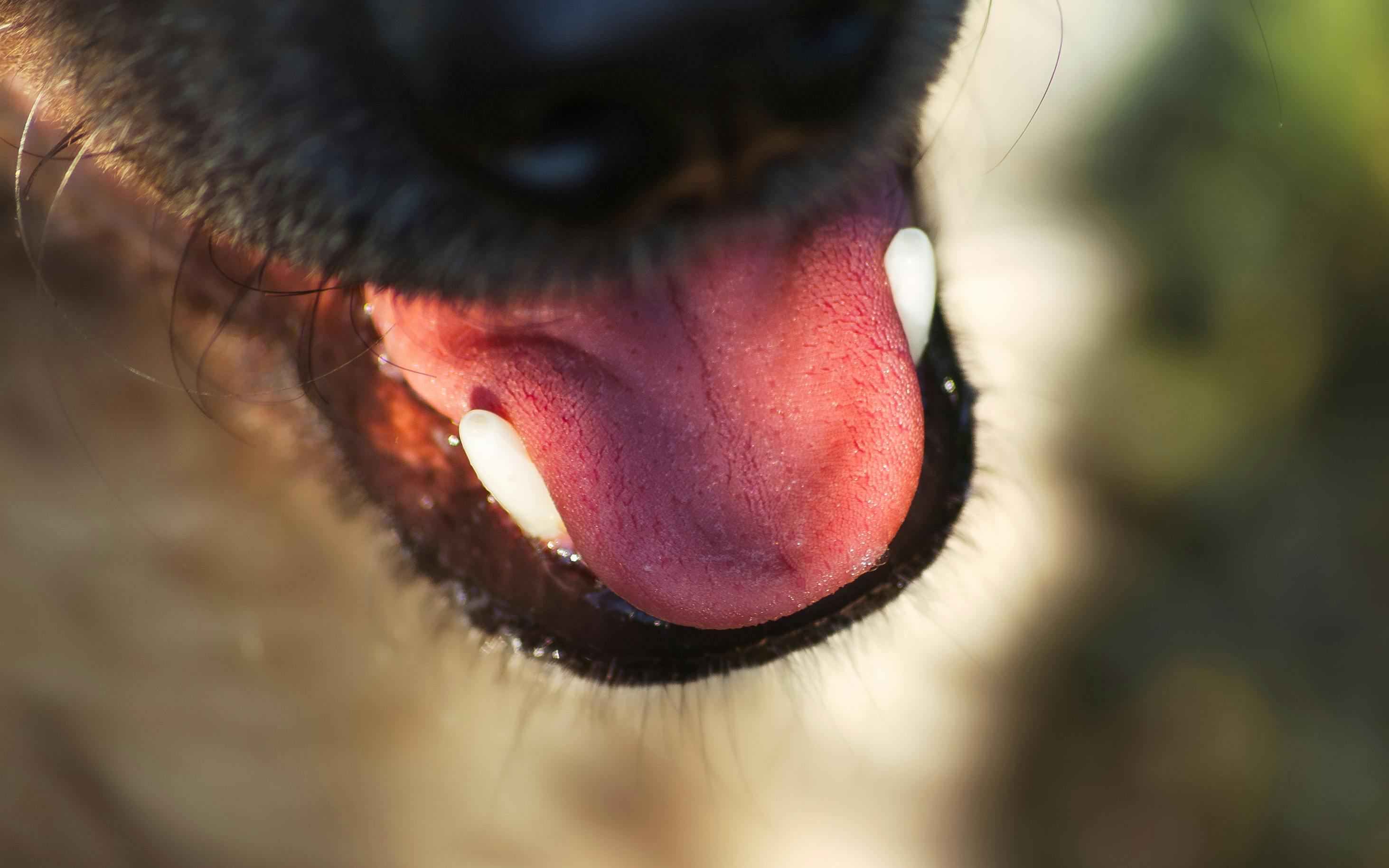
Dogs are known for their playful antics and unwavering loyalty, but one of the most endearing features of our canine companions is their wet noses. Ever wonder why do dogs have wet noses? It’s not just for show or because they were out in the rain. There’s actually some fascinating science behind it! So grab a treat for your furry friend and let’s explore this topic together.
The Science Behind Wet Noses
When you think about it, a dog’s nose is an incredibly sensitive part of its body. It’s often wet, and this moisture plays a crucial role in how dogs experience the world around them. Here’s what you need to know:
Enhanced Smell: Dogs have a remarkable sense of smell, about 10,000 to 100,000 times more acute than humans. The moisture on their noses helps to capture scent particles, making it easier for them to identify different smells. That’s like having a superpower, right?
Cooling Mechanism: Dogs don’t sweat like humans do. Instead, they rely on their noses to help regulate their body temperature. The moisture evaporates, which cools them down. So if your pup’s nose is wet, it might just mean they are trying to keep cool!
Health Indicator: A wet nose can also be a sign of good health. While it’s not a definitive measure, many dog owners notice that a dog’s nose is typically moist when they are feeling well. A dry nose, on the other hand, could indicate dehydration or illness, though it’s not always the case.
Historical Context: Dogs and Their Noses
Dogs have been companions to humans for thousands of years, and their noses have always been a key feature. Historically, breeds were developed for specific tasks that often involved their sense of smell.
Hunting Dogs: Breeds like Beagles and Bloodhounds were bred for their keen sense of smell. Their wet noses helped them track scents, making them invaluable to hunters.
Working Dogs: Dogs used for search and rescue or in law enforcement rely heavily on their noses. The moisture helps to capture scents in various environments, whether it’s a forest or a crowded city street.
Why Dogs Have Wet Noses: A Quick Breakdown
Here’s a quick list of reasons why dogs have wet noses:
- Scent Detection: Helps capture scents for better detection.
- Thermoregulation: Assists in keeping dogs cool.
- Health Indicator: Often reflects overall health status.
- Communication Tool: Dogs use their noses to communicate with each other.
Comparing Wet Noses to Dry Noses
Let’s do a little comparison, shall we? Here’s a simple table that outlines the differences between wet and dry noses in dogs:
| Wet Nose | Dry Nose |
|---|---|
| Often indicates good health | Can suggest illness or dehydration |
| Helps in scent detection | May not pick up scents as effectively |
| Common in healthy, active dogs | Can appear during illness or inactive periods |
| Generally cooler to the touch | Warmer than a wet nose |
Emotional Benefits of a Moist Canine Snout
There’s more to a wet nose than just science; it’s also about emotions. A moist canine snout often brings joy to pet owners. Here are some emotional benefits associated with those happy, wet noses:
Bonding Experience: When you give your dog a little nose rub, it strengthens the bond between you. The wetness often feels refreshing and can lift your mood.
Stress Relief: Interacting with pets has been shown to reduce stress. Seeing that wet nose might just remind you to take a break and enjoy the simple things.
Happy Moments: Wet noses often come with wagging tails and happy barks. Just watching your dog enjoy life can bring a smile to your face.
Practical Examples of Nose Care
Taking care of your dog’s nose is important! Here are a few tips:
- Hydration: Ensure your dog drinks plenty of water to keep their nose moist.
- Regular Check-ups: Have your vet check your dog’s nose during regular visits. It’s a good way to catch any health issues early.
- Avoid Irritants: Keep your dog away from harsh chemicals or allergens that might dry out their nose.
The next time you lean down to give your furry friend a scratch, take a moment to appreciate that wet, happy nose. It’s not just a cute feature; it’s a window into their health and emotions. Understanding why do dogs have wet noses adds a layer of appreciation for these beloved pets. So go ahead, give your dog a pat and enjoy their wet-nosed enthusiasm!
Is Your Dog’s Nose Too Wet? When to Worry About Canine Nose Health
Is your dog’s nose too wet? This question might seem trivial, but it’s actually a important one for many dog owners. Understanding your furry friend’s nose health is crucial to their overall well-being. In this article, we will explore why dogs have wet noses, when you should be concerned about their nose health, and the fascinating truth behind this unique characteristic.
Why Do Dogs Have Wet Noses?
Most people notice that dogs’ noses are generally wet and cool to the touch. But have you ever wonder why that is? Here’s some interesting facts about dog noses:
- Sense of Smell: Dogs have an incredible sense of smell, which is about 40 times better than humans. The moisture on their noses helps to enhance their olfactory abilities by trapping scent particles.
- Temperature Regulation: A wet nose can help dogs regulate their body temperature. When they pant, the moisture on the nose evaporates, cooling them down.
- Communication: Dogs use their noses not only to smell but also to communicate. A wet nose can indicate a relaxed and happy dog, while a dry nose might signal stress or discomfort.
When to Worry About Canine Nose Health
While a wet nose is generally a sign of a healthy dog, there are times when a change in your dog’s nose condition might indicate a health issue. Here’s a list of signs to look out for:
- Excessive Dryness: If your dog’s nose is excessively dry, it could mean dehydration or a possible illness.
- Cracking or Bleeding: If you notice cracks or bleeding on your dog’s nose, it might be a sign of infection or a skin condition.
- Unusual Discoloration: If the color of your dog’s nose suddenly changes, this could indicate an underlying health issue.
- Discharge: Any unusual discharge, whether clear or colored, can be a cause for concern.
- Foul Smell: A bad odor coming from your dog’s nose can signal an infection or other serious condition.
Factors That Can Affect Nose Health
There are several factors that can affect your dog’s nose health. These include:
- Environment: Changes in weather, like extreme heat or cold, can impact your dog’s nose.
- Diet: Poor nutrition can lead to skin and coat issues, including the nose.
- Allergies: Dogs can suffer from allergies which might result in a dry or irritated nose.
- Age: Older dogs might have drier noses due to decreased moisture production.
Common Misconceptions About Dog Noses
There are many myths surrounding dog noses. Here are some of the more common ones:
- A Cold Nose Means a Healthy Dog: While a cold, wet nose is often seen as a sign of good health, it’s not a definitive indicator. Some dogs can be sick even with a wet nose.
- Dogs Only Get Dry Noses When They’re Sick: A dry nose can just be a normal variation. It doesn’t always mean your dog is unwell.
- All Dogs Have Wet Noses: Some breeds naturally have drier noses. For example, Bulldogs may have a less moist nose than Retrievers.
What You Can Do to Maintain Nose Health
Keeping your dog’s nose healthy is pretty simple. Here’s some tips you can follow:
- Hydration: Make sure your dog have access to fresh water at all times to prevent dehydration.
- Proper Nutrition: Feed your dog a balanced diet rich in nutrients that can improve skin and coat health.
- Regular Vet Check-ups: Regular visits to the vet can help catch any potential issues before they become serious.
- Protect from Harsh Weather: In extreme temperatures, consider using a nose balm to protect your dog’s nose from drying out.
Practical Example of Nose Care
For instance, if you notice that your dog’s nose is dry after a walk in the sun, it might be a good idea to apply a specially formulated nose balm. This can help soothe and restore moisture. Also, keeping your dog hydrated and ensuring they are not overexposed to the sun can help maintain a healthy nose.
In summary, your dog’s nose can say a lot about their health. A wet nose is usually a sign of a happy and healthy pup, but understanding when to worry is essential. By knowing the facts and keeping an eye on changes, you can help ensure your dog stays healthy and happy! If you have concerns about your dog’s nose health, don’t hesitate to reach out to your veterinarian for further advice.
From Breeds to Behavior: Why Some Dogs Have Drier Noses Than Others
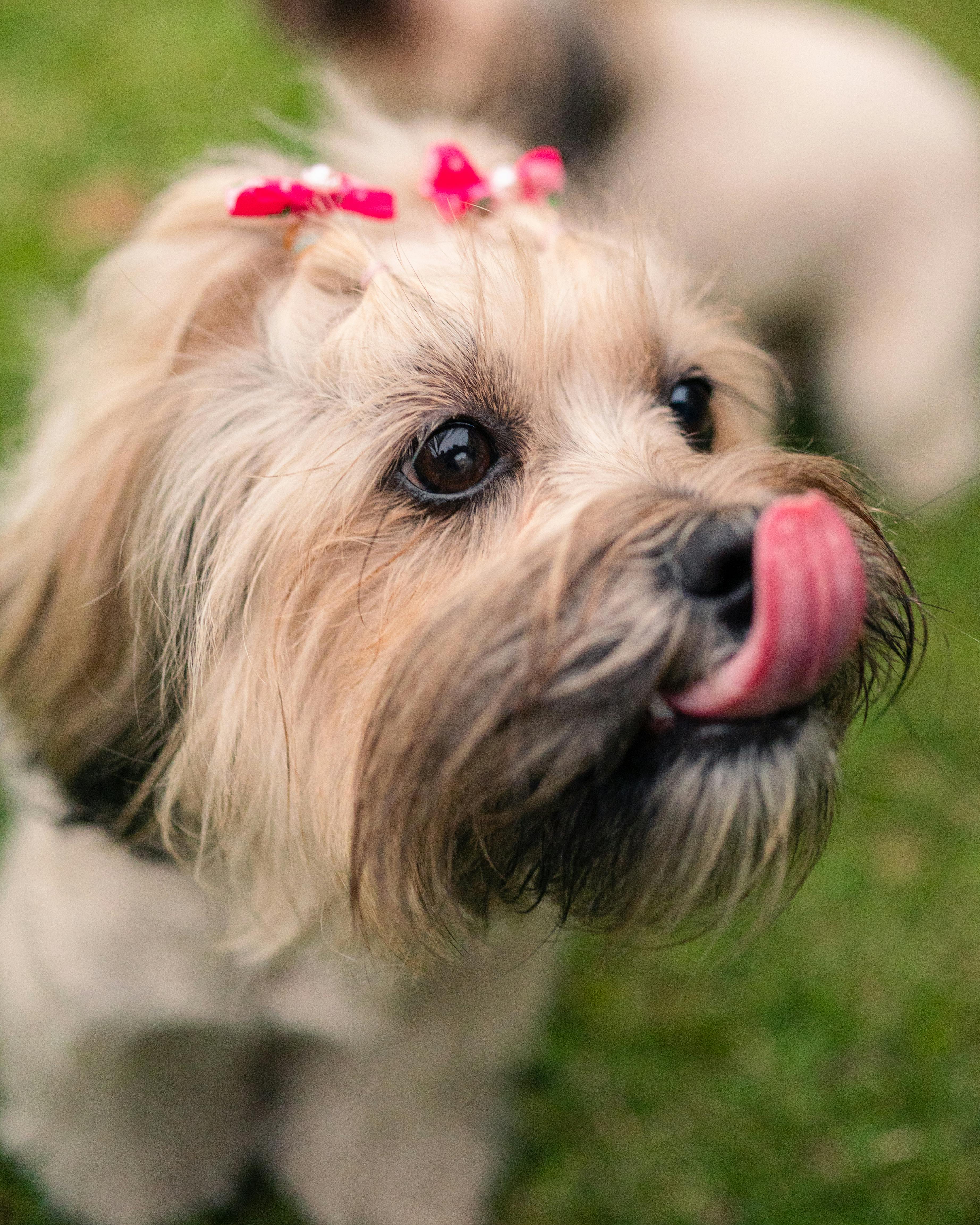
Dogs are some of the most beloved pets around the world, and their noses are one of the most fascinating aspects of these animals. Ever wonder why some dogs have drier noses than others? Or, why do dogs have wet noses in the first place? Let’s explore the intriguing facts behind canine noses, their functions, and the variances in moisture levels across different breeds.
The Science Behind Wet Noses
Most people know that dogs have wet noses, but not everyone knows why. A wet nose serves several important purposes. First of all, it helps in regulating their body temperature. Dogs, unlike humans, primarily cool themselves through panting, but having a moist nose aids in this process too. The moisture evaporates, which helps cool the dog down.
Secondly, a wet nose can enhance a dog’s sense of smell. Dogs have an incredible sense of smell, much better than humans. The wetness of their nose helps capture scent particles from the air, making it easier for them to detect smells. This is one reason why dogs can be trained for various tasks, including search and rescue or detecting drugs.
Why Do Some Dogs Have Drier Noses?
Now, let’s tackle the question: why do some dogs have drier noses than others? There could be multiple reasons for this. Here are a few notable ones:
- Breed Characteristics: Different breeds have different nose types. Breeds like Bulldogs or Pugs might have a naturally drier nose compared to Greyhounds or Retrievers.
- Weather Conditions: A dog’s environment can also affect nose moisture levels. Hot and dry climates can dry out a dog’s nose.
- Health Issues: Sometimes, a dry nose could indicate an underlying health issue. Conditions like allergies, dehydration, or even more serious health problems can lead to a drier nose. If the dryness is accompanied by other symptoms, it’s best to consult a veterinarian.
- Age: Older dogs might experience changes in their skin and nose moisture levels, leading to drier noses over time.
What Does a Dog’s Nose Color Mean?
The color of a dog’s nose can also provide insights into their health and breed characteristics. Here’s a quick overview:
- Black Nose: Common in many breeds, a black nose is considered normal and healthy.
- Brown or Liver Nose: Some breeds, like the Vizsla or Weimaraner, typically have brown noses. It’s normal for these breeds.
- Pink or Light-Colored Nose: Dogs with lighter-colored noses may be more susceptible to sunburn or skin conditions, especially if they spend a lot of time outdoors.
- Spots or Marks: Some dogs may have spots on their noses. These can be normal, but if they change, it’s good to get them checked.
How to Care for Your Dog’s Nose
Keeping your dog’s nose healthy is important. Here are some tips to ensure it stays moist and healthy:
- Hydration: Always provide fresh water for your dog. Dehydration can lead to a dry nose.
- Humidity: If you live in a dry climate, consider using a humidifier in your home. This can help maintain moisture levels.
- Sun Protection: If your dog has a light or pink nose, apply dog-safe sunscreen when they are exposed to the sun for extended periods.
- Regular Vet Check-ups: Have your dog regularly examined by a vet. This helps catch any potential issues early.
Fun Facts About Dog Noses
- A dog’s sense of smell is approximately 40 times better than that of humans.
- Dogs have between 125 to 300 million scent glands, compared to humans’ 5 million.
- The moisture on a dog’s nose can change throughout the day based on the activity level and environment.
- Dogs can identify their owner by smell alone, even from a distance.
The wetness of a dog’s nose is more than just a cute characteristic; it’s tied to their health and ability to interact with the world. Understanding why some dogs have drier noses than others and the science behind wet noses can help you better care for your furry friend. So, next time you lean in to give your dog a pat, take a moment to appreciate that wet, cold nose—it’s doing a lot more than you might think!
The Evolutionary Advantage of Wet Noses in Dogs: How Nature Shaped Their Unique Features

Dogs have been companions to humans for thousands of years, and their unique features, like wet noses, have always intrigued us. So, why do dogs have wet noses? It’s not just a quirky characteristic; it’s actually a fascinating evolutionary advantage shaped by nature. Wet noses provide dogs with incredible sensory abilities, which help them to navigate their world more effectively. Let’s dive into the science behind this phenomenon and explore the many reasons why those adorable, moist noses matter.
The Science Behind Wet Noses
The wetness of a dog’s nose serves several important purposes. One major factor is that it enhances their sense of smell. Dogs have an extraordinary olfactory system, which is many times more sensitive than that of humans. When their noses are wet, this moisture captures scent particles from the air, allowing dogs to detect odors more efficiently. Here’s a look at how it works:
- Moisture Enhances Scent Detection: The water on a dog’s nose helps to dissolve odor molecules, making them easier to absorb through the sensory receptors in their nasal passages.
- Temperature Regulation: A wet nose might also help dogs to cool down. Unlike humans, dogs don’t sweat as efficiently, so they rely on panting and other methods to regulate their body temperature.
- Communication Tool: Dogs communicate with each other through scent. A wet nose can hold more scent molecules, allowing them to convey more information to other dogs.
Historical Context of Canine Evolution
Dogs are descendants of wolves, and their noses have adapted over time to suit their needs as hunters and companions. Early domesticated dogs needed to navigate various environments and track prey. Their wet noses became a biological advantage. Here’s a timeline of how this feature may have evolved:
- Prehistoric Era: Early canines developed heightened senses for hunting in the wild. Wet noses likely emerged as an adaptation for tracking scents over long distances.
- Domestication: As dogs became companions to humans, their noses continued to evolve, allowing them to bond through scent communication, which became crucial for cooperation with humans in hunting and herding.
- Modern Breeds: Today, various dog breeds exhibit different nose shapes and wetness levels, but the essential function of scent detection remains the same.
What Makes a Dog’s Nose Wet?
The moisture on a dog’s nose comes from several sources. It’s a mix of:
- Mucus: The nasal glands produce mucus, which keeps the nose moist.
- Saliva: Dogs often lick their noses, which adds an extra layer of moisture.
- Environmental Factors: Humidity and weather conditions can also affect moisture levels. A dog’s nose may feel drier in cold or windy weather.
Wet Nose vs. Dry Nose: What’s the Difference?
The condition of a dog’s nose can vary throughout the day and under different circumstances. Here’s a quick comparison:
Wet Nose:
- Indicates Good Health: Generally, a wet nose is a sign of a healthy dog. It means their hydration levels are adequate.
- Great for Scent Detection: Wet noses are better at trapping scent particles, enhancing a dog’s ability to smell.
Dry Nose:
- Possible Dehydration: A dry nose might indicate that a dog is dehydrated or overheated.
- Health Concerns: If a dog’s nose becomes excessively dry, cracked, or shows other signs of distress, it may be a good idea to consult a veterinarian.
Fun Facts About Dog Noses
- Unique Patterns: Just like human fingerprints, every dog has a unique nose print that can be used for identification.
- Scent Discrimination: Dogs can differentiate between thousands of scents. They can even detect certain diseases, like cancer or diabetes, just through smell.
- Nasal Cooling: Dogs can actually cool their bodies through their noses. The evaporation of moisture from their noses helps lower their body temperature.
Understanding why dogs have wet noses is not just about appreciating their cuteness; it’s about recognizing the complex evolutionary processes that have shaped them. Each wet nose is a testament to the remarkable adaptations that have allowed dogs to thrive alongside humans for centuries.
By appreciating these unique features, we can gain a deeper understanding of our canine companions and the roles they play in our lives. So, next time you give your furry friend a scratch on the nose, remember the fascinating truth behind that wet, cold button of love!
Debunking Common Myths About Dog Noses: What Every Pet Owner Should Know
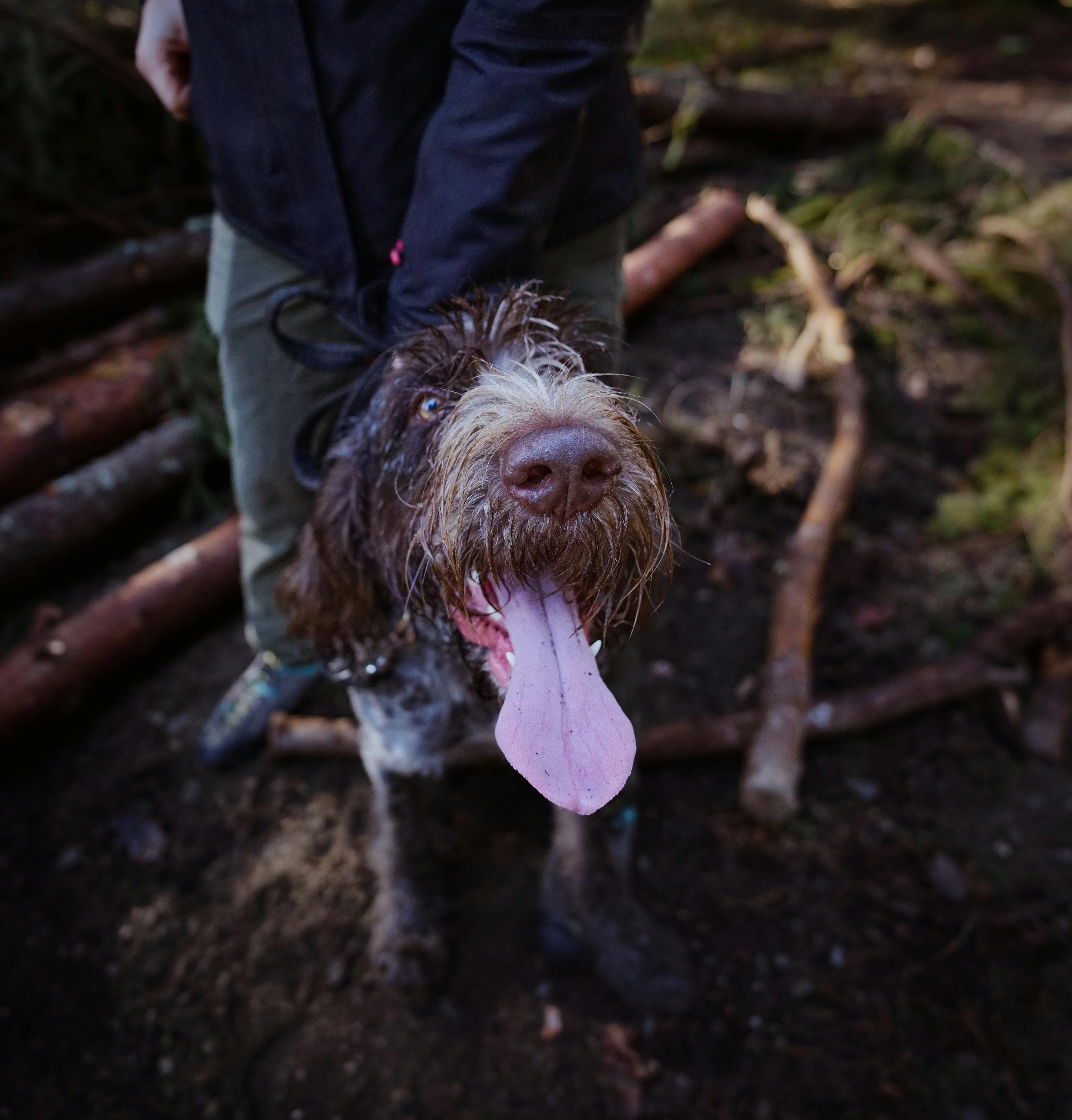
When we think about our furry companions, one of the first things that often comes to mind is their adorable, wet noses. These little features can seem like a mystery, leading to many myths and misconceptions among dog owners. In this article, we’ll take a deep dive into the truth about why dogs have wet noses and debunk some common myths that surround them. If you’re a pet owner, it’s essential to understand these facts to better care for your beloved animal.
The Science Behind Wet Noses
So, why do dogs have wet noses? The answer lies in their biology and how they interact with their environment. Wet noses serves a few important purposes:
Enhanced Smell: A dog’s sense of smell is far superior to humans. A wet nose helps capture scent particles from the air, which allows them to detect smells more efficiently. The moisture on their nose helps in binding these particles, improving their olfactory perception.
Temperature Regulation: Dogs don’t sweat like humans do. Instead, they use their noses and paws to help regulate their body temperature. A wet nose helps cool them down, especially during warmer days.
Health Indicator: A wet nose is often seen as a sign of a healthy dog. However, this isn’t always the case. Factors such as dehydration or illness can also lead to a dry nose, so it’s important to monitor your pet’s overall health.
Common Myths About Dog Noses
There are lots of myths floating around about dog noses. Let’s take a look at some of the most common ones and uncover the truth behind them.
Myth 1: A Wet Nose Means a Healthy Dog: While a wet nose often indicates that a dog is healthy, it isn’t a definitive measure. A dog can be sick with a dry nose. Always consider other symptoms.
Myth 2: Dogs Have Wet Noses Because They Lick Them: Dogs do lick their noses, but that’s not the only reason why they are wet. The moisture is mainly due to the secretion of mucus from specialized glands.
Myth 3: All Dogs Have Wet Noses: Not all dogs will have the same degree of wetness in their noses. Factors like breed, age, and weather can influence this. Some breeds like bulldogs may have drier noses due to their unique anatomy.
Fun Facts About Dog Noses
Beyond the science and myths, there’s plenty more to learn about those cute noses! Here are some interesting facts:
Unique Patterns: Just like human fingerprints, every dog’s nose has a unique pattern of ridges and bumps. This means that no two dog noses are alike!
Temperature Sensitivity: A dog’s nose is sensitive to temperature changes, which is why they can often sense when a storm is coming.
Nasal Memory: Dogs can remember scents for a long time. They can recognize familiar scents, even after months apart from the source.
How to Care for Your Dog’s Nose
Proper nose care is essential for your dog’s well-being. Here’s a simple list of tips to maintain the health of your dog’s nose:
Hydration: Always ensure that your dog is well-hydrated. Dehydration can lead to a dry nose.
Regular Vet Check-ups: Routine veterinary visits can help catch any potential health issues early on.
Protect From Harsh Weather: Cold, dry air can dry out a dog’s nose. Use nose balms or ointments if your dog is frequently exposed to extreme weather.
Dog Nose Health Indicators
It’s vital to know what changes in your dog’s nose might signal health problems. Here’s a quick reference guide:
- Dry and Cracked: Could indicate dehydration or health issues.
- Excessively Wet: Might be a sign of a respiratory infection or other health concerns.
- Discolored or Inflamed: Indicates a potential infection or allergy.
Monitoring these changes can help you stay ahead of any health problems.
Understanding the reasons why dogs have wet noses goes beyond mere curiosity; it’s vital for every pet owner to grasp these facts. By debunking myths and learning the truth, you can contribute to the well-being of your furry friend. Next time you give your pup a pat on the nose, you’ll appreciate the fascinating biology behind that wet touch!
Conclusion
In conclusion, the wet noses of dogs serve several important functions that contribute to their overall health and well-being. The moisture on their noses enhances their sense of smell, allowing them to detect scents more effectively, while also helping to regulate their body temperature. Additionally, a wet nose can indicate a dog’s hydration level, serving as a useful health indicator for pet owners. Understanding why dogs have wet noses not only deepens our appreciation for these furry companions but also encourages us to stay attentive to their health. As responsible pet owners, it’s essential to monitor any changes in your dog’s nose moisture, as it can signal potential health issues. Next time you give your dog a pat or a scratch behind the ears, take a moment to enjoy that cold, wet nose—it’s just one of the many unique features that make dogs such remarkable companions.
