
Have you ever wondered why do dogs have wet noses? This fascinating question unlocks a world of surprises about our furry friends! Wet noses not only add to the cuteness of our canine companions but also serve some incredibly important functions. Curious about the science behind it? A dog’s nose is actually a powerful tool for communication and environmental awareness. But that’s not all! Discovering the benefits of a wet nose can change the way you think about your pet’s health and behavior. Did you know that a dog’s nose can help them sense changes in the environment and even detect illnesses? It’s true! This unique feature enhances their ability to smell, making them exceptional companions. So, what makes their noses so special? From temperature regulation to emotional cues, the secrets behind a wet nose are both intriguing and vital. Join us as we delve into the surprising benefits of this canine characteristic and uncover the secrets of dog noses that every pet owner should know. Whether you’re a seasoned dog lover or a new owner, understanding why dogs have wet noses will deepen your bond with your furry friend!
The Science Behind Canine Moisture: Why Do Dogs Have Wet Noses?
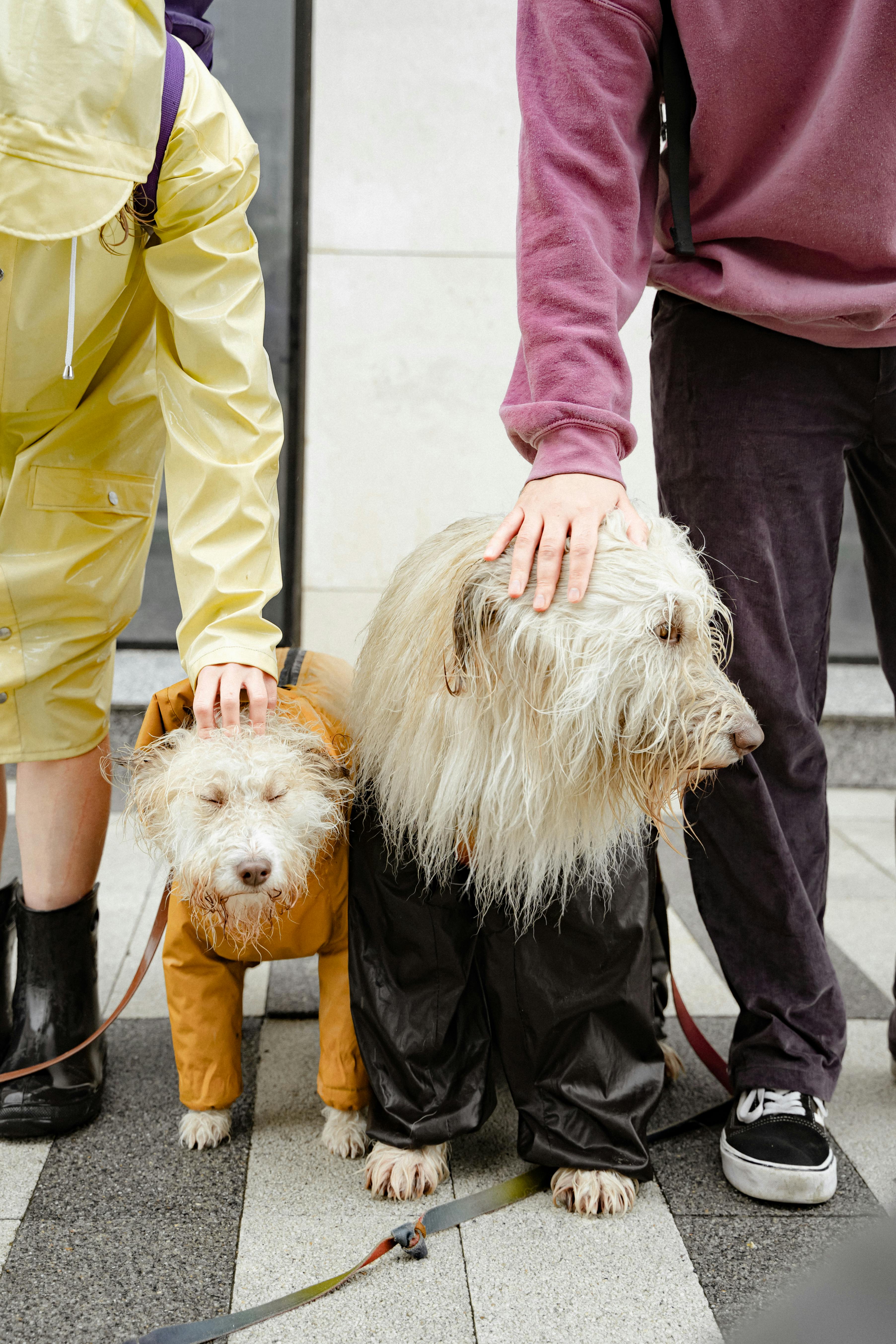
Have you ever wondered why your dog’s nose is often wet? You’re not alone. Many dog owners notice that their furry friends have moist noses, and this peculiarity raises questions. The science behind canine moisture is fascinating and reveals surprising benefits. Let’s dive into the reasons why do dogs have wet noses and explore what this trait means for our beloved pets.
The Anatomy of a Dog’s Nose
Firstly, it’s important to understand how a dog’s nose works. Dogs have an incredible sense of smell, which is about 10,000 to 100,000 times more sensitive than humans. Their noses have a special structure, with many olfactory receptors. The moisture on their noses is not just for show — it helps them with their sense of smell. Wetness allows scent particles to stick better, enhancing their ability to detect different odors.
Why Do Dogs Have Wet Noses?
Now, let’s get to the heart of the matter. Why do dogs have wet noses? Here are some of the most significant reasons:
Cooling Mechanism: Dogs do not sweat like humans. Instead, they cool down through their noses and paw pads. The moisture evaporating from their noses helps regulate their body temperature, especially on hot days.
Enhanced Smell: As mentioned, the wetness on their noses assists in capturing scent particles. When a dog’s nose is moist, it can absorb more scent molecules, making their already stellar sense of smell even better.
Health Indicator: A dog’s nose can actually be an indicator of their health. While a warm, dry nose might signal illness, a wet nose is typically a sign of good health. However, this is not a foolproof method, as many factors affect nose moisture.
Historical Context
Dogs have been companions to humans for thousands of years. The evolution of their wet noses is believed to be part of their development as hunting partners. Early humans relied on dogs to track scents, and those with effective olfactory systems were more successful. Over time, dogs that had these moist noses were likely favored for their hunting abilities.
Surprising Benefits of Wet Noses
Wet noses are not just a quirk; they provide numerous benefits that contribute to a dog’s well-being. Here are a few surprising advantages:
Scent Tracking: A wet nose can detect even the faintest smells. This is why dogs are often used in search and rescue operations or for detecting drugs.
Communication: Dogs often use their noses to interact with their environment and other dogs. A wet nose can indicate friendliness, as dogs tend to greet each other with sniffs.
Stress Relief: Studies show that petting a dog can lower stress levels in humans, and a dog’s wet nose can be very comforting when they nuzzle it against you.
Comparison: Dog Noses vs. Human Noses
Let’s look at how dog noses compare to human noses in terms of moisture and function.
| Feature | Dog Nose | Human Nose |
|---|---|---|
| Moisture Level | High, helps in scent absorption | Moderate, assists in breathing |
| Sensitivity | 10,000 to 100,000 times more sensitive | Standard sensitivity |
| Cooling Mechanism | Evaporation from nose | Sweating from skin |
| Health Indicator | Wetness can indicate health | Dryness doesn’t mean illness |
Practical Examples of Dog Nose Moisture
Dogs can be seen using their noses in various ways:
Exploring the World: When your dog sniffs around the park, their wet nose is working overtime to gather information about other animals, food, and even the weather.
Social Interactions: Dogs greet each other with their noses, and a wet nose is often a sign of a friendly approach.
Finding Food: In training, dogs are taught to use their noses to find treats hidden around the house or yard. The moisture helps them pick up on those scents more easily.
In summary, the reason why dogs have wet noses goes beyond mere appearance. The moisture plays a crucial role in their sensory capabilities, health, and even social interactions. Understanding this unique feature can enhance our appreciation for our canine companions and strengthen the bond between dogs and their owners. So the next time you notice that wet nose, remember — it’s more than just cute; it’s science!
5 Fascinating Reasons Your Dog’s Wet Nose Is More Than Just Cute
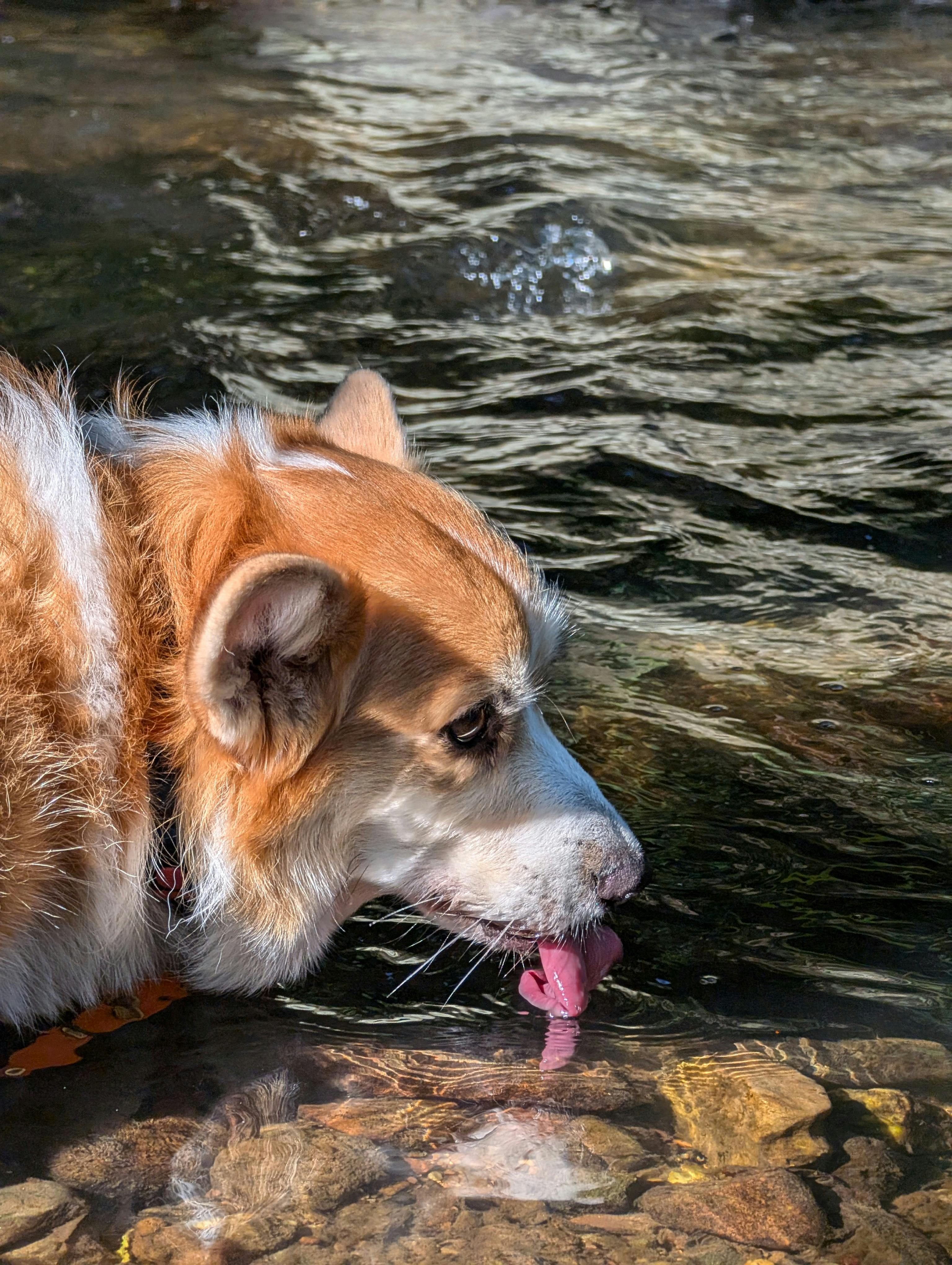
There’s something undeniably charming about a dog’s wet nose, isn’t? We often think of it as just one of those adorable traits that make our furry friends so lovable. But have you ever wondered, why do dogs have wet noses? Well, there’s much more to that moist snout than meets the eye. Let’s dive into five fascinating reasons your dog’s wet nose is more than just cute and discover some surprising benefits along the way!
1. Enhanced Sense of Smell
Did you know that a dog’s sense of smell is far superior to ours? It’s true! Dogs have around 300 million smell receptors in their noses, compared to a human’s 5 million. Their wet noses plays a crucial role in this incredible ability.
- The moisture on a dog’s nose helps to capture scent particles in the air.
- Wet noses can actually help dogs get a better read on their environment, allowing them to identify other animals, food sources, and even changes in the weather.
2. Temperature Regulation
Just like us, dogs also need to regulate their body temperature. But they can’t sweat like humans do. Instead, they rely on their noses to help cool down. A wet nose can help in a few different ways:
- The moisture evaporates, which can cool the blood vessels in the snout.
- This cooling effect can help lower the dog’s overall body temperature during warm days or after exercise.
It’s not just about being cute; it’s about survival!
3. Health Indicators
A wet nose can also be a good indicator of a dog’s health. While it’s not the only sign to watch for, it can give you clues about your furry friend’s well-being. Here’s a quick rundown:
- A healthy dog typically has a moist, cool nose.
- If a dog’s nose becomes excessively dry or hot, it may indicate fever or dehydration.
- Changes in the nose’s texture or color can signal allergies or other health issues.
So, if you notice any unusual changes, it might be time to visit the vet!
4. Social Interaction
Dogs are social creatures, and their wet noses play a role in their interactions with other dogs and humans alike. When dogs greet each other, they often sniff each other’s noses and rear ends. This behavior is a part of their social etiquette. The wetness of their noses can be pivotal here:
- Wet noses are more effective at collecting scents, which help dogs recognize and remember other dogs they meet.
- This social sniffing helps them learn about the other dog’s emotional state, health, and even their identity.
So next time your dog sniffs your hand, it’s not just being cute; it’s gathering valuable information!
5. Bonding with Humans
Have you ever noticed that a dog often nudges you with its wet nose? This behavior is not just playful; it’s a way of bonding. Dogs use their noses to communicate and express affection. Here’s how:
- A dog’s wet nose can signal to you that they want attention, love, or playtime.
- The moisture can be a comforting sensation, both for the dog and for the human. It fosters a sense of connection.
So, when your pup gives you that wet-nosed nudge, remember, they are reaching out to you emotionally.
Additional Benefits of a Wet Nose
While we’ve explored the main reasons why dogs have wet noses, there are some additional benefits worth mentioning:
- Hygiene: A dog’s nose may help keep itself clean. The moisture can trap dirt and allergens, which can then be wiped away.
- Comfort: A wet nose can be soothing. For dogs that suffer from anxiety, the sensation of their own moist nose can provide a calming effect.
- Playfulness: Many dogs enjoy playfully nudging their owners with their noses, which can lead to fun and interactive moments.
So, the next time you see your dog with that adorable wet nose, remember that it’s not just for show. It’s a vital part of their sensory perception, health, and social interaction.
Having a dog is about more than just companionship; it’s about understanding the fascinating biology behind their behaviors. From their incredible sense of smell to their unique ways of bonding with us, dogs truly are remarkable creatures. Embracing the quirks, like their wet noses, can enhance the joy they bring into our lives. So, cherish those moments of connection and the science behind your furry friend’s wet nose!
How a Wet Nose Enhances Your Dog’s Sense of Smell: Discover the Connection

Have you ever wondered why your furry friend’s nose is always wet? It’s one of those quirky things about dogs that you might not think much about. But the truth is, that wet nose serves a purpose, and it’s a big part of how dogs connect with the world around them. So, let’s dive into how a wet nose enhances your dog’s sense of smell, explore why do dogs have wet noses, and discover the surprising benefits.
Why Do Dogs Have Wet Noses?
Dogs noses are not just cute; they’re vital tools for them. A wet nose helps dogs with smell in several ways. Here’s a breakdown of why those noses are always moist:
- Increases Sensitivity: The moisture on a dog’s nose helps dissolve scent particles, making it easier for them to pick up on smells. The more wet it is, the better they can smell.
- Temperature Regulation: A wet nose helps to cool down a dog’s body. When they pant, moisture evaporates from their nose, helping to regulate body temperature.
- Health Indicator: A wet nose can be a sign of good health in dogs. If a dog’s nose is dry and cracked, it might indicate dehydration or illness.
The Science Behind the Wet Nose
Did you know that dogs have an incredible sense of smell? They have up to 300 million olfactory receptors in their noses. In comparison, humans only have about 5 million. This difference is huge!
- A dog’s olfactory bulb is larger than a human’s, which means they can process smells better.
- Their sense of smell is so refined that they can detect certain diseases in humans just by sniffing. It’s pretty amazing!
Benefits of a Wet Nose
Having a wet nose isn’t just for show. It actually brings several benefits, and here’s a list of some of them:
- Enhanced Smelling Ability: As mentioned, moisture helps in capturing scent particles.
- Cooling Mechanism: Helps in cooling down, especially during hot weather.
- Scent Marking: Dogs also use their noses to mark territory. The moisture helps to leave their scent behind.
Historical Context and Evolution
Evolution played a key role in why dogs have wet noses. Their ancestors, wolves, also had wet noses. This trait has likely been passed down because it provided a survival advantage. Being able to smell food, mates, and dangers from a distance helped them thrive in the wild.
- Survival Skills: The ability to smell vital things helped in hunting and avoiding predators.
- Domestication: As dogs became companions to humans, this trait remained. It continues to aid them in understanding their environment and communicating with humans.
Comparisons: Dogs vs. Other Animals
Let’s compare dogs with a few other animals regarding their sense of smell:
| Animal | Number of Olfactory Receptors | Wet Nose? | Smelling Ability |
|---|---|---|---|
| Dogs | 300 million | Yes | Highly developed |
| Cats | 50-80 million | No | Less developed |
| Elephants | 2,000+ receptors | No | Good, but different |
| Rats | 1,200+ receptors | No | Excellent for certain smells |
As you can see, dogs have a vastly superior sense of smell compared to many other animals. Their wet noses are a key part of this.
Practical Examples
You might be wondering how this all translates into real life. Here are some practical examples of how a dog’s wet nose can be beneficial:
- Search and Rescue: Dogs are often used in rescue missions because they can smell people trapped under rubble or in disasters.
- Drug Detection: Many police departments use dogs to sniff out illegal substances due to their enhanced smelling abilities.
- Medical Detection: Some dogs are trained to detect certain illnesses, like cancer or diabetes, just by smelling changes in a person’s body chemistry.
In summary, a wet nose is not just a cute feature of dogs; it’s an essential part of their biology that enhances their sense of smell and contributes to their overall health. Understanding why do dogs have wet noses helps us appreciate these incredible animals even more. So, the next time you give your dog a scratch behind the ears, remember that their wet nose is a biological marvel, connecting them to the world in ways we are only beginning to understand.
Unveiling the Truth: Are Wet Noses a Sign of a Healthy Dog?

When you think about a dog’s health, you might picture a wagging tail, bright eyes, and, of course, a wet nose. But what does having a wet nose really means? Is it a sign of a healthy dog? In this article, we will explore why do dogs have wet noses, and discover the surprising benefits of this canine feature.
Why Do Dogs Have Wet Noses?
Dogs noses are often moist and cool, but why? There are several reasons for this, and they are related to both the biology of dogs and their behavior.
Temperature Regulation: A dog’s wet nose helps them regulate their body temperature. When dogs pant, moisture evaporates from their nose, which cools them down. This is especially important on hot days or after exercise.
Enhanced Sense of Smell: A wet nose can pick up scents better. The moisture helps to trap scent particles, allowing dogs to detect smells more effectively. This is why dogs are often used in search and rescue, as well as in various detection roles.
Health Indicator: While a wet nose can be a sign of good health, it’s not definitive. A dog’s nose can change throughout the day. Factors like temperature, humidity, and even activity level can affect it. For example, a dog might have a dry nose after sleeping.
Communication: Dogs use their noses to communicate with other dogs and animals. A wet nose can signal to other dogs that they are friendly and approachable.
Surprising Benefits of Wet Noses
Having a wet nose might seem normal, but it actually brings several benefits to dogs, including:
Better Scent Detection: Enhanced smell means dogs can explore their world more effectively. This is crucial for their survival instincts.
Cooler Body Temperature: Helps keep them from overheating during exercise or in warm weather.
Friendly Interaction: A wet nose invites interaction, as dogs often nuzzle or greet people with their noses. This can create a bond between dog and owner.
Health Monitoring Tool: Pet owners can often tell if their dog is unwell by noticing changes in the moisture level of their nose. A sudden dry nose could indicate dehydration or illness.
What’s Normal and What’s Not?
It’s important to know what’s typical for your dog. Here’s a quick reference guide:
Normal Conditions:
- Wet or moist nose.
- Slightly cool to the touch.
- Changes throughout the day based on activity or weather.
Concerning Signs:
- Excessively dry nose that lasts for an extended period.
- Cracked or bleeding nose.
- Nasal discharge that is unusual in color or consistency.
Historical Context of Dog Noses
Historically, dogs have been companions to humans for thousands of years. In ancient times, people relied on dogs for hunting and protection, and their sense of smell was critical. Over time, humans began to selectively breed dogs for specific tasks, enhancing their natural abilities, including their sense of smell. This history explains why dogs have such a strong instinct to explore their environments through their noses.
Fun Facts About Dogs’ Noses
Unique Patterns: Just like human fingerprints, every dog’s nose print is unique. This means that it could potentially be used for identification purposes!
Temperature Sensitivity: Dogs can detect temperature changes in their environment that humans cannot, thanks in part to their sensitive noses.
Nasal Turbinates: Dogs have a complex structure inside their noses called turbinates, which helps them as they breathe in, filtering and warming the air.
Quick Tips for Dog Owners
Hydration: Keep your dog well-hydrated. This can help maintain a healthy nose.
Regular Vet Check-ups: Schedule regular veterinary visits to monitor overall health, including nose conditions.
Observe Behavior: Pay attention to any changes in your dog’s behavior or nose condition, and consult a vet if you notice something unusual.
Environmental Factors: Be mindful of the weather. Dogs can get sunburned, and dry air can affect their nose too.
In summary, a wet nose is generally a good sign of a healthy dog, but it’s not the only indicator. Understanding why dogs have wet noses and the benefits that come from it can help you care better for your canine friend. So, next time you see that familiar wet nose, remember, it’s not just a cute quirk—it’s a vital part of what makes dogs extraordinary companions.
Curious Canines: What Your Dog’s Wet Nose Says About Their Mood
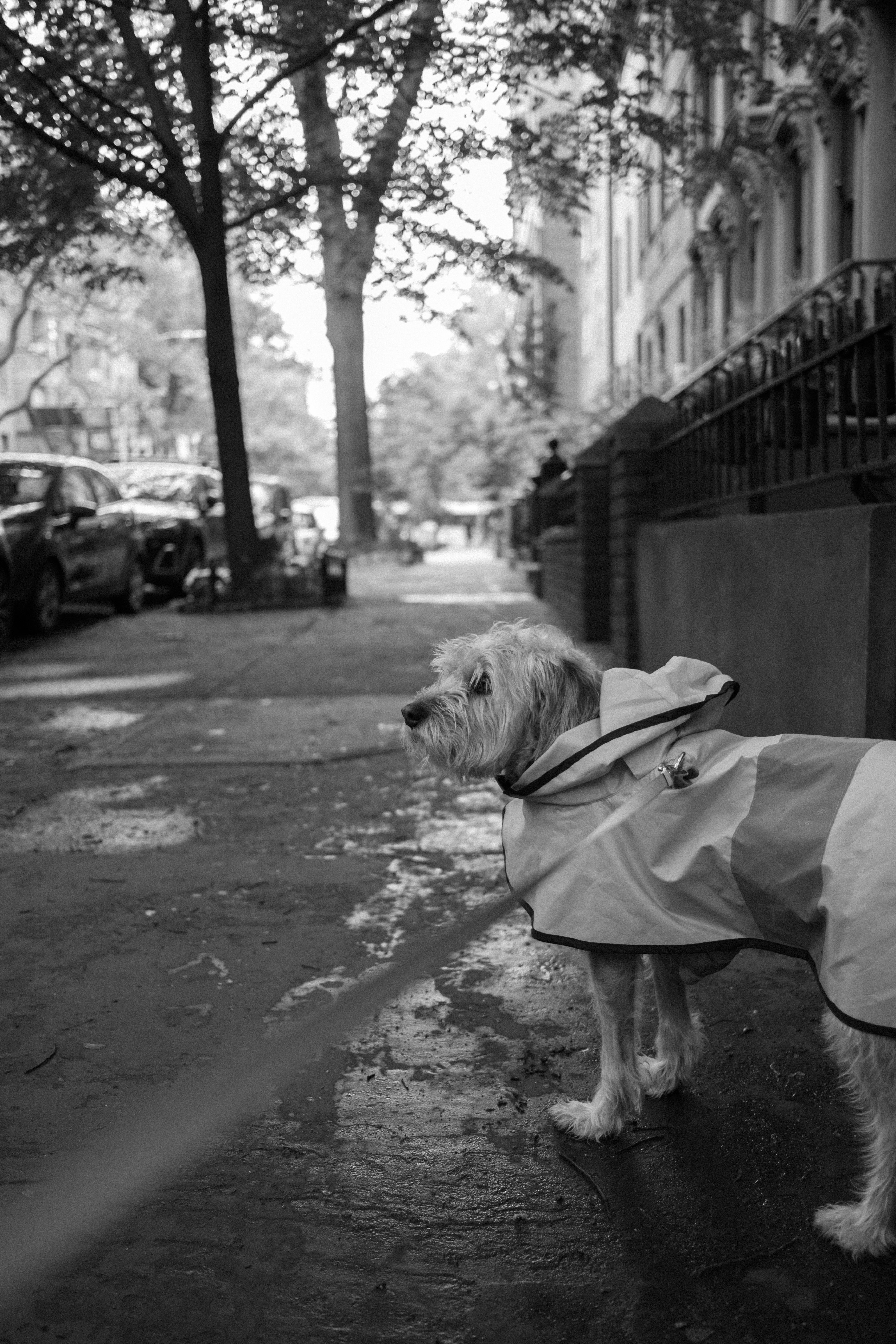
Curious Canines: What Your Dog’s Wet Nose Says About Their Mood, Why Do Dogs Have Wet Noses? Discover The Surprising Benefits!
Have you ever wondered why your dog’s nose is always wet? It’s like, they just seem to have this constant moisture lounging on their snout. Well, it turns out, there’s more than just simple biology at play here. Your canine companion’s wet nose is not just cute, it can also say a lot about their mood and health. Let’s dive into the fascinating world of why dogs have wet noses and what that might mean!
The Science Behind the Wet Nose
Dogs, unlike humans, have a unique way of sensing their environment. Their wet noses play a crucial role in this. The moisture on a dog’s nose helps them absorb scent molecules, making their sense of smell even sharper. This is essential for them since a dog’s sense of smell is estimated to be between 10,000 to 100,000 times more sensitive than ours. Crazy, right?
But it’s not just about smelling better. Here’s some cool facts about dog noses:
Temperature Regulation: Just like how sweating helps humans cool down, dogs can regulate their body temperature through their noses. The moisture evaporating from their noses helps keep them cool.
Health Indicator: A wet nose can signal good health. If your dog’s nose is dry or cracked, it may indicate dehydration or illness.
Emotional State: A dog’s nose can reflect their mood. A wet, cold nose often indicates a relaxed and comfortable pup, while a warm, dry nose might suggest stress or illness.
Why Do Dogs Have Wet Noses?
There’s a lot of reasons why dogs have wet noses. They evolved this way for various purposes, and understanding these reasons can help pet owners better relate to their furry friends.
Enhanced Smell: As mentioned before, moisture helps capture scent particles. This means that when your dog is sniffing around, they are likely getting a more accurate picture of their surroundings.
Communication: Dogs use their noses to communicate with each other. A wet nose is often associated with a friendly dog. If you approach a dog with a wet nose, they might be more likely to be open to interaction.
Cooling Mechanism: Dogs don’t sweat like humans do, so they rely on their noses to help regulate their body temperature. A wet nose helps them stay cool during hot days.
Cleanliness: Dogs often lick their noses to keep them clean. This helps them maintain their sense of smell, which is crucial for their survival.
Mood Indicators: What a Wet Nose Might Mean
Dogs are creatures of habit and emotion. Their noses can tell you a lot about how they’re feeling. Here’s a quick guide to what their wet noses might indicate:
Happy and Relaxed: A wet, cool nose usually means your dog is comfortable and content. They might be wagging their tail and enjoying their surroundings.
Excited or Playful: If your dog approaches you with an especially wet nose while jumping around, they’re likely ready to play or go for a walk!
Nervous or Ill: A dry, warm nose can indicate that your dog might be stressed, anxious, or even sick. If this persists, consulting a vet is a good idea.
Curious: When dogs are exploring, their noses tend to be wetter. This is their way of taking in the world around them.
Surprising Benefits of a Wet Nose
Having a wet nose isn’t just beneficial for dogs, it can be helpful for us humans too! Here’s how:
Scent Detection: Their heightened sense of smell can be used to detect certain diseases, like cancer, in humans. Some dogs are even trained as medical detection dogs.
Therapeutic Benefits: Just petting a dog and feeling their cool, wet nose can reduce stress and anxiety in humans. It’s a simple reminder of companionship.
Bonding: When you interact with your dog’s nose, whether through gentle touches or playful nudges, it strengthens your bond, enhancing your relationship.
Interesting Historical Context
Historically, dogs have been companions to humans for thousands of years. Ancient civilizations recognized the importance of a dog’s sense of smell. In fact, working dogs were often trained to assist in hunting, tracking, and even rescue operations. Their wet noses were not just a quirk; they were essential tools in human history.
So, next time you notice your dog’s wet nose, remember that it’s not just an adorable feature. It’s a complex trait that tells you so much about their health, mood, and the incredible world they live in. Understanding this can enrich your relationship with your furry friend and help you respond to their needs better. Embrace the curious canines in your life and appreciate every wet-nosed moment!
The Surprising Benefits of Your Dog’s Wet Nose: More Than Just an Anatomy Quirk
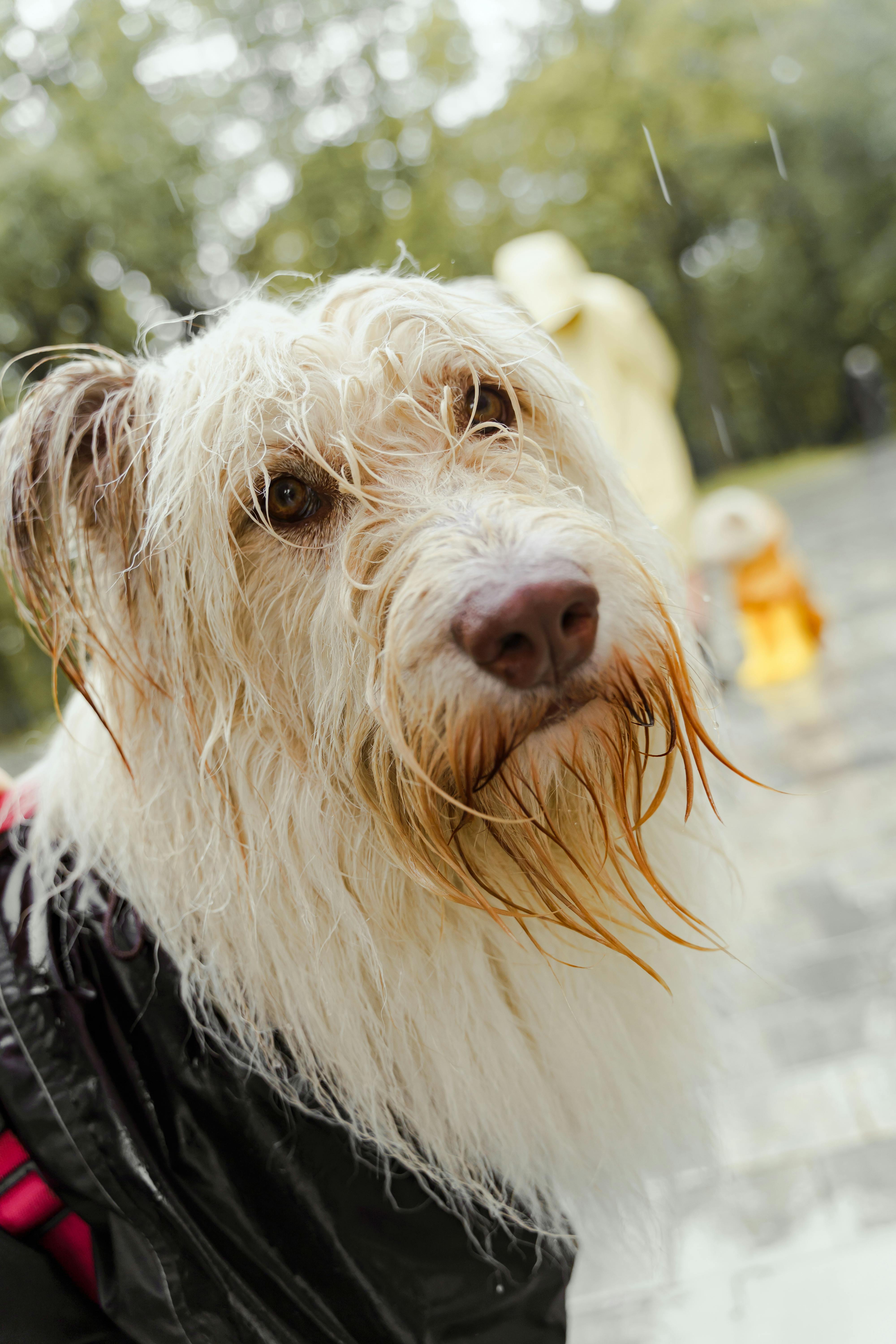
Dogs and their wet noses — it’s a phenomenon most pet owners have noticed, but few stop to ponder its significance. Have you ever asked yourself, “Why do dogs have wet noses?” It’s not just a cute quirk; there’s a lot more going on beneath the surface. Let’s dive into the surprising benefits of your dog’s wet nose, and discover why it’s more than just an anatomical feature.
The Anatomy of the Dog’s Nose
The structure of a dog’s nose is quite fascinating. Dogs noses are not just a plain surface; they’re equipped with a complex network of olfactory receptors. In fact, dogs have about 300 million scent glands compared to humans who have a measly 5 million. This means dogs can smell things we can’t even imagine!
- Olfactory Receptors: They are crucial for how dogs interact with their environment.
- Moisture: The wetness helps trap scent particles, enhancing a dog’s ability to smell.
Why Wet Noses?
So, why do dogs have wet noses? The moisture on a dog’s nose serves multiple purposes. Dogs naturally lick their noses, which not only keeps it moist but also aids in their sense of smell. When the nose is wet, it can pick up scent molecules better, and this is essential for their communication and hunting instincts.
- Scent Detection: A wet nose can absorb more scent particles.
- Temperature Regulation: Dogs can’t sweat the way humans do, so a wet nose helps them cool down.
Health Indicators
A dog’s wet nose can also be a reflection of its health. While a wet nose is generally a sign of a healthy dog, changes can indicate potential health issues. For instance:
- Dry Nose: Could suggest dehydration or fever.
- Excessively Wet Nose: May indicate allergies or a sinus infection.
Regularly checking your dog’s nose can be a good practice for monitoring their health.
Historical Context
Dogs have been companions to humans for thousands of years. Historically, humans observed dogs and their behaviors, leading to a deeper understanding of their anatomy and health. People noticed that dogs with wet noses seemed more active and alert. Cultures around the world have revered dogs for their ability to assist in hunting, herding, and companionship.
Practical Benefits of Wet Noses
The benefits of a wet nose go beyond mere anatomy. Here are some practical examples of how your dog’s wet nose helps them in everyday life:
- Enhanced Communication: Dogs use their sense of smell to communicate with each other. A wet nose aids them in gathering information from their environment.
- Detecting Emotions: Dogs can sense human emotions through scent. A wet nose helps them pick up on pheromones, which can indicate how someone is feeling.
Fun Facts About Dog Noses
Did you know that dogs’ noses come in different colors and patterns? Here are some fun facts:
- Unique Patterns: Just like human fingerprints, each dog’s nose print is unique.
- Nose Color: The color of a dog’s nose can change with age or health conditions.
Comparison: Dogs vs. Other Animals
Let’s take a moment to compare dogs’ wet noses with other animals.
| Animal | Nose Type | Scent Detection Capability |
|---|---|---|
| Dogs | Wet & Moist | Extremely High |
| Cats | Dry | Moderate |
| Elephants | Dry | Very High |
| Humans | Dry | Low |
As seen above, dogs excel in scent detection, thanks in part to their wet noses.
Making the Most of Your Dog’s Nose
As a dog owner, you can engage your pet’s sense of smell in fun ways:
- Scent Games: Hide treats around the house and let your dog find them.
- Nature Walks: Allow your dog to explore different scents while on walks.
By embracing your dog’s natural abilities, you can strengthen your bond and keep them mentally stimulated.
Dogs’ wet noses are indeed a remarkable feature, contributing to their overall health and enhancing their interactions with the world around them. Understanding the significance of this anatomical trait can deepen your appreciation for your furry friend. So next time you notice your dog’s nose, remember there’s more to it than meets the eye!
Why Do Dogs Have Wet Noses? Understanding the Evolutionary Advantage

Why do dogs have wet noses? This question often tickles the curiosity of dog lovers and pet owners alike. You might have noticed how your furry friend greets you with a cold, damp nose, and wondered about the reasons behind this characteristic. Actually, the wetness is more than just an odd quirk; it has evolutionary advantages that benefit dogs in many ways. Let’s dig deeper into the science and history behind this intriguing feature.
The Science Behind Wet Noses
Dogs have wet noses primarily due to the presence of moisture on the surface. This moisture can come from several sources. When dogs lick their noses, saliva accumulates, making their noses wet. Furthermore, a dog’s nose contains mucous membranes that help keep it moist. But why is this wetness so important?
- Enhanced Smell: Dogs have an incredible sense of smell, which is estimated to be between 10,000 to 100,000 times more sensitive than humans. Wet noses help to capture scent particles in the air, making it easier for dogs to detect different smells. This is crucial for hunting, tracking, and even social interactions.
- Temperature Regulation: Just like sweat helps humans cool down, a dog’s wet nose plays a role in regulating body temperature. When they pant or lick their noses, it helps to cool their bodies down, especially on hot days.
- Health Indicator: A wet nose can also indicate a dog’s health status. Generally, a healthy dog will have a moist nose, while a dry or cracked nose may indicate dehydration or illness.
Historical Context of Dogs’ Wet Noses
Understanding why do dogs have wet noses involves looking at their ancestors. Research suggests that the evolution of the dog’s nose was influenced by their need to survive in the wild. Early canines relied heavily on their sense of smell to hunt and find food. The wetness of their noses likely provided an evolutionary advantage, helping them sniff out prey more effectively.
- Ancestral Traits: Dogs descended from wolves, which also have wet noses. This trait has been passed down through generations, solidifying the importance of a wet nose in canine survival.
- Adaptation to Environment: Dogs have adapted to various environments, and having a wet nose helps them in different climates. For instance, in colder areas, the wetness might also help to prevent frostbite by keeping the nose moist and pliable.
Surprising Benefits of Wet Noses
There are several benefits of having wet noses that might surprise you:
- Improved Scent Discrimination: The moisture on a dog’s nose helps to absorb scent particles, allowing for better discrimination between different smells.
- Better Social Interaction: A wet nose can signal to other dogs that they are friendly and approachable.
- Enhanced Communication: Dogs often use their noses to communicate with humans and other dogs. A wet nose can be a sign of excitement or affection.
Common Misconceptions About Dog Noses
There are many myths surrounding the wetness of a dog’s nose. Let’s take a look at some of these misconceptions:
- A Dry Nose Means Illness: While a dry nose can indicate health issues, it is not a definitive sign of sickness. Dogs can have dry noses for various reasons including weather conditions or simply being asleep.
- All Dogs Have Wet Noses: Not every dog has a consistently wet nose. Some breeds may have drier noses due to their unique physiology.
Fun Facts About Dogs’ Noses
- Dogs have about 220 million scent receptors in their noses, compared to about 5 million in humans.
- The shape and size of a dog’s nose can affect its sense of smell; longer noses often have a better ability to detect scents.
- Dogs can even detect certain diseases in humans, including cancer and diabetes, through their sense of smell.
Final Thoughts
So, next time you wonder why do dogs have wet noses, remember that it’s not just an adorable quirk but a feature that has significant evolutionary advantages. From enhanced smell to health indicators, those wet noses serve multiple purposes that benefit our canine companions. Being aware of these facts can deepen the bond between you and your furry friend, understanding them better in their unique ways. Embrace the wet nose and all that it signifies in your dog’s life!
7 Common Myths About Wet Noses in Dogs—Busted!
Dogs, those furry companions that bring joy and love into our lives, have many unique features that make them special. One of them is their wet noses. But why do dogs have wet noses anyway? There are so many myths floating around about this, and it’s time to dispel some of the most common ones. In this article, we will bust seven common myths about wet noses in dogs and explore the surprising benefits of their moist noses.
Myth 1: Wet Noses Mean a Dog is Healthy
Many people believe that if a dog’s nose is wet, it means they are healthy. This isn’t entirely true. While a wet nose can be a sign of good hydration and a happy pup, it’s not a definitive indicator of health. Dogs can have wet noses when they’re sick or stressed too.
Myth 2: Dogs With Dry Noses Are Sick
On the other end of the spectrum, some think that a dry nose signifies illness. While a persistently dry nose could indicate a problem, dogs can also have dry noses due to weather changes, dehydration, or just being an older dog. So, don’t panic if your dog’s nose feels like the Sahara Desert sometimes.
Myth 3: All Dogs Have Wet Noses
This myth is not correct either! Some breeds, like the Shar Pei or the Bullmastiff, might have less moisture on their noses. Their skin structure and genetics can affect how wet their noses appear. It’s important to remember, just like humans, dogs come in different shapes and sizes, and their noses do too!
Myth 4: Dogs Lick Their Noses to Stay Wet
While dogs do lick their noses to keep them clean and possibly wet, it’s not the only reason. Dogs have moist noses due to mucus production, which helps them detect scents better. A wet nose can absorb scent particles, making it easier for dogs to smell things around them.
Myth 5: A Wet Nose is Just for Looks
Actually, a wet nose serves a functional purpose! The moisture on a dog’s nose helps to enhance their sense of smell. Dogs have an extraordinary sense of smell, and the wetness helps trap scent particles, allowing them to gather more information about their environment. It’s like having a built-in scent enhancer!
Myth 6: Dogs Don’t Sweat, So Their Noses Stay Wet
This is a common belief, but it’s not entirely accurate. Dogs do sweat, but not like humans do. They mainly regulate their body temperature through panting. Their noses stay wet because of mucus and not because they sweat from them.
Myth 7: Wet Noses Are Only Beneficial in Warm Weather
Many think wet noses help dogs cool down, but that’s a misunderstanding. While a wet nose can aid in temperature regulation, it’s primarily about smelling. Dogs use their noses year-round, and keeping it moist helps them in all kinds of weather to track scents and stay connected to their surroundings.
Surprising Benefits of Wet Noses
Now that we’ve cleared up some common myths, let’s look at the real benefits of those wet noses.
- Enhanced Sense of Smell: A wet nose can absorb scent particles better, which is essential for a dog’s incredible olfactory abilities.
- Health Indicator: While it’s not a definitive sign, a wet nose can sometimes indicate good hydration and a well-functioning body.
- Temperature Regulation: While not the primary function, the moisture on a dog’s nose can help with cooling them down slightly.
- Scent Tracking: Wet noses help dogs track scents in various environments, making them excellent hunters and companions.
Fun Facts About Dogs and Their Noses
- Dogs have up to 300 million scent receptors in their noses, compared to humans’ 5 million.
- The wetness of a dog’s nose can change with temperature and humidity.
- Dogs can detect a wide range of emotions through scent, which helps them bond with humans and other pets.
Understanding why dogs have wet noses and the myths surrounding them can help dog owners appreciate their furry friends even more. It’s fascinating how something so simple can hold so much importance in a dog’s life. So next time you wonder about your dog’s wet nose, remember the facts and enjoy the unique bond you share with your four-legged companion!
The Role of Temperature Regulation: Why a Wet Nose Is Essential for Your Dog
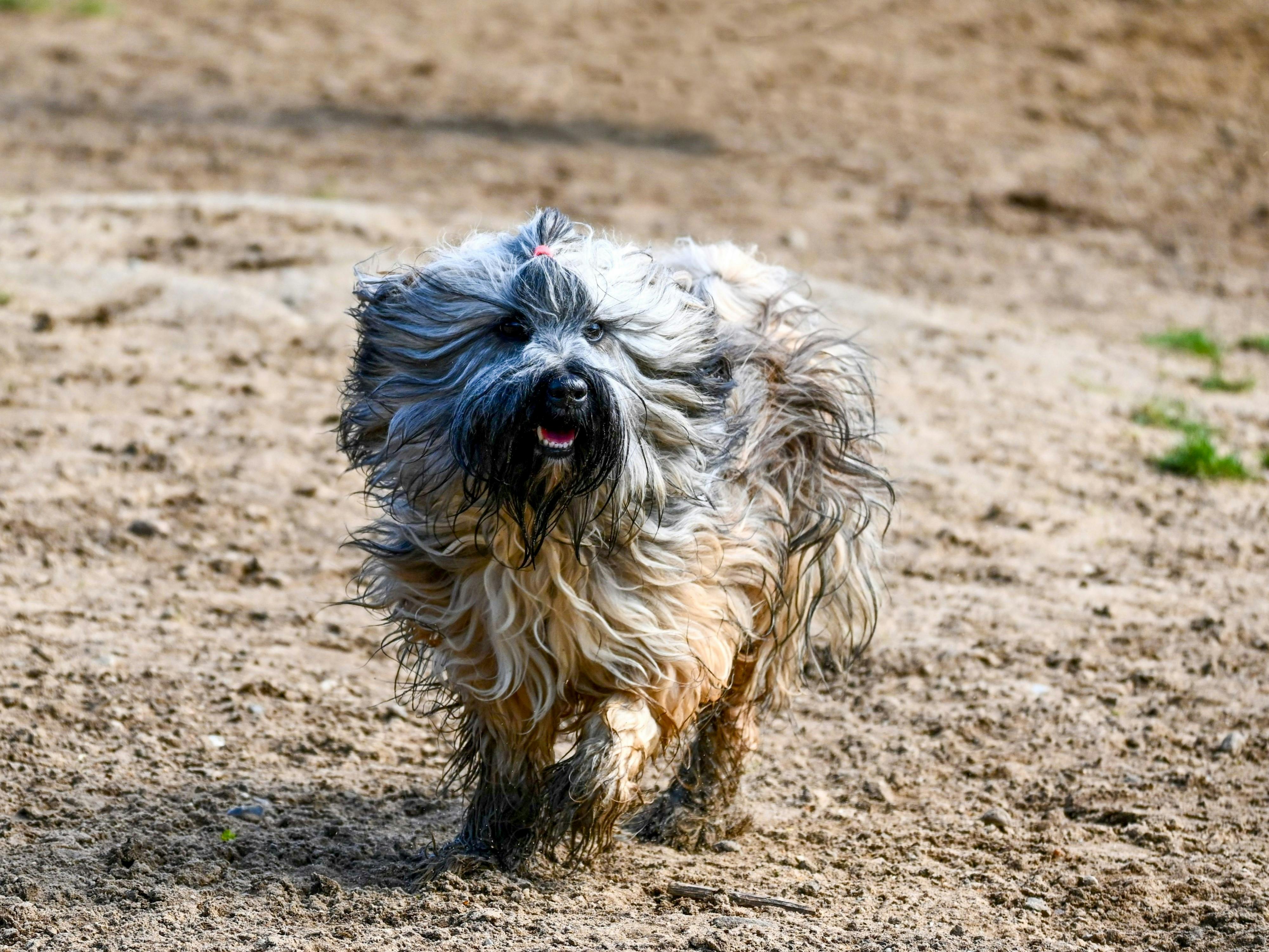
Have you ever wondered why do dogs have wet noses? It’s a common question among dog owners, and it may surprise you to learn that a wet nose is not just an adorable trait. It play a crucial role in how dogs regulate their body temperature. In fact, a dog’s nose can tell you a lot about their health and well-being. Let’s dive into the fascinating world of canine physiology and discover the surprising benefits of those moist snouts!
The Science Behind a Wet Nose
Dogs have specially designed nose structures that keep them cool and comfortable. Here’s how it works:
- Moisture Production: Dogs’ noses produce moisture through the mucous membranes. This moisture evaporates, helping to cool them down.
- Temperature Regulation: A cool nose helps to maintain their core body temperature when they are overheated. It is an essential part of their natural cooling system.
- Scent Detection: A wet nose enhances a dog’s sense of smell. The moisture helps to trap scent particles, making it easier for them to detect various odors.
Historical Context of Canine Noses
Dogs have been companions to humans for thousands of years. Historical records show that early humans domesticated wolves, leading to the diverse breeds we see today. Those breeds, all with unique traits, have noses that remain wet for similar reasons.
- Evolutionary Advantage: A moist nose likely provided an evolutionary advantage. Dogs that could smell better found food more easily, which means they survived better.
- Breeding Practices: Over time, breeders have favored dogs with excellent olfactory abilities, leading to the perpetuation of the wet nose trait.
The Benefits of a Wet Nose
Now, let’s explore some surprising benefits that come with having a wet nose:
Improved Sense of Smell: A wet nose can enhance a dog’s ability to smell things. Dogs have about 220 million scent receptors, compared to humans’ 5 million. The moisture helps to catch scent particles—making them excellent hunters and companions.
Cooling Mechanism: Just like humans sweat to cool down, dogs use their noses. When the moisture evaporates from their noses, it helps regulate their body temperature. This is especially important during hot weather or after vigorous exercise.
Health Indicator: A dog’s nose can be a telltale sign of their health. Generally, a cold, wet nose is a sign of a healthy dog. If a dog’s nose becomes dry or cracked, it could indicate dehydration or illness.
Social Interaction: Dogs use their noses not just to smell but also to communicate with other dogs. A wet nose can signal friendliness, while a dry nose may indicate stress or discomfort.
Common Misconceptions About Dog Noses
There are plenty of myths floating around about why do dogs have wet noses. Let’s debunk some of the most common ones:
Myth: A wet nose means a dog is sick.
- Fact: While a dry nose can indicate illness, a wet nose is usually a sign of health, not the other way around.
Myth: All dog noses are wet all the time.
- Fact: A dog’s nose can vary throughout the day. Factors like temperature, humidity, and activity level can affect the moisture level.
What to Do If Your Dog’s Nose Is Dry
If you notice your dog’s nose is consistently dry, there are a few things you might consider:
- Increase Hydration: Ensure your dog has access to fresh water at all times.
- Check Environment: Dry weather can affect nose moisture. Consider using a humidifier if your home is particularly dry.
- Consult a Veterinarian: If the dryness persists, or if there are other symptoms, it’s a good idea to schedule a visit with a vet.
Quick Tips for Keeping Your Dog’s Nose Healthy
- Regular Vet Check-ups: Keep up with routine veterinary visits to monitor your dog’s health.
- Hydrate: Make sure your dog always has water available to keep them hydrated.
- Monitor Temperature: During hot weather, ensure your dog has shade and cool water available.
Understanding why do dogs have wet noses is essential for any dog owner. These moist noses are vital for temperature regulation, health, and communication. The next time you pet your furry friend, take a moment to appreciate that wet nose and what it represents. It’s not just a cute feature; it’s a window into your dog’s well-being and a testament to their evolutionary journey alongside humans. So, cherish those wet noses—they’re truly essential for your dog’s happiness and health!
From Playful Pups to Senior Dogs: How Wet Noses Change Throughout Your Dog’s Life
Dogs, often called man’s best friend, come in all shapes and sizes. One thing that stays true across every breed, though, is their wet noses. It can be a bit of a mystery why they have these wet noses, and how it changes as they go from playful pups to wise senior dogs. Let’s dive into this fascinating topic, exploring the reasons why dogs have wet noses and some surprising benefits that come with it.
Why Do Dogs Have Wet Noses?
The wetness of a dog’s nose is not just a quirky feature; it serves several important functions. First off, a wet nose helps dogs to smell better. Dogs have a highly developed sense of smell, and moisture on the nose helps to capture scent particles from the air. This is crucial, because dogs rely heavily on their sense of smell to understand the world around them.
Here’s a quick list of benefits associated with wet noses:
- Enhanced Sense of Smell: Wet noses trap scent molecules, making it easier for dogs to detect odors.
- Thermoregulation: Dogs don’t sweat like humans. Their noses help cool them down, especially in hot weather.
- Health Indicator: A wet nose is often a sign of a healthy dog; however, changes in moisture can indicate health issues.
- Social Signaling: Dogs communicate through scent, and a wet nose can convey different signals to other dogs.
The Evolution of the Wet Nose
Dogs are descendants of wolves, and the evolution of their wet noses can be traced back to their wild ancestors. Wolves relied on their sense of smell to hunt and survive, so the wet nose was essential for tracking prey. Over generations, domesticated dogs kept this characteristic.
In fact, the shape of a dog’s nose can indicate a lot about its breed and lineage. For example, brachycephalic breeds, like Bulldogs, have short noses, while longer-nosed breeds, such as Greyhounds, have more surface area for scent capture.
How Wet Noses Change Throughout a Dog’s Life
Just like humans, dogs go through different life stages, and their noses can change too. Here’s a comparison of how a dog’s nose might vary from puppyhood to their senior years:
| Age | Nose Characteristics | Benefits / Changes |
|---|---|---|
| Puppies | Very moist and often cold | High energy, playful behavior, good health indicator |
| Adults | Typically warm, but still moist | Peak scent detection abilities, mature behavior |
| Seniors | May become dry or less moist | Possible health issues, lower energy levels |
Young puppies usually have very wet noses. It’s a good sign of their health and vitality. As dogs grow older, their noses might become less moist. This can be normal, but it could also indicate underlying health issues that should be checked by a vet.
The Role of Environment
The environment plays a big role in the moisture of a dog’s nose. For instance, if a dog spends time in dry, hot weather, its nose may become dry. On the other hand, if your dog is constantly in damp environments, it might have a perpetually wet nose.
Here are some factors that can affect the wetness of your dog’s nose:
- Humidity Levels: Higher humidity can keep a dog’s nose moist.
- Health Conditions: Certain health issues can cause dryness or excessive moisture.
- Age: Older dogs might have less moist noses compared to younger ones due to various factors.
Surprising Benefits of a Wet Nose
You might be surprised to learn that a dog’s wet nose is not just a cute feature; it has real benefits for both the dog and its owner. For instance, a moist nose often means your dog is healthy and hydrated.
Additionally, the act of sniffing with a moist nose encourages dogs to explore their surroundings. This exploration is crucial for their mental stimulation. A well-stimulated dog is usually happier and more well-behaved. Plus, a dog with a wet nose might just give you extra love and affection, which is beneficial for both of you!
In summary, the wet nose of a dog is an essential part of their anatomy that evolves as they grow. It serves multiple purposes, from enhancing their sense of smell to acting as a health indicator. Understanding these changes can help dog owners provide better care, ensuring their furry friends live happy and healthy lives no matter the stage of life they are in. So, next time you feel that cold, wet nose pressing against you, know that it’s more than just a cute gesture; it’s a sign of your dog’s connection to the world and to you.
Conclusion
In conclusion, the wet noses of dogs serve several important functions that contribute to their overall health and well-being. The moisture on a dog’s nose aids in enhancing their sense of smell, allowing them to detect scents more effectively. This wetness also helps regulate body temperature, acting as a natural cooling mechanism. Moreover, the secretion of mucus on the nose plays a role in keeping it clean and can even provide vital information about a dog’s health. Understanding why dogs have wet noses not only deepens our appreciation for these beloved companions but also highlights the intricate ways in which nature has equipped them for survival. As a dog owner, it’s essential to monitor your pet’s nose and overall health, ensuring they remain happy and healthy. Consider sharing your newfound knowledge with fellow dog lovers and encourage them to observe their furry friends more closely!
