
Have you ever wondered, why do dogs have wet noses? This intriguing question has puzzled many dog lovers and pet owners alike! A dog’s nose is not just a charming feature; it’s packed with purpose and functionality. In this article, we’ll explore the fascinating truth behind those wet noses and uncover the science that makes them so special. Did you know that a wet dog nose plays a crucial role in their sense of smell? That’s right! Dogs possess an incredible ability to detect scents, and their moist noses help enhance this skill. But what causes this moisture? Is it simply due to dog saliva, or is there more to the story? You might be surprised to learn that a wet nose can also indicate a dog’s health and emotions, making it an important aspect of canine communication. So, if you’re curious about the remarkable world of your furry friend’s senses, keep reading to discover why dogs have wet noses, and what this unique characteristic can tell us about our beloved pets! Don’t miss out on this chance to deepen your understanding of canine behavior and care!
The Science Behind Dog Nose Moisture: Why Are They Always Wet?
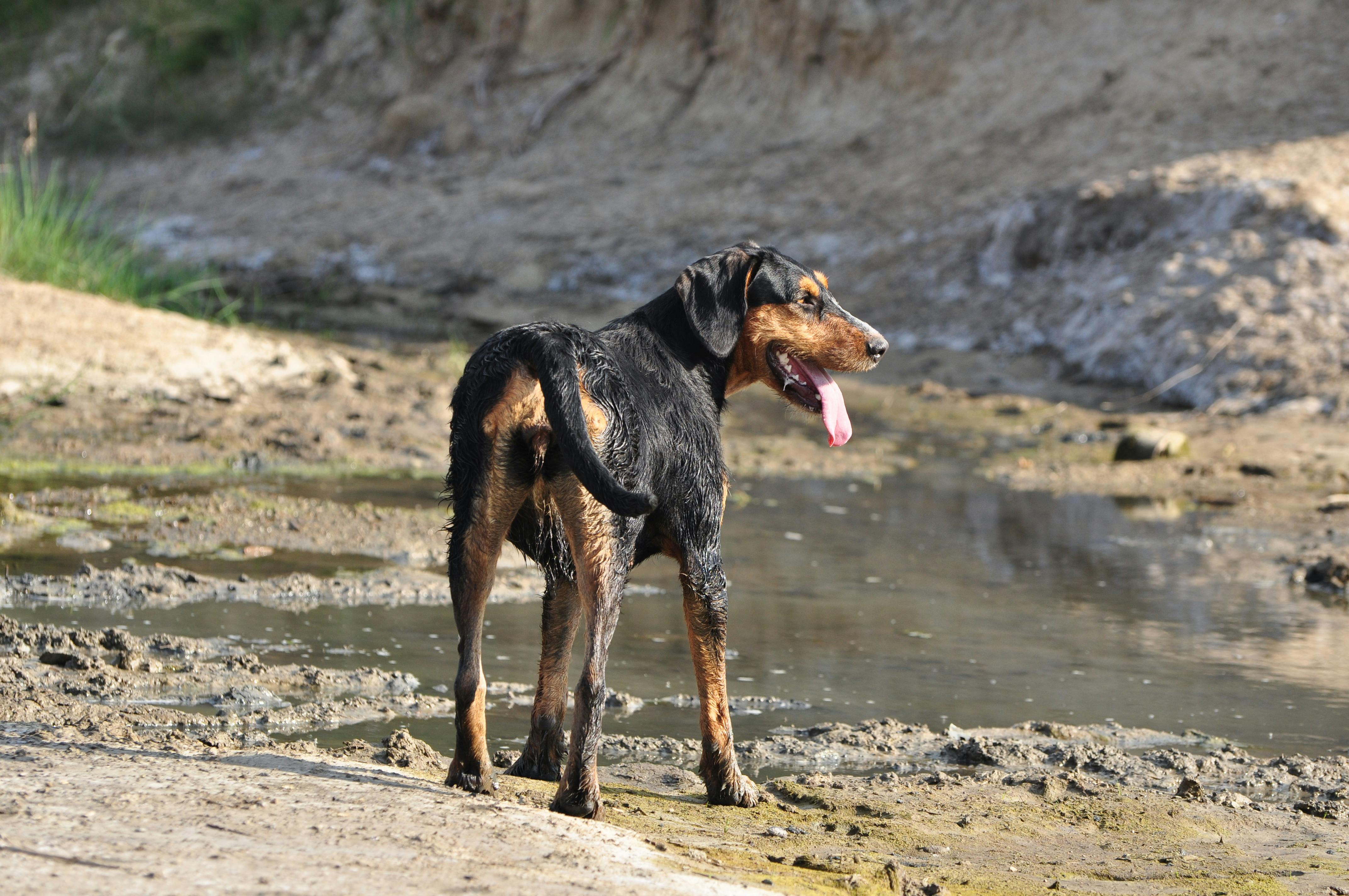
Have you ever wondered why your dog’s nose is always wet? Like, why is it that every time you go in for a snuggle, you get greeted with a cold, damp nose? Many pet owners noticed this phenomenon, but few stop to think about the science behind it. Let’s take a deep dive into the fascinating world of dog nose moisture and uncover the reasons behind those wet noses.
The Anatomy of a Dog’s Nose
First things first, let’s look at how a dog’s nose is structured. Dog noses are not just cute; they’re complex organs. The surface of a dog’s nose is covered in a layer of skin called the rhinarium, which is filled with receptors. These receptors help dogs smell things much better than humans can. The moisture on their noses plays a big role in enhancing their sense of smell.
- Rhinarium: This is the outer layer of the nose, which is moist and helps in scent detection.
- Nasal passages: Dogs have elongated nasal passages that allow for better smell absorption.
- Moisture secretion: Dogs secrete mucus, which helps to trap scent particles.
Why Are Dog Noses Wet?
So, why do dogs have wet noses anyway? Well, there is a few reasons for this moisture.
- Enhanced Olfactory Function: The wetness helps to dissolve scent molecules. When the nose is damp, it can absorb more odors, which is important for a dog’s ability to smell.
- Temperature Regulation: Just like humans sweat, dogs can lose heat through their noses. Moisture helps to cool them down, especially on hot days.
- Health Indicator: A wet nose is often seen as a sign of good health. If a dog’s nose becomes unusually dry or cracked, it can sometimes indicate illness or dehydration.
The Role of Mucus
Mucus plays a significant role in the moisture of a dog’s nose. It’s not just for trapping scents; it also helps to keep the nasal passages clear. The mucus can also help to protect against infections, which is vital for a dog’s overall health.
Historical Perspectives on Dog Noses
Interestingly, the perception of a dog’s wet nose goes back centuries. In ancient cultures, dogs were often praised for their keen sense of smell. The Egyptians even regarded dogs as sacred animals, and their noses were seen as a symbol of their connection to the divine.
- Ancient Egypt: Dogs were revered and had a significant role in mythology.
- Medieval Times: Dogs were used for hunting, and their noses were crucial for tracking.
- Modern Day: Dogs are still used in various fields like search and rescue, thanks to their incredible olfactory abilities.
Interesting Facts About Dog Noses
- Did you know that dogs have between 220 million to 300 million scent receptors? In contrast, humans only have about 5 million.
- The wetness of a dog’s nose can vary depending on their activity level; for instance, after a long walk, you might notice it is more moist.
- Different dog breeds can have different types of noses; some are more prone to dryness than others.
Practical Examples of Nose Moisture in Dogs
Here’s a quick rundown of common scenarios involving dog noses:
- After Playtime: A dog’s nose often gets wetter after running around. This is due to increased mucus production.
- On Sunny Days: When it’s hot outside, you might notice your dog’s nose is particularly moist as they try to cool down.
- When They’re Curious: If they’re sniffing around a lot, their nose will likely be wetter due to their increased olfactory activity.
When to Be Concerned About Dry Noses
While most of the time a wet nose is normal, there are situations when you should pay attention. Here are some signs to look out for:
- Cracks or sores: If your dog’s nose is dry and cracked, it might be time to see a vet.
- Changes in color: A sudden change in color from healthy black or brown to a lighter shade can be a cause for concern.
- Excessive dryness: If your dog’s nose is unusually dry for an extended period, it’s something to investigate.
Understanding the science behind why dogs have wet noses can help you appreciate your furry friend even more. Their noses are not just adorable; they’re essential tools for their survival and interaction with the world. So, the next time your dog greets you with that cool, damp nose, remember the fascinating truth behind it!
5 Compelling Reasons Your Dog’s Nose Is Wet: Uncovering the Mystery

Ever wonder why your furry friend’s nose is always wet? You’re not alone! Many dog owners ask themselves this question, and it’s one that holds a lot of interesting facts. A wet nose is not just a cute feature; it serves multiple purposes. Let’s dive into five compelling reasons why dogs have wet noses, uncovering the mystery behind this fascinating trait.
1. Natural Cooling Mechanism
One of the primary reasons that dogs have wet noses is for temperature regulation. Dogs don’t sweat like humans do. Instead, they rely on their noses to help cool down their bodies. When a dog’s nose is wet, it can better regulate its body temperature.
- The moisture on a dog’s nose evaporates, which helps cool down the dog.
- This is especially important during hot weather or after exercise.
So, the next time you see your pup with a wet nose, remember it’s working hard to keep cool!
2. Enhanced Sense of Smell
Did you know that a dog’s sense of smell is way better than ours? Some studies say dogs can smell up to 100,000 times better than humans! A wet nose plays a key role in this incredible ability.
- Moist noses help capture scent particles from the air.
- This moisture creates a better environment for the olfactory receptors to pick up scents.
It’s like your dog is wearing a high-tech sniffing device! A wet nose helps them explore the world like no other animal can.
3. Hydration Indicator
A wet nose can also be an indicator of your dog’s hydration levels. While not always a definitive sign, a moist nose often suggests that your dog is well-hydrated. Conversely, if your dog’s nose is dry and cracked, it might be a sign that they need more water.
- A consistently dry nose could also indicate health issues, like fever or dehydration.
- Monitoring your dog’s nose can help you catch potential health problems early.
So keep an eye on that nose; it could be telling you something important about your pet’s health!
4. Social Interaction and Communication
Dogs are social animals, and their wet noses play a part in their interactions with other dogs and humans. When dogs greet each other, they often sniff each other’s noses. This behavior is part of their communication.
- Wet noses can convey information about a dog’s emotional state.
- Dogs may use their noses to assess another dog’s mood or health.
A wet nose can signal openness and friendliness, making it a key tool in canine socializing. It’s like a handshake but much more personal!
5. The Role of Mucus
Another interesting aspect of a dog’s wet nose is the mucus that covers it. The mucus serves several purposes:
- It helps trap scent particles, enhancing their sense of smell.
- It can also work as a protective barrier against dirt and bacteria.
The mucus keeps the nose moist and functional, ensuring that your dog can always enjoy their surroundings. It’s a small but crucial part of their anatomy!
Table: Summary of Reasons for Wet Noses in Dogs
| Reason | Explanation |
|---|---|
| Natural Cooling Mechanism | Helps regulate body temperature through evaporation. |
| Enhanced Sense of Smell | Wetness captures scent particles for better smelling. |
| Hydration Indicator | Moisture can indicate hydration levels. |
| Social Interaction | Used in communication with other dogs and humans. |
| Role of Mucus | Enhances smell and protects the nose. |
Understanding these reasons might make you appreciate your dog’s wet nose even more. It’s more than just an adorable feature; it’s an essential part of their health and behavior.
Next time you’re petting your pup and feel that cool, damp nose against your hand, remember all the fascinating reasons behind it. Whether it’s cooling them down, helping them socialize, or letting you know they are healthy, a wet nose is a sign of a happy and thriving dog. So, cherish those moments, and don’t forget to give your furry friend some extra love!
How a Dog’s Wet Nose Benefits Their Health and Senses
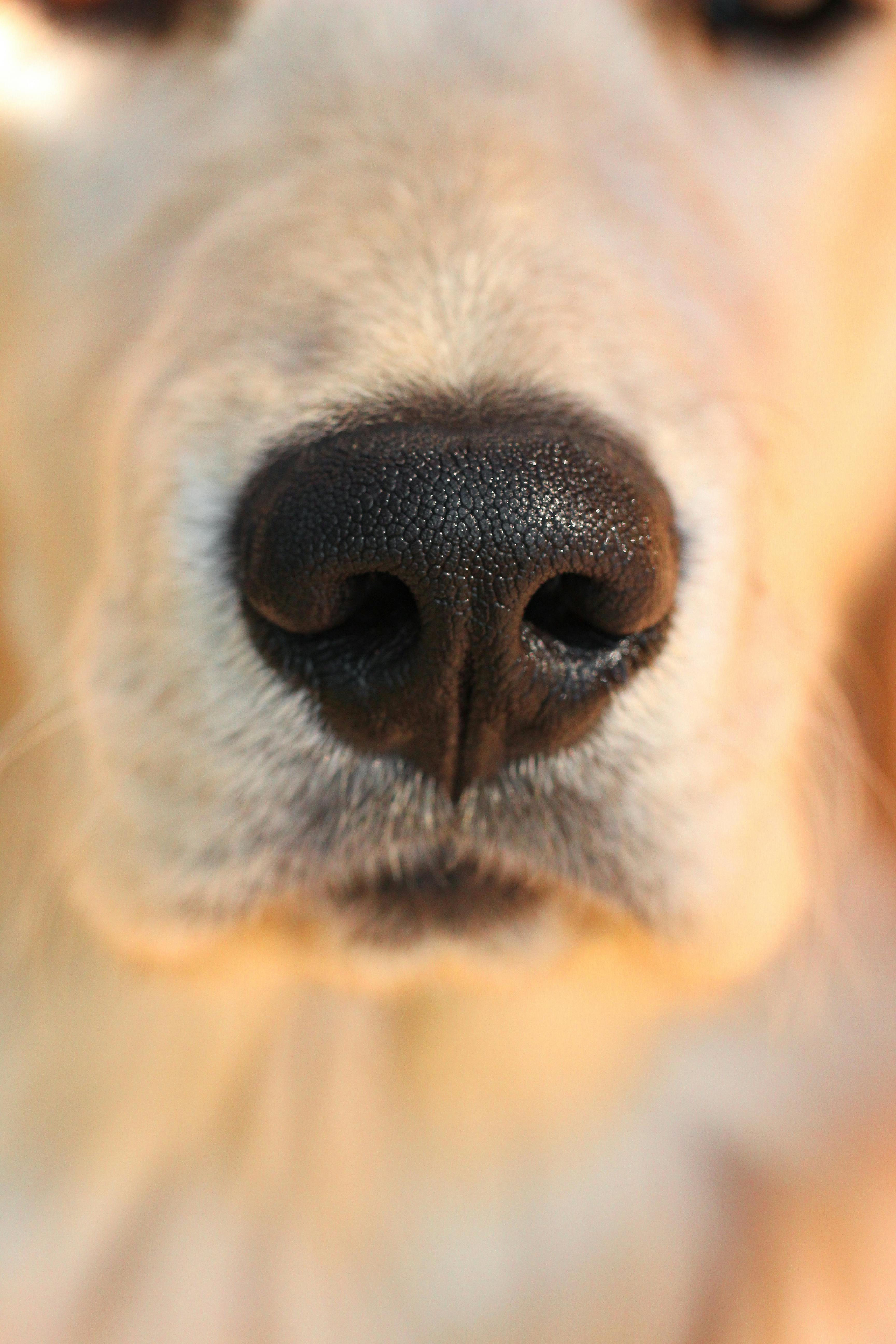
Ever wonder why dogs have wet noses? It’s not just for show or because they just got a drink of water! There’s a lot more going on with that wet nose than meets the eye. In fact, a dog’s wet nose plays a big role in their health and senses. Let’s dive into the fascinating truth behind this common canine characteristic.
The Science Behind the Wet Nose
Dogs noses are wet primarily because of a thin layer of mucus that helps them to absorb scent chemicals. The moisture on their nose can enhance their sense of smell, which is already quite remarkable. Dogs have up to 300 million smell receptors in their noses, compared to a human’s 6 million. This means they can detect scents in ways we can only imagine.
The wetness also helps with thermoregulation. When dogs become too warm, the moisture on their nose evaporates, cooling them down. This is kind of like how we sweat, but they do it through their noses instead.
Health Benefits of a Wet Nose
Improved Sense of Smell: The wet surface area allows scent particles to bind more effectively, making it easier for dogs to identify different odors. This is why they can sniff out food, people, and even diseases!
Regulating Temperature: As mentioned earlier, the moisture helps dogs cool their bodies. This is especially important in hot weather or after exercising.
Hydration Indicator: A dog’s nose can be a good indicator of their hydration level. If a dog’s nose is excessively dry, it might suggest they need more water or could even indicate health issues.
Natural Healing: Dogs have certain proteins that help heal wounds found in their saliva. Their wet noses might help keep the area hydrated, promoting faster healing.
Why Do Dogs Have Wet Noses?
You might be asking, why do dogs have wet noses in the first place? The answer is evolutionary. Dogs evolved from wolves, who relied heavily on their sense of smell for hunting and survival. A wet nose became an advantageous trait to help them sniff out prey and stay alert to potential threats.
Fun Facts About Dog Noses
- Unique Patterns: Just like human fingerprints, every dog has a unique nose print. This could be used for identification!
- Color Variations: A dog’s nose can be black, brown, or even pink, which can change with age or health conditions.
- Sensitivity: Dogs’ noses are so sensitive that they can detect certain diseases, like cancer or diabetes, in their humans just through scent.
Common Misconceptions
There are plenty of myths surrounding dog noses. Here’s a quick rundown of some common misconceptions:
- Wet Nose = Healthy Dog: While a wet nose is often a sign of a healthy dog, it’s not always the case. Dogs can have health issues yet still have a wet nose.
- Dry Nose = Sick Dog: A dry nose doesn’t automatically mean your dog is sick. Environmental factors, such as heat or wind, can also dry out their nose.
How to Care for Your Dog’s Nose
It’s important to keep an eye on your dog’s nose. Here are some tips on how to care for it:
- Hydration: Make sure your dog is drinking enough water, especially in hot weather.
- Moisturize: If your dog’s nose looks particularly dry, consider using a vet-approved balm to help with moisture.
- Regular Check-ups: Regular vet visits can help catch any potential nose-related health issues early on.
In Summary
A dog’s wet nose is more than just a cute feature; it’s a complex tool that aids in their health and senses. From enhancing their sense of smell to helping regulate their body temperature, the wet nose is essential for a dog’s well-being. Understanding why dogs have wet noses can improve how we take care of our furry friends.
So next time you give your pup a scratch behind the ears, take a moment to appreciate that little wet nose and all the wonders it brings to their health and senses. It’s fascinating how such a small feature can have such a big impact!
Is a Wet Nose a Sign of a Healthy Dog? Debunking Common Myths
Is a wet nose a sign of a healthy dog? This question often come up among dog owners and animal lovers. Many people thinks that a cold, wet nose indicates that a dog is healthy, but the reality is a bit more complex. In this article, we will explore the truth behind wet noses in dogs and debunk some common myths. Let’s dive into why do dogs have wet noses and what it really means for their health.
The Science Behind Wet Noses
Dogs noses are wet for several reasons, and it’s not just because they are sniffing around in the dirt. The moisture on a dog’s nose helps to enhance their sense of smell. Dogs are known for their incredible olfactory abilities, and a wet nose plays a crucial role in that. Here’s how:
- Better Smell Detection: The moisture traps scent particles, making it easier for dogs to detect different smells.
- Thermal Regulation: A wet nose helps to cool the dog down, similar to how sweating works in humans.
- Health Indicator: While a wet nose can indicate a healthy dog, it is not the only factor to consider.
Common Myths About Dog Noses
There are several myths surrounding the wetness of a dog’s nose. It’s important to clarify these misconceptions:
Myth 1: A Wet Nose Means a Dog is Healthy
While a wet nose can be a sign of health, it’s not a definitive indicator. Dogs can have wet noses even when they are sick.Myth 2: A Dry Nose Means a Dog is Sick
A dry nose does not automatically mean a dog is unwell. Factors such as the weather, activity level, and time of day can affect nose moisture.Myth 3: All Dogs Have Wet Noses
Not all breeds have the same level of nose moisture. Some dog breeds may naturally have drier noses, and that can be perfectly normal.
Why Do Dogs Have Wet Noses?
Dogs have wet noses for practical reasons, and understanding this can help owners take better care of their pets. Here are some reasons why a dog’s nose is wet:
Scent Enhancement: As mentioned, wet noses trap scents more effectively. This helps dogs identify food, other animals, and even their owners.
Body Temperature Regulation: Dogs do not sweat like humans do. Their nose moisture helps to keep them cool, particularly during hot weather.
Health Monitoring: A dog’s nose can change moisture and temperature based on their health. Monitoring these changes can help in detecting potential health issues.
How to Care for Your Dog’s Nose
Keeping your dog’s nose healthy is important. Here are some tips for nose care:
Regular Checkups: Visit the veterinarian for regular health checkups. They can assess your dog’s overall health and give advice on nose care.
Hydration: Ensure your dog has access to fresh water. Dehydration can lead to a dry nose.
Weather Protection: In extreme weather, protect your dog’s nose. In winter, cold air can dry it out; in summer, sunburn is possible.
Signs of Nasal Problems in Dogs
Dog owners should be aware of changes in their dog’s nose. Here are some signs that could indicate a problem:
- Excessive Dryness: If the nose is excessively dry or cracked, it may need attention.
- Discharge: Unusual discharge from the nose can be a sign of illness.
- Color Changes: If the nose changes color, it should be examined by a vet.
Comparing Healthy vs. Unhealthy Noses
Here’s a simple table comparing signs of a healthy nose versus an unhealthy one:
| Healthy Nose | Unhealthy Nose |
|---|---|
| Moist and cool | Dry or cracked |
| No discharge | Discharge present |
| Pink or black color | Color changes (red, white, etc.) |
Understanding what a healthy dog nose looks like can help you monitor your pet’s well-being.
Final Thoughts
While a wet nose can be an indicator of a healthy dog, it’s not the be-all and end-all. A dog’s overall health is determined by various factors including diet, exercise, and regular veterinary checkups. Keep an eye on your furry friend’s behavior and consult a vet if you notice significant changes. Remember, every dog is unique, and what’s normal for one might not be for another. By staying informed, you can provide the best care for your beloved pet.
The Fascinating Role of Nasal Moisture in Dog Communication

Dogs have always been our loyal companions, right? But have you ever stopped to think about why do dogs have wet noses? It seems like such a simple question, but the answer is actually pretty fascinating and involves a lot more than just a surface-level observation. Let’s dive into the role nasal moisture plays in dog communication and uncover some truths that may surprise you!
Understanding the Basics of Dog Noses
First off, dogs noses are not just cute; they serve several essential functions. The wetness of a dog’s nose is primarily due to mucous secretions which help to enhance their sense of smell. Dogs have an extraordinary olfactory sense, estimated to be around 10,000 to 100,000 times more sensitive than ours. That’s crazy, right? When their noses are moist, it helps trap scent particles, increasing the efficiency of their sniffing abilities.
The Science Behind Wet Noses
Now, you might wonder, how does this all work? Well, dogs have specialized cells in their noses called olfactory receptor neurons. These cells are sensitive to various odor molecules. When the nose is wet, it allows these molecules to dissolve better, making it easier for dogs to pick up scents. Here are some interesting facts about dog noses:
- Dogs have about 220 million olfactory receptors, compared to a human’s 5 million.
- The part of a dog’s brain that processes smells is about 40 times larger than that of humans.
- The moisture on a dog’s nose can also help them regulate their body temperature.
Communication Through Scent
Dogs communicate a lot through their sense of smell. When they meet each other, they don’t just wag their tails or bark; they sniff each other’s noses and bodies to gather information. This is how they learn about each other’s emotional state, health, and even their diet. A dog with a dry nose might be sending signals of illness or dehydration. Conversely, a wet nose can indicate that a dog is healthy and hydrated.
Why Do Dogs Have Wet Noses?
There are several reasons that contribute to the wetness of a dog’s nose:
- Natural Moisture: Dogs secrete mucus to keep their noses moist.
- Licking: Dogs often lick their noses, adding to the moisture.
- Environmental Factors: Humidity and temperature can also influence how wet a dog’s nose gets.
Historical Context of Dog Noses
Interestingly, the relationship between dogs and humans has evolved for thousands of years. In ancient times, dogs were valued not only for their companionship but also for their incredible ability to track scents. This capability was essential for hunting and gathering. Wet noses played a crucial role in this, as they allowed dogs to detect scents over long distances, leading to successful hunts.
Comparing Dog Noses with Other Animals
When we look at other animals, we can see differences in how noses function. For example:
- Cats: Their noses are also moist but not as wet as dogs. They rely on sight and hearing more than smell.
- Humans: Our noses are dry, and we rely more on our sense of sight and hearing compared to dogs.
Practical Examples of Dog Communication
Here are some practical examples showing how dogs use their noses for communication:
- Greeting Behavior: When dogs meet, they sniff each other’s noses and rear ends to gather information.
- Scent Tracking: Dogs are often used in search and rescue operations due to their ability to track scents, especially in emergencies.
- Detecting Illness: Some studies suggest that dogs can even sense certain diseases, like cancer, by detecting changes in a person’s scent.
Fun Facts About Dog Noses
- A dog’s nose print is unique, like a human fingerprint!
- Certain breeds have more moisture in their noses than others, like Retrievers.
- Dogs can identify their owner’s scent even among a crowd of people.
Understanding why do dogs have wet noses not only deepens our appreciation for these furry friends but also enhances the bond we share with them. Their wet noses are not just a cute feature; they are vital tools for communication and survival. Next time you’re giving your dog a good scratch behind the ears, take a moment to appreciate that wet nose and everything it represents.
What Your Dog’s Wet Nose Says About Their Emotions: A Deep Dive

Have you ever noticed your dog’s wet nose and wondered what it actually means? You’re not alone! Many dog owners ponder this question. A wet nose is often seen as a sign of a happy and healthy dog, but there’s much more to it than that. Let’s dive into the fascinating world of canine emotions and the biology behind those moist noses.
Why Do Dogs Have Wet Noses?
Dog noses are wet for several reasons, and it’s not just because they love to sniff everything in sight. Here are some interesting facts:
- Heat Regulation: Dogs sweat through their paws, but their nose plays a role in keeping them cool. The moisture helps to regulate their body temperature.
- Enhanced Sense of Smell: A wet nose can help trap scent particles, making it easier for dogs to detect smells. This is why they have such an impressive sense of smell compared to humans.
- Health Indicator: A dog’s nose can indicate their health status. A wet and cool nose is often a sign of good health, while a dry or warm nose might suggest illness or dehydration.
The Connection Between Nose Wetness and Emotions
Dogs communicate a lot through their body language, and their noses can tell us something about what they’re feeling. Here’s how:
- Happy and Excited: When your dog is feeling joyful or excited, their nose usually stays wet. If your dog greets you with a moist nose, it’s likely they’re happy to see you.
- Calm and Relaxed: A dog that is calm may also have a wet nose. It indicates that they’re at ease in their environment.
- Stressed or Anxious: Dogs that are stressed or anxious may have a dry nose. This could occur during thunderstorms or when they are left alone.
How to Interpret Your Dog’s Nose
Understanding your dog’s nose can help you gauge their emotional state. Here’s a simple guide:
- Wet and Cool: Your dog is likely content and healthy.
- Warm and Dry: This could mean they’re stressed, sick, or just waking up.
- Frequent Nose-Licking: If your dog is licking their nose often, it may indicate nervousness or discomfort.
Historical Context of Dog Noses
Historically, dogs have been companions to humans for thousands of years. The wet nose is an evolutionary trait that has helped them survive in the wild. Here’s a brief timeline of how dog noses developed:
- Ancient Times: Dogs were first domesticated from wolves, who relied heavily on their sense of smell to hunt and survive.
- Middle Ages: Dogs were used in hunting and tracking, where a wet nose played a crucial role in scent detection.
- Modern Era: Today, dogs are trained to use their noses for various tasks, including search and rescue, detecting drugs, and even identifying diseases.
Fun Facts About Dog Noses
- Dogs have up to 300 million smell receptors, while humans only have about 6 million.
- The shape and moisture of a dog’s nose can differ between breeds.
- A dog’s nose print is unique, much like a human fingerprint. This means it can be used for identification.
Caring for Your Dog’s Nose
Keeping your dog’s nose healthy is important. Here are some tips:
- Hydration: Make sure your dog always has access to fresh water.
- Check for Injuries: Regularly inspect the nose for any cuts or signs of dryness.
- Avoid Harmful Products: Some dog owners use nose balms or creams. Always consult a vet before applying anything.
Additional Considerations
When evaluating your dog’s nose, consider the environment they are in. Hot weather can cause a dog’s nose to dry out more quickly, while cold weather can lead to chapping. Also, remember that occasional changes in nose moisture are normal.
No matter what, a dog’s wet nose remains a symbol of their unique character and health. From excitement to anxiety, these wet noses give us a glimpse into their emotional worlds. As dog owners, understanding these signs can help us provide better care and companionship for our beloved pets. So next time you see that wet nose, remember the fascinating truth behind it!
The Connection Between Temperature Regulation and Your Dog’s Wet Nose
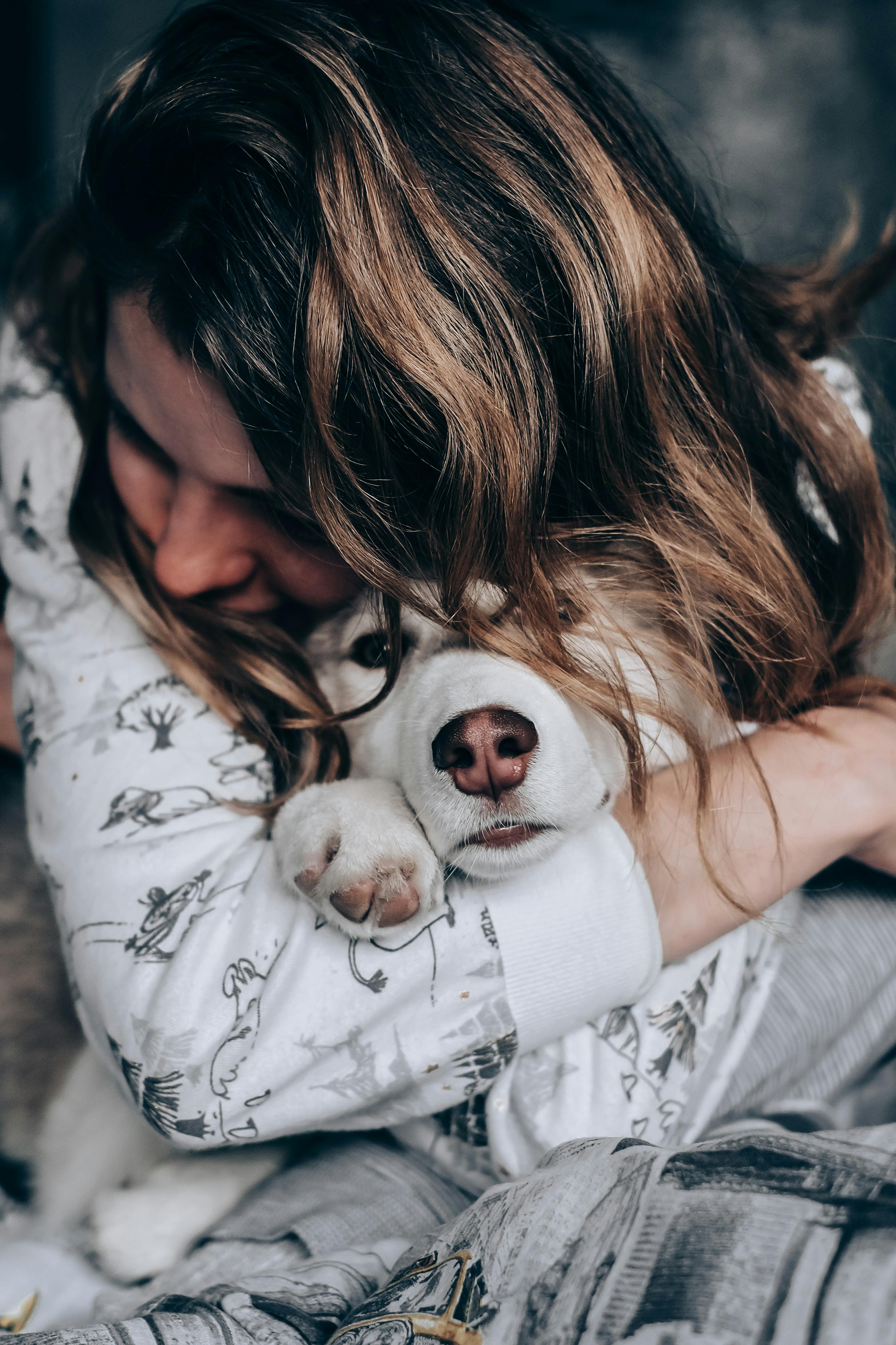
When you think about dogs, one of the first things that might pop into your head is their adorable, wet noses. Ever wonder why dogs have wet noses? It’s not just for show, there’s actually some fascinating science behind it! One of the main reasons is temperature regulation. Dogs, unlike humans, can’t sweat through their skin to cool down. Instead, they rely on a few different methods, including their breathing and, you guessed it, their noses! Let’s dive deeper into this intriguing connection between temperature regulation and your dog’s wet nose.
The Science of a Wet Nose
So, why do dogs have wet noses? Well, it turns out that a dog’s nose is a unique organ! The moisture on their noses helps to enhance their sense of smell. The wetness helps to trap scent particles in the air, allowing dogs to pick up a variety of smells. The science behind it is pretty neat!
- Dogs have about 220 million scent receptors in their noses, compared to humans who have only about 5 million.
- Wet noses can absorb scent better, which is crucial for hunting, tracking, or just sniffing out treats.
- The temperature of a dog’s nose can also indicate their health. A warm, dry nose could mean they are sick or dehydrated.
How Temperature Regulation Works in Dogs
Dogs don’t have as many sweat glands as we do. So how do they manage to keep cool? They rely heavily on panting and the moisture on their noses. Here’s how it works:
- Panting: When dogs pant, they evaporate moisture from their tongues and the lining of their lungs. This process cools their body temperature.
- Nose Moisture: The wetness of their nose aids in cooling as well. The moisture evaporates, which helps to lower their body temperature.
- Blood Flow: Dogs have a unique blood flow system that allows for better heat dissipation. The blood vessels in their nose can expand to help release heat.
Why is a Wet Nose Important?
The wetness of a dog’s nose is not just for their sense of smell but also serves several other purposes:
- Health Indicator: A wet nose usually indicates a healthy dog. If your furry friend has a dry, cracked nose, it may be worth checking in with a vet.
- Temperature Control: As discussed, it helps in regulating their body temperature.
- Social Signals: Dogs communicate with each other in part through smells. A wet nose helps them gather more information about their environment and other animals.
Fun Facts About Dogs’ Noses
Here are some interesting tidbits about dogs’ noses that you might not know!
- Unique Patterns: Just like human fingerprints, each dog’s nose print is unique.
- Color Variation: The color of a dog’s nose can vary widely, from black to pink, and even spotted.
- Nasal Turbinates: Dogs have special structures in their noses called nasal turbinates that help filter and warm air before it reaches their lungs.
Comparison: Dogs vs. Other Animals
To further illustrate how special a dog’s nose is, let’s compare it to other animals:
| Animal | Number of Scent Receptors | Nose Functionality |
|---|---|---|
| Dogs | 220 million | Enhanced sense of smell, temperature regulation |
| Cats | 50-80 million | Good sense of smell, but less than dogs |
| Humans | 5 million | Limited sense of smell compared to dogs |
Practical Tips for Dog Owners
To ensure that your dog’s nose stays wet and healthy, consider the following tips:
- Hydration: Always provide fresh water. Dehydration can lead to a dry nose.
- Environment: Keep your dog cool in hot weather to prevent overheating.
- Regular Check-ups: Routine vet visits can help detect any unusual changes.
Understanding the connection between temperature regulation and your dog’s wet nose is not just interesting, it’s crucial for pet care. It’s a fascinating truth that dogs have adapted in unique ways to survive and thrive alongside us. So, the next time you see your dog with that adorable wet nose, remember that it’s not just cute — it’s a sign of health and an important part of how they regulate their body temperature! Keeping an eye on it can lead to a happier, healthier pup.
Why Do Some Dog Breeds Have Drier Noses? Exploring the Differences

Have you ever noticed how some dog breeds have drier noses than others? It’s a curious observation that many dog owners make, especially when they compare their own pets. Understanding the anatomy and physiology of dogs can shed light on this fascinating subject. Let’s explore why do some dog breeds have drier noses, and discover the underlying reasons behind the classic question: why do dogs have wet noses?
What’s the Deal With Dog Noses?
Dog noses, wet or dry, are way more than just cute. They are essential for a dog’s sense of smell. Dogs have about 220 million scent receptors in their noses, compared to a human’s 5 million. This incredible olfactory capability allows them to detect scents at extremely low concentrations. But what about the moisture levels?
A dog’s nose is moist for a couple of important reasons. First, the moisture helps to absorb scent particles, which makes it easier for dogs to smell. Second, wet noses help to regulate their body temperature. So, when a dog is feeling hot, they might lick their nose to cool down.
Why Are Some Noses Drier?
Now, let’s get into why some dogs have drier noses than others. Several factors contribute to this phenomenon:
Breed Differences: Certain breeds, like the Bulldog or the Shar Pei, are known to have drier noses. This can be due to their skin structure and genetic traits.
Health Factors: A dog’s health can also affect the moisture of their nose. For instance, if a dog is dehydrated or unwell, their nose may become dry. Conditions like fever, allergies, or respiratory issues can also lead to a drier nose.
Environmental Influences: Climate plays a role too. Dry air or hot weather can sap moisture from a dog’s nose. Dogs that live in dry areas might have drier noses compared to those in humid climates.
Age: Older dogs might experience changes in their skin and nose moisture levels, leading to a drier appearance.
Comparing Wet and Dry Noses
To further understand this topic, let’s break down some differences between wet and dry noses in dogs.
Wet Nose Characteristics:
- Better Sense of Smell: A wet nose can enhance a dog’s olfactory senses.
- Cooling Mechanism: It helps in regulating body temperature.
- Healthy Indicator: Generally, a moist nose indicates good health and hydration.
Dry Nose Characteristics:
- Breed-Specific: Some breeds naturally have drier noses.
- Possible Health Issues: A persistently dry nose may signal health problems.
- Environmental Factors: Drier climates can lead to a dry nose.
When Should You Be Concerned?
While a dry nose can be normal for some dogs, there are times when it might indicate a problem. Look out for these signs:
- Cracked or Bleeding Nose: If the nose is not only dry but also cracked or bleeding, it’s worth consulting a vet.
- Change in Temperature: A warm, dry nose might suggest a fever.
- Behavioral Changes: If your dog is lethargic or seems unwell, this could be more serious.
Fun Facts About Dog Noses
- Dogs have a unique nose print, just like human fingerprints. Each dog’s nose is different!
- The color of a dog’s nose can change with temperature or health. For example, a dog’s nose might darken in cold weather.
- Some breeds, like the Labrador Retriever, are known for their particularly wet noses, while breeds like the Pug may have drier ones.
The Fascinating Truth
So, why do dogs have wet noses? It’s not just for show. The moisture on a dog’s nose plays a crucial role in their health and sensory abilities. Wet noses help them smell better and keep cool, while drier noses can sometimes indicate breed characteristics or health issues.
In the end, whether your dog has a wet or dry nose, it’s important to pay attention to any changes in condition. Understanding these differences can help you take better care of your furry friend, ensuring they stay happy and healthy. Always consult with a veterinarian if you notice any concerning changes in your dog’s nose or overall health.
Wet Nose vs. Dry Nose: What Every Dog Owner Should Know
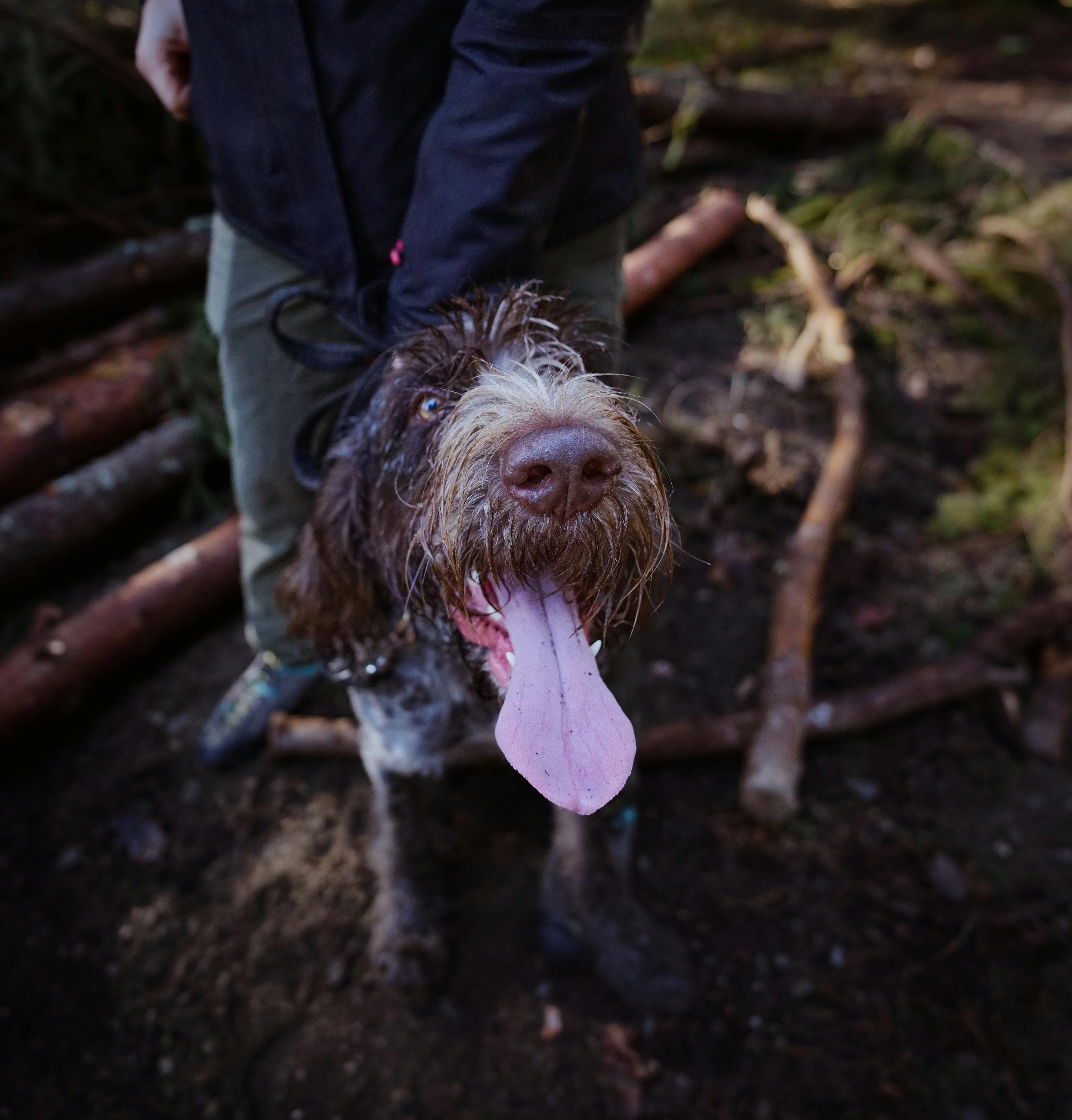
When you are a dog owner, you might notice that your furry friend’s nose can change from wet to dry and vice versa, which can left you wondering about this curious phenomenon. Why do dogs have wet noses? And what does it means for their health? Let’s dive into the fascinating world of canine noses and uncover the truths behind wet noses vs. dry noses.
The Science Behind Dog Noses
Dog noses are not just cute; they are complex organs. They are designed for smelling and sensing the world around them. The wetness of a dog’s nose plays a crucial role in how they experience their environment. The moisture on their nose helps to capture scent particles, enhancing their ability to detect smells. This is why dogs are amazing at tracking and hunting; their noses are finely tuned instruments.
- Nasal Structure: A dog’s nose is lined with a special type of tissue that produces mucus. This mucus keeps the nose wet, allowing it to better absorb scents.
- Temperature Regulation: A wet nose can also help dogs regulate their body temperature. Just like humans sweat to cool down, dogs can lose heat through their noses.
Why Do Dogs Have Wet Noses?
The question “why do dogs have wet noses” can be answered in several ways. Here are some important facts to consider:
- Scent Absorption: Wet noses are more effective at picking up scents. When the nose is moist, it can trap more scent molecules, making it easier for dogs to smell.
- Health Indicator: A dog’s nose can serve as an indicator of its health. A wet, cool nose usually indicates a healthy dog, while a dry, warm nose may suggest illness or dehydration. However, this isn’t a hard and fast rule, so don’t panic if your dog’s nose is dry occasionally.
- Behavioral Reasons: Dogs often lick their noses, which keeps it moist. This behavior may also be linked to their instincts and social behaviors, as they use their noses to communicate with other dogs.
Wet Nose vs. Dry Nose: What’s the Difference?
Both wet and dry noses can be normal, but there are some things to keep in mind. Here’s a simple breakdown:
Wet Nose:
- Good at detecting scents.
- Indicates a healthy hydration level.
- Often cooler to the touch.
Dry Nose:
- May indicate dehydration or illness, but not always.
- Can be warm, which might suggest a fever.
- Can also be normal for some dogs depending on their breed or environmental factors.
Factors Affecting Nose Moisture
Several factors can lead to changes in your dog’s nose moisture. Here’s a list of them:
- Weather Conditions: Hot, dry weather can cause a dog’s nose to dry out. Similarly, cold weather can also affect moisture levels.
- Health Issues: Certain medical conditions, like allergies or infections, can cause a dry nose.
- Hydration: If a dog isn’t drinking enough water, its nose may become dry.
- Age: Older dogs may naturally have drier noses.
What to Watch For
As a dog owner, it’s important to monitor your pup’s nose along with other signs of health. Here are some symptoms that may indicate a problem:
- Persistent dry nose.
- Cracked or bleeding nose.
- Discoloration (black to pink or vice versa).
- Excessive licking of the nose.
If you notice any of these symptoms, it’s a good idea to consult with your veterinarian, even if your dog seems otherwise healthy.
Fun Facts About Dog Noses
- Did you know that dogs have up to 300 million smell receptors in their noses? Humans have only about 5 million!
- Each dog has a unique nose print, similar to a human fingerprint.
- Dogs can detect certain diseases, including cancer, through their sense of smell.
Understanding why dogs have wet noses and what the differences between wet and dry noses means can help you become a better dog owner. You can ensure your pup stays happy and healthy by watching for changes in their nose moisture and overall behavior.
So, the next time you give your furry friend a pat, don’t forget to check that adorable nose! It’s more than just cute; it’s a vital part of their health and wellbeing.
Curious Canines: How Dogs Use Their Wet Noses to Explore the World
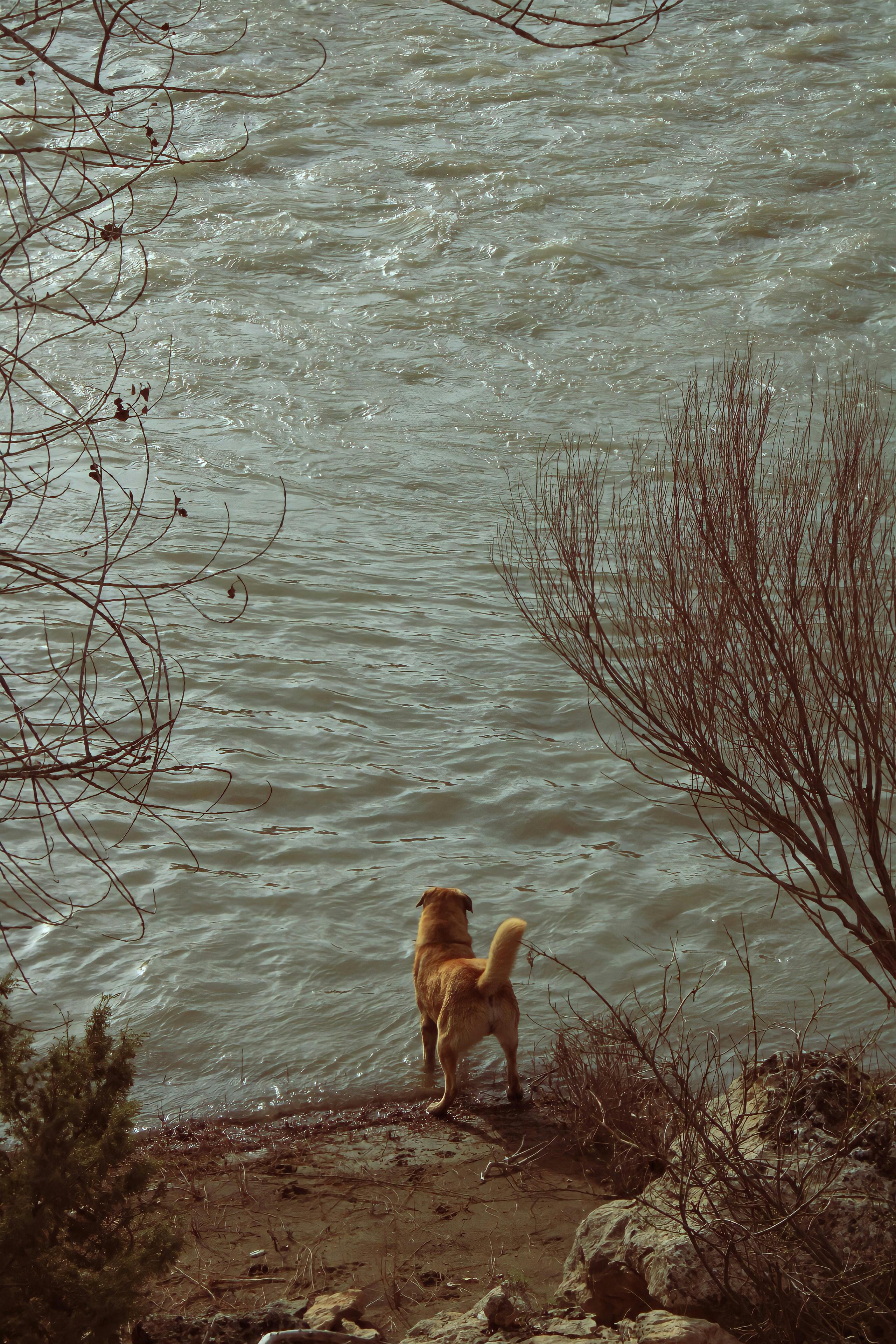
Dogs are more than just man’s best friend; they are curious creatures that explore their world in ways that are both fascinating and unique. One of the most intriguing features of a dog is its wet nose. Have you ever wondered, why do dogs have wet noses? Well, there’s a lot more to it than just a fun fact!
The Science Behind Wet Noses
A dog’s nose is not just for show. It’s an essential tool for how they interact with the world. The moisture on a dog’s nose serves several important functions:
- Enhanced Olfactory Ability: A wet nose helps to trap scent particles. The moisture allows the odors to stick better, enhancing a dog’s sense of smell.
- Temperature Regulation: Dogs don’t sweat like humans do. Instead, their noses help to cool them down. A wet nose can help regulate their body temperature.
- Health Indicator: The condition of a dog’s nose can indicate its health. A consistently dry or cracked nose can be a sign of dehydration or illness.
Why Are Dogs’ Noses Wet?
So, why do dogs have wet noses? It’s all about biology and evolution. Dogs, like their wild ancestors, rely heavily on their sense of smell for survival. Here’s an interesting fact: a dog’s sense of smell is about 40 times better than that of a human. This extraordinary ability is attributed to several factors:
- Nasal Structure: A dog’s nasal cavity is much larger than a human’s, providing a greater surface area for scent detection.
- Moisture Production: Dogs have special glands that produce moisture on their noses. This moisture helps in capturing scent particles, allowing them to analyze their environment.
- Scent Receptors: Dogs have around 300 million scent receptors in their noses, compared to about 6 million in humans. This vast difference means they can detect smells that we can’t even begin to comprehend.
Historical Context of Dog Noses
Historically speaking, dogs were bred for specific tasks that often depended on their olfactory skills. Some breeds were developed for hunting, where a keen sense of smell was essential, while others were bred for herding and guarding. Here’s a look at some types of dogs and their unique nose-related skills:
- Bloodhounds: Known for their incredible tracking ability, Bloodhounds can follow a scent trail that’s days old!
- Beagles: These small hounds are often used in detection work because of their keen sense of smell, especially for tracking down food.
- German Shepherds: Frequently employed in police and military roles, they utilize their noses for tracking and detecting illegal substances.
Fun Facts About Dog Noses
Here are some cool tidbits about dog noses that might surprise you:
- Unique Patterns: Just like human fingerprints, every dog has a unique nose print. This can even be used for identification.
- Color Variations: The color of a dog’s nose can vary based on breed, age, and health. For instance, some dogs may have black noses, while others may have pink or liver-colored noses.
- Temperature Checks: A dog’s body temperature can sometimes be gauged by the temperature of its nose, although it’s not a foolproof method.
The Role of a Wet Nose in Dog Behavior
Not only does a wet nose help dogs smell better, but it also plays a role in their behavior. Dogs often use their noses to communicate with other dogs. Here’s how:
- Scent Marking: By leaving their scent behind, dogs can convey their presence and territory to other animals.
- Social Interactions: Dogs greet each other by sniffing noses, which allows them to gather information about each other’s health, diet, and emotional state.
- Exploration: Curiosity drives dogs to use their noses to explore new environments, helping them learn and adapt to their surroundings.
Practical Tips for Dog Owners
Understanding your dog’s nose can help you care for them better. Here are some practical tips:
- Hydration: Ensure your dog stays hydrated to keep their nose moist and healthy.
- Regular Check-Ups: Monitor the condition of your dog’s nose. If it becomes excessively dry or cracked, consult a vet.
- Encourage Sniffing: Allow your dog time to explore their environment using their nose; it’s mentally stimulating and can help reduce anxiety.
Dogs are truly remarkable creatures, and their wet noses are just one of the many fascinating features that make them special. By understanding the science and behavior behind why dogs have wet noses, we can appreciate our furry companions even more. Whether they are sniffing out a new friend at the park or just getting to know the world around them, those wet noses are an essential part of their unique way of exploring life.
Conclusion
In conclusion, the wet noses of dogs serve several vital functions that contribute to their overall health and sensory perception. The moisture on a dog’s nose plays a crucial role in enhancing their sense of smell, allowing them to detect scents more effectively. Additionally, a wet nose helps regulate their body temperature and provides a mechanism for hydration through the evaporation of moisture. It’s also an indicator of a dog’s health, with changes in moisture levels potentially signaling illness. Understanding these aspects not only deepens our appreciation for our canine companions but also emphasizes the importance of regular health check-ups. So, the next time you greet your furry friend, take a moment to appreciate that wet nose—it’s a fascinating feature that embodies their unique biology. Consider sharing this knowledge with fellow dog lovers, helping to spread awareness about our beloved pets and their remarkable characteristics.
