
Have you ever wondered, “Why do dogs have wet noses?” This intriguing question has captured the curiosity of pet lovers everywhere. The truth behind those moist noses is not just a quirky trait; it plays a vital role in your dog’s health and communication. Dogs’ noses are often cool and wet, which aids in their incredible sense of smell. But what else is behind this fascinating phenomenon? You might be surprised to learn that a wet nose can indicate your dog’s emotional state and even their physical well-being. Many people also ask, “Do wet noses mean a dog is sick?” While a wet nose is generally a sign of a healthy pup, changes in moisture can suggest other issues. With so many questions surrounding this topic, it’s time to dive deep into the science of canine noses. Join us as we unravel the mysteries of why dogs have wet noses and explore how this unique feature contributes to their overall behavior and health. Discover the facts that will not only satisfy your curiosity but also enhance your bond with your furry friend!
The Science Behind Wet Noses: Why Are Dogs’ Noses Always Moist?

Dogs is often referred to as “man’s best friend,” and a lot of what make them special is the little quirks they have. One of the most fascinating aspects of dogs is their wet noses. You might have noticed that your dog’s nose is not only moist but also feels cool to the touch. But why do dogs have wet noses? The answer is much more complicated than you might think.
The Function of a Dog’s Nose
First, let’s talk about the primary function of a dog’s nose. Dogs have an incredible sense of smell, which is far superior to that of humans. In fact, dog’s sense of smell is estimated to be between 10,000 to 100,000 times more sensitive than ours. This heightened ability helps dogs to navigate their environment, hunt for food, and even detect diseases in humans.
So, how does moisture play into this? A wet nose helps dogs absorb scent particles in the air. When the nose is moist, it can trap these particles better, making it easier for the dog to detect odors. The moisture comes from a combination of mucous glands and saliva, which they lick onto their noses. This is why you often see dogs licking their noses; it helps keep them wet and enhances their ability to smell.
The Science of Temperature Regulation
Another reason why dogs have wet noses is to help regulate their body temperature. Dogs don’t sweat like humans do. Instead, they rely on panting and the moisture on their noses to cool down. The wetness on a dog’s nose evaporates, which helps to cool the blood that flows through the nose and into the rest of the body.
- Key Points about Temperature Regulation:
- Dogs lack sweat glands all over their body.
- The nose’s moisture evaporates, helping reduce body heat.
- Dogs can control their body temperature better when their noses are moist.
Historical Context of Dog Noses
Historically, humans have recognized the significance of a dog’s nose. Ancient civilizations often viewed dogs as guardians and hunters, relying on their keen sense of smell for survival. The wetness of their noses was not just a biological feature, but a trait that was bred into them over thousands of years. When humans domesticated dogs, they selected for traits that enhanced their abilities, including the moisture on their noses which aids in scent detection.
Comparisons with Other Animals
It’s interesting to compare dogs with other animals regarding nose moisture. For example, cats have somewhat dry noses most of the time. Their sense of smell is also quite good, but not to the extent of dogs. Other animals, like pigs, have very moist noses as well, which they use to dig for food and navigate through their environment.
- Comparison Table:
| Animal | Nose Moisture | Smell Sensitivity | Primary Function |
|---|---|---|---|
| Dogs | Wet | 10,000-100,000x | Scent detection |
| Cats | Dry | 2-3x | Hunting and navigation |
| Pigs | Very Wet | Similar to dogs | Foraging and exploring |
The Myths Surrounding Wet Noses
There are many myths surrounding the wetness of a dog’s nose. Some people believe that a wet nose means a dog is healthy while a dry nose indicates sickness. This is not always true. A dog’s nose can vary in moisture for many reasons, including the weather, activity level, and even the time of day.
- Common Myths:
- A wet nose means a healthy dog.
- A warm nose indicates a fever.
- All dogs have the same level of moisture on their noses.
Practical Examples of Nose Care
Taking care of your dog’s nose is essential, especially in dry or hot environments. Here’s some practical advice for keeping your dog’s nose healthy:
- Hydration: Ensure your dog has access to fresh water at all times.
- Humidity: If you live in a dry climate, consider using a humidifier.
- Protective Balms: Use nose balms that help soothe and protect against cracks.
Conclusion
The mystery of why do dogs have wet noses is deeply rooted in their biology and history. A wet nose is not just a cute feature; it’s essential for their survival and well-being. Understanding the science behind it provides insight into the remarkable nature of our canine companions. Next time you pet your furry friend, remember that their wet nose is more than just a quirk—it’s a vital part of what makes them such incredible animals.
7 Surprising Benefits of a Dog’s Wet Nose You Didn’t Know About
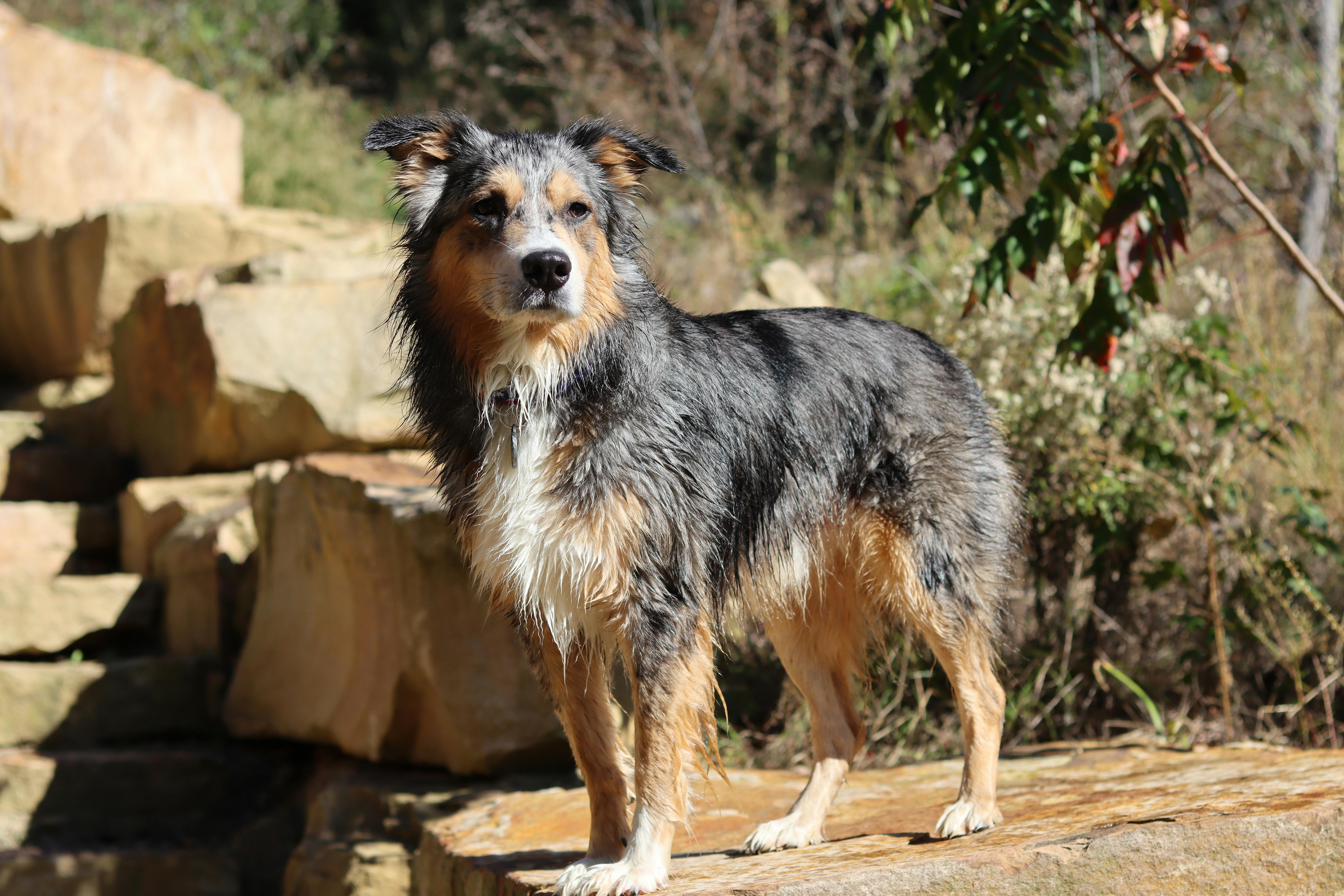
Have you ever wondered why dogs have wet noses? These lovable furry friends seem to have a knack for getting their noses moist, but the reasons behind it go beyond just simple biology. There are surprising benefits to a dog’s wet nose that many people don’t know about. Let’s explore the fascinating truth behind our canine companions’ noses, and discover seven unexpected advantages they bring to the table.
1. Enhanced Sense of Smell
Dogs are known for their incredible sense of smell, which is far superior to that of humans. Their wet noses play a crucial role in this. The moisture in a dog’s nose helps to trap scent particles from the air, allowing them to analyze smells more efficiently. This is important for their survival instincts, hunting, and even for social interactions.
2. Temperature Regulation
You might not know this, but a dog’s nose helps them regulate their body temperature. When dogs pant, they can cool down, but their wet noses also contribute to this process. The moisture evaporates, which creates a cooling effect, helping them stay comfortable in warmer weather. So, the next time you see a dog with a shiny wet nose on a hot day, remember that it’s doing its part to stay cool.
3. Health Indicator
A dog’s nose can also be a good indicator of their health. Generally, a wet and cool nose indicates that a dog is feeling well. On the other hand, if a dog’s nose is dry or warm, it could signal a health issue, like fever or dehydration. Of course, it’s important to consider other symptoms, but keeping an eye on your dog’s nose can provide useful insights.
4. Social Interaction
Dogs use their noses to communicate with each other and with humans. A wet nose is often associated with friendliness and affection. When a dog nudges you with its nose, it’s a sign of trust and love. Moreover, dogs sniff each other’s noses during greetings, and a wet nose can help convey a more inviting vibe in canine social circles.
5. Protection from UV Rays
Dogs with lighter-colored noses are more susceptible to sunburn, just like humans. A wet nose can help create a barrier against harmful UV rays. While it doesn’t completely protect them, the moisture provides some level of defense. It’s especially important to keep an eye on dogs who spend a lot of time outdoors, as they may need additional sun protection.
6. Hydration Indicator
If you are a dog owner, you probably know that hydration is key to your pet’s health. A wet nose is often a sign that your dog is well-hydrated. On the flip side, if you notice that your dog’s nose is becoming dry, it might be time to encourage them to drink more water. Keeping your pup hydrated can help maintain their overall well-being.
7. Unique to Each Dog
Just like human fingerprints, each dog’s nose print is unique. This means that a dog’s wet nose can serve as a form of identification. In fact, some pet owners have even used nose prints for identification purposes, similar to how we use fingerprints. While it’s not a widespread practice, it shows just how special and unique our dogs are.
Why Do Dogs Have Wet Noses?
Now that we’ve discussed the benefits, it’s worth asking why dogs have wet noses in the first place. The truth lies in evolution. Dogs have evolved as predators and scavengers, relying on their sense of smell to find food, avoid dangers, and communicate with other dogs. Their wet noses have adapted to enhance their olfactory capabilities, making them better hunters and companions.
Facts About Dogs’ Noses
- Dogs have approximately 300 million scent receptors in their noses, compared to about 5 million in humans.
- The structure of a dog’s nose is designed to maximize scent absorption.
- Different breeds can have different types of noses, affecting their sense of smell.
Quick Comparison: Dog Noses vs. Human Noses
| Feature | Dog Noses | Human Noses |
|---|---|---|
| Number of receptors | 300 million | 5 million |
| Moisture levels | Generally wet | Typically dry |
| Functionality | Enhances smell, social cues | Basic smell perception |
| Unique patterns | Unique like fingerprints | Not unique |
As you can see, there’s a lot more to a dog’s wet nose than meets the eye. Understanding these benefits and the science behind why dogs have wet noses can deepen our appreciation for these amazing animals. So, whether they’re giving you a nudge or simply sniffing around, remember that their wet noses are more than just adorable features; they serve many essential functions that contribute to their health and happiness.
Is Your Dog’s Nose Wet? Here’s What It Reveals About Their Health!
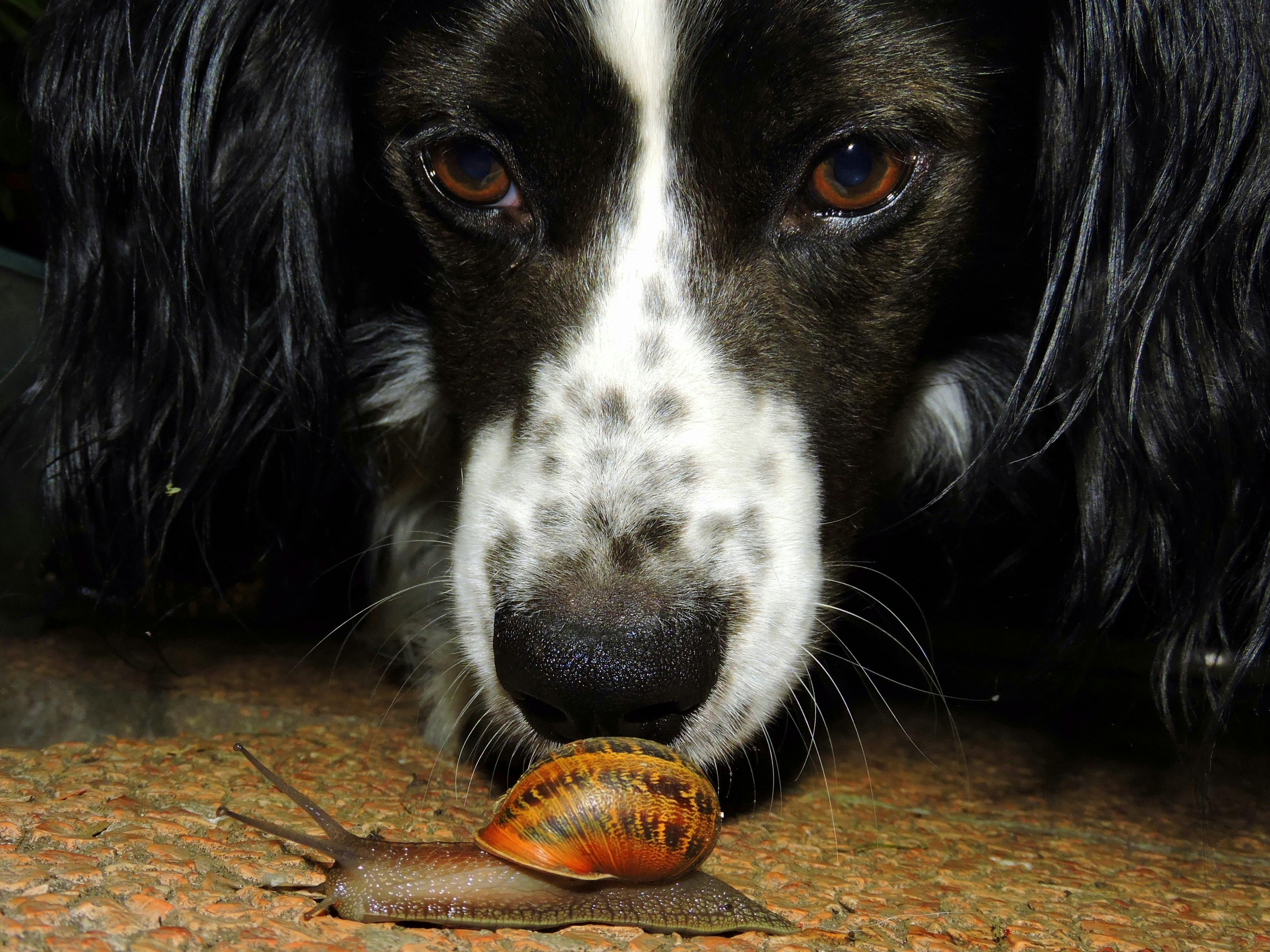
Have you ever noticed your dog’s nose and wondered why it’s wet? It’s a common sight, but what does it actually mean about their health? Many dog owners often ask, “Is your dog’s nose wet? Here’s what it reveals about their health!” or “Why do dogs have wet noses? Discover the fascinating truth!” In this article, we’ll explore the reasons behind those moist noses and what they can tell you about your furry friend.
Why Do Dogs Have Wet Noses?
Dogs noses are usually moist, and it’s not just for show. The wetness plays important roles in both cooling down their bodies and enhancing their sense of smell. Here’s a breakdown of why dog noses are wet:
- Enhanced Sense of Smell: A wet nose helps dogs absorb scent chemicals. When the nose is moist, it can capture more smells, which is why dogs are so good at sniffing things out.
- Thermoregulation: Dogs can’t sweat like humans do. Instead, they cool themselves through their noses. When the nose is wet, it helps to regulate their body temperature.
- Health Indicator: The moisture level of a dog’s nose can sometimes signal health issues. For example, a dry nose can indicate dehydration or illness.
What Does a Wet Nose Mean for Your Dog’s Health?
So, is a wet nose the ultimate sign of a healthy dog? Not always. Here’s some facts to consider:
- Normal Wetness: Most healthy dogs have a wet nose, but it’s not a definitive health marker.
- Dry Nose: A dry nose could mean different things. It might suggest dehydration, fever, or even allergies.
- Temperature Changes: The weather can affect your dog’s nose. Cold, dry air can lead to a drier nose, while humidity can keep it moist.
- Illness Signs: If your dog’s nose is excessively dry or cracked, or if it is running, it could be a sign of a health issue.
Common Misconceptions About Dog Noses
Many dog owners have myths about their pets’ noses. Let’s bust a few of these:
Myth: A warm nose means your dog is sick.
Fact: Dogs can have warm noses for various reasons, including weather and activity levels.Myth: A wet nose is always a sign of good health.
Fact: While a wet nose can be a good sign, it’s not the only indicator of a dog’s health.Myth: Dogs’ noses are always wet.
Fact: Some breeds naturally have drier noses, and this can vary from dog to dog.
How to Care for Your Dog’s Nose
Here’s some tips for keeping your dog’s nose healthy:
- Hydration: Ensure your dog drinks plenty of water. This keeps their nose moist and helps overall health.
- Protect from Extreme Weather: Cold or hot weather can harm your dog’s nose. Use pet-safe lotion in extreme conditions.
- Regular Vet Check-ups: Routine check-ups can help catch any health issues early.
When to See a Vet
If you notice any unusual changes in your dog’s nose, it’s important to reach out to a vet. Here are some signs to watch for:
- Cracked or sore areas on the nose
- Excessive dryness or wetness
- Changes in color or texture
- Other symptoms like lethargy or loss of appetite
Fun Facts About Dog Noses
- Dogs have about 220 million scent receptors in their noses, compared to humans’ 5 million!
- The moisture on a dog’s nose can vary depending on the breed. Some breeds have naturally drier noses.
- The color of a dog’s nose can change due to exposure to sunlight, aging, or health conditions.
Understanding your dog’s nose and its health implications can help you be a better pet owner. By paying attention to these signs, you can ensure your canine companion is happy and healthy. Remember, while a wet nose can be a good sign, it’s just one piece of the overall health puzzle. Keep an eye on your furry friend, and consult with your vet if you have any concerns. Your dog relies on you for their care, and being informed about their health is a great way to give them the best life possible.
The Fascinating Role of a Dog’s Nose: How Moisture Enhances Their Senses
Dogs are known for their loyalty, playfulness, and of course, their noses! Have you ever wondered why do dogs have wet noses? It turns out that a dog’s nose is more than just a cute feature; it plays a crucial role in their sensory perception. Let’s dive into the fascinating world of canine noses and discover how moisture enhances their senses and why these furry companions have those distinctive wet noses.
The Science Behind a Dog’s Nose
The canine sense of smell is incredible, far exceeding that of humans. In fact, dogs have around 220 million scent receptors in their noses, compared to a mere 5 million in humans. This gives them the ability to detect scents at incredibly low concentrations. The moisture on a dog’s nose serves several purposes:
- Enhancing Smell: When a dog’s nose is wet, it helps to capture scent particles in the air. The moisture can dissolve these scent molecules, making it easier for dogs to detect and identify different smells.
- Temperature Regulation: A dog’s nose also plays a role in thermoregulation. The moisture helps to cool them down, as dogs primarily sweat through their paw pads, not their skin.
- Health Indicator: A dog’s nose can even indicate its health. A consistently dry or hot nose might signal illness, while a wet nose is often a sign of a happy and healthy dog.
Why Are Dog Noses Wet?
Now, let’s dig deeper into why do dogs have wet noses. The reasons are both practical and biological:
- Mucus Production: Dogs have specialized mucus glands in their noses that produce moisture. This mucus is essential for trapping scents and enhancing their sense of smell.
- Licking Behavior: Dogs frequently lick their noses, keeping them wet. This behavior not only helps to maintain moisture but also can provide information about their environment — they can taste the scents they sniff.
- Environmental Adaptation: A wet nose can help dogs adapt to different environments. Moisture can capture scents from the surrounding area, enabling them to track scents even in dry conditions.
The Role of Moisture
Moisture isn’t just for show; it’s an integral part of how dogs experience the world. Here’s a deeper look at the role of moisture in a dog’s nose:
- Scent Detection: Wet noses can absorb more scent particles. When a dog sniffs, the moisture helps to break down the scent, allowing them to interpret it better.
- Scent Memory: Dogs often remember scents they’ve encountered through their wet noses. This olfactory memory is critical in both everyday interactions and when they’re tracking something or someone.
- Behavioral Insights: A moist nose can indicate a dog’s level of arousal. For instance, an excited dog might have a more prominently wet nose as they engage with their environment.
Fun Facts About Dog Noses
Here are some interesting tidbits about dog noses that might surprise you:
- Unique Nose Prints: Just like human fingerprints, every dog has a unique nose print. This can be used for identification purposes!
- Color Variation: The color of a dog’s nose can vary widely, from black to pink. This pigmentation doesn’t affect their ability to smell, but it may offer some insight into their breed.
- Seasonal Changes: Dogs’ noses can change depending on the weather. In colder months, they might dry out more quickly, while humidity can keep them moist.
Comparing Dog Noses with Human Noses
While both humans and dogs have noses, their functions and structures are quite different. Here’s a quick comparison:
| Feature | Dogs | Humans |
|---|---|---|
| Scent Receptors | ~220 million | ~5 million |
| Moisture Role | Enhances smell and regulates heat | Minimal role in smell |
| Nose Print Uniqueness | Unique to each dog | No uniqueness |
| Licking Behavior | Common to keep moist | Rarely licks nose |
| Temperature Regulation | Aids in cooling | Sweating primarily through skin |
Practical Examples of Nose Use
Dogs use their noses in many practical ways. Here are a few examples:
- Search and Rescue: Many police and rescue dogs are trained to use their noses to locate missing persons or detect illegal substances.
- Medical Detection: Some dogs can even detect diseases like cancer or diabetes by smelling changes in a person’s body.
The fascinating truth about why do dogs have wet noses is rooted in biology and behavior. Moisture plays a pivotal role in enhancing their remarkable sense of smell, impacting their behavior and health. So, the next time you see your dog with a wet nose, remember, it’s not just adorable; it’s a vital part of their ability to navigate the world around them. Embrace
Do All Dogs Have Wet Noses? Exploring Breeds and Their Unique Traits
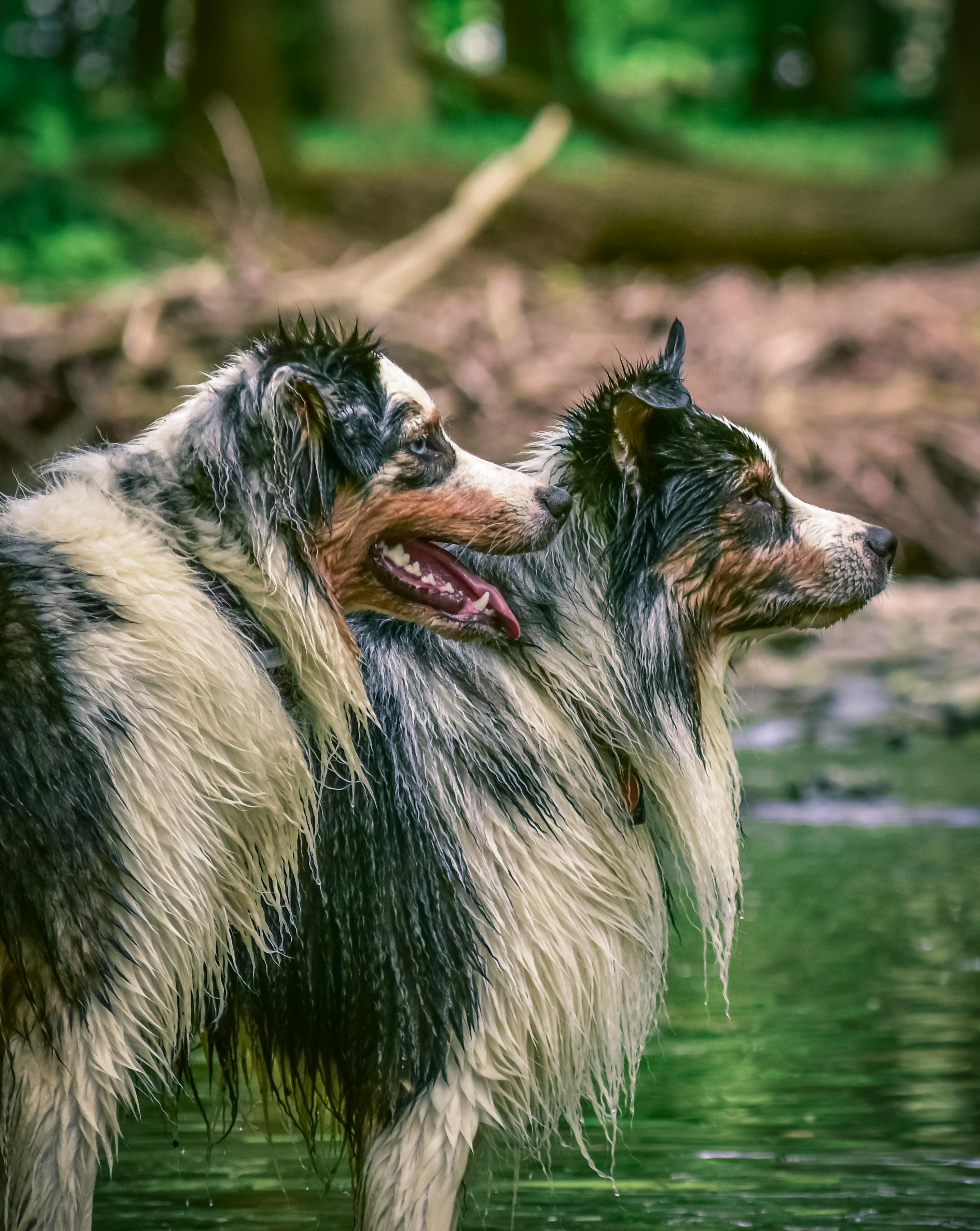
When you think about dogs, one of the first things you might notice is their wet noses. But do all dogs have wet noses? And if so, why do dogs have wet noses? These simple questions can lead us down a fascinating path exploring breeds, their unique traits, and the science behind why dogs’ noses are the way they are. Let’s dive into this topic and uncover some interesting facts!
Do All Dogs Have Wet Noses?
Not all dogs have wet noses all the time. Generally, most dogs exhibit wet noses, but there can be exceptions. For instance, certain breeds might have drier noses due to their specific genetics or health conditions. Some common breeds, like the Bulldog or the Chihuahua, may occasionally have drier noses, especially if they are stressed or not feeling well.
Here’s a quick list of breeds typically known for their wet noses:
- Labrador Retriever
- Golden Retriever
- Siberian Husky
- Beagle
- Dachshund
What Causes Dogs to Have Wet Noses?
So, why do dogs have wet noses? The wetness of a dog’s nose serves several important purposes. First off, a wet nose helps dogs to smell better. Yes, it’s true! Dogs have an incredible sense of smell, and a moist nose helps to enhance their olfactory receptors. When a dog’s nose is damp, it can capture scent particles more effectively.
Also, the moisture on their noses can help regulate their body temperature. Dogs don’t sweat like humans do. Instead, they rely on their noses and panting to keep cool.
To further explain, here are some reasons why a dog’s nose is often wet:
- Enhanced Smell: The wetness traps scent particles, improving their ability to detect odors.
- Temperature Regulation: Helps dogs cool down since they lack sweat glands.
- Health Indicator: A wet nose can indicate a healthy, hydrated dog.
The Science Behind a Dog’s Nose
Dogs’ noses are not just wet; they are complex organs with a remarkable structure. A dog’s sense of smell is estimated to be anywhere from 10,000 to 100,000 times more sensitive than that of humans. This is because a dog’s nose contains around 300 million smell receptors compared to a human’s 5 million.
Moreover, the nasal passages of dogs are designed to allow for the efficient filtering of air. The wetness on their nose is due to a thin layer of mucus, which is produced by specialized glands. This mucus helps to dissolve odor particles, making it easier for the dog to identify scents.
Dogs and Their Unique Traits
Different breeds have unique nose characteristics, and it’s pretty interesting to see how those traits manifest. For example, bloodhounds are known for their remarkable sense of smell, while greyhounds have a more streamlined nose structure, which might not be as wet but is designed for speed.
Here’s a breakdown of how some well-known breeds differ in their nose characteristics:
| Breed | Wet Nose? | Unique Trait |
|---|---|---|
| Labrador Retriever | Yes | Friendly, great for families |
| Basenji | Yes | Barkless, known for yodeling |
| Pug | Sometimes | Wrinkly face, can have dry noses |
| Dachshund | Yes | Long snout, great sense of smell |
| Boxer | Yes | Playful, often has a dry nose when stressed |
Health Implications of Nose Moisture
While a wet nose is generally a sign of good health, it’s essential to pay attention to any sudden changes. If a dog’s nose becomes excessively dry or develops crustiness, it could indicate an underlying health issue. Possible reasons might include dehydration, fever, or even allergies.
In contrast, a constantly wet nose may suggest that the dog is well-hydrated and feeling good. But if it’s accompanied by other symptoms, like lethargy or lack of appetite, a trip to the vet may be necessary.
Conclusion
In summary, most dogs have wet noses, which serve many essential functions, from enhancing their sense of smell to regulating body temperature. While certain breeds exhibit varying levels of nose wetness, it’s important to understand the health implications associated with these changes. If you’re ever worried about your furry friend’s nose, consulting a veterinarian is always a wise decision. So next time you see a dog with a wet nose, remember it’s not just adorable—it’s also a marvel of nature!
How Temperature Affects Your Dog’s Nose: Wet, Dry, or Just Right?

Every dog owner has probably noticed their furry friend’s nose, whether its wet or dry. But have you ever wonder how temperature affects your dog’s nose? It’s fascinating stuff, really! A dog’s nose can tell you a lot about its health and environment. In this article, we dive into the science behind those wet noses and explore the question: Why do dogs have wet noses? Let’s uncover the truth!
The Science of a Dog’s Nose
Did you know that a dog’s nose is not just for sniffin’? It plays a crucial role in thermoregulation and smelling, which is super important for dogs. The surface of a dog’s nose contains sweat glands that help them cool down, just like humans do. However, their nose is also a key player in their ability to smell. Here’s how it works:
- Moisture Retention: A wet nose can help trap scent particles in the air, making it easier for dogs to identify smells. This is one reason why wet noses are often associated with healthy dogs.
- Temperature Regulation: When a dog’s nose is wet, it helps keep their body temperature in check, especially on hot days. However, when it’s cold or dry, their nose might lose moisture faster.
- Health Indicators: A dry nose can sometimes indicate health issues, like dehydration or fever, while a wet nose usually means that your pup is healthy and happy.
Why Are Dogs Noses Wet?
So, why do dogs have wet noses in the first place? It’s more than just cute looks! Here are some reasons:
- Scent Detection: Wet noses help to absorb scent particles. When a dog sniffs, they can better pick up on the smells around them.
- Cooling Mechanism: Dogs don’t sweat like humans. Their moist noses help them cool down by evaporating moisture.
- Social Interaction: Dogs also use their noses to communicate with each other. A wet nose is often seen as a sign of a friendly dog!
- Health Indicator: A healthy dog usually has a moist nose. If your dog’s nose is dry or cracked, it’s time to check in with your vet!
Temperature’s Impact on Dogs’ Noses
Temperature plays a significant role in whether a dog’s nose is wet or dry. Here’s how different temperature levels can affect it:
- Hot Weather: In high temperatures, dogs’ noses are often wetter due to their need to cool off. However, if it’s too hot, dogs can become dehydrated, leading to a dry nose.
- Cold Weather: In colder climates, a dog’s nose can become dry and cracked. This happens because the cold air causes moisture to evaporate more quickly.
- Humidity Levels: Humid environments typically keep a dog’s nose moist longer. Dry climates can lead to quicker drying out of the nose.
Tips for Keeping Your Dog’s Nose Healthy
Maintaining your dog’s nose is essential for their overall health. Here’s some advice:
- Hydration: Always ensure your pet has plenty of water available. Dehydration can lead to a dry nose.
- Humidifier: In dry winter months, using a humidifier can help maintain moisture in the air and keep your dog’s nose from drying out.
- Regular Vet Check-Ups: Regular visits to the vet can help catch any potential health issues early. If you notice drastic changes in your dog’s nose, consult your vet.
- Protect from Elements: During very hot or cold weather, protect your dog’s nose with a pet-safe balm if it becomes too dry.
Fun Facts About Dogs’ Noses
Here are some interesting tidbits about our furry friends and their noses:
- Dogs have around 220 million scent receptors, compared to humans who only have about 5 million.
- The size and shape of a dog’s nose can actually affect their sense of smell.
- Each dog has a unique nose print, similar to a human fingerprint!
As you can see, understanding how temperature affects your dog’s nose, and why it’s typically wet, can help you better care for your furry friend. Keeping an eye on their nose is just one of many ways to ensure your dog’s health and happiness. So, next time you give your pup a good scratch behind the ears, take a moment to admire that wet nose and all the amazing work it does!
Can a Dog’s Wet Nose Indicate Illness? Uncovering the Myths and Facts
Dogs are often considered man’s best friend, and their health is a concern for many pet owners. A common question that rises among dog lovers is: “Can a dog’s wet nose indicate illness?” Many people have beliefs about wet noses, but what is the truth? Let’s dive into the fascinating world of our canine companions and understand why do dogs have wet noses.
Why Do Dogs Have Wet Noses?
Dogs noses are wet for several reasons, and it is not just a sign of being sick. Here’s some facts about why dog noses are typically moist:
- Temperature Regulation: Dogs use their noses to help regulate body temperature. When they pant, moisture evaporates from their nose, cooling them down.
- Sense of Smell: A wet nose helps enhance a dog’s sense of smell. The moisture captures scent particles more effectively, allowing dogs to gather more information about their surroundings.
- Health Indicator: A wet nose is often associated with good health. However, it’s important to note that a dry nose does not necessarily mean a dog is sick.
Can a Dog’s Wet Nose Indicate Illness?
There’s a lot of myths surrounding dog’s health, especially regarding their noses. Here’s what you should know:
- Wet Nose = Healthy?: While many people believe that a wet nose is an indication of good health, this is not always the case. Dogs can be sick even with a wet nose.
- Dry Nose = Sick?: Similarly, a dry nose doesn’t automatically mean your dog is ill. Factors like weather, activity level, and overall environment can affect nose moisture.
Common Myths Debunked
Let’s explore some common myths about dog noses and their health:
Myth: A wet nose means a dog has a fever.
Fact: A dog’s temperature is taken rectally for accuracy, and nose wetness isn’t an indicator of fever.Myth: A dry nose means dehydration.
Fact: Dogs can have dry noses for various reasons, including sleep or just being in a dry environment.Myth: All dogs have wet noses.
Fact: Some breeds naturally have drier noses, and this is completely normal for them.
Factors That Influence Nose Moisture
Several factors can affect how wet or dry a dog’s nose is:
- Environmental Conditions: Hot or dry weather can lead to a drier nose.
- Health Issues: Allergies, infections, or other illnesses can affect nose moisture.
- Hydration Level: If a dog is well-hydrated, it may maintain a moist nose. But if it’s dehydrated, it could be drier.
Signs of Illness to Look For
While a wet or dry nose alone may not indicate illness, there are other signs pet owners should watch for that could indicate health issues:
- Changes in Appetite: If your dog suddenly stops eating, it could be a sign of illness.
- Lethargy: If your dog is less active than usual, it may be feeling unwell.
- Vomiting or Diarrhea: These symptoms often indicate a need for veterinary care.
- Coughing or Sneezing: These respiratory symptoms can signal a health problem.
Practical Tips for Pet Owners
To ensure your dog stays healthy, consider these practical tips:
- Regular Vet Check-ups: Routine exams can catch potential health issues early.
- Monitor Behavior: Keep an eye on your dog’s behavior and look for any changes.
- Hydrate: Ensure your dog has access to fresh water at all times, especially in hot weather.
Summary of Key Points
- Dogs have wet noses for various reasons, including temperature regulation and enhanced smell.
- A wet nose isn’t a definitive sign of health, while a dry nose doesn’t mean sickness.
- Watch for other symptoms to determine if your dog may be ill.
Understanding why dogs have wet noses and what it means can help pet owners make informed decisions about their furry friends’ health. While the myths surrounding dog nose moisture can be confusing, being aware of the facts allows you to better care for your beloved pet. Always consult with a veterinarian if you have concerns about your dog’s health, and stay alert to changes in behavior or physical condition.
The Evolutionary Advantage of Wet Noses: Why Dogs Are Designed This Way

The Evolutionary Advantage of Wet Noses: Why Dogs Are Designed This Way
Most dog owners probably notice that their furry friends always got wet noses. Have you ever wondered why do dogs have wet noses? This curious characteristic is more than just a cute feature; it plays an essential role in how dogs perceive the world around them. Let’s dive into the fascinating truth behind this evolutionary advantage.
Why Do Dogs Have Wet Noses?
The wetness of a dog’s nose serves several important purposes. One of the primary reasons is related to their sense of smell. Dogs’ noses are packed with scent receptors — about 220 million of them compared to a human’s mere 5 million. Wet noses help to dissolve scent particles which enhances their ability to detect and analyze smells.
- Scent Detection: Wetness helps trap scent molecules, improving the dog’s olfactory ability.
- Cooling Mechanism: Just like sweat for humans, a wet nose can help dogs stay cool. When they breathe, moisture evaporates, which helps in temperature regulation.
- Health Indicator: A dog’s nose can indicate their health. A cold, wet nose is typically a sign of a healthy dog. Conversely, a warm and dry nose might indicate illness.
The Science Behind Wet Noses
So, how did wet noses become a part of dog evolution? It is believed that ancestors of modern dogs developed moist noses as an adaptation to hunting and survival. Dogs that could better smell their environment were more likely to find food and avoid danger.
- Evolutionary Traits: The ability to detect scents has been crucial for survival. Dogs who had a better sense of smell were more successful hunters.
- Social Interactions: Wet noses also play a role in social interactions. Dogs often greet each other by sniffing, and a wet nose can indicate health, showing they are good candidates for socializing.
How Do Wet Noses Work?
The structure of a dog’s nose contributes significantly to its function. The outer layer of skin on a dog’s nose is often moist, and here’s why:
- Mucus Production: Glands in the nose produce mucus, which keeps it moist. This mucus captures scent particles more effectively.
- Humidity Regulation: The wet surface allows dogs to absorb more scent molecules. When the moisture evaporates, it helps to regulate the humidity in their nasal passages.
Comparisons with Other Animals
Dogs aren’t the only animals with wet noses. Other mammals also have similar features, but there are differences in their functions. Here’s a quick comparison:
| Animal | Nose Type | Purpose |
|---|---|---|
| Dogs | Wet | Enhanced smell, cooling |
| Cats | Mostly dry | Less reliance on smell |
| Pigs | Wet | Excellent sense of smell |
| Elephants | Moist | For social communication |
Interesting Facts About Dogs’ Noses
- Unique Patterns: Just like human fingerprints, every dog’s nose print is unique. This has even been used for identification in some cases.
- Temperature Sensitivity: Dogs can sense changes in temperature with their noses. They can detect slight variations which can be vital in searching and rescue missions.
- Health Monitoring: Some studies suggest that monitoring the wetness and temperature of a dog’s nose can help identify illnesses early.
The Role of Wet Noses in Dog Behavior
Wet noses also play a critical role in dog behavior. Dogs often use their noses to explore their environment. This behavioral trait is innate and helps them communicate with other dogs and even with humans.
- Communication: Dogs greet others with their noses. A wet nose might indicate a friendly approach.
- Anxiety Indicators: A dog might have a dry nose when stressed or anxious. Observing these changes can help dog owners better understand their pets.
In the world of canine companions, a wet nose is not just an adorable feature; it’s a testament to the evolutionary journey that has shaped dogs into remarkable creatures. Their wet noses offer them a range of advantages, from better scent detection to social interactions. So, the next time you cuddle your dog and feel that cool, moist nose against your skin, remember the fascinating truths behind it. It’s more than just cute; it’s a complex evolutionary adaptation that showcases the incredible nature of our furry friends.
5 Reasons Your Dog’s Nose Might Be Drier Than Usual: When to Worry
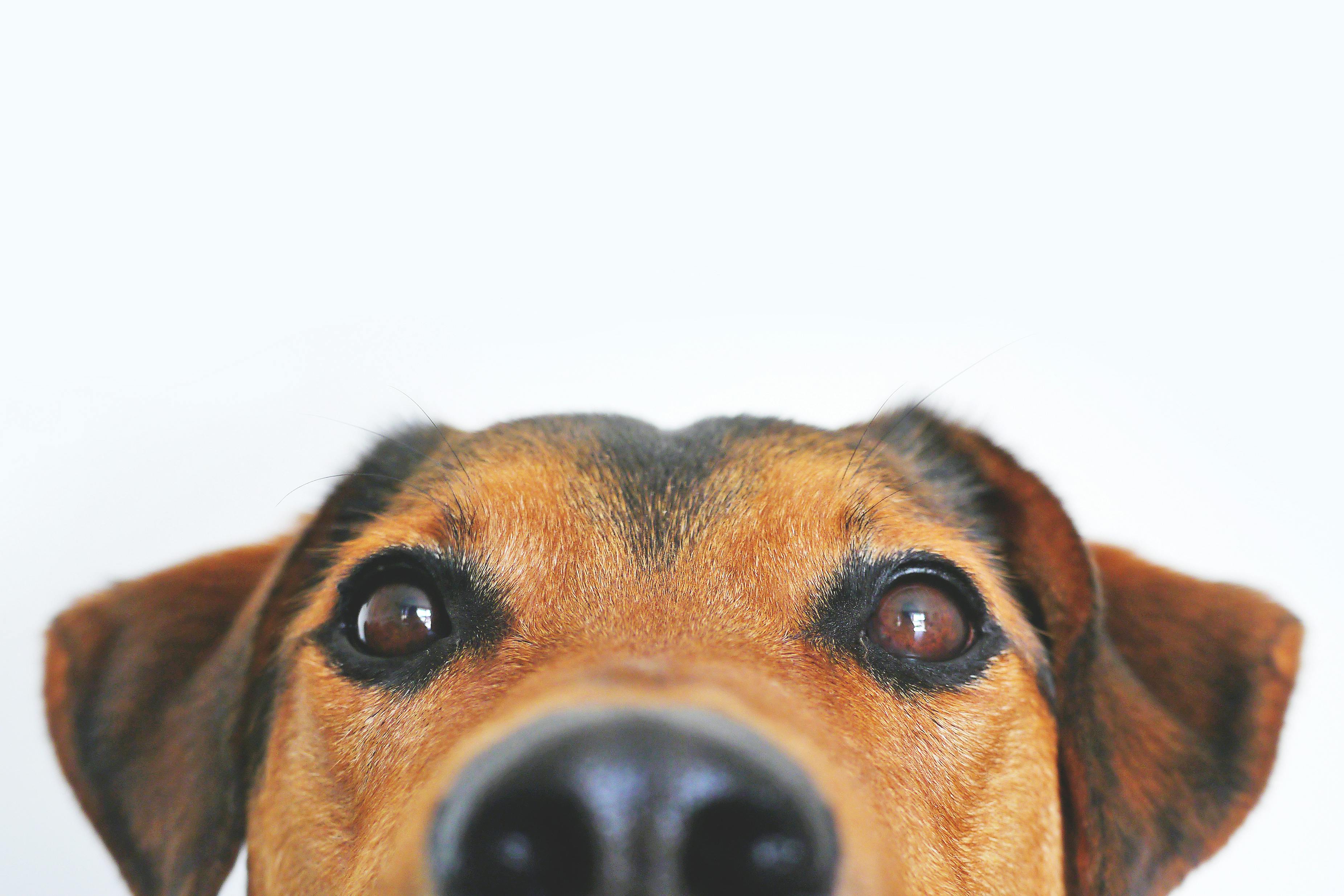
Every dog owner has seen their furry friend with a wet nose, but what happens when that nose turns dry? It can be concerning, and many pet parents wonder what it means. Understanding the conditions that can affect your dog’s nose is crucial for their health and well-being. Here’s a look at 5 reasons your dog’s nose might be drier than usual, when should you worry, and why do dogs have wet noses in the first place.
Why Do Dogs Have Wet Noses?
Dog’s noses are typically moist for several reasons. A wet nose can help them to smell better, which is essential for their survival. Dogs have a much stronger sense of smell than humans, and a wet nose helps to capture scent particles from the air. This moisture enhances the ability to detect scents.
Moreover, a wet nose can also help regulate their body temperature. Dogs don’t sweat like humans do; instead, they rely on panting and the moisture on their noses to keep cool. A wet nose can be a sign of a healthy dog, but it doesn’t always mean they are in perfect health.
5 Reasons Your Dog’s Nose Might Be Drier Than Usual
Dehydration
If your dog isn’t drinking enough water, it could lead to a dry nose. Just like humans, dogs need plenty of water to stay hydrated. Signs of dehydration can include lethargy, dry gums, and, of course, a dry nose.- What to do: Ensure your dog always has access to fresh water. If they’re not drinking, try adding some flavor to their water, like low-sodium chicken broth.
Weather Changes
Dry, hot weather or low humidity can also cause a dog’s nose to become dry. In winter months, the indoor heating can reduce moisture in the air, which can affect your dog’s nose.- What to do: Keep your dog hydrated and consider using a humidifier in your home to add moisture to the air.
Allergies
Just like humans, dogs can suffer from allergies that may lead to a dry nose. Common allergens can include pollen, dust, or certain foods. If you notice other signs such as itching or sneezing, it could be allergies.- What to do: Consult your veterinarian for appropriate testing and treatment for allergies.
Illness
A dry nose could be a sign of an underlying health issue, such as a fever or infections. When dogs are sick, their noses may become dry and warm instead of cool and moist.- What to do: Monitor your dog’s overall behavior and health. If you notice other symptoms like vomiting, diarrhea, or lethargy, it’s time to visit the vet.
Age
Older dogs may have drier noses due to a natural decrease in moisture production. As dogs age, their skin’s elasticity and moisture retention abilities can diminish.- What to do: Maintain regular vet check-ups for older dogs to monitor their health and discuss any changes in their condition.
When To Worry
It’s important to know when a dry nose is a cause for concern. If your dog’s nose is dry and cracked, it could lead to further issues, like infections. If their dry nose is accompanied by other symptoms like:
- Loss of appetite
- Excessive thirst
- Vomiting or diarrhea
- Lethargy
- Swelling or redness around the nose
You should contact your veterinarian immediately.
How to Keep Your Dog’s Nose Healthy
Here are some tips to ensure your dog’s nose remains healthy and moist:
- Regular Hydration: Always provide fresh water.
- Healthy Diet: Ensure your dog is eating a balanced diet rich in essential nutrients.
- Moisturizers: If your dog has a consistently dry nose, consider using dog-safe nose balms to keep it moisturized.
- Regular Vet Check-ups: This is key to catching any potential health issues early.
Dogs noses can tell a lot about their health. While a dry nose isn’t always a reason to panic, it’s essential to pay attention to changes. By staying informed and proactive, you can help ensure your furry friend remains healthy and happy. Remember, if you have any concerns about your dog’s health, it’s always best to consult with a veterinarian to get the proper advice.
How to Keep Your Dog’s Nose Healthy and Moist: Expert Tips and Tricks

Keeping your dog’s nose healthy and moist is more important than you might think. Many dog owners often wonders why their furry friends have wet noses in the first place. The truth is, a dog’s nose is not just an adorable feature; it serves several purposes. In this article, we will explore some expert tips and tricks to maintain that precious moisture, plus delve into the fascinating reasons behind the wetness of a dog’s nose.
Why Do Dogs Have Wet Noses?
You may ask yourself, why do dogs have wet noses? There are several reasons that makes this phenomenon quite fascinating. Here are some key facts:
Temperature Regulation: Dogs sweat through their paws, but their noses also play a role in cooling them down. A wet nose can help them regulate body temperature more effectively.
Enhanced Smell: The moisture on a dog’s nose helps to capture scent particles in the air. This is why dogs can smell things that humans can’t. The wetness enhances their olfactory function.
Health Indicator: A healthy dog typically has a moist nose. If it becomes dry or cracked, it could indicate health issues like dehydration or illness.
Behavioral Signaling: Dogs use their noses not just for smelling, but also to communicate with others. A wet nose is often perceived as a friendly gesture.
Tips for Keeping Your Dog’s Nose Healthy
Now that we understand why dog noses are wet, let’s dive into how to keep that moisture intact. Follow these expert tips:
Hydration is Key:
- Always ensure your dog has access to fresh water.
- Regular drinking helps to keep their nose moist.
Use Nose Balm:
- Just like humans use lip balm, dogs can benefit from a nose balm. Look for products that are natural and safe.
- Regular application can prevent dryness, especially in winter.
Adjust the Environment:
- Dry air can lead to a dry nose. If you live in a dry climate, consider using a humidifier in your home.
- Avoid placing your dog near heat sources, like radiators or fireplaces.
Regular Vet Check-Ups:
- Routine check-ups can catch potential health issues early. If you notice significant changes in your dog’s nose, consult a vet.
- Certain medical conditions can affect nose moisture.
Healthy Diet:
- A balanced diet contributes to overall health, including skin and nose condition.
- Omega fatty acids, found in fish oil, can improve skin health.
Avoid Irritants:
- Keep your dog away from smoke, harsh chemicals, and allergens which can dry out their nose.
- Be cautious with scented products around your dog.
Signs of Nose Problems
It’s crucial to check for signs that your dog’s nose may be unhealthy. Here are some indicators to look out for:
Cracking or Bleeding: If the nose appears cracked or is bleeding, it could be a sign of dryness or an underlying issue.
Discoloration: A change in color from the normal dark pigmentation could indicate a health problem.
Nose Discharge: If your dog has unusual discharge, such as green or yellow mucus, consult your vet.
Excessive Dryness: If the nose is consistently dry, it might be time to seek professional advice.
Dog Nose Care Checklist
Here’s a handy checklist to help you keep your dog’s nose healthy:
- [ ] Fresh water available at all times
- [ ] Regular use of nose balm
- [ ] Monitor environmental humidity
- [ ] Schedule routine vet check-ups
- [ ] Provide a balanced diet rich in omega fatty acids
- [ ] Limit exposure to irritants
Comparison of Nose Conditions
Here’s a quick comparison of common conditions that could affect a dog’s nose:
| Condition | Symptoms | Treatment |
|---|---|---|
| Dry Nose | Cracking, peeling | Hydration, nose balm |
| Infection | Discharge, swelling | Vet visit, antibiotics |
| Allergic Reaction | Itching, redness | Allergy meds, avoid allergens |
| Autoimmune Disease | Discoloration, sores | Immunosuppressive therapy |
Maintaining your dog’s nose is more than just a cosmetic concern; it’s vital to their overall health and comfort. Keeping their nose moist and healthy can help them enjoy a better quality of life. With these tips and insights, you’ll be well on your way to keeping your furry friend’s nose in tip-top shape!
Conclusion
In conclusion, the wet noses of dogs serve several essential purposes that contribute to their overall health and well-being. Firstly, a moist nose enhances a dog’s sense of smell, allowing them to detect scents more effectively due to the increased surface area for scent molecules to adhere to. Additionally, the moisture helps regulate their body temperature, acting as a natural cooling mechanism. Dogs also use their noses to communicate with each other and with humans, as they rely heavily on scent for social interactions. Understanding the significance of a dog’s wet nose not only deepens our appreciation for these beloved pets but also highlights the importance of regular health check-ups to ensure their noses—and their overall health—remain in top condition. So, the next time you greet your furry friend, take a moment to appreciate that warm, wet nose and consider how it contributes to their unique charm and nature.
