
Have you ever wondered why do dogs have wet noses? This intriguing question is not just for dog owners but for anyone who is curious about our furry friends. Those moist noses are more than just a cute feature; they play a crucial role in a dog’s health and behavior. In fact, the surprising reasons behind this phenomenon might just blow your mind! Wet noses help dogs to better sense their environment through enhanced smell. But, have you ever thought about how a dog’s nose temperature can indicate their health? This blog post will delve deep into the science of canine noses and reveal the fascinating reasons why they are wet. Is it related to their sense of smell? Or perhaps it has to do with thermoregulation? Join us as we explore the mysteries of doggy noses and uncover the secrets behind their moisture. Whether you’re a dog lover or just curious about animal behavior, this article will satisfy your curiosity. So, are you ready to discover the answers to this pawsitively interesting question? Let’s get started!
The Science Behind Canine Nasal Moisture: Why Do Dogs Have Wet Noses?
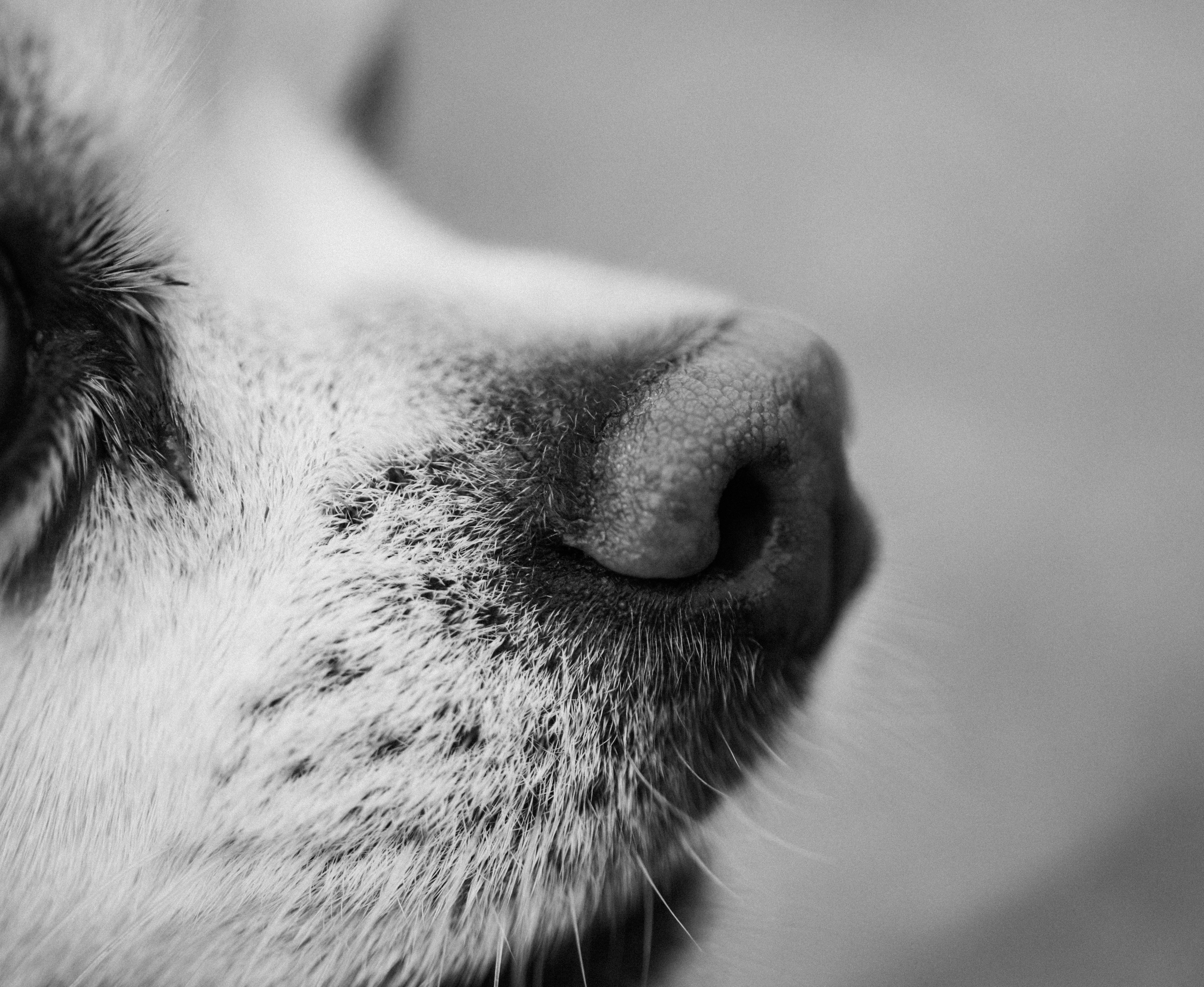
Have you ever wondered why dogs have wet noses? It’s a question many people ask, and the answer is more complex and fascinating than you might think. Dogs, with their adorable, moist snouts, have noses that are not just for show; they play a crucial role in their health and behavior. The science behind canine nasal moisture reveals some surprising reasons that explain this characteristic.
The Biology of a Dog’s Nose
First off, a dog’s nose is an amazing organ. It is packed with scent receptors, way more than humans have, allowing them to smell things far better than we do. The moisture on a dog’s nose is actually a combination of mucus and saliva, which helps enhance their sense of smell. Here’s how it works:
Scent Detection: Wet noses help capture scent particles from the air. This means that when a dog sniffs something, the wet surface grabs more scent molecules, helping them to identify smells more accurately.
Temperature Regulation: Dogs don’t sweat like humans do. Instead, they rely on their noses to help regulate their body temperature. The moisture evaporates, which cools them down.
Health Indicator: A dog’s nose can be an indicator of their health. A warm, dry nose might suggest a fever or illness, while a cold, wet nose is typically a sign of good health.
Why Are Dog Noses Wet?
There are several reasons why dog’s noses are wet. It’s not just because they love to play in the water. Here’s a breakdown of the main factors:
Mucus Production: Dogs have special glands in their noses that produce mucus. This mucus keeps the nose moist, which is essential for their sense of smell.
Licking: Dogs often lick their noses. This behavior not only keeps their noses wet but also helps them taste what they just sniffed. It’s like a double-check for their incredible sense of smell.
Environmental Factors: Depending on the weather, a dog’s nose can become wetter. For instance, when it’s humid outside, the moisture from the air can naturally make their noses moist.
Fun Facts About Dog Noses
Dogs have around 300 million scent receptors in their noses, compared to about 6 million in humans. This is why they can detect certain scents at incredibly low concentrations.
A dog’s sense of smell is so powerful, it can be trained to detect diseases such as cancer and diabetes.
The texture of a dog’s nose is unique, much like human fingerprints. No two dogs have the same nose print.
Common Misconceptions
There are some myths surrounding the wetness of a dog’s nose. Let’s clear up a few:
Always Wet = Always Healthy: While a wet nose is often associated with good health, it’s not a foolproof indicator. Some healthy dogs may have dry noses, and some sick dogs may have wet noses. Always consult a vet if you have concerns.
Nose Color Means Something: The color of a dog’s nose (black, brown, or pink) does not correlate with their health or behavior.
Dogs Can’t Sweat: While it’s true dogs don’t sweat through their skin, they do sweat a little through their paw pads. Most of their heat regulation comes from panting and the moisture on their noses.
Practical Tips for Dog Owners
If you’re a dog owner, here are some things to keep in mind regarding your pup’s nose:
Regular Checks: Monitor your dog’s nose regularly. Changes in temperature or moisture can be indicators of health issues.
Hydration: Ensure your dog is well-hydrated. Dehydration can lead to a dry nose.
Avoid Irritants: Be mindful of irritating substances like chemicals or pollen that could affect your dog’s nose.
Consult a Vet: If you notice significant changes in your dog’s nose or overall health, don’t hesitate to reach out to a veterinarian.
In the end, while the wet nose of a dog might seem like a simple feature, it’s actually a key part of their biology and helps them interact with the world. Understanding the science behind canine nasal moisture allows us to appreciate our furry friends even more. So next time you see that adorable, wet nose, remember there’s more than meets the eye!
Top 5 Fascinating Reasons Your Dog’s Nose is Always Damp
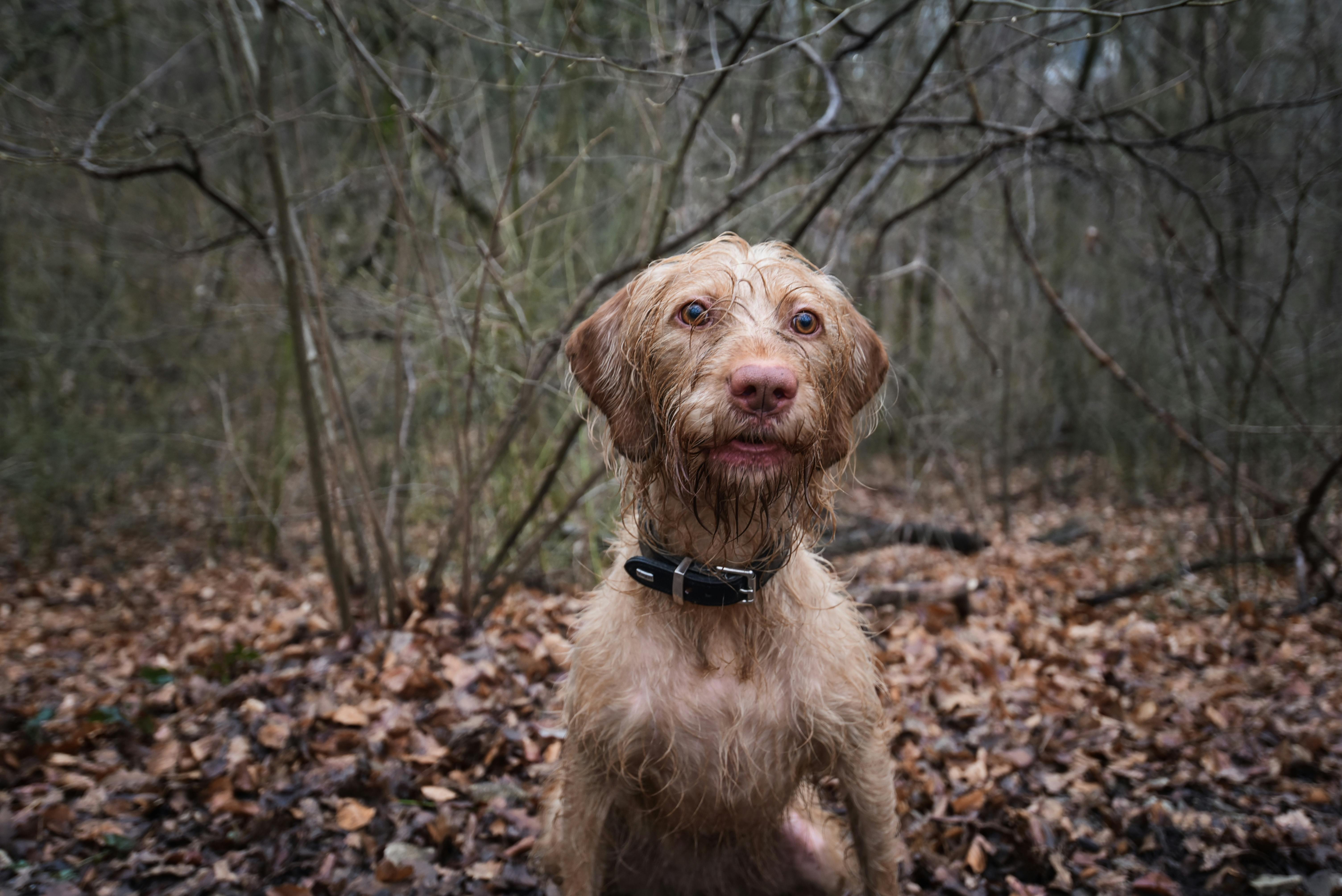
Have you ever noticed that your dog’s nose is always damp? You’re not alone in wondering about this phenomenon. Many pet owners find themselves curious about the reasons behind their furry friend’s wet snout. It might seem trivial, but there’s actually some fascinating science behind it. Let’s dive in to explore the top five reasons why dogs have wet noses, and what it means for their health and behavior.
1. Natural Cooling System
Dogs, unlike humans, sweat very little. Instead, they rely on their nose to help regulate their body temperature. When a dog gets too hot, moisture on the surface of their nose evaporates, which helps cool them down. This is similar to how sweating works for us. On hot days, you might notice that your dog’s nose is super damp. It’s just their way of staying cool!
2. Heightened Sense of Smell
A dog’s sense of smell is incredibly powerful, being up to 100,000 times more sensitive than humans. A wet nose helps enhance this sense of smell by trapping scent particles. When their nose is moist, it can absorb and hold onto these scent molecules better. This is especially useful in hunting or tracking situations. So, the next time you see your dog sniffing around, remember that their wet nose is playing a crucial role in their olfactory adventures!
3. Health Indicator
Believe it or not, the moisture level of a dog’s nose can be an indicator of their health. A healthy dog typically has a cool, wet nose. However, if their nose becomes excessively dry, it could be a sign of dehydration or illness. Likewise, if a dog’s nose is constantly dripping, that might also warrant a vet visit. Keep an eye on changes in your dog’s nose moisture, as it could help you catch potential health issues early.
4. Social Interaction
Dogs communicate in various ways, and their noses play a big role in social interactions. A wet nose is inviting, and it’s often how dogs greet each other. When two dogs meet, they often sniff each other’s noses, and a damp nose can signify a friendly and open disposition. It’s like their version of a handshake! This behavior is also seen in how dogs interact with humans. A quick nuzzle or a wet nose on your hand is their way of saying “hello” or requesting attention.
5. Environmental Factors
The environment plays a significant role in the moisture of a dog’s nose. Humidity, temperature, and even the dog’s activity level can affect how wet their nose is. For instance, if you live in a dry climate, your dog’s nose may be less moist than if you were in a humid area. Similarly, after a long walk in the park or a play session, you might find their nose more damp than usual. Environmental changes can directly affect your dog’s nose moisture, so it’s always good to be mindful of their surroundings.
Summary of Key Points
- Natural Cooling: Dogs use their nose to help regulate body temperature through evaporation.
- Enhanced Smell: A wet nose improves a dog’s ability to detect scents.
- Health Indicator: Changes in nose moisture can signal health issues.
- Social Interaction: Dogs use their noses as a way to communicate and greet others.
- Environmental Factors: Humidity and activity level can affect moisture levels.
The mystery of why dogs have wet noses is not only interesting but also reflects the intricate relationship between a dog’s biology and their environment. Understanding these reasons can help you become a more informed pet owner. If you notice any sudden changes in your dog’s nose moisture, it is always best to consult with a veterinarian.
So, the next time your pup gives you a friendly nudge with their wet nose, you can appreciate the science behind it all. It’s more than just a cute quirk; it’s a vital part of what makes dogs unique. Embrace their wet-nosed charm and enjoy the companionship that comes with having such an incredible animal by your side!
Unraveling the Mystery: How Wet Noses Enhance Your Dog’s Sense of Smell
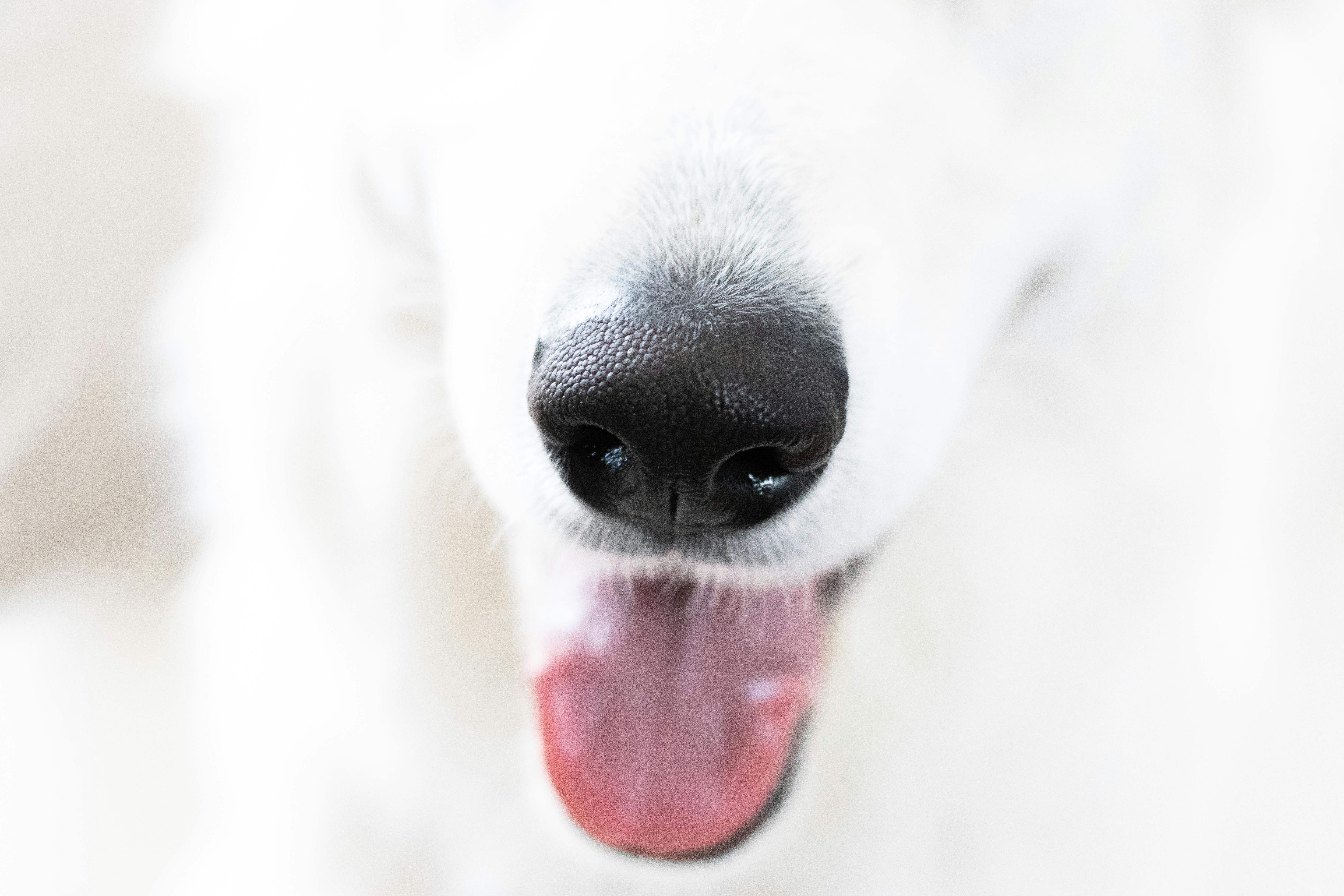
Dogs are often called man’s best friend, and they have some unique features that make them special. One of these features is their wet noses. If you ever wondered why do dogs have wet noses, you’re not alone. There’s actually a lot of science behind that curious, slimy snout! Let’s unravel the mystery of how wet noses enhance your dog’s sense of smell and why it’s important for their health and wellbeing.
The Science Behind Wet Noses
A dog’s sense of smell is legendary. They can smell things 10,000 to 100,000 times better than humans. But what role does a wet nose play in this? The moisture on a dog’s nose helps to capture scent particles from the air, making it easier for them to identify smells. When the nose is wet, it can absorb more odor molecules. This is why you often see dogs sniffing around; they’re using their wet noses to gather information about their environment.
How Wet Noses Work
Here’s a breakdown of how a wet nose enhances a dog’s ability to smell:
- Moisture Attraction: The wetness attracts scent particles. When a dog inhales, the moisture helps to absorb the scents.
- Temperature Regulation: A wet nose helps to cool down a dog’s body. Dogs don’t sweat like humans do, so their noses play a crucial role in temperature regulation.
- Health Indicator: A dog’s nose can indicate its health. A healthy dog typically has a cool, moist nose, while a dry or warm nose might be a sign of illness or dehydration.
The Evolution of Wet Noses
Historically, dogs have evolved as hunters and companions, and their wet noses have adapted to help them survive. The wetness is not just for function; it’s also a trait that has been selected over generations. In the wild, dogs with better smelling abilities had a better chance to find food and avoid danger. This evolutionary trait has carried through to our pets today.
Surprising Facts About Dog Noses
- Scent Discrimination: Dogs can differentiate between different smells. They can even distinguish between scents that are very similar.
- Nasal Structure: A dog’s nose has about 300 million scent receptors, compared to humans who only have about 5 million.
- Unique Nose Prints: Just like human fingerprints, every dog has a unique nose print which can be used to identify them.
- Breeds and Smell: Some breeds are known to have better smelling capabilities. Bloodhounds, for instance, are often used in search and rescue due to their exceptional tracking abilities.
Keeping Your Dog’s Nose Healthy
It’s important to keep your dog’s nose healthy. Here are some tips to maintain that all-important wetness:
- Hydration: Always ensure your dog has access to fresh water. Dehydration can lead to a dry nose.
- Humidity: In dry climates or during winter, consider using a humidifier to maintain the moisture in the air.
- Regular Vet Check-ups: Ensure regular visits to the vet to check for any health issues that might affect your dog’s nose.
Common Misconceptions
There are many myths surrounding dog noses. Here are some common misconceptions debunked:
- A Warm Nose Means a Sick Dog: Not always. A dog’s nose temperature can vary for many reasons and isn’t always a reliable health indicator.
- Dogs Can Only Smell Food: Dogs can smell a wide range of scents, including emotions, other animals, and even diseases.
- Only Certain Breeds Have Wet Noses: All dogs have wet noses; the degree of wetness can depend on various factors, including the environment and health.
Understanding why do dogs have wet noses and how it enhances their sense of smell can deepen our bond with these furry friends. The science behind it is fascinating and reveals just how remarkable dogs truly are.
As you observe your dog sniffing the ground or exploring new scents, remember that their wet noses are working hard to process the world around them. Whether they’re on a walk or playing at the park, their noses are essential tools that help them interact with their environment. So next time you see a dog with a wet nose, know that it’s not just cute, it’s a vital part of their being!
Is a Wet Nose a Sign of a Healthy Dog? Here’s What You Need to Know

When you think about dogs, one of the first things that comes to mind is their wet noses. But have you ever wondered, “Is a wet nose a sign of a healthy dog?” There’s a lot of myths and truths surrounding this topic, and it can be quite surprising. So, let’s dive into the reasons why do dogs have wet noses and what that actually means for their health.
Why Do Dogs Have Wet Noses?
Dogs noses are wet for several reasons, and understanding them can help you learn more about your furry friend’s health. Here are some of the most important points to consider:
Temperature Regulation: A wet nose helps dogs regulate their body temperature. When a dog pants, moisture evaporates from the nose, cooling them down. This is especially important in warm weather.
Enhanced Smell: Dogs have an incredible sense of smell, and a wet nose plays a role in that. The moisture on their noses helps capture scent particles, making it easier for them to detect smells. This is why a wet nose could indicate an alert and active dog.
Health Indicators: While a wet nose is often a sign of a healthy dog, it’s not the only indicator. If your dog’s nose is dry or cracked, it might be a sign of dehydration or other health issues. However, a wet nose does not guarantee good health, so other symptoms should be observed.
Environmental Factors: The weather can also affect your dog’s nose. If your dog has been outside playing in the grass or in the rain, their nose is likely to be wet. Conversely, if they’ve been inside in a dry atmosphere, their nose might feel a bit drier.
The Science Behind It
Scientists have studied the reasons behind why do dogs have wet noses, and they’ve found some fascinating facts. For instance, a dog’s sense of smell can be up to 100,000 times better than humans! The wetness of their nose is crucial for this ability.
Fun Fact List:
- Dogs have about 220 million scent receptors in their noses.
- The wetness of a dog’s nose helps to absorb scent molecules.
- The shape of a dog’s nostrils can affect how they breathe in scents.
The Wet Nose Myth
Many people believe that a wet nose is an absolute indicator of good health. While it can be a sign, it’s not definitive. Here is a quick comparison of wet and dry noses:
| Nose Condition | Potential Health Indicators |
|---|---|
| Wet Nose | Typically healthy, alert |
| Dry Nose | Possible dehydration, fever, or illness |
When to Worry About Your Dog’s Nose
While a wet nose is often associated with health, there are times when you should be concerned. If you notice any of the following changes, it might be time to consult your veterinarian:
- Persistent Dryness: If your dog’s nose is constantly dry, it could indicate dehydration or other health issues.
- Cracking or Bleeding: Any cracks that bleed or appear painful should be looked at.
- Change in Color: A sudden change in the color of your dog’s nose can signify health problems.
- Unusual Discharge: If there’s any unusual mucus or discharge from the nose, this is a cause for concern.
Keeping Your Dog Healthy
To ensure your dog remains healthy, consider these tips:
- Hydration: Always provide fresh water to keep your dog hydrated.
- Regular Vet Visits: Routine check-ups can help catch health issues early.
- Balanced Diet: A healthy diet contributes to overall well-being.
- Exercise: Regular physical activity helps maintain a healthy weight and promotes good health.
Conclusion
In conclusion, a wet nose can often be a sign of a healthy dog, but it isn’t the only factor. Understanding why do dogs have wet noses can help you become more aware of your pet’s health. Remember to keep an eye on other signs and consult a veterinarian if anything seems off. Your furry friend counts on you to keep them healthy and happy!
Curious Canine Behavior: Why Do Dogs Lick Their Noses and Why It Matters
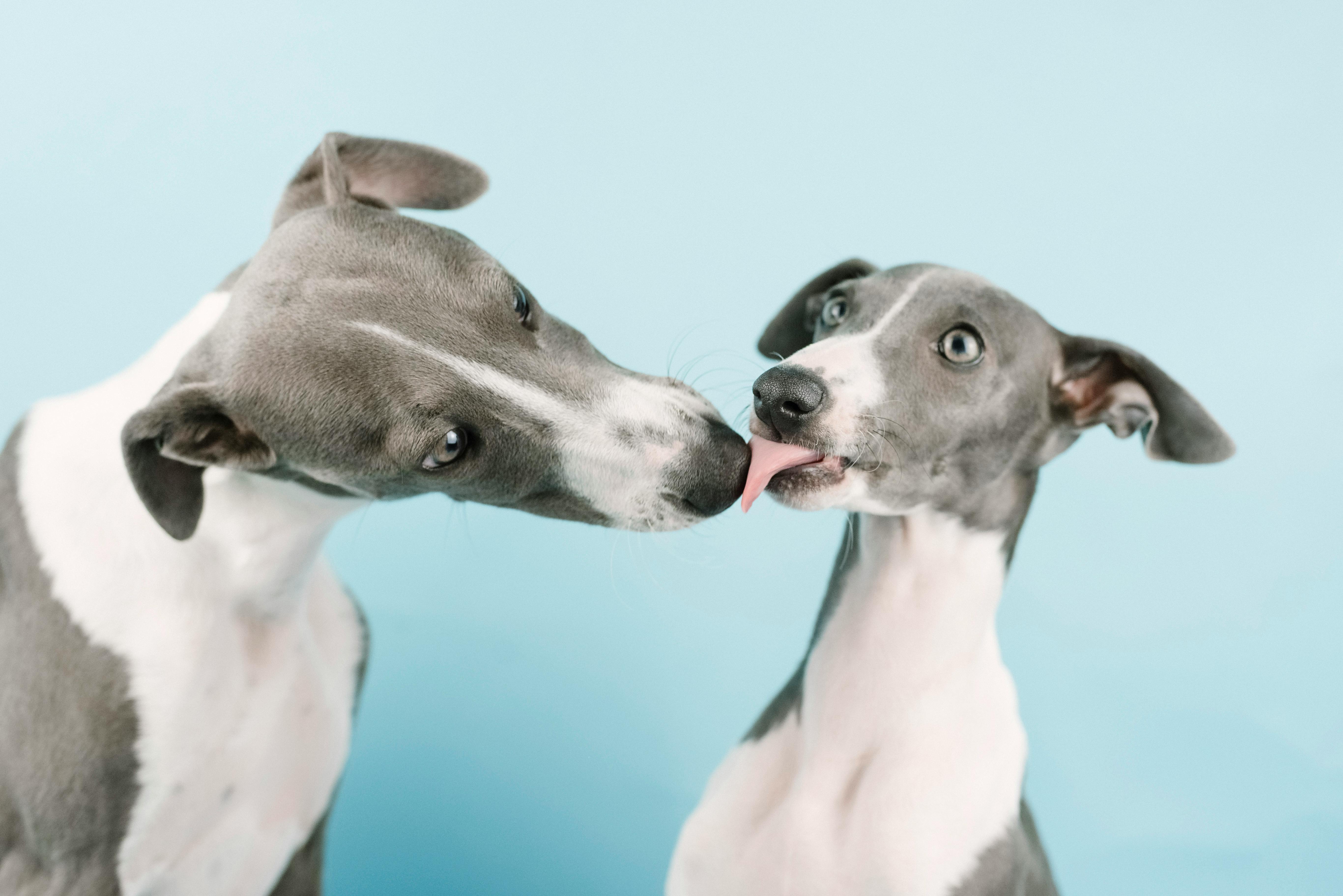
Dogs are often considered man’s best friend, but their curious behaviors can sometimes leave us scratching our heads. One such behavior that many pet owners notice is the frequent licking of their noses and the wetness of those noses. So, why do dogs lick their noses and why do they have wet noses? Understanding these two questions not only satisfies our curiosity but also helps us care for our furry companions more effectively.
The Science Behind a Dog’s Wet Nose
First, let’s explore why do dogs have wet noses. It’s a common trait among many canines, and there’s actually a scientific reason behind it. A dog’s nose is wet because it helps them smell better. The moisture on their noses can enhance their ability to pick up scents. When the dog licks its nose, they spread that moisture, which then captures scent particles from the air. This makes the smells more intense and easier for them to detect.
Here’s a quick list of reasons why dogs have wet noses:
- Enhanced Olfactory Function: Wet noses can absorb scent chemicals, improving a dog’s sense of smell.
- Thermoregulation: Dogs don’t sweat like humans do. Their wet noses help cool them down.
- Health Indicator: A wet nose is often a sign of a healthy dog. Dry noses can indicate dehydration or illness.
Curious Canine Behavior: Nose Licking Explained
So, what about the nose licking? Dogs tend to lick their noses for various reasons, and understanding these can help us respond appropriately to our pets’ needs. Here are some of the main reasons dogs lick their noses:
- Nourishment: Dogs lick their noses to taste what’s around them. They explore their environment through their sense of smell and taste.
- Stress Relief: Just like humans might bite their nails or fidget, dogs may lick their noses when they feel anxious or stressed.
- Communication: Nose licking can be a way for dogs to communicate with other dogs or humans. It can show submission or even a way to say “I’m friendly.”
- Hygiene: Dogs may lick their noses to keep them clean, especially after eating or drinking.
Why It Matters: The Health Connection
Understanding why dogs lick their noses and have wet noses is not just a matter of curiosity. It can also provide important insights into your dog’s health. For instance, a sudden change in the moisture level of a dog’s nose can indicate potential health issues. If your dog’s nose is unusually dry or cracked, it may be worth consulting a veterinarian.
Comparing Wet vs. Dry Noses
It might be useful to compare the implications of wet and dry noses. Here’s a simple table to illustrate the differences:
| Condition | Wet Nose | Dry Nose |
|---|---|---|
| Health Status | Typically healthy | May indicate illness or dehydration |
| Behavior | Active and alert | Lethargic or less active |
| Temperature | Cooler and moist | Warmer and drier |
| Scent Detection | Enhanced olfactory ability | Reduced scent sensitivity |
Historical Context: Dog Noses Through Time
Dogs have evolved alongside humans for thousands of years. Their wet noses are not just a random trait but rather a product of natural selection. Historically, dogs were bred for various roles, including hunting and herding. Their ability to smell was crucial for these tasks, leading to the development of wet noses that improve scent detection.
As time passed, different breeds developed with specific traits, but the moisture of the nose remained a common factor across the canine species. This historical context helps us appreciate the evolutionary advantages that come with a wet nose and the behaviors associated with it.
Practical Examples of Nose Care
Taking care of your dog’s nose is important. Here are some tips to keep in mind:
- Hydration: Always ensure your dog has access to fresh water, as dehydration can lead to a dry nose.
- Regular Vet Check-ups: Regular visits to the vet can help catch any potential health issues early on.
- Watch for Changes: If you notice any drastic changes in your dog’s nose or behavior, consult with a veterinarian.
Understanding canine behaviors, like why dogs lick their noses and why they have wet noses, can deepen our bond with our furry friends. By observing these behaviors, we can ensure our dogs are healthy and happy, ready to enjoy life by our sides.
The Role of Temperature Regulation: How Wet Noses Keep Dogs Cool

Dogs are often referred to as man’s best friend, but have you ever wondered why they have those wet noses? It’s a common sight, but it’s not just an adorable trait—there’s actually some science behind it. In this article, we will explore the role of temperature regulation, how those wet noses keep dogs cool, and the surprising reasons why dogs have wet noses. You might be surprised by what you learn!
The Science of a Dog’s Nose
Dogs noses are not just cute; they serve essential functions. A dog’s sense of smell is way more powerful than that of humans. It’s estimated that dogs have around 220 million scent receptors in their noses, compared to just about 5 million in humans. This makes them amazing at detecting scents, but there’s more to it than that.
Moisture and Scent Detection: Wet noses help to capture scent particles. When a dog’s nose is moist, it can trap more scent molecules. This facilitates better olfactory detection, which is crucial for their ability to navigate their world.
Temperature Regulation: Dogs don’t sweat like humans do. Instead, they rely on their noses to help regulate temperature. When a dog breathes, moisture evaporates from their nose, which cools them down. This method of cooling can be very effective, especially on hot days.
Why Do Dogs Have Wet Noses? The Surprising Reasons Explained
Now let’s dive into why exactly dogs have wet noses. Here’s a list of surprising reasons:
Cool Down: As mentioned, the moisture on a dog’s nose helps keep them cool. On hot days, a wet nose can help lower their body temperature.
Health Indicator: A dog’s nose can indicate its health. A healthy dog typically has a cool, moist nose, while a dry or warm nose may suggest illness or dehydration.
Communication: Dogs communicate through their scent. A wet nose is better for scenting, which means they can communicate more effectively with other dogs and humans.
Hygiene: Dogs often lick their noses to keep them clean. This helps them detect scents better and also removes any debris that might obstruct their sense of smell.
How Dogs Cool Themselves Down
Understanding how dogs regulate their body temperature can help pet owners provide better care. Here’s how dogs usually cool off:
Panting: Dogs pant to release heat. When they breathe rapidly, moisture evaporates from their tongues and the lining of their mouths, cooling their blood.
Wet Nose: As previously mentioned, a wet nose can also help in cooling. The evaporation of moisture from their noses aids in temperature regulation.
Shade Seeking: Dogs often seek out shaded areas when they are feeling overheated. This instinctive behavior is essential for their survival.
The Role of Environmental Factors
Environmental factors can affect how well a dog can regulate its temperature. Here’s a comparison of how different conditions can impact a dog’s cooling mechanisms:
Hot Weather: In extremely hot conditions, dogs may struggle to cool down, which can lead to heatstroke. It’s vital to provide fresh water and shade.
Humidity: High humidity can make it difficult for dogs to cool down through panting. They may require more assistance in these conditions.
Winter: In cooler weather, dogs can maintain warmth without much effort. However, even in winter, a wet nose can be a sign that they’re healthy and alert.
Practical Tips for Dog Owners
As a dog owner, understanding your dog’s nose and its functions can help you ensure their well-being. Here are some practical tips:
Regular Check-ups: Keep an eye on your dog’s nose. Changes in moisture or temperature can indicate health issues.
Hydration: Always provide fresh water to keep your dog hydrated, especially on hot days.
Avoid Overheating: On hot days, limit exercise during peak sun hours, and ensure they have access to shade.
Licking Habits: Encourage licking as a way for your dog to keep their nose moist, but if they are excessively licking, it’s worth consulting a vet.
Temperature Awareness: Learn how to recognize the signs of overheating. Look for excessive panting, drooling, or lethargy.
Understanding why dogs have wet noses and how they help regulate temperature can enhance the bond between you and your furry companion. By being aware of these aspects, you can ensure your dog stays happy and healthy, especially during those hot summer months. So next time you give your dog a pat, take a moment to appreciate that wet nose and the science behind it!
Can Your Dog’s Wet Nose Indicate Illness? Signs Every Pet Owner Should Watch For
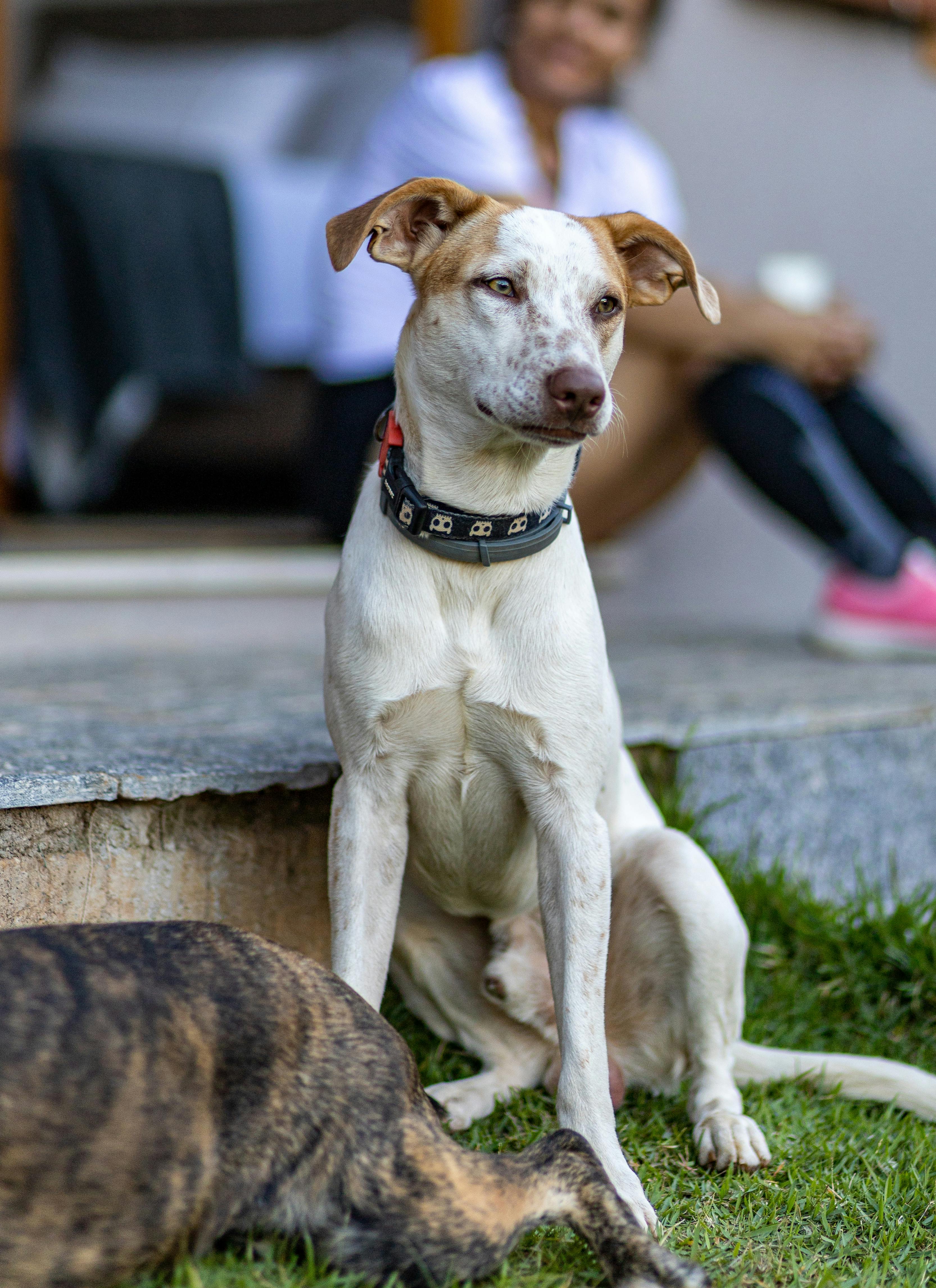
As a pet owner, you might have noticed your dog’s nose feels wet to the touch. It’s a common observation, but does it mean anything significant? Can your dog’s wet nose indicate illness? This question has perplexed many dog lovers. Moreover, understanding why dogs have wet noses and what it signifies is essential for every pet owner. Let’s dive into the surprising reasons behind this phenomenon and what signs you should watch for.
Why Do Dogs Have Wet Noses?
Dogs have wet noses for a variety of reasons. It’s not just a random trait, but it plays a crucial role in their health and sensory perception. Here’s a breakdown of why your furry friend’s nose might be wet:
Cooling Mechanism: Just like humans sweat, dogs use their noses to help regulate body temperature. A wet nose can help them cool down, especially on hot days.
Enhanced Smell: Dogs have an extraordinary sense of smell, and a wet nose helps to absorb scent chemicals. This enhances their ability to detect smells in the environment, making them excellent hunters and companions.
Health Indicator: A dog’s nose may also reflect its health condition. A wet and cool nose is often a sign of a healthy dog. However, if the nose is excessively dry or hot, it might indicate something isn’t quite right.
Behavioral Response: Dogs can lick their noses when they’re anxious or excited. This behavior may contribute to the wetness of their noses in different situations.
Can Your Dog’s Wet Nose Indicate Illness?
While a wet nose is typically a sign of good health, there are certain situations where it could indicate illness. Here are some signs every pet owner should pay attention to:
Dry or Cracked Nose: If your dog’s nose is consistently dry, cracked, or peeling, it could be a sign of dehydration, allergies, or even autoimmune diseases.
Excessive Moisture: On the contrary, if the nose is unusually wet, especially with discharge or a foul smell, it might point to respiratory infections or other health issues.
Change in Temperature: A nose that feels warm or hot may indicate a fever or other health problems.
Behavioral Changes: If your dog is lethargic, not eating, or showing signs of discomfort, it’s best to consult a vet, regardless of their nose’s condition.
Signs to Watch For
As a responsible pet owner, you should always be observant. Here’s a quick list of symptoms that could indicate a problem:
- Changes in appetite
- Lethargy or decreased activity level
- Vomiting or diarrhea
- Coughing or sneezing
- Changes in behavior (e.g., increased aggression or withdrawal)
The Importance of Regular Vet Check-Ups
Regular vet visits are crucial for maintaining your dog’s health. During these check-ups, vets can assess your pet’s overall condition and check for any underlying issues that may not be evident. Here’s what to expect during a vet visit:
- Physical Examination: Vets will check your dog’s nose, ears, and overall body condition.
- Vaccinations: Keeping up with vaccinations can prevent many diseases that may cause changes in your dog’s health.
- Dental Care: Dental health is often overlooked but is crucial for your dog’s overall well-being.
- Parasite Control: Discussing flea and tick prevention is important, as these can affect your dog’s health significantly.
Historical Context of Dog Noses
Historically, dogs have been companions to humans for thousands of years. Their noses have evolved over time, becoming one of their most significant assets. In ancient times, dogs were used for hunting, herding, and protection. The wet nose was essential for tracking scents, leading to successful hunts and ensuring the safety of their human companions.
Comparing Dog Noses to Other Pets
Dogs aren’t the only animals with wet noses. Cats, for example, also have moist noses, but the reasons differ. While dogs depend heavily on their sense of smell, cats primarily rely on their sight and hearing. Here’s a quick comparison:
- Dogs: Wet noses help with scent absorption; great hunters.
- Cats: Moist noses but rely more on vision; less dependent on smell.
Dogs have wet noses for a variety of reasons, from sensory enhancement to temperature regulation. While a wet nose is usually a positive sign, pet owners should remain vigilant and recognize any changes in their dog’s condition. Paying attention to your dog’s health, including their nose’s moisture and temperature, is an important part of being a responsible pet owner. Regular vet visits and being aware of behavioral changes can help ensure your furry friend stays healthy and happy.
The Connection Between Dog Breeds and Nose Moisture: What You Should Know

Dogs are often considered man’s best friend, and one of their most endearing features is their wet noses. But have you ever wondered why do dogs have wet noses? Many people don’t realize that there’s a connection between dog breeds and the moisture levels in their noses. This article will explore the surprising reasons behind this phenomenon and what it could mean for different dog breeds.
The Science Behind Wet Noses
A dog’s nose is not just a cute feature. It’s a complex organ that plays a crucial role in their sense of smell. A wet nose helps dogs absorb scent molecules more effectively because moisture enhances their olfactory capabilities. When a dog’s nose is wet, it allows for better chemical detection, which is essential for communication and hunting. But why do some dogs have wetter noses than others?
Dog Breeds and Nose Moisture
Different dog breeds exhibit varied levels of nose moisture. Here’s a rundown of a few breeds and their typical nose conditions:
- Labrador Retrievers: These friendly dogs usually have moist noses due to their active lifestyle, which keeps their nasal passages hydrated.
- Bulldogs: With their unique facial structures, bulldogs may have drier noses, especially during warmer weather.
- Siberian Huskies: Known for their thick fur, their noses can also be moist but are more prone to drying out in extreme temperatures.
- Chihuahuas: These tiny dogs often have wetter noses, which is part of their energetic and curious nature.
Factors Influencing Nose Moisture
There are several reasons why a dog’s nose might be wet or dry. Here’s a list of factors that can influence this moisture level:
- Temperature: Hot weather can cause a dog’s nose to dry out, while cooler temperatures often lead to moister noses.
- Hydration: A well-hydrated dog is likely to have a more moist nose. If your pup isn’t drinking enough water, its nose may become dry.
- Health Conditions: Sometimes, a dry nose can indicate health issues like allergies, infections, or dehydration.
- Breed Differences: As mentioned, specific breeds may naturally have drier or wetter noses due to their genetic traits.
Why Do Dogs Lick Their Noses?
You might have seen your dog licking its nose frequently. This behavior serves several purposes:
- Hydration: Licking helps keep the nose moist, which is important for their sense of smell.
- Taste: Dogs explore the world through their noses and mouths, so licking helps them taste the environment.
- Stress Relief: Sometimes, dogs lick their noses as a calming mechanism when they feel anxious or uncertain.
The Myth of Wet Noses and Health
Many pet owners believe that a wet nose is an indicator of a healthy dog. While this can be true, it’s not always the case. Here are some important points to consider:
- Not a Definitive Measure: A dog can be sick with a dry nose and perfectly healthy with a wet one. It’s essential to observe other signs of health, such as appetite, energy levels, and behavior.
- Individual Variance: Just like humans, dogs can have their own unique nose conditions. Some may naturally have drier noses without any health issues.
- Consulting a Vet: If you notice a sudden change in your dog’s nose moisture, it’s best to consult a veterinarian. They can provide the right guidance and check for any potential health problems.
The Connection Between Environment and Nose Moisture
The environment plays a significant role in the moisture levels of a dog’s nose. Here’s what to keep in mind:
- Humidity: High humidity can promote wet noses, while dry climates may lead to dryness.
- Seasonal Changes: Dogs often have drier noses in winter due to the cold air and indoor heating.
- Indoor vs. Outdoor: Dogs that spend more time indoors might develop different moisture levels than those who are outdoors often.
Practical Tips for Dog Owners
If you’re a dog owner, here are some tips to maintain your dog’s nose health:
- Keep Water Available: Ensure your dog always has access to fresh water.
- Monitor Changes: Keep an eye on your dog’s nose. Changes can signal health issues.
- Avoid Irritants: Exposure to smoke or harsh cleaning products can dry out a dog’s nose.
- Consult Your Vet: Regular check-ups can help keep your dog healthy and address any nose issues promptly.
Understanding the connection between dog breeds and nose moisture can enrich your relationship with your furry friend. Knowing why do dogs have wet noses and what factors influence this can help you provide better care. Every dog is unique, and being informed is key to ensuring their well-being. So, the next time you see your pup with a moist nose, you can appreciate the science and care behind it!
How to Care for Your Dog’s Nose: Tips for Maintaining Optimal Moisture Levels
Taking care of your dog’s nose might not be the first thing that comes to mind when you think about their health, but it’s actually quite important. Many dog owners often ask why do dogs have wet noses? Well, there’s more to it than just a cute feature. Wet noses help dogs with their sense of smell and regulating their body temperature. In this article, we will explore how to maintain those optimal moisture levels in your dog’s nose and delve into the surprising reasons behind why their noses are moist.
Why Do Dogs Have Wet Noses?
The wetness of a dog’s nose is not just an aesthetic trait, it serves vital functions. Here’s some reasons why dogs have wet noses:
- Enhanced Sense of Smell: A wet nose helps trap scent particles in the air. This allows dogs to smell better than humans, which is crucial for their survival instincts.
- Temperature Regulation: Dogs don’t sweat like humans do. Their noses help them cool down. When they pant, the moisture on their noses evaporates, which helps to lower their body temperature.
- Health Indicator: Generally, a healthy dog has a moist nose. A dry or cracked nose could indicate dehydration or illness.
It’s interesting to note that the moisture levels can change throughout the day, depending on weather, activity levels, or even mood.
Tips for Maintaining Optimal Moisture Levels
Keeping your dog’s nose nice and moist is easier than it seems. Here’s how you can do it:
Hydration is Key: Make sure your dog has constant access to fresh water. Dehydration is one of the primary causes for a dry nose.
Humidity Matters: If you live in a dry climate, consider using a humidifier in your home. This can help maintain moisture in the air, and thus in your dog’s nose.
Consider Diet: Feed your dog a balanced diet that maintains hydration. Foods high in water content, like wet dog food or certain fruits and vegetables, can help.
Regular Vet Checkups: Regular visits to the vet can help catch any issues that may affect your dog’s nose, like allergies or infections.
Protect from Sunburn: Dogs can get sunburned, especially if they have lighter-colored noses. Use pet-safe sunscreen or a nose balm to protect them.
Monitor Changes: Watch for changes in your dog’s nose. If it suddenly becomes dry or cracked, consult your veterinarian.
Common Misconceptions About Dog Noses
There are many myths about dog noses that just aren’t true. Here are few:
Myth: A dry nose means your dog is sick.
Fact: While a dry nose can indicate illness, it can also be due to other factors like weather or sleep.Myth: All dogs have wet noses.
Fact: Some breeds have naturally drier noses, and that can still be normal.Myth: Dogs should always have a cool nose.
Fact: Nose temperature can vary with activity, and a warm nose doesn’t necessarily indicate a problem.
Understanding Nose Texture
The texture of your dog’s nose can tell you a lot. Here’s a quick breakdown:
- Smooth and Wet: Typically healthy and well-hydrated.
- Dry and Cracked: May need more hydration or could indicate an issue.
- Bumpy or Wart-like: This can be normal for some dogs but should be checked by a vet if it changes suddenly.
The Importance of Regular Care
Taking care of your dog’s nose is just one part of overall dog care. Here are some additional tips for keeping your pup healthy:
- Regular Baths: Bathing your dog can help remove dirt and allergens that can irritate their skin and nose.
- Grooming: Keeping your dog groomed can help reduce dander and debris that can affect their nose.
- Watch for Allergens: Pay attention to environmental allergens, which can lead to nasal irritation.
In summary, caring for your dog’s nose is an ongoing process that is essential for their health. Understanding why dogs have wet noses and how to maintain their moisture levels can help ensure your furry friend remains happy and healthy. Remember, a little attention goes a long way!
Wet Noses and Happiness: How a Dog’s Nose Reflects Their Emotions and Well-Being
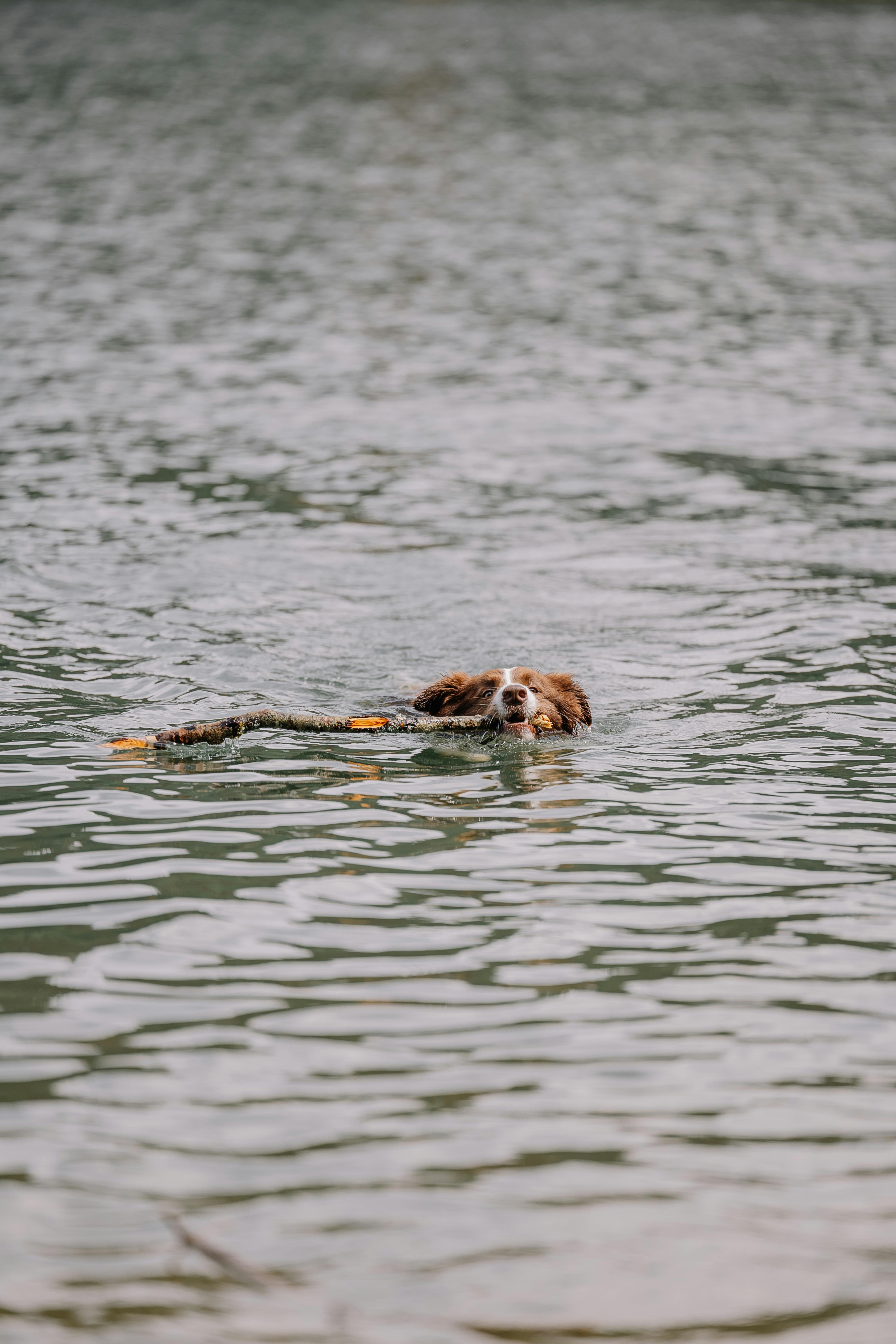
Dogs are often known as man’s best friend, and one of the most distinctive characteristics about them is their wet noses. You may wonder, why do dogs have wet noses? This unique trait is not just a quirky feature; it can actually say a lot about their emotions and overall well-being. It’s fascinating how something as simple as a dog’s nose can reflect their feelings and health.
The Science Behind Wet Noses
Wet noses in dogs are mainly due to a few reasons. First off, dogs’ noses are moist because of a thin layer of mucus that helps them absorb scent chemicals. The more moisture there is, the better they can smell. Dogs have an incredible sense of smell, estimated to be between 10,000 to 100,000 times more sensitive than humans. This is why they can sniff out drugs, explosives, and even diseases.
Another reason why dog noses are wet is because of their natural cooling system. Dogs don’t sweat like humans do. Instead, they rely on panting and the moisture on their noses to help regulate their body temperature. When a dog is overheated, their nose tends to get wetter as they try to cool down.
Emotional Indicators
But wet noses aren’t just a sign of physical health. They can also reflect a dog’s emotional state. Here’s how:
- Happy and Relaxed: A dog with a wet nose, wagging tail, and bright eyes is usually in a good mood. They might be excited to see you or ready to play!
- Anxious or Stressed: If a dog’s nose seems dry, it could indicate stress or anxiety. A dry nose might also be a sign that they are feeling unwell.
- Illness or Fever: A persistently dry nose can be a warning sign of illness. If a dog’s nose is dry and warm, it might be time to consult a veterinarian.
Historical Context of Dogs’ Noses
Throughout history, dogs have been companions to humans, serving various roles from hunting partners to loyal friends. In ancient Egypt, dogs were revered, and their noses were considered to have divine qualities. The Egyptians believed that a dog’s nose could help guide the soul to the afterlife. This reverence for dogs has persisted through ages, and it’s fascinating how their physical traits like wet noses have remained a point of interest.
Why Dog Noses are Unique
Dog noses are not just wet; they are also unique to each dog, much like human fingerprints. The patterns on a dog’s nose can help identify them. This uniqueness is something that many people don’t realize. Here are some cool facts about dog noses:
- Nasal Ridge Patterns: Just like fingerprints, the patterns on a dog’s nose are distinctive for each individual.
- Temperature Regulation: The moisture on a dog’s nose helps to cool them down, working as a natural air conditioner.
- Sense of Taste: The moisture collected on their nose can enhance their sense of taste. When they lick their noses, it helps them to better interpret the scents they’ve collected.
Common Misconceptions
There are many myths surrounding dogs and their noses. Here are some common misconceptions:
- Dry Nose Means Sick: While a dry nose can be a sign of illness, it’s not definitive. Some dogs naturally have drier noses.
- Wet Nose Equals Healthy: Not all wet noses mean good health. If a dog’s nose is frequently wet but seems lethargic, it might not be a good sign.
- All Dogs Have Wet Noses: Some breeds, especially brachycephalic ones like bulldogs, may have drier noses due to their unique facial structure.
Keeping Your Dog’s Nose Healthy
Maintaining the health of your dog’s nose is important, just like any other part of their body. Here are a few tips to keep in mind:
- Regular Vet Check-ups: Ensure your dog visits the vet regularly for check-ups. This can help identify any potential health issues early on.
- Hydration: Make sure your dog stays hydrated. Fresh water is essential for maintaining moisture in their nose.
- Watch for Changes: Pay attention to any changes in your dog’s nose. If you notice it becoming persistently dry or cracked, consult your vet.
So, next time you see your dog with that adorable, wet nose, remember it’s more than just a cute feature. It’s a window into their emotions and health. Dogs communicate so much through their body language and physical traits, and their noses are a significant part of that conversation. Keep an eye on those noses, and you’ll be better able to understand your furry friend!
Conclusion
In conclusion, the wet noses of dogs serve several important functions that contribute to their health and behavior. Primarily, a wet nose enhances their sense of smell, allowing them to detect scents more effectively, which is crucial for their communication and environment exploration. Additionally, moisture helps regulate their body temperature and can indicate their overall health, as a dry nose may signal dehydration or illness. Understanding why dogs have wet noses not only deepens our appreciation for these loyal companions but also highlights the importance of monitoring their health. As dog owners, we should pay attention to changes in our pets’ noses, ensuring they remain happy and healthy. So, the next time you give your furry friend a pat, take a moment to appreciate that cool, wet nose—it’s not just cute; it’s a sign of a well-functioning pup!
