
Have you ever wondered, why do dogs have wet noses? This curious characteristic of our furry friends is not just for show. In fact, it holds a fascinating secret that could change the way you think about your pet! Dogs, with they’re adorable wet noses, are not only cute but also incredibly smart. These slick noses serve multiple purposes, and understanding them can deepen your bond with your beloved companion. Is it just for cooling down, or is there more to it? Research suggests that a dog’s wet nose helps them smell better and regulate their body temperature, making them exceptional hunters and loyal companions! Plus, did you know that a wet nose can indicate your dog’s health? This intriguing aspect of canine biology is often overlooked by many pet owners. So, next time you snuggle with your pup, consider the wonders behind those wet snouts! Ready to dive deeper into this intriguing topic? Discover the reasons behind this unique feature and learn how it relates to your dog’s overall well-being. Don’t miss out on uncovering the secrets of your dog’s wet nose – it’s bound to spark your curiosity!
The Science Behind Why Dogs Have Wet Noses: A Closer Look at Canine Anatomy
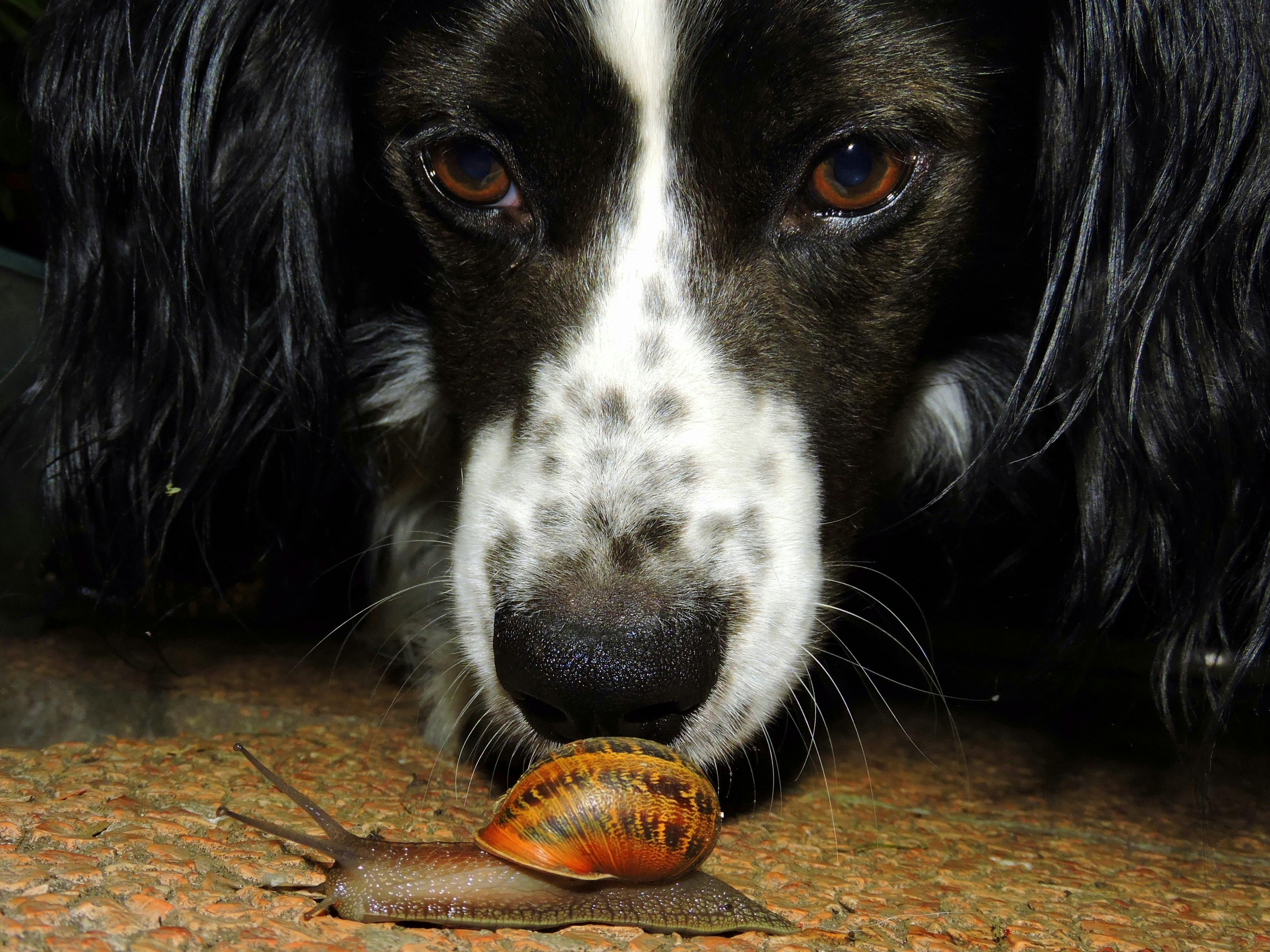
Why do dogs have wet noses? This question has puzzled many dog owners and enthusiasts alike. The moistness of a dog’s nose isn’t just a quirky trait; it actually plays a significant role in their health and behavior. Let’s dive deep into the science behind why dogs noses are wet and what that means for our furry friends.
The Anatomy of a Dog’s Nose
Dogs have a highly specialized nose that is quite different from humans. Their noses are made up of a complex structure of tissues and glands, which help in various functions such as smell, temperature regulation, and even communication.
- Olfactory Receptors: Dogs have approximately 220 million olfactory receptors, compared to humans who only have about 5 million. This incredible sense of smell is supported by the wetness of their noses, which helps to capture scent particles from the air.
- Nasal Glands: The moisture on a dog’s nose primarily comes from nasal glands, which secrete a thin layer of mucus. This mucus helps to dissolve odor molecules, making it easier for dogs to detect scents.
- Cooling Mechanism: Dogs don’t sweat like humans. Instead, they rely on their noses and panting to regulate body temperature. When their noses are wet, it helps to cool them down through evaporation.
Why Are Dog Noses Wet?
So, why do dogs have wet noses? Here are some fascinating reasons:
- Enhanced Smell: The wet surface of the nose captures scent particles, allowing dogs to identify smells more effectively. Wet noses can absorb scents better than dry ones, enhancing their ability to detect pheromones and other odors.
- Health Indicator: A wet nose is often a sign of a healthy dog. A dry or cracked nose might indicate dehydration or illness, although it isn’t always a cause for alarm. It’s important for dog owners to monitor their pets’ noses for changes.
- Thermoregulation: Just like mentioned before, the moisture helps dogs to cool down. A wet nose can evaporate heat, which is crucial especially during hot weather.
- Social Interaction: Dogs use their noses to communicate. A wet nose can signal to other dogs that they are friendly and approachable. It’s also a way for them to gather information about their environment and other animals.
The Role of Environment
The environment also influences how wet a dog’s nose gets. Here are some factors:
- Humidity Levels: In humid weather, dogs noses may appear wetter. Conversely, in dry climates, they might dry out more quickly.
- Activity Level: After running or playing, a dog’s nose may become drier as they pant and lose moisture. A quick drink of water can help rehydrate them.
- Health Factors: Certain health issues can affect nose moisture. For example, allergies or respiratory problems can lead to a drier nose.
Interesting Facts About Dog Noses
- Unique Patterns: Just like human fingerprints, every dog has a unique nose print. This can be used for identification.
- Dogs’ Sense of Smell: Dogs can detect certain diseases, like cancer, just through their sense of smell. This is due to their advanced olfactory capabilities.
- Wet Noses and Breed Differences: Some breeds naturally have wetter noses than others. For instance, hounds and retrievers are known for their moist noses, while some shorter-nosed breeds may have drier noses.
What to Watch For
As a dog owner, keeping an eye on your dog’s nose can be a good health practice. Here’s a quick list of what to observe:
- Consistency: Is the wetness consistent? A sudden change may indicate a health issue.
- Cracks or Dryness: Look out for cracks or excessive dryness, which can be signs of dehydration or other health problems.
- Discharge: Any unusual discharge or color can be a sign that something is wrong.
In summary, the wet nose of a dog is not just an endearing trait; it’s a vital part of their anatomy that serves multiple functions, from enhancing their sense of smell to regulating body temperature. Paying attention to your dog’s nose can help you monitor their health and well-being. So, the next time you give your dog a scratch behind the ears, take a moment to appreciate that wet nose and all the science it represents!
5 Fascinating Reasons Your Dog’s Nose is Always Moist: What You Need to Know

Ever wonder why your dog’s nose is always moist? It’s kind of an interesting topic that not many people think about. Most pet owners just assume wet noses are normal, but there’s actually a lot more to it. In this article, we’ll explore five fascinating reasons why dogs have wet noses and what it means for their health and behavior. So, let’s dive right in!
1. Natural Cooling Mechanism
Dogs don’t sweat like humans do. Instead, they rely on their noses to help regulate their body temperature. When a dog’s nose is moist, it can evaporate some of the moisture, which keeps them cool. This is especially important during hot weather.
- Dogs have sweat glands, but they’re primarily located in their paw pads.
- A wet nose helps with thermoregulation, allowing dogs to adapt to varying temperatures.
So, if you see your pup’s nose glistening, it’s not just cute; it’s a sign that your furry friend is staying cool!
2. Enhanced Sense of Smell
Dogs have an incredible sense of smell — it’s one of their superpowers! A wet nose helps enhance their olfactory abilities. The moisture on their nose captures scent particles from the air, which allows dogs to detect odors more effectively.
- A dog’s sense of smell is estimated to be anywhere from 10,000 to 100,000 times more sensitive than a human’s.
- The wetness also helps to keep the nose flexible, which aids in scent detection.
This means when your dog is sniffing around, they’re not just being nosy; they’re using their amazing sense of smell to learn about their environment!
3. Sign of Health
A moist nose is often seen as an indicator of good health in dogs. While a dry nose can be a normal variant for some dogs, it can also suggest possible health issues like dehydration or fever.
- Healthy dog noses are usually cool and moist.
- Changes in the nose’s texture or temperature can signal underlying health problems.
If you’re concerned about your dog’s nose being too dry or too wet, it’s always a good idea to consult with a veterinarian. They can provide valuable insights into your dog’s health.
4. Communication Tool
Dogs use their noses for communication as well. A moist nose can be an indicator of how a dog is feeling. For instance, during playtime or excitement, a dog’s nose may become wetter due to increased activity and panting.
- Dogs may also use their noses to greet other dogs, leaving scent marks that convey information.
- A wet nose can mean your dog is happy and engaged in their environment.
So next time your dog nudges you with their wet nose, they might just be trying to say hello or tell you they’re ready to play!
5. Environmental Factors
The environment plays a significant role in whether a dog’s nose stays moist. High humidity levels or cool temperatures can contribute to a wetter nose, while dry or hot conditions can lead to a drier nose.
- Factors that can affect nose moisture include:
- Humidity levels
- Temperature variations
- Indoor heating or air conditioning
Understanding these factors can help you keep an eye on your dog’s nose condition. If you notice changes related to the environment, consider adjusting their living conditions for optimal comfort.
Quick Facts About Dog Noses
- Dogs have between 220 million to 300 million scent receptors, compared to humans who have about 5 million.
- The texture of a dog’s nose can vary by breed, and it can even change color depending on the season.
- A dog’s sense of smell is used for various tasks, including search and rescue, detecting diseases, and even identifying certain types of cancer.
When you think about it, your dog’s wet nose is more than just a cute feature. It serves multiple purposes that are essential for their health and well-being. So, the next time you give your furry friend a pat on the head and feel that cool, moist nose, remember these fascinating reasons behind it. Understanding why dogs have wet noses can deepen your bond with your pet and help you care for them better.
Is Your Dog’s Wet Nose a Sign of Health? Discover the Truth Behind This Common Belief

Ever notice how your dog’s nose feels like a wet sponge? You’re not alone if you’ve wondered, “Is my dog’s wet nose a sign of health?” Many pet owners believe that a moist nose indicates a happy and healthy pup, but is that really the truth? Let’s dig into the fascinating world of dog noses and uncover the secrets behind why they’re often wet.
Why Do Dogs Have Wet Noses?
First off, dogs have wet noses for a few reasons. Their noses are not just for sniffing; they play a vital role in their overall health. Here’s a breakdown of some of the main reasons:
- Temperature Regulation: Dogs can’t sweat like humans do. They lose heat through their noses. A wet nose helps cool them down.
- Enhanced Sense of Smell: The moisture on a dog’s nose helps capture scent particles in the air, making it easier for them to identify different smells. It’s like their built-in scent enhancer!
- Health Indicator: While a wet nose can suggest good health, it’s not the only indicator. Dogs can have wet noses when they’re sick or stressed too.
The Science Behind the Wet Nose
Did you know that a dog’s nose has a unique structure? The surface of their nose is covered in a thin layer of skin, which is full of mucous glands. This layer keeps the nose moist and allows it to absorb scents better.
- Mucous Glands: These glands secrete mucus that keeps the nose wet.
- Nasal Turbinates: Inside a dog’s nose are structures called turbinates, which help with scent detection. The more moisture, the better the scent retention.
The Myth of the Wet Nose
So, is a wet nose the ultimate sign of a healthy dog? Not necessarily. Just because a dog has a dry nose doesn’t mean they’re sick. There are many factors that contribute to nose moisture, including:
- Environmental Conditions: Humidity and temperature can affect how wet or dry a dog’s nose is.
- Activity Level: After a good run or playtime, a dog’s nose might feel drier due to panting.
- Health Issues: Some health problems, such as fever or dehydration, can lead to a dry nose.
Wet Nose vs. Dry Nose: What Do They Mean?
Here’s a simple comparison list of wet nose versus dry nose signs:
Wet Nose:
- Often cool to the touch
- Indicative of hydration
- Can change with the environment
Dry Nose:
- May feel warm or hot
- Could indicate dehydration or illness
- Sometimes associated with certain breeds that naturally have drier noses
Common Misconceptions about Dog Noses
Many myths surround the idea of dog noses. Here are some of the most common misconceptions:
Myth 1: All dogs should have wet noses at all times.
Reality: Just like humans, a dog’s nose can be dry sometimes without it being a serious issue.Myth 2: A dog with a warm, dry nose is definitely sick.
Reality: A warm nose can mean various things, including normal body temperature fluctuations.Myth 3: Only certain breeds can have wet noses.
Reality: All breeds can have wet or dry noses, and it varies widely.
When to Worry About Your Dog’s Nose
While a wet nose often suggest health, there are situations when you should pay attention. If your dog shows one or more of the following signs, it may be time to consult a veterinarian:
- Persistent dry nose along with lethargy
- Loss of appetite
- Vomiting or diarrhea
- Any unusual behavior changes
Fun Facts About Dog Noses
- Dogs have between 220 to 300 million scent receptors, compared to humans’ 5 million!
- The unique pattern of a dog’s nose is similar to a human fingerprint. No two noses are alike!
- Dogs can actually detect certain diseases in humans, including cancer, through smell.
So, is your dog’s wet nose a reliable health indicator? While it can be a sign of a healthy and happy dog, it’s not the only measure you should rely on. Variations can occur due to environmental factors, activity levels, and even breed characteristics.
Ultimately, as a dog owner, it’s crucial to pay attention to your furry friend’s overall behavior and well-being rather than just focusing on their nose. Regular vet check-ups and being aware of any changes in their health will ensure your canine companion stays happy and healthy.
The Role of a Wet Nose in Dog Communication: How Dogs Use Their Sense of Smell
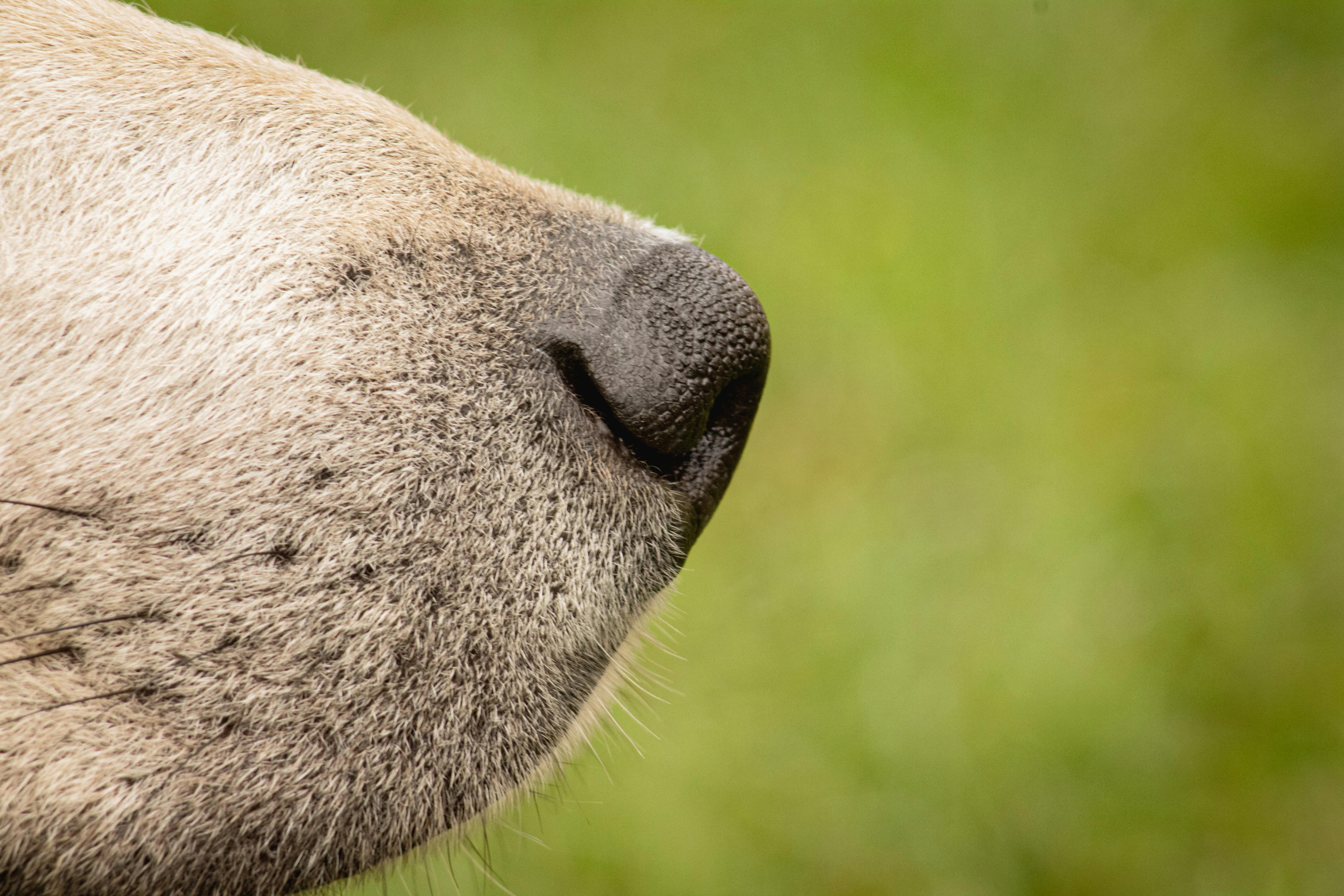
Dogs are known for their unique ways of communicating, and one of the most fascinating aspects of this is the role of their wet noses. Have you ever wonder why does a dog’s nose feel so moist? This seemingly simple feature is actually a complex tool in the world of canine communication. Let’s dive deeper into how dogs use their sense of smell and the significance of those wet noses.
The Science Behind Wet Noses
A dog’s nose is not just for show; it’s an essential part of how they interact with the world. The moisture on a dog’s nose serves several purposes:
- Enhanced Smell: Wet noses help absorb scent molecules from the air. This makes it easier for dogs to pick up on various smells.
- Temperature Regulation: A cool, wet nose helps regulate a dog’s body temperature. It’s similar to how humans sweat to cool down.
- Health Indicator: The condition of a dog’s nose can sometimes indicate their health. A dry or cracked nose might signal dehydration or illness.
How Dogs Communicate with Their Noses
Dogs possess an extraordinary sense of smell that is estimated to be anywhere from 10,000 to 100,000 times more sensitive than that of humans. They use this ability to communicate in various ways:
- Identifying Other Dogs: When dogs sniff each other, they are gathering information about the other dog’s identity, health, and even mood.
- Tracking: Dogs can follow scents over great distances. This is why they are often used in search and rescue operations.
- Social Interactions: Dogs might use their noses to greet humans and other animals, establishing a form of social connection.
Why Do Dogs Have Wet Noses?
Now, you might be asking yourself, why do dogs have wet noses in the first place? Well, there are several theories and facts to consider:
- Scent Absorption: The moisture in the nose helps capture scent particles, making it easier for dogs to detect smells in their environment.
- Cooling Mechanism: Dogs also release heat through their noses, which is vital for regulating their body temperature especially during warm weather.
- Health Monitoring: Wet noses may also be a sign of a healthy dog. Veterinarians often check a dog’s nose as a quick health assessment.
Fascinating Facts About Dog Noses
Here’s some interesting tidbits that you might not know about dog noses:
- Nasal Recognition: Just like human fingerprints, every dog has a unique nose print. This can be used for identification.
- Nose as a Tool: Dogs use their noses not just to smell but also to feel. The sensitive skin on their noses can detect changes in temperature and texture.
- Nasal Anatomy: A dog’s nose contains up to 300 million olfactory receptors, compared to a human’s mere 5 million.
Practical Examples of Nose Use
Let’s look at some everyday situations where a dog’s wet nose plays a role:
- Finding Hidden Treats: If you hide treats around the house, a dog will likely sniff them out thanks to their incredible sense of smell.
- Reading Human Emotions: Dogs can pick up on human emotions through scent changes that occur due to sweat or pheromones.
- Detecting Danger: In emergency situations, dogs can be trained to sniff out drugs, explosives, or even medical conditions like low blood sugar.
The Connection Between Dogs and Humans
The bond between dogs and humans often stems from these unique communication methods. Dogs can read our emotions and respond to our cues, making them great companions. Their wet noses are an integral part of how they connect with us and understand our feelings.
In Summary
The wet nose of a dog is more than just an adorable feature; it’s a vital tool for communication and survival. From enhancing their sense of smell to regulating body temperature, these moist noses play a crucial role in the life of a dog. Understanding this fascinating aspect of canine behavior can not only help dog owners connect better with their pets but also appreciate the incredible abilities that dogs possess. So next time you see your furry friend with that wet nose, remember the important role it plays in their world.
How Wet Noses Help Dogs Stay Cool: Understanding Canine Thermoregulation
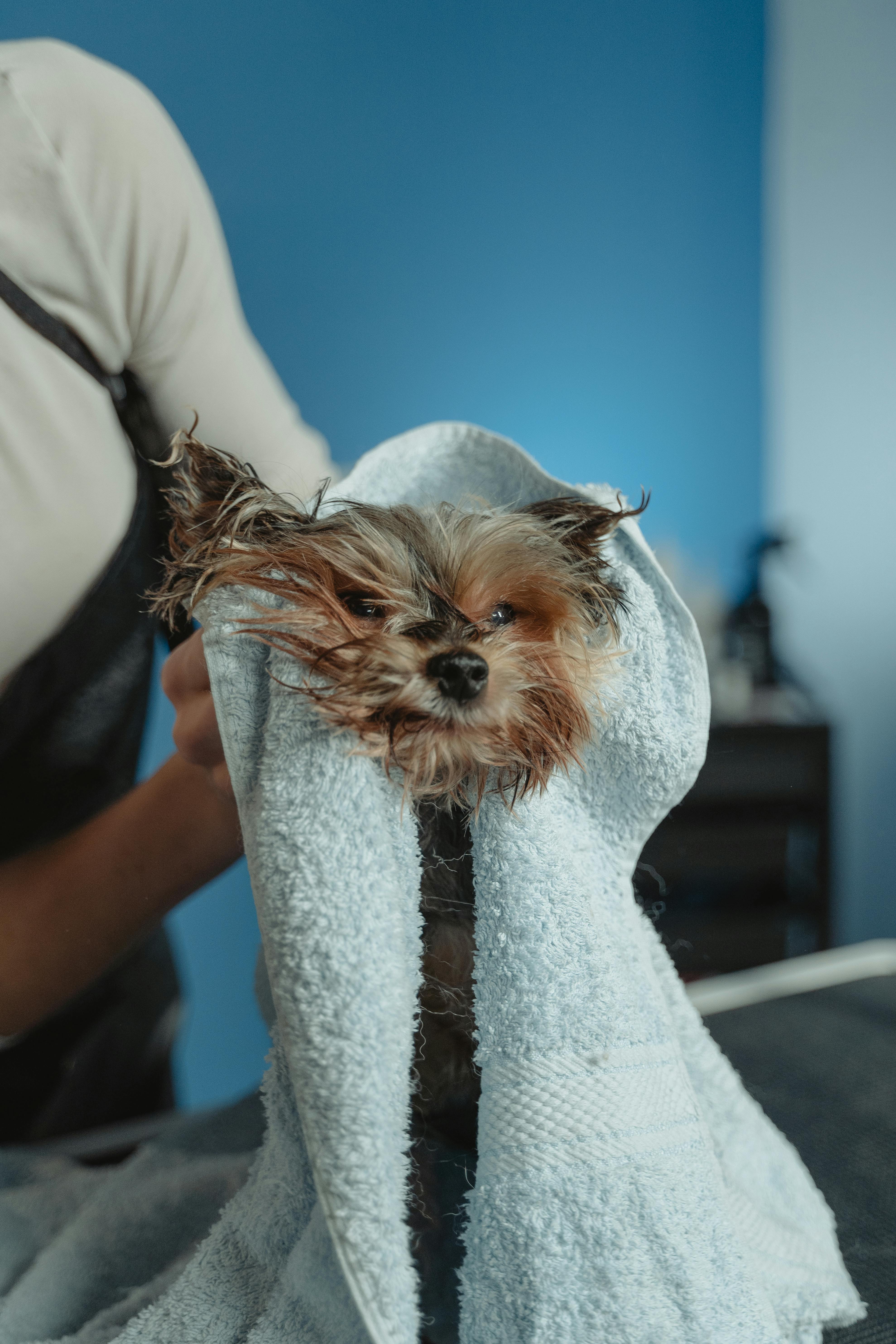
Have you ever noticed your dog’s nose and thought about why it’s always wet? It’s an interesting question that many dog owners might not consider. Dogs, unlike humans, have a very different way of regulating their body temperature. Understanding canine thermoregulation, especially how wet noses help dogs stay cool, can be a fascinating journey into the science of our furry friends. Let’s uncover the reasons behind those wet noses and how they aid in keeping our pups comfortable.
The Science Behind Wet Noses
A dog’s nose serves more than just a cute feature. It plays an important role in a dog’s overall health and well-being. Here are some fascinating facts:
- Moisture and Temperature Regulation: Dogs have wet noses primarily due to mucus and the moisture from their surroundings. This moisture helps in cooling down their body temperature. When a dog pants, the evaporation of moisture from the nose contributes to thermoregulation, similar to how humans sweat.
- Scent Sensitivity: A wet nose enhances a dog’s olfactory abilities. The moisture helps to capture scent particles from the air, which is why dogs are so good at sniffing out things.
- Health Indicator: A wet nose is often seen as a sign of good health. However, a dry nose doesn’t always mean a dog is sick. It’s important to consider other factors like behavior and overall health.
Why Do Dogs Have Wet Noses?
So, why do dogs have wet noses? The answer lies in their evolutionary adaptations. Dogs’ ancestors lived in environments where they needed to be agile and responsive to their surroundings. A wet nose helps with:
- Cooling: As mentioned before, a wet nose helps in thermoregulation. During hotter months, dogs can struggle with heat just like humans. Excessive heat can lead to heatstroke, which is dangerous.
- Scent Detection: Dogs have an extraordinary sense of smell—thousands of times better than humans. A wet nose can help them pick up scents more effectively, which was crucial for their survival in the wild.
- Communication: Dogs use their noses to communicate with other dogs and their environment. A wet nose can be a sign of excitement or curiosity.
The Role of Panting in Canine Cooling
Besides their wet noses, dogs also rely on panting to help cool down. Here’s how panting fits into the picture:
- Evaporation: When dogs pant, they release heat through evaporation. The moisture on their tongue and inside their mouths evaporates, which cools the blood vessels nearby.
- Increased Airflow: Panting increases airflow over the wet surfaces of their tongues and mouths, which helps in heat dissipation.
Comparisons: Dogs vs. Humans in Thermoregulation
Here’s a quick comparison of how dogs and humans manage heat:
| Feature | Dogs | Humans |
|---|---|---|
| Primary Cooling Method | Panting and wet noses | Sweating |
| Nose Temperature Regulation | Wet nose helps cool | No similar mechanism |
| Sensory Detection | Enhanced with wet nose | No similar adaptation |
Practical Tips for Keeping Your Dog Cool
As a responsible pet owner, it’s essential to keep your dog cool, especially during hot weather. Here are some practical tips:
- Provide Plenty of Water: Ensure your dog has access to fresh water at all times.
- Avoid Hot Pavement: Walk your dog during cooler parts of the day, like early morning or late evening, to prevent paw burns.
- Create a Cool Space: Provide a shaded area outdoors or a cool room inside your home.
- Use Cooling Mats: Invest in a cooling mat designed for pets, which can help keep your dog comfortable.
Historical Perspective on Dogs’ Noses
Historically, dogs have been companions to humans for thousands of years. Breeds were developed with specific traits, including moisture-rich noses, which proved advantageous for hunting and herding. The relationship between wet noses and their function in survival illustrates an evolutionary journey that continues to this day.
In summary, the wet noses of dogs are not just a quirky characteristic; they serve multiple vital purposes that contribute to a dog’s health and comfort. Understanding canine thermoregulation can enrich the bond between an owner and their pet. Whether it’s ensuring that your furry friend stays cool during summer or marveling at their incredible sense of smell, there’s always more to learn about our loyal companions.
Why Do Dogs Have Wet Noses? The Surprising Connection to Their Sense of Smell

Dogs are known for many things, but one of the most curious and talked about features is their wet noses. Ever wondered, why do dogs have wet noses? This question leads us down a fascinating path. It turns out, there’s a surprising connection between a dog’s sense of smell and the moisture resting on their snouts.
The Science Behind Wet Noses
Dogs’ noses are wet for several reasons, and understanding these can help us realize the importance of this unique characteristic.
Enhanced Smelling Ability: Dogs have an extraordinary sense of smell, estimated to be 10,000 to 100,000 times more acute than humans. The moisture on their noses helps to absorb scent particles from the air, enhancing their ability to detect smells. When a dog sniffs, the wetness captures odors, making it easier for their brain to process the scents.
Temperature Regulation: Dogs can’t sweat like humans. Instead, they primarily cool themselves through panting and the moisture on their noses. A wet nose helps to regulate their body temperature, especially during hot days.
Health Indicator: A dog’s nose can also reflect its health. A consistently dry or cracked nose could signal health issues, like dehydration or illness. A healthy dog typically has a moist nose, while changes in this could mean something’s up.
Communication Tool: Dogs use their noses in social interactions too. A wet nose can be a sign of excitement or playfulness. When dogs greet each other, they often sniff each other’s noses, which helps in understanding their moods and intentions.
Historical Context
Historically, people have believed that a dog’s nose can predict weather changes. Some owners swear that a wet nose could mean rain is coming, while a dry nose indicates fair weather. While these are just folk beliefs, they show how much attention people pays to dogs’ noses throughout history.
Fun Facts About Dogs’ Noses
Unique Patterns: Just like human fingerprints, each dog has a unique nose print. This can actually be used for identification purposes.
Dogs Have More Olfactory Receptors: Humans have about 5 million olfactory receptors, while dogs have around 300 million. This significant difference contributes to their powerful sense of smell.
Moisture Levels Vary: The moisture on their noses can change throughout the day depending on activity levels, temperature, and environment.
Comparison: Dog Noses vs. Human Noses
| Feature | Dog Noses | Human Noses |
|---|---|---|
| Olfactory Receptors | 300 million | 5 million |
| Ability to Smell | 10,000 to 100,000 times better | Standard human ability |
| Purpose of Wetness | Enhances smell, regulates temperature | Minimal role in smell |
| Unique Identification | Yes (nose prints) | No |
Practical Examples of Nose Usage
Tracking: Dogs are used by law enforcement for tracking scents at crime scenes. Their wet noses help in identifying trails that humans can’t follow.
Search and Rescue: In disaster scenarios, trained dogs can locate survivors by scent, relying on their wet noses to pick up the faintest traces of humans.
Medical Detection: Some dogs can detect certain diseases in humans, such as cancer or diabetes, just by sniffing. Their wet noses help in picking up on specific chemical changes from the body.
Why Do Dogs Have Wet Noses? Uncover This Fascinating Secret!
It’s clear that the moisture on a dog’s nose serves various vital purposes. Not only does it enhance their remarkable ability to smell, but it also plays a role in their overall health and communication. So, next time you pet a dog and feel that cool, wet nose, remember the incredible functions it serves.
In summary, the wetness of a dog’s nose is not just a quirky trait but a crucial feature that enhances their life and connection to the world. Whether it is for sniffing out a treat or simply saying hello, a dog’s wet nose tells us more than we might think. Embrace the wonder of our furry friends and appreciate the amazing biology behind their wet noses!
7 Myths About Dog Noses Debunked: What Really Makes Them Wet?
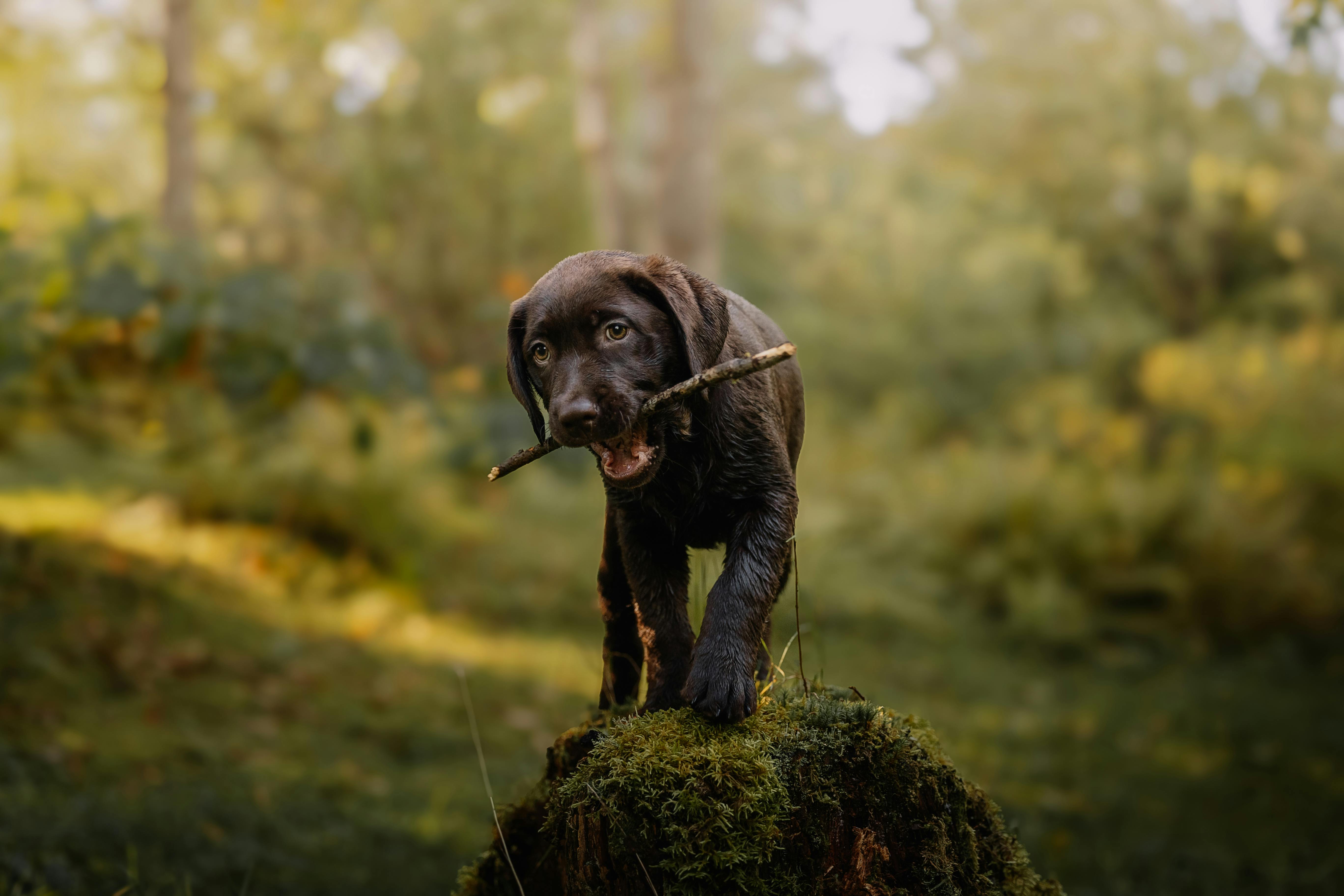
Dogs are one of the most beloved pets in the world, and their noses are often a topic of fascination. Many people wonder why dogs have wet noses and what that actually means. There’s lot of myths surrounding this topic, and today, we gonna debunk seven of the most common ones. Let’s dive into this fascinating secret of canine biology!
Myth 1: Wet Noses Mean Dogs Are Healthy
One of the most popular beliefs is that a wet nose indicates a healthy dog. While it’s true that many healthy dogs have moist noses, it ain’t a foolproof measure of their overall health. Dogs can have dry noses and still be perfectly fine. A change in nose moisture can indicate various factors like weather, hydration, or even allergies.
Myth 2: Dogs Get Wet Noses from Licking
Another common myth is that dog noses are wet because they are constantly licking them. While dogs do lick their noses, this is not the primary reason for their moistness. The moisture on a dog’s nose actually comes from a combination of their own bodily fluids and environmental factors.
Myth 3: Dogs Can Only Smell with Wet Noses
Many folks believe that dogs can only smell if their noses is wet. This is not entirely true. While wet noses help enhance their sense of smell, dogs can still sniff out scents with dry noses. The moisture helps to trap scent particles, but it’s not the only factor in their incredible olfactory abilities.
Myth 4: All Dog Noses Are the Same
It’s easy to think all dog noses are alike, but they actually come in different shapes and sizes, just like the dogs themselves! Breeds known for their prominent noses, like Bloodhounds, have unique adaptations that enhance their sense of smell. In contrast, flat-faced breeds like Bulldogs have different nose structures that can affect their breathing and smelling capabilities.
Myth 5: Nose Color Matters
Some people think that the color of a dog’s nose can tell you about their health or breed. While it’s true that certain breeds have specific nose colors, there’s no direct correlation between the color of a dog’s nose and its health. A black nose isn’t necessarily better than a pink one, and both can be healthy.
Myth 6: Dogs’ Noses Change with Weather
It is often said that a dog’s nose will get wetter when it’s humid outside and dryer when it’s cold. While the environment does play a role in nose moisture, it’s not as simple as that. A dog’s nose can change moisture levels throughout the day, regardless of the weather.
Myth 7: Wet Noses Are Just for Dogs
You might think that wet noses are unique to dogs, but other animals also have moist noses! Cats, for example, also have wet noses that help them smell better. Pigs and some other mammals have similar adaptations.
What Really Makes Dog Noses Wet?
So, why do dogs have wet noses? The answer lies in a few key factors:
- Scent Absorption: A wet surface can absorb scent particles more effectively, which helps dogs better detect smells.
- Cooling Mechanism: Dogs don’t sweat like humans do. A wet nose helps to cool them down, especially after physical activity.
- Health Indicators: While not a definitive health measure, a dog’s nose can reflect hydration levels.
Fascinating Facts About Dog Noses
- Dogs have up to 300 million smell receptors in their noses, compared to about 6 million in humans.
- The shape and size of a dog’s nose can determine its sense of smell ability.
- Dogs can identify individual scents, which is why they are often used in search and rescue missions.
Final Thoughts
Understanding the reasons behind why dogs have wet noses can help pet owners take better care of their furry friends. It’s important to not fall for myths that can lead to misunderstanding your pet’s health. A wet nose is just one of the many fascinating traits that make dogs unique. Keep observing your dog and consult with a vet if you notice any significant changes in their nose or overall health. This way, you can ensure your beloved companion stays happy and healthy!
Can Your Dog’s Wet Nose Indicate Illness? Signs Every Pet Owner Should Recognize
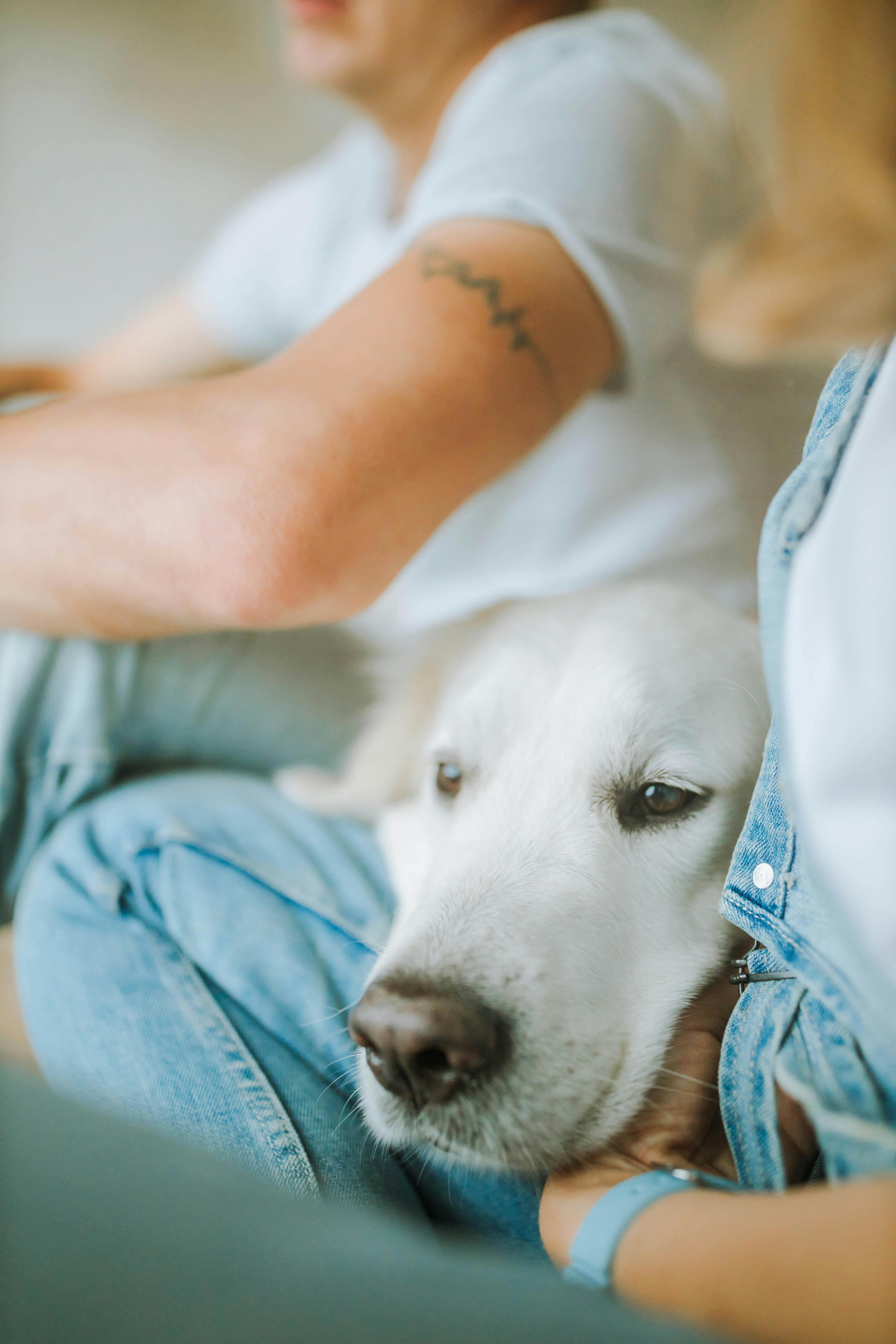
Dogs are often called man’s best friend, and for good reason. They’re loyal companions, protectors, and sometimes even our emotional support. One curious thing about our furry friends is their noses. Have you ever wonder why dogs have wet noses? Or if your dog’s wet nose can indicate an illness? Understanding these aspects can help you be more attuned to your pet’s health.
Why Do Dogs Have Wet Noses?
First, let’s discuss why dogs have wet noses. It’s fascinating, really! A dog’s nose is wet for several reasons:
Cooling Mechanism: Just like humans sweat to cool down, dogs use their noses to regulate their body temperature. The moisture in their noses helps them stay cool.
Enhanced Sense of Smell: The wetness on a dog’s nose acts as a scent trap. When they sniff, the moisture captures scent particles, making it easier for them to identify smells. That’s why dogs have such an incredible sense of smell!
Health Indicator: A wet nose can be a sign of good health. Generally, a healthy dog will have a moist, cool nose, while a dry nose can sometimes indicate dehydration or illness.
Can Your Dog’s Wet Nose Indicate Illness?
Now, let’s get to the meat of the matter. Can a wet nose mean something’s wrong with your dog? The answer is a bit complicated, but generally, yes. Here are some signs that every pet owner should recognize:
Change in Temperature: If the wetness of your dog’s nose is accompanied by a fever, then it could be a cause for concern. A hot, dry nose might indicate illness.
Excessive Discharge: If you notice your dog’s nose is running more than usual, it may be a sign of allergies or an infection. Clear discharge might be less concerning, but if it’s green or yellow, it’s time to see a vet.
Behavior Changes: If your dog is lethargic, not eating, or showing other unusual behaviors, it could be linked to health issues. Pay attention to how their nose feels during these times; a dry nose can indicate a problem.
Chronic Dryness: A continuously dry nose could signal dehydration or other health issues like fever, especially if the dog’s behavior is also off.
Signs of Dog Illness Related to Nose
Here’s a quick list of symptoms related to your dog’s nose that may indicate a health issue:
- Dry, cracked nose
- Swelling around the muzzle
- Dark spots or lesions on the nose
- Excessive licking of the nose
- Unusual discharge or bleeding
Historical Context
Dogs have wet noses for ages, and their biology has evolved to help them better survive in their environments. Historically, dogs with better senses of smell were more adept at hunting and scavenging, leading to their domestication. Understanding how their noses work gives us insight into their behaviors and health.
Practical Examples to Consider
Let’s say your dog is usually energetic, but today they’re acting differently. You touch their nose and notice it’s dry and warm. Here’s what you can do:
Check Temperature: Use a digital thermometer to check if they have a fever. Normal dog body temperature ranges from 101 to 102.5 degrees Fahrenheit.
Observe Behavior: Is your dog eating and drinking normally? Look for signs of distress or discomfort, like whining or hiding.
Monitor the Nose: If it stays dry over several hours, it’s best to consult your veterinarian.
Consider Environment: Is it hot outside? A dry nose can sometimes be just a response to the weather, but don’t ignore it if it persists.
Fun Fact
Did you know that the unique pattern on a dog’s nose is like a human fingerprint? Each dog has a distinct nose print, which can even be used for identification purposes!
Every pet owner should keep an eye on their dog’s nose, not just because it’s adorable, but also because it can provide valuable health information. Understanding why dogs have wet noses and what their condition means can make a significant difference in how you care for your furry friend. It’s a small detail, but it makes a big difference in the long run. If anything seems off, don’t hesitate to reach out to your vet, because your dog’s health is the top priority!
The Evolutionary Benefits of Wet Noses in Dogs: How Nature Shaped Their Smell
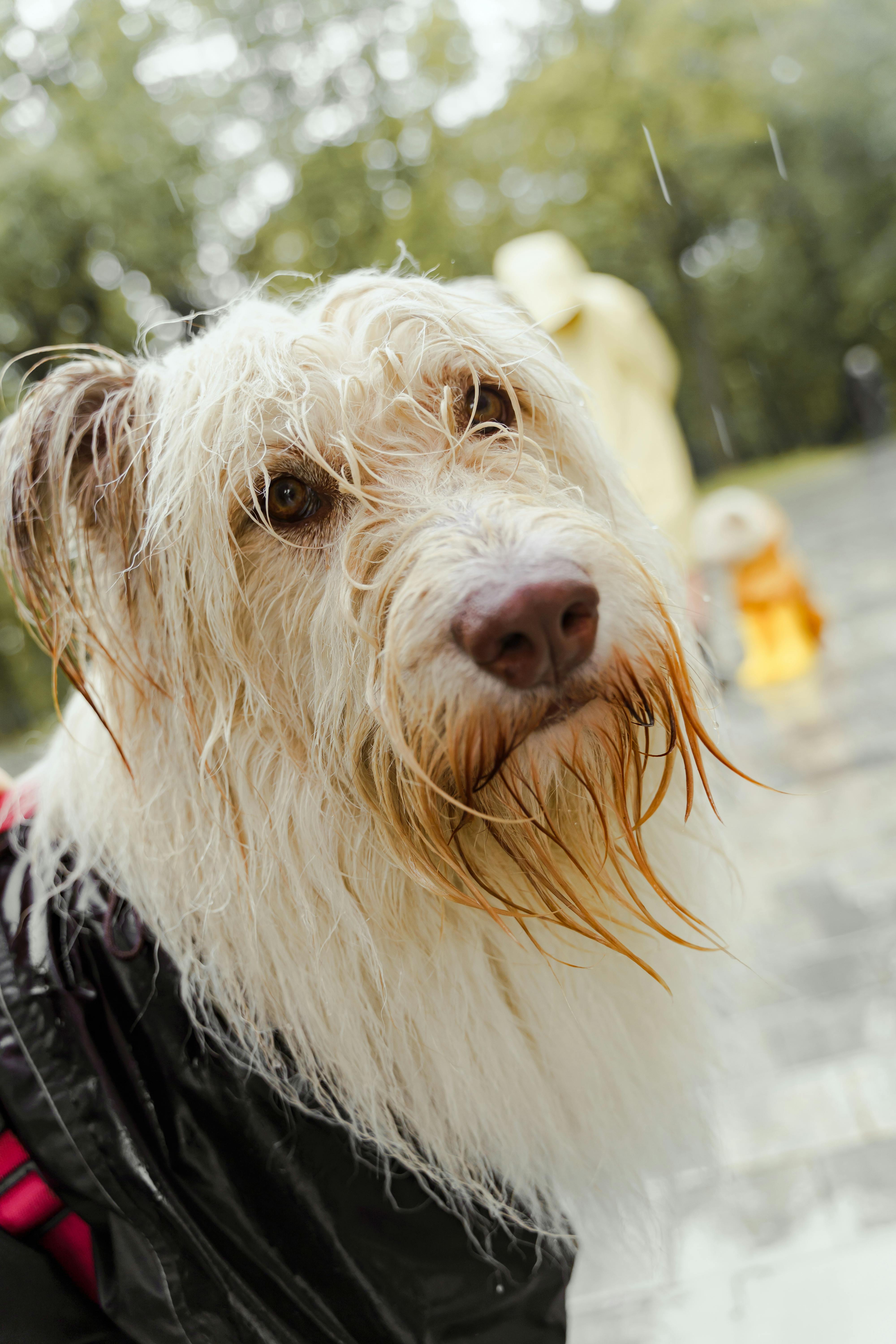
The unique charm of dogs is often highlighted by their wet noses. But have you ever wondered why do dogs have wet noses? This question leads us down a fascinating path into the evolutionary advantages that these moist appendages provide. Dogs, having evolved from wolves, have developed countless traits that help them survive and thrive in various environments. One of those traits, the wet nose, is not merely a cute feature—it’s a vital part of how they perceive the world.
The Science Behind Wet Noses
So, why do dogs have wet noses? The answer lies in the biology and behavior of dogs. A dog’s nose contains a complex system of scent receptors—around 220 million of them, compared to a human’s 5 million. The moisture on a dog’s nose enhances their ability to detect scents. When the nose is wet, it helps to capture scent particles from the environment. This moisture acts like a sponge, allowing dogs to take in and analyze a wider variety of smells.
- Scent Detection: The wetness increases the olfactory capabilities, making it easier for dogs to identify scents.
- Regulating Temperature: A wet nose can help cool down a dog’s body temperature, especially on hot days.
- Health Indicator: A dog’s nose can indicate their health—dryness or unusual discharge can signal illness.
Evolutionary Benefits
The evolutionary benefits of wet noses in dogs are numerous. Dogs are descendants of wolves, who relied heavily on their sense of smell for hunting and survival. Having a wet nose was advantageous for these early canines, and it has persisted through generations.
- Survival Skills: Knowing where to find food or detect danger was crucial. Dogs with wet noses were better at tracking scents, therefore, had higher survival rates.
- Pack Communication: Dogs with sensitive noses could better communicate with each other through scents, helping them stay connected and coordinate during hunts.
Historical Context
Historically, the importance of a dog’s nose has been recognized for centuries. Ancient civilizations, including the Egyptians and Romans, valued dogs for their keen senses. They were used in hunting, herding, and even in early forms of security. Over time, as dogs became companions rather than just utility animals, their wet noses remained a cherished characteristic.
- Hunting Breeds: Breeds like Bloodhounds and Beagles demonstrate the wet nose’s advantage in tracking scents over long distances.
- Working Dogs: Service dogs, detection dogs, and search-and-rescue dogs heavily rely on their olfactory abilities, showcasing the evolutionary significance of wet noses.
Fun Facts About Dogs’ Noses
- Dogs’ noses are as unique as human fingerprints. Each dog has a distinct nose print.
- A dog’s sense of smell can detect certain diseases, like cancer, by smelling changes in human bodies.
- Some dog breeds have longer noses, which can enhance their ability to smell even further.
Comparing Dogs’ Noses to Other Animals
When comparing dogs’ noses to those of other animals, it’s clear that dogs have some of the most sophisticated olfactory systems.
| Animal | Number of Scent Receptors | Notes |
|---|---|---|
| Dogs | 220 million | Excellent for tracking and hunting. |
| Cats | 50-80 million | Good scent abilities, but not as strong as dogs. |
| Humans | 5 million | Limited scent detection compared to dogs. |
| Elephants | 2,000-3,000 genes | Known for excellent smell, used in foraging. |
Practical Implications of Wet Noses
Understanding why dogs have wet noses has practical implications for dog owners. Here are things to consider:
- Regular Check-ups: Monitor your dog’s nose for changes. A dry nose or unusual discharge could indicate health issues.
- Hydration: Ensure your dog stays hydrated, as a well-hydrated dog often has a healthy wet nose.
- Temperature Awareness: Be mindful of temperature changes. Dogs can overheat, and a wet nose can help in cooling them down.
In summary, the evolutionary benefits of wet noses in dogs are deeply rooted in their biology and history. These moist noses play a crucial role in their ability to navigate the world through scent, provide important health indicators, and serve as a fascinating aspect of their overall anatomy. Understanding this characteristic not only deepens our appreciation for our canine companions but also highlights the intricate relationship between evolution and survival. So next time you see a dog with a wet nose, remember that there’s a lot more going on under that cute exterior!
What Makes a Dog’s Nose Wet? The Fascinating Science of Canine Mucus Production
Have you ever wondered why a dog’s nose is often wet? It’s one of those things we just accept as normal, but there’s actually a fascinating science behind it. The moisture on a dog’s nose is not just for show; it serves multiple purposes that are essential for their health and well-being. Understanding what makes a dog’s nose wet can give us insight into their behavior, instincts, and overall physiology. So let’s dive into this intriguing subject!
The Science of Canine Mucus Production
Dogs have a unique physiological feature that sets them apart from many other animals, including humans. Their noses are covered in a thin layer of mucus, which plays a crucial role in their sensory perception. The mucus helps trap scent particles, which enhances their ability to smell.
- Dogs have around 220 million scent receptors, compared to humans’ 5 million.
- The olfactory bulb in a dog’s brain is proportionally larger than that of humans, allowing them to process smells more effectively.
- The moisture on their noses also helps in cooling them down on hot days, as they don’t sweat like humans do.
Why Do Dogs Have Wet Noses?
You might ask, why is it specifically important for a dog’s nose to be wet? Well, here are a few reasons:
- Enhanced Smell: The wet surface of a dog’s nose captures scent particles more efficiently, making it easier for them to detect odors.
- Thermoregulation: Dogs can’t sweat through their skin like we do, so they rely on panting and the moisture on their noses to help regulate body temperature.
- Health Indicator: A dog’s nose can be an indicator of their health. A dry nose might signal dehydration, fever, or illness, while a wet nose is generally a sign of a healthy, happy dog.
Historical Context and Canine Evolution
Dogs have been companions to humans for thousands of years. Throughout this time, their noses have evolved to become incredibly sensitive and adept at detecting scents. Historically, dogs were used for hunting, herding, and even as search-and-rescue animals, heavily relying on their acute sense of smell.
- Ancient civilizations recognized the value of a dog’s olfactory abilities, using them in various roles.
- The wetness of their noses provided an evolutionary advantage, allowing them to thrive in different environments and situations.
Interesting Facts About Dog Noses
Did you know that a dog’s nose print is as unique as a human fingerprint? Here’s a rundown of some interesting facts about dog noses:
- Unique Patterns: Just like humans have different fingerprints, each dog has a unique nose print that can be used for identification.
- Color Variation: A dog’s nose can be black, brown, or even pink, depending on the breed and genetics.
- Temperature Regulation: The moisture on a dog’s nose helps to keep their body temperature in check, especially in warmer climates.
Comparisons with Human Noses
When comparing a dog’s nose with a human’s, the differences are quite striking.
| Feature | Dog Nose | Human Nose |
|---|---|---|
| Scent Receptors | ~220 million | ~5 million |
| Surface Moisture | Wet due to mucus production | Mostly dry |
| Temperature Control | Uses moisture for cooling | Sweating is primary method |
| Identification | Unique nose prints | Fingerprints |
Practical Examples of Nose Functionality
Dogs exhibit various behaviors that highlight the importance of their noses. For instance:
- Tracking: Dogs used in search-and-rescue missions can track scents over long distances, thanks to their wet noses helping them gather more scent particles.
- Social Interactions: Dogs often greet each other by sniffing each other’s noses, which is a way of gathering information about the other dog’s health and mood.
Final Thoughts
The wetness of a dog’s nose is not just a quirky feature; it’s a vital part of their biology that enhances their sense of smell, helps them regulate body temperature, and acts as a health indicator. Understanding these aspects can not only deepen your appreciation for your furry friend but also help you take better care of their health. Next time you notice your dog’s wet nose, remember that there’s a fascinating world of science behind it, connecting their biology to their behaviors. Dogs are truly remarkable creatures, and their noses are a testament to their unique evolutionary journey.
Conclusion
In conclusion, the wet noses of dogs serve several important functions that contribute to their overall health and well-being. The moisture helps enhance their sense of smell, allowing them to detect scents more effectively, while also playing a vital role in regulating body temperature through evaporation. Additionally, the wetness can indicate a dog’s hydration level, serving as an important health indicator for pet owners. Understanding why dogs have wet noses not only enriches our knowledge of these beloved companions but also highlights the unique adaptations that support their needs. As responsible pet owners, we should pay attention to our dogs’ nose conditions, as changes can signal health issues. So, the next time you notice your furry friend’s cool, wet nose, remember the fascinating biology behind it, and give them an extra scratch behind the ears as a reminder of their amazing nature.
