
Have you ever wondered, why do dogs have wet noses? This intriguing question sparks curiosity among dog lovers and pet owners alike. A dog’s wet nose is not just an adorable feature; it serves a variety of important purposes. Many people speculate about the reasons behind this phenomenon, and the truth is more fascinating than you might think! Wet noses can play a crucial role in a dog’s sense of smell, which is significantly more powerful than ours. But is there more to it? Could a wet nose indicate health issues or simply be a sign of a happy, healthy pup? In this article, we will delve into the science behind those adorable, moist noses and explore the benefits of a wet nose in dogs. You’ll discover the connection between a dog’s wet nose and temperature regulation, as well as how it helps them interact with their environment. So, if you’re curious and eager to learn more about your furry friend’s unique traits, read on to uncover the fascinating truth about why dogs have wet noses!
The Science Behind Why Dogs Have Wet Noses: What Every Pet Owner Should Know

Dogs are known to be man’s best friend, but have you ever stopped to wonder why they have wet noses? It’s a common sight when your furry companion greets you, but the reasons behind this unique characteristic is more than just a cute quirk. Understanding the science behind why dogs have wet noses not only helps us appreciate our pets better, but it also sheds light on their health and behavior.
The Biology of a Dog’s Nose
A wet nose in dogs is primarily due to the secretion of moisture from the nasal glands. This moisture serves several important purposes:
Enhanced Smell: Dogs have an incredible sense of smell, estimated to be anywhere from 10,000 to 100,000 times more sensitive than humans. A moist nose helps to capture scent molecules more effectively. When the nose is wet, it can absorb more scent, making it easier for dogs to detect odors in their environment.
Thermoregulation: Dogs don’t sweat like humans do. Instead, they primarily regulate their body temperature through panting and a wet nose. The moisture evaporating from their nose helps cool them down, which is critical during warm weather or after exercise.
Health Indicator: The condition of a dog’s nose can often signal their health. A healthy dog usually has a moist, cool nose. Conversely, if a dog’s nose becomes dry and warm, it may indicate illness or dehydration.
Historical Context
The fascinating truth about dogs and their noses actually dates back to their ancestors. Early canines relied heavily on their sense of smell for survival, hunting, and social interactions. This evolutionary trait has been preserved, making the wet nose a significant feature that aids in their daily activities.
Common Myths About Dog Noses
There are many myths floating around about why dogs have wet noses. Here’s a list of a few:
Dogs with dry noses are sick: While a dry nose can indicate a problem, it’s not always the case. Dogs can have dry noses for various reasons, including weather and dehydration.
Dogs’ noses are always wet: Not all dogs have permanently wet noses. Factors like breed, age, and environmental conditions can affect the moisture levels.
A warm nose means illness: A dog’s nose temperature can fluctuate throughout the day, and a warm nose doesn’t necessarily mean they are sick.
The Role of Breed Differences
Not every dog has the same type of nose. Some breeds, like Bulldogs and Pugs, have shorter snouts which may impact how moist their noses remain. In contrast, breeds like Bloodhounds, known for their keen sense of smell, typically have more prominent, moisture-rich noses. Here’s a brief comparison of a few dog breeds:
- Bloodhound: Extremely moist, great for tracking due to their superior sense of smell.
- Golden Retriever: Generally moist; friendly nature makes them great companions.
- Chihuahua: May have a drier nose due to their size and breed characteristics.
Practical Tips for Pet Owners
As a responsible pet owner, understanding your dog’s nose can be crucial for their health. Here are some practical tips:
Regular Checks: Examine your dog’s nose regularly. Look for changes in moisture or color.
Hydration: Ensure your dog is well-hydrated, especially in hot weather. Dehydration can lead to a dry nose.
Consult a Vet: If you notice persistent changes in your dog’s nose condition, it’s a good idea to consult a veterinarian.
Final Thoughts
So, why do dogs have wet noses? It’s a combination of biology, evolutionary traits, and health indicators. The wetness not only enhances their remarkable sense of smell but also plays a role in temperature regulation. As a pet owner, understanding these aspects can help you ensure your furry friend is healthy and happy. Remember, a dog’s nose is just as much a part of their charm as their wagging tails and soulful eyes. Embrace the wet noses, and cherish the bond you share with your four-legged companions!
5 Surprising Benefits of a Dog’s Wet Nose: More Than Just a Cute Feature
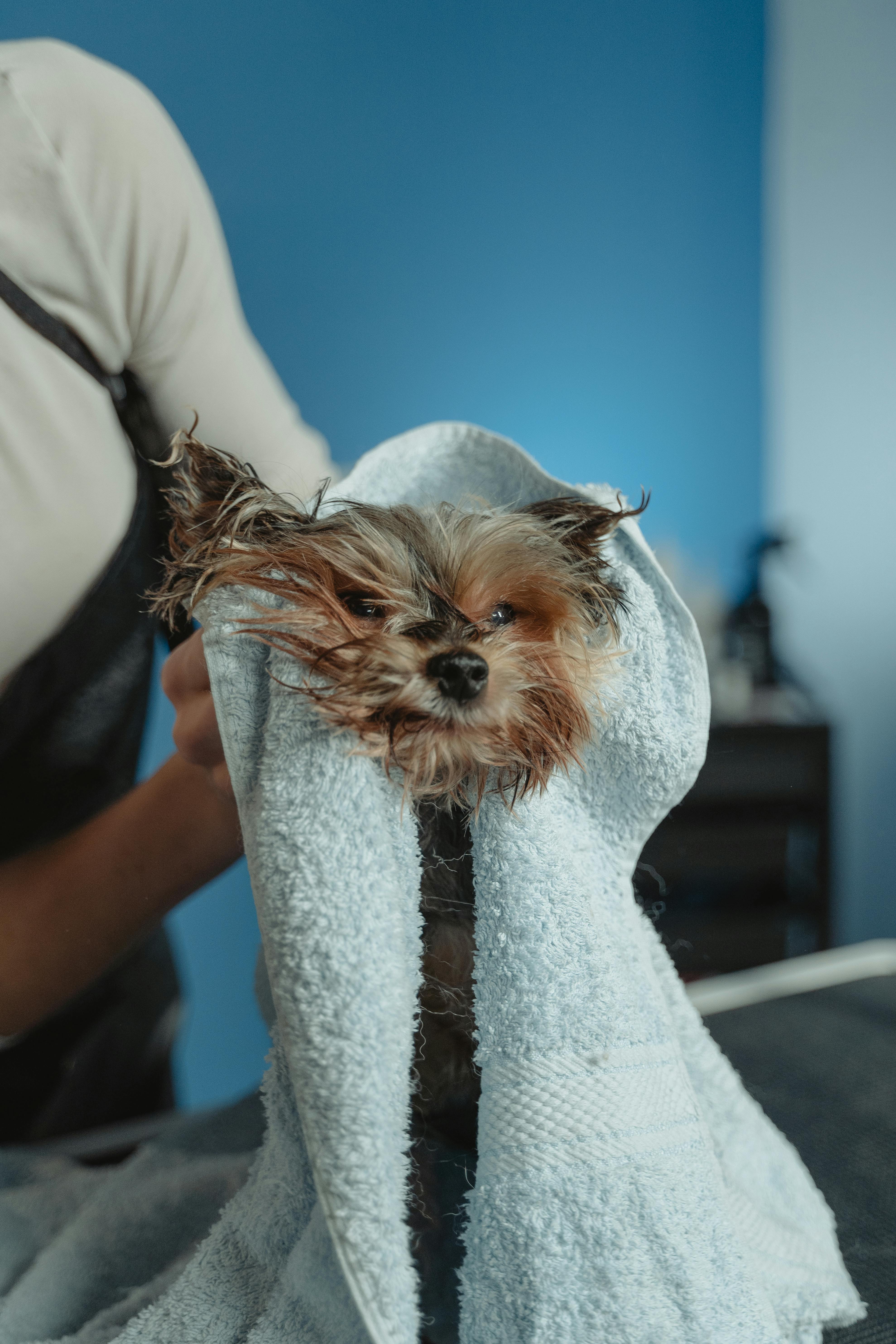
Dogs are known for their many adorable traits, and one of the most endearing features is their wet noses. But have you ever wondered why do dogs have wet noses? Beyond just a cute quirk, there are actually several surprising benefits that come from those moist snouts. Let’s explore five interesting reasons why a dog’s wet nose is more than a simple physical characteristic.
1. Thermoregulation: Keeping Cool
One of the primary reasons dogs have wet noses is for thermoregulation. Unlike humans, dogs can’t sweat through their skin. Instead, they rely on their noses to help regulate their body temperature. When a dog licks its nose, it adds moisture that evaporates, which helps cool them down. This is especially important during hot summer days when overheating can be a serious risk.
- Dogs pant to release heat, but a wet nose amplifies this cooling effect.
- A temperature drop of just a few degrees can be significant for a dog’s health.
- Wet noses can also help dogs adapt to varying climates more easily.
2. Enhanced Sense of Smell
A dog’s sense of smell is already incredible, but the moisture on their noses plays a role in enhancing this ability. The wetness helps capture scent particles from the air, making it easier for dogs to detect and identify various smells. This is why your dog might sniff around curiously whenever you come home or when they encounter something new.
- Dogs have up to 300 million smell receptors, compared to humans’ 5 million.
- Wet noses can help them differentiate between scents more effectively.
- This ability is crucial for their survival instincts and social interactions.
3. Communication Tool
Dogs also use their wet noses as a form of communication. When a dog nudges you with its nose, it’s not just being affectionate; it’s also trying to convey emotions or needs. A wet nose can indicate excitement, curiosity, or even anxiety. Understanding these signals can strengthen your bond with your furry friend.
- Dogs may use their noses to greet other dogs or humans.
- A nose nudge can mean “pay attention to me!”
- Recognizing these cues can enhance your relationship with your pet.
4. Indicator of Health
A dog’s nose can be a useful indicator of its health. Generally, a healthy dog will have a cool, moist nose, while a dry or excessively warm nose can signal health issues. It’s not a definitive measure, but it can be a good starting point for determining if your dog might need a vet visit.
- A sudden change in the moisture level could indicate dehydration or illness.
- Keep an eye on the texture of the nose; a rough, cracked nose may suggest a problem.
- Regular checks can help catch health issues early.
5. Social and Environmental Awareness
Dogs are naturally social creatures, and their wet noses help them interact with their environment. The moisture on their noses allows them to pick up pheromones and other environmental cues, which can inform them about other animals, potential dangers, or even changes in their surroundings.
- Dogs can sense emotional states through scent, thanks to their wet noses.
- Wet noses help them navigate their environment and understand social dynamics.
- This awareness can enhance their behavior around other pets and humans.
Summary of Benefits
| Benefit | Description |
|---|---|
| Thermoregulation | Helps cool down the dog’s body temperature. |
| Enhanced Sense of Smell | Moisture captures scent particles for better detection. |
| Communication Tool | Aids in expressing emotions and needs. |
| Indicator of Health | A wet nose can indicate overall health status. |
| Social and Environmental Awareness | Helps dogs interact with their environment effectively. |
Understanding why do dogs have wet noses goes beyond their cute appearance. Their moist snouts serve essential functions in cooling, smelling, communicating, and even indicating health. So, the next time you give your dog a scratch behind the ears and feel that cool, wet nose, remember that it’s not just a charming feature; it’s a vital part of their well-being and interaction with the world. Embrace those adorable wet noses, and ensure your furry friend stays healthy and happy!
Understanding Your Dog’s Health: What a Wet Nose Really Indicates

Dogs are often called man’s best friend, and for good reason. They brings joy, companionship, and unconditional love into our lives. But have you ever wondered why do dogs have wet noses? It’s a common question among pet owners, and understanding your dog’s health can be quite fascinating.
The Science Behind a Dog’s Wet Nose
First, let’s dive into the science of it. A dog’s nose is wet because of a thin layer of moisture that helps them with their sense of smell. Dogs have an extraordinary olfactory system, which is far superior to humans. It’s estimated that dogs have up to 300 million smell receptors in their noses, compared to a human’s 5 million. The moisture on their noses helps to capture scent particles, making it easier for dogs to identify various smells.
- Moisture Absorption: The wetness on a dog’s nose comes from secretions produced by the mucous glands. This moisture can absorb scent particles, enhancing their ability to detect smells.
- Temperature Regulation: A dog’s nose can help regulate their body temperature. When they pant, the evaporation of moisture from the nose can cool them down.
- Health Indicator: A wet nose is often associated with a healthy dog. However, it’s not the only indicator of health, and a dry nose doesn’t necessarily mean something is wrong.
Why Do Dogs Have Wet Noses?
Now, let’s explore some of the reasons why dogs have wet noses. Here’s a list of reasons broken down:
- Scent Detection: As mentioned, moisture helps in capturing scent particles.
- Cooling Mechanism: Dogs lack the ability to sweat efficiently, so they rely on moisture evaporation from their noses and tongues to cool off.
- Behavioral Communication: Dogs also use their noses to communicate with other dogs. A wet nose can signal friendliness or excitement.
- Environmental Interaction: Dogs often explore their surroundings with their noses, which gets them wet when they sniff around in grass, dirt, or water.
Historical Context of Dog Noses
Historically, dogs have been bred for various purposes, including hunting, herding, and companionship. Their noses have evolved over thousands of years, making them essential for their survival. Here are some interesting historical facts:
- Hunting Companions: In ancient times, dogs were used for hunting. Their excellent sense of smell helped humans track game.
- Working Dogs: Dogs have been used in search and rescue operations, police work, and even in medical settings to detect diseases like cancer.
- Cultural Significance: Different cultures have revered dogs for their abilities. In some societies, dogs with superior noses were trained as service animals.
What Does a Wet Nose Mean for Your Dog’s Health?
While a wet nose is typically a sign of good health, it’s important to understand the context. Here are a few health indicators to consider:
- Normal Variation: Just like humans, dogs can have variations in their nose moisture. Some dogs may just naturally have drier noses.
- Illness Indicators: If your dog’s nose becomes excessively dry, cracked, or hot, it could indicate a health issue. Some conditions to watch for include:
- Fever
- Dehydration
- Allergies
- Skin conditions
Practical Examples and Comparisons
Let’s look at some practical examples and comparisons regarding noses and health:
| Dog’s Nose Condition | Possible Indicator | Action to Take |
|---|---|---|
| Wet and Cool | Healthy | Continue regular care |
| Warm and Dry | Possible Illness | Consult a vet |
| Cracked or Bleeding | Skin Condition | Schedule a vet appointment |
| Excessively Wet | Normal or Excited | Monitor behavior |
Understanding your dog’s nose can help you be more attentive to their health. Just like a human’s breath can indicate their health, a dog’s nose can tell you a lot.
Final Thoughts
So, why do dogs have wet noses? The reasons range from scent detection to health indicators. While a wet nose is generally a sign of a healthy dog, it’s essential to pay attention to other signs and symptoms. Your furry friend’s nose is not just an adorable feature, but a fascinating tool that helps them understand their world. Take time to observe your dog’s behavior and health. After all, being attentive to their needs ensures they remain happy and healthy companions for years to come.
Wet Nose vs. Dry Nose: Decoding Your Dog’s Unique Body Language

Have you ever wondered why do dogs have wet noses? It’s one of those characteristics that make dogs so unique, yet many of us don’t think much about it. Maybe you’ve noticed that when your furry friend greets you, their nose is often cool and damp. But what does it all mean? Wet Nose vs. Dry Nose: Decoding Your Dog’s Unique Body Language can help you understand this fascinating aspect of dog physiology and behavior.
The Science Behind Wet Noses
Dogs have wet noses because of multiple reasons. One primary reason is that a moist nose helps them to pick up smells better. The wetness on a dog’s nose helps to capture scent particles from the air. When the moisture evaporates, it enhances their ability to detect different aromas. This is crucial for their survival instincts, as dogs rely heavily on their sense of smell.
Also, a dog’s nose is lined with special glands that produce mucus. This mucus helps to keep their nose moist, which in turn assists in their olfactory functions. So, if you’ve ever noticed your dog sniffing around, it’s likely that their wet nose is working hard to identify various scents.
Why Do Dogs Have Wet Noses?
There are a few reasons for the wetness of dogs’ noses, and they can be summarized as follows:
- Enhanced Smell: Wetness helps to better absorb scent particles.
- Temperature Regulation: Dogs sweat through their noses, which helps in keeping them cool.
- Health Indicator: A wet nose can indicate a healthy dog, while drastic changes could signal health issues.
Wet Nose vs. Dry Nose: What’s the Difference?
Wet Nose:
- Typically indicates a healthy dog.
- More receptive to smells.
- Keeps the dog cool.
Dry Nose:
- Could indicate dehydration.
- May be a sign of illness or fever.
- Can be normal if the dog has just woken up.
It’s important to note that while a dry nose can sometimes be a cause for concern, it doesn’t always mean your dog is sick. Many factors can cause a dog’s nose to be dry, including weather, activity levels, or even just waking up from a nap.
Factors Influencing Nose Condition
Several factors can influence whether a dog’s nose is wet or dry, including:
- Weather Conditions: Hot and dry weather can lead to a dry nose.
- Hydration Levels: If a dog is not drinking enough water, their nose may dry out.
- Health Issues: Conditions like allergies, autoimmune diseases, and infections can affect nose moisture.
Keeping Your Dog Healthy
To maintain your dog’s health and ensure their nose stays in good condition, consider the following tips:
- Hydration: Always provide fresh water.
- Regular Vet Visits: Regular checkups can catch potential issues early.
- Monitor Changes: Keep an eye on your dog’s nose condition. If it becomes persistently dry or crusty, consult a veterinarian.
Interesting Dog Nose Facts
Did you know that dogs have unique nose prints similar to human fingerprints? Each dog’s nose print is distinct and can be used for identification. Here are some more fun facts about dog noses:
- Dogs have approximately 300 million smell receptors in their noses.
- Their sense of smell is about 40 times better than humans.
- Certain breeds, like Bloodhounds, have an extraordinary ability to track scents.
Conclusion
So, when you notice your dog’s wet nose, you can appreciate the fascinating biology behind it. Not only does it aid in their ability to smell, but it also plays a role in their overall health. By understanding the differences between wet and dry noses, you can better care for your furry companion. Always pay attention to their body language, as it can offer you clues about their health and emotions. Keep in mind that your dog’s wet nose is not just a cute feature; it’s a vital aspect of their well-being!
How to Keep Your Dog’s Nose Healthy: Essential Tips for Pet Parents

Dogs are more than just pets; they are companions, family members, and sometimes even coworkers. Their health is a priority for every pet parent, and one often overlooked aspect is their noses. If you ever wondered how to keep your dog’s nose healthy, or why do dogs have wet noses, you are in the right place! Let’s explore these fascinating topics together.
The Importance of a Healthy Nose
A dog’s nose is not just for looks; it serves multiple purposes. The moist surface of the nose helps dogs to smell things better. When the nose is wet, it can trap scent particles which allows your furry friend to detect scents more accurately. This is why dogs are considered fantastic at tracking and detecting.
However, a healthy nose is also important because it can signal potential health issues. A dry or cracked nose might indicate dehydration or an underlying illness. Pet parents should always keep an eye on their dog’s nasal health.
Why Do Dogs Have Wet Noses? Discover the Fascinating Truth!
You might have noticed that your dog’s nose is often wet. This wetness is due to a combination of factors. Here’s some key points about why dog noses are wet:
- Moisture Production: Dogs have mucus glands in their noses that produce moisture. This keeps the surface wet and helps with scent detection.
- Temperature Regulation: A wet nose helps to cool down a dog’s body temperature. Dogs don’t sweat like humans do, so they rely on their noses to help regulate heat.
- Scent Enhancement: A moist nose can capture and hold scent particles from the air, which enhances their sense of smell. Dogs have an extraordinary sense of smell, and their wet noses are a part of that incredible ability.
Keeping Your Dog’s Nose Healthy: Essential Tips for Pet Parents
Maintaining your dog’s nose isn’t complicated, but it does require some attention. Here are essential tips for you:
Hydration is Key: Make sure your dog drink enough water. Dehydration can lead to a dry nose, which can be a sign of health problems.
Regular Vet Check-ups: Routine visits to the vet can help catch any issues early. If you notice any changes in your dog’s nose, like unusual dryness or cracking, it’s best to consult your veterinarian.
Avoid Allergens: Dogs can be allergic to various environmental factors like pollen or dust. Keeping your home clean and minimizing exposure can help keep their noses healthy.
Limit Sun Exposure: Just like humans, dogs can get sunburned! If your dog spends a lot of time outdoors, consider using pet-safe sunscreen on their nose to prevent burns.
Monitor for Changes: Keep an eye on your dog’s nose. If you notice anything unusual, such as sores, excessive dryness, or changes in color, consult a vet.
Diet Matters: A balanced diet can impact your dog’s overall health, including the health of their nose. Ensure your pet is getting all necessary nutrients.
Common Nose Problems in Dogs
Sometimes, despite our best efforts, dogs can face nose problems. Here are some common nose issues:
- Nasal Hyperkeratosis: This condition causes a thickening of the skin on the nose, leading to cracks and discomfort.
- Infections: Bacterial or fungal infections can occur, leading to discharge and bad odor.
- Allergic Reactions: Allergies can cause itching and swelling, making the nose uncomfortable for your dog.
Quick Reference Table for Nose Health Tips
| Tip | Description |
|---|---|
| Hydration | Ensure your dog has access to fresh water |
| Regular Vet Visits | Schedule check-ups to monitor health |
| Allergens | Identify and minimize exposure to allergens |
| Sun Protection | Use sunscreen for dogs when outdoors |
| Diet | Provide a balanced diet for overall health |
Dogs rely on their noses for so much, from sniffing out treats to navigating the world around them. As a pet parent, understanding why do dogs have wet noses and how to keep them healthy is crucial. By prioritizing nose care and being aware of changes, you can help ensure your furry friend stays healthy and happy. Remember, a little attention goes a long way in keeping your dog’s nose in tip-top shape!
The Fascinating Evolutionary Reasons for Dogs Having Wet Noses

Dogs have been companions to humans for thousands of years. They bring joy, loyalty, and a whole bunch of quirks to our lives. One of the most intriguing aspects of our furry friends is their wet noses. You may have wondered, why do dogs have wet noses? Let’s dive into the fascinating evolutionary reasons behind this unique characteristic.
The Science Behind Wet Noses
The primary reason dogs have wet noses is because it helps them smell better. Dogs have an incredible sense of smell, and their noses play a crucial role in that. A wet nose enhances the ability to absorb scent molecules, which is why you’ll often see your pup sniffing around.
Moisture Retention: The moisture on their noses captures scent particles from the air, which allows them to gather more information about their surroundings.
Temperature Regulation: Dogs also sweat through their noses. This helps them cool down, as they don’t sweat like humans do. Instead, they rely on panting and the moisture on their noses to maintain a comfortable body temperature.
Evolutionary Perspective
From an evolutionary standpoint, having a wet nose could be linked to survival instincts. Early dogs, or their ancestors, needed to track prey and navigate through various environments. A wet nose would’ve provided them with a significant advantage in hunting and scavenging for food.
Increased Hunting Success: The better a dog can smell, the more effective it is at finding food. This would mean that dogs with wet noses had a better chance of surviving and passing on their genes.
Social Communication: Wet noses also play a role in social interaction among dogs. When dogs greet each other, they often sniff each other’s noses. This behavior could be traced back to their ancestors who relied on scent to communicate and establish social hierarchies.
Interesting Facts About Dog Noses
Unique Nose Prints: Just like fingerprints in humans, every dog has a unique nose print. This can actually be used for identification purposes!
Dogs’ Sense of Smell: A dog’s sense of smell is estimated to be 10,000 to 100,000 times more sensitive than humans. That’s why they can detect certain diseases or find lost persons.
Nasal Structure: A dog’s nose has a complex structure with many folds and ridges, which increase the surface area for scent detection.
Comparison: Dog Noses vs. Human Noses
| Feature | Dog Nose | Human Nose |
|---|---|---|
| Sensitivity | 10,000 – 100,000 times better | Standard human sensitivity |
| Function | Smell, temperature regulation | Smell, breathing, taste |
| Moisture | Always moist | Typically dry |
| Unique Identifier | Yes, unique nose prints | No unique identifier |
Practical Examples of Wet Noses in Everyday Life
Finding Lost Pets: Search and rescue dogs utilize their wet noses to track scents, which is why they’re often used in search operations.
Medical Detection: Some dogs are trained to detect diseases like cancer or diabetes by smelling changes in a person’s body chemistry.
Emotional Connection: A wet nose can also indicate a dog’s emotional state. When a dog nudges you with its wet nose, it could be asking for attention or affection.
Common Misconceptions
Cold Nose Equals Sick Dog: Many people believe that a cold nose means a dog is sick, which is not true. Dogs can have wet noses for various reasons, including temperature and humidity.
Dry Nose Equals Dehydration: While a dry nose can indicate dehydration, it’s not always the case. Environmental factors and the dog’s activity level can influence the moisture on its nose.
Understanding the reason behind why dogs have wet noses gives us insights into their biology and behavior. This unique feature not only aids in their survival but also enriches their connection with humans. So next time you see your furry friend with a wet nose, remember the fascinating evolutionary journey that brought this characteristic to life. Whether it’s for sniffing out a treat or simply giving you a nudge for attention, that wet nose is a remarkable aspect of what makes dogs truly special.
Does a Wet Nose Mean Your Dog Is Happy? The Truth Behind Common Myths
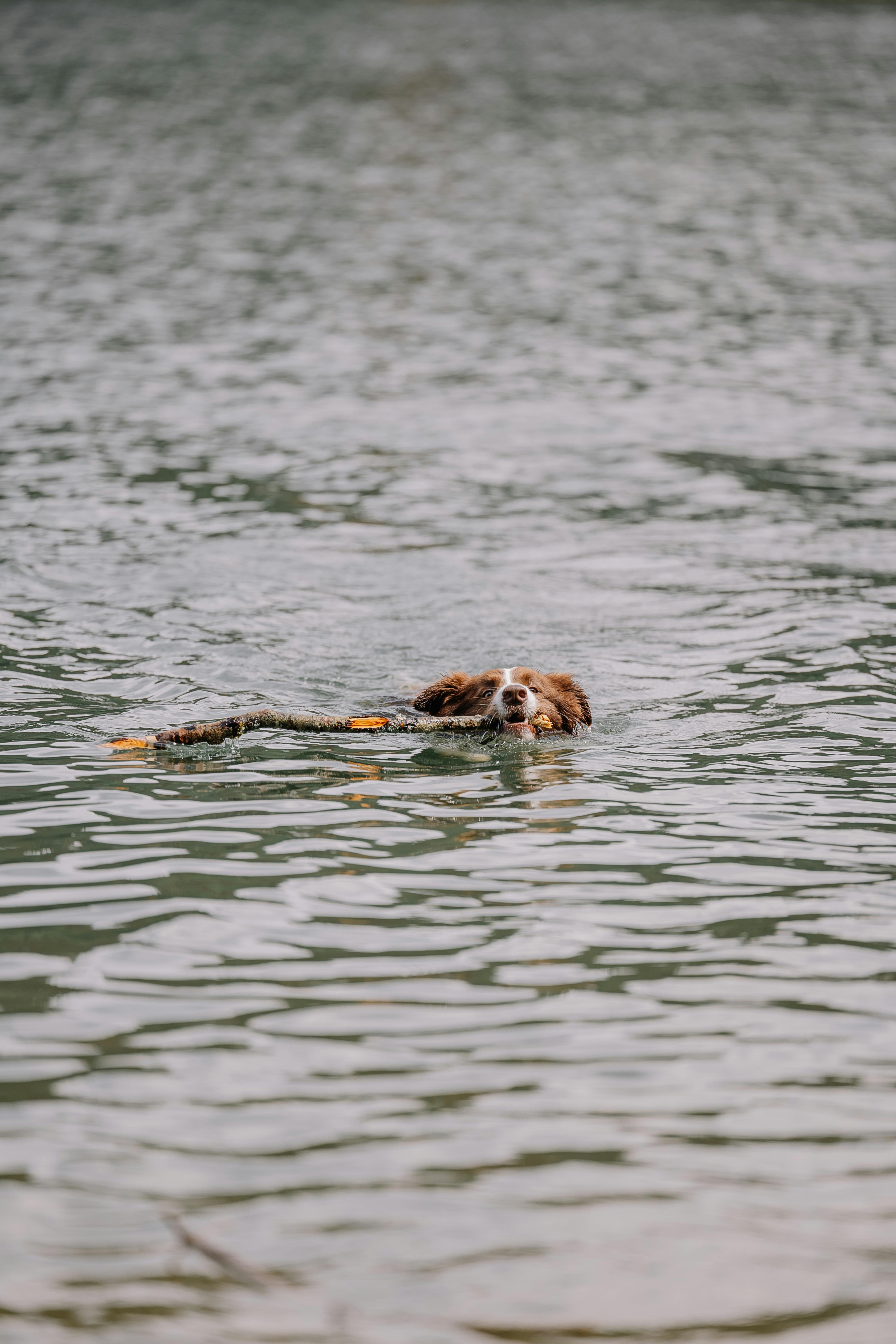
Does a Wet Nose Mean Your Dog Is Happy? The Truth Behind Common Myths, Why Do Dogs Have Wet Noses? Discover The Fascinating Truth!
Ever notice your dog’s nose? It’s not just cute. Many people wonder, does a wet nose mean your dog is happy? It’s a common myth that a wet nose is a sign of a happy dog. But the truth is more complicated. Understanding why dogs have wet noses can helps clear some of these myths up.
Why Do Dogs Have Wet Noses?
Dogs have wet noses for a few reasons, some of which are pretty fascinating. The moisture on their noses isn’t just random; it actually serves several important purposes.
- Scent Enhancement: A wet nose helps dogs smell better. The moisture captures scent particles from the air, helping dogs to pick up smells more effectively.
- Cooling Mechanism: Dogs don’t sweat like humans do. Instead, a wet nose helps to cool them down. When a dog is hot, they might lick their nose to keep it moist and cool.
- Health Indicator: A wet nose can sometimes indicate good health. A dry nose can suggest dehydration or illness. However, it’s not a surefire sign.
Common Myths About Wet Noses
Many myths circles around the idea of a dog’s wet nose. Here are some of the most common ones:
A Wet Nose Means a Happy Dog: While a wet nose can indicate good health, it doesn’t directly mean that a dog is happy. Dogs can have wet noses whether they are playful or anxious.
All Dogs Have Wet Noses: Not all dogs have wet noses all the time. Breeds like Bulldogs or Pugs might have dryer noses because of their facial structure.
Noses Change Color with Emotion: Some believe that a dog’s nose changes color depending on their mood. This is not true. Color changes can happen due to temperature or health issues, not emotions.
Historical Context
The understanding of why dogs have wet noses has evolved over time. In ancient cultures, dogs were often seen as companions and protectors. People observed their behavior and physical traits without the scientific explanations we have today.
- Ancient Egyptians: The Egyptians worshiped dogs and noted their keen sense of smell, linking it to their wet noses.
- Middle Ages: During this time, dogs were used for hunting, and hunters noticed that dogs with wet noses could track scents better, leading to the belief that a wet nose was good for hunting.
Practical Examples of Dog Nose Care
Taking care of your dog’s nose is important, and here are some tips to keep it healthy:
- Hydration: Make sure your dog drinks enough water. A well-hydrated dog will usually have a moist nose.
- Check for Cracks: If your dog’s nose is dry and cracked, it might be a sign of dehydration or an allergy. You should consult with a vet.
- Temperature Monitoring: Be mindful of the weather. Hot days can dry out your dog’s nose, so keep them cool and hydrated.
Comparing Dog Breeds and Nose Types
Different dog breeds have different nose types. Here’s a little comparison:
- Long-Nosed Breeds: Like Greyhounds or Collies, these dogs often have wetter noses because of their longer snouts.
- Flat-Faced Breeds: Bulldogs or Pugs can have drier noses due to their short snouts, which can limit the moisture retention.
- Mixed Breeds: These dogs might show a combination of characteristics, leading to varying nose moisture levels.
Conclusion
The wetness of a dog’s nose tells us a little about their health and sense of smell, but it doesn’t directly correlate to their happiness. Understanding why dogs have wet noses helps us better care for them. So, the next time you see a wet nose, remember, it’s not just about happiness; it’s about health, scent, and a little bit of history. Stay curious about those furry friends and their unique traits!
Exploring the Connection Between Wet Noses and Your Dog’s Sense of Smell
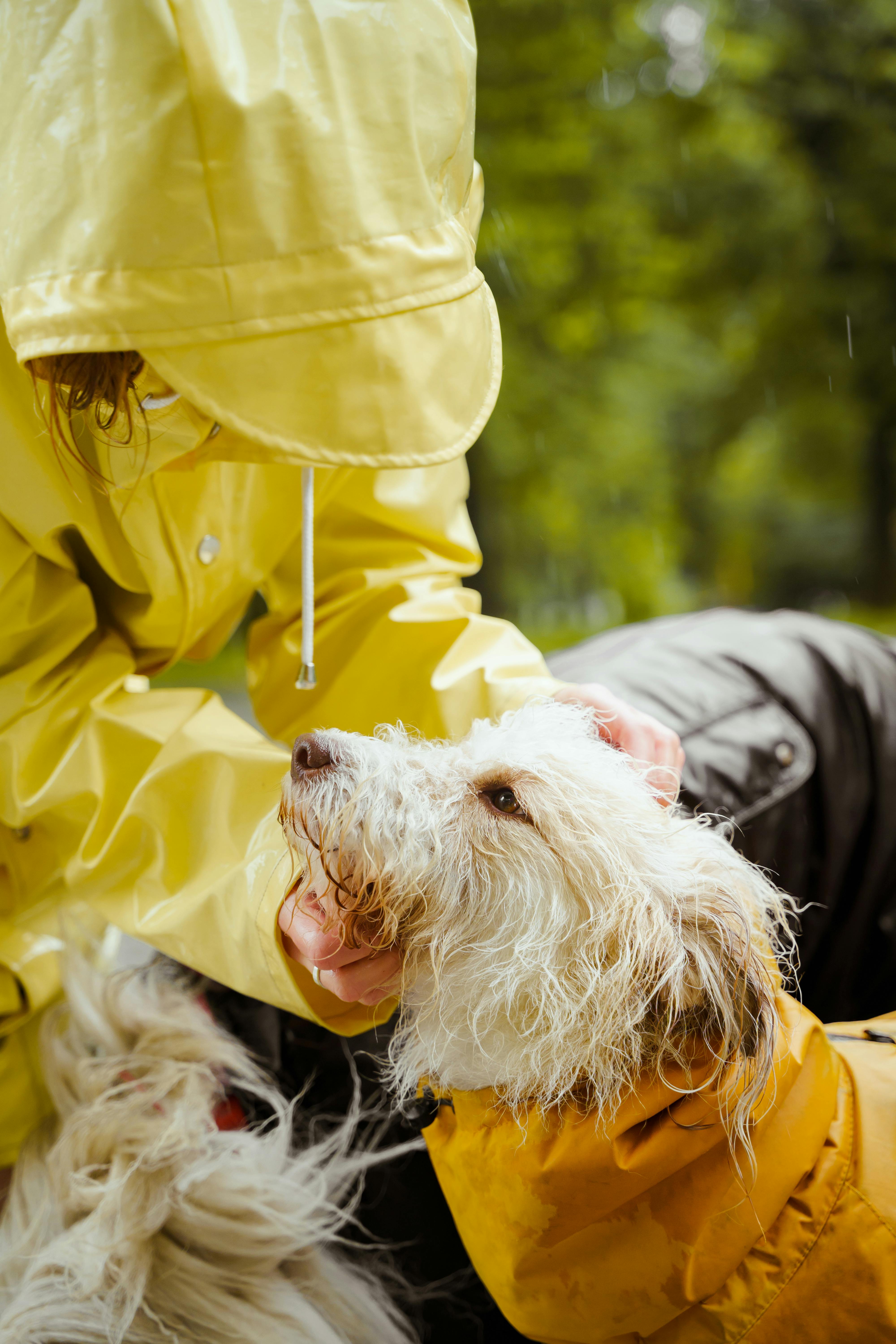
Dogs are known for many things, their loyalty, their playful nature, and of course, their wet noses. But why do dogs have wet noses? It’s a question that many dog owners ponder, and the answer is not just about looks or cleanliness. It’s tied to their incredible sense of smell and overall health. Let’s dive into the fascinating truth behind those wet noses and how they relate to your dog’s olfactory capabilities.
The Science of a Dog’s Nose
Dogs have a unique anatomical structure in their noses that allows them to detect smells far better than humans. The moistness of their noses plays a crucial role in this process. Here’s how:
- Olfactory Receptors: Dogs have up to 300 million olfactory receptors in their noses, compared to about 5 million in humans. This means they can smell things we can only imagine.
- Mucus Production: The wetness helps to trap scent particles. When a dog sniffs, the moisture in their nose holds onto these particles, making it easier for their receptors to identify different scents.
- Cooling System: A wet nose also helps regulate a dog’s body temperature. Dogs don’t sweat like humans do; they primarily cool off through their noses and paw pads.
Why Is Your Dog’s Nose Wet?
The wetness of a dog’s nose can be attributed to several factors:
- Natural Mucus: Dogs produce mucus that keeps their noses moist. It’s a natural way to enhance their sense of smell.
- Environmental Factors: A dog may get a wet nose from drinking water or being outside in the rain or humidity.
- Health Indicators: A wet nose is often considered a sign of a healthy dog, but it’s not always the case. If a dog’s nose is dry or cracked, it can indicate dehydration or illness.
Exploring the Connection to Smell
So, how does a wet nose enhance a dog’s sense of smell? It’s all about the interplay between moisture and scent recognition.
- Enhanced Detection: The moisture helps dissolve scent particles, making it easier for the olfactory receptors to detect them.
- Behavioral Aspects: Dogs often use their noses to explore their environment. When they encounter a new scent, they instinctively lick their noses to help process the information better.
- Scent Memory: Dogs have a remarkable ability to remember scents. A wet nose not only helps them detect but also remember different smells, which is crucial for their social interactions and hunting instincts.
What Is Considered Normal?
Understanding what a normal dog nose looks like is important for any dog owner. Here’s a simple guide:
- Wet and Cool: This is the ideal state for a healthy dog nose.
- Slightly Warm: Occasionally warm to touch, especially after activity, but still moist.
- Dry or Cracked: If it persists, it could indicate health issues like fever, dehydration, or allergies.
Fun Facts About Dog Noses
- Dogs can smell certain substances in parts per trillion. That’s like detecting a teaspoon of sugar in a million gallons of water!
- Bloodhounds can track a scent trail that’s days old, which makes them incredible tracking dogs.
- Dogs also have a third eyelid that helps keep their noses moist!
Common Misconceptions
Many myths surround dog noses and their wetness. Let’s bust some:
Myth: A dry nose means a sick dog.
- Fact: While it can indicate health issues, other factors can contribute to a dry nose.
Myth: All dogs have wet noses all the time.
- Fact: Just like humans, dogs can have variations based on their individual health and environment.
The Takeaway
Understanding the connection between a dog’s wet nose and their sophisticated sense of smell reveals much about these beloved pets. Their noses serve not only as a tool for detection but also as a vital component of their overall health.
If you ever notice changes in your dog’s nose moisture, it’s always a good idea to consult with a veterinarian. They can provide insights tailored to your dog’s specific needs. The next time you get a wet nose nudge from your furry friend, you’ll know just how much that little feature contributes to their incredible ability to experience the world.
So, keep those noses wet, and let your dogs lead the way in exploring the great outdoors!
When Should You Worry? Signs Your Dog’s Wet Nose Might Indicate a Problem

When you have a dog, their health is one of the most important things to be aware of. One of the common features seen in dogs is their wet noses. But have you ever wondered, why do dogs have wet noses? And when should you worry if that wet nose begins to feel different? This article dives into the fascinating truth behind our furry friends’ noses and the signs that might indicate a problem.
The Science of Wet Noses
Dogs have wet noses for a variety of reasons. Primarily, the moisture on their noses helps them to sense the world around them. Dogs have an extraordinary sense of smell, and that wetness actually helps to capture scent particles. This is why you often see your dog sniffing around, trying to gather as much information about their surroundings as possible.
- Thermoregulation: A wet nose can help cool the dog down, similar to how humans sweat.
- Scent Enhancement: Moisture can make scent particles stick better, aiding in their incredible olfactory abilities.
- Health Indicator: A dog’s nose can also be an indicator of overall health, not just how well they can smell.
When Should You Worry?
While a wet nose is generally a good sign, there are moments when you should pay close attention. If you notice any of these changes, it may be time to consult your veterinarian.
- Dry Nose: If your dog’s nose suddenly becomes dry or cracked, it may indicate dehydration or illness.
- Nose Discoloration: If the color of your dog’s nose changes, whether it becomes pale or red, it can be a sign of an underlying issue.
- Excessive Nasal Discharge: Clear discharge is normal, but if it becomes yellow, green, or bloody, it could signal an infection.
- Lethargy: If your dog seems more tired than usual, combined with nose changes, it might be time for a vet visit.
- Frequent Sneezing or Coughing: This can indicate allergies or respiratory issues that need to be addressed.
Common Causes of Nose Problems
Here’s a quick list of potential issues that might cause changes in your dog’s nose:
- Allergies: Just like humans, dogs can suffer from allergies that could affect their nose.
- Infections: Bacterial or viral infections can lead to a variety of symptoms including nasal discharge.
- Autoimmune Diseases: Certain conditions can cause changes to the skin and nose.
- Environmental Factors: Extreme weather conditions can dry out a dog’s nose.
Historical Context of Dogs’ Noses
Dogs evolved from wolves, who also have wet noses. The history of the dog’s nose is closely tied to their survival instincts. In the wild, a wet nose can help a wolf track down prey or avoid danger. Over thousands of years, this has remained a crucial trait. The wetness helps them maintain their keen sense of smell, which has been vital for hunting and gathering.
What To Do If You Are Concerned
If you find yourself worrying about your dog’s wet nose or any changes in it, here are some steps you can take:
- Observe: Keep an eye on your dog’s behavior. Is he or she eating normally? Are they still active?
- Check for Other Symptoms: Look for additional signs like coughing, sneezing, or lethargy.
- Consult Your Vet: If you’re still concerned after observation, it’s best to take your dog to the vet. They can provide a thorough examination and potential treatments.
Fun Facts About Dogs’ Noses
- Unique Patterns: Just like human fingerprints, every dog’s nose print is unique. This can even be used for identification.
- Temperature Regulation: A dog’s nose can also help regulate its body temperature, which is essential in hot weather.
- Sensitive Area: The nose is packed with nerve endings, making it one of the most sensitive areas of a dog’s body.
Understanding your dog’s health is essential, and their nose can tell you a lot about how they are feeling. Recognizing when a wet nose becomes a signal for concern can help you protect your furry friend. Remember, a wet nose is usually a sign of a healthy dog, but changes can indicate possible health issues. So, keep an eye on those furry companions and don’t hesitate to seek professional help when something feels off. Your dog’s well-being is worth it!
Fun Facts About Dogs’ Noses: Why They’re More Than Just Adorable!
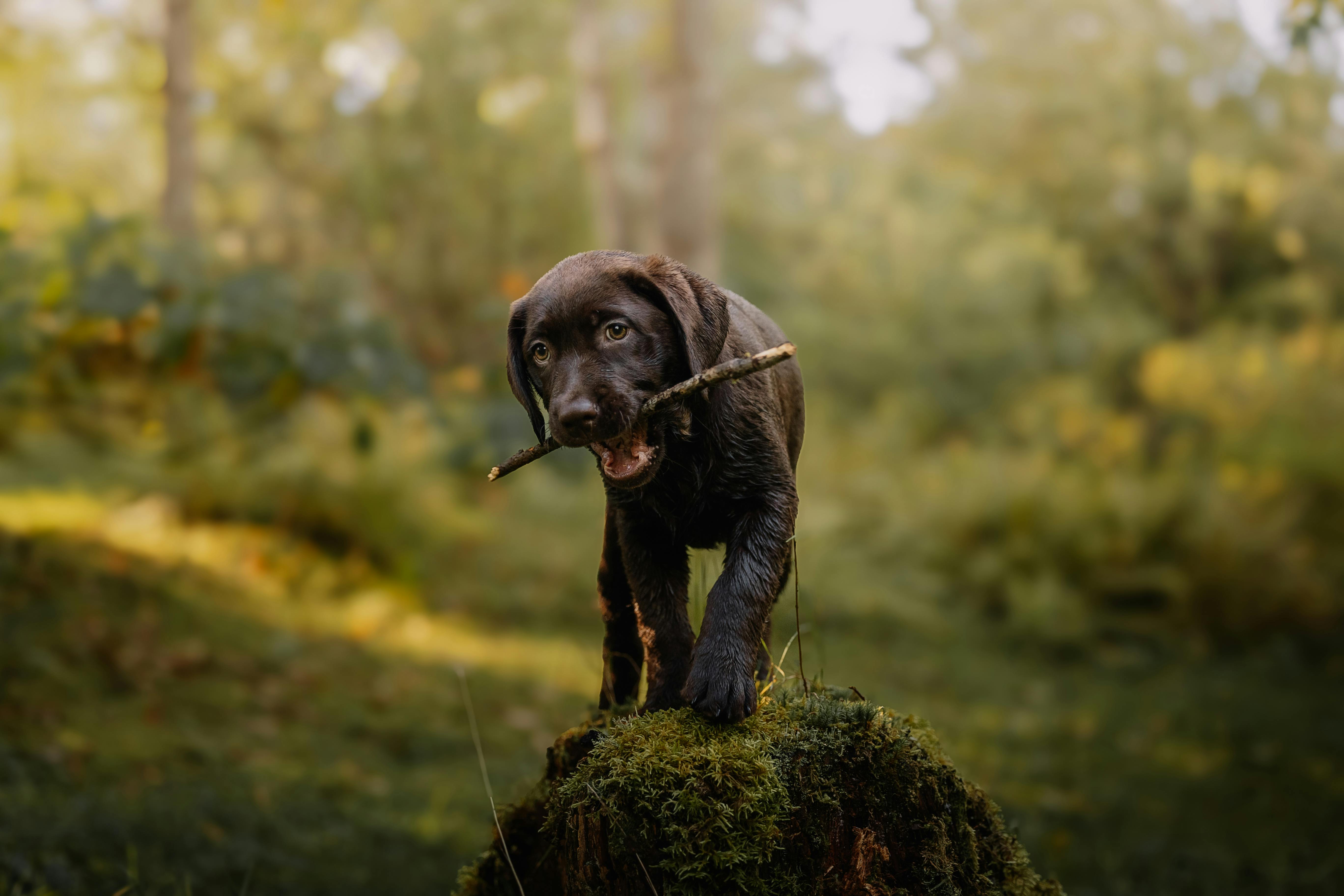
Dogs are often called man’s best friend, but did you know their noses holds a wealth of secrets? Yes, that adorable wet nose is not just for snuggling and sniffing. There’s so much more to it. So, let’s dive into some fun facts about dogs’ noses and discover why they are way more than just cute!
Why Do Dogs Have Wet Noses?
First off, you might be wondering, why do dogs have wet noses? The answer is quite fascinating and it involves several reasons:
Sense of Smell: A dog’s nose has more scent receptors than humans. They have about 300 million olfactory receptors compared to our mere 6 million. The moisture on their noses helps to capture scent particles, making them better at smelling than we could ever imagine.
Temperature Regulation: Dogs don’t sweat like humans do. Instead, they cool off through panting and the moisture on their noses. A wet nose helps to regulate their body temperature, especially on hot days.
Health Indicator: The condition of a dog’s nose can tell you a lot about their health. A dry, cracked, or warm nose could signal a problem, while a cool and wet nose often indicates the dog is healthy.
Fun Facts About Dog Noses
Let’s explore some fun and quirky facts about dog noses that will make you appreciate them even more!
Unique Prints: Just like human fingerprints, every dog has a unique nose print. It can actually be used to identify them! Some shelters even use these prints to help reunite lost dogs with their owners.
Color Changes: The color of a dog’s nose can change. For instance, some breeds have a seasonal change where their noses darken in the winter and lighten in the summer.
Third Eyelid: Dogs have a third eyelid, which helps keep their nose moist. It’s called the nictitating membrane, and it plays a role in protecting their eyes from dust and debris while also aiding in keeping their noses hydrated.
Scent Discrimination: Dogs can distinguish between different scents even if they are mixed together. This ability is what makes them great at search and rescue missions, detecting drugs, and even sniffing out diseases like cancer.
The Anatomy of a Dog’s Nose
Understanding the anatomy of a dog’s nose can help explain its fascinating functions. Here’s a simple breakdown:
External Nares: These are the outer openings of the nose, allowing air in. Dogs can actually control these openings to enhance their sense of smell.
Nasal Turbinates: These are complex structures inside the nose that help filter, warm, and humidify the air before it reaches the lungs. They are also covered with olfactory receptors that detect scent.
Vomeronasal Organ: Also known as Jacobson’s organ, this little structure helps in detecting pheromones, which are important for social interaction among dogs.
How to Keep Your Dog’s Nose Healthy
A dog’s nose needs care just like the rest of their body. Here are some tips to keep that adorable nose in tip-top shape:
Hydration: Make sure your dog is drinking enough water. A well-hydrated dog is less likely to have a dry nose.
Temperature Awareness: Protect their nose from extreme temperatures. Too much sun can lead to burns, while freezing temperatures can cause cracking.
Regular Vet Check-ups: Regular visits to the vet can help catch any potential issues early. They can assess the condition of the nose and overall health.
Dogs and Their Senses
While we’ve focused on their noses, it’s important to remember that a dog’s sense of smell is just one part of their incredible sensory arsenal. Here’s a quick comparison between dogs and humans:
- Smell: Dogs – 300 million receptors; Humans – 6 million.
- Hearing: Dogs can hear frequencies up to 65,000 Hz; humans max out around 20,000 Hz.
- Vision: Dogs see fewer colors but have better night vision due to a higher number of rod cells.
In summary, dog noses are not just cute and wet, they are a vital part of what makes dogs so unique and capable in their world. So next time you give your furry friend a scratch on the nose, remember there is a whole lot going on behind that adorable face! Embrace the fact that a dog’s nose is a complex, wonderful tool that serves various purposes, from health indicators to communication devices.
Conclusion
In conclusion, the wet noses of dogs serve several essential purposes that contribute to their overall health and well-being. The moisture on their noses not only enhances their sense of smell, allowing them to explore and understand their environment more effectively, but also helps regulate their body temperature. Additionally, the wetness acts as a natural filter, trapping particles and aiding in the prevention of respiratory infections. Understanding the science behind a dog’s wet nose can deepen our appreciation for these loyal companions and their unique biology. As dog owners, it’s crucial to monitor the health of our furry friends, including the condition of their noses. If you ever notice any unusual changes, such as excessive dryness or cracking, don’t hesitate to consult your veterinarian. By staying informed and proactive, we can ensure our dogs remain happy and healthy, nose and all!
