
Have you ever wondered why do dogs have wet noses? This quirky trait might seem trivial, but it hides a fascinating truth that can leave any dog lover intrigued! A dog’s nose is not just for sniffing; it’s a vital tool for understanding their world. But why is it moist? Is it a sign of health, or does it serve another purpose? In this article, we will explore the science behind those wet noses in dogs and uncover the reasons why they play such a crucial role in canine communication and behavior. You might be surprised to learn that a wet nose can be an indicator of your dog’s overall health. Plus, we’ll discuss how environmental factors and breed differences can influence nose moisture. So, are you ready to dive into the fascinating facts about dogs’ noses? Join us as we unravel the mystery of why your furry friend’s nose is always a bit damp, and discover how this simple feature links to their incredible sense of smell. Don’t miss out on these amazing insights that every dog owner should know!
The Science Behind Wet Noses: Why Do Dogs Have This Unique Feature?
Dogs are often considered man’s best friend, but one of their most distinctive features is their wet noses. Have you ever wondered why do dogs have wet noses? It’s a curious topic that not only reveals interesting facts about our furry friends but also highlights the unique adaptations they have made over time.
The Purpose of a Wet Nose
The primary reason dogs have wet noses is related to their sense of smell. A wet nose helps to capture scent particles from the air, enhancing their ability to detect odors. This is crucial for dogs, which have a sense of smell that is estimated to be between 10,000 to 100,000 times more sensitive than humans. When a dog’s nose is moist, it is better equipped to absorb these scent molecules, giving them more information about their environment.
How does it work?
Dogs have sweat glands only in their paw pads, so they rely on their noses to cool down. Here’s how the science behind their wet noses works:
- Moisture Absorption: The moisture on a dog’s nose helps to trap and absorb odor particles.
- Temperature Regulation: A wet nose helps in regulating a dog’s body temperature. When the nose is moist, it can cool off more effectively.
- Health Indicator: A dog’s nose can indicate health issues. For example, a dry or cracked nose can sometimes signal dehydration or illness.
Historical Background
Historically, dogs have evolved from pack-hunting wolves, where keen senses were essential for survival. The evolution of their moist noses is believed to be a significant adaptation that improved their hunting and foraging skills. Ancient civilizations recognized the value of dogs for their olfactory abilities, leading to domestication and breeding practices that favored traits like a wet nose.
The Biology of a Dog’s Nose
The structure of a dog’s nose is quite fascinating. Here are some key biological points:
- Nasal Turbinates: These are structures in the nasal cavity that increase the surface area, allowing dogs to process more smells.
- Jacobsen’s Organ: Also known as the vomeronasal organ, this helps dogs detect pheromones, which are chemical signals that play a role in communication and mating.
- Moisture Production: Dogs secrete mucus from specialized glands in their noses, keeping them moist.
Comparisons with Other Animals
To understand the uniqueness of a dog’s wet nose, let’s compare them with a few other animals:
| Animal | Nose Type | Scent Detection Capability |
|---|---|---|
| Dogs | Wet | 10,000 to 100,000 times better than humans |
| Cats | Slightly moist | About 10 times better than humans |
| Elephants | Dry but sensitive | Very strong sense of smell, used for foraging |
| Rats | Wet | Exceptional sense of smell, used in search and rescue |
Fun Facts About Dog Noses
- Dogs have unique nose prints, much like human fingerprints, that can be used for identification.
- The color of a dog’s nose can change with age, health, and even temperature.
- Some breeds, like Bloodhounds, have an exceptionally developed sense of smell and are often used in search and rescue missions.
Practical Examples
If you’re a dog owner, you might have noticed your dog’s nose change throughout the day. Here’s a small list of situations where you might observe changes in your dog’s nose:
- After Exercise: A dog’s nose may become more moist after playing or exercising due to increased breathing and panting.
- During Hot Weather: Dogs tend to lick their noses more frequently when it’s hot, keeping them moist.
- Illness: If your dog’s nose is excessively dry or shows other unusual symptoms, it’s best to consult a veterinarian.
In summary, the science behind wet noses in dogs is fascinating and complex. Their moist noses not only enhance their sense of smell but also play a crucial role in thermoregulation and health monitoring. Understanding why do dogs have wet noses allows us to appreciate the unique physiology of our canine companions. So next time you pet your dog, take a moment to marvel at that wet nose and all the science behind it!
5 Fascinating Reasons Dogs’ Noses Are Always Wet: What You Need to Know

Have you ever wondered why your furry friend always has a wet nose? Its a common sight, but many people don’t know the reasons behind it. Dogs have some fascinating physiological traits, and their wet noses are just one of them. Let’s delve into this curious aspect of canine biology and uncover the truth about why do dogs have wet noses.
The Science Behind Wet Noses
Dogs’ noses are wet for a variety of reasons, and understanding these reasons can be quite intriguing. Here are five key points that explain the phenomenon:
Temperature Regulation: Dogs don’t sweat the same way humans do. Instead, they cool off through panting and the moisture on their noses. The wetness helps them regulate their body temperature, especially during hot weather.
Enhanced Smell: A wet nose helps to trap scent molecules in the air. When dogs sniff, moisture on their nose collects these particles, allowing their highly developed olfactory system to detect smells better. This is why dogs are often used in search and rescue operations!
Health Indicator: The state of a dog’s nose can indicate its health. A dog with a wet, cool nose is typically considered healthy, while a dry or cracked nose might indicate illness or dehydration. However, this isn’t a hard and fast rule, so always consult a vet if you’re concerned.
Communication Tool: Dogs also use their noses to communicate with each other. A wet nose can be a sign of excitement or curiosity. They often greet other dogs with their noses, which is a way to gather information about their companions.
Nasal Mucus: The moisture on a dog’s nose comes from mucus glands. These glands produce a thin layer of mucus that keeps the nose moist. This mucus can also aid in scent absorption, making it easier for dogs to identify different smells.
Interesting Historical Context
The wet nose of dogs has been a topic of curiosity for centuries. Historically, different cultures have attributed various meanings to a dog’s wet nose. In ancient Egypt, dogs were revered, and their abilities to smell were recognized. Philosophers and scientists have studied canine biology, and over time, it became clear that a wet nose is not just a cute feature but serves important biological functions.
Wet Nose Comparison: Dogs vs. Other Animals
Dogs aren’t the only animals with wet noses. Here’s a quick comparison of how different animals use their noses:
| Animal | Nose Type | Functionality |
|---|---|---|
| Dogs | Wet Nose | Enhances smell, regulates temperature |
| Cats | Dry to Wet Nose | Less reliance on smell, more on sight |
| Pigs | Wet Nose | Foraging and scent tracking |
| Horses | Moist Nose | Scent recognition and social signaling |
Fun Facts about Dogs’ Noses
- Dogs have up to 300 million smell receptors: Humans only have about 5 million, making dogs’ sense of smell incredibly powerful.
- Every dog has a unique nose print, similar to a human fingerprint. This means that each dog’s nose is as distinctive as their DNA.
- Dogs can detect certain diseases: Some dogs are trained to detect diseases like cancer or diabetes through scent.
Practical Examples of Nose Use
- Search and Rescue Dogs: These dogs are specially trained to find missing persons, using their wet noses to pick up scents even in challenging environments.
- Therapy Dogs: Many therapy animals use their noses to sense when a person is anxious or upset, providing comfort and emotional support.
- Detection Dogs: From drugs to explosives, detection dogs rely heavily on their sense of smell, made more efficient by their wet noses.
Understanding why dogs have wet noses is not just fascinating; it also helps us appreciate the incredible nature of our pets. Their wet noses are not just a quirky physical trait, but rather a crucial part of how they interact with the world around them.
So, next time you see your dog with a wet nose, remember there’s a whole lot of science and history behind it. It’s more than just a cute feature; it’s a vital part of what makes our canine companions so remarkable.
Wet Noses and Dog Health: What Your Pup’s Nose Says About Their Well-Being

Every dog owner wonders about their furry friend’s health and habits, and one of the most curious things is their wet noses. So, why do dogs have wet noses? What does it mean for their health? Wet noses and dog health are closely linked, and understanding this can help you better care for your pup. Let’s dive into the fascinating truth behind this unique canine feature!
The Science Behind Wet Noses
Dogs’ noses are naturally moist, and this isn’t just for show. The wetness plays a critical role in their overall health and sensory capabilities. Here’s how:
- Temperature Regulation: A wet nose helps dogs cool down. Just like humans sweat, dogs rely on their noses to dissipate heat.
- Enhanced Smell: The moisture on a dog’s nose helps to capture scent particles. This allows dogs to identify smells much better than we can.
- Health Indicator: A wet nose can indicate that your dog is hydrated and healthy. However, if it’s dry or excessively hot, it might signal a health issue.
Why Do Dogs Have Wet Noses?
So, why do dogs have wet noses? The reasons go beyond what we just mentioned. Here’s a deeper look:
Evolutionary Trait: Wet noses are an evolutionary trait. Early canines likely developed them to improve their hunting efficiency. The moisture from the nose helps them pick up scents better, allowing them to track prey.
Sensory Function: Dogs have over 300 million scent receptors in their noses compared to about 5 million in humans. The wetness helps these receptors work more efficiently, enhancing their sense of smell.
Behavioral Signals: A dog’s nose can also communicate. When a dog approaches you with a wet nose, it could mean they are curious or seeking affection. Dogs use their noses to gather information about their environment.
Wet Noses and Your Dog’s Health
A wet nose is often seen as a sign of a healthy dog. However, it’s essential to consider other factors as well. Here are some common health indicators linked to your dog’s nose:
- Cold and Wet: Generally indicates hydration and good health.
- Warm and Dry: Can signal fever or dehydration.
- Excessively Wet: May indicate allergies or other health issues.
- Crusty or Cracked: Could be a sign of skin infections or other medical conditions.
What If Your Dog’s Nose Changes?
Noticing changes in your dog’s nose is important. Here’s a quick guide:
Dry Nose: If your dog’s nose becomes dry for an extended period, it might be worth a vet visit. It could be due to environmental factors or health issues.
Nose Color Changes: If you notice discoloration, like from pink to brown, consult a veterinarian as it could signal allergies or other conditions.
Nasal Discharge: Clear discharge is often normal, but yellow or green discharge can indicate a respiratory infection.
Fun Facts About Dog Noses
Dogs’ noses are intriguing and full of surprises! Here are some fun facts:
- Unique Patterns: Just like human fingerprints, each dog has a unique nose print.
- Cooling Mechanism: Dogs also sweat through their paw pads, but their noses are a primary way to cool off.
- Scent Memory: Dogs can remember scents for a long time, aiding in tracking and finding things.
Practical Tips for Nose Care
Taking care of your dog’s nose is essential. Here are some practical tips:
- Hydration: Always ensure your dog has access to fresh water to keep their nose moist.
- Check for Cracks: Regularly inspect your dog’s nose for any signs of cracks or dryness.
- Avoid Irritants: Be cautious of environmental irritants, such as extreme temperatures or harsh chemicals that can affect their noses.
Final Thoughts
Understanding the significance of your dog’s wet nose can lead to better health monitoring and care. Remember, while a wet nose is usually a good sign, it’s just one aspect of your dog’s overall health. Regular veterinary check-ups and being attentive to changes in your dog’s nose can help you catch potential health issues early. With love and care, you can keep your pup happy and healthy for years to come!
Is Your Dog’s Nose Wet? Discover the Surprising Benefits of Moisture
Dogs are more than just pets; they’re family. One of the most endearing features of our furry companions is their wet noses. You might’ve noticed that your dog’s nose is often moist, but have you ever wondered why? Is your dog’s nose wet? Discover the surprising benefits of moisture, and the fascinating truth about why do dogs have wet noses!
The Science Behind Wet Noses
A dog’s nose is not just cute; it’s also a vital tool. Dogs’ noses are packed with a lot of olfactory receptors. In fact, they can have up to 300 million of them, compared to the 5 million in humans. The moisture on a dog’s nose plays a significant role in their sense of smell. It helps to capture scent particles, which enhances their ability to detect odors. Here’s how it works:
- Moisture Enhances Scent Detection: Wet noses can trap scent particles. When these particles stick to the nose, it helps dogs to smell better.
- Temperature Regulation: A wet nose also helps cools a dog’s body. Dogs do not sweat like humans; they primarily pant. The moisture on the nose aids in thermoregulation.
- Health Indicator: The condition of a dog’s nose can indicate their health. A particularly dry nose might signal dehydration or illness, whereas a wet nose is often a sign of a happy, healthy pup.
Why Do Dogs Have Wet Noses?
The question “why do dogs have wet noses?” is interesting. The truth is that wet noses are a combination of evolutionary advantages and biological functions. Here are some of the key reasons:
- Hygiene and Cleanliness: Dogs often lick their noses, which keeps it clean and moist. This behavior has been seen in many animals, and it serves a purpose in keeping germs at bay.
- Communication: Dogs use their noses to communicate with other dogs. A wet nose can signify a friendly and approachable dog.
- Natural Selection: Throughout history, dogs that could smell better were more likely to hunt successfully and avoid predators, leading to the prevalence of wet noses among the species.
Surprising Benefits of Moisture
Having a wet nose isn’t just beneficial for the dog; it can also be a positive aspect for their owners. Here’s a list of some surprising benefits:
- Enhanced Bonding: Dogs with wet noses are often more affectionate. Their wet noses can feel comforting during cuddles.
- Health Check: Pet owners can gauge their dog’s health status by checking the moisture level of their nose. This simple act can alert you to potential health issues.
- Behavioral Indicators: A wet nose can indicate excitement or happiness. If your dog comes to greet you with a wet nose, it’s likely they’re happy to see you!
Differences in Dog Breeds
Not all dogs have the same level of nose moisture. Some breeds naturally have drier noses than others. Here’s a quick comparison:
| Dog Breed | Typical Nose Condition |
|---|---|
| Labrador Retriever | Always moist |
| Bulldog | Often dry |
| Beagle | Generally moist |
| Dachshund | Varies with climate |
When to Worry About a Dry Nose
Even though a wet nose is often a sign of good health, there are times when a dry nose can be concerning. Here are some situations to keep an eye on:
- Excessive Dryness: If your dog’s nose becomes cracked or excessively dry, it might be a sign of dehydration or illness.
- Color Changes: A sudden change in color or texture of the nose can indicate an underlying health problem.
- Accompanying Symptoms: If the dry nose is accompanied by lethargy, vomiting, or loss of appetite, it’s best to consult your veterinarian.
Practical Tips for Nose Care
Maintaining a healthy nose is important for your dog’s overall well-being. Here are some practical tips:
- Stay Hydrated: Always provide fresh water for your dog.
- Regular Vet Check-ups: Regular visits to the vet can help catch issues early.
- Monitor Environment: Dry climates can affect nose moisture. Use a humidifier at home if needed.
Next time you pat your dog and feel that wet nose, remember the science behind it. From enhancing their sense of smell to communicating their feelings, a dog’s wet nose is a fascinating aspect of their biology. Embrace the moist magic of your furry friend’s nose and appreciate all the wonders it brings to your life.
Canine Nose 101: Exploring the Connection Between Wet Noses and Sensory Perception
Have you ever wonder why dogs have wet noses? It’s a question that many pet owners ask, often accompanied by a mix of curiosity and affection for their furry friends. The truth behind canine noses is not just a quirky trait; it’s deeply tied to how dogs experience the world around them. So, let’s dive into Canine Nose 101 and explore the connection between wet noses and sensory perception.
The Science Behind Wet Noses
Dogs noses are not just cute; they are complex organs that serve multiple purposes. The wetness of a dog’s nose is mainly due to a thin layer of mucus that helps absorb scent particles. This moisture is critical for enhancing their incredible sense of smell, which is estimated to be between 10,000 to 100,000 times more sensitive than that of humans. Some of the reasons why dogs have wet noses include:
- Enhanced Olfactory Function: The moisture on a dog’s nose helps trap scent molecules, allowing them to detect odors more effectively.
- Temperature Regulation: Dogs often regulate their body temperature through their noses. A wet nose can help cool them down, especially during hot weather.
- Health Indicator: A dog’s nose can often indicate their health. A consistently dry or cracked nose might be a sign of dehydration or illness.
Historical Context of Canine Noses
Historically, dogs have been bred for specific traits, including their sense of smell. Different breeds have unique nasal structures that make them adept at particular tasks. For instance, Bloodhounds are renowned for their tracking abilities, thanks to their large, droopy noses that collect more scent particles.
Furthermore, dogs have been used in various roles throughout history, including hunting, search and rescue, and even medical detection. The relationship between humans and dogs has always included an appreciation for their remarkable sensory perception.
Fascinating Facts About Dogs’ Noses
Here are some interesting facts about dogs’ noses that might surprise you:
- Unique Nose Prints: Just like human fingerprints, each dog’s nose print is unique. They can be used for identification purposes.
- Nose Color Variation: A dog’s nose color can change due to various factors, including temperature, health, and breed.
- Scent Memory: Dogs can remember scents for years. This incredible memory allows them to recognize individuals and places long after they’ve left.
Comparing Dogs’ Noses to Human Noses
While humans also have noses that serve the purpose of smelling, there are significant differences in how dogs and humans perceive scents. Here’s a quick comparison:
| Feature | Dogs | Humans |
|---|---|---|
| Number of Olfactory Receptors | Approx. 300 million | About 6 million |
| Sensitivity | 10,000 to 100,000 times more sensitive | Limited sensitivity |
| Scent Discrimination | Can discern different odors easily | Less effective at distinguishing subtle scents |
| Nose Moisture | Always moist for scent absorption | Generally dry |
Practical Examples of Wet Noses in Action
The practical applications of a dog’s wet nose are vast. From search and rescue missions to medical detection, dogs play crucial roles in society. Here are a few examples:
- Search and Rescue: Dogs are trained to locate missing persons using their acute sense of smell. A wet nose helps them pick up on the scents left behind.
- Medical Detection: Some dogs are trained to detect diseases like cancer or diabetes through smell. The moisture in their noses aids in identifying these complex odors.
- Tracking: Bloodhounds can track scents over great distances. Their wet noses help them pick up on scent trails even in challenging environments.
Why Do Dogs Have Wet Noses? The Fascinating Truth!
So, why do dogs have wet noses? The answer is multifaceted. Wet noses not only help dogs to smell better but also play a role in their overall health and communication. Dogs often lick their noses to keep them moist and clean, which is essential for those sensory abilities.
Additionally, a wet nose can be a sign of a happy and healthy dog. When you see your canine companion with a shiny, wet nose, it usually indicates they are well-hydrated and active. However, if their nose becomes dry for an extended period, it might be time to check in with a veterinarian to rule out any potential issues.
Understanding the reasons behind a dog’s wet nose not only enriches your bond with them but also highlights the incredible nature of these animals. Their noses are more than just cute features; they are vital tools that connect dogs to the world in ways we can only begin to understand.
So, the next time you give your dog a pat on the head, take a moment to appreciate that wet nose and all the amazing things it represents in your furry friend’s life.
The Role of a Dog’s Wet Nose in Communication: How Dogs Use Their Senses
Dogs are fascinating creatures, and one of their most notable features is their wet noses. Have you ever wondered why do dogs have wet noses? This question leads us to explore the essential role a dog’s wet nose plays in their communication and sensory perception. There’s a lot more going on than meets the eye, or should we say nose?
The Science Behind a Dog’s Wet Nose
Dogs have wet noses because of several reasons, mainly linked to their health and communication. The moisture on a dog’s nose comes from a combination of saliva and mucus, which serves multiple purposes. Here’s a breakdown:
- Temperature Regulation: Just like humans sweat to cool down, dogs use their noses to help regulate their body temperature. The moisture evaporates, helping keep them cool.
- Enhanced Smell: A wet nose can pick up scent particles better than a dry one. This is crucial for dogs, as their sense of smell is their primary means of gathering information about their environment.
- Health Indicator: The condition of a dog’s nose can often indicate their health. A wet, cold nose is usually a sign of a healthy dog. Conversely, a dry nose could signal dehydration or illness.
How Dogs Use Their Senses to Communicate
Dogs communicate primarily through their senses, and their noses play an essential role in this process. Here’s how they convey messages using their sense of smell:
- Scent Marking: Dogs have glands in their noses that secrete pheromones. This is how they communicate with other dogs, marking their territory or signaling their reproductive status.
- Identifying Emotions: Dogs can detect human emotions through scent. They can smell stress, fear, and happiness, which helps them respond appropriately to their owners.
- Social Interactions: When dogs meet, they often sniff each other’s noses and behinds. This is akin to a handshake in human culture. It helps them gather information about each other.
The Evolutionary Perspective
The evolutionary history of dogs helps us understand why they developed these wet noses. Ancient canines relied heavily on their sense of smell to hunt and survive. Over time, the wet nose became an essential feature for the following reasons:
- Survival Mechanism: Being able to detect scents efficiently was crucial for hunting and avoiding predators. The wet surface enhances the ability to pick up scent molecules from the air.
- Domestication: As dogs became companions to humans, their communication methods evolved. The wet nose became a vital tool in bonding with humans, interpreting feelings, and understanding commands.
Interesting Facts About Dog Noses
Did you know that a dog’s nose print is as unique as a human fingerprint? Here’s a list of interesting facts about dog noses:
- Nose Prints: Just like fingerprints, every dog has a unique nose print that can be used for identification.
- Scent Discrimination: Dogs can differentiate between thousands of scents. Their sense of smell is estimated to be anywhere from 10,000 to 100,000 times more sensitive than ours.
- Temperature Sensitivity: Dogs can sense changes in temperature through their noses, which helps them detect changes in their environment.
Practical Examples of Dog Communication
Understanding how dogs communicate through their noses can enhance your relationship with them. Here’s how you can interpret their behavior:
- Sniffing the Ground: If your dog is sniffing around, they might be looking for information about other animals that passed through the area.
- Nose Bumping: A gentle nudge with their nose can mean they want attention, food, or playtime.
- Licking Your Hand: This behavior often indicates affection or a desire for comfort.
Comparison Between Dog and Human Communication
Dogs and humans communicate differently, but here’s a quick comparison to highlight the differences:
| Aspect | Dogs | Humans |
|---|---|---|
| Primary Sense | Smell | Vision |
| Communication Style | Non-verbal cues, scents | Verbal cues, body language |
| Emotional Detection | Through scent | Through tone, facial expressions |
| Territory Marking | Urine, scent glands | Social contracts, verbal agreements |
The role of a dog’s wet nose in communication is a fascinating topic that reveals just how complex and rich their world is. Understanding this can help dog owners appreciate their pets even more. Next time you pet your furry friend, don’t just admire their wet nose — consider all the incredible functions it serves in their lives. The wet nose is not just an adorable feature; it’s a vital part of their communication, health, and interaction with the world around them.
7 Myths About Dog Noses Debunked: The Truth Behind Why They’re Wet
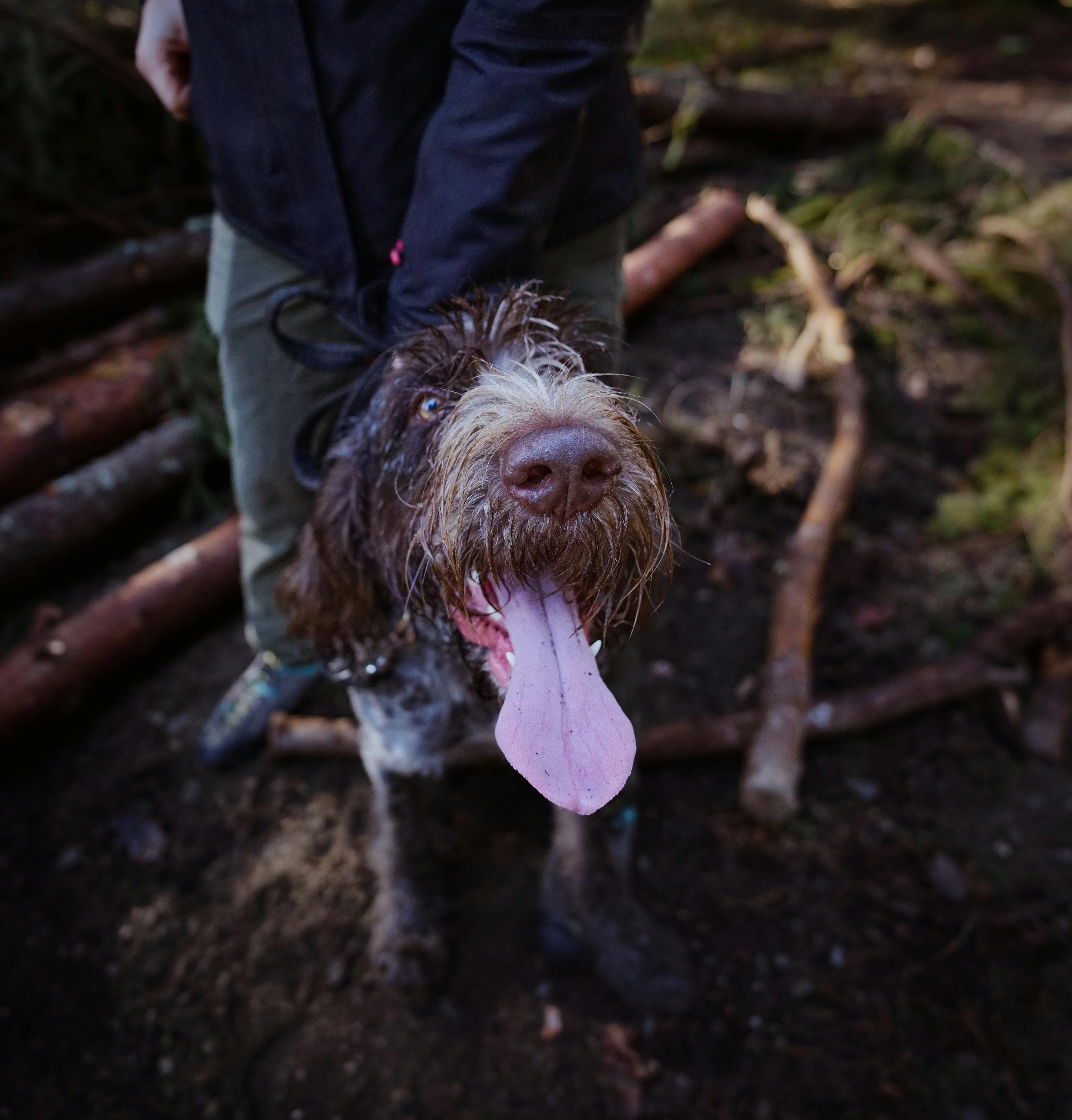
Have you ever wondered why dogs have wet noses? Many pet owners might think it’s just a quirky feature of their furry friends, but there’s actually more to it. In this article, we’re gonna explore seven common myths about dog noses and reveal the fascinating truth behind these wet wonders. So, let’s dive in and clear up some confusion!
Myth 1: A Wet Nose Means a Healthy Dog
It’s a common belief that if a dog’s nose is wet, they are healthy. While it’s true that dogs usually have moist noses, that alone doesn’t indicate their overall health. A wet nose can be a sign of excitement or even just the weather. On the other hand, a dry nose doesn’t always mean sickness. Dogs can have dry noses for various reasons like dehydration, allergies, or even just because they are sleeping.
Myth 2: Dogs Sweat Through Their Noses
Many people think that dogs sweat through their noses, but that’s not the case. Dogs primarily sweat through their paw pads. Their noses are actually moist because of a thin layer of mucus that helps them absorb scent chemicals in the air. This moisture enhances their sense of smell, which is way more developed than ours.
Myth 3: All Dogs Have Wet Noses
Not every dog has a wet nose all the time. Certain breeds, especially those with short snouts like Bulldogs or Pugs, can have drier noses. Also, just like humans, dogs can experience dry skin, which can lead to a dry nose. The level of moisture can also vary by individual dog and their environment.
Myth 4: Wet Noses are a Sign of Emotion
While a dog’s nose can feel wet when they’re excited or happy, it’s not a definitive indicator of their emotions. A dog can have a wet nose and still be feeling anxious or scared. The moisture is more about their biology than their feelings. Understanding canine body language and behavior gives a clearer picture of how they are feeling at any moment.
Myth 5: Dogs Lick Their Noses to Keep Them Wet
You might think that dogs lick their noses to maintain that moisture, but that’s not the main reason for it. Dogs do lick their noses, but mainly to clean them or remove any debris. The natural moisture on their noses comes from glands in their skin and not from licking them constantly.
Myth 6: A Dog’s Nose Can Predict the Weather
There’s an old wives’ tale that a dog’s wet nose can predict the weather. Some people claim that if a dog’s nose is extra wet, it’s going to rain. This idea is more folklore than fact. Dogs don’t have the ability to predict weather changes. However, they might react to changes in atmospheric pressure or humidity, but that’s not about their nose.
Myth 7: Nose Color Reflects Health
Some folks think that the color of a dog’s nose can indicate their health status. While certain breeds have naturally pigmented noses that can range from black to brown or even pink, the color itself isn’t a health indicator. Changes in nose color might be due to allergies, sun exposure, or other health issues, but it’s not a surefire way to judge their well-being.
Fascinating Facts About Dog Noses
Scent Detection: A dog’s sense of smell can be between 10,000 to 100,000 times more sensitive than humans. This incredible ability makes their noses a vital tool for finding food, tracking scents, and even detecting diseases in humans.
Unique Nose Print: Just like human fingerprints, each dog has a unique nose print. This can be used for identification, although it’s not as commonly practiced.
Nose Temperature: A dog’s nose can change temperature. A cooler nose can sometimes indicate a good level of hydration, while a warm nose might suggest they need to drink some water.
Health Checks: Regularly checking your dog’s nose can be part of at-home health checks. Look for signs of cracking, excessive dryness, or unusual color changes.
Understanding why dogs have wet noses and debunking these myths can help pet owners take better care of their furry companions. Remember, a wet nose is just one part of the puzzle when it comes to your dog’s health and happiness. While these facts are interesting, always consult with a veterinarian for any health concerns regarding your pet. Keeping your dog healthy and happy should always be a priority!
How Temperature Affects Your Dog’s Nose: What Every Dog Owner Should Understand
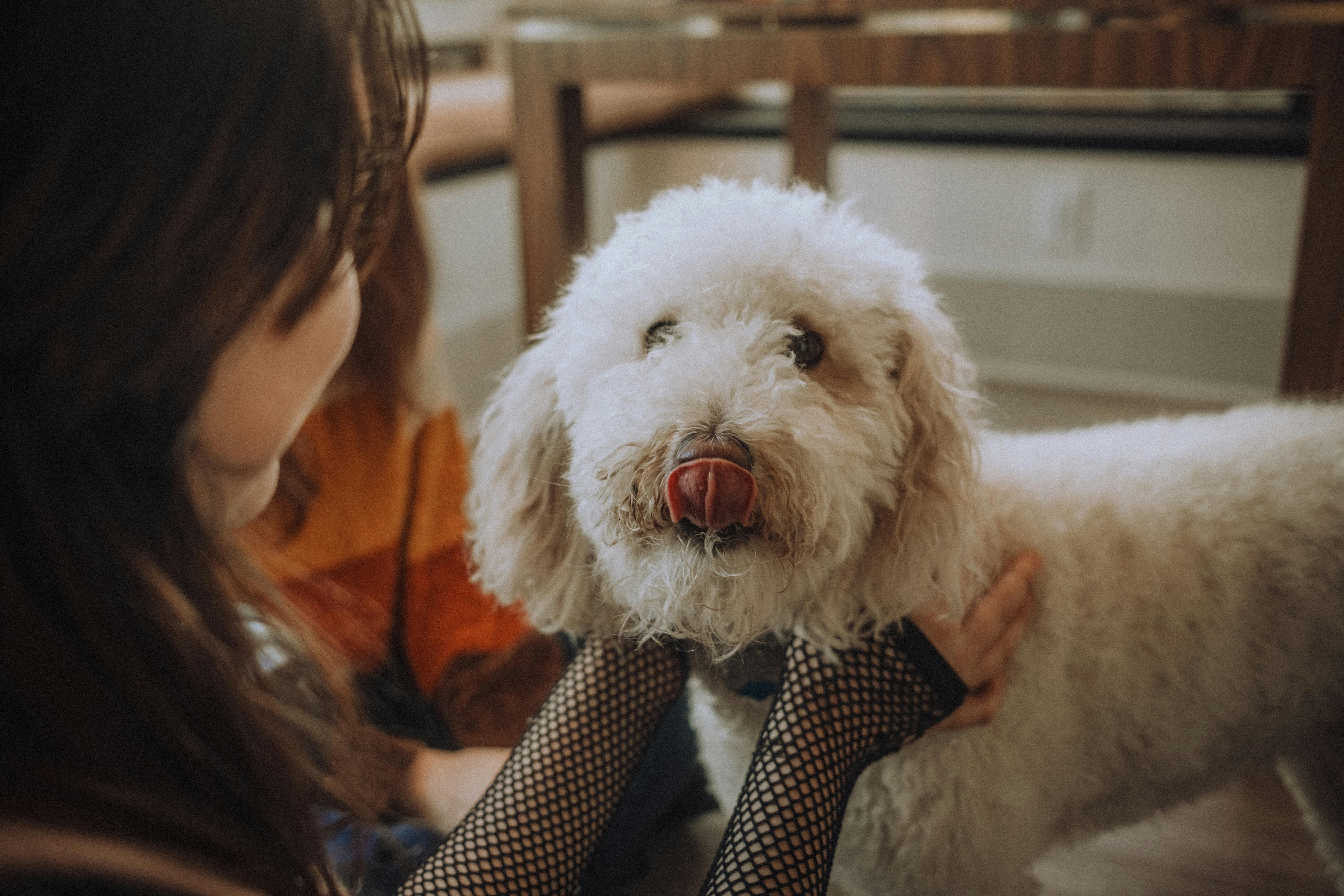
Every dog owner know that our furry friends are full of surprises, but one of the most intriguing aspects is their noses. Have you ever wondered why do dogs have wet noses? And how does temperature affect this unique feature? Understanding the science behind a dog’s nose can help owners better care for their pets, especially when it comes to temperature changes. Let’s explore these fascinating facts.
The Science of a Dog’s Nose
Dog noses are wet for a number of reasons, and it’s not just because they like to sniff out everything around them. A dog’s nose serves multiple functions, and moisture plays a crucial role in keeping it effective. Here’s a breakdown of why dog noses are wet:
- Enhanced Sense of Smell: Wet noses help capture scent particles in the air. The moisture creates a better environment for scent detection.
- Thermoregulation: Dogs don’t sweat like humans do. Instead, they cool off through their noses. A wet nose can help regulate body temperature.
- Health Indicator: A dog’s nose temperature can indicate health issues. A warm, dry nose might suggest a fever, while a cool, damp nose is generally a sign of good health.
How Temperature Plays a Role
Temperature can have a significant impact on your dog’s nose. When it’s hot outside, you might notice that your dog’s nose becomes drier. This happens because heat causes the moisture to evaporate faster. Let’s look at some effects of temperature on a dog’s nose:
- High Temperatures: In hot weather, dogs may pant to cool down, which can lead to less moisture in their noses. This can make their noses feel dry.
- Cold Weather: Cold temperatures can cause the nose to become cold and wet. This is a normal response as dogs’ bodies try to maintain their temperature.
- Humidity: In humid conditions, a dog’s nose could feel stickier and wetter. The moisture in the air helps keep their noses hydrated.
Nose Temperature: What’s Normal?
Dog noses can vary in temperature and moisture throughout the day. Here’s a simple guide to understanding your dog’s nose condition:
- Cool and Wet: Generally indicates a healthy dog.
- Warm and Dry: Could be a sign of dehydration or illness, but not always. Dogs can have warm noses after sleeping or being in the sun.
- Consistently Dry: If a dog’s nose stays dry and warm for long periods, it may be worth consulting a veterinarian.
The Fascinating Truth About Dog Noses
Dog noses are more than just adorable features; they are complex organs that help dogs interact with their environment. Here are some interesting facts:
- Number of Olfactory Receptors: Dogs have about 300 million olfactory receptors, compared to about 6 million in humans. This makes their sense of smell around 40 times better than ours.
- Unique Nose Prints: Just like human fingerprints, every dog has a unique nose print that can be used for identification.
- Sniffing Technique: Dogs have a special way of sniffing that allows them to detect individual scents. They can differentiate smells by moving their nostrils independently.
Practical Tips for Dog Owners
As a responsible dog owner, you want to ensure your pet stays healthy, especially when temperatures fluctuate. Here are some tips to keep in mind:
- Hydration: Always provide plenty of fresh water, especially during warm weather.
- Limit Outdoor Time: During extreme heat, limit your dog’s outdoor activities to early morning or late evening.
- Check the Nose: Regularly check your dog’s nose. If you notice persistent changes in temperature or moisture, consult your vet.
Comparison of Dog Noses to Other Animals
Dog noses can be compared to other animals to understand their unique characteristics better. Here’s a quick comparison:
| Animal | Number of Olfactory Receptors |
|---|---|
| Dogs | ~300 million |
| Humans | ~6 million |
| Cats | ~50-80 million |
| Rats | ~1,000 times more than humans |
This chart clearly shows how dogs are exceptional in their sense of smell compared to other animals.
Understanding how temperature affects your dog’s nose and why do dogs have wet noses is crucial for every dog owner. Not only does it help you maintain your pet’s health, but it also deepens your appreciation for the incredible capabilities of your furry companion. So next time you give your dog a scratch behind the ears, take a moment to admire that wet nose and all the wonders it represents.
Wet Noses and Their Role in Dog Behavior: What Your Pup Might Be Trying to Tell You
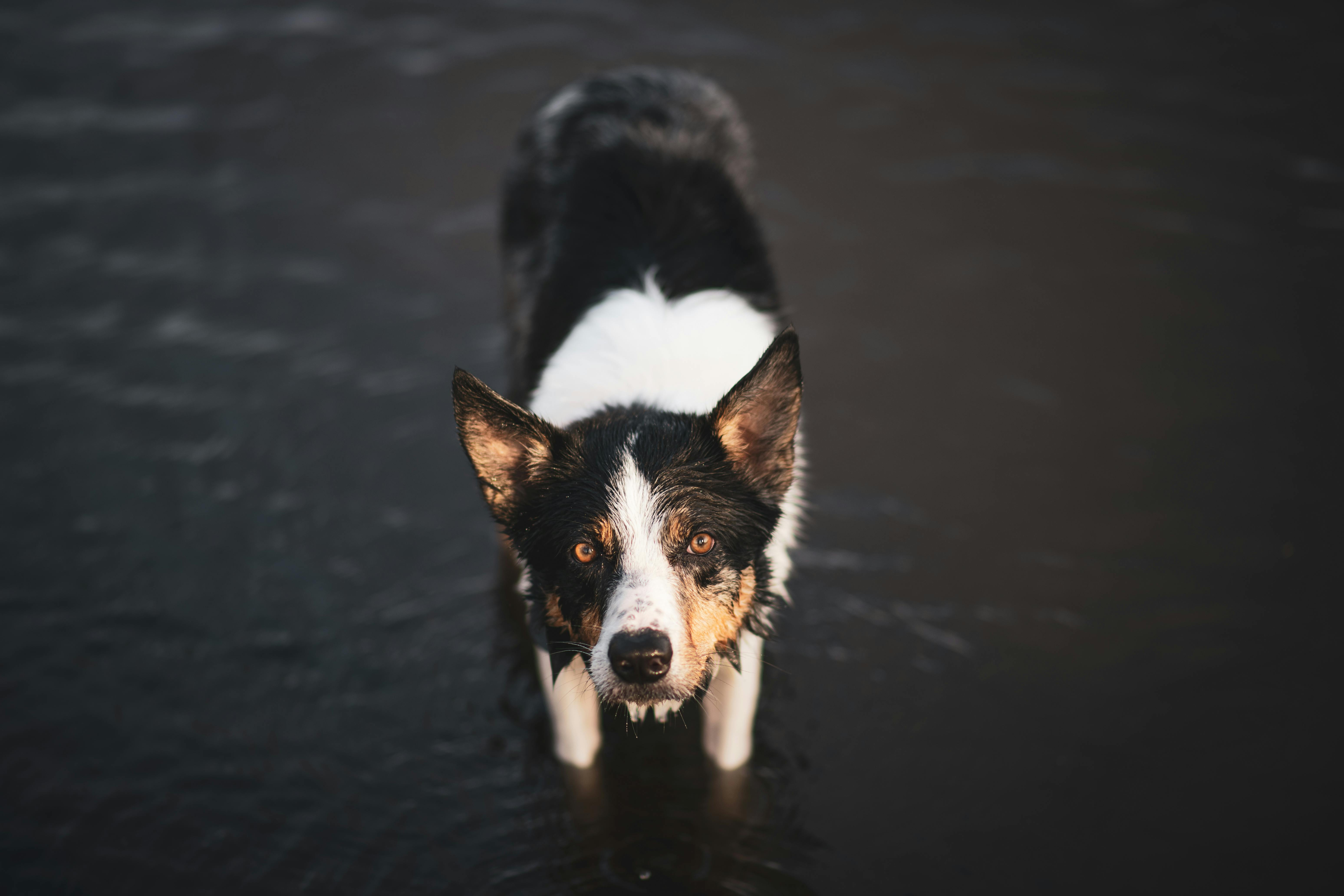
Wet noses are one of the most charming features of our furry friends. Ever wonder why dogs have wet noses? It’s a question that many pet owners have pondered over the years. Wet noses are not just for show; they play an important role in dog behavior and communication. In this article, we will explore the fascinating truth behind those moist snouts and what they might be trying to tell us.
Understanding the Science Behind Wet Noses
Dogs have wet noses because of their unique physiology. The moisture helps them to better absorb scent particles in the air. Here’s how it works:
- Scent Detection: A dog’s sense of smell is far superior to that of humans. Their noses have a specialized structure called the Jacobsen’s organ, which helps them detect pheromones and other scents.
- Temperature Regulation: Wet noses also help to cool down dogs. Like humans sweat, dogs use their noses to regulate their body temperature. This is especially important during hot weather.
- Health Indicator: A wet nose can also indicate a dog’s health status. A healthy dog usually has a cool, moist nose, while a dry nose can be a sign of dehydration or illness.
Why Do Dogs Have Wet Noses?
There are several reasons why dogs have wet noses. Here’s a quick breakdown:
- Natural Instinct: In the wild, wet noses help dogs track prey. The moisture enhances their olfactory abilities, allowing them to find food more effectively.
- Social Interaction: Dogs often greet each other and humans by sniffing. A wet nose can signal excitement and friendliness. It’s a way for them to gather information about their surroundings and the beings in it.
- Grooming Behavior: Dogs often lick their noses to keep them clean and moist. This is a natural grooming behavior that helps maintain their sensory abilities.
The Role of Wet Noses in Dog Behavior
Wet noses serve as a communication tool. Here’s how:
- Greeting Rituals: When a dog approaches you with a wet nose, it’s often a sign of affection. They are saying, “I’m happy to see you!”
- Reading Emotions: A wet nose can also indicate a dog’s mood. For instance, an excited dog may have a more pronounced wet nose compared to a dog that is feeling anxious or scared.
- Exploring Environment: Dogs use their noses to explore their environment. A wet nose can help them gather more information about what’s around them, making them feel safer and more comfortable.
Fun Facts About Dog Noses
Here are some interesting tidbits about dog noses that you might not know:
- Dogs have approximately 300 million smell receptors, compared to a human’s mere 5 million.
- The color of a dog’s nose can vary widely between breeds, and it can even change with age.
- Dogs with darker noses tend to have a stronger sense of smell than those with lighter noses.
Keeping Your Dog’s Nose Healthy
Maintaining your dog’s nasal health is important. Here are some tips:
- Hydration: Always make sure that your dog has access to fresh water. Dehydration can lead to a dry nose.
- Regular Vet Check-ups: Keep up with regular veterinary visits to ensure that your pup’s nose is healthy and check for any signs of illness.
- Watch for Changes: If you notice a sudden change in your dog’s nose—like it becoming excessively dry or cracked—it could indicate a health issue that needs attention.
Conclusion
In summary, wet noses are much more than just cute; they play a critical role in how dogs interact with the world. From enhancing their sense of smell to communicating their feelings, a dog’s wet nose is a fascinating aspect of their anatomy. Understanding this can help strengthen the bond between you and your canine companion. So next time you see that moist nose coming your way, remember that it’s not just a charming feature—it’s a window into your dog’s mind!
Why Is My Dog’s Nose Dry? Understanding the Importance of Moisture in Canines
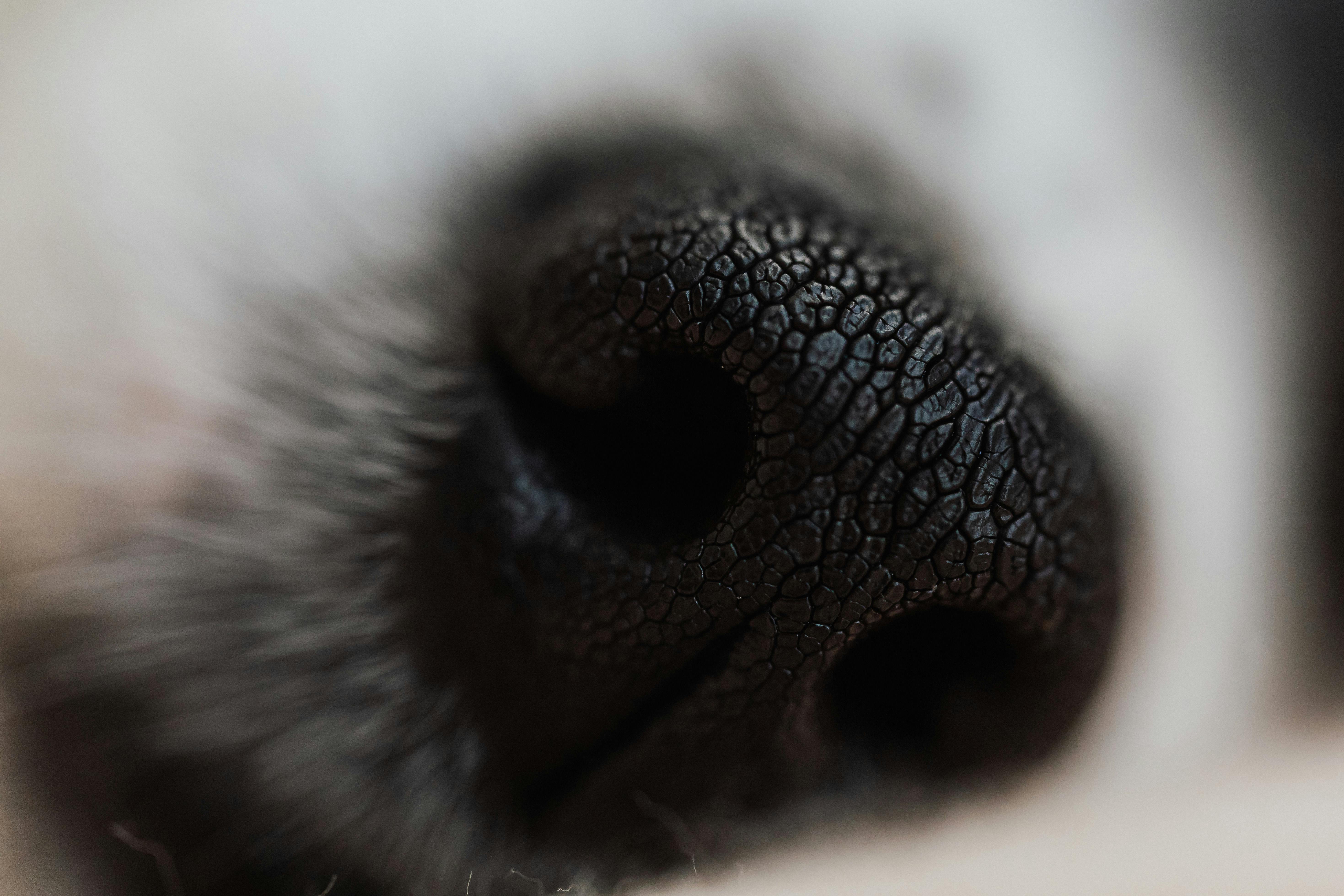
When you notice your dog’s nose is dry, it can make any pet owner worried. You might be asking yourself, “Why is my dog’s nose dry?” or “Is my pup sick?” It’s a common question that many dog owners face, and understanding the role a moist nose plays in canine health can help ease your mind. Let’s explore why dogs typically have wet noses and what it means when they don’t.
Why Do Dogs Have Wet Noses?
First of all, dogs noses are wet for a reason. A moist nose helps dogs to sense the world around them better. Dogs have a great sense of smell, and their wet noses enhance their ability to pick up scents. This is because the moisture captures scent particles from the air, which then stimulate the olfactory receptors in their noses. Here’s a few facts about why wet noses are important:
- Enhanced Scent Detection: The moisture helps to absorb scent particles, making it easier for dogs to detect smells.
- Temperature Regulation: A wet nose helps to cool down a dog’s body temperature, especially during hot weather.
- Health Indicator: A moist nose is often seen as a sign of good health, though it’s not the only indicator of a dog’s condition.
What Causes a Dry Nose in Dogs?
A dry nose can be caused by various factors, and not all of them are alarming. Here’s a list of some common causes:
- Dehydration: If a dog is not drinking enough water, their nose may become dry.
- Environmental Factors: Hot weather, low humidity, or exposure to heating can cause dryness.
- Health Issues: Certain health conditions, such as fever or allergies, might lead to a dry nose.
- Age: Older dogs may naturally have drier noses due to changes in skin elasticity and moisture retention.
- Medication Side Effects: Some medications can cause a decrease in moisture levels.
Comparing Wet vs. Dry Noses: What’s Normal?
It’s important to understand that a dog’s nose can fluctuate between wet and dry throughout the day. Here’s a simple table to help you compare:
| Condition | Wet Nose | Dry Nose |
|---|---|---|
| Health Indicator | Generally healthy | May indicate issues |
| Temperature | Cooler and moist | Warmer and drier |
| Scent Detection | Enhanced scent capabilities | Reduced scent detection |
| Common Causes | Normal behavior | Dehydration, environment, etc. |
Signs to Watch For
If your dog’s nose is dry, it’s not always a cause for concern. However, you should observe for other signs that may indicate a problem:
- Behavior Changes: If your dog is lethargic or seems less playful than usual.
- Loss of Appetite: Not wanting to eat could signal health issues.
- Vomiting or Diarrhea: These can lead to dehydration.
- Coughing or Sneezing: This may indicate allergies or respiratory problems.
When to Consult a Veterinarian
If you notice a dry nose alongside other symptoms, it may be time to visit your vet. Here’s when to consider seeking professional help:
- The dry nose persists for more than a day or two.
- Accompanying symptoms like fever, vomiting, or diarrhea.
- Changes in your dog’s energy levels or appetite.
- If you see cracks or sores on the nose.
Keeping Your Dog Hydrated
One of the simplest ways to help keep your dog’s nose moist is to ensure they stay hydrated. Here’s some tips to promote hydration:
- Fresh Water: Always have clean, fresh water available for your dog.
- Wet Food: Consider incorporating wet food into their diet.
- Cool Environment: Keep your dog in shaded, cool areas during hot weather.
- Regular Vet Check-ups: Regular visits to the vet can help catch any potential issues early.
Recognizing the nuances of your dog’s nose can be quite fascinating. It’s not just a cute feature; it plays a crucial role in their health and well-being. Understanding why their nose is dry or wet helps you be a more informed pet parent. So, next time you’re wondering, “Why is my dog’s nose dry?” remember that it can be perfectly normal, but stay attentive to other signs to ensure your furry friend stays happy and healthy.
Conclusion
In conclusion, the wet noses of dogs serve multiple vital purposes that contribute to their overall health and well-being. The moisture on their noses plays a crucial role in enhancing their sense of smell, allowing them to pick up scents more effectively, which is essential for their communication and interaction with the world around them. Additionally, a wet nose helps regulate body temperature and provides a barrier against environmental elements. While the reasons behind this unique feature are fascinating, it’s also important to monitor your dog’s nose for any significant changes, as they can indicate health issues. So, next time you greet your furry friend, take a moment to appreciate the science behind that wet nose! If you’re a dog owner, ensure you keep your pet healthy and happy by staying informed and attentive to their needs.
