
Have you ever wondered, why do dogs have wet noses? This intriguing question sparks curiosity among pet owners and animal lovers alike. Dogs’ noses are not just adorable features; they serve fascinating purposes that contribute to their health and behavior. A wet dog nose is not only a sign of your furry friend’s well-being, but it also plays a crucial role in enhancing their sense of smell. But what exactly causes this moisture? Many people think it’s simply because they lick their noses, but there’s more to it! In fact, a dog’s nose can tell you a lot about their emotions and physical state. For instance, have you noticed that a dog’s nose feels cooler and wetter when they are excited or anxious? This phenomenon is linked to their unique physiology. In this article, we will explore the scientific reasons behind wet noses, and why they are so essential to your dog’s life. So, are you ready to dive into the fascinating world of canine anatomy and discover the secrets behind those charmingly damp snouts? Keep reading to uncover the mysteries of your dog’s wet nose!
Unveiling the Mystery: Why Do Dogs Have Wet Noses? The Science Behind This Common Trait

Dogs are often seen with their wet noses, and many people wonder about this peculiar characteristic. Why do dogs have wet noses? It’s a fascinating question that dives into the science behind why our furry friends possess this common trait. Understanding the reasons can give us insight into dog behavior and health, plus it makes for an interesting conversation at the dog park!
The Science Behind Wet Noses
Firstly, let’s talk about the biology. A dog’s nose is covered in a thin layer of moisture, and this is not just for show! The moisture on a dog’s nose helps in several ways:
- Enhanced Sense of Smell: Dogs have an extraordinary sense of smell, which is about 10,000 to 100,000 times more sensitive than humans. A wet nose helps to trap scent particles, which allows the dog to gather more information from the environment.
- Thermoregulation: Dogs also use their noses to help regulate body temperature. The moisture evaporates and cools the blood vessels in the nose, assisting in keeping the dog cool.
- Health Indicator: A wet nose is often seen as a sign of a healthy dog. However, it’s not always the case. A dry or excessively wet nose can indicate health issues, and pet owners should take note of any changes.
Evolutionary Perspective
Historically, dogs, which are descendants of wolves, developed wet noses as a survival mechanism. The wetness helped them in hunting and navigating their surroundings. The ability to smell food, detect predators, and track scents was crucial for survival in the wild.
Moreover, different dog breeds have varying degrees of nose wetness, influenced by their evolutionary background. For instance, bloodhounds have more pronounced wet noses, aiding in their exceptional tracking abilities.
Common Misconceptions
There’s several myths surrounding wet noses that are worth mentioning:
- All wet noses mean healthy dogs: While a moist nose is often a good sign, it’s not definitive. Illness can sometimes occur without any visible signs.
- Dogs lick their noses to keep them wet: Dogs don’t consciously lick their noses to maintain moisture. It’s often a natural process that occurs when they are active or exploring.
- Nose color doesn’t matter: The color of a dog’s nose can vary widely among breeds, but it doesn’t directly correlate with health or ability.
Factors Affecting Nose Moisture
Many factors can influence how wet or dry a dog’s nose is:
- Weather Conditions: In dry or hot weather, a dog’s nose may dry out. Conversely, in humid conditions, noses may be more moist.
- Activity Level: After running or playing, a dog’s nose might become drier due to the increase in activity.
- Health Status: As mentioned earlier, changes in moisture can indicate health issues, such as fever or dehydration.
Comparing Dog Breeds
Different dog breeds exhibit varying characteristics when it comes to their noses. Here’s a quick comparison of a few breeds:
| Breed | Nose Type | Functionality |
|---|---|---|
| Bloodhound | Very wet | Excellent for tracking scents |
| Pug | Waxy, moist | Easier breathing, short snout |
| Siberian Husky | Moderate wet | Adapted for cold climates |
| Chihuahua | Dry sometimes | Small size, less moisture needed |
| Great Dane | Large, wet | Good sense of smell, tracking abilities |
Practical Tips for Pet Owners
As a dog owner, you might want to take note of your pup’s nose and its changes. Here’s a list of simple tips:
- Regular Checks: Monitor your dog’s nose regularly. Look for changes in texture and moisture.
- Hydration: Ensure your dog has access to fresh water, especially in warm weather.
- Veterinary Visits: If you notice persistent changes in nose moisture or any other symptoms, visit your vet for a check-up.
- Grooming: Keep your dog well-groomed, as this can affect their overall health and comfort, including their snout.
In summary, the wet nose of a dog is not just an adorable trait. There’s a lot of science and history behind it that contributes to a dog’s overall health and function. Understanding why do dogs have wet noses can deepen your bond with your pet and help you ensure they’re happy and healthy. The next time you pet your dog and feel that wet nose, you’ll know just how fascinating it really is!
7 Fascinating Reasons Your Dog’s Nose is Always Damp: More Than Just a Quirk!

Dogs, those lovable companions, often have wet noses that intrigues many. You may have wondered yourself, “Why do dogs have wet noses?” It’s a fascinating question, and the answer is more complex than just a quirky feature of our furry friends. Here we explore 7 compelling reasons why your dog’s nose is always damp, shedding light on this unique trait.
1. Natural Cooling System
One of the main reasons why dogs have wet noses is due to thermoregulation. Dogs don’t sweat like humans do; instead, they cool off through their noses. When the nose is moist, it helps to dissipate heat. This moisture evaporates and helps to lower their body temperature. So, next time you see your pup with a damp snout, remember they might just be trying to cool off after a play session!
2. Enhanced Sense of Smell
A wet nose is actually beneficial for a dog’s keen sense of smell. The moisture on their noses helps to capture scent particles from the air, which enhances their ability to detect different smells. Dogs have a sense of smell that is 10,000 to 100,000 times more sensitive than humans. It’s like having a superpower! The dampness in their noses is a great tool for tracking scents and discovering the world.
3. Health Indicator
The condition of a dog’s nose can be an indicator of their health. A wet and cool nose usually signifies that your dog is healthy and happy. On the flip side, if a dog’s nose is dry or hot, it might be a sign of dehydration or illness. It’s not a hard rule, but paying attention to your dog’s nose can give you insights into their overall well-being.
4. Communication Tool
Dogs use their noses not just for smelling but also for communication. A wet nose can signal a variety of emotions. When they nuzzle or nudge you with their damp snout, it’s often a sign of affection or a request for attention. Dogs are social creatures, and their noses play a key role in how they interact with both humans and other animals.
5. Behavior and Play
During playtime, dogs often lick their noses, which keeps them moist. This behavior can be seen when they are excited or anxious, as a wet nose helps them to manage their emotions. Dogs are known to express themselves through body language, and their noses are no exception. A playful pup might have a perpetually damp nose as they dart around, enjoying every moment.
6. Environmental Influence
The environment plays a significant role in the moisture level of a dog’s nose. Humidity, temperature, and even the materials they are around can affect how wet their noses are. For instance, a dog spending time outside on a warm day might have a drier nose, while a cool, damp day could leave their nose feeling particularly moist. It’s interesting how nature interacts with our four-legged friends, isn’t it?
7. Species Variation
Different dog breeds may also have variations in how moist their noses are. Some breeds are known to have wetter noses than others. For example, hounds and working dogs often have more moisture on their noses compared to toy breeds. This can be due to their activity levels, environment, or even genetics. Learning about your dog’s breed can give you more insight into their unique characteristics.
Summary of Reasons Why Dogs Have Wet Noses
- Cooling System: Helps regulate body temperature.
- Enhanced Smell: Traps scent particles for better detection.
- Health Indicator: Wet nose usually means a healthy dog.
- Communication Tool: Signals emotions and requests for attention.
- Behavior and Play: Moist noses during excitement or anxiety.
- Environmental Influence: Affected by humidity and temperature.
- Species Variation: Different breeds have different moisture levels.
In essence, the dampness of your dog’s nose is more than just a quirk; it serves multiple purposes that are crucial for their health and daily functioning. So the next time you feel your dog’s wet nose, remember all the fascinating reasons behind it! Embrace the little quirks that make our pets unique, and appreciate the science behind their adorable features. Understanding your dog better can deepen the bond between you and your furry friend.
How a Wet Nose Affects Your Dog’s Sense of Smell: Understanding Canine Biology
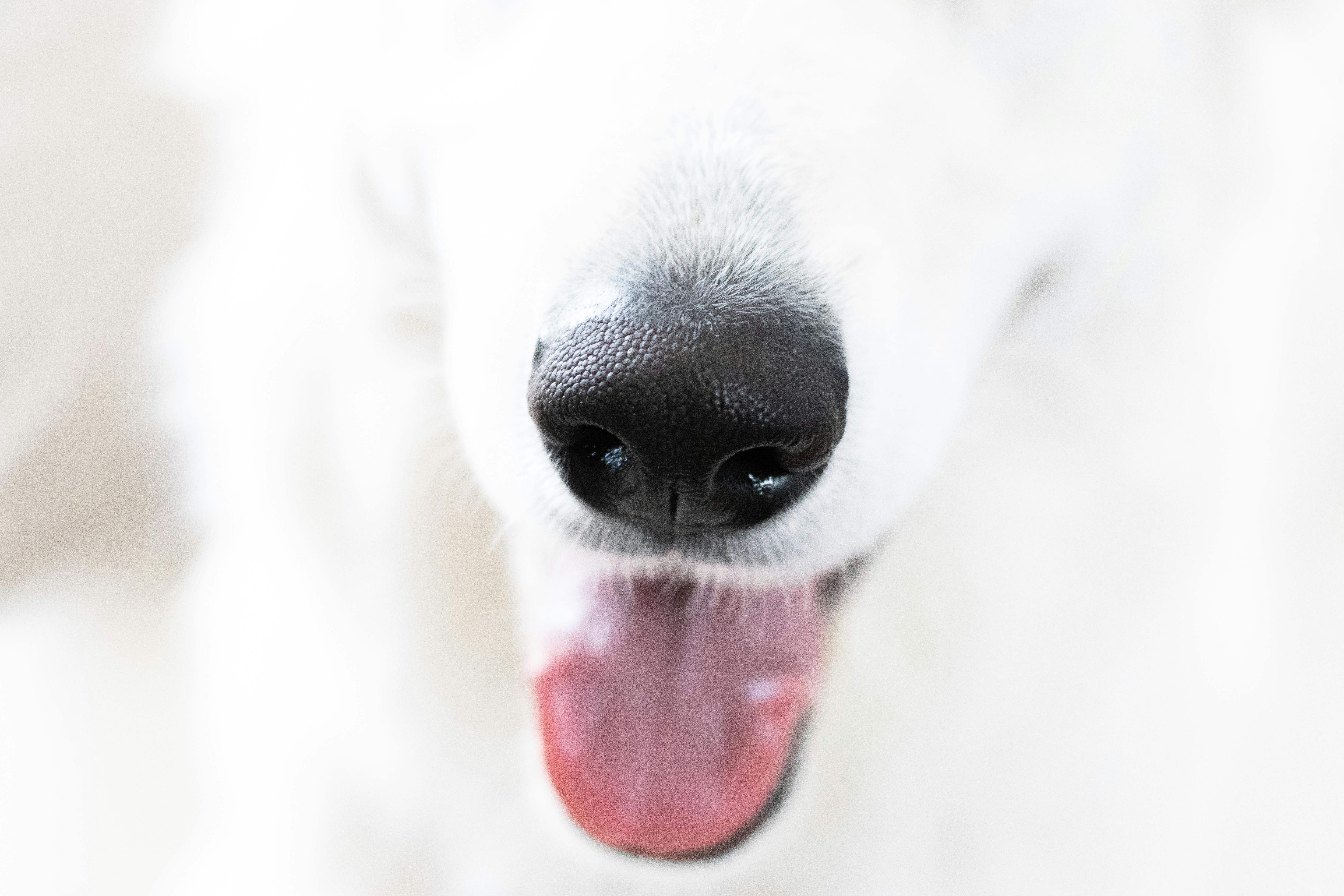
Dogs are known for their incredible sense of smell, which is way more powerful than a humans. But what role does their wet nose play in this? Have you ever wonder why do dogs have wet noses? It’s actually pretty fascinating and has a lot to do with their biology and how they interact with the world around them. Let’s dive into the science behind those adorable, moist noses and discover how it affects their sense of smell.
The Biology of a Dog’s Nose
A dog’s nose is a complex organ that helps them sniff out everything from food to danger. Here’s some cool facts about their noses:
- Olfactory receptors: Dogs have around 300 million olfactory receptors compared to about 6 million in humans. This means they can smell things that are undetectable to us.
- Jacobsen’s organ: Known as the vomeronasal organ, it’s located in the nasal cavity and helps dogs detect pheromones — chemical signals that carry information about other animals.
- Nasal structure: The unique structure of a dog’s nose increases the surface area for olfactory receptors, enhancing their smelling capability.
Wet noses are not just cute; they serve essential functions in their smelling prowess.
Why Do Dogs Have Wet Noses?
There are several reasons why dogs’ noses are wet, and each of them plays a role in their sense of smell. Here are some reasons:
Temperature regulation: A wet nose helps dogs cool off. Dogs don’t sweat like humans, so they rely on their noses to help regulate their body temperature.
Increased smell sensitivity: Moisture on the nose helps to dissolve scent particles, making it easier for olfactory receptors to detect smells. This is like how some people find it easier to taste food when it’s moist.
Health indicator: A dog’s nose can be a sign of their health. A wet, cool nose usually indicates a healthy dog, while a dry, warm nose might suggest something is off.
Scent retention: The wetness of a dog’s nose helps them retain scents longer. This means they can gather more information about their environment, which is essential for hunting, tracking, and even social interaction.
How Wet Noses Aid in Smelling
Have you ever noticed how dogs sniff around when they meet someone new? That’s not just being social; it’s their way of gathering information. Here’s how their wet noses help:
- Enhanced detection: When a dog sniffs, the moisture helps capture odor molecules, allowing them to detect even the faintest scents.
- Scent layering: Dogs can layer different scents, thanks to their wet noses. This lets them identify multiple smells at once, which is critical for tracking.
- Quick response: A wet nose can pick up on changes in scents quicker, which is vital when a dog is in a situation that requires immediate reaction, like detecting danger.
Historical Context and Evolution
Dogs have evolved from wolves, and their sense of smell has been honed over thousands of years. Here’s a brief history of how their noses became so adept at smelling:
- Hunting: Early domesticated dogs were used for hunting, requiring a keen sense of smell to track prey. Wet noses helped them excel in this role.
- Companionship: As dogs became more of a household pet, their sense of smell adapted to help them understand human emotions and needs.
Fun Facts About Dogs’ Noses
Here are some interesting tidbits about dog noses that might surprise you:
- Nose prints: Just like human fingerprints, every dog’s nose print is unique. This can be used for identification.
- Color variations: The color of a dog’s nose can vary widely, and it doesn’t affect their ability to smell.
- Nasal cavities: Dogs have up to 300 million olfactory receptors, while humans only have about 5 million.
Practical Tips for Dog Owners
If you’re a dog owner, it’s essential to keep your furry friend’s nose healthy. Here are some handy tips:
- Hydration: Ensure your dog is well-hydrated to keep their nose moist.
- Check for dryness: If your dog’s nose is consistently dry or cracked, it might be worth a vet visit.
- Avoid harsh chemicals: If you’re cleaning around your home, be mindful of the products you use, as they can irritate your dog’s sensitive nose.
Understanding why do dogs have wet noses and how it affects their sense of smell can help you appreciate your canine companion more. Their ability to smell is not just a party trick; it plays a vital role in their daily life and wellbeing. So next time you cuddle with your pup, remember that their wet nose is more than just a cute feature — it’s a powerful tool that helps them navigate the world around them.
Is Your Dog’s Wet Nose a Sign of Health? Exploring the Link Between Moisture and Well-Being

Dogs have been our loyal companions for thousands of years, and their unique characteristics often spark curiosity. One of the most common features of our furry friends is their wet noses. Many dog owners wonder, “Is your dog’s wet nose a sign of health?” or “Why do dogs have wet noses?” Let’s dive into these questions and explore the intriguing reasons behind this fascinating phenomenon.
The Science Behind a Wet Nose
A wet nose is not just a cute characteristic; it plays a significant role in a dog’s health and well-being. The moisture on a dog’s nose is largely due to sweat glands and the dog’s natural behavior to keep it moist. When dogs sniff around, they pick up scents more efficiently because the moisture helps trap scent particles. Research shows that dogs have an incredible sense of smell, which is estimated to be between 10,000 to 100,000 times more sensitive than humans.
Here’s a breakdown of why dogs’ noses tend to be wet:
Sweat Glands: Dogs don’t sweat like humans do. They have sweat glands primarily in their paw pads. Most of the moisture on their noses comes from their saliva or the environment.
Temperature Regulation: A wet nose helps dogs regulate their body temperature. When they pant, the saliva on their nose evaporates, which can cool them down.
Scent Detection: A moist surface is better for absorbing scent particles. This is why dogs often lick their noses; it enhances their ability to smell.
Health Indicators: Wet vs. Dry Nose
Many dog owners are quick to associate a wet nose with good health, while a dry nose can raise concerns. However, this isn’t always the case. Here are some important points to consider:
Normal Variability: Just like humans can have varying body temperatures, a dog’s nose can be wet or dry without indicating illness. Factors like the weather, activity level, and even the time of day can influence nose moisture.
Signs of Illness: It is important to note that an excessively dry nose, especially if it’s cracked or peeling, could signal dehydration, fever, or other health issues. Keep an eye out for additional symptoms like lethargy, lack of appetite, or vomiting.
Consult Your Vet: If you’re unsure about your dog’s nose condition, or if there are sudden changes, it’s best to consult with a veterinarian. They can provide the most accurate assessment of your dog’s health.
Fun Facts About Dog Noses
Dogs have some of the most interesting noses in the animal kingdom. Here are some fun facts that might surprise you:
Unique Patterns: Just like human fingerprints, each dog’s nose has a unique pattern of ridges and creases.
Temperature Sensitivity: A dog’s nose can detect changes in temperature, which can help them sense the environment better.
Nosework: Many dog breeds excel in nosework activities, where they can be trained to identify scents, like drugs or explosives, due to their keen sense of smell.
Comparing Nose Conditions: Wet vs. Dry
| Condition | Wet Nose | Dry Nose |
|---|---|---|
| Typical Causes | Normal behavior, Environment | Dehydration, Illness |
| Health Indicator | Often a sign of good health | May indicate health issues |
| Normality | Varies with activity, weather | Can vary but should be monitored |
| Additional Signs | Playfulness, Active behavior | Lethargy, Loss of appetite |
Practical Tips for Dog Owners
If you’re a dog owner, you might want to keep an eye on your pet’s nose. Here are some practical tips:
Hydration: Always ensure your dog has access to fresh water. Dehydration can lead to a dry nose.
Regular Vet Check-ups: Regular veterinary visits can help catch any health issues early, including those that may affect nose moisture.
Observe Behavior: Take note of any changes in your dog’s behavior, eating habits, or energy levels. These can be more telling than just the state of their nose.
Environmental Factors: Be mindful of your dog’s environment. Hot weather can lead to a dry nose, so consider providing shade and water when outdoors.
Understanding your dog’s wet nose is just one aspect of being a responsible pet owner. While a wet nose often indicates hydration and health, it’s crucial to consider the overall behavior and condition of your furry friend. Whether your dog’s nose is wet or dry, keeping an eye on their health and well-being is the best way to ensure they live a happy, healthy life beside you.
The Role of Temperature Regulation: Why Dogs Use Their Wet Noses to Stay Cool

Dogs are amazing creatures. They have this unique way of being both loyal companions and fascinating animals. One of the most interesting aspects of dogs is their wet noses. You might have asked yourself, why do dogs have wet noses? Well, the answer is not just about cuteness. Their noses actually play a crucial role in temperature regulation and overall health.
The Function of a Dog’s Nose
A wet nose is not just a quirk of being a dog. It serves several important functions. Here’s a quick look at what a dog’s nose does:
- Temperature Regulation: Dogs don’t sweat like humans do. Instead, they rely on their noses to help cool down. The moisture on their nose evaporates, which helps to lower their body temperature.
- Enhanced Smell: A wet nose helps to capture scent particles in the air. This makes a dog’s sense of smell even more powerful. Wetness allows these particles to stick, improve their ability to detect smells.
- Health Indicator: A dog’s nose can indicate health. A normal, wet nose often means a dog is healthy, while a dry or cracked nose can signal dehydration or illness.
The Science Behind Wet Noses
You might be wondering how exactly the wetness of a dog’s nose helps with cooling. Dogs sweat very little. They mainly lose heat through panting, but their noses also play a part. When moisture evaporates from the nose, it cools the blood vessels underneath. This keeps their body temperature regulated, especially on warm days or after physical activity.
Historical Context and Evolution
Historically, dogs evolved from wolves, which had to adapt to various environments. A wet nose might have helped early canines in hunting by allowing them to smell prey more effectively. Over generations, dogs developed this trait, which has become one of many distinguishing features of the species.
Why Are Some Noses Wetter Than Others?
Not all dogs have the same level of nose wetness. Several factors influence this:
- Breed Differences: Some breeds, like Beagles and Bloodhounds, are known for having wetter noses compared to breeds like Bulldogs, who may have drier noses.
- Environmental Conditions: Dogs living in hot, humid climates may have wetter noses than those in dry areas.
- Health Status: When a dog is sick, their nose may become dry. If you notice a significant change, it may be time to consult a veterinarian.
Common Myths About Dog Noses
There are many myths surrounding the wetness of a dog’s nose. Here’s a list of the most common ones:
Myth: A cold nose means a dog is sick.
- Fact: A dog can have a cold nose and still be perfectly healthy. Temperature can vary throughout the day.
Myth: A dry nose always indicates dehydration.
- Fact: A dog’s nose can be dry for many reasons, including sleep or environmental factors.
Myth: All dogs have wet noses.
- Fact: While most dogs have wet noses, some breeds may naturally have drier noses.
Practical Examples of Nose Care
Taking care of your dog’s nose is essential. Here are some tips:
- Hydration: Ensure your dog has access to clean water at all times. This helps maintain a moist nose.
- Regular Check-ups: Visit the vet regularly. They can assess your dog’s overall health, including their nose.
- Avoid Irritants: Keep your dog away from harsh chemicals or extreme weather that may dry out their nose.
Final Thoughts
Understanding why dogs have wet noses can help you appreciate your furry friend even more. These moist noses are not just adorable; they serve important purposes in temperature regulation, health monitoring, and enhancing their incredible sense of smell. By caring for your dog’s nose and being aware of its condition, you contribute to their overall well-being. So, next time you give your dog a pat on the head, take a moment to admire that wet nose and all the fascinating roles it plays in their life.
Curious Canines: How Dogs’ Wet Noses Enhance Their Communication Skills
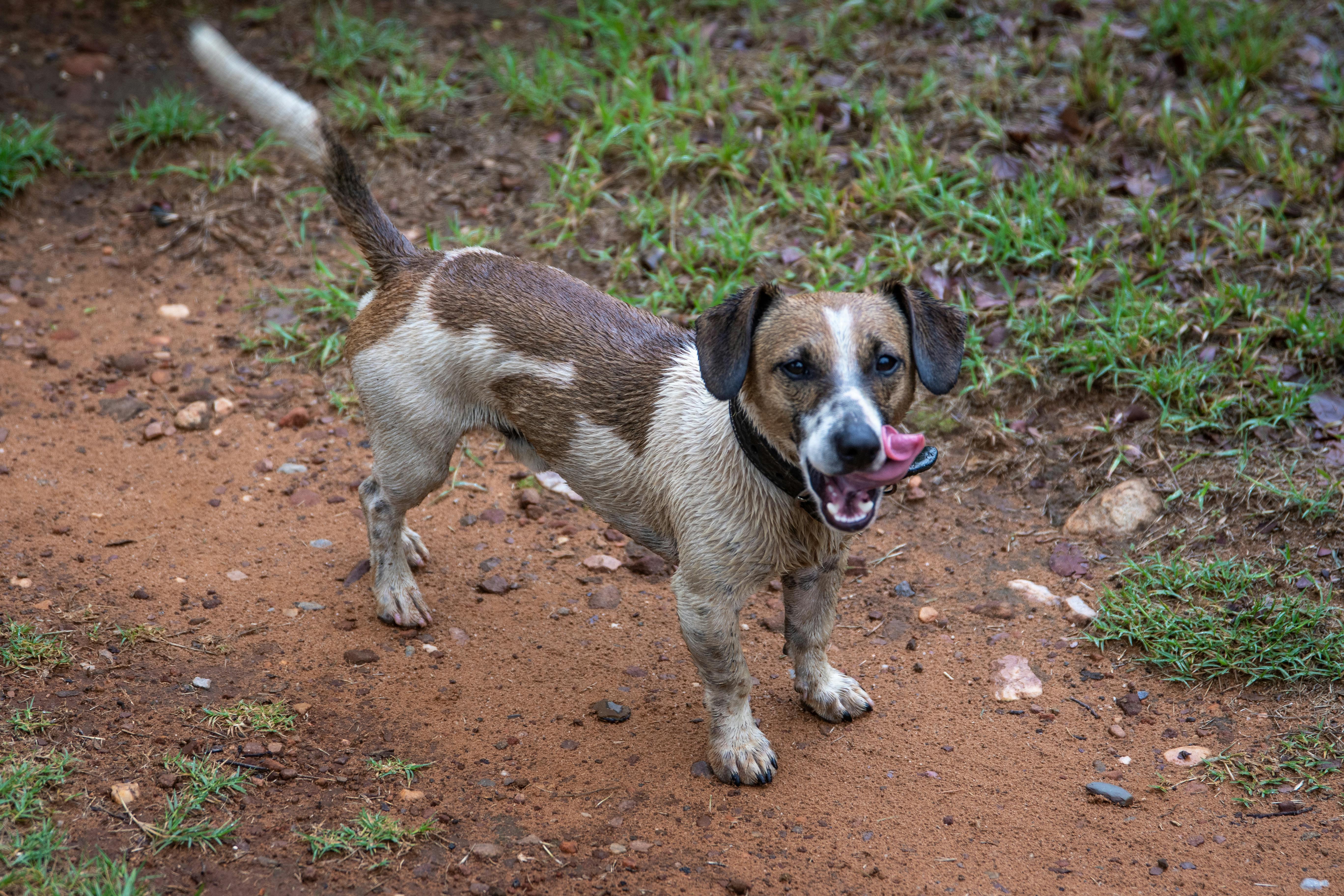
Dogs are often considered man’s best friend, and their wet noses are one of the most endearing traits that they have. But have you ever wondered why do dogs have wet noses? This peculiar feature is not just for show; it serves several important purposes that enhances their communication skills and overall well-being. Curious canines, as we might call them, have a lot more going on than we might think. Let’s dive into the fascinating reasons behind those wet noses!
The Science Behind Wet Noses
A dog’s nose is typically moist due to a combination of sweat glands and the natural secretion of mucus. This moisture is vital for several reasons:
- Scent Detection: Wet noses help to absorb scent particles. The moisture allows olfactory receptors to pick up smells more effectively. This is why dogs are so good at tracking scents; their noses can detect a wide range of odors, which is essential for their communication and survival.
- Thermoregulation: Dogs don’t sweat like humans do. Instead, they cool themselves down through their noses and panting. A wet nose can help regulate their body temperature, which is particularly important in hot weather.
- Health Indicators: The state of a dog’s nose can indicate health. A warm, dry nose might signal fever, while a cool, wet nose is often a sign of a healthy pup.
Historical Context: Evolving Communication
Historically, dogs have been domesticated for thousands of years, serving various roles from hunting companions to herders. During this time, their communication skills evolved, and the wet nose played a crucial role in that.
- Pack Communication: In a pack, dogs communicate with each other using body language, vocalizations, and, of course, scent. A wet nose enhances their ability to convey messages through scent markings, which they do by sniffing and licking.
- Human Interaction: Over the years, dogs have also learned to communicate with humans using their noses. When they nuzzle or poke with their wet noses, they might be trying to convey affection, seek attention, or even ask for food!
Why Do Dogs Have Wet Noses? Here are some key points:
- Increased Sensory Capability: Dogs can detect certain smells at concentrations nearly 100 million times lower than humans. Their wet noses are crucial for this heightened sense of smell.
- Social Interaction: Dogs often greet each other and humans by sniffing. The wetness of their nose plays an important role in gathering information about the other party.
- Health Monitoring: A dog’s nose changes throughout the day. It can give insights into their hydration level and general health.
Practical Examples of Communication Through Wet Noses
Dogs utilize their noses in various ways to communicate. Here are few examples:
- Greeting: When a dog meets another dog or a human, sniffing is a common way to say “hello.” Dogs often engage in mutual sniffing, which can last for several moments.
- Seeking Attention: If a dog nudges you with their wet nose, it might be their way of saying, “Pay attention to me!” This behavior can be especially prevalent during playtime or when they want to go outside.
- Emotional Support: Many dogs use their noses to comfort their owners. A gentle nudge or a head resting on your lap can be their way of providing emotional support.
Fun Facts About Dogs’ Wet Noses
- Did you know that different breeds have varying nose shapes? Some breeds like Bloodhounds have much larger noses, which can enhance their scent capabilities even further!
- A dog’s nose print is unique, just like a human fingerprint. It could theoretically be used for identification!
- Puppies are born with dry noses; it only becomes wet as they grow older and their olfactory system develops.
The Importance of Nose Care
Taking care of your dog’s nose is also essential. Here are some tips:
- Keep it Clean: Regularly wipe your dog’s nose with a damp cloth to remove any dirt or irritants.
- Monitor for Changes: Pay attention to any drastic changes in moisture or color, as these could indicate health issues.
- Hydration: Ensure your dog is well-hydrated, as dehydration can lead to a dry nose.
In summary, the wet nose is much more than just an adorable trait. It’s a vital part of how dogs communicate with each other and with us. Understanding the reasons behind why do dogs have wet noses can enhance our appreciation for these incredible companions and their unique ways of interacting with the world. So next time you see your furry friend with that adorable wet nose, remember all the fascinating science and history that comes along with it!
Wet Noses and Bonding: How Your Dog’s Damp Nose Strengthens Your Connection
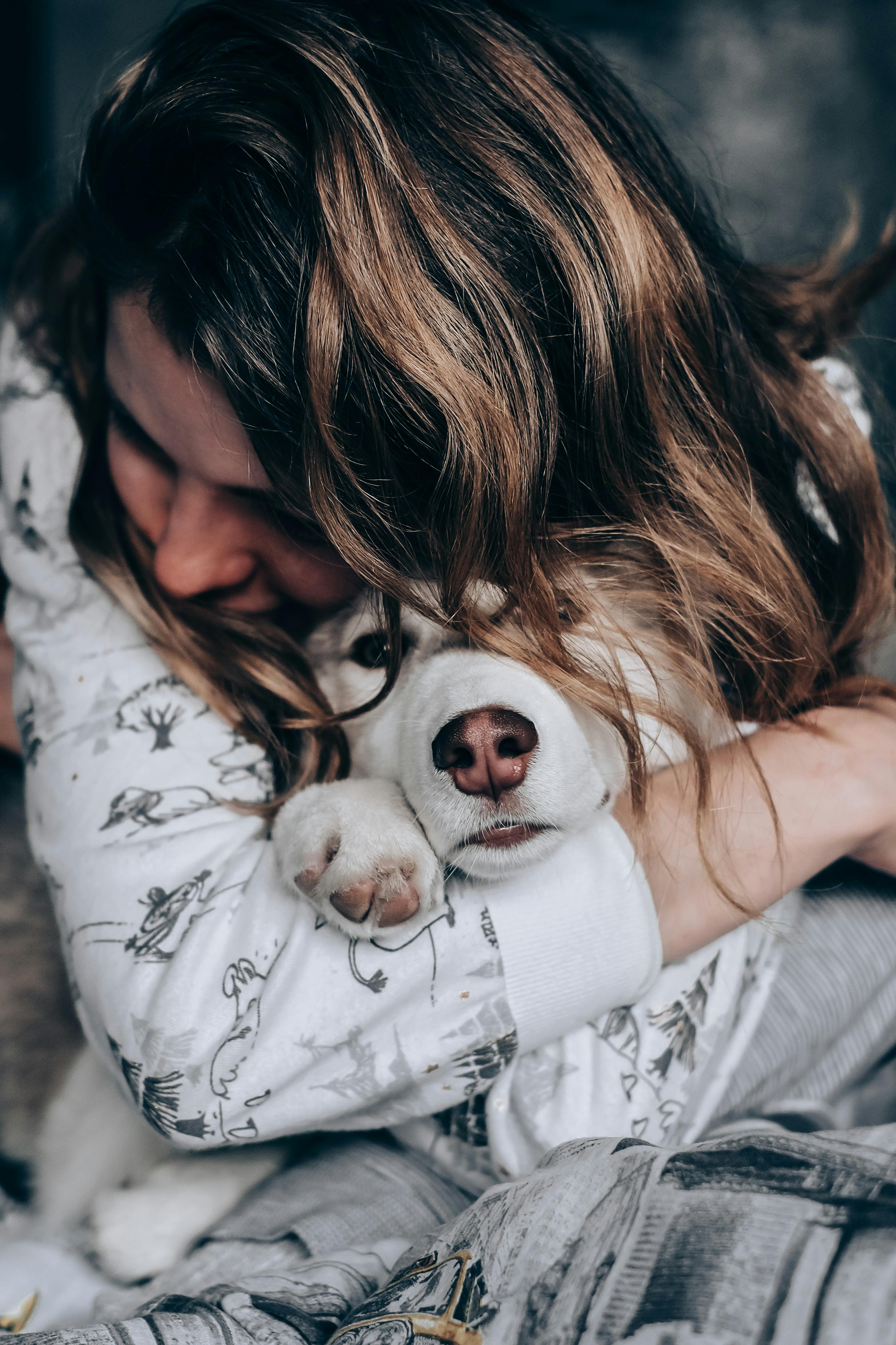
When you think about dogs, one of the first things that comes to mind is their wet noses. They’re not just cute; they serve a purpose! Wet noses are an interesting aspect of canine anatomy that can tell us a lot about our furry friends. In this article, we will explore why dogs have wet noses and how this unique feature can strengthen the bond between you and your pet.
The Science Behind Wet Noses
Dogs noses are usually moist for various reasons, and it’s not just because they like to sniff things! Here are some fascinating facts about dog noses:
- Temperature Regulation: Dogs don’t sweat like humans do. Instead, they cool off through their noses. The moisture on their noses helps to evaporate heat, which helps them regulate their body temperature.
- Enhanced Smell: A dog’s sense of smell is incredible! Wet noses help trap scent molecules, making it easier for dogs to detect different smells in their environment.
- Health Indicator: The moisture level can indicate a dog’s health. If a dog’s nose is unusually dry or cracked, it might signal dehydration or illness.
Why Do Dogs Have Wet Noses?
There are several reasons why dogs have wet noses. Let’s break it down:
- Anatomical Design: Dogs have a unique structure in their noses. The mucus membranes keep their noses moist, aiding in scent detection. This moisture is crucial for their survival instincts.
- Sensory Enhancement: The wetness on the nose helps to absorb scent particles better, enabling dogs to have a strong sense of smell. This is why they are often used in search and rescue missions.
- Behavioral Aspects: A wet nose can also signify a friendly approach. Dogs often nuzzle or wet their noses against their owners to show affection.
The Bonding Experience with Your Dog
Wet noses are not only practical; they can enhance the bond between you and your dog. Here’s how:
- Affection Display: When your dog nudges you with their wet nose, it’s often a sign of affection. This interaction can strengthen your emotional connection.
- Trust Building: Allowing your dog to come close and sniff you is a sign of trust. They’re using their nose to learn about you, creating a deeper bond.
- Playfulness: Dogs often use their noses during playtime. This playful behavior can lead to shared experiences that enhance your relationship.
Fascinating Facts About Dog Noses
Here are some intriguing facts that might surprise you:
- Dogs Have Unique Nose Prints: Just like human fingerprints, every dog has a unique nose print. This can be used for identification.
- Dogs Can Smell Diseases: Research shows dogs can detect certain diseases, such as cancer, through scent.
- Wetness Varies by Breed: Different breeds have varying levels of nose moisture. Some breeds have wetter noses than others due to genetics.
Practical Tips for Nose Health
Keeping your dog’s nose healthy is important. Here are some tips:
- Hydration: Ensure your dog has access to fresh water. Dehydration can lead to a dry nose.
- Nasal Care: If your dog’s nose looks cracked or dry, consider using a vet-approved moisturizer.
- Regular Vet Checkups: Regular checkups can help identify any underlying health issues that may affect your dog’s nose.
Comparing Dog Noses to Human Noses
Here’s a quick comparison between dog noses and human noses:
| Feature | Dog Nose | Human Nose |
|---|---|---|
| Moisture Level | Usually wet | Typically dry |
| Scent Detection | Highly sensitive | Less sensitive |
| Body Temperature Control | Regulates through moisture | Regulates through sweat |
| Unique Prints | Yes | No |
The Importance of Nose Work
Activities involving your dog’s sense of smell can be beneficial for both their mental and physical health. Here are some fun nose work activities you can try:
- Hide and Seek: Hide treats around the house and encourage your dog to sniff them out.
- Scent Games: Use different scents and have your dog identify them.
- Tracking: Take them on a walk where they can sniff out trails and scents.
Building a bond with your dog isn’t just about cuddles and playtime; it’s also about understanding the little things, like their wet noses. These fascinating features are not only essential for your dog’s health but also play a major role in connecting with them on a deeper level. Pay attention to your dog’s wet nose and appreciate the connection it helps create!
Do All Dogs Have Wet Noses? Discover the Variations Among Breeds and Their Implications
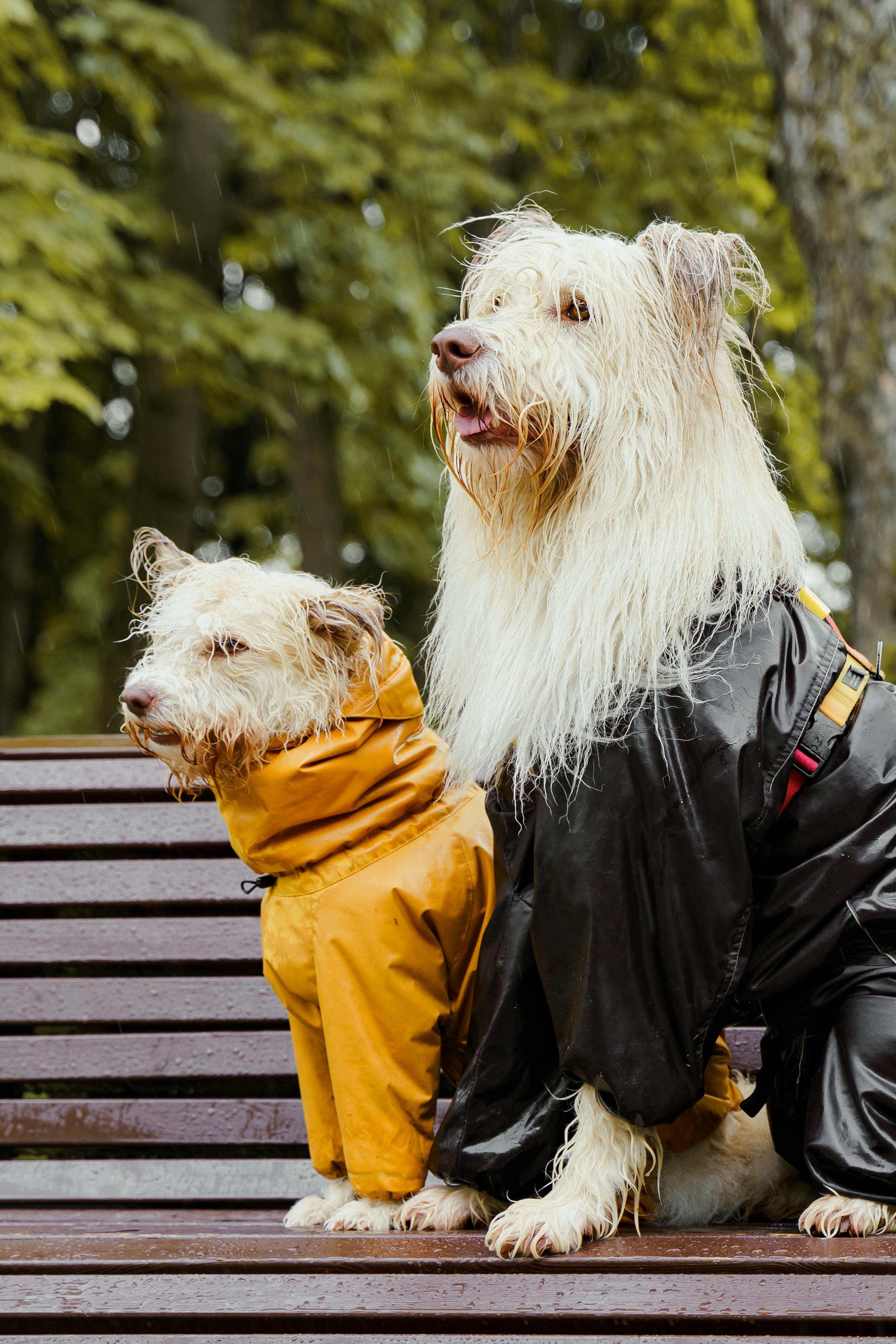
When you think about dogs, one of the first things that probably comes to mind is their wet noses. It’s kinda iconic, right? But do all dogs have wet noses? The answer might surprise you, and it involves a bit more than just simple biology. Each breed can display variations in nose wetness. Let’s dive into why dogs have wet noses, explore the fascinating reasons behind it, and see how this can affect their health and behavior.
Why Do Dogs Have Wet Noses?
Dogs noses are usually wet for a few reasons, the most important one being that it helps them smell better. Did you know that a dog’s sense of smell is around 10,000 to 100,000 times more sensitive than ours? A wet nose helps to trap scent particles, making it easier for them to detect different smells in the environment.
Here are some key reasons why dogs have wet noses:
- Scent Detection: Moisture on their noses helps absorb scent particles.
- Thermoregulation: Dogs can’t sweat like humans do; they primarily regulate body temperature through their noses and panting.
- Health Indicator: A wet nose is often a sign of a healthy dog, while a dry or cracked nose could suggest illness or dehydration.
Do All Dogs Have Wet Noses?
Not all dogs have the same level of nose moisture. Various factors can determine how wet a dog’s nose is, and these can include breed, health, and even the weather. For instance, some breeds are known to have naturally drier noses than others.
Breed Variations and Their Implications
Here’s a quick look at some dog breeds and how their noses can vary:
- Labrador Retrievers: Typically, they have wet noses, which is linked to their playful nature and lots of outdoor activities.
- Bulldogs: Often have a drier nose, which can sometimes be a sign of health issues like allergies.
- Siberian Huskies: Generally have wet noses, but their nose wetness can fluctuate with the weather.
- Poodles: They usually have wet noses, too, which is common among active breeds.
The Impact of Weather on Nose Wetness
The environment plays a big role in how wet a dog’s nose can be. For example:
- Hot Weather: In high temperatures, a dog’s nose might dry out quicker, especially if they are not drinking enough water.
- Cold Weather: Cold air can cause a dog’s nose to become drier, but it might still be moist when they’re active.
Health Considerations Related to Nose Wetness
A dry or cracked nose doesn’t always mean a dog is sick, but it can be a signal to pay attention. Some health issues linked to nose dryness include:
- Dehydration: If a dog isn’t drinking enough, it might show up in their nose.
- Allergies: Seasonal allergies can cause nasal dryness.
- Infections: Fungal or bacterial infections can lead to changes in nose moisture.
How to Maintain a Healthy Nose
You may wonder how to keep your dog’s nose looking and feeling great. Here are some tips:
- Hydration: Always provide fresh water.
- Diet: A balanced diet can improve overall health, including the nose.
- Regular Vet Visits: Routine check-ups can help catch any issues early.
Fun Facts About Dogs and Their Noses
- Dogs have around 300 million smell receptors, compared to a human’s 5 million!
- The wetness of a dog’s nose can also change throughout the day.
- Dogs can even smell certain diseases in humans, like cancer or diabetes!
So, to sum it up, not all dogs have wet noses, and it can certainly differ based on breed and other factors. Their wet noses play an essential role in their health and ability to interact with the world. It’s pretty amazing how something so simple can have such a big impact on a dog’s life. If you notice changes in your dog’s nose, it’s a good idea to consult with your veterinarian. Keeping our furry friends healthy is what we all strive for!
Myths vs. Facts: Debunking Common Misconceptions About Dogs’ Wet Noses
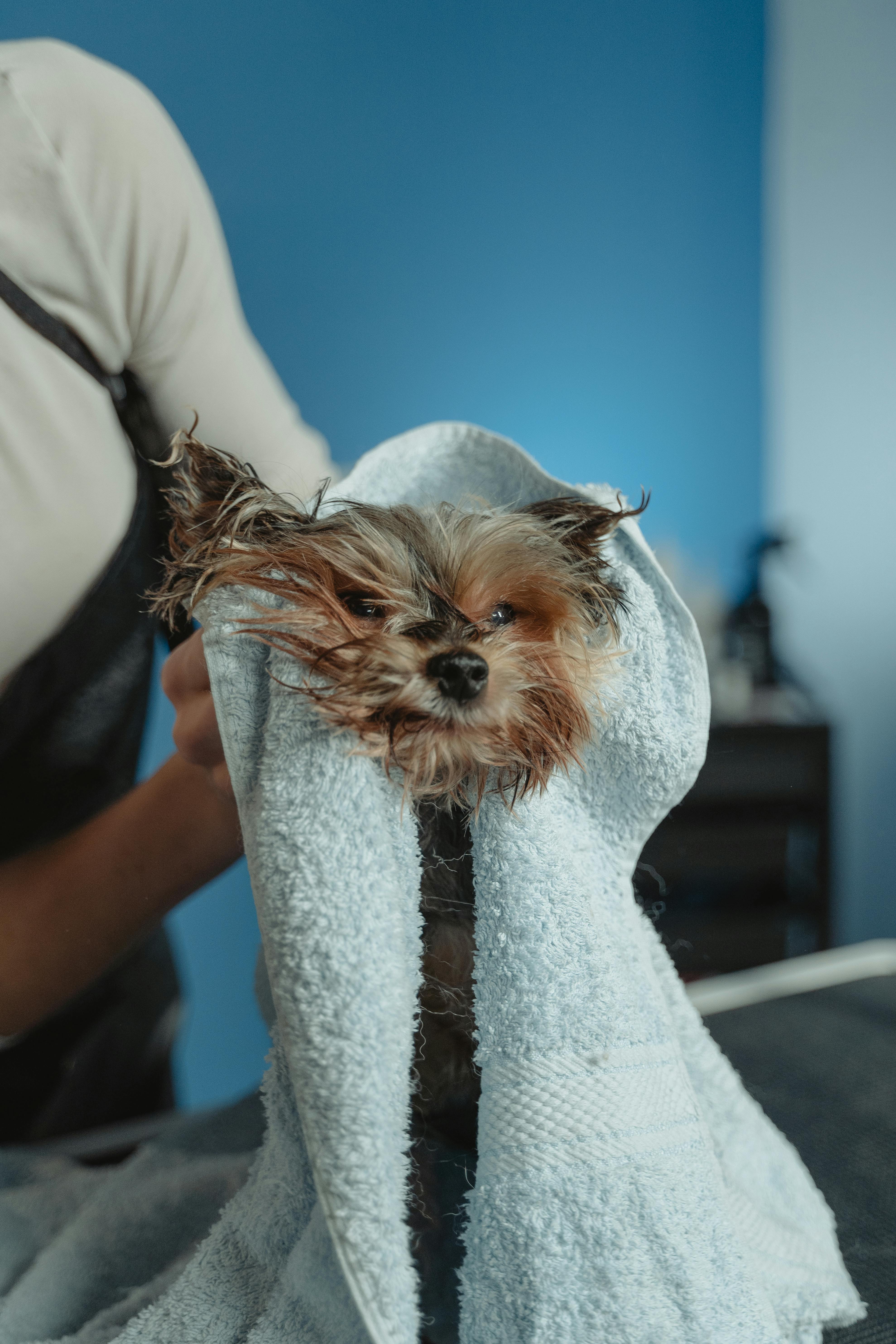
Dogs are often considered man’s best friend, but many people don’t understand the reasons behind some of their unique traits. One of the most fascinating characteristics of dogs is their wet noses. You might heard various myths about why dogs have wet noses, but it’s time to separate fact from fiction. Let’s dive into the truth behind this adorable canine feature.
The Myths About Dogs’ Wet Noses
Myth: Wet Noses Indicate a Sick Dog
Many people thinks that if a dog’s nose is dry, it must be sick. This is not entirely true. While a wet nose can sometimes indicate good health, a dry nose does not automatically mean your dog is unwell. Dogs’ noses can vary in moisture based on their activity level, weather conditions, and even the time of day.Myth: Dogs Lick Their Noses to Keep Them Wet
Some believe that dogs constantly lick their noses to keep them moist. While it is true that dogs do lick their noses, it’s not the only reason behind their wetness. The humidity in the air and the natural oils on their skin contribute significantly to how wet their noses are.Myth: A Dog’s Nose Temperature Can Diagnose Illness
There are common beliefs that a dog’s nose temperature can help to diagnose if they are sick. This is misleading as well. A dog’s nose can fluctuate in temperature throughout the day. Factors like exercise, environment, and even the breed can affect nose temperature.
Facts About Dogs’ Wet Noses
Moisture and Scent Detection
The primary reason for a dog’s wet nose is to enhance their sense of smell. A moist nose helps to absorb scent chemicals and makes it easier for dogs to detect smells. The wetness increases the surface area of the nose, which allows more scent molecules to stick to it.Cooling Mechanism
Dogs don’t sweat like humans do; instead, they cool themselves through panting and having a wet nose. The moisture on their nose evaporates, helping to regulate their body temperature. So when you see your dog with a wet nose, they might just be keeping cool, especially on hot days.Natural Oils and Protection
Dogs produce natural oils that help keep their noses moist. These oils also serve a protective function, preventing cracking and injury. An intact nose is crucial for a dog’s ability to smell and interact with their environment.
Fascinating Facts About Nose Moisture
- Variability: A dog’s nose moisture can change throughout the day due to factors like activity and humidity.
- Breeds: Certain breeds, like Bulldogs and Pugs, may have less moisture on their noses due to their skin structure.
- Temperature: Nose moisture can be influenced by temperature; warmer weather typically leads to a wetter nose.
What Do Different Nose Conditions Mean?
Here’s a simple outline of what different nose conditions might indicate:
- Wet Nose: Generally indicates a healthy dog; however, individual cases may vary.
- Dry Nose: Could be normal, but if it’s cracked or flaky, it might indicate dehydration or health issues.
- Crusty Nose: May suggest allergies, infections, or other health problems requiring vet attention.
Practical Tips for Dog Owners
- Regular Checks: Keep an eye on your dog’s nose condition. Consistent checks can help catch potential health issues early.
- Hydration: Make sure your dog stays hydrated, especially during hot weather.
- Vet Visits: If you notice sudden changes in your dog’s nose or overall behavior, it’s best to consult a veterinarian.
The Bottom Line
The mystery of why dogs have wet noses is a mix of biology and behavior. While myths can be misleading, understanding the facts can help dog owners provide better care. Dogs rely heavily on their sense of smell, and a wet nose plays a crucial role in that process. So next time you see your fluffy friend with a wet nose, remember it’s not just cute – it’s functional too! Embracing the quirks of our canine companions leads to a stronger bond and a healthier, happier life for both pets and their humans.
What to Do If Your Dog’s Nose is Dry: Understanding When to Seek Veterinary Advice
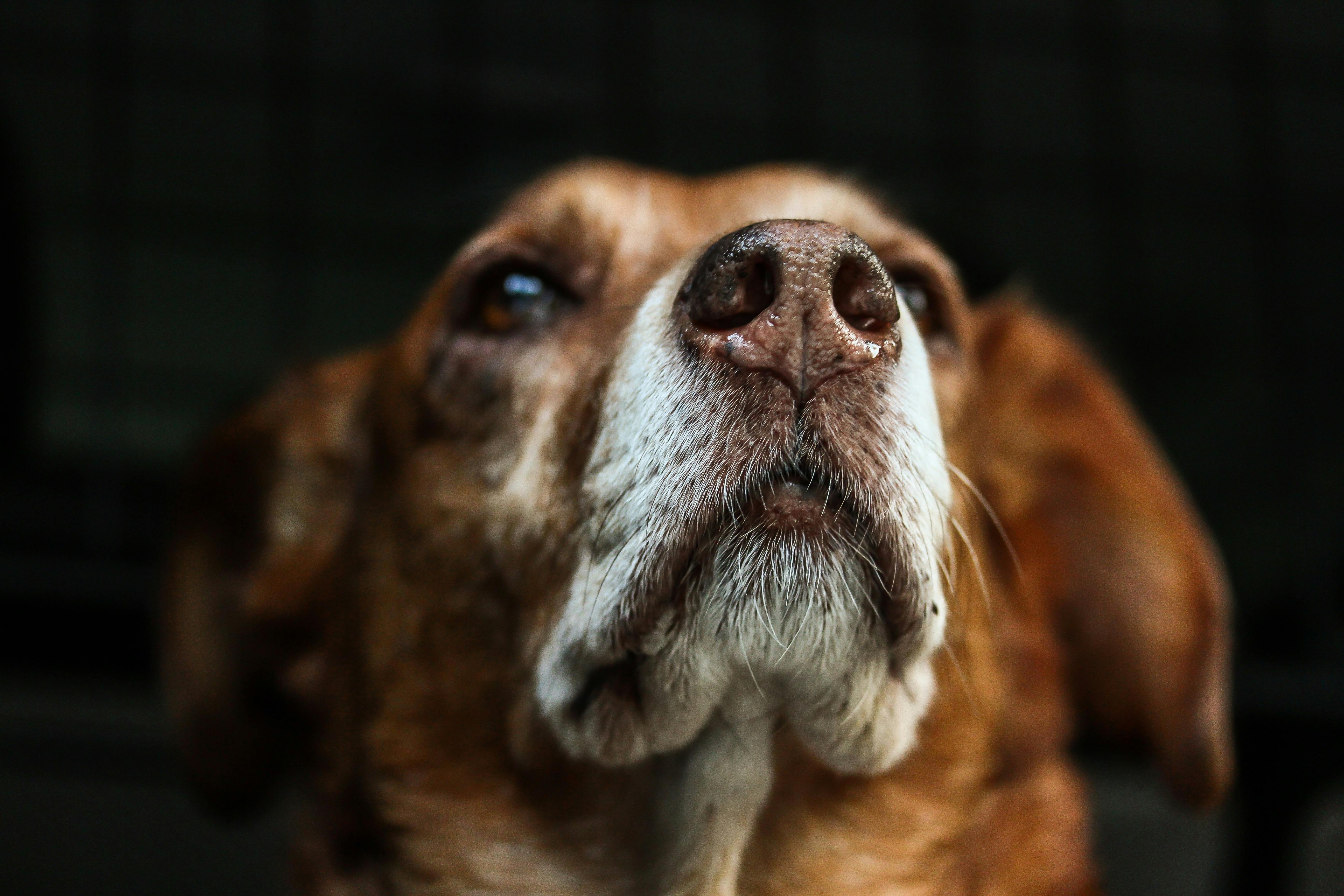
When you notice your dog’s nose is dry, it can be confusing and even a bit worrying. You might wonder if it’s a sign of illness or if your furry friend is just fine. Understanding your dog’s health requires some knowledge about their body and behavior. Knowing what to do if your dog’s nose is dry is essential, but first, let’s dive into the fascinating reasons why dogs have wet noses in the first place.
Why Do Dogs Have Wet Noses?
Dogs have wet noses for a variety of reasons, and it’s more than just a quirky trait. A wet nose can help with their sense of smell, which is remarkable. Here are some reasons why dog’s noses are usually wet:
- Enhanced Smell: Dogs have an incredible sense of smell. The moisture on their nose helps to capture scent particles from the air, making it easier for them to identify and distinguish different smells.
- Cooling Mechanism: A wet nose can help regulate a dog’s body temperature. When a dog pants, the moisture on their nose evaporates, which can cool them down.
- Communication Tool: Dogs use their noses to communicate with each other and with humans. A wet nose can be a sign of a relaxed and happy dog, while a dry nose might indicate stress or discomfort.
What to Do If Your Dog’s Nose is Dry?
If you find your dog’s nose is dry, it doesn’t automatically mean something’s wrong. Various factors can cause a dog’s nose to dry out. Here’s a list of things to consider:
- Environmental Factors: Hot weather, dry air, or low humidity can lead to a dry nose. Just like humans, dogs can get dry skin and noses from environmental conditions.
- Dehydration: If your dog isn’t drinking enough water, it may lead to a dry nose. Ensure they have access to fresh, clean water at all times.
- Illness: Sometimes, a dry nose can be a sign of an underlying health issue. If your dog has other symptoms like lethargy, vomiting, or loss of appetite, you should consult a veterinarian.
Signs That You Should Seek Veterinary Advice
So, when should you really worry about a dry nose? Here are some signs that indicate you should seek veterinary advice:
- Persistent Dryness: If your dog’s nose remains dry for a prolonged period, it might be worth checking with a vet.
- Cracking or Bleeding: Any visible cracks, bleeding, or sores on the nose can indicate a problem that needs medical attention.
- Changes in Behavior: If your dog seems more tired than usual, refuses to eat, or shows signs of pain, these could be red flags.
Common Misconceptions About Dog Noses
There are many myths surrounding dog noses. Here are some common misconceptions:
- A Wet Nose Means a Healthy Dog: While a wet nose is often associated with good health, it’s not a hard-and-fast rule. Dogs can be healthy with a dry nose too.
- Dry Nose Equals Illness: Not every dry nose means your dog is sick. It can be caused by too much sun, dehydration, or just a normal variation.
- Nose Temperature is Always an Indicator: While a warm nose can sometimes indicate fever, it’s not always reliable. A dog’s body temperature should be checked with a thermometer for accurate assessment.
Quick Tips for Keeping Your Dog’s Nose Healthy
Maintaining your dog’s nose health is easier than you might think. Here’s a quick list to keep in mind:
- Hydration: Always provide plenty of fresh water. Dehydration is a common cause of a dry nose.
- Moisturizers: If your dog’s nose appears cracked or extremely dry, you might consider using a dog-safe moisturizer.
- Limit Sun Exposure: Just like humans, dogs can get sunburned. Apply dog-safe sunscreen on their noses if they are going to be out in the sun for extended periods.
- Regular Vet Visits: Routine check-ups can help catch any potential health issues early on.
Being aware of your dog’s nose condition can help you understand their health better. A dry nose isn’t always a cause for alarm, but knowing the signs that indicate when to consult a veterinarian can make a difference. Dogs communicate in ways beyond just barking, and their noses tell a story you can learn to understand. So, keep an eye on your pup’s nose, and you may find yourself more tuned into their overall health and well-being.
Conclusion
In conclusion, the wet noses of dogs serve several vital purposes that contribute to their overall health and sensory abilities. The moisture on a dog’s nose helps enhance their sense of smell by trapping scent particles, allowing them to detect and interpret their environment more effectively. Additionally, a wet nose plays a role in thermoregulation, helping dogs cool down by evaporating moisture. While many pet owners may wonder about the correlation between a wet nose and a dog’s health, it’s essential to remember that a dry nose doesn’t always indicate illness. Instead, understanding the reasons behind this unique feature can deepen our appreciation for our canine companions. Next time you see your dog with that familiar wet nose, take a moment to marvel at the incredible biology behind it. Embrace the joy of your pet’s quirks and ensure they receive the love and care they deserve.
