
Have you ever wonderd why do dogs have wet noses? This intriguing question not only captures the curiosity of pet owners but also opens the door to understanding our furry friends better. Dogs’ moist noses are more than just an endearing feature; they play a significant role in a dog’s health and senses. In this captivating exploration, we will delve into the fascinating reasons behind this unique trait. Is it true that a wet nose indicates a healthy dog? Or could it be that dogs use their noses for sensing scents? With a combination of science and fun facts, we’ll uncover how those wet noses help dogs interact with the world around them. Plus, we’ll discuss the relationship between a dog’s nose moisture and its overall well-being. So, if you’ve ever found yourself asking, “Why do dogs have wet noses?” you’re in for a treat! Get ready to discover the surprising benefits of this adorable characteristic and learn why it’s essential for your dog’s sense of smell and health. Don’t miss out on finding out the secrets behind those lovable, wet snouts!
The Science Behind Canine Nasal Moisture: Why Do Dogs Have Wet Noses?
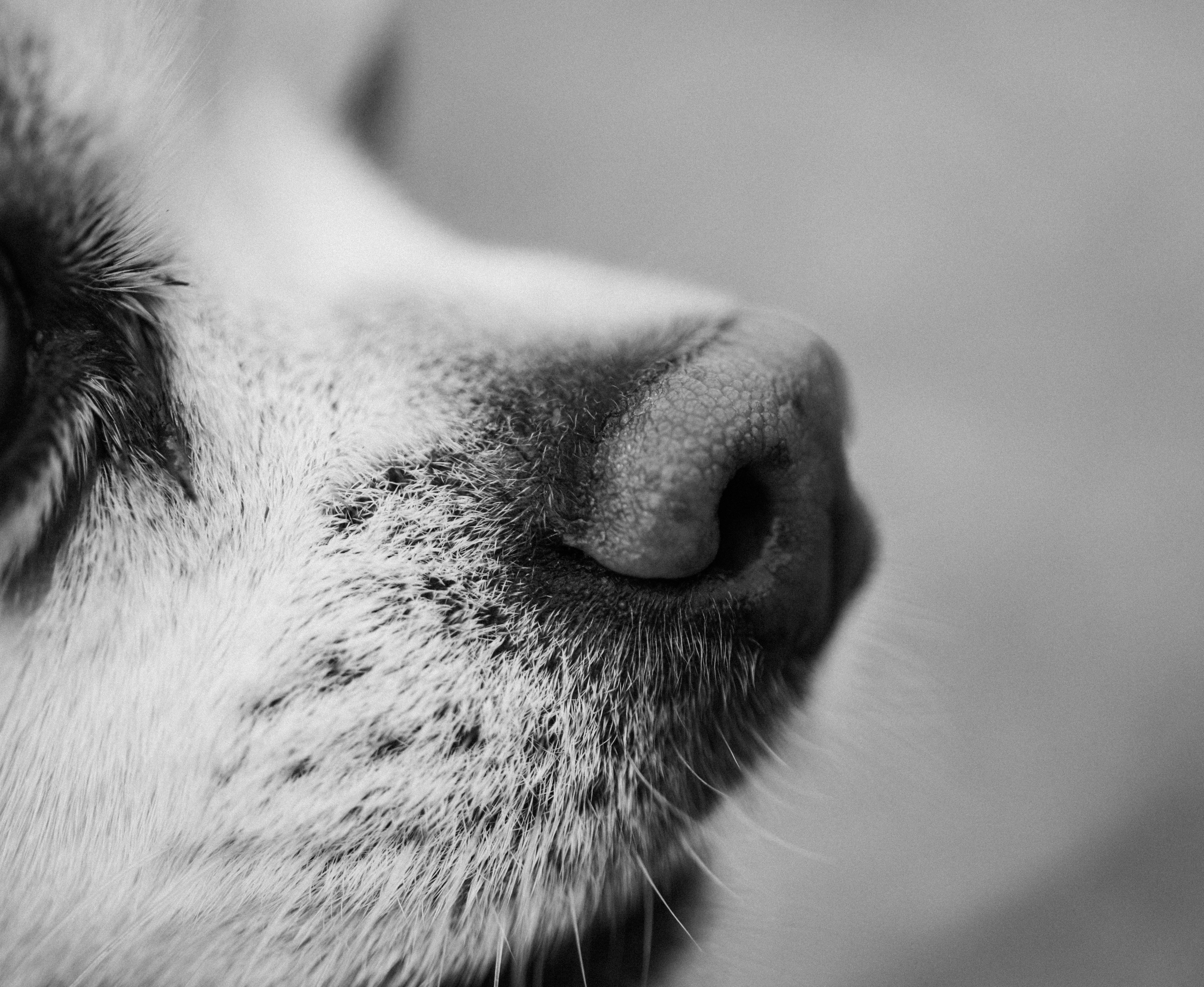
Dogs, they are amazing creatures, and one of the most interesting things about them is their noses. If you’ve ever pet a dog, you probably notice their nose is wet and cool to the touch. But why do dogs have wet noses? This question has fascinated many dog lovers, and the science behind canine nasal moisture is more complex than one might think.
The Basics of Canine Nose Moisture
The moisture on a dog’s nose plays a significant role in their health and functionality. It helps dogs in various ways, mainly related to their sense of smell. The wetness, which is a combination of mucus and saliva, improves olfactory perception. This means that the more moisture there is, the better they can smell.
How Dogs Use Their Noses
Enhanced Smell: Dogs have up to 300 million smell receptors in their noses, compared to a human’s 5 million. The moisture helps to dissolve scent particles, making it easier for them to detect different odors.
Temperature Regulation: A wet nose also helps dogs to regulate their body temperature. When they pant, moisture evaporates from their nose, which can help cool them down.
Communication: Dogs use their noses to communicate with each other. A wet nose can indicate a friendly demeanor, while a dry nose might suggest illness or stress.
The Science Behind the Moisture
The reason a dog’s nose is often wet can be traced back to evolution and biology. Here’s a breakdown of the science:
Mucous Membranes: The nostrils of dogs are lined with mucous membranes that produce a thin layer of mucus. This helps to trap scent particles and keep the nostrils moist.
Saliva: Dogs frequently lick their noses, which adds to the moisture. This behavior is instinctual and helps them to enhance their sense of smell.
Environmental Factors: Humidity and temperature also play a role. On a rainy day, for instance, dog noses may seem wetter due to the moisture in the air.
Why Do Some Dogs Have Drier Noses?
Not every dog has a consistently wet nose. There are several reasons why a dog’s nose may be dry sometimes. Here are some factors to consider:
Health Issues: A persistently dry nose can be an indicator of dehydration, fever, or other health problems. If your dog’s nose is unusually dry, it’s a good idea to consult a veterinarian.
Age: Older dogs may have drier noses due to decreased oil production and changes in skin moisture.
Breed Variations: Certain breeds may naturally have drier noses. For example, Bulldogs and Boxers often have less moisture than breeds like Greyhounds or Retrievers.
Fun Facts About Dog Noses
Here’s some fun trivia about dog noses that you might find interesting!
Unique Nose Prints: Just like human fingerprints, every dog has a unique nose print. This can be used for identification purposes.
Nose Color: The color of a dog’s nose can vary by breed. Some dogs have black noses, while others might have pink or liver-colored noses.
Scent Discrimination: Dogs can differentiate between scents, meaning they can tell the difference between a person, animal, or even a specific item based on smell alone.
Practical Tips for Dog Owners
Maintaining a dog’s nose health is essential for their overall well-being. Here are some practical tips:
Hydration: Ensure your dog is always hydrated, especially during warmer months. Dehydration can lead to a dry nose.
Regular Vet Checkups: Schedule regular veterinary appointments to monitor your dog’s health, including their nose condition.
Healthy Diet: A balanced diet rich in omega fatty acids can help maintain skin and nose moisture.
Environmental Care: Protect your dog from extreme weather conditions. Cold air can dry out their nose, while hot weather can lead to overheating.
Understanding the science behind why dogs have wet noses reveals not only how remarkable these animals are but also emphasizes the importance of caring for them. Whether you’re a dog owner or simply a fan of these furry companions, knowing how their noses function can deepen your appreciation for them.
5 Fascinating Reasons Dogs’ Noses Are Always Wet: What You Need to Know

Dogs are some of the most beloved companions, and their unique traits often spark curiosity. One of the most intriguing features of dogs is their noses — specifically, why do dogs have wet noses? You ever notice how a dog’s nose is always moist, even when they don’t just drink water? This wetness serves several important purposes. Here are 5 fascinating reasons dogs’ noses are always wet, and what you really need to know about it.
1. Enhanced Sense of Smell
Dogs have an incredible sense of smell, way more powerful than humans. Their noses contain up to 300 million smell receptors, compared to a human’s mere 5 million. A wet nose help to capture scent particles in the air. When the nose is moist, it’s better at absorbing these particles, giving dogs the ability to detect scents that are nearly invisible to us.
- Wetness keeps the nasal membranes moist, which is essential for odor detection.
- The moisture helps to dissolve the scent particles, making it easier for the receptors to pick them up.
- This is why dogs can sniff out drugs, bombs, and even diseases like cancer.
2. Temperature Regulation
Did you know that a dog’s nose also plays a role in cooling their body? Dogs don’t sweat like humans do, so they rely on other methods to regulate their temperature. A wet nose helps them to cool off.
- When a dog pants, moisture evaporates from their tongue and nose, which cools their blood.
- This is particularly important during hot weather or after exercise.
- A wet nose can indicate that a dog is actively regulating its temperature.
3. Communication Tool
Dogs are social animals, and their noses are vital for communication. A wet nose can convey a lot of information to other dogs and even humans.
- Dogs greet each other with nose touches, which is a friendly gesture.
- The moisture on a dog’s nose can hold pheromones, which provide information about the dog’s emotional state or health.
- This is also how they can learn about their surroundings and other animals.
4. Health Indicator
A wet nose can also be an indicator of a dog’s health. While it’s not the only sign to consider, it can give clues about what’s going on with your furry friend.
- A healthy dog typically has a wet, cool nose.
- If a dog’s nose is dry and warm, it might indicate a fever or illness.
- Changes in moisture can also suggest dehydration or other health issues.
5. Natural Behavior
Finally, keeping a moist nose is a natural behavior for dogs. They instinctively lick their noses to keep them wet. This action can be seen in various situations, and here’s why:
- Licking helps to keep their sense of smell sharp.
- It’s also a way for them to clean their noses of dirt and debris.
- Some dogs just love the taste of their own skin oils, which can also contribute to the wetness.
Quick Facts About Dog Noses
- Average temperature of a healthy dog’s nose: 101 to 102.5 degrees Fahrenheit.
- Dogs can detect smells up to 100,000 times better than humans.
- A dog’s nose print is unique, much like human fingerprints.
Comparison: Dog Noses vs. Human Noses
| Feature | Dog Nose | Human Nose |
|---|---|---|
| Number of Receptors | Up to 300 million | About 5 million |
| Sensitivity | Extremely sensitive | Less sensitive |
| Functionality | Smell, communication, cooling | Smell, breathing |
| Moisture Level | Usually wet | Usually dry |
In summary, the wetness of a dog’s nose is not just a quirky trait; it’s an essential aspect of their biology that plays a role in their health, communication, and sensory capabilities. So, the next time you see a dog with a shiny, wet nose, remember that it is more than just cute. It’s a window into their world, showcasing how they interact with their environment and manage their wellbeing. Understanding these fascinating reasons can deepen your bond with your furry friend and enhance your appreciation for their unique behaviors.
Understanding Your Dog’s Wet Nose: A Sign of Health or Something More?

The feel of your dog’s wet nose is something that many pet owners notice but might not really think about much. It’s a common trait among our canine friends, but have you ever stopped and wondered, why do dogs have wet noses? Is it just a quirky feature, or does it mean something more? Understanding your dog’s wet nose can actually reveal a lot about their health and behavior, so let’s dive into this fascinating topic.
The Anatomy of a Dog’s Nose
Firstly, dog’s noses are not just for show. They’re highly sensitive and packed with receptors. This allows dogs to smell things humans can’t even imagine. A wet nose helps enhance their sense of smell because moisture captures scent particles better than dry surfaces. So, when you see your dog’s nose glistening, it’s actually working hard to gather information about their environment.
Why Do Dog Noses Get Wet?
Cooling Mechanism: Dogs don’t sweat like humans do. Instead, they primarily rely on their noses to regulate body temperature. When they’re feeling hot, their body produces moisture, making the nose wet. This evaporation cools them down.
Health Indicator: A wet nose is often seen as a sign of a healthy dog. It can indicate that they’re well-hydrated and not suffering from any illnesses. However, it’s important to note that a dry nose doesn’t always mean something is wrong.
Licking Behavior: Dogs often lick their noses, keeping them moist. This is a natural behavior and can be seen when they are excited or even when they are just being a bit curious about their surroundings.
Environmental Factors: Weather can also play a role. On a hot day, a dog’s nose might be wetter than on a cold, dry day.
Is A Wet Nose Always A Good Sign?
While a wet nose is often associated with good health, there are times when it can indicate potential issues. Here’s a quick rundown:
Healthy Wet Nose:
- Hydrated dog
- Alert and active behavior
- Normal temperature
Cause for Concern:
- Excessive wetness could indicate a nasal infection.
- A dry, cracked nose might signal dehydration or a more serious health issue.
- Discharge from the nose could mean allergies or infections.
The Science Behind the Scent
Dogs have up to 300 million smell receptors, compared to humans who have about 6 million. That’s a huge difference! Here’s a fun comparison:
| Feature | Humans | Dogs |
|---|---|---|
| Smell Receptors | About 6 million | Up to 300 million |
| Nose Structure | Simple, less complex | More complex with folds |
| Sense of Smell | Limited | Extremely acute |
This ability to smell is why dogs are often used in search and rescue operations, as well as in detecting certain medical conditions. Their wet noses are essential tools that help them excel in these roles.
How to Care for Your Dog’s Nose
As a dog owner, ensuring your dog’s nose stays healthy is important. Here are some tips:
- Hydration: Make sure your dog has access to fresh water at all times.
- Regular Vet Checks: Schedule routine veterinary examinations. This helps catch any underlying issues early.
- Avoid Irritants: Keep your dog away from smoke, chemicals, and other irritants that might dry out their nose.
Interesting Facts About Dog Noses
- Dogs have unique nose prints, much like human fingerprints. Each one is different!
- The wetness of a dog’s nose can change throughout the day, so it’s not static.
- Certain breeds, like Bulldogs and Boxers, may have different nose moisture levels due to their facial structure.
Understanding why do dogs have wet noses can enrich your relationship with your furry friend. It’s not just a cute characteristic but also a crucial part of their health and communication. So, the next time you give your dog a pat and feel that familiar wet nose, remember that it’s more than just a cute quirk; it’s a sign of a healthy and happy dog. Always be attentive to any changes, because your pup’s nose can tell you a lot about their overall well-being.
Is a Wet Nose a Sign of a Happy Dog? Exploring the Emotional Connection

Many dog owners look at their furry friends and think, “Is a wet nose a sign of a happy dog?” This question is more than just a curious thought; it goes deep into the emotional connection between humans and dogs. Understanding why dogs have wet noses can help us appreciate their behavior and signals even more. In this article, we explore the fascinating reasons behind those wet noses and what they might mean for your canine companion.
What Makes a Dog’s Nose Wet?
Dogs noses are typically moist, and this is for some good reasons. One of the primary functions of a wet nose is to enhance their sense of smell. Here’s how it works:
- Scent Enhancement: A wet nose helps to capture scent particles in the air, making it easier for dogs to identify different smells. This is really important since dogs have a sense of smell that is 10,000 to 100,000 times more sensitive than humans.
- Cooling Mechanism: Dogs don’t sweat like humans do. Instead, they rely on their noses and paw pads to cool down. A wet nose can help regulate their body temperature, especially during hot weather.
- Health Indicator: A moist nose is often a sign of good health in dogs. If a dog’s nose is excessively dry or cracked, it might indicate dehydration or an underlying health issue.
Emotional Connection: Happy Dogs and Wet Noses
Now, let’s dig into the emotional aspect. Is a wet nose a sign of a happy dog? Well, it might not be as straightforward as you think. While many people associate a wet nose with contentment, there is more to the story.
- Playfulness: When dogs are excited or happy, they tend to be more active, which can lead to a naturally moist nose. So, if your dog is bouncing around and wagging its tail, a wet nose might accompany that joy.
- Affectionate Behavior: Dogs often nuzzle or lick their owners, and this action can also contribute to the moisture on their noses. If your dog approaches you with a wet nose, it may be trying to show affection or seek attention.
Why Are Some Noses Drier Than Others?
You may have noticed that not all dogs have the same level of wetness in their noses. Various factors can contribute to this difference:
- Breed Variations: Some dog breeds tend to have drier noses than others. For example, bulldogs and pugs can have more dry noses, while retrievers often have moist ones.
- Environmental Conditions: A dry environment, especially during winter, can lead to drier noses. Heating indoors can also affect moisture levels.
- Health Issues: As mentioned before, a dry, cracked nose can signal health concerns. Allergies, infections, or even autoimmune diseases can lead to changes in nose moisture.
Interesting Facts About Dog Noses
- Dogs have about 300 million scent receptors compared to a human’s 5 million.
- The wetness of a dog’s nose can change throughout the day. After eating or drinking, their noses might dry out temporarily.
- A dog’s nose print is unique, much like a human fingerprint, and can even be used for identification.
Practical Tips for Dog Owners
Here are some tips to ensure your dog’s nose stays healthy and wet:
- Hydration: Always provide fresh water to keep your dog hydrated. A well-hydrated dog is more likely to have a moist nose.
- Regular Vet Checkups: Regular vet visits can help catch any potential health issues early.
- Moisturizing: If your dog’s nose is excessively dry, consider using a dog-safe moisturizer to keep it healthy.
Comparing Happy and Unhappy Dogs
It can be helpful to know how to differentiate between a happy dog and one that might be feeling down. Here’s a quick comparison:
Happy Dog Signs:
- Wagging tail
- Playful behavior
- Wet nose
- Relaxed body language
Unhappy Dog Signs:
- Tucked tail
- Withdrawal from activities
- Excessive barking or whining
- Dry nose
Understanding your dog’s behavior and physical cues can enhance your bond with your pet. A wet nose might be one of many indicators of your dog’s emotional state, but it’s certainly an important one.
In the end, while a wet nose can suggest a happy dog, it’s just part of the larger picture of canine communication. So, the next time you notice that wet nose, remember all the reasons behind it and cherish the connection you have with your furry friend.
The Role of a Wet Nose in Dog Behavior: How It Affects Their Senses

Understanding the role of a wet nose in dog behavior can be quite fascinating. Many dog owners often wonder why their furry friends have such wet noses. Not just for looks, these moist snouts play a critical part in how dogs interact with the world around them. So, let’s dive into the reasons behind this unique trait, and how it affects their senses.
The Science Behind Wet Noses
Dogs have wet noses primarily due to the moisture they produce through their nasal glands. This secretion serves several purposes, which are vital for their well-being. Here’s a breakdown:
- Enhanced Scent Detection: The moisture on a dog’s nose helps to capture scent particles from the air. This makes it easier for them to sniff out smells.
- Temperature Regulation: Dogs don’t sweat like humans do. Instead, they cool themselves through panting and the moisture from their noses helps regulate their body temperature.
- Health Indicator: A dog’s nose can indicate its health. A dry or cracked nose might signal dehydration or illness, while a wet nose usually indicates a happy and healthy pup.
Why Do Dogs Have Wet Noses?
Now, let’s explore the reasons in more detail.
Scent Sensitivity: Dogs’ sense of smell is incredibly powerful—estimated to be between 10,000 to 100,000 times more acute than humans. The wetness helps them absorb scent molecules. Imagine trying to taste food without saliva; it would be hard, right? Same with dogs and their noses.
Thermal Regulation: Unlike humans, dogs do not have sweat glands all over their bodies. They rely on their noses and panting to help cool down. When they lick their noses, the moisture evaporates, which cools the blood rushing through their nasal passages.
Communication Tool: Dogs use their noses for communication. A wet nose might mean that a dog is relaxed and comfortable, while a dry nose could indicate stress or illness. Observing your dog’s nose can often give you clues about their emotional state.
Hygiene and Health: A wet nose can trap dirt and germs, which is why you often see dogs sniffing around. They are naturally curious and want to explore their environment. A wet nose can also help keep bacteria at bay, as the moisture creates a less hospitable environment for harmful pathogens.
Historical Context
Historically, dogs have been companions to humans for thousands of years. Their unique traits, like wet noses, have been advantageous for survival. Early humans relied on dogs for hunting and protection, and a keen sense of smell was essential for these tasks.
Fun Facts About Dog Noses
- Dog noses are as unique as human fingerprints. No two dogs have the same nose print.
- Dogs can smell certain diseases in humans, like diabetes and cancer, due to their heightened sense of smell.
- Some breeds have wetter noses than others. For example, hound breeds tend to have more moisture compared to terriers.
Practical Examples
You might notice that when your dog is sniffing around during a walk, their nose tends to be particularly wet. This is because they are actively trying to gather information about their environment. Consider the following scenarios:
- At the Dog Park: Notice how dogs greet each other by sniffing noses? They are gathering scent information to understand each other better.
- At Home: When your dog explores new items or guests, they often approach with their noses first, trying to learn about these new smells.
Quick Comparison: Dry vs. Wet Nose
Here’s a quick comparison between the implications of a dry nose and a wet nose:
| Wet Nose | Dry Nose | |
|---|---|---|
| Health | Generally healthy | Could indicate illness |
| Behavior | Happy and engaged | May be stressed or unwell |
| Scent | Better smell absorption | Less effective at scenting |
| Temperature | Cooler body temperature | May indicate overheating |
As we can see, the wetness of a dog’s nose is not just a quirky characteristic but serves multiple functions that are crucial for their behavior and health.
In the end, understanding why dogs have wet noses and their role in dog behavior can enhance how we interact with our pets. It’s always important to pay attention to these subtle cues, as they can tell us a lot about how our furry friends are feeling. So next time you give your dog a pat, take a moment to appreciate that wet nose and what it signifies in their world.
7 Surprising Benefits of a Dog’s Wet Nose: More Than Just a Quirky Trait

If you have ever pet a dog, you probably notice their wet noses. It’s kinda strange, right? But there’s a lot more to a dog’s wet nose than just a quirky trait. In fact, these moist little noses can reveal surprising benefits and fascinating reasons behind their existence. Let’s dive into the 7 surprising benefits of a dog’s wet nose and explore why do dogs have wet noses in the first place.
1. Enhanced Sense of Smell
Dogs have an incredible sense of smell, which is about 40 times better than humans. The wetness of their noses help with this! When a dog’s nose is wet, it can absorb scent molecules from the air more effectively. This means they can sniff out things, like that hidden treat or even detect certain diseases in humans, with amazing precision.
- Dogs’ olfactory receptors are highly developed.
- The moisture on their noses allows them to pick up even the faintest scents.
2. Temperature Regulation
Just like humans sweat to cool down, dogs use their noses to help regulate their body temperature. When a dog’s nose is wet, it can help them stay cool. This is because the moisture evaporates, providing a cooling effect. It’s like their own little air conditioning system!
- Wet noses can indicate a dog is comfortable and not overheated.
- If a dog’s nose is dry, it may be a sign they need more water or are overheating.
3. Communication Tool
Dogs communicate in many ways, and their noses play a role in this too. A wet nose can express a dog’s emotional state. For example, when a dog is excited or happy, their nose tends to be wetter. They might even nuzzle you with their wet noses to show affection.
- Dogs often greet each other with nose touches.
- A wet nose can indicate friendliness and approachability.
4. Health Indicators
The condition of a dog’s nose can actually be a good health indicator. A healthy, wet nose often means the dog is well-hydrated and feeling good. On the other hand, a significantly dry or cracked nose may signal health issues, such as dehydration, fever, or other ailments.
- Signs of a healthy nose:
- Moist and cool to the touch
- No cracks or sores
- Signs of a problem:
- Dry and warm
- Crusty or bleeding areas
5. Collecting Pheromones
Dogs have a special organ called the vomeronasal organ (VNO), located in the roof of their mouths. This organ works together with their wet noses to pick up pheromones, which are chemical signals from other animals. These signals can convey important information, like reproductive status and territory.
- Pheromones are crucial for communication between dogs.
- Wet noses help in detecting these chemical signals in their environment.
6. Environmental Awareness
Dogs rely on their sense of smell to navigate their world. A wet nose is more sensitive to changes in the environment. This allows dogs to detect changes in weather, like an approaching storm, or even the scent of other animals nearby. Their wet noses are like little radar systems, helping them understand what’s going on around them.
- Dogs can smell rain or snow before it arrives.
- They can sense other animals, which is vital for hunting breeds.
7. Bonding and Affection
When a dog nudges you with their wet nose, it’s often a sign of love and affection. This behavior not only strengthens the bond between you and your furry friend but also reassures them that they are safe and loved. Dogs use their noses to explore and interact with their human companions, which builds trust and connection.
- Nose nudging can be a call for attention or playtime.
- It’s one of the ways dogs show their loyalty.
Understanding why do dogs have wet noses and the benefits that come with them can deepen your appreciation for these loyal companions. The next time your dog greets you with a cold, wet nose, remember that it’s more than just a cute feature; it’s a complex trait that plays a significant role in their lives.
So, next time you wonder about your dog’s wet nose, think about all the amazing benefits it brings! Whether it’s helping them smell the world better, regulating their body temperature, or even bonding with you, those wet noses are full of surprises!
How Do Dogs’ Wet Noses Help Them Communicate? The Hidden Language of Scent

Dogs are truly amazing creatures, and their wet noses are more than just an adorable feature. You might have wondered, why do dogs have wet noses? Their noses serve as a fascinating tool for communication and understanding the world around them. In this article, we’re gonna explore the hidden language of scent and how it helps dogs express themselves.
The Science Behind Wet Noses
First off, it’s important to understand why a dog’s nose is wet in the first place. A dog’s nose is moist due to a thin layer of mucus that helps them absorb scents. The moisture also helps to cool them down because dogs don’t sweat like humans do. Instead, they pant and rely on their noses to regulate temperature.
Here are some key points about why dogs have wet noses:
- Scent Detection: A wet nose can trap scent particles better than a dry one. The moisture helps to dissolve the chemicals in the air, making it easier for dogs to analyze different smells.
- Communication: Dogs use their noses to communicate with each other and with humans. The scent can convey information about their health, mood, and more.
- Temperature Regulation: As mentioned, a wet nose also helps dogs to stay cool. This is crucial during hot weather or after exercise.
The Hidden Language of Scent
Dogs have an extraordinary sense of smell, which is estimated to be between 10,000 to 100,000 times more sensitive than humans. This ability to detect and differentiate scents allows them to communicate in a way that we can’t even begin to understand.
Dogs can gather a lot of information through scent, such as:
- Emotions: Dogs can sense fear, happiness, and even anxiety in humans through their scent. For example, a person who is scared might produce different pheromones than when they are relaxed.
- Health Status: Certain diseases can emit specific odors. Dogs are being trained to detect conditions like cancer or diabetes in humans by smelling breath or skin.
- Social Signals: When dogs greet each other, they often smell each other’s noses and backs. This is how they learn about each other’s identities, health, and even reproductive status.
Why Are Wet Noses So Important?
The importance of a dog’s wet nose goes beyond just being cute. Dogs rely heavily on their sense of smell to navigate their environment and understand their surroundings. Their wet noses enhance this ability significantly.
Here are a few more aspects of why this feature is essential:
- Tracking: Dogs can track scents over long distances, which is why they are often used in search and rescue missions. A wet nose helps them follow trails more effectively.
- Bonding with Humans: When dogs sniff humans, they are trying to learn about their owners’ emotional states. This can strengthen the bond between the dog and its human.
- Behavioral Insights: A dog that approaches with a wet nose may be trying to communicate its desire for attention or affection.
Fun Facts About Dogs’ Wet Noses
- Unique Patterns: Just like human fingerprints, every dog’s nose has a unique pattern of ridges and bumps. This means no two noses are alike!
- Temperature Indicator: A dog’s nose can be a rough indicator of its health. A cool, wet nose is often a sign of a healthy dog, while a dry or warm nose can indicate illness.
- Nasal Epithelial Cells: Dogs have special cells in their noses called olfactory receptors. These can detect a wide range of smells and help them differentiate between different scents.
Practical Examples of Dogs’ Communication Through Smell
- Greeting: When dogs meet each other, they often sniff each other’s rear end. This is normal canine behavior, and it’s how they gather information about each other.
- Alerting Owners: Dogs can alert their owners by nudging them with their noses, often indicating they want to play or go for a walk.
- Detecting Changes: Some dogs are trained to detect changes in their owner’s body chemistry, such as the onset of a seizure, through their sense of smell.
So, the next time you see your dog with its wet nose nudging you, remember that it’s not just being cute. It’s communicating in a language we’re only beginning to understand. The moistness of their noses plays a crucial role in how they interact with the world around them. Understanding this can deepen your bond with your furry friend and enhance your appreciation for their unique capabilities.
Wet Noses and Temperature Regulation: How Dogs Stay Cool in Hot Weather

Dogs are more than just our furry companions; they also have some pretty interesting biological traits that help them survive in various environments. One of the most noticeable characteristics are their wet noses. Ever wondered why do dogs have wet noses? This article explores that question, while also diving into how dogs manage to cool themselves during hot weather, thanks to their remarkable physiology.
The Science Behind Wet Noses
A dog’s nose is not just for sniffing; its wetness plays an essential role in how they interact with their environment. The moisture on a dog’s nose is largely from saliva, and it serves several purposes, including:
- Enhanced Smell: Dogs have a sense of smell that is thousands of times more acute than humans. The wetness helps to capture scent particles, making it easier for dogs to detect and identify different aromas.
- Temperature Regulation: Just like we sweat, dogs use their noses to help regulate their body temperature. The evaporation of moisture allows them to cool down.
- Health Indicator: A wet nose is often considered a sign of good health. If a dog’s nose is dry or excessively warm, it might be a sign of illness or dehydration.
How Dogs Stay Cool in Hot Weather
Now, let’s talk about how dogs cope with the sweltering heat. Dogs can’t sweat like humans do, so they have developed some unique methods to keep themselves cool when temperatures soar. Here’s how they do it:
- Panting: This is the most common way dogs regulate their body temperature. When they pant, moisture evaporates from their tongue, mouth, and lungs which cools them down.
- Wet Noses: As mentioned earlier, the wetness of their noses helps with temperature regulation, as it evaporates, it cools the blood flow in the surrounding area.
- Finding Shade: Dogs instinctively seek cooler areas when they are too hot. They may lie down on a cool surface or hide under furniture to escape the heat.
- Drinking Water: Staying hydrated is crucial. Dogs will naturally seek out water to drink, which helps lower their body temperature.
- Limiting Activity: Unlike humans, dogs don’t have a concept of ‘exercise’ in hot weather. They often slow down or rest when the temperature rises.
Fascinating Facts About Dog Anatomy and Behavior
Understanding why dogs have wet noses and how they keep cool can lead us to appreciate their anatomy even more. Here are some intriguing facts:
- Dogs’ noses have a unique structure that allows them to detect smells at incredibly low concentrations. This helps them in hunting and searching.
- The number of smell receptors in a dog’s nose can range from 125 million to over 300 million, depending on the breed. In comparison, humans have about 5 million.
- The wetness of a dog’s nose can vary throughout the day. After a sleep, it might be drier, while after a drink, it can be quite wet.
Comparison of Dog Cooling Mechanisms vs. Human Cooling Mechanisms
To further understand why dogs have wet noses and how they cool down, let’s compare their cooling methods with that of humans:
| Feature | Dogs | Humans |
|---|---|---|
| Main Cooling Method | Panting and wet noses | Sweating |
| Nose Function | Enhances smell and cools body | N/A |
| Surface Area for Cooling | Tongue and mouth | Skin |
| Reaction to Heat | Seek shade, limit activity | Sweat, seek cool places |
Practical Tips for Keeping Your Dog Cool
As responsible pet owners, it’s vital to ensure our furry friends stay comfortable during the hot summer months. Here are some practical tips:
- Provide Fresh Water: Always have clean water available; dogs should stay hydrated.
- Create Cool Spaces: Set up shaded areas in your yard or inside your home where your dog can rest.
- Limit Walks During Heat: Take your dog for walks either early in the morning or late in the evening when temperatures are cooler.
- Use Cooling Mats: Consider investing in a cooling mat that can help regulate your dog’s body temperature.
Understanding why do dogs have wet noses and how they cope with heat can help us take better care of them. Their unique biology and behaviors not only make them fascinating companions but also remind us of the responsibility we have to keep them healthy and safe. So, next time you see your dog’s wet nose, remember it’s not just cute; it’s a sign of their incredible adaptability and health!
Can a Dog’s Wet Nose Indicate Health Problems? Signs Every Owner Should Know
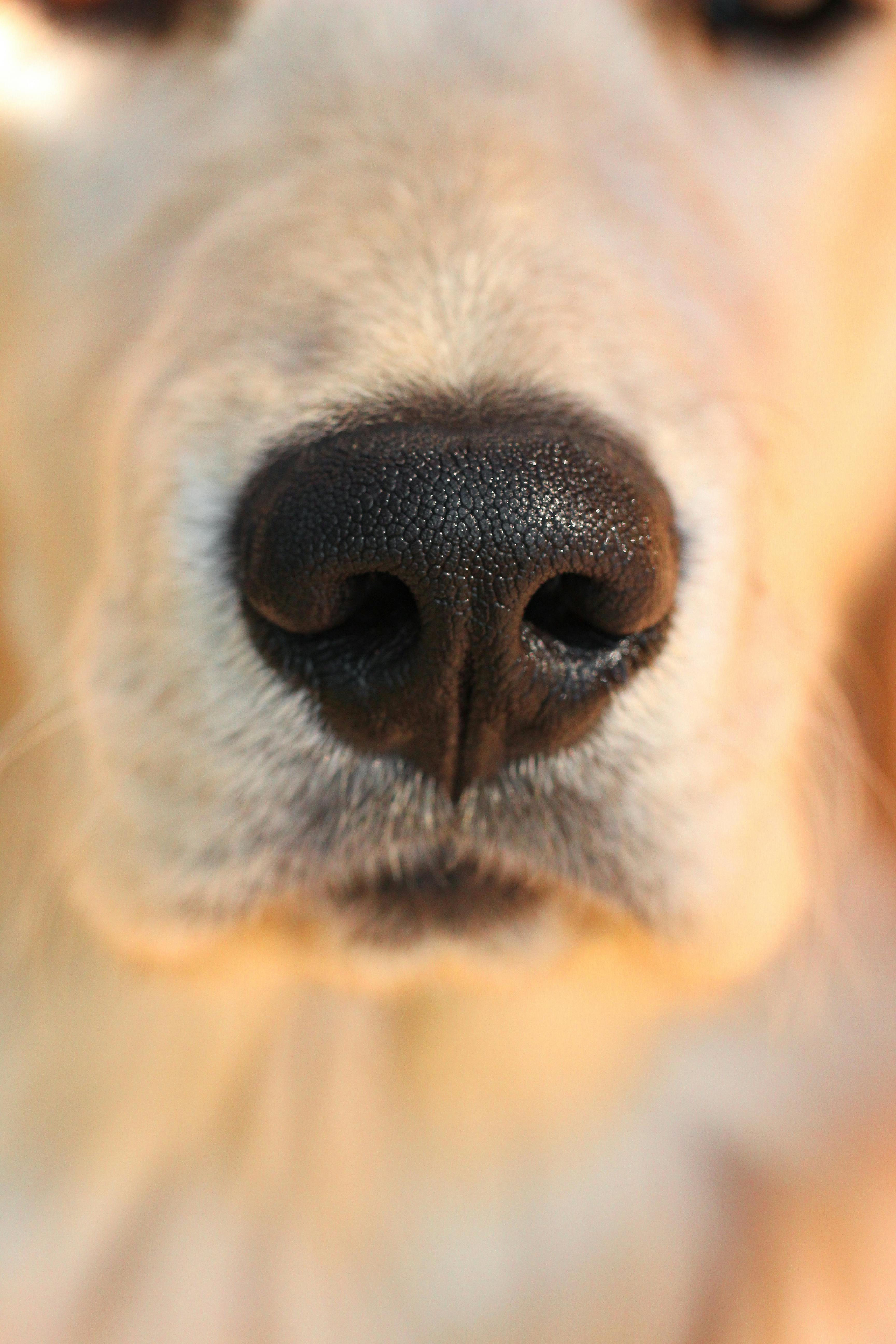
Every dog owner has noticed their furry friend’s wet nose at some point. But have you ever stop to think about why dogs have wet noses? It’s not just an endearing trait; it can also relate to your dog’s health. You might wonder if a dog’s wet nose indicate health problems or if it’s simply a normal characteristic. Let’s dive into this fascinating topic and explore the signs every owner should know.
Why Do Dogs Have Wet Noses?
Dogs have wet noses for several reasons, and understanding these can help you appreciate your pet even more. First, let’s look at some of the scientific and evolutionary reasons behind this phenomenon.
Scent Detection: A dog’s nose is packed with scent receptors, and moisture helps them absorb scent particles better. A wet nose can enhance their sense of smell—important for hunting or simply figuring out what’s around them.
Temperature Regulation: Dogs can’t sweat like humans do; instead, they rely on their noses to help cool down. The moisture on their nose evaporates, helping to regulate their body temperature.
Health Indicator: A wet nose is often seen as a sign of good health. However, it’s not always the case. A dry or excessively warm nose can sometimes indicate health issues, but it’s not a definitive sign on its own.
Can a Dog’s Wet Nose Indicate Health Problems?
It’s important to know that while a wet nose is usually a sign of a healthy dog, it can also indicate potential health issues. Here are some signs to watch for:
Dry Nose: If your dog’s nose is dry and cracked, it might be a sign of dehydration or illness. Dogs can also get sunburned, leading to a dry nose.
Nose Discharge: If there’s a discharge that’s colored or has a bad smell, that could indicate an infection or other health issue.
Change in Temperature: A nose that feels hotter than usual may suggest that your dog is running a fever.
Behavioral Changes: If your dog is more lethargic than normal or shows signs of discomfort, it’s a good idea to consult a veterinarian.
Signs Every Owner Should Know
Being observant is key to ensuring your dog remains healthy. Here’s a list of signs you should not ignore:
Persistent Dryness: If your dog’s nose stays dry for an extended period, especially if they are showing other symptoms.
Cracked or Bleeding Nose: This could signify skin issues or allergies.
Unusual Smells: A strong odor from the nose could mean an infection.
Excessive Sneezing or Coughing: Coupled with a wet or dry nose, this can indicate respiratory issues.
Change in Appetite: If your dog stops eating or drinking, it’s time to seek help.
The Fascinating Reasons Behind Wet Noses
Apart from health implications, there are just as many fascinating facts about why dogs have wet noses. Here’s a quick breakdown:
Evolutionary Advantage: Dogs evolved from wolves, which needed a strong sense of smell to hunt. A wet nose helped enhance this ability.
Natural Behavior: Dogs often lick their noses when they eat or drink, keeping it moist.
Social Interaction: Dogs communicate through smell. A wet nose helps them gather scent information from other dogs and their environment.
Comparison of Wet and Dry Nose
| Wet Nose | Dry Nose |
|---|---|
| Typically cooler | Warmer to the touch |
| Indicates hydration | May indicate dehydration |
| Better scent detection | Less efficient at scent detection |
| Usually a sign of health | Can be a sign of illness |
Practical Examples
Let’s say you notice your dog’s nose is dry after a day at the beach. This might just be from sun exposure and not a big deal. However, if they also seem less energetic and stop eating, you might want to consult your vet.
Another example is if your dog’s nose is frequently wet, but there’s a strange odor coming from it. This could indicate they might have a nasal infection or other health issues.
Monitoring your dog’s nose condition is just one part of being a responsible pet owner. Regular veterinary check-ups are crucial for maintaining your dog’s overall health.
Always remember that while a wet nose is generally a sign of a happy, healthy dog, it’s not the only indicator. Pay attention to your dog’s overall behavior and physical condition. If you suspect something is wrong, don’t hesitate to seek professional advice. Taking proactive steps can help ensure a long and happy life for your furry friend.
The Myth of the Wet Nose: Exploring Common Misconceptions About Dogs’ Senses

Dogs have been companions to humans for thousands of years, and yet there still many myths surrounding them, especially regarding their senses. One of the most common myths is about their noses. So, why do dogs have wet noses? Let’s dive into this fascinating topic and bust some myths along the way.
The Science Behind Wet Noses
Firstly, it’s important to know that a dog’s nose being wet is not just an interesting trait but also serves multiple purposes. A wet nose helps dogs to sense their environment better. Here’s how:
- Enhanced Smell: Dog’s noses contain olfactory receptors which are many times more than humans. The moisture on their noses helps to capture scent particles, making their sense of smell even sharper.
- Temperature Regulation: Dogs can’t sweat like humans do. Instead, they cool down through their noses. A wet nose helps to regulate their body temperature, especially on hot days.
- Health Indicator: Many pet owners believes that a wet nose is a sign of good health. While it’s not always the case, sudden changes in nose moisture can indicate potential health issues.
Misconceptions About Dog Noses
There are several misconceptions that many people still believes. Here are some of the common ones:
- All dogs have wet noses: Not true! Some breeds, like bulldogs or pugs, may naturally have drier noses.
- A dry nose means a sick dog: This is misleading. Dogs can have dry noses for several reasons, including the weather or after a nap.
- Wet noses are always better: While a wet nose can be a good sign, it shouldn’t be the only indicator of a dog’s health. Other factors, like behavior and appetite, are more critical.
Fun Facts About Dog Noses
Did you know that a dog’s sense of smell is about 10,000 to 100,000 times more acute than humans? Here are a few other fun facts:
- Dogs can distinguish between different scents, allowing them to detect drugs or even diseases like cancer.
- The shape of a dog’s nose, whether it be long or short, can affect their smelling ability. Long-nosed breeds typically have a better sense of smell.
- Each dog has a unique nose print, similar to human fingerprints, which can be used for identification.
Historical Context of Dogs’ Noses
The fascination with dog noses isn’t new. Throughout history, humans have recognized the importance of a dog’s sense of smell. Here are some historical highlights:
- Ancient Egyptians: Dogs were revered as sacred animals and their keen senses were often noted in tomb paintings and texts.
- Hunting: In medieval times, dogs were bred specifically for hunting due to their incredible smell, which was essential for tracking game.
- Modern Usage: Today, dogs are employed in various fields like search and rescue, law enforcement, and even therapy, utilizing their extraordinary olfactory skills.
The Role of Environment
The environment plays a big part in how wet a dog’s nose can be. For instance:
- Humidity Levels: High humidity can keep a dog’s nose moist, while dry climates can lead to dryness.
- Activity Level: After a long walk or play session, a dog’s nose might be wetter due to increased sniffing and excitement.
Additionally, factors like diet and hydration can also impact how wet a nose is. A well-hydrated dog will typically have a wetter nose compared to one that is dehydrated.
What Should Dog Owners Look For?
As a dog owner, it’s important to monitor your pet’s overall health, not just the moisture of the nose. Here are some things to consider:
- Behavior Changes: If your dog is unusually lethargic or not eating, these could be signs of an underlying issue.
- Nose Condition: Look for cracks or sores on the nose, which may require a vet’s attention.
- Temperature: If your dog’s nose is excessively dry or hot, it might be a sign of fever or illness.
In the end, the myth of the wet nose is just a small part of the bigger picture of canine health and well-being. Understanding why dogs have wet noses and what it means can help pet owners provide better care for their furry friends. So, the next time you see your dog with a wet nose, remember that it’s not just cute — it’s a fascinating feature that plays an essential role in their lives!
Conclusion
In conclusion, the wet noses of dogs serve several important functions that contribute to their overall health and well-being. The moisture helps enhance their sense of smell, allowing them to detect scents more efficiently, which is vital for communication and navigation in their environment. Additionally, a wet nose plays a crucial role in thermoregulation, helping to cool the dog’s body and maintain optimal temperature levels. While different factors can influence a dog’s nose moisture, understanding its purpose can deepen our appreciation for these beloved companions. It’s essential for dog owners to monitor their pets’ nose condition, as significant changes could indicate health issues. So, the next time you greet your furry friend, remember that their wet nose is not just a cute feature but a testament to their unique biology. Embrace the joy of having a dog and ensure they live a happy, healthy life!
