
Have you ever wondered why do dogs have wet noses? This intriguing question often sparks curiosity amongst pet owners and animal lovers alike. A dog’s nose is not just a cute feature; it serves several fascinating purposes! In this article, we will explore the benefits of a wet nose and uncover the science behind this unique characteristic. Did you know that a dog’s sense of smell is about 40 times better than ours? This is partly due to their moist noses, which help to enhance scent detection. But why exactly are they wet? Is it just a natural phenomenon, or is there more to it? And what does it mean for your furry friend’s health? Understanding the significance of a dog’s wet nose can provide valuable insights into their well-being. Moreover, this intriguing trait can also lead to questions about canine communication and behavior. So, if you’re curious about the mysteries of dog noses, stick around as we delve into the fascinating world of our four-legged companions. Get ready to be amazed by what you’ll learn about why dogs have wet noses and how it impacts their lives!
The Science Behind a Dog’s Wet Nose: What Makes It So Unique?

Have you ever wondered why your furry friend’s nose is so wet? It’s one of those cute little traits about dogs that makes them unique, but there’s actually more science behind it than most people realize. The moisture on a dog’s nose isn’t just for show; it serves several important purposes that can tell you a lot about your pup’s health and behavior. This article dive into the fascinating reasons why dogs have wet noses and what makes them so special.
The Anatomy of a Dog’s Nose
The nose of a dog is a complex organ. Unlike humans, who primarily smell with their olfactory bulbs, dogs have a larger area of olfactory receptors. In fact, dogs can have up to 300 million scent receptors in their noses compared to a human’s 5 million. This incredible structure plays a key role in why their noses are often moist.
- Olfactory Receptors: The more receptors, the better the smell.
- Moisture Production: Dogs’ noses are moist due to a thin layer of mucus that helps trap scent particles, enhancing their sense of smell.
- Temperature Regulation: Wet noses also help cool their bodies, enabling effective thermoregulation.
Why is a Dog’s Nose Wet?
There are several reasons contributing to a dog’s wet nose. Let’s look at some of the most significant ones:
- Scent Enhancement: A wet nose captures scent particles more effectively. The moisture helps absorb the scent molecules, making it easier for dogs to identify smells.
- Thermoregulation: Dogs don’t sweat like humans do. Instead, they cool off by panting and through their noses. A wet nose can help release heat.
- Health Indicator: A wet, cool nose is often seen as a sign of a healthy dog. Conversely, a dry or hot nose may indicate illness, though it is not always a definitive symptom.
- Social Interaction: Dogs use their noses to gather information about other dogs and their environment. A wet nose can facilitate social behaviors and interactions.
Historical Context
Historically, the wet nose has been an important feature for hunting and working dogs. In ancient times, dogs were bred for their ability to track scents. Their wet noses were not just an anatomical feature; they were essential tools that allowed them to perform tasks that humans couldn’t. In fact, many breeds were developed specifically for their keen sense of smell, making wet noses not just a cute characteristic, but a functional one too.
Fun Facts About Dogs’ Noses
Here are some interesting facts about dog noses that you might not know:
- Color Variation: The color of a dog’s nose can vary based on breed, genetics, and even season. Some dogs have black noses, while others have brown or even pink noses.
- Nasal Print: Just like human fingerprints, every dog has a unique nasal print. This can actually be used for identification purposes.
- Dogs and Temperature: A dog’s nose can help them sense temperature changes in their environment, aiding in their survival instincts.
Comparing Dog Noses with Human Noses
| Feature | Dog Nose | Human Nose |
|---|---|---|
| Scent Receptors | 300 million | 5 million |
| Moisture Level | Typically wet | Generally dry |
| Purpose | Scent tracking, social interaction, cooling | Breathing, filtering air |
| Unique Identifier | Nasal print | Fingerprints |
Practical Examples
If you’re a dog owner, pay attention to your pup’s nose. Here are some practical tips:
- Check Regularly: Make a habit of checking your dog’s nose. A sudden change in texture or temperature might mean a trip to the vet.
- Moisture Levels: If your dog’s nose is consistently dry, it may not be a cause for alarm, but if it’s accompanied by other symptoms like lethargy or loss of appetite, consult a veterinarian.
- Hydration: Ensure your dog stays hydrated. Adequate water intake can help maintain a healthy nose.
Every dog owner should appreciate the science behind their furry friends. A wet nose isn’t just a cute feature; it’s a remarkable adaptation that helps dogs navigate their world. Next time you give your pup a pat, remember that their wet nose is more than just adorable—it’s essential to their health and well-being. So, the next time someone asks why dogs have wet noses, you can confidently share the fascinating reasons that make them unique!
5 Fascinating Reasons Why Your Dog’s Nose is Always Wet
Have you ever wondered why your dog’s nose is always wet? It’s a curious phenomenon that many dog owners notice but often overlook. The wetness of a dog’s nose isn’t just a random trait; there’s actually a few fascinating reasons behind it. Let’s dive into the science and history of our furry friends’ noses and discover why they are perpetually damp.
1. Natural Cooling Mechanism
One of the primary reasons why dogs have wet noses is because it’s a way for them to regulate their body temperature. Dogs don’t sweat like humans do. Instead, they rely on panting and the moisture on their noses to help cool down. Wet noses can absorb heat and help keep their body temperature within a safe range.
- Dogs have sweat glands, but they are mainly located in their paw pads.
- The moisture on their nose evaporates, which cools the blood vessels right underneath the skin.
2. Enhanced Sense of Smell
Wet noses also play a crucial role in enhancing a dog’s sense of smell. A wet nose can pick up scent particles more effectively than a dry one. When a dog sniffs, the moisture helps to capture these particles, allowing the olfactory receptors in their noses to better detect and identify different smells.
- Dogs have up to 300 million scent glands, compared to a human’s 5 million.
- The wetness helps the nose to absorb and process scents.
3. Communication Tool
Dogs communicate through their body language and their noses are a big part of that. A wet nose can indicate a dog’s emotional state. For instance, a wet nose might signify that a dog is feeling relaxed or happy. Conversely, when a dog is anxious or stressed, their nose may become dry.
- Dogs often greet each other by sniffing noses, which helps them gather information.
- A warm, dry nose can sometimes be a sign of illness or stress.
4. Environmental Factors
The environment also influences the wetness of a dog’s nose. Factors such as humidity, temperature, and even the dog’s activity level can cause their nose to be drier or wetter. For example, a dog that has just been running around will likely have a wetter nose due to increased moisture from panting.
- In colder weather, noses may become drier.
- Dogs that are frequently in water or humid environments often have wetter noses.
5. Health Indicator
Lastly, a wet nose can also serve as an indicator of a dog’s health. A healthy dog typically has a moist nose, but if a dog’s nose is consistently dry or cracked, it might be a sign that something’s wrong. Health issues like fever, dehydration, or allergies can cause changes in nose moisture.
- A sudden change in the wetness of a dog’s nose should prompt a visit to the vet.
- Checking your dog’s nose regularly can be part of a good health monitoring routine.
Practical Tips for Dog Owners
Here are some practical tips for dog owners to ensure their furry friend’s nose stays healthy:
- Regular Check-ups: Keep up with vet appointments to monitor your dog’s overall health.
- Hydration: Always provide fresh water to keep your dog hydrated, which can help maintain a wet nose.
- Observe Changes: Be vigilant about changes in your dog’s nose moisture, as it can indicate health problems.
Fun Facts About Dog Noses
- Dogs can differentiate between scents even if they are mixed together, thanks to their wet noses.
- Some breeds, such as Bloodhounds, have a particularly keen sense of smell due to their unique nose structure.
- The warmth of a dog’s nose can also vary based on their mood and activity levels.
Conclusion
So, the next time you give your dog a pat on the head and notice that cool, wet nose, remember that it serves several important functions. From helping them cool down to enhancing their sense of smell, a wet nose is a fascinating aspect of canine biology. Being aware of these reasons can not only enrich your understanding of your pet but also help you ensure they remain healthy and happy. Keep an eye on that nose, and you might learn a lot more about your furry companion than you ever expected!
Is a Wet Nose a Sign of Health? Discover What Your Dog’s Nose Reveals
When you own a dog, you might have noticed their nose is often wet. Many people wonder, is a wet nose a sign of health? The answer is not as simple as you might think. While a moist nose can indicate a well-hydrated pup, it’s not the only factor to consider. In fact, there are multiple reasons why dogs have wet noses, and understanding these can help you better care for your furry friend.
Why Do Dogs Have Wet Noses?
Dogs have wet noses for several fascinating reasons. First off, a wet nose can help them smell better. Dogs have an incredible sense of smell, and their noses are designed to absorb scent particles. When the nose is wet, it can capture more of these particles, enhancing their olfactory abilities. It’s like having a super-powered sniffing tool!
Another reason is that moisture on a dog’s nose helps regulate their body temperature. Dogs do not sweat like humans do. Instead, they regulate heat through their noses and paw pads. A cool, wet nose can help keep their body temperature down, especially on hot days.
Some of the main reasons why dogs have wet noses includes:
- Enhanced Smell: A wet surface can trap more scent particles.
- Temperature Regulation: Helps cool down their body when it’s hot.
- Nasal Function: Keeps the nasal passages moist, which is essential for healthy breathing.
Is a Wet Nose Always a Sign of Health?
Not necessarily. While a wet nose is generally considered a sign of health in dogs, it’s not the only indicator you should rely on. A dog’s health can be assessed by various factors including energy levels, appetite, and overall behavior. Here’s a quick list of what to look for when evaluating your dog’s health:
- Wet Nose: Usually a good sign, but not definitive.
- Dry Nose: Could indicate dehydration or illness, but not always.
- Energy Levels: A healthy dog is usually active and playful.
- Appetite: Dogs with a good appetite tend to be healthy.
- Behavior: Changes in behavior can be a sign of health issues.
Historical Context of Dog Noses
Historically, dogs have been valued for their sense of smell. Ancient civilizations used dogs for hunting and tracking, relying on their noses to locate game. This reliance on their sense of smell has evolved over time. Today, dogs are still used in various roles, including search and rescue, detection of drugs, and even medical alert services.
Did you know that the average dog’s nose has about 300 million smell receptors? In contrast, humans only have around 5 million! This difference highlights why dogs’ noses are so crucial to their survival and their roles in our lives.
What Do Changes in Nose Moisture Mean?
Sometimes, dog owners notice their pet’s nose becoming dry or warm. This can raise concerns, but it’s important to understand what these changes could mean. Here’s a table to illustrate potential reasons for dry nose or changes in moisture.
| Condition | Possible Causes |
|---|---|
| Dry Nose | Dehydration, weather changes, or illness |
| Hot Nose | Fever or overheating, possibly a sign of infection |
| Wet Nose | Normal, healthy state; could also be due to licking |
| Crusty Nose | Allergies, infections, or skin conditions |
If you notice a significant change in your dog’s nose, it’s worth consulting with a veterinarian to rule out any underlying health issues.
Practical Examples of How to Care for Your Dog’s Nose
Taking care of your dog’s health includes paying attention to their nose. Here are some practical tips on how to ensure their nose stays healthy:
- Hydration: Always provide fresh water. Dehydration can lead to a dry nose.
- Temperature Management: Keep your dog cool during hot weather. Provide shade and avoid prolonged sun exposure.
- Regular Vet Checkups: Regular health examinations can help catch any potential issues early on.
- Watch for Symptoms: Keep an eye on behavioral changes or other symptoms that may indicate health problems.
Final Thoughts
A wet nose can be a good indicator of a healthy dog, but it’s just one piece of the puzzle. Dogs have wet noses for various reasons, and it’s fascinating to delve into their biology and history. Remember, if you ever have concerns about your dog’s health, especially changes in their nose, consulting a veterinarian is crucial. Your furry friend depends on you for care, and understanding their needs can lead to a happier, healthier life together.
The Role of a Dog’s Wet Nose in Their Sense of Smell: How It Works
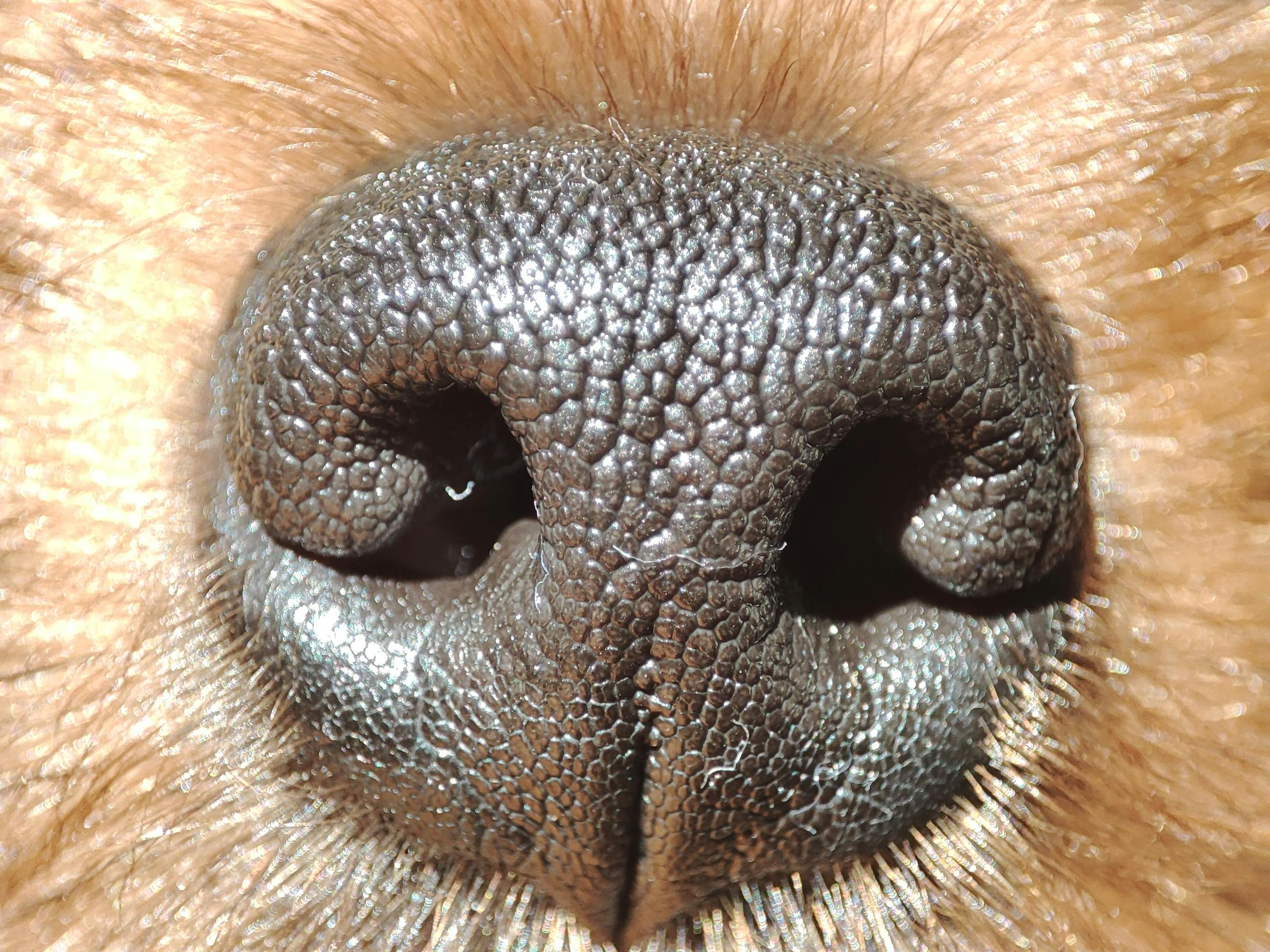
Dogs are more than just loyal companions; they are complex creatures with remarkable senses. One of the most fascinating aspects of a dog’s biology is their nose. And it’s not just cute; it’s wet for a reason. Understanding the role of a dog’s wet nose in their sense of smell can open up a whole new perspective on these furry friends. So, why do dogs have wet noses, and how does it all work? Let’s dive into the science and some interesting facts about our canine companions.
Why Do Dogs Have Wet Noses?
Dogs have wet noses primarily because it helps them smell better. The moisture on their noses enhances their olfactory abilities, which is just a fancy way of saying it helps them detect scents more effectively. When a dog sniffs, the wet surface of their nose captures scent particles in the air. This is crucial since dogs’ sense of smell is estimated to be between 10,000 to 100,000 times more sensitive than humans.
Here are some reasons why a dog’s nose is wet:
- Enhanced Scent Detection: The moisture traps scent particles, allowing dogs to detect them better.
- Cooling Mechanism: A wet nose also helps regulate a dog’s body temperature. Dogs don’t sweat like humans do, so they rely on their noses to help cool down.
- Health Indicator: A dog’s nose can indicate their health. A dry nose may suggest dehydration or illness, whereas a wet nose is often a sign of a healthy pup.
How Dogs Smell
Dogs have a unique anatomical structure that aids in their exceptional sense of smell. Their noses contain up to 300 million olfactory receptors, compared to humans’ mere 5 million. Here’s a breakdown of how dogs smell:
- Olfactory Receptors: These receptors are specialized cells that detect different odor molecules.
- Jacobsen’s Organ: This is an additional organ located in the nasal cavity that helps dogs analyze smells. It’s particularly useful for detecting pheromones, which play a role in social interactions.
- Vomeronasal Organ: This organ helps dogs process pheromonal information, which is vital for communication with other dogs.
The Science Behind a Dog’s Nose
Understanding the science of a dog’s nose is quite fascinating. Here is a little more detail about how everything works:
- Breathing Process: When dogs sniff, they take in air through their nose and the air flows into various nasal passages. The design of their nasal cavity allows them to separate air for breathing and for smelling.
- Olfactory Bulb: The olfactory bulb, located in the brain, processes the smells. In dogs, this structure is much larger than in humans, indicating their heightened sense of smell.
Historical Context and Evolution
Dogs have evolved alongside humans for thousands of years. Their keen sense of smell has been crucial for survival, helping them hunt, find food, and even protect their human companions. Early domesticated dogs were often used for hunting and tracking because of their extraordinary olfactory capabilities. Here are some historical facts:
- Ancient Egyptians revered dogs for their hunting skills.
- In the Middle Ages, dogs were trained to sniff out game, leading to the development of breeds specifically for tracking scents.
Practical Examples of Dogs’ Sense of Smell
Dogs’ remarkable sense of smell is not just for fun; it has practical applications in various fields. Some examples include:
- Search and Rescue: Dogs are used to locate missing persons due to their ability to pick up human scent over long distances.
- Detection Work: Dogs are trained to detect drugs, explosives, and even diseases like cancer.
- Service Animals: Certain breeds are trained to assist people with disabilities, alerting them to sounds or changes in their environment.
Fun Facts About Dogs and Their Noses
- Dogs have a unique nose print, much like human fingerprints.
- The size and shape of a dog’s nose can affect their ability to smell.
- Puppies are born with their noses closed, and they begin to develop their sense of smell as they grow.
Understanding why dogs have wet noses and how they utilize their sense of smell can deepen our appreciation for these incredible animals. Whether they are your loyal companions or working in specialized roles, dogs continue to amaze us with their unique abilities. So, next time you give your furry friend a pat on the head, remember the incredible biology behind that wet nose!
Why Do Dogs Have Wet Noses? Uncover the Secrets of Canine Physiology
Have you ever wondered why dogs have wet noses? It’s a question that many dog owners ask, but few understand the fascinating reasons behind this unique aspect of canine physiology. Dogs are known for their wet noses, and it turns out, there’s some important science behind it. Lets dive into this subject and uncover the secrets that make our furry friends so special.
The Science Behind Wet Noses
A dog’s nose is not just an adorable feature; it serves significant physiological purposes. The wetness of a dog’s nose mostly comes from mucus that helps to enhance their sense of smell. This phenomenon is due to several factors:
- Enhanced Olfactory Function: The moisture helps to capture scent particles in the air, allowing dogs to smell better. Their sense of smell is about 10,000 to 100,000 times more sensitive than that of humans.
- Temperature Regulation: Dogs also use their noses to regulate body temperature. When they pant, the moisture on their noses evaporates and cools them down. This is particularly important during hot weather.
- Health Indicator: A dog’s nose can also indicate health. A wet and cool nose usually means a dog is healthy, while a dry, warm nose can be a sign of fever or illness.
Historical Insights into Canine Noses
Throughout history, dogs have been revered for their abilities. The ancient Greeks and Romans recognized the keen sense of smell in dogs and often used them for hunting and tracking. In fact, dogs have been bred for specific purposes that hinge on their olfactory capabilities. Here’s a brief historical timeline:
- Ancient Egypt: Dogs were domesticated and used for hunting and guarding.
- Middle Ages: Various breeds were developed for tracking game, which relied heavily on their sense of smell.
- Modern Era: Today, dogs are used in search and rescue, detection of drugs, and even in medical diagnosis.
Fascinating Facts About Dog Noses
The anatomy of a dog’s nose is more complex than you might think. Here are some intriguing facts:
- Nasal Turbinates: Dogs have a structure called nasal turbinates, which increases surface area in their noses and helps trap scent particles.
- Unique Nose Prints: Just like human fingerprints, each dog has a unique nose print that can be used for identification.
- Dogs Can Smell Emotions: Studies have shown that dogs can detect human emotions through scent, interpreting pheromones released by sweat.
The Role of Environment in Nose Wetness
Many factors influence the moisture of a dog’s nose. Here are some reasons why some dogs might have drier noses than others:
- Weather Conditions: In cold or dry weather, a dog’s nose may become drier.
- Age: Older dogs may naturally have drier noses as they age.
- Health Issues: Certain conditions, such as dehydration or allergies, may cause a dog’s nose to dry out.
Practical Examples and Observations
When observing dogs, you might notice variations in nose moisture. For instance:
- Active Dogs: Dogs that spend a lot of time outdoors often have wet noses, as they are frequently sniffing and engaging with their environment.
- Indoor Dogs: Dogs that are mostly indoors may have drier noses, especially in air-conditioned or heated environments.
Common Misconceptions About Dog Noses
There are many myths surrounding dog noses. Here are a few common misconceptions:
Myth: A warm nose means a dog is sick.
- Fact: While a warm nose can be a sign of illness, it’s not definitive. Other factors should be considered.
Myth: All dogs have wet noses all the time.
- Fact: Dogs can have fluctuating nose moisture based on their activities and environment.
Myth: Dogs only use their noses to smell.
- Fact: Dogs use their noses for social interactions, exploring, and even to communicate with other dogs.
The wet noses of dogs are not just a cute feature; they are a window into the incredible world of canine physiology. Understanding why dogs have wet noses reveals the intricate ways in which they interact with their surroundings and maintain their health. So next time you pet your pup, take a moment to appreciate that wet nose and all the wonders it represents.
The Connection Between a Dog’s Wet Nose and Their Emotions: What You Need to Know

Dogs are some of the most beloved companions around the world, and their wet noses are a well-known characteristic. But have you ever wondered why do dogs have wet noses? And what does that say about their emotions? It’s a fascinating topic that combines biology, behavior, and even a bit of history.
The Science Behind a Dog’s Wet Nose
Dogs’ noses are wet for several reasons. Mainly, it’s about thermoregulation and the ability to smell better. Here are some points to consider:
Cooling Mechanism: Dogs don’t sweat like humans do. Instead, they pant and rely on their noses to help regulate their body temperature. The moisture from the nose evaporates and cools them down.
Enhanced Sense of Smell: A wet nose can actually improve a dog’s sense of smell. The moisture helps to capture scent particles better, allowing them to identify and understand their environment more accurately.
Health Indicator: A wet nose can sometimes indicate good health. If a dog’s nose is dry, it might not necessarily mean they are sick, but it can be a sign of dehydration or other health issues.
Historical Context of Dog Noses
Historically, dogs have been companions to humans for thousands of years. They’ve served various roles from hunters to protectors, and their noses have always played a crucial role in their abilities. Ancient civilizations recognized the importance of a dog’s sense of smell, using them for tracking and hunting.
Emotional Connection
The connection between a dog’s wet nose and their emotions is quite interesting. Dogs use their noses to communicate as much as they do with their barks or body language. Here’s how:
Inquisitive Behavior: When a dog approaches you with a wet nose, they are often curious and excited. It’s their way of exploring and understanding you and your emotions.
Affectionate Gesture: A gentle nudge from a wet nose can signify affection. Dogs often nuzzle to show they care, much like a child might hug.
Comfort Seeking: If a dog is feeling anxious or scared, they might seek out their owner and touch you with their nose. It’s a way to find comfort and reassurance.
Practical Examples of Nose Behavior
Understanding your dog’s nose behavior can help you better connect with them. Here are some scenarios:
Greeting You: When you come home, if your dog rushes to you and gives you a wet nose poke, they are excited to see you.
Scent Marking: Dogs have scent glands in their noses and may use their wet noses to mark territory or establish social bonds with other dogs.
Medical Signs: Sometimes, a change in the moisture level of a dog’s nose can indicate a health issue. For instance, if a dog that usually has a wet nose suddenly has a dry one, it might be worth a visit to the vet.
Fun Facts About Dog Noses
Dogs have about 220 million scent receptors in their noses, compared to a human’s 5 million.
The texture of a dog’s nose can vary; some are smooth while others are bumpy. Both are normal!
Dogs can smell things even if they are buried underground or hidden behind walls.
Conclusion
Understanding why do dogs have wet noses and their connection to emotions can help deepen the bond between you and your furry friend. A wet nose isn’t just a quirky trait; it’s a window into their health, behavior, and feelings. Next time you see your dog with a wet nose, you’ll know it’s more than just a cute feature—it’s a significant part of who they are. So, embrace the wet nose and all the love and connection it represents!
Wet Nose vs. Dry Nose: When Should You Be Concerned About Your Dog’s Health?
When it comes to our furry friends, a lot of pet owners often wonder about the health indicators that can be found on their dogs. One of the most common points of concern is whether their noses are wet or dry. So, when should you be worried about your dog’s health based on their nose’s condition? And why do dogs have wet noses in the first place? Let’s dive into this fascinating topic.
The Significance of Nose Moisture in Dogs
Dog noses can tell you a lot about their well-being. A wet nose can often indicate a healthy dog, but a dry nose may raise some flags. However, it’s not always so simple. Here are a few factors to consider:
- Normal Variation: Just like humans, every dog is different. Some dogs naturally have drier noses than others.
- Environmental Factors: Weather conditions can affect your dog’s nose. Hot, dry weather might lead to a dry nose, while cooler temperatures can keep it moist.
- Activity Level: After a long walk or run, a dog’s nose may become dry due to panting, but that doesn’t mean something is wrong.
When Should You Be Concerned?
Not all dry noses are a cause for alarm, but there are certain signs pet owners should keep an eye on. Here’s a quick list:
- Cracking or Bleeding: If your dog’s nose is not just dry but also cracked or bleeding, you may need to consult a vet.
- Change in Color: If the nose changes color from its usual shade, especially to a pale or bright pink, something might be off.
- Behavioral Changes: If your dog is lethargic, refuses to eat, or shows signs of discomfort, even if their nose is not dry, it’s best to get them checked.
- Excessive Sneezing or Coughing: This could indicate allergies or something more serious, regardless of nose moisture.
Why Do Dogs Have Wet Noses?
The moisture on a dog’s nose serves several important functions. Here are some fascinating reasons:
- Enhanced Sense of Smell: A wet nose helps to capture scent particles in the air. This moisture allows scent molecules to dissolve, which aids in the dog’s ability to smell better.
- Cooling Mechanism: Dogs do not sweat like humans do. A wet nose helps to cool them down as the moisture evaporates.
- Health Indicator: The moisture level can indicate health. A healthy dog typically has a moist nose, although it can vary from dog to dog.
Understanding Nose Conditions in Dogs
Let’s look into some conditions that could affect your dog’s nose. Being informed can help you spot issues early.
| Condition | Symptoms | Treatment |
|---|---|---|
| Nasal Dermatitis | Redness, swelling, and crusting | Topical antibiotics |
| Allergies | Itching, redness, and sneezing | Antihistamines |
| Autoimmune Disorders | Change in color, sores, and lesions | Immunosuppressive drugs |
| Nasal Tumors | Persistent nasal discharge, bleeding | Surgical intervention |
Practical Tips for Nose Care
Keeping your dog’s nose healthy is important. Here are some practical tips:
- Regular Check-ups: Regular vet visits can help catch problems early.
- Hydration: Make sure your dog has access to fresh water at all times to help keep their nose moist.
- Avoid Irritants: Keep your dog away from smoke, strong perfumes, or cleaning products that could irritate their nose.
- Monitor Behavior: Always pay attention to changes in your dog’s behavior or health.
The Bottom Line
Understanding the significance of whether your dog’s nose is wet or dry can help you keep a close eye on their health. While a wet nose is generally a good sign, it’s important to look for other symptoms and behaviors to get a complete picture. If you notice any concerning signs, don’t hesitate to reach out to your veterinarian. Remember, your dog’s health is your responsibility, and being observant can make all the difference in ensuring they stay happy and healthy.
Can a Dog’s Wet Nose Help Them Stay Cool? Explore the Cooling Mechanism

Dogs are known for many things, from their loyalty to their playful antics, but one of the most interesting features of our furry friends is their wet noses. You may have wondered, can a dog’s wet nose help them stay cool? Let’s dive into the fascinating mechanisms at play here, the reasons behind why dogs have wet noses, and some other cool facts.
The Cooling Mechanism of a Dog’s Nose
Dogs don’t sweat like humans do. Instead, they have unique ways of regulating their body temperature. One of these methods is through their noses. A dog’s wet nose plays a role in thermoregulation, which is the process of maintaining an optimal body temperature.
Evaporative Cooling: When the moisture on a dog’s nose evaporates, it helps to cool the blood vessels right beneath the surface. This process acts similar to how sweating cools humans down. So, a wet nose can indeed help dogs in staying cool, especially in warm weather.
Increased Surface Area: The shape of a dog’s nose, combined with its wetness, increases the area from which heat can escape. This is why you often find dogs with wet noses after running around outside.
Airflow: When dogs pant, they also increase airflow over their nose, further enhancing the cooling effect. So, when you see your pooch with a sloppy, wet nose, it’s doing more than just being cute.
Why Do Dogs Have Wet Noses?
The wetness of a dog’s nose isn’t just for cooling. There are several fascinating reasons behind this characteristic:
Sense of Smell: A wet nose helps enhance a dog’s ability to smell. The moisture in their noses captures scent particles, making it easier for dogs to detect and differentiate between various smells. This is why dogs are often used in search and rescue operations—they can pick up scents that humans can’t even fathom!
Health Indicator: The wetness of a dog’s nose can also indicate their health. A healthy dog typically has a moist nose, while a dry nose may signal dehydration, illness, or other health issues.
Facilitating Communication: Dogs communicate with each other through scent. A wet nose can help them leave their scent on objects, which is a form of social interaction with other dogs.
Temperature Regulation: As previously mentioned, a dog’s nose helps in regulating their body temperature, which is crucial for their overall well-being.
The Science Behind a Dog’s Nose
The anatomy of a dog’s nose is quite complex. Here’s a breakdown:
Structure: The dog’s nose consists of a layer of moist epithelium, which secretes mucus. This mucus keeps the nose wet and enhances its ability to detect scents.
Nasal Passages: The nasal passages in dogs are also much longer than those in humans. This allows for more area for scent detection and for cooling purposes.
Temperature Sensitivity: Dogs have a special type of sensory receptor in their noses that allows them to detect temperature changes. This sensitivity helps them in both cooling down and warming up.
Fun Facts About Dog Noses
Unique Prints: Just like human fingerprints, every dog has a unique nose print. This means that dog noses can be used for identification purposes.
Color Variation: The color of a dog’s nose can vary greatly. Some dogs have black noses, while others have brown or even pink noses.
Nasal Capacity: Dogs have up to 300 million smell receptors in their noses, compared to about 5 million in humans. This impressive capacity makes dogs some of the best sniffers in the animal kingdom.
Nose Licking: Dogs often lick their noses to keep them moist. This behavior is instinctual and helps maintain their olfactory senses.
Practical Tips for Dog Owners
Hydration: Make sure your dog stays hydrated, especially in hot weather. Dehydration can lead to a dry nose, which may indicate health issues.
Regular Vet Check-ups: Monitor the condition of your dog’s nose. If you notice any drastic changes, consult your veterinarian.
Outdoor Activities: Plan outdoor activities during cooler parts of the day, like early morning or late evening, to help your dog stay cool and comfortable.
In summary, a dog’s wet nose isn’t just an adorable feature; it’s a vital part of their physiology. From helping them stay cool to enhancing their sense of smell, the mechanisms at play are truly fascinating. Understanding these aspects can improve your bond with your furry friend, ensuring their health and happiness.
Why Does My Dog’s Nose Change in Wetness? Understanding the Variations
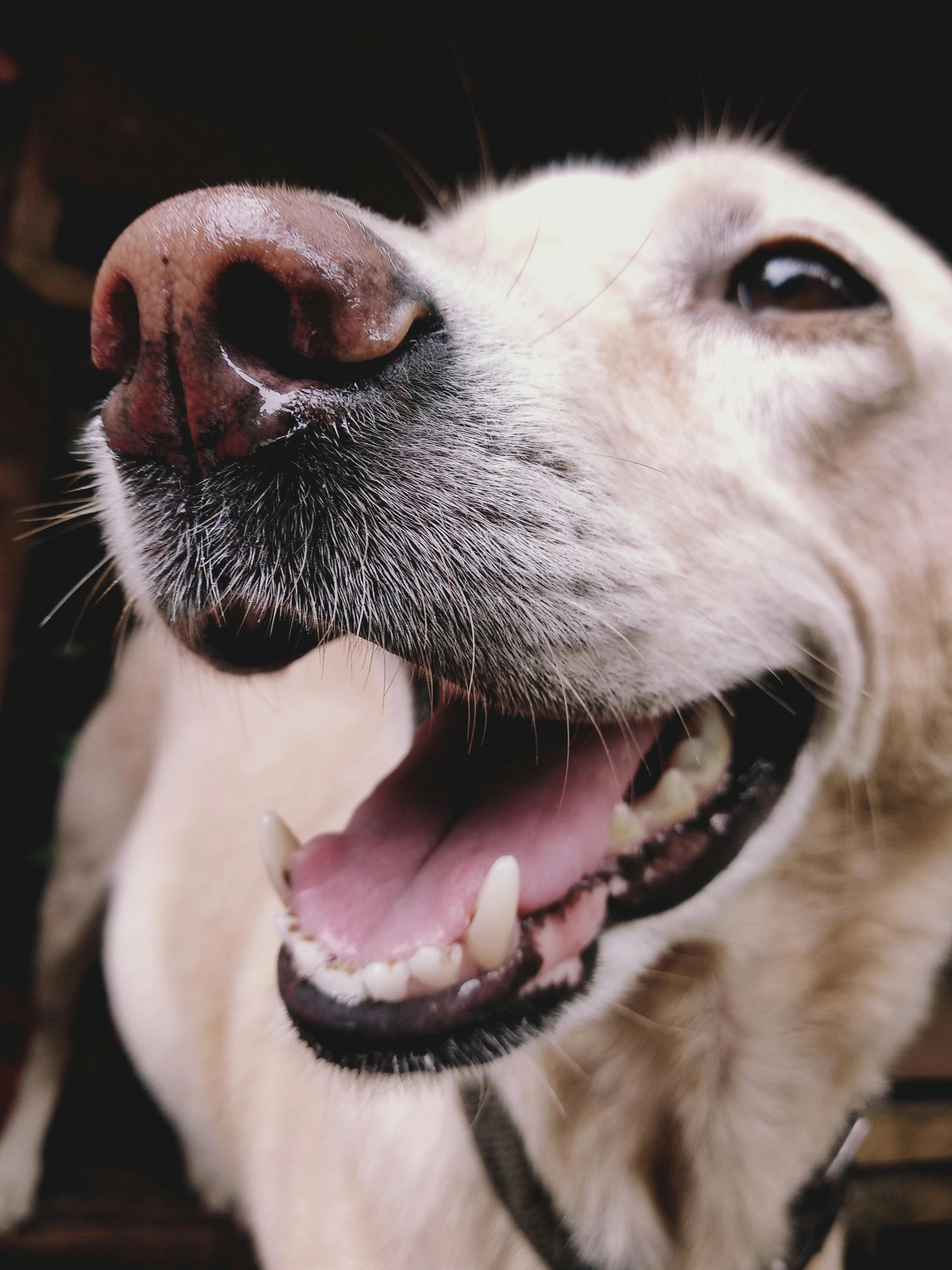
Have you ever wondered why does my dog’s nose change in wetness? You might notice that your furry friend’s nose can be dry one minute and then suddenly wet the next. This can be puzzling for many pet owners, but it’s actually quite normal for dogs. Understanding the variations in your dog’s nose wetness can give you insight into their health and well-being.
Why Do Dogs Have Wet Noses? Discover The Fascinating Reasons
Dogs are unique creatures, and their noses are one of the most intriguing aspects of their biology. But why do dogs have wet noses anyway? Here are some reasons:
Cooling Mechanism: Dogs don’t sweat like humans. Their primary method of regulating body temperature is through panting, but a wet nose also plays a role. When a dog’s nose is wet, it helps to cool down their body temperature through evaporation.
Enhanced Sense of Smell: A wet nose can help dogs smell better. The moisture in a dog’s nose helps to capture scent particles from the air, which enhances their olfactory sense. This is why dogs are often used in search and rescue operations, as their sense of smell is incredibly powerful.
Health Indicator: Usually, a dog’s nose can be an indicator of their health. A wet nose is generally a sign that your dog is healthy and hydrated. Conversely, a dry or cracked nose might suggest dehydration or illness, but this isn’t always the case.
Behavioral Signals: Dogs might wet their noses in response to their environment or emotions. For instance, they may lick their noses when they are excited or anxious. This can be a sign to pay attention to their emotional state.
Understanding the Variations in Nose Wetness
Noticing your dog’s nose changing wetness can prompt concerns, but it’s often just part of being a dog. Here are several factors that can contribute to the wetness of a dog’s nose:
Humidity and Temperature: Changes in weather can affect your dog’s nose. In humid conditions, noses tend to be wetter, while in dry or cold weather, they might dry out.
Health Conditions: Certain health issues can cause variations. For example, allergies, infections, or autoimmune diseases might lead to changes in the nose’s wetness.
Hydration Levels: Like humans, dogs need water to stay hydrated. If a dog is dehydrated, their nose may feel dry.
Age: As dogs age, their skin and nose can become drier. Older dogs may not have the same level of moisture in their noses as younger dogs.
Activity Level: After a good romp or a long walk, your dog’s nose might be wetter due to increased panting and licking.
Quick Reference: Common Causes of Nose Wetness Changes
Here’s a quick list summarizing some of the common factors that can affect your dog’s nose:
- Weather conditions (humidity and temperature)
- Health issues (allergies, infections)
- Hydration levels (dehydration)
- Age-related changes
- Activity level (post-exercise)
Comparing Nose Conditions: Wet vs. Dry
| Condition | Wet Nose | Dry Nose |
|---|---|---|
| Health Status | Often indicates good health | Could indicate dehydration or illness |
| Environmental | Humid or after licking | Dry weather, dehydration |
| Age Factor | Normal in young dogs | More common in older dogs |
Dogs’ noses serve many purposes, and their variations can be quite normal. But if you ever notice something unusual, like excessive dryness or a change in color, it’s always a good idea to consult with your veterinarian. Regular check-ups are essential for maintaining your dog’s health.
In essence, understanding why do dogs have wet noses can help pet owners be more aware of their dog’s condition. It’s a fascinating topic, and by paying attention to the nuances of your dog’s nose, you can ensure they stay happy and healthy. While a wet nose is often a sign of a lively and well-hydrated pooch, being informed about the variations can only make your bond with your dog stronger. If you’re still unsure or have concerns, don’t hesitate to reach out to a vet for personalized advice.
The Myth-Busting Facts About Dogs’ Wet Noses: What Every Pet Owner Should Know
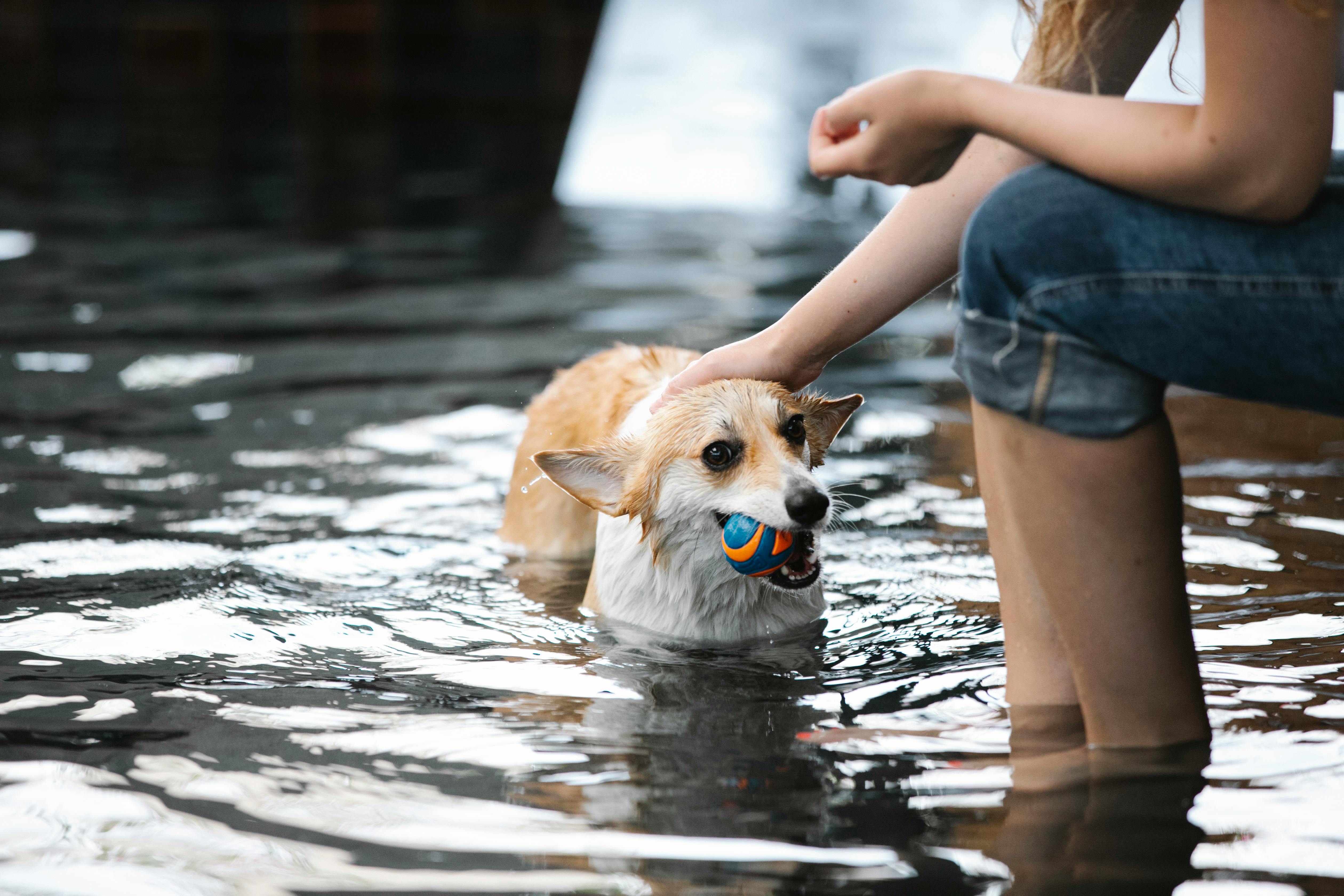
Dogs are known for their playful nature, loyalty, and yes, their wet noses. A lot of people often wonder about this particular feature of their furry friends. The common question many pet owners ask is, “Why do dogs have wet noses?” It’s a question that leads to a fascinating exploration into the biology of dogs and their unique characteristics. Let’s dive into some myth-busting facts about these wet noses, and what every pet owner should know.
The Science Behind Wet Noses
First off, the wetness of a dog’s nose serves several important functions. Most dogs have moist noses due to a combination of factors, including:
- Nasal Glands: Dogs possess specialized glands that produce a thin layer of mucus. This mucus helps to enhance their sense of smell.
- Cooling Mechanism: Just like humans sweat to cool down, dogs rely on their noses to help regulate their body temperature. The moisture evaporating from their noses helps to cool them off.
- Scent Detection: A wet nose can absorb scent molecules better than a dry one. This means that dogs can smell more effectively when their noses are moist, which is essential for their hunting instincts.
Historical Context of the Dog’s Nose
Dogs have been companions to humans for thousands of years, and their noses have played a significant role in their evolution. Early dogs were bred for specific tasks like hunting, herding, and protection. Their ability to track scents made them invaluable. Interestingly, the wet nose is not just a modern trait; it has existed for ages. Ancient texts and artifacts have shown that our canine companions have always relied on their sense of smell for survival.
Common Myths About Dogs’ Wet Noses
There are many myths surrounding the wet noses of dogs. Let’s tackle some of these misconceptions:
- Myth 1: A wet nose means a healthy dog: While a wet nose can be a sign of a healthy dog, it’s not always the case. Some dogs may have dry noses but still be perfectly healthy.
- Myth 2: All dogs have wet noses: Some breeds, like Bulldogs and Pugs, may have drier noses due to their skin structure. So, it’s not a universal trait among all dogs.
- Myth 3: Dogs’ noses are always wet: Dogs can have varying levels of moisture in their noses throughout the day. Factors like climate, activity level, and even the time of day can affect this.
Comparisons: Wet Noses vs. Dry Noses
Understanding the differences between wet and dry noses can help pet owners identify potential issues. Here’s a quick comparison:
Wet Nose:
- Usually cool to the touch.
- Enhances olfactory capabilities.
- Can indicate hydration.
Dry Nose:
- May feel warm or hot.
- Could indicate dehydration or illness.
- Can be influenced by weather conditions.
Practical Examples
Pet owners might notice their dog’s nose changing throughout the day. For instance, after a long walk or playtime, a dog’s nose might be extra wet due to increased activity and excitement. On the other hand, if a dog is lounging around on a hot day, their nose might dry out a bit. This fluctuation is normal, but if there are drastic changes, such as cracks or sores on the nose, it might be a good idea to consult a veterinarian.
Tips for Caring for Your Dog’s Nose
Here are some helpful tips to maintain your dog’s nose health:
- Hydration: Ensure your dog drinks enough water. Proper hydration can help keep their nose moist.
- Regular Check-ups: Regular vet visits can help identify any underlying health issues.
- Environmental Factors: Pay attention to how weather affects your dog’s nose. Cold, dry air can cause dryness, while humidity may keep it moist.
In summary, the wet nose of your dog is more than just a cute characteristic; it plays a vital role in their health and well-being. Understanding the reasons behind this feature can help pet owners appreciate their furry companions even more. Remember, if you have any concerns about your dog’s health, including their nose, consult with a veterinarian to ensure your furry friend is happy and healthy.
Conclusion
In conclusion, the wet noses of dogs serve several important functions that contribute to their health and behavior. The moisture on a dog’s nose helps enhance their sense of smell, allowing them to detect various scents more effectively. This characteristic is also linked to their ability to regulate body temperature and maintain optimal hydration levels. Additionally, the wetness of a dog’s nose can indicate their emotional state, reflecting their excitement or curiosity. Understanding the significance of a dog’s wet nose not only deepens our appreciation for these loyal companions but also highlights the intricate ways they interact with the world around them. Next time you greet your furry friend, take a moment to appreciate the science behind that wet nose. Consider sharing this knowledge with fellow dog lovers or engaging in discussions about your pet’s unique behaviors—it’s a great way to strengthen the bonds within the dog-loving community!
