
Have you ever wondered, why do dogs have wet noses? This intriguing question not only sparks curiosity but also uncovers a fascinating truth about our furry friends. A dog’s nose is often cool and moist, but what does it really mean? Many pet owners might think it’s just a quirky trait, but there’s much more to it than meets the eye. The wetness of a dog’s nose plays a crucial role in their sense of smell, which is an essential part of how they interact with the world. Did you know that a dog’s nose can help regulate their body temperature? This is just one of many reasons you should pay attention to your pup’s sniffing habits! So, why should you care? Understanding the reasons behind dogs’ wet noses can enhance your bond with your pet and improve their health. Join us as we dive deeper into this fascinating topic and reveal the secrets behind those adorable, wet noses. You won’t want to miss the astonishing science that explains why dogs have wet noses—it might just change the way you view your beloved companion!
The Science Behind Canine Noses: Why Are Dogs’ Noses Always Wet?
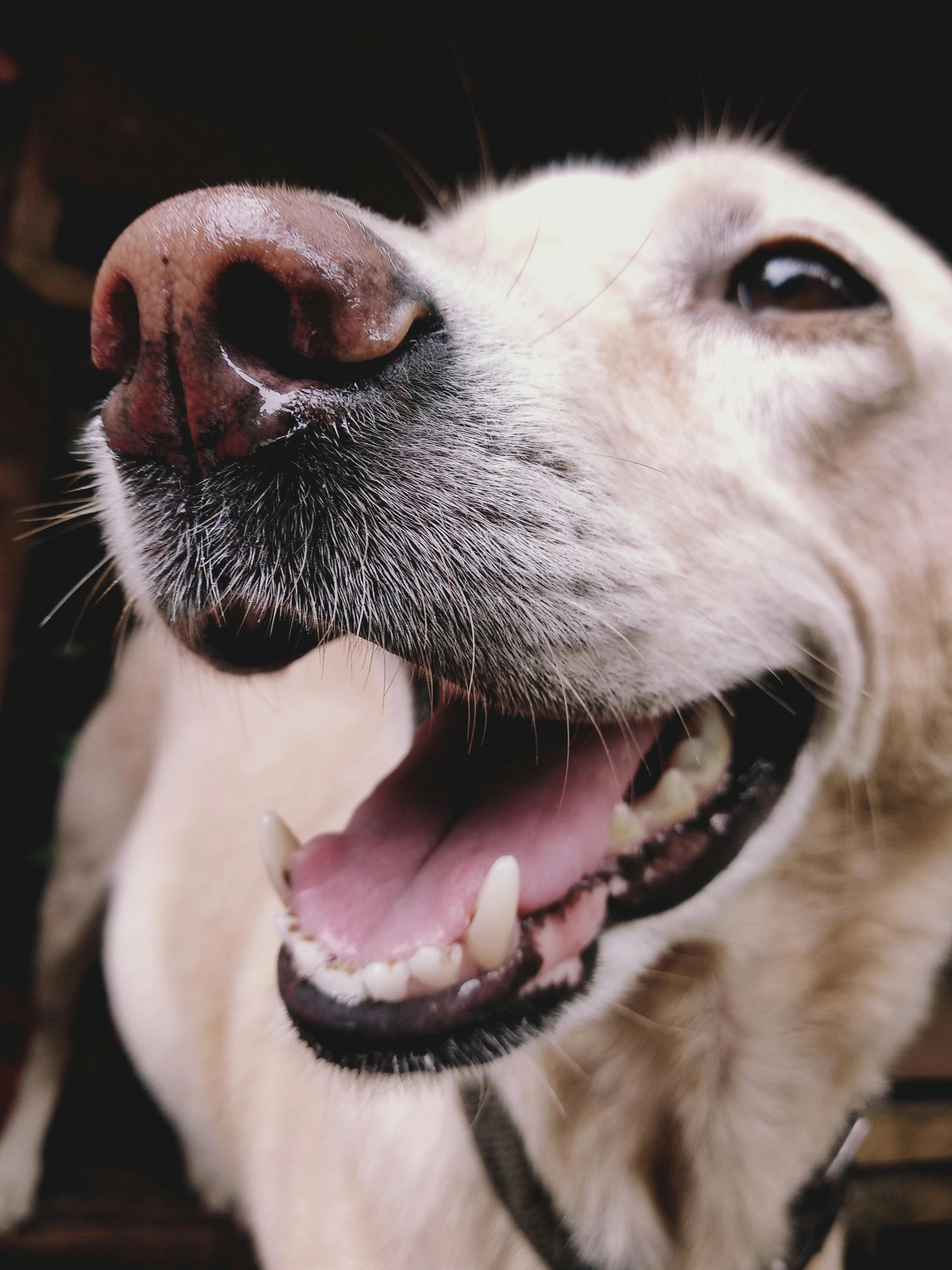
Dogs are often considered man’s best friend, and their wet noses are one of the many unique traits that make them special. Have you ever wondered why do dogs have wet noses? It’s not just for show. The science behind canine noses is pretty fascinating and reveals a lot about a dog’s health and behavior.
The Anatomy of a Dog’s Nose
First, let’s take a look at the structure of a dog’s nose. A dog’s nose contains a multitude of olfactory receptors, estimated to be around 220 million in comparison to a human’s mere 5 million. This makes their sense of smell exceptional. But what about the wetness?
Moisture for Better Scent Detection:
- The wet surface of a dog’s nose helps to capture scent particles from the environment.
- The moisture allows for better absorption of these particles, increasing their ability to detect different smells.
Temperature Regulation:
- A dog’s nose helps regulate their body temperature. They don’t sweat the same way humans do, so the wetness plays a role in keeping them cool.
- When they’re panting, their noses help with evaporative cooling.
Health Indicator:
- A wet nose is often seen as a sign of health. If a dog’s nose is dry, it might indicate dehydration or illness.
- However, this is not always the case. Some dogs naturally have drier noses, and changes can be temporary.
Historical Context of Dogs’ Noses
Throughout history, dogs have served various roles, from hunters to companions. Their noses have been crucial in these roles. In ancient times, dogs were used for hunting, where their sense of smell was vital.
- Tracking Prey: Dogs with excellent noses could track scents over long distances, making them invaluable to hunters.
- Detecting Changes: They could also sense changes in their environment, alerting their humans to danger or the presence of other animals.
The Science Behind the Wetness
But why are dogs’ noses always wet? Here’s a breakdown of the science:
- Mucus Production: Dogs produce mucus on their noses, and this is essential for trapping scents.
- Environmental Factors: The weather can affect a dog’s nose. Humidity can cause their noses to be wetter, while dry conditions can lead to dryness.
- Licking: Dogs often lick their noses. It’s a behavior that not only keeps their noses moist but also helps them taste the scents they smell.
Fun Facts About Dog Noses
- Unique Patterns: Just like fingerprints in humans, every dog has a unique nose print.
- Temperature Sensitivity: Dogs can detect changes in temperature through their noses, which helps them sense their environment better.
- Scent Discrimination: Dogs can differentiate between various scents, which is why they are often used in search and rescue operations.
Common Misconceptions
There are several myths surrounding dogs’ noses that often create confusion:
- A Dry Nose Means Illness: While a dry nose can indicate health issues, it’s not a definitive sign. Some dogs are naturally drier than others.
- Wet Noses Are Always Healthy: A wet nose doesn’t guarantee health. Dogs can be sick even with moist noses.
Caring for Your Dog’s Nose
To ensure your dog’s nose remains healthy, consider these tips:
- Hydration: Make sure your dog drinks plenty of water to stay hydrated.
- Check for Irritation: Regularly inspect their nose for cracks or dryness.
- Veterinary Visits: Regular check-ups can catch any potential issues early.
Comparing Dog Noses to Human Noses
| Feature | Dog Noses | Human Noses |
|---|---|---|
| Olfactory Receptors | 220 million | 5 million |
| Moisture Role | Increases scent detection | Minimal role |
| Temperature Control | Helps regulate body temp | Sweating is primary method |
Dogs’ noses are more than a cute feature; they’re a complex tool that helps them interact with the world. So next time you see a pup with a wet nose, remember the science behind it—it’s part of what makes dogs such incredible companions.
Understanding why do dogs have wet noses opens up a whole new appreciation for our furry friends. They rely on their noses not just for smelling, but for communicating and understanding their environment. Whether they’re sniffing out a treat or just enjoying a good roll in the grass, their wet noses are a reflection of their health and vitality.
5 Fascinating Reasons Dogs Have Wet Noses: What You Need to Know

Dogs are often considered man’s best friend, and there’s so much to learn about them, including that curious fact about their noses. Ever wondered why do dogs have wet noses? It’s not just for show, there are several fascinating reasons behind it. Here’s a breakdown of five intriguing reasons why your furry companion’s snout might always feel like it just came out of a swimming pool.
1. Temperature Regulation
Dogs can’t sweat like humans do. Instead, they depend on their noses to help cool down. The moisture on a dog’s nose evaporates, helping to regulate their body temperature. When a dog is hot, their nose might feel even wetter, which is essential for their comfort and health. This is a natural process, meant to keep them from overheating especially during those hot summer days or after playing fetch.
2. Enhanced Smell Perception
A dog’s sense of smell is incredibly powerful, estimated to be anywhere from 10,000 to 100,000 times more acute than that of humans. The wetness of a dog’s nose plays a crucial role in this. When a dog’s nose is moist, it helps capture scent particles. This is because the moisture allows odors to dissolve, making it easier for dogs to sniff out and identify various scents. That’s why you might see your dog sniffing around, trying to decipher the world around them.
3. Communication Tool
Dogs also use their noses as a form of communication. When they meet another dog, they often sniff each other’s noses and behinds. This is how they gather information about each other, like their mood, health, and even diet. A wet nose can signal excitement or friendliness, while a dry nose might mean the dog is feeling stressed or unwell. So, the next time your dog greets another, remember, it’s more than just a hello; it’s a social interaction.
4. Health Indicator
The condition of a dog’s nose can sometimes indicate their overall health. Generally, a healthy dog will have a moist, cool nose. If a nose is excessively dry, cracked, or warm, it could be a sign of dehydration or illness. Dog owners should monitor their pets’ noses, along with other signs, to catch any potential health issues early. For example:
- Healthy Nose: Moist, cool, and slightly wet.
- Dehydrated Nose: Dry, warm, or cracked.
- Infected Nose: Redness, swelling, or discharge.
5. Evolutionary Advantage
From an evolutionary standpoint, wet noses provide dogs with advantages that help them survive and thrive. The ability to smell better and regulate their body temperature has helped dogs adapt to various environments and situations over time. It is believed that wet noses have been a natural selection trait, passed down through generations, aiding in hunting, finding food, and social interactions.
Key Takeaways
- Dogs have wet noses primarily for temperature regulation, enhanced smell perception, and communication.
- A moist nose helps dogs to cool off, as they lack sweat glands.
- Wet noses capture scent particles more effectively, enhancing their powerful sense of smell.
- The condition of a dog’s nose can be a health indicator.
- Evolution has shaped wet noses to be beneficial for survival.
Fun Facts About Dog Noses
- The unique pattern of a dog’s nose is like a human fingerprint – no two noses are alike!
- Dogs can detect certain diseases in humans, such as cancer or diabetes, through their keen sense of smell.
- A dog’s nose is also a great tool for navigation, helping them to track scents over long distances.
Understanding why dogs have wet noses can enhance our bond with them. It explains behaviors, health indicators, and even a bit about their evolutionary history. So, the next time you give your pup a pat and notice that wet nose, remember all the fascinating reasons behind it. It’s not just a cute feature; it serves many vital purposes in their lives.
Is a Wet Nose a Sign of a Healthy Dog? Discover the Truth!
When your furry friend greets you with a wet nose, you might wonder if that’s a sign of health or something else. There’s a lot of myths around this topic, so let’s dive in and explore the truth about why dogs have wet noses and what it means for their health.
The Basics of Dog Nose Wetness
First off, let’s clear the air. A wet nose in dogs is generally considered a good sign, but it ain’t the whole picture. Dogs have wet noses due to several reasons, and it’s important to know what they are. Here are some common facts about dog noses:
- Moisture Regulation: Dogs’ noses produce mucus, which helps them to smell better. The wetness enhances their olfactory capabilities, allowing them to detect scents more effectively.
- Cooling Mechanism: Just like humans sweat to cool down, dogs use their noses to regulate body temperature. A wet nose can help in keeping their body cool, especially in warmer weather.
- Health Indicator: While a wet nose is often associated with a healthy dog, it’s important to look at other signs too. A dog’s overall behavior, energy level, and appetite are just as crucial indicators of health.
Why Do Dogs Have Wet Noses? Discover the Fascinating Truth!
The question on many pet owners’ minds is, “Why do dogs have wet noses?” Let’s break this down:
- Evolutionary Advantage: Wet noses evolved as a way for dogs to hunt and survive. The moisture captures scent particles, which helps them track prey or recognize scents in their environment.
- Thermoregulation: Dogs don’t sweat like humans do. Instead, they rely much on their paws and noses to help with cooling. A wet nose allows for efficient heat loss, especially during physical activity.
- Social Interactions: Dogs use their noses to communicate. A wet nose can be a part of their social behavior, allowing them to interact with other pets and humans in a more engaging way.
Common Misconceptions About Dog Nose Wetness
There are many myths around dog noses that can be misleading. Here’s a list of some misconceptions:
- Wet Nose Equals Healthy Dog: While a wet nose is often seen as a sign of health, it’s not definitive. Some healthy dogs can have dry noses, and some sick dogs can have wet noses.
- Nose Temperature Matters: Many believe that a warm nose indicates illness. But the actual temperature of a dog’s nose can vary for many reasons, including the environment and the dog’s activity level.
- All Noses Are the Same: Different breeds and individual dogs can have different nose types. Some may naturally have drier noses, and that doesn’t mean they’re unhealthy.
What If Your Dog’s Nose is Dry?
If you notice that your dog’s nose is dry, you should not panic immediately. There could be several reasons for this condition:
- Weather: Hot or dry weather can lead to a dry nose.
- Dehydration: If your dog isn’t drinking enough water, it can result in a dry nose.
- Health Issues: In some cases, a persistently dry nose can indicate health issues. Look for other symptoms like lethargy, loss of appetite, or vomiting.
When to Consult a Veterinarian
It’s important to observe your dog’s behavior along with the condition of their nose. Here are some signs that you should definitely consult a vet:
- If the dryness persists for more than a few days.
- If your dog shows signs of discomfort, such as excessive licking of the nose.
- If you notice any sneezing, coughing, or unusual discharge from the nose.
Final Thoughts
So, is a wet nose a sign of a healthy dog? Well, it can be, but it’s not the only factor to consider. While a wet nose generally indicates good health, it’s essential to take a holistic view of your dog’s well-being. Pay attention to their overall behavior and health indicators, and don’t hesitate to reach out to a veterinarian if something seems off. Understanding your dog’s health goes beyond just looking at their nose—it’s about recognizing the signs they give you every day.
How Do Dogs’ Wet Noses Enhance Their Sense of Smell? Uncover the Secrets!
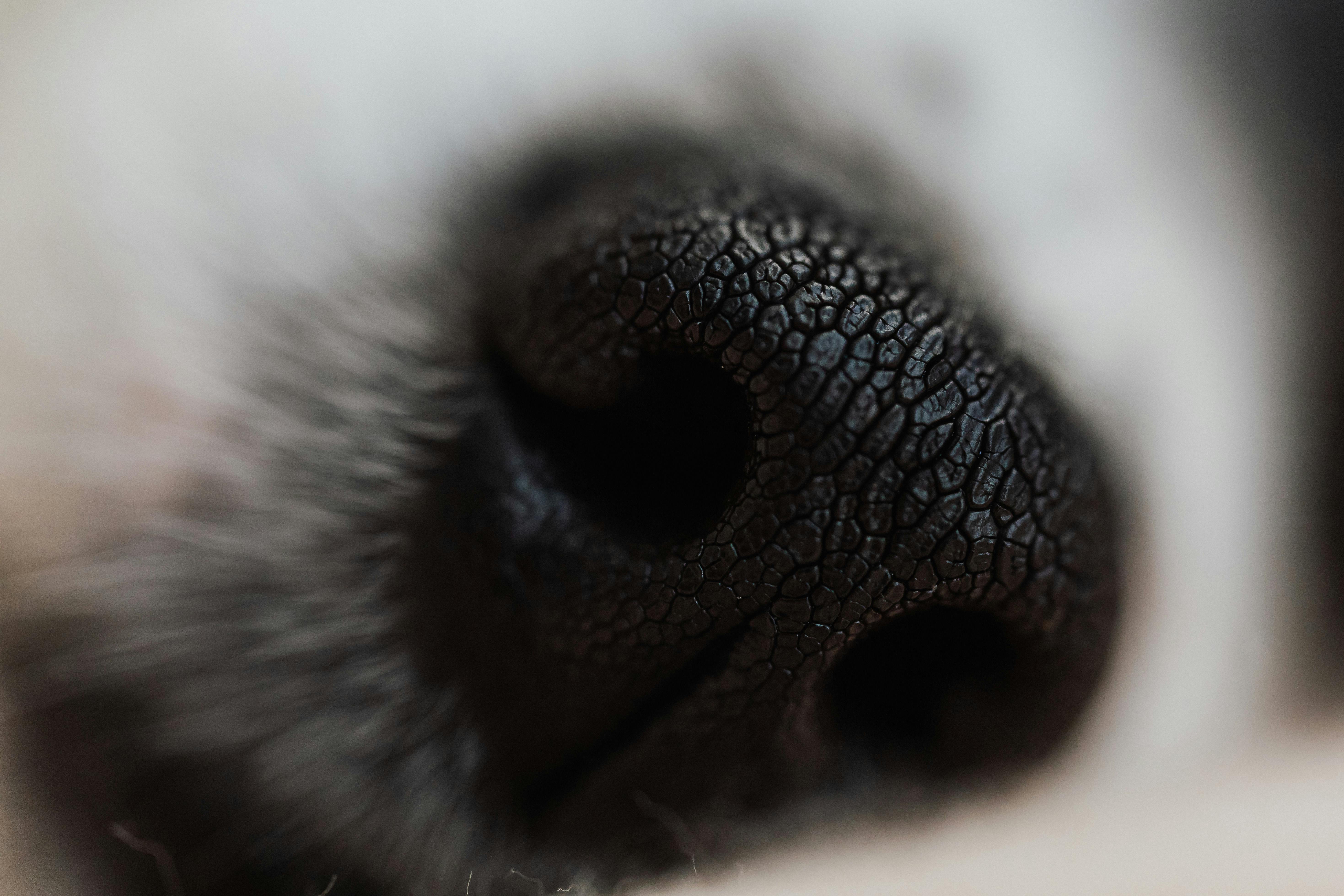
Dogs are often known for their incredible sense of smell, but you ever wonder why their noses are wet? It’s not just for show! The wetness of a dog’s nose serves multiple purposes that are fascinating and critical for their olfactory capabilities. So, let’s uncover the secrets behind those curious wet noses and why they are so crucial for our furry friends.
What Makes a Dog’s Nose Wet?
A dog’s nose is wet due to a thin layer of mucus that helps in trapping scent particles. This mucus is constantly being produced by glands in the skin of the nose. When dogs sniff, this moisture helps to dissolve the scent molecules, making it easier for them to detect and identify different smells. It’s like a natural enhancer for their sense of smell!
The Science Behind Scent Detection
Dogs have an astounding ability to smell, estimated to be somewhere between 10,000 to 100,000 times better than humans. Their noses have up to 300 million olfactory receptors, compared to a human’s mere 5 million. This is why dogs can detect things like drugs, explosives, and even certain medical conditions in humans.
Here are some key points about how dogs’ noses work:
- Olfactory Receptors: These are specialized cells that detect odors. More receptors mean better smell.
- Jacobsen’s Organ: Also known as the vomeronasal organ, this structure helps dogs detect pheromones and other chemical signals.
- Moisture: The wetness of a dog’s nose helps capture scent particles, making it easier to analyze smells.
Why Do Dogs Have Wet Noses?
So, why do dogs have wet noses, besides the scientific reasons? Here are some interesting facts:
- Temperature Regulation: A wet nose can help dogs cool down. Dogs don’t sweat like humans; instead, they cool off through their noses and panting.
- Health Indicator: A dog’s nose can be an indicator of health. A dry or cracked nose may signal dehydration or illness.
- Enhanced Scent Processing: The moisture on their noses allows for better absorption of scent particles, enhancing their ability to sniff out food, other animals, and even humans.
Fun Facts About Dog Noses
- Dogs can smell certain diseases like cancer and diabetes due to their highly sensitive noses.
- The wetness of a dog’s nose varies with the weather; they tend to have drier noses in hot weather.
- Different breeds have different nose shapes, which can affect their sense of smell. For example, Bloodhounds are known for their exceptional scent-tracking abilities.
The Role of Dog Noses in History
Dogs have played important roles in human history, especially when it comes to their sense of smell. Here are some historical highlights:
- Detection Dogs: During World War I and II, dogs were used to detect mines and enemy troops due to their incredible olfactory senses.
- Search and Rescue: Nowadays, search and rescue dogs are trained to find missing persons, using their remarkable smelling abilities.
- Medical Detection: Some organizations train dogs to detect various medical conditions, such as low blood sugar in diabetics or upcoming seizures in epileptic patients.
Comparing Dog Noses to Human Noses
To better understand how exceptional dog noses are, let’s compare them to human noses:
| Feature | Dogs | Humans |
|---|---|---|
| Olfactory Receptors | 300 million | 5 million |
| Scent Detection | 10,000 to 100,000 times better | Standard detection |
| Moisture Function | Enhances smell absorption | No significant role |
Practical Examples of Dog Nose Use
Dog noses are not just for show; they have practical applications. Here are some examples of how dogs use their noses:
- Tracking: Dogs can track scents over long distances, which is often used in hunting and tracking lost persons.
- Detection Work: Law enforcement agencies use dogs to detect drugs, explosives, and even currency.
- Medical Alert: Some dogs are trained to alert their owners when their blood sugar drops or when a seizure is about to happen.
The wet noses of dogs serve many purposes beyond just being cute. They are critical to their sense of smell and play a significant role in their health and behavior. Understanding the fascinating truth behind why do dogs have wet noses can help us appreciate our furry friends even more. So next time you see a dog with a wet nose, remember it’s not just for looks – it’s an integral part of their being!
The Role of Moisture in Dog Communication: Why Your Pup’s Nose Matters
Dogs are known for their unique ways of communicating, and one of the most fascinating aspects of their behavior is their wet noses. Many pet owners often wonder, “Why do dogs have wet noses?” The answer might not be just about looks; it’s a significant part of how they interact with their environment and with us. So, let’s dive into the intricate role moisture plays in dog communication and discover the fascinating truth behind those adorable, wet noses.
The Science Behind a Dog’s Nose
It’s not just a coincidence that dogs have wet noses. In fact, their noses are crucial for their sense of smell, which is far superior to that of humans. Here’s why moisture matters:
- Enhanced Smell: The moisture on a dog’s nose helps to capture scent particles from the air. When a dog sniffs around, the wet surface allows these particles to stick, enhancing their ability to detect different scents.
- Temperature Regulation: Dogs don’t sweat like humans do. Instead, they regulate their body temperature through their noses. A wet nose helps cool them down, making it essential for their overall health.
- Health Indicator: A dog’s nose can also be a health indicator. A typical healthy dog has a moist, cool nose. If you notice a dry or cracked nose, it may be a sign of dehydration or illness.
How Dogs Communicate with Their Noses
Dogs communicate through various means, and their noses play a huge role in this. Here are some ways dogs use their noses to express themselves:
- Scent Marking: Dogs have scent glands in their noses. When they sniff other dogs, they are essentially gathering information about their health, mood, and even their reproductive status. This is why you’ll see dogs sniff each other when they meet.
- Emotional States: The condition of a dog’s nose can reflect their emotional state. A wet nose might indicate a relaxed and happy dog, while a dry nose may suggest stress or anxiety.
- Exploration and Curiosity: Dogs are naturally curious creatures. They often use their noses to explore new environments. A wet nose allows them to gather more information from their surroundings, making them more aware of their environment.
Fun Facts About Dog Noses
Did you know that a dog’s sense of smell is estimated to be anywhere from 10,000 to 100,000 times more sensitive than that of humans? Here are some more fun facts:
- Unique Nose Prints: Just like human fingerprints, each dog has a unique nose print. It can actually be used to identify them!
- Nose Temperature: The temperature of a dog’s nose can change based on their activity. After a good run, you might notice it feels warmer than usual.
- Breeds and Their Noses: Some breeds are known for having wetter noses than others. For example, Basset Hounds typically have much wetter noses compared to Greyhounds.
Practical Implications of a Dog’s Wet Nose
Knowing about your dog’s nose can have everyday implications. Here’s what you should keep in mind:
- Regular Checks: Be vigilant about checking your dog’s nose. If it becomes persistently dry or cracked, consult your vet. It might be a sign of underlying health issues.
- Hydration: Ensure your dog is well-hydrated. A wet nose is often an indicator of good hydration levels.
- Interactive Play: Engage your dog’s sense of smell during playtime. Hide treats around your home or yard, encouraging them to use their nose to find them. This not only stimulates their mind but also strengthens your bond.
Comparing Dog Noses to Human Noses
While both humans and dogs have noses, the functions and designs are quite different. Here is a comparison:
| Feature | Dog Nose | Human Nose |
|---|---|---|
| Sense of Smell | 10,000 to 100,000 times stronger | Limited compared to dogs |
| Moisture Role | Captures scent particles, regulates temperature | Primarily for breathing |
| Unique Identifiers | Unique nose prints | Unique fingerprints |
Conclusion
Understanding why dogs have wet noses opens up a whole new perspective on their communication and behavior. Those moist little noses are not just adorable but are vital tools that help dogs interact with their world and us. By being aware of the significance of moisture in dog communication, we can foster a better relationship with our furry friends and ensure their well-being. So next time you see your pup’s wet nose, remember—it’s doing a lot more than just looking cute!
Wet Nose Wonders: Exploring the Connection Between Dog Health and Nose Moisture
Dogs have always been known for their wet noses, but have you ever wonder why? This peculiar trait is not just for show; it serves important functions for canine health and communication. Wet noses are common in dogs, but what’s the science behind it? Let’s dive into this phenomenon and explore the connection between dog health and nose moisture.
The Science Behind Wet Noses
A dog’s nose is moist for several reasons. One of the main purposes of a wet nose is to enhance their sense of smell. Dogs have an incredible olfactory system, which means they can detect scents at levels we humans can only imagine. The moisture on their nose helps trap scent particles, making it easier for them to analyze their environment.
- Dogs have up to 300 million smell receptors in their noses.
- Human noses only have about 5 million.
- The wetness can help enhance the olfactory process.
Why Do Dogs Have Wet Noses?
So, why do dogs have wet noses? Here are some key reasons:
- Enhanced Smell: As mentioned, moisture captures scent particles. A wet nose can be more sensitive to smells than a dry one.
- Temperature Regulation: Dogs cool themselves off through their noses. When they are hot, the moisture evaporates, which helps to lower their body temperature.
- Health Indicator: A wet nose is often considered a sign of good health. However, that’s not always the case. A dry or excessively wet nose can indicate health issues.
Historical Context of Dog Noses
Historically, dogs were bred for specific purposes, like hunting or herding. Their noses played a crucial role in these activities. For example, hunting dogs needed to be able to track scents over long distances. Breeds like Bloodhounds, known for their exceptional sense of smell, have evolved alongside their need for moisture-rich noses.
- Ancient Egyptians revered dogs for their hunting abilities.
- Breeds like the Basenji have been around for thousands of years and still exhibit wet noses.
Common Misconceptions About Dog Noses
There are many myths surrounding dog noses. Here are a few that might surprise you:
Myth: A wet nose always means a healthy dog.
- Reality: While wet noses are generally a sign of health, other factors can affect moisture levels.
Myth: Dogs sweat through their noses.
- Reality: Dogs primarily sweat through their paw pads, not their noses.
Myth: The temperature of a dog’s nose indicates fever.
- Reality: A dog’s nose temperature can vary for many reasons, and isn’t a reliable health indicator.
Practical Examples of Nose Moisture in Dogs
Understanding the role of moisture in a dog’s nose can help you take better care of your furry friend. Here are some practical examples of how you can monitor your dog’s nose health:
- Regular Checks: Keep an eye on your dog’s nose. If it suddenly becomes dry or excessively wet, it might be worth consulting with a vet.
- Hydration: Ensure your dog is drinking enough water. Dehydration can lead to a dry nose.
- Environmental Factors: If your dog spends a lot of time outdoors, seasonal changes can affect moisture levels.
Tips for Maintaining Nose Health
Just like any other part of your dog’s body, their nose needs care too. Here are some tips to keep your dog’s nose healthy:
- Provide Fresh Water: Always have clean, fresh water available to keep them hydrated.
- Limit Exposure to Harsh Weather: Protect your dog from extreme temperatures, which can dry out their noses.
- Regular Vet Check-Ups: Routine check-ups can help catch potential health issues early.
Dog Breeds and Nose Moisture
Different breeds may exhibit variations in nose moisture due to their genetic makeup. Here are a few comparisons among popular breeds:
- Bulldogs: Often have wrinkled noses which can trap moisture.
- Siberian Huskies: Typically have a wet nose but can have it dry in extreme cold.
- Chihuahuas: May have drier noses due to their smaller size and different environmental adaptations.
Understanding why dogs have wet noses not only adds to our appreciation of these wonderful pets but also helps us take better care of their health. Next time you see your dog’s glistening nose, you can now share all the fascinating truths behind it! Remember, a wet nose can be a sign of a happy, healthy dog, but it’s always best to stay informed and attentive to any changes.
Should You Be Concerned About Your Dog’s Wet Nose? Expert Insights Revealed

Have you ever looked at your furry friend and noticed their nose is all wet? You might be wondering, “Should I be concerned about my dog’s wet nose?” Well, you’re not alone. Many pet owners often ask this same question. So let’s dive into the fascinating truth about why dogs have wet noses and what it means for their health.
The Science Behind a Dog’s Wet Nose
Dogs’ noses are wet for a few reasons. First off, their noses have unique glands that produce mucus. This mucus helps enhance their sense of smell. Dogs have an incredible sense of smell, estimated to be anywhere between 10,000 to 100,000 times better than humans. A wet nose helps trap scent particles better than a dry one does.
Also, dogs frequently lick their noses. This behavior is not just for cleanliness; it helps keep the nose moist, which is crucial for detecting scents. So, if your dog’s nose feels wet, it’s likely just doing its natural job.
Why is a Wet Nose Important?
A wet nose is more than just a cute feature; it plays a vital role in how dogs interact with the world. Here’s why it matters:
- Enhanced Scent Detection: Wet noses absorb scent molecules more effectively.
- Temperature Regulation: Dogs can’t sweat like humans do, so a wet nose helps cool them down.
- Health Indicator: A wet nose is often a sign of a healthy dog.
When Should You Be Concerned?
While a wet nose is mostly a good sign, there are situations when you should pay attention. Here are some signs to look out for:
- Dry Nose with Other Symptoms: If your dog’s nose is dry and they seem lethargic or not eating, that could be a red flag.
- Discharge: If there’s unusual discharge from the nose, it could indicate an infection or allergy.
- Cracking or Peeling: A nose that’s cracked or peeling may indicate dehydration or skin issues.
Historical Context: Understanding Canine Anatomy
Throughout history, dogs have been domesticated for various tasks, from hunting to companionship. Their wet noses have evolved as a key tool for survival. Ancient breeds relied on their sense of smell to track prey, while modern breeds continue to have this essential trait.
- Ancient Breeds: Dogs like the Basenji and Akita were bred for specific tasks that required keen senses.
- Modern Breeds: Breeds like Bloodhounds are known for their exceptional olfactory capabilities.
Fun Facts About Dog Noses
- Unique Patterns: Just like human fingerprints, every dog has a unique nose print.
- Temperature Sensitivity: Dogs can sense temperature changes through their nose.
- Licking Behavior: Dogs lick their noses to keep them moist, which is essential for their sensory capabilities.
What to Do if You’re Concerned
If you notice any abnormal changes in your dog’s nose, it’s always best to consult a veterinarian. Here’s a simple checklist to follow:
- Monitor Behavior: Keep an eye on your dog’s energy levels and appetite.
- Check Temperature: A dog’s normal body temperature ranges from 100 to 102.5 degrees Fahrenheit. A significant increase may indicate illness.
- Look for Signs of Dehydration: Check their gums and skin elasticity. Dry gums can indicate dehydration.
Comparison: Wet vs. Dry Nose
It might be helpful to compare the characteristics of a wet nose versus a dry one:
Wet Nose:
- Usually signifies good health
- Enhances scent detection
- Helps with temperature regulation
Dry Nose:
- Could indicate illness, dehydration, or allergies
- May not absorb scents as effectively
- Often associated with a dog being unwell
Wet noses are one of the many wonders of the canine world. They are not just cute; they serve practical purposes that are crucial to your dog’s well-being. While a wet nose is generally a sign of health, it’s essential to keep a watchful eye on your pet. After all, our furry friends can’t tell us when something is wrong, so being observant is key. If you ever feel unsure about your dog’s health, don’t hesitate to reach out to a veterinarian for expert advice.
7 Surprising Facts About Dogs’ Wet Noses That Every Pet Owner Should Know
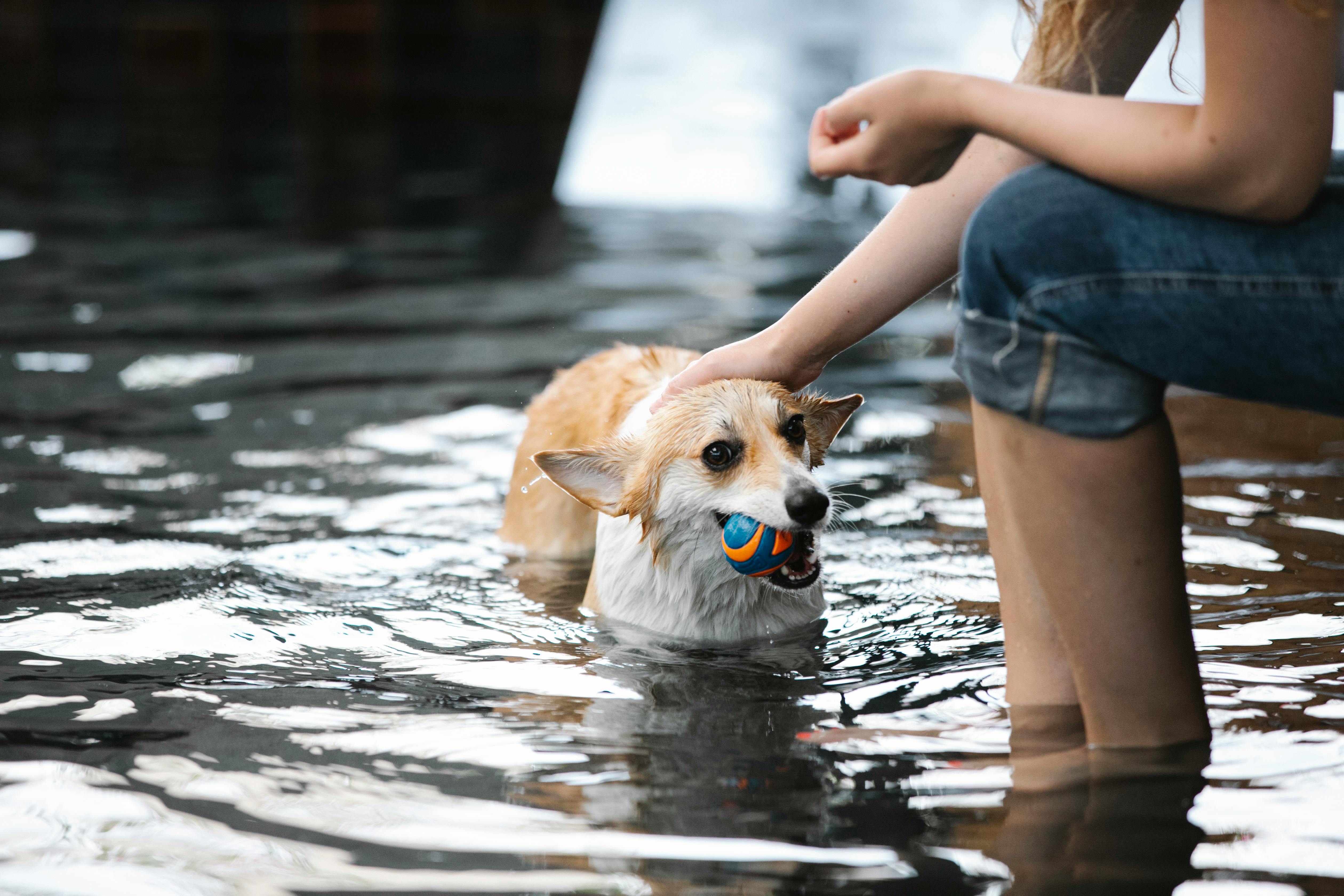
Have you ever wondered why your dog’s nose is always wet? It seems like a simple question, but the answer is actually pretty fascinating! Dogs have wet noses for a variety of reasons, and some of them might just surprise you. In this article, we’ll explore 7 surprising facts about dogs’ wet noses that every pet owner should know. So, let’s dive right into it!
1. Thermoregulation
One of the primary reasons dogs have wet noses is to help them regulate their body temperature. Dogs don’t sweat like humans do. Instead, they rely on their noses to help cool off. A wet nose can evaporate moisture, which helps to lower their body temperature. This is especially important after they been running around or on hot days. So, if your dog’s nose is wet, that could be a sign they’re trying to keep cool!
2. Enhanced Sense of Smell
Wet noses also play a crucial role in a dog’s sense of smell. The moisture on a dog’s nose helps to capture scent particles in the air. This is because the wet surface can absorb more scent molecules, which helps the dog to identify different smells more accurately. Dogs have an incredible sense of smell—estimated to be anywhere from 10,000 to 100,000 times more sensitive than humans! So, having a wet nose is definitely an advantage for them.
3. Communication Tool
Did you know that a dog’s nose can also serve as a communication tool? When dogs meet each other, they often sniff each other’s noses. This behavior allows them to gather information about the other dog, such as their health, mood, and even diet. A wet nose can indicate that a dog is healthy and happy, making it an important factor in canine social interactions.
4. Health Indicator
A dog’s nose can tell you a lot about their health. While a wet nose is often a sign of a healthy dog, it’s not always the case. For example, if a dog’s nose becomes excessively dry or cracked, it could indicate dehydration or illness. Other signs to look out for include changes in color, excessive discharge, or a sudden change from wet to dry. Always pay attention to your dog’s nose, as it can provide valuable clues about their overall wellbeing.
5. Historical Significance
Historically, the belief has been that dogs with wet noses are healthier than those with dry ones. Ancient civilizations even attributed certain traits to dogs based on their noses. For example, the Greeks and Romans considered dogs with wet noses to be more intelligent and loyal. While these beliefs may not hold scientific merit today, they highlight the long-standing fascination humans have had with dogs and their unique features.
6. Breed Differences
Not all dogs have wet noses all the time! Some breeds have naturally drier noses due to their genetics. Breeds like the Bulldog or the Great Dane may show less moisture on their noses compared to others. It’s important for pet owners to recognize these differences and not immediately assume something is wrong if their dog’s nose is dry.
7. Care and Maintenance
Keeping your dog’s nose healthy is crucial. Here are some tips to maintain your dog’s nose:
- Hydration: Ensure your dog has access to fresh water at all times. Dehydration can lead to a dry nose.
- Humidity: If you live in a dry climate, consider using a humidifier in your home.
- Regular Check-ups: Regular vet visits can help catch any health issues early on.
- Avoid Irritants: Keep your dog away from harsh chemicals or substances that could irritate their nose.
Maintaining a healthy, wet nose is not just a matter of aesthetics; it’s also vital for their overall health.
Understanding why dogs have wet noses can give you insight into your furry friend’s health and behavior. From temperature regulation to communication, a wet nose is more than just an adorable feature; it serves important functions in a dog’s life. So, the next time you lean down to give your pup a pat, take a moment to appreciate that wet nose and all the fascinating truths that come with it!
Can Dogs’ Wet Noses Predict Weather Changes? The Fascinating Science Explained
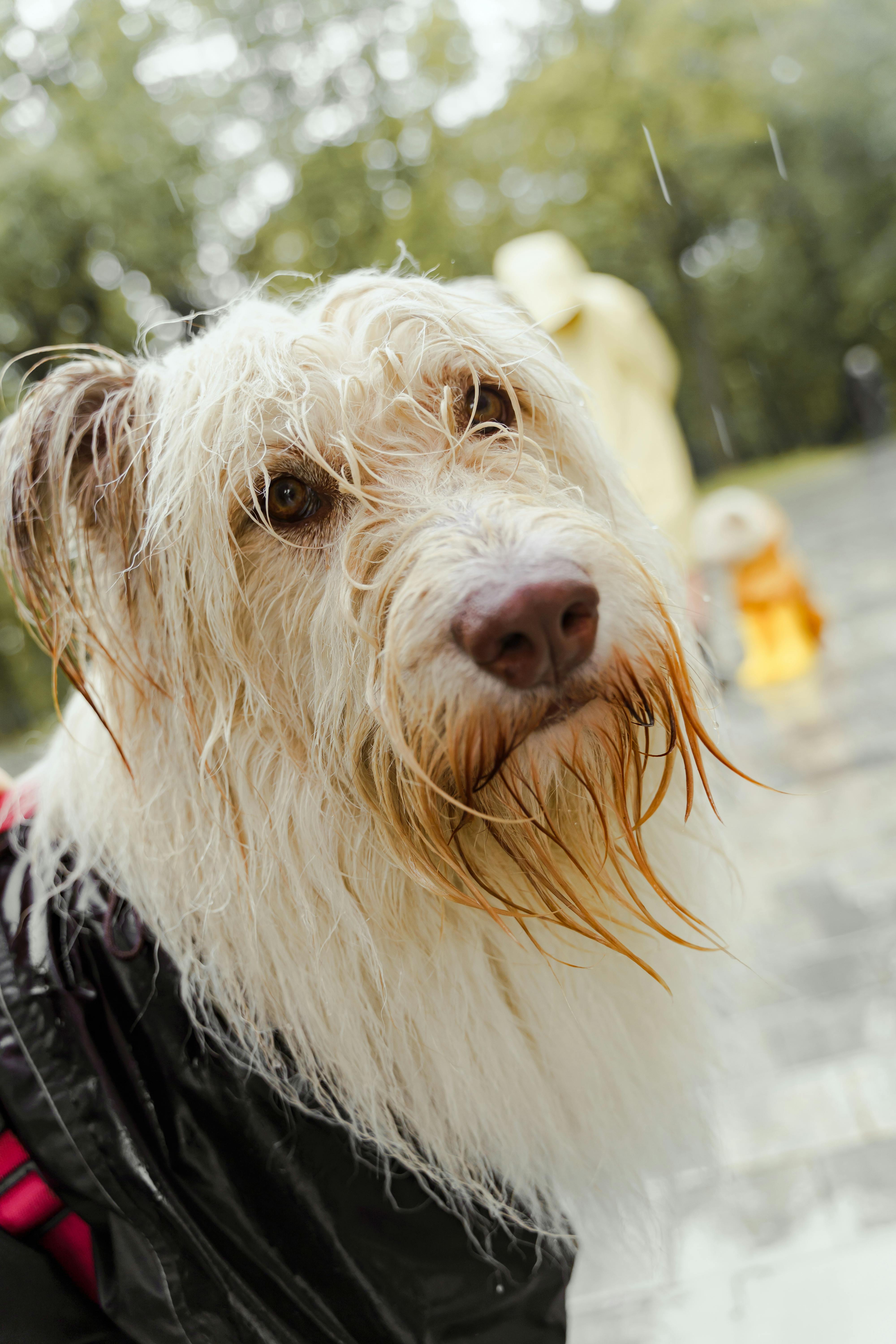
Can dogs really predict weather changes with their wet noses? This question often floats around, especially among dog lovers and those who are curious about animal behavior. It turns out that there’s more than just a whimsical belief behind this idea. Let’s dive into the science and the fascinating world of canine senses, while also exploring the reasons why dogs have wet noses in the first place.
Can Dogs’ Wet Noses Predict Weather Changes?
Dogs have an extraordinary sense of smell, which is believed to be about 10,000 to 100,000 times more sensitive than humans. Some dog owners claim their pets seem to know when a storm is approaching or when it’s going to rain. This phenomenon could be linked to their acute olfactory abilities.
Pressure Changes: Dogs are said to be sensitive to changes in atmospheric pressure. When a storm is on the horizon, there’s often a drop in barometric pressure. Dogs can pick up these subtle changes, prompting them to act strangely or become more restless.
Scent Detection: Before a rainstorm, certain scents become more pronounced. For example, the smell of wet earth or ozone from lightning. Dogs might be able to detect these smells long before humans can, leading them to react in ways that seem predictive.
Behavioral Changes: Some dogs may become anxious or excited before bad weather, which can be interpreted as them sensing an impending change.
However, it’s important to note that not every dog responds to weather changes the same way, and there’s a lot of anecdotal evidence but little hard science backing this up.
Why Do Dogs Have Wet Noses?
Now, let’s talk about the science behind why dogs have wet noses. Wet noses serve several important functions that are crucial for a dog’s health and survival.
Enhanced Sense of Smell: A wet nose helps to capture scent particles more effectively. When a dog’s nose is moist, it can absorb more scents, which allows them to identify different smells better.
Temperature Regulation: Dogs don’t sweat like humans do. Instead, they rely on their noses to help regulate their body temperature. The moisture helps to cool them down, especially when they pant.
Communication: Dogs also use their noses to communicate. A wet nose can indicate that a dog is feeling relaxed and friendly, while a dry nose can sometimes signal stress or illness.
Fun Facts About Dog Noses
Unique Print: Just like human fingerprints, no two dog noses are alike. Each dog has a unique nose print that can be used for identification.
Color Changes: Dogs’ noses can change color due to a variety of factors, including temperature, health, and even exposure to sunlight.
Health Indicator: A dog’s nose can be a good indicator of their health. A healthy nose is usually moist and cool, while a dry, cracked nose might signal dehydration or illness.
Comparing Dogs and Other Animals
It’s interesting to compare how different animals utilize their noses. Here’s a quick look at how dogs stack up against other creatures:
| Animal | Sense of Smell | Unique Features |
|---|---|---|
| Dogs | 10,000 to 100,000 times stronger | Moist noses help absorb scents |
| Cats | About 5 to 10 times stronger | Less reliance on smell compared to dogs |
| Bears | Up to 7 times better than dogs | Can smell food from miles away |
| Elephants | Highly developed olfactory senses | Use smell for social interactions |
Practical Examples of Dogs and Weather
Many dog owners have their own anecdotes about how their pets seem to sense weather changes. Some common behaviors include:
- Restlessness: Dogs might pace or seem anxious when a storm is approaching.
- Hiding: Some dogs will seek shelter under furniture or in small spaces during thunder and lightning.
- Excessive Barking: Dogs may bark more frequently as storms approach, which can be a sign of alertness to changes in their environment.
If you own a dog, observing these behaviors might help you predict when it’s time to prepare for rain or storms.
In the end, while science hasn’t definitively proven that dogs can predict the weather, their incredible senses of smell and sensitivity to environmental changes can definitely make it seem like they can. So, the next time your dog seems a bit restless, it might just be their wet nose picking up on something that you can’t. Keep an eye on those furry friends—there might just be some truth to their weather-predicting abilities!
Dog Nose Care: How to Keep Your Pup’s Nose Healthy and Moist!

Every dog owner knows that their furry friend’s nose is often moist and cool. But, have you ever thought about why this is the case? In this article, we’ll dive into dog nose care, why do dogs have wet noses, and how to keep your pup’s nose healthy and moist! It’s a fascinating topic that not only benefits your dog but also strengthens your bond with them.
Why Do Dogs Have Wet Noses?
The wetness of a dog’s nose is more than just a cute characteristic. There is science behind it, and it actually play several important roles. Here are some reasons why dogs have wet noses:
Enhanced Sense of Smell: A wet nose can help absorb scent chemicals, enhancing a dog’s sense of smell. Dogs have an incredible olfactory system, and the moisture helps capture scent molecules from the air. This is why they can sniff out things that are practically invisible to us.
Temperature Regulation: Dogs can’t sweat like humans do. Their noses help regulate body temperature. When a dog pants, moisture evaporates from the nose, cooling them down.
Health Indicator: A dog’s nose can indicate their overall health. A healthy dog usually has a moist and cool nose. If a dog’s nose becomes dry or excessively warm, it could signal a health issue that needs attention.
How to Keep Your Pup’s Nose Healthy and Moist
Taking care of your dog’s nose is not as difficult as it seems. Here are some simple tips:
Hydration: Always make sure your dog has access to fresh, clean water. Hydration is key for maintaining a moist nose.
Humidifier: If you live in a dry climate, consider using a humidifier in your home. This can help keep the air moist, benefiting both you and your pup.
Diet: A balanced diet rich in omega fatty acids can help maintain skin and nose health. Foods like fish or fish oil supplements can make a difference.
Regular Vet Checks: Keep up with your vet visits. They can help catch any issues that may affect your dog’s nose, making sure they stay healthy.
Avoid Irritants: Keep your dog away from harsh chemicals or irritants. This includes certain cleaning products or even some plants that could harm their nose.
Signs of a Problematic Nose
Sometimes, a dog’s nose might show signs that things aren’t right. Here are some signs to look out for:
Cracking or Dryness: If your dog’s nose looks cracked or excessively dry, it may need some care.
Discoloration: A sudden change in color could indicate a health problem, especially if it’s accompanied by other symptoms.
Swelling or Redness: These could be signs of an allergic reaction or an infection.
Nasal Discharge: If there is a discharge that seems unusual, it’s best to consult your vet.
Fun Facts About Dog Noses
Did you know that a dog’s nose print is unique, much like human fingerprints? Here are few more interesting facts:
Super Sniffers: Dogs have up to 300 million scent glands in their noses, compared to a human’s 5 million. That’s why they are often used in police work and search-and-rescue missions.
Color Variations: A dog’s nose can come in various colors, and this can change based on breed, age, and even seasons.
Temperature Regulation: Dogs can actually lower their body temperature by cooling the moisture on their noses through evaporation, much like sweat does for humans.
Nose Work: Many dog owners are now engaging their pets in nose work activities, which are fun and mentally stimulating for dogs.
Final Thoughts
Understanding dog nose care can lead to a healthier and happier pup. By knowing why do dogs have wet noses and how to take care of them, dog owners can ensure their furry friends stay well and thrive. Remember to pay attention to your dog’s nose and any changes that may occur. A moist nose is typically a sign of a healthy pup, so keep them hydrated and watch for any signs of distress. Your dog will surely thank you with wagging tails and wet kisses!
Conclusion
In conclusion, the wet noses of dogs serve several crucial functions that contribute to their overall health and well-being. The moisture found on a dog’s nose helps enhance their sense of smell, allowing them to detect scents more effectively, which is vital for communication and navigation in their environment. Additionally, a wet nose plays a role in thermoregulation, helping dogs maintain their body temperature. While a warm, dry nose can sometimes indicate illness, it’s essential to consider other health signs alongside it. Understanding the significance of a dog’s wet nose can deepen our appreciation for these loyal companions. As pet owners, we should always monitor our dogs’ health and seek veterinary advice when we notice any concerning changes. So, the next time you give your furry friend a pat on the head, take a moment to appreciate their uniquely designed nose and what it tells you about their well-being.
