
Have you ever wonder why do dogs have wet noses? It’s a common sight that leaves many pet owners intrigued. A dog’s wet nose isn’t just adorable; it serves multiple purposes that can surprise you! In this blog post, we will discover the fascinating truth behind this unique feature. Is it for regulating body temperature, or perhaps it helps them in smelling better? The reasons might just blow your mind! Wet noses are more than just a biological quirk; they play a crucial role in your dog’s health and wellbeing. Did you know that a dog’s nose can even indicate their state of health? That’s right! Understanding the science behind dog nose moisture can enhance your knowledge and strengthen the bond with your furry friend. So, what makes these noses so special? Join us as we delve into the science of why dogs have wet noses and uncover the secrets that lie beneath this fascinating aspect of canine biology. Get ready to be amazed and gain insights that will make you appreciate your pet even more! Don’t miss out on this exciting exploration into your dog’s world!
The Science Behind Wet Noses: Why Dogs Have This Unique Trait

Dogs are often called man’s best friend, but have you ever stopped to think about the science behind their wet noses? Why do dogs have wet noses? This question, while seemingly simple, leads us into a fascinating exploration of canine biology, behavior, and even history. Let’s delve into the reasons why our furry companions sport this unique and often misunderstood trait.
The Biology of a Dog’s Nose
The wetness of a dog’s nose isn’t just for show. It’s actually a result of several biological functions. Dogs noses are covered with a thin layer of mucus, which serves multiple purposes:
Temperature Regulation: Dogs don’t sweat like humans do; instead, they rely on their noses and panting to cool off. The moisture on their noses helps them regulate body temperature.
Enhanced Smell: A wet nose can actually enhance a dog’s sense of smell. The moisture captures scent particles from the air, allowing them to absorb more smells. This is why dogs are such excellent sniffers!
Health Indicator: A dog’s nose can also be an indicator of their health. A warm, dry nose may suggest illness, while a cool, wet nose is often a sign of a healthy pup.
Why Do Dogs Have Wet Noses?
Now that we’ve touched on the biology, let’s dive deeper into the reasons behind this fascinating trait.
Evolutionary Advantage: Wet noses help dogs detect scents better, which is crucial for their survival. In the wild, being able to smell food, predators, or mates can mean the difference between life and death.
Communication Tool: Dogs use their noses to communicate with each other. A wet nose can convey information about their emotional state or health to other dogs. For example, a friendly dog might approach with a wet nose, sniffing to show curiosity and non-aggression.
Environmental Interaction: Dogs often get their noses wet when they explore their environment. They might lick their noses or sniff wet surfaces, which keeps their noses moist and enhances their sense of smell.
Historical Context
The relationship between dogs and humans goes back thousands of years. Early domesticated dogs were valued not only for their companionship but also for their abilities in hunting and herding, all of which relied heavily on their sense of smell.
Hunting: In ancient times, dogs were used for hunting, which required a keen sense of smell. The wetness of their noses played a critical role in tracking scents over long distances.
Herding: For herding breeds, a sharp sense of smell was essential for managing livestock. Their wet noses helped them navigate and communicate effectively in their roles.
Fun Facts About Dog Noses
- Dogs have up to 300 million smell receptors in their noses, compared to about 5 million in humans.
- The pattern of a dog’s nose is as unique as a human fingerprint. No two dogs have the same nose print.
- Dogs can even smell certain diseases in humans, such as cancer or diabetes, due to changes in body chemistry.
Comparing Dog Noses to Other Animals
Let’s take a look how dog noses stack up against those of other animals:
| Animal | Number of Smell Receptors | Use of Smell |
|---|---|---|
| Dogs | 300 million | Tracking, hunting, communication |
| Cats | 50-80 million | Hunting, territorial marking |
| Elephants | 2,000-3,000 genes for smell | Foraging, communication |
| Sharks | 1,000 genes for smell | Tracking prey over long distances |
Practical Examples of Wet Noses in Action
Have you ever noticed how your dog’s nose feels when they greet you? That cold, wet touch is their way of saying hello and gathering information about you! If you want to see this in action, consider:
Taking Your Dog to the Park: Watch as they explore different scents. Their wet noses will be busy gathering information about other dogs, people, and the environment.
Training Sessions: Use scent-based games to engage your dog’s sense of smell. Hide treats around your home and let them use their noses to find them. It’s a fun way to keep them mentally stimulated!
Health Checks: Regularly check your dog’s nose. A change in moisture can help you catch health issues early.
So, next time you wonder, “Why do dogs have wet noses?” remember that it’s not just a quirky characteristic. It’s a vital part of their biology and a crucial tool for their day-to-day interactions with the world. Wet noses are a sign of health, vitality, and a strong connection to their environment. Embracing this unique aspect of our furry friends helps us appreciate the incredible bond we share with them even more.
7 Fascinating Reasons Your Dog’s Nose Is Always Wet
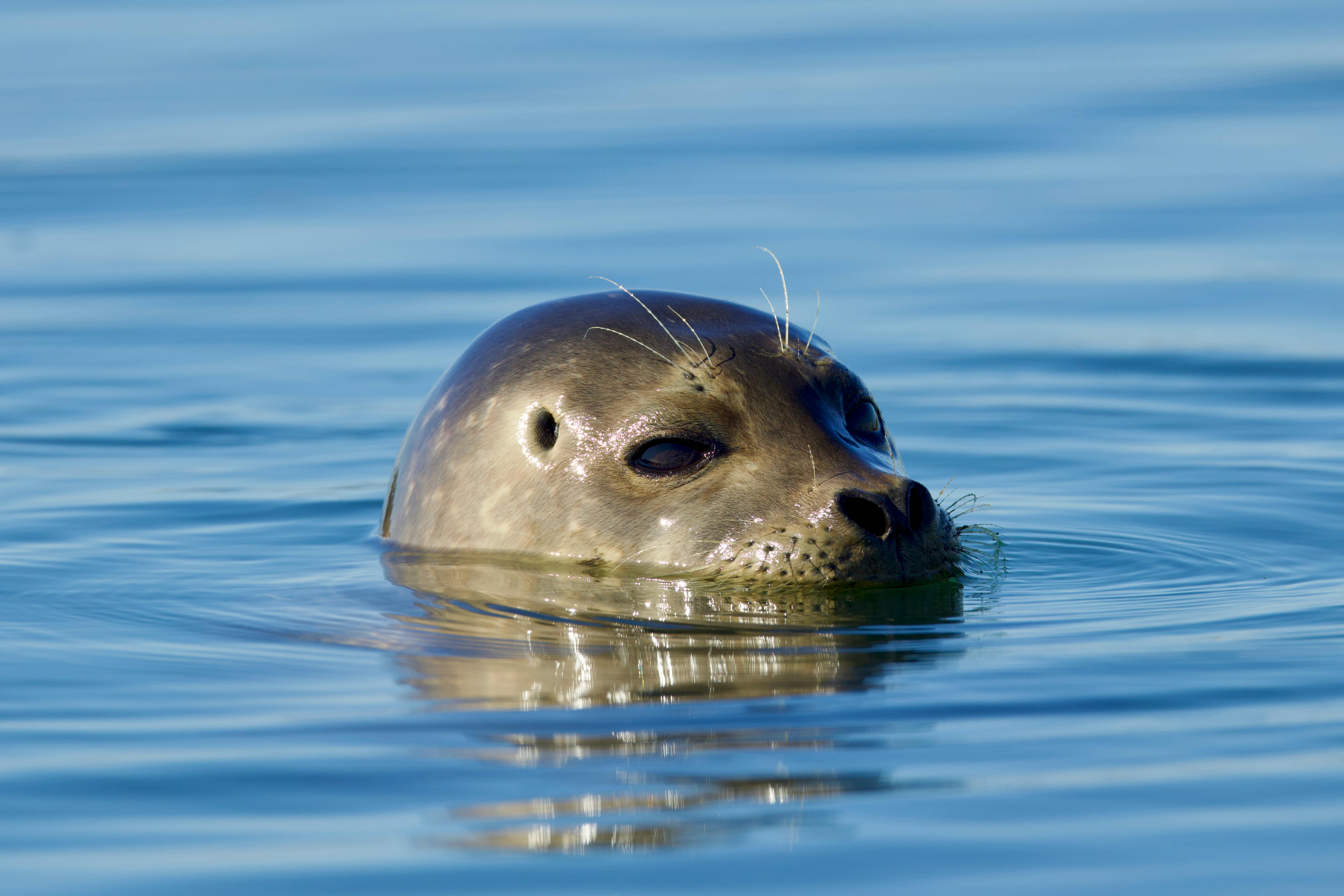
Have you ever wonder why your dog’s nose is always wet? It’s one of those quirky things about our furry friends that seems to baffle many of us. You might find yourself asking, “Why do dogs have wet noses?” Well, there’s actually a ton of fascinating reasons behind that moist little feature. Let’s uncover some of the truths about those adorable, wet noses of dogs.
1. Enhancing Sense of Smell
Dogs have an incredible sense of smell that can put ours to shame. Their noses are made to capture scent particles, and when the nose is wet, it helps trap these particles more effectively. Just like you might lick your finger to help grip a page, a dog’s wet nose helps them sniff out scents better. This is why you see them sniffing everything — it’s their way of exploring the world!
2. Temperature Regulation
Another interesting reason is that a dog’s wet nose helps them regulate their body temperature. Dogs don’t sweat like humans does. Instead, they cool themselves down through panting and also via their noses. The moisture on a dog’s nose evaporates, helping them stay cool when it’s hot outside. So, if your dog’s nose is wet, it could be a sign that they’re trying to cool down!
3. Health Indicator
A wet nose can also be a sign of good health. In general, healthy dogs tend to have moist noses, while dry noses can indicate a variety of issues, from dehydration to illness. However, it’s important to note that a dry nose doesn’t always mean something is wrong. Just like humans, dogs can have varying levels of moisture on their skin.
4. Communication Tool
Dogs are social animals, and their noses play a role in communication. A wet nose can signal to other dogs and even humans that they’re friendly and approachable. It’s like a handshake or a wave for dogs! When they nudge you with their wet noses, it’s often a sign that they want attention or affection.
5. Natural Lubrication
The moisture on a dog’s nose isn’t just there for show. It serves a practical purpose too! The wetness helps keep the nose lubricated. This lubrication helps prevent cracking and drying out, which can lead to more serious issues if left unchecked. So, a moist nose is a sign that your pup’s nose is healthy and functioning well.
6. Environmental Factors
The environment plays a big role in how wet a dog’s nose can be. Factors like humidity, temperature, and even the dog’s activity level can affect nose moisture. For example, if it’s a hot day, your dog might have a wetter nose as they are more active and trying to cool off. On the contrary, in dry winter months, their nose may become drier.
7. Breed Differences
Lastly, different breeds of dogs can exhibit varying degrees of nose wetness. For instance, breeds like Bulldogs or Pugs might have drier noses compared to breeds like Retrievers or Beagles. This can be related to their anatomy and how their noses are structured.
Fun Fact Table: Average Nose Moisture Levels by Breed
| Breed | Average Nose Moisture Level |
|---|---|
| Golden Retriever | High |
| Pug | Low |
| Beagle | High |
| Bulldog | Medium |
| German Shepherd | Medium to High |
In summary, a dog’s wet nose is not just an adorable quirk; it serves many important functions. From enhancing their sense of smell to helping with temperature regulation and even acting as a communication tool, there’s so much more beneath that cute exterior. So next time you see your dog’s wet nose, you can appreciate all the fascinating reasons behind it.
Dogs are truly remarkable creatures, and their wet noses are just one of the many things that make them special. Whether you’ve got a playful pup or a calm companion, understanding their wet noses can deepen your bond. Enjoy the moments with your dog, and take a moment to appreciate the science behind those wet noses!
Is a Wet Nose a Sign of a Healthy Dog? Discover the Truth!
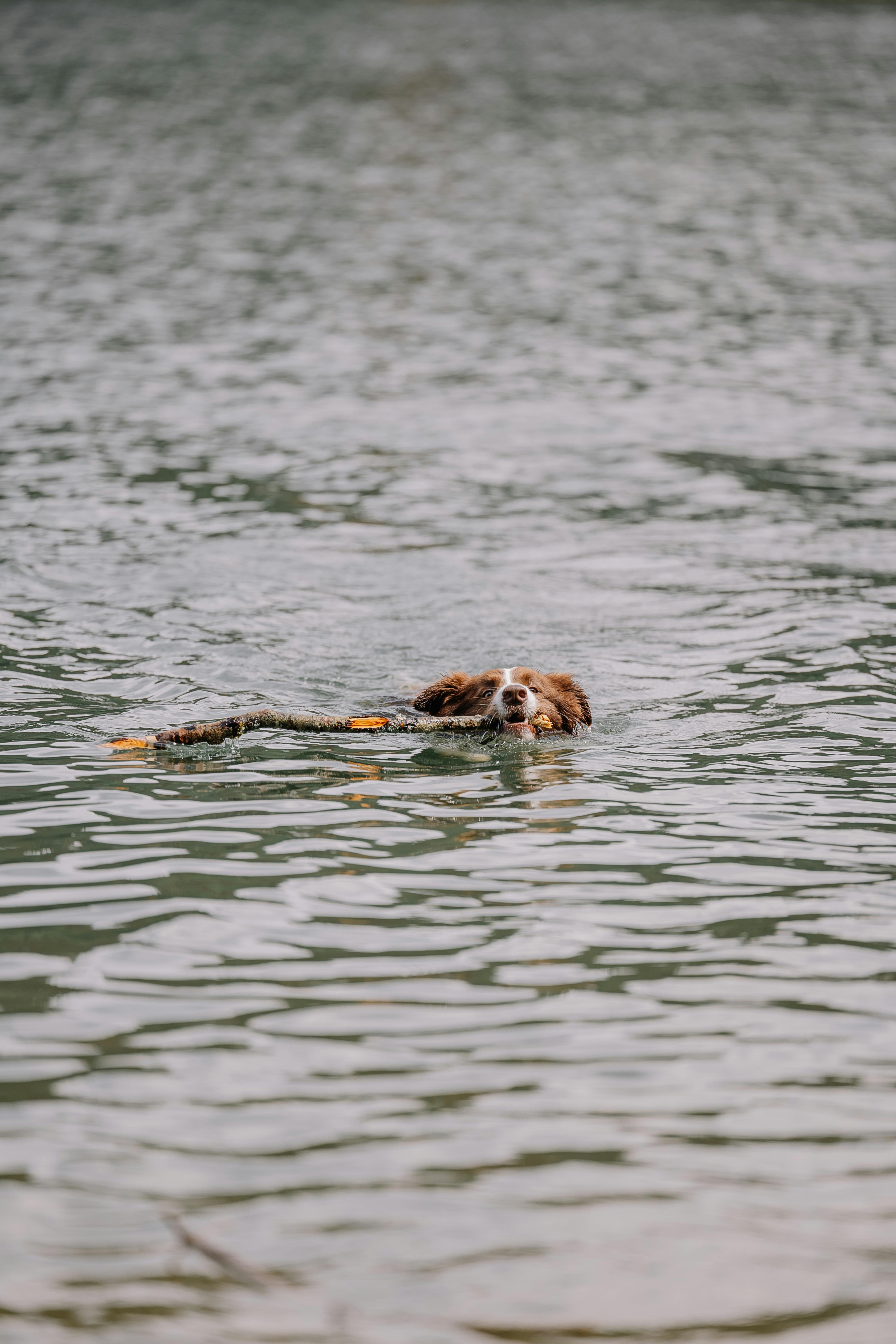
Is a Wet Nose a Sign of a Healthy Dog? Discover the Truth!
When you think about dogs, their wet noses often comes to mind. But, like, is a wet nose really a good indicator of a healthy dog? Many pet owners tends to believe that a wet nose means their furry friend is in tip-top shape. But, does it really? Let’s dive into the fascinating world of our canine companions and explore why dogs have wet noses, what it means, and if it truly indicates their health.
The Science of Wet Noses
Dogs’ noses are moist for several reasons. First, the moisture helps to enhance their sense of smell. Dogs have an incredible olfactory system, and their noses are designed to capture scent particles in the air. A wet nose can trap these particles more effectively, allowing dogs to smell things that humans can’t even imagine.
- Moisture helps with scent detection.
- It keeps the nose cool during hot weather.
- Dogs often lick their noses, which keeps them moist.
Why Do Dogs Have Wet Noses? Discover the Fascinating Truth!
The wetness of a dog’s nose can be attributed to various factors, including anatomy, behavior, and health. Here’s a closer look at some of the reasons:
Anatomical Trait: Dogs have a special gland in their noses that produces mucus. This mucus helps to keep their noses moist.
Licking Behavior: Dogs frequently lick their noses, which maintains the moisture level. This behavior is natural and instinctive.
Temperature Regulation: A wet nose also helps dogs to regulate their body temperature. They can lose heat through their noses, which is particularly helpful when they get too hot.
Health Indicator: While a wet nose is often associated with good health, it’s not the sole indicator. Other factors, like energy levels and appetite, also plays a big role in determining a dog’s overall health.
Is a Wet Nose Always a Good Sign?
Not necessarily! Just because a dog has a wet nose, it does not mean they are healthy. Here’s a breakdown of what different nose conditions might indicate:
- Wet Nose: Generally, this is a sign of a happy and healthy dog!
- Dry Nose: This might not always be alarming. A dry nose can occur during sleep or in warm weather. However, chronic dryness can indicate dehydration or illness.
- Cracked Nose: If a dog’s nose appears cracked or peeling, it could suggest a skin condition or even allergies. It’s best to consult a veterinarian in such cases.
- Discolored Nose: Changes in color, like a very pale or inflamed nose, might signal health issues.
Common Myths About Dogs’ Noses
There are several myths surrounding dogs’ noses that often mislead pet owners. Here are some common ones debunked:
Myth 1: A warm nose equals sickness.
Truth: Dogs’ noses can be warm or cool irrespective of health.Myth 2: Wet noses mean dogs are sick if they’re dry.
Truth: Just like humans, dogs can have varying moisture levels in their noses throughout the day.Myth 3: All dogs need moist noses to be healthy.
Truth: Each dog is different, and their nose moisture can vary based on many factors.
Practical Tips for Monitoring Your Dog’s Health
As a dog owner, it’s important to keep an eye on your dog’s overall health. Here are a few tips:
- Regular Vet Visits: Ensure your dog has regular check-ups with a vet to catch any potential health issues early.
- Observe Behavior: Notice changes in your dog’s appetite, energy, and behavior. This can often be more telling than a wet nose.
- Hydration: Always provide fresh water to keep your dog hydrated. Dehydration can lead to a dry nose and other health issues.
- Diet and Exercise: A balanced diet and regular exercise can contribute to overall health and a happy, moist nose.
While a wet nose can be a sign of a healthy dog, it’s not the only factor to consider. Understanding your dog’s behavior and physical condition is crucial. Remember, keeping your canine companion happy and healthy is not just about their nose! It’s about love, care, and attentive observation.
Do Dogs Sweat Through Their Noses? Unveiling the Myths
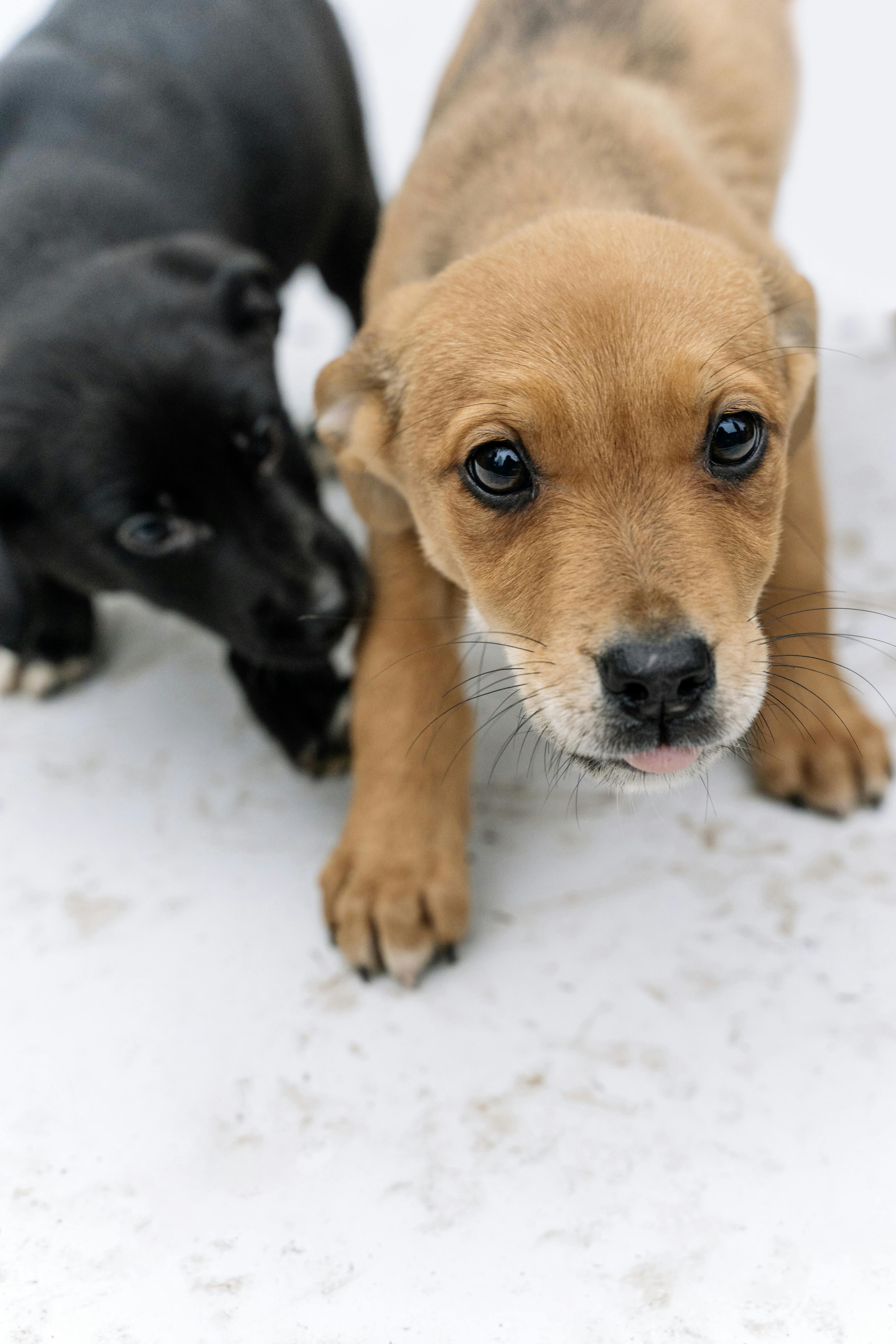
Dogs have always been such a fascinating creatures, haven’t they? One question that often comes up is, “Do dogs sweat through their noses?” Many people might think that their furry friends are capable of sweating just like humans, but that’s not really the case. Let’s unveil this myth and discover the real reasons why dogs have wet noses.
Do Dogs Sweat Through Their Noses?
It is a common misconception that dogs sweat through their noses. In reality, dogs have very few sweat glands compared to humans, and those that they do have are mostly located on their paw pads. So, when it comes to cooling off, dogs rely primarily on panting, not sweating.
- Key Points:
- Dogs have sweat glands, but they’re not effective for cooling.
- Panting is the primary method dogs use to regulate their body temperature.
- The wetness on a dog’s nose is not related to sweat.
Why Do Dogs Have Wet Noses?
Now, let’s talk about why dogs have those wet noses. A wet nose serves multiple purposes, and it’s more than just a cute feature. Here’s what you need to know:
Sense of Smell: A wet nose helps capture scent particles more effectively. The moisture enhances their ability to smell, which is crucial for dogs since they rely heavily on their sense of smell for understanding the world.
Cooling Mechanism: While dogs don’t sweat through their noses, the moisture can help cool them off a bit. When air passes over a wet surface, it cools down, and that can aid in temperature regulation.
Health Indicator: The condition of a dog’s nose can indicate its health. A wet, cool nose is often seen as a sign of a healthy dog, while a dry nose might signal dehydration or illness. However, it’s important to remember that a dog’s nose can dry out for several reasons, such as being in a warm environment or after sleeping.
Historical Context of Dogs’ Noses
The evolution of dogs has led to their unique anatomical features, including their noses. Dogs are descendants of wolves, and their wet noses are thought to have developed as a way to enhance their hunting skills. Having a keen sense of smell was essential for survival, and the wetness of their noses helped them track down prey more effectively.
Fascinating Facts About Dogs’ Noses
Here are some interesting facts about dogs and their noses that you might not know:
Dogs Have More Smell Receptors: Dogs have about 220 million smell receptors, compared to a human’s 5 million. This gives them a much stronger capability to detect scents.
Color Variation: The color of a dog’s nose can vary based on breed, age, and genetics. Some dogs may have spots or patches that differ from the rest of their nose.
Dogs’ Noses Are Unique: Just like human fingerprints, each dog’s nose print is unique. This uniqueness has even been used for identification purposes.
Practical Examples of Dogs’ Nose Usage
Hunting and Tracking: Many breeds, like Bloodhounds, are specifically bred for their tracking abilities. Their wet noses enhance their scent detection, making them invaluable in search-and-rescue missions.
Service and Therapy Dogs: Dogs trained to assist people with disabilities often rely on their keen sense of smell to detect medical conditions, like low blood sugar or impending seizures.
Detection Work: Dogs are used in various fields, including law enforcement, to detect drugs, explosives, and even certain types of cancer through smell.
Wet Nose Care Tips
To keep your dog’s nose healthy, consider these tips:
Hydration: Ensure your dog has plenty of fresh water available, especially in warm weather.
Limit Sun Exposure: Dogs with light-colored noses can be susceptible to sunburn. Consider using dog-safe sunscreen on their noses during extended outdoor activities.
Regular Check-Ups: Keep an eye out for any changes in your dog’s nose, such as cracks, sores, or significant color changes, and consult a vet if something seems off.
Understanding why dogs have wet noses and debunking the myth about sweating can help dog owners appreciate the unique characteristics of their furry friends. With their incredible sense of smell and the functions of their noses, dogs hold a special place in our lives. Whether they’re tracking scents or just being adorable companions, their wet noses are just one more reason to love them!
How a Dog’s Wet Nose Affects Their Sense of Smell: The Surprising Connection

Ever wonder why dogs have wet noses? This question is more than just curiosity; it’s part of understanding how our furry companions interact with the world. Believe it or not, a dog’s wet nose plays a crucial role in its keen sense of smell and overall health. Let’s dive into the science, history, and fascinating aspects of why dogs have wet noses and how it affects their ability to sniff out everything from treats to trouble.
The Science Behind A Dog’s Wet Nose
A dog’s nose is not just cute; it’s a highly specialized organ. The surface of a dog’s nose is covered with mucous membranes, which help to absorb scent molecules. When a dog touches something with its nose, it picks up those scent particles. The moisture on their nose helps enhance this ability. Here’s how it works:
- Moisture Absorption: The wetness helps capture scent particles from the air. More moisture means more particles can stick, making it easier for dogs to detect smells.
- Temperature Regulation: A dog’s nose also helps regulate their body temperature. When they pant, moisture evaporates from the nose, helping to cool them down.
- Health Indicator: A healthy dog usually has a moist nose. If it’s dry or cracked, it could signal dehydration or illness.
Why Do Dogs Have Wet Noses? Exploring History
Historically speaking, dogs have evolved from wolves, and their sense of smell has been key to their survival. Wolves hunt and navigate their environment largely through scent. The wet nose is an adaptation that has been passed down through generations. Here are some historical insights:
- Hunting: Early humans relied on dogs for hunting. The dogs with better smell, thanks to their wet noses, were more successful in tracking prey.
- Domestication: As dogs became domesticated, their keen sense of smell continued to be an invaluable trait for herding and guarding.
- Research: Studies have shown that dogs have up to 300 million smell receptors, compared to humans’ 5 million. Their wet noses enhance this natural ability.
The Role of a Dog’s Nose in Everyday Life
Dogs use their noses not just for fun, but for practical purposes in everyday life. Here are some examples of how this trait comes into play:
- Tracking: Search and rescue dogs use their noses to find missing persons. The wetness helps them pick up scents even in challenging conditions.
- Detection: Many police dogs are trained to sniff out drugs or explosives. Their ability to detect specific scents is heightened by their wet noses.
- Health Monitoring: Some studies suggest that dogs can even detect diseases like cancer through scent, thanks in part to the moisture that helps them pick up on very subtle changes in smell.
Fun Facts About Dog Noses
- Unique Prints: Just like human fingerprints, every dog has a unique nose print. This can be used for identification.
- Color Variation: A dog’s nose can be black, brown, or even pink. The color doesn’t affect their sense of smell.
- Temperature Sensing: Dogs can sense temperature changes through their noses. This ability helps them detect heat sources or cold areas.
How to Care for Your Dog’s Nose
A dog’s nose needs care just like any other part of its body. Here’s how to keep it healthy:
- Hydration: Make sure your dog has access to water at all times. This will help keep their nose moist.
- Check for Cracks: If you notice your dog’s nose is dry or cracked, consult a vet. It could indicate health issues.
- Limit Exposure: In extreme weather, protect your dog’s nose. Cold winds can dry it out, while too much sun can cause burns.
The Bottom Line
Understanding why dogs have wet noses isn’t just a matter of trivia; it reveals how these amazing creatures interact with their environment and communicate with us. Their wet noses are not only a tool for enhanced smelling but also a reflection of their health and well-being. So next time you greet your furry friend, take a moment to appreciate the wonders of their wet nose and what it signifies about their extraordinary sense of smell. It’s just another reason to love them even more!
The Role of a Wet Nose in Dog Communication: What You Need to Know
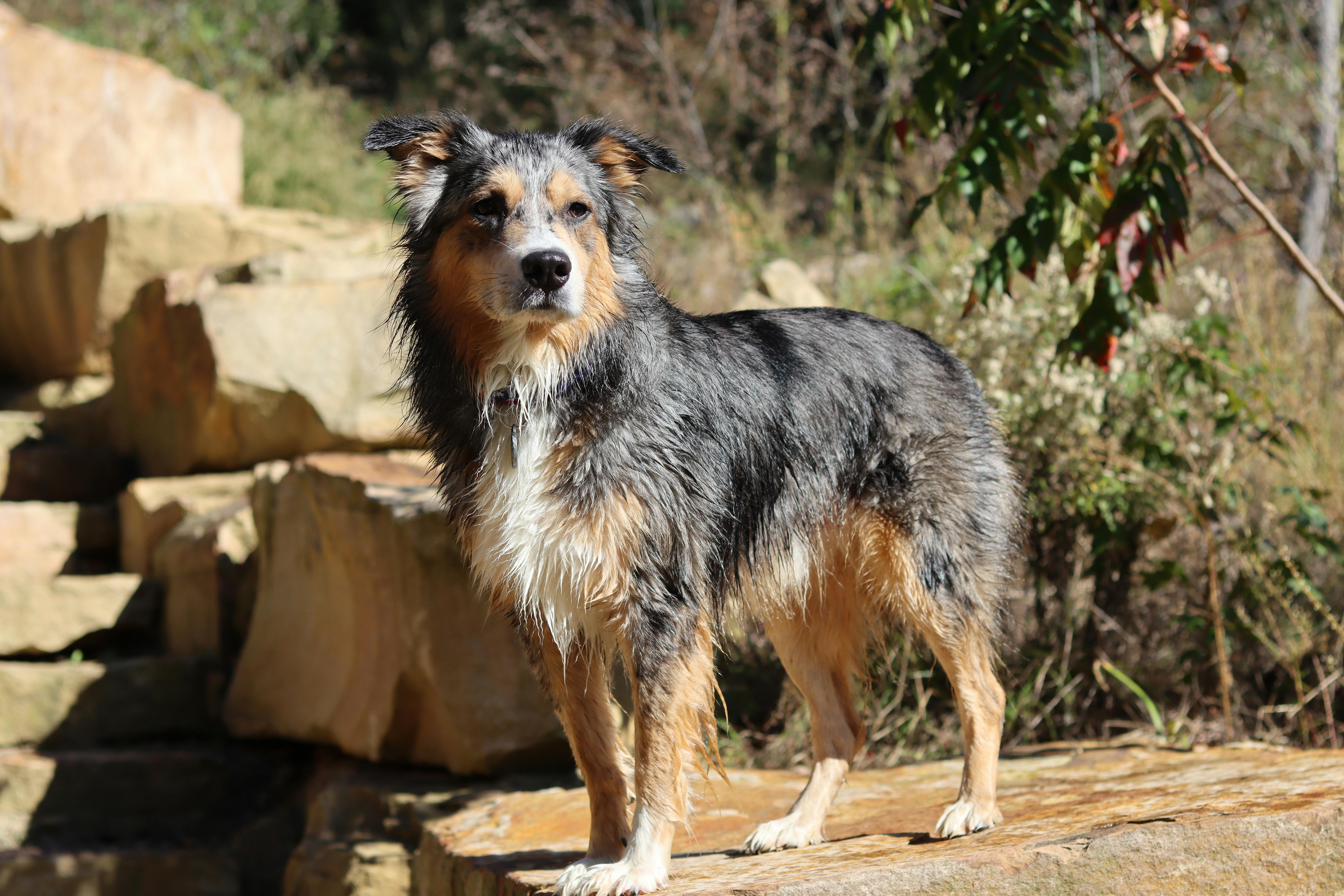
Dogs are more than just our loyal companions; they are complex creatures with a rich way of communicating, and one of their most curious features is their wet nose. Have you ever wonder why do dogs have wet noses? Or what role does this play in how they communicate with us and each other? In this article, we will explore the fascinating truth behind the role of a wet nose in dog communication, and what you need to know about it.
The Science Behind Wet Noses
Dogs have moist noses for a reason. Their noses are covered in a thin layer of mucus, which helps them to absorb scent particles. This means that a wet nose isn’t just a quirky feature; it’s essential for their sense of smell, which is way more powerful than ours. Here’s some interesting facts:
- Dogs have up to 300 million scent receptors, compared to humans who only have about 6 million.
- A wet nose can help trap scent particles, making it easier for dogs to identify different smells.
- The moisture in a dog’s nose also helps to regulate their body temperature, much like sweating does for humans.
So, when you see your furry friend with a wet nose, it’s not just for show. It’s a tool that helps them navigate the world around them.
Why Do Dogs Have Wet Noses?
So, why do dogs have wet noses? There are several reasons, and it’s a combination of biology and behavior. Here’s a breakdown:
Scent Detection: As mentioned earlier, a wet nose helps dogs smell better. The moisture helps to dissolve the scent molecules, allowing them to detect odors more efficiently.
Communication: Dogs communicate through scent, and a wet nose plays a significant role in this. When dogs greet each other, they often sniff each other’s noses as a way of gathering information about the other dog.
Cooling Mechanism: Dogs don’t sweat like humans. Instead, they rely on their noses to help cool themselves down. A wet nose can regulate their body temperature, helping them to stay comfortable.
Health Indicator: A healthy dog typically has a moist nose. If a dog’s nose is dry, it can be a sign of dehydration or illness.
The Role of a Wet Nose in Communication
Dogs express themselves in many ways, and their noses are a crucial part of this. Here are some key points on how a wet nose aids in communication:
Scent Marking: Dogs have scent glands in their noses that release pheromones. This can signal different emotions or states of being to other dogs.
Greeting Ritual: When a dog meets another dog, they often engage in a nose-to-nose greeting. This is how they pick up information about the other dog’s mood, health, and even diet.
Emotional Connection: A dog may nuzzle you with their wet nose to show affection or seek attention. It’s their way of saying, “Hey, I’m here, and I love you!”
Practical Examples of Dog Nose Communication
To better understand how dogs use their noses to communicate, here are some practical examples:
Playfulness: If a dog approaches another with a wet nose and a wagging tail, it’s likely signaling that it wants to play.
Stress or Fear: A dog that suddenly pulls away or hides its nose may be feeling anxious or scared. Observing their nose can give you clues about their emotional state.
Curiosity: When dogs explore new environments, they constantly sniff around. A wet nose helps them gather more scent information, which is crucial for understanding their surroundings.
Fun Facts About Dog Noses
Let’s take a look at some fun and surprising facts about dog noses:
- Each dog’s nose print is unique, much like a human fingerprint.
- Puppies are born with dry noses, which typically become wet as they grow.
- The color of a dog’s nose can change with age, health, and even the seasons.
Understanding the role of a wet nose in dog communication reveals just how complex and fascinating our canine companions are. Their noses are more than just an adorable feature; they’re essential tools for interaction with the world around them.
So next time you ask yourself, “Why do dogs have wet noses?”, remember that it’s a crucial part of how they communicate, express emotions, and interact with both humans and other dogs. Pay attention to your dog’s nose, and you might just discover a whole new layer to their personality!
Can a Dog’s Wet Nose Indicate Illness? Signs Every Owner Should Recognize
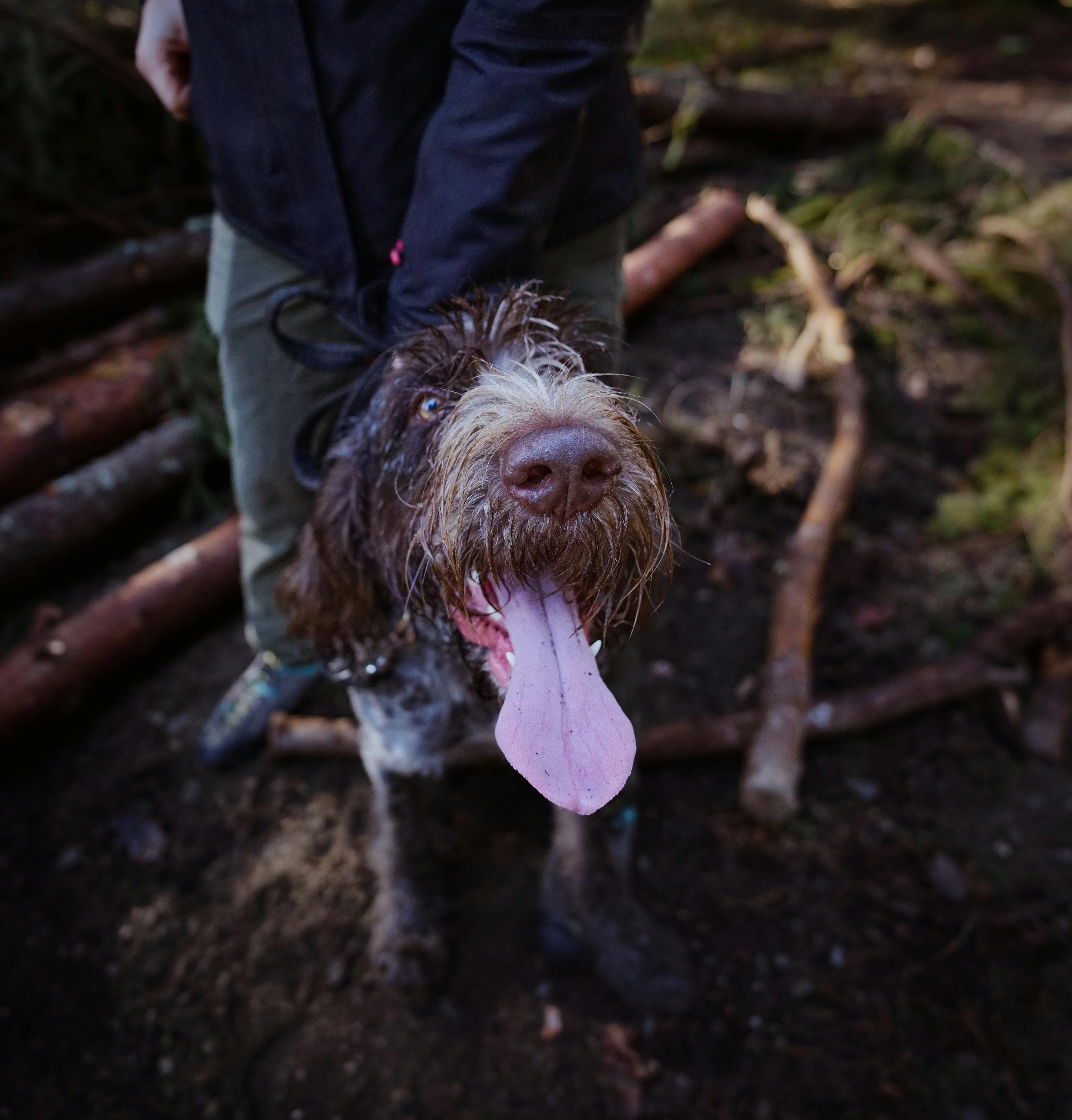
As a dog owner, you might’ve noticed that your furry friend’s nose is often wet, and you probably wondered why that is. Dogs have wet noses for reasons that go beyond just being cute. But can a dog’s wet nose indicate illness? It’s a common question that many pet owners ask. Understanding the signs to recognize can help you better care for your beloved companion. Let’s dive into the fascinating truth behind why dogs have wet noses and what their moisture level might mean for their health.
Why Do Dogs Have Wet Noses?
Dogs noses are moist for several reasons. Primarily, it helps them smell better. Dog’s sense of smell is way more sensitive than humans, and a wet nose helps trap scent particles. When the nose is moist, it can pick up odors more effectively. Here are some other interesting facts:
- Thermoregulation: A wet nose helps dogs cool off. Just like sweating in humans, dogs can lose heat through their noses.
- Health Indicator: A wet nose is often seen as a sign of a healthy dog, but it’s not always the case.
- Curiosity: Dogs like to sniff around, and their noses get wet when they’re exploring their environment.
Can A Dog’s Wet Nose Indicate Illness?
While a wet nose is generally a good sign, it isn’t always the case. Sometimes, changes in nose moisture can signal that something’s wrong. Here are some indicators to watch for:
- Dry Nose: A dry nose can mean dehydration or fever. If your dog’s nose is unusually dry and warm, it might be time to visit the vet.
- Cracked Nose: If you notice cracks or sores, this could indicate allergies, infections, or other health issues.
- Nasal Discharge: If there’s a discharge that’s not just clear moisture, it could be a sign of a respiratory infection or other ailments.
- Behavior Changes: If your dog is lethargic, loses appetite, or shows any other unusual behavior, it’s crucial to consult with a veterinarian.
Signs Every Owner Should Recognize
Knowing what to look for can save you a lot of worry. Here’s a simple list of signs that indicate your dog might not be feeling well:
- Lethargy: Is your pup sleeping more than usual?
- Loss of Appetite: Not eating or drinking can be a red flag.
- Vomiting or Diarrhea: These are serious symptoms that require attention.
- Coughing or Sneezing: Persistent coughing or sneezing could indicate respiratory issues.
- Pawing at the Face: This can mean they are uncomfortable or in pain.
Comparing Dog Noses: Wet vs. Dry
To help clarify, here’s a quick comparison of what wet and dry noses might indicate.
| Nose Condition | Possible Meaning |
|---|---|
| Wet and Cool | Usually a sign of good health |
| Dry and Warm | Potential fever or dehydration |
| Wet but Cracked | Possible infection or allergies |
| Excessive Discharge | Respiratory issues or illness |
Practical Examples
Let’s say you notice your dog’s nose is dry or cracked. You might think, “Oh, it’s just the weather.” But if your dog also seems less playful, it’s time to take action. Maybe your pooch has been out in the sun too long or is stressed. On the other hand, a moist nose with a bit of discharge could mean they’ve just sniffed something they shouldn’t have, but it could also be a sign of illness.
The Fascinating Truth About Dog Noses
There’s so much more to dog noses than meets the eye! Did you know that dogs have a special organ called the Jacobsen’s organ? This organ helps them with their incredible sense of smell. When dogs sniff around, they are not just gathering information; they are tasting the air! This is why a dog’s nose is always wet—it’s helping them enhance their sniffing abilities.
In essence, while a dog’s wet nose is often a good sign, it’s important to pay attention to other signs of health or illness. Changes in your dog’s nose moisture, combined with other symptoms, can provide valuable insights into their well-being. Being proactive and observant can lead to a longer, healthier life for your cherished pet. Always consult with a veterinarian if you have concerns about your dog’s health. After all, your furry friend relies on you for care and support!
Exploring the Benefits of a Wet Nose: How It Helps Your Dog Stay Cool
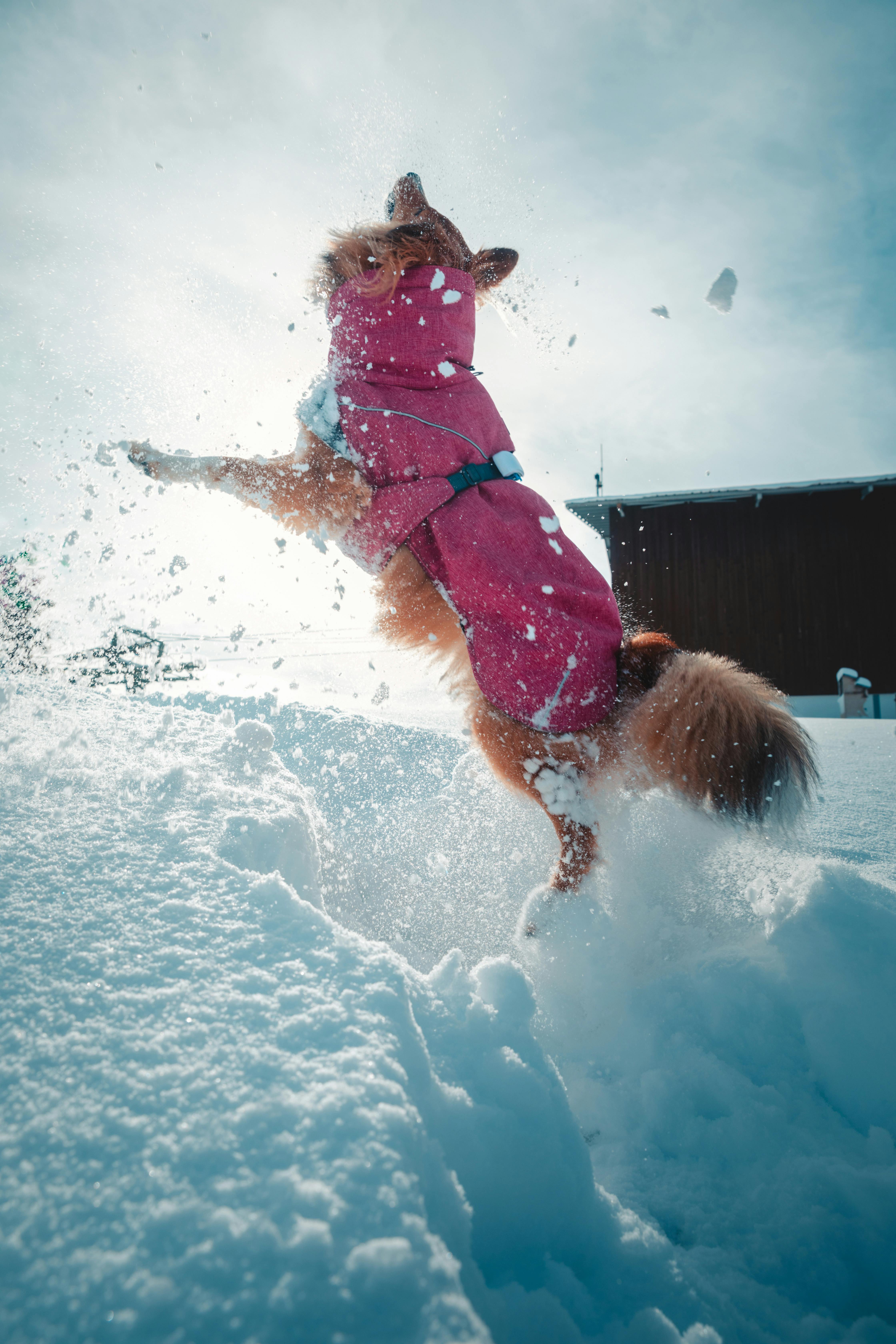
Dogs, those furry friends that make our lives so much brighter, have many unique traits. One of the most interesting things about dogs is their wet noses. Have you ever wondered why do dogs have wet noses? What’s the deal with that moisture? Well, let’s dive into the benefits of a wet nose and discover the fascinating truth about how it helps your dog stay cool.
The Science Behind Wet Noses
Dogs have wet noses mainly because it helps them regulate their body temperature. Unlike humans who sweat to cool down, dogs rely on panting and the moisture from their noses. The wetness on a dog’s nose is not just there for show; it plays an essential role in their overall health and well-being.
- Cooling Mechanism: Dogs do not sweat like humans do. Instead, they rely on their wet noses to cool off. The moisture evaporates, which results in a cooling effect.
- Enhanced Scent Detection: Dogs have an incredible sense of smell, and a wet nose helps them pick up scents better. The moisture collects scent particles, allowing them to smell things more effectively.
- Health Indicator: A wet nose can indicate a dog’s health. A dry nose might signal dehydration or illness, whereas a wet nose generally means the dog is healthy and hydrated.
Why Dogs Have Wet Noses: A Closer Look
Let’s explore further why doggy noses are wet. It’s a mix of biology and behavior that has evolved over time. Here are some points to consider:
- Evolutionary Advantage: Dogs’ ancestors might have had wet noses too. It helped them hunt and survive in the wild. Those who could smell better were likely more successful in finding food.
- Temperature Regulation: When dogs get hot, the wetness on their noses helps them cool down. It’s especially helpful during hot summer days when dogs are prone to overheating.
- Grooming Behavior: Dogs often lick their noses, keeping them moist. This behavior might be instinctual, ensuring they maintain that cooling effect.
The Benefits of a Wet Nose
Here’s a simple list of benefits that a wet nose brings to your dog:
- Better Scent Detection: Wet noses trap more scent particles.
- Cooling Effect: Helps regulate body temperature.
- Health Monitoring: A change in moisture can indicate health issues.
- Social Interaction: Dogs often greet each other with nose touches; wet noses can be more inviting.
- Comfort and Calmness: A wet nose can mean your dog is relaxed and comfortable.
Fun Facts About Dog Noses
Did you know that dog noses are as unique as human fingerprints? Every dog has a distinct nose print! Here are a few more fun facts:
- Temperature Sensors: Dogs can sense temperature changes with their noses better than humans.
- Moisture Sources: Besides licking, dogs might get moisture from drinking water or the environment.
- Nose Color: The color of a dog’s nose can change due to temperature or health. A black nose is common, but some breeds have pink or spotted noses.
Comparison of Dog Noses to Human Noses
| Feature | Dog Nose | Human Nose |
|---|---|---|
| Moisture | Generally wet | Generally dry |
| Scent Detection | Extremely sensitive | Less sensitive |
| Cooling Mechanism | Evaporates moisture | Sweats |
| Unique Features | Unique nose prints | No unique prints |
| Temperature Sensitivity | Highly sensitive to changes | Less sensitive |
Practical Examples of Caring for Your Dog’s Nose
Maintaining a healthy wet nose is easy! Here are some practical tips:
- Hydration: Make sure your dog has access to clean water.
- Regular Vet Check-ups: Regular visits can help spot any issues early.
- Avoid Overheating: Keep your dog cool in hot weather to prevent dehydration.
- Grooming: Regularly clean around your dog’s nose to avoid any buildup of dirt or debris.
Keeping these points in mind can help ensure your furry friend stays healthy and happy.
So, next time you notice your dog’s wet nose, remember it’s not just a cute characteristic; it’s an essential aspect of their biology that helps them navigate the world, stay cool, and maintain their health. The wetness is a fascinating part of what makes dogs so unique. Understanding this can deepen the bond between you and your canine companion, making your relationship even more special. Embrace those wet-nosed moments!
Why Do Puppies Have Wet Noses? Understanding Their Unique Physiology

Have you ever wondered why puppies have wet noses? Or why do dogs have wet noses in general? This unique characteristic of our furry friends is not just an adorable quirk; it plays a significant role in their physiology and behavior. In this article, we will dive into the fascinating truth behind this phenomenon, exploring the science, history, and practical implications of dogs’ wet noses.
The Science Behind Wet Noses
Dogs’ noses are wet for several reasons, primarily related to their sense of smell and temperature regulation. Here are some key points about why dog noses are often damp:
Moisture Absorption: Dogs have special glands in their noses that produce moisture. This wetness helps to trap scent particles in the air, enhancing their ability to smell. A wet nose can detect smells much better than a dry one.
Thermoregulation: Dogs don’t sweat like humans do. Instead, they regulate their body temperature through panting and the moisture on their noses. When a dog’s nose is wet, it can help cool down their body temperature.
Health Indicator: A wet nose is often a sign of a healthy dog. While it’s not a definitive health marker, a consistently dry nose might indicate dehydration or other health issues.
Historical Context of Dogs’ Noses
Dogs and their wet noses have a long history. Ancient civilizations recognized the olfactory capabilities of dogs, using them for hunting, herding, and even in warfare. The wet nose has been a crucial part of their evolution as scent hounds. Over centuries, selective breeding has enhanced their sense of smell, making it even more vital for their survival and roles in human society.
Interesting Comparisons: Dog Noses vs. Human Noses
To understand better why dogs have wet noses, let’s compare it with human noses. Here’s a table highlighting some differences:
| Feature | Dog Noses | Human Noses |
|---|---|---|
| Moisture Level | Generally wet | Generally dry |
| Sense of Smell | Approximately 100,000 times better than humans | Less sensitive |
| Temperature Regulation | Essential for cooling | Sweating is primary method |
| Scent Detection | Can detect scents in parts per trillion | Much less sensitive |
Practical Implications for Dog Owners
As a dog owner, understanding why do dogs have wet noses can be beneficial. Here are some practical tips:
Monitor Nose Condition: Keep an eye on your dog’s nose. If it becomes excessively dry or cracked, it might be time to consult a vet.
Hydration: Ensure your dog stays hydrated. A wet nose is often a sign of hydration, so it’s important for their overall health.
Scent Training: Utilize your dog’s sense of smell for training exercises. You can hide treats around the house and let them use their nose to find them!
Fun Facts About Dogs’ Noses
Here are some fun facts that might surprise you about puppies and their noses:
Dogs have about 220 million scent receptors in their noses, compared to a human’s 5 million.
Some breeds, like Bloodhounds, have a sense of smell that can be used to track scents days old!
A dog’s nose print is as unique as a human fingerprint, and could potentially identify them.
The Role of Wet Noses in Dog Communication
Dogs also use their noses to communicate with each other and with humans. The moisture on their noses can pick up scents from their environment, which tells them about other animals and people. When a dog sniffs another dog, they are gathering information about that dog’s health, mood, and reproductive status. This behavior is normal and an important part of canine social interaction.
The Relationship Between Wet Noses and Behavior
Interestingly, a dog’s wet nose can also indicate their emotional state. When a dog is excited or happy, their nose may become wetter. Conversely, if they are stressed or anxious, their nose may dry out. Observing your dog’s nose can give you insights into their feelings, so pay attention to those little changes.
Understanding why do puppies have wet noses, and why do dogs have wet noses in general opens up a new appreciation for our canine companions. Their unique physiology not only enhances their sense of smell but also plays a role in their health and communication. So next time you give your puppy a scratch behind the ears, take a moment to appreciate that delightful, moist nose that’s doing so much more than just looking cute!
The Fascinating Evolution of Dog Noses: Why Wetness Matters in the Animal Kingdom

Dogs have long been cherished companions to humans, but did you ever stop to think about their noses? The wetness of a dog’s nose is not just a quirky trait; it actually serves multiple purposes that are deeply rooted in their biology. Why do dogs have wet noses? Well, let’s dive into the fascinating evolution of dog noses and explore why this wetness matters in the animal kingdom.
The Science Behind Wet Noses
Dog noses are typically moist due to a thin layer of mucus. This wetness plays an essential role in a dog’s sense of smell, which is far superior to that of humans. Here are some key points on the science behind wet noses:
- Enhanced Smell: A wet nose helps to capture scent particles from the air. When these particles come into contact with the mucus, they dissolve and become more easily detected by the olfactory receptors in the nose.
- Temperature Regulation: Dogs regulate their body temperature through panting and sweating through their paws. The moisture on their nose helps with this process too, as it can cool them down.
- Health Indicator: A dog’s nose can also be an indicator of their health. A dry or cracked nose might suggest dehydration or illness, while a healthy nose is typically moist and cool.
Evolutionary Context
The evolution of dog noses is as interesting as the dogs themselves. Dogs, descended from wolves, have maintained many of their ancestors’ traits, including their remarkable sense of smell. Here’s how they evolved:
- Hunting and Survival: Early dogs used their keen sense of smell to hunt and evade predators. A wet nose was advantageous in tracking scents over long distances.
- Social Interactions: Dogs also communicate through scent. A wet nose helps them gather information about other animals and their environment, which is vital for social bonding and territorial behaviors.
A Comparative Look at Animal Noses
Dogs aren’t the only animals with fascinating nose features. Here’s a brief comparison between a dog’s nose and noses of other animals:
| Animal | Nose Type | Key Features |
|---|---|---|
| Dogs | Wet and cold | Superior smell, cools body, health indicator |
| Cats | Dry and warm | Good sense of smell, but not as strong as dogs |
| Elephants | Trunk (nose) | Excellent sense of smell, very versatile |
| Bears | Wet and large | Amazing sense of smell, can detect food from miles away |
Fun Facts About Dog Noses
Here are some fun and surprising facts about dog noses that you might not know:
- Unique Patterns: Just like human fingerprints, each dog has a unique nose print that can be used for identification.
- Scent Discrimination: Dogs can differentiate between various scents, which is why they are often used in search and rescue operations.
- Nasal Structure: A dog’s nose has up to 300 million scent receptors, compared to about 5 million in humans. This incredible difference explains why dogs are often used in law enforcement and detection roles.
Practical Examples of Dog Nose Functions
Now that we understand why dogs have wet noses, let’s look at how these functions manifest in everyday situations:
- Tracking: A bloodhound, known for its tracking ability, can follow a scent trail that’s days old, thanks to its wet nose that captures and retains scent particles.
- Health Monitoring: Dog owners often notice changes in their pet’s nose. For instance, if a dog’s usually moist nose becomes dry, they might take them to the vet for a check-up.
The Importance of Nose Care
While wet noses are generally a sign of a healthy dog, it’s also essential to care for your dog’s nose. Here are some tips:
- Hydration: Ensure your dog has access to fresh water at all times to keep their nose moist.
- Avoid Irritants: Protect your dog from harsh chemicals or extreme temperatures that could dry out their nose.
- Regular Check-ups: Keep an eye on changes to their nose and consult a vet if you notice anything unusual.
The wetness of a dog’s nose serves multiple vital functions that highlight the beauty of evolution in the animal kingdom. From enhancing their sense of smell to indicating health, the science behind why do dogs have wet noses is both fascinating and practical. Understanding these aspects not only enriches our appreciation for our canine companions but also helps us to care for them better. So the next time you pet your dog, take a moment to appreciate that wet nose—it’s more than just a cute feature; it’s a testament to their remarkable biology!
Conclusion
In conclusion, the wet noses of dogs serve several vital purposes that contribute to their health and well-being. The moisture on a dog’s nose helps enhance their sense of smell by capturing scent particles, allowing them to explore and understand their environment more effectively. Additionally, a wet nose plays a role in thermoregulation, helping dogs cool down through evaporation. While a wet nose is often seen as a sign of a healthy dog, it’s essential to monitor changes in moisture levels as they can indicate health issues. Understanding the science behind a dog’s wet nose not only deepens our appreciation for these loyal companions but also emphasizes the importance of regular veterinary check-ups. So, the next time you give your furry friend some affection, take a moment to appreciate that wet nose—it’s a remarkable feature that showcases their unique biology and connection to the world around them.
