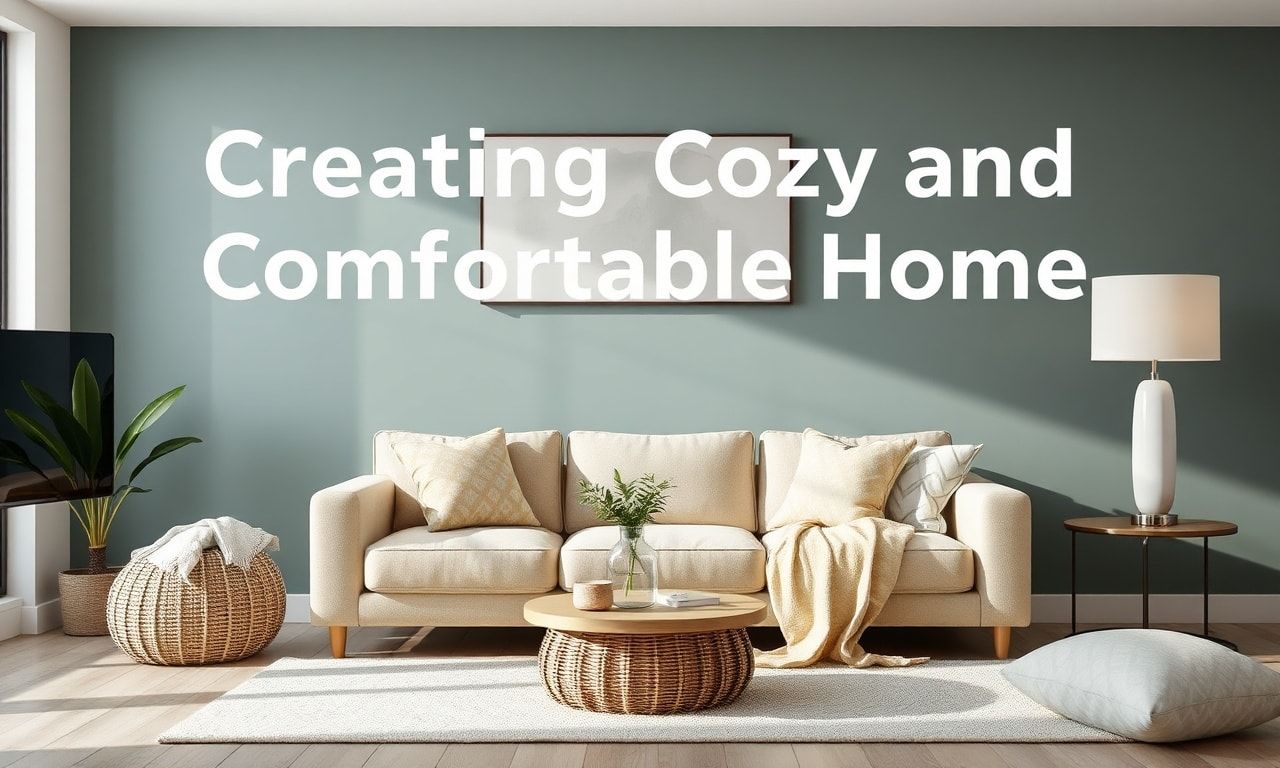
The Importance of a Relaxing Home Environment
A home is more than just a place to live; it’s a sanctuary where you can unwind, recharge, and spend quality time with loved ones. Creating a cozy and comfortable environment is essential for mental and physical well-being. In this article, we’ll explore various ways to transform your living space into a haven of relaxation, including tips on furniture, decor, and lifestyle habits.
Invest in Quality Furniture
Comfortable furniture is the cornerstone of a relaxing home. Investing in high-quality pieces that support your body and provide a sense of ease is crucial. For instance, a plush sofa or a soft dog bed for your furry friends can make a significant difference. When choosing furniture, consider materials that are both durable and comfortable, such as memory foam, down-filled cushions, and high-quality fabrics.
Choosing the Right Sofa
The sofa is often the centerpiece of a living room. Opt for one that offers ample seating and support. Look for features like adjustable headrests, lumbar support, and reclining options. Additionally, consider the size and shape of the sofa to ensure it fits well in your space and accommodates your family’s needs.
Beds and Mattresses
A good night’s sleep is vital for overall well-being. Invest in a comfortable mattress that suits your sleeping style, whether you prefer a firm or plush surface. Memory foam mattresses are popular for their ability to contour to your body and provide excellent support. Don’t forget to choose bedding that is soft, breathable, and complementary to your decor.
Creating a Calming Atmosphere
The ambiance of your home plays a significant role in creating a relaxing environment. Soft lighting, soothing colors, and pleasant scents can all contribute to a calming atmosphere. Consider using dimmer switches, candles, or string lights to create a warm and inviting glow. Incorporate natural elements like plants and water features to bring a sense of tranquility to your space.
Color Schemes
Colors have a profound impact on our mood and emotions. Opt for a color palette that promotes relaxation, such as soft blues, greens, and neutrals. These colors are known for their calming effects and can make your home feel more serene. Accentuate with brighter hues to add a touch of vibrancy without overwhelming the senses.
Lighting
Lighting is another crucial element in creating a relaxing home. Use a combination of natural and artificial light sources to create a balanced and inviting atmosphere. Natural light is ideal for daytime, while soft, warm lighting is perfect for evenings. Consider using floor lamps, table lamps, and wall sconces to add layers of light and create a cozy ambiance.
Lifestyle Habits for a Relaxing Home
In addition to physical elements, your lifestyle habits can significantly impact the relaxation level of your home. Establishing routines that promote relaxation and well-being is essential. This includes practices like meditation, yoga, and spending quality time with family and friends. Creating a designated relaxation area, such as a reading nook or meditation corner, can also help you unwind and de-stress.
Family Time
Spending quality time with family is crucial for a happy and relaxed home. Plan regular family activities, such as movie nights or game nights. For example, you can enjoy kids movie streaming for school age together, creating memorable moments and strengthening family bonds. These shared experiences can bring joy and relaxation to your home.
Self-Care Routines
Self-care is an essential aspect of a relaxing home. Establish routines that prioritize your well-being, such as taking a warm bath, practicing mindfulness, or engaging in hobbies you love. Creating a self-care routine can help you unwind and recharge, making your home a true sanctuary.
Decluttering and Organization
A cluttered home can lead to a cluttered mind. Keeping your living space organized and tidy is essential for creating a relaxing environment. Regularly declutter and organize your belongings to maintain a clean and serene space. Use storage solutions like shelves, baskets, and cabinets to keep items neatly tucked away.
Minimalist Design
Adopting a minimalist design approach can help create a more relaxing home. Focus on simplicity and functionality, choosing only the essential items that bring you joy and comfort. A minimalist design can make your space feel more open, airy, and peaceful.
Regular Cleaning
Regular cleaning is another key to maintaining a relaxing home. Dust, vacuum, and mop regularly to keep your space clean and fresh. Consider hiring professional cleaners if needed, to ensure your home is always in top condition.
Conclusion
Creating a cozy and comfortable home is an art that involves a combination of quality furniture, calming decor, lifestyle habits, and organization. By investing in comfortable furniture, choosing soothing colors, establishing relaxing routines, and keeping your space tidy, you can transform your home into a true sanctuary. Remember, a relaxing home is not just about aesthetics; it’s about creating an environment that nurtures your well-being and brings joy to your daily life.
If you’re looking to infuse more excitement into your daily routine, you’ll find plenty of inspiration in discovering adventure in ordinary moments.
In today’s digital age, finding ways to blend technology with family time can be a game-changer; discover how in our latest guide, tech meets family fun.
If you’re looking to enhance your daily living and create a more peaceful atmosphere, consider exploring tips for a harmonious home that can transform your space and relationships.