Have you ever wondered, why do dogs have wet noses? This intriguing question has puzzled many pet owners and animal lovers alike. A dog's nose is not just a cute feature; it's a fascinating tool that plays a crucial role in their health and behavior. The science behind a dog's wet nose is more complex than you might think! It’s often said that a wet nose means a healthy dog, but what are the real reasons behind this phenomenon? In this article, we will explore the fascinating reasons why dogs have wet noses and how this unique trait contributes to their incredible sense of smell. Did you know that a wet nose helps dogs absorb scent chemicals more effectively? This is just one of the many fascinating facts we will uncover. So, if you’re curious to learn more about your furry friend and the secrets of their wet noses, keep reading! Discover how these magical moist noses can reveal so much about your dog's health, emotions, and even their environment. Get ready to dive into the captivating world of canines and their fascinating physiology!
What Makes a Dog’s Nose Wet? Exploring the Science Behind Canine Moisture
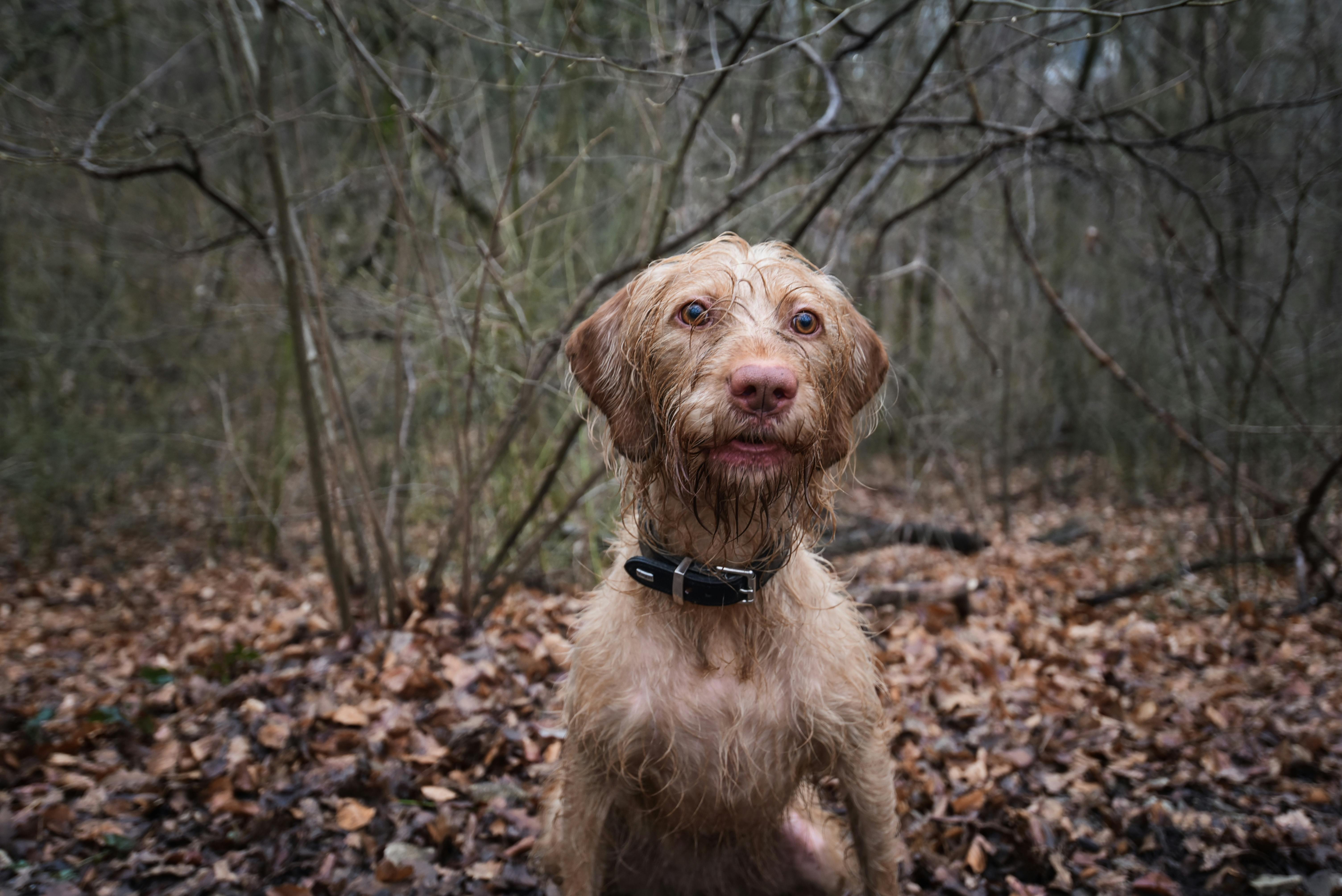
Many dog owners have often wondered, what makes a dog’s nose wet? Is it just a quirk of nature, or is there some science behind it? In this article, we explore the fascinating reasons why dogs have wet noses and how this unique feature benefits them in various ways.
The Science of Moisture
A dog’s nose is not just there for decoration. The moisture on the surface of a dog's nose plays a significant role in their overall health and well-being. But why do they have wet noses in the first place?
The main reason for a wet nose is that it helps dogs to smell better. Dogs have an extraordinary sense of smell, which is about 10,000 to 100,000 times more sensitive than that of humans. The moisture on a dog's nose helps to capture scent particles from the air, making it easier for them to detect different odors. This wetness can also enhance their ability to identify various scents, especially when they are sniffing around in the grass or dirt.
How Dogs Keep Their Noses Wet
Dogs maintain the moisture on their noses through several ways:
- Secretions: Dogs have special glands in their noses that produce a thin layer of moisture. This secretion is mostly made up of water, but it contains proteins and other compounds that help enhance their sense of smell.
- Licking: You might notice your dog licking their nose frequently. This is a natural behavior that not only helps keep the nose moist but also aids in cleaning it.
- Environmental Factors: Weather can also affect how wet a dog's nose is. For example, on a hot day, dogs may have drier noses, while humidity can keep them more moist.
Historical Insights
It’s interesting to note that wet noses are not exclusive to dogs. Many mammals have moist noses, but the reasons can vary. In the case of dogs, their ancestors likely had wet noses as a result of evolutionary adaptations that helped them survive and hunt. The ability to smell better would have given them an advantage in finding food and avoiding predators.
Benefits of a Wet Nose
Having a wet nose comes with several benefits for dogs. Here are some key advantages:
- Enhanced Sense of Smell: As mentioned earlier, the moisture helps in capturing scent particles, making it easier for dogs to detect smells.
- Temperature Regulation: A wet nose can help dogs regulate their body temperature. When they breathe in through their noses, the moisture evaporates, which can help cool them down.
- Health Indicator: A dog's nose can also serve as an indicator of their health. Generally, a wet and cool nose is often a sign of a healthy dog, while a dry or cracked nose may indicate a health problem.
Common Misconceptions
There are several misconceptions about dog noses that many people believe. Here’s a quick list:
- A Wet Nose Means a Healthy Dog: While a wet nose is often a sign of good health, it’s not always the case. Dogs can have dry noses for various reasons that are not necessarily linked to health issues.
- Nose Color Doesn’t Matter: The color of a dog’s nose can vary widely and is influenced by breed and genetics. However, the moisture level can still be significant regardless of color.
- Dogs Don’t Sweat: Dogs do sweat through their paw pads, but their primary method of regulating body temperature is through panting, which also helps to keep their noses moist.
Fun Facts About Dog Noses
- Dogs have unique nose prints, much like human fingerprints. Each dog’s nose print is different and can be used for identification.
- A dog's nose is more sensitive than any human nose, with around 220 million scent receptors compared to a human’s 5 million.
- Some breeds, like Bloodhounds, have particularly wet noses, which helps them excel in tracking scents.
Dogs are remarkable creatures, and their wet noses are just one of the many things that make them unique. Understanding the science behind why dogs have wet noses can help owners appreciate their furry friends even more. So next time you pet your dog and feel that cool, moist nose, remember, it’s not just cute — it’s vital for their health and happiness!
The Surprising Health Benefits of a Wet Nose in Dogs: What Every Owner Should Know

Dogs are often called man's best friend, and there’s no denying the bond that we share with these furry companions. One interesting aspect that many dog owners might not think about is the significance of their pet’s nose being wet. You might wonder, “Why do dogs have wet noses?” It’s not just a random feature; it's actually tied to their health and behavior. Let’s explore the surprising health benefits of a wet nose in dogs and the reasons behind it.
The Science Behind a Wet Nose
Firstly, a dog’s nose is wet due to a mix of moisture from their environment and secretions from their own bodies. The moisture helps enhance their sense of smell. Dogs has an incredible olfactory system, which is estimated to be tens of thousands to possibly even 100,000 times more sensitive than humans. This means, when your dog sniffs around, they are taking in a wealth of information, much more than we can ever comprehend.
Why Is a Wet Nose Important?
Enhanced Scent Detection: A wet nose can absorb scent chemicals more effectively, making it easier for dogs to detect smells. This is why they are so good at tracking and sniffing out things, from drugs to lost people.
Temperature Regulation: Dogs do not sweat like humans do. Instead, they regulate body temperature through panting and by having a cool nose. When a dog’s nose is wet, it helps them stay cool.
Health Indicator: The moisture level of a dog’s nose can be an important indicator of their health. A healthy dog usually has a cool, moist nose. If the nose becomes dry and warm, it may signify illness or dehydration, which is something owners should keep an eye on.
Communication Tool: Dogs use their noses not only for smelling but also for social interactions. A wet nose can be a way for them to express affection or to seek attention from their owners and other dogs.
Fascinating Facts About Dog Noses
Unique Prints: Just like human fingerprints, each dog has a unique nose print. This can actually be used for identification, although it’s a less common method.
Heat Detection: Dogs can detect heat signatures from other animals. This ability helps them hunt and track prey, which is something that is rooted in their ancestors.
Nasal Turbinates: Inside a dog’s nose, there are structures called turbinates that help to filter and humidify the air they breathe. This helps their sense of smell to remain sharp.
How to Keep Your Dog's Nose Healthy
Maintaining a healthy nose for your dog can be quite simple. Here’s a checklist:
Hydration: Ensure your dog has access to plenty of fresh water. Dehydration can lead to a dry nose.
Humid Environment: Especially in winter, consider using a humidifier indoors to keep the air moist, which can help their nose.
Regular Vet Check-ups: Keep up with regular vet visits to monitor your dog’s overall health, including their nose.
Common Misconceptions
Many people think that a wet nose automatically means a dog is healthy, but that’s not always the case. Dogs can have a wet nose and still be sick. Likewise, a dry nose doesn’t necessarily mean illness. Factors like the weather, activity level, and even breed can affect moisture levels.
Comparison of Dry vs. Wet Noses
Here’s a simple comparison to help you understand the differences between dry and wet noses:
| Feature | Wet Nose | Dry Nose |
|---|---|---|
| Temperature | Usually cool | May feel warm or hot |
| Health Indicator | Often indicates good health | Can suggest dehydration or illness |
| Moisture Level | Helps in scent absorption | Less effective in scent gathering |
| Behavior | Active and playful | May indicate lethargy or sickness |
In summary, understanding why dogs have wet noses can give you insight into their health and behavior. It's quite fascinating to consider how something as simple as a wet nose can carry such importance for our canine friends. So next time you see your dog sniffing around, remember that their wet nose is not just cute but also a crucial part of their biology. Keep an eye on that nose, and you might just learn a bit more about your furry companion's well-being.
Why Do Dogs Have Wet Noses? Uncovering the Evolutionary Advantages

Dogs have always been our loyal companions, and one of the most distinctive features of our furry friends is their wet noses. It's a common question among dog lovers: why do dogs have wet noses? Understanding the reason behind this peculiar trait can unveil some fascinating evolutionary advantages. In this article, we will explore the advantages of having wet noses, delve into the science behind it, and share some interesting facts that might surprise you!
The Science of a Wet Nose
Dogs’ noses are typically moist due to a thin layer of mucus that helps them absorb scent particles. This is crucial, as dogs have an incredible sense of smell—about 10,000 to 100,000 times more sensitive than humans. When their noses are wet, it enhances their ability to pick up on scents. The moisture in their noses helps to trap odor molecules, allowing the olfactory receptors to better detect them.
- Moisture: The wetness helps in capturing scents more effectively.
- Temperature Regulation: Dogs also use their noses to regulate body temperature, especially when they pant.
- Communication: A wet nose can be a sign of health and vitality in dogs, making it easier for them to communicate with other dogs and humans.
Evolutionary Advantages
So, why did dogs evolve to have wet noses in the first place? The evolutionary benefits are closely linked to their survival and hunting skills. Here’s how:
Enhanced Smell: As mentioned, the moisture helps them to smell better. In nature, being able to track scents can mean the difference between life and death.
Hunting Skills: Wet noses improved a dog’s ability to hunt prey. Their ancestors were hunters, and a keen sense of smell was essential for catching food.
Survival Mechanism: Wet noses also help dogs in finding other animals and even humans. This can be crucial for social species that depend on group dynamics for survival.
Health Indicator: A wet nose usually indicates a healthy dog. If a dog’s nose is dry, it can be a sign of dehydration or sickness.
Historical Context
The evolution of dogs from wolves was a long process, and their noses adapted over time. Early dogs relied on their sense of smell for hunting and scavenging, just like their wolf ancestors. Here’s a brief look at the timeline:
- 30,000 years ago: Domestication of dogs begins.
- 15,000 years ago: Dogs become essential hunting partners for humans.
- Present Day: Dogs have developed a variety of breeds, but the wet nose remains a common trait.
Fun Facts About Dog Noses
- Unique Patterns: Just like human fingerprints, every dog’s nose print is unique.
- Thermal Sensors: Dog noses can detect changes in temperature, which can help them sense danger.
- Scent Discrimination: Dogs can discern between different scents, which is why they're often used in search and rescue operations.
Why Do Dogs Have Wet Noses? A Comparison
To understand better, let’s compare dogs with some other animals:
| Animal | Nose Type | Smell Sensitivity | Advantages |
|---|---|---|---|
| Dogs | Wet | 10,000-100,000x | Enhanced hunting, tracking |
| Cats | Dry | 5-10x | Good for stalking prey |
| Elephants | Wet | 5-6x | Great for foraging |
| Humans | Dry | 1x | Limited scent detection |
Practical Examples
Tracking: Search and rescue dogs use their wet noses to track scents over long distances. Their ability to pick up on the faintest smells is what makes them invaluable in emergency situations.
Medical Detection: Some dogs are trained to detect diseases like cancer by smelling changes in a person’s scent. Their wet noses play a pivotal role in this remarkable ability.
Behavioral Insights: Dogs often sniff each other’s noses as a way of greeting or communicating. A wet nose can indicate excitement or stress in social situations.
Understanding why dogs have wet noses gives us insight into their biology and behavior, revealing how these furry companions have evolved to thrive alongside humans. Each time you see your dog’s wet nose, remember it’s not just adorable—it serves a purpose rooted deep in their evolutionary history!
5 Fascinating Facts About Dog Noses: Why Wetness Matters for Your Pup
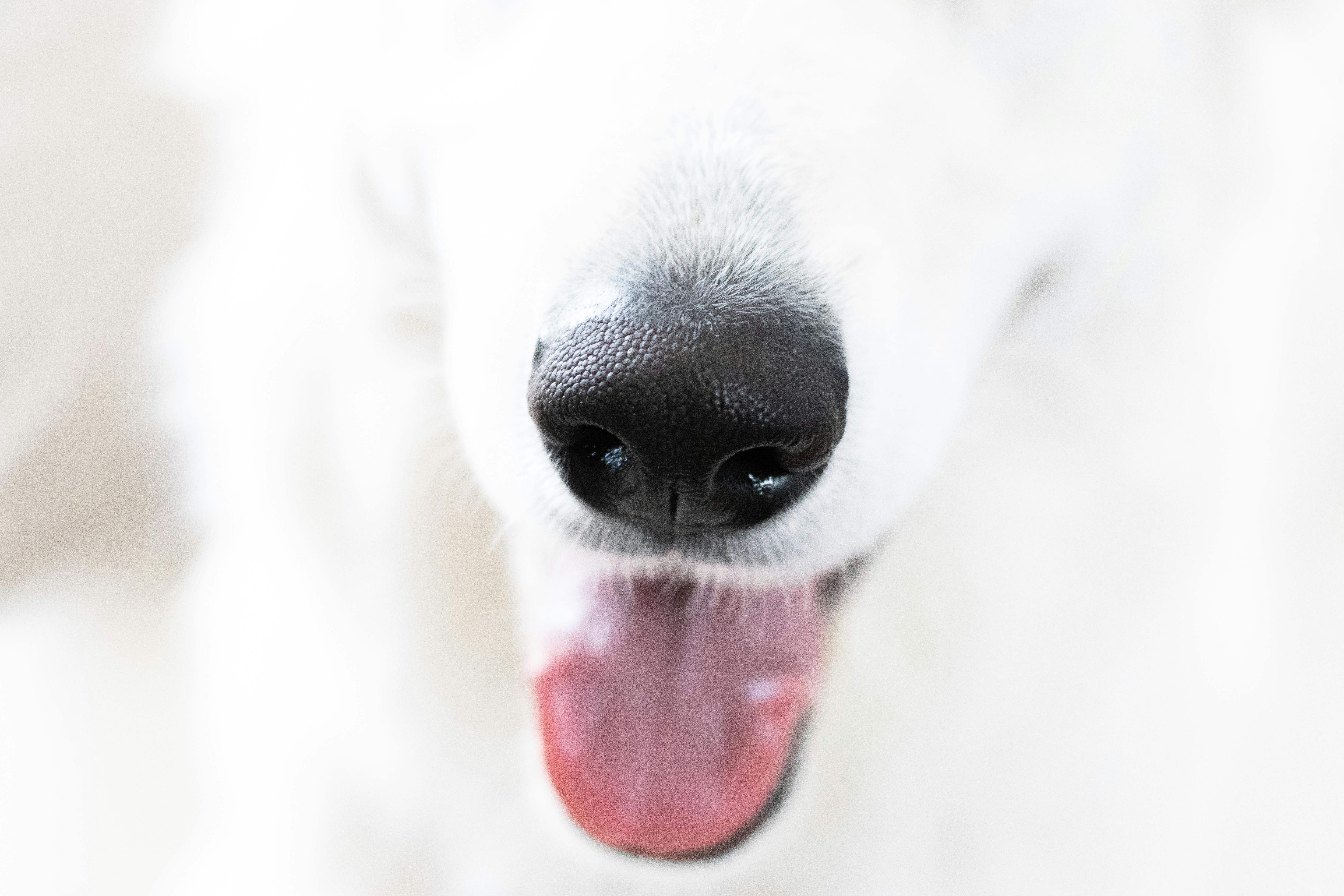
Dogs are some of the most beloved pets around the world, and part of what makes them so special is their unique physical traits. One such trait that often goes unnoticed, yet is crucial for their health and well-being, is their noses. So, why do dogs have wet noses? Well, it turns out, there’s a whole lot of fascinating science behind it. Let’s dive into five intriguing facts about dog noses and uncover why wetness is so important for your pup.
1. The Science of Wetness
Most dog owners know that their furry friends have wet noses, but they might not realize the reason behind it. A dog’s nose is covered in a thin layer of mucus which helps to enhance their sense of smell. Here a few points explain how this works:
- The moisture on the nose helps to dissolve scent molecules, making it easier for dogs to detect various smells.
- A wet nose can regulate temperature; when a dog pants, it cools down the blood flow to the nose, which helps maintain a lower body temperature.
- The moisture is also an indicator of a dog’s overall health; a dry nose can sometimes signal illness.
2. An Incredible Sense of Smell
Dogs have an extraordinary sense of smell, estimated to be anywhere from 10,000 to 100,000 times more sensitive than humans. This is where the wetness of their noses comes into play. Here’s how the wetness enhances their smelling abilities:
- Dogs have about 220 million scent receptors in their noses, compared to a human’s 5 million.
- The wetness helps trap tiny particles of scents, allowing dogs to analyze smells more effectively.
- Studies have shown that dogs can detect certain diseases, including cancer and diabetes, just by sniffing a person’s breath or skin.
3. Evolutionary Adaptation
The evolution of a dog’s wet nose is quite interesting. Dogs, as descendants of wolves, have adapted over time, and their noses have played a key role in their survival. Here’s what you should know:
- In the wild, a wet nose helps wolves and other canids find prey and avoid predators.
- The moistness aids in thermoregulation, which is essential for animals that may be active in varying climates.
- This evolutionary trait has been passed on to domestic dogs, making the wet nose a vital part of their anatomy.
4. Variations Among Breeds
Not all dog noses are created equal! There are noticeable differences in nose wetness among different breeds. For instance:
- Breeds like Labrador Retrievers and Bloodhounds typically have wetter noses than smaller breeds such as Chihuahuas or Pugs.
- Some breeds are more prone to health issues that can lead to dry noses, including brachycephalic dogs (those with short noses).
- Environmental factors, such as weather and humidity, can also affect how wet a dog’s nose feels.
5. Caring for Your Dog's Nose
As a responsible dog owner, it’s important to keep an eye on your pup's nose. Here are some tips to ensure its health:
- Regularly check for dryness or cracks which can be signs of dehydration or illness.
- Provide plenty of fresh water and watch for any changes in your dog’s behavior, such as excessive licking of the nose.
- If you notice a sudden change in wetness, accompanied by other symptoms like lethargy or coughing, consult a veterinarian right away.
Quick Facts About Dog Noses
- Dogs sweat through their paw pads, but their noses help cool them down too.
- The shape and size of a dog’s nose can vary widely, affecting their smell.
- Nose prints are unique to each dog, much like human fingerprints.
Understanding why do dogs have wet noses can help you appreciate these furry companions even more. Their sense of smell and the moisture on their noses play crucial roles in their lives, from sniffing out treats to keeping them cool on a hot day. By taking care of this important feature, you ensure your pup’s health and happiness. So next time you give your dog a pat, take a moment to appreciate that adorable, wet nose!
Can a Dog’s Wet Nose Indicate Health Issues? Key Signs Every Pet Owner Must Recognize
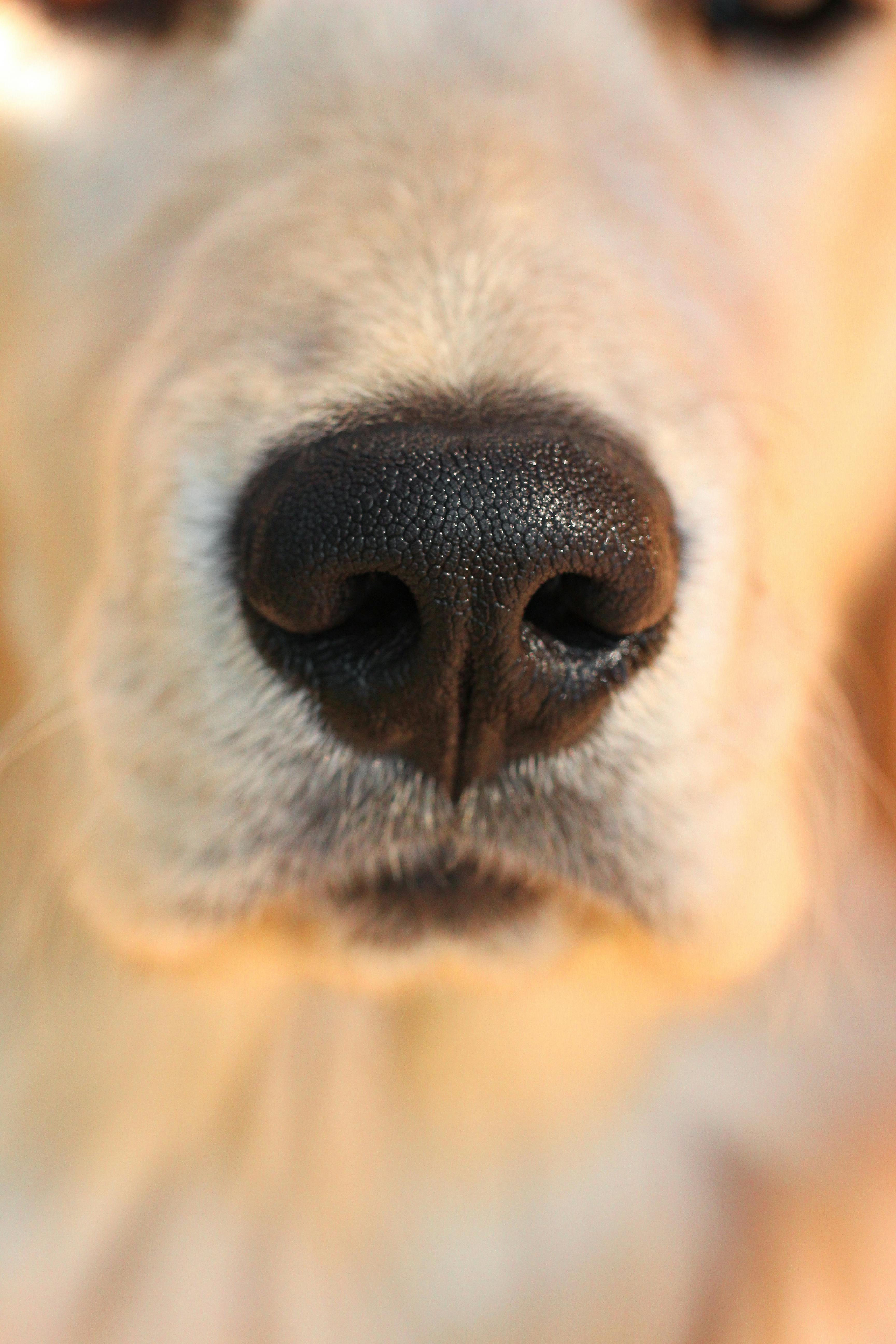
Dogs are our loyal companions, and their health is always a priority for pet owners. One of the most talked-about signs of a dog’s health is their nose. Many people wonder, can a dog’s wet nose indicate health issues? Key signs every pet owner must recognize. In this article, we'll explore why do dogs have wet noses, and delve into the fascinating reasons behind this common characteristic. Plus, we'll highlight the potential health implications that come with a dog's nose condition.
Why Do Dogs Have Wet Noses?
First off, let's talk about that wet nose. Dogs usually have a moist nose, and there’s a good reason for it. The moisture can help them smell better. A wet nose captures scent particles more efficiently, which is why dogs rely so much on their noses. But that's not the only reason.
- Cooling Mechanism: Dogs sweat through their noses, helping to cool their body down. Unlike humans who sweat all over, dogs mostly rely on panting and their noses to regulate temperature.
- Health Indicator: The moisture level of a dog's nose can indicate their overall health. A normal, wet nose is typically a sign of good hydration and health.
- Sensory Function: The wetness helps enhance their sense of smell. The more moisture, the better they can detect different scents.
Some might wonder, how does the environment affect a dog’s nose? Well, various factors influence the moisture level. For example, in dry climates, a dog's nose may become drier. Also, if a dog is sick, the nose can become dry and warm, signaling potential health issues.
Signs of Health Issues Related to Nose Condition
So, how can a dog’s wet nose indicate health problems? Here are some key signs every pet owner should look out for:
- Dry Nose: A dry, cracked nose may suggest dehydration or fever. If your dog’s nose feels hot and dry, it could be a sign that they are not feeling well.
- Discharge: If there's discharge coming from the nose, it could indicate allergies, infections, or even more serious health issues. Watch for color changes too—clear, yellow, or green are all indicators of different problems.
- Change in Temperature: A normal nose should feel cool and wet. If it feels unusually warm, this might be a concern and warrant a vet visit.
- Behavioral Changes: If your dog is acting differently—like being lethargic or not eating—it could be linked to their health. Sometimes, the nose is just one part of the puzzle.
What To Do If You Notice Changes?
If you observe any of these signs, it’s important to act quickly. Here’s what to do:
- Monitor Symptoms: Keep track of any additional symptoms your dog might have.
- Consult a Veterinarian: Always consult with a vet if you notice unusual changes in your dog’s nose. They can provide a thorough examination and proper diagnosis.
- Hydration: Ensure your dog has plenty of fresh water to drink. Dehydration can be a serious issue.
- Environment Check: Make sure your home is a comfortable environment. Sometimes, dry air can affect your dog’s nose.
Fascinating Facts About Dog Noses
Dogs are really remarkable in many ways, and their noses are no exception. Here’s a couple of interesting facts:
- Unique Patterns: Just like human fingerprints, a dog’s nose print is unique. Each dog has a distinct pattern, which can even be used for identification.
- Incredible Scent Detection: Dogs have up to 300 million smell receptors in their noses, whereas humans only have about 5 million. This makes their sense of smell incredibly powerful.
- Health Monitoring: Some studies suggest that dogs can actually detect certain diseases, including cancer, just by smelling a person’s breath or skin.
Summary of Key Points
- A dog's wet nose serves multiple purposes, including cooling and enhancing their sense of smell.
- Abnormal changes in the moisture or temperature of the nose can signal health issues.
- If you notice unusual signs, consulting a veterinarian is crucial for your dog's health.
Understanding why do dogs have wet noses and recognizing the signs of potential health issues can help you provide the best care for your furry friend. Keeping an eye on these factors is essential for any responsible pet owner. After all, our dogs rely on us to ensure they are happy and healthy.
The Role of a Wet Nose in Dog Communication: How Your Pup Expresses Emotions
Dogs are wonderful creatures that bring joy to many lives. One of the most interesting aspects of our canine companions is their unique ways of communicating. Among these, the wet nose is often overlooked. Many people wonder, why do dogs have wet noses? The truth is, a wet nose plays a significant role in how dogs express their emotions and interact with the world.
The Science Behind Wet Noses
First, let’s talk about why dog noses are typically wet. A dog's nose is covered in a moist layer of mucous. This serves several purposes. One of the primary reasons is to help dogs smell better. According to studies, dogs have an incredible sense of smell, which is about 40 times more acute than humans. The wetness on their noses helps to capture scent particles from the air, enhancing their ability to detect various smells.
- Moisture Retention: The moisture on a dog’s nose helps retain scent particles, making it easier for them to identify different smells.
- Temperature Regulation: Wet noses also help dogs regulate their body temperature. Just like humans sweat, dogs can lose some heat through their noses.
- Health Indicator: The state of a dog’s nose can be an indicator of its health. A warm, dry nose may signal illness or dehydration, while a cool, wet nose usually indicates good health.
How Dogs Use Their Noses to Communicate
Now let’s delve into how dogs communicate using their noses. Dogs express emotions and intentions through their sense of smell. When they sniff other dogs or people, they’re gathering information about others’ emotions, health, and even recent meals.
- Greeting: When dogs meet, they often sniff each other’s noses and behinds. This is their way of saying hello and learning about each other.
- Stress Signals: A dog may also use their nose to express stress. If a dog is anxious, their nose may become dry or warm.
- Comfort Seeking: Dogs often nuzzle their owners with their wet noses when they seek comfort or attention, showing affection.
Fascinating Facts About Dog Noses
Here are some amazing facts about dog noses that might surprise you:
- Unique Patterns: Just like human fingerprints, each dog’s nose print is unique. It can actually be used to identify them.
- Scent Memory: Dogs can remember scents for years. This is why they can find their owners even after a long time apart.
- Nasal Anatomy: A dog’s nose has more than 300 million scent receptors. In comparison, humans have around 5 million.
The Emotional Connection
The wet nose of a dog isn't just a physical characteristic; it's also an emotional tool. Dogs often use their noses to connect with their owners emotionally. Here are some ways they do this:
- Affection Display: A gentle nudge from a wet nose can be a sign of love. Dogs often nuzzle their owners when they want to show they care.
- Seeking Attention: If your dog nudges you with its nose, it may be asking for playtime or a walk.
- Expressing Needs: When a dog is hungry or wants to go outside, they might use their nose to nudge their owners or tap on doors.
Comparing Wet Noses with Dry Noses
Understanding the differences between wet and dry noses in dogs can help owners gauge their pet's health and mood. Here’s a simple comparison:
Wet Nose:
- Usually cool to touch
- Indicates good hydration and health
- Commonly seen in relaxed, happy dogs
Dry Nose:
- Warm or hot to touch
- May signal dehydration or illness
- Can indicate stress or anxiety in some cases
Practical Tips for Dog Owners
Here are some practical tips for dog owners to keep their pup's nose healthy:
- Hydration: Keep your dog hydrated to ensure their nose stays moist.
- Regular Vet Check-ups: Regular visits to the vet can help catch any health issues early.
- Observe Changes: Pay attention to any changes in your dog’s nose. If it becomes persistently dry or warm, check with a vet.
Dogs' wet noses are more than just an adorable feature; they play a crucial role in communication and emotional expression. Understanding these nuances can help owners connect on a deeper level with their furry friends. So, the next time you see that wet nose, remember it’s not just a cute trait, but a vital part of how your dog interacts with the world and expresses their feelings!
Wet Nose vs. Dry Nose: What Your Dog’s Nose Tells You About Their Well-Being
Dogs are beloved companions, and their health and happiness is something we all care about deeply. One of the most fascinating aspects of our furry friends is their noses. Have you ever wondered why dogs have wet noses? Or what it means when their nose is dry versus wet? These questions can give you valuable insights into your dog's overall well-being. Let’s dive into the details about the significance of a dog’s nose condition and what those wet or dry noses might signify.
Why Do Dogs Have Wet Noses?
Dogs have wet noses for various reasons, and it’s not just for show. A wet nose is often a sign of a healthy dog. Here’s a breakdown of why their noses are typically damp:
Cooling Mechanism: Dogs don’t sweat like humans do. They mainly regulate their body temperature through panting and their noses. The moisture on their noses helps cool them down.
Enhanced Smell: The wetness on a dog’s nose helps to capture scent particles in the air. This makes their sense of smell more acute, allowing them to detect scents better. Dogs have an incredible olfactory system, and a wet nose enhances this ability.
Health Indicator: A wet nose can often indicate good health. When a dog is healthy, the mucous membranes in the nose stay moist.
Nasal Secretions: Dogs produce a natural secretion from their nasal glands that keeps their noses moist. This secretion can help protect against infections and keep the nasal passages clear.
Wet Nose vs. Dry Nose: What Does It Mean?
When examining your dog’s nose, you might notice it being wet one moment and dry the next. So, what does it all mean? Here’s a quick comparison:
Wet Nose:
- Typically indicates a healthy dog.
- Can mean the dog is relaxed and comfortable.
- Enhances their sense of smell.
Dry Nose:
- May indicate dehydration, especially if it's persistent.
- Could suggest illness or fever if accompanied by other symptoms.
- Sometimes, it may simply be due to weather conditions or the dog's activities.
Factors That Influence Nose Moisture
Several factors can influence whether a dog’s nose is wet or dry. Here’s a quick list to consider:
- Humidity Levels: A high humidity environment can keep a dog’s nose moist, while dry weather may lead to a drier nose.
- Activity Level: After a vigorous play session, a dog’s nose may dry out due to increased breathing and panting.
- Health Issues: Conditions such as allergies, infections, or skin disorders can affect the moisture levels of a dog's nose.
- Age: Older dogs may have drier noses due to reduced activity or health issues.
When to Be Concerned
While a wet nose is generally a good sign, there are times you should keep an eye out for changes. Here’s a simple list of signs that might require a vet visit:
- Persistent dry nose for several days.
- Cracked or bleeding nose.
- Accompanied by other symptoms like lethargy, loss of appetite, or coughing.
- Sudden change in nose texture or color.
Interesting Facts About Dog Noses
- Did you know that a dog’s sense of smell is 40 times better than humans? That’s why dogs are often used in search and rescue operations!
- Each dog’s nose print is unique, much like human fingerprints. This could even help identify them!
- Dogs can also detect certain diseases in humans, including diabetes and cancer, just by smelling.
Practical Steps for Nose Care
Here are few tips to help keep your dog’s nose healthy:
- Hydration: Always ensure your dog has access to fresh water. Hydration is key for maintaining a wet nose.
- Humidity: If you live in a dry climate, consider using a humidifier to keep the air moist.
- Regular Vet Checkups: Monitoring your dog’s overall health through regular vet visits can help catch any potential issues early.
The relationship between a dog’s nose condition and their well-being is both fascinating and essential for pet owners to understand. Whether your dog’s nose is wet or dry, being aware of the signs of health and potential issues can help you ensure they lead a happy, healthy life. Remember, every dog is unique, and what’s normal for one might not be for another. By paying attention to these details, you can give your furry friend the care they deserve.
Understanding the Connection Between Dog Noses and Senses: Why Wet Noses Enhance Smell
Dogs, they are often called man's best friend, and for good reason. They're loyal companions, playful partners, and sometimes even service animals. But one of the most interesting features of dogs is their noses. Ever wonder why do dogs have wet noses? This question not only has to do with their health but also with their ability to smell better than any human could possibly imagine. Let's explore the connection between dog noses and their senses, particularly focusing on the intriguing benefits of wet noses.
The Science Behind Wet Noses
Dog noses are usually wet, and this might seem odd at first glance. The moisture on a dog's nose plays a crucial role in how they experience the world. Here are some key points to consider:
Enhanced Scent Detection: A wet nose can absorb scent chemicals from the air, making it easier for dogs to identify smells. Studies show that dogs have about 300 million olfactory receptors, compared to merely 5 million in humans. This gives them a sense of smell that's up to 100,000 times more sensitive!
Thermoregulation: Wet noses also help dogs regulate their body temperature. As the moisture evaporates from their noses, it cools them down, which is especially useful during hot weather.
Health Indicator: A dog's nose can be a good indicator of its health. A wet and cool nose is often seen as a sign of a healthy dog, whereas a dry or warm nose might indicate illness. However, this is not a definitive measure, as various factors can influence nose temperature and moisture.
Why Do Dogs Have Wet Noses?
So, why do dogs have wet noses in the first place? The answer is a mix of evolutionary adaptation and practical necessity. Here’s a deeper look at the reasons:
Evolutionary Advantage: Dogs evolved from wolves, which relied heavily on their sense of smell for hunting and survival. A wet nose increases their ability to detect prey and find food. This evolutionary trait has been passed down through generations.
Scent Communication: Dogs communicate through scent, and a wet nose helps them pick up on pheromones and other scent markers left by other animals. This is crucial for establishing territory or finding mates.
Hydration Maintenance: Dogs lick their noses, which helps keep them moist. This behavior is instinctual and plays a role in maintaining optimal scent detection abilities.
Fascinating Facts About Dog Noses
To further appreciate the unique characteristics of dog noses, here are some intriguing facts:
Unique Nose Prints: Just like human fingerprints, every dog has a unique nose print. This can be used for identification purposes.
Temperature Sensitivity: Dogs can sense changes in temperature through their noses. This helps them detect nearby sources of heat, whether it be a warm object or another animal.
Scent Memory: Dogs can remember scents for years. This is why they can recognize their owners or other familiar scents even after a long time apart.
Scent Discrimination: Dogs can distinguish between different scents even when they are mixed together, making them invaluable for search and rescue missions.
Practical Examples of How Dogs Use Their Noses
Dogs use their noses in many ways, showcasing their incredible sense of smell. Here’s how:
Search and Rescue: Many rescue dogs are trained to find missing persons, using their noses to track scents over long distances.
Detection Work: Dogs are often employed in law enforcement to sniff out drugs, explosives, and even certain medical conditions like cancer.
Everyday Life: A dog will often use its nose to explore its environment, identifying new smells during walks or in the home.
Comparison: Dog Noses vs. Human Noses
Let’s break down how dog noses compare to human noses in terms of functionality:
| Feature | Dog Nose | Human Nose |
|---|---|---|
| Number of Olfactory Receptors | ~300 million | ~5 million |
| Ability to Detect Smells | 100,000 times more sensitive | Much less sensitive |
| Moisture Level | Always wet | Generally dry |
| Unique Identification | Yes (nose prints) | No |
Dogs’ ability to smell is not just a fascinating trait; it’s a crucial aspect of their survival and interaction with the world. The next time you see a dog with its wet nose, just think about all the incredible things they can sense that are completely invisible to us. From their evolutionary history to their practical uses today, understanding why dogs have wet noses helps us appreciate these amazing animals even more.
7 Reasons Why Dogs Have Wet Noses: From Temperature Regulation to Social Signals

Dogs are one of the most beloved pets around the world, and many people often wonder about their unique characteristics. One of the most common yet intriguing features of dogs is their wet noses. You ever ask yourself, why do dogs have wet noses? Well, it turns out, there's a lot more to it than you might think. Let's dive into some fascinating reasons why dogs have this distinctive trait!
Temperature Regulation
One of the primary reasons dogs have wet noses is temperature regulation. Dogs can't sweat like humans do, except through their paw pads. Their noses help cool down their bodies. When a dog’s nose is wet, it helps to keep them cool by evaporating moisture, which is much like how humans feel cooler when they sweat. It’s a super efficient method of thermoregulation and plays a crucial role especially on hot days.
Enhanced Sense of Smell
Dogs have an incredible sense of smell, estimated to be 10,000 to 100,000 times more sensitive than that of humans. A wet nose helps enhance this sense. The moisture on a dog's nose captures scent particles from the air, which allows them to detect and identify smells more effectively. This is why dogs are often used in search and rescue missions or even in detecting certain diseases. Their noses are a vital part of their anatomy.
Social Signals
Dogs communicate in many ways, and their wet noses serve as a social signal. When dogs greet each other, they often touch noses. This act is not merely a friendly gesture, but also a way to gather information. A wet nose indicates a dog’s emotional state and health. A dog with a wet nose is often perceived as more approachable and friendly. It's a form of social interaction that indicates trust and playfulness.
Health Indicator
A dog's nose can also be an indicator of their health. While a wet nose is generally a sign of a healthy dog, a sudden change in moisture can signal health issues. For example, if a typically wet-nosed dog starts having a dry nose, it could indicate dehydration or illness. Monitoring your dog’s nose can give you some clues about their overall health status.
Evolutionary Trait
From an evolutionary standpoint, wet noses likely evolved as an adaptation for survival. Early wild canines, like wolves, relied on their sense of smell for hunting and navigation. A wet nose would have helped them track prey more effectively in the wild. Over generations, this trait has been passed down to domestic dogs, preserving its functionality.
Thermoregulatory Adaptation
A wet nose is also important for thermoregulation in different environments. In colder climates, a moist nose can help dogs to sense the temperature around them. This sensitivity to temperature allows them to adapt to their surroundings more efficiently. Dogs can detect changes in weather and adjust their behavior accordingly, which is essential for their survival.
Dogs and Human Bonding
Lastly, let’s not forget that a dog's wet nose is also part of what makes them so endearing to humans. Many dog owners have experienced the joy of a cold, wet nose nudging their hand, signaling affection and companionship. This simple act reinforces the bond between dogs and their owners, making them feel loved and wanted. It’s a cute reminder that your furry friend is always by your side, ready to share moments of joy.
Summary of Reasons Why Dogs Have Wet Noses
- Temperature Regulation: Helps them cool down effectively.
- Enhanced Sense of Smell: Aids in capturing scent particles for better olfactory detection.
- Social Signals: Indicates emotional state and fosters communication.
- Health Indicator: Changes in moisture can signal health issues.
- Evolutionary Trait: An adaptation that has survived through generations.
- Thermoregulatory Adaptation: Helps adapt to different environments.
- Dogs and Human Bonding: Strengthens the emotional connection between pets and their owners.
Dogs are fascinating creatures with so many unique traits, and their wet noses are just one part of what makes them special. Understanding these reasons not only helps us appreciate our pets more but also encourages us to take better care of their health and happiness. Next time you give your furry friend a pat, take a moment to think about that delightful wet nose and all the reasons behind it!
How to Keep Your Dog’s Nose Healthy and Moist: Tips for Pet Owners to Ensure Well-Being

Every dog owner wanna ensure that their furry friend is healthy and happy. One crucial aspect of a dog's health, which often gets overlooked, is their nose. You might wonder why your dog’s nose is often wet and cool to the touch. Well, there's plenty of reasons for that, and it's fascinating! Plus, keeping your dog’s nose healthy and moist is essential for their overall well-being. Here’s some tips and insights for pet owners on how to maintain that cute, wet nose.
Why Do Dogs Have Wet Noses? Discover The Fascinating Reasons!
It's a common sight to see a dog with a wet nose. But, have you ever asked yourself why? Here’s some of the reasons that can explain this phenomenon:
- Temperature Regulation: Dogs don't sweat like humans do. They use their noses to help cool themselves down. When a dog licks their nose, it helps to regulate their body temperature.
- Scent Detection: A wet nose is more effective at picking up scents. Dogs have a keen sense of smell, and a moist nose helps trap odor molecules better than a dry one. This is why they can sniff out treats or find their favorite toy!
- Health Indicator: The moisture level in a dog’s nose can be an indicator of their health. A wet nose typically means a dog is feeling fine, while a dry nose could signal dehydration or illness. But remember, this isn't a definitive rule!
How to Keep Your Dog’s Nose Healthy and Moist
Now that you understand why a wet nose is important, let's dive into tips that can help you keep your dog's nose healthy:
Hydration is Key: Just like humans, dogs need to drink enough water. Make sure your dog has fresh water available at all times. Dehydration can lead to a dry nose.
Avoid Irritants: Things like smoke, strong perfumes, or cleaning products can irritate your dog's nose. Try to keep your dog's environment clean and free from harsh chemicals.
Regular Vet Check-Ups: Sometimes, a dry nose can indicate health issues. Regular vet visits can help catch any problems early on. Make sure you discuss any changes in your dog’s nose condition with your veterinarian.
Use Nose Balm: There are special balms made for dog noses that can help keep them moist. Look for natural products that are safe for pets. You can apply these as needed, especially in dry weather.
Watch the Weather: Extreme weather can affect your dog’s nose. In winter, cold air can dry it out, while summer heat can lead to dehydration. Keep an eye on your dog in different weather conditions.
Provide a Balanced Diet: Nutrition plays a big role in your dog's health. Ensure your dog is eating a balanced diet rich in vitamins and minerals. Omega-3 fatty acids, found in fish oil, can help maintain healthy skin and coat, which includes the nose.
Limit Sun Exposure: Just like humans, dogs can get sunburned. If your dog spends a lot of time outdoors, consider using dog-safe sunscreen on their nose to protect it from harmful UV rays.
Signs of a Healthy Nose vs. an Unhealthy Nose
Understanding what a healthy nose looks like can help you identify potential problems. Here's a simple breakdown:
| Healthy Nose | Unhealthy Nose |
|---|---|
| Moist and cool to touch | Dry and cracked |
| Pink or black (depending on breed) | Pale, red, or discolored |
| No unusual discharge | Discharge that is yellow, green, or bloody |
| Active licking of the nose | Excessive licking or pawing at the nose |
Fun Facts About Dogs’ Noses
- Did you know that a dog's sense of smell is anywhere from 10,000 to 100,000 times more sensitive than a human's? That's why they make great search and rescue animals!
- Each dog's nose print is unique, similar to a human fingerprint. This uniqueness is often used in identification.
Taking care of your dog’s nose is part of being a responsible pet owner. By keeping their nose healthy, you are contributing to their overall happiness and well-being. Remember, a dog’s nose might be small, but it plays a big part in their life. Treat it with care, and your furry friend will thank you with plenty of wagging tails and happy barks.
Conclusion
In summary, dogs have wet noses for several important reasons, including their enhanced sense of smell, temperature regulation, and the need to stay hydrated. The moisture on a dog's nose helps to capture scent particles, allowing them to detect odors more effectively, which is crucial for their survival and communication. Additionally, a wet nose aids in thermoregulation, helping dogs cool down and maintain their body temperature. Understanding the science behind your dog's wet nose not only deepens your appreciation for their unique biology but also enhances your bond with them. So next time you give your furry friend a gentle pat on the head, take a moment to marvel at that wet nose and all it represents. If you’re curious about other fascinating dog behaviors or health tips, consider exploring more articles on canine care and behavior to enrich your relationship with your pet.