
Have you ever wondered why do dogs have wet noses? It’s a question that sparks curiosity among pet lovers and animal enthusiasts alike! The answer is not just about the moisture itself; there are fascinating reasons behind this unique canine trait. A dog’s nose plays a crucial role in their health and communication, making it a topic worth exploring. Did you know that a wet nose can help dogs detect scents more effectively? This is just one of the many reasons why these beloved pets have such a distinctive feature. In this article, we will uncover the science behind dogs’ wet noses and how it relates to their overall well-being. From thermoregulation to emotional cues, the reasons are both intriguing and essential for understanding our furry friends better. So, if you’re curious about the mysteries of dog noses and want to learn more about their fascinating biology, you’re in the right place! Join us as we dive deep into the world of canines and discover why those wet noses are more than just an adorable quirk. Don’t miss out on this exciting journey into the wonderful world of dogs!
Explore the Science: Why Do Dogs Have Wet Noses? Uncovering the Biological Benefits
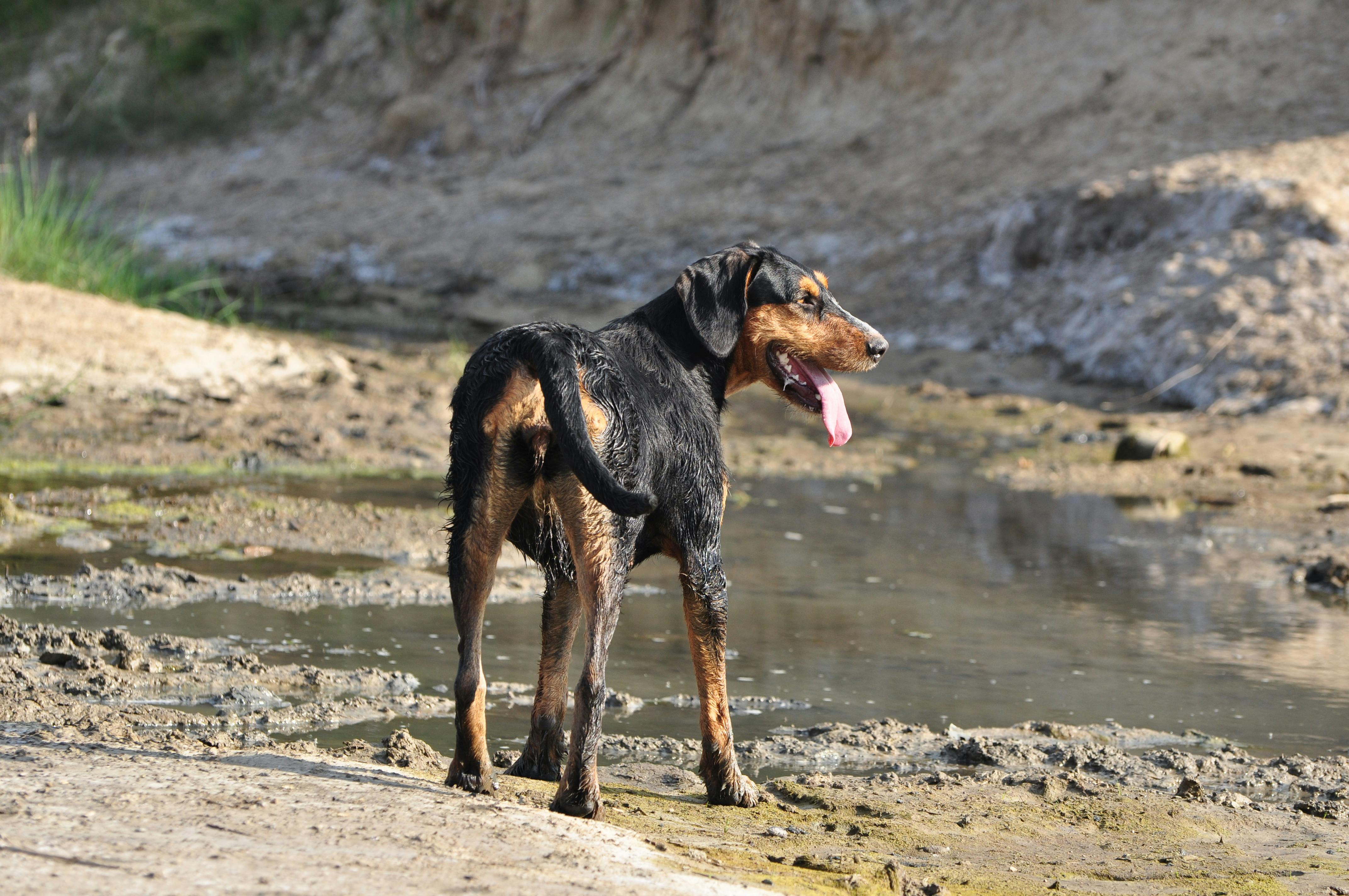
Dogs are often considered man’s best friend, and one of their most distinctive features is their wet noses. Ever wondered why dogs have wet noses? This curious trait has fascinated dog lovers and scientists alike for ages. In this article, we will uncover the fascinating reasons behind this peculiar characteristic, exploring the biological benefits and the science behind it.
The Basics of a Dog’s Nose
First off, it’s important to know that a dog’s nose is not just a cute feature; it plays crucial roles. A dog’s sense of smell is incredibly powerful, and a wet nose helps enhance it. The moisture on a dog’s nose allows scent particles to dissolve better, making it easier for them to detect odors. This is like how we might smell better when food is hot and steamy.
Why Are Dog Noses Wet?
Here’s a list of reasons that explain why dogs have wet noses:
- Enhanced Olfactory Function: As mentioned, the moisture helps trap scent particles, making it easier for dogs to pick up various smells.
- Temperature Regulation: Dogs don’t sweat like humans do, so a wet nose can help them cool off. The evaporation of moisture from the nose can bring down their body temperature slightly.
- Health Indicator: The condition of a dog’s nose can be an indicator of their health. A dry nose might suggest dehydration or illness, while a wet nose is usually a sign of a healthy pup.
- Communication Tool: Dogs often use their noses to gather information about their environment and other animals. A wet nose can be a sign of curiosity or friendliness.
The Science Behind It
So why do dogs’ noses stay wet? This relates to their biology and evolutionary traits. Dogs have specialized glands in their noses that secrete moisture. This moisture is not just there for fun; it serves multiple purposes. For instance, the moisture on a dog’s nose can help with:
- Scent Detection: The wetness helps in capturing scent particles, allowing dogs to interpret smells better.
- Humidity Control: The moisture helps maintain the right level of humidity in their nasal passages, which is vital for their sense of smell.
- Behavioral Signals: Dogs often lick their noses, and this behavior can express a range of emotions or reactions. Wet noses can signal excitement or alertness.
Historical Context
Historically, dogs evolved from wolves, who also had wet noses. This trait likely provided advantages in hunting and survival. Over time, as dogs became domesticated, this characteristic remained. It’s fascinating to think how something as simple as a wet nose can be a remnant of their wild ancestors.
Fun Facts About Dog Noses
- Unique Patterns: Just like human fingerprints, every dog has a unique nose print. This could potentially be used for identification.
- Thermoregulation: A dog’s nose can also help with thermoregulation. When dogs are too hot, their noses might sweat slightly, aiding in cooling.
- Sensory Overload: A dog’s nose contains up to 300 million olfactory receptors, compared to about 5 million in humans. This is why dogs excel in roles like search-and-rescue or detection.
Comparisons to Human Noses
- Moisture Level: Human noses are dry most of the time, while dogs have a natural moisture level that helps with smell.
- Functionality: Humans rely on sight more than smell, while dogs depend on their noses for understanding their world.
- Temperature Regulation: Humans sweat to cool down, whereas dogs use their noses and panting.
Practical Examples of Dog Nose Functionality
- Tracking Scents: Trained dogs can follow scent trails left by a person or animal, utilizing their wet noses to pick up scent particles on the ground.
- Detecting Illness: Some studies suggest that dogs can detect certain diseases, such as cancer, through changes in body odors that can be picked up by their sensitive noses.
- Behavioral Insights: A dog may approach a new person with a wet nose as a way of gathering information, reacting to the scents they detect.
Dogs are amazing creatures, and their wet noses are just one of the many fascinating features that make them special. Understanding why dogs have wet noses can help dog owners appreciate their pets’ biology and behavior even more. So next time you pet your furry friend, take a moment to appreciate that wet nose and all the science that comes with it!
The Curious Connection: How a Dog’s Wet Nose Affects Their Sense of Smell
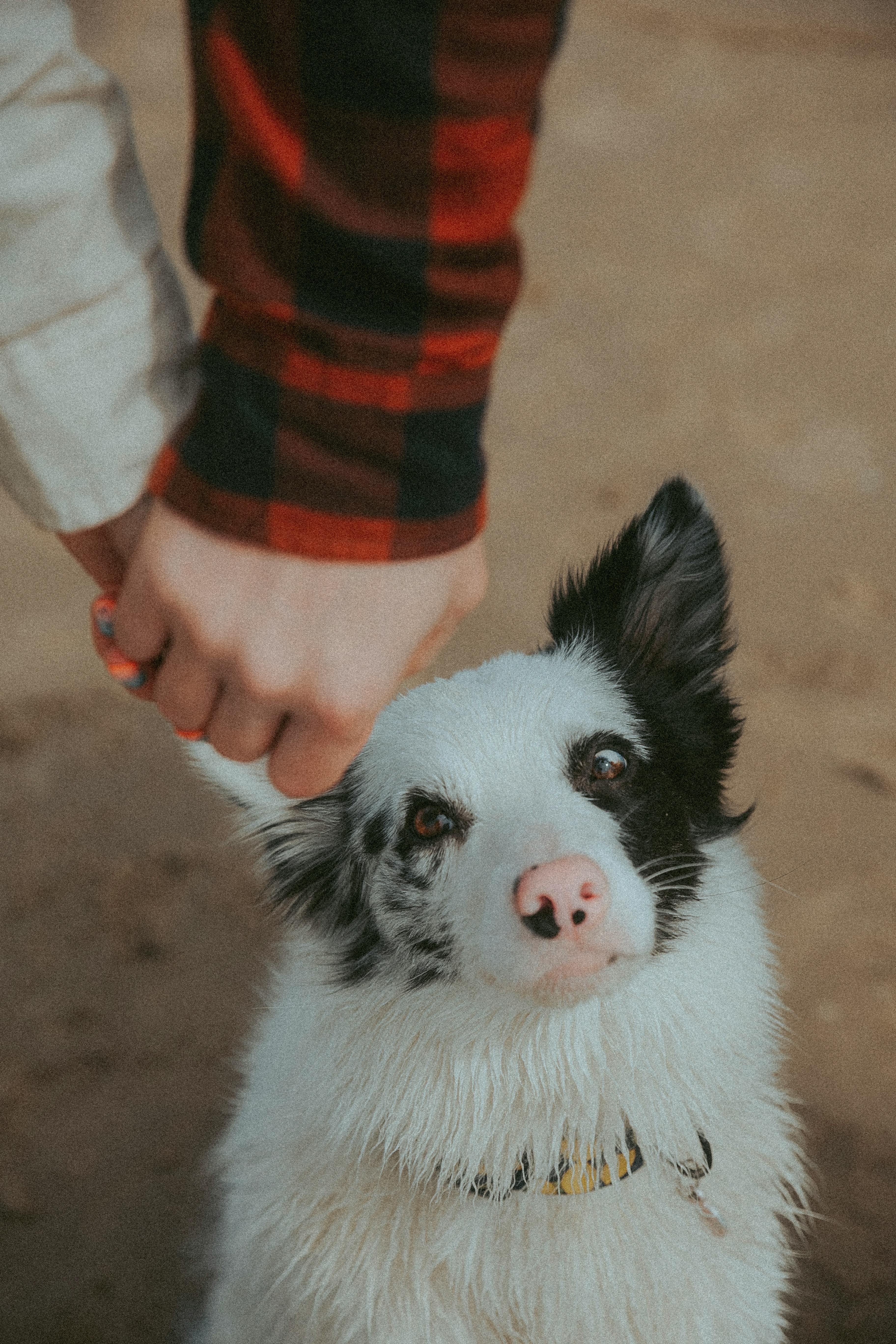
Dogs are known for their playful nature and loyalty, but have you ever wondered why do dogs have wet noses? It’s not just for show or because they forgot to dry off after drinking water. The curious connection between a dog’s wet nose and their incredible sense of smell is fascinating and worth exploring. Let’s dive into the reasons behind this intriguing characteristic.
The Science Behind a Wet Nose
A dog’s nose is often moist, and this condition actually plays a crucial role in their ability to sniff out scents. The reason why dogs have wet noses is primarily due to a special mucous membrane that covers their nasal passages. This membrane helps capture scent particles from the air. When these particles land on the wet surface, it allows for better olfactory reception.
- The moisture enhances the scent detection process.
- Wet noses help cool down dogs through evaporation.
- Dogs can also absorb scent chemicals better if their noses are moist.
A Nose Full of Nerve Endings
Did you know that a dog’s nose has around 300 million olfactory receptors? In comparison, humans only have about 5 million. This makes dogs’ sense of smell incredibly powerful. The wetness of their nose aids in trapping scent molecules, allowing them to identify various odors.
Here’s a quick breakdown of how a dog’s nose works:
- Inhalation: When a dog sniffs, they inhale air that carries scent particles.
- Moisture Capture: The wet surface of the nose helps capture and hold these particles.
- Olfactory Processing: The scent molecules then bind to receptors, which send signals to the brain for interpretation.
The Evolutionary Edge
Historically, dogs have evolved from wolves, which relied heavily on their sense of smell for survival. Wet noses likely developed as a natural adaptation to improve their hunting skills and social interactions. A keen sense of smell allows dogs to:
- Identify food sources
- Detect danger or predators
- Communicate with other dogs through scent markers
Why is Nose Wetness Important?
The moisture on a dog’s nose isn’t just for sniffing; it’s also vital for their overall health. Here are some reasons why a wet nose is essential:
- Thermoregulation: Dogs don’t sweat like humans. A wet nose helps them regulate their body temperature.
- Health Indicator: A dog’s nose can reveal a lot about their health. A persistently dry or cracked nose could indicate dehydration or illness.
- Social Interactions: Dogs use their noses to gather information about their environment and other animals. A wet nose can enhance their ability to pick up scents that convey social cues.
What Affects Nose Moisture?
Several factors can affect the moisture level of a dog’s nose. Here’s a list of common influences:
- Weather Conditions: Hot or dry weather can lead to a drier nose.
- Health Issues: Conditions like fever or dehydration can cause dryness.
- Age: Older dogs may have changes in their nose moisture compared to younger ones.
Fun Facts About Dogs’ Noses
- Dogs can smell things up to 100,000 times better than humans.
- Certain breeds, like Bloodhounds, have an exceptional sense of smell and can even track scents that are days old.
- A dog’s nose print is unique, much like a human fingerprint.
The Role of Grooming
Keeping a dog’s nose healthy is also part of grooming. Pet owners should regularly check their dog’s nose for any signs of cracking or dryness. Here are some tips for maintaining a healthy nose:
- Provide plenty of fresh water.
- Avoid exposing dogs to extreme weather conditions.
- Consult a veterinarian if you notice any sudden changes in nose moisture.
In summary, the question of why do dogs have wet noses leads to a deeper understanding of their biology and behavior. The wetness not only enhances their remarkable sense of smell but also plays significant roles in their health and social interactions. So next time you see your furry friend with their wet nose, remember that it’s not just cute—it’s essential for their well-being and their ability to connect with the world around them.
Top 5 Reasons Dogs Have Wet Noses: Insights from Veterinarians

Dogs are often known for their quirky characteristics, and one of the most endearing and puzzling is their wet noses. You might have wondered, why do dogs have wet noses? There’s not just one answer, but several interesting insights from veterinarians that’ll help you understand this fascinating aspect of canine biology.
1. Enhances Sense of Smell
One of the primary reasons a dog’s nose is wet has to do with their exceptional sense of smell. Dogs have an incredible olfactory system, and moisture on the nose helps to capture scent particles. The wetness allows those particles to adhere better to the surface, improving their ability to detect scents. This is why dogs often sniff around so much—they are engaging their extraordinary sense of smell.
2. Temperature Regulation
Dogs can’t sweat like humans do. Instead, they regulate their body temperature through their noses and panting. A wet nose helps cool down a dog’s body. When a dog is feeling hot, their nose may become wetter as the moisture evaporates, helping to lower their overall body temperature. This is especially important during the hot summer months or after vigorous play, when overheating can become a serious concern.
3. Natural Lubrication
The moisture on a dog’s nose also serves as a natural lubricant. It helps keep their nasal passages moist, which is important for proper respiratory function. Dry nasal passages can lead to discomfort and potential health issues. Dogs with dry noses may be more prone to nasal irritations and infections, which is another reason why a wet nose is often a sign of a healthy dog.
4. Communication Tool
Dogs communicate in various ways, and their noses play a role in that too. A wet nose can be a sign of a dog’s mood or health. For instance, when a dog is excited or happy, their nose may be wetter than usual. Conversely, if a dog’s nose is dry for an extended period, it could indicate dehydration or illness. Thus, a wet nose can act as a communication tool between dogs and their owners regarding their well-being.
5. Evolutionary Advantage
Historically, dogs evolved from wolves, and their wet noses have played a crucial role in their survival. A moist nose aids in detecting prey and understanding environmental cues. This evolutionary advantage means that dogs are well-equipped for their roles as hunters and companions, making their wet noses not just a cute trait but a vital one as well.
Quick Facts About Dog Noses
- A dog’s sense of smell is estimated to be 10,000 to 100,000 times more sensitive than that of humans.
- Dogs have about 220 million scent receptors in their noses, compared to the 5 million in humans.
- The wetness of a dog’s nose can vary depending on factors like health, activity, and the weather.
When to Be Concerned
While a wet nose is usually a good indicator of health, there are times when you should pay attention to changes. Here’s what to watch for:
- Dry Nose: If the nose becomes persistently dry, it might be a sign of dehydration or illness.
- Cracking or Bleeding: This could indicate an underlying health issue, and a vet should be consulted.
- Discoloration: Any sudden changes in color may warrant a veterinary visit.
Comparing Dog Noses to Other Animals
Dogs aren’t the only animals with wet noses. Many mammals have moist noses for similar reasons. Here’s a comparison of a few:
| Animal | Reason for Wet Nose |
|---|---|
| Cats | Also enhances smell; less pronounced than dogs. |
| Pigs | Helps with rooting in the ground; moisture aids in scent detection. |
| Horses | Uses wetness for environmental awareness; less reliance on smell compared to dogs. |
Being a dog owner often means becoming more observant of these little details that make them unique. A wet nose is just one of those adorable quirks that contribute to their charm and complexity.
So, the next time you see your furry friend’s nose glistening, remember the fascinating reasons behind it. Embrace the quirks of your canine companion, and keep an eye on that wet nose—it’s a key to their health and happiness!
Wet Noses and Dog Health: What You Need to Know for Your Furry Friend
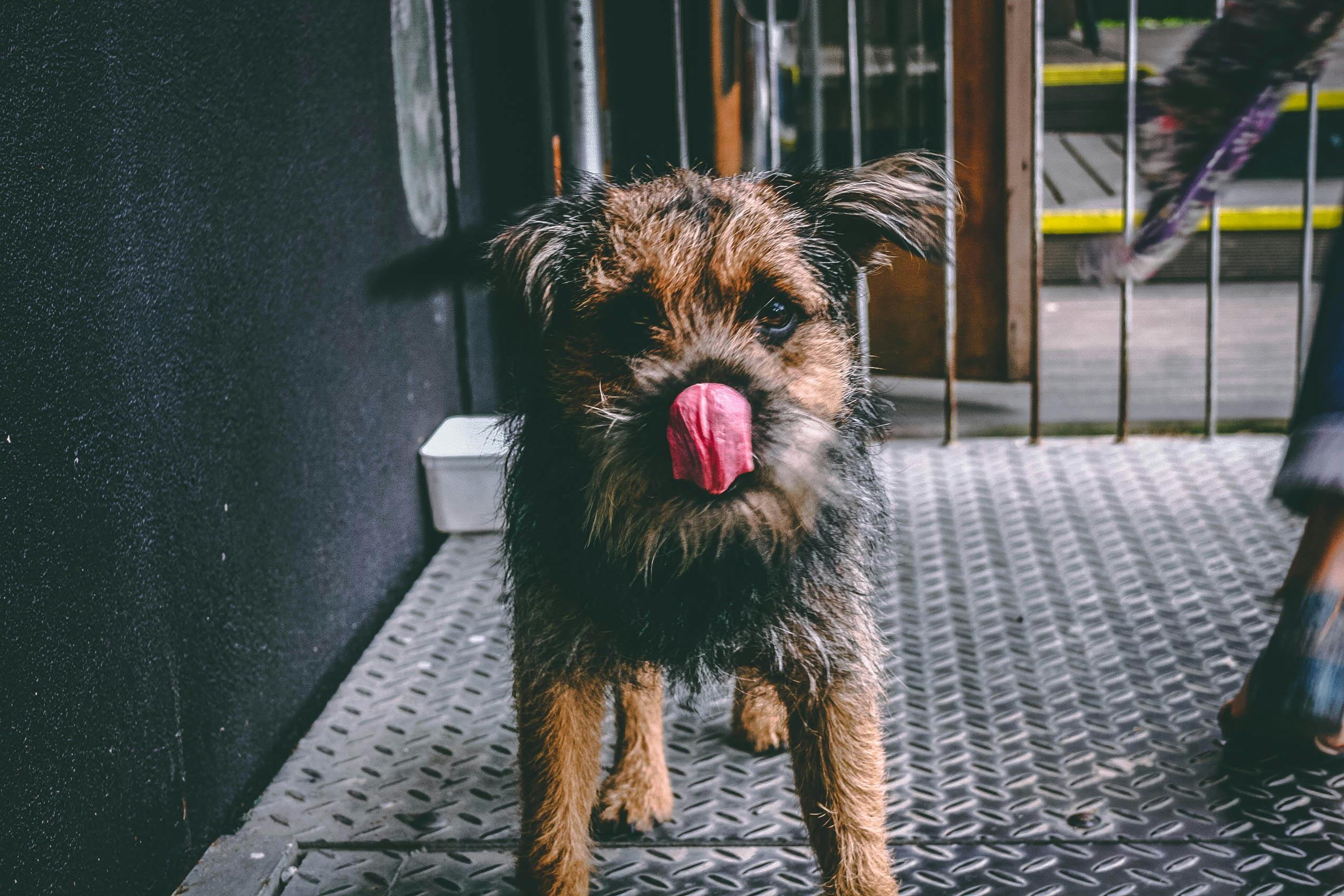
Dogs, those furry companions, have a lot of quirky traits, but one of the most fascinating is their wet noses. You may had noticed that your dog’s nose is typically moist, and if you ever wondered why, you’re not alone! Understanding the reasons behind this can help you take better care of your pet. Wet noses and dog health is something every dog owner should know about.
Why Do Dogs Have Wet Noses?
There are several reasons dogs have wet noses, and it’s not just for show. Here’s a breakdown of key points:
Temperature Regulation: Dogs don’t sweat like humans do. Their main method of cooling down is through panting and their noses. A wet nose can help dissipate heat and keep your dog comfortable, especially during hot days.
Sense of Smell: The moisture on a dog’s nose helps to capture scent particles in the air. This enhances their sense of smell, which is why dogs are often used in roles like search and rescue or sniffing out drugs.
Health Indicators: A dog’s nose can be an indicator of their overall health. A healthy dog usually has a cool and moist nose, while a dry or cracked nose might signal dehydration or illness.
Natural Behavior: Dogs lick their noses frequently, which keeps them damp. This is a natural behavior that not only helps with scent detection but also ensures their noses stay in optimal condition.
Historical Context on Dog Noses
The wet nose is not just a random trait. It has evolutionary advantages that have helped dogs adapt over time. Historically, dogs descended from wolves, who relied on their keen sense of smell for hunting. The moisture on the snouts of these ancestors would have helped in tracking prey.
Over time, domestic dogs have kept this trait, which serves them well in various dog activities today. From herding to hunting, the wet nose is a crucial part of their biology.
What If Your Dog’s Nose Is Too Dry?
If you notice your dog’s nose is unusually dry or cracked, it might be time to pay attention. Here are some common causes:
Dehydration: Make sure your furry friend always has access to fresh water.
Sunburn: Just like humans, dogs can get sunburned too. Lighter-colored dogs are especially at risk. Applying pet-safe sunscreen can help.
Health Issues: Conditions like allergies, infections, or autoimmune diseases can dry out a dog’s nose. If you notice other symptoms like lethargy or lack of appetite, a visit to the vet is necessary.
Fun Facts About Dog Noses
Did you know that a dog’s sense of smell is at least 10,000 to 100,000 times more acute than a human’s? Here are some more fascinating facts about dog noses:
Unique Patterns: Just like human fingerprints, each dog’s nose print is unique. It can even be used for identification.
Nose Color: The color of a dog’s nose can vary from pink to black, and it can even change with the seasons. Some dogs might have a darker nose in winter and lighter in summer.
Age Factor: Puppies are born with pink noses that darken as they mature. This change can indicate their growth and development.
Keeping Your Dog’s Nose Healthy
Maintaining your dog’s nose health is crucial. Here are some practical tips:
Hydration: Ensure your dog drinks plenty of water to keep their nose moist.
Environment: Avoid exposing your dog to extreme temperatures. Use paw and nose balms if you live in colder climates.
Regular Checkups: Routine vet visits can help catch any potential health issues early on.
Diet: Feeding your dog a balanced diet can also promote overall skin and nose health.
Comparing Dog Noses to Other Animals
Dog noses are special, but how do they compare to other animals? Here’s a quick comparison:
| Animal | Sense of Smell (compared to humans) | Nose Type |
|---|---|---|
| Dogs | 10,000 – 100,000 times | Wet and cold |
| Cats | 5 – 10 times | Dry |
| Elephants | 4 – 5 times | Moist |
| Humans | Standard | Dry |
In conclusion, the wet noses of dogs are not just cute features; they have significant roles in temperature regulation, health indicators, and enhancing their remarkable sense of smell. Understanding these aspects helps you better appreciate your furry friend and ensure they remain happy and healthy. When you notice that wet nose, you can now look at it with a sense of wonder and understanding!
Do All Dogs Have Wet Noses? Debunking Common Myths and Misconceptions
Dogs are amazing creatures, and one of the most interesting things about them is their noses. You might be wonderin’, do all dogs have wet noses? The answer is not as straightforward as you might think. Let’s delve into this topic and explore why dogs have wet noses, debunking some common myths along the way.
The Wet Nose Myth
Many people believe that a wet nose is a sign of good health in dogs. While it’s true that a dog’s nose is often moist, this isn’t always a reliable indicator of their overall well-being. So, do all dogs have wet noses? Not necessarily! Some breeds, especially those with short snouts like Bulldogs or Pugs, might have drier noses.
Interesting Facts:
- Dogs can have varying degrees of nose moisture depending on the environment.
- A dog’s nose can be dry due to weather conditions, dehydration, or even just waking up from a nap.
Why Do Dogs Have Wet Noses?
So, why do dogs have wet noses anyway? There are several fascinating reasons behind this phenomenon:
Temperature Regulation: Dogs don’t sweat like humans do. Instead, they cool themselves down through panting and by having a moist nose. The wetness helps to evaporate moisture, which cools them off.
Enhanced Sense of Smell: A wet nose helps dogs capture scent molecules more effectively. The moisture on their nose assists in absorbing odors, making their sense of smell even sharper.
Communication: Dogs often use their noses to explore their environment and interact with other dogs. A moist nose can signal to other dogs that they’re friendly and approachable.
Health Monitoring: While not definitive, changes in a dog’s nose moisture can indicate health issues. For instance, if a dog’s nose becomes persistently dry, it might signal dehydration or illness.
Common Misconceptions
People have a lot of misconceptions about dog noses. Let’s look at some of these myths and the truths behind them:
Myth 1: A dog’s nose should always be wet.
Truth: While many dogs have moist noses, it can vary by breed, age, and health.Myth 2: A dry nose means a dog is sick.
Truth: There are many reasons for a dry nose, and it doesn’t always mean something is wrong.Myth 3: Dogs can sense diseases through their noses.
Truth: While dogs have an incredible sense of smell and can detect certain illnesses, they can’t diagnose diseases just by sniffing.
Comparing Nose Types
Different dog breeds exhibit varying characteristics in their noses. Below is a simple comparison of nose types:
| Breed | Nose Type | Moisture Level |
|---|---|---|
| Golden Retriever | Wet | High |
| Bulldog | Dry | Low |
| Beagle | Moist | Moderate |
| Chihuahua | Sometimes dry | Variable |
This table shows that while some breeds typically have wet noses, others might not.
What Affects Nose Moisture?
Several factors can influence whether a dog’s nose is wet or dry. Here are some of them:
- Environmental Conditions: Heat, humidity, and wind can make a nose dry or wet.
- Health Status: Illness or dehydration can lead to changes in nose moisture.
- Activity Level: Dogs that have been playing or exercising might have wetter noses due to increased panting.
Practical Examples
If you notice your dog’s nose is dry, consider these practical steps:
- Hydration: Make sure your dog is drinking enough water.
- Check Environment: If it’s particularly hot or dry, provide shade and cooling options.
- Monitor Changes: Keep an eye on any other symptoms like lethargy or loss of appetite.
In sum, while it’s a common belief that dogs should all have wet noses, the truth is more nuanced. The moisture level of a dog’s nose can depend on many factors, including breed, environment, and health. Understanding these elements helps pet owners better care for their furry friends. Plus, the next time someone asks, “Do all dogs have wet noses?” you’ll be ready with a well-rounded answer!
The Role of Temperature Regulation: Why a Wet Nose is Essential for Dogs
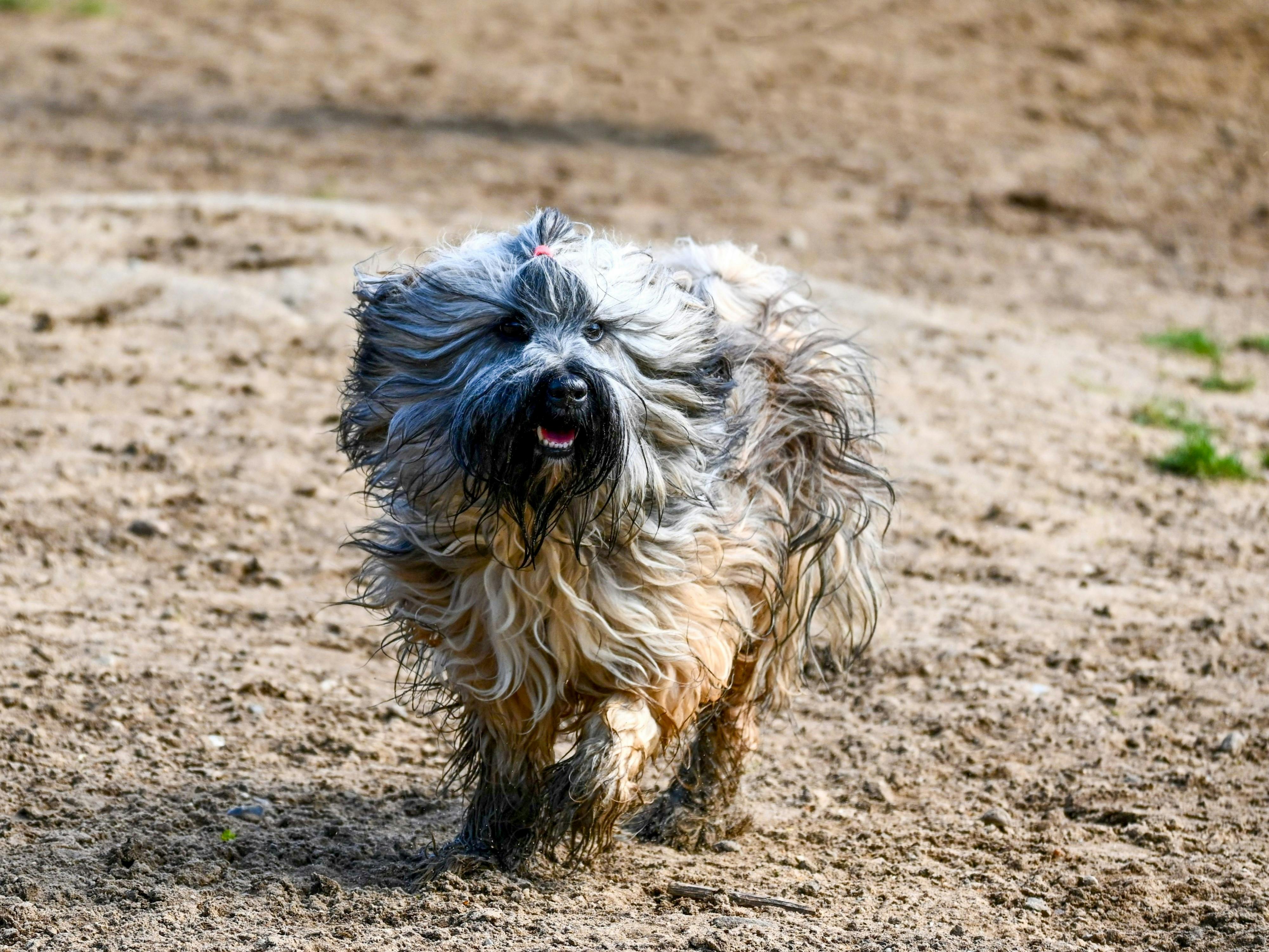
Dogs, those lovable companions, have so many quirks that make them unique. One such characteristic that often draws curiosity is their wet noses. You might find yourself asking, “Why do dogs have wet noses?” Well, there’s actually a lot more going on here than meets the eye. Let’s explore the fascinating reasons behind this phenomenon and why temperature regulation plays such a crucial role in a dog’s health and wellbeing.
The Science Behind a Wet Nose
A dog’s nose is not just another cute feature, it serves several important purposes. The wetness of a dog’s nose comes from a thin layer of moisture that helps to enhance their sense of smell. This moisture absorbs scent particles from the air. The more scent particles they can absorb, the better they can track scents and explore their environment. Isn’t that amazing?
Here are some reasons why dog noses are wet:
- Enhanced Olfactory Function: Wet noses help dogs smell better. The moisture traps scent particles, allowing the dog to detect various smells more easily.
- Temperature Regulation: Dogs do not sweat like humans. Instead, they use their noses as a way to cool down. When a dog is too warm, their body temperature can be regulated through their wet noses.
- Health Indicator: A wet nose is often a sign of a healthy dog. Changes in the moisture level of a dog’s nose can indicate dehydration or illness.
- Communication Tool: Dogs often use their noses to communicate with other dogs and humans. A wet nose can be a sign of affection or playfulness.
Temperature Regulation: A Key Function
Temperature regulation is crucial for dogs, especially since they cannot sweat through their skin like humans do. Instead, they rely on various methods to keep cool. A wet nose plays a big role in this process.
- Cooling Mechanism: When a dog’s nose is wet, it can cool down through evaporation. As the moisture evaporates, it helps to lower the overall temperature of the dog.
- Breathing: Dogs also pant to regulate their body temperature, but a wet nose aids in this process too. The moisture can help cool the air they inhale.
- Heat Dissipation: Dogs lose heat through their noses, which can be especially helpful in hot climates or during exercise.
Historical Context: The Evolution of Dog Noses
The evolution of dogs, tracing back to their ancestors, has shaped their unique physiological traits, including their noses. Early canines developed wet noses as a survival trait. Here’s how:
- Hunting: Early dogs relied on their sense of smell for hunting. A wet nose was advantageous, allowing them to track prey effectively.
- Survival: A wet nose helped dogs survive in different climates, assisting them to stay cool despite varying temperatures.
- Domestication: As dogs became domesticated, their noses continued to evolve, maintaining their functionality while adapting to human environments.
Fun Facts About Dog Noses
- Unique Prints: Just like human fingerprints, each dog’s nose print is unique. It can even be used to identify a dog!
- Sensitivity: A dog’s sense of smell is 10,000 to 100,000 times more sensitive than a human’s. Their wet noses are a big part of this incredible ability.
- Lifespan Changes: As dogs age, their noses may become drier, which can be a normal part of the aging process or indicate health issues.
Why Wet Noses Matter for Dog Owners
Understanding the significance of a wet nose can help dog owners monitor their pet’s health. Here are some practical tips:
- Regular Check-Ups: Keep an eye on your dog’s nose. If it suddenly becomes dry or cracked, this could be a sign of dehydration or illness.
- Hydration: Always make sure your dog has access to fresh water, especially on hot days.
- Temperature Awareness: Be mindful of the weather. Dogs can overheat quickly, so it’s essential to know when to provide them with extra care.
In conclusion, the wet nose of a dog is much more than a quirky feature. It’s a vital tool for temperature regulation, a key to their sense of smell, and a potential indicator of their health. By understanding why dogs have wet noses, pet owners can ensure their furry friends stay healthy and happy. So next time you give your dog a scratch behind the ear, take a moment to appreciate that wet nose and all the fascinating reasons behind it!
Can a Dog’s Nose Tell You About Their Emotions? Understanding Canine Communication

Can a Dog’s Nose Tell You About Their Emotions? Understanding Canine Communication, Why Do Dogs Have Wet Noses? Discover The Fascinating Reasons!
Dogs have long been known as man’s best friend, but their ability to communicate emotions is often underestimated. One of the most intriguing aspects of canine behavior is their nose, particularly its wetness. Many people wonder, can a dog’s nose tell you about their emotions? Well, let’s dive into the science and history behind this fascinating subject.
The Science Behind a Dog’s Nose
Dogs’ noses are unique, and they serve a multitude of important functions. A dog’s sense of smell is about 40 times more acute than humans, which means they rely heavily on their noses to gather information about their environment. But why are dog noses wet?
- Moisture Helps with Smelling: The wetness of a dog’s nose helps to capture scent particles, making it easier for them to detect smells. When these particles stick to the moisture, it allows the dog to process scents more effectively.
- Thermoregulation: Just like humans sweat to cool down, dogs use their noses to regulate their body temperature. Wet noses help them cool down after exercise or if they are feeling hot.
Why Do Dogs Have Wet Noses?
Wet noses are a hallmark of canine anatomy, but there are several reasons behind this phenomenon.
- Scent Detection: As mentioned earlier, a wet nose can enhance a dog’s sense of smell. This is crucial for their survival instincts and helps them communicate with other dogs.
- Emotional State: Some experts suggest that a wet nose might indicate a dog’s emotional state. For instance, a dog with a dry nose may be feeling anxious or unwell.
- Health Indicator: A sudden change in the moisture level of a dog’s nose can sometimes signal a health issue. For instance, a dog that normally has a wet nose suddenly has a dry one may need a vet check-up.
Understanding Canine Communication
Dogs communicate through various means, and their nose plays a significant role in this. The moisture of a dog’s nose can indicate different emotional states. Here are some signs to look for:
- Wet and Cool Nose: This often means your dog is relaxed and content.
- Dry and Warm Nose: This could indicate stress or illness.
- Frequent Sniffing: Dogs that are sniffing a lot may be feeling curious or excited about something in their environment.
Can a Dog’s Nose Tell You About Their Emotions?
While a dog’s nose alone can’t definitively tell you their emotions, it can offer clues. Here’s a quick rundown:
- Body Language: A wagging tail or relaxed posture combined with a wet nose usually indicates happiness.
- Vocalizations: Barking or whining along with a moist nose might show excitement or anxiety.
- Interactions with Humans: If a dog approaches with a wet nose and engages playfully, it’s likely they are feeling joyful.
Historical Context of Dogs and Their Noses
Throughout history, dogs have been revered not just for companionship but also for their incredible senses. Ancient civilizations utilized dogs for hunting due to their keen sense of smell. Their noses were essential tools for tracking game.
- In World War II, dogs were trained to detect explosives and enemy troops, showcasing their unparalleled ability to sniff out danger.
- Nowadays, dogs are often employed in search and rescue missions, therapy settings, and even detecting diseases like cancer in humans.
Practical Tips for Dog Owners
As a dog owner, understanding your dog’s nose and what it signifies can enrich your bond. Here’s a few tips:
- Regular Check-ups: Ensure your dog’s nose is healthy by visiting the vet regularly.
- Observe Changes: Pay attention to any sudden changes in your dog’s nose moisture and overall behavior.
- Encourage Sniffing: Allow your dog to explore their environment through sniffing. It’s a natural behavior that keeps them mentally stimulated.
Quick Facts About Dog Noses
- Dogs have about 220 million scent receptors compared to humans’ 5 million.
- The texture of a dog’s nose is unique, similar to human fingerprints.
- Dogs can detect specific diseases, such as diabetes and cancer, through scent alone.
Understanding a dog’s nose and its significance can enhance your relationship with your furry friend. The next time you see your dog with a wet nose, remember that it’s not just adorable but also a window into their emotional world. Whether they are feeling playful, curious, or even a bit anxious, their nose can tell you a story worth listening to. By paying attention to these subtle cues, you can become a more attuned and responsive dog owner, ensuring that your canine companion feels heard and understood.
How to Care for Your Dog’s Nose: Tips for Maintaining Optimal Moisture Levels
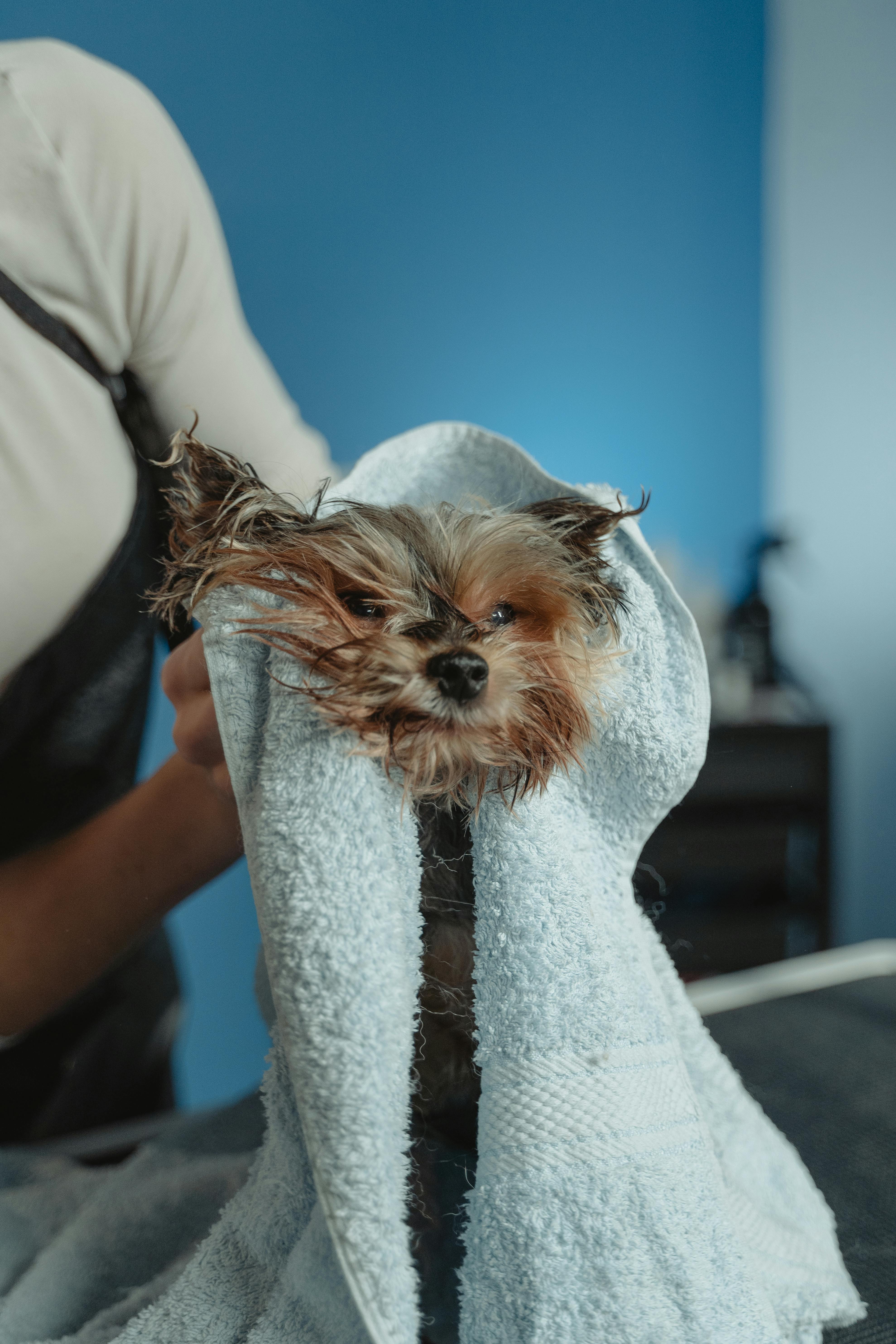
Caring for your dog’s nose is important for their overall health and wellbeing. Many dog owners often wonder why their furry friends have wet noses and what they can do to maintain optimal moisture levels. In this article, we’ll explore the fascinating reasons behind this common feature, and provide you with some practical tips for keeping your dog’s nose in tip-top shape.
Why Do Dogs Have Wet Noses?
Dogs noses are often wet and this characteristic serves multiple purposes. Understanding these reasons can help you appreciate the unique biology of dogs.
Enhanced Smell: Dogs have an incredible sense of smell, and a wet nose helps them pick up scents better. The moisture on their nose helps to capture scent particles from the air, improving their olfactory abilities. The more moisture, the better they can smell.
Temperature Regulation: Dogs don’t sweat like humans. Instead, they rely on their noses to help regulate body temperature. A wet nose can cool them down, especially after a walk or playing outside.
Health Indicator: A dog’s nose can be a good indicator of their health. Typically, a healthy nose is cool and moist. If it becomes dry or cracked, it could be a sign of dehydration or illness.
Communication: Dogs use their noses to interact with other dogs. The scent left by other animals can tell them a lot about their surroundings, including who has been there, their health, and even their emotional state.
How to Care for Your Dog’s Nose
Maintaining optimal moisture levels on your dog’s nose is important. Here’s how you can do it:
Hydration: Make sure your dog is drinking enough water. Dehydration can lead to a dry nose. Always have fresh water available for your pup.
Humid Environment: If you live in a dry climate, consider using a humidifier in your home. This can help keep your dog’s skin, including the nose, hydrated.
Regular Check-Ups: Regular vet visits are crucial. They can check for any underlying conditions that may affect your dog’s nose moisture levels.
Avoid Harmful Products: Be cautious with products that may irritate your dog’s nose. Avoid using human lotions or creams, as these can be harmful.
Use Natural Remedies: If your dog’s nose becomes dry or cracked, consider using natural oils like coconut oil or shea butter. Just a small amount can help moisturize without causing harm.
Monitor Weather Conditions: During hot or cold weather, keep an eye on your dog’s nose. Extreme temperatures can cause it to dry out.
Check for Allergens: Sometimes, allergies can cause nasal issues. If you notice a change in your dog’s nose moisture, consult your veterinarian.
Signs of Nose Problems
You should be aware of signs that indicate your dog’s nose may need attention:
- Cracking or peeling skin
- Change in color (such as turning pale or reddish)
- Excessive dryness or stickiness
- Bleeding or discharge
Interesting Facts About Dog Noses
Here are some fun and interesting facts about dog noses:
Unique Patterns: Just like human fingerprints, every dog has a unique nose print. This can be used to identify them!
Sense of Smell: A dog’s sense of smell is estimated to be 10,000 to 100,000 times more sensitive than humans. This makes them excellent at detecting scents.
Wet vs. Dry: While a wet nose is typically a sign of good health, a dry nose doesn’t always mean something is wrong. Many factors can influence nose moisture, including activity levels and environmental conditions.
Breed Differences: Some dog breeds naturally have drier noses than others. For example, Bulldog breeds might have drier noses compared to Greyhounds.
Nasal Diseases: Just like humans, dogs can suffer from nasal diseases. Regular vet check-ups can help catch these early.
Maintaining a Healthy Nose
For optimal dog care, you should also consider other aspects of their health along with nose maintenance. A balanced diet, regular exercise, and mental stimulation are crucial.
You can easily integrate nose care into your routine. Just pay attention to changes and act accordingly. Regular brushing and grooming also helps keep your dog’s skin healthy, which can positively affect their nose.
In summary, ensuring your dog’s nose stays moist and healthy is essential for their overall wellbeing. By understanding the reasons behind why dogs have wet noses and taking proactive steps to care for them, you can contribute to a happier, healthier life for your furry friend. The connection between a dog and its owner is special, and caring for your pet’s health is part of that bond.
Wet Noses vs. Dry Noses: When Should You Be Concerned About Your Dog’s Health?
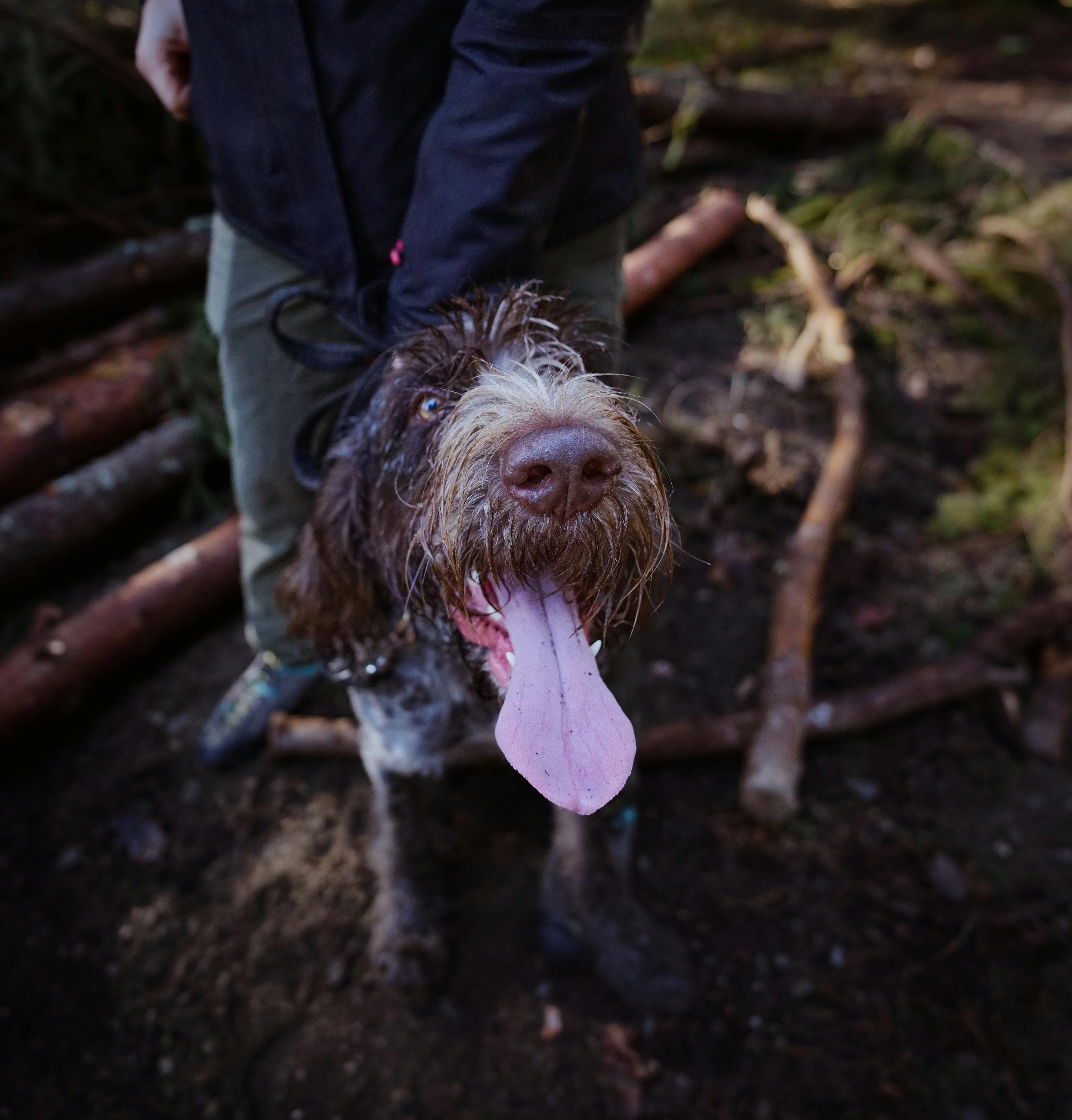
When you become a dog owner, you might notice a lot of strange things about your furry friend. One of the most curious things is whether their noses are wet or dry. You may wonder, why do dogs have wet noses anyway? And what does it mean if their noses are dry? This article will cover these topics, helping you understand your dog’s health and behavior better.
Why Do Dogs Have Wet Noses?
Dogs noses are wet for several reasons, and it’s not just because they’ve been drinking water or playing in the rain. Here’s some interesting facts:
- Enhanced Sense of Smell: A dog’s sense of smell is incredibly sensitive, and a wet nose helps to capture scent particles from the air. The moisture on their nose can absorb smells better than a dry one. This is why dogs often sniff around with such enthusiasm.
- Temperature Regulation: Dogs can’t sweat like humans do. Instead, they regulate their body temperature through their noses. A moist nose helps keep them cool, especially in warmer weather.
- Protection: The moisture on a dog’s nose provides a barrier against bacteria and other environmental irritants. It acts as a sort of defense mechanism, helping to keep them healthy.
Wet Noses vs. Dry Noses: What’s the Difference?
So, now that we know why dogs have wet noses, let’s compare wet noses to dry noses. Here’s a simple table of pros and cons for each:
Wet Noses
- Good for smell
- Helps with temperature regulation
- Indicates hydration
Dry Noses
- Can indicate dehydration
- Might suggest health issues
- Sometimes normal for certain breeds
It’s crucial to remember that not all dry noses mean something is wrong. Some dogs naturally have drier noses, including certain breeds, and it can change throughout the day. So, is a dry nose always a cause for concern? Not necessarily.
When Should You Be Concerned About Your Dog’s Health?
While a dry nose doesn’t always mean something’s wrong, there are situations when you should be worried. Here’s a list of signs that you should take seriously:
- Persistent Dryness: If your dog’s nose stays dry for a long time, it might be worth consulting a vet.
- Cracking or Bleeding: A dry nose that’s cracked or bleeding can signal dehydration or other health issues.
- Change in Behavior: If your dog seems lethargic or not eating/drinking well, that can be a sign of illness, and you should get them checked out.
- Other Symptoms: Look for other signs of illness, such as vomiting, diarrhea, or coughing.
The History of Dog Noses
Dogs have been companions to humans for thousands of years, and their noses have always played a significant role in their behavior and interaction with the world. Ancient Egyptians revered dogs and even mummified them along with their owners. In many cultures, dogs were seen as protectors and friends, often used for hunting and guarding. Their incredible sense of smell has always been an asset, helping them find food and detect dangers.
Fascinating Facts About Dog Noses
Here are some cool facts about dog noses that you may not know:
- Unique Patterns: Just like human fingerprints, every dog’s nose print is unique. You can even use it for identification!
- Cold and Wet: The typical temperature of a dog’s nose is cooler than their body temperature, which is why a wet nose feels cold to the touch.
- Health Indicator: A vet may check a dog’s nose as a quick health indicator. Changes in moisture can hint at underlying issues.
Signs of Good Health in Your Dog
To keep your dog healthy, it’s vital to monitor more than just their nose. Here is a quick checklist to ensure they are doing well:
- Bright Eyes: Clear and bright eyes usually indicate a healthy dog.
- Shiny Coat: A glossy coat often means good nutrition and overall health.
- Good Appetite: Eating regularly is a good sign. If your dog suddenly stops eating, it’s time to consult a vet.
- Energetic Behavior: Active and playful dogs are generally healthy.
Understanding your dog’s health is essential for being a responsible pet owner. While a wet nose is often a sign of a healthy dog, knowing when a dry nose might indicate issues can help you take timely action. Keep an eye on your furry friend, and don’t hesitate to reach out to a veterinarian if something doesn’t seem right. After all, being proactive about your dog’s health ensures that they stay happy and healthy for years to come.
Fun Facts About Dog Noses: 7 Surprising Things You Didn’t Know!
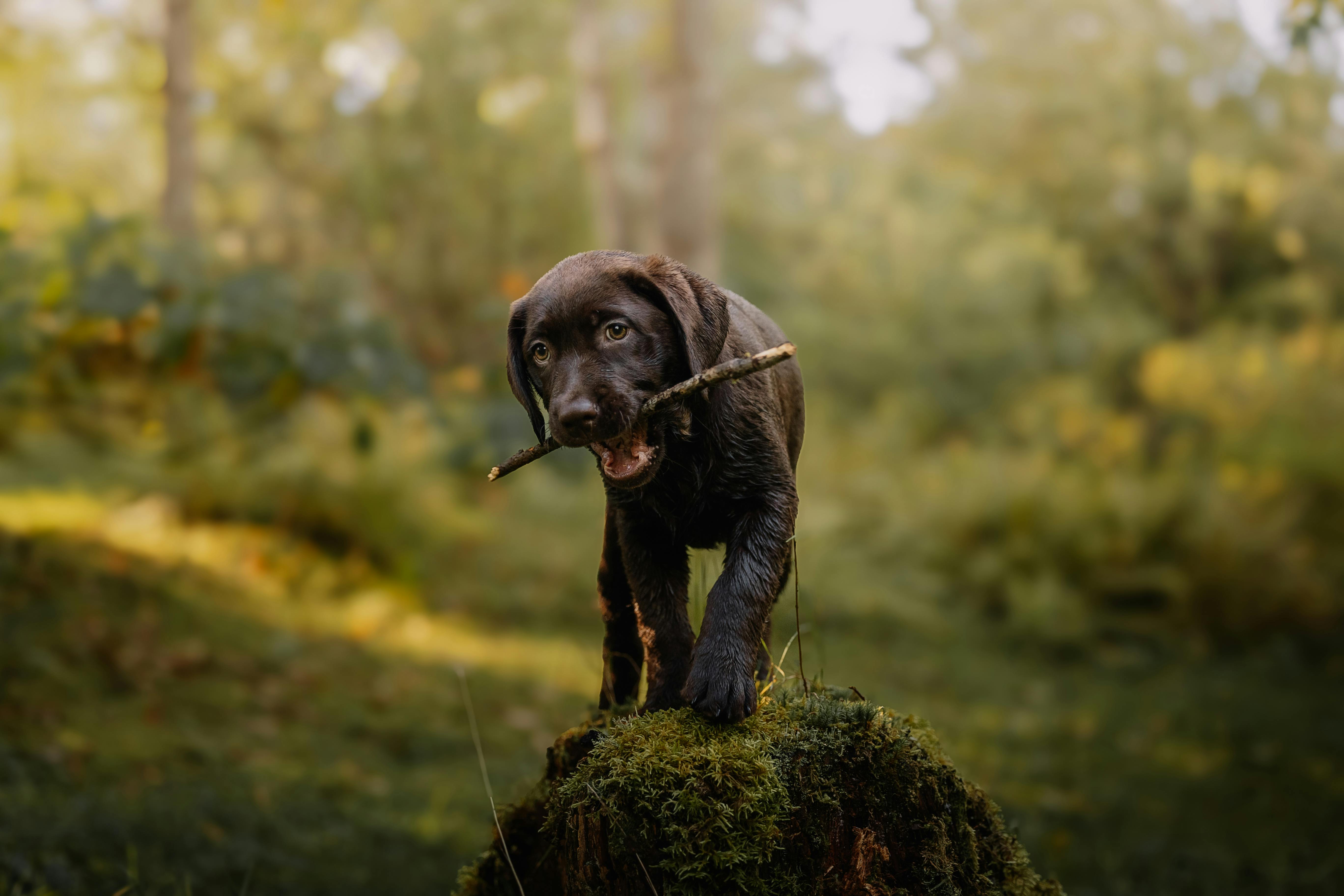
Dogs are often considered man’s best friend, and their noses are one of the most fascinating aspects of their anatomy. If you’ve ever wondered why do dogs have wet noses or what makes them so special, you’re in for a treat! Here’s a look at some fun facts about dog noses that might surprise you.
Why Do Dogs Have Wet Noses?
First off, wet noses ain’t just for show. Dogs have wet noses because it helps them to smell better. The moisture on their noses helps to capture scent molecules in the air. This is why you might notice your dog sniffing around more when their nose is damp. The wetness enhances their sense of smell, which is already thousands of times more sensitive than that of humans.
Fun Facts About Dog Noses
Unique Patterns: Just like human fingerprints, every dog has a unique nose print. This pattern can actually be used to identify them, much like how we use fingerprints for identification.
Temperature Regulation: A dog’s nose also plays a role in regulating their body temperature. When dogs pant, the moisture on their nose helps cool them down. It’s kinda like nature’s air conditioning!
Scent Superheroes: Dogs have about 220 million scent receptors in their noses, compared to a human’s 5 million. This is why dogs can be trained for detection work, like searching for drugs or even finding missing people.
Emotional Indicators: A dog’s nose can indicate their emotional state. A warm and dry nose might suggest that a dog is sick or stressed, while a cool and wet nose typically shows that they are healthy and happy.
Nose as a Social Tool: Dogs use their noses to communicate and understand each other. When dogs greet each other, they often sniff each other’s noses as a way of gathering information about one another.
Different Shapes and Sizes: Dog noses come in many shapes and sizes depending on the breed. For example, a bloodhound has a long, droopy nose, while a bulldog has a short, flat one. Each type is adapted for different purposes in the wild.
Nasal Turbinates: Inside a dog’s nose, there’s an intricate network of bones called nasal turbinates. These structures increase the surface area of the nasal cavity, allowing dogs to process scents more efficiently.
Comparisons with Human Noses
| Feature | Dog Nose | Human Nose |
|---|---|---|
| Scent Receptors | ~220 million | ~5 million |
| Unique Patterns | Yes (nose prints unique) | No |
| Temperature Regulation | Yes | Minimal |
| Moisture Level | Usually wet | Usually dry |
Practical Examples of Nose Use
Search and Rescue: Dogs have been trained to find missing persons in disaster zones. Their ability to smell specific scents from a distance makes them invaluable in these situations.
Medical Detection: Some dogs can detect illnesses like cancer and diabetes by smelling changes in a person’s body odor. This ability can lead to early diagnosis and treatment.
Service Dogs: Dogs are often used as service animals for people with disabilities. Their sense of smell can alert owners to oncoming seizures or changes in blood sugar levels.
The Science Behind Dog Noses
The anatomy of a dog’s nose is truly remarkable. The moist surface helps to trap scent particles, while the structure of the nose allows for an efficient flow of air. This means that dogs can process smells faster and more accurately than humans.
Fun Facts Recap
- Dog noses are unique, acting like fingerprints.
- Wet noses help with scent detection and temperature regulation.
- Their sense of smell is far superior to that of humans.
- Dogs use their noses to communicate and gather information.
- The structure of the nose aids in efficient scent processing.
In summary, dog noses are more than just cute features on their faces. They serve important functions that contribute to a dog’s health and behavior. So next time you give your furry friend a scratch on the nose, remember all the amazing things happening right under your fingertips! The world of dog noses is indeed a fascinating one, filled with surprises and wonders that continue to intrigue both dog lovers and scientists alike.
Conclusion
In conclusion, the wet noses of dogs serve multiple essential functions that contribute to their overall health and well-being. The moisture on their noses helps enhance their sense of smell, allowing them to detect scents more effectively—a vital tool for communication and exploration. Additionally, the wetness aids in temperature regulation, helping dogs stay cool during warmer weather. Furthermore, a wet nose can indicate hydration and good health, while a dry nose may signal potential issues. Understanding these aspects can deepen our appreciation for our canine companions and their unique biology. As dog owners, it’s crucial to monitor our pets’ nose conditions, ensuring they remain happy and healthy. So, the next time you greet your furry friend, take a moment to appreciate the science behind their wet noses and consider sharing this fascinating information with fellow dog lovers.
