Have you ever wondered, why do dogs have wet noses? It's a question that sparks curiosity among dog lovers and pet owners alike! The answer is not only fascinating but also reveals the incredible biology of our furry friends. Dogs’ noses are often moist, and this unique characteristic serves several important purposes. But what exactly does a wet nose mean? Is it just a natural trait, or does it play a role in their health and behavior? Many people are surprised to learn that a dog's nose can provide insights into their emotions and even their well-being. The science behind wet dog noses is quite intriguing, as it helps them to smell better and regulate their body temperature. Plus, a wet nose is often seen as a sign of a happy and healthy dog! In this article, we will explore the amazing reasons behind this common canine feature and uncover the secrets of your dog's sense of smell. So, if you're curious about the mysteries of dog noses and how they impact your pet's life, keep reading to discover the answers!
\n\nThe Science Behind Why Dogs Have Wet Noses: What Research Reveals
\n\n \n\n
\n\nDogs are one of the most beloved pets around the world, and many people often wonder about their unique characteristics. One such characteristic is their wet noses. Have you ever thought, why do dogs have wet noses? This question leads us into an interesting exploration of canine biology and behavior. Recent research reveals some fascinating insights about why our furry friends possess this distinctive trait.
\nThe Biology of a Dog's Nose
\nFirst off, a dog's nose is not just for sniffing. It's a complex organ that plays a vital role in a dog’s overall health and well-being. The wetness of a dog's nose serves multiple functions. Here are some key points:
\n- \n
- Temperature Regulation: Dogs do not sweat like humans, so they rely on their nose to help regulate body temperature. A wet nose helps cool them down. \n
- Enhanced Smell: The moisture on the nose helps to trap scent particles, making it easier for dogs to identify smells. This is crucial for their survival instincts and communication. \n
- Health Indicator: A dog's nose can also indicate health status. A very dry or cracked nose could signal dehydration or illness. \n
The Evolutionary Perspective
\nHistorically, the wet nose may have evolved as a survival mechanism. Early dogs, which were more closely related to wolves, relied heavily on their sense of smell for hunting and foraging. A wet nose helped them detect prey and avoid predators by enhancing their olfactory senses.
\nIn addition, the evolutionary changes in domestic dogs have led them to develop a greater reliance on scent. Unlike humans, who primarily depend on vision, dogs have up to 300 million scent receptors in their noses, compared to about 6 million in humans. This extraordinary sense of smell is why dogs are often used in search and rescue operations or as service animals.
\nWhy is the Nose Wet?
\nSo, why do dogs have wet noses? The science behind it is pretty intriguing. Here's a breakdown of the factors involved:
\n- \n
- Mucous Production: Dogs produce a thin layer of mucus on their noses. This mucus helps capture scent molecules, enhancing their ability to smell. \n
- Saliva: When dogs lick their noses, it adds moisture, making it even easier for them to pick up scents. The act of licking can also help soothe and clean their noses. \n
- Environmental Factors: The humidity and temperature in the environment can affect how wet a dog's nose is. For instance, a dog may have a drier nose on a hot day compared to a cooler, more humid one. \n
Interesting Facts About Dog Noses
\nHere are some fascinating facts that highlight the uniqueness of dog noses:
\n- \n
- Unique Nose Prints: Just like human fingerprints, every dog's nose print is unique and can be used for identification. \n
- Color Variations: The color of a dog's nose can change with age, health, and breed. For example, puppies often have pink noses that darken as they grow. \n
- Nose Shapes: Different breeds have varying nose shapes which can affect their sense of smell. Brachycephalic breeds like Bulldogs have shorter noses, which may limit their olfactory capabilities compared to longer-nosed breeds like Bloodhounds. \n
Practical Examples of Dog Nose Functions
\n- \n
- Hunting Dogs: Breeds like Beagles are known for their incredible sense of smell, which helps them track scents over long distances. \n
- Service Dogs: Many service dogs are trained to detect medical conditions such as low blood sugar or seizures, relying heavily on their sense of smell. \n
- Search and Rescue: Dogs are often deployed in disaster zones to locate missing persons due to their exceptional tracking abilities. \n
Conclusion
\nUnderstanding why do dogs have wet noses goes beyond mere curiosity. It opens up a world of knowledge about canine biology and their interaction with their environment. Their wet noses not only help them smell better but also serve as a barometer of their health and well-being. Next time you give your dog a pat, take a moment to appreciate that moist nose and all the science behind it. It’s just one of the many things that make dogs such remarkable companions!
\n\n5 Fascinating Facts About Dog Noses: Why Moisture Matters
\n\n \n\n
\n\nDogs, those adorable furry companions, are full of surprises. One of the most fascinating aspects about them is their noses. Ever wonder why do dogs have wet noses? It’s more than just a quirky trait; it’s an essential part of their biology. Below, we explore five interesting facts about dog noses, focusing on why moisture matters.
\n1. Moisture Enhances Their Sense of Smell
\nDogs have an incredible sense of smell, estimated to be anywhere from 10,000 to 100,000 times more sensitive than humans. This remarkable ability comes partly from the moisture on their noses. The wetness helps to capture scent particles in the air, making it easier for dogs to detect various odors.
\n- \n
- Wet noses can help absorb scent molecules. \n
- Dry noses may indicate a reduced ability to smell. \n
- Dogs may lick their noses to keep them moist, enhancing their olfactory prowess. \n
2. Temperature Regulation
\nMany folks don’t realize that a dog’s nose plays a role in regulating their body temperature. Dogs don’t sweat like humans do; instead, they lose heat through their noses and paw pads. A moist nose can help them cool down and maintain a comfortable body temperature, especially in warmer weather.
\n- \n
- Dogs pant to cool off; their noses assist in this process. \n
- A wet nose can be a sign of a healthy dog. \n
- If a dog’s nose is excessively dry, it could indicate dehydration or illness. \n
3. Communication Tool
\nBelieve it or not, a dog’s nose is also a tool for communication! Dogs use their sense of smell to gather information about other animals and their environment. The moisture on their noses helps them to better interpret scents left by other dogs or animals, providing insight into their mood, health, or even sexual status.
\n- \n
- Dogs greet each other by sniffing, sharing vital information. \n
- A dog's ability to read scents helps them navigate their social world. \n
- Wet noses can also indicate excitement or curiosity. \n
4. The Science Behind the Wet Nose
\nSo, why do dogs have wet noses? The moisture is not just there for show. It serves several important biological functions. The mucus on their noses helps to dissolve scent particles, making it easier for them to absorb smells. The moisture also helps keep their sensitive skin cool, which is essential for their overall health.
\n- \n
- Dogs have a specialized structure in their noses called the Jacobsen's organ, enhancing their ability to detect pheromones. \n
- The wetness can change based on the environment; humidity can affect how moist a dog’s nose is. \n
- Some breeds are known to have drier noses than others, which can be normal for them. \n
5. Health Indicators
\nA dog’s nose can often give clues about their health. While many people believe that a cold, wet nose means a dog is healthy, the reality is a bit more complex. A healthy dog may have a moist nose, but it can be dry sometimes too. However, some changes in the moisture level could indicate health issues.
\nHere are some common indicators to consider:
\n- \n
- Dry and Cracked Nose: Could suggest dehydration. \n
- Excessively Runny Nose: Might indicate allergies or infections. \n
- Hot Nose: Can be a sign of fever or illness. \n
Quick Facts Summary
\n- \n
- Dogs’ noses are incredibly sensitive and help them smell better. \n
- Moisture aids in temperature regulation. \n
- Communication is facilitated through scent, aided by moist noses. \n
- The science of a dog’s nose explains its roles in health and behavior. \n
- Changes in moisture can indicate health issues. \n
Dogs are truly remarkable creatures, and their noses are a significant part of what makes them special. Understanding why do dogs have wet noses can help pet owners ensure that their furry friends are healthy and happy. Keeping an eye on your dog’s nose can be an easy way to monitor their overall well-being. So next time you give your pup a scratch behind the ears, take a moment to appreciate that wet, cold nose and all that it does!
\n\nHow a Dog’s Wet Nose Enhances Their Sense of Smell: The Hidden Benefits
\n\n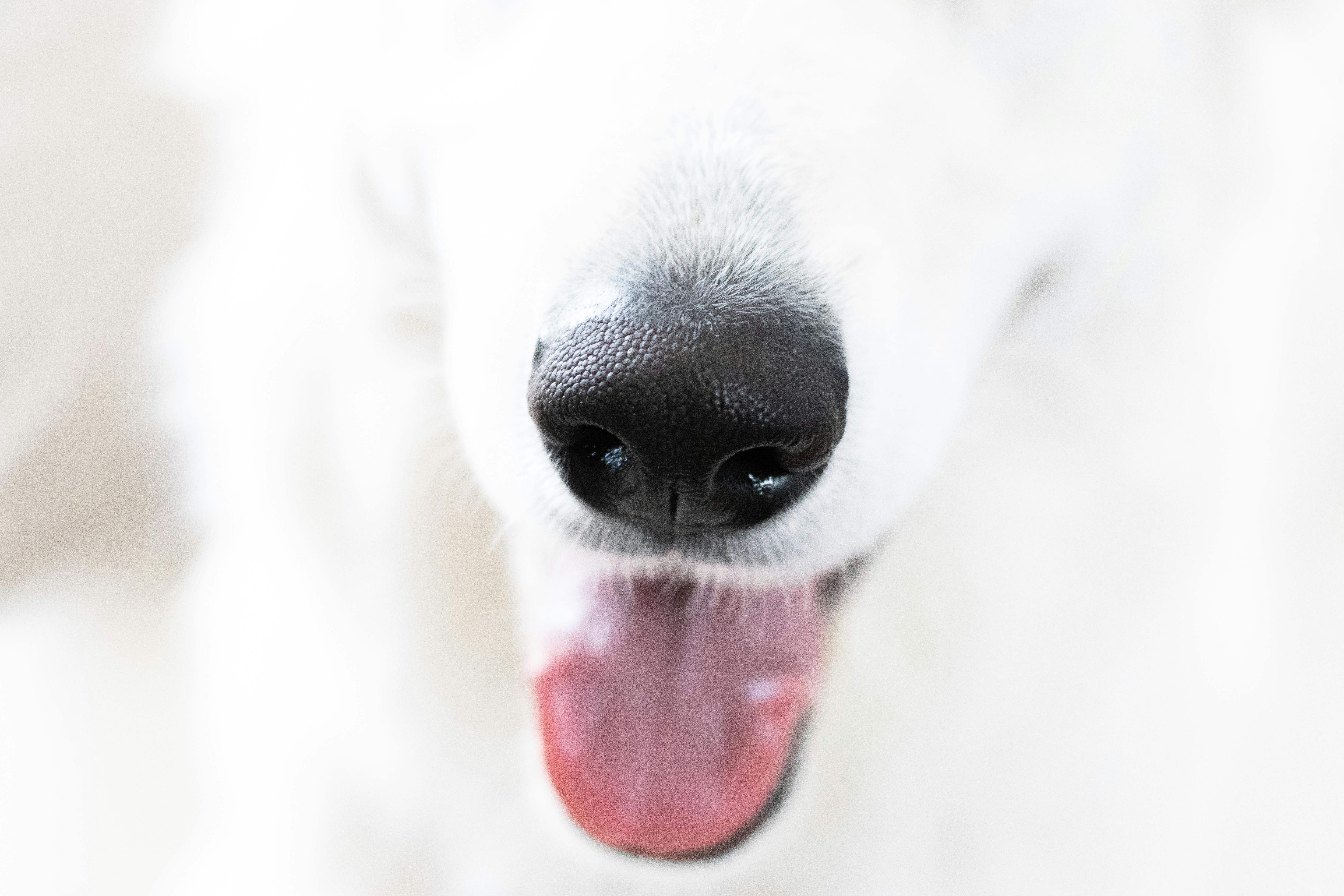 \n\n
\n\nWhen you think of dogs, one of the first things that probably comes to mind is their adorable wet noses. But, why do dogs have wet noses? This question might seem simple, but the answer is much deeper than you would expect. Wet noses aren’t just cute features; they actually play a significant role in how dogs perceive the world around them. Let’s dive into the fascinating reasons behind the moisture on a dog's snout and how it enhances their remarkable sense of smell.
\nThe Science of a Dog's Nose
\nA dog's nose is an incredibly complex organ. It contains up to 300 million olfactory receptors, compared to a human’s mere 5 million. But wetness, it turns out, is a key factor in how effectively those receptors work. Here's what you need to know about the science behind it:
\n- \n
- Moisture helps capture scent particles: A wet nose can trap more scent particles from the air. When a dog sniffs, the moisture on their nose grabs these particles, allowing them to detect odors more efficiently. \n
- Temperature Regulation: The wetness also cools the nose, which can help enhance their ability to smell in warmer conditions. A cooler nose means a more effective sense of smell. \n
- Enhanced Sensitivity: The moisture on a dog's nose helps to dissolve scent particles, making it easier for the olfactory receptors to pick them up. This means that dogs can smell things that are often undetectable to humans. \n
Why Do Dogs Have Wet Noses?
\nDogs' noses are wet for a variety of reasons, and understanding them can give you insight into your furry friend’s health and behavior. Here are some key reasons:
\n- \n
- \n
Scent Detection: As mentioned earlier, a wet nose increases the ability to smell. It makes sense that dogs, who rely heavily on their sense of smell, would evolve to have this trait.
\n \n - \n
Cooling Mechanism: Dogs don’t sweat like humans do. Instead, they rely on their noses to help regulate body temperature. A wet nose helps keep them cool on hot days, which can be essential for their comfort and health.
\n \n - \n
Health Indicator: A wet nose is often considered a sign of a healthy dog, but this is not always true. While a dry nose might indicate dehydration or illness, other factors also play a role. Some dogs naturally have drier noses than others, and that can be completely normal for them.
\n \n - \n
Communication Tool: Dogs also use their noses to communicate with each other. A wet nose can signal to other dogs that they are friendly and open to interaction.
\n \n
The Hidden Benefits of a Wet Nose
\nThe benefits of a dog's wet nose extend beyond just being cute. Here are some hidden perks that come with it:
\n- \n
- Scent Discrimination: Dogs can distinguish between thousands of different scents, thanks in part to their wet noses. This skill is essential for tasks like search and rescue or detecting substances. \n
- Social Interaction: Dogs often greet each other by sniffing noses, which is a social behavior that helps them gather information about each other. \n
- Enhanced Hunting Skills: For hunting breeds, a wet nose is crucial for tracking game. It aids in following scents over long distances. \n
Fun Facts About Dogs’ Noses
\n- \n
- Dogs have a special organ called the Jacobsen's organ, located in the roof of their mouth, which further enhances their sense of smell. \n
- Different breeds have varying nose shapes, which can influence their smelling abilities. For instance, Bloodhounds are known for having the best sense of smell among all dog breeds. \n
- The color of a dog's nose can affect its temperature regulation. Darker noses may absorb more heat, which could impact their cooling efficiency. \n
Dogs and Their Unique Noses
\nIn comparison to humans, a dog's sense of smell is extraordinary. Here's a quick comparison:
\n- \n
- Humans: 5 million olfactory receptors, can detect about 1 trillion scents. \n
- Dogs: 300 million olfactory receptors, can detect an estimated 10,000 to 100,000 times more scents than humans. \n
Practical Tips for Dog Owners
\nIf you're a dog owner, here’s some practical advice regarding your dog's nose:
\n- \n
- Keep it Moist: If you notice your dog’s nose is too dry, consider providing more water or consult a vet. \n
- Watch for Changes: If your dog’s nose changes from wet to dry suddenly, it might be a sign of illness, so keep an eye on it. \n
- Regular Vet Check-ups: Regular check-ups can help ensure your dog’s overall health, including their nose, is in good shape. \n
Understanding why dogs have wet noses and how these features enhance their lives can deepen your appreciation for your furry friend. Next time you see your dog’s moist snout, remember that it’s not just for show; it’s a vital part of what makes dogs such incredible companions.
\n\nIs Your Dog’s Nose Too Wet? Discover the Signs of a Healthy Snout
\n\n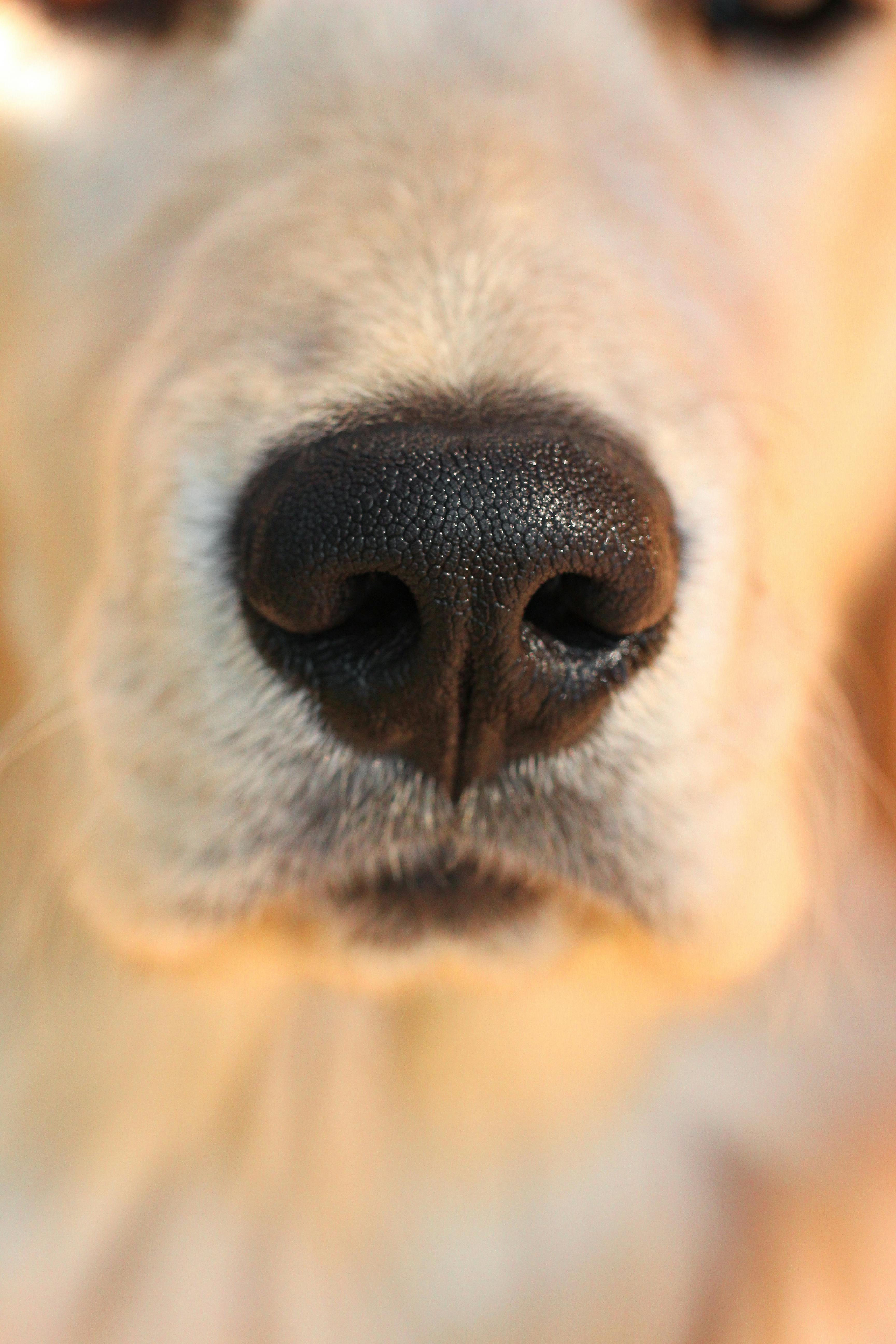 \n\n
\n\nIs your dog’s nose too wet? You might be surprised at how much this little detail can say about your furry friend’s health. A wet nose is often seen as a sign of a healthy dog, but what does it really mean? Many dog owners might wonder about the reasons behind their pups’ moist snouts. Let’s dig into this fascinating topic to uncover what a wet nose means and how to recognize a healthy snout.
\nWhy Do Dogs Have Wet Noses?
\nThe reasons why dogs have wet noses are both interesting and practical. A wet nose helps dogs in a number of ways:
\n- \n
- Enhanced Smell: Dogs have an incredible sense of smell, and having a moist nose helps them absorb scent particles better. The moisture on their nose captures these particles, making it easier for them to identify scents. \n
- Temperature Regulation: Just like humans sweat, dogs can cool off through their noses. The moisture evaporates, which helps to regulate their body temperature. \n
- Health Indicator: A wet nose can indicate that a dog is healthy. It’s a sign that the dog is well-hydrated and free from illness. \n
Signs of a Healthy Snout
\nSo how do you know if your dog’s nose is healthy? Here’s a list of signs to look out for:
\n- \n
- Moisture Level: A healthy dog’s nose should feel cool and slightly wet. If it’s too dry or too warm, this could be a sign of dehydration or illness. \n
- Color: Typically, a dog's nose is black or brown, depending on the breed. Any sudden changes in color, like becoming red or inflamed, might warrant a vet visit. \n
- Texture: A healthy nose is smooth and free from cracks or sores. Rough or peeling skin can indicate health problems. \n
- Temperature: A cold nose is generally a good sign, but remember that a dog's nose temperature can fluctuate. If it feels unusually hot, it might be time to check on your pup’s health. \n
Common Misconceptions About Dog Noses
\nThere are many myths surrounding dog noses that just aren’t true. Here are a few:
\n- \n
- A Warm Nose Means a Dog is Sick: This is not always true. Dogs' noses can be warm for various reasons. Environmental factors can play a role too. \n
- Dogs’ Noses are Always Wet: While many dogs have wet noses, some may have drier noses due to breed characteristics or environmental factors. \n
- Only Sick Dogs Have Dry Noses: A dry nose can be normal for some dogs, especially after sleeping or if they’re dehydrated. It’s important to consider other health indicators. \n
What Causes a Dry Nose?
\nIf your dog’s nose is dry, it could be due to several factors:
\n- \n
- Dehydration: Ensure your dog has access to fresh water at all times. \n
- Weather: Hot, dry weather can lead to dryness in a dog’s nose, just like it does in humans. \n
- Allergies: Allergies can cause skin irritation, including on the nose. \n
- Health Issues: Some conditions could lead to a dry nose, such as autoimmune diseases or infections. \n
When to Seek Veterinary Help
\nIf you notice any of the following symptoms along with a dry or unusually wet nose, it might be time to visit your vet:
\n- \n
- Persistent dry or cracked nose \n
- Swelling or lumps on the nose \n
- Excessive discharge from the nose \n
- Changes in behavior, such as lethargy or loss of appetite \n
Fun Facts About Dog Noses
\n- \n
- Dog noses have around 300 million scent glands, compared to about 5 million in humans. \n
- Each dog's nose print is unique, much like a human fingerprint. This means they could be used for identification! \n
- Dogs can smell up to 100,000 times better than humans, making their wet noses essential for tracking scents. \n
Taking care of your dog’s nose is part of overall health management. Regular check-ups with your vet, a balanced diet, and plenty of hydration can help keep that snout healthy and happy. Remember, a wet nose is often a sign of a healthy dog but look for other signs to get the full picture. Don't hesitate to consult with a veterinarian if you have concerns about your furry friend’s health. They can provide the best guidance tailored to your dog’s specific needs.
\n\nThe Role of a Wet Nose in Dog Communication: What You Need to Know
\n\n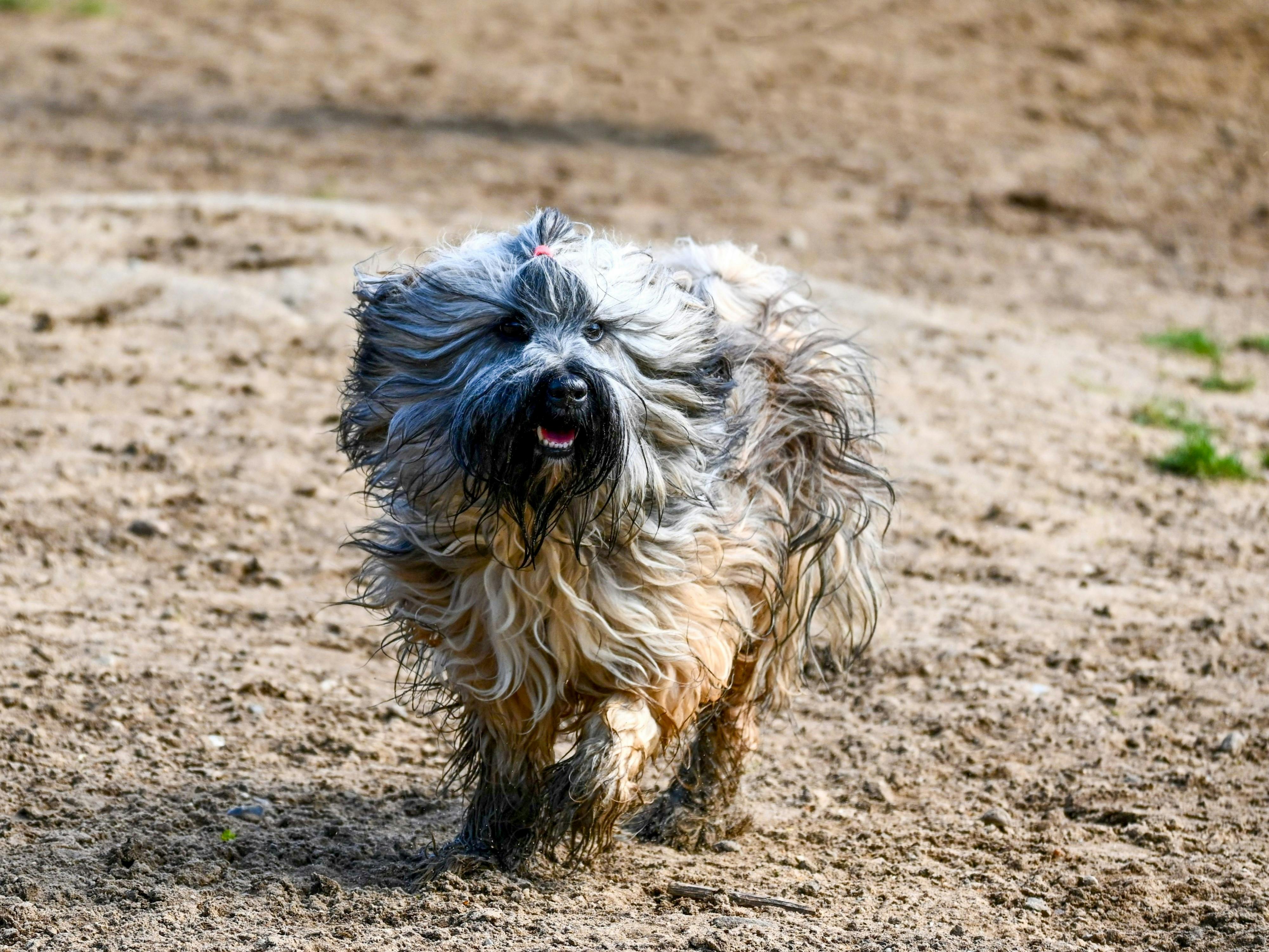 \n\n
\n\nDogs are often regarded as man's best friend, and part of what makes them so fascinating is their unique way of communicating. One of the most intriguing aspects of dog communication is their wet noses. Have you ever wondered why do dogs have wet noses? It’s not just a quirky trait; it’s actually a vital component of how they interact with the world around them. Let’s dive into the role of a wet nose in dog communication, exploring the reasons behind this phenomenon and its significance.
\nThe Science Behind Wet Noses
\nDogs have wet noses for several reasons, many of which are related to their biology and sense of smell. A dog's nose is covered in a mucous layer, which helps to enhance their olfactory capabilities. When a dog sniffs, the moisture on their nose traps scent particles, allowing them to better identify smells. Here are some key points about this:
\n- \n
- Enhanced Smell: The moisture on the nose helps capture scent molecules, making it easier for dogs to detect and analyze smells. \n
- Temperature Regulation: Dogs sweat through their noses, which helps to cool down their body temperature. This is important especially when they are active. \n
- Communication Tool: A wet nose can signal different emotional states to other dogs and humans. For instance, a cool, wet nose can indicate excitement or affection. \n
Emotional Significance of a Wet Nose
\nA dog’s wet nose isn't just for practical purposes; it plays an emotional role as well. Dogs often use their noses to communicate feelings and intentions. Here’s how:
\n- \n
- Affection: When a dog nudges you with their wet nose, it often means they want attention or affection. \n
- Curiosity: Dogs tend to sniff things out of curiosity, and a wet nose assists them in gathering information about their environment. \n
- Submissiveness: A dog may lower its head and keep its nose wet as a sign of submission or respect towards other dogs or humans. \n
Historical Context of Dog Communication
\nHistorically, dogs have been domesticated for thousands of years, serving various roles in human society from hunting partners to companions. Their communication methods, including the use of their noses, have evolved alongside their relationship with humans.
\n- \n
- Ancient Roles: In ancient times, dogs were primarily used for hunting and guarding. Their ability to smell was crucial for tracking down prey and sensing danger. \n
- Evolution of Behavior: As dogs became companions, their communication styles adapted. A wet nose became a way for them to express affection and connect with humans. \n
Fascinating Facts About Dog Noses
\nHere are some interesting facts that might just surprise you about dog noses:
\n- \n
- Unique Patterns: Just like human fingerprints, each dog’s nose print is unique. Researchers could potentially identify dogs by their nose patterns. \n
- Scent Detection: Dogs have up to 300 million smell receptors, compared to a human's 5 million. This makes their sense of smell anywhere from 10,000 to 100,000 times more acute than ours. \n
- Temperature Sensitivity: Dogs can detect changes in temperature through their noses, helping them sense environmental changes. \n
Practical Tips for Dog Owners
\nUnderstanding the role of a wet nose can enhance your bond with your furry friend. Here are some practical tips for dog owners:
\n- \n
- Regular Health Check: Keep an eye on your dog’s nose. If it’s dry, cracked, or has any unusual discharge, it might be time for a vet visit. \n
- Encourage Sniffing: Allow your dog to explore their environment through sniffing. It’s a natural behavior that helps stimulate their mind. \n
- Interactive Play: Engage in activities that involve scent, like hiding treats around the house and letting your dog find them. \n
Quick Comparison: Dog Noses vs. Human Noses
\n| Feature | \nDog Nose | \nHuman Nose | \n
|---|---|---|
| Number of Smell Receptors | \n300 million | \n5 million | \n
| Moisture Level | \nGenerally wet | \nGenerally dry | \n
| Purpose | \nCommunication and hunting | \nBreathing and smelling | \n
| Unique Patterns | \nUnique to each dog | \nNot unique | \n
Understanding why do dogs have wet noses and their role in communication can deepen your appreciation for these incredible animals. Whether it’s through a gentle nudge or an enthusiastic sniff, your dog’s wet nose is a powerful tool for connecting with you. So the next time your pup greets you with that cool, damp nose, remember it’s more than just a cute quirk; it’s part of their way of saying, "I love you!"
\n\nWhy Do Dogs’ Noses Change with the Seasons? Exploring the Environmental Impact
\n\n \n\n
\n\nDogs are one of the most loved pets in many households. Many dog owners have wondered why their furry friends’ noses change with the seasons. It’s not just an interesting observation, but it has to do with their environment and biology. So, why do dogs’ noses change with the seasons? Also, let’s dive into a fascinating question: why do dogs have wet noses? There’s a lot to explore!
\nWhy Do Dogs’ Noses Change with the Seasons?
\nThe phenomenon of changing nose color in dogs can be linked to a variety of environmental factors. Here are some key points to understand:
\n- \n
- \n
Temperature Variations: Dogs’ noses can react to changes in temperature. When the weather gets colder, a dog's nose may darken or change color. This can be seen more prominently in breeds with lighter-colored noses.
\n \n - \n
Seasonal Allergies: Just like humans, dogs can experience allergies. In spring and summer, pollen levels are high, which can cause irritation and inflammation, leading to a change in nose color.
\n \n - \n
Sun Exposure: Dogs that spend a lot of time outdoors may have noses that lighten during the winter months when they are less exposed to the sun.
\n \n - \n
Age Factors: As dogs age, their noses may change color, too. Older dogs might have a lighter or pinker nose due to fading pigmentation.
\n \n - \n
Health Indicators: Sometimes, a change in nose color can indicate health issues. A persistent change could be a sign of dehydration or illness. It’s always wise to consult a veterinarian if you notice anything unusual.
\n \n
Why Do Dogs Have Wet Noses?
\nWet noses are a common feature in dogs, and there are several reasons behind this trait.
\n- \n
- \n
Enhanced Smell: Dogs have an incredible sense of smell that is up to 100,000 times better than humans. A wet nose helps to capture scent particles more effectively. When the nose is moist, it can absorb these particles better, making their sense of smell sharper.
\n \n - \n
Temperature Regulation: Dogs don’t sweat like humans do. Instead, they cool themselves through their noses. The moisture on a dog’s nose evaporates, helping to regulate their body temperature.
\n \n - \n
Health Indicator: A wet nose is often seen as a sign of a healthy dog. However, it’s important to note that a dry nose doesn’t always mean something is wrong. Factors like hydration levels and environmental conditions play a role in this.
\n \n - \n
Behavioral Aspect: Dogs often lick their noses, which keeps them moist. This behavior can also be a response to stress or excitement.
\n \n
Fascinating Facts About Dogs’ Noses
\n- \n
- \n
Dogs have about 220 million smell receptors in their noses compared to humans who only have about 5 million.
\n \n - \n
The unique pattern of a dog’s nose is as distinctive as a human fingerprint.
\n \n - \n
Dogs can detect certain diseases in humans, such as cancer, through their sense of smell.
\n \n - \n
Wet noses also help with communication among dogs. A dog may sniff another dog’s nose to gather information about them.
\n \n
Quick Comparison: Dogs vs. Cats
\nWhile both dogs and cats have wet noses, there are some differences:
\n| Feature | \nDogs | \nCats | \n
|---|---|---|
| Smell Receptors | \n220 million | \n50-80 million | \n
| Nose Behavior | \nFrequently lick their noses | \nLess likely to lick their noses | \n
| Temperature Regulation | \nUses nose to cool down | \nCools down primarily through panting | \n
Practical Tips for Dog Owners
\n- \n
- \n
Monitor Your Dog’s Nose: Regularly check your dog’s nose for changes in color or texture. If it stays dry or changes color for an extended period, consult a vet.
\n \n - \n
Hydration Is Key: Ensure your dog stays hydrated, especially in hot weather, to help maintain a healthy wet nose.
\n \n - \n
Seasonal Care: If your dog has allergies, consider keeping them indoors during high pollen seasons or using air purifiers.
\n \n - \n
Veterinary Visits: Routine check-ups can help catch any health issues early on.
\n \n
There’s so much more to learn about our canine companions, especially regarding their unique traits like wet noses and seasonal changes. Understanding these aspects can strengthen the bond between you and your furry friend. Not only does it help in taking better care of them, but it also enhances the joy of having such a fascinating pet in your life.
\n\n7 Surprising Reasons Dogs Have Wet Noses: More Than Just a Cute Feature
\n\n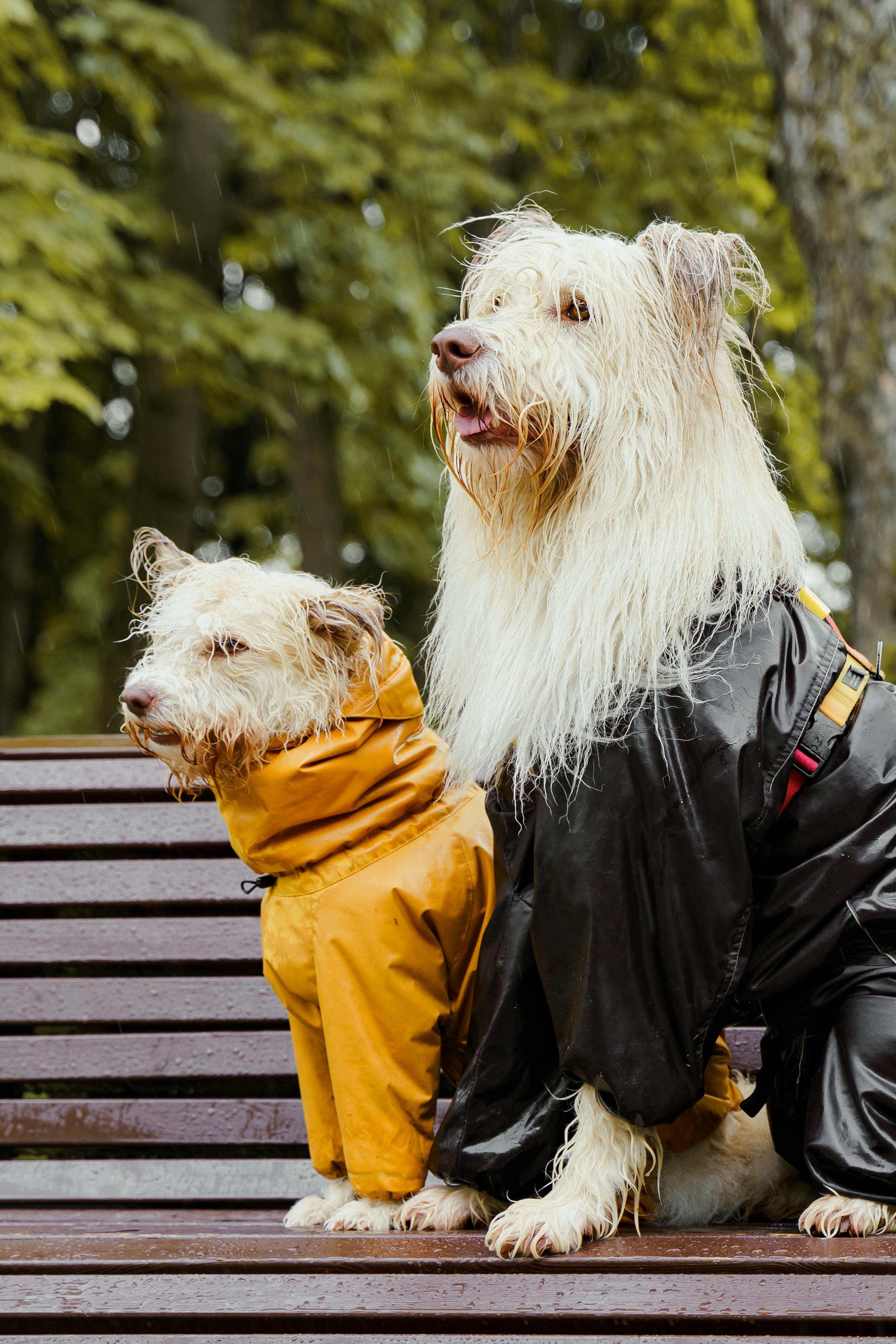 \n\n
\n\nDogs are often considered man's best friend, and their wet noses are one of their most endearing features. But have you ever wondered why do dogs have wet noses? It’s not just for show, there are several fascinating reasons behind this seemingly cute quirk. Let’s dive into seven surprising reasons dogs have wet noses and what makes them so special.
\n1. Temperature Regulation
\nOne of the biggest reasons for a dog’s wet nose is its role in temperature regulation. Just like humans sweat to cool down, dogs do this through their noses. A wet nose helps to dissipate heat, allowing them to stay cool during warm days. When a dog pants, moisture evaporates from their nose, which helps to lower their body temperature.
\n2. Enhanced Sense of Smell
\nDogs have an incredible sense of smell, and their wet noses play a crucial part in it. The moisture on a dog’s nose helps to capture scent particles from the air. This moisture creates a layer that aids in the absorption of smells, intensifying the scents that the dog picks up. This is why dogs are used in search and rescue missions, or even in tracking down criminals!
\n3. Communication Tool
\nDogs also use their noses for communication. When they meet other dogs, they often sniff each other’s noses as a greeting. This behavior allows them to gather information about one another, like where they have been and what they have been eating. A wet nose can be a sign of a healthy, friendly dog, making it an essential tool for social interactions among canines.
\n4. Health Indicator
\nA dog’s nose can be an important health indicator. If a dog has a dry or cracked nose, it may be a sign of dehydration, illness, or even allergies. On the other hand, a consistently wet nose is typically a sign of good health. Pet owners should pay attention to changes in their dog's nose moisture, as it can provide valuable insight into their overall well-being.
\n5. Evolutionary Trait
\nWet noses may also have roots in evolution. Canines evolved from wolves, and many wild animals have wet noses. This trait helped them survive in the wild. A wet nose is believed to help with hunting and tracking prey. In ancient times, dogs with wet noses may have had a better chance of finding food and, thus, passing on their genes.
\n6. Climate Adaptation
\nDogs are found in many different climates, and their wet noses help them adapt to various environments. For instance, breeds that originated from colder regions may have thicker fur and a different type of nose that helps them retain moisture. On the other hand, breeds from warmer climates may have more pronounced wet noses to aid in cooling.
\n7. Playful Behavior
\nLastly, wet noses can be a sign of a dog’s playful and affectionate nature. When a dog is excited, its nose may become wet from increased activity and panting. This moisture can also be a result of the dog licking its nose frequently when it’s happy or engaged in play. It's just another charming aspect of their personality!
\nQuick Facts About Dog Noses
\n- \n
- Dogs have about 300 million smell receptors compared to a human’s 5 million. \n
- The size and shape of a dog’s nose can vary greatly among breeds, which may affect their sense of smell. \n
- Dogs sweat mainly through their paw pads; their noses help with cooling but are not their primary means of temperature regulation. \n
- Some breeds are more prone to dry noses, such as Bulldogs and Pugs, due to their facial structure. \n
Comparison of Wet vs. Dry Nose
\n| Feature | \nWet Nose | \nDry Nose | \n
|---|---|---|
| Cooling | \nHelps regulate body temperature | \nLess effective for cooling | \n
| Health Indicator | \nGenerally indicates good health | \nMay indicate dehydration or illness | \n
| Smell Absorption | \nCaptures scent particles better | \nLess effective at scent absorption | \n
| Social Behavior | \nWelcoming and friendly | \nCould indicate discomfort or stress | \n
Understanding why dogs have wet noses is essential for any dog owner. It reveals much more than just a cute feature; it highlights their unique biology and behaviors. By being aware of these fascinating reasons, owners can better appreciate their furry companions and ensure they remain healthy and happy. So next time you see your pup with that adorable wet nose, remember all the incredible functions it serves!
\n\nThe Connection Between Wet Noses and Dog Health: When to Be Concerned
\n\n \n\n
\n\nDogs are often called man's best friend, and part of what makes them so special is their unique characteristics, one of which is their wet noses. But why do dogs have wet noses? And what does it mean for their health? The connection between wet noses and dog health is fascinating and worth exploring.
\nWhy Do Dogs Have Wet Noses?
\nThe science behind a dog's wet nose is pretty interesting. The moisture on a dog's nose serves several important purposes. Here are some reasons:
\n- \n
- \n
Enhanced Sense of Smell: A wet nose helps to absorb scent chemicals from the air, making it easier for dogs to detect smells. Their sense of smell is way more sensitive than ours, and having a wet nose amplifies that ability.
\n \n - \n
Thermoregulation: Dogs don’t sweat like humans do. Instead, they cool themselves primarily through panting, but a wet nose also helps regulate their body temperature. The moisture evaporates, which can help cool them down.
\n \n - \n
Health Indicator: A wet nose can be a sign of a healthy dog, while a dry or cracked nose may indicate dehydration or illness. However, it’s not a definitive measure.
\n \n - \n
Behavioral Communication: Dogs might also wet their noses by licking them, which can be a way to communicate with their owners or other dogs.
\n \n
When to Be Concerned About a Dog's Nose
\nWhile a wet nose is often a good sign, there are times when it can indicate a problem. Here are some conditions where you might want to pay attention to changes in your dog’s nose:
\n- \n
- \n
Dryness or Cracking: If your dog’s nose is persistently dry or has cracks, it may suggest dehydration, a sunburn, or even a skin condition.
\n \n - \n
Discoloration: If the color of your dog’s nose changes from its normal shade, it could signal an underlying health issue. For example, a blue or pale nose might indicate a respiratory or circulatory problem.
\n \n - \n
Excessive Nasal Discharge: A runny nose can be normal, but if it’s excessive, or if it’s accompanied by other symptoms like coughing or lethargy, it could be a sign of an infection or allergies.
\n \n - \n
Bleeding: If you notice blood on or around your dog’s nose, you should contact your veterinarian immediately. This could point to serious health issues.
\n \n
Fun Facts About Dog Noses
\n- \n
- \n
Unique Prints: Just like human fingerprints, every dog has a unique nose print. It can actually be used for identification.
\n \n - \n
Nose Temperature: A dog’s nose can be cooler than the rest of their body, which is normal. But if it’s extremely warm, it may indicate a fever.
\n \n - \n
Nasal Folds: Some breeds have specific folds on their noses, like Bulldogs or Pugs, which can require extra care to prevent infections.
\n \n - \n
Scent Discrimination: Dogs can distinguish between different smells, so they can tell if a person is stressed or happy based on their scent.
\n \n
Tips for Keeping Your Dog's Nose Healthy
\nHere’s how you can help maintain your dog's nose health:
\n- \n
- \n
Hydration: Make sure your dog always has access to fresh water. Dehydration can lead to a dry nose.
\n \n - \n
Regular Vet Checkups: Annual visits can catch issues before they become serious, including nose problems.
\n \n - \n
Sun Protection: If your dog spends a lot of time outdoors, consider using a pet-safe sunscreen on their nose, especially for light-colored or hairless breeds.
\n \n - \n
Watch for Allergens: If you notice your dog frequently sneezing or having a runny nose, it may be worth looking into potential allergens in their environment.
\n \n
Comparison Table: Healthy vs. Unhealthy Noses
\n| Feature | \nHealthy Dog Nose | \nUnhealthy Dog Nose | \n
|---|---|---|
| Moisture Level | \nWet or damp | \nDry or cracked | \n
| Color | \nConsistent with breed standards | \nDiscolored (blue, pale, etc.) | \n
| Discharge | \nMinimal, clear | \nExcessive, bloody, or colored | \n
| Smell | \nNormal dog scent | \nUnpleasant odor | \n
Understanding the connection between wet noses and dog health can help you ensure your furry friend stays healthy. Being aware of what constitutes a healthy nose versus a concerning one is crucial for every dog owner. So the next time you notice your pup's wet nose, remember it’s not just cute; it’s a vital part of their overall health and well-being. Regular monitoring and care can make a big difference, keeping tails wagging and noses wet!
\n\nCan a Dog’s Wet Nose Predict Weather Changes? Uncover the Myth
\n\n \n\n
\n\nCan a dog’s wet nose predict weather changes? It’s a question that many pet owners have pondered, often with a sense of curiosity mixed with a bit of skepticism. The idea that our furry friends can sense shifts in weather before they happen is intriguing. But is there any truth to this notion? And while we’re at it, let’s also explore the fascinating reasons behind why dogs have wet noses in the first place.
\nThe Myth of Weather Prediction
\nMany people believe that a dog’s nose can tell them when it's about to rain or snow. It’s commonly said that if a dog has a particularly wet nose, it might mean a change in the weather is on the way. However, there isn't much scientific evidence to back this claim. Dogs are known for their keen senses, especially their sense of smell, which is thousands of times more sensitive than that of humans.
\nSome theories suggest that dogs can detect changes in pressure, humidity, and even electrical fields in the atmosphere. But here are some points to consider:
\n- \n
- Dogs may notice changes in their environment that humans might miss. \n
- They might react to the scent of rain, which is different from dry air. \n
- Many dogs can sense anxiety in their owners, which can change with incoming storms. \n
Why Do Dogs Have Wet Noses?
\nNow, let’s get into the nitty-gritty of why dogs have those famously wet noses. There are several reasons for this, and they all play a role in your pup's health and sensory capabilities:
\n- \n
- \n
Cooling Mechanism: Dogs don't sweat like humans do. Instead, they cool down through their nose and paw pads. A wet nose helps regulate their body temperature, especially during hot weather.
\n \n - \n
Enhanced Smell: A dog’s wet nose helps to absorb scent chemicals from the air. When the nose is moist, it enhances their ability to pick up smells. This is particularly useful when they are sniffing out food or tracking something.
\n \n - \n
Health Indicator: The condition of a dog's nose can sometimes indicate health issues. A wet nose is generally a sign of a healthy dog, while a dry or cracked nose could suggest dehydration or other medical problems.
\n \n - \n
Communication Tool: Dogs use their noses to communicate with each other. A wet nose often indicates that they are friendly and open to interaction.
\n \n
The Science Behind It
\nDogs have specialized olfactory receptors that allow them to detect various scents. The moisture on their noses helps to capture scent particles and enhances their ability to analyze odors. Here’s a quick comparison of dog and human olfactory capabilities:
\n| Feature | \nHumans | \nDogs | \n
|---|---|---|
| Number of Olfactory Receptors | \nAbout 5 million | \nUp to 300 million | \n
| Ability to Smell | \nModerate | \nExceptional | \n
| Sensitivity | \nNormal | \nThousands of times better | \n
Fun Facts About Dogs’ Noses
\n- \n
- Unique Patterns: Just like human fingerprints, each dog has a unique nose print. This means that no two dogs have the same nose pattern. \n
- Temperature Regulation: A dog’s nose can help regulate their body temperature, which is especially important during hot summer months. \n
- Health Checks: Vets often check a dog’s nose as a quick health indicator. For example, a nose that is too warm or dry could signal an illness. \n
Practical Examples
\nIf you're a dog owner, you might have noticed your pet acting differently before a storm. Here are some things you might observe:
\n- \n
- Increased Restlessness: Dogs may become uneasy and restless right before bad weather hits. \n
- Excessive Barking: Some dogs will bark more, possibly sensing the changes in the atmosphere. \n
- Hiding Behavior: Many dogs seek comfort by hiding, showing they are aware of changes around them. \n
While it is a fun notion to think that our dogs can predict the weather, it’s essential to remember that the science behind a dog’s wet nose is mainly tied to their health and sensory abilities. So, the next time your furry friend gives you a wet-nosed nudge, you might just be getting a loving sign rather than a weather report.
\nUnderstanding why dogs have wet noses and how they interact with their environment can deepen the bond between you and your pet. Whether or not they can predict the weather, one thing is certain: a dog’s wet nose is a sign of a loving companion.
\n\nWhy Do Some Dogs Have Dry Noses? Understanding Variations Across Breeds
\n\n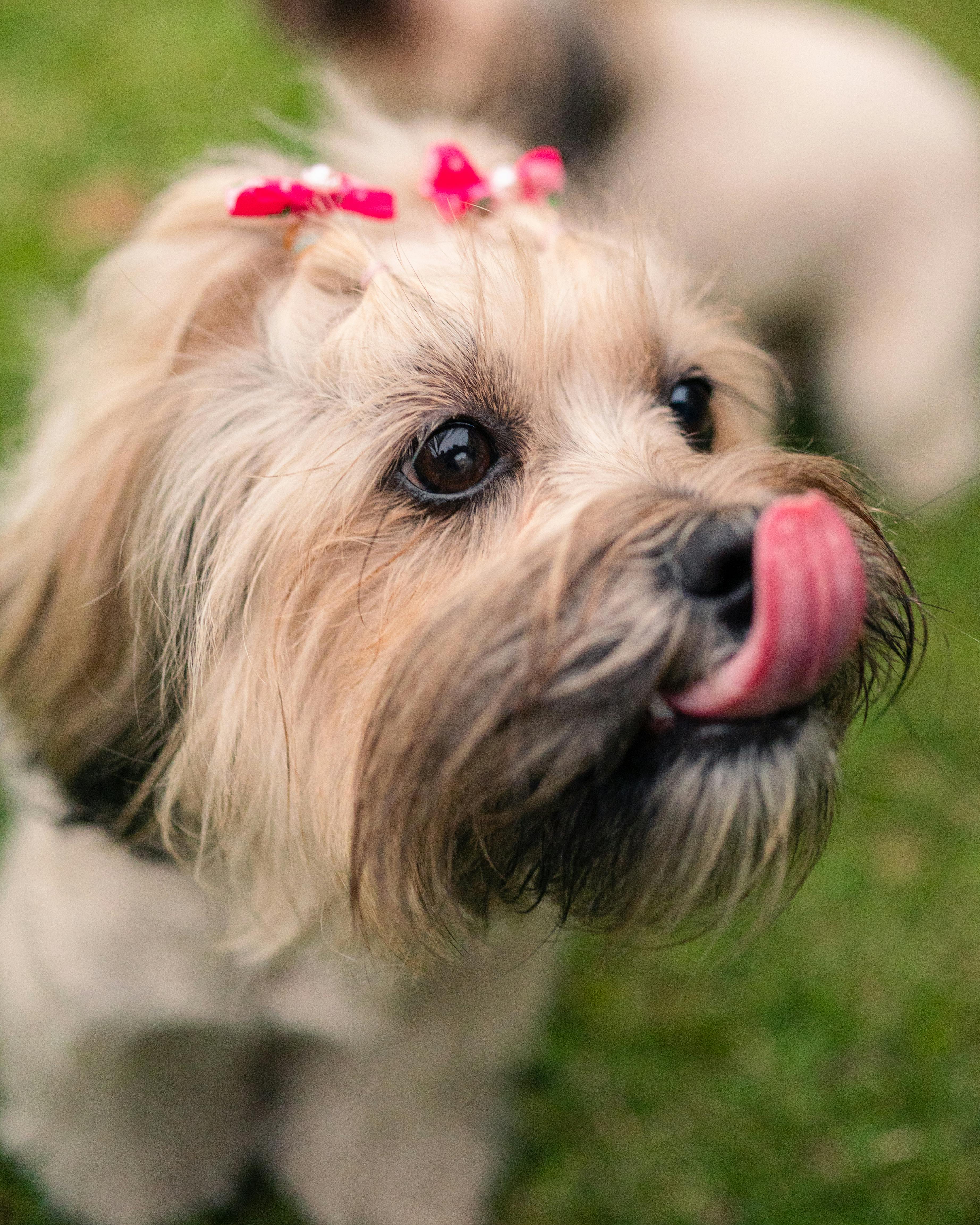 \n\n
\n\nDogs are amazing creatures, and their physiology can sometimes baffle us! One common question that many dog owners ask is, "Why do some dogs have dry noses?" And then there's the classic, "Why do dogs have wet noses?" These questions might seem simple, but the answers can be pretty complex and fascinating. So, let’s dive into the world of canine noses and discover the variations across different breeds!
\nUnderstanding the Basics of a Dog’s Nose
\nFirstly, it's important to know that a dog's nose is not just for show. It's a vital organ that plays a significant role in their sense of smell, which is far superior to that of humans. Dogs have an incredible number of olfactory receptors – about 300 million, compared to our 5 million. This makes their noses wet or dry depending on several factors.
\nWhy Do Dogs Have Wet Noses?
\nWet noses are common in most dogs, and there are good reasons for this. Here’s a breakdown of some fascinating facts about why dog noses tend to be moist:
\n- \n
- Enhanced Smell: A wet nose helps to capture scent particles better. When the surface is moist, it can absorb more odors, allowing dogs to smell even better. \n
- Cooling Mechanism: Dogs do not sweat like humans do. Instead, they regulate their body temperature through panting and the moisture from their noses. A wet nose can help in cooling them down. \n
- Health Indicator: A moist nose often signifies good health. While not always the case, a wet nose can indicate that a dog is hydrated and well. \n
Moreover, it's interesting to note that the wetness can vary throughout the day. For instance, after a good romp outside or a drink, a dog’s nose may feel wetter than it did earlier.
\nWhy Do Some Dogs Have Dry Noses?
\nNow, let’s talk about the dogs who have dry noses. Not all dogs are created equal, and some breeds are more prone to having drier noses than others. Here are a few reasons why some dogs may exhibit this characteristic:
\n- \n
- Breed Variations: Certain breeds, like Bulldogs or Boxers, might naturally have drier noses due to their facial structure. \n
- Environmental Factors: Weather plays a significant role. Hot, dry climates can lead to a decrease in moisture on a dog’s nose. \n
- Health Concerns: A persistently dry nose could be a sign of dehydration or illness. If a dog’s nose is dry and cracked, it might be worth consulting a vet. \n
Comparing Wet and Dry Noses Across Breeds
\nHere’s a quick look at some dog breeds and their typical nose characteristics:
\n| Breed | \nTypical Nose Condition | \nNotes | \n
|---|---|---|
| Labrador | \nGenerally Wet | \nActive dogs, often have moist noses. | \n
| Bulldog | \nOften Dry | \nFacial structure contributes to dryness. | \n
| Beagle | \nMainly Wet | \nKnown for their excellent sense of smell. | \n
| Dachshund | \nWet or Dry | \nCan vary widely depending on individual dog. | \n
| Boxer | \nTends to be Dry | \nProne to skin issues, can have dry noses. | \n
Keeping Your Dog’s Nose Healthy
\nRegardless of whether your dog's nose is wet or dry, maintaining their overall health is crucial. Here are some tips:
\n- \n
- Hydration: Always ensure your dog has access to fresh water. Dehydration can lead to a dry nose. \n
- Balanced Diet: A nutritious diet contributes to healthy skin and fur, which includes the nose. \n
- Regular Vet Check-ups: Routine visits can help catch any underlying health issues early. \n
Fun Facts About Dog Noses
\n- \n
- Dogs’ noses have unique patterns, much like human fingerprints. This uniqueness can even be used for identification. \n
- The color of a dog’s nose can change due to various factors, including age, health, and even breed characteristics. \n
- Some dogs have been trained to detect diseases like cancer, thanks to their extraordinary sense of smell! \n
In the end, whether your dog has a wet or dry nose might not be that important. What matters most is understanding your furry friend and ensuring they lead a healthy life. If any changes occur in their nose condition, or if you have any concerns, consulting with a veterinarian is always a wise choice. Your dog’s nose is just one small part of what makes them so special!
\n\nConclusion
\n\nIn conclusion, the wet noses of dogs serve several important functions that contribute to their overall health and behavior. The moisture on a dog's nose helps enhance their sense of smell, as scent molecules are better captured when they are wet, making it easier for them to detect and interpret various odors in their environment. Moreover, a wet nose acts as a natural cooling mechanism, helping dogs regulate their body temperature. While a wet nose is often a sign of a healthy pup, it’s essential for pet owners to monitor any significant changes, as they could indicate health issues. So, the next time you give your furry friend a pat and notice that delightful wet nose, remember the fascinating science behind it! Embrace your dog's unique traits and ensure they receive regular check-ups to keep them happy and healthy.
\n\n