Have you ever wonder why do dogs have wet noses? This intriguing question not only sparks curiosity but also reveals fascinating insights about our furry friends. Dogs' noses are more than just cute; they serve essential functions that contribute to their health and communication. Wet noses in dogs are not just a sign of happiness or excitement—there’s a scientific reason behind it!
\nSo, what makes a dog’s nose wet? The moisture helps enhance their sense of smell, allowing them to detect scents better than we can ever imagine. It’s a natural cooling mechanism too, helping to regulate their body temperature. Plus, did you know that a wet nose can also indicate your dog’s health status? In this article, we will dive deep into the fascinating reasons behind this unique feature. You’ll learn how the moisture on their noses not only keeps them cool but also plays a role in their communication with other dogs and even humans. If you’re a dog lover or simply curious about canine biology, keep reading to discover the secrets behind why dogs have wet noses!
\n\nThe Science Behind Wet Noses: What Your Dog's Moisture Levels Reveal About Their Health
\n\n \n\n
\n\nDogs are often known for their wet noses, but have you ever wondered why? This peculiar characteristic is more than just an adorable quirk — it can actually reveal a lot about your canine companion's health. Let's dig into the science behind wet noses, explore why they’re moist, and what it means for your furry friend.
\nWhy Do Dogs Have Wet Noses?
\nDogs possess wet noses for several reasons, and they aren't just for show. Here are some key reasons why their noses might be moist:
\n- \n
- \n
Thermoregulation: Dogs don’t sweat like humans do. Instead, they cool themselves through panting and their nose. The moisture helps to dissipate heat, keeping them comfortable.
\n \n - \n
Sense of Smell: A wet nose helps dogs to smell better. The moisture captures scent particles in the air, which helps enhance their olfactory abilities. Dogs have an incredible sense of smell which is thousands of times more sensitive than that of humans.
\n \n - \n
Health Indicator: A dog’s nose can be an indicator of its health. A healthy dog usually has a cool, moist nose. However, if a dog’s nose becomes excessively dry or hot, it could indicate a health issue.
\n \n - \n
Behavioral Communication: Dogs often use their noses to communicate. A wet nose can signal excitement, affection, or even submission. It’s their way of interacting with both humans and other animals.
\n \n
The Science of Moisture Levels
\nUnderstanding the moisture levels of a dog’s nose gives insight into their overall health. Generally, a wet nose indicates hydration and well-being, while a dry nose may suggest dehydration or illness. Here’s how moisture levels can vary:
\n- \n
- \n
Healthy Moisture Levels: Generally cool and moist. Indicative of a happy and hydrated pup.
\n \n - \n
Dry Nose: Could be a sign of dehydration, fever, or even allergies. It’s important to observe other symptoms too.
\n \n - \n
Sticky or Excessively Wet Nose: Might indicate a nasal infection or other health issues. If a dog’s nose is unusually sticky, it’s worth consulting a vet.
\n \n
Factors Affecting Nose Moisture
\nSeveral factors can affect the moisture levels of a dog’s nose. These factors include:
\n- \n
- \n
Weather Conditions: Cold, dry air can cause a dog’s nose to dry out. Conversely, humid conditions can keep it moist.
\n \n - \n
Activity Level: After exercise, a dog’s nose might be drier due to panting, but it should return to its moist state quickly.
\n \n - \n
Age: Older dogs may experience changes in nose moisture levels due to various health conditions.
\n \n - \n
Health Status: Illness or infections can lead to changes in nose moisture, so it’s crucial to monitor your pup's condition.
\n \n
What Should You Look For?
\nTo ensure that your dog is healthy, you should know what to look for regarding their nose. Here’s a quick checklist of what can indicate well-being:
\n- \n
- Nose Temperature: Should be cool to the touch. \n
- Moisture Levels: Should be moist but not excessively wet or sticky. \n
- Color: Should be a consistent color, without excessive redness or discoloration. \n
- Cracking or Bleeding: This can indicate dryness or irritation. \n
- Behavior Changes: If your pet is lethargic or shows other unusual behavior, it might be time for a vet visit. \n
Common Misconceptions
\nThere are some common myths surrounding dog noses that are worth addressing. For instance:
\n- \n
- \n
A Cold, Wet Nose Means a Healthy Dog: While a wet nose is usually a sign of health, it shouldn’t be the only indicator. Always consider other symptoms too.
\n \n - \n
Dogs Only Sweat Through Their Noses: Dogs primarily sweat through their paw pads. Their noses help with cooling but not the main source of sweat.
\n \n - \n
All Dogs Have Wet Noses: Some breeds naturally have drier noses. Short-nosed breeds, for example, may have different moisture levels.
\n \n
Practical Tips for Dog Owners
\nAs a dog owner, you can take steps to ensure your dog maintains a healthy nose:
\n- \n
- Hydration: Always provide fresh water. Staying hydrated is key for keeping that nose moist. \n
- Regular Vet Check-ups: Regular health check-ups can help identify any issues early. \n
- Watch for Changes: Keep an eye on any changes in moisture, color, or temperature. \n
Understanding the science behind your dog's wet nose can help you monitor their health effectively. By being aware of what a wet nose signifies and what to look for, you can ensure your furry friend stays happy and healthy. Always consult your veterinarian if you have concerns about your dog's nose or overall health.
\n\n5 Fascinating Reasons Why Dogs Have Wet Noses: More Than Just an Adorable Trait
\n\n \n\n
\n\nDogs are often loved for their quirky traits, and one of the most delightful features is their wet noses. People always wonder, "Why do dogs have wet noses?" It seems like a simple question, but the answer is surprisingly fascinating, revealing much about our furry friends. Here are five reasons that explain why a dog’s nose is often moist and why it's more than just an adorable trait.
\n1. Enhanced Sense of Smell
\nDogs have an extraordinary sense of smell, which is way better than humans. A dog's sense of smell is estimated to be 10,000 to 100,000 times more sensitive than ours. The moisture on a dog’s nose helps to capture scent particles from the air. When their noses are wet, they can absorb scents more efficiently. It’s like a sponge soaking up water. So when you see your dog sniffing the ground, just remember they are doing some serious detective work!
\n2. Temperature Regulation
\nAnother reason why dogs have wet noses is for thermoregulation. Dogs don't sweat like humans do. Instead, they cool off through panting and, to some extent, the moisture on their noses. A wet nose helps to dissipate heat, keeping their body temperature in check. When the temperature rises, a dog’s body gets hotter, and they keep their noses wet to help cool down. So, if your dog’s nose seems extra moist on a hot day, it’s their way of staying comfortable!
\n3. Natural Hygiene
\nDogs are known to be curious creatures, often sticking their noses into all sorts of places. This curiosity can expose them to various bacteria and dirt. A wet nose can help keep germs at bay. The moisture is believed to trap dirt and bacteria, which can then be wiped away when they rub their noses on surfaces or lick them clean. This is like a natural cleaning mechanism for them, which is pretty clever when you think about it!
\n4. Communication Tool
\nDid you know that a dog's nose is also a vital communication tool? Dogs have scent glands in their noses, and when they meet other dogs or humans, they often sniff to gather information about each other. The moisture helps them pick up on pheromones and other scents that convey messages about identity, mood, and even health. So, when your dog is sniffing another dog, they’re not just being nosy; they’re gathering essential information!
\n5. Sign of Health
\nA dog’s nose can be an indicator of their overall health. A wet and cool nose is often seen as a sign of a healthy dog. However, it’s important to note that a dry nose doesn’t automatically mean your dog is sick. Factors like temperature, activity level, and hydration can affect the moisture of their noses. Still, a sudden change—like a dry or cracked nose—might be worth checking with a vet. Keeping an eye on your dog’s nose health can be an easy way to monitor their well-being.
\nQuick Reference: Interesting Facts About Dog Noses
\n- \n
- Sensitivity: A dog's nose has up to 300 million smell receptors, compared to about 5 million in humans. \n
- Unique Prints: Just like human fingerprints, every dog has a unique nose print. \n
- Flavored Noses: Dogs have a special taste sense in their noses; they can actually taste scents! \n
- Temperature Check: While wet noses are often associated with good health, a dog’s temperature is typically best checked at their body, not just their nose. \n
Comparison of Dog Nose Types
\n| Dog Breed | \nNose Type | \nWetness Level | \nScent Sensitivity | \n
|---|---|---|---|
| Bloodhound | \nLong & moist | \nHigh | \nExtremely High | \n
| Bulldog | \nShort & dry | \nModerate | \nModerate | \n
| Dachshund | \nMedium & wet | \nHigh | \nHigh | \n
| Chihuahua | \nSmall & wet | \nVariable | \nHigh | \n
Understanding why dogs have wet noses is just one piece of the puzzle when it comes to appreciating these wonderful animals. Their noses play crucial roles in how they interact with the world around them, from sniffing out treats to keeping cool in the summer heat. So, the next time you lean in to give your dog a pat, take a moment to admire that adorable, wet nose. It’s not just cute; it’s essential to their daily lives!
\n\nHow a Dog's Wet Nose Enhances Their Sense of Smell: The Secret to Their Incredible Olfactory Powers
\n\n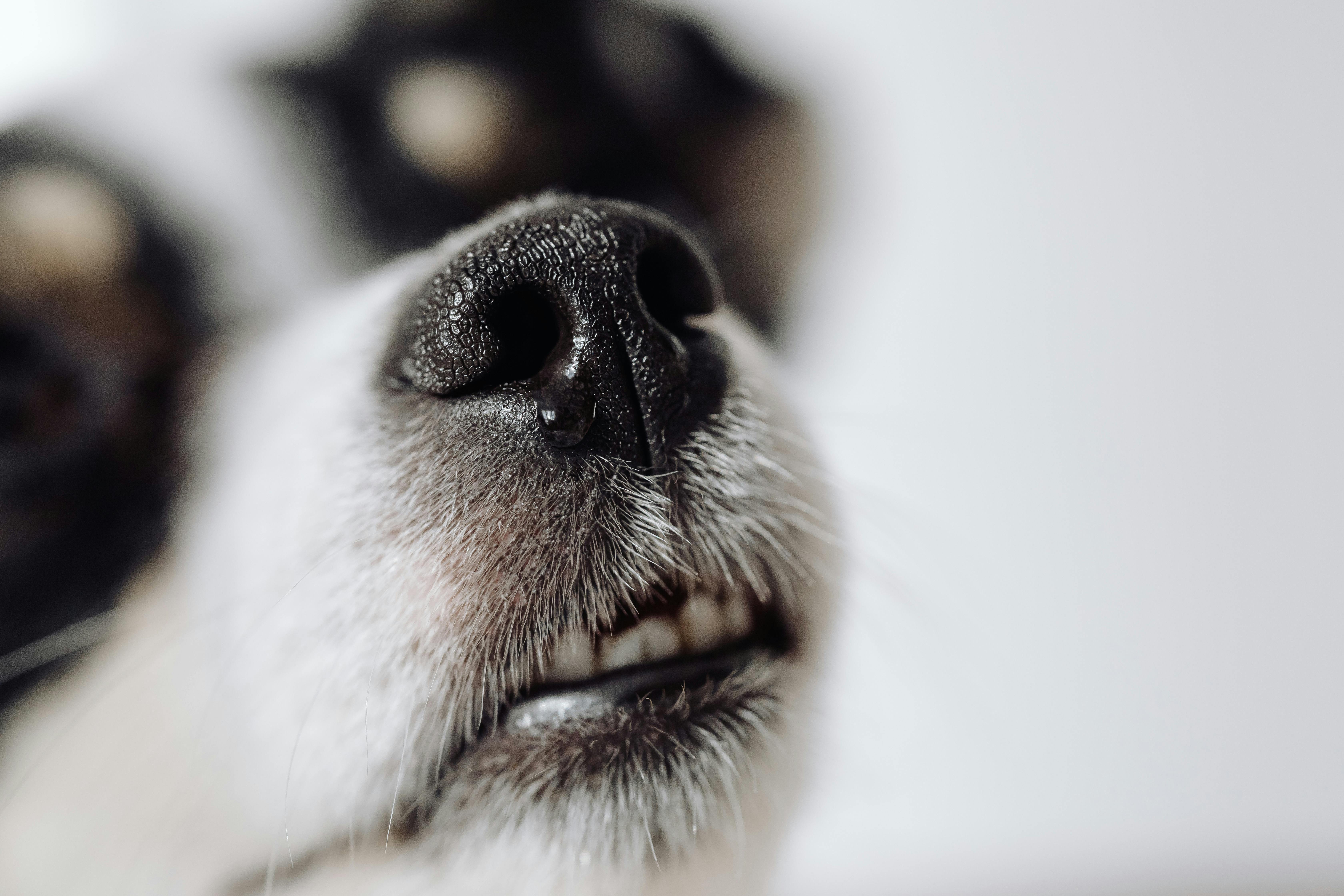 \n\n
\n\nDogs are amazing creatures, and one of the most fascinating aspects about them is their incredible sense of smell. You ever wonder why do dogs have wet noses? Well, it turns out their wet noses play a crucial role in enhancing their olfactory powers. This article gonna dive into the science behind these wet noses and explore the reasons that make them so special.
\nThe Science Behind a Dog's Nose
\nA dog's sense of smell is up to 100,000 times more sensitive than that of humans. But why is that? The answer lies in the anatomy of their noses. Dogs have more olfactory receptors—about 300 million—compared to a human’s mere 5 million. But it ain't just the number of receptors that matter.
\n- \n
- Moisture: A wet nose helps to trap scent particles. When a dog’s nose is moist, it can absorb more scent molecules. This moisture also helps to enhance the sensory receptors in the nose, making them even more effective. \n
- Temperature Regulation: A wet nose helps to cool down the dog’s body. During hot days, the moisture evaporates, helping them stay cool while also keeping their noses in optimal smelling condition. \n
- Scent Detection: Dogs' noses are equipped with a special organ called the Jacobsen's organ, which allows them to detect pheromones and other chemical signals. A wet nose enhances the effectiveness of this organ. \n
Why Do Dogs Have Wet Noses? The Fascinating Reasons
\nNow that we know the science behind it, let’s explore the reasons why dogs have wet noses in more detail. Here's a simple list of why these wet noses are so important:
\n- \n
- Enhanced Scent Detection: As mentioned, moisture on a dog's nose helps capture scent particles. \n
- Cooling Mechanism: Dogs don’t sweat like humans. Their noses help keep them cool. \n
- Health Indicator: A dog's nose can indicate their health. A wet, cool nose is usually a sign of a healthy dog, while a dry or warm nose might indicate illness. \n
- Social Interaction: Dogs communicate with each other through scent, and a wet nose helps them gather information from the environment. \n
- Tracking and Hunting: Many dogs are used in search and rescue missions because their keen sense of smell allows them to track scents over long distances. \n
Historical Context of Dogs' Olfactory Abilities
\nDogs have been man's best friend for thousands of years, and their sense of smell has been a key factor in their domestication. Historically, dogs were bred for specific tasks, and their abilities to smell were often a critical component.
\n- \n
- Hunting: Early hunters relied on dogs to track prey. Breeds like Bloodhounds were developed specifically for their scent-tracking abilities. \n
- Herding: Herding dogs also used their sense of smell to manage livestock, ensuring they stay together. \n
- Search and Rescue: Today, dogs are trained to find missing persons or detect substances like drugs and explosives. \n
Comparisons to Other Animals
\nWhen you compared dogs to other animals, their sense of smell is truly remarkable. Here’s a quick comparison of olfactory capabilities among different species:
\n| Animal | \nOlfactory Receptors | \nRelative Sense of Smell | \n
|---|---|---|
| Dogs | \n300 million | \n100,000 times better than humans | \n
| Cats | \n50-80 million | \nApproximately 14 times better than humans | \n
| Humans | \n5 million | \nBaseline for comparison | \n
| Mice | \n1,000 times more sensitive than humans | \nVery good for their size | \n
Practical Examples of a Dog's Olfactory Powers
\nDogs use their noses not just for everyday smells, but they also excel in specialized tasks. Here are some practical examples:
\n- \n
- Detection Dogs: These dogs are trained to sniff out drugs, explosives, or even diseases like cancer. \n
- Tracking Dogs: Used in search and rescue operations, these dogs can locate missing persons by following scent trails. \n
- Service Dogs: Some service dogs can even detect medical emergencies, like an impending seizure, by sensing changes in their owner's body odor. \n
Dogs’ noses are more than just adorable features. Their wet noses serve a vital purpose in enhancing their already extraordinary sense of smell, making them invaluable companions and helpers in various fields. Understanding this unique attribute gives us a deeper appreciation for these wonderful animals and their incredible olfactory powers. So, the next time you see a dog with a wet nose, remember the remarkable science and history that lies behind it.
\n\nIs Your Dog’s Wet Nose a Sign of Happiness? Discover the Emotional Connection!
\n\n \n\n
\n\nIs your dog’s wet nose a sign of happiness? Or maybe you are just curious why do dogs have wet noses? It’s a common question among dog owners and lovers alike. Many people think that a wet nose indicates a happy pup, but there’s much more beneath the surface. Let’s dive into the fascinating reasons behind your furry friend’s moist snout and explore the emotional connections that wet noses can signify.
\nThe Science Behind Wet Noses
\nDogs have wet noses for a variety of reasons. Firstly, it's important to know that a wet nose helps dogs with their sense of smell. The moisture on their noses helps to capture scent particles from the air, which makes them able to smell better. Dogs have a sense of smell that is thousands of times stronger than that of humans, and a wet nose plays a crucial role in this ability.
\n- \n
- A wet nose helps to enhance a dog’s olfactory receptors. \n
- Dogs can detect certain smells at incredibly low concentrations. \n
- The moisture on their nose evaporates quickly, which helps them to analyze scents better. \n
Emotional Connection: Is There a Link?
\nNow, you might be thinking, "Does my dog’s wet nose mean he is happy?" Well, not necessarily. While dogs do tend to have a wet nose when they are relaxed and comfortable, it doesn't directly correlate to their happiness. Dogs express emotions in various ways, and a wet nose is just one of the signals they give us.
\n- \n
- A relaxed dog may have a wet nose. \n
- Happy dogs often wag their tails, bark playfully, or nuzzle against you. \n
- Stress or illness can also lead to changes in a dog’s nose moisture. \n
Why Do Dogs Have Wet Noses?
\nLet’s dig deeper into the reasons why dogs have wet noses. Below is a list of some of the most fascinating reasons that explain this peculiar canine trait.
\n- \n
- \n
Sense of Smell Enhancement
\n- \n
- Moisture helps capture and hold scent particles. \n
- It enhances their ability to detect scents in their environment. \n
\n - \n
Cooling Mechanism
\n- \n
- Dogs do not sweat like humans; they primarily cool down through panting. \n
- A wet nose can help to regulate their body temperature. \n
\n - \n
Health Indicator
\n- \n
- A wet nose can be a sign that your dog is healthy. \n
- Dryness or changes in moisture levels may indicate health issues. \n
\n - \n
Behavioral Signals
\n- \n
- Dogs often lick their noses to keep them moist, which can be a sign of anxiety or excitement. \n
- A dog may nudge you with a wet nose to seek attention or affection. \n
\n
Fascinating Facts About Dog Noses
\nDid you know that there are some really cool facts about dog noses? Here’s a quick list of interesting tidbits that you might not know:
\n- \n
- A dog’s nose print is as unique as a human fingerprint. \n
- The color of a dog’s nose can change with age and health. \n
- Dogs have about 300 million olfactory receptors, whereas humans have only about 6 million. \n
Dog Nose Care Tips
\nKeeping your dog's nose healthy is essential for their overall well-being. Here are some practical tips for caring for your dog's snout:
\n- \n
- Regular Checks: Always check for dryness, cracks, or sores. \n
- Hydration: Ensure your dog is properly hydrated, as dehydration can lead to nose dryness. \n
- Environment: Protect your dog from extreme weather conditions that might dry out their nose. \n
Conclusion
\nSo, is your dog’s wet nose a sign of happiness? While it might not be a definitive indicator, it’s clear that a wet nose plays multiple roles in your dog’s life. It enhances their sense of smell, regulates their body temperature, and can even communicate their feelings. Understanding why dogs have wet noses helps strengthen the bond between you and your furry companion. So next time you feel that cool, moist snout against your hand, remember, it’s not just about happiness— it’s a fascinating blend of biology, behavior, and emotion! Your dog’s wet nose is a gateway to understanding their world better, so cherish those moments, as they truly are special.
\n\nDo All Dogs Have Wet Noses? Exploring Variations Across Breeds and Their Unique Traits
\n\n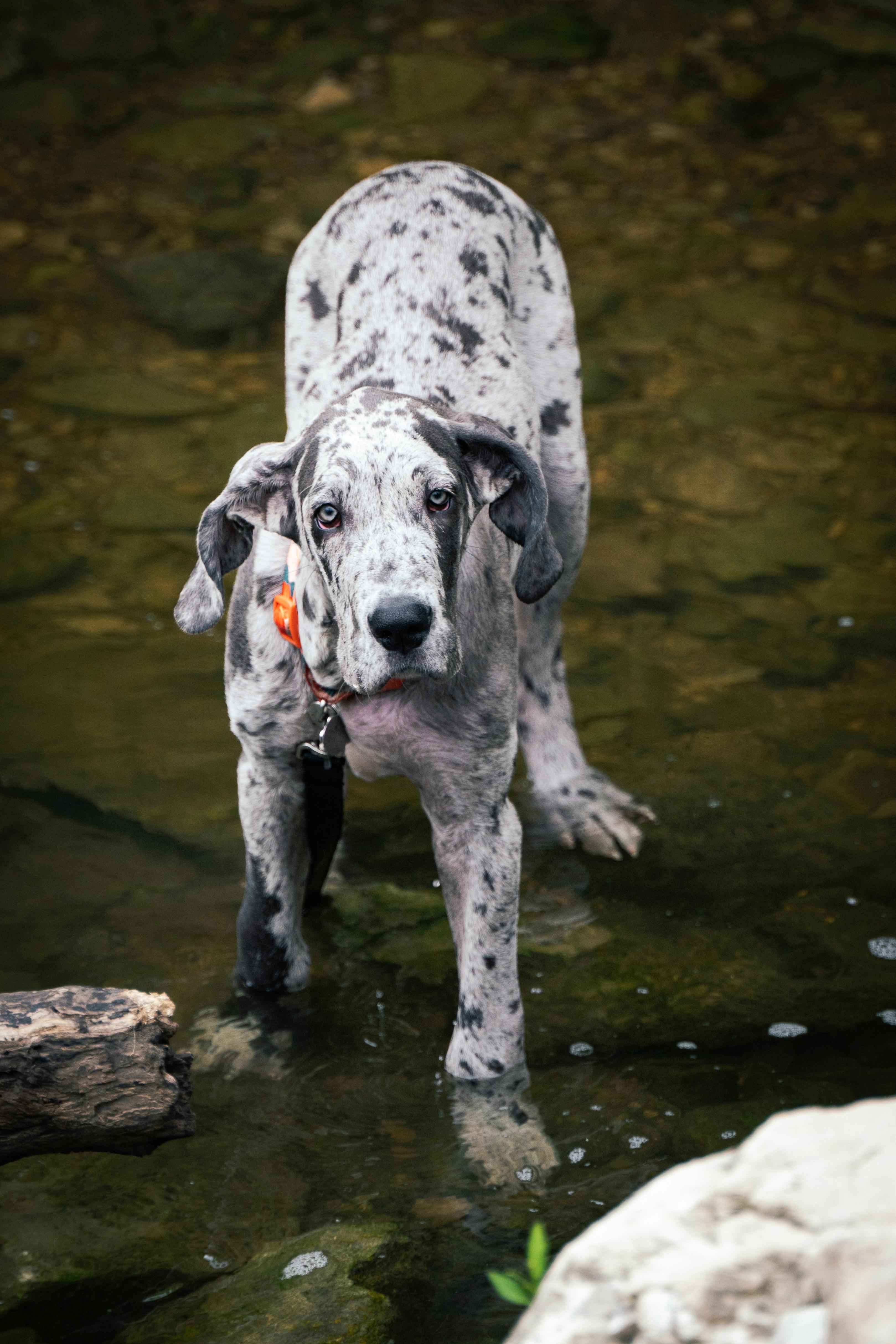 \n\n
\n\nDogs are known for many things, but one of their most endearing traits is their wet noses. If you ever wondered, “Do all dogs have wet noses?” you’re not alone. Many dog lovers curious about this phenomenon. The truth is, not all dogs have the same type of noses, and several factors can influence how wet or dry a dog's nose may be. In this article, we will explore the variations across breeds and the reasons behind those wet noses, shedding light on a common canine characteristic.
\nWhy Do Dogs Have Wet Noses?
\nDogs noses are wet for a few reasons, and understanding these reasons can help you appreciate your furry friend even more. Here are some fascinating reasons why dogs often have wet noses:
\n- \n
- \n
Temperature Regulation: Dogs don’t sweat like humans do. Instead, they cool off through panting and the moisture on their noses. A wet nose helps them stay cool by evaporating moisture, which is critical during hot weather.
\n \n - \n
Enhanced Sense of Smell: The moisture on a dog’s nose helps to capture scent particles from the air. This enhances their sense of smell, which is thousands of times more sensitive than humans. It’s like their own built-in sniffing mechanism.
\n \n - \n
Health Indicator: A wet nose often indicates that a dog is healthy. While it’s not a definitive measure, a dry nose can sometimes signal dehydration or illness. However, it’s important to note that noses can vary, and some dogs naturally have drier noses.
\n \n - \n
Behavioral Signals: Dogs use their noses to communicate and explore their environment. A wet nose may signal curiosity or excitement, while a dry nose might indicate that the dog is resting or not feeling well.
\n \n
Do All Breeds Have Wet Noses?
\nWhile most dogs have wet noses, there are some exceptions, and it really depend on the breed. Here’s a quick look at how different breeds might have wet or dry noses:
\n- \n
- \n
Breeds with Wet Noses:
\n- \n
- Labrador Retrievers \n
- Beagles \n
- Golden Retrievers \n
- Boxers \n
\n - \n
Breeds with Drier Noses:
\n- \n
- Bulldogs \n
- Pugs \n
- Shih Tzus \n
- Boston Terriers \n
\n
The Science of Dog Noses
\nDogs' noses are fascinating organs, and there’s a lot of science involved. The surface of a dog’s nose is covered with special glands that produce moisture. This moisture helps to absorb scent molecules, enhancing their ability to sniff out things. This is why when dogs meet another dog, they often sniff noses — it’s their way of sharing information.
\nThe Importance of Nose Health
\nJust like humans, dogs can experience nose issues. Dryness, cracking, or changes in color can be signs of health problems. Here are a few conditions to look out for:
\n- \n
- Dehydration: A dry nose can indicate that a dog needs more water. \n
- Allergies: Dogs can be allergic to various substances, which might cause their noses to become dry or irritated. \n
- Infections: Sometimes, a dog’s nose might become crusty or sore, indicating a possible infection that requires veterinary attention. \n
- Autoimmune Diseases: Certain diseases can affect the nose, leading to changes in texture or moisture levels. \n
Understanding these signs can help you take better care of your furry companion.
\nFun Facts About Dog Noses
\n- \n
- Unique Patterns: Just like fingerprints in humans, each dog has a unique nose print. This can actually be used for identification purposes. \n
- Sensitive to Heat: A dog’s nose can sense temperature variations, which helps them detect food or other objects. \n
- Color Differences: The color of a dog’s nose can vary widely among breeds and even within the same breed. Some have black noses, while others may have pink or spotted patterns. \n
Dogs are wonderful companions, and their wet noses are just one of the many traits that make them special. Understanding why dogs have wet noses and how it varies across breeds gives us a deeper appreciation of our furry friends.
\nSo, next time you notice your dog’s wet nose, remember it’s not just cute — it’s an essential part of what makes them the amazing animals they are. Whether your dog has a cold, wet nose or a drier one, both types are worthy of love and care. It’s all about knowing your dog and providing them with the best experience possible, nose and all!
\n\nThe Role of Nose Moisture in Dog Temperature Regulation: Keeping Cool in Hot Weather
\n\n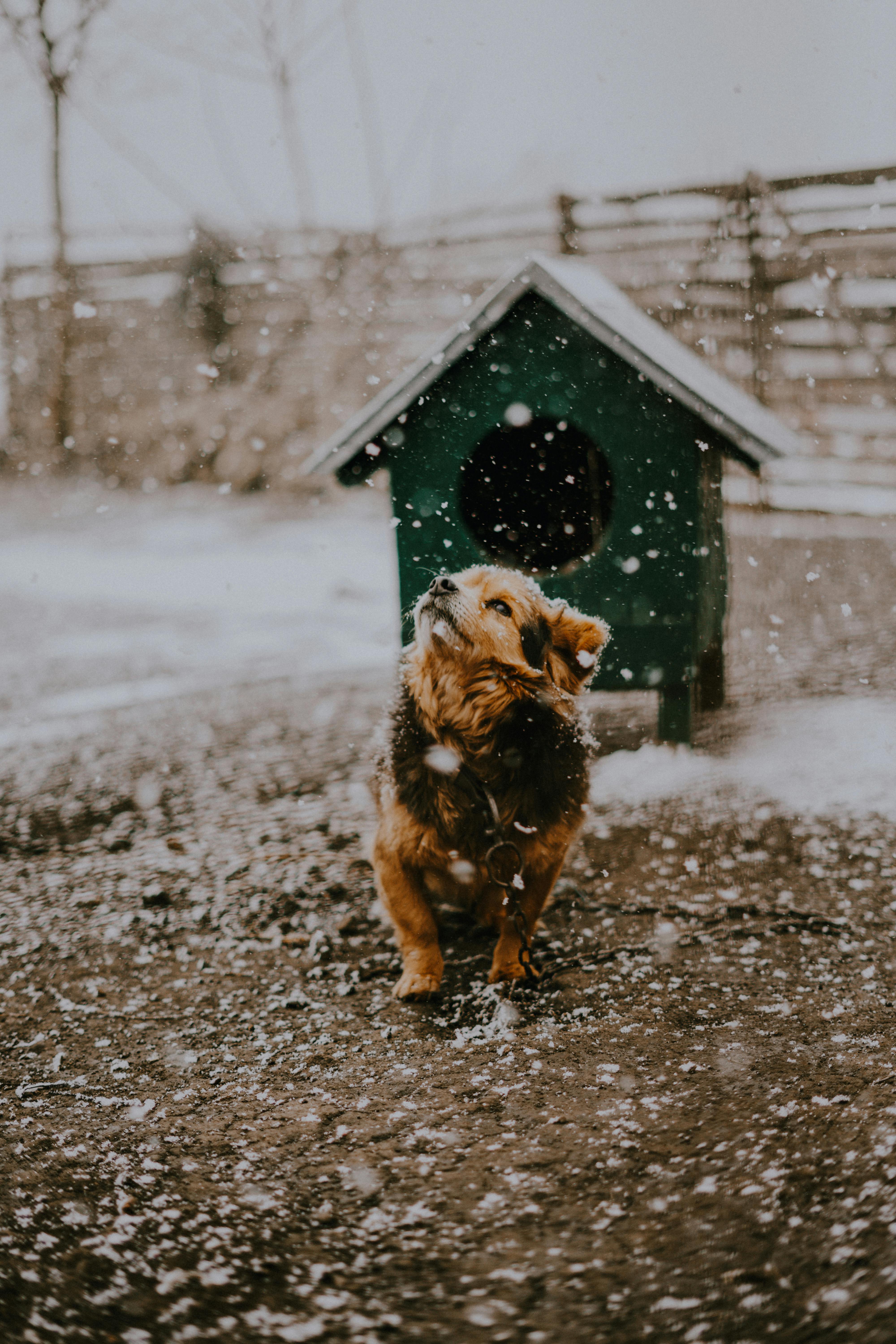 \n\n
\n\nWhen the temperatures rise, many pet owners start to worry about their furry friends. One fascinating aspect of dog physiology is how their wet noses help in regulating their body temperature. But wait, why do dogs have wet noses in the first place? This article explores the role of nose moisture in dog temperature regulation and reveals some amazing reasons behind those damp noses.
\nThe Science Behind Wet Noses
\nDogs have wet noses for several important reasons. First of all, the moisture on their snouts serves as a natural cooling mechanism. Unlike humans, dogs do not sweat through their skin. Instead, they rely heavily on panting and the moisture on their noses to help keep cool.
\n- \n
- Temperature Regulation: When dogs breathe out, the moisture on their noses evaporates, which cools the blood vessels near the surface of their skin. This can help lower their overall body temperature. \n
- Enhanced Smell: A wet nose can help capture scent particles from the air, making it easier for dogs to smell things. This is why they have such an incredible sense of smell! \n
Why Are Dog Noses Wet?
\nThere are several reasons why dogs have wet noses, and they all tie back to their biology and behavior. Here’s a quick rundown:
\n- \n
- Humidity in the Air: Dogs often lick their noses to keep them moist. This can be especially helpful in hot weather, as it aids in cooling. \n
- Health Indicator: A wet nose is often a sign of a healthy dog. However, if a dog’s nose becomes dry or cracked, it could indicate illness or dehydration. \n
- Sensory Function: The moisture enhances their ability to detect scents. The more moisture, the better they can identify smells in their environment. \n
How Wet Noses Help in Hot Weather
\nDuring the sweltering months, dogs can struggle to maintain an optimal body temperature. Here’s how their wet noses play a role in keeping them cool:
\n- \n
- Evaporative Cooling: As mentioned before, when the moisture evaporates, it cools the blood flow. This is crucial when outdoor temperatures soar. \n
- Prevents Overheating: The wetness of a dog’s nose can help prevent overheating, which is a serious concern in hot weather. Dogs can suffer from heatstroke, so their noses act as a natural defense mechanism. \n
- Behavioral Adaptations: When temperatures rise, dogs may seek shade or water. Their wet noses help them determine the best spots to cool off. \n
The Fascinating Role of Dog Noses in Health
\nWet noses do more than just help in temperature regulation; they can also be indicators of a dog's health. Here are a few health-related aspects of a dog’s nose:
\n- \n
- Hydration Levels: A moist nose usually indicates that a dog is hydrated. Dehydration can lead to a dry nose, signaling the need for water. \n
- Infection Warning: If a dog’s nose is excessively dry or cracked, it might be a sign of an underlying health issue. \n
- Temperature Check: While not always accurate, a warm nose can sometimes indicate a fever. \n
Interesting Facts About Dog Noses
\n- \n
- Variety of Shapes and Sizes: Dog noses come in many shapes and sizes, depending on the breed. Some breeds like the Bloodhound have more pronounced noses, which helps with their incredible sense of smell. \n
- Unique Nose Prints: Just like human fingerprints, every dog has a unique nose print. This can be used for identification, if necessary. \n
- Sense of Smell: It’s estimated that a dog’s sense of smell is between 10,000 to 100,000 times more sensitive than that of humans! \n
Tips for Keeping Your Dog Cool
\nAs temperatures rise, it’s important to take care of your furry friend. Here are some practical tips:
\n- \n
- Provide Fresh Water: Always make sure your dog has access to clean, fresh water. \n
- Limit Exercise: Avoid long walks during peak heat hours. Early morning or late evening is usually cooler. \n
- Create Shade: If your dog is outside, ensure there’s plenty of shade available. \n
- Use Cooling Mats: You can find cooling mats specifically designed for pets to help them stay cool. \n
Understanding the role of nose moisture in dog temperature regulation offers valuable insights into how our furry friends cope with hot weather. Their wet noses are not just adorable; they serve critical functions that help keep them healthy and comfortable. As responsible pet owners, we must ensure our dogs stay hydrated and cool during the summer months, allowing them to thrive in their environment.
\n\nWet Noses and Dog Behavior: What Your Pup Is Trying to Tell You with Their Snout
\n\n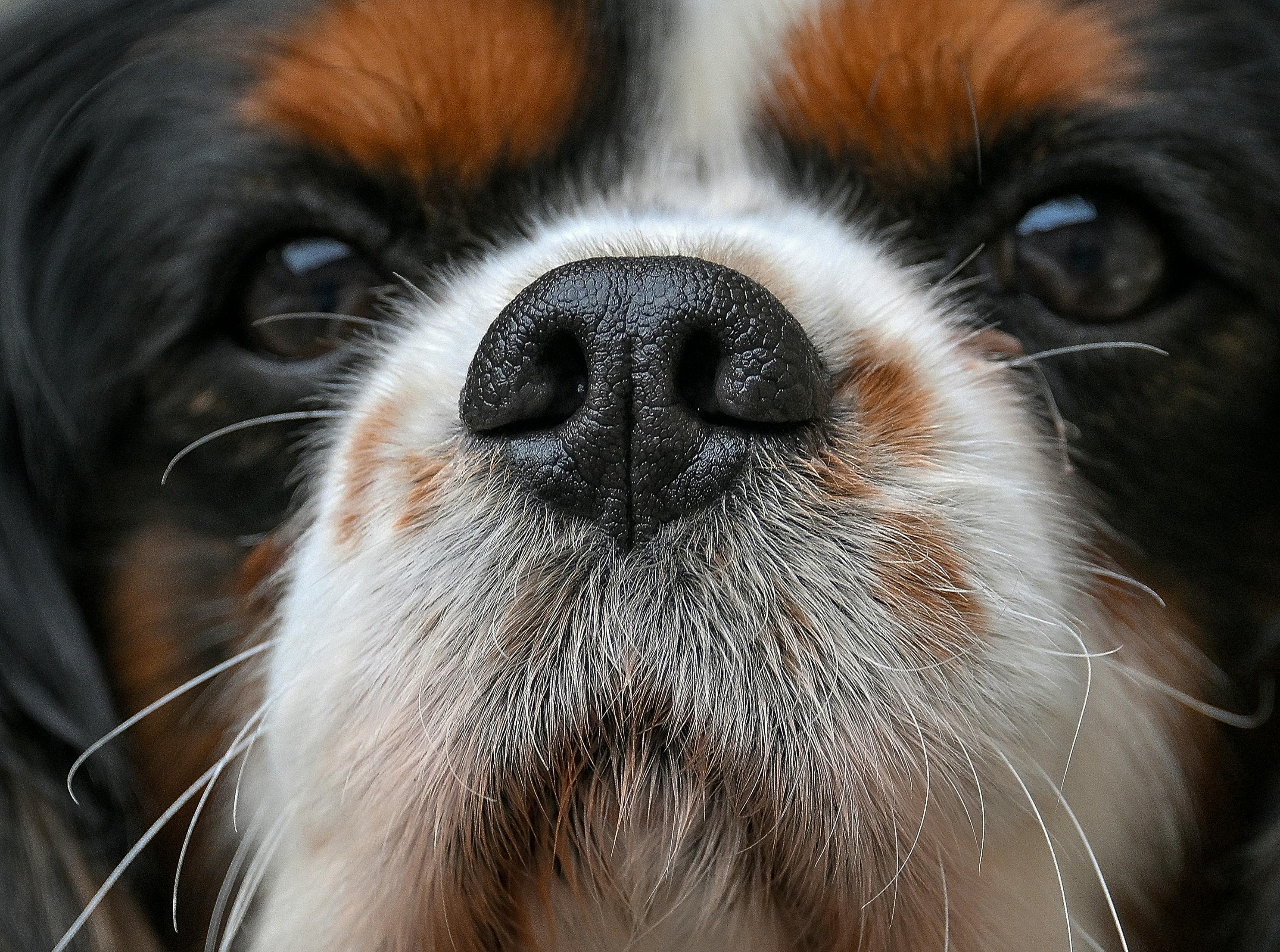 \n\n
\n\nDogs are often considered man's best friend, and their behavior and body language can tell us a lot about what they are feeling. One of the most curious aspects of dog anatomy is their wet noses. Ever wondered why dogs have wet noses? It’s not just for show! There’s fascinating reasons behind it, and understanding this can help you better connect with your furry companion.
\nThe Science Behind Wet Noses
\nLet’s dive into the science! The main reason why dogs have wet noses is related to their sense of smell. A dog’s nose is packed with olfactory receptors – they have up to 300 million of them compared to humans’ mere six million. Having a wet nose helps to capture scent particles more effectively, allowing them to sniff out everything from food to friends.
\n- \n
- Olfactory Function: Wetness helps absorb scent molecules. \n
- Cooling Mechanism: Dogs sweat very little, so their nose helps cool their body down. \n
- Health Indicator: A wet nose can be a sign of good health, while a dry nose might indicate dehydration or illness. \n
Historical Tidbits: Dog Noses Through The Ages
\nDogs have been companions to humans for thousands of years. Historically, wet noses were beneficial for hunting and herding purposes. Ancient dogs likely used their keen sense of smell, aided by their wet noses, to track prey and navigate their environment.
\n- \n
- Hunting Companions: Early dogs assisted humans in hunting, using their noses to find scents. \n
- Herding: Their ability to sniff out herd members helped in managing livestock. \n
- Search and Rescue: Even today, dogs are trained to locate missing persons, a skill rooted in their evolved sense of smell. \n
What Is Your Dog Trying to Tell You?
\nDogs communicate in many ways, and their noses play an important role in this language. If you notice your dog sniffing around or nudging you with their nose, they’re likely trying to convey something.
\n- \n
- Seeking Attention: Your pup may need your attention or want to play. \n
- Exploring Environment: Dogs explore the world through their noses, so they could simply be curious about their surroundings. \n
- Health Concerns: If a dog is sniffing excessively at a certain place or object, they might be trying to tell you something is off. \n
Comparing Wet Noses to Other Animals
\nIt’s not just dogs that have wet noses! Many animals do, but the reasons can differ. Here’s a quick comparison:
\n| Animal | \nReason for Wet Nose | \n
|---|---|
| Cats | \nHelps with hunting and cooling. | \n
| Pigs | \nEnhances their ability to forage for food. | \n
| Rabbits | \nAids in temperature regulation and scent detection. | \n
| Cows | \nAssists in identification of other herd members. | \n
The Importance of Hydration and Health
\nA dog’s nose can tell you a lot about their health. If your dog’s nose is consistently dry, it might be time to check on their hydration levels or visit the vet. Here’s some signs to watch for:
\n- \n
- Dry Nose: Could indicate dehydration or fever. \n
- Cracked Nose: Might be a sign of an underlying health issue. \n
- Excessive Moisture: Sometimes, it can indicate allergies or infections. \n
Fun Facts About Dog Noses
\n- \n
- A dog’s nose print is unique, much like a human fingerprint. \n
- Dogs can detect certain diseases in humans, such as cancer, by sniffing. \n
- The wetness of a dog’s nose can change based on the weather – it tends to be wetter in humid conditions. \n
Practical Tips for Understanding Your Dog
\nTo foster a better relationship with your dog, pay attention to their nose and overall body language. Here’s a quick guideline:
\n- \n
- Observe their behavior: Notice how they react in different situations. \n
- Interactive Play: Engage them in activities that stimulate their sense of smell, like hide-and-seek. \n
- Regular Vet Visits: Ensure your dog’s health is monitored regularly. \n
Understanding your dog’s behavior and the role of their wet nose can enhance your bond and improve communication. From sniffing out scents to showing affection, a dog’s nose is a fascinating tool that plays a significant role in their life and in the relationship they share with you. So next time you see your pup with that adorable wet snout, remember the intricate world of communication and biology behind it!
\n\nWhy Do Puppies Have Wet Noses? Uncovering the Truth Behind Their Adorable Features
\n\n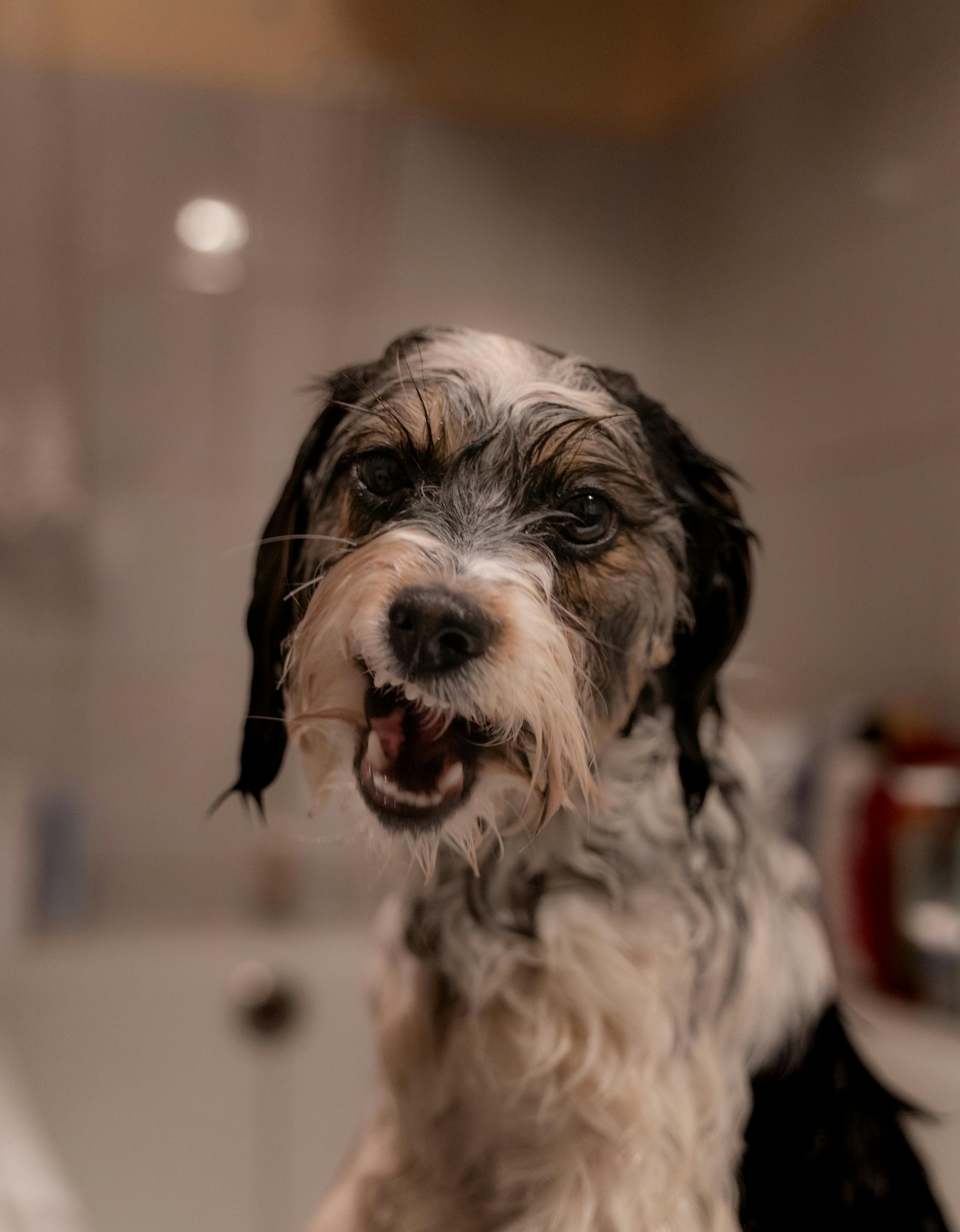 \n\n
\n\nPuppies are cute, cuddly, and they always seems to bring joy wherever they goes. One of the most charming features that dogs, including puppies, has is their wet noses. You might have wondered, why do puppies have wet noses? Or why do dogs have wet noses in general? The answer is more fascinating than you might think! Let us dive into the reasons behind this adorable trait.
\nThe Science Behind Wet Noses
\nDogs noses is wet for several reasons. Primarily, it helps them to smell better. Dogs have an incredible sense of smell, and that wetness helps to absorb scent molecules from the air. Here’s how it works:
\n- \n
- Enhanced Scent Absorption: A moist nose can trap tiny scent particles better than a dry nose. \n
- Cooling Mechanism: Just like humans sweat, dogs can regulate their body temperature via their noses. The moisture on their noses helps to cool them down. \n
- Health Indicator: A wet nose is often a sign of a healthy dog. However, it’s not a definitive indicator, as some dogs can be healthy with dry noses too. \n
Historical Context of Dog Noses
\nThroughout history, dogs have been companions to humans for thousands of years. Their noses have been subject to various studies and fascination. Ancient cultures often believed that dogs’ noses held mystical powers due to their sharp sense of smell.
\n- \n
- Ancient Beliefs: Some ancient civilizations thought dogs could sniff out disease or even predict weather changes. \n
- Modern Research: Today, scientists continue to study dog noses to understand their unique biology and how they can be trained for various purposes, such as search and rescue operations. \n
Fun Facts About Dog Noses
\nHere are some interesting facts that you might not know about dog noses:
\n- \n
- Dogs have around 300 million smell receptors in their noses, compared to a human’s 5 million. \n
- The surface of a dog's nose is unique to each dog, much like a human fingerprint. \n
- Dogs can detect certain diseases, such as cancer, through smell alone. \n
- The temperature of a dog's nose can change based on their health; a cold, wet nose usually indicates good health. \n
Wet Noses and Temperature Regulation
\nThe wetness of a dog’s nose plays a critical role in thermoregulation. Dogs don’t sweat like humans do; instead, they primarily cool off through panting and the moisture on their noses. Here's how it works:
\n- \n
- Moisture Evaporation: As moisture evaporates from the nose, it helps cool the dog down. \n
- Airflow: The airflow through their noses also contributes to temperature regulation, allowing them to stay comfortable even on hot days. \n
Why a Wet Nose Is Important for Dogs
\nThe wetness of a dog’s nose is not just for show. It serves several important functions:
\n- \n
- Enhanced Sense of Smell: A wet nose helps dogs to detect odors more effectively. \n
- Body Temperature Regulation: Keeping cool helps dogs to maintain their energy levels and overall well-being. \n
- Indicator of Health: While not always accurate, a wet nose often signifies that a dog is feeling good. \n
Comparisons with Other Animals
\nMany animals have wet noses, but dogs are unique in how they use them. Let’s take a look at how other animals compare:
\n| Animal | \nNose Type | \nPurpose | \n
|---|---|---|
| Cats | \nDry, often warm | \nLess reliance on smell than dogs | \n
| Pigs | \nWet, sensitive | \nExcellent sense of smell for foraging | \n
| Horses | \nDry, cold | \nRely more on vision than smell | \n
Practical Examples of Nose Uses
\nDogs utilize their noses in various practical situations. Here are some examples:
\n- \n
- Search and Rescue: Dogs are trained to locate missing persons using their incredible sense of smell. \n
- Detection Work: Many dogs work with law enforcement to sniff out drugs, explosives, and even currency. \n
- Medical Detection: Some dogs are trained to alert their owners to medical issues like seizures or low blood sugar. \n
Puppies, just like adult dogs, have wet noses for several reasons that contribute to their health and functionality. Their adorable feature isn’t just for looks; it plays a vital role in how they interact with the world. So, next time you get a wet-nosed nuzzle from your furry friend, you can appreciate the science and history behind it! Isn’t it amazing how such a small feature can have such a big impact on their lives?
\n\nWet Noses and Health Indicators: When to Worry About Your Dog’s Nose Moisture
\n\n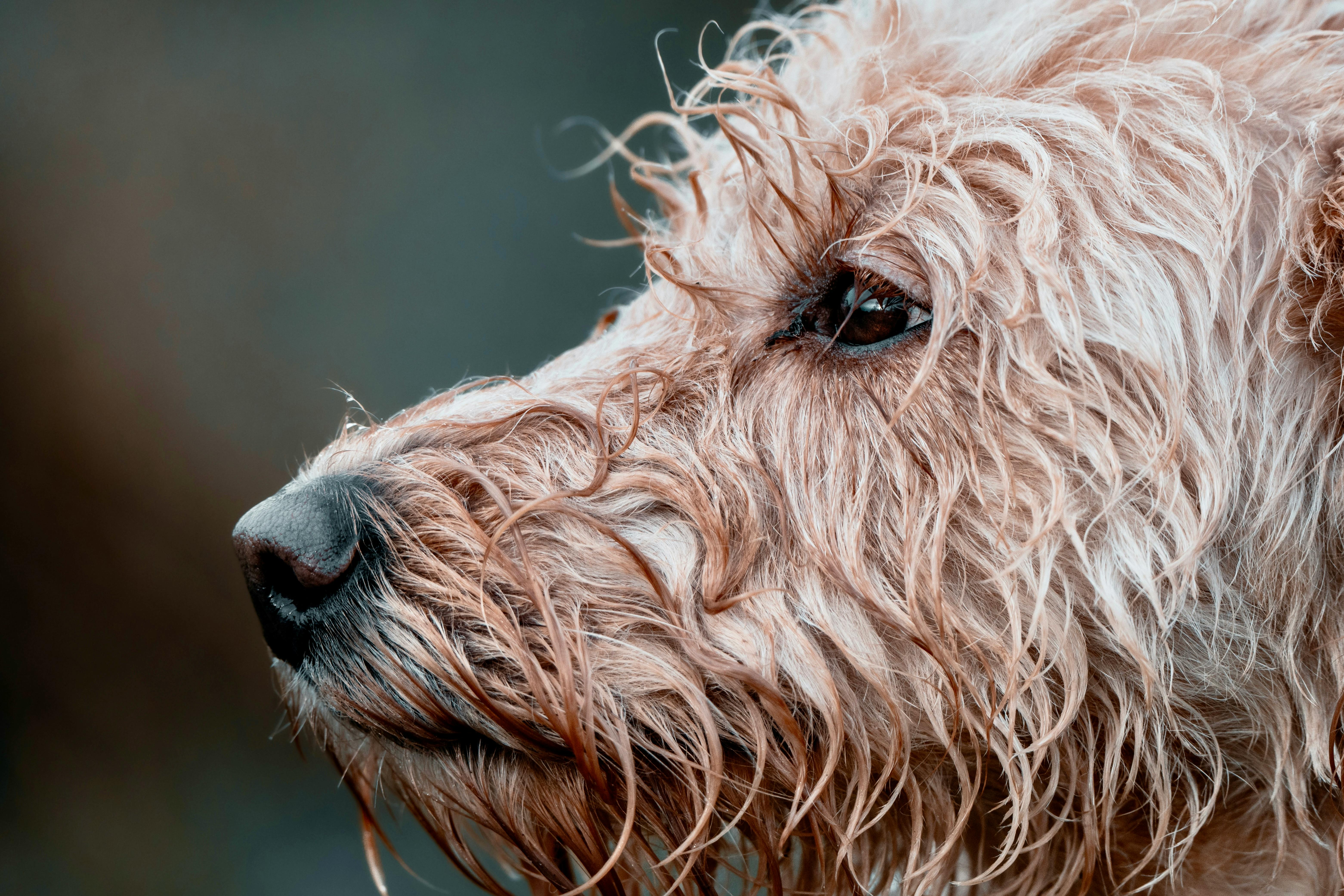 \n\n
\n\nEvery dog owner know that their furry friends are more than just pets; they’re family. One of the most fascinating features about dogs is their noses. Wet noses are common among dogs, but have you ever wondered what’s the reason behind it? And when should you actually start worrying about your dog's nose moisture?
\nWhy Do Dogs Have Wet Noses?
\nFirst of all, let's talk about why dogs have those wet noses. It’s not just for show! There are several reasons, mostly relating to their health and sense of smell.
\n- \n
- \n
Enhanced Sense of Smell: Dogs’ noses are designed to capture scent particles better when they’re moist. A wet surface can absorb more smells. This is why dogs can sniff out everything from treats to lost people!
\n \n - \n
Temperature Regulation: Just like humans might sweat, dogs use their noses to help regulate body temperature. When a dog feels hot, moisture on their nose helps cool them down.
\n \n - \n
Health Indicator: A wet nose can be a sign of a healthy dog, but that’s not always the case. Changes in nose moisture can indicate health issues.
\n \n - \n
Behavioral Signals: Sometimes, dogs might lick their noses when they’re nervous or anxious. It’s like their way of telling you something’s up!
\n \n
When to Worry About Your Dog’s Nose Moisture
\nNow, not every wet or dry nose means your dog is sick or healthy. Here’s when you might wanna take a closer look:
\n- \n
- \n
Dry Nose: If your dog's nose is unusually dry and warm, it could indicate fever or dehydration. Look for other signs like lethargy or loss of appetite.
\n \n - \n
Cracked or Bleeding Nose: A cracked or bleeding nose is definitely a reason to worry. This could be due to allergies, infections, or even cancer in some cases.
\n \n - \n
Excessively Wet Nose: If your dog’s nose is dripping wet and they seem to be having difficulty breathing or are acting lethargic, it could be a respiratory infection.
\n \n - \n
Changes in Color: A sudden change in color (to pale or red) could signal various health issues, from allergies to more serious conditions.
\n \n
Common Myths About Dog Noses
\nThere are plenty of myths floating around about dog noses. Let’s clear up some of the confusion:
\n- \n
- \n
Wet Noses Always Mean Healthy Dogs: This isn’t entirely true. While a wet nose can indicate good health, it’s not the whole picture. Always consider other symptoms.
\n \n - \n
Warm Noses Mean Fever: A warm nose does not automatically mean a fever. Dogs’ noses can change temperature throughout the day.
\n \n - \n
Dogs Can’t Smell When Their Noses Are Dry: Dogs can still smell when their noses are dry, but moisture certainly helps enhance their smelling ability.
\n \n
Quick Tips for Monitoring Your Dog's Nose Health
\n- \n
- \n
Daily Checks: Make it a routine to check your dog’s nose for moisture, cracks, or any unusual changes.
\n \n - \n
Look for Other Symptoms: Always consider other signs of illness, like changes in behavior, appetite, or energy levels.
\n \n - \n
Consult Your Veterinarian: If you notice anything unusual, don’t hesitate to talk with your vet. It’s always better to be safe than sorry!
\n \n
Fun Facts About Dog Noses
\n- \n
- \n
A dog’s sense of smell is between 10,000 to 100,000 times better than a human's!
\n \n - \n
Dogs have around 220 million scent receptors, compared to only about 5 million in humans.
\n \n - \n
Each dog has a unique nose print, similar to how humans have unique fingerprints!
\n \n - \n
The moisture on a dog's nose can help them identify scents with greater accuracy, making them excellent trackers.
\n \n
Understanding your dog’s nose is more than just a quirky fact; it can be a vital part of monitoring their overall health. A wet nose is often a sign of good health, but it’s not the only indicator. By keeping an eye on your dog's nose and being aware of its moisture levels, you’re taking a proactive step toward ensuring your furry friend stays healthy and happy. So, the next time you give your dog a scratch behind the ears, don’t forget to check that nose!
\n\nCan Dogs Sweat Through Their Noses? Debunking Myths About Dog Physiology and Wet Noses
\n\n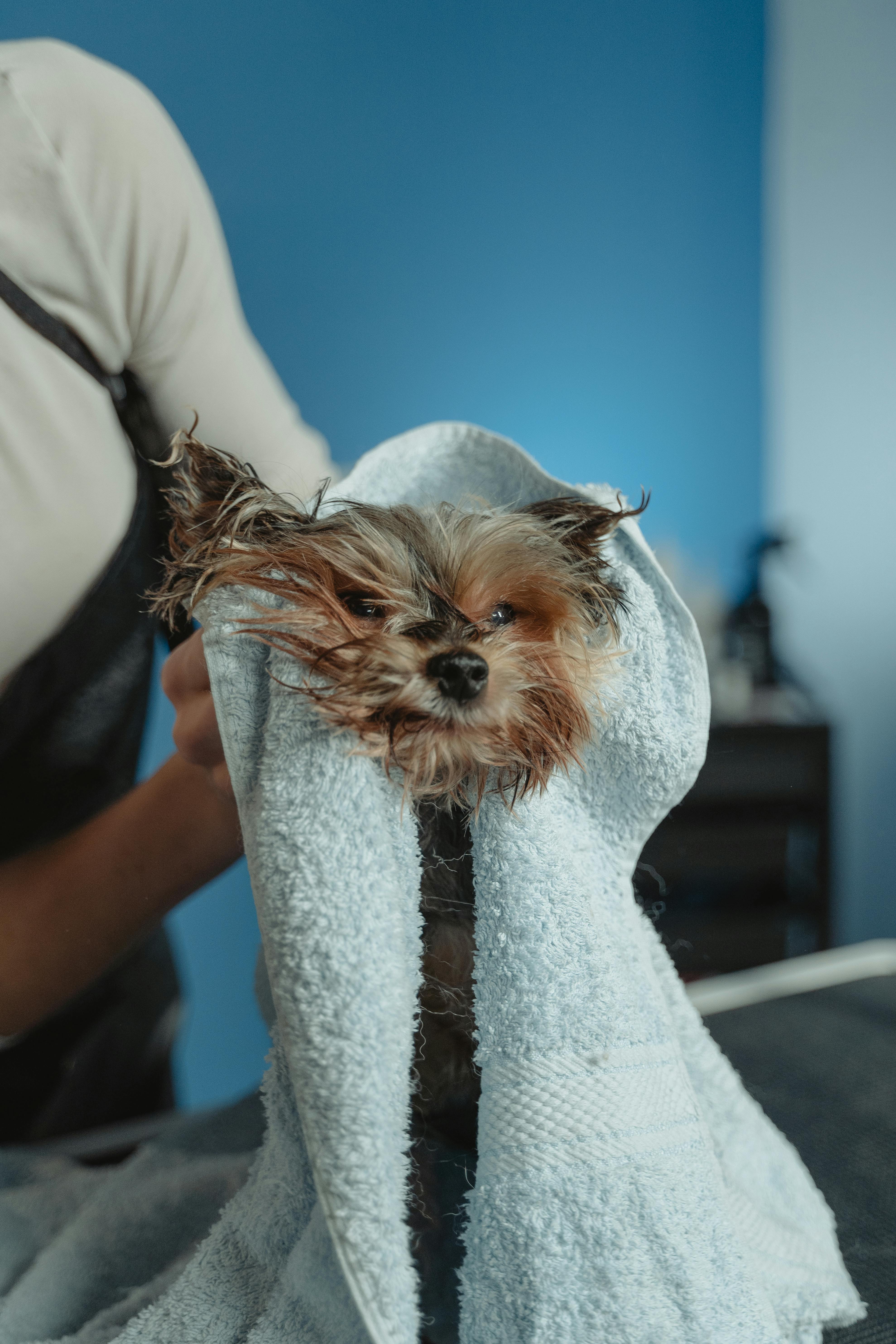 \n\n
\n\nHave you ever wondered why dogs have wet noses? Many people thought that dogs sweat through their noses, but that’s a myth that needs debunking. Understanding dog physiology can be fascinating, and it helps to clear up some common misconceptions. Let’s dive into the science behind those adorable, moist noses.
\nCan Dogs Sweat Through Their Noses?
\nFirst things first, dogs do NOT sweat through their noses. Unlike humans, who have sweat glands all over their skin, dogs have a different way of regulating their body temperature. Instead of sweating, dogs primarily rely on panting to cool down. When they pant, moisture evaporates from their tongue and lungs, which helps to lower their body temperature.
\nHere are a few facts about dog sweat glands:
\n- \n
- Dogs have sweat glands, but they are mainly located in their paw pads. \n
- The primary method for cooling off is through panting, not sweating. \n
- Dogs sweat only minimally, which is why they can’t rely on it to stay cool. \n
Why Do Dogs Have Wet Noses?
\nNow let’s talk about why dogs have those wet noses in the first place. A wet nose serves various purposes that are crucial for a dog's health and behavior. Here are some of the main reasons:
\n- \n
- \n
Enhanced Sense of Smell: A wet nose helps to trap scent particles in the air. This makes it easier for dogs to pick up on different smells, which is vital for their survival and communication. Their sense of smell is far superior to that of humans, and a moist surface aids in that process.
\n \n - \n
Cooling Mechanism: While they don’t sweat through their noses, having a wet nose can help cool their bodies slightly. The moisture can evaporate, providing a cooling effect similar to how humans feel cooler when we sweat.
\n \n - \n
Health Indicator: The moisture level of a dog’s nose can indicate their health. A healthy dog usually has a moist nose, while a dry nose can be a sign of dehydration, fever, or illness. However, this is not a definitive measure and should be considered alongside other symptoms.
\n \n - \n
Communication: Dogs often use their noses to greet other dogs and humans. A wet, warm nose can be perceived as friendly and inviting.
\n \n
Historical Context of Dog Noses
\nDogs have been companions to humans for thousands of years. Their noses have evolved as they adapted to living alongside us. In ancient times, dogs were used for hunting, and a keen sense of smell was essential for tracking prey. This evolutionary trait remains significant today, even if most dogs are no longer hunting for their meals.
\nMyth vs. Reality: Dog Physiology
\nLet’s take a closer look at some common myths about dog physiology and how they differ from reality:
\n| Myth | \nReality | \n
|---|---|
| Dogs sweat through their noses | \nDogs primarily cool off by panting. | \n
| A dry nose means sick dog | \nA dog's nose can be dry for many reasons, not just illness. | \n
| All dogs have the same nose | \nDifferent breeds have different nose shapes and sizes, affecting their sense of smell. | \n
Practical Examples of Nose Care
\nTaking care of your dog’s nose is important for their overall health. Here are some practical tips:
\n- \n
- Hydration: Make sure your dog has access to fresh water, especially in hot weather. \n
- Regular Checks: Inspect your dog's nose regularly for dryness, cracks, or unusual changes in color. \n
- Limit Exposure: On very hot days, limit your dog’s time outdoors to prevent overheating. \n
Fun Facts About Dog Noses
\n- \n
- Dogs have as many as 300 million smell receptors in their noses, compared to about 5 million in humans. \n
- The unique pattern of a dog’s nose print is as distinctive as a human fingerprint. \n
- Certain breeds, like Bloodhounds, can track scents that are days old! \n
Understanding why dogs have wet noses and how they function can help you take better care of your furry friends. It’s important to remember that while their noses might seem like a simple feature, they play a significant role in a dog’s life. So next time you see your pup’s wet nose, remember the fascinating physiology behind it!
\n\nConclusion
\n\nIn conclusion, the wet noses of dogs serve multiple important functions that contribute to their overall health and behavior. Primarily, the moisture helps enhance their sense of smell, allowing them to detect scents more effectively. Additionally, a wet nose plays a vital role in thermoregulation, helping dogs stay cool in warmer temperatures. The presence of mucus on their noses also aids in trapping scent particles, making their olfactory systems even more efficient. While a dog's wet nose is often seen as a sign of good health, it is essential to monitor any changes, as they can indicate underlying health issues. Understanding the significance of a dog’s wet nose can deepen your bond with your furry friend. So, the next time you greet your dog, take a moment to appreciate that cool, moist nose—it’s a fascinating aspect of what makes them uniquely equipped for their world.
\n\n