
Have you ever wondered, why do dogs have wet noses? This charming characteristic of our furry friends is not just for show; it holds some fascinating truths! Dogs’ noses are often damp because they are designed to help them sense the world around them. Their wet noses play a crucial role in their sense of smell, making them incredible companions for various tasks, from hunting to therapy work. But what exactly makes their noses so unique? Is it simply due to the moisture in the air, or is there more to this intriguing feature? As you dive into the world of canine anatomy, you’ll uncover the science behind why dogs’ noses are always moist and how this affects their behavior. Additionally, this wetness can also be a signal of their health, hinting at everything from hydration levels to potential illnesses. So, if you’re curious about your dog’s wet nose and what it means for their well-being, keep reading! You’ll discover not just the reasons behind this delightful trait, but also tips on how to keep your pup happy and healthy. Don’t miss out on learning the secrets of your dog’s wet nose!
The Science Behind Wet Noses: Why Are Dogs’ Noses Always Damp?
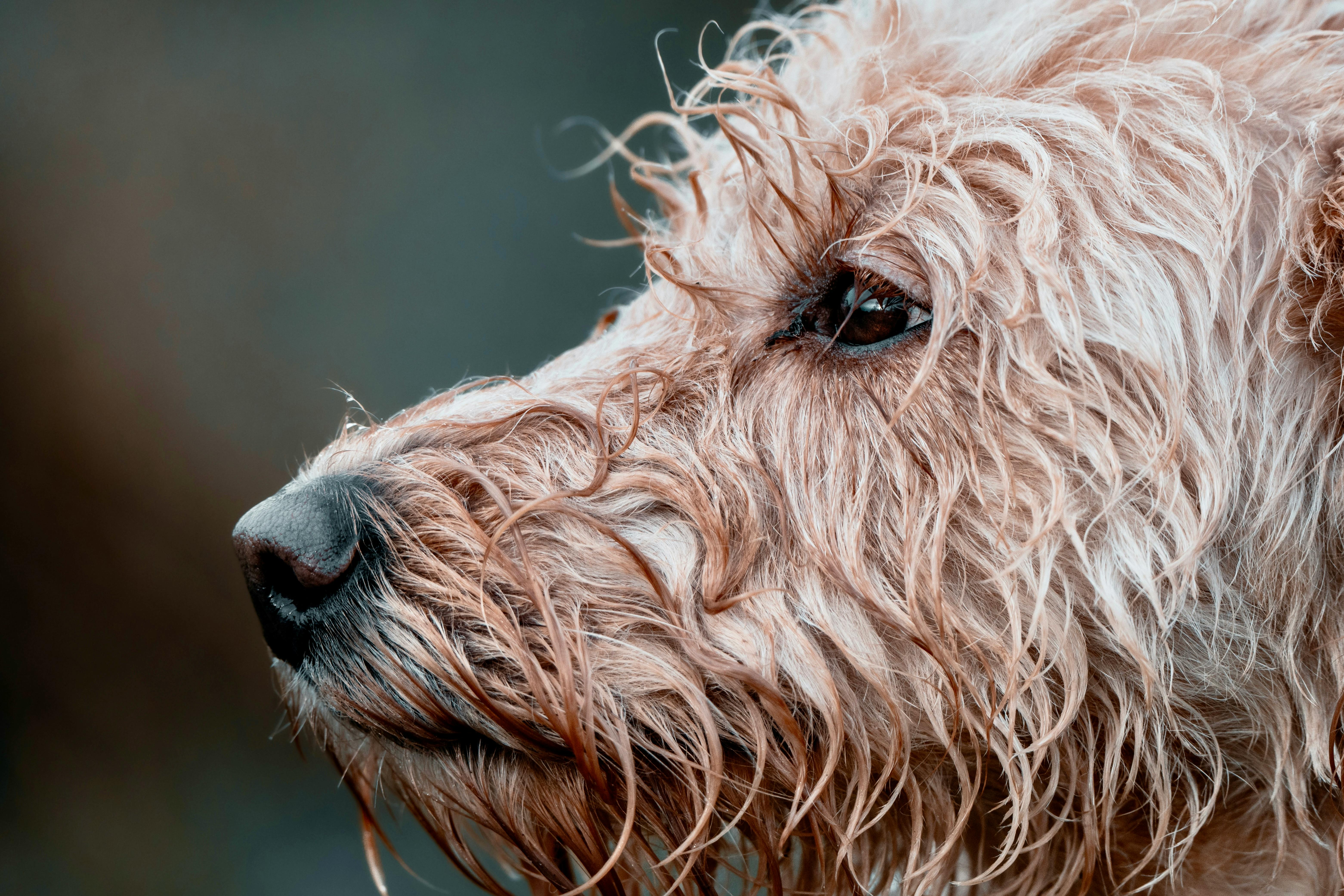
The wet noses of dogs have always puzzled many pet owners and animal lovers alike. It’s a common sight to see our furry friends with their noses slightly glistening and moist, but have you ever wondered why? What’s the science behind this phenomenon? Let’s delve into the reasons dogs have wet noses and discover the fascinating truth behind this unique aspect of their biology.
The Role of a Dog’s Nose
Dogs have a highly developed sense of smell, which is said to be between 10,000 to 100,000 times more acute than humans. Their noses are not just for show; they serve a vital purpose in their daily lives. A wet nose helps enhance their olfactory capabilities. When the nose is damp, it can trap scent particles more efficiently. So, this little detail is more than just cute; it’s crucial for their survival and interaction with the world.
Why Are Dogs’ Noses Damp?
There are several reasons why dogs’ noses remain wet:
- Moisture Regulation: Dogs sweat very little through their skin. Instead, they rely on their noses to help regulate body temperature. A cool, moist nose can help keep their body temperature in check.
- Scent Detection: Wet noses can absorb scent particles from the air better than dry noses. This is why you might notice your dog sniffing around more when their nose is wet.
- Health Indicator: A wet nose is often associated with good health. It means the dog is hydrated and can smell well. Conversely, a dry or cracked nose might indicate health issues, like dehydration or a fever.
- Behavioral Aspect: Dogs use their noses to communicate with other dogs. A wet nose can signify a friendly approach, making them more approachable to other animals.
Historical Context of Dog Noses
The evolution of dogs has led to the development of their unique noses. While the exact timeline is complex, it’s believed that domesticated dogs have been around for over 15,000 years. The ancestors of modern dogs had wet noses, which likely helped them hunt and find food. Over generations, these traits were passed down, making wet noses a characteristic feature of dogs today.
Fun Facts About Dogs’ Noses
- Dogs have unique nose prints, just like human fingerprints. Each dog’s nose print is distinct, and it can be used for identification.
- The wetness of a dog’s nose can actually change throughout the day. Factors like temperature, humidity, and activity level can all affect how moist their noses are.
- Some breeds, like the Bloodhound, have even more developed olfactory senses, making their noses even wetter and more effective for tracking scents.
Differences Between Dog Breeds
Not all dog noses are the same, and some breeds have wetter noses than others. Here’s a quick look at how different breeds stack up:
| Breed | Nose Wetness | Smell Sensitivity |
|---|---|---|
| Bloodhound | Very Wet | Extremely High |
| Labrador Retriever | Moderately Wet | High |
| Pug | Slightly Damp | Moderate |
| Chihuahua | Rarely Wet | Moderate |
Practical Examples of Nose Functionality
Dogs use their noses for various practical tasks:
- Tracking: Police and rescue dogs utilize their noses to track scents from missing persons or detect illegal substances.
- Herding: Working dogs, like Border Collies, use their noses to gather and control livestock.
- Hunting: Many sporting breeds have been bred specifically for their ability to sniff out game.
- Detection: Service dogs can be trained to detect medical conditions like low blood sugar or seizures by sniffing their owners.
Conclusion
So, the next time you marvel at your dog’s wet nose, remember that it’s not just an adorable trait but a complex, functional part of their biology. Understanding why dogs have wet noses can help strengthen the bond between you and your furry companion. It’s a little reminder of how unique and fascinating dogs truly are in their own right, and how their evolutionary traits continue to play a significant role in their lives today.
5 Incredible Functions of a Dog’s Wet Nose That You Didn’t Know About
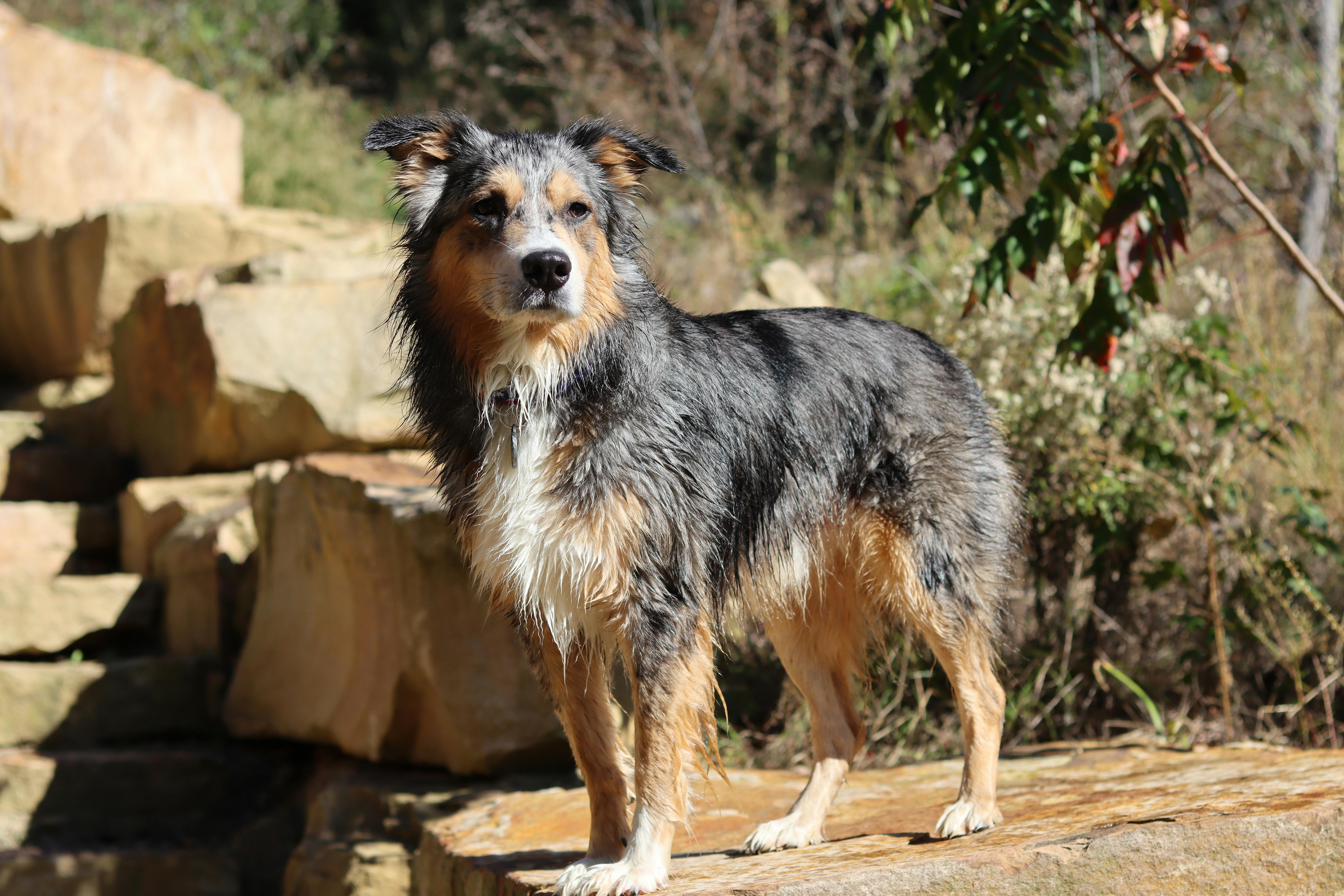
Have you ever wondered why dogs have wet noses? It’s one of those quirks that make our furry friends so unique. But, believe it or not, there’s more to a dog’s wet nose than just being cute or a little slimy. In fact, there are incredible functions that many people don’t know about. Let’s take a look at five fascinating reasons why your pup’s nose is always moist.
1. Temperature Regulation
Dogs don’t sweat like humans do. Instead, they cool themselves down through panting and their noses. A wet nose can help regulate their body temperature. When a dog’s nose is wet, it helps to evaporate moisture, which cools the blood vessels right beneath the surface. This is especially important in hot weather or when they’ve been playing hard.
- Dogs have around 300 million smell receptors in their noses.
- Humans have about 5 million.
- That’s why dogs can pick up on scents and temperature changes much better than we can.
2. Enhanced Sense of Smell
Here’s another amazing fact, the moisture on a dog’s nose helps to trap scent particles. When they sniff, the wetness picks up the scent molecules and brings them to the olfactory receptors. This means that a dog can detect scents much better when their nose is moist.
- Dogs can identify smells in parts per trillion.
- They can even detect certain diseases like cancer or diabetes through smell.
This ability makes them excellent companions in various roles like service dogs, search and rescue, and even therapy animals.
3. Communication Tool
Did you know that a dog’s nose can also be a way of communicating? When dogs greet each other, they often sniff each other’s noses. This behavior helps them gather information about one another, such as their health, mood, and even what they’ve eaten. So, when your dog sticks their nose in another dog’s face, they’re just saying “Hello!” in their own unique way.
- Dogs have unique nose prints, much like human fingerprints.
- Each dog’s nose print can be used to identify them!
4. Health Indicator
A dog’s nose can actually indicate its health status. Many pet owners might notice changes in their dog’s nose and wonder what’s going on. If a dog’s nose is excessively dry or cracked, it could signal dehydration or an underlying health issue. On the contrary, if a dog’s nose is too wet and accompanied by other symptoms, it might indicate an illness.
- Normal dog nose temperatures range from 101 to 102.5 degrees Fahrenheit.
- A vet should be consulted if there are drastic changes in moisture or temperature.
5. The Evolutionary Advantage
Historically, dogs evolved from wolves, who relied on their keen sense of smell for hunting and survival. The wetness of their noses is a trait that has been passed down through generations. It’s an evolutionary advantage that has helped dogs thrive in various environments. A moist nose not only helps with smell but also keeps them aware of their surroundings, which was crucial for wild ancestors.
- Wolves, just like domestic dogs, have wet noses.
- This trait has remained crucial for their survival and adaptation.
Dogs are amazing creatures, and their wet noses are just one of the many fascinating features they have. Understanding these functions can enhance the bond you share with your furry friend. Next time you see your dog with their wet nose, realize it’s doing a lot more than just looking cute. It’s a multifunctional tool for survival, communication, and health awareness.
Whether you have a playful puppy or a wise old dog, embracing their quirks like a wet nose can help create a deeper connection. Each time you pet your dog, remember the incredible science behind their moist little noses and how it enriches their lives and yours.
How a Wet Nose Helps Dogs Detect Smells: The Surprising Truth Revealed
Dogs are often regarded as man’s best friend, but did you ever stop to think about how they’re capable of detecting smells so well? One of the most intriguing aspects of their anatomy is their wet noses. So, why do dogs have wet noses? It turns out, this moisture plays a vital role in their ability to sniff out scents. Lets dive into the fascinating truth behind those damp noses and discover how they help dogs detect smells.
The Science Behind Wet Noses
Dogs have a unique olfactory system that is far superior to humans. While humans have about 6 million olfactory receptors, dogs boast an astonishing 220 million! This incredible difference allows them to detect smells in ways we can’t even imagine. But the wetness of their nose is not just for show. It serves several important purposes.
- Enhanced Olfactory Reception: The wet surface of a dog’s nose helps to trap scent particles. When the nose is moist, it can absorb more odor molecules, which makes it easier for dogs to identify different scents.
- Temperature Regulation: Just like humans sweat to cool down, dogs use their noses to help regulate their body temperature. The moisture evaporating from their nose helps to cool them off.
- Communication: Dogs can communicate with each other through their sense of smell. The moisture on their nose helps them pick up pheromones and other scent signals from fellow canines.
Why Are Dog Noses Wet?
You might be wondering, why do dogs have wet noses in the first place? Well, their noses are moist due to a combination of factors:
- Mucous Glands: Dogs have mucous glands in their noses that produce a thin layer of moisture. This keeps their noses damp and enhances their ability to smell.
- Environmental Factors: A dog’s nose can become wetter in humid conditions. This is because moisture in the air can mix with the natural oils and mucus on their nose, making it more effective for scent detection.
- Health Indicators: A wet or dry nose can indicate a dog’s health. A consistently dry nose may signal dehydration or illness, while a wet nose is usually a sign of a healthy dog.
Historical Context of Dog’s Sense of Smell
Dogs have been companions to humans for thousands of years and have played significant roles in various cultures. Historically, they have been utilized for hunting, herding, and even as therapy animals. Their incredible sense of smell has been harnessed in various fields, including:
- Search and Rescue: Dogs are trained to locate missing persons in disaster zones.
- Detection Work: Canines are used in police work to sniff out drugs, explosives, and even certain diseases.
- Hunting Companions: Many hunters rely on dogs to track and retrieve game due to their superior olfactory capabilities.
Fun Facts About Dog Noses
Here are some interesting tidbits about dog noses that might surprise you:
- Unique Nose Prints: Just like human fingerprints, each dog’s nose print is unique. This means that it could potentially be used to identify them.
- Nose Temperature: A dog’s nose can be cooler than the rest of its body, which can help regulate its temperature during warm weather.
- Nasal Turbinates: Dogs have intricate structures in their noses called nasal turbinates which help them sniff out and filter scents more effectively.
Practical Applications of a Dog’s Sense of Smell
The incredible sense of smell that dogs possess is not just for show. It has real-world applications that benefits humans, including:
- Medical Detection: Dogs can be trained to detect certain types of cancer and other diseases through scent.
- Therapy Animals: Their sense of smell can help them read human emotions, which is why dogs are often used in therapeutic settings.
- Detection of Bed Bugs: Some dogs are trained specifically to detect bed bugs and other pests in homes and hotels.
In summary, the wet noses of dogs serve multiple functions that enhance their ability to detect smells, regulate temperature, and communicate. This unique anatomical feature has evolved over time, providing dogs with a remarkable sense of smell that benefits both them and their human companions. So next time you see a dog with a wet nose, you might just appreciate it a little more.
The Connection Between a Dog’s Health and Its Moist Nose: What Pet Owners Must Know
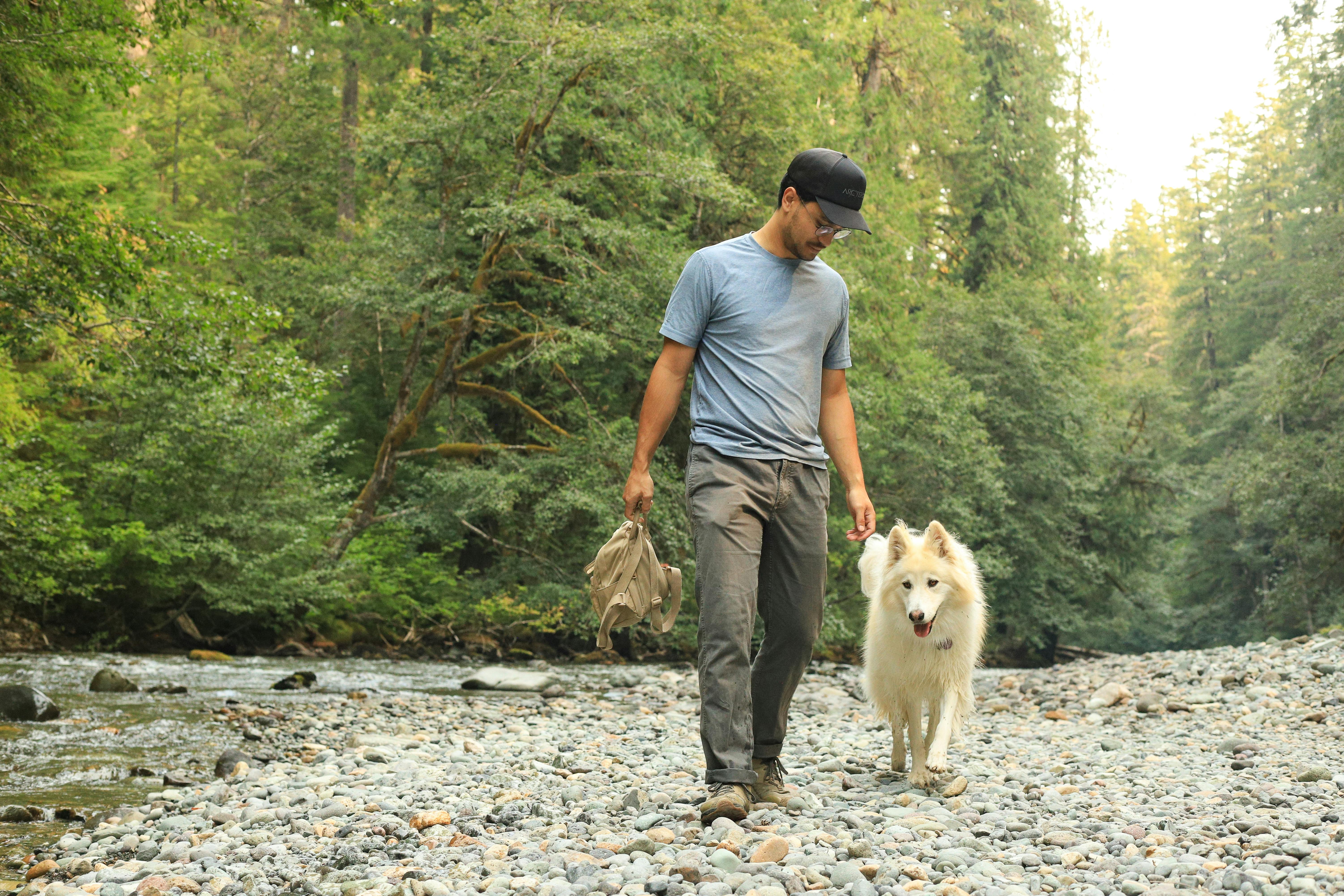
The connection between a dog’s health and its moist nose is something many pet owners often wonder about. Have you ever been curious why do dogs have wet noses? This fascinating trait is not just an adorable quirk; it also serves important functions in a dog’s health and well-being. Let’s explore the reasons behind this common characteristic and what it can mean for your furry friend.
Why Do Dogs Have Wet Noses?
Dogs noses are usually wet for a few reasons. The moisture helps them sense the world better. Their noses are packed with scent receptors, and when it’s wet, it can absorb more scent particles. This is one way dogs can smell things far better than humans. Some of the reasons why dogs have wet noses include:
Regulating Temperature: Dogs don’t sweat like humans do. Instead, they rely on their noses to help cool down their bodies. A wet nose can help to regulate their body temperature.
Scent Detection: A moist surface can capture odors better than a dry one. This means that a wet nose is actually a tool for them to detect scents more effectively.
Health Indicator: Changes in the moisture of a dog’s nose can sometimes indicate health issues. A dry nose or a sudden change in moisture levels might be a sign of dehydration or illness.
What Factors Influence a Dog’s Nose Moisture?
Several factors can influence how wet or dry a dog’s nose is. Here are some of them:
Weather: On hot days, a dog’s nose might become drier. Conversely, on humid days, it can be more moist.
Health: A dog’s overall health can affect its nose. If a dog is sick or dehydrated, its nose might feel dry.
Activity Level: After playing or exercising, a dog’s nose may dry out. But it usually returns to normal soon after resting.
The Myths and Misconceptions About Dog Noses
There are quite a few misconceptions about dog noses that need to be cleared up. Some common myths include:
A Dry Nose Means a Sick Dog: While a dry nose can indicate illness, it’s not a definitive sign. Other factors will determine health.
All Dogs Have Wet Noses: Not all dogs have the same nose moisture. Breeds can vary; some breeds may naturally have drier noses.
Nose Color Relates to Health: The color of a dog’s nose (black, brown, etc.) does not indicate its health status.
Practical Tips for Pet Owners
As a pet owner, keeping an eye on your dog’s nose can help you spot potential health problems early. Here are some practical tips:
Check Regularly: Make it a habit to check your dog’s nose. Look for changes in moisture, color, and texture.
Stay Hydrated: Ensure your dog always has access to fresh water. Dehydration can lead to a dry nose and other health issues.
Watch for Other Symptoms: If you notice a dry nose along with other symptoms like lethargy, vomiting, or changes in appetite, it’s time to see a vet.
When to Consult a Veterinarian
If your dog’s nose appears consistently dry or changes dramatically, it might be worth a trip to the vet. Here are some signs that warrant a visit:
Persistent Dryness: If the dryness doesn’t go away after a day or two.
Cracking or Bleeding: If the nose is not just dry but also cracked or bleeding, that could indicate a serious issue.
Other Symptoms: If there are additional signs like loss of appetite, vomiting, or unusual lethargy.
Fun Facts About Dog Noses
Did you know that dog noses have unique patterns, much like human fingerprints? Here are some more interesting tidbits:
Scent Sensitivity: Dogs can detect certain scents up to 100,000 times better than humans can.
Temperature Regulation: Dogs have sweat glands in their noses, which help with cooling down.
Nose Prints: Some organizations have even begun to use nose prints as a form of identifying dogs.
Understanding the connection between a dog’s health and its moist nose is crucial for pet owners. It’s not just a cute feature; it plays a vital role in their overall well-being. Keeping an eye on this simple, yet important aspect can lead to better health outcomes for your furry friends. So next time when you pet your dog, take a moment to appreciate that wet nose and all it signifies!
Wet Noses and Canine Communication: How Dogs Use Their Senses to Connect
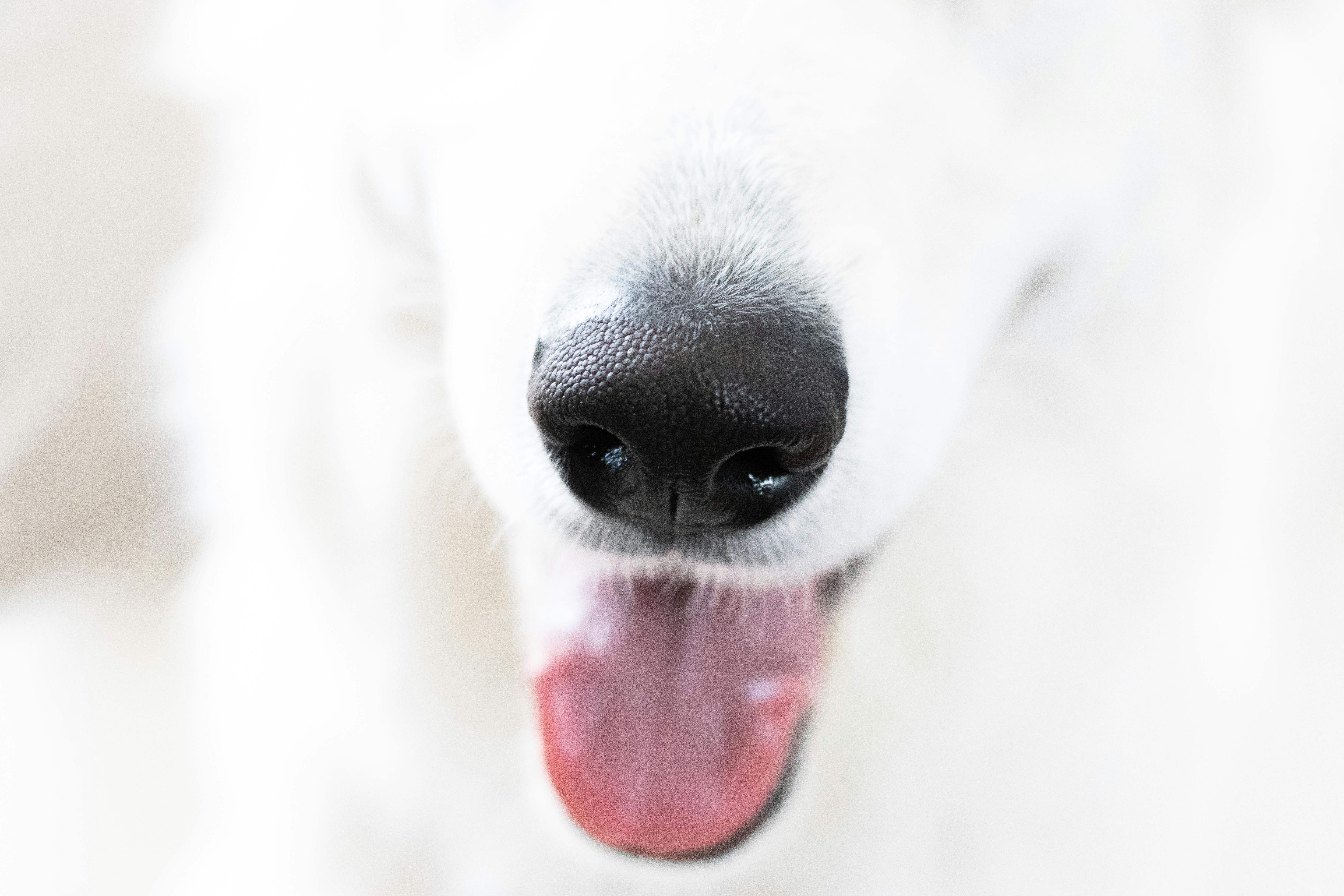
Dogs are often called man’s best friend, and there’s a good reason for it. But have you ever wonder why do dogs have wet noses? This question goes beyond just a quirky characteristic. It opens up a fascinating world of canine communication and sensory perception that helps dogs connect with the world around them.
The Science Behind Wet Noses
Wet noses serve several important functions for dogs. First, they help in scent detection. A dog’s nose is a highly developed organ, containing up to 300 million olfactory receptors, compared to a human’s mere 5 million. The moisture on a dog’s nose enhances its ability to pick up scents, making them exceptional at detecting odors.
- Scent receptors: 300 million in dogs vs. 5 million in humans
- Moisture: Helps to absorb scent particles
- Temperature regulation: Wet noses help cool dogs down
How Dogs Communicate with Their Senses
Dogs don’t just rely on their hearing or sight like humans do. They use a combination of senses to communicate and understand their environment which is pretty amazing. Their noses, ears, and even their body language all contribute to their ability to connect with humans and other animals.
- Smell: Dogs can detect scents in parts per trillion, which is insane. They can find missing persons, detect drugs, and even sense medical conditions in humans.
- Hearing: Dogs can hear sounds at frequencies as high as 65,000 Hz, while humans can only hear up to about 20,000 Hz. This allows dogs to hear higher-pitched sounds, like a dog whistle, that humans can’t perceive.
- Body Language: Dogs communicate through posture, tail wagging, and facial expressions. For instance, a dog that wags its tail high and fast is usually feeling friendly, while a low wag can indicate uncertainty or submission.
Why Do Dogs Have Wet Noses?
The question, “why do dogs have wet noses?” leads us to understand not only their biology but also their psychology. Here’s a breakdown of the reasons:
Enhanced Smell: As mention, moisture helps capture scent particles, making it easier for dogs to detect and interpret smells.
Health Indicator: A wet nose can signal a healthy dog. When a dog is sick or dehydrated, their nose may become dry.
Thermoregulation: Dogs do not sweat like humans. Instead, they pant and rely on their noses to help cool themselves down, as moisture evaporates off their noses.
Social Interaction: Dogs often greet each other with nose-to-nose contact. A wet nose can be a friendly gesture, indicating that they are approachable and safe.
Fun Facts About Dog Noses
Unique Patterns: Just like human fingerprints, every dog’s nose print is unique. This can be used to identify them, although it’s not common practice.
Color Changes: A dog’s nose can change color due to seasonal changes or health issues, which might indicate a need for a vet visit.
Temperature Sensitivity: Dogs can detect changes in temperature through their noses. This sensitivity makes them great for detection work.
Practical Examples of Canine Communication
Understanding how dogs communicate with their noses and other senses can enhance our relationship with them. Here’s a quick guide on how to interpret their signals:
Sniffing: If your dog is sniffing around, it might be trying to gather information about its environment, or it could be looking for something specific, like food or a fellow canine.
Nose Nudging: When a dog nudges you with its wet nose, it might be seeking attention or affection.
Tail Wagging: A wagging tail can mean different things; high and fast usually means excitement, while slow wagging might indicate uncertainty.
Summary of Canine Communication
Dogs are remarkable creatures with complex ways of communicating. Their wet noses play a vital role in how they interact with their environment and with us. Here is a summarized list of important points:
- Olfactory power: Dogs’ noses are a key to a world of scents.
- Health signs: A wet nose can be a health checker.
- Social cues: Dogs use their noses for social interactions.
Understanding these aspects of canine communication can help dog owners foster stronger bonds with their furry companions. Next time you ask, “why do dogs have wet noses?” remember that it’s not just a feature; it’s an essential part of how dogs experience and navigate their world.
Is Your Dog’s Nose Too Wet? Understanding the Signs of Health Issues

Is your dog’s nose too wet? Many dog owners often wonder about this, and it’s not just a random thought. A wet nose is generally seen as a sign of good health in dogs, but it can also mean something else. Understanding the signs of health issues is important. So, why do dogs have wet noses anyway? Let’s dive into the fascinating truth behind this common trait.
The Science of a Dog’s Nose
First off, a dog’s nose is covered in a thin layer of moisture. This moisture helps them to detect scents better. Dogs have an incredible sense of smell, and their noses are designed to absorb scent particles. When a dog’s nose is wet, it can pick up more smells, which is why you’ll often see them sniffing around.
- Nasal Mucus: The moisture on a dog’s nose comes from mucus. It helps to trap scent particles and makes it easier for the dog to analyze smells.
- Temperature Regulation: Wet noses also help dogs to cool down. Just like sweating in humans, dogs can regulate their body temperature through their noses.
Why Do Dogs Have Wet Noses?
So, why is it that dogs have such wet noses? There are several reasons linked to their biology and behavior.
- Enhanced Sense of Smell: As mentioned, the wetness helps with smell. Dogs can detect scents up to 100,000 times better than humans.
- Health Indicator: A wet nose is often a sign of a healthy dog. However, if it’s excessively dry or cracked, it could indicate health problems.
- Social Interaction: Dogs often use their noses to communicate with each other. A wet nose can signal friendliness and curiosity.
Recognizing Health Issues Through Nose Condition
You might be wondering, when should you be concerned about your dog’s wet nose? Here’s what to look out for:
- Dry Nose: If your dog’s nose is unusually dry, it may indicate dehydration or fever.
- Cracked Nose: This could be a sign of allergies or skin conditions that need attention.
- Excessive Wetness: A constantly dripping nose may be a symptom of a respiratory infection or other health issues.
What to Do If You Notice Changes
If you see any changes in your dog’s nose, like it turning dry or cracked, or if it is excessively wet, it’s smart to consult a veterinarian. Here’s a quick checklist:
- Check for Other Symptoms: Look for signs like coughing, lethargy, or loss of appetite.
- Keep Them Hydrated: Make sure your dog has access to fresh water at all times.
- Observe Behavior Changes: If your dog is acting differently, it’s a red flag.
Fun Facts About Dog Noses
- Unique Patterns: Just like human fingerprints, no two dog noses are alike. Each pattern is unique to the individual dog.
- Heat Detection: Dogs can sense heat and warmth through their noses, which can help them locate prey in the wild.
- Breed Differences: Different breeds may have different nose types. For instance, brachycephalic breeds like Bulldogs often have shorter noses, which can affect their ability to cool down.
How to Maintain Nose Health
Keeping your dog’s nose healthy is important for their overall well-being. Here’s how you can help:
- Regular Vet Checkups: Schedule regular visits to the vet to ensure your dog’s nose and overall health are in good shape.
- Hydration: Always provide plenty of fresh water and consider adding wet food to their diet for extra moisture.
- Skin Care: If your dog is prone to dry skin, consider using a pet-safe moisturizer.
When to Seek Veterinary Help
If you notice persistent symptoms that don’t seem to improve, it’s essential to seek veterinary help. Here are some signs that it’s time to visit the vet:
- Persistent dryness or cracking on the nose
- Discharge that is colored or has an unusual odor
- Change in appetite or energy levels
Dogs are beloved companions, and their health is crucial to their happiness and yours. Understanding the reasons behind their wet noses can help you take better care of them. Keeping an eye on their nose condition can be a good indicator of their overall health. If in doubt, always consult with a veterinarian to ensure your furry friend is well taken care of. Regular checkups can make a world of difference!
The Evolutionary Advantage of a Wet Nose: Why Nature Chose This Design for Dogs

Dogs are truly amazing creatures, and one of their most intriguing features is their wet nose. Ever wondered why do dogs have wet noses? Let’s dive into the evolutionary advantage of this unique design and uncover the fascinating truth behind it.
The Science Behind a Dog’s Wet Nose
First off, let’s get to the basics. A dog’s nose is wet for a reason. The moisture helps them to smell better. Their sense of smell is incredibly strong — estimates say dogs can smell 10,000 to 100,000 times better than humans. When their nose is wet, it catches more scent particles from the air, helping them to identify scents more efficiently.
- Moisture Increases Smell Sensitivity: The wetness on a dog’s nose enhances the ability to absorb scent particles.
- Cooling Mechanism: Wet noses also help dogs cool down. Just like sweating in humans, this moisture evaporates and helps regulate body temperature.
- Health Indicator: A wet nose can indicate a dog’s health; often, a dry nose might signal illness or dehydration.
Evolutionary Perspective
Now, let’s talk about why nature might have chosen this design. Evolutionarily, dogs, or canines in general, developed this wet nose trait to survive and thrive in their environments.
- Hunting and Foraging: In the wild, dogs needed to hunt for food. A wet nose would have given them the edge in tracking prey.
- Social Interactions: Dogs use their noses to communicate with each other. The wetness can also help in identifying pheromones, which is essential for social behavior in packs.
It’s believed that over time, dogs with wet noses had greater success in hunting and social interactions, which led to better survival rates.
Historical Context
The history of domesticated dogs is packed with fascinating details. Dogs were domesticated from wolves thousands of years ago. These early dogs likely had wet noses, as their ancestors did, which helped them in the wild.
- Domestication Timeline:
- 20,000 to 40,000 years ago: Dogs began to diverge from wolves.
- 15,000 years ago: Evidence of dogs living with humans appears.
As humans started to settle and form communities, dogs became partners in hunting, guarding, and companionship. Their wet noses played a key role in those partnerships.
Fun Facts About Dog Noses
- Dogs have about 300 million smell receptors in their noses, compared to about 6 million in humans.
- The surface area of a dog’s nose is about 40 times greater than that of a human.
- Each dog has a unique nose print, much like a human fingerprint.
Why Do Dogs Have Wet Noses?
So, to summarize some points:
- Enhanced Smell: A wet nose helps dogs catch more scent particles.
- Temperature Regulation: The moisture helps in cooling their body.
- Health Indicator: A wet nose can signal a healthy dog.
Practical Examples
Consider this: when you take your dog for a walk, they often stop to sniff the ground. This behavior isn’t just random; it’s their way of gathering information about their environment.
- Detecting Other Animals: Dogs can tell what other animals have been in the area and even their mood based on scent.
- Tracking Scents: Police and search-and-rescue teams use dogs for tracking scents, showcasing the importance of a dog’s wet nose.
Dogs’ noses are not just cute; they are vital tools for their survival and interaction with the world.
In the world of dogs, their wet noses are more than just a feature; they are essential for their existence, communication, and health. The evolutionary advantage of a wet nose is not just a random trait, but rather a carefully designed feature that has benefitted dogs throughout history. Understanding why do dogs have wet noses gives us a deeper appreciation for these loyal companions. So, next time you give your dog a pat and feel that wet nose, remember the fascinating history and science behind it!
Can a Dog’s Nose Temperature Indicate Illness? Discover the Fascinating Link!

Dogs are known for many things. Their loyalty, playfulness, and of course, those adorable wet noses! But have you ever wonder if a dog’s nose temperature can indicate illness? And why exactly do dogs have wet noses anyway? Let’s dive into the fascinating world of canine health and learn more about these questions!
Can a Dog’s Nose Temperature Indicate Illness?
The temperature of a dog’s nose can be an interesting topic. Many pet owners often think that a cool, wet nose is a sign of good health, while a warm, dry nose might mean something is wrong. But is that really true?
Normal Nose Temperature: Generally, a dog’s normal body temperature ranges from 101°F to 102.5°F (about 38.3°C to 39.2°C). However, the nose itself can have different temperature depending on various factors.
Illness Indicators:
- Warm, Dry Nose: A warm and dry nose could suggest fever, which could indicate illness. But it doesn’t always mean that your dog is sick.
- Cool, Wet Nose: A wet nose is often associated with a healthy dog. But, if it becomes excessively wet, it could be a sign of other issues.
- Behavior Changes: It’s important to note that a dog’s behavior is a more reliable indicator of health than just its nose. If your dog is acting differently, it’s time to consult a veterinarian.
Other Factors to Consider:
- Environment: Weather conditions can impact your dog’s nose temperature. Hot weather can lead to a dryer nose.
- Activity Level: After playtime, a dog’s nose might feel different due to increased activity levels.
Why Do Dogs Have Wet Noses?
Now, let’s talk about the wet noses! Have you ever wonder why dog noses are always moist? It’s not just for show; there’s actually some science behind it.
Scent Detection: Dogs have an extraordinary sense of smell, which is about 10,000 to 100,000 times more acute than humans. A wet nose helps to trap scent particles more effectively. This moisture enhances their olfactory abilities, allowing them to detect various smells in their environment.
Temperature Regulation: Just like humans sweat to cool down, dogs use their noses to help regulate body temperature. The moisture on their noses can evaporate, which can help cool them down.
Health Indicator: A wet nose can also be an indicator of a dog’s overall health. If a dog’s nose becomes excessively dry or cracked, it could be a signal of dehydration or other health issues.
Fun Facts About Dog Noses
- Unique Patterns: Just like human fingerprints, every dog has a unique nose print! This can actually be used for identification.
- Nose Color: The color of a dog’s nose can vary based on breed and genetics. Some dogs have spots or patches on their noses.
- Nasal Passages: Dogs have complex nasal passages that allow them to process smells in a very unique way. They have a special area in their noses that enhances their scent detection.
Signs to Watch For
When monitoring your dog’s health, it’s useful to look for these signs along with their nose temperature:
- Change in Appetite: If your dog suddenly stops eating, it could indicate a health issue.
- Lethargy: If your dog seems less energetic than usual, consider getting them checked out.
- Excessive Thirst: Drinking more water than usual can be a sign of various health problems.
- Coughing or Sneezing: Respiratory issues can be indicated by frequent coughing or sneezing.
Quick Tips for Dog Owners
- Regular Vet Check-ups: Schedule regular vet visits to catch any health issues early.
- Observe Behavior: Keep an eye on your dog’s habits and behavior changes; they can be key indicators of health.
- Hydration: Ensure your dog has access to fresh water, especially in warmer months to prevent dehydration.
Understanding your dog’s health involves more than just checking their nose. While a dog’s nose temperature can give some clues, it is far more important to observe their overall behavior and health. If you’re ever in doubt about your dog’s health, always consult with a veterinarian to get the best advice for your furry friend. After all, your dog’s well-being is what matters the most!
7 Fun Facts About Dog Noses: Why Wetness Matters for Our Furry Friends
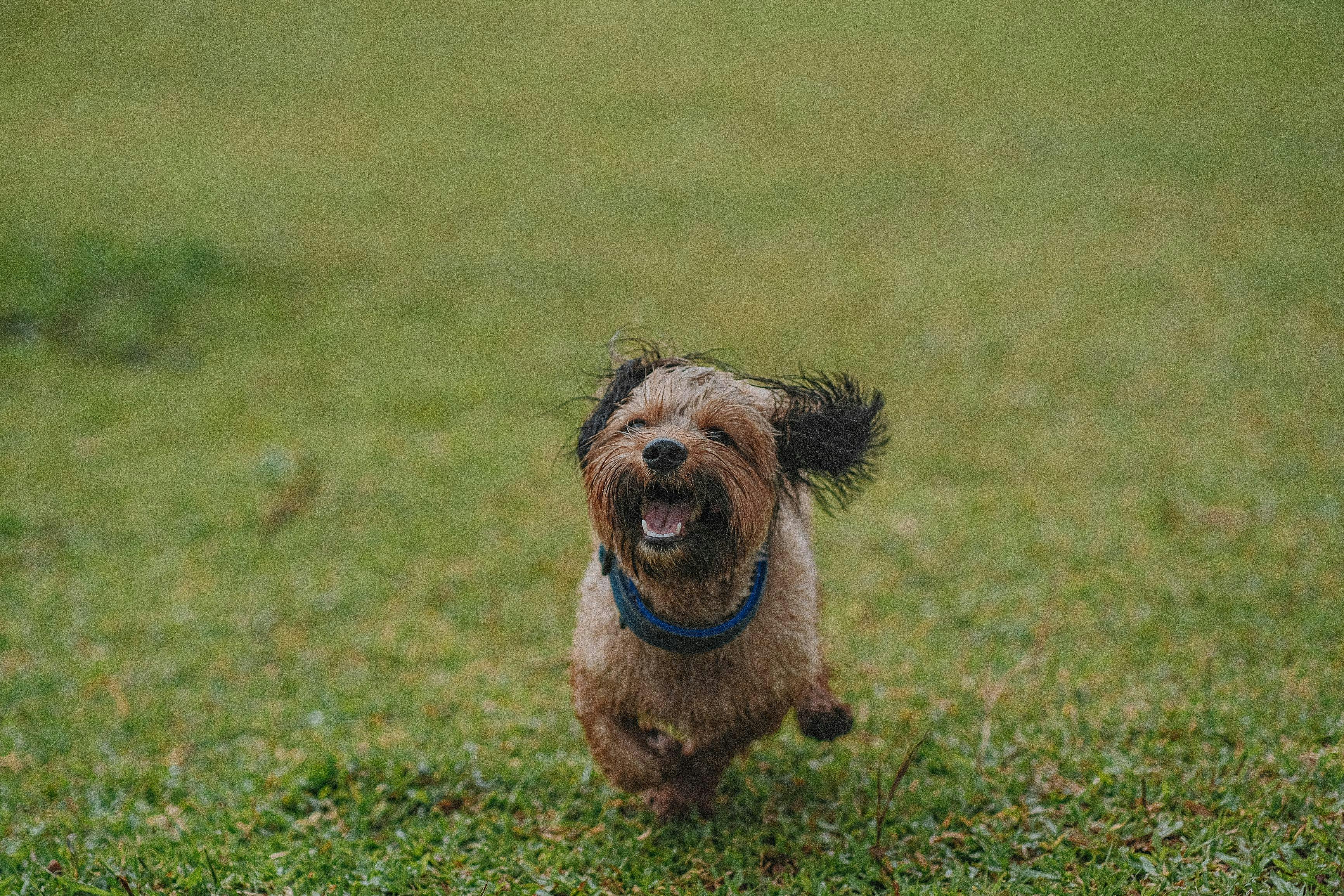
Dogs are known for many things—loyalty, playfulness, and their undeniable cuteness. But one of the most fascinating features about dogs is their noses. Have you ever wondered why do dogs have wet noses? Well, let’s dive into some fun facts and uncover the unique characteristics of our furry friends’ noses, and why that wetness is so important!
1. The Science Behind Wet Noses
Dog noses are often wet, and this is not just a random occurrence. A dog’s wet nose helps enhance its sense of smell. The moisture on a dog’s nose captures scent particles, which makes it easier for them to identify different smells. Interestingly, a dog’s sense of smell is estimated to be 10,000 to 100,000 times more sensitive than that of humans!
2. Temperature Regulation
Did you know that a dog’s nose also helps in regulating their body temperature? When dogs pant, they lose moisture, and their wet noses help them cool down. This is similar to how sweat works for humans. A dog’s body can get hot, especially after playing outside or during hot weather, so having a wet nose can provide a little relief.
3. Variety of Nose Shapes and Sizes
Not all dog noses are created equal! Just like humans have different nose shapes, so do dogs. Here’s a quick comparison of various dog breeds and their nose characteristics:
- Bloodhound: Long and droopy, making it perfect for scent tracking.
- Bulldog: Short and flat; it may not have the best sense of smell but is oh-so-cute!
- Greyhound: Long and narrow; they can detect scents from far away.
Each breed has adapted their noses to suit their lifestyles and hunting needs.
4. A Dog’s Nose is Unique
Have you ever heard that dog noses are like human fingerprints? It’s true! Each dog has a unique nose print. The patterns and ridges on their noses can be used to identify them. Some pet owners even consider getting their dog’s nose print as a form of ID!
5. Nose Color and Health Indicators
The color of a dog’s nose may also tell you something about its health. Generally, a healthy dog will have a moist, cool nose. If a dog’s nose turns dry and cracked, it could be a sign of dehydration or illness. Here’s a quick list of nose conditions to watch for:
- Dry and Cracked: Possible dehydration or allergies.
- Excessively Wet: Could indicate a respiratory issue.
- Discolored: Might require a vet visit to rule out any serious health problems.
6. Dogs and Their Sense of Smell
Dogs have an extraordinary ability to smell. While humans have about 5 million scent receptors, dogs have anywhere from 220 million to 300 million! This incredible olfactory system allows dogs to detect certain diseases, such as cancer or diabetes, just by sniffing a person.
7. Social Interactions and Communication
Dog noses play a significant role in how they communicate with each other. When dogs meet, they often sniff each other’s noses as a way of gathering information. This is similar to how humans might shake hands or greet each other. It’s their way of saying hello and understanding who they are meeting.
Fun Facts Summary
- Dog noses are wet to capture scent particles.
- They help regulate body temperature.
- Various breeds have different nose shapes.
- Each dog has a unique nose print.
- Nose color can indicate health issues.
- Dogs have a superior sense of smell.
- Sniffing is a key part of dog communication.
In the end, the wetness of a dog’s nose is not just a cute feature; it serves multiple purposes that are crucial for their survival and well-being. Understanding why do dogs have wet noses can help you appreciate these amazing animals even more. Next time you give your furry friend a scratch behind the ears, take a moment to marvel at that wet little nose and all the wonders it brings to your pet’s life.
How to Keep Your Dog’s Nose Healthy and Moist: Tips for Pet Owners

Caring for your furry friend is a big responsibility, and one of the most overlooked areas is their nose. Many pet owners wonder, “How to keep your dog’s nose healthy and moist?” A dog’s nose is not only cute but also plays a vital role in their overall health. Understanding the reasons behind why dogs have wet noses can help you take better care of your beloved pet. Let’s dive into the fascinating world of canine noses!
Why Do Dogs Have Wet Noses?
Dogs have wet noses for several reasons, and it’s not just for show. A wet nose helps dogs in many ways:
Enhanced Smell: A moist nose can capture scent particles better, making it easier for dogs to smell. This is because moisture helps to dissolve the scent particles, allowing their highly developed olfactory system to pick up on more smells.
Temperature Regulation: Dogs don’t sweat like humans do. Their nose helps them cool down. The moisture evaporates, which can help lower their body temperature.
Health Indicator: The condition of a dog’s nose can be an indicator of their health. A healthy nose is typically moist and cool. If it’s dry or cracked, it could signal dehydration or other health issues.
Keeping Your Dog’s Nose Healthy and Moist
Maintaining the health of your dog’s nose should be part of your regular pet care routine. Here are some tips to ensure their nose stays moist and healthy:
Hydration is Key: Always make sure your dog has access to fresh water. Dehydration can lead to a dry nose, so keep that bowl filled!
Avoid Harsh Weather: Extremely hot or cold weather can dry out your dog’s nose. If it’s hot outside, limit their time outdoors. In the winter, consider a doggy coat or nose balm to protect them from the elements.
Use Nose Balm: There are specially formulated balms for dogs that can help keep their nose moisturized. Look for products that are natural and safe for pets. Apply a small amount to their nose when you notice it looks dry.
Regular Vet Check-ups: Routine veterinary visits are crucial. A vet can identify any underlying health issues that might cause a dry or cracked nose.
Address Allergies: Just like humans, dogs can have allergies that affect their skin and nose. If you notice your dog’s nose is persistently dry or irritated, consult with your vet about potential allergens.
Healthy Diet: A balanced diet contributes to overall health, including skin and nose health. Make sure your dog gets proper nutrition, including essential fatty acids which can help keep their skin and nose hydrated.
Common Nose Issues in Dogs
Here are some common problems you might see with a dog’s nose and what they might mean:
Dry, Cracked Nose: This could indicate dehydration, sunburn, or a skin condition. It’s important to monitor this and consult with a vet if it persists.
Nasal Discharge: If there’s a discharge that is colored or has a foul smell, it may signify an infection or other health concerns.
Nosebleeds: Frequent nosebleeds can be caused by trauma, foreign objects, or underlying health issues. If this occurs, it’s best to seek veterinary care.
Fun Facts About Dog Noses
Unique Patterns: Just like human fingerprints, every dog has a unique nose print. This can actually be used for identification!
Nose Temperature: A dog’s nose can be warmer or cooler based on various factors, including their activity level and the environment.
Scent Detection: Dogs have over 300 million smell receptors in their noses, compared to a human’s 5 million. This extraordinary ability makes dogs excellent at detection work, such as search and rescue operations.
Final Thoughts
Understanding why dogs have wet noses is just the beginning of keeping your pet healthy. By following the tips provided, you can help ensure that your dog’s nose stays moist and healthy. Regular care, attention to detail, and understanding your dog’s needs will make a significant difference in their overall well-being. So, keep that water bowl full and don’t forget to check in with your vet to keep your furry friend happy and healthy!
Conclusion
In conclusion, the wet noses of dogs serve several important purposes, ranging from enhancing their sense of smell to regulating body temperature. The moisture on their noses helps to capture scent particles, making their already keen olfactory abilities even more effective. Additionally, a wet nose plays a role in thermoregulation, allowing dogs to cool down in warmer conditions. While the texture and temperature of a dog’s nose can also indicate health, it’s essential to remember that variations can occur. Ultimately, the wetness of a dog’s nose is a fascinating aspect of their physiology that contributes to their overall well-being. Next time you greet your furry friend, take a moment to appreciate this unique feature and consider how it plays a role in their communication and interaction with the world around them. Share your thoughts or experiences in the comments below, and let’s celebrate the wonderful quirks of our canine companions!
