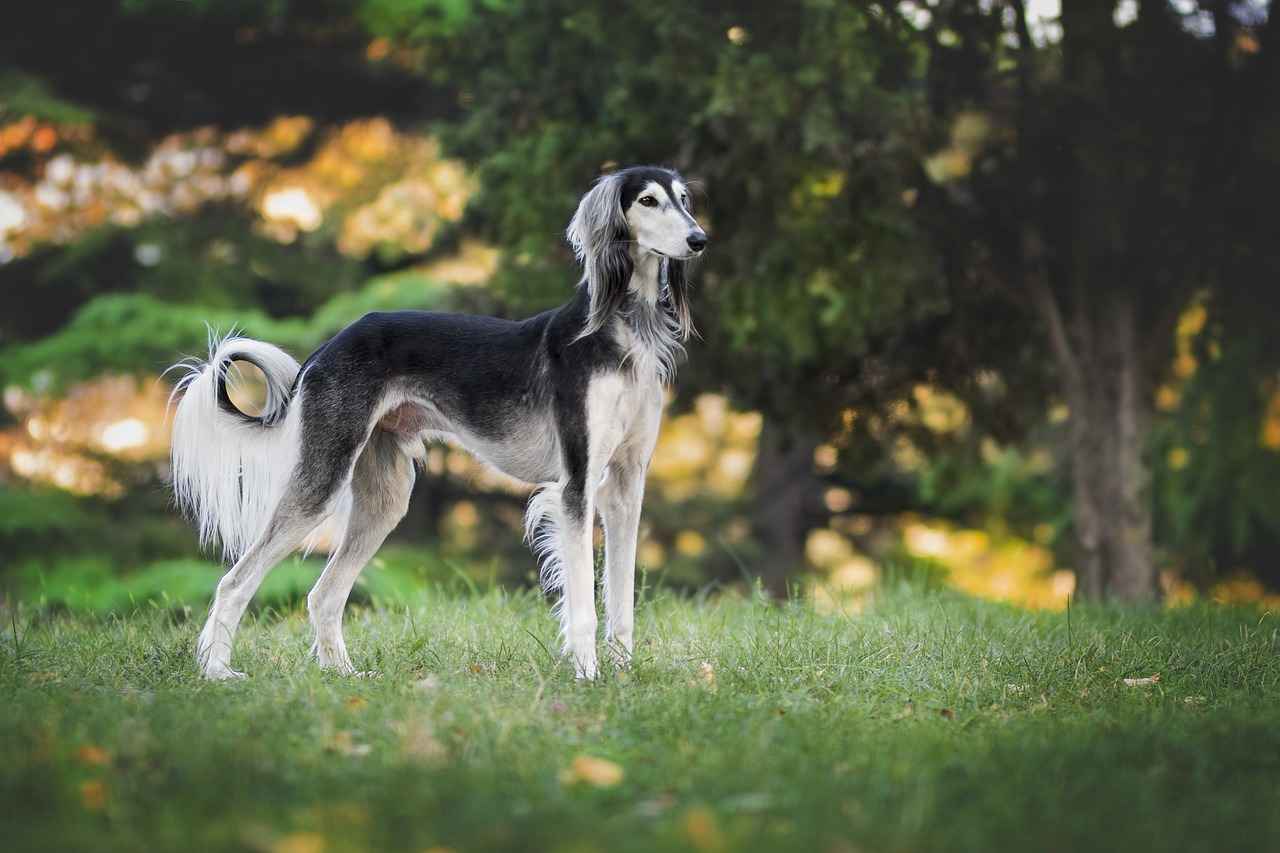
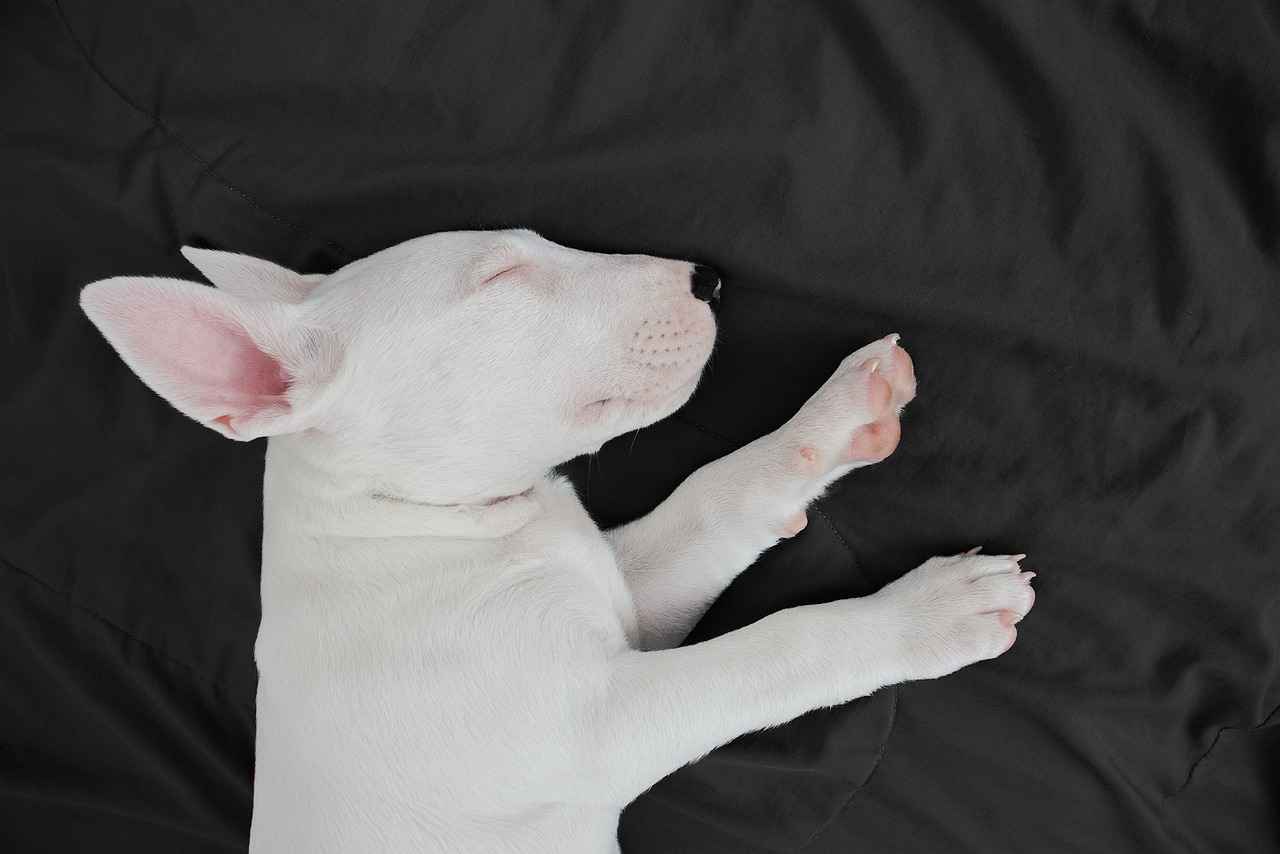
Have you ever wondered, why do dogs have wet noses? This intriguing question sparks curiosity among dog lovers and pet owners alike. The fascinating reasons behind this unique characteristic of our furry friends might surprise you! A dog's nose isn’t just cute; it serves multiple essential purposes that are vital to their health and well-being. But what exactly makes their noses so moist? Is it just a quirky trait, or does it play a significant role in their sense of smell? Understanding the science behind a dog's wet nose can deepen your appreciation for these lovable companions. Moreover, did you know that a dog's nose can also indicate their health status? In this article, we will explore the science of canine noses, uncover how it impacts their sense of smell, and discuss why a wet nose can be a sign of a happy, healthy dog! So, if you’re curious about the mysteries of dog anatomy and want to know more about your canine companion’s unique features, keep reading to discover the answers you’ve been looking for!
\n\nThe Science Behind Dog Noses: Why Are They Wet and What Does It Mean?
\n\n \n\n
\n\nDogs, they are often called man's best friend, and part of their charm is their wet noses. Ever wonder why dogs have wet noses? The answer is not just cute, but also scientifically fascinating. Let’s dive into the science behind dog noses and explore why they are wet, what it means for their health, and how it relates to their senses.
\nThe Anatomy of a Dog’s Nose
\nThe nose of a dog is a highly specialized organ. It contains millions of scent receptors—estimates say around 220 million, compared to a human's mere 5 million. This means that dogs can smell things we can't even imagine! The wetness of a dog's nose plays a crucial role in this ability.
\n- \n
- Moisture: A wet nose helps to capture scent particles in the air, enhancing their sense of smell. \n
- Temperature Regulation: Dogs can cool themselves off through their noses, which is particularly useful on hot days. \n
- Health Indicator: A dog’s nose can indicate its health; a dry nose might suggest dehydration or illness. \n
Why Are Dog Noses Wet?
\nSo, why do dogs have wet noses? There are several reasons for this unique trait. Here’s what’s going on:
\n- \n
- Nasal Mucus: Dogs have mucus that keeps their noses moist, which is essential for trapping scents. \n
- Environmental Factors: Dogs often lick their noses, keeping them wet. This behavior helps them gather more information about their surroundings. \n
- Thermoregulation: A wet nose can help dogs cool down, just like sweating does for humans. \n
Fascinating Facts About Dog Noses
\nDid you know that dog noses can vary in texture and shape? Here’s some interesting information about the diversity of dog noses and their functions:
\n- \n
- Color Variations: Dog noses can be black, brown, or pink, and the color can give hints about the breed and health. \n
- Temperature Sensitivity: Dogs can detect temperature changes through their noses, which helps them sense nearby animals and potential dangers. \n
- Unique Prints: Just like human fingerprints, no two dog noses are alike. Each dog has a unique nose print that can be used for identification. \n
Health Implications of Nose Wetness
\nYou might be wondering, what does a wet or dry nose mean for a dog's health? Here’s a quick guide to help you understand:
\n- \n
- \n
Wet Nose:
\n- \n
- Generally indicates a healthy dog. \n
- Active mucus production, suggesting good hydration levels. \n
- May also suggest that the dog is alert and aware of its environment. \n
\n - \n
Dry Nose:
\n- \n
- Can indicate dehydration, especially if it’s persistently dry. \n
- If the nose is warm and dry, it may suggest the dog is ill or has a fever. \n
- Not always a cause for concern, as some breeds naturally have drier noses. \n
\n
The Science of Smell
\nDogs rely heavily on their sense of smell, and their wet noses play a pivotal role in this. Here are some comparisons that illustrate just how powerful a dog's sense of smell is:
\n- \n
- \n
Scent Detection:
\n- \n
- Dogs can detect certain diseases in humans, like cancer or diabetes, through smell. \n
- They can smell substances in concentrations as low as one part per trillion. \n
\n - \n
Tracking and Hunting:
\n- \n
- Many breeds, like Bloodhounds, are specifically bred for their exceptional tracking abilities. \n
- Their noses allow them to follow scent trails that can be days or weeks old. \n
\n
Fun Ways to Engage Your Dog’s Nose
\nWant to help your dog make the most of its incredible sense of smell? Here are some fun activities you can try:
\n- \n
- Hide and Seek: Hide treats around the house for your dog to find. \n
- Scent Games: Use different scents and have your dog identify them. \n
- Outdoor Adventures: Take your dog for walks in new environments to stimulate their sense of smell. \n
Understanding why dogs have wet noses not only enhances our appreciation for them but also helps us care for their health. So, next time you see your furry friend with a wet nose, you can remember that it’s more than just cute; it’s a vital aspect of their well-being and natural instincts. Embrace their unique qualities, and enjoy every moment with your loyal companion!
\n\n5 Fascinating Reasons Your Dog's Nose Is Always Moist
\n\n \n\n
\n\nDogs are truly remarkable creatures with so many fascinating traits. One of the most interesting features is their wet noses. Ever wonder why your furry friend’s nose is always moist? Well, it’s not just for show or because they got caught in the rain! Here’s a deep dive into five captivating reasons behind this common canine phenomenon.
\n1. Temperature Regulation
\nDogs don't sweat like humans do. They rely on their noses to help regulate their body temperature. When a dog’s nose is wet, it helps cool them down. The moisture evaporates, which can lower their body temperature. It’s like their own air conditioning system. When it’s hot outside, you might notice your pup’s nose is even wetter than usual. This is nature’s way of helping them stay comfortable and cool.
\n2. Enhanced Sense of Smell
\nDogs have an incredible sense of smell, which is about 40 times better than that of humans. Their wet noses play a crucial role in this. The moisture on their noses helps to capture scent particles from the air, making it easier for them to detect different smells. When a dog sniffs, the wet surface of the nose absorbs these scents, allowing them to process and identify them more effectively. This is one reason why dogs are used in search and rescue missions or for detecting drugs – their noses are their superpower!
\n3. Natural Lubrication
\nJust like our skin can get dry, so can a dog’s nose. The moisture helps to lubricate and protect their sensitive nasal tissues. A wet nose can also prevent irritation and ensure that your pup's sense of smell remains sharp. If you notice your dog’s nose is dry, it might not be a cause for concern, but it could indicate dehydration or other health issues, which is something to keep an eye on.
\n4. Health Indicator
\nBelieve it or not, a dog’s nose can tell you a lot about their health. A normal, healthy nose is usually moist and cool. If your dog's nose becomes excessively dry, cracked, or changes color, it could be a sign of an underlying health problem. For instance, a dry nose can indicate a fever or dehydration. It's always important to monitor changes in your pet’s nose and consult your vet if something seems off.
\n5. Social and Communicative Function
\nDogs are social animals, and their noses play a role in their communication too! When dogs meet each other, they often sniff each other’s noses and behinds as a way of gathering information. This behavior is a form of greeting and helps them learn about each other. The moisture on their noses makes this a more effective and pleasant experience, allowing them to share scents and pheromones that communicate their emotions and health status.
\nQuick Facts About Dogs’ Wet Noses
\n- \n
- Most dogs have a wet nose. However, some breeds may have drier noses due to genetic factors. \n
- Puppies are born with wet noses, which helps them bond with their mothers through scent. \n
- Dogs can also get seasonal allergies which might affect the moisture of their noses. \n
- A healthy dog can have a wet nose even while sleeping, thanks to their body’s natural functions. \n
Comparison of Nose Types in Dogs
\n| Dog Breed | \nTypical Nose Moisture Level | \nCommon Health Issues Related to Nose | \n
|---|---|---|
| Labrador Retriever | \nVery wet | \nRarely dry unless ill | \n
| Bulldog | \nModerately wet | \nProne to skin issues | \n
| Poodle | \nWet | \nCan have dry nose in cold weather | \n
| Beagle | \nVery wet | \nRarely experience nose problems | \n
It’s clear that a dog's wet nose serves multiple purposes, from regulating temperature to enhancing their sense of smell. Understanding this unique trait not only helps us care for our pets better but also gives us insight into their health and communication. So next time you give your pup a pat on the head and feel that wet nose, remember all the amazing things it does!
\nKeeping your dog healthy means paying attention to all aspects of their well-being, including the moisture of their noses. Be observant, and if you have concerns, don’t hesitate to reach out to your veterinarian.
\n\nWet Noses and Health: What Your Dog's Snout Reveals About Their Well-Being
\n\n \n\n
\n\nWet noses are one of the most charming features of our canine companions, but have you ever wondered why do dogs have wet noses? This simple question opens up a fascinating exploration into dog health and behavior. Wet noses are not just a cute characteristic; they play a significant role in a dog's well-being and sensory abilities. Let's delve into the intriguing reasons behind dogs' wet snouts and what they might indicate about your furry friend's health.
\nThe Science Behind Wet Noses
\nThe moisture on a dog’s nose is primarily due to the secretion of mucus and saliva. This wetness actually helps dogs to better smell their environment. A dog’s sense of smell is incredibly powerful—estimated to be between 10,000 to 100,000 times more sensitive than humans! Here’s how wet noses contribute to their olfactory prowess:
\n- \n
- Enhanced Smelling: The moisture on a dog's nose helps to capture scent particles from the air. When the nose is wet, it can trap more odors, allowing dogs to process scents more effectively. \n
- Temperature Regulation: Dogs don't sweat like humans do. Instead, their noses help in regulating their body temperature. The moisture evaporates and cools them down when they are overheated. \n
- Health Indicator: A dog's nose can reveal a lot about their health. Changes in wetness, temperature, or texture can indicate various health issues. \n
Why Do Dogs Have Wet Noses? The Fascinating Reasons!
\nThere are several reasons why dogs have wet noses, and they can be categorized into biological and behavioral factors. Here are some key points:
\n- \n
- \n
Biological Adaptation: The wetness of a dog's nose is an evolutionary trait that has helped them survive and thrive. Dogs are, after all, descendants of wolves, who also have wet noses for similar reasons.
\n \n - \n
Scent Detection: Dogs utilize their noses to detect scents in the environment. The moisture helps in dissolving scent particles, which makes it easier for dogs to identify smells.
\n \n - \n
Communication: Dogs use their noses to gather information about other animals. A wet nose can be a sign of excitement or curiosity when they are sniffing around.
\n \n - \n
Health Monitoring: Dog owners can often tell if their pet is feeling unwell by the condition of their nose. For example, a dry, warm nose might indicate a fever or dehydration.
\n \n
Changes in Nose Wetness: What to Look For
\nWhile wet noses are generally a good sign, changes can indicate health issues. Here’s a quick guide to understanding what different conditions of a dog's nose might mean:
\n- \n
- Cold and Wet: Usually a sign of a healthy dog, often seen when they are relaxed. \n
- Warm and Dry: Might indicate a fever or illness. If it persists, a vet visit is necessary. \n
- Cracked or Bleeding: Can be a sign of allergies or skin conditions. Consult a veterinarian. \n
- Persistent Moisture: If the nose is excessively wet, it could be a sign of a respiratory issue or other health concerns. \n
Fun Facts About Dog Noses
\n- \n
- Unique Patterns: Just like human fingerprints, each dog's nose has a unique pattern. These patterns can actually be used for identification. \n
- Nose Temperature: A dog's nose can change temperature. A cool nose is normal, while a hot one may suggest illness. \n
- Sensitivity: Dogs’ noses have more than 300 million smell receptors, compared to humans, who have about 5 million. \n
How to Care for Your Dog's Nose
\nTaking care of your dog's nose is an important part of their overall health. Here are some tips:
\n- \n
- Regular Checks: Examine your dog’s nose regularly for any changes in texture, color, or moisture levels. \n
- Hydration: Ensure your dog stays hydrated. Dehydration can lead to a dry nose. \n
- Avoid Irritants: Protect your dog from harsh weather conditions, and avoid exposing them to chemicals that can irritate their nose. \n
Conclusion
\nUnderstanding your dog's wet nose not only enriches your knowledge as a pet owner but also empowers you to monitor their health. The moisture on their snout is more than just an adorable trait; it's a vital aspect of their well-being. So, the next time you see your dog with that familiar wet nose, remember all the incredible functions it serves. Keeping an eye on those changes will help ensure your furry friend remains happy and healthy for years to come.
\n\nHow Does a Wet Nose Help Dogs Detect Scents Better Than Humans?
\n\n\n\nDogs are some of the most incredible creatures on the planet. One of the most fascinating things about them is their ability to detect scents. You might wonder, how does a wet nose help dogs detect scents better than humans? And why do dogs have wet noses in the first place? Let’s dive into the fascinating reasons behind this!
\nThe Science of Dog Noses
\nFirst, it’s important to understand how a dog’s sense of smell works. Dogs have around 300 million smell receptors in their noses, while humans only have about 5 million. This massive difference means dogs can smell things we can’t even begin to imagine!
\nThe wetness of a dog’s nose plays a crucial role in their excellent sniffing abilities. When a dog’s nose is moist, it can better absorb scent particles from the air. The moisture helps trap the scents, allowing the olfactory receptors to pick them up more efficiently. If you ever see your dog licking its nose, that’s an instinctual behavior to keep it moist and ready for detecting odors!
\nWhy Do Dogs Have Wet Noses?
\nNow, let’s explore why dogs have those wet noses. Here are some key points:
\n- \n
- \n
Cooling Mechanism: Dogs can’t sweat like humans do. Instead, they rely on their noses to help cool down. The moisture on their noses evaporates, which helps regulate their body temperature.
\n \n - \n
Enhanced Scent Detection: As mentioned, a wet nose can capture scent particles better. It’s like having a built-in scent enhancer!
\n \n - \n
Social Interaction: Dogs use their noses to gather information about their environment. A wet nose can help them communicate with other dogs and humans by picking up pheromones and other scent markers.
\n \n - \n
Health Indicator: The state of a dog's nose can sometimes indicate their health. A healthy dog typically has a moist, cool nose. If it’s dry or hot, it might indicate illness or dehydration.
\n \n
The Evolutionary Advantage
\nDogs evolved from wolves, who relied heavily on their sense of smell to hunt and survive. Over thousands of years, dogs have adapted to rely on this incredible ability. Here’s how their noses compare to ours:
\n| Feature | \nDogs | \nHumans | \n
|---|---|---|
| Smell Receptors | \n300 million | \n5 million | \n
| Scent Discrimination | \nSuperior | \nLimited | \n
| Ability to Detect | \nUp to 100,000 times better | \nMuch less effective | \n
This incredible evolution of their noses has made dogs essential in various fields, including search-and-rescue missions, detecting drugs, and even identifying diseases in humans.
\nPractical Examples of Dogs Using Their Noses
\nDogs use their noses in a multitude of ways. Check out these examples:
\n- \n
- \n
Search and Rescue: Dogs are trained to locate missing persons using their sense of smell. They can find people trapped under rubble or lost in the wilderness.
\n \n - \n
Medical Detection: Some dogs can detect illnesses like cancer or diabetes by smelling changes in a person’s body odor.
\n \n - \n
Tracking: Dogs are often used in law enforcement to track down suspects or locate illegal substances.
\n \n - \n
Service Animals: Many service dogs are trained to smell changes in their owner’s body, alerting them to medical issues such as seizures or low blood sugar.
\n \n
Fun Facts About Dog Noses
\n- \n
- \n
A dog’s nose print is unique, just like a human fingerprint. It can be used to identify them!
\n \n - \n
The color of a dog’s nose can change due to various factors, including temperature, health, or breed.
\n \n - \n
Dogs have a special organ called the Jacobsen organ, located in the roof of their mouth, which helps them process scents even better.
\n \n - \n
Puppies are born with pink noses that usually darken as they grow older.
\n \n
Why Is All This Important?
\nUnderstanding why dogs have wet noses and how they detect scents can help us appreciate them more. Their noses are not just adorable features but vital tools that enhance their lives — and ours too!
\nThe next time you’re out for a walk with your furry friend, remember the incredible capabilities they possess. It’s not just a wet nose; it’s a window to a world of scents and information that we can only dream of experiencing. Dogs truly are amazing creatures, and their noses are just one of the many reasons why we love them.
\n\nThe Role of Moisture: How a Dog's Wet Nose Enhances Their Sense of Smell
\n\n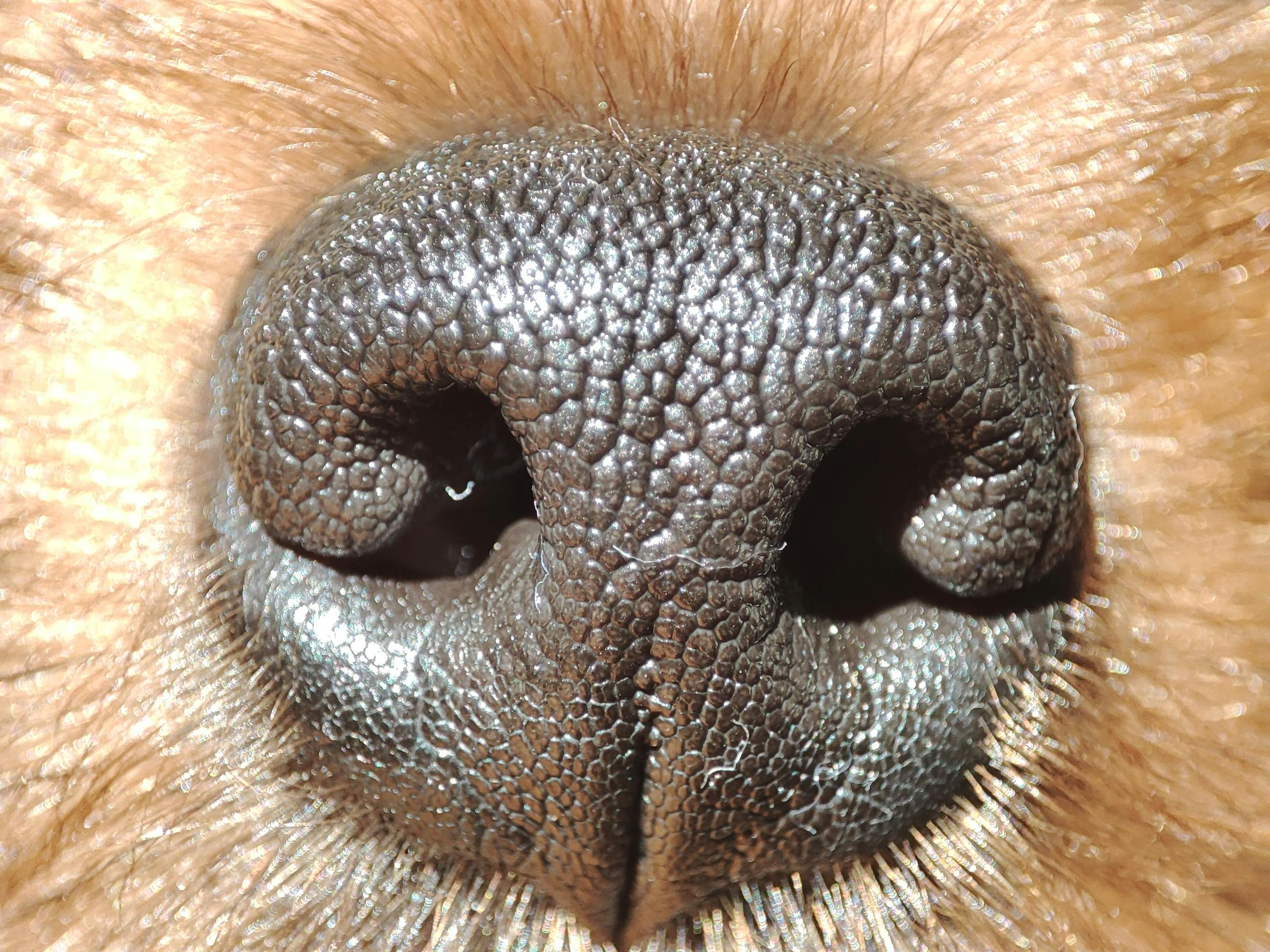 \n\n
\n\nEver wonder why dogs have wet noses? It's a question many pet owners ask, and the answer is more fascinating than one might think. Dogs, with their incredible sense of smell, rely on various physiological features, and their moist noses play a significant role in enhancing that ability. This article will dive into the science behind why dogs have wet noses and how this unique trait benefits them.
\nThe Science Behind a Dog's Wet Nose
\nFirstly, it's important to know that dog's noses are not only for sniffing; they are also an essential part of how they interact with their environment. The moisture on a dog's nose comes from a few sources. Dogs have specialized glands in their noses that produce this moisture, which helps them absorb scent particles better. When the nose is wet, it can trap more scent molecules, allowing dogs to detect smells more acutely.
\n- \n
- Moisture Production: Dogs have nasal glands that continuously produce moisture. \n
- Scent Absorption: A wet nose can capture scent particles, increasing a dog's ability to smell. \n
- Temperature Regulation: The moisture helps to cool down the dog, as they do not sweat like humans. \n
Why Do Dogs Have Wet Noses?
\nThere are several reasons why dogs have wet noses. Here’s a breakdown of the fascinating functions:
\n- \n
- \n
Enhanced Smell:
\n- \n
- A wet nose can absorb scents more effectively. This is crucial for dogs, who rely on their sense of smell for everything from finding food to identifying other animals. \n
\n - \n
Thermal Regulation:
\n- \n
- Unlike humans, dogs don't sweat through their skin. Their wet nose helps in cooling down their body temperature, especially during hot days. \n
\n - \n
Health Indicator:
\n- \n
- A wet nose can be a sign of a healthy dog. When dogs are sick, their noses can become dry or warm, indicating a possible health issue. \n
\n - \n
Behavioral Communication:
\n- \n
- Dogs often use their noses to communicate. A wet nose can indicate excitement or curiosity when a dog approaches another dog or a person. \n
\n
Historical Perspective on Dog Noses
\nDogs have been companions to humans for thousands of years, and their noses have always been a subject of fascination. Ancient cultures recognized the importance of a dog's sense of smell. For example, in ancient Egypt, dogs were often depicted in art with prominent noses, showcasing their role in hunting and protection.
\n- \n
- Hunting Companions: In history, dogs were bred for specific tasks like hunting and herding, making their sense of smell crucial. \n
- Guard Animals: Dogs were trained to guard properties, using their noses to detect intruders or threats. \n
How Dogs Use Their Noses
\nDogs don't just smell; they interpret scents in complex ways. Their noses are equipped with up to 300 million olfactory receptors, compared to humans who have about 5 million. This gives dogs an extraordinary ability to distinguish between different odors.
\n- \n
- Tracking: Dogs can track scents over long distances. This ability is often used in search and rescue operations. \n
- Detection: Certain breeds are trained to detect drugs, explosives, or even medical conditions like diabetes and cancer. \n
- Social Interactions: Dogs recognize other dogs and humans through scent. This is why they often sniff each other when they meet. \n
Fun Facts About Dog Noses
\n- \n
- Dogs’ noses are as unique as human fingerprints. \n
- The wetness of a dog's nose can vary with the weather; it might be drier in winter and wetter in summer. \n
- Dogs can smell certain substances at concentrations as low as one part per trillion! \n
The Importance of Caring for Your Dog's Nose
\nMaintaining the health of a dog's nose is essential. Here are some tips:
\n- \n
- Stay Hydrated: Ensure your dog drinks enough water, as dehydration can lead to a dry nose. \n
- Regular Vet Check-ups: Regular check-ups can help catch any potential health issues related to your dog’s nose. \n
- Watch for Changes: Be observant of changes in your dog’s nose. A sudden dry or cracked nose could be a sign of illness. \n
Understanding why dogs have wet noses and the role it plays in their lives helps appreciate their incredible abilities and the bond we share with them. From tracking scents to communicating with us, a wet nose is not just a quirky feature—it's a vital aspect of what makes dogs such remarkable companions.
\n\nIs a Wet Nose a Sign of a Healthy Dog? Myths and Facts Explained
\n\n \n\n
\n\nWhen you think about your furry friend, you might wonder about their health and well-being. One common belief is that a wet nose indicates a healthy dog. But is this really true? Today, we dive into the myths and facts surrounding this topic, while we explore why dogs have wet noses in the first place.
\nThe Myth of the Wet Nose
\nMany pet owners believe that a damp nose means their dog is in good health. However, it’s important to understand that this isn't always accurate. While a wet nose can signal that a dog is well-hydrated, it isn’t a definitive sign of overall health. Here’s a breakdown of what you should know:
\n- \n
- Temperature Regulation: Dogs have wet noses to help regulate their body temperature. The moisture evaporates, cooling them down. \n
- Scent Detection: A wet nose enhances a dog's ability to smell. The moisture helps to capture scent particles in the air, improving their olfactory senses. \n
- Health Indicators: While a wet nose can indicate hydration, a dry or warm nose doesn't automatically mean your dog is sick. Factors such as weather, activity level, and even time of day can affect the moisture level of a dog's nose. \n
Why Do Dogs Have Wet Noses?
\nSo, why exactly do dogs have those wet noses? Here are some fascinating reasons:
\n- \n
- \n
Enhanced Smelling Abilities: Dogs rely heavily on their sense of smell. A wet nose helps them to detect scents better, which is vital for their survival and interaction with the world.
\n \n - \n
Cooling Mechanism: Like mentioned before, evaporation from the nose helps dogs cool down. Dogs don’t sweat like humans do; instead, they pant and use their noses to help with temperature control.
\n \n - \n
Health Monitoring: A wet nose can be an indicator to their owners about their health. However, it’s just one of many signs. Regular check-ups are essential for a complete health assessment.
\n \n - \n
Natural Behavior: It’s simply part of being a dog! Evolutionarily speaking, dogs have developed wet noses for various reasons, all of which contribute to their survival and well-being.
\n \n
Common Misconceptions About Dog Noses
\nThere are several misconceptions regarding dog noses that can confuse even the most seasoned pet owners. Here are some of the common myths:
\n- \n
- \n
Myth 1: A warm, dry nose means a dog is sick.
\n- \n
- Reality: A dog’s nose temperature can change throughout the day. Factors like exercise, sleeping, and the weather can contribute to variations in nose moisture. \n
\n - \n
Myth 2: All healthy dogs have wet noses.
\n- \n
- Reality: Some dogs may naturally have drier noses due to breed characteristics or individual health. \n
\n - \n
Myth 3: A wet nose means your dog is happy.
\n- \n
- Reality: While a wet nose can indicate hydration, a dog's happiness is shown through body language and behavior, not just nose moisture. \n
\n
Signs of a Healthy Dog Beyond the Nose
\nWhile a wet nose can provide some clues about your dog’s health, it’s not the only indicator. Here’s a quick list of other signs to look for:
\n- \n
- Energy Levels: Is your dog playful and active? A healthy dog usually has a good amount of energy. \n
- Coat Condition: A shiny and clean coat is often a sign of good health. Dull or flaky fur may indicate health issues. \n
- Appetite: A sudden change in appetite can signal underlying health problems. \n
- Behavioral Changes: Any sudden changes in behavior, like withdrawal or aggression, can be a cause for concern. \n
Practical Tips for Dog Owners
\nTo keep your dog healthy, it's important to not just rely on the condition of their nose. Here are some practical tips:
\n- \n
- Regular Vet Check-ups: Schedule routine visits to the vet to monitor your dog’s health. \n
- Balanced Diet: Feed your dog a nutritious diet appropriate for their age, size, and health needs. \n
- Hydration: Ensure your dog has access to fresh water at all times. \n
- Exercise and Play: Regular physical activity is essential for maintaining a healthy weight and mental stimulation. \n
Understanding your dog's health is crucial, and the condition of their nose is just one piece of the puzzle. While a wet nose can be a sign of hydration and can aid in scent detection, it should not be the sole indicator of your dog's health. Regular vet visits, attentiveness to behavior, and overall care are far more significant in ensuring your furry friend stays happy and healthy. Always consult with a veterinarian if you have concerns about your dog's health.
\n\nThe Connection Between Dog Emotions and Their Wet Noses: What You Need to Know
\n\n \n\n
\n\nDogs are often called man’s best friend, and it’s not just because they’re loyal companions. One of the most curious features about dogs is their wet noses. Many people wonders, why do dogs have wet noses? This question isn’t just about their appearance but also about their emotions and health. Let’s take a look at the fascinating connection between dog emotions and their wet noses.
\nThe Science Behind Wet Noses
\nDogs have wet noses, and it’s not just a random trait. It actually serves several important functions. Here are some scientific explanations:
\n- \n
- \n
Enhanced Sense of Smell: Dogs’ noses are covered in a thin layer of mucus. This helps to capture scent particles, making it easier for them to identify smells. The wetness of their noses is essential for this process.
\n \n - \n
Temperature Regulation: Dogs don’t sweat like humans do. Instead, they cool off through their noses. A wet nose helps to regulate their body temperature, especially during hot weather.
\n \n - \n
Health Indicator: A dog’s nose can indicate its health. A warm, dry nose might suggest that the dog is sick or dehydrated. On the other hand, a wet, cool nose is usually a sign that everything is alright.
\n \n
Emotions and Wet Noses
\nDogs are emotional creatures. Their wet noses can also reflect their feelings. For example, when a dog is excited or happy, you might notice their nose becomes even wetter. Why is that?
\n- \n
- \n
Social Interaction: Dogs often use their noses to interact with other animals and humans. A wet nose can be a sign of affection or curiosity. When dogs greet you with a wet nose, they are often expressing their eagerness to connect.
\n \n - \n
Anxiety Responses: Just like humans sweat when they are anxious, dogs can have wetter noses when they are feeling stressed. If you notice your dog’s nose is unusually wet and they seem restless, they might be feeling anxious.
\n \n
Historical Context of Dogs’ Noses
\nThroughout history, dogs have played various roles in human society. From hunting companions to loyal pets, their noses have been appreciated for their usefulness. Ancient cultures recognized the significance of a dog’s sense of smell, and it has evolved alongside humans.
\n- \n
- \n
Hunting: Early humans used dogs for hunting. Their wet noses were crucial for tracking scents in the wilderness.
\n \n - \n
Service Dogs: In modern times, dogs are trained to assist in various fields, including law enforcement and therapy. Their wet noses play a role in their ability to sense changes in human emotions, making them perfect companions for those in need.
\n \n
Fun Facts about Dog Noses
\n- \n
- \n
Dogs have about 220 million scent receptors in their noses, compared to about 5 million in humans. This is why they have such a powerful sense of smell!
\n \n - \n
The shape of a dog’s nose can indicate its breed and potential abilities. For instance, bloodhounds have long, droopy noses that help them track scents over long distances.
\n \n - \n
Dogs’ noses can also change color due to various factors, including health, weather, and age. A dog’s nose might lighten in color when it’s cold, but a sudden change in color could signify health issues.
\n \n
Caring for Your Dog’s Nose
\nTo ensure your dog’s nose remains healthy, there are a few tips you should consider:
\n- \n
- \n
Hydration is Key: Make sure your dog has access to fresh water. Dehydration can lead to a dry nose.
\n \n - \n
Regular Vet Check-ups: Regular veterinary visits can help catch any potential health issues early.
\n \n - \n
Watch for Changes: Pay attention to any changes in your dog’s nose. If it becomes persistently dry or cracked, consult your vet.
\n \n - \n
Protect from Weather: In extreme weather, use a nose balm to protect your dog’s nose. This is especially important during hot summer days or cold winter months.
\n \n
Comparing Dog Noses to Other Animals
\nInterestingly, dogs aren’t the only animals with wet noses. Here’s how they compare:
\n- \n
- \n
Cats: Cats also have wet noses, but they typically have fewer scent receptors than dogs, making their sense of smell less acute.
\n \n - \n
Bears: Bears have an extraordinary sense of smell, even better than dogs, and their wet noses help them track food over great distances.
\n \n - \n
Rabbits: Rabbits have moist noses that help them sense their environment better, but their reliance on smell is not as strong as that of dogs.
\n \n
The wet nose of a dog is more than just a cute feature. It’s an essential part of their biology, helping them connect with the world around them. Understanding the connection between dog emotions and their wet noses can enhance our bond with our furry friends. So, next time your dog greets you with that cool, wet nose, remember it’s not just a greeting—it’s a whole lot of love and communication wrapped up in
\n\nCan Weather Affect Your Dog's Nose Moisture? Discover the Surprising Truth!
\n\n \n\n
\n\nThe relationship between weather and your dog’s health is often overlooked, but it can actually play a significant role in various aspects of your pet’s well-being. One question that many dog owners curious about is, "Can weather affect your dog's nose moisture?" This question might seem trivial at first glance, but there’s actually a surprising truth behind it.
\nWhy Do Dogs Have Wet Noses?
\nThe moisture on a dog's nose is not just for show. It serves several important functions that are essential for their health and behavior. Here are some of the reasons why dogs have wet noses:
\n- \n
- Sense of Smell: A wet nose helps enhance a dog's ability to smell. Moisture on the surface captures scent particles more effectively, making it easier for dogs to pick up various smells in their environment. \n
- Thermoregulation: Dogs do not sweat like humans do. Instead, they cool down through their noses and panting. A moist nose helps to regulate their body temperature. \n
- Health Indicator: A wet nose is often a sign of a healthy dog. However, it’s important to note that a dry nose doesn’t always mean that something is wrong. Changes in nose moisture can indicate health issues, but they may also be due to environmental factors. \n
Can Weather Affect Your Dog's Nose Moisture?
\nYes, the weather can indeed affect the moisture level of your dog's nose. Different weather conditions can lead to variations in humidity and temperature, which are important aspects influencing how wet or dry your dog’s nose might be. Here are some key points that illustrate the connection between weather and nose moisture:
\n- \n
- Humidity Levels: High humidity can keep a dog’s nose moist, while low humidity, such as during winter months or in dry climates, can lead to a dry nose. \n
- Temperature Changes: Hot weather can cause a dog to pant more, which may lead to a temporary increase in moisture. In cold weather, the nose may dry out due to the cold air and lack of moisture. \n
- Seasonal Allergies: Seasonal changes can bring about allergens in the air that can cause dogs to have runny noses, which might make them appear more moist. \n
How to Keep Your Dog's Nose Healthy
\nWhile understanding the weather's impact on your dog's nose moisture is important, regular care is also essential. Here’s a simple list of tips:
\n- \n
- Hydration Matters: Ensure your dog has plenty of fresh water available at all times. \n
- Humidity Control: Consider using humidifiers in dry environments, especially during winter. \n
- Monitor Nose Condition: Keep an eye on your dog’s nose. If it suddenly becomes excessively dry or cracked, consult with your veterinarian. \n
- Avoid Harsh Chemicals: Products like certain cleaners can irritate your dog’s nose and skin. Always use pet-safe products. \n
Fascinating Facts About Dog Noses
\nDogs’ noses are not only wet; they are also incredibly complex. Here are some interesting facts:
\n- \n
- Unique Patterns: Just like human fingerprints, every dog has a unique nose print. \n
- Scent Detection: Dogs can detect certain scents at incredibly low concentrations, up to 100 million times more than humans can. \n
- Temperature and Humidity Recognition: Dogs can differentiate between temperatures and humidity levels better than humans, which helps them in hunting or tracking. \n
Comparisons: Dog Noses vs. Human Noses
\nDogs and humans have different nose functions and structures. Here’s a quick comparison:
\n| Feature | \nDog Noses | \nHuman Noses | \n
|---|---|---|
| Moisture Level | \nGenerally wet | \nUsually dry | \n
| Sense of Smell | \nMillions of scent receptors | \nAbout 5 million receptors | \n
| Role in Thermoregulation | \nMajor role | \nMinor role | \n
| Unique Identifiers | \nUnique nose prints | \nUnique fingerprints | \n
It’s clear that a dog’s nose serves multiple purposes and is quite different from a human nose in its functionality and importance.
\nUnderstanding the nuances of your dog's nose and the effects of weather can help you keep your furry friend healthy and happy. It’s always important to pay attention to changes in their noses and consult with a vet when necessary. So, next time you notice your dog's nose changing with the seasons, remember that it’s not just a matter of weather—it’s a fascinating aspect of their biology and health.
\n\nWhy Do Puppies Have Wet Noses? Understanding Nose Variations in Dogs
\n\n \n\n
\n\nEver wonder why your puppy's nose is always wet? It's not just a random quirk; there's actually a lot going on behind those adorable snouts. The moisture on a dog's nose can seem like a mystery, but it's linked to their health, senses, and even communication. Let's dive deeper into the fascinating world of why do puppies have wet noses and explore the variations in nose types among dogs.
\nThe Science Behind Wet Noses
\nDogs have wet noses due to a few reasons. Primarily, it's about their sense of smell. A wet nose helps dogs to absorb scent molecules better. When the nose is moist, it can capture more scent particles from the air, enhancing their ability to smell. This is super important for dogs as they rely heavily on their sense of smell for navigation and understanding their environment.
\nAlso, dogs have special glands in their noses that secrete moisture. This moisture can come from both the environment and the dog's body. When a dog licks its nose, it also adds to the wetness. The act of licking helps keep their noses moist and improves their olfactory abilities.
\nHealth Implications of Nose Moisture
\nWhile a wet nose is often seen as a sign of a healthy dog, it’s not always the case. Dogs can have dry noses sometimes. A dry nose can indicate various health issues, such as:
\n- \n
- Dehydration \n
- Fever \n
- Allergies \n
- Skin conditions \n
However, not all dry noses mean something is wrong. Environmental factors like heat and wind can cause a dog’s nose to dry out. It's important for pet owners to observe other symptoms alongside the dryness, like lethargy or appetite changes.
\nNose Variations Across Breeds
\nJust like people, dogs come in different shapes and sizes, and their noses vary too. Some breeds have wet noses, while others might have a more dry appearance. Here are some comparisons:
\n- \n
- \n
Short-Nosed Breeds (Brachycephalic): Bulldogs, Pugs, and Shih Tzus often have flatter noses which can sometimes appear drier than longer-nosed breeds. Their nose structure affects the way moisture is retained.
\n \n - \n
Long-Nosed Breeds: Greyhounds, Collies, and Retrievers typically have longer snouts that tend to stay wetter due to their anatomy, which allows for better airflow and moisture retention.
\n \n - \n
Mixed Breeds: Often, mixed breeds might inherit traits from both parent breeds, leading to unique nose conditions.
\n \n
The Role of Temperature and Environment
\nTemperature and environment play a big role in a dog’s nose moisture. When it’s hot outside, dogs may pant more, which can lead to a slightly drier nose. Here’s how different conditions affect nose moisture:
\n- \n
- \n
Hot Weather: Increased panting, potential dehydration leading to dryness.
\n \n - \n
Cold Weather: Cold air can dry out a dog’s nose, especially if they are outside for long periods.
\n \n - \n
Humidity Levels: High humidity can help keep a dog's nose wet, while dry climates can lead to quicker drying.
\n \n
Fun Facts About Dog Noses
\n- \n
- \n
A dog’s sense of smell is estimated to be 10,000 to 100,000 times more sensitive than that of humans. This means their wet noses are more than just cute; they are essential tools for survival.
\n \n - \n
Dogs have about 300 million olfactory receptors in their noses, compared to about 6 million in humans.
\n \n - \n
Just like fingerprints, every dog’s nose print is unique and can be used to identify them.
\n \n
Practical Tips for Dog Owners
\nTo maintain a healthy nose for your furry friend, consider these tips:
\n- \n
- \n
Keep your dog hydrated, especially in hot weather.
\n \n - \n
Regularly check for any signs of dryness, cracking, or irritation.
\n \n - \n
Provide your dog with a balanced diet to support skin and coat health.
\n \n - \n
If you notice any unusual changes in your dog's nose, consult a veterinarian.
\n \n
In summary, the wetness of a puppy's nose is not just a charming feature; it plays a vital role in their overall well-being and sense of smell. Understanding the various factors that contribute to this can help dog owners ensure their pets are healthy and happy. Remember to keep an eye on those adorable noses and enjoy the unique characteristics that make your dog special.
\n\nWet Noses and Canine Communication: How Dogs Use Their Scented Signals
\n\n\n\nDogs are amazing creatures, they communicate with us in various ways, and one of the most intriguing features of our canine companions is their wet noses. Ever wonder why do dogs have wet noses? This peculiar trait isn't just for show; it serves multiple practical purposes that help dogs understand the world around them. Let’s dive into the fascinating reasons behind this characteristic and explore how dogs use their noses to communicate.
\nThe Science Behind Wet Noses
\nA dog's nose is not just cute, it's also a vital sensory organ. Unlike humans, who rely primarily on sight and hearing, dogs depend heavily on their sense of smell. The wet surface of a dog’s nose helps to enhance their olfactory abilities. Here’s how:
\n- \n
- Moisture Retention: The moisture in a dog's nose helps to trap scent particles. When they sniff, the moisture absorbs the scents, allowing dogs to interpret them more effectively. \n
- Temperature Regulation: A wet nose can help to cool down a dog, much like sweating for humans. This is particularly important for active dogs or during hot weather. \n
- Scent Detection: Dogs have up to 300 million scent receptors in their noses, compared to about 6 million in humans. This remarkable difference means they can detect scents at incredibly low concentrations. \n
Historical Context of Dogs and Their Noses
\nDogs are descended from wolves, and their sense of smell was crucial for survival in the wild. Early humans began to domesticate dogs, recognizing their ability to track scents for hunting and protection. Over time, humans bred dogs for specific purposes, enhancing certain traits including their olfactory skills.
\nHow Dogs Communicate with Their Noses
\nDogs don’t just sniff around for fun; they use their noses to communicate with each other and with humans. Here are some interesting ways they do this:
\n- \n
- Scent Marking: Dogs often use their urine and other body smells to mark their territory. This communicates to other dogs about their presence and status. \n
- Social Interaction: Dogs will often sniff each other’s noses and behinds as a way of gathering information about each other. It’s like a handshake for dogs! \n
- Emotional States: Dogs can also pick up on the scents emitted by humans, which can indicate feelings like stress or fear. This is why dogs can sometimes sense when their owners are upset. \n
Fascinating Facts About Dog Noses
\nHere are some intriguing facts that might surprise you:
\n- \n
- Unique Nose Prints: Just like human fingerprints, each dog's nose print is unique. This could be used for identification purposes. \n
- Nose Color: The color of a dog's nose can change based on their health. For example, a healthy dog's nose is usually moist and dark. \n
- Sense of Time: Dogs can use their sense of smell to detect time. They can tell whether you’ve been gone for a few minutes or several hours based on the changing scents in the environment. \n
The Importance of Wet Noses
\nThe wetness of a dog's nose is essential for their health and communication. Here are some reasons why a wet nose is important:
\n- \n
- Health Indicator: A wet nose typically indicates a healthy dog. If a dog's nose becomes dry, it could be a sign of dehydration or illness. \n
- Enhanced Smell: The moisture on a dog’s nose allows them to pick up scents much more efficiently, which is crucial for their survival instincts. \n
What Happens When a Dog's Nose is Dry?
\nA dry nose in dogs can mean several things. Here’s a quick list:
\n- \n
- Illness: Sometimes a dry nose can indicate that your dog is sick or has a fever. \n
- Dehydration: If your dog isn’t drinking enough water, their nose can dry out. \n
- Environmental Factors: Hot weather or dry air can cause a dog’s nose to lose moisture. \n
Conclusion
\nSo next time you see a dog with a wet nose, remember that it’s not just an adorable trait; it’s a vital part of how they interact with their environment and communicate with us. Understanding these aspects of our furry friends can enhance the bond we share with them. Whether you’re a dog owner or just a dog lover, appreciating the science behind those wet noses makes us appreciate these companions even more.
\n\nConclusion
\n\nIn conclusion, the wet noses of dogs serve several essential purposes, from enhancing their sense of smell to regulating body temperature. The moisture on their noses helps to capture scent particles, allowing dogs to explore and understand their environment more effectively. Additionally, the cooling effect of a wet nose can aid in thermoregulation, especially on warm days. This unique characteristic is not only a fascinating aspect of canine biology but also a testament to the incredible adaptations that dogs have developed over time. As dog owners, it's essential to appreciate these small yet significant features that contribute to our furry friends' well-being. So, the next time you pet your dog and feel that familiar wet nose, remember its vital role in their health and sensory perception. Embrace these quirks and ensure your dog stays hydrated and healthy, as a well-cared-for pup will always have a wet, happy nose.
\n\n