Have you ever wonder why dogs have wet noses? This intriguing characteristic is not just a fun fact but also serves important purposes for our furry friends. Many pet owners often ask, “Why do dogs’ noses feel so moist?” Understanding the science behind this can deepen your bond with your canine companion. Firstly, a wet nose helps dogs regulate their body temperature and enhances their sense of smell, making them extraordinary creatures. But, what other fascinating reasons lie behind this unique trait? Could it be that their noses are a reflection of their health? In this article, we will dive into the reasons behind why dogs have wet noses, explore the health implications, and uncover the secrets that make our pets so special. If you’re curious about how this simple feature plays a role in their overall well-being, keep reading! You may be surprised to learn that a dog’s wet nose is more than just an adorable quirk—it’s a vital part of their biology that contributes to their happiness and health. Discover the amazing world of dog anatomy and find out why this little detail matters more than you think!
\n\nThe Science Behind Wet Noses: What Makes Your Dog’s Nose Moist?
\n\n \n\n
\n\nEver wondered why your dog’s nose is always wet? It’s a curious thing, isn’t it? You might think it’s just because they just drank water or had a swim. But there’s so much more to it. The science behind wet noses is actually fascinating and it reveals a lot about the canine world. So, let’s dive into the reasons behind those moist little noses and what they mean for your furry friend’s health.
\nThe Basic Function of a Dog’s Nose
\nA dog’s nose is one of its most important tools. It’s not just for sniffing out treats or finding the way home. A dog’s sense of smell is way stronger than a human’s — by a lot! Where we have about 6 million scent receptors, dogs have about 300 million. That’s a huge difference! This incredible sense of smell is why their noses are often wet.
\nWhy Do Dogs Have Wet Noses?
\n- \n
- \n
Temperature Regulation: One of the primary reasons for a wet nose is that it helps to regulate their body temperature. Dogs don’t sweat like humans do; they rely on their noses to help cool down. When a dog’s nose is moist, it can evaporate water from the surface, which helps cool their body temperature.
\n \n - \n
Enhanced Smelling Ability: A wet nose captures scent particles better. The moisture helps to trap the scent, allowing dogs to smell things more effectively. So, when your dog’s nose is moist, it can sniff out more interesting things in the environment.
\n \n - \n
Health Indicator: A wet nose is generally a sign that your dog is healthy. If their nose is dry and cracked, it might indicate that they are dehydrated or unwell. However, this isn’t a hard and fast rule, as a dog can have a dry nose and still be perfectly fine. Always check with a vet if you’re worried!
\n \n - \n
Behavioral Aspect: Sometimes, dogs wet their noses by licking them. This can be a sign of anxiety or excitement. When they are curious or nervous, they might lick their noses to keep them moist.
\n \n
Historical Context of Dog Noses
\nDogs have been our companions for thousands of years. In fact, archaeological evidence suggests that humans domesticated dogs around 15,000 years ago. During this time, dogs developed specific traits that made them excellent companions and working animals. A moist nose is one of those traits that likely evolved to help dogs perform tasks like hunting and herding.
\nInteresting Facts About Dog Noses
\n- \n
- \n
Different Breeds, Different Noses: Not all dog breeds have the same type of nose. Some breeds, like the Bloodhound, have exceptionally wet noses, while others, like the Bulldog, may have drier noses.
\n \n - \n
Nose Prints are Unique: Just like human fingerprints, every dog has a unique nose print. This could potentially be used for identification purposes, although it’s not commonly done.
\n \n - \n
Dogs Can Smell Emotions: Studies have shown that dogs can detect human emotions through scents. They can sense fear, happiness, and even stress through the chemical changes in our body that produce various odors.
\n \n
How to Keep Your Dog's Nose Healthy
\nJust like any part of their body, a dog’s nose needs care. Here are a few tips to keep your dog’s nose in good shape:
\n- \n
- \n
Hydration: Ensure your dog always has access to fresh water. Dehydration can lead to a dry nose.
\n \n - \n
Avoid Harsh Chemicals: Be mindful of the products you use around your home. Some cleaning agents can irritate your dog’s nose.
\n \n - \n
Regular Vet Check-ups: Routine check-ups can help catch any potential issues before they become serious.
\n \n - \n
Monitor Changes: Keep an eye on any changes in your dog’s nose. If it becomes persistently dry or cracked, consult a veterinarian.
\n \n - \n
Sun Protection: Dogs with light-colored noses are more susceptible to sunburn. Consider using pet-safe sunscreen if your dog spends a lot of time outdoors.
\n \n
Final Thoughts
\nSo, next time you see your dog with that adorable, moist nose, remember the science behind it. Whether it's regulating their body temperature, helping them smell better, or serving as a health indicator, wet noses are indeed fascinating. Embrace those wet kisses and know that they come with a whole world of interesting reasons! Your dog's nose isn’t just cute – it’s a powerful tool that contributes to their overall health and happiness.
\n\n5 Fascinating Reasons Dogs Have Wet Noses You Never Knew
\n\n \n\n
\n\nDogs are one of the most beloved pets around the world. They're loyal, loving, and often bring so much joy into our lives. But have you ever wondered why do dogs have wet noses? It’s a question that many dog owners might not think about, yet the answer is quite fascinating and can reveal a lot about our furry friends. Here, we explore 5 intriguing reasons that might just surprise you.
\n1. The Science of Smell
\nDogs have an extraordinary sense of smell, far superior than that of humans. Their noses are wet because it helps them absorb scent chemicals. When a dog's nose is moist, it can more effectively trap these scent particles and process them. This makes their sense of smell even more powerful, which is why dogs are often used in search and rescue operations or as service animals.
\n- \n
- Dogs have up to 300 million smell receptors in their noses. \n
- Humans only have about 5 million. \n
- A wet nose can enhance their ability to detect scents from up to 40 feet away. \n
2. Temperature Regulation
\nAnother interesting fact about why do dogs have wet noses is related to temperature regulation. Dogs don’t sweat like humans do; instead, they cool themselves through panting and by having a wet nose. The moisture on their noses evaporates, helping to cool their body temperature. This mechanism is essential, especially for breeds that are prone to overheating.
\n- \n
- Dogs can only sweat through their paw pads. \n
- A wet nose can help maintain a comfortable body temperature. \n
- This is particularly important during hot summer months. \n
3. Health Indicators
\nA dog’s nose can be a good indicator of its overall health. A healthy dog typically has a cool, wet nose. However, if you notice that your dog’s nose is dry and warm, it may indicate that something is wrong, like dehydration or an illness. Monitoring the wetness of your dog’s nose can help you catch potential health issues early.
\n- \n
- Dry nose can signal dehydration. \n
- A persistent dry nose may indicate illness. \n
- Regular checks can help maintain your dog's health. \n
4. Communication Tool
\nDogs use their noses not just for smelling but also for communicating with other dogs. When dogs meet, they often sniff each other's noses as a greeting. This behavior not only helps them gather information about each other but also establishes social connections. So, when your dog sniffs another dog's nose, it’s not just being friendly; it's investigating and communicating!
\n- \n
- Dogs can learn a lot about another dog through smell. \n
- Sniffing is part of their social behavior. \n
- It’s a form of greeting and understanding. \n
5. Evolutionary Adaptation
\nThe wet nose is also an evolutionary adaptation. Dogs evolved from wolves, which had wet noses for similar reasons. Over time, this trait became more pronounced as dogs adapted to living with humans. The wetness of a dog’s nose has been an important factor in their survival, helping them to identify food, recognize danger, and navigate their environment effectively.
\n- \n
- Wet noses helped early dogs detect prey. \n
- It’s a trait that has been passed down through generations. \n
- Evolution has favored this feature for survival. \n
Summary of Fascinating Reasons
\n- \n
- Dogs have wet noses to enhance their sense of smell. \n
- Moist noses help regulate body temperature. \n
- A wet nose can indicate a dog's health status. \n
- Sniffing is part of dog-to-dog communication. \n
- Evolution has favored the wet nose trait for survival. \n
Understanding why do dogs have wet noses is not only interesting but also provides insight into their health and behavior. It’s a reminder of how unique and adaptive our canine companions are. So next time you give your dog a pat on the head, take a moment to appreciate that cool, wet nose. It’s doing a lot more than just being cute! Having a dog is a joy, and learning about them deepens the bond you share.
\n\nHow a Wet Nose Helps Dogs with Their Incredible Sense of Smell
\n\n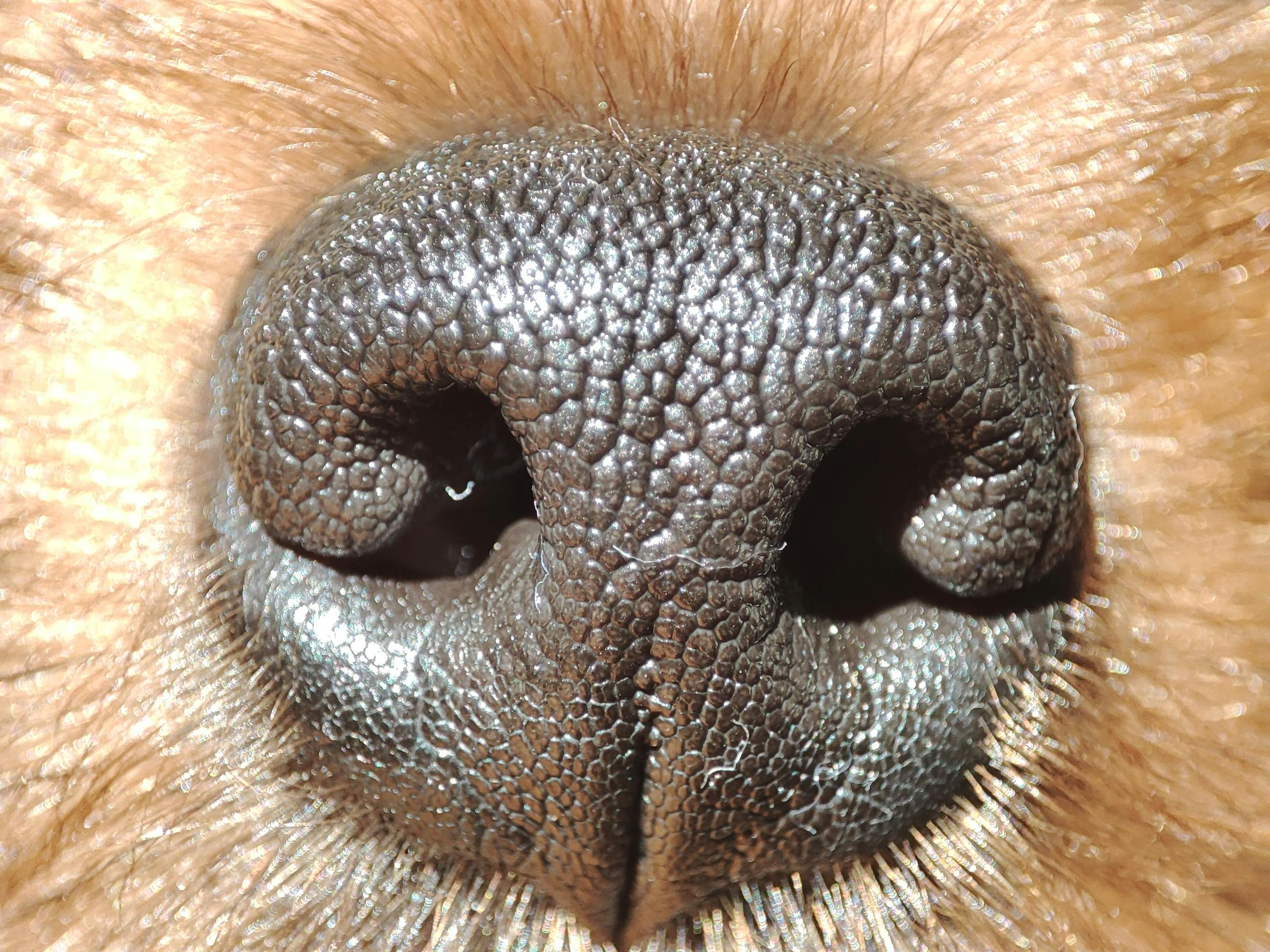 \n\n
\n\nDogs are known for their incredible sense of smell, which is way more developed than humans. One of the factors that contribute to this amazing ability is their wet noses. But why do dogs have wet noses? This article explores the fascinating reasons behind this characteristic and how a wet nose plays a crucial role in enhancing a dog's olfactory capabilities.
\nThe Science Behind Wet Noses
\nA dog's nose is not just for show. It's a highly sensitive organ that helps them navigate the world through scent. A dog's sense of smell is estimated to be anywhere from 10,000 to 100,000 times more acute than that of a human. The wetness of their noses is a significant factor in this heightened sense of smell.
\n- \n
- \n
Mucus Layer: The surface of a dog's nose is covered with a thin layer of mucus. This mucus traps scent particles, allowing dogs to absorb more information from the smells around them. The moisture helps to dissolve the odor molecules, making them easier to detect.
\n \n - \n
Temperature Regulation: The wetness also helps in temperature regulation. Dogs do not sweat like humans do; instead, they cool off through panting. A wet nose helps to keep their body cool and also aids in enhancing their olfactory senses.
\n \n
Evolutionary Advantages
\nFrom an evolutionary standpoint, having a wet nose gives dogs significant advantages:
\n- \n
- \n
Hunting and Tracking: Dogs are descendants of wolves, which rely heavily on their sense of smell for hunting. The dampness of a dog's nose allows them to track scents over long distances, making them efficient hunters.
\n \n - \n
Social Interaction: Dogs use their noses to communicate with each other. A wet nose can pick up pheromones and other scents that convey vital information about other dogs. This helps them understand the social dynamics of their environment.
\n \n - \n
Environmental Awareness: Wet noses help dogs to detect changes in their environment, such as the presence of other animals or even potential dangers. This heightened awareness is crucial for survival in the wild.
\n \n
Interesting Facts About Dog Noses
\n- \n
- \n
Unique Patterns: Just like human fingerprints, no two dog noses are alike. Each dog has a unique pattern of ridges and creases on their nose.
\n \n - \n
Scent Memory: Dogs can remember scents for a long time. They often use their noses to identify familiar people or places even after long periods.
\n \n - \n
Health Indicators: A dog's nose can also indicate their health. A dry or cracked nose may suggest dehydration or illness, while a healthy nose is usually wet and cool.
\n \n
How Wet Noses Enhance Smell
\nThe wetness of a dog’s nose is essential for their smell. Here are some key points that explain how it works:
\n- \n
- \n
Absorption: The moisture helps to absorb scent particles, allowing them to detect odors more effectively.
\n \n - \n
Sensitivity: The wet surface increases the sensitivity of the olfactory receptors, which are responsible for detecting smells.
\n \n - \n
Scent Trail: When a dog sniffs something, they can create a “scent trail” that helps them follow a particular smell. The wetness aids in this process by enhancing the receptors’ ability to pick up on these trails.
\n \n
Practical Implications for Dog Owners
\nAs a dog owner, understanding why your dog has a wet nose and how it helps them can enhance your relationship. Here’s what you can do:
\n- \n
- \n
Engage Their Sense of Smell: Use scent games to stimulate your dog’s nose. Hide treats around your home or yard and let them sniff them out.
\n \n - \n
Regular Vet Check-ups: Monitor your dog's nose. If you notice it becoming excessively dry or cracked, consult your veterinarian as it could indicate health issues.
\n \n - \n
Hydration is Key: Ensure your dog stays hydrated. A well-hydrated dog will maintain a healthy, wet nose.
\n \n
Comparison: Dog Noses vs. Human Noses
\n| Feature | \nDog Nose | \nHuman Nose | \n
|---|---|---|
| Smell Sensitivity | \n10,000-100,000 times more | \nStandard human sensitivity | \n
| Wetness | \nUsually wet and cool | \nTypically dry | \n
| Unique Patterns | \nUnique to each dog | \nUnique but less significant | \n
| Primary Function | \nSmell and social interaction | \nSmell and breathing | \n
Understanding why do dogs have wet noses adds a layer of appreciation for our canine friends. It’s not just a cute feature; it plays a significant role in how they interact with the world. So the next time you pet your dog and feel that cool, wet nose, remember the incredible biological machinery at work behind it.
\n\nThe Role of a Dog’s Wet Nose in Temperature Regulation: Myth vs. Fact
\n\n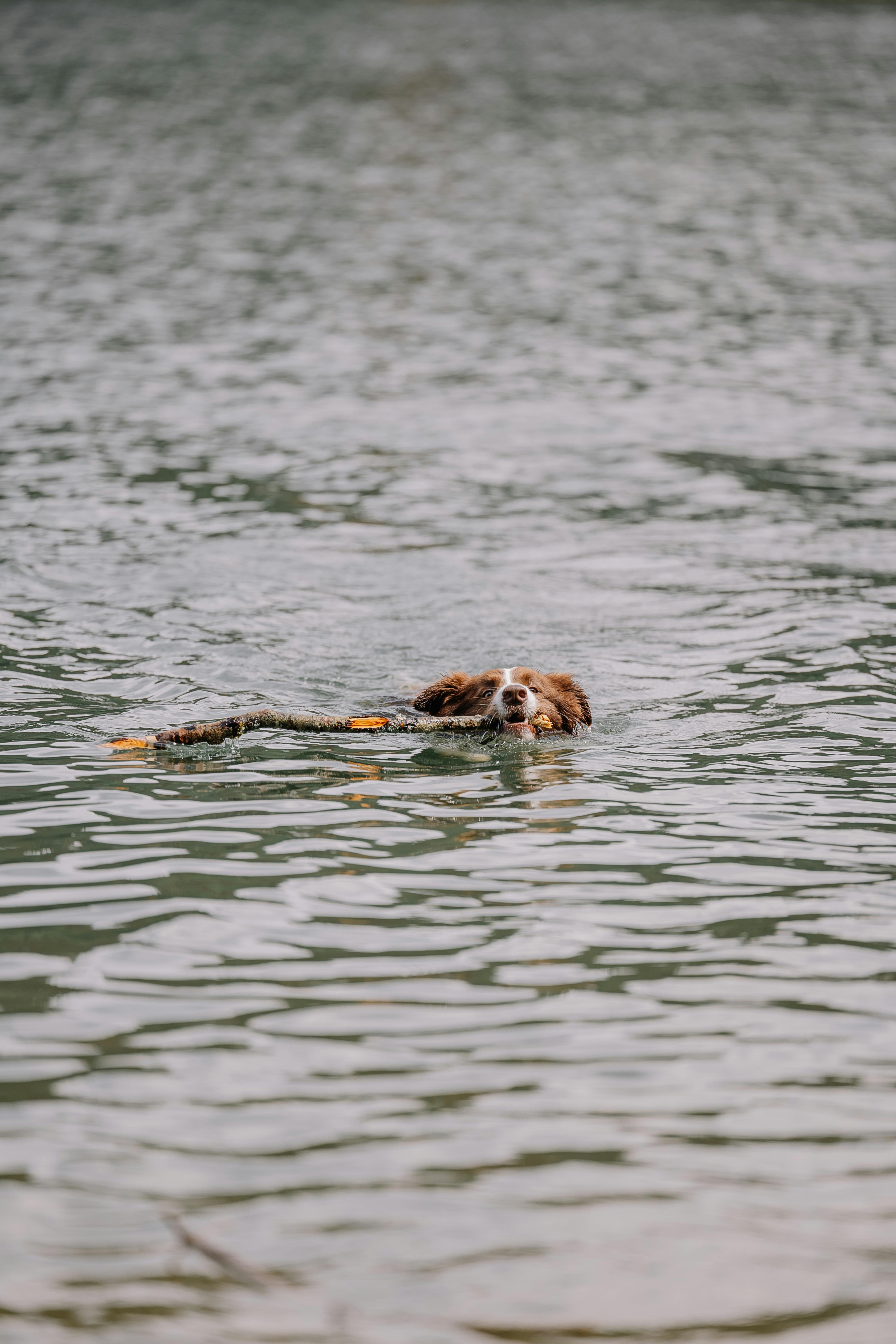 \n\n
\n\nDogs are often seen panting, wagging their tails, and, of course, having wet noses. But have you ever wondered why dogs have wet noses? Many people think it’s just a quirky trait, but there’s more to it than that. The role of a dog’s wet nose in temperature regulation is often surrounded by myths and misconceptions. Let’s dive into the facts and uncover the fascinating reasons behind this unique characteristic.
\nThe Science Behind a Wet Nose
\nA dog’s nose is not just for sniffing things out. It has an important function in thermoregulation. But how does it actually work? Dogs have sweat glands, but they are mostly located in their paw pads. So, when it’s hot, dogs can’t rely solely on sweating to cool down. Instead, they rely on their wet noses.
\n- \n
- \n
Moisture and Temperature Regulation: The moisture on a dog’s nose helps in regulating their body temperature. When a dog breathes, the moisture evaporates, which cools the blood vessels nearby.
\n \n - \n
Scent Detection: Besides cooling, a wet nose enhances a dog’s sense of smell. The moisture collects scent particles in the air, making it easier for dogs to detect odors. That’s why dogs are often so good at tracking scents.
\n \n - \n
Health Indicator: A wet nose is often a sign of a healthy dog. While it’s not a definitive health measure, dry noses can indicate dehydration or illness.
\n \n
Common Myths About Dog Noses
\nThere are plenty of myths surrounding why dogs have wet noses. Here are some of the most common ones:
\n- \n
- \n
Dogs Sweat Through Their Noses: This is false. Dogs primarily cool down through panting and their paw pads, not their noses.
\n \n - \n
A Wet Nose Means a Dog is Sick: Not necessarily. While a dry nose can indicate health issues, many factors can affect nose moisture.
\n \n - \n
All Dogs Have Wet Noses: Some breeds, especially those with shorter snouts or flat faces, may have drier noses due to their anatomy.
\n \n
Fun Facts About Dog Noses
\nDid you know that a dog's nose is as unique as a human’s fingerprint? Here are some fun tidbits:
\n- \n
- \n
Nose Prints: Each dog has a distinct nose print that can be used for identification.
\n \n - \n
Temperature Sensitivity: Dogs can detect temperature changes as small as one degree.
\n \n - \n
Scent Receptors: Dogs have around 220 million scent receptors compared to humans who have about 5 million.
\n \n
Why Do Dogs Have Wet Noses? A Closer Look
\nSo, why do dogs have wet noses? Let’s break it down into a few key points:
\n- \n
- \n
Evaporation for Cooling: As mentioned earlier, the moisture on a dog’s nose helps cool them down. It’s a natural air conditioner!
\n \n - \n
Enhanced Smell: The wetness traps scent molecules better, improving their ability to sniff out things.
\n \n - \n
Social Interaction: Dogs often greet each other with nose-to-nose contact, and this wetness plays a role in social bonding.
\n \n
A Quick Comparison: Dogs vs. Cats
\nLet’s compare dogs with another popular pet, cats, regarding their nose moisture:
\n| Feature | \nDogs | \nCats | \n
|---|---|---|
| Nose Moisture | \nGenerally wet and cool | \nTypically drier than dogs | \n
| Scent Detection | \nHighly developed sense of smell | \nGood, but not as strong as dogs | \n
| Temperature Regulation | \nRelies on panting and wet noses | \nSweats through paws, less moisture | \n
Practical Implications for Dog Owners
\nUnderstanding your dog’s wet nose can be helpful for any pet owner. Here are some practical tips:
\n- \n
- \n
Monitor Moisture Levels: Keep an eye on your dog’s nose moisture. If it becomes overly dry, ensure they are hydrated.
\n \n - \n
Watch for Changes: If your dog’s nose suddenly becomes dry or cracked, it could be a sign of health issues. Consult a vet if needed.
\n \n - \n
Provide Comfort: On hot days, provide plenty of water and a cool place for your dog to rest.
\n \n
In the end, while a dog's wet nose might seem like a simple trait, it serves multiple important functions. From regulating temperature to enhancing their sense of smell, it plays a vital role in a dog’s overall health and well-being. So next time you give your furry friend a pat and feel that cool, wet nose, remember that it’s much more than just an adorable feature!
\n\nCurious Canines: Why Do Dogs Lick Their Wet Noses So Often?
\n\n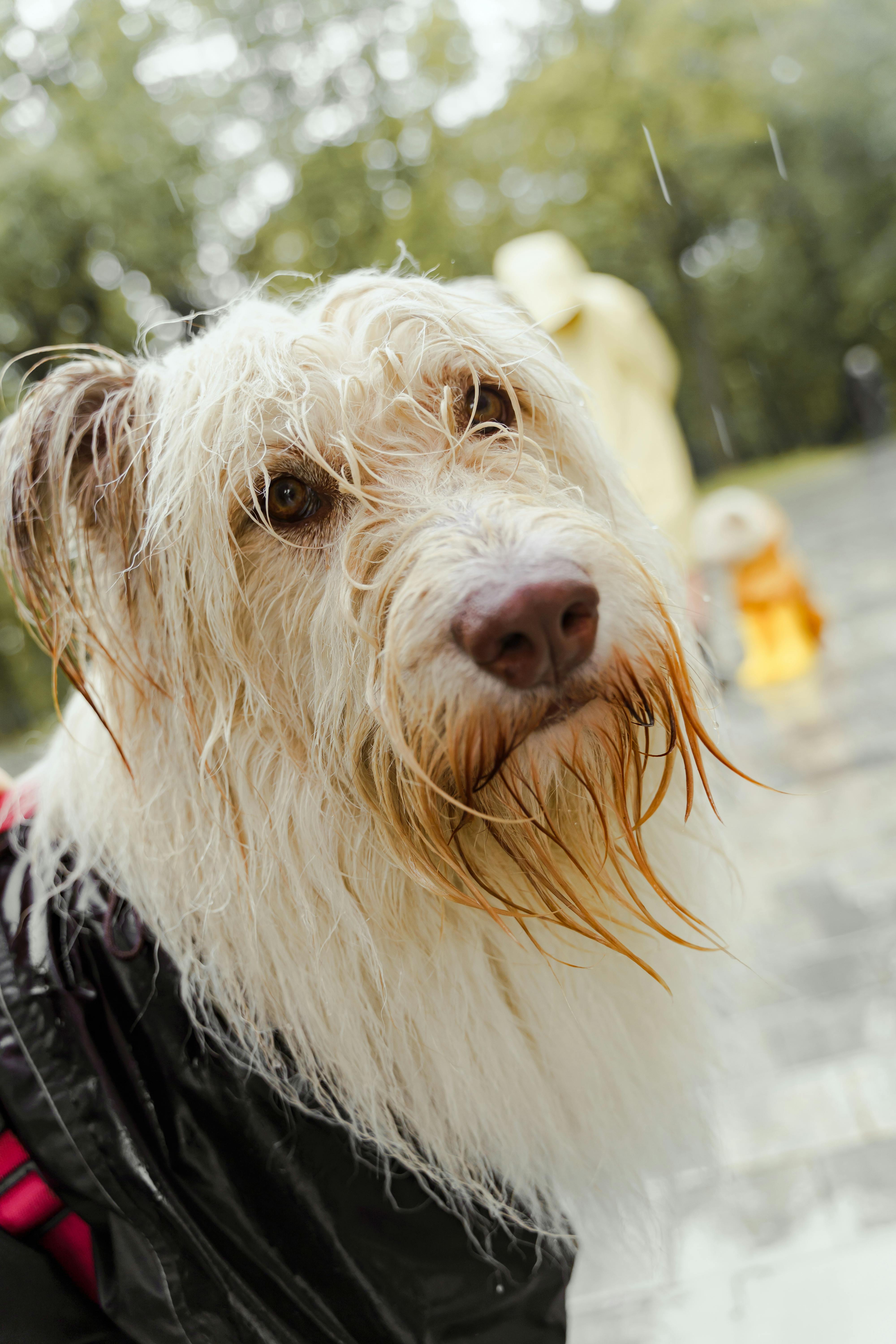 \n\n
\n\nHave you ever wonder why your dog’s nose is always wet? It’s kinda of a mystery, right? You see your furry friend licking their nose often, but have you thought about why? Wet noses are one of those things that make dogs special, and there’s actually some interesting science behind it. Let's dive into the fascinating reasons dogs have wet noses and why they lick them so often!
\nThe Science Behind Wet Noses
\nSo, why do dogs have wet noses? First off, a wet nose helps them smell better. Canines have an incredible sense of smell, and moisture on the nose helps to capture scent particles. When a dog breathes in, the wet surface traps these particles, which then enter the olfactory receptors in their noses. This is super important for them, since they rely on their noses to explore the world around them.
\n- \n
- Enhanced Smell: Wetness helps to trap scents. \n
- Temperature Regulation: Dogs can cool themselves down through their noses. \n
- Health Indicator: A wet nose can signal that your dog is healthy. \n
How Do Dogs Keep Their Noses Wet?
\nDogs lick their noses frequently, and this behavior is not just a habit. Here’s what happens:
\n- \n
- Self-Cleansing: Licking helps remove dirt and debris. \n
- Stimulating Glands: Dogs have special glands that produce moisture. Licking can stimulate these glands for more secretion. \n
- Behavioral Aspect: Sometimes, dogs lick their noses out of boredom or anxiety. \n
Fun Facts About Dog Noses
\nDid you know a dog’s nose is unique, much like human fingerprints? Each dog has a different nose print! Here’s a few more fun facts about those adorable noses:
\n- \n
- Sensitive Sensors: Dog noses have around 220 million scent receptors, whereas humans have only about 5 million! \n
- Color Variation: A dog’s nose can come in various colors: black, brown, pink, and even spotted. \n
- Temperature Changes: A normal dog’s nose temperature can fluctuate; a hot, dry nose might not always mean they are sick. \n
Comparing Wet and Dry Noses
\nYou might have heard that a dry nose means your dog is sick. But it’s not that simple! Here’s a quick comparison:
\nWet Nose:
\n- \n
- Usually signifies a healthy dog. \n
- Helps with scent detection. \n
- Can indicate hydration levels. \n
Dry Nose:
\n- \n
- May indicate dehydration or illness. \n
- Could be a result of weather conditions. \n
- Sometimes just a normal variation for certain breeds. \n
The Role of Environment
\nThe environment can greatly affect the moisture level of a dog's nose. Weather conditions, humidity, and temperature all play a role. For example, during hot summer days, you might notice your pup licking their nose more often to keep it moist. Similarly, cold and dry weather can lead to a dry nose, which doesn’t necessarily indicate a problem.
\nHealth Considerations
\nWhile a wet nose is generally a good sign, there are some health considerations to keep in mind. If your dog’s nose is persistently dry or cracked, it might be time to consult a vet. Signs to watch for include:
\n- \n
- Cracking or Peeling: This might indicate dehydration or a skin condition. \n
- Discoloration: A sudden change in color can be a sign of an underlying issue. \n
- Excessive Licking: If your dog licks their nose too much, it could be a sign of anxiety or allergies. \n
Practical Examples
\nLet’s consider a few scenarios where a dog's wet nose plays a crucial role:
\n- \n
- Hunting Dogs: They rely on their wet noses to track scents over long distances. \n
- Service Dogs: Many service dogs use their noses to help detect medical conditions like low blood sugar. \n
- Pet Therapy: Dogs in therapy often use their noses to sense and comfort humans in distress. \n
In the world of dogs, wet noses are more than just an adorable characteristic. They serve vital functions that contribute to their health and behavior. So, the next time you see your furry companion licking their nose or feeling that cool, wet touch, you’ll now understand the fascinating reasons behind it. Remember, while a wet nose is generally a good sign, always keep an eye on changes in your dog’s nose and consult your veterinarian if anything seems off. They’re not just cute; they’re incredible creatures with extraordinary abilities!
\n\nWhen to Worry: Signs That Your Dog's Wet Nose Might Indicate a Health Issue
\n\n \n\n
\n\nDogs are often considered man's best friend, and their wet noses are one of the most charming features. But have you ever wondered why dogs have wet noses? Is it just a quirky trait, or does it serve an important purpose? Also, when should you be worried about your dog's health based on their nose's condition? Understanding these aspects can help you care better for your furry companion.
\nWhy Do Dogs Have Wet Noses?
\nThe primary reason why do dogs have wet noses is related to their health and sense of smell. A dog's nose is covered in a moist layer that helps them capture scent particles more effectively. This moisture enhances their ability to detect smells, which is crucial for their survival instincts.
\nHere are some fascinating facts about why dog noses are wet:
\n- \n
- Enhanced Smell: The wetness helps in trapping scent particles, making it easier for dogs to smell things. Their sense of smell is much better than humans, and a wet nose aids in this. \n
- Thermoregulation: Dogs can’t sweat like humans do. They cool themselves through panting and by having a wet nose, which helps in regulating body temperature. \n
- Health Indicator: A dog's nose can reveal a lot about its health. A dry or excessively warm nose can sometimes indicate a health issue, while a cool, wet nose is typically a sign of good health. \n
When to Worry: Signs That Your Dog's Wet Nose Might Indicate a Health Issue
\nWhile a wet nose is generally a sign of a healthy dog, there are exceptions. You should pay attention to changes in your dog’s nose. Here are some signs that might indicate a health concern:
\n- \n
- Dry and Cracked Nose: If your dog’s nose becomes excessively dry or cracked, it could be a sign of dehydration or other underlying health issues. \n
- Discoloration: A sudden change in the color of your dog’s nose might be alarming. This could indicate allergies, infections or even autoimmune diseases. \n
- Excessive Nasal Discharge: If you notice your dog’s nose is constantly dripping or has discharge, it could suggest a respiratory issue or an infection. \n
- Foul Odor: If your dog's nose emits a foul smell, it can signify an infection or other problems that need veterinary attention. \n
Understanding the Importance of Regular Check-ups
\nRegular vet visits are crucial in monitoring your dog’s health. Here are some key reasons why:
\n- \n
- Early Detection: Regular check-ups can catch potential problems early, making treatment easier and more effective. \n
- Vaccinations: Keeping up with vaccinations can prevent many health issues. \n
- Dental Health: Many dogs face dental issues that can be linked to their overall health, and a vet can guide you on proper care. \n
Practical Tips for Nose Health
\nMaintaining your dog's nose health is simple, yet vital. Here are some practical tips:
\n- \n
- Hydration: Always ensure your dog has access to fresh water to stay hydrated. \n
- Avoid Irritants: Keep your dog away from chemicals, smoke, and other irritants that can dry out their nose. \n
- Moisturize When Necessary: If your dog's nose seems excessively dry, consult your vet about safe moisturizing options. \n
- Routine Checks: Make it a habit to check your dog’s nose regularly for any changes in appearance or texture. \n
Fun Facts About Dogs' Noses
\n- \n
- Unique Patterns: Just like human fingerprints, every dog has a unique nose print which can be used for identification. \n
- Scent Detection: Dogs have approximately 300 million smell receptors, compared to about 6 million in humans. \n
- Cold Nose Theory: The notion that a cold nose indicates a healthy dog is a myth; it’s more about the moisture level than temperature. \n
In summary, understanding why dogs have wet noses and recognizing the signs that might indicate health issues is essential for any dog owner. A wet nose generally signifies a healthy dog, but pay attention to any changes that may occur. Regular vet visits and proper care can help ensure your dog stays happy and healthy. Plus, who wouldn’t want to keep their furry friend in tip-top shape? A healthy dog means endless wagging tails and joyful barks!
\n\nExploring the Breed Variations: Do All Dogs Have Wet Noses?
\n\n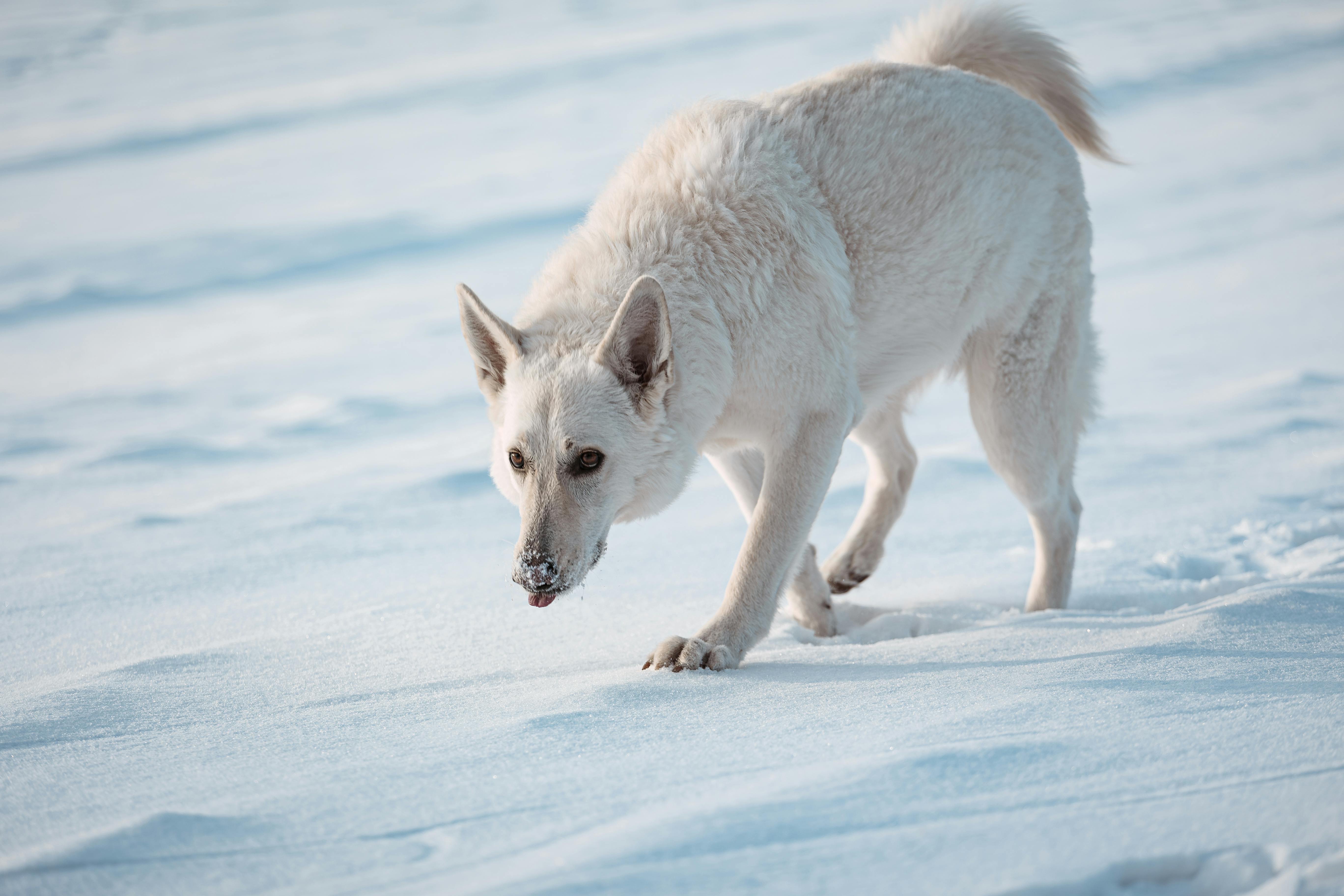 \n\n
\n\nWhen you think about dogs, one of the first things that probably come to mind is their adorable wet noses. But have you ever wondered why do dogs have wet noses? Or if all breeds have the same kind of wet nose? Let’s dive into these fascinating questions and uncover some interesting facts about our furry friends.
\nThe Biology Behind Wet Noses
\nDogs’ noses are wet for several reasons, and it all comes down to biology. The moisture on their nose actually serves a purpose. Here are some reasons why their noses are wet:
\n- \n
- \n
Enhanced Smell: A wet nose helps to capture scent particles in the air. This is essential for dogs since their sense of smell is far superior to humans. The wetness allows these particles to stick, which aids in their ability to detect smells.
\n \n - \n
Thermoregulation: Dogs don’t sweat like humans do. Instead, they cool themselves primarily through panting and the evaporation of moisture from their noses. A wet nose can help regulate their body temperature.
\n \n - \n
Health Indicator: A healthy dog generally has a moist nose. Changes in the moisture or temperature of a dog's nose can sometimes indicate health issues. For instance, a dry or hot nose might suggest a fever or dehydration.
\n \n
Do All Dogs Have Wet Noses?
\nNot every dog has that signature wet nose. Some breeds might have drier noses than others, and it can even depend on the environment or the dog’s current health. Here’s a breakdown:
\n- \n
- \n
Breeds with Naturally Drier Noses: Some dogs, like Bulldogs or Pugs, might have a tendency toward drier noses. Their unique facial structure can influence the moisture levels.
\n \n - \n
Environmental Factors: A dog’s nose may become drier due to weather conditions. Hot or windy environments can lead to increased dryness.
\n \n - \n
Health Considerations: Certain health conditions can affect a dog's nose. For example, allergies, skin diseases, or infections can lead to changes in moisture levels.
\n \n
Historical Context of Dogs' Noses
\nDogs have been companions to humans for thousands of years. Their noses have evolved alongside them. Early breeds were used for hunting, and their keen sense of smell helped humans track game. The importance of a wet nose can be traced back to these roots.
\n- \n
- \n
Tracking and Hunting: Breeds developed for hunting often relied on their sense of smell to find prey. The wetness of their noses played a critical role in this ability.
\n \n - \n
Companionship and Care: As dogs transitioned from working animals to beloved pets, their health indicators like wet noses became essential for owners to monitor.
\n \n
Fascinating Facts about Dogs' Noses
\nLet’s explore some cool facts about dog noses that you might not know:
\n- \n
- \n
Unique Nose Prints: Just like human fingerprints, every dog has a unique nose print. It can be used for identification purposes.
\n \n - \n
Scent Receptors: Dogs have approximately 220 million scent receptors in their noses, compared to a human's 5 million. This makes their sense of smell about 40 times better than ours.
\n \n - \n
Nose Color: The color of a dog’s nose can vary. Some dogs have black noses, while others may have pink or spotted noses. The color doesn't usually affect their sense of smell.
\n \n - \n
Wet Nose, Happy Dog: It's often thought that a wet nose means a happy dog. While this isn’t a strict rule, a moist nose is generally a sign of a healthy dog.
\n \n
Keeping Your Dog’s Nose Healthy
\nMaintaining your dog’s nose is important for overall health. Here are some tips to keep it healthy:
\n- \n
- \n
Hydration: Make sure your dog drinks plenty of water. Dehydration can lead to a dry nose.
\n \n - \n
Regular Vet Checkups: Regular visits to the veterinarian can help catch any health issues early.
\n \n - \n
Moisturizing: If you notice your dog’s nose is too dry, certain dog-safe moisturizers can help.
\n \n - \n
Avoid Allergens: Keep your dog away from known allergens that might irritate their skin.
\n \n
In summary, the wet nose of a dog is not just a cute feature, but a fascinating aspect of their biology and health. Understanding why do dogs have wet noses can help you ensure they stay healthy and happy. So next time you see that moist, cold nose, you'll know it's not just for show; it's a vital part of what makes dogs such amazing companions.
\n\nThe Connection Between Wet Noses and Dog Emotions: What Does It Mean?
\n\n \n\n
\n\nHave you ever wondered why your dog’s nose is always wet? It seems like a strange thing, doesn’t it? Dogs have this unique characteristic that often makes us curious. The connection between wet noses and dog emotions is fascinating and might reveal more about our furry friends than we think. In this article, we will explore the reasons behind wet noses, what they mean for dog emotions, and why they are essential for a dog’s well-being.
\nWhy Do Dogs Have Wet Noses?
\nDogs have wet noses for several reasons, and it’s not just because they like to lick things. Here’s a breakdown of the major factors:
\n- \n
- \n
Temperature Regulation: Just like humans sweat to cool down, dogs use their noses to help regulate their body temperature. A moist nose can assist in cooling them off, especially on hot days.
\n \n - \n
Scent Detection: Dogs have an incredible sense of smell, and a wet nose helps enhance this ability. The moisture on their nose captures scent particles in the air, making it easier for them to detect different smells.
\n \n - \n
Health Indicator: A dog’s nose can be a good indicator of its health. A consistently dry or cracked nose may signal dehydration or illness, while a wet nose is often a sign of a healthy, hydrated dog.
\n \n - \n
Emotional Expression: Believe it or not, a dog’s wet nose can also indicate its emotional state. When dogs are excited or happy, their noses tend to be more moist. Conversely, stress or anxiety can lead to a drier nose.
\n \n
The Emotional Connection
\nWet noses are more than just a physical trait; they are tied to a dog’s emotions too. Here’s how:
\n- \n
- \n
Affection and Trust: When dogs approach you with a wet nose, it can mean they are feeling affectionate. They often nuzzle against their owners as a sign of trust and love, and the wetness can be a part of that display.
\n \n - \n
Curiosity: Dogs use their noses to explore the world around them. A wet nose can mean they are inquisitive about something new or interesting. They may be trying to gather information about their environment or a particular scent.
\n \n - \n
Stress or Anxiety: If a dog is stressed, you might notice its nose becomes dry. This can happen in situations like vet visits or loud noises. Keeping an eye on your dog's nose can give you clues about their emotional state.
\n \n
What Makes a Dog's Nose Wet?
\nSeveral factors contribute to the moisture of a dog’s nose. Here’s a look at some of them:
\n- \n
- \n
Natural Mucus Production: Dogs produce mucus that keeps their noses moist. This is a normal and healthy function.
\n \n - \n
Licking: Dogs often lick their noses, which helps keep them wet. This behavior can also be a way to comfort themselves or show submission.
\n \n - \n
Environmental Factors: Humidity and temperature can impact how wet a dog’s nose is. For example, during winter when the air is dry, you might notice your dog’s nose is less moist.
\n \n
Fun Facts About Dog Noses
\nHere are some fun and interesting facts about dog noses you might not know:
\n- \n
- \n
Unique Patterns: Just like human fingerprints, every dog has a unique nose print that can be used for identification.
\n \n - \n
Temperature Sensitivity: Dogs can sense changes in temperature with their noses, which can help them detect heat sources or cold areas.
\n \n - \n
Nasal Turbinates: The structures inside a dog's nose, called nasal turbinates, help in warming and humidifying the air they breathe. This makes them more effective at smelling.
\n \n
Practical Examples of Nose Behavior
\n- \n
- \n
Greeting Behavior: When dogs greet each other, they often sniff each other’s noses. This is a social behavior that helps them learn about each other’s emotions and health.
\n \n - \n
Comforting Actions: If a dog is feeling anxious, it may seek comfort from its owner by nudging them with its wet nose. This can be a way of asking for reassurance.
\n \n - \n
Observational Learning: Dogs can learn from their environment. A dog that sees another dog with a wet nose might associate that with playfulness or excitement.
\n \n
Understanding your dog's nose and its moisture can provide insight into their feelings and health. Whether it’s a sign of love, curiosity, or a health indicator, the wet nose is a remarkable feature of our canine companions. Next time you cuddle with your furry friend, take a moment to appreciate that wet nose and what it might be saying about their emotional state.
\n\nHow Weather Affects Your Dog’s Nose Moisture: What Every Pet Owner Should Know
\n\n \n\n
\n\nHave you ever notice how your dog’s nose feels different depending on the weather? I mean, on a hot and sunny day, it might be dry, while during the rainy season, it’s often wet. This brings us to the question of how weather affects your dog’s nose moisture. Understanding this can give every pet owner a better insight into their furry friends.
\nWhy Do Dogs Have Wet Noses?
\nYou might wonder, why do dogs have wet noses in the first place? There are several fascinating reasons behind this. Wet noses help dogs in many ways, and knowing these can make you appreciate your pet even more. Here’s a list of the main reasons:
\n- \n
- Sense of Smell: A wet nose helps to enhance the olfactory senses. Moisture captures scent particles in the air, making it easier for dogs to smell things around them. \n
- Cooling Mechanism: Dogs can’t sweat like humans do. Their noses help regulate body temperature. When a dog’s nose is wet, it aids in cooling them down. \n
- Health Indicator: A wet nose can be a sign of good health. If it’s dry and cracked, it might indicate dehydration or illness. \n
- Communication Tool: Dogs often use their noses to greet other dogs or humans. A wet nose can be seen as more inviting and friendly. \n
How Weather Influences Nose Moisture
\nWeather has a big impact on your dog’s nose moisture. Here’s how different weather conditions can affect it:
\n- \n
- Hot Weather: In warmer temperatures, dogs can lose moisture quickly. This might cause the nose to feel dry. If you notice your dog’s nose is often dry in summer, it could be a sign they need more water. \n
- Cold Weather: In winter months, the air tends to be dry. This can lead to a dry nose as well. Cold air can suck moisture away, making it important to keep an eye on your dog’s hydration levels. \n
- Rainy Days: Rainy and humid weather often brings a wet nose. The moisture in the air keeps your pet’s nose hydrated, and you might notice it feeling cool and moist. \n
Factors Affecting Nose Moisture
\nThere are also other factors that can influence how wet your dog’s nose is, regardless of the weather:
\n- \n
- Age: Puppies often have wetter noses than older dogs. As dogs age, their bodies might not produce as much moisture. \n
- Breed: Certain breeds have naturally drier noses. For example, bulldogs and pugs may have less moisture than retrievers or spaniels. \n
- Health Conditions: Allergies, skin conditions, or respiratory issues can cause changes in nose moisture. If you've notice drastic changes, you should consult a vet. \n
The Importance of Monitoring Your Dog's Nose
\nKeeping an eye on your dog’s nose can be an important part of pet ownership. Here are some key points to remember:
\n- \n
- Regular Checks: Look at your dog’s nose daily. Notice any changes in moisture, color, or texture. \n
- Hydration: Ensure your pet has access to fresh water at all times. Especially in hot weather, they might need extra hydration. \n
- Veterinarian Visits: Regular check-ups can help catch any health issues early. If the nose is persistently dry or cracked, it might be time to visit the vet. \n
Fun Facts About Dogs' Noses
\n- \n
- Did you know that a dog’s sense of smell is about 10,000 to 100,000 times better than a human's? This makes their wet nose even more important. \n
- Dogs have about 300 million smell receptors in their noses, compared to a human's 5 million. That’s why they can sniff out things we can't even imagine! \n
- Some dogs can learn to detect diseases like cancer through smell, thanks to their sensitive noses. \n
Understanding the role weather plays in your dog’s nose moisture, and why they have wet noses in the first place, is crucial for every pet owner. It can influence how you care for your pet and ensure their health and well-being. With a little awareness, you can help your dog stay happy and healthy, no matter the weather outside. After all, a wet nose can be a sign of a happy dog!
\n\nFun Facts About Dog Noses: The Unique Features of Our Furry Friends’ Snouts
\n\n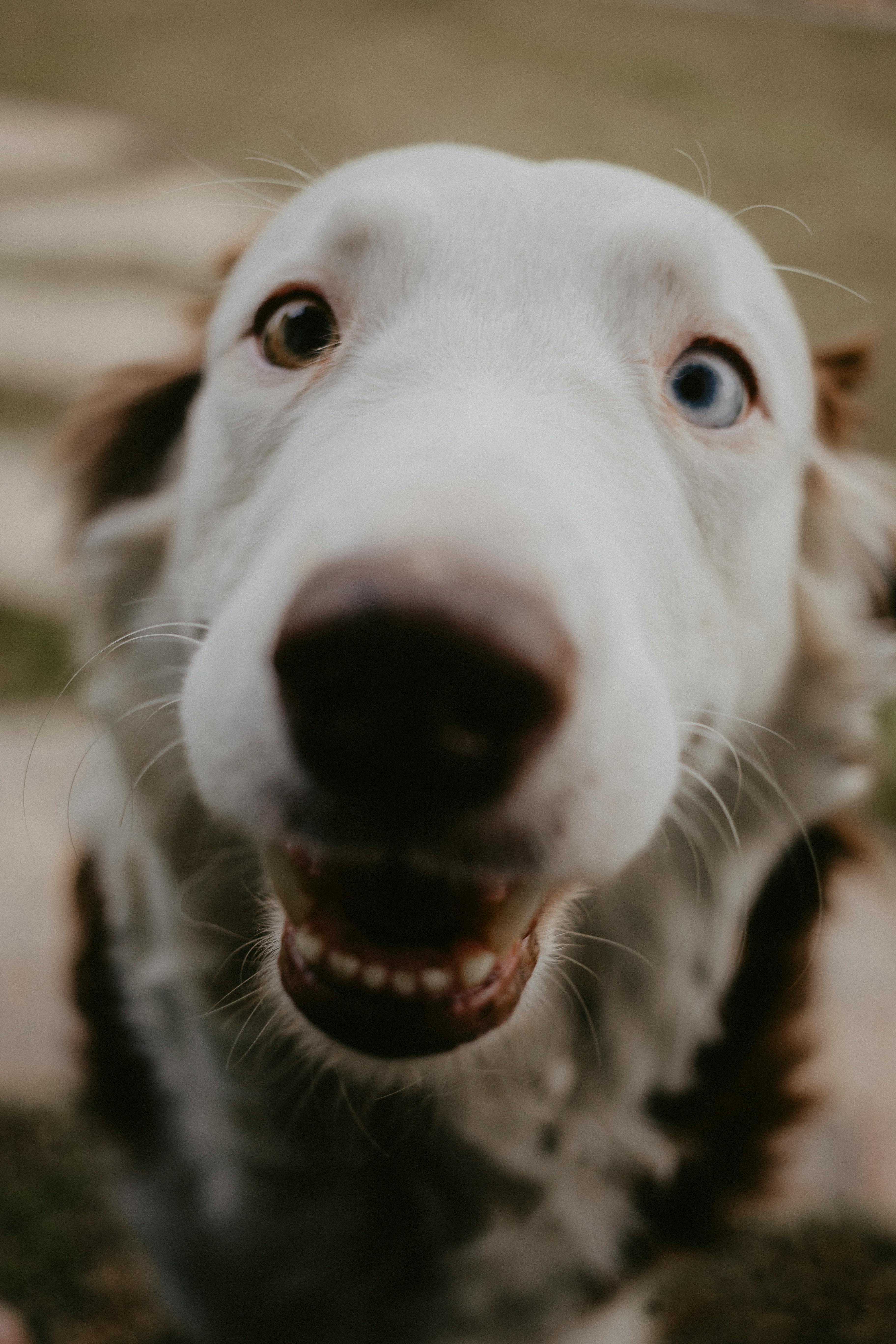 \n\n
\n\nHave you ever wondered why our furry friends have such unique noses? Dog noses are not only adorable, but they also serve important functions in their daily lives. There is a lot to learn about these fascinating features. So, let’s dive into fun facts about dog noses and explore the reasons why they are often wet.
\nThe Anatomy of a Dog Nose
\nFirst off, let’s talk about how a dog's nose works. Unlike humans, who have about 5 million scent receptors, dogs can have upwards of 300 million! This gives them an incredible sense of smell, which is essential for hunting, tracking, and even detecting diseases. Their noses are also covered in a moist tissue that helps to absorb scent particles, making their sense of smell even more effective.
\nWhy Are Dog Noses Wet?
\nSo, why do dogs have wet noses? There’s a couple of reasons for this. One primary reason is that moisture helps to enhance their sense of smell. When a dog's nose is wet, it can better absorb scent molecules from the air. This is why you’ll often see dogs sniffing around after it rains or when there's dew on the grass.
\nAnother reason is thermoregulation. Dogs don’t sweat like humans do; instead, they cool themselves down through their noses and paw pads. When a dog’s nose is wet, it can help regulate body temperature efficiently. A wet nose can also indicate a dog's health; if it’s dry or cracked, it might be a sign of dehydration or illness.
\nFun Facts About Dog Noses
\n- \n
- \n
Unique Patterns: Just like human fingerprints, each dog has a unique nose print. This could potentially be used for identification purposes in the future!
\n \n - \n
Color Matters: The color of a dog's nose can change over time. A puppy might have a pink nose that darkens as it matures. Breeds like the Labrador can have black, brown, or even liver-colored noses.
\n \n - \n
Scented Noses: Dog noses have a special structure called the Jacobsen's organ, located on the roof of their mouth. This organ helps dogs detect pheromones, which can tell them a lot about other dogs and their environment.
\n \n - \n
Temperature Regulation: A dog’s nose can also indicate its health. A cool, wet nose usually signals a healthy dog, while a warm, dry nose can indicate fever or dehydration.
\n \n - \n
Nasal Turbinates: Dogs have complex nasal passages that include structures called turbinates. These help to filter and warm the air they breathe and also play a key role in their sense of smell.
\n \n
Dogs and Scent Detection
\nDogs' ability to smell is not only impressive but also useful in various fields. Here’s a list of some ways dogs are used for their extraordinary sniffing skills:
\n- \n
- Search and Rescue: Dogs are trained to find missing persons, often in disaster situations such as earthquakes. \n
- Medical Detection: Some dogs can sniff out diseases like cancer or diabetes by detecting unique scent markers. \n
- Law Enforcement: K9 units use dogs to detect drugs, explosives, and even track down criminals. \n
- Therapy and Support: Dogs provide emotional support and can sense when their owners are stressed or anxious. \n
Comparing Dog Noses to Human Noses
\nIt’s interesting to compare dog noses to human noses. Here’s a quick side-by-side list that highlights some differences:
\n| Feature | \nDog Nose | \nHuman Nose | \n
|---|---|---|
| Scent Receptors | \n300 million+ | \nAbout 5 million | \n
| Moisture | \nUsually wet | \nUsually dry | \n
| Unique Identifier | \nYes, nose prints | \nNo | \n
| Thermoregulation | \nYes, helps cool down | \nNo | \n
| Shape and Size | \nVaries by breed | \nGenerally similar | \n
Why Dog Noses Are So Important
\nUnderstanding why dogs have wet noses and the unique features of their snouts helps us appreciate our furry companions even more. Their noses are not just for show; they are essential tools that assist them in exploring the world around them.
\nFrom tracking scents to cooling down their bodies, dog noses play a crucial role in their behavior and health. Next time you snuggle with your pooch, maybe take a moment to appreciate that adorable, wet nose and all its fascinating functions. Keeping your dog's nose healthy is important, and regular vet check-ups can ensure it stays that way. Explore the world of dog noses, and you might just find even more reasons to love your furry friend!
\n\nConclusion
\n\nIn conclusion, the wet noses of dogs serve several important functions that contribute to their health and well-being. The moisture on their noses enhances their sense of smell, as scent particles adhere better to a wet surface, allowing dogs to explore their environment more effectively. Additionally, a wet nose plays a role in thermoregulation, helping dogs cool down when they become overheated. While it’s essential to monitor changes in nose moisture as they can indicate health issues, a wet nose is typically a sign of a happy and healthy dog. So, the next time you notice your furry friend’s damp nose, remember its significance in their sensory and thermoregulatory systems. To ensure your dog's continued health, engage regularly with your pet and schedule routine veterinary check-ups. Understanding the science behind your dog's wet nose can deepen your bond and appreciation for their unique biology.
\n\n