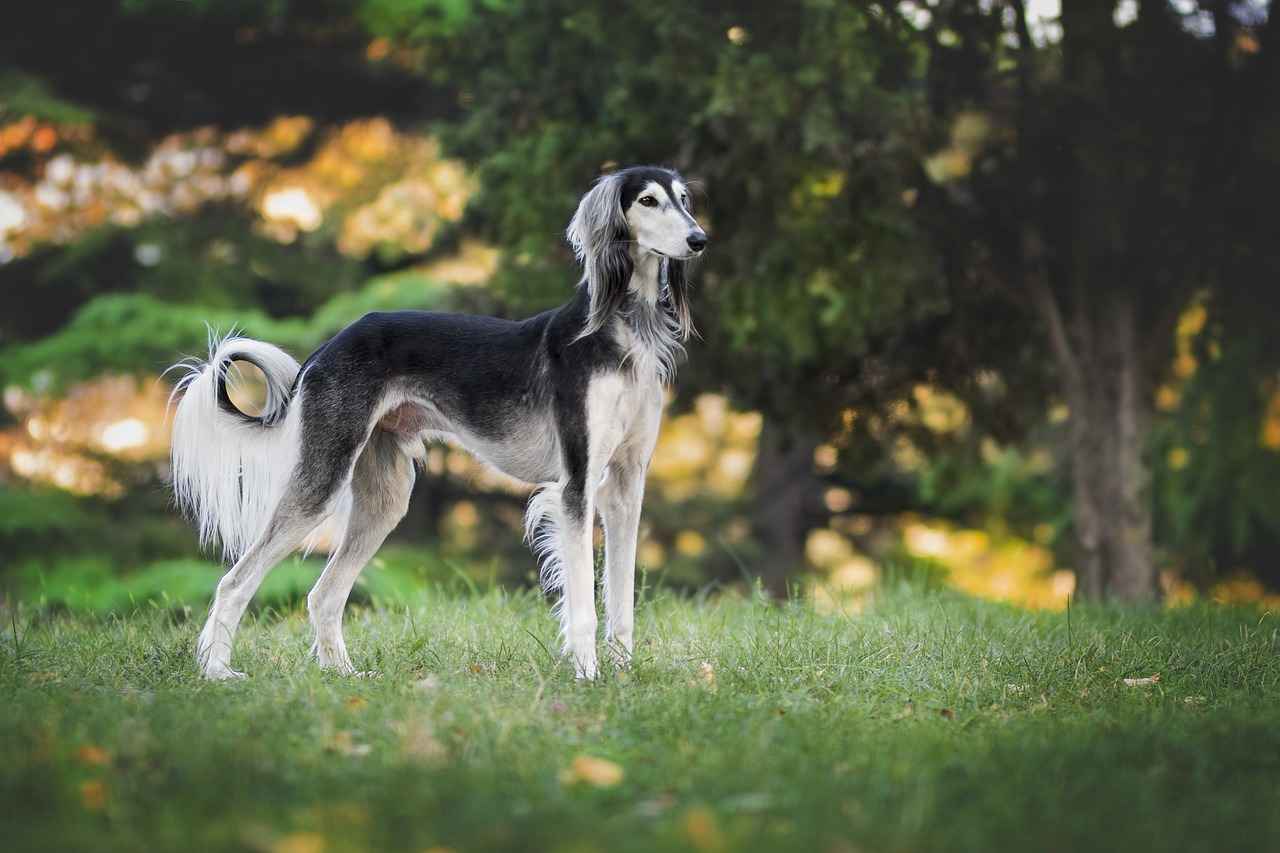
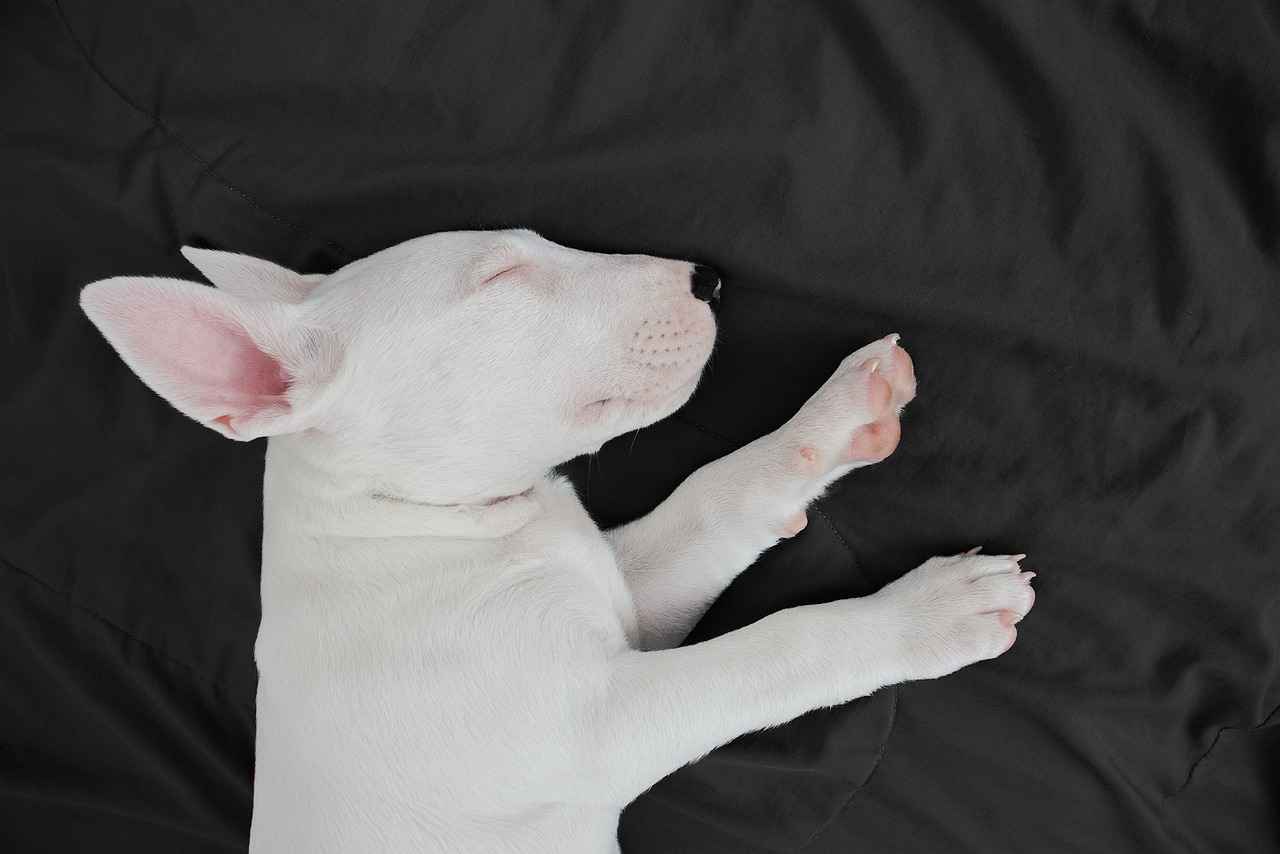
Have you ever wondered, why do dogs have wet noses? This intriguing question not only sparks our curiosity but also reveals some fascinating facts about our furry friends. A dog’s nose is not just cute but serves several important functions that contribute to their overall health and behavior. In fact, the wetness of a dog's nose plays a vital role in their ability to smell, which is far superior to ours. But that's not all! The moisture helps to cool them down and even acts as a natural thermometer. So, is there more to this than meets the eye? Absolutely! The science behind dog nose moisture is captivating and might just change the way you think about your pet's snout. If you’ve ever asked yourself, “What makes a dog's nose wet?” you’re in for a treat. In this article, we'll dive into the top reasons dogs have wet noses, uncovering the secrets behind this fascinating aspect of canine biology. Prepare to be surprised by the incredible ways your dog’s wet nose affects their communication, health, and connection with you! Keep reading to discover the amazing world of dog noses!
\n\nThe Science Behind Canine Wet Noses: What Makes Them So Unique?
\n\n \n\n
\n\nDogs are often regarded as man's best friend, and their wet noses are one of the many unique features that make them so special. Why is it that dogs have such wet noses? This question not only sparks curiosity but also leads us to some fascinating insights into canine biology. Let's take a closer look at the science behind canine wet noses and uncover the reasons behind this intriguing trait.
\nThe Anatomy of a Dog's Nose
\nA dog’s nose is a complex structure, made up of several different components. The surface of the nose is covered with a unique type of skin that is very different from the skin found on the rest of their body. Unlike humans, who have dry skin, dogs have moist, cool noses. This moisture is essential for their sense of smell, which is far superior to that of humans. Here are some key points about the anatomy of a dog's nose:
\n- \n
- Nasal Mucosa: The inside of a dog’s nose contains a specialized lining known as the nasal mucosa, which helps to produce moisture. \n
- Olfactory Receptors: Dogs have up to 300 million olfactory receptors, compared to about 6 million in humans. This gives them an extraordinary sense of smell. \n
- Blood Vessels: The blood vessels in a dog's nose help to regulate temperature and keep the nose moist. \n
Why Do Dogs Have Wet Noses?
\nThere are several reasons why dogs have wet noses, and understanding these reasons can give us insights into their health and behavior. Here are some of the main reasons:
\n- \n
- \n
Enhanced Sense of Smell: The moisture on the surface of a dog's nose helps to dissolve scent particles. This enhances their ability to detect odors, making them excellent trackers and hunters.
\n \n - \n
Temperature Regulation: Dogs do not sweat like humans. Instead, they cool themselves primarily through panting. A wet nose can help regulate their body temperature when it's hot outside.
\n \n - \n
Health Indicator: A wet nose is often seen as a sign of a healthy dog. However, a dry or warm nose can indicate health issues or fever, although this is not always the case.
\n \n - \n
Communication: Dogs also use their noses to communicate with each other. A wet nose can be a sign of excitement or curiosity.
\n \n
The Fascinating Science of Dog Noses
\nThe science behind a dog’s nose goes beyond just moisture. It involves a complex interaction of biology and behavior. Here are some interesting facts:
\n- \n
- Scent Memory: Dogs can remember scents for years. This means that their wet noses not only help them identify smells but also recall past experiences associated with those smells. \n
- Nasal Turbinates: The structure of a dog's nasal cavity includes complex scroll-like bones called turbinates, which help to filter, warm, and humidify the air they breathe in. \n
- Scent Discrimination: Dogs can distinguish between thousands of different scents, allowing them to identify specific individuals, places, or objects. \n
Historical Context and Practical Examples
\nHistorically, dogs have been bred for specific traits, including their sense of smell. Different breeds have different nose shapes and sizes, which can affect their olfactory abilities. For example:
\n- \n
- Bloodhounds: Known for their incredible tracking skills, they have a large, droopy nose that helps them to pick up scents over long distances. \n
- Beagles: Their short snouts are designed for tracking scents close to the ground, making them excellent at hunting small game. \n
In practical terms, dog owners can observe their pets' behavior and noses to gauge their health. For example, if a dog’s nose suddenly becomes dry or warm, this might indicate that it is feeling unwell.
\nComparisons to Other Animals
\nWhen comparing dogs to other animals, it's interesting to note how different species use their sense of smell. Here’s a quick comparison:
\n- \n
- Cats: Cats have a much more limited sense of smell than dogs, relying more on sight and sound. \n
- Bears: Bears have one of the best olfactory senses in the animal kingdom, far surpassing that of dogs, which helps them locate food from miles away. \n
Each species has adapted its sense of smell to fit its ecological niche, but dogs remain one of the most remarkable examples of olfactory evolution.
\nDog noses, with their unique features and functions, tell us a lot about our furry companions. From their biological make-up to their historical roles alongside humans, the wet nose of a dog is more than just an endearing trait; it's a fascinating aspect of canine life. Whether you're a dog owner, a lover, or just someone intrigued by animal behavior, understanding why dogs have wet noses can deepen your appreciation for these loyal animals.
\n\nTop 5 Reasons Why Dogs Have Wet Noses: Understanding Their Purpose
\n\n \n\n
\n\nEver wonder why do dogs have wet noses? It's a question that many dog owners find themselves asking. The answer is not just a simple one; it's a fascinating mix of biology, behavior, and a little bit of history. Dogs, our loyal companions, have some unique physical traits, and their wet noses are among the most interesting. Let’s take a look at the top five reasons why dogs have those moist, cold noses.
\n1. Sense of Smell Enhancement
\nOne of the biggest reasons dogs have wet noses is because it helps them smell better. Dogs have an incredible sense of smell—estimated to be between 10,000 to 100,000 times more sensitive than humans. Their wet noses trap scent particles more effectively. When a dog’s nose is moist, it can pick up scents in the air more efficiently, which is why you might notice them sniffing around so much.
\n- \n
- Wet noses help absorb scent chemicals. \n
- It enhances their ability to detect pheromones. \n
- A dog with a dry nose might not smell as well. \n
2. Thermoregulation
\nDid you know that dogs don’t sweat like humans do? Instead, they rely on their noses to help cool down their bodies. Yes, a wet nose is a part of how dogs regulate their body temperature. When dogs pant, moisture evaporates from their noses, which helps cool them off. So, if you see your pup with a wet nose during hot days, it could be a sign they’re trying to keep cool.
\n- \n
- Dogs primarily cool off through panting. \n
- A wet nose aids in evaporative cooling. \n
- It’s a natural way for dogs to manage heat. \n
3. Communication Tool
\nDogs are social animals, and their noses play a key role in how they communicate with each other and with humans. The moisture on a dog’s nose can convey information. When dogs greet each other, they often sniff each other’s noses to gather information about each other’s health, mood, and even diet. A wet nose can indicate a healthy, social dog.
\n- \n
- Sniffing is a form of greeting and gathering info. \n
- Dogs can sense emotional states through scent. \n
- Wet noses can signify friendliness and curiosity. \n
4. Health Indicators
\nA dog’s nose can often be an indicator of their health. A wet, cold nose is generally considered a sign of a healthy dog, but this isn't always the case. Changes in nose moisture can be a sign of health issues. For example, if a dog’s nose becomes excessively dry, it could indicate dehydration or illness. Conversely, a warm, dry nose might also raise flags for potential health concerns.
\n- \n
- Wet noses usually mean hydration and health. \n
- Dry noses could indicate illness or dehydration. \n
- Regularly check your dog’s nose for changes. \n
5. Evolutionary Trait
\nThe wet nose isn't just a random feature; it's an evolutionary trait that has developed over time. Dogs are descendants of wolves, who also have wet noses. This trait likely helped their ancestors in hunting and survival. A wet nose allows for better scent tracking, which was crucial for wolves when hunting prey. This evolutionary advantage has persisted in domestic dogs, making it an integral part of their biology.
\n- \n
- Evolution has favored dogs with wet noses. \n
- It aids in hunting and survival skills. \n
- This trait has been passed down through generations. \n
Fun Facts About Dog Noses
\n- \n
- Dogs have unique nose prints, much like human fingerprints. \n
- A dog’s sense of smell can be trained for various tasks, like search and rescue. \n
- Some breeds have dryer noses than others; it's all a part of their biology. \n
Comparison Table: Dog Nose Characteristics
\n| Characteristic | \nWet Nose | \nDry Nose | \n
|---|---|---|
| Scent Detection | \nEnhanced | \nLess effective | \n
| Cooling Mechanism | \nYes | \nNo | \n
| Health Indicator | \nGenerally healthy | \nCould indicate problems | \n
| Evolutionary Purpose | \nHunting and survival | \nN/A | \n
Understanding why do dogs have wet noses gives us a deeper insight into their behaviors and health. It’s fascinating to think about how this simple feature plays such a significant role in their lives. So next time you give your furry friend a scratch behind the ears and feel that cold, wet nose, remember that it's doing much more than just being cute! Embrace the quirks and traits of your dog, because their wet nose is just one of the many things that make them unique.
\n\nWet Noses and Health: What Your Dog’s Nose Can Reveal About Their Well-Being
\n\n \n\n
\n\nIf you've ever wondered why your dog's nose is so wet, you are not alone! Many dog owners often notices this curious characteristic, and it can actually tell you a lot about your furry friend's health. Wet noses are not just cute; they serve several important purposes too. So let’s dive in and discover what your dog's nose can reveal about their well-being, and why do dogs have wet noses in the first place.
\nThe Science Behind Wet Noses
\nFirst off, a dog’s nose is wet for a couple of reasons. The moisture helps to enhance a dog's sense of smell, which is way more powerful than humans. Dogs have approximately 300 million smell receptors in their noses compared to our mere 6 million. This incredible olfactory ability is further boosted when their noses are moist. The wetness helps to trap odor particles, making it easier for dogs to identify scents.
\nHere are some key facts about dog noses:
\n- \n
- Moisture Attraction: The moisture on a dog’s nose comes from a combination of saliva and secretions from the nasal glands. \n
- Temperature Regulation: Dogs also use their noses to help regulate their body temperature. When they pant, they lose moisture, and a cool nose can help to balance this. \n
- Health Indicator: A change in the moisture level of a dog's nose can indicate health issues. For example, a dry nose might suggest dehydration, while a nose that is excessively wet could be a sign of a respiratory infection. \n
Why Do Dogs Have Wet Noses?
\nNow, getting into the nitty-gritty of why dogs have wet noses—it's really fascinating! Here are some reasons:
\n- \n
- Enhanced Smell: As mentioned, the moist surface of the nose helps collect scent molecules. \n
- Cooling Mechanism: Like how humans sweat, dogs can cool off through their noses. Wet noses can help maintain a lower body temperature, especially after a good romp in the park. \n
- Social Signals: Dogs also use their noses to communicate. A wet nose can be a sign of a dog’s excitement or affection, as they often nudge their owners with their noses. \n
What Does a Dog's Nose Tell Us About Their Health?
\nA dog’s nose can act as an important barometer for their health. Here are some common conditions indicated by changes in the nose:
\n- \n
- Dry Nose: This could indicate dehydration, fever, or illness. It may not always mean something serious, but it's good to keep an eye on it. \n
- Cracked or Chapped Nose: This can be a sign of allergies, sunburn, or even a fungal infection. If your dog’s nose looks rough, it may be time to consult a vet. \n
- Excessively Wet Nose: In some cases, a nose that is too wet may indicate a respiratory issue, especially if there are other symptoms like coughing or lethargy. \n
- Color Changes: If the color of your dog's nose changes, for example, from black to pink, it might indicate an autoimmune condition or other health concerns. \n
Practical Tips for Dog Owners
\nTo keep your dog's nose healthy and hydrated, here are some simple suggestions:
\n- \n
- Hydration: Always ensure your dog has access to fresh water. Hydration is key! \n
- Regular Vet Checks: Regular check-ups with the vet can catch any potential issues early. \n
- Sun Protection: If your dog has a light-colored nose, consider using pet-safe sunscreen when they’re out in the sun for long periods. \n
- Watch for Symptoms: Keep an eye on your dog’s behavior. If you notice excessive licking of the nose, changes in appetite, or unusual lethargy, consult your vet. \n
Fun Facts About Dog Noses
\n- \n
- Dogs can detect certain diseases in humans, including cancer and diabetes, thanks to their amazing sense of smell! \n
- A dog’s nose print is unique, just like a human fingerprint. You could actually use it for identification! \n
- Dogs have what's called a Jacobsen's organ, located at the roof of their mouth, which helps them analyze scents even more effectively. \n
So next time you give your dog a little scratch behind the ears or they nudge you with their wet nose, remember all the fascinating reasons behind that moist little feature. It's not just adorable; it's also a vital part of their health and communication! Keeping an eye on your pup's nose can help you stay informed about their overall well-being, so cherish those wet-nosed moments!
\n\nCurious Canines: How Wet Noses Enhance Your Dog’s Sense of Smell
\n\n\n\nDogs have been our loyal companions for thousands of years, and their unique physical traits have always intrigued us. One of the most fascinating features of our canine friends is their wet noses. You might had noticed how dogs have noses that are often damp, and you may have wondered, "Why do dogs have wet noses?" Well, let’s take a deep dive into this topic and explore the curious canines and the science behind their wet noses.
\nThe Importance of a Wet Nose
\nFirst off, wet noses aren't just cute - they serve a very practical purpose. Dogs’ noses are wet for several reasons, and each of them contributes to their remarkable sense of smell. Here’s why a wet nose is beneficial for dogs:
\n- \n
- Enhanced Smell: The moisture on a dog's nose helps to capture scent particles. This means that their sense of smell is sharper and more acute compared to dry noses. \n
- Temperature Regulation: Just like humans sweat to cool off, dogs use their noses to help regulate their body temperature. A wet nose can help them stay cool when they’re feeling hot. \n
- Social Signals: Dogs communicate with each other through scent. A wet nose can indicate to other dogs that they’re friendly and non-threatening. \n
- Health Indicator: A wet nose is often seen as a sign of good health in dogs. A dry nose could mean they are sick or dehydrated, but this isn’t always the case. \n
The Science Behind the Nose
\nTo understand why do dogs have wet noses, we need to look at some scientific facts. Dogs have approximately 300 million scent receptors in their noses, compared to humans who only have about 6 million. This allows dogs to detect scents at extremely low concentrations.
\nMoreover, the surface of a dog’s nose contains special cells that help absorb moisture and scent particles, which enhances their ability to smell. When a dog sniffs something, the wetness on their nose helps to trap odor molecules, making it easier for them to identify what they are smelling.
\nHistorical Context
\nHistorically, dogs have been bred for various purposes, including hunting, herding, and guarding. Their sense of smell was crucial for these roles. For instance:
\n- \n
- Hunting Dogs: These dogs often needed to track scents over long distances. Their wet noses helped them pick up on the faintest of trails left by their prey. \n
- Herding Dogs: These dogs relied on their sense of smell to manage herds, guiding them and keeping them in check. \n
- Service Dogs: Many service dogs, like those used in search and rescue operations, depend on their noses to find people trapped in debris or missing. \n
Fun Facts About Dog Noses
\nHere are some interesting tidbits about dog noses that you may not know:
\n- \n
- The wetness of a dog’s nose is due to a thin layer of mucus that helps with scent absorption. \n
- Every dog's nose print is unique, much like a human fingerprint. They could even be used to identify individual dogs. \n
- Dogs can detect certain diseases, including cancer, by smelling changes in a person's body odor. \n
- The size and shape of a dog’s nose can influence their sense of smell. Breeds like Bloodhounds and Beagles have longer noses, which are better for scent tracking. \n
Practical Examples of Wet Nose Functions
\nLet’s put some of this information into practical examples. Imagine you’re walking your dog in the park. Here’s how their wet nose comes into play:
\n- \n
- Sniffing Out Friends: When your dog encounters another dog, they might sniff each other’s noses. This is a way of “saying hello” and gathering information about each other’s health and status. \n
- Tracking Scents: If your dog catches a whiff of something interesting (like a squirrel or a treat), they might follow that scent trail. Their wet nose will help them pick up on the trail more effectively. \n
- Cooling Down: On a hot summer day, you might notice your dog panting. Their wet nose helps them cool off as they take in the surrounding scents. \n
Understanding why do dogs have wet noses gives us a deeper appreciation for these amazing animals and their incredible abilities. It's not just a cute feature; it’s an integral part of what makes dogs such skilled companions and workers.
\nSo next time you see your furry friend with a wet nose, remember that it’s not just an adorable quirk—it’s a sign of their keen sense of smell and overall health. Dogs truly are remarkable creatures, and understanding their biology helps strengthen the bond we share with them.
\n\nThe Surprising Benefits of a Wet Nose: Why It’s a Good Sign for Your Dog
\n\n \n\n
\n\nDogs are often considered man’s best friend, and one of the most endearing traits they have is their wet noses. You might have noticed how your furry companion greets you with a snout that feels like it just came out of a kiddie pool. But have you ever wondered why do dogs have wet noses? There’s actually a fascinating explanation behind it, and it could also be a good sign for your dog’s health. Let’s dive into the surprising benefits of a wet nose and discover some interesting facts along the way!
\nThe Science Behind Wet Noses
\nA dog’s nose is wet for several reasons, and it plays an important role in their overall health and sensory perception. Here are some reasons why their noses are moist:
\n- \n
- \n
Thermoregulation: Dogs don’t sweat like humans do. Instead, they regulate their body temperature through panting and by having a moist nose. The moisture on their nose helps to cool them down.
\n \n - \n
Enhanced Smell: Wet noses improve a dog’s sense of smell. The dampness helps to capture scent particles in the air, which makes it easier for your dog to detect different smells. This is why dogs are so good at tracking and hunting!
\n \n - \n
Health Indicator: A cold, wet nose can indicate good health. If a dog’s nose is dry or warm, it might be a sign of illness or dehydration. However, not every dry nose means your dog is sick; it depends on other factors too.
\n \n
Historical Context of Dog Noses
\nDogs’ wet noses have been a subject of curiosity for many years. Historically, people believed that a dog’s nose could predict weather changes. Farmers and hunters relied on their dogs’ sniffing abilities to gauge the environment.
\n- \n
- \n
Old Wives’ Tales: Some folks believed that if a dog’s nose was particularly wet, it meant rain was coming. While science has debunked many of these myths, it's still a charming notion that connects dogs to their natural instincts.
\n \n - \n
Cultural Significance: In various cultures, dogs with wet noses are seen as lucky or as good omens. This belief can be traced back to ancient civilizations where dogs were revered for their loyalty and hunting skills.
\n \n
Benefits of a Wet Nose for Your Dog
\nSo, why does a wet nose matter? Here’s a list of benefits that highlight why it’s a good sign for your furry friend:
\n- \n
- \n
Good Hydration Level: A wet nose often suggests that your dog is well-hydrated. Keeping your dog hydrated is crucial for their health.
\n \n - \n
Effective Communication: Dogs communicate a lot through their noses. A wet nose means they are alert, curious, and engaged with their surroundings.
\n \n - \n
Enhanced Bonding: When a dog nudges you with their wet nose, it's often a sign of affection. It’s their way of saying they love you!
\n \n - \n
Active Immune System: Regular wetness can also indicate that your dog's immune system is functioning well.
\n \n - \n
Scent Tracking: A wet nose is essential for scent tracking. This is important for working dogs in roles such as therapy, search and rescue, and hunting.
\n \n
Comparing Dog Noses to Human Noses
\nYou might be wondering how dog noses differ from human noses. Here’s a quick comparison:
\n| Feature | \nDog Nose | \nHuman Nose | \n
|---|---|---|
| Moisture Level | \nUsually wet | \nUsually dry | \n
| Sense of Smell | \n10,000 to 100,000 times better | \nLimited compared to dogs | \n
| Temperature Regulation | \nEfficient through moisture | \nSweating is primary method | \n
| Communication | \nUses scent | \nUses language and expression | \n
Practical Tips for Maintaining Your Dog's Nose Health
\nNow that you know what a wet nose means for your dog, here are some tips to keep it healthy:
\n- \n
- \n
Hydration: Ensure your dog has access to fresh water at all times. Dehydration can lead to a dry nose.
\n \n - \n
Regular Vet Check-ups: Regular visits to the vet can help catch any potential health issues early on.
\n \n - \n
Monitor Environment: Protect your dog from extreme temperatures. Cold weather can lead to dryness, while heat can be dangerous.
\n \n - \n
Watch for Changes: If your dog’s nose suddenly becomes dry or warm, it’s worth monitoring for other symptoms like lethargy or loss of appetite.
\n \n - \n
Diet Matters: A balanced diet contributes to overall health, including nose moisture.
\n \n
In the end, a wet nose is often a sign of a happy and healthy dog. It's a charming feature that not only adds to their character but also indicates their well-being. Next time your dog greets you with a damp snout, remember that it’s more than just an adorable quirk—it’s a fascinating part of what makes dogs so special!
\n\nDo All Dogs Have Wet Noses? Exploring Variations Across Breeds
\n\n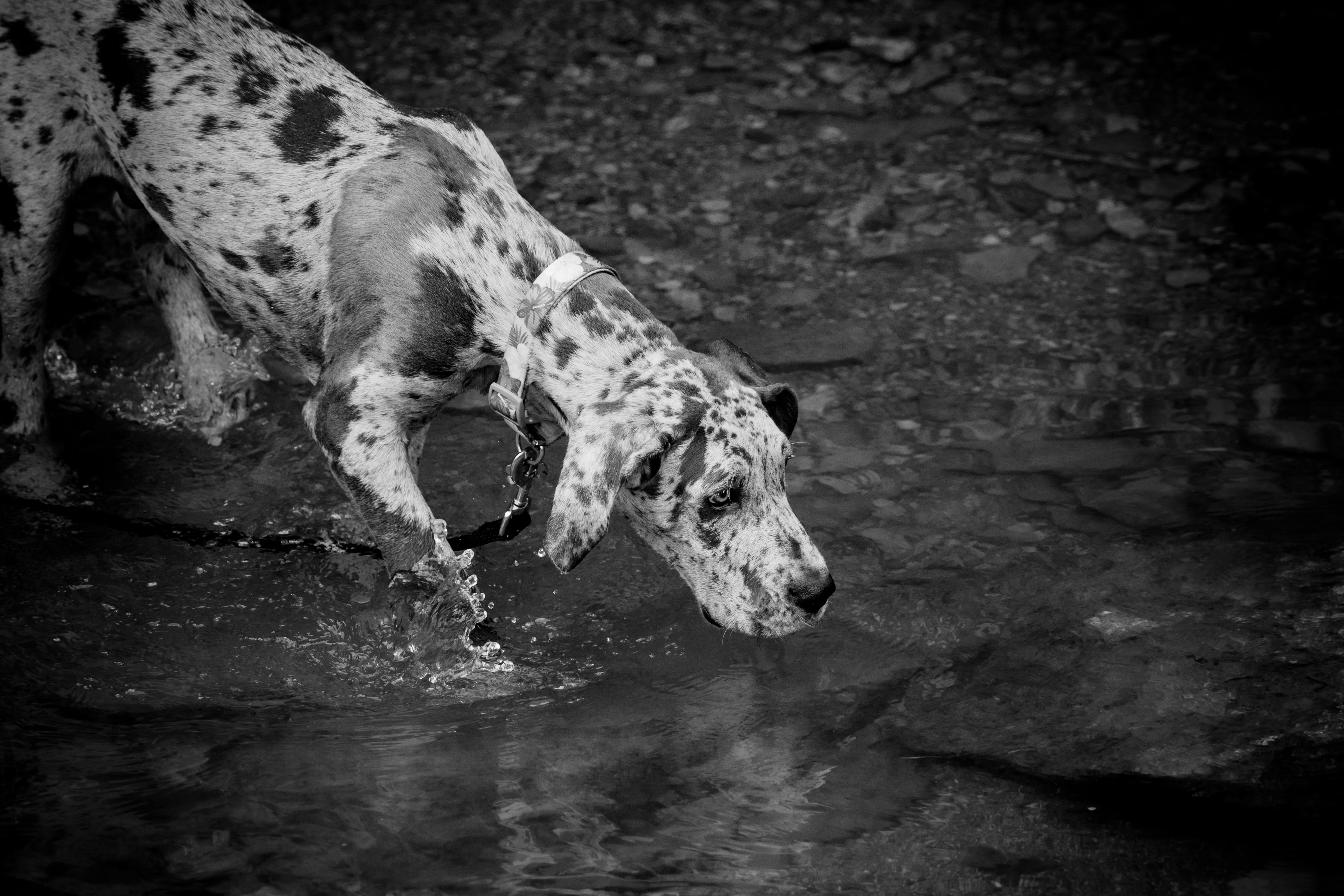 \n\n
\n\nDogs, those lovable companions, come in all shapes and sizes, but one curious question arise often: Do all dogs have wet noses? The answer is not as straightforward as one might think. Let's dive into this fascinating topic while exploring why dogs have wet noses and how it varies across different breeds.
\nThe Science Behind Wet Noses
\nMost people probably notice that when they pet a dog, their noses feel moist. But why is that? There are a few scientific reasons for it. The first one is related to the anatomy of a dog. A dog's nose is made up of a specialized skin that has a high concentration of mucus glands. This mucus helps in keeping the nose moist, which is essential for a dog’s sense of smell. Dogs have an incredible olfactory system, and a wet nose can enhance their ability to detect scents.
\n- \n
- Moisture: The moisture on a dog's nose helps to capture scent particles, making it easier for them to smell. \n
- Temperature Regulation: A wet nose can also help regulate a dog's temperature, acting as a cooling mechanism. \n
- Health Indicator: Sometimes, the moisture level of a dog's nose can indicate health issues. A dry nose might suggest dehydration, fever, or illness. \n
Do All Breeds Have Wet Noses?
\nNot all dogs have the same type of nose, and yes, this can affect how wet they get. For instance, brachycephalic breeds, like Bulldogs and Pugs, may not have as wet noses as their longer-nosed counterparts. This is because their shortened snouts can limit the airflow and moisture that reaches their noses effectively.
\nHere’s a breakdown of nose types across several popular breeds:
\n| Breed | \nNose Type | \nTypical Moisture Level | \n
|---|---|---|
| Labrador Retriever | \nLong and Moist | \nHigh | \n
| Pug | \nShort and Dry | \nLow | \n
| German Shepherd | \nMedium and Moist | \nModerate | \n
| Bulldog | \nShort and Dry | \nLow | \n
| Beagle | \nLong and Moist | \nHigh | \n
As you can see, the length and shape of a dog’s nose can impact how wet it stays.
\nWhy Do Dogs Have Wet Noses?
\nDogs have wet noses for several reasons, and understanding these reasons can be fascinating. Here’s a more detailed look at why your furry friend’s nose stays moist:
\n- \n
- \n
Enhanced Sense of Smell: Dogs have about 220 million scent receptors in their noses, which is why they can smell things far better than humans. The moisture helps to absorb scent particles, improving their ability to gather information about their surroundings.
\n \n - \n
Cooling Mechanism: Just like how we sweat, dogs can cool off through their noses. When they breathe out, moisture evaporates from their noses, which can help lower their body temperature.
\n \n - \n
Communication: Dogs communicate with each other using a variety of methods, including scent. A wet nose can be a way for them to gather scents from the environment, which helps them understand other dogs and their territories.
\n \n
Variations in Nose Moisture
\nIt’s interesting to note that not only breed impacts nose moisture, but also individual factors. For instance, a dog’s age, health, and even the environment they live in can play a role.
\n- \n
- \n
Weather Effects: In hot weather, a dog's nose might dry out more quickly. On the contrary, in humid conditions, their noses might stay wetter than usual.
\n \n - \n
Health Impact: If a dog is sick or dehydrated, their nose might become dry and cracked. It's important for dog owners to monitor their pet’s nose as a health indicator.
\n \n - \n
Age Factor: Puppies often have wetter noses than older dogs. As dogs age, their hydration levels can change, leading to variations in nose moisture.
\n \n
Trivia About Dog Noses
\n- \n
- Did you know that the texture of a dog's nose is unique, much like human fingerprints? \n
- Some researchers believe that a dog's nose print can be used for identification purposes, similar to how we use fingerprints. \n
In summary, the wetness of a dog’s nose is not just a quirky trait; it serves multiple functional purposes that enhance their quality of life. Whether wet or dry, understanding the reasons behind these variations can deepen the bond between dogs and their owners. So next time you give your furry friend a scratch behind the ears, take a moment to appreciate that moist little nose and all the reasons why it's so special!
\n\nWhy Does Your Dog’s Nose Feel Cold? The Fascinating Temperature Connection
\n\n \n\n
\n\nHave you ever wonder why your dog’s nose is often cold and wet? It’s one of those quirky things about our furry friends that leaves many of us curious. Understanding the reasons behind a dog’s nose temperature and moisture can be quite fascinating. Let’s dive into the temperature connection and discover why dogs have wet noses!
\nThe Temperature of Your Dog’s Nose
\nFirst off, a dog's nose typically feels cold because of how their body is designed. Dogs have a unique way of regulating their body temperature, and their noses play a significant role in this. The temperature of a dog's nose can fluctuate based on the environment, their activity levels, and even their emotional state.
\n- \n
- Cold Air: When it’s chilly outside, your pup’s nose is likely to be colder. This is just like how your hands might feel cold outside in winter. \n
- Exercise: After a good run or play session, their nose might feel warmer than usual. This is because their body is working hard and generating heat. \n
- Health Indicators: A cold nose is often seen as a sign of a healthy dog. However, if the nose becomes excessively warm or dry, it could indicate an underlying health issue. \n
The Fascinating Wetness of Dog Noses
\nNow, let’s move onto the wetness of your dog’s nose. You might have notice that dogs have moist noses and there’s a good reason for this. The moisture on a dog’s nose helps them in several ways:
\n- \n
- Scent Detection: A wet nose helps dogs absorb scent particles more effectively. This is why they can sniff out all sorts of things that we can't even smell! \n
- Temperature Regulation: Similar to how sweating cools us down, the moisture on a dog’s nose helps them stay cool. When the moisture evaporates, it cools their nasal passages. \n
- Health Indicator: A healthy dog’s nose is often moist and cool. If your pup's nose starts feeling dry, it might be a sign that they need hydration or could be unwell. \n
Why Do Dogs Have Wet Noses?
\nLet’s explore the reasons behind this peculiar characteristic of our canine companions.
\n- \n
- Anatomical Features: Dogs have a special structure in their noses called the nasal planum, which is the part of the nose that is moist. This structure allows for better olfactory function. \n
- Behavioral Traits: Dogs often lick their noses, keeping them moist. This is an instinctual behavior that aids in their ability to smell. \n
- Environmental Factors: When it’s humid, a dog’s nose may become wetter. Conversely, in dry weather, it can become drier. \n
Comparing Dog Noses to Human Noses
\nHere’s a quick comparison that might help you understand the differences between dog and human noses:
\n| Feature | \nDog Nose | \nHuman Nose | \n
|---|---|---|
| Temperature | \nGenerally cooler | \nWarmer | \n
| Wetness | \nTypically moist | \nUsually dry | \n
| Scent Detection | \nHighly developed | \nLess sensitive | \n
| Functionality | \nAids in cooling and smelling | \nPrimarily for breathing | \n
Common Myths About Dog Noses
\nThere are plenty of myths surrounding dog noses. Here are a few that you might’ve heard:
\n- \n
- Myth 1: A warm nose means a dog is sick. This ain't always true since a dog's nose temperature can change for various reasons. \n
- Myth 2: A dry nose means dehydration. While a dry nose can indicate that, it could also be due to environmental factors. \n
- Myth 3: All dog noses should feel cold and wet. There’s a variety of factors that affect this, and it can vary between individual dogs. \n
When To Be Concerned
\nWhile a cold and wet nose is usually a sign of a healthy dog, there are times when you should pay attention:
\n- \n
- If the nose is persistently dry and cracked. \n
- If the nose is excessively warm to the touch. \n
- If there are other symptoms like lethargy, loss of appetite, or unusual behavior. \n
Keeping an eye on these signs can be beneficial for your dog's health. Regular check-ups with your veterinarian can help ensure your furry companion stays healthy and happy.
\nUnderstanding why your dog’s nose feels cold and wet opens a window into their health and well-being. It’s just one of the many fascinating aspects of what makes dogs so unique. So next time you give your dog a scratch behind the ears, take a moment to appreciate that cool, wet nose and all the wonders it represents!
\n\nFrom Wet to Dry: What Changes in Your Dog's Nose Mean for Their Health
\n\n \n\n
\n\nHave you ever wondered why dogs have wet noses? It's one of those quirky things about our furry friends that captivates both pet lovers and scientists alike. This odd feature has fascinated people for ages. From their wet little noses to the intriguing reasons behind them, there's a lot to unpack regarding dog health and well-being. But when a dog's nose changes from wet to dry, it often raises questions about their health status. Let’s dive into the fascinating world of canine noses and what those changes can signify.
\nWhy Do Dogs Have Wet Noses?
\nFirst off, let’s explore why dog noses are often wet. A dog's nose is not just cute; it actually serves several important functions. Here are some key reasons:
\n- \n
- \n
Cooling Mechanism: Dogs don’t sweat like humans do. Instead, they rely on their nose to help regulate their body temperature. The moisture on their noses evaporates, which cools them down.
\n \n - \n
Enhanced Sense of Smell: A wet nose helps to trap scent particles in the air. This is why dogs have such an incredible sense of smell. The moisture helps to absorb the scents, allowing their olfactory receptors to do their magic.
\n \n - \n
Health Indicator: A dog's nose can be a good indicator of their health. A wet nose usually means that they are hydrated and healthy. Conversely, a dry nose might raise some flags, although it’s not always a cause for concern.
\n \n
What Changes Mean for Their Health
\nWhen you notice that your dog's nose is changing from wet to dry, it can mean different things. Here’s a quick breakdown of what these changes might signify:
\n- \n
- \n
Normal Variation: Sometimes, a dog’s nose can just dry out due to weather conditions. If it’s a hot day or they’ve been sunbathing, don’t panic right away.
\n \n - \n
Dehydration: A persistently dry nose can be a sign that your dog needs more fluids. Make sure they have access to fresh water at all times.
\n \n - \n
Illness or Infection: If the dryness comes alongside other symptoms like lethargy or loss of appetite, it might indicate a health problem. Conditions like canine distemper or kennel cough could make a dog’s nose dry and warm.
\n \n - \n
Allergic Reactions: Allergies can also cause a dog’s nose to change. It’s important to pay attention to other signs like itching, swelling, or sneezing.
\n \n
Factors Affecting Nose Moisture
\nMany factors can influence whether a dog’s nose is wet or dry, including:
\n- \n
- \n
Age: Older dogs may naturally have drier noses.
\n \n - \n
Breed: Certain breeds might have different nose moisture levels. For example, brachycephalic breeds (like Bulldogs) often have different nasal characteristics.
\n \n - \n
Environment: Things like air conditioning, dry climates, or cold weather can make a dog’s nose dry.
\n \n
Fun Facts About Dog Noses
\nDogs have some pretty fascinating noses! Here are some cool facts you might not know:
\n- \n
- \n
Unique Prints: Just like human fingerprints, every dog has a unique nose print. This can be used for identification!
\n \n - \n
Temperature Sensor: A dog’s nose can also help them detect temperature changes, which is why they are often used in search and rescue operations.
\n \n - \n
Nosework: Many dogs can be trained to find things using their incredible sense of smell. This is often seen in police work and search-and-rescue missions.
\n \n
When to Seek Veterinary Help
\nIf you notice persistent changes in your dog's nose, especially if accompanied by other symptoms, it’s best to consult a veterinarian. Here are some signs that warrant a visit:
\n- \n
- Nose is consistently dry and cracked \n
- Discharge or bleeding from the nose \n
- Unusual behavior or lethargy \n
- Changes in appetite or drinking habits \n
Practical Tips for Keeping Your Dog’s Nose Healthy
\n- \n
- \n
Hydration: Always ensure your dog has access to fresh water. This can help maintain that healthy moisture level.
\n \n - \n
Humidifiers: If you live in a dry climate or use heating in the winter, consider using a humidifier to add moisture to the air.
\n \n - \n
Regular Vet Check-ups: Make sure to keep up with vet appointments. Regular check-ups can help catch any potential problems early.
\n \n - \n
Observation: Pay attention to your dog’s overall health and behavior. Changes might seem small but could be significant.
\n \n
Understanding the reasons behind why dogs have wet noses and what changes mean for their health can help you be a better pet owner. Always remember, your dog's well-being is priority! Keeping an eye on their nose and other health indicators will ensure they stay happy and healthy for years to come.
\n\nFun Facts About Dog Noses: Why Wetness Matters More Than You Think
\n\n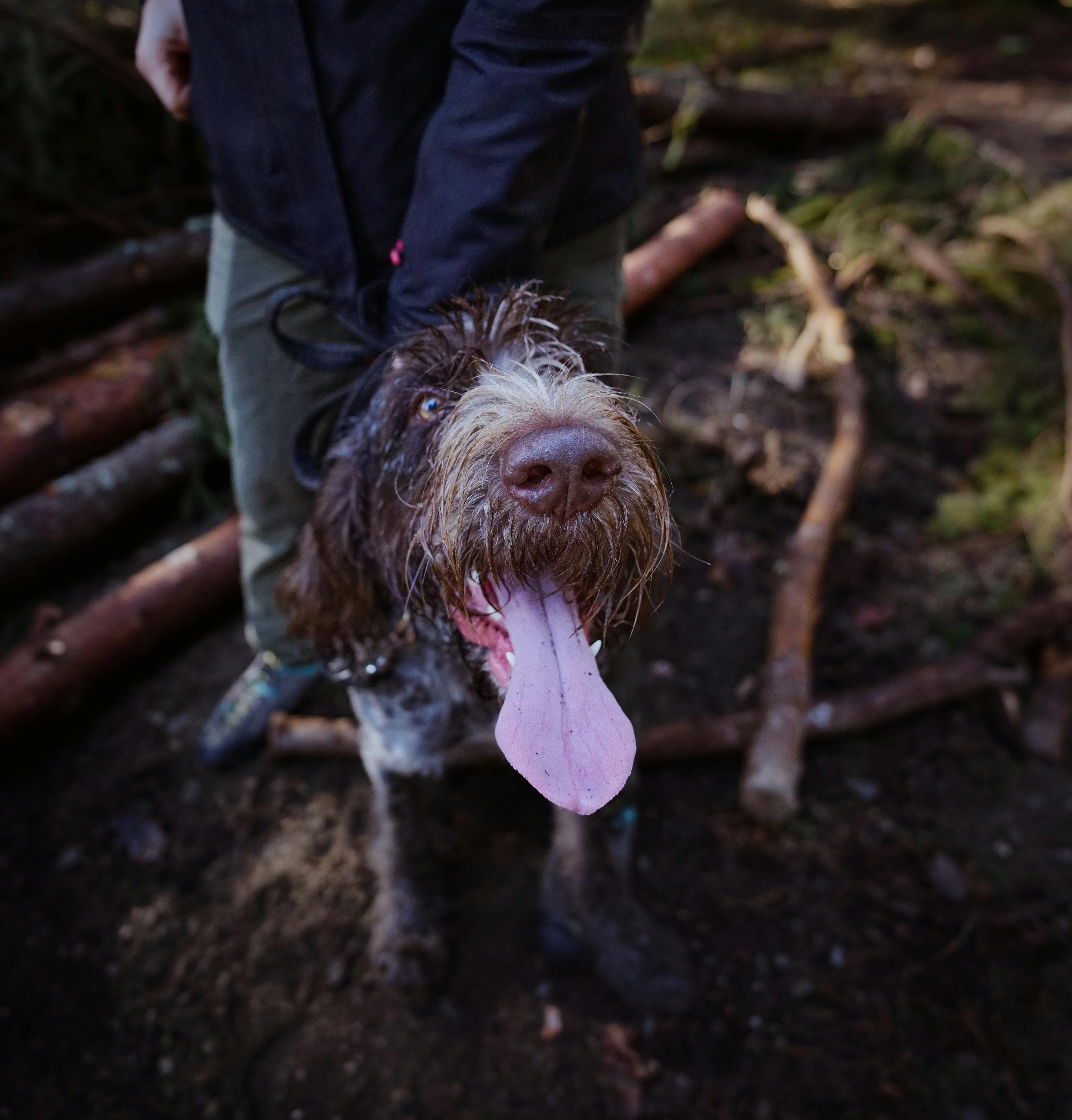 \n\n
\n\nDogs are often seen as man's best friend, and their wet noses are one of the many features that make them so unique. But have you ever wondered why do dogs have wet noses? It's not just for show, as these noses play a critical role in a dog's overall health and sensory abilities. So let’s dive into some fun facts about dog noses and discover why wetness matters more than you might think!
\nThe Science Behind Wet Noses
\nDogs' noses are wet for a variety of reasons. One of the main reasons is that moisture helps enhance their sense of smell. A wet nose helps to dissolve scent particles in the air, which makes it easier for dogs to detect different smells. This is especially important for hunting or tracking breeds, which rely heavily on their olfactory senses.
\n- \n
- Moisture and Smell: The wetness on a dog's nose helps capture scent molecules, improving their ability to detect odors. \n
- Cooling Mechanism: Just like how sweating cools humans down, the moisture on a dog’s nose helps regulate their body temperature. \n
- Health Indicator: A dog's nose temperature can indicate their health status. A dry, hot nose might suggest illness, while a cool, moist nose is often a sign of good health. \n
Historical Context of Dog Noses
\nThroughout history, dog noses have been admired for their functionality. In ancient times, dogs were bred for various purposes, including hunting, herding, and guarding. Their ability to smell was a key factor in their selection as working animals.
\n- \n
- Ancient Hunters: Early humans recognized the importance of a dog’s keen sense of smell and utilized them for hunting. \n
- Tracking Dogs: Breeds like Bloodhounds have been specifically trained to follow scents, showcasing just how vital a wet nose can be in tracking down prey or even missing persons. \n
Fun Facts About Dog Noses
\nHere are some interesting tidbits about dog noses that you might not know:
\n- \n
- Unique Patterns: Just like human fingerprints, every dog has a unique nose print. It can be used to identify them. \n
- Temperature Regulation: Dogs don’t sweat like humans. Instead, they primarily cool themselves through their noses and panting. \n
- Scent Receptors: Dogs have around 300 million scent receptors in their noses, compared to about 6 million in humans. This makes their sense of smell vastly superior. \n
- Wet vs. Dry: A wet nose is generally a sign of a healthy dog, but it’s not the sole indicator. Dogs can have varying nose conditions based on environment, health, and even genetics. \n
The Importance of Nose Wetness
\nYou might be thinking, "So what if a dog's nose is wet?" Well, the benefits go beyond just smelling. Here’s why nose wetness is crucial:
\n- \n
- Environmental Adaptation: Wet noses help dogs adapt to different environments. For instance, in humid conditions, their noses remain moist, which is beneficial for scent detection. \n
- Enhanced Communication: Dogs often communicate with other dogs and humans through their noses. A moist nose can signify eagerness or excitement, while a dry nose might indicate stress or discomfort. \n
Comparing Dog Noses to Other Animals
\nDogs are not the only animals with wet noses. Other creatures, like cats and pigs, also have wet noses, but the functionality can differ. Here’s a quick comparison:
\n| Animal | \nNose Type | \nFunctionality | \n
|---|---|---|
| Dogs | \nWet | \nEnhances sense of smell and cooling | \n
| Cats | \nWet | \nGood for smell but less pronounced than dogs | \n
| Pigs | \nWet | \nExcellent sense of smell for foraging | \n
Practical Examples of Nose Use
\nDogs use their noses for various reasons in everyday life:
\n- \n
- Search and Rescue: Dogs trained in search and rescue operations rely on their sense of smell to locate missing persons. \n
- Therapy and Assistance: Many service dogs use their noses to help those with disabilities, providing comfort and assistance in daily tasks. \n
- Detection Work: Dogs are often used in police work to detect drugs, explosives, and even diseases like cancer. \n
As you can see, a dog’s wet nose is more than just a cute feature. It's an essential part of their biology that supports their health, communication, and remarkable abilities. Understanding why dogs have wet noses and the science behind it can deepen your appreciation for your furry friend. So next time you cuddle with your pup, take a moment to admire that wet nose—it's working harder than you think!
\n\nHow to Keep Your Dog’s Nose Healthy: Tips for Owners on Nose Care
\n\n \n\n
\n\nEvery dog owner knows how important it is to keep their furry friends healthy, but one aspect that often gets overlooked is the dog's nose. You might ask yourself, "How to keep your dog’s nose healthy?" It’s a valid question, since a well-cared-for nose can be crucial for your dog's overall health. And if you ever wondered why do dogs have wet noses, you’re not alone. Let’s dive into the fascinating world of dog noses, including some care tips and reasons behind their unique moisture.
\nThe Importance of a Healthy Dog Nose
\nA dog’s nose isn’t just cute, it serves many important functions. Dogs rely heavily on their sense of smell, which is way more developed than ours. A healthy nose helps them sniff out food, detect danger, and even identify other animals. Here’s why maintaining nose health is essential:
\n- \n
- Enhanced Scent Detection: A moist nose helps capture scent particles better, allowing dogs to sniff out scents more effectively. \n
- Temperature Regulation: Dogs can cool themselves down through their noses. Keeping it healthy can aid in thermoregulation. \n
- Health Indicator: Changes in your dog’s nose can indicate health issues, from dehydration to more serious conditions. \n
How to Keep Your Dog’s Nose Healthy
\nNose care is not something that comes to mind for many pet owners, but it should be. Here are some practical tips for keeping your dog’s nose in tip-top shape:
\n- \n
- \n
Hydration is Key: Make sure your dog has access to clean, fresh water at all times. Dehydration can lead to a dry, cracked nose.
\n \n - \n
Regular Vet Check-ups: Regular visits to the vet can help catch any potential nose-related issues early.
\n \n - \n
Avoid Harsh Chemicals: When cleaning your home or yard, avoid using harsh chemicals that may irritate your dog’s nose.
\n \n - \n
Use Nose Balm: Just like humans, dogs can benefit from moisturizing balms. Look for pet-safe products to keep their nose soft and hydrated.
\n \n - \n
Watch the Weather: Extreme weather can affect your dog's nose. In winter, consider using a nose balm to prevent cracking. In summer, ensure they don’t get sunburned.
\n \n - \n
Healthy Diet: Feed your dog a balanced diet rich in nutrients. Omega fatty acids can improve skin and coat health, including the nose.
\n \n
Why Do Dogs Have Wet Noses? Discover The Fascinating Reasons!
\nNow, let’s talk about the intriguing question: why do dogs have wet noses? You might be surprised to learn that there are several reasons behind this trait:
\n- \n
- \n
Scent Enhancement: A wet nose can better interact with scent particles in the air, enhancing a dog’s sense of smell. This is crucial for hunting, tracking, and even just exploring their environment.
\n \n - \n
Cooling Mechanism: Dogs don’t sweat like humans do. A wet nose helps them cool down through evaporation. This is vital for their thermoregulation in warm weather.
\n \n - \n
Health Indicator: A wet nose is often seen as a sign of good health. However, it’s important to remember that a dry nose doesn’t always mean your dog is sick. Just like people, dogs can have variations.
\n \n - \n
Behavioral Signaling: Dogs often lick their noses when they’re anxious or excited. This behavior can indicate their emotional state, helping owners understand their dogs better.
\n \n
Common Nose Issues in Dogs
\nWhile it’s essential to care for your dog’s nose, it’s also important to recognize potential issues. Here are some common problems owners might face:
\n- \n
- Dryness and Cracking: Often caused by dehydration or environmental factors like heat. \n
- Nasal Discharge: Could indicate allergies, infections, or foreign objects lodged in the nose. \n
- Nose Bleeds: Rare, but can occur due to trauma, high blood pressure, or tumors. \n
When to See a Veterinarian
\nIf you notice persistent dryness, unusual discharge, or any signs of discomfort, it’s important to consult a veterinarian. Early intervention can prevent more serious issues down the line.
\nQuick Reference Table: Dog Nose Care Tips
\n| Care Tip | \nDescription | \n
|---|---|
| Hydration | \nEnsure fresh water is always available. | \n
| Vet Check-ups | \nSchedule regular visits for health monitoring. | \n
| Avoid Chemicals | \nUse pet-safe cleaning products. | \n
| Nose Balm | \nApply moisturizing products as needed. | \n
| Monitor Weather | \nProtect against cold and sun damage. | \n
| Balanced Diet | \nInclude nutrients like Omega fatty acids. | \n
Caring for your dog’s nose is a simple yet essential part of responsible pet ownership. By understanding why dogs have wet noses and how to keep them healthy, you not only improve your dog’s quality of life but also strengthen the bond
\n\nConclusion
\n\nIn conclusion, the wet noses of dogs serve several essential functions that contribute to their overall health and well-being. The moisture helps enhance their sense of smell, which is crucial for communication and environmental awareness. Additionally, a wet nose aids in thermoregulation, helping dogs cool down in warmer weather. While some may wonder about the correlation between a wet nose and a dog’s health, it’s important to note that a consistently dry or excessively warm nose could indicate underlying health issues. As dog owners, it’s vital to pay attention to these signs and consult a veterinarian when necessary. Understanding why dogs have wet noses not only deepens our appreciation for these beloved pets but also encourages us to be more attentive to their needs. So, the next time you give your furry friend a pat, take a moment to appreciate the science behind that delightful, damp nose!
\n\n