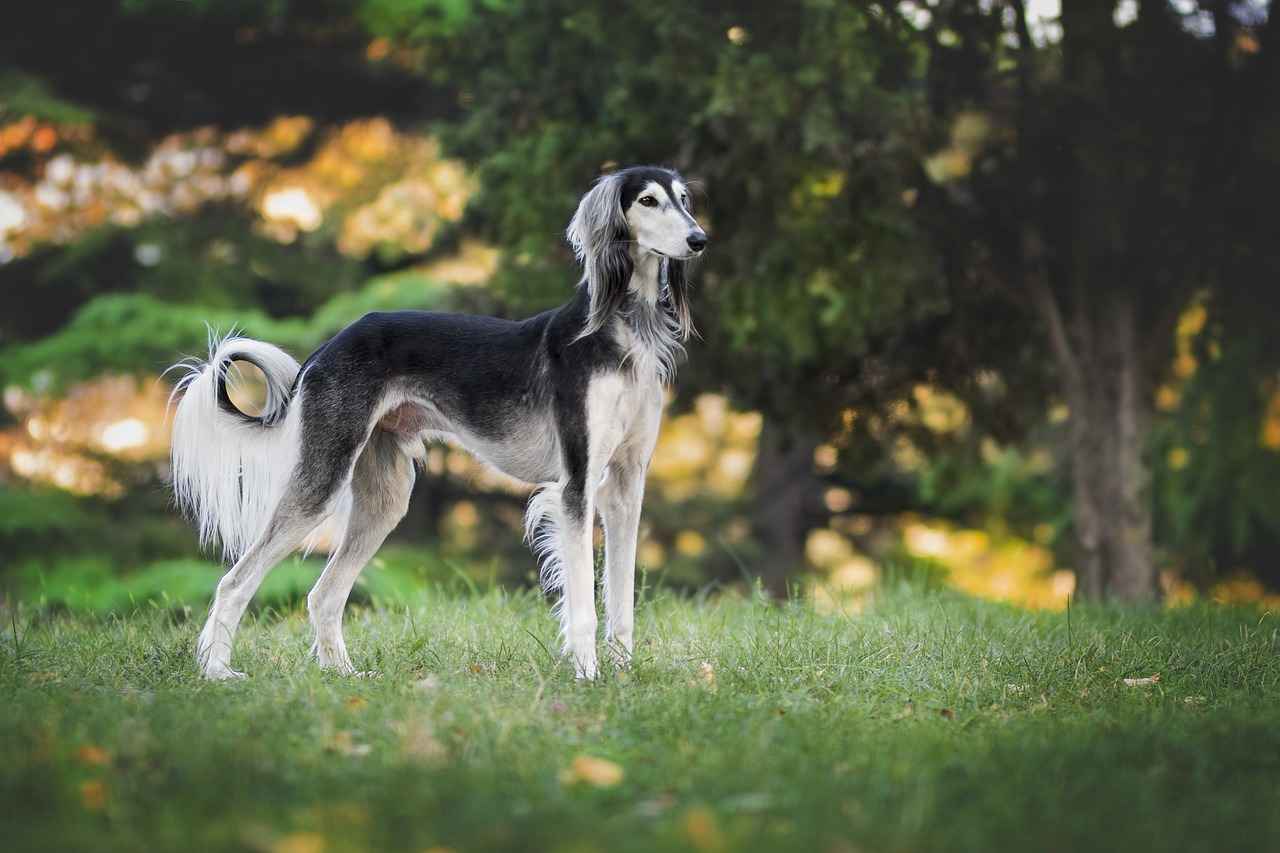
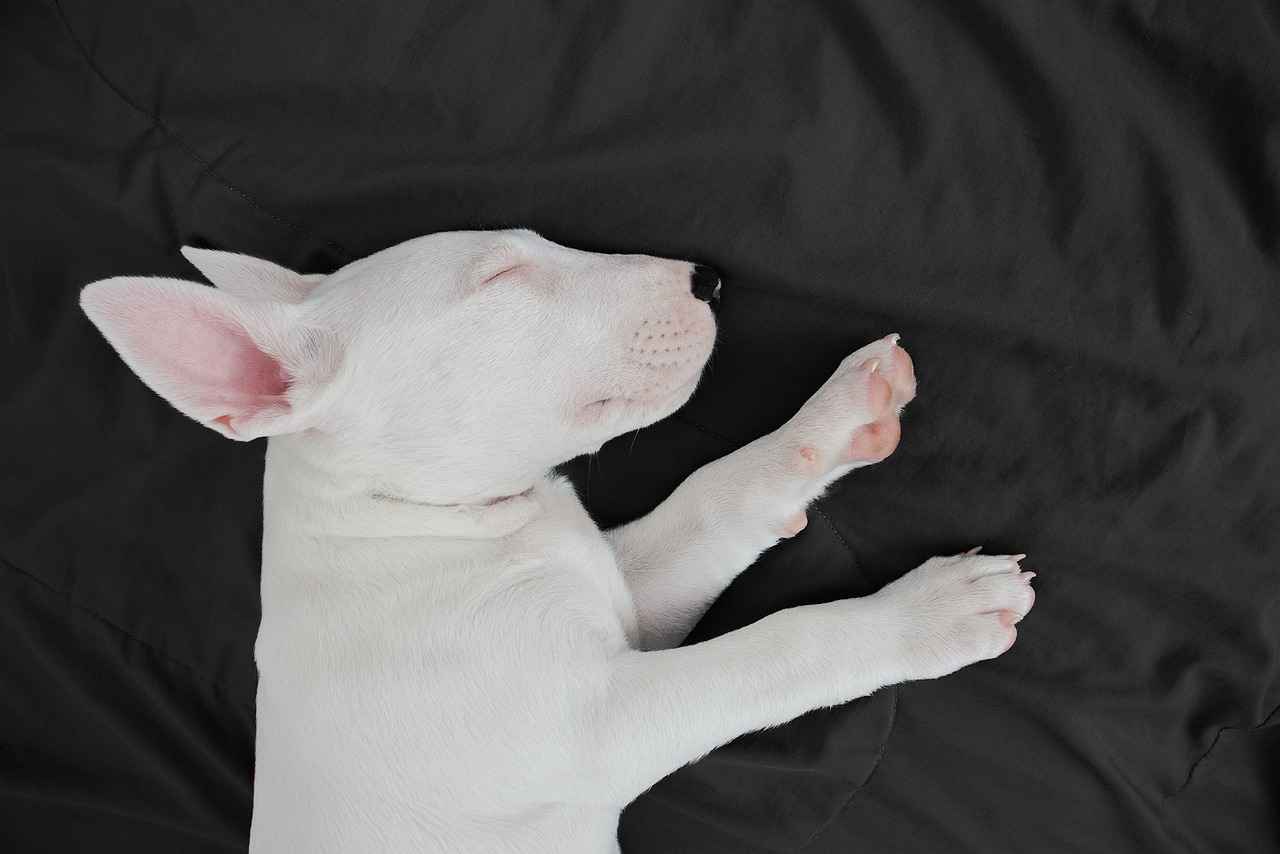
Have you ever wondered why do dogs have wet noses? This intriguing question often leads to fascinating discoveries about our furry friends. A dog's wet nose isn't just adorable; it plays a crucial role in their health and behavior. But what makes these noses so damp? In this article, we will uncover the scientific reasons behind wet noses in dogs and explore how it helps them interact with the world. Do you know that a wet nose can enhance a dog's sense of smell? Yes, it’s true! The moisture on their nose helps to trap scent particles, making their already impressive olfactory abilities even more effective. Furthermore, a dog's nose can be an indicator of their overall health—so paying attention to it is important. Are you curious about how weather changes affect your pup's nose? Or maybe you're interested in understanding the connection between wet noses and emotions in dogs? Stay with us as we dive deeper into the fascinating reasons why dogs have wet noses and learn how this unique trait contributes to their well-being and communication. Prepare to be amazed by the world of canine biology!
\n\nThe Science Behind Wet Noses: Why Your Dog's Snout is Always Moist
\n\n \n\n
\n\nDogs have long been our loyal companions, but have you ever stopped to wonder why your furry friend’s nose is always wet? The science behind wet noses is quite fascinating and can tell you a lot about your dog’s health and behavior. So, why do dogs have wet noses? Let’s dive into the details and uncover some intriguing reasons for this unique characteristic.
\nThe Biological Purpose of Wet Noses
\nA dog’s nose is not just for show; it serves several important functions. The moisture that you feel when you touch your dog’s snout is actually a critical part of their sensory perception. Here’s how it works:
\n- \n
- \n
Enhanced Smell: The moisture on a dog’s nose helps to absorb scent particles from the air. This makes it easier for them to detect different smells. Canines have about 220 million scent receptors, compared to humans who only have about 5 million. The wetness helps to trap scents and enhances their ability to identify them.
\n \n - \n
Thermoregulation: Just like humans sweat to cool down, dogs use their noses to help regulate their body temperature. When a dog is overheated, the moisture on their nose can evaporate and cool them down.
\n \n - \n
Health Indicator: A dog’s nose can sometimes indicate their overall wellbeing. A wet nose is generally a sign of a healthy dog. If the nose is dry or cracked, it might indicate dehydration or illness.
\n \n
Why Dogs Have Wet Noses: A Deeper Look
\nThere are several reasons that contribute to your dog's wet nose. Understanding these can help you care better for your furry friend.
\n- \n
- \n
Moisture Production: Dogs naturally produce mucus in their noses, which keeps it moist. This is a normal physiological process.
\n \n - \n
Licking Behavior: Have you noticed your dog frequently licking their snout? This behavior not only keeps the nose moist but also helps in comforting themselves.
\n \n - \n
Environmental Factors: The humidity and temperature of the environment can affect how wet or dry a dog’s nose is. A dog may have a wetter nose on a humid day compared to a dry, cold day.
\n \n
Fascinating Facts About Dog Noses
\nDogs’ noses are more than just wet; they have an array of fascinating features that make them unique. Here are some interesting facts about dog noses:
\n- \n
- \n
Unique Patterns: Just like human fingerprints, every dog has a unique nose print. This could potentially be used for identification.
\n \n - \n
Heat Sensors: Dogs can detect heat and can sense changes in temperature. This capability is part of why they excel at search and rescue tasks.
\n \n - \n
Communication Tool: Dogs also use their noses to communicate with other dogs. The scent left behind can relay information about mood, health, and even reproductive status.
\n \n
The Impact of Health on Nose Moisture
\nIs your dog’s nose always dry? It can be concerning. Here’s a list of potential health issues that could cause changes in nose moisture:
\n- \n
- \n
Dehydration: If your dog isn’t drinking enough water, it might lead to a dry nose.
\n \n - \n
Allergies: Allergies can cause nasal irritation, leading to dryness or other changes.
\n \n - \n
Infections: Bacterial or viral infections can alter the moisture levels of your dog’s nose.
\n \n - \n
Autoimmune Diseases: Certain conditions can affect mucus production and lead to a persistently dry nose.
\n \n
Caring for Your Dog’s Nose
\nMaintaining your dog's nose health is important. Here are some practical tips:
\n- \n
- \n
Hydration: Make sure your dog has access to plenty of fresh water. This can help keep their nose moist.
\n \n - \n
Regular Vet Check-ups: Regular visits to the vet can help catch any potential health issues early.
\n \n - \n
Watch for Changes: Monitor your dog’s nose for any drastic changes in moisture or texture, and consult your vet if you notice anything unusual.
\n \n - \n
Limit Exposure to Irritants: Try to reduce their exposure to smoke, strong chemicals, or allergens that could irritate their noses.
\n \n
Comparing Wet vs. Dry Noses
\nHere’s a simple comparison of the characteristics of wet and dry noses in dogs:
\n| Wet Nose | \nDry Nose | \n
|---|---|
| Cool to the touch | \nWarm or hot to the touch | \n
| Indicates good health | \nMay indicate health issues | \n
| Helps in scent absorption | \nLess effective at scent detection | \n
| Usually moist and shiny | \nMay be cracked or flaky | \n
Understanding why dogs have wet noses can give you deeper insight into your pet's health and behavior. It’s not just a cute characteristic; it’s a vital part of what makes them so unique. So the next time you give your dog a pat on the head, take a moment to appreciate that wet little nose and all the science behind it.
\n\n5 Surprising Benefits of a Dog's Wet Nose You Didn't Know About
\n\n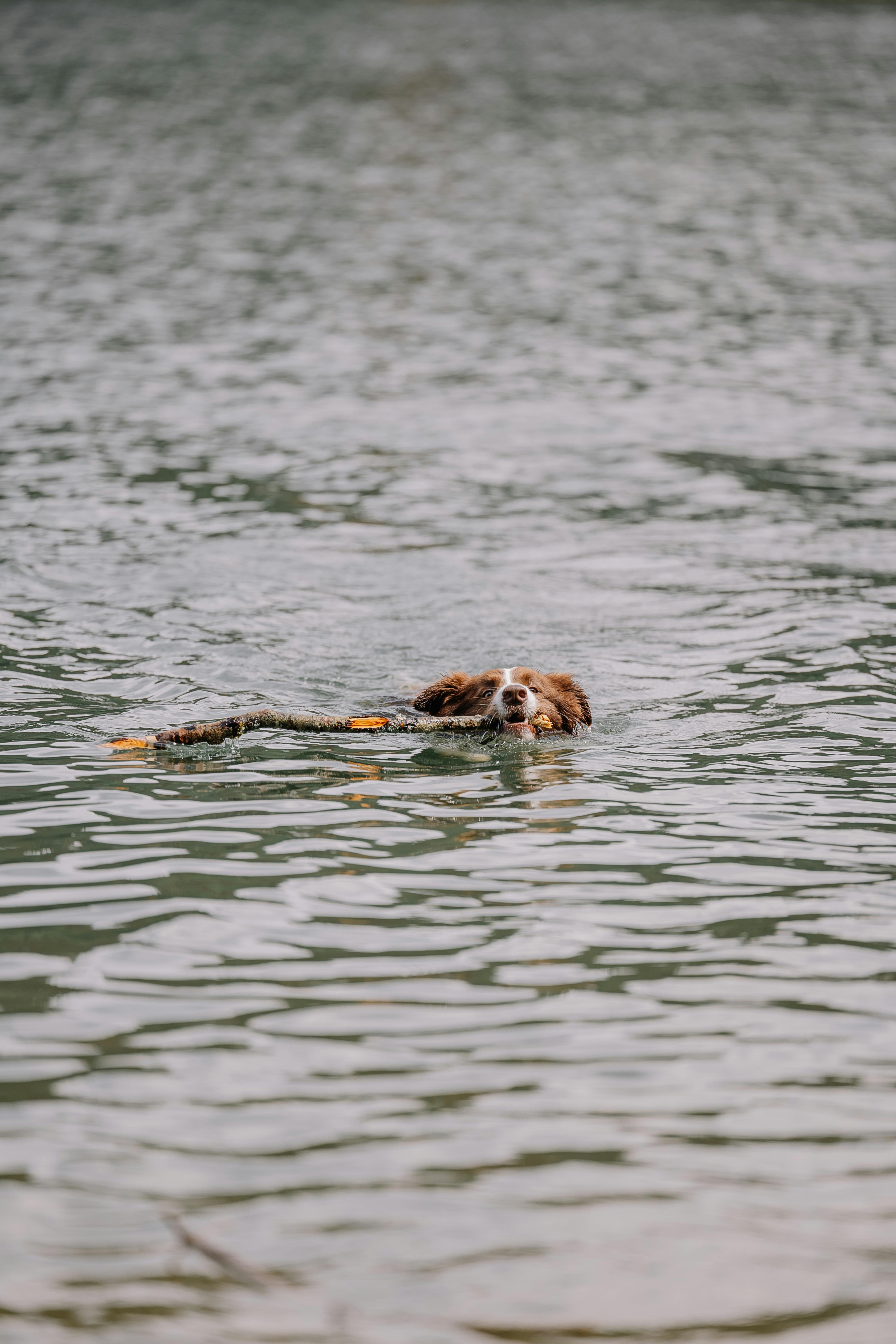 \n\n
\n\nDogs are amazing creatures, and their wet noses is one of the most curious things about them. Many people just think it’s cute or odd, but there is actually some fascinating science behind it. You probably heard that dogs have wet noses, but have you ever wonder why? In this article, we will reveal 5 surprising benefits of a dog's wet nose that you didn't know about, and explore the reasons why dogs noses are wet in the first place.
\nWhy Do Dogs Have Wet Noses? The Science Behind It
\nDogs have wet noses for several reasons, and it’s not just because they like to stick their snouts into everything. One major reason is that wet noses helps with their sense of smell. Dogs have an extraordinary olfactory system; they can smell things at a level that is far superior to humans. The moisture on their noses helps to capture scent particles from the air, allowing them to process smells more effectively.
\nSome interesting points about dog noses:
\n- \n
- Dogs have up to 300 million olfactory receptors, compared to a human’s 5 million. \n
- Their sense of smell can be 40 times more accurate than ours. \n
- The wetness on their noses also helps to cool them down, acting like a natural air conditioning system. \n
5 Surprising Benefits of a Dog's Wet Nose You Didn't Know About
\n- \n
- \n
Enhanced Sense of Smell
\n
\nAs mentioned, the wetness on a dog's nose helps them to smell better. This is due to the fact that moisture captures scent particles, making it easier for dogs to detect different smells. This ability is crucial for tracking, hunting, and even just locating a favorite toy. \n - \n
Temperature Regulation
\n
\nDogs can’t sweat like humans do. Instead, they regulate their body temperature through their noses. A wet nose helps to cool them down. If you notice your dog's nose getting dry, they might be overheating and need to cool down. \n - \n
Health Indicator
\n
\nThe condition of a dog's nose can often indicate their overall health. A wet, cool nose usually means a dog is healthy and hydrated. Conversely, a dry or cracked nose might signal a potential health issue. Of course, it's important to not rely solely on nose condition for health checks, but it can be a useful tool. \n - \n
Communication Tool
\n
\nDogs often use their noses to communicate with other dogs and even humans. A wet nose might mean they are excited or happy. When they nuzzle you with their nose, it’s their way of showing affection. The moisture can also leave behind scent markers that help them communicate with other animals. \n - \n
Allergy Detection
\n
\nDogs are quite sensitive to their environments. Their wet noses can help them detect allergens or irritants in the air. If a dog suddenly starts sneezing or scratching more than usual, it could be due to something they sniffed out with their keen sense of smell. \n
Historical Context: The Evolution of the Dog's Nose
\nDogs have evolved over thousands of years from wolves, and their nose has adapted to meet their needs. Wild dogs rely on their noses for hunting and survival. As they’ve domesticated, their noses have remained essential for communication and interaction.
\n- \n
- Ancient Uses: Early humans domesticated dogs for various reasons including hunting, herding, and companionship, relying on their keen sense of smell for tracking prey. \n
- Modern Canines: Today, dogs are trained to use their noses for search and rescue, detecting drugs or explosives, and even identifying certain medical conditions in humans. \n
Practical Examples of Dogs and Their Noses
\n- \n
- Tracking Dogs: Bloodhounds are famous for their incredible tracking abilities. Their wet noses help them track scents over long distances. \n
- Service Dogs: Some service dogs can detect changes in human blood sugar levels, alerting their owners to potential health issues. \n
- Family Pets: Even your family pet can use their nose to find hidden treats around the house! \n
In summary, your dog’s wet nose is more than just an adorable feature; it plays a vital role in their health and communication. Understanding why dogs have wet noses gives us a deeper appreciation for our furry friends. As you spend time with your dog, take a moment to observe their nose and consider all the incredible functions it serves.
\n\nWhy Do Dogs Have Wet Noses? Uncovering the Secrets of Canine Biology
\n\n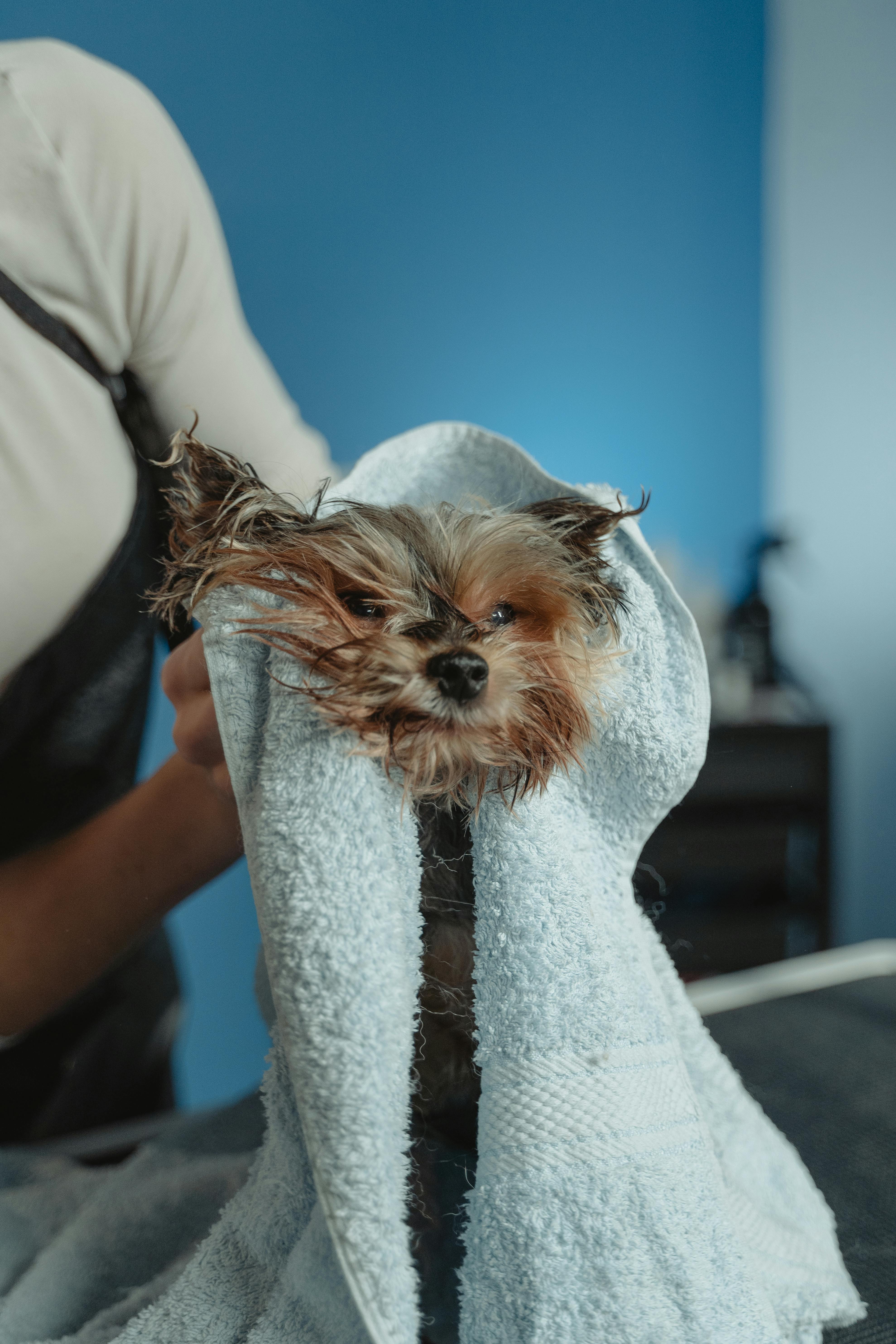 \n\n
\n\nHave you ever wondered why do dogs have wet noses? It’s kind of a strange question, right? But if you really think about it, those damp little noses are a fascinating part of canine biology. They serve multiple purposes that not only benefit the dogs but also help them interact with their environment. So, let’s dive into the intriguing world of our four-legged friends and uncover the secrets behind their moist noses.
\nThe Science Behind Wet Noses
\nDogs typically have wet noses, and there are some reasons for that. A wet nose is not just a cute feature, but it also plays a crucial role in a dog's health and well-being. Here are a few scientific explanations:
\n- \n
- Temperature Regulation: Dogs do not sweat like humans. Instead, they regulate their body temperature through panting and the moisture on their nose. The wetness helps cool them down, especially on hot days. \n
- Enhanced Scent Detection: A wet nose helps to capture scent particles in the air. The moisture allows these particles to stick, making it easier for dogs to smell things better. This is why dogs are known for their incredible sense of smell. \n
- Health Indicator: A dog's nose can be an indicator of its health. A consistently dry or hot nose could suggest that something is wrong, while a wet nose usually indicates that the dog is healthy. \n
Historical Context
\nDogs have been companions to humans for thousands of years. Their biology has evolved over time to adapt to living alongside people. The wet nose is a characteristic trait that has been observed in various breeds. Historically, dogs were bred for specific purposes, like hunting, herding, or guarding, and their noses played a vital role in those tasks. For example, hunting dogs rely heavily on their sense of smell to track down game.
\nFascinating Facts About Dog Noses
\nHere are some interesting facts about dogs and their noses:
\n- \n
- Dogs have up to 300 million smell receptors, while humans only have about 5 million. \n
- The unique pattern of a dog’s nose is as individual as a human fingerprint. No two dogs have the same nose print. \n
- Dogs can detect certain diseases, like cancer or diabetes, because of their superior olfactory abilities. \n
- The wetness of a dog's nose can change throughout the day. Factors like weather, activity level, and health contribute to this. \n
Why Do Some Dogs Have Drier Noses?
\nNot all dogs have consistently wet noses. It varies by breed, age, and individual health. Here are some reasons why a dog might have a dry nose:
\n- \n
- Dehydration: Just like humans, dogs need to stay hydrated. A dry nose can be a sign that your dog needs more water. \n
- Allergies: Environmental factors or food allergies can lead to dryness or irritation. \n
- Health Issues: Certain illnesses or conditions, such as autoimmune diseases, can affect nose moisture. \n
Comparing Dogs and Other Animals
\nWhen comparing dogs to other animals, you’ll notice significant differences in nose moisture and functionality.
\n| Animal | \nNose Type | \nScent Detection Ability | \n
|---|---|---|
| Dogs | \nWet Nose | \nExcellent (up to 100,000 times better than humans) | \n
| Cats | \nDry Nose | \nGood (but not as strong as dogs) | \n
| Elephants | \nMoist Nose | \nVery Good (uses trunk for scent) | \n
| Humans | \nDry Nose | \nLimited (5 million receptors) | \n
Practical Examples
\nIf you observe your dog’s nose, you might notice changes throughout the day. For example, after a long walk, their nose might feel cooler and wetter. On a lazy day, it might be warm and dry. These variations are normal, but you should always keep an eye on drastic changes. If your dog's nose stays dry for an extended period, or if you notice other symptoms, you should consult a veterinarian.
\nFinal Thoughts
\nSo, why do dogs have wet noses? It’s a combination of biology, evolution, and purpose. Those little damp noses are not just adorable; they serve important functions for our furry friends. Whether it’s helping them stay cool or sniff out the world around them, wet noses are a fantastic feature of canine anatomy. The next time you pet your dog and feel that wet nose against your hand, you’ll know there’s more than meets the eye. Dogs are truly remarkable creatures, and every little detail about them, including their wet noses, tells a story of nature’s brilliance.
\n\nThe Connection Between Wet Noses and Your Dog’s Health: What Every Owner Should Know
\n\n \n\n
\n\nDogs are often known for their lovable, wet noses, but do you ever wonder what those moist snouts actually mean for your furry friend’s health? There’s a lot more going on with your dog’s nose than just being cute. Understanding the connection between wet noses and your dog's health can help you become a better pet owner.
\nWhy Do Dogs Have Wet Noses?
\nFirst things first, let’s dive into the science behind those wet noses. Dogs have wet noses for several reasons:
\n- \n
- \n
Cooling Mechanism: Dogs don’t sweat like humans do. Instead, they cool off through their noses. The moisture on their noses helps regulate their body temperature.
\n \n - \n
Enhanced Sense of Smell: A dog's sense of smell is about 10,000 to 100,000 times more sensitive than a human's. The wetness of their nose helps capture scent particles, making it easier for them to smell things.
\n \n - \n
Health Indicator: A wet nose is often seen as a sign of a healthy dog. In general, if your dog’s nose is relatively cool and moist, they are likely doing well. However, a dry or excessively warm nose can indicate health issues.
\n \n
The Fascinating Reasons Behind Wet Noses
\nYou might be asking, “Why do dogs have wet noses?” Well, it’s not just for show. Here are some interesting facts that highlight the significance of moisture in a dog's nose:
\n- \n
- \n
Natural Lubrication: A dog's nose is lined with mucous membranes which secrete moisture. This keeps the nose moist and helps in detecting scents.
\n \n - \n
Behavioral Cues: Dogs often wet their noses when they are anxious or excited. This can be an emotional response, signaling their mood to other dogs or humans.
\n \n - \n
Temperature Regulation: When dogs pant, they are trying to cool down. A wet nose assists in this process by allowing heat to escape through evaporation.
\n \n - \n
Communication Tool: Dogs use their noses to explore the world. A wet nose can be a sign of curiosity or interest in their environment.
\n \n
What a Wet Nose Might Indicate About Health
\nWhile a wet nose is generally a good sign, it’s important to know that not every situation is the same. Here are some health indicators related to your dog’s nose condition:
\n- \n
- \n
Wet and Cool: Generally a sign of good health. Your dog is likely hydrated and feeling well.
\n \n - \n
Dry and Warm: This could indicate fever, dehydration, or illness. If this persists, consider contacting a veterinarian.
\n \n - \n
Excessively Runny: If the nose is overly wet or has discharge, it might suggest allergies or infection. Keep an eye on any changes.
\n \n - \n
Cracked or Chapped: This could mean your dog is dehydrated or that they have a skin condition. It’s best to consult a vet if this is the case.
\n \n
Factors Affecting Nose Moisture
\nA lot of things can affect the moisture levels of your dog’s nose. Here are some common factors:
\n- \n
- \n
Weather: Hot and dry weather can lead to a dry nose. Keeping your dog hydrated is key, especially in warmer months.
\n \n - \n
Illness: Certain illnesses can affect the moisture levels. If your dog suddenly has a dry nose and shows other signs of being unwell, it’s time to visit the vet.
\n \n - \n
Age: Older dogs might have drier noses due to changes in skin texture and moisture retention.
\n \n
Practical Tips for Dog Owners
\nSo, how can you help maintain your dog's health in relation to their nose? Here’s a handy list:
\n- \n
- \n
Regular Check-ups: Take your dog for regular vet visits to catch any health issues early.
\n \n - \n
Hydration: Always ensure your dog has access to fresh water to prevent dehydration.
\n \n - \n
Observe Behavior: Keep an eye on changes in your dog's behavior and nose condition. Are they licking their nose more? This might indicate something.
\n \n - \n
Healthy Diet: Feed your dog a balanced diet rich in nutrients to support overall health, which can affect the moisture of their nose.
\n \n - \n
Grooming: Regular grooming can help keep your dog’s skin and nose healthy.
\n \n
Understanding the connection between wet noses and your dog’s health is important for every dog owner. By paying attention to your dog’s nose and what it signifies, you can help ensure they stay happy and healthy. Remember, a wet nose often means a happy pup, but always stay vigilant about changes that may signify health concerns. Your furry friend depends on you to recognize these signs!
\n\nHow a Dog’s Wet Nose Enhances Their Sense of Smell: The Fascinating Facts
\n\n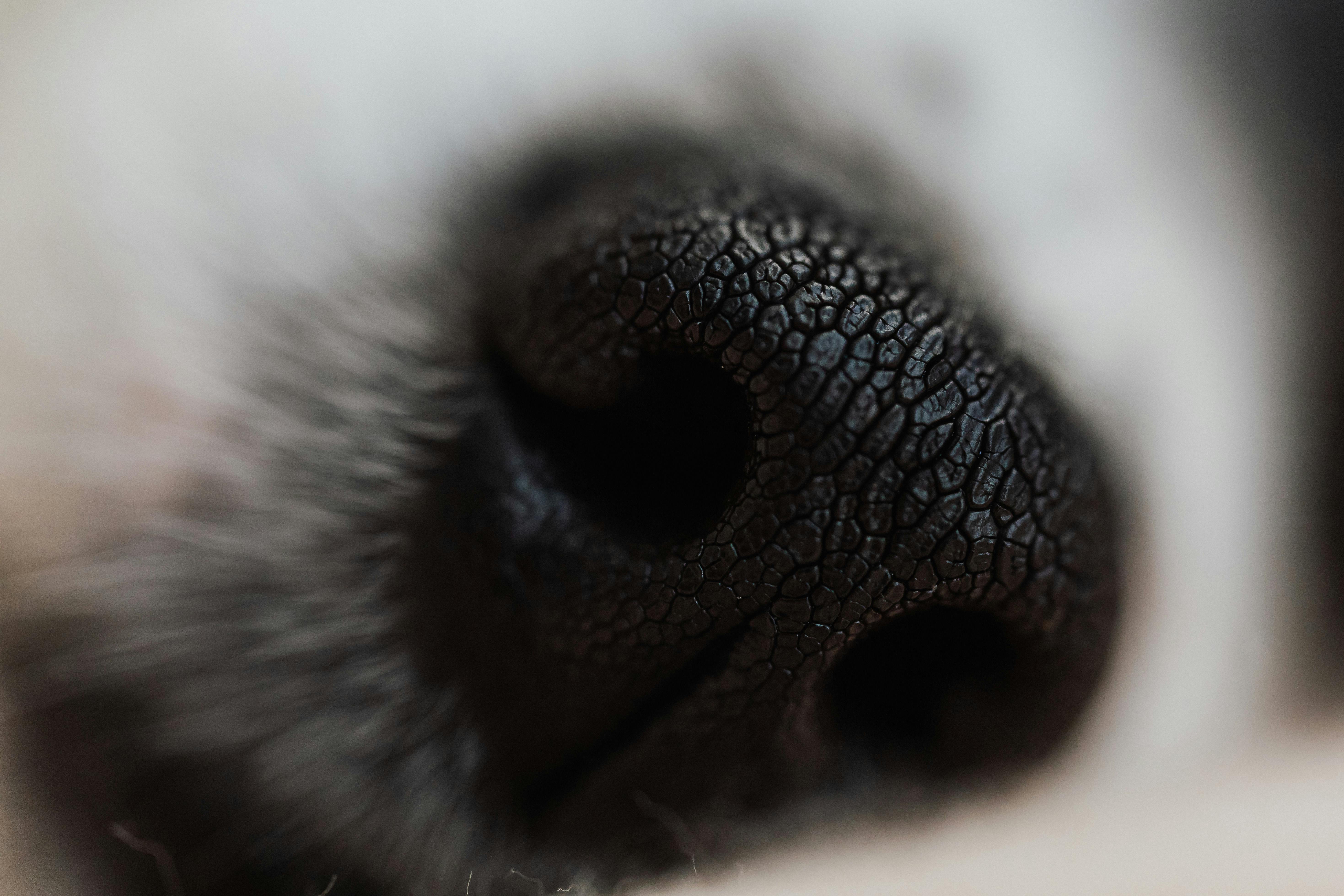 \n\n
\n\nDogs are beloved pets around the world, and one of their most charming features is their wet nose. You might wonder, why do dogs have wet noses? Well, the answer is not just for cuteness! It’s actually tied to their incredible sense of smell. This article explores how a dog’s wet nose enhances their sense of smell, presents fascinating facts about why they have this unique feature, and gives you insights into the science behind it.
\nThe Science Behind the Wet Nose
\nA dog’s nose is not just for looking cute; it plays a vital role in their olfactory system. The wetness of a dog’s nose helps to capture scent particles from the air. When the nose is moist, it increases the ability to absorb scents. Here’s how it works:
\n- \n
- Moisture helps to dissolve smell particles: When the nose is wet, it allows the scent particles to stick better. This is similar to how a sponge absorbs water. \n
- Temperature regulation: A dog will often cool down by panting, but their wet nose also helps regulate temperature. This keeps the olfactory receptors functioning properly, as overly dry conditions can impair their ability to smell effectively. \n
- Sensory receptors: Dogs have up to 300 million olfactory receptors, compared to humans’ mere 5 million. This means they can detect scents at incredibly low concentrations, and the wetness of their noses assists this function. \n
Fascinating Facts About Dogs’ Noses
\n- \n
- \n
Different Noses for Different Breeds: Various breeds have different nose shapes and sizes, which can affect their ability to smell. For example, Bloodhounds have one of the most powerful noses in the canine world, capable of tracking scents over great distances.
\n \n - \n
The Nose Print: Just like human fingerprints, each dog has a unique nose print. This can be used for identification purposes, and some organizations even use it as a form of dog ID.
\n \n - \n
Scent Memory: Dogs can remember scents for a long time. They can recognize familiar scents even after years of separation from their owners or previous environments.
\n \n - \n
Wetness Levels Vary: Not all dogs have the same level of moisture on their noses. Factors like weather, health, and hydration levels can affect how wet a dog's nose is.
\n \n
Why Do Dogs Have Wet Noses? Discover the Fascinating Reasons Here
\n- \n
- Enhanced Scent Detection: As we mentioned, a wet nose helps in absorbing and detecting scents. A dog’s ability to smell is crucial for their survival and interaction with their environment. \n
- Health Indicator: A dog's wet nose is often seen as a sign of good health. However, a dry or cracked nose could indicate dehydration or illness. It's important to monitor your pet’s nose as part of regular health checks. \n
- Communication Tool: Dogs also use their noses to communicate. They sniff each other’s noses as a friendly greeting, much like humans shake hands. \n
Comparisons: Dogs vs. Humans
\nHere’s a quick comparison of the olfactory abilities of dogs and humans:
\n| Aspect | \nDogs | \nHumans | \n
|---|---|---|
| Olfactory Receptors | \nUp to 300 million | \nAbout 5 million | \n
| Smell Sensitivity | \nCan detect scents in parts per trillion | \nCan detect scents in parts per million | \n
| Scent Memory | \nLong-term scent recognition | \nShort-term scent recognition | \n
Practical Examples of Dogs Using Their Sense of Smell
\n- \n
- Search and Rescue: Dogs are used in search and rescue missions due to their ability to track scents of missing persons. \n
- Medical Detection: Some dogs can detect certain medical conditions, like diabetes or cancer, just by smelling a person's breath or skin. \n
- Detection Work: Dogs are trained to identify drugs, explosives, and even pests due to their exceptional sense of smell. \n
Having a wet nose is more than just a cute trait; it’s a vital part of how dogs interact with the world. Their noses are specialized tools that help them navigate their surroundings, communicate with other animals, and even contribute to human safety. When you see your dog with that familiar wet nose, remember all the fascinating science behind it! It’s a testament to their remarkable abilities and the deep bond we share with our furry friends. So, next time you cuddle with your pup, appreciate the magic of their wet nose and what it represents in the canine world.
\n\nThe Role of Temperature: Why Cold Noses and Warm Hearts Go Hand in Hand
\n\n \n\n
\n\nDogs are often seen as man's best friend, and part of what makes them so lovable is their warm hearts and cold noses. Have you ever wondered why do dogs have wet noses? It’s fascinating how these two traits are interconnected. This article will delve into the science behind those cold, damp noses and why they are actually an essential part of your dog's health and behavior.
\nThe Science of a Dog’s Nose
\nFirst off, let’s talk about what makes a dog’s nose wet. The moisture on a dog’s nose is mainly due to their own saliva. Dogs often lick their noses, which helps to keep it moist. But, there’s more to it than just that. A wet nose can also help dogs smell better. Here’s why:
\n- \n
- \n
Enhanced Sense of Smell: Dogs have an exceptional sense of smell, which is believed to be anywhere from 10,000 to 100,000 times more sensitive than humans. A moist nose can trap scent particles better, enhancing their ability to detect various smells in their environment.
\n \n - \n
Temperature Regulation: A wet nose helps regulate a dog's body temperature. Dogs do not sweat like humans; instead, they release heat through their noses and paws. The moisture on their noses evaporates, cooling them down.
\n \n - \n
Health Indicator: The temperature and moisture level of a dog’s nose can also be an indicator of their health. A healthy dog typically has a cool and moist nose, while a dry, warm nose may suggest illness or dehydration.
\n \n
Why Cold Noses?
\nThe coldness of a dog’s nose is not just an oddity; it serves several purposes.
\n- \n
- \n
Thermoregulation: As mentioned, a dog cools off through their noses, which can be crucial during warm weather or after physical activity.
\n \n - \n
Scent Detection: The cooler surface of the nose allows for better olfactory function. It can absorb and retain scent particles more efficiently.
\n \n - \n
Comfort: A cool nose can be comforting for dogs, especially when they’re feeling hot or stressed. It’s like a little air conditioning unit for them!
\n \n
The Connection Between Cold Noses and Warm Hearts
\nWhile the scientific reasons behind a dog’s wet, cold nose are compelling, it’s also important to recognize the emotional aspect. Dogs are social animals, and their behavior is often influenced by their interactions with their humans.
\n- \n
- \n
Affectionate Behavior: Dogs often nuzzle or press their noses against you, which is a sign of affection. It’s their way of connecting with you and showing you that they care.
\n \n - \n
Emotional Response: Dogs can sense human emotions and often respond with their own affectionate behaviors. A warm heart connects with a cold nose in the sense that both are part of the bond you share with your furry friend.
\n \n
Interesting Facts About Dog Noses
\n- \n
- \n
Unique Patterns: Just like human fingerprints, no two dog noses are alike. Each dog has a unique pattern of ridges and bumps on their nose.
\n \n - \n
Scent-Specific Noses: Certain breeds have noses that are more suited for specific tasks. Bloodhounds, for instance, have an extraordinary sense of smell that makes them ideal for tracking.
\n \n - \n
Dogs and Their Noses in History: Historically, dogs have been used for hunting and tracking due to their remarkable sense of smell. Ancient civilizations recognized their abilities and often employed them for various tasks.
\n \n
Caring for Your Dog’s Nose
\nKeeping your dog's nose healthy is essential. Here are some tips:
\n- \n
- \n
Hydration: Ensure your dog is well-hydrated, especially in hot weather.
\n \n - \n
Regular Check-ups: Visit your vet regularly to monitor your dog’s overall health, including their nose.
\n \n - \n
Avoid Irritants: Be mindful of chemicals and allergens that could irritate your dog’s nose, such as harsh cleaners or pollen.
\n \n - \n
Watch for Changes: If you notice any drastic changes in your dog's nose, like excessive dryness or cracking, consult a veterinarian.
\n \n
Conclusion
\nThe relationship between a dog’s cold nose and their warm heart is a fascinating blend of biology and emotion. Understanding why do dogs have wet noses can deepen your appreciation for these loyal companions. Their ability to smell, regulate temperature, and express affection all tie back to that small but significant feature. So, next time you see your dog’s cold, wet nose, remember that it’s not just adorable; it’s a vital part of what makes your pet so special.
\n\n7 Common Myths About Dog Noses Debunked: Wet vs. Dry Explained
\n\n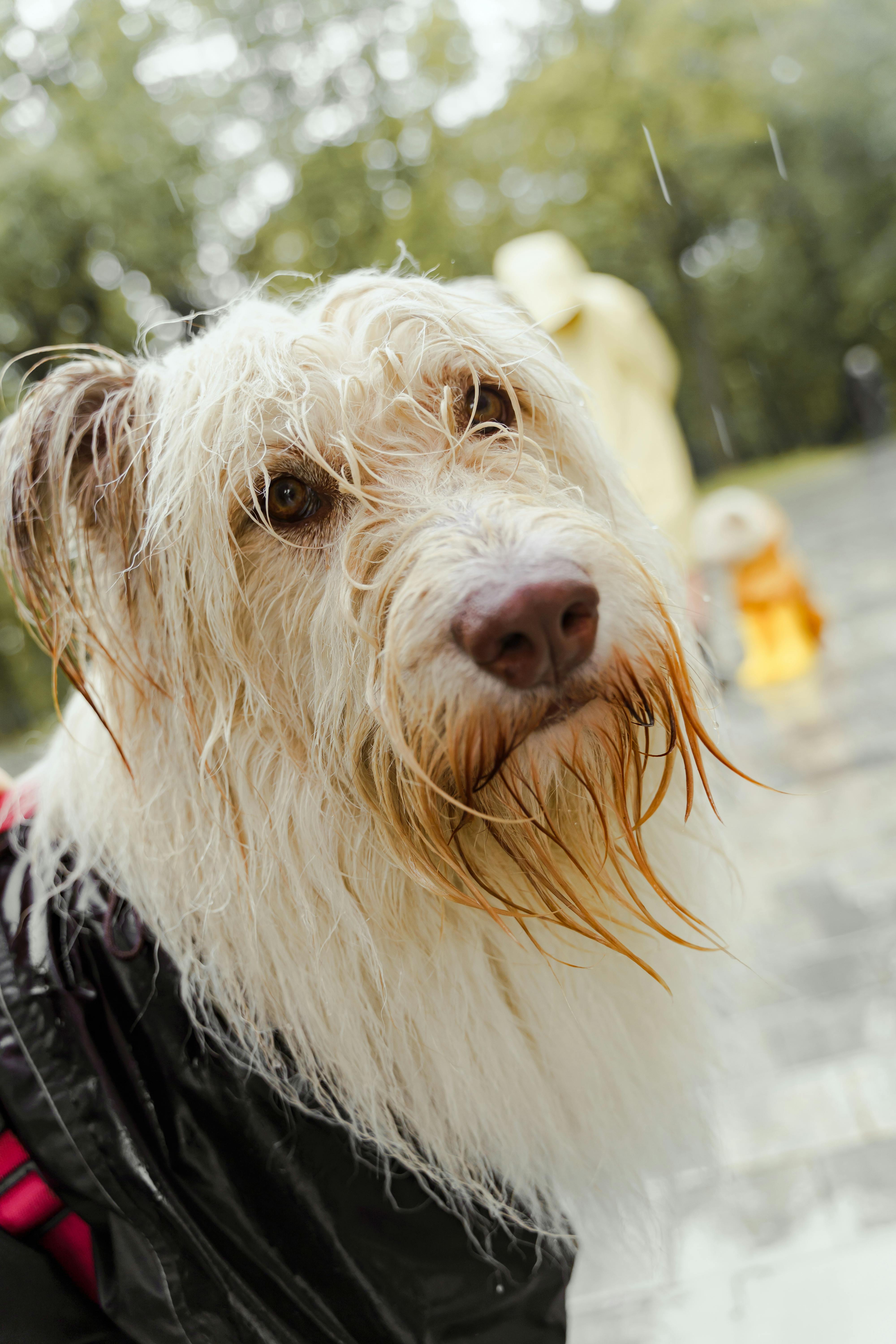 \n\n
\n\nDog noses are one of the most endearing features of our furry friends. However, there are numerous myths swirling around their wet or dry condition. In this article, we gonna debunk seven common myths about dog noses, explore why they have wet noses, and uncover the fascinating reasons behind this unique aspect of canine biology. Prepare for some surprising facts!
\nMyth 1: A Wet Nose Means a Healthy Dog
\nMany pet owners believe that a wet nose is always a sign of good health. While it’s true that many healthy dogs have wet noses, it’s not a definitive indicator. A dog’s nose can change throughout the day due to temperature, activity level, or even the environment. So, don’t panic if your pup's nose is occasionally dry.
\nMyth 2: Dry Noses Are Always a Sign of Illness
\nConversely, some people assume that a dry nose always indicates illness. This is far from the truth. Just like humans have different skin conditions, dogs can have dry noses for a variety of reasons, such as:
\n- \n
- Weather Conditions: Cold or dry air can cause noses to dry out. \n
- Dehydration: Lack of water could lead to dryness. \n
- Age: Older dogs may naturally have drier noses. \n
Myth 3: Dogs Only Use Their Noses to Smell
\nWhile it is true that dogs have an incredible sense of smell, their noses serve more functions than just sniffing. Dogs also use their noses to regulate their body temperature. When they breathe in through their noses, moisture evaporates, which helps cool their bodies down.
\nMyth 4: All Dog Noses Are the Same
\nPeople might think that all dog noses look alike, but that ain't true! Just like humans have unique fingerprints, each dog has a unique nose print. The patterns on their noses can be as distinctive as a human fingerprint, which could even help in identifying them.
\nMyth 5: Dogs Can’t Smell If Their Noses Are Dry
\nThis myth is simply incorrect. Even if a dog’s nose is dry, it does not impede their ability to smell. Dogs have an incredible olfactory system, which allows them to detect smells with astonishing accuracy, regardless of the moisture level of their noses.
\nMyth 6: Dogs Need to Moisten Their Noses
\nWhile a wet nose may help with their sense of smell, dogs don’t actively need to keep their noses moist. Nature has designed their noses to self-regulate. If a dog’s nose gets too dry, they will usually lick it to add moisture back.
\nMyth 7: All Breeds Have Similar Nose Characteristics
\nPeople often think that all dog breeds have the same kind of nose, but that’s not the case. Different breeds exhibit various nose shapes and sizes, which can influence how wet or dry their noses might be. For example:
\n- \n
- Brachycephalic Breeds: Such as Bulldogs have shorter noses. \n
- Long-Nosed Breeds: Like Greyhounds typically have longer snouts and may experience different moisture levels. \n
Why Do Dogs Have Wet Noses?
\nNow that we’ve debunked some myths, let’s dive into the fascinating reasons why dogs have wet noses.
\n- \n
- Enhanced Smell: A wet surface captures scent particles better, making it easier for dogs to identify smells. \n
- Temperature Regulation: As mentioned, wet noses help cool down a dog’s body. \n
- Health Indicator: A wet nose can indicate that a dog is properly hydrated and healthy, though it is not the only measure. \n
Fun Facts About Dog Noses
\n- \n
- Number of Olfactory Receptors: Dogs have up to 300 million olfactory receptors in their noses, compared to about 5 million in humans. \n
- Nose Prints for Identification: The unique nose print of a dog can be used much like a fingerprint for identification purposes. \n
- Social Interaction: Dogs often greet each other by sniffing each other’s noses, which is a form of social interaction and communication. \n
In summary, the topic of dog noses is filled with fascinating details and a lot of misconceptions. While wet noses are common in many dogs, a dry nose doesn’t necessarily mean something is wrong. Understanding the reasons behind the moisture and the myths can help pet owners become more informed. So next time you wonder why your dog's nose is wet or dry, just remember all the myths that have been debunked and the science that backs it up. Your furry friend’s nose is a marvel of nature, just waiting to be appreciated!
\n\nExploring the Evolutionary Purpose of Wet Noses in Dogs: A Deep Dive
\n\n \n\n
\n\nEver wonder why dogs have wet noses? This question has puzzled many dog owners and lovers alike. The truth is, our furry companions have evolved to have moist noses for some fascinating reasons. Let's dive deep into the evolutionary purpose of wet noses in dogs, and discover the science and history behind this unique trait.
\nThe Science Behind Wet Noses
\nFirstly, the anatomy of a dog’s nose is really something. Dogs have a complex sense of smell, which is about 10,000 to 100,000 times more sensitive than humans. Their wet noses play a critical role in this ability. Here’s how it works:
\n- \n
- Moisture enhances scent detection: The moisture on a dog’s nose helps to capture scent particles from the air. This is important because it allows the olfactory receptors in their noses to interpret smells more effectively. \n
- Temperature regulation: The wetness in a dog’s nose also serves as a natural cooling system. When dogs pant, moisture evaporates from their noses, helping to regulate their body temperature. \n
- Communication tool: A dog’s nose can also reveal its emotional state. A wet nose often indicates that a dog is content and relaxed, while a dry nose sometimes can indicate stress or illness. \n
Historical Context of Wet Noses
\nThe evolutionary journey of dogs dates back thousands of years, when they were domesticated from wolves. Researchers believe that the moisture in their noses likely offered evolutionary advantages to early canines, enhancing their survival and hunting capabilities.
\n- \n
- Hunting and scavenging: In the wild, dogs with better scent detection could locate food more effectively. This trait would have been passed down through generations, making it a crucial part of their survival. \n
- Social bonding: Wet noses also played a role in how early dogs interacted with their human companions. Dogs that had the ability to communicate through their sense of smell developed stronger bonds with humans, leading to a mutually beneficial relationship. \n
Fascinating Facts about Dog Noses
\nHere are some interesting facts about dog noses that you might not know:
\n- \n
- Unique prints: Just like human fingerprints, each dog has a unique nose print. This could be used for identification purposes. \n
- Sniffing behavior: Dogs have a specific way of sniffing called “the sniffing cycle,” where they inhale and exhale repeatedly to gather and process scents efficiently. \n
- Nose color: A dog’s nose color can change with age, seasons, or health conditions. For example, a dog might have a darker nose in winter and a lighter one in summer. \n
Why Do Some Dogs Have Dry Noses?
\nYou might notice that sometimes your dog’s nose is dry. This can happen for several reasons:
\n- \n
- Dehydration: Just like humans, dogs can become dehydrated. If your dog’s nose is dry and cracked, it could be a sign they need more water. \n
- Environmental factors: Hot weather or low humidity can dry out a dog’s nose. \n
- Health issues: Persistent dryness or cracks could indicate underlying health problems, such as allergies or skin conditions. \n
Comparing Dogs’ Noses to Other Animals
\nWhen we take a look at other animals, we can see that wet noses are not exclusive to dogs. For example:
\n- \n
- Cats: Cats also have wet noses, but their sense of smell is less developed than dogs. \n
- Pigs: Pigs have wet noses, which help them root around in the dirt for food. \n
- Cattle: Cows have moist noses too, aiding their sense of smell but not quite as advanced as dogs. \n
Practical Tips for Dog Owners
\nTaking care of your dog’s nose is important for their overall health. Here are some simple tips to ensure their noses remain healthy:
\n- \n
- Hydration: Always provide fresh water for your dog. Dehydration can lead to a dry nose. \n
- Check for injuries: Regularly inspect your dog’s nose for any cuts, cracks, or sores. \n
- Watch for changes: Be alert for sudden changes in your dog’s nose moisture. If it stays dry for an extended period, consult a vet. \n
Understanding why dogs have wet noses gives us a glimpse into their evolutionary past and highlights the incredible adaptations these animals have developed. It’s amazing how something as simple as a wet nose can reveal so much about their biology, behavior, and relationship with humans. So next time you pet your dog and feel that cool, moist nose, remember the fascinating reasons behind it!
\n\nWhat Does Your Dog's Wet Nose Say About Their Mood? Understanding Canine Communication
\n\n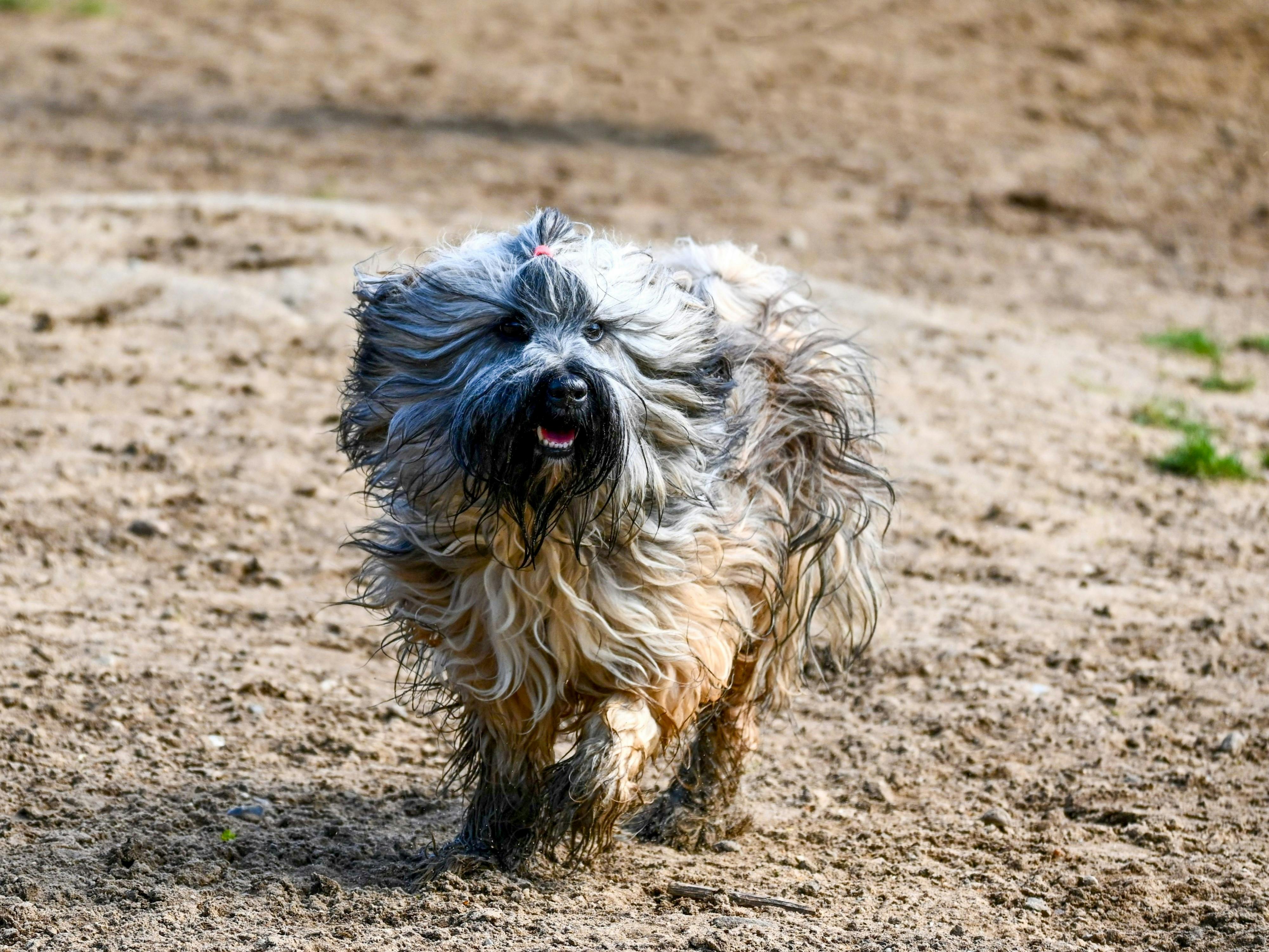 \n\n
\n\nWhen you see your dog with that moist, cool nose, you might wonder what it means. Is your furry friend happy, anxious, or something else? Dogs communicate in many ways, and their noses can tell us more than we think. Let's dive into the intriguing world of canine communication, particularly focusing on what a dog's wet nose might signal about their mood.
\nWhy Do Dogs Have Wet Noses?
\nDogs have wet noses for a couple of reasons. First off, it helps them to smell better! A wet nose captures scent particles from the air much more effectively than a dry one. This is because moisture on the nose helps to dissolve scent chemicals, making it easier for the dog’s olfactory receptors to pick them up. Here are some fascinating reasons why dogs sport those glistening noses:
\n- \n
- Temperature Regulation: Dogs don’t sweat like humans. Instead, they rely on their noses to help cool themselves down. A wet nose can help regulate their body temperature. \n
- Health Indicator: A wet nose often indicates a healthy dog. However, if it’s excessively dry or warm, it could signal an underlying health issue. \n
- Social Interaction: Dogs often use their noses to greet other dogs and humans. A wet nose can be a sign of affection or excitement. \n
Understanding Canine Communication
\nCanine communication goes beyond just wagging tails and playful barks. Dogs express their feelings through body language, vocalizations, and yes, even their noses! Here’s how to interpret what your dog's wet nose might be saying:
\n- \n
- Happy and Relaxed: If your dog approaches you with a damp nose, wagging tail and a relaxed body posture, they’re likely happy and comfortable. This is a typical sign that your pup is ready for some love and playtime. \n
- Curious or Interested: A wet nose does not always mean your dog is in a chill mood. If it’s sniffing around, taking in new scents with a moist nose, it could be feeling curious or excited about something in its environment. \n
- Nervous or Anxious: Sometimes, a wet nose can indicate stress. If your dog is panting or its body language is tense, the wetness might be a result of anxiety. Look for other signs like tucked tails or pinned ears. \n
The Science Behind the Wet Nose
\nThe science of why dogs have wet noses isn’t just about communication; it's deeply rooted in their biology. The canine sense of smell is incredibly powerful, estimated to be between 10,000 and 100,000 times more sensitive than humans.
\n- \n
- Anatomy of the Nose: Dogs have a special organ, called the Jacobsen's organ, which helps them process scents. The moisture on their noses enhances this ability. \n
- Environmental Adaptation: Throughout history, dogs have been adapted for various roles, from hunting to herding. A wet nose aids in tracking scents over long distances, making dogs excellent hunters and trackers. \n
Fun Facts About Dogs’ Noses
\nHere are some interesting tidbits about dog noses that you might not know:
\n- \n
- Unique Patterns: Just like human fingerprints, every dog’s nose print is unique. It can be used to identify them! \n
- Temperature Checks: Dogs can actually sense changes in temperature with their noses, making them great companions for outdoor activities. \n
- Nose Size Matters: Larger breeds like Bloodhounds have more scent receptors than smaller breeds, which enhances their tracking capabilities. \n
Practical Tips for Dog Owners
\nUnderstanding your dog's nose is just one part of caring for them. Here’s a quick list of things to keep in mind:
\n- \n
- Regular Vet Check-ups: Make sure your dog's health is in check. Any sudden change in nose moisture could indicate health issues. \n
- Hydration: Keep your dog hydrated; a dry nose can sometimes be a sign of dehydration. \n
- Grooming: Regular grooming can help maintain your dog's overall health, including their nose. \n
In the end, a dog’s wet nose can be as much about communication as it is about biology. By paying attention to your furry friend's nose and other body language signals, you can gain a deeper understanding of their moods and needs. So next time you notice that damp nose, think about what it’s trying to tell you – because your dog’s happiness may just depend on it!
\n\nThe Impact of Hydration on Your Dog’s Nose: Tips for Keeping It Healthy and Moist
\n\n \n\n
\n\nDogs are amazing companions, and one thing that often catches our attention is their noses. Have you ever wondered why do dogs have wet noses? The truth is, those moist snouts play a crucial role in their health and well-being. Hydration has a significant impact on your dog’s nose, and understanding how it works can help you keep your furry friend happy and healthy.
\nThe Importance of Hydration for Your Dog
\nJust like humans, dogs needs water to survive. Hydration is vital for all body functions, and it also affects their skin and noses. A well-hydrated dog typically have a moist nose, which is a sign of good health. When dogs are dehydrated, their noses may become dry, cracked, and even painful. So, what can you do to ensure your pup stays hydrated? Here are some tips:
\n- \n
- \n
Fresh Water Availability: Always provide fresh water for your dog. Change it daily, or more often if it gets dirty.
\n \n - \n
Encourage Drinking: Some dogs are picky about drinking. Adding flavor to their water, like low-sodium broth, can make it more appealing.
\n \n - \n
Wet Food: Consider incorporating wet food into their diet. It contains more moisture than dry kibble and can help with hydration.
\n \n - \n
Ice Cubes as Treats: Many dogs loves playing with ice cubes. It’s a fun way to keep them hydrated while they play.
\n \n
Why Do Dogs Have Wet Noses? Discover The Fascinating Reasons
\nSo, why is your dog's nose wet? There are multiple reasons behind it. Here’s a breakdown:
\n- \n
- \n
Cooling Mechanism: Dogs don’t sweat like humans do. Their noses help them cool off. The moisture evaporates and cools their bodies down.
\n \n - \n
Scent Enhancement: A wet nose helps dogs to smell better. Moisture in the air helps to capture scent particles, allowing them to detect smells more effectively.
\n \n - \n
Health Indicator: Generally, a wet nose indicates that your dog is healthy. If their nose suddenly becomes dry, it might be a sign of illness or dehydration.
\n \n - \n
Licking Behavior: Dogs often lick their noses. This behavior keeps it moist and can also be a way to taste their environment.
\n \n - \n
Temperature Regulation: A wet nose helps regulate a dog’s body temperature, making it easier for them to stay cool during hot days.
\n \n
The Impact of Dehydration on Your Dog’s Nose
\nDehydration can have serious consequences for your dog, particularly for their noses. When dogs don’t get enough water, several things can happen:
\n- \n
- \n
Dry Nose: A dry nose can lead to cracking and discomfort. This can make your dog feel miserable and might even cause bleeding.
\n \n - \n
Increased Temperature: When a dog’s nose dries out, it can affect their ability to cool down. This can lead to overheating, especially in warm weather.
\n \n - \n
Health Risks: Chronic dehydration can lead to serious health issues, such as kidney problems and urinary tract infections.
\n \n
Practical Tips for Maintaining a Healthy Nose
\nKeeping your dog’s nose healthy and moist doesn’t require much effort. Here’s what you can do:
\n- \n
- \n
Regular Vet Check-ups: Regular visits to the veterinarian can help catch any potential issues early.
\n \n - \n
Monitor Water Intake: Keep an eye on how much your dog is drinking. If you notice changes, consult your vet.
\n \n - \n
Healthy Diet: Feed your dog a balanced diet rich in nutrients. This contributes to overall health, including the condition of their nose.
\n \n - \n
Seasonal Care: In winter, noses can get chapped due to cold air. Consider using pet-safe nose balms to provide extra moisture.
\n \n - \n
Watch for Symptoms: If you notice any signs of illness, such as lethargy or loss of appetite, reach out to your veterinarian.
\n \n
Conclusion
\nUnderstanding the impact of hydration on your dog’s nose is essential for any pet owner. A wet and healthy nose is not just a cute feature; it's a sign of a happy, hydrated dog. By taking simple steps to ensure your dog stays hydrated, you can help maintain their overall health and well-being. Remember, a little attention goes a long way in keeping your furry friend healthy. So, next time you see that moist nose, know that it’s more than just an adorable trait; it’s a vital sign of your dog’s health!
\n\nConclusion
\n\nIn conclusion, the wet noses of dogs serve multiple essential purposes that contribute to their overall health and well-being. The moisture on their noses helps enhance their sense of smell, allowing them to detect scents more effectively, which is a crucial aspect of their behavior and communication. Additionally, a wet nose can indicate a healthy dog, as it helps regulate body temperature and keeps them cool. While not all dogs will have the same level of moisture, it's important to monitor changes, as they can indicate health issues. Understanding the science behind your dog's wet nose can deepen your appreciation for these loyal companions. So, the next time you notice your furry friend’s cold, wet nose, remember that it's not just an endearing feature but a vital part of their sensory toolkit. Engage with your pet and ensure they stay healthy, happy, and hydrated!
\n\n