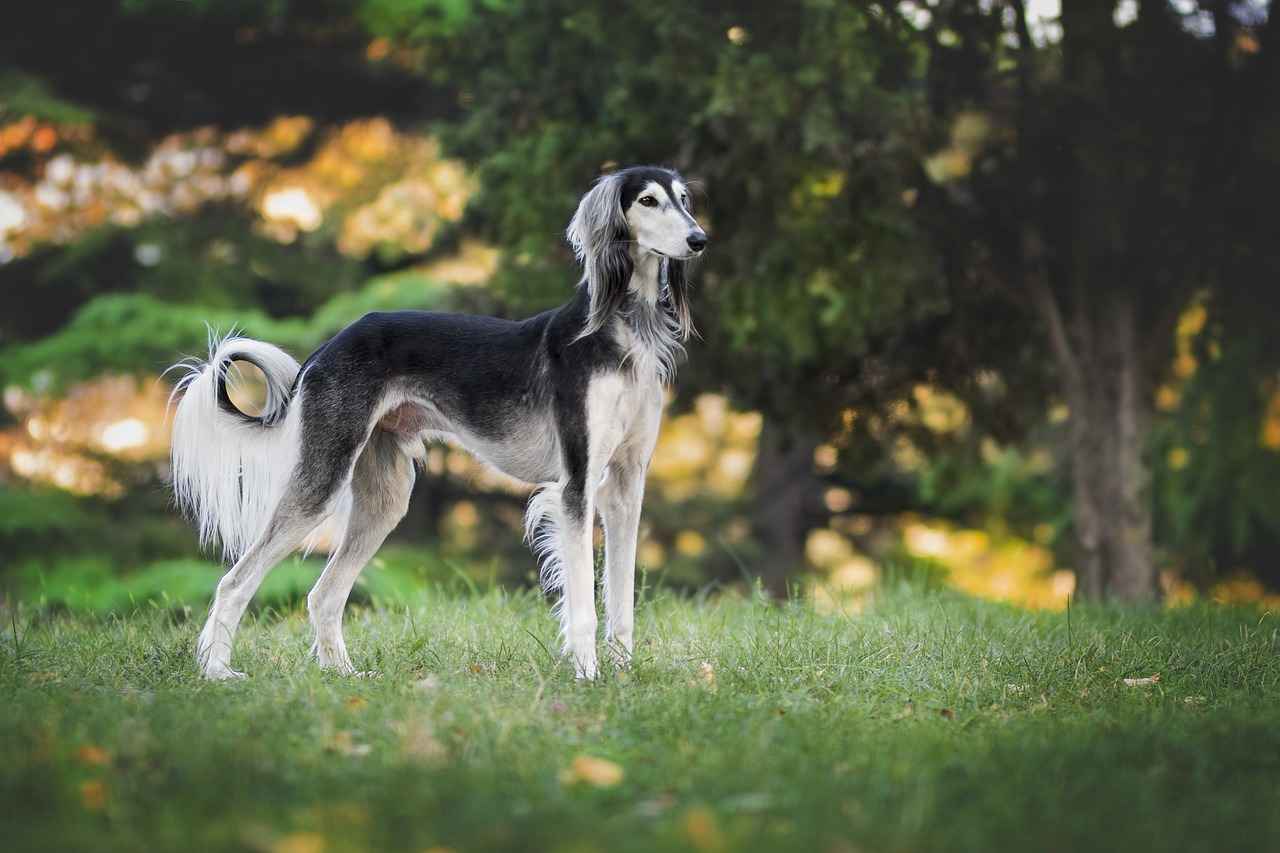
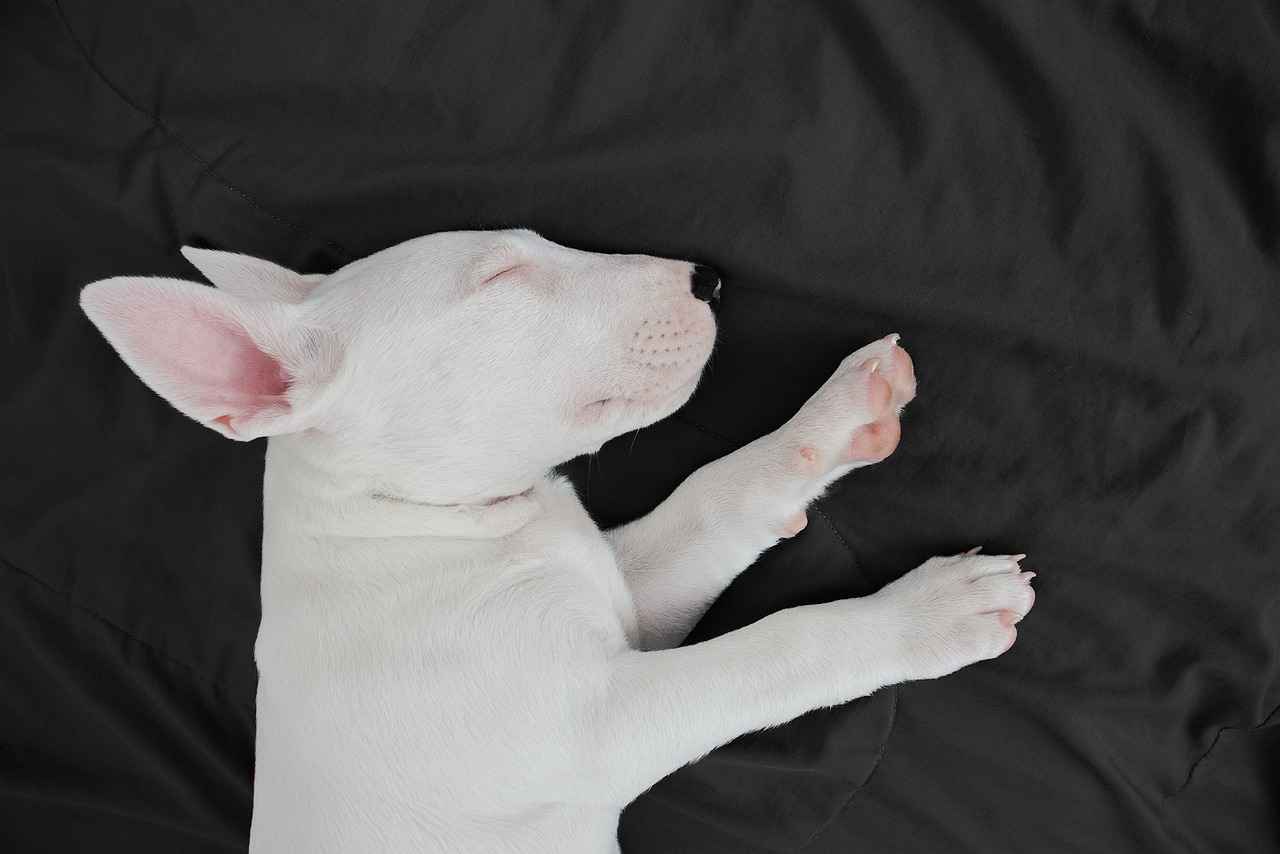
Have you ever wondered why do dogs have wet noses? This intriguing question has puzzled dog owners and animal lovers alike. A dog's nose is not just adorable; it serves important functions that can leave you fascinated! The moisture on a dog's nose plays a crucial role in their sense of smell, making them exceptional at detecting scents. In fact, did you know that a dog’s sense of smell is up to 100,000 times better than humans? But that's not all—wet noses can also help regulate a dog's body temperature. Curious about how this all works? Let's dive into the science behind those wet noses and uncover the fascinating reasons that make your furry friend's nose so special. From dog health to behavioral insights, understanding why dogs have wet noses can enhance your bond with them. So, what are you waiting for? Keep reading to discover the secrets behind the wet noses of our beloved canine companions and learn how it relates to their overall well-being and happiness!
\n\nThe Science Behind Dog Noses: Why Are They Always Wet?
\n\n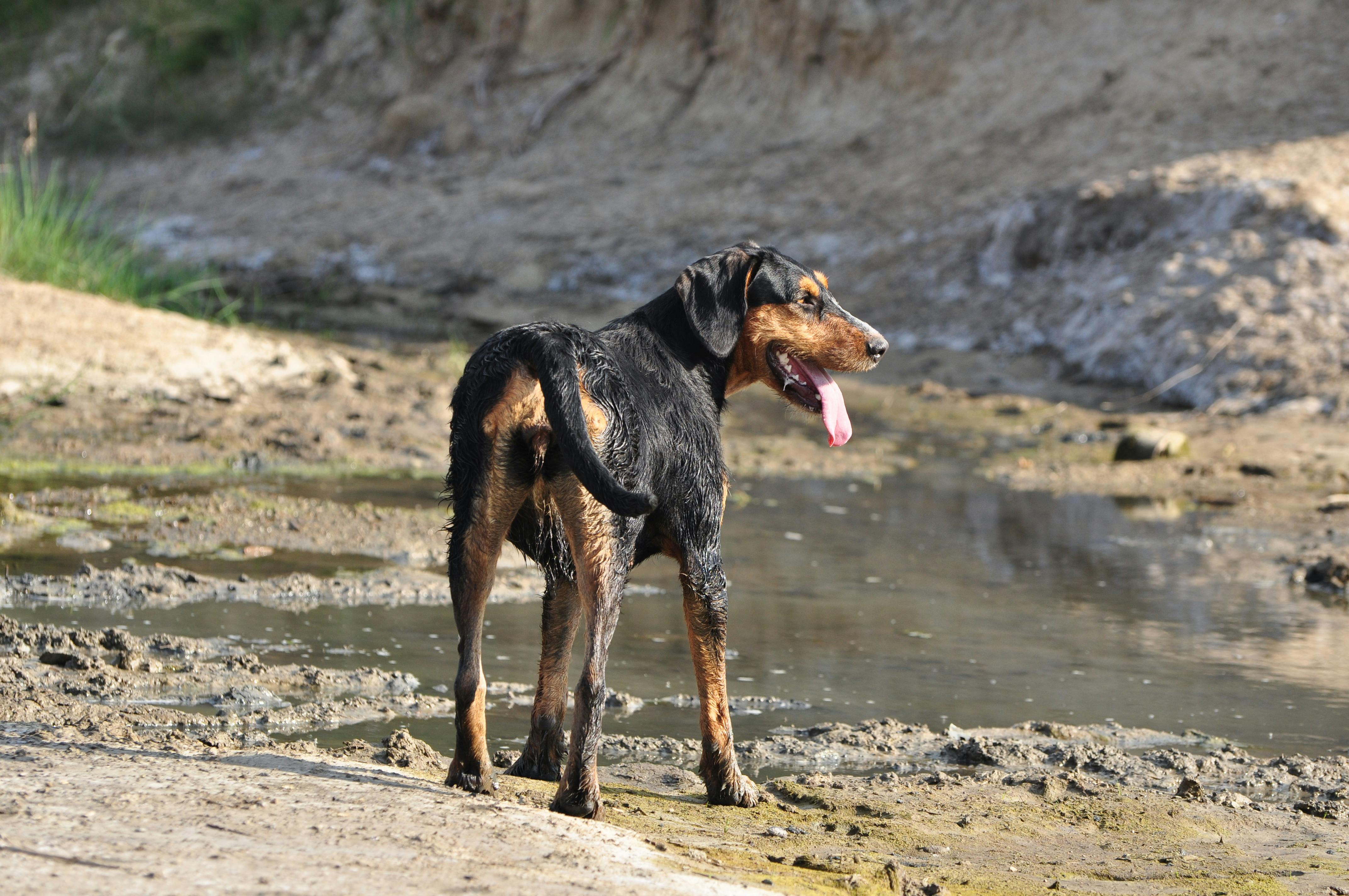 \n\n
\n\nHave you ever wonder why your furry friend's nose is almost always wet? It could seem like a trivial question, but there’s actually a lot of science behind it. Dogs have wet noses for multiple reasons, and understanding this can help you appreciate your pet even more. The moisture on a dog's nose plays a crucial role in their health and sensory abilities. Let's dive into the fascinating reasons behind those wet noses!
\nThe Anatomy of a Dog's Nose
\nDogs have an incredible sense of smell, which is partly because of how their noses are structure. The surface of a dog's nose is covered in a special kind of skin that helps absorb moisture. This moisture is essential for enhancing their olfactory senses.
\n- \n
- Nasal Mucus: Dogs produce mucus in their noses, which helps them pick up scent particles in the air. When a dog sniffs, the moisture traps these particles, making it easier for them to identify smells. \n
- Olfactory Receptors: Dogs have up to 300 million olfactory receptors in their noses compared to about 5 million in humans. This means they can smell things way better than we can! \n
Why Are Dog Noses Wet?
\nYou might ask yourself, why do dogs have wet noses? Well, here are some key reasons:
\n- \n
- \n
Heat Regulation: Just like humans sweat to cool down, dogs use their wet noses to help regulate body temperature. When a dog pants or their nose is moist, it helps them cool off.
\n \n - \n
Improved Smelling: Wetness on the nose enhances their ability to smell. The moisture helps capture scent particles, allowing dogs to identify odors much more effectively.
\n \n - \n
Health Indicator: A wet nose can be a sign of a healthy dog. If the nose is dry or cracked, it could indicate dehydration or an illness.
\n \n - \n
Social Interaction: Dogs also use their noses to interact with each other. A wet nose is often more inviting for sniffing, which is a primary way dogs communicate and gather information about one another.
\n \n
A Little History on Dog Noses
\nThroughout history, dogs have been bred for specific traits, including their sense of smell. Some breeds, like Bloodhounds, have particularly moist noses to enhance their scent-tracking abilities. In ancient times, dogs were used for hunting, herding, and even search-and-rescue operations, all of which relied heavily on their olfactory skills.
\nFun Facts About Dog Noses
\n- \n
- Did you know that a dog’s nose print is as unique as a human fingerprint? No two dogs have the same nose pattern. \n
- The color of a dog's nose can also vary greatly between breeds and even within a single breed. Some dogs have black noses, while others have pink or liver-colored noses. \n
- Dogs sweat mainly through their paws, but they do not have sweat glands in their noses. Their moist noses come from mucous and saliva. \n
How to Care for Your Dog's Nose
\nTaking care of your dog's nose is important for their overall health. Here are some practical tips:
\n- \n
- Hydration: Ensure your dog drinks plenty of water to keep their nose moist. \n
- Check for Cracks or Dryness: If you notice that your dog's nose is dry or cracked, consult your vet. It could be a sign of dehydration or other issues. \n
- Protection from the Sun: Just like humans, dogs can get sunburned, especially those with lighter-colored noses. Consider using a pet-safe sunscreen if your dog will be outside for long periods. \n
Comparing Dog Noses to Human Noses
\nHere’s a quick comparison of how dog noses and human noses differ:
\n| Feature | \nDog Nose | \nHuman Nose | \n
|---|---|---|
| Number of Receptors | \nUp to 300 million | \nAbout 5 million | \n
| Function | \nPrimarily for smell | \nPrimarily for smell and breathing | \n
| Moisture Production | \nHigh | \nLow, mainly for breathing | \n
| Unique Patterns | \nEach nose is unique | \nFingerprints are unique | \n
The differences highlight just how specialized a dog's nose is compared to ours.
\nUnderstanding why dogs have wet noses and the science behind it can help you connect better with your canine companion. It's not just a cute quirk; it's a vital aspect of their health and communication. So next time you give your pup a scratch behind the ears, take a moment to appreciate that wet nose and all the wonders it brings to your dog's world.
\n\nCurious Canines: 7 Surprising Facts About Dogs’ Wet Noses
\n\n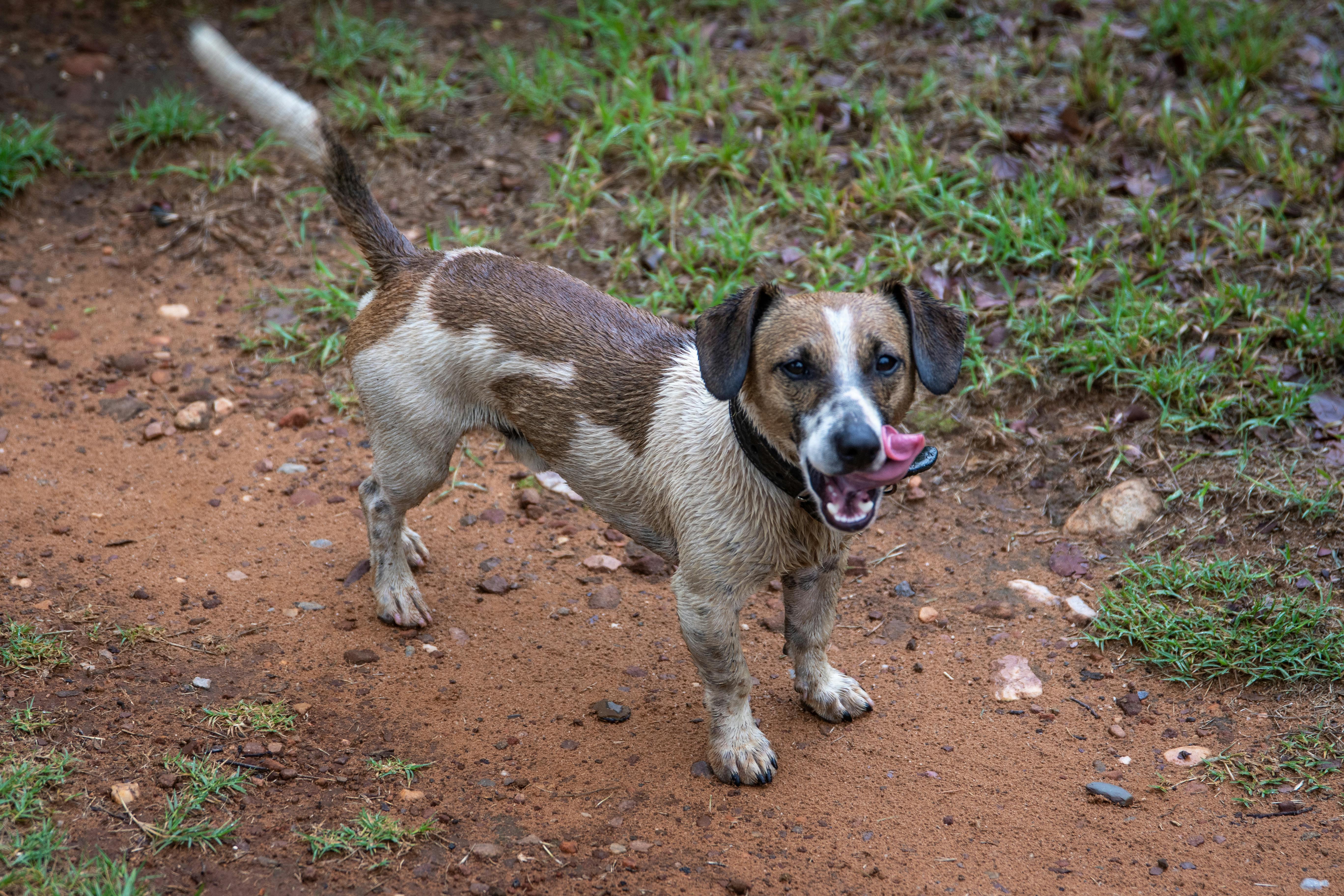 \n\n
\n\nDogs have been our loyal companions for thousands of years, and their unique traits never cease to amaze us. One of the most curious characteristics of our canine friends is their wet noses. Ever wondered why do dogs have wet noses? Well, there’s a lot more to it than just a quirky feature. Here are seven surprising facts that might just blow your mind about dogs' noses and their moisture.
\n1. The Purpose of a Wet Nose
\nFirstly, the wetness of a dog's nose serves several important functions. Most notably, it helps them to smell better. The moisture on a dog's nose traps scent particles more effectively, enhancing their sense of smell. Dogs have an incredible olfactory system, and a wet nose can be a key part of that, allowing them to detect scents that are far beyond human capability.
\n2. Thermoregulation in Dogs
\nDid you know that wet noses also play a role in temperature regulation? Just like humans sweat to cool down, dogs can lose heat through their noses. When a dog is feeling hot, the moisture evaporates from their nose, which helps to cool them down. It's one of the ways they manage their body temperature since dogs don’t sweat like we do.
\n3. Evolutionary Traits
\nThroughout history, dogs have adapted to their environments, and a wet nose is one of those evolutionary traits. Scientists believe that the wetness of a dog's nose is a remnant of their wild ancestors. Wolves and other canine species also have wet noses, which assist them in hunting and survival. The ability to smell well is crucial for finding food, avoiding predators, and navigating their territory.
\n4. Health Indicators
\nA dog's nose can also be an important health indicator. Changes in moisture, temperature, and color can suggest various health issues. For example:
\n- \n
- A dry, cracked nose may indicate dehydration. \n
- A very warm nose might suggest a fever. \n
- A change in color could point to an allergic reaction. \n
Pet owners should pay attention to their dog's nose; it can provide useful clues about their overall health.
\n5. The Science Behind the Moisture
\nYou might wonder where the moisture comes from. Dogs produce mucus in their nasal passages, which helps to keep their noses wet. Interestingly, dogs also lick their noses, which adds to the moisture. This behavior is instinctive and serves to enhance their sensory perception. When dogs lick their noses, they are essentially cleaning them, which keeps their sense of smell sharp.
\n6. Dogs and Their Sense of Smell
\nDogs have up to 300 million olfactory receptors in their noses, compared to about 6 million in humans. This gives them an extraordinary ability to detect scents. The moisture on their noses helps to capture these scent particles, making their sense of smell even more powerful. Studies show that dogs can differentiate between various odors, which is why they are often used in search and rescue missions, detecting drugs, and even medical alert tasks.
\n7. Cultural Significance
\nIn many cultures, a dog's wet nose is seen as a sign of affection and health. The phrase "wet nose, warm heart" is often used to describe the loving nature of dogs. It's also common for dog owners to feel their pet’s nose as a way of checking in on their health. In fact, many dog lovers believe that a wet nose is one of the indicators of a happy dog.
\nFun Facts About Dogs' Noses
\n- \n
- Dogs have unique nose prints, just like human fingerprints. Each dog has a different pattern! \n
- The wetness of a dog’s nose can change throughout the day. It can be drier in the morning and wetter after a good romp outdoors. \n
- Dogs can smell certain diseases, like cancer, due to their highly developed sense of smell. \n
Summary of the Importance of Wet Noses
\nDogs’ wet noses are not just cute features; they are essential for their survival and well-being. They help with smelling, regulating temperature, and can even indicate health issues. With their incredible olfactory abilities, dogs remind us of the fascinating connections between nature and their evolutionary history.
\nSo the next time you wonder why do dogs have wet noses, just think about all the science behind it. It's not just an endearing trait but a vital part of what makes dogs, well, dogs!
\n\nIs a Wet Nose a Sign of a Healthy Dog? Uncover the Truth!
\n\n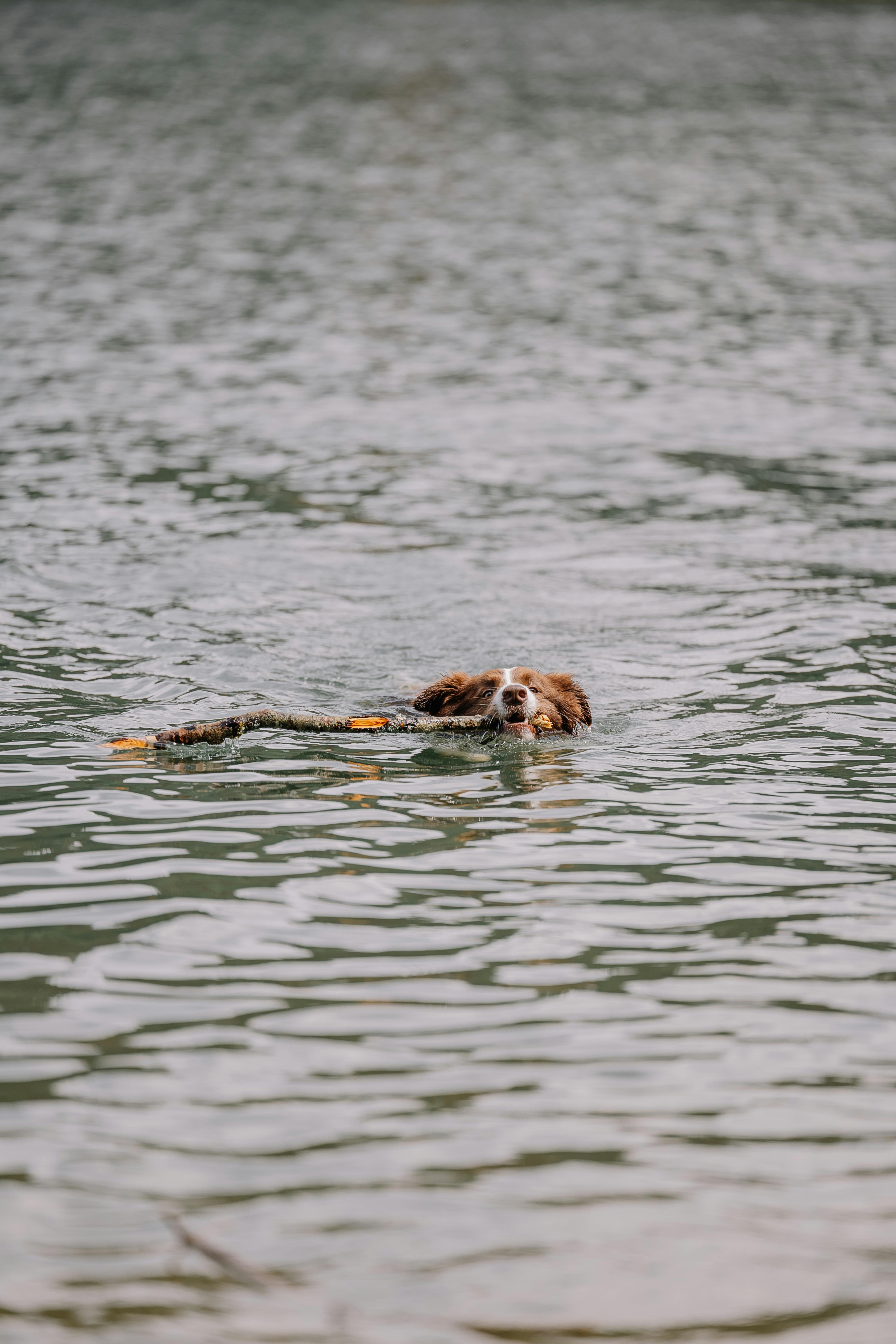 \n\n
\n\nWhen you think of dogs, you probably think of their wagging tails, playful barks, and, of course, their wet noses. Many dog owners wonders if a wet nose is a sign of a healthy dog. But, is it really true? Let's uncover the truth behind this common belief and explore why do dogs have wet noses in the first place.
\nThe Myth of the Wet Nose
\nFirst off, many people believe that a wet nose equals good health in dogs. But, this isn’t always the case. While a moist nose can indicate a dog is well-hydrated and possibly healthy, it doesn't provide a complete picture. There are plenty of factors at play when it comes to your pup's health, and a wet nose is just one small part of the equation.
\nWhy Do Dogs Have Wet Noses?
\nNow, let’s dive into the reasons why dogs have wet noses. It can be quite fascinating! Here are some of the main reasons:
\n- \n
- \n
Temperature Regulation: Just like humans sweat to cool down, dogs use their noses to regulate their body temperature. The moisture from their noses helps with thermoregulation, allowing them to be more comfortable in various weather conditions.
\n \n - \n
Enhanced Smell: A wet nose can help dogs smell better. The moisture captures scent particles, making it easier for them to detect different smells. This is why dogs are often used in search and rescue operations, as their sense of smell is so much more powerful than ours.
\n \n - \n
Health Monitoring: Dogs can sense their own health through their noses. A dog's nose may become dry if they aren't feeling well. However, it’s important to note that a dry nose doesn’t automatically mean your dog is sick, just like a wet nose doesn't guarantee good health.
\n \n - \n
Behavioral Signals: Dogs often lick their noses when they are nervous or excited. This behavior can be a signal to owners about their emotional state. So, next time your dog is licking their nose, pay attention to their surroundings!
\n \n
Wet Nose vs. Dry Nose: What’s Normal?
\nUnderstanding what is normal for your dog can help you monitor their health. Here’s a quick comparison:
\n- \n
- \n
Wet Nose:
\n- \n
- Usually cool to the touch. \n
- Often indicates hydration and a keen sense of smell. \n
- Can change based on the environment (humidity, temperature). \n
\n - \n
Dry Nose:
\n- \n
- Warmer and sometimes cracked. \n
- May indicate dehydration, illness, or just a normal part of aging. \n
- Can also be influenced by the weather (e.g., hot, dry conditions). \n
\n
Signs of a Healthy Dog
\nAside from a wet nose, there are other signs that can indicate your dog is healthy. Here’s a list to keep in mind:
\n- \n
- Bright Eyes: Clear, alert eyes without discharge. \n
- Shiny Coat: A healthy dog will usually have a shiny, well-groomed coat. \n
- Active Behavior: Regular play and excitement about walks. \n
- Good Appetite: Eating regularly and showing interest in food. \n
- Normal Bathroom Habits: Regular urination and bowel movements. \n
What to Do if Your Dog's Nose Changes
\nIf you notice a sudden change in your dog's nose, whether it becomes persistently dry or unusually wet, it's good to observe other behaviors. Here are some steps to take:
\n- \n
- Monitor Other Symptoms: Look out for lethargy, changes in appetite, or vomiting. \n
- Hydration Check: Ensure your dog is drinking enough water. Dehydration can lead to a dry nose. \n
- Consult a Vet: If you have concerns, don’t hesitate to reach out to your veterinarian for advice. They can provide guidance and any necessary examinations. \n
Fun Fact About Dog Noses
\nDid you know that every dog's nose print is unique? Just like human fingerprints, no two dog noses are alike! This uniqueness can even be used for identification purposes.
\nIn summary, while a wet nose is often seen as a sign of a healthy dog, it isn’t the only indicator of well-being. Dogs have moist noses for several fascinating reasons, including temperature regulation and enhanced smelling capabilities. Always keep an eye on your dog's overall health and consult a veterinarian if something seems off. After all, every little detail contributes to the happiness and health of your furry friend!
\n\nHow Dogs Use Their Wet Noses to Detect Scents: The Fascinating Mechanism Explained
\n\n \n\n
\n\nDogs are often known as man's best friend, but have you ever wondered how they can sniff out things with such precision? One of the main reasons for this incredible ability is their wet noses. Yes, those adorable, cold, and sometimes slimy noses play a crucial role in the way dogs detect scents. Let's dive into the fascinating world of canine olfaction and explore why do dogs have wet noses, and how it helps them in their daily lives.
\nThe Science Behind a Dog's Nose
\nDogs have an extraordinary sense of smell, estimated to be between 10,000 to 100,000 times more sensitive than humans. This is due to several factors, including the structure of their noses and the presence of specialized receptors. Here are some interesting points:
\n- \n
- Olfactory Receptors: Dogs have about 220 million olfactory receptors in their noses, compared to a human's 5 million. This means they can detect scents at incredibly low concentrations. \n
- Jacobsen's Organ: Also known as the vomeronasal organ, this structure helps dogs detect pheromones, which are chemical signals that convey information about other animals. \n
- Nasal Turbinates: These are bony structures inside a dog's nose that help to warm and moisten the air as it enters, enhancing their ability to smell. \n
Why Are Dog Noses Wet?
\nNow, why do dogs have wet noses? Here's a quick rundown of the reasons:
\n- \n
- \n
Moisture for Scent Detection: A wet nose can trap scent particles more effectively. The moisture helps to dissolve chemical scents, making it easier for the olfactory receptors to pick them up.
\n \n - \n
Temperature Regulation: Dogs don’t sweat like humans. Instead, a wet nose helps cool them down. When they pant, the moisture evaporates from their nose, assisting in temperature control.
\n \n - \n
Health Indicator: A dog's nose can also indicate their health. A healthy dog usually has a moist and cool nose. If a nose becomes dry and warm, it might signal illness or dehydration.
\n \n
How Dogs Use Their Noses in Everyday Life
\nDogs use their remarkable sense of smell in various ways. Here are some practical examples:
\n- \n
- Search and Rescue: Dogs are often employed in search and rescue missions due to their ability to track scents over long distances and time. \n
- Detection Work: Many police and military forces use dogs to sniff out drugs, explosives, and even money due to their keen sense of smell. \n
- Medical Alerts: Some dogs are trained to detect changes in their owner's body, like blood sugar levels in diabetics or seizures in epileptic patients. \n
Comparison: Dog Noses vs. Human Noses
\nHere’s a comparative look at dog noses versus human noses:
\n| Feature | \nDogs | \nHumans | \n
|---|---|---|
| Olfactory Receptors | \n220 million | \n5 million | \n
| Sensitivity | \n10,000 to 100,000 times greater | \nStandard | \n
| Pheromone Detection | \nYes | \nLimited | \n
| Scent Memory | \nExceptional | \nAverage | \n
Fun Facts About Dog Noses
\n- \n
- Nose Prints: Just like human fingerprints, each dog's nose print is unique. They can be used to identify them! \n
- Sniffing Frequency: A dog can sniff about 20 times per second, allowing them to gather a wealth of information from their environment. \n
- Nose as a Tool: Dogs can learn to use their noses in various tasks, from finding missing persons to detecting certain diseases in humans. \n
The Role of Temperature and Environment
\nA dog’s nose can be affected by the environment. For example, in cold weather, a dog's nose may become wetter as they breathe in moisture from the air. Conversely, in hot and dry conditions, their nose may dry out. It's important for pet owners to keep an eye on their dog's nose condition, as it can signal health issues if it deviates from the norm.
\nCares and Concerns for Dog Noses
\nKeeping a dog’s nose healthy is crucial. Here are some tips for pet owners:
\n- \n
- Hydration: Always ensure your dog has access to fresh water to keep their nose moist. \n
- Regular Checkups: Schedule regular vet visits to monitor any changes in your dog's nose condition. \n
- Protect from Environment: During extreme weather, consider using dog-safe balms to protect their noses from cracking or drying out. \n
As we can see, the wet nose of a dog is not just a cute feature; it plays a vital role in how they experience the world around them. With their incredible sense of smell, dogs can do things that seem almost magical. They are not just pets; they are remarkable creatures with unique abilities that enhance our lives and help us in ways we often take for granted.
\n\nThe Role of a Dog’s Wet Nose in Temperature Regulation: What Every Owner Should Know
\n\n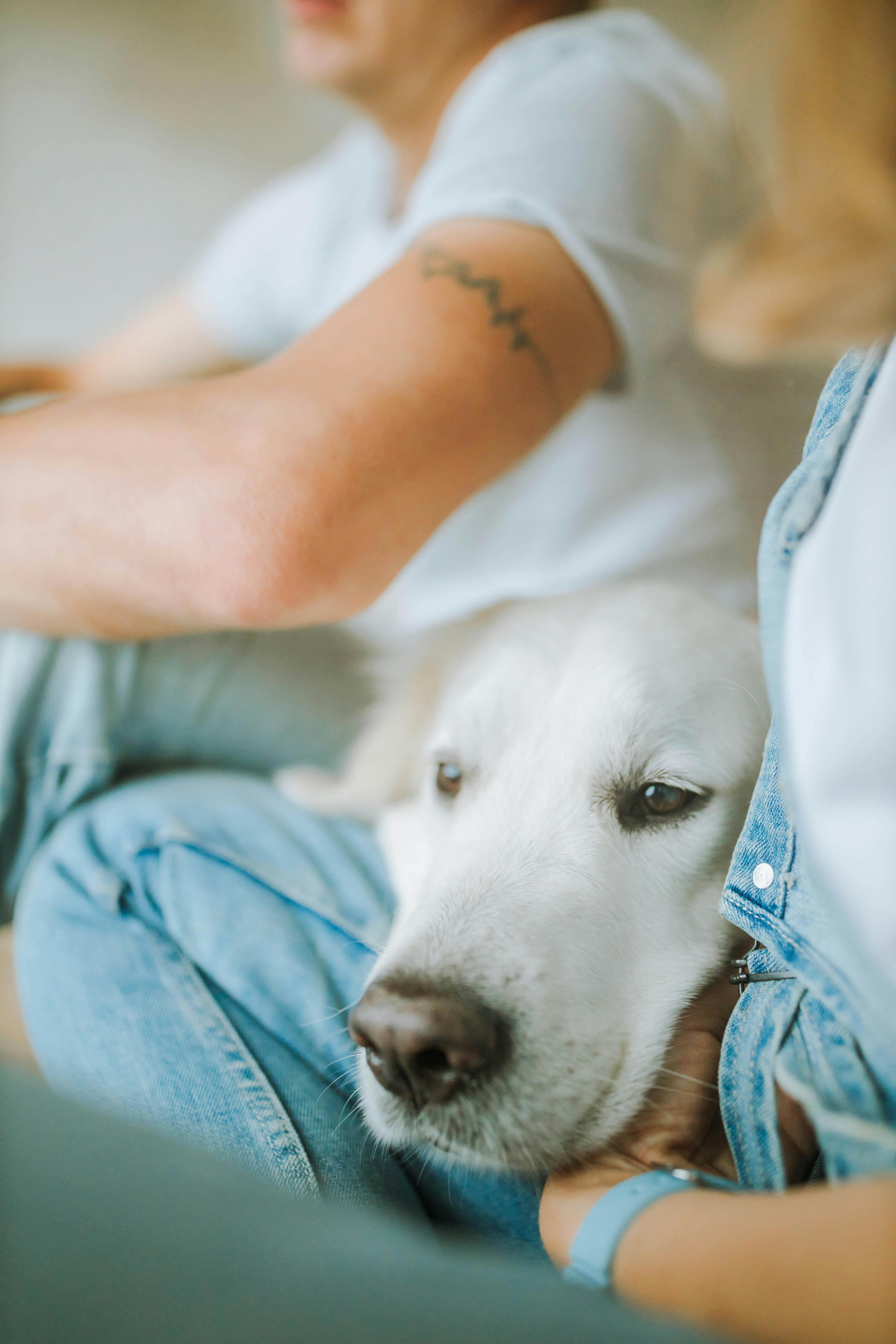 \n\n
\n\nHave you ever noticed how your dog’s nose is usually wet? You might of wondered why that is, and it turns out, a wet nose does much more than just being cute. In fact, the role of a dog’s wet nose in temperature regulation is pretty fascinating, and every dog owner should understand it. So, why do dogs have wet noses? Let’s dive deep into this topic and uncover the secrets behind those adorable snouts!
\nWhy Do Dogs Have Wet Noses?
\nDogs have wet noses for various reasons, and it goes beyond just looking adorable. Here are some of the main reasons why your furry friend might have a wet nose:
\n- \n
- \n
Temperature Regulation: One of the primary functions of a dog’s wet nose is to help regulate their body temperature. Unlike humans, dogs can’t sweat effectively. Instead, they rely on their noses to cool down. The moisture on their noses evaporates, which helps dissipate heat from their bodies.
\n \n - \n
Enhanced Smell: A wet nose can help dogs pick up scents better. The moisture helps to capture scent particles from the air, making it easier for them to smell. This is why dogs are such great hunters and trackers. Their sense of smell is thousands of times more sensitive than humans, and a wet nose enhances this ability.
\n \n - \n
Health Indicator: A wet nose can also be an indicator of a dog’s health. Generally, a healthy dog has a moist and cool nose, but if it becomes dry or warm, it could signal illness or dehydration. Keeping an eye on your dog’s nose can help you identify potential health issues early.
\n \n
The Science Behind Temperature Regulation
\nThe science behind how a dog’s nose helps with temperature regulation is pretty interesting. When a dog breathes, the moisture in their nasal passages evaporates, which cools the blood vessels in the nose. This cooling effect then circulates throughout their body. Here's a simple breakdown:
\n- \n
- \n
Evaporation Process: When the nose is wet, the moisture evaporates into the air.
\n \n - \n
Cooling Effect: As moisture evaporates, it cools the blood vessels in the nose.
\n \n - \n
Body Temperature Control: This cooling effect helps lower the dog’s overall body temperature.
\n \n
In hot weather, you might notice your dog panting more. Panting also helps in cooling down, but the wet nose plays a critical role too.
\nFun Facts About Dog Noses
\nLet’s take a moment to appreciate some fun facts regarding dog noses:
\n- \n
- \n
Unique Nose Prints: Just like human fingerprints, every dog has a unique nose print. It’s like their own identification card!
\n \n - \n
Sensitivity: Dogs’ noses contain about 300 million scent glands, while humans only have about 5 million. This explains why dogs are so good at sniffing things out!
\n \n - \n
Seasonal Changes: You might noticed that a dog's nose can change with the seasons. During the winter, their noses may be drier, while in the summer, they tend to be wetter.
\n \n
Practical Tips for Dog Owners
\nUnderstanding your dog’s nose is important for their well-being. Here are some tips for dog owners:
\n- \n
- \n
Regular Check-ups: Make it a habit to check your dog’s nose regularly. A healthy nose should be moist and cool. If it appears dry or cracked, consult your vet.
\n \n - \n
Hydration: Ensure your dog is drinking enough water, especially in hot weather. Dehydration can lead to a dry nose and other health issues.
\n \n - \n
Temperature Awareness: Be mindful of the temperature when taking your dog outside. Avoid long walks during peak heat hours to prevent overheating.
\n \n
The Bottom Line
\nIn summary, the wet nose of your dog plays a critical role in regulating their body temperature, enhancing their sense of smell, and can even indicate their health. As a dog owner, knowing why do dogs have wet noses is essential for keeping your furry friend happy and healthy. So, the next time you give your dog a scratch behind the ears, take a moment to appreciate that wet nose and all the incredible things it does!
\n\nWhy Do Some Dogs Have Drier Noses? Exploring the Variations Among Breeds
\n\n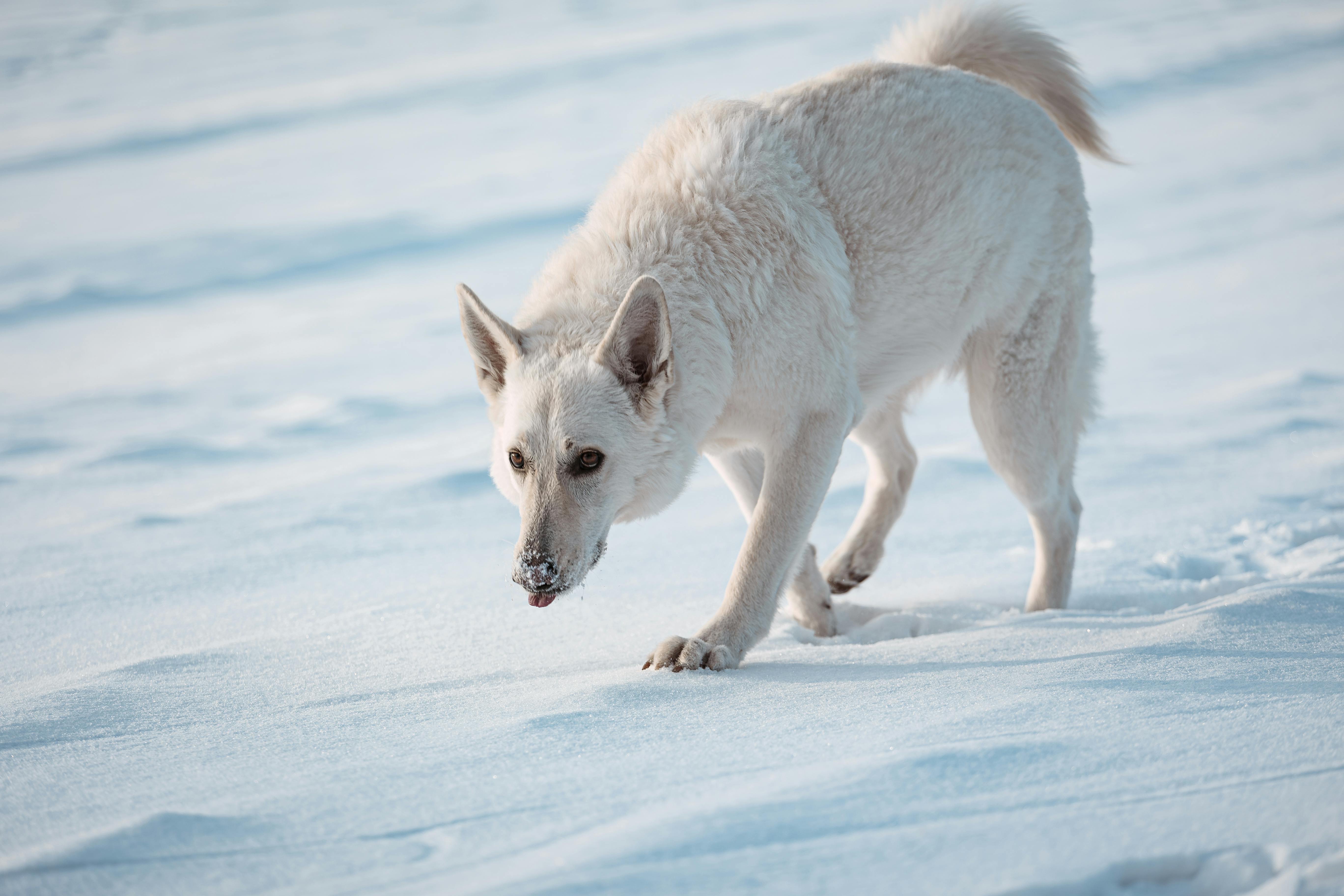 \n\n
\n\nDogs are one of the most beloved pets in the world, and they have so many fascinating traits. One of the most interesting aspects of our canine companions is their noses. Some dogs have drier noses while others have wet ones. This leads to the question, why do some dogs have drier noses? And what about the reasons behind the wet noses? Let's explore this intriguing topic further.
\nThe Science Behind Wet Noses
\nTo understand why dogs have wet noses, we need to look at their anatomy. Dogs’ noses are covered with a thin layer of mucous, which helps to enhance their sense of smell. The wetness is believed to increase their olfactory capabilities. When the nose is moist, it can trap more scent particles, letting dogs detect smells much better than humans can. This is one of the reasons why they can sniff out drugs or find missing persons.
\n- \n
- Enhanced Smell: Wet noses can trap scent particles better. \n
- Temperature Regulation: A moist nose helps dogs to regulate their body temperature. \n
- Health Indicator: A wet nose is often a sign of good health in dogs. \n
Why Do Some Dogs Have Drier Noses?
\nNot all dogs have the same type of noses. Some breeds have drier noses due to various factors like genetics, environment, or health conditions. For instance, brachycephalic breeds, like Bulldogs and Pugs, might have less moisture in their noses. This condition could be a result of their shortened nasal passages which affect how air and moisture circulate.
\n- \n
- Genetics: Some breeds naturally have drier noses. \n
- Environmental Factors: Extreme weather can also lead to dryness. \n
- Health Issues: Conditions like allergies or dehydration can make a nose dry. \n
The Role of Breed Variations
\nDog breeds exhibit various characteristics, and nose moisture can vary significantly. The breed can influence whether a dog has a wet or dry nose. For example, hounds like Beagles often have very wet noses due to their high activity levels and need for scent tracking. On the other hand, breeds like the Shar Pei can have drier noses because of their skin folds and unique anatomy.
\nComparison of Nose Moisture in Different Breeds
\n| Breed | \nTypical Nose Moisture Level | \nNotes | \n
|---|---|---|
| Beagle | \nVery Wet | \nExcellent at tracking scents. | \n
| Bulldog | \nDry to Moderately Wet | \nShort nasal passage affects moisture. | \n
| Greyhound | \nWet | \nHigh activity level enhances moisture. | \n
| Shar Pei | \nDry | \nSkin folds may hinder moisture retention. | \n
| Labrador Retriever | \nWet | \nKnown for their friendly, wet noses. | \n
Health Implications of Nose Moisture
\nWhile a wet nose is often seen as a sign of health, it’s not always the case. For instance, a suddenly dry nose can indicate potential health issues, such as:
\n- \n
- Dehydration: If a dog isn’t drinking enough water, its nose might dry out. \n
- Fever: An elevated temperature could lead to a change in moisture levels. \n
- Skin Conditions: Allergies or infections can dry out the nose. \n
Fascinating Reasons Behind Wet Noses
\nWet noses are also a result of behavioral traits. Dogs often lick their noses, which keeps them moist. They do this instinctively; it’s a way for them to gather scent information. By licking their noses, they can further enhance their sense of smell and stay aware of their surroundings.
\n- \n
- Instinctual Behavior: Dogs lick their noses to gather more scent particles. \n
- Curiosity: Dogs are naturally curious creatures and licking helps them explore their environment. \n
- Communication: Sometimes, a dog will wet its nose before greeting another dog as a way of saying hello. \n
The Impact of Environment
\nThe environment can also affect the moisture levels of a dog's nose. Hot, dry climates can lead to drier noses, while humid areas tend to keep noses more moist. Just like humans, dogs can be affected by their surroundings.
\n- \n
- Humidity Levels: High humidity keeps noses wetter. \n
- Temperature Extremes: Cold or dry air can cause drying. \n
- Indoor Heating/Cooling: Artificial environments can also impact moisture levels. \n
In the end, whether a dog has a wet or dry nose isn’t just a simple matter of breed. It encompasses a range of factors from health to environment. Understanding these nuances helps dog owners better care for their pets. So next time you pet your furry friend, pay attention to their nose; it might just tell you a lot more than you think!
\n\nWet Noses and Dog Communication: How Your Pet Expresses Emotions
\n\n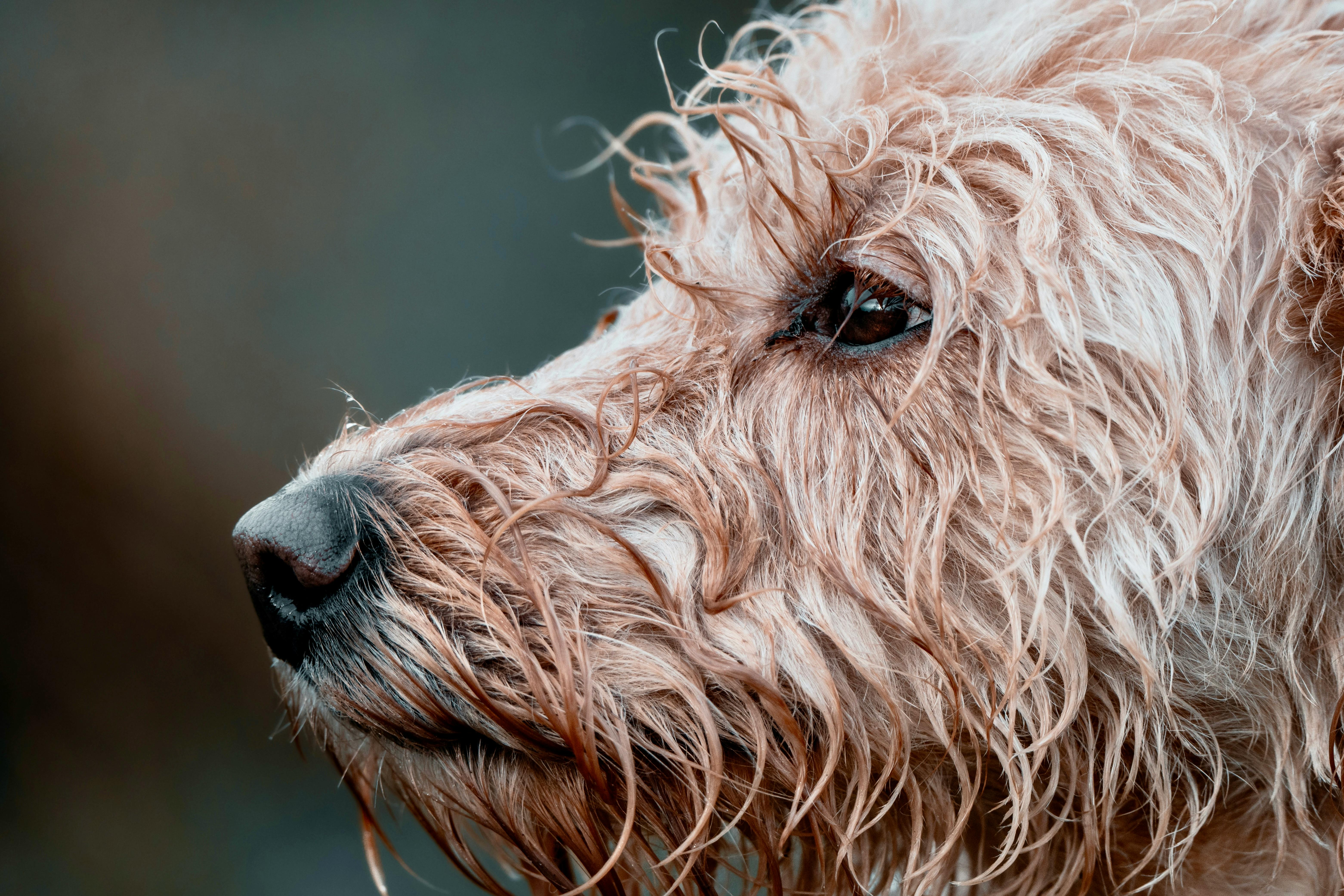 \n\n
\n\nDogs are often considered man's best friend, but have you ever wondered about their unique ways of communicating? One of the most fascinating aspects of dog behavior is their wet noses. Why do dogs have wet noses? This question leads us down an interesting path of understanding how our furry companions express their emotions and interact with the world.
\nThe Science Behind Wet Noses
\nDogs noses are not just cute; they serve multiple important functions. A dog's nose is covered in a moist layer of skin, which helps them to gather scent particles from the air. This is because they have a highly developed sense of smell, estimated to be anywhere from 10,000 to 100,000 times more acute than humans. Wetness plays a crucial role in this. When a dog's nose is moist, it can capture more scent molecules, thus enhancing their ability to detect different smells.
\nBut that's not all! The moisture on their noses also helps them thermoregulate. Dogs don't sweat like humans do; instead, they release heat through their noses and paw pads, which can help keep them cool. This dual function of wet noses is just one of the many ways dogs are uniquely adapted to their environment.
\nEmotions Expressed Through Nose Contact
\nDogs communicate a lot through their noses. When they nuzzle you with their wet noses, it’s not just a cute gesture; it can signify different emotions. Here are a few ways that a wet nose can express what your dog is feeling:
\n- \n
- Affection: A gentle nudge from a wet nose usually means your dog love you. They want your attention or might be seeking some affection in return. \n
- Curiosity: If your dog is sniffing around and touching their nose to various objects, they are likely exploring their environment. Dogs are naturally curious creatures, and their wet noses help them gather information about their surroundings. \n
- Anxiety: Sometimes, a wet nose may indicate that a dog is feeling stressed or anxious. If your pet is excessively licking their nose or seems to be more drooly than usual, it could be a sign of nervousness. \n
The Historical Context of Dog Communication
\nHistorically, dogs have been our companions for thousands of years. Their evolution from wolves to domestic pets resulted in a range of behaviors that help them communicate with humans. Ancient cultures recognized the bond between humans and dogs, often depicting them in art and folklore.
\nIn many societies, dogs were seen as protectors or helpers, which further solidified their role as companions. Their wet noses and the ability to express emotions have been essential in fostering this relationship.
\nFun Facts About Dog Noses
\n- \n
- Unique Patterns: Just like human fingerprints, every dog has a unique nose print. This makes it possible to identify them based on their nose patterns! \n
- Temperature Sensitivity: Dogs' noses are not just for smelling; they can sense temperature changes too. A wet nose tends to feel cooler than a dry one, signaling changes in their environment. \n
- Health Indicators: A change in the moisture level of a dog’s nose can indicate health issues. For example, a dry, warm nose may suggest a fever or illness, while a cold, wet nose typically indicates good health. \n
Why Wet Noses Matter
\nA wet nose is more than just a charming feature; it plays a significant role in a dog’s life and their interactions with the world around them. Here are some reasons why wet noses are important:
\n- \n
- Enhanced Scent Detection: The moisture allows for better scent absorption. \n
- Social Interaction: Dogs use their noses to communicate with each other and humans, making it a vital part of their social behavior. \n
- Health Monitoring: Changes in the moisture of a dog's nose can help pet owners monitor their dog’s health. \n
Comparing Wet Noses to Dry Noses
\nIt’s interesting to compare the implications of wet and dry noses in dogs.
\nWet Nose:
\n- \n
- Indicates hydration and good health. \n
- Enhances scent detection. \n
- Often associated with a friendly demeanor. \n
Dry Nose:
\n- \n
- May indicate dehydration or illness. \n
- Can be a sign of anxiety or stress. \n
- Sometimes linked to a relaxed or sleepy dog. \n
Dogs use their noses in complex ways that go beyond just sniffing. Understanding the significance of their wet noses can deepen our appreciation for these amazing creatures.
\nSo next time you see your dog’s wet nose, remember it’s more than just a cute quirk; it’s a crucial tool for communication and emotion expression. Wet noses may seem simple, but they hold a fascinating world of information about your pet's feelings and health.
\n\nDogs’ Wet Noses: Nature’s Built-in Thermometer? The Science Behind It
\n\n \n\n
\n\nDogs have been known as man's best friend for centuries, and one of their most endearing features is their wet noses. But why do dogs have wet noses? Is there a scientific reason behind it, or is it just one of those quirky traits that make dogs so lovable? Let’s take a closer look at the reasons behind dogs’ wet noses and explore the fascinating science.
\nThe Science Behind Wet Noses
\nThe moisture on a dog’s nose is not just for show. It plays a crucial role in their sense of smell. A dog’s nose is covered with a thin layer of mucus, which helps to capture scent particles from the air. When the moisture evaporates, it allows dogs to absorb more scents, enhancing their ability to detect odors. This is why dogs are often used in roles like search and rescue, drug detection, and even in medical diagnostics.
\n- \n
- Scent Absorption: Wet noses help dogs pick up scent particles more efficiently. \n
- Temperature Regulation: Some research suggests that wet noses help regulate body temperature. \n
- Health Indicator: A dog’s nose can sometimes indicate their health status. A dry, cracked nose may signal dehydration or illness. \n
Dogs' Noses and Their Unique Structure
\nDog noses are incredibly complex. The structure of a dog's nose is different from ours. They have more than 300 million scent receptors compared to a human’s 5 million, which makes their sense of smell about 40 times better than ours. The wetness of their noses is tied to this unique structure, where moisture enhances their olfactory abilities.
\n- \n
- Scent Receptors: Over 300 million in dogs vs. 5 million in humans. \n
- Sensitivity: Dogs can detect certain scents at incredibly low concentrations, sometimes even in parts per trillion. \n
- Nasal Passages: The structure of their nasal passages is specifically designed for maximizing scent intake. \n
Historical Context of Dogs’ Wet Noses
\nThroughout history, dogs have adapted to their environments, and their noses are a testament to that evolution. Ancient breeds were often used for hunting and herding, relying heavily on their sense of smell. Wet noses would have been particularly advantageous for tracking down prey or locating lost livestock.
\n- \n
- Hunting Companions: Wet noses helped ancient dogs track scents more effectively. \n
- Evolutionary Trait: The wet nose may have developed over time as a survival mechanism. \n
- Cultural Significance: Many cultures have recognized the importance of a dog’s nose, often associating it with health and vitality. \n
Practical Examples of Wet Noses in Action
\nDog owners often notice how their pets use their noses to explore the world around them. Here are some practical examples of how dogs utilize their wet noses:
\n- \n
- Sniffing Out Food: Dogs can locate food that's hidden or buried thanks to their keen sense of smell enhanced by their wet noses. \n
- Tracking: Dogs are used in search and rescue operations, where their ability to pick up scents can lead rescuers to missing persons. \n
- Detecting Disease: Some dogs can even detect certain diseases in humans, like cancer or diabetes, due to their exceptional olfactory abilities. \n
Why Do Dogs Have Wet Noses?
\nSo, why do dogs have wet noses? The short answer is: it’s beneficial for them! The wetness helps with scent detection, temperature regulation, and can even reflect their health. However, there are some common misconceptions about wet noses:
\n- \n
- Myth 1: A wet nose means a dog is healthy. This isn’t always true; some healthy dogs have dry noses. \n
- Myth 2: Dogs lick their noses to keep them wet. While that’s partly true, environmental factors like humidity and temperature also play a role. \n
Factors Affecting Nose Wetness
\nSeveral factors can affect how wet or dry a dog's nose might be at any given time:
\n- \n
- Weather Conditions: Hot weather can dry out a nose, while humidity can keep it moist. \n
- Activity Level: After playing or exercising, a dog’s nose may become drier. \n
- Health Status: Certain health issues can impact the moisture level of a dog's nose. \n
In summary, dogs' wet noses serve important functions that enhance their survival and interaction with the world. Understanding the science behind this feature not only deepens our appreciation for these furry companions but also highlights the remarkable adaptations dogs have developed over thousands of years. Whether they are tracking scents, cooling down, or indicating their health, wet noses are just one of the many wonders of our canine friends. So, next time you pet your dog, take a moment to marvel at that wet nose and all the science behind it!
\n\nUnderstanding Your Dog’s Health Through Their Nose: What Wetness Really Means
\n\n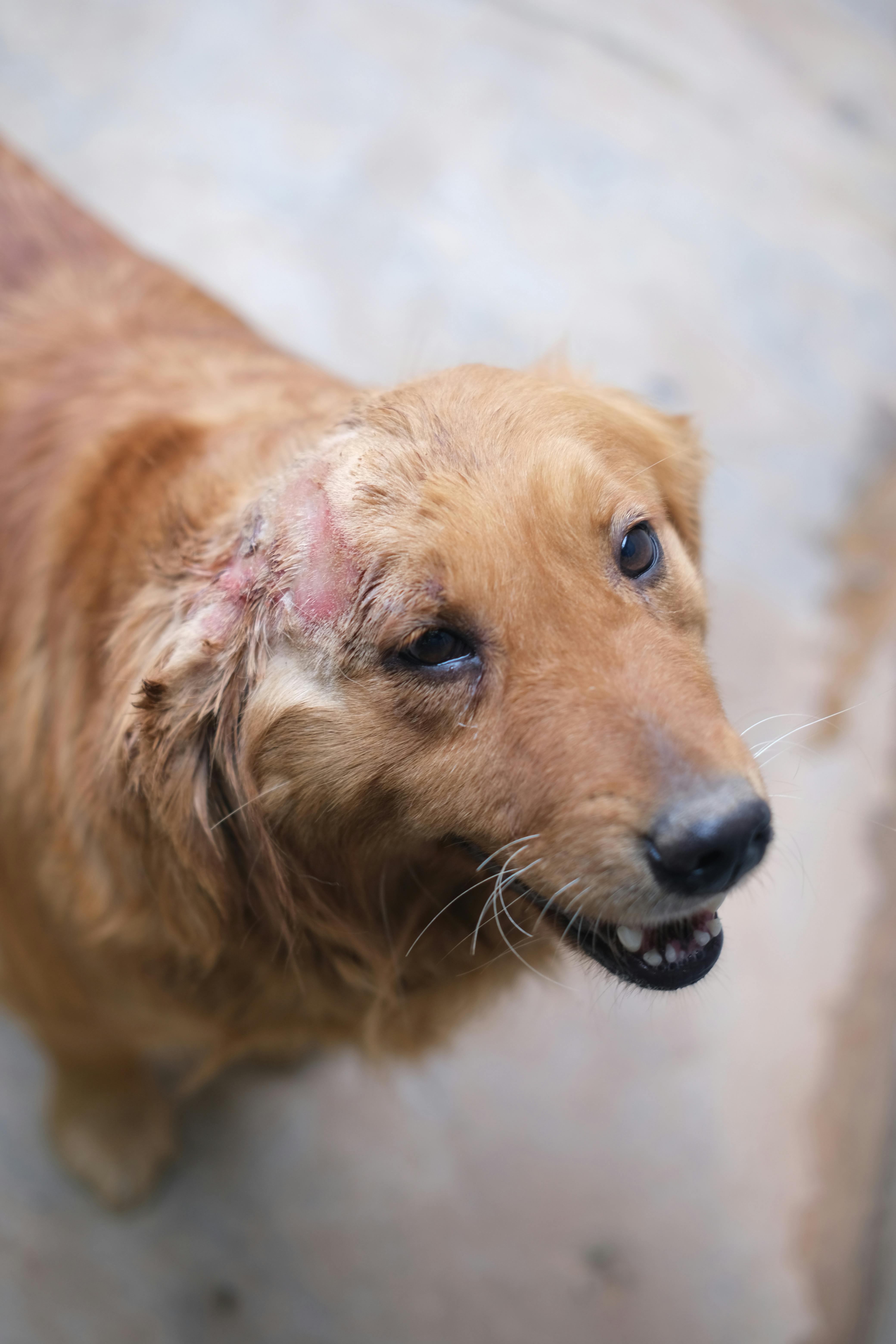 \n\n
\n\nDogs, our loyal companions, are known for their many charming traits, but one of the most interesting is their wet noses. You might have wondered why do dogs have wet noses? Is it just a quirky feature or does it serve a deeper purpose? Understanding your dog’s health through their nose can provide important insights into their well-being. Let’s dive into the fascinating reasons behind why our furry friends have those distinctive wet noses.
\nThe Science of Wet Noses
\nA dog’s nose is not only wet but also incredibly sensitive. The outer layer of a dog’s nose contains a mucous membrane which helps to enhance their sense of smell. When their noses are wet, it allows them to absorb scent molecules in the air more effectively. This is why dogs have a much better sense of smell than humans.
\n- \n
- Dogs have about 220 million scent receptors, while humans have approximately 5 million. \n
- The moisture on their noses helps to trap odor particles, making it easier to detect scents. \n
- Their wet noses can cool them down, acting as a natural air conditioner, especially in warm weather. \n
Why Are Dog Noses Wet?
\nThere are several reasons why a dog’s nose tends to be wet:
\n- \n
- Natural Moisture: Dogs' noses produce mucus naturally, which helps to keep the nose moist and enhance their sense of smell. \n
- Licking: Dogs often lick their noses. This behavior not only keeps their noses wet but also helps them gather additional scent information. \n
- Health Indicator: A wet nose is often a sign of a healthy dog. However, this is not always the case. Sometimes, a dry nose could indicate dehydration or illness. \n
The Role of Temperature and Environment
\nThe environment plays a significant role in how wet a dog’s nose is. For instance, on a hot day, your dog might have a wetter nose compared to a cooler day. This is due to increased moisture evaporation in warmer conditions.
\n- \n
- Dogs tend to sweat through their paw pads, but their noses are another way to regulate heat. \n
- Humidity can also affect how wet a dog’s nose feels. In higher humidity, the nose may stay wetter longer. \n
What a Wet Nose Can Tell You About Your Dog’s Health
\nUnderstanding your dog’s health through their nose can be beneficial. Here’s a quick guide to what different conditions might indicate:
\n- \n
- Wet and Cold Nose: Generally a sign of a healthy dog, but be observant for any unusual behaviors. \n
- Dry Nose: Could indicate dehydration, fever, or possibly other health issues. \n
- Cracked or Flaky Nose: May suggest allergies or skin conditions. \n
- Excessive Moisture: If your dog’s nose is excessively wet and they’re showing other symptoms like lethargy, it might be worth a trip to the vet. \n
Historical Context
\nHistorically, people have always been fascinated by dogs’ noses. Ancient civilizations recognized their ability to smell, and dogs were trained for hunting, tracking, and even search and rescue due to their olfactory prowess. In many cultures, dogs were not only companions but also seen as guardians, partly because of their acute sense of smell.
\nFun Facts About Dog Noses
\n- \n
- A dog’s nose print is unique, much like human fingerprints. This could potentially be used for identification! \n
- Dogs can detect certain diseases, like cancer and diabetes, by smelling changes in a person's body. \n
- The texture and shape of a dog's nose can vary widely between breeds, from the flat noses of bulldogs to the long, narrow noses of hounds. \n
How to Keep Your Dog’s Nose Healthy
\nKeeping your dog’s nose healthy is important. Here’re a few tips:
\n- \n
- Ensure they stay hydrated; this helps keep their nose moist. \n
- Regularly check for cracks or changes in texture. \n
- Protect their nose from extreme temperatures, especially during hot summer days or cold winters. \n
- Consider using a dog-friendly moisturizer if their nose seems too dry. \n
Understanding your dog's health through their nose offers valuable insight into their overall well-being. While a wet nose is typically a sign of good health, monitoring changes in moisture and texture can help dog owners catch potential issues early. So, the next time you pet your furry friend, take a moment to appreciate that wet nose—it’s more than just a cute feature; it’s a window into their health!
\n\nFun Facts: The Unique Functions of Dogs’ Wet Noses You Never Knew!
\n\n \n\n
\n\nDogs are amazing creatures, and if you ever wondered why they have those wet noses, well, you’re not alone! The unique functions of dogs’ wet noses are fascinating and can surprise many people. So, let’s dive into some fun facts about why do dogs have wet noses and uncover the secrets behind this interesting feature!
\nThe Science Behind Wet Noses
\nDogs’ noses are moist for several reasons, and understanding these can give you a deeper appreciation for your furry friend. The primary function of a wet nose is to help them smell better. Here’s how it works:
\n- \n
- Enhanced Scent Detection: A wet nose helps to capture scent particles from the air. It’s like a sponge soaking up all the smells around them. The moisture on their nose binds with these particles, which helps their olfactory receptors process scents more effectively. \n
- Temperature Regulation: Dogs do not sweat like humans do, so their noses help them cool down. When a dog pants, moisture evaporates from their nose, assisting in regulating their body temperature. \n
- Health Indicator: A wet nose can also be an indicator of a dog’s health. Generally, a healthy dog has a moist nose. If it becomes dry or cracked, it might signal dehydration or illness. \n
Historical Context of Dogs’ Noses
\nDogs have been companions to humans for thousands of years. The evolution of their noses has played a crucial role in their survival and companionship. In ancient times, dogs relied heavily on their sense of smell for hunting and finding food. Their wet noses evolved as a tool to enhance their hunting abilities, making them efficient predators.
\n- \n
- Scent Hounds: Breeds like Bloodhounds and Beagles have particularly wet noses because they were bred for tracking scents. Their noses are designed to be more sensitive, allowing them to follow trails over long distances. \n
- Companion Breeds: While many companion breeds may not have the same intense scenting abilities, they still maintain the characteristic wet nose, which aids in their interactions with humans and their environment. \n
Fun Facts About Dogs’ Wet Noses
\nHere are some fun and surprising facts about dogs’ wet noses that you probably didn’t know!
\n- \n
- Unique Nose Prints: Just like human fingerprints, every dog’s nose print is unique. This means that you could identify a dog based on its nose alone! \n
- Nose Shape Matters: A dog’s nose shape can affect its ability to smell. Long-nosed breeds, like Greyhounds, often have a better ability to pick up scents compared to short-nosed dogs, like Bulldogs. \n
- Nasal Folds: Dogs have folds in their noses that help increase the surface area for scent detection. This means more smell receptors are at work! \n
- Wet Nose, Happy Dog: Generally, a wet nose is an indicator that the dog is happy and healthy. However, dogs do occasionally have dry noses when they are sleeping or after spending time in the sun. \n
The Importance of Nose Care
\nIt’s essential to keep an eye on your dog’s nose health. Here’s a quick guide to look after it:
\n- \n
- Hydration: Make sure your dog drinks enough water. A hydrated dog is more likely to have a moist nose. \n
- Regular Vet Checkups: Regular vet visits can help spot any health issues that could affect your dog’s nose. \n
- Protect from Sunburn: Just like humans, dogs can get sunburned. Use pet-safe sunscreen on your dog’s nose if they spend a lot of time outdoors. \n
Nose vs. Tongue: The Smell Comparison
\nYou might be curious about how a dog’s nose stacks up against its tongue. Here’s a comparison:
\n- \n
- \n
Nose:
\n- \n
- Contains up to 300 million scent receptors. \n
- Can detect pheromones and other chemical signals. \n
- Helps with environmental awareness. \n
\n - \n
Tongue:
\n- \n
- Has around 1,700 taste buds. \n
- Primarily used for tasting food and drinking water. \n
- Can detect sweetness, bitterness, saltiness, and sourness. \n
\n
Dogs’ noses are not just for show; they serve vital functions in their daily lives. From enhancing their sense of smell to playing a role in their health, the wet nose is an essential part of a dog’s anatomy. Next time you give your dog a pat on the head and feel that cool, wet nose against your hand, remember the amazing science and history behind it! Each wet nose tells a story of evolution, companionship, and the unique bond we share with our canine friends.
\n\nConclusion
\n\nIn conclusion, the wet noses of dogs serve several important functions that contribute to their overall health and behavior. The moisture on a dog's nose enhances their sense of smell, helping them to detect scents more effectively, which is crucial for their communication and interaction with the environment. Additionally, a wet nose plays a role in thermoregulation, allowing dogs to regulate their body temperature. It's also a sign of a healthy dog, as dehydration or illness can lead to dryness. Understanding why dogs have wet noses deepens our appreciation for these beloved companions. As dog owners, it’s essential to monitor our pets’ health and note any significant changes in their nose's moisture. If you notice any unusual dryness or other health concerns, don’t hesitate to consult your veterinarian. Embrace the quirks of your furry friend and ensure they lead a happy, healthy life!
\n\n