Have you ever wondered why do dogs have wet noses? It’s a question that many pet owners frequently ask, and the answer is both fascinating and informative! Dogs' noses are not just cute; they play a critical role in their health and behavior. A wet nose helps dogs to sense their environment better, enhancing their ability to smell and detect scents. But why are they wet? Is it just because they like to stick their noses in everything? Or does it have more importance? In this article, we will uncover the exciting reasons behind this unique characteristic and explore how it contributes to a dog's remarkable sense of smell. Did you know that a dog's nose can help regulate their temperature, too? Discovering the science behind their moist noses will not only satisfy your curiosity but also deepen your understanding of your furry friend. Whether you are a seasoned dog owner or a new puppy parent, these insights will make you appreciate your canine companion even more. So, let’s dive into the intriguing world of dogs and unveil the mystery of why dogs have wet noses!
\n\nThe Science Behind Canine Nasal Moisture: What Makes Dogs' Noses Wet?
\n\n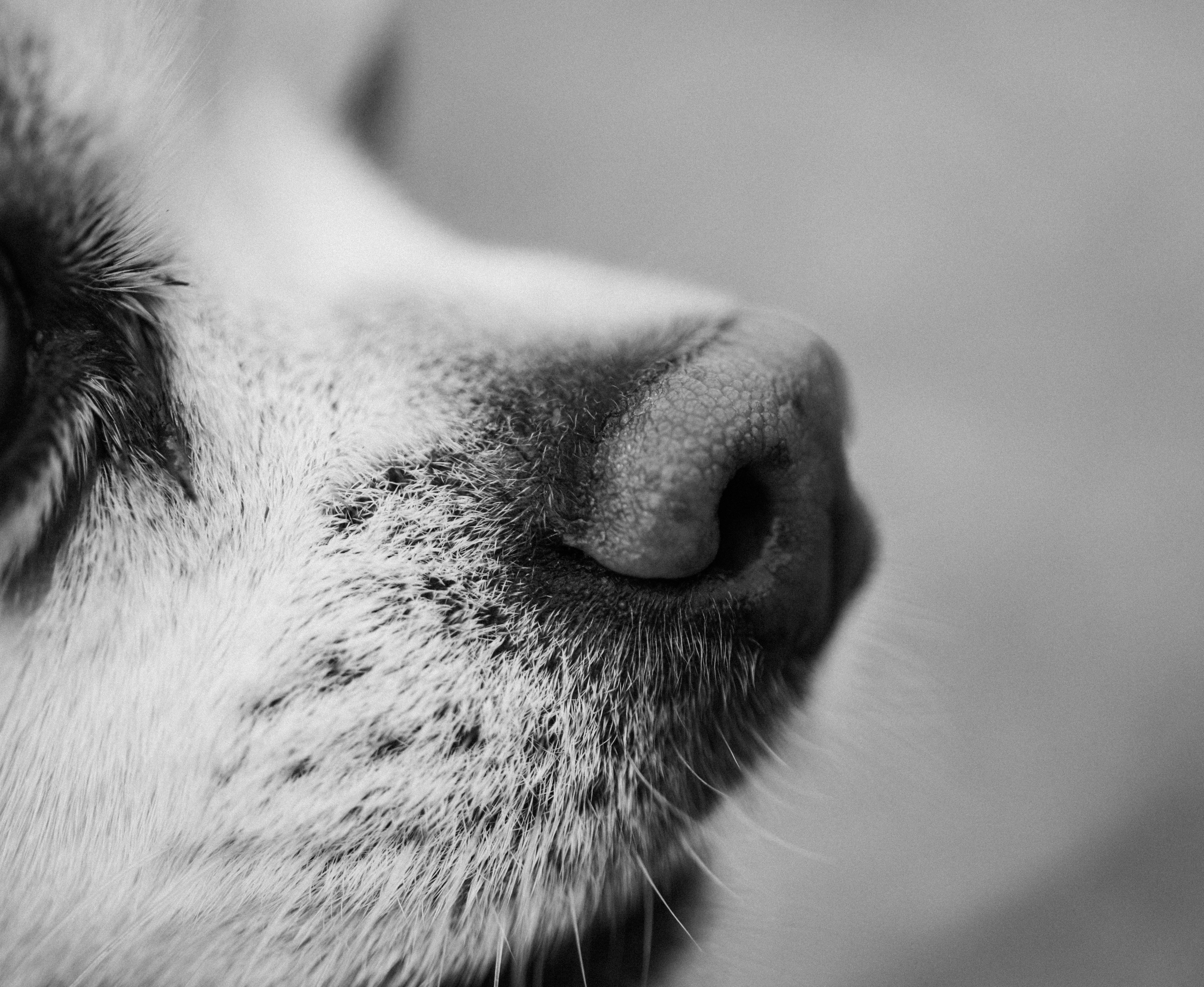 \n\n
\n\nWhen you think about dogs, their wet noses might be one of the first things that comes to your mind. It's kinda cute, right? But have you ever wondered why do dogs have wet noses? This curious fact is more than just an adorable trait; there's some fascinating science behind it. In this article, we will explore the reasons why dogs' noses are wet, the biology behind canine nasal moisture, and how this plays a role in their health and behaviors.
\nThe Biology of a Dog's Nose
\nDogs have an incredible sense of smell, which is said to be between 10,000 and 100,000 times more sensitive than humans. Their noses are specially designed for this purpose, with a complex structure that aids in detecting scents. Here's how their noses work:
\n- \n
- Nasal Cavity: The nasal cavity in dogs is larger than in humans, allowing them to take in more air and scent particles. \n
- Moisture: The moisture on a dog's nose helps to trap scent particles. This moisture comes from mucous glands located in the nasal passages. \n
- Temperature Regulation: A dog's nose also helps regulate their body temperature. When they pant, moisture evaporates from their nose, cooling them down. \n
Why Are Dog Noses Wet?
\nNow let's dive deeper into the question: why do dogs have wet noses? The answer involves several factors that combine to keep their noses moist.
\n- \n
- Scent Detection: The wetness on a dog's nose helps enhance their ability to detect scents. Wet surfaces can capture more scent molecules, giving dogs an edge when sniffing out things. \n
- Health Indicator: A wet nose is often a sign of a healthy dog. When a dog is sick or dehydrated, their nose may become dry. \n
- Cooling Mechanism: As mentioned, moisture on their noses can help cool them down, just like sweating in humans. \n
The Importance of Nasal Moisture
\nUnderstanding why do dogs have wet noses is not just a matter of curiosity; it also reflects their health and well-being. Here are some important points to consider:
\n- \n
- Hydration Levels: A dog with a dry nose may be dehydrated or unwell. If you notice this, it may be time to check their water intake or consult a vet. \n
- Environmental Factors: Dogs' noses can dry out in hot or windy weather, which can affect their ability to smell. \n
- Breed Differences: Some breeds might have drier noses naturally, which doesn't always mean they are unhealthy. \n
Fun Facts About Dogs' Noses
\nDid you know that a dog's nose print is unique, much like a human fingerprint? This uniqueness can be used for identification purposes! Here are some more interesting facts:
\n- \n
- Nose Color: A dog’s nose color can change with age. Puppies often have pink noses that darken as they grow. \n
- Nasal Patterns: Each dog has a distinct pattern of ridges and bumps on their nose. \n
- Sniffing Speed: Dogs can sniff a new scent in just a fraction of a second, processing it much faster than humans. \n
Comparisons with Other Animals
\nDogs aren't the only animals with wet noses. Let’s take a look at how other animals compare:
\n| Animal | \nNose Type | \nPurpose of Moisture | \n
|---|---|---|
| Cats | \nDry & Cool | \nLess reliance on smell, but helps cool down | \n
| Horses | \nWet & Cool | \nHelps with scent and cooling during exertion | \n
| Pigs | \nWet & Sensitive | \nExcellent sense of smell for foraging | \n
Practical Examples of Nose Health
\nKeeping a dog's nose healthy is important. Here are some practical tips for dog owners:
\n- \n
- Regular Check-ups: Have your vet examine your dog's nose during regular visits. \n
- Hydration: Ensure your dog has access to fresh water to help maintain moisture levels. \n
- Environmental Care: Protect your dog's nose from harsh weather by limiting exposure during extreme conditions. \n
So, why do dogs have wet noses? The answer lies in their unique biology and the important roles that moisture plays in their health, scent detection, and temperature regulation. Understanding this can help pet owners ensure their furry friends remain happy and healthy. The next time you give your dog a scratch behind the ears, take a moment to appreciate that wet nose and all the science that comes with it!
\n\nUnveiling the Mystery: Why Do Dogs Have Wet Noses? 7 Fascinating Facts!
\n\n \n\n
\n\nDogs are beloved companions, bringing joy and loyalty into our lives. One of the most endearing features of our furry friends is their wet noses. But have you ever wondered why do dogs have wet noses? This question has puzzled many people, and today we are going to unveil some fascinating facts about those damp snouts.
\nThe Science Behind Wet Noses
\nDogs noses are wet for a few key reasons. First, a wet nose helps to enhance their sense of smell. Dog noses have a unique structure filled with olfactory receptors, and moisture helps to capture scent particles. This is why when a dog sniffs around, they are not just being curious; they are actually gathering information about the environment.
\nTemperature Regulation
\nAnother reason why dogs have wet noses is temperature regulation. Just like humans sweat to cool down, dogs also use their noses to help regulate body temperature. The moisture on their noses evaporates, which can help lower their body heat. If you notice your dog’s nose feels cooler than the rest of their body, it’s usually a sign that they are managing their temperature effectively.
\nThe Role of Mucus
\nDogs also produce mucus on their noses, which serves important functions. This mucus helps to trap dust, dirt, and other particles, keeping their airways clear. Plus, the moisture helps to keep their sense of smell sharp. When the mucus dries up, it can impair their ability to detect scents.
\nHistorical Context: Why Wet Noses Matter
\nHistorically, dogs have been bred for specific traits, including their sense of smell. Many working dogs, such as bloodhounds and retrievers, rely heavily on their noses for tasks like tracking and retrieving. The wetness of their noses is not just a random characteristic; it has evolutionary advantages.
\nFun Facts About Dogs’ Wet Noses
\n- \n
- \n
Scent Detection: Dogs can detect smells up to 100,000 times better than humans. Their wet noses are crucial in this process.
\n \n - \n
Health Indicator: A dog’s nose can be an indicator of health. A dry or cracked nose can sometimes signal dehydration or illness.
\n \n - \n
Variability: Not all dogs have the same nose moisture level. Breeds with shorter snouts might have drier noses compared to those with longer snouts.
\n \n - \n
Social Interaction: Dogs often use their noses to greet other dogs and humans. A wet nose can be a sign of affection!
\n \n - \n
Temperature Sensitivity: Dogs’ noses can also detect temperature differences, which is useful for tracking animals in the wild.
\n \n - \n
Nose Prints: Just like human fingerprints, every dog has a unique nose print that can be used for identification.
\n \n - \n
Humidity and Environment: Factors like weather can affect the moisture level of a dog’s nose. For instance, in dry environments, you might notice a dog’s nose is drier than usual.
\n \n
Practical Tips for Nose Care
\nKeeping your dog’s nose healthy is important. Here are some tips:
\n- \n
- \n
Hydration: Ensure your dog is drinking enough water. Hydration affects nose moisture.
\n \n - \n
Humidity: If you live in a dry climate, consider using a humidifier in your home.
\n \n - \n
Regular Check-Ups: Regular vet visits can help catch any potential issues with your dog’s nose early.
\n \n - \n
Avoid Irritants: If your dog is exposed to chemicals or irritants, it might lead to dryness or discomfort.
\n \n
Comparison Chart: Wet Noses vs. Dry Noses
\n| Feature | \nWet Nose | \nDry Nose | \n
|---|---|---|
| Scent Ability | \nEnhanced | \nReduced | \n
| Temperature Control | \nEffective | \nLess effective | \n
| Health Indicator | \nUsually healthy | \nCould indicate issue | \n
| Breed Variability | \nMore common in many breeds | \nLess common in short-nosed breeds | \n
Having a wet nose is just one of the many unique traits that dogs have. It serves crucial purposes in their daily lives, from enhancing their sense of smell to helping them regulate body temperature. So next time you give your dog a scratch behind the ears, take a moment to appreciate that delightful, damp nose. It's not just cute—it's a vital part of their health and well-being!
\n\nThe Health Benefits of a Wet Nose: What Your Dog's Snout is Telling You
\n\n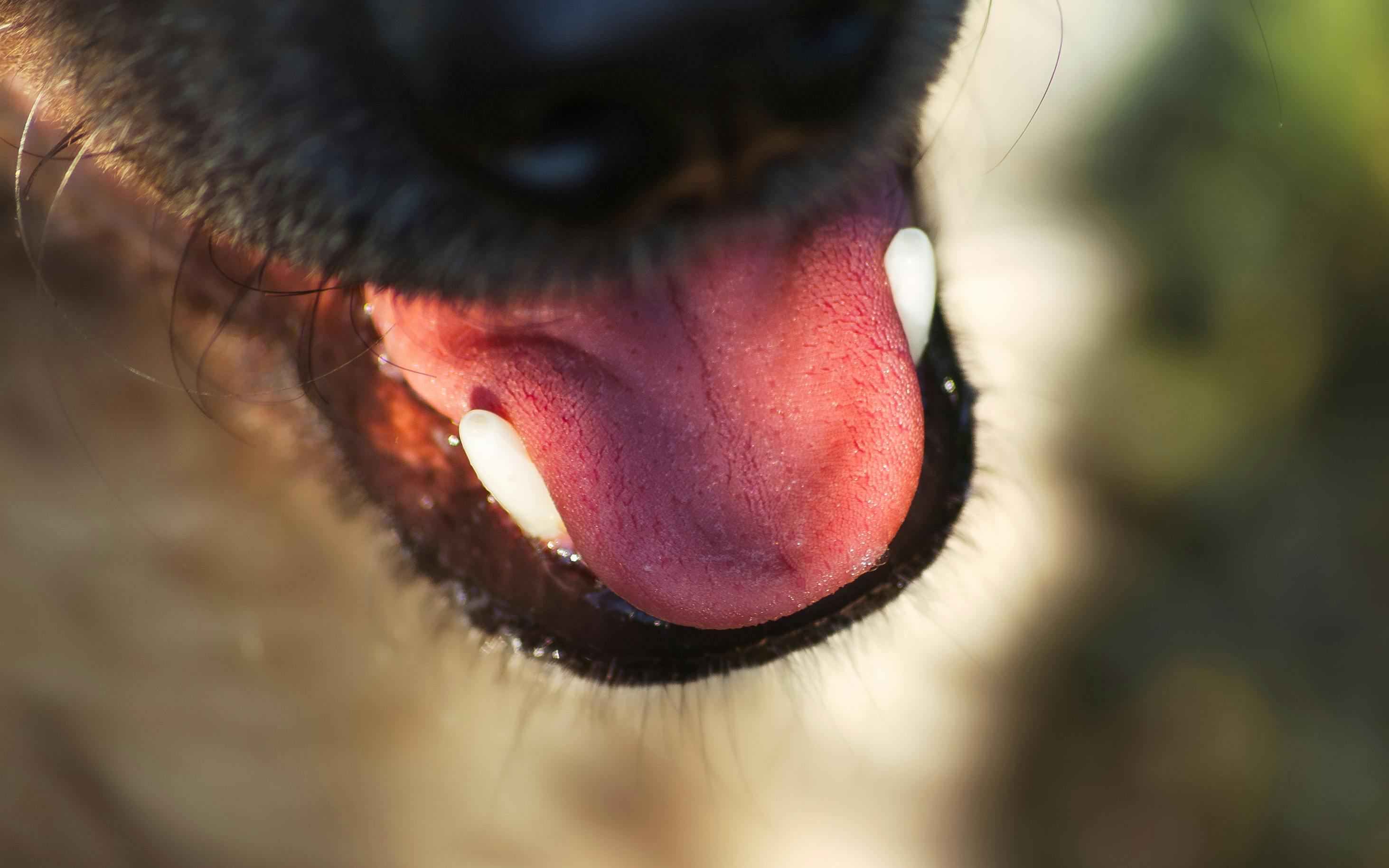 \n\n
\n\nDogs are known for many adorable traits, but one of the most curious is their wet noses. You might have wondered, why do dogs have wet noses? Well, there's more to this than just a cute feature. A wet nose is actually a sign of health and well-being, and it can tell us lots about our furry friends. In this article, we dive into the fascinating reasons behind why dogs' noses are moist and what it means for their overall health.
\nThe Science Behind a Wet Nose
\nA dog's nose is wet for a couple of reasons, and it's not just because they love to sniff around. Here are some key points to understand:
\n- \n
- \n
Moisture Regulation: Dogs have sweat glands, but they are mostly located in their paw pads. Their noses stay wet to help regulate body temperature. When a dog is hot, the moisture on the nose evaporates, which helps cool them down.
\n \n - \n
Enhanced Sense of Smell: The moisture on a dog's nose helps to capture scent particles from the air. This allows dogs to detect scents more effectively. A wet nose acts like a sponge, absorbing smells, which is essential for their survival instincts.
\n \n - \n
Health Indicator: A wet nose is often seen as a sign of a healthy dog. If your dog's nose is dry, it could indicate dehydration or other health issues. However, not every dry nose means something serious, but it's worth keeping an eye on.
\n \n
Why Do Dogs Have Wet Noses? The Evolutionary Aspect
\nThrough history, dogs have evolved from their wild ancestors, and the wet nose serves some functions that are still relevant today. A wet nose was vital for early canines who relied on their sense of smell for hunting and finding food. The moisture helps them pick up scents from their environment, which would’ve been essential for survival.
\nWhat Does a Wet Nose Mean?
\nNow that we know the science, let's explore what a wet nose can tell us about a dog's health:
\n- \n
- Normal and Healthy: A wet nose usually indicates that your dog is well-hydrated and healthy. \n
- Dry Nose: A dry nose can be normal but could also signal dehydration, fever, or illness. \n
- Cracked or Chapped Nose: This could suggest allergies, sunburn, or even infections. \n
- Nasal Discharge: Clear discharge is often normal, but colored discharge might indicate an infection or other health problems. \n
Fun Facts About Dog Noses
\nHere are some fascinating tidbits about dog noses that you may not have known:
\n- \n
- Unique Patterns: Just like human fingerprints, each dog’s nose print is unique. They can be used to identify them! \n
- Higher Temperature: A dog's nose can be cooler than the rest of their body. Normal body temperature for dogs ranges from 101 to 102.5 degrees Fahrenheit. \n
- Licking: Dogs often lick their noses to keep them wet, which aids in their sense of smell. \n
The Health Benefits of a Wet Nose
\nHaving a wet nose not only serves functional purposes but also has several benefits. Here are some health advantages:
\n- \n
- Temperature Regulation: As mentioned, the moisture helps cool them down, which is crucial on hot days. \n
- Improved Scent Detection: The enhanced sense of smell helps dogs in their daily activities, from tracking scents to detecting changes in their owner's mood. \n
- Hydration Indicator: A wet nose can often indicate proper hydration, helping owners monitor their dog’s health. \n
Practical Tips for Dog Owners
\nKeeping your dog's nose healthy is essential. Here are some tips you can follow:
\n- \n
- Hydration: Ensure your dog has access to fresh water at all times. \n
- Regular Vet Check-ups: Regular visits to the vet can help you monitor your dog’s health and address any issues early. \n
- Observe Changes: Pay attention to changes in your dog’s nose, such as dryness or cracking, and consult your vet if anything seems off. \n
In the end, the wet nose of a dog is more than just a cute feature; it’s a vital part of their health and well-being. Understanding the reasons behind it can deepen your bond with your furry friend. Remember, while a wet nose is typically a sign of health, any significant changes should always be discussed with a veterinarian. Keeping an eye on these small details can make a big difference in your dog's quality of life.
\n\nFrom Scent to Temperature Regulation: 5 Surprising Reasons Dogs Have Wet Noses
\n\n \n\n
\n\nDogs are one of the most beloved pets around the world, and many people often wonder about their unique traits. One of the most fascinating features is their moist noses. You may have asked yourself, "Why do dogs have wet noses?" Well, there are some pretty interesting and surprising reasons behind this phenomenon. Let's dive into the world of our canine companions and explore the science and history behind their wet noses.
\n1. Scent Detection
\nOne of the primary reasons dogs' noses are wet is that it enhances their sense of smell. Dogs have an incredible olfactory system, and a wet nose helps capture scent particles in the air. The moisture on their nose acts like a sponge, trapping these particles and allowing dogs to sniff more effectively. Research shows that dogs have up to 300 million olfactory receptors in their noses compared to humans' 5 million. This means they can detect scents at incredibly low concentrations, making them experts in tracking and locating.
\n2. Temperature Regulation
\nDid you know that a dog's wet nose also plays a role in regulating their body temperature? Dogs don't sweat like humans do; instead, they primarily cool off by panting. However, their noses help too! The wetness of a dog's nose helps to cool them down by evaporating moisture. This process is similar to how we sweat to cool ourselves. So, when you see your pup's nose glistening, it might be working overtime to keep them comfortable on a hot day.
\n3. Health Indicator
\nA dog's nose can also be a good indicator of their overall health. A healthy dog typically has a moist, cool nose. However, a dry or warm nose can sometimes signal dehydration or illness. Of course, it's not a definitive diagnosis, as many factors contribute to a dog's nose condition, but it can be a useful first sign for pet owners. Here are some things to consider:
\n- \n
- Cold, wet nose: Usually indicates a healthy dog. \n
- Warm, dry nose: Could mean fever or dehydration. \n
- Cracked or chapped nose: Might suggest allergies or skin conditions. \n
4. Social Communication
\nDogs often communicate with each other and humans through scent, and their wet noses play a role in this too. When dogs greet each other, they sniff each other's noses as part of their social interactions. This behavior helps them gather information about each other's health, diet, and emotional state. A wet nose can indicate that a dog is friendly and approachable, while a dry nose might suggest discomfort or stress.
\n5. Evolutionary Trait
\nFrom an evolutionary perspective, the wet nose may have developed as an adaptation that helps dogs survive in various environments. The early ancestors of modern dogs relied heavily on their sense of smell for hunting and foraging. A wet nose would have been advantageous for locating food and avoiding predators. Over generations, this trait has remained, making it an integral aspect of a dog's biology.
\nFun Facts About Dog Noses
\n- \n
- Unique Patterns: Just like human fingerprints, every dog's nose print is unique. \n
- Color Variations: A dog's nose can be black, brown, pink, or spotted, and the color can change with age. \n
- Nose Temperature: A dog's nose temperature can be anywhere from 94 to 104 degrees Fahrenheit. \n
- Nasal Turbinates: These are structures inside a dog's nose that help warm and humidify the air they breathe in. \n
Comparing Dog Noses to Other Animals
\nWhile dogs have wet noses, other animals have different adaptations. For example:
\n- \n
- Cats: Generally have dry noses, but they can still smell well. \n
- Rabbits: Their noses are often moist, but they use it mainly for sniffing out food. \n
- Humans: Our noses are dry and less effective for scent detection compared to dogs. \n
Understanding why dogs have wet noses is not just about quirkiness; it connects to their health, behavior, and evolution. So, next time when you see your furry friend with that shiny nose, remember that it’s doing a lot more than just looking cute! Keeping an eye on your dog's nose can also help you be more aware of their health. If you notice significant changes, it could be time to consult a veterinarian.
\nIn the end, the wet nose of a dog is a window into their world, revealing much about their nature and well-being. Whether it's for scent detection, temperature regulation, or social communication, this small feature holds a wealth of surprises about our beloved pets.
\n\nUnderstanding Your Dog’s Wet Nose: Is It a Sign of Health or a Cause for Concern?
\n\n \n\n
\n\nHave you ever noticed your dog’s nose feels wet and cool to the touch? It’s one of those things that many dog owners just accept as normal, but have you ever wondered why? Understanding your dog’s wet nose can shed light on their health and well-being. So, let’s explore the fascinating reasons behind this common canine characteristic and see if it’s a sign of health, or maybe something to be concerned about.
\nWhy Do Dogs Have Wet Noses?
\nDogs have wet noses for several reasons, and each one plays an important role in their overall health and behavior. Here’s some of the key reasons why this is the case:
\n- \n
- \n
Enhanced Smell: Dogs have an incredible sense of smell, which is far superior to humans. A wet nose helps to capture scent particles from the air, keeping their nasal passages moist. This moisture allows for better absorption of scents, making them more effective at detecting odors.
\n \n - \n
Temperature Regulation: Just like humans sweat to regulate body temperature, dogs can lose heat through their noses. When a dog is active or excited, their body temperature can rise. A wet nose can help cool them down, especially when they pant and their nose remains moist.
\n \n - \n
Health Indicator: A dog’s nose moisture can sometimes indicate their health status. Generally, a wet and cool nose is a sign of a healthy dog. However, if the nose becomes dry, cracked, or excessively warm, it could signal dehydration or illness.
\n \n - \n
Communication Tool: Dogs communicate their feelings and emotions in various ways, and a wet nose can play a role in that. When a dog greets you with a wet nose, it could be a sign of affection or an invitation to play.
\n \n
Is a Wet Nose Always a Good Sign?
\nWhile a wet nose is usually a sign of health, there are exceptions, and it’s important to pay attention to other symptoms. Here are some signs to watch for that could mean trouble:
\n- \n
- Dry, Cracked Nose: This could indicate dehydration or a skin condition. \n
- Warm Nose: A warm nose might suggest a fever or infection. \n
- Excessive Discharge: If there’s a lot of mucus or pus, it could mean an underlying health issue. \n
Historical Context
\nThe concept of wet noses in dogs has been around since the domestication of canines thousands of years ago. Ancient cultures often observed animal behaviors, and the wet nose was recognized as a sign of vitality and alertness. In fact, many cultures believed that a healthy dog could ward off bad spirits, partly due to their lively demeanor and wet noses.
\nComparing Dog Noses to Other Animals
\nIt’s interesting to compare dog noses with those of other animals. Here’s a quick look at how dogs stack up against some other pets:
\n| Animal | \nNose Type | \nFunctionality | \n
|---|---|---|
| Dogs | \nWet and cool | \nEnhanced sense of smell, temperature regulation | \n
| Cats | \nDry and warm | \nGood sense of smell, but less reliant than dogs | \n
| Horses | \nMoist but not wet | \nGood for detecting scents but less effective than dogs | \n
| Rabbits | \nDry and cool | \nMainly used for temperature regulation | \n
Practical Tips for Dog Owners
\nAs a dog owner, it’s crucial to monitor your pet’s nose and overall health. Here are some practical tips:
\n- \n
- Regular Vet Checkups: Regular visits to the veterinarian can help identify potential health issues early. \n
- Hydration: Always ensure your dog has plenty of fresh water. A hydrated dog is more likely to have a healthy wet nose. \n
- Observe Behavior: Keep an eye on changes in behavior. If your dog is lethargic or shows signs of discomfort, consult your vet. \n
Common Myths About Dog Noses
\nThere’s lots of myths surrounding dog noses that can mislead owners. Here’s a quick rundown:
\n- \n
- \n
Myth: A cold, wet nose means your dog is healthy.
\n
\nFact: While it’s often true, it’s not a hard rule. A warm, dry nose can also belong to a healthy dog sometimes. \n - \n
Myth: All dogs have wet noses.
\n
\nFact: Some breeds, like bulldogs, may have drier noses due to their unique skin structure. \n
Understanding your dog’s wet nose is more than just a trivia fact; it’s a window into their health and behavior. Remember that while a wet nose is usually a sign of health, keep an eye out for any changes that might indicate a problem. With a little observation and care, you can help ensure your furry friend stays happy and healthy!
\n\nThe Evolutionary Advantage: How a Wet Nose Helps Dogs Survive in the Wild
\n\n \n\n
\n\nDogs have been companions to humans for thousands of years, and their wet noses are one of their most distinctive features. But why do dogs have wet noses? This question leads us to explore the evolutionary advantages that a wet nose provides, especially in the wild.
\nThe Science Behind Wet Noses
\nFirstly, a dog's nose is not just for show. It's highly sensitive and serves a crucial role in their survival. The moisture on a dog's nose is often a result of the mucous membranes that helps to capture scent particles from the air.
\n- \n
- Scent Detection: Dogs have about 220 million scent receptors in their noses, compared to a human's 5 million. A wet nose enhances this ability by capturing more scent molecules. \n
- Temperature Regulation: Wet noses can help regulate a dog’s body temperature. When a dog pants, the evaporation of moisture from their nose aids in cooling them down. \n
- Health Indicator: A wet nose can also indicate good health. If a dog has a dry nose, it could be a sign of dehydration or illness. \n
Evolutionary Benefits in the Wild
\nIn the wild, a wet nose is a significant evolutionary advantage. It allows dogs, or their ancestors, to hunt better, find mates, and avoid predators. Here are some fascinating reasons why this feature is so important:
\n- \n
- Enhanced Hunting Skills: A wet nose helps dogs detect prey from much further away. This ability to pick up scents means they can track animals efficiently, giving them a better chance of survival. \n
- Communication: Dogs communicate through scent, and a wet nose can help pick up pheromones from other animals, including potential mates. This is crucial for reproduction and genetics. \n
- Environmental Awareness: A wet nose can pick up various smells that indicate the presence of danger, such as predators or even natural disasters. This awareness can mean the difference between life and death. \n
Anatomical Advantages
\nThe anatomy of a dog's nose is also fascinating. It's made up of several components that all work together to enhance their olfactory capabilities.
\n- \n
- Nasal Turbinates: These are structures within the nose that help to warm and humidify the air that dogs inhale. They also trap scent particles, enhancing detection. \n
- Jacobsen’s Organ: Located in the nasal cavity, this organ helps dogs process pheromones, which is vital for communication and mating. \n
What Makes Wet Noses Unique?
\nWet noses are not only about scent. They are also part of a dog's unique physiology. Here's a comparison of wet noses in dogs versus dry noses in other animals:
\n- \n
- Dogs: Wet noses; excellent sense of smell; better temperature regulation. \n
- Cats: Dry noses; good sense of smell, but less pronounced than dogs; rely more on sight. \n
- Humans: Dry noses; limited sense of smell; primarily rely on vision and hearing. \n
Practical Examples of Nose Functionality
\nDogs use their noses for various tasks in everyday life. Some practical examples include:
\n- \n
- Search and Rescue: Dogs are trained to find missing persons using their keen sense of smell. The moisture on their noses helps them detect scent trails. \n
- Detection Work: Police and military dogs use their noses to sniff out drugs, explosives, and even human remains, proving how vital a wet nose is in critical situations. \n
- Therapy and Assistance: Service dogs can detect changes in their handler's body chemistry, such as blood sugar levels, due to their acute sense of smell. \n
Conclusion
\nUnderstanding why do dogs have wet noses gives us insight into their evolutionary journey and the adaptations that have made them such effective survivors in various environments. Their wet noses not only enhance their sense of smell but also play a crucial role in communication, hunting, and survival. This fascinating aspect of canine biology showcases just how remarkable dogs truly are, continuing to endear them to humans as loyal companions.
\n\nWet Noses and Dog Behavior: What Your Pup’s Snout Says About Their Emotions
\n\n \n\n
\n\nDogs are often called man’s best friend, but did you ever think about what their wet noses really means? Many dog owners notice that their pups have moist snouts, but the reasons behind this phenomenon goes beyond just being cute. Let's dive into the captivating world of dog behavior and discover why do dogs have wet noses.
\nThe Science Behind Wet Noses
\nFirst off, dog's noses are wet for a few reasons. It's a combination of biology and behavior that makes their snouts so special. Here are some key points:
\n- \n
- Cooling Mechanism: Dogs don’t sweat like humans do. Instead, they use their noses to regulate their body temperature. When they pant, moisture evaporates from their wet noses, helping to cool down their bodies. \n
- Enhanced Smell: A wet nose helps to trap scent particles in the air. This means that a dog's ability to smell is heightened when their nose is moist. They can detect scents up to 100,000 times better than humans can! \n
- Health Indicator: A dog's nose can tell you a lot about their health. A healthy dog typically has a moist and cool nose, while a dry or warm nose could indicate illness or dehydration. \n
Emotional Expressions Through Snouts
\nDogs communicate through their body language, and their noses are a key part of that. A wet nose can signal a range of emotions. For instance:
\n- \n
- Happy and Excited: When dogs are happy, their noses tend to be moist and cool. You might notice your dog’s nose is wet after they’ve had a fun play session or when they see you after being away. \n
- Curious and Alert: If your dog’s nose is actively sniffing around, it’s likely they are curious or trying to explore their environment. Wet noses during exploration means they are excited and engaged. \n
- Nervous or Anxious: On the flip side, if a dog’s nose is dry, it could mean they are feeling stressed or anxious. You might notice this when they are in a new environment or around unfamiliar people. \n
Historical Context of Dog Noses
\nDogs have been companions to humans for thousands of years. Their wet noses have always played a crucial role in their survival and relationship with humans. Historically, dogs were bred for specific purposes, like hunting, herding, or guarding. Their keen sense of smell, supported by their wet noses, made them invaluable to humans in various tasks.
\nFun Facts About Dog Noses
\nHere’s a quick list of interesting facts about dog noses:
\n- \n
- Unique Nose Prints: Just like human fingerprints, each dog's nose print is unique. It can actually be used for identification purposes! \n
- Temperature Regulation: A dog's nose is cooler than the rest of their body, which is why it feels wet and cold to the touch. \n
- Health Monitoring: Changes in the moisture level of a dog's nose can indicate health issues. For example, a sudden change to a dry nose might warrant a vet visit. \n
Comparison of Dog Breeds and Their Noses
\nNot all dogs have the same type of nose. Here’s a comparison of different breeds and their nose characteristics:
\n| Breed | \nNose Type | \nMoisture Level | \n
|---|---|---|
| Labrador | \nBroad, wet | \nGenerally moist | \n
| Greyhound | \nThin, dry | \nCan be dry often | \n
| Bulldog | \nShort and wide | \nTypically moist | \n
| Poodle | \nCurly fur | \nCan vary, often moist | \n
Each breed has its own unique nose characteristics that can affect how wet or dry their nose may feel.
\nPractical Examples of Nose Behavior
\nObserving your dog's nose can provide insights into their emotional state. For example, when you come home and your dog greets you with a wet nose, it’s a sign of affection and excitement. Conversely, if your dog’s nose is dry after a visit to the vet, it could indicate stress or discomfort.
\nUnderstanding your pup’s nose behavior can help improve your communication with them. Recognizing the signals they send with their noses can allow you to respond better to their needs, whether it’s playtime, comfort, or a vet visit.
\nDogs use their noses not just for smelling but also for expressing their emotions. So the next time you pet your pup and feel their wet nose, remember it’s not just a cute feature; it's a window into their feelings and health. Embrace the wonder of your dog’s snout as a means of communication and emotional expression.
\n\nComparing Dog Noses: Why Some Breeds Have Wetter Noses Than Others
\n\n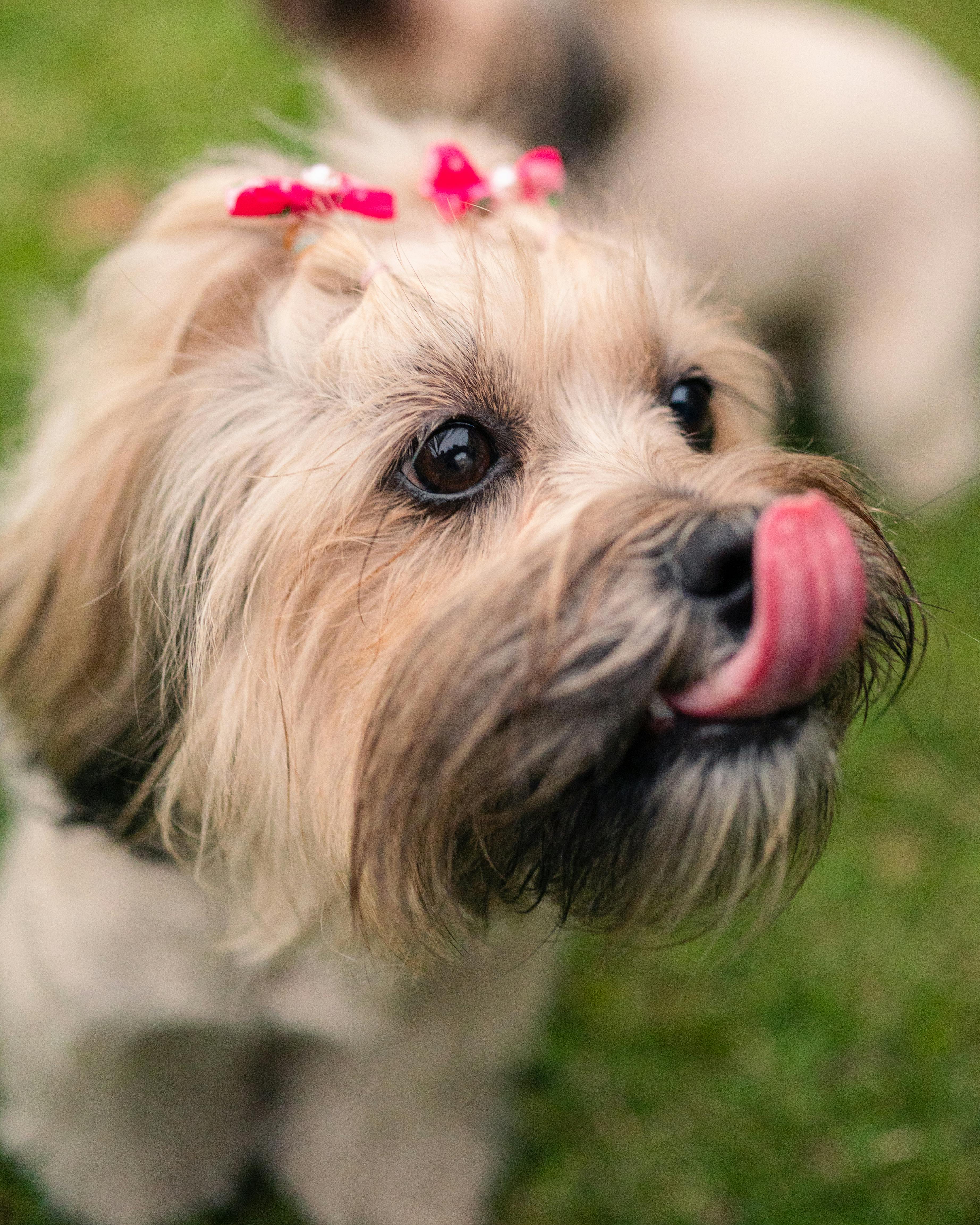 \n\n
\n\nDogs are our furry companions, and they come in all shapes and sizes, with different characteristics that make them unique. One of the most noticeable features of dogs is their noses. Have you ever wondered why some breeds have wetter noses than others? Or why do dogs have wet noses in the first place? Let’s dive into the fascinating world of dog noses and uncover the science behind their moisture.
\nThe Science of Dog Noses
\nDog noses are not just cute; they serve a significant purpose. The wetness of a dog's nose is primarily due to mucous and the moisture that comes from the environment. Here are some reasons why dogs have wet noses:
\n- \n
- Enhanced Smelling Capability: A wet nose helps trap scent particles better. The moisture allows odor molecules to adhere more effectively, which enhances a dog’s ability to smell. \n
- Temperature Regulation: Dogs don’t sweat like humans do. Instead, they cool off through their noses, and a wet nose helps in regulating their body temperature. \n
- Health Indicator: The moisture level of a dog's nose can be a sign of its health. A dry nose may indicate dehydration, fever, or illness. \n
Comparing Dog Breeds: Wet vs. Dry Noses
\nNot all dog breeds have the same nose wetness. Some breeds are known for their notably wetter noses while others are not. Here’s a quick comparison of various dog breeds and their nose characteristics:
\n| Breed | \nNose Wetness | \nReason for Wetness | \n
|---|---|---|
| Labrador Retriever | \nVery Wet | \nHigh olfactory receptors | \n
| Beagle | \nModerate Wet | \nActive scent hounds | \n
| Bulldog | \nDry | \nBreathing difficulties | \n
| Greyhound | \nModerate Wet | \nAthletic and active nature | \n
| Chihuahua | \nOften Dry | \nSmaller nasal structure | \n
Factors Affecting Nose Moisture
\nSeveral factors can influence the moisture level of a dog’s nose, and it's not just about the breed. Here are some factors to consider:
\n- \n
- Environmental Conditions: Humidity levels can affect how wet a dog's nose is. In dry weather, noses might become drier. \n
- Health Status: Illnesses can lead to a change in nose moisture. For example, a dog with a fever often has a dry nose. \n
- Age: Older dogs may have drier noses due to aging skin and reduced oil production. \n
- Activity Level: After playing or exercising, a dog’s nose may be wetter as they pant and produce moisture. \n
Why Some Breeds Have Wetter Noses Than Others
\nThe reason some breeds have wetter noses than others is largely genetic. Breeds that were developed for hunting or tracking, like Bloodhounds, tend to have wetter noses. This is because they rely heavily on their sense of smell to do their jobs. Dogs that have been bred for companionship, like Pugs or Bulldogs, might have drier noses due to their anatomical structure.
\nThe Role of Nose Shape and Structure
\nThe shape of a dog's nose also plays a crucial role in its moisture level. For example:
\n- \n
- Long and Narrow Noses (like Greyhounds): These breeds typically have more surface area, which can contribute to a wetter nose. \n
- Flat Faces (like Bulldogs): These breeds may have less moisture simply because their noses are shorter and less effective at trapping odors. \n
Fun Facts About Dog Noses
\n- \n
- Unique Prints: Just like human fingerprints, every dog has a unique nose print that can be used for identification. \n
- Temperature Sensing: Dogs can detect temperature changes through their noses, helping them find food or navigate their surroundings. \n
- Scent Memory: Dogs’ noses have around 300 million scent receptors, compared to humans who have about 5 million. This makes dogs excellent at tracking scents. \n
Practical Tips for Nose Care
\nTaking care of your dog's nose is important for their overall health. Here are some tips you can follow:
\n- \n
- Hydration: Keep your dog hydrated to ensure their nose stays moist. \n
- Check for Changes: Regularly check your dog's nose for any changes in texture or moisture. If it becomes excessively dry or cracked, consult your vet. \n
- Protect in Extreme Weather: During harsh winters or hot summers, consider using nose balms to protect their noses from the elements. \n
Understanding why dogs have wet noses not only informs us about their biology but also highlights how we need to care for our four-legged friends. Whether your dog has a wet or dry nose, knowing the factors that influence this feature can help you keep them healthy and happy. So next time you pet your dog, take a moment to appreciate the little things, like their wet nose, that make them so special!
\n\nThe Role of Dog Noses in Communication: Can a Wet Nose Tell You More Than You Think?
\n\n\n\nDogs are often referred to as man's best friend, and their unique abilities to communicate with one another — and with us — are crucial to understanding this bond. One of the most interesting aspects of dog communication is their noses. Why do dogs have wet noses? It’s a question that many dog owners may ask, and the answer is more complex than you might think.
\nThe Science Behind Wet Noses
\nWet noses are not just a cute trait; they actually serve a purpose. Here are some facts about why dog noses are wet:
\n- \n
- Scent Detection: Dogs have an extraordinary sense of smell, and their wet noses help them absorb scent particles more efficiently. When the nose is moist, it can capture odors better, enhancing a dog's ability to detect scents from far away. \n
- Cooling Mechanism: Just like humans sweat to cool down, dogs use their noses to help regulate their body temperature. A wet nose evaporates moisture, which cools the dog down. \n
- Health Indicator: A dog's nose can be an indicator of their health. A wet and cool nose often means a dog is healthy, while a dry or warm nose might signal something is wrong. \n
The Role of Dog Noses in Communication
\nDog noses play a significant role not just in their ability to smell but also in how they communicate with us and other dogs. Here’s how:
\n- \n
- Social Interaction: Dogs often greet each other by sniffing noses. This behavior allows them to gather information about each other, like their emotional state, health, or even what they’ve eaten. \n
- Marking Territory: Dogs have scent glands in their noses that release pheromones. They use these scents to mark their territory, letting other dogs know they’ve been there. \n
- Emotional Cues: Dogs can even use their noses to communicate emotional states. For example, a dog may nuzzle its owner’s hand with a wet nose to show affection or seek attention. \n
Why Do Dogs Have Wet Noses? Discover The Fascinating Reasons!
\nIf you’re curious about more reasons behind the wet nose phenomenon, here’s a deeper dive into the topic:
\n- \n
- Enhanced Smell: The moisture in a dog's nose helps to dissolve odor particles, allowing them to detect scents more clearly. This is crucial when they are tracking scents over long distances. \n
- Humidity Regulation: Dogs can lose heat through their noses, and a wet nose helps them regulate body temperature. \n
- Health Monitoring: A change in the moisture of a dog’s nose can indicate health issues. For instance, a consistently dry nose can be a sign of dehydration or other health problems. \n
Fun Facts About Dog Noses
\nHere are some fun facts about dog noses that might surprise you:
\n- \n
- Unique Nose Prints: Just like human fingerprints, each dog has a unique nose print that can be used for identification. \n
- Breeds and Noses: Some breeds, like the Bloodhound, have particularly wet noses that aid in tracking scents, while other breeds may have drier noses. \n
- Nose Color: The color of a dog’s nose can vary widely, and it can be black, brown, or even pink. The color doesn’t affect their sense of smell, but it can indicate their breed or genetic background. \n
Practical Tips for Dog Owners
\nFor dog owners, understanding the role of your pet's nose can lead to better care and communication. Here are some tips:
\n- \n
- Monitor Nose Condition: Keep an eye on your dog’s nose. If it becomes consistently dry or cracked, consult a vet. \n
- Evaluate Health Through Smell: Pay attention to changes in your dog’s ability to smell or their interest in scents. \n
- Engage with Nose Work: Consider engaging your dog in activities that stimulate their sense of smell, like scent games or nose work classes. \n
In sum, a wet dog nose is not just an adorable trait; it holds significance in communication, health, and social interaction. Understanding these aspects can deepen the bond between you and your furry friend. Knowing why dogs have wet noses gives insight into their world and the ways they connect with us. So, next time your dog nudges you with that cool, damp nose, remember they might be telling you more than you think!
\n\nHow to Keep Your Dog’s Nose Healthy: Tips for Maintaining Optimal Moisture Levels
\n\n \n\n
\n\nWhen it comes to our furry friends, their noses can tell us a lot about their health. You might notice that your dog’s nose is often wet, and maybe you've wondered, "Why do dogs have wet noses?" Well, there’s more to it than just being cute or the fact that they are always sniffing around. Keeping your dog's nose healthy is crucial for their overall well-being. Here are some tips for maintaining optimal moisture levels and understanding why those noses are so important.
\nWhy Do Dogs Have Wet Noses?
\nDogs typically have wet noses, and this is not just a quirky trait. It's actually helps them in several ways. Here’s a quick rundown of the fascinating reasons:
\n- \n
- \n
Enhanced Smell: A wet nose helps capture scent particles. Dogs have an incredible sense of smell, and moisture helps enhance that ability. The wetness allows them to absorb more scent molecules.
\n \n - \n
Temperature Regulation: Similar to how humans sweat, dogs use their noses to regulate their body temperature. When their noses are wet, it can help cool them down.
\n \n - \n
Health Indicator: A moist nose can often indicate good health. If your dog’s nose is dry or cracked, it might be a sign of dehydration or illness.
\n \n - \n
Behavioral Communication: Dogs may also use their noses to communicate with other dogs. A wet nose can convey a sense of friendliness and approachability.
\n \n
Tips for Maintaining Optimal Moisture Levels
\nKeeping your dog’s nose in tip-top shape doesn't have to be hard. Here are a few tips that might help you maintain that optimal moisture level:
\n- \n
- \n
Stay Hydrated: Always ensure that your dog has access to fresh water. Dehydration is a common reason for a dry nose.
\n \n - \n
Limit Sun Exposure: Just like humans, dogs can get sunburned. If your dog spends a lot of time outdoors, consider using pet-safe sunscreen on their nose.
\n \n - \n
Monitor Humidity Levels: Dry air, especially in winter, can lead to dry noses. Using a humidifier in your home can help maintain a comfortable environment for your pup.
\n \n - \n
Regular Vet Check-ups: Regular vet visits can help catch any potential health issues early. Your vet can offer specific advice tailored to your dog's needs.
\n \n - \n
Diet Matters: A well-balanced diet is essential for overall health. Foods rich in Omega-3 fatty acids can improve skin and coat health, including the nose.
\n \n
Common Nose Issues in Dogs
\nEven with the best care, dogs can face nose-related issues. Here’s a list of common problems to watch for:
\n- \n
- \n
Cracked Nose: This can be caused by dryness or injury. Keeping the area moisturized can help prevent this.
\n \n - \n
Nasal Discharge: A runny nose might indicate an infection or allergy. If it’s persistent, it might be worth a vet visit.
\n \n - \n
Color Changes: If your dog’s nose changes color, it can indicate health problems. For example, a black nose becoming pink could signal an issue.
\n \n
When to See a Vet
\nIf you notice any of the following symptoms, it's probably time to consult your vet:
\n- \n
- Persistent dryness or cracking \n
- Unusual discharge (especially if it's green or yellow) \n
- Swelling or pain around the nose \n
- Changes in color or texture \n
Fun Facts About Dog Noses
\nDid you know that dog noses are as unique as human fingerprints? Here are some cool facts:
\n- \n
- \n
Nose Prints: Each dog has a unique nose print that can be used for identification, much like a fingerprint.
\n \n - \n
Scent Memory: Dogs can remember smells for years. They are able to recognize scents even after a long time.
\n \n - \n
More Scent Receptors: Dogs have around 220 million scent receptors in their noses, compared to humans who only have about 5 million.
\n \n
Taking good care of your dog’s nose is important for their overall health and happiness. It can be somewhat simple to keep it healthy with some everyday practices. By staying aware of what makes their noses tick, you can ensure they remain moist and functioning well. So, whether it’s keeping them hydrated, shielding them from too much sun, or simply giving them the love and attention they deserve, that nose will be wet and ready for all the adventures.
\n\nConclusion
\n\nIn conclusion, the wet noses of dogs serve several important functions that contribute to their health and well-being. The moisture on their noses enhances their sense of smell, allowing them to detect scents more effectively, which is crucial for their communication and interaction with the world around them. Additionally, a wet nose helps regulate their body temperature by facilitating evaporation, much like sweating in humans. While a wet nose is often a sign of a healthy dog, it’s essential to monitor any changes, as they can indicate health issues. Understanding the science behind a dog’s wet nose deepens our appreciation for these loyal companions. As a dog owner, take a moment to observe your furry friend’s nose and overall health. Regular vet check-ups can ensure your pet stays happy and healthy, so don’t hesitate to schedule an appointment if you notice any unusual changes.
\n\n