
Have you ever wondered, “Why do dogs have wet noses?” This intriguing question captivates pet owners and animal lovers alike. A dog’s nose is not just an adorable feature; it plays a crucial role in their health and behavior. Discover the fascinating reasons behind this phenomenon that can leave you in awe! Wet noses are often a sign of a healthy dog, as they help regulate body temperature and enhance their sense of smell. But that’s not all—did you know that dogs use their noses to communicate and gather information about their environment? When you learn the science behind this unique trait, you’ll see your furry friend in a whole new light. In this blog post, we’re diving deep into the reasons for a dog’s wet nose, exploring everything from canine anatomy to their behavioral cues. So, are you ready to uncover the secrets of why our beloved pets have those charmingly moist noses? Keep reading to satisfy your curiosity and become an expert on this endearing aspect of dog ownership!
The Science Behind Wet Noses: Why Are Dogs’ Noses Moist and Cool?
Dogs are often called man’s best friend, but have you ever wondered about the science behind their wet noses? Why do dogs have wet noses? It’s a question that many pet owners ask but few truly understand. The moisture on a dog’s nose is more than just a quirky characteristic; it serves important purposes that have evolved over thousands of years. Let’s dive into the fascinating reasons behind those cool, moist noses of our furry companions.
The Anatomy of a Dog’s Nose
First off, it’s essential to know how a dog’s nose is different from ours. A dog’s nose is covered in a layer of skin that contains numerous special glands. The most notable of these are the nasal mucous glands, which produce the moisture we feel when we touch a dog’s nose. This moisture serves several important functions.
Enhanced Scent Detection: Dogs have an incredible sense of smell, up to 300 million olfactory receptors in their noses compared to a human’s 5 million. The moisture helps to capture scent particles, making it easier for dogs to analyze smells. Wet noses are more effective at picking up scents, which is crucial for their survival and communication.
Temperature Regulation: A dog’s body temperature regulation is quite different than humans. When a dog pants, it helps to cool down their body, but the wetness of their nose also plays a role in temperature control. The moisture evaporating from their nose can help reduce their body temperature, especially in warm weather.
Historical Context
The evolution of a dog’s wet nose has historical roots. Early canines, like wolves, relied heavily on their sense of smell to hunt and survive. Over time, this feature became more pronounced as dogs were domesticated. The wet nose not only improved their hunting skills but also their ability to bond with humans through scent recognition.
Why Are Wet Noses Important?
So, why do dogs have wet noses? Here are a few fascinating reasons:
Communication: Dogs communicate through smell, and a wet nose helps them pick up on pheromones and other scent signals from other animals and humans. A moist nose can indicate a dog’s emotional state. For instance, a wet nose usually signals a relaxed and healthy dog.
Health Indicator: The condition of a dog’s nose can hint at their health. A healthy nose is typically moist and cool. If a dog’s nose becomes excessively dry or warm, it may indicate illness or dehydration. Pet owners should closely monitor their dog’s nose and consult a veterinarian if they notice significant changes.
Social Bonding: Dogs often greet each other by sniffing noses. This behavior is rooted in their instinctual need to gather information about other dogs and their environments. The moisture on their noses helps them gather these scents more effectively, enhancing their social interactions.
Fun Facts About Dogs’ Noses
Color Variations: Just like humans have different skin tones, dogs have noses in various colors, from black to brown to pink. The color doesn’t affect the nose’s functionality but can indicate the breed’s characteristics.
Nose Prints: A dog’s nose print is unique, much like a human fingerprint. This uniqueness can even be used for identification purposes!
Nasal Turbinates: Dogs have complex nasal passages filled with turbinates that help filter and humidify the air they breathe, which also aids in their incredible sense of smell.
Practical Tips for Dog Owners
Maintaining a healthy nose is essential for your dog’s overall well-being. Here are some practical tips:
Hydration: Ensure your dog drinks plenty of water. A well-hydrated dog is more likely to have a moist nose.
Regular Check-ups: Regular vet visits can help catch any potential health issues early. Pay attention to any changes in your dog’s nose condition.
Environmental Factors: Protect your dog’s nose from extreme weather conditions. In cold weather, consider using a nose balm to prevent cracking.
Diet: A balanced diet rich in omega fatty acids can promote healthy skin and fur, which includes the nose.
In understanding why do dogs have wet noses, we appreciate not just their biology, but also their behavior and needs. The moist, cool nose of a dog is not just a cute feature; it’s a vital part of their anatomy that contributes to their health and well-being. So, next time you give your pup a kiss on that wet nose, remember that it’s not just adorable—it’s part of what makes dogs the incredible companions they are.
5 Fascinating Facts About Dog Nose Wetness You Never Knew
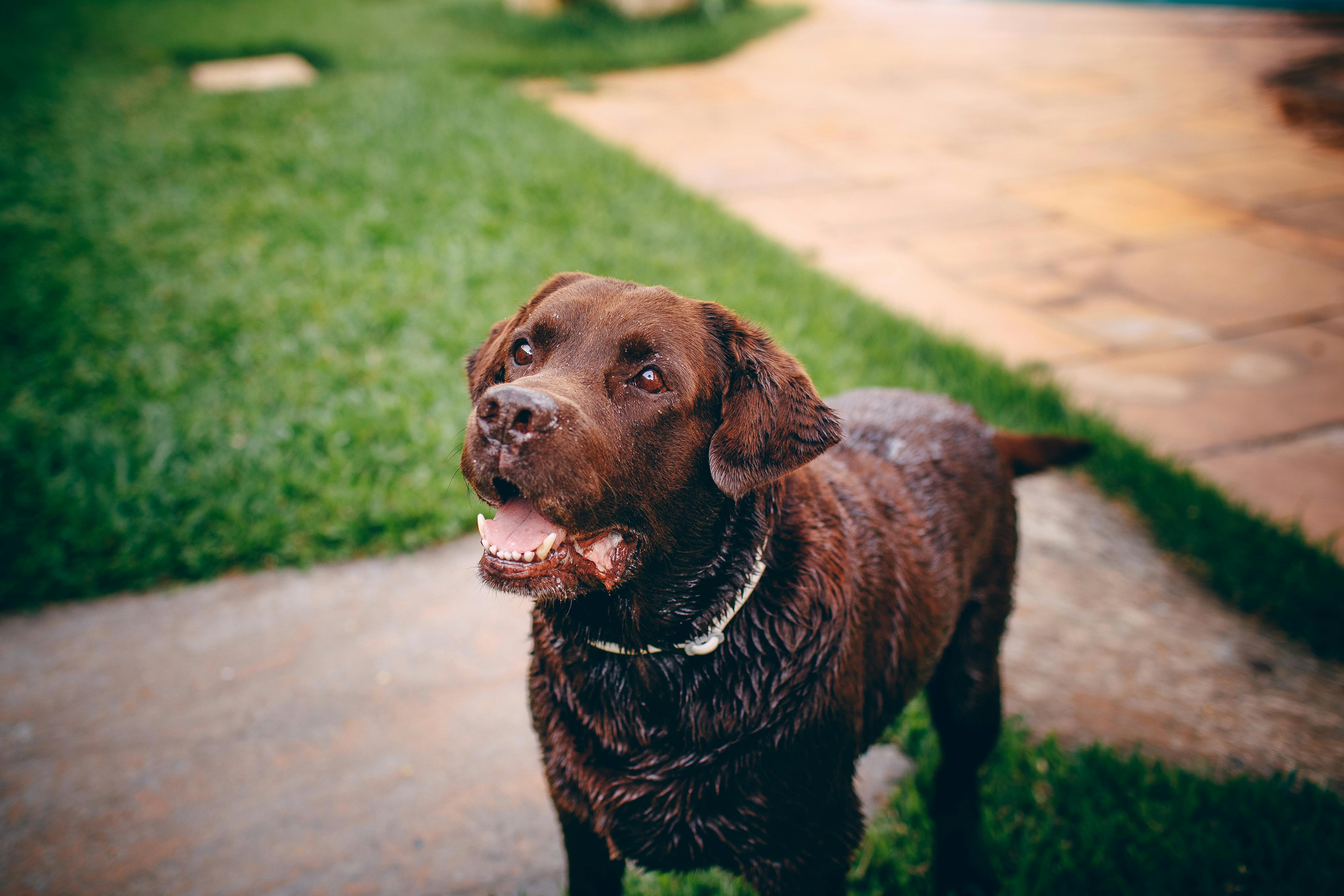
Dogs are known for many things, but one of the most interesting features is their noses, especially the wetness. You may have wondered, “Why do dogs have wet noses?” or maybe you’ve noticed that your furry friend always seems to have a moist snout. There’s actually a lot more to this than most people realize, and here are 5 fascinating facts about dog nose wetness you never knew.
1. The Science Behind Wet Noses
Dogs noses are wet for a reason. The moisture on their noses helps them smell better. A study shows that the wetness increases the surface area of the nose, allowing more scent particles to adhere to it. Basically, the wetter the nose, the better the dog can sniff out things. This is super important for them in the wild or even in everyday life, cause they rely on their sense of smell for communication and navigation.
2. Temperature Regulation
Did you know that dogs don’t sweat like humans do? Instead, they pant – but their nose plays a role too. A wet nose helps them regulate their body temperature. When the moisture evaporates from their nose, it cools them down. This is crucial, especially during hot summer days. So, if your dog’s nose is wet, it’s not just because they just had a drink; it also means they might be trying to cool off a bit.
3. Health Indicator
A dog’s nose can be a reflection of their health. A wet nose is generally a sign of a healthy dog, but it’s not the only indicator. If you notice your dog’s nose becoming dry or cracked, it could be a sign of dehydration or illness. Other symptoms to look for alongside a dry nose include lethargy, vomiting, or changes in appetite. However, not all changes in nose wetness mean something is wrong; some breeds have naturally drier noses than others.
4. Different Breeds, Different Noses
Not all dogs have the same nose wetness. Some breeds, like Bulldogs or Pugs, might have drier noses because of their facial structure. In contrast, breeds like the Bloodhound or Beagle, which have excellent sniffing abilities, tend to have consistently wet noses. Here is a quick comparison:
| Breed | Nose Wetness | Sniffing Ability |
|---|---|---|
| Beagle | Very Wet | Excellent |
| Bulldog | Often Dry | Moderate |
| Bloodhound | Extremely Wet | Exceptional |
| Pug | Variable | Moderate |
5. Social Interaction
Dogs use their noses to communicate with each other. When they greet another dog, they often sniff each other’s noses and behinds. This behavior is part of their social interaction and helps them gather information about the other dog, like their gender, health, and even mood. A wet nose can signal to other dogs that they are friendly and approachable. Isn’t it fascinating how much goes on with just a sniff?
Quick Fun Facts About Dog Noses
- Dogs have about 300 million scent receptors in their noses compared to humans who have only about 5 million.
- The shape and size of a dog’s nose can affect its smelling ability. Longer noses tend to have a greater olfactory capacity.
- Dogs can detect certain diseases, including cancer and diabetes, through their sense of smell.
- The unique pattern of a dog’s nose is similar to a human fingerprint; no two dog noses are alike.
In Summary
So, next time you see your pup with a wet nose, you’ll know there’s a lot more to it than just moisture. Their wet noses are essential for smelling, cooling down, and even communicating. It’s a multi-functional tool that plays a crucial role in your dog’s life. Just remember, while a wet nose is generally a good sign, always keep an eye on other health indicators too. Your furry friend depends on you to understand them and keep them happy and healthy.
How Do Wet Noses Help Dogs Detect Scents Better?

Have you ever wonder why dogs have wet noses? Well, it turns out that there’s actually a fascinating reason behind it. A dog’s nose is not just a cute feature; it plays a crucial role in their ability to detect scents. Dogs’ noses are like super-powered scent detectors, and their wetness is key to this incredible sense of smell.
The Science Behind Wet Noses
Dogs have a unique olfactory system that is way more advanced than that of humans. While humans have about 5 million scent receptors, a dog can have anywhere from 220 to 300 million, depending on the breed. This makes their sense of smell anywhere from 40 to 100 times better than ours. Wet noses help dogs detect scents better for several reasons.
Enhanced Absorption: The moisture on a dog’s nose can help capture scent molecules from the air. When the nose is wet, it increases the surface area for these molecules to attach to, making it easier for dogs to pick up smells.
Temperature Regulation: Wet noses also help cool down dogs. When they pant, moisture evaporates from the nose, which helps regulate their body temperature. This temperature control is essential for maintaining optimal olfactory function.
Scent Discrimination: A wet nose allows for better discrimination of different scents. It can help dogs identify and differentiate between various smells in their environment, which is crucial for tracking and hunting.
Why Are Dog Noses Wet?
So, why do dogs have wet noses in the first place? There are multiple factors contributing to this common canine characteristic:
Mucus Production: Dogs produce mucus on their noses which helps trap scent particles. This is similar to how our noses produce mucus to help us smell better.
Cooling Mechanism: As previously mentioned, a wet nose helps dogs cool down. When they are active or it’s hot outside, their noses can get wet as they pant.
Health Indicator: A wet nose is often a sign of a healthy dog. If a dog has a dry nose, it could indicate dehydration or illness. However, it’s not always a definitive sign, as some dogs naturally have drier noses.
Behavioral Aspects: Dogs often lick their noses, which keeps them wet. This behavior can be a sign of curiosity or excitement, as they explore their environment with their noses.
Fun Facts About Dog Noses
Unique Patterns: Just like human fingerprints, each dog’s nose print is unique. This could potentially be used for identification, though it’s not commonly practiced.
Sense of Direction: Dogs can even determine the direction of a scent and track it back to its source. Their ability to follow scent trails is used in search and rescue missions.
Pheromones Detection: Dogs can detect pheromones, which are chemicals released by animals. This helps them understand the emotional states of other dogs and even humans.
Comparison: Dog Noses vs. Human Noses
Here’s a quick comparison of the olfactory abilities of dogs and humans:
| Feature | Humans | Dogs |
|---|---|---|
| Scent Receptors | 5 million | 220 to 300 million |
| Smell Sensitivity | Moderate | Highly sensitive |
| Ability to Track | Poor | Excellent |
| Nose Wetness | Rarely wet | Usually wet |
| Unique Patterns | No | Yes |
Practical Examples of Dogs Using Their Noses
Search and Rescue: Dogs are trained to use their noses to find missing persons. Their ability to detect scents even in challenging environments is vital for successful missions.
Detection Work: Police and military dogs use their noses to sniff out drugs, explosives, and even certain medical conditions in humans like cancer.
Hunting: Many hunting breeds are specifically bred for their scent detection abilities, allowing hunters to locate game.
Understanding how dogs’ wet noses help them detect scents better not only highlights their unique biology, but also the incredible bond they share with humans. The next time you see a dog with a wet nose, remember that it’s not just cute – it’s a powerful tool in their sensory arsenal. Their noses are truly fascinating, and they continue to amaze us with their capabilities. Dogs are more than just pets; they are remarkable companions equipped with skills that far exceed our own.
Is a Wet Nose a Sign of a Healthy Dog? Debunking Common Myths
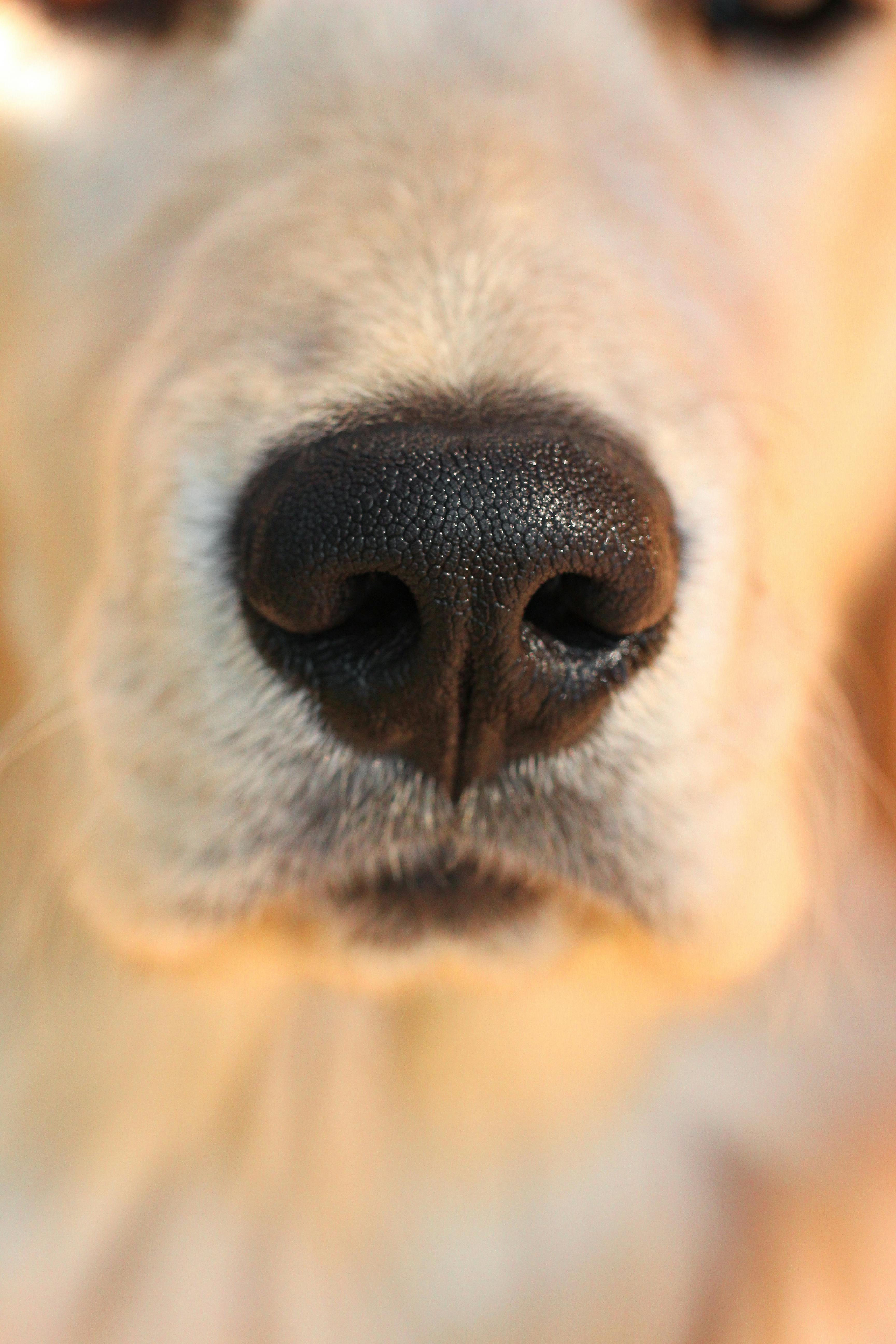
Is a Wet Nose a Sign of a Healthy Dog? Debunking Common Myths, Why Do Dogs Have Wet Noses? Discover The Fascinating Reasons!
When we think about our furry friends, there’s a lot of things that come to mind. One of the most common traits that makes dogs so lovable is their wet noses. Many dog owners might ask themselves, “Is a wet nose a sign of a healthy dog?” The answer is not so simple, and there’s many myths and facts surrounding this topic. In this article, we’ll explore why dogs have wet noses, the reasons behind it, and separate fact from fiction.
The Common Belief
So, everyone knows that a wet nose is often considered an indicator of good health in dogs. People say that if a dog’s nose is dry, it could mean something is wrong. However, is this really the case? The truth is, a wet nose can mean various things, and it isn’t a straightforward sign of health or illness.
Why Do Dogs Have Wet Noses?
Dogs’ noses are wet for multiple reasons. Let’s take a look at some of the fascinating explanations:
- Humidity Regulation: Dogs sweat through their noses. The moisture helps them cool off. This is vital, especially during hot weather.
- Enhanced Smell: A wet nose helps to absorb scent particles from the air. This enhances a dog’s sense of smell, which is already incredible. It’s like their own built-in perfume.
- Thermoregulation: A wet nose helps regulate a dog’s body temperature. When they’re feeling hot, their noses tend to be wetter.
- Natural Lubrication: The moisture from a dog’s nose keeps it flexible and helps them detect environmental changes.
Debunking Common Myths
There’s a lot of myths floating around concerning wet noses. Let’s debunk some of the most common ones:
- Myth 1: A Wet Nose Means a Healthy Dog: As mentioned earlier, a wet nose doesn’t always mean a dog is healthy. Stress, illness, or even just waking up can cause temporary dry noses.
- Myth 2: All Dogs Have Wet Noses: It’s not true that all dogs will have wet noses at all times. Some breeds may naturally have drier noses.
- Myth 3: A Warm Nose Indicates Illness: A warm nose does not necessarily mean a dog is sick. Temperature can fluctuate based on many factors, including activity level and the environment.
What Can Affect a Dog’s Nose Moisture?
Different factors can affect how wet or dry a dog’s nose is. Here’s a quick list of some of those factors:
- Health Conditions: Conditions like fever, dehydration, and certain infections can lead to a dry nose.
- Environmental Conditions: Hot weather, low humidity, or air conditioning can dry out a dog’s nose.
- Age: Older dogs may naturally have drier noses.
- Breed: Some breeds are more prone to having dry noses than others.
Signs of Concern
While a wet nose is often seen as a good sign, there are other symptoms dog owners should watch for. Here’s a quick checklist:
- Changes in Appetite: If your dog is eating less or not at all, it could be a sign of illness.
- Lethargy: If your dog seems unusually tired or uninterested in play, it’s time to take a closer look.
- Vomiting or Diarrhea: These symptoms can indicate something more serious and should not be ignored.
- Coughing or Sneezing: Persistent coughing or sneezing might suggest respiratory issues.
Practical Tips for Dog Owners
Here are some practical tips to ensure your dog stays healthy, which might also help maintain that wet nose:
- Regular Vet Check-ups: Keeping up with vet appointments can catch health issues early.
- Hydration: Always ensure your dog has access to fresh water.
- Balanced Diet: Feed your dog a nutritious diet suited for their age and breed.
- Grooming: Regular grooming helps with skin health and moisture retention.
Fun Facts About Dog Noses
- Dogs have about 300 million scent receptors in their noses, compared to humans’ 5 million.
- The unique pattern of a dog’s nose is similar to a human fingerprint.
- Dogs can detect certain diseases in humans, thanks to their powerful sense of smell.
In the end, while you shouldn’t solely rely on a wet nose to judge your dog’s health, it does play a fascinating role in their overall well-being. Just remember to keep an eye on their behavior and consult a vet if anything seems off. Our furry companions deserve the best care, and understanding their unique traits can only help us as responsible pet owners.
The Role of a Wet Nose in Dog Communication: What You Should Know
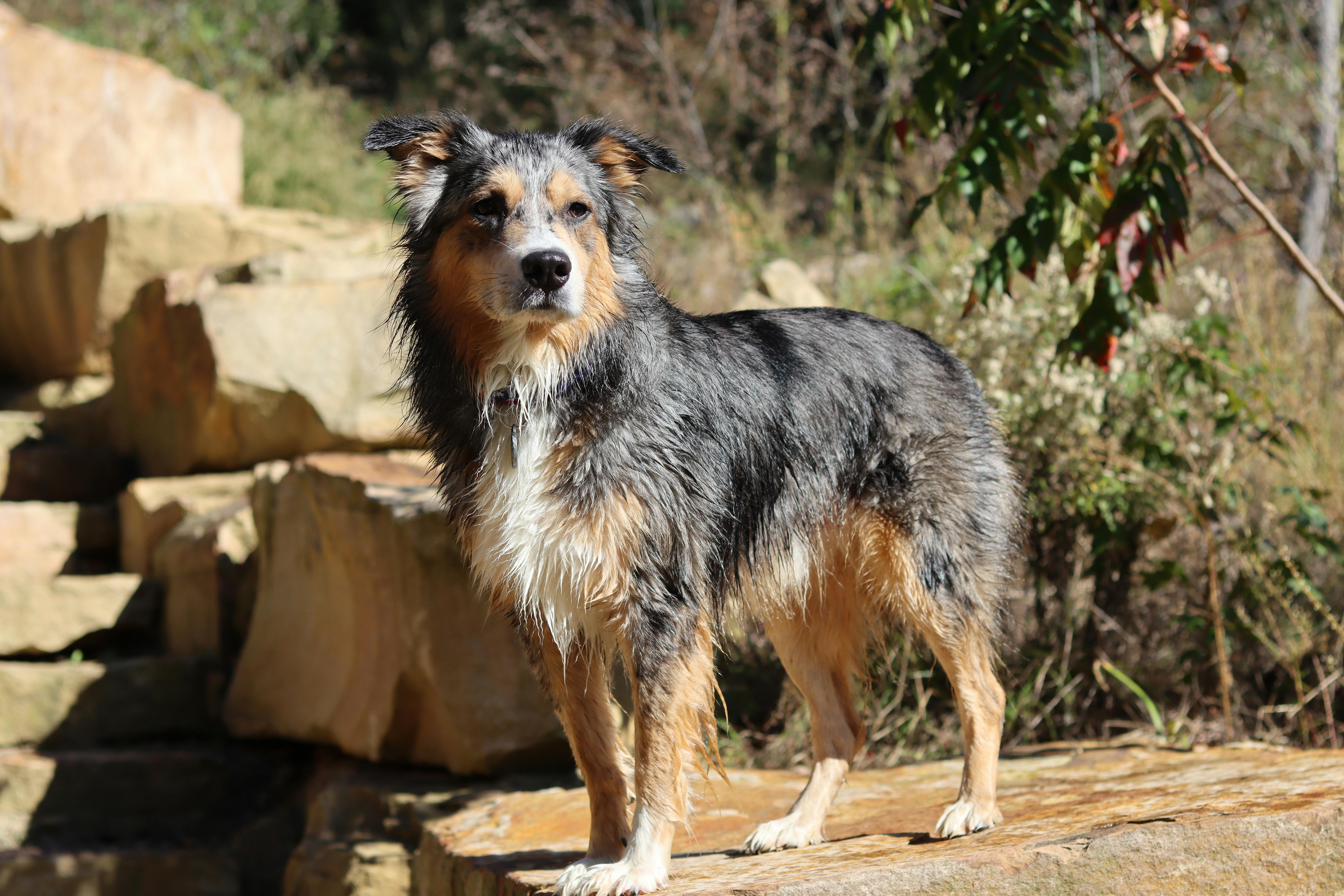
Dogs have been our loyal companions for thousands of years, and they communicate in various ways. One of the most curious aspects of dog behavior is their wet noses. People often wonder, “Why do dogs have wet noses?” and “What does a wet nose mean?” Well, let’s dive into the fascinating world of canine communication and the role of that wet nose!
The Science Behind Wet Noses
First off, a dog’s nose is not just a cute feature; it serves several important functions. The moisture on a dog’s nose plays a crucial role in how they sense the world around them. Here are some key facts:
Enhanced Scent Detection: A wet nose helps dogs absorb scent chemicals better. The moisture allows odor molecules to bind to the nose, making it easier for dogs to smell things. This is why dogs are such great sniffers!
Temperature Regulation: Dogs don’t sweat like humans do. Instead, they cool off through their noses. A wet nose helps to regulate their body temperature, especially on hot days.
Health Indicator: A dog’s nose can tell a lot about its health. A wet and cool nose is often a sign of a healthy dog, while a dry or warm nose might indicate illness.
Historical Context of Dog Communication
Throughout history, dogs communicated with humans and other dogs using a variety of methods. From barking to body language, each behavior has its significance. The wet nose is a relatively overlooked aspect of this communication.
In ancient times, dogs were bred for specific traits, including their sense of smell. This selective breeding has resulted in many different breeds with varying nose shapes and sizes, all contributing to their ability to communicate via scent. The wetness of a dog’s nose was likely an evolutionary adaptation that enhanced their survival and ability to interact with their environment.
Wet Nose and Social Interactions
Dogs use their noses not just for sniffing out food or tracking scents but also for social interactions. Here’s how:
Greeting Behavior: When dogs greet each other, they often sniff each other’s noses. This is their way of gathering information about the other dog, such as its identity and mood.
Emotional State: A dog may use its nose to express emotions. For example, a wet nose pressed against you can indicate affection or a desire for attention.
Communication with Humans: Dogs often nuzzle their owners with their wet noses as a way to communicate needs or desires. They may be asking for food, play, or just some love!
Fascinating Reasons Why Dogs Have Wet Noses
So, why do dogs have wet noses? Here’s a list of intriguing reasons:
Better Smell: The moisture on their noses helps them absorb more scents.
Thermal Regulation: Wet noses help keep a dog’s body temperature in check.
Health Monitoring: A dog’s nose can signal health issues.
Social Interaction: They use their noses to communicate with other dogs and humans.
Hygiene: A wet nose can help keep a dog’s sense of smell sharp by washing away dirt and debris.
Comparing Wet Noses to Other Animals
While many animals have noses, the wetness and functionality vary significantly. For instance:
Cats: Have dry noses most of the time, using their whiskers and ears more for environmental awareness.
Horses: Their noses are moist but not as much as dogs, and they rely heavily on eyesight and hearing.
Rabbits: They also have moist noses but primarily use them for scent, not as much for communication.
Practical Examples of Nose Communication
Here are some practical examples of how a dog’s wet nose can be a communication tool:
Nudging: If a dog nudges you with its wet nose, it may want to go outside or it could be asking for food.
Sniffing: If your dog is sniffing around curiously, it’s exploring the environment and gathering information.
Licking: A quick lick on your hand or face could be a sign of affection or a friendly greeting.
In summary, the wet nose of a dog is more than just a cute feature; it is an essential tool for communication, health indication, and interaction with the world. Understanding the role of a dog’s wet nose can help dog owners appreciate their furry friends even more. So the next time your pup gives you a wet nose nudge, remember—it’s their unique way of saying hello and connecting with you!
Do All Dogs Have Wet Noses? Exploring Variations by Breed
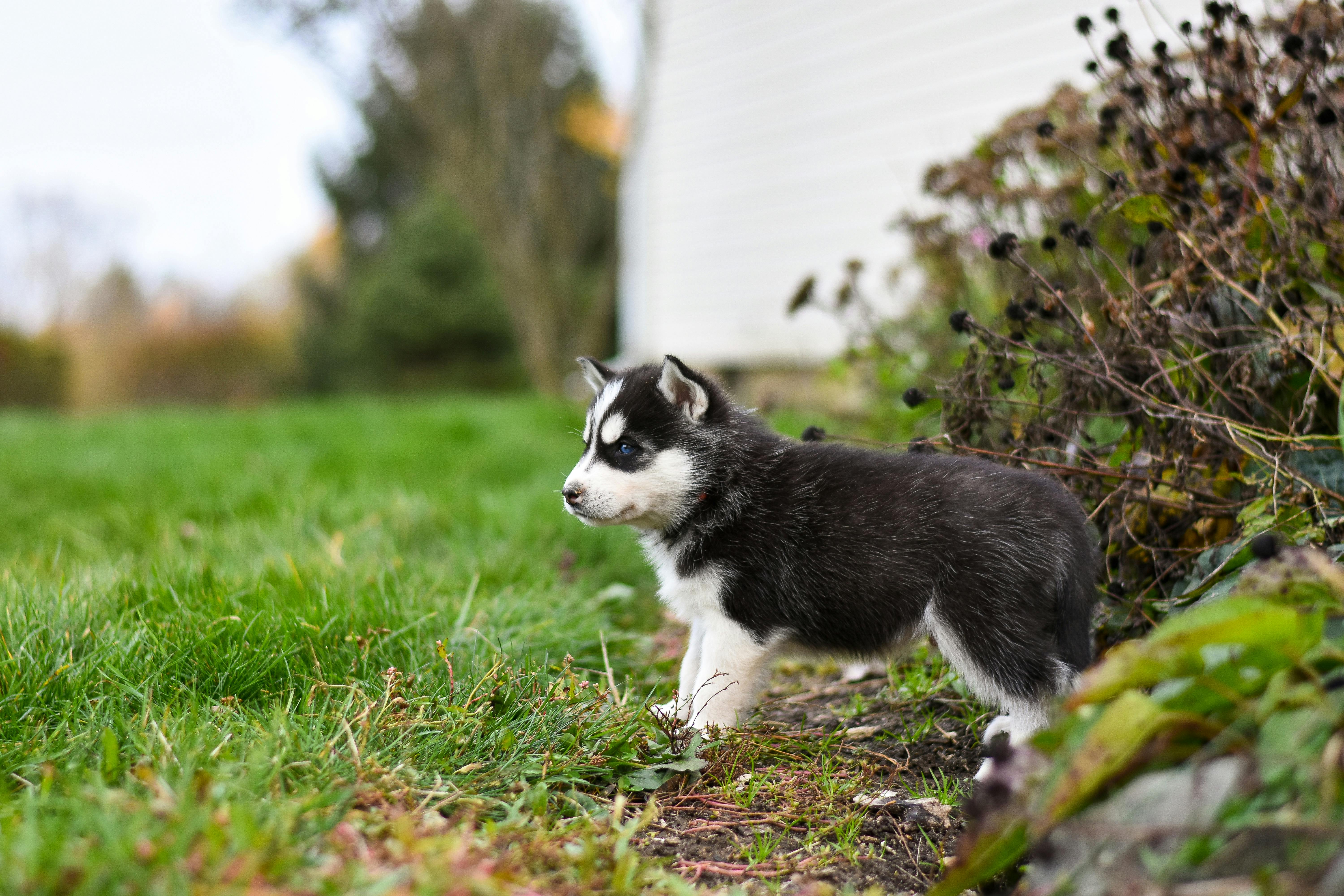
Dogs, they are often considered man’s best friend, but have you ever noticed how wet their noses can be? It’s a common thing, yet many pet owners wonder, do all dogs have wet noses? This question, while seemingly straightforward, opens the door to a fascinating exploration into dog physiology and behavior.
Do All Dogs Have Wet Noses?
Not every dog has a wet nose, and the moisture level can vary significantly by breed. Some breeds, like the Labrador Retriever or the Beagle, usually have that characteristic dampness, while others, like the Shar Pei or the Bulldog, might have drier noses. It’s interesting to think about why this is.
Breeds with typically wet noses:
- Labrador Retrievers
- Beagles
- German Shepherds
- Golden Retrievers
Breeds with drier noses:
- Shar Pei
- Bulldogs
- Pugs
- Boston Terriers
Why Do Dogs Have Wet Noses?
So, why do dogs have wet noses? The reasons are both fascinating and practical. A dog’s nose is not just for show; it’s an essential part of their sensory system. Here’s some key reasons why a dog’s nose is often wet:
Scent Enhancement: A wet nose helps to absorb scent chemicals better. This moisture creates a thin layer that can capture scent particles more effectively. It’s like having a built-in radar for smells, making it easier for dogs to sniff out interesting things in their environment.
Temperature Regulation: Just like humans sweat, dogs lose heat through their noses. A wet nose can help cool them down, especially on hot days. This is crucial because dogs don’t sweat like we do, so they rely on other methods to manage their body temperature.
Health Indicator: A wet nose can be a good sign of a dog’s health. If a dog’s nose is dry and cracked, it could indicate dehydration or illness. However, this isn’t a strict rule. Dogs can have different moisture levels based on their activity, environment, and even the weather.
The Science Behind Wet Noses
The moisture on a dog’s nose primarily comes from glands in the nasal passages and the surface of the nose itself. When dogs lick their noses, they rehydrate them, enhancing their ability to smell. This behavior is quite normal and serves a functional purpose.
- Nasal Glands: These glands produce mucus, which helps to keep the nose moist.
- Licking Behavior: Dogs will often lick their noses, especially when they are curious or after sniffing something interesting.
Other Factors Influencing Nose Moisture
Various factors can affect how wet or dry a dog’s nose is, including:
- Weather Conditions: Hot weather can dry out a dog’s nose, while humid conditions may keep it moist.
- Health Issues: Certain health problems, such as allergies or infections, can lead to changes in nose moisture.
- Breed Characteristics: As mentioned, some breeds naturally have drier noses due to their unique physical features.
Fun Facts About Dog Noses
Here are some fun and interesting facts about dog noses that you might not know:
- Dogs have more than 200 million scent receptors in their noses, compared to about 5 million in humans.
- The unique pattern of a dog’s nose is like a fingerprint; no two dogs have the same nose print.
- Dogs can detect certain diseases in humans, including cancer and diabetes, through their sense of smell.
Practical Tips for Dog Owners
If you are a dog owner, here are some tips to keep your furry friend’s nose healthy:
- Stay Hydrated: Ensure your dog has access to fresh water at all times.
- Regular Vet Check-Ups: Monitor your dog’s health and consult your vet if you notice any sudden changes in their nose moisture.
- Watch for Signs: If your dog’s nose is persistently dry or cracked, it might be worth investigating further.
Understanding why dogs have wet noses and the variations by breed can enhance your appreciation of these lovable companions. Whether your pup’s nose is perpetually wet or occasionally dry, it’s just one of many unique traits that make dogs such special pets. Keep observing, learning, and enjoying the quirks of your furry friend!
Why Does Your Dog’s Nose Change from Wet to Dry? Understanding the Reasons

Dog owners often wonder, “Why does my dog’s nose change from wet to dry?” It’s a fascinating question, and the answer involves understanding dog anatomy, their senses, and how they communicate. Having a wet nose is common among dogs, but it ain’t just cute; it’s actually functional. So let’s dive into the reasons why do dogs have wet noses and what that change in moisture can indicate.
The Basics of a Dog’s Nose
First off, dogs have an incredible sense of smell. Their noses are equipped with millions of smell receptors, way more than humans. In fact, it’s estimated that dogs can smell between 10,000 to 100,000 times better than us. This ability helps them detect scents, pheromones, and even emotional changes in humans. But, what about that wetness?
Why Do Dogs Have Wet Noses?
Cooling Mechanism: Dogs don’t sweat the same way humans do. Instead, they rely on panting and having a moist nose to help regulate their body temperature. When a dog’s nose is wet, it helps in evaporating moisture, which cools them down.
Enhanced Smelling: A wet nose can pick up scent particles more effectively. Moisture creates a layer that helps trap odors, allowing dogs to detect scents better. This is why when a dog sniffs something, they often lick their nose; it enhances their ability to smell.
Communication Tool: Dogs also use their noses to communicate. A wet nose can indicate that a dog is relaxed and alert. Conversely, if a dog’s nose is dry, it might indicate stress or health issues.
Health Indicator: The state of your dog’s nose can be an indicator of their health. A dry nose could mean dehydration, fever, or other health problems. However, it’s important to note that a dry nose doesn’t always mean illness; it can simply be due to the environment or activity level of your dog.
Factors Affecting Nose Moisture
There are many reasons why dogs’ noses may change from wet to dry throughout the day. Here’s a list of factors that can affect this:
- Weather Conditions: Hot, dry weather can lead to a dry nose, while humid conditions often make noses wetter.
- Activity Level: After playtime or exercise, a dog’s nose may dry out, especially if they’re panting heavily.
- Health Status: As mentioned before, health issues can result in a dry nose. Pay attention to other symptoms like lethargy or loss of appetite.
- Age: Older dogs may have drier noses compared to younger ones. This can be due to natural aging processes.
Comparing Wet and Dry Noses: What Do They Mean?
Here’s a simple comparison table to help you understand what a wet versus dry nose could mean.
| Nose Condition | Possible Meaning |
|---|---|
| Wet Nose | Healthy, hydrated, relaxed |
| Dry Nose | Dehydration, illness, or environmental factors |
| Warm Nose | Possible fever or heat exhaustion |
| Cold & Wet Nose | Typically normal but may indicate anxiety or fear |
Observing Changes in Your Dog’s Nose
So, how can you keep track of your dog’s nose? Regular observation is key. Here’s some tips:
- Daily Checks: Make it a habit to check your dog’s nose at least once a day. Note any changes in temperature or moisture levels.
- Hydration: Ensure your dog has access to fresh water at all times. Dehydration can lead to a dry nose.
- Temperature Regulation: Be mindful of your dog’s activities during extreme weather. Offer plenty of shade or indoor time when it’s hot.
When to Seek Veterinary Advice
While a dry nose can be normal in some cases, there are specific situations when you should consult a veterinarian. If your dog’s nose remains dry for an extended period, shows signs of discomfort, or you notice other unusual symptoms like coughing or vomiting, it’s best to get professional advice.
Understanding why does your dog’s nose change from wet to dry is not just a matter of curiosity; it can be an important part of assessing your dog’s health and wellbeing. Knowledge about why do dogs have wet noses can help you better care for your furry friend. Regular monitoring and being aware of changes can contribute to a happier and healthier life for your dog.
The Evolutionary Purpose of a Dog’s Wet Nose: A Deep Dive

Have you ever wondered why dogs have wet noses? This is one of those quirky features that make our furry friends so unique. You may have noticed how your pup’s nose is often cool and damp, but have you thought about the evolutionary purpose behind it? Let’s dive deep into the fascinating reasons that explain this phenomenon.
The Science Behind a Dog’s Wet Nose
Canines possess moist noses for several reasons, primarily linked to their sense of smell. A wet nose helps dogs to absorb scent molecules from the air. Their noses are packed with olfactory receptors, and moisture enhances this ability. When the nose is damp, it can capture more scent particles, allowing dogs to interpret their surroundings more effectively.
- Olfactory Function: Dogs have around 300 million olfactory receptors compared to humans’ mere 5 million. The wetness aids in trapping scent molecules.
- Temperature Regulation: Dogs don’t sweat like humans do; instead, they cool down through panting and their wet noses. The moisture helps them regulate body temperature.
Historical Context of Dogs’ Noses
The evolutionary purpose of a dog’s wet nose can be traced back to their ancestors. Early canines relied heavily on their sense of smell for hunting and survival. A wet nose was crucial for tracking prey and identifying dangers.
- Prehistoric Hunters: Dogs were once wild and lived in packs, where their survival often depended on their ability to smell food and threats.
- Domestication: As they became domesticated, these traits continued to persist. Their noses remained wet as an adaptive feature, despite changes in their living environments.
Why Do Dogs Have Wet Noses? Let’s Break It Down
- Enhanced Smell: A wet nose helps dogs to detect scents more easily.
- Health Indicator: The state of a dog’s nose can sometimes indicate its health. A healthy dog usually has a moist, cool nose, while a dry nose can hint at dehydration or illness.
- Communication: Dogs use their noses to gather information about their surroundings, including the scents of other animals or humans. This is vital for social interactions among dogs.
- Cooling Mechanism: When dogs are overheated, the moisture on their noses can help cool them down, much like how humans sweat.
Fun Facts About Dog Noses
- Unique Patterns: Just like human fingerprints, each dog has a unique nose print. This can even be used for identification purposes.
- Coloration: The color of a dog’s nose can vary widely among breeds, ranging from black to pink. This is mostly due to genetics.
- Health Myths: Many people believe that a dog’s nose temperature indicates its health. However, this isn’t always true. A warm nose does not automatically mean a dog is sick.
Common Misconceptions About Dog Noses
- Dry Nose Equals Illness: While a persistently dry nose can suggest dehydration or illness, it isn’t a definitive indicator. Various factors can cause a dog’s nose to be dry.
- Wet Noses Are Always Healthy: A wet nose doesn’t always mean a dog is healthy either. If other symptoms are present, it’s always best to consult a veterinarian.
Comparison: Dog Noses vs. Human Noses
| Feature | Dog Nose | Human Nose |
|---|---|---|
| Number of Receptors | Approximately 300 million | About 5 million |
| Moisture Level | Generally moist | Tends to be dry |
| Sensitivity | Highly sensitive to scents | Less sensitive compared to dogs |
| Purpose | Primarily for smell and cooling | Primarily for breathing and smell |
Practical Examples of Dogs Using Their Noses
- Tracking: Search and rescue dogs utilize their powerful noses to find missing persons.
- Detection: Dogs can be trained to detect drugs or explosives because of their incredible sense of smell.
- Health Monitoring: Some dogs have been known to detect diseases like cancer simply by sniffing a person’s breath or skin.
The evolution of a dog’s wet nose is undoubtedly tied to their survival and interaction with the world around them. Their noses are not just cute features but essential tools that enhance their ability to explore and understand their environment. The next time you see your dog with that adorable, wet nose, remember that it’s not just a quirk—it’s a key part of who they are as a species.
Can Weather Affect Your Dog’s Nose Moisture? Surprising Insights
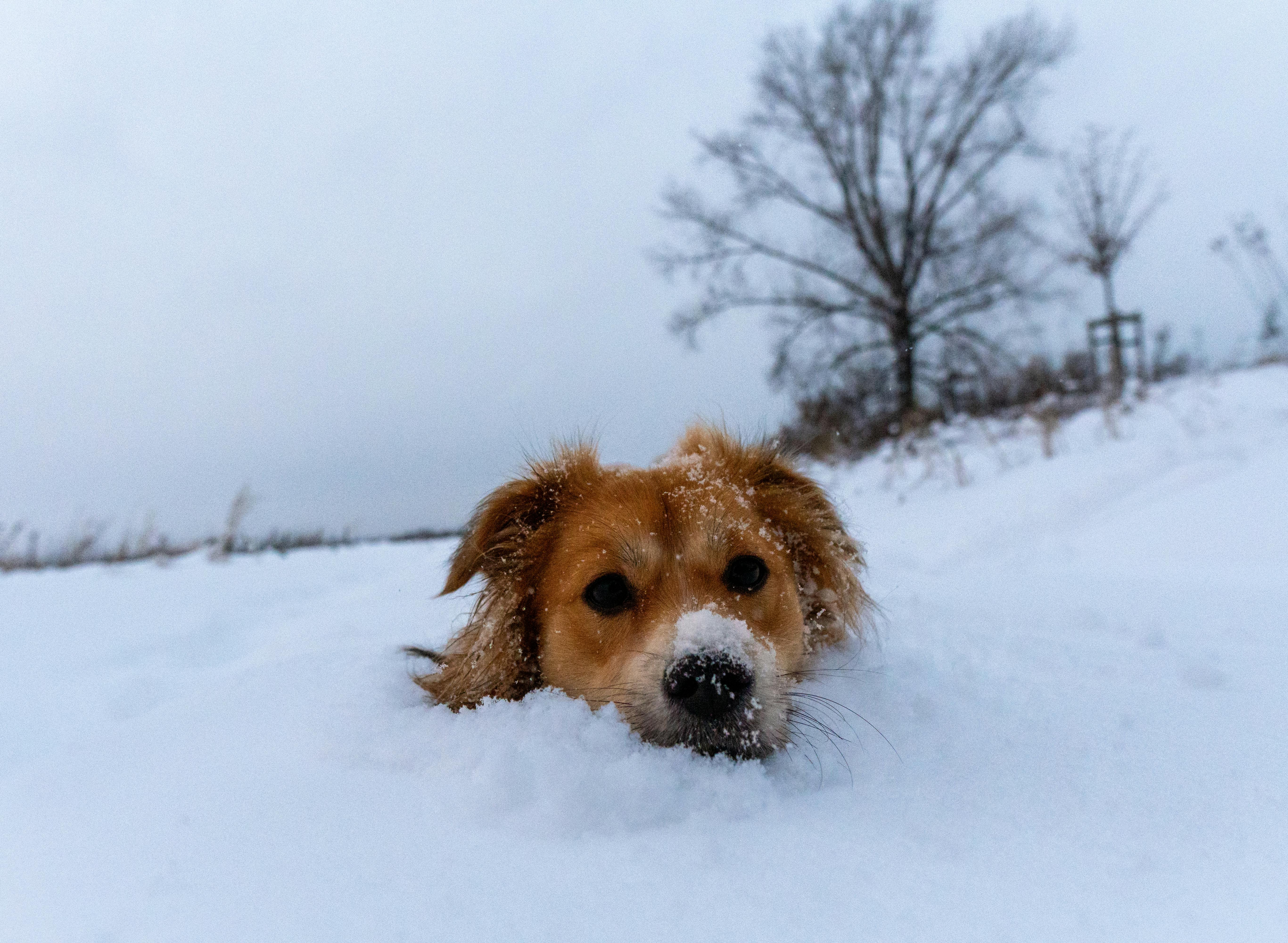
Can Weather Affect Your Dog’s Nose Moisture? Surprising Insights, Why Do Dogs Have Wet Noses? Discover The Fascinating Reasons!
Ever wonder why dogs have wet noses? It’s a peculiar feature, and many dog owners question if it serves any significant purpose. But what’s more interesting is how weather can affect this moisture. Let’s dive into the science, history, and some surprising facts about our furry friends’ noses.
The Science Behind a Dog’s Wet Nose
Dogs have moist noses for a few reasons. First, the moisture helps them to sense the world better. Their noses are packed with olfactory receptors, and a wet surface can trap scent molecules more effectively. This means that when your pup is sniffing around in the park, they’re gathering a ton of information about their environment.
- Olfactory Function: A wet nose helps in absorbing scent molecules.
- Temperature Regulation: Dogs also pant to cool down, but a wet nose can aid in temperature control too.
- Health Indicator: Changes in moisture levels can sometimes indicate health issues.
Some experts believe that the wetness of a dog’s nose is a trait inherited from their ancestors. Wolves, for instance, have very moist noses which help them hunt better. Historical evidence shows that this feature has been beneficial for canines throughout time.
Weather and Nose Moisture
Now, let’s talk about how weather plays a role in a dog’s nose moisture. Just like humans can experience dry skin in winter, dogs can have changes in their nose moisture due to different weather conditions.
- Cold Weather: When it’s chilly outside, the air often becomes dry. This can lead to a drier nose in dogs. You may notice your dog’s nose feeling less moist and more cracked during winter months.
- Hot Weather: In contrast, during hot and humid days, a dog’s nose tends to stay wetter. They may also drink more water, which helps maintain that moisture.
- Rainy Days: Dogs love the rain, and their noses can become extremely wet. This is due to the moisture in the air and the rainwater itself.
Why Do Dogs Have Wet Noses? The Fascinating Reasons!
Here are some more insights into why dogs have wet noses.
- Enhanced Sense of Smell: As mentioned earlier, the moisture on a dog’s nose helps with their sense of smell, which is about 10,000 to 100,000 times more sensitive than humans.
- Social Signals: Dogs communicate a lot with their noses. A wet nose can be an indicator of excitement or contentment.
- Health Monitoring: A healthy dog typically has a moist nose. If you notice your dog’s nose is consistently dry, it might be a sign to consult your veterinarian.
Fun Facts about Dog Noses
Here’s a quick list of some fun facts about dog noses that you might not know:
- Unique Patterns: Just like human fingerprints, every dog has a unique nose print.
- Temperature Indicator: While a cold and wet nose is generally considered healthy, it’s not always a foolproof method for checking a dog’s health.
- Breeds Matter: Certain breeds have drier noses than others. For instance, brachycephalic breeds like Bulldogs or Pugs may have different moisture levels due to their facial structure.
Practical Tips for Keeping Your Dog’s Nose Healthy
You want to ensure your dog’s nose stays healthy and moist. Here are some practical tips:
- Hydration: Always provide fresh water. Hydrated dogs are more likely to have moist noses.
- Humidity: Use a humidifier during dry seasons. This can help combat dry air inside your home.
- Regular Check-ups: Regular veterinary check-ups can help in identifying any potential health issues early on.
Comparing Nose Moisture Across Breeds
Different dog breeds can show various moisture levels in their noses. Here’s a rough comparison:
| Breed Type | Nose Moisture Level | Notes |
|---|---|---|
| Brachycephalic | Often drier | Flat noses restrict airflow and moisture |
| Working Breeds | Typically moist | Active dogs tend to have wet noses |
| Toy Breeds | Variable | Smaller breeds may have less moisture |
So, whether it’s sunny, rainy, or chilly outside, you might notice variations in your dog’s nose moisture. It’s fascinating to think how weather conditions intertwine with our pets’ health and behavior.
Next time you’re out with your dog, take a moment to appreciate that wet nose and what it says about their well-being. It’s not just an adorable quirk; it’s part of what makes dogs such amazing companions.
How to Keep Your Dog’s Nose Healthy and Moist: Tips for Pet Owners

Every dog owner has probably noticed their furry friend’s nose is often cold and wet. But have you ever wondered why do dogs have wet noses? Well, there are some fascinating reasons behind this common trait. Keeping your dog’s nose healthy and moist is important, not just for looks but for their overall well-being. Let’s dive into some interesting facts and tips to help your pet maintain that lovely, moist nose.
Why Do Dogs Have Wet Noses?
Dogs’ noses are not just adorable; they serve several important functions.
- Scent Detection: The moisture on a dog’s nose helps to capture scent particles in the air. This moisture allows them to smell better, which is why their sense of smell is far superior to humans.
- Temperature Regulation: A wet nose may also help dogs regulate their body temperature. When a dog pants, the evaporation of moisture from their nose and mouth can help cool them down.
- Health Indicator: A dog’s nose can be an indicator of their health. Generally, a healthy dog’s nose is moist and cool. If you notice it becoming dry or cracked, that can signal potential health issues.
How to Keep Your Dog’s Nose Healthy and Moist
Keeping your dog’s nose in tip-top shape is easier than it might seems. Here are some practical tips for pet owners.
- Hydration: Make sure your dog drinks plenty of water. Dehydration can lead to a dry nose, so always have fresh water available for them.
- Humidity Levels: Dogs can also suffer from dry noses due to low humidity. If you live in a dry climate, consider using a humidifier in your home.
- Diet: A balanced diet rich in fatty acids can improve your dog’s skin and coat health, which also affects their nose. Foods high in Omega-3 and Omega-6 fatty acids are beneficial.
- Regular Check-ups: Routine vet visits can help catch any underlying health issues before they become serious. Your vet can check your dog’s nose and overall health during these visits.
- Avoid Irritants: Keep your dog away from strong chemicals, smoke, or other irritants that can affect their nose. This will help maintain its moisture and health.
Common Nose Problems in Dogs
Sometimes, despite our best efforts, dogs can still develop nose issues. Here are some common problems and their possible causes:
- Dry Nose: This could be caused by dehydration, allergies, or environmental factors.
- Cracked Nose: Generally, a cracked nose can be due to lack of moisture or sunburn.
- Nosebleeds: These can occur from trauma or irritation. If persistent, consult a vet immediately.
When to Worry About a Dog’s Nose
As a pet owner, it’s crucial to know when to seek help. Here are signs that indicate a problem with your dog’s nose:
- If the nose becomes excessively dry or cracked.
- Persistent bleeding or discharge from the nose.
- A change in color, such as turning very red or pale.
- Signs of discomfort or if your dog is frequently pawing at their nose.
Fun Facts About Dogs’ Noses
Did you know that a dog’s nose print is as unique as a human fingerprint? Here are some more fun facts:
- Dogs can smell 10,000 to 100,000 times better than humans.
- A dog’s sense of smell is so powerful that they can even detect certain illnesses, like cancer or diabetes, just by sniffing.
- The wetness of their nose can actually help them pick up scents more effectively, as it helps trap scent particles.
Final Thoughts
In conclusion, understanding why dogs have wet noses and how to keep them healthy is important for all pet owners. Regular hydration, a balanced diet, and routine vet visits can go a long way in ensuring your dog’s nose stays moist and healthy. If you notice any concerning changes, don’t hesitate to consult your veterinarian. Remember, a happy nose means a happy dog!
Conclusion
In conclusion, the wet noses of dogs serve multiple essential functions that contribute to their overall health and well-being. A moist nose helps enhance their sense of smell, allowing them to detect scents more effectively, which is vital for communication and exploration. The moisture also aids in temperature regulation, keeping them cool in warmer conditions. Additionally, a wet nose can indicate a healthy dog, as it often reflects their hydration level and overall physical condition. As pet owners, it’s important to monitor our dogs’ noses for any significant changes, as this can be an indicator of their health. Embrace the uniqueness of your furry friend’s wet nose and appreciate the biological wonders behind it. Next time you interact with your pup, take a moment to marvel at this fascinating feature, and remember to keep them hydrated and healthy for a happy life together.
