Have you ever wondered, why do dogs have wet noses? This intriguing question has sparked curiosity among pet owners and animal lovers alike. A dog's nose is not just an adorable feature; it serves essential purposes that can enhance their overall well-being. Understanding the reasons behind this fascinating phenomenon can deepen our bond with our furry friends. Did you know that a wet nose helps dogs smell better? This is because moisture increases their ability to absorb scent particles! Moreover, many people ask, "Is a wet nose a sign of health?" While not always a definitive indicator, a cold, moist nose often signals a happy and healthy pup. So, if you've ever thought, "What makes my dog's nose so damp?" you're not alone! In this article, we will explore the science behind those adorable, slimy noses, revealing the secrets that lie beneath. Get ready to dive into the world of canine physiology and discover why your dog's wet nose is more than just cute—it's a remarkable tool for survival and communication. Don't miss out on this exciting exploration into the true meaning behind those lovable, wet noses!
The Science Behind Wet Noses: Why Are Dogs' Noses Always Moist?
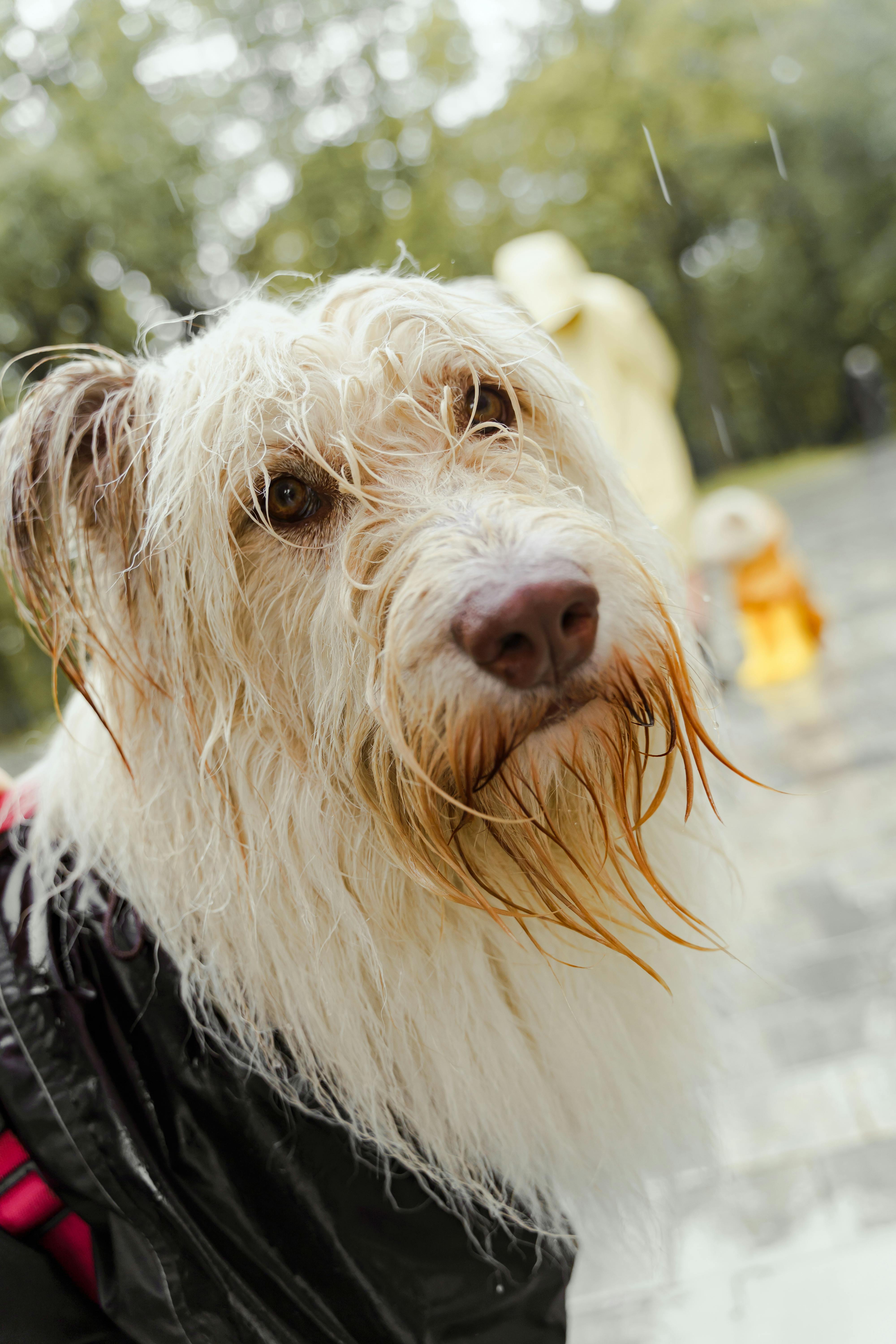
Why do dogs have wet noses? This question has puzzled many pet owners and animal lovers alike. The moisture found on a dog’s nose is not just a random trait; it serves several important purposes that related to their health and behavior. Let’s dive into the science behind wet noses and uncover the fascinating reasons behind this unique characteristic!
The Purpose of a Wet Nose
Dogs' noses are often wet for reasons that connect to their biology and senses. The moisture helps with several functions:
Enhanced Smell: A wet nose helps to trap scent particles in the air. When moisture collects on the nose, it allows dogs to pick up scents more efficiently. This is why dogs have such an exceptional sense of smell, estimated to be anywhere from 10,000 to 100,000 times more acute than humans.
Temperature Regulation: Dogs can't sweat like humans. Instead, they rely on their nose to help regulate body temperature. The moisture on their noses evaporates, providing a cooling effect, similar to how sweating works for humans.
Health Indicator: A dog’s nose can provide insights into their health. A typical, healthy dog nose is moist and cool. If a dog’s nose becomes dry, cracked, or excessively warm, it may indicate an underlying health issue like dehydration or fever.
Historical Context of Dog Noses
The evolution of dogs has played a significant role in the development of their noses. Dogs have evolved from wolves, which relied heavily on their sense of smell for hunting and survival. Over thousands of years, selective breeding has enhanced these traits, resulting in the wet noses we see today.
Comparison: Dog Noses vs. Human Noses
When comparing dog noses to human noses, there are several stark differences:
| Feature | Dog Nose | Human Nose |
|---|---|---|
| Moisture Level | Always moist | Generally dry |
| Smell Sensitivity | Highly sensitive | Less sensitive |
| Temperature Regulation | Effective for cooling | Sweating for cooling |
| Functionality | Primarily for scent | Primarily for breathing |
This table illustrates how dogs' noses are uniquely structured and designed for their roles as hunters and companions.
Fascinating Facts About Dog Noses
Unique Patterns: Just like human fingerprints, every dog has a unique nose print. This can actually be used for identification purposes!
Nasal Turbinates: Inside a dog's nose are structures called nasal turbinates. These help to warm and humidify the air before it reaches the lungs and increase the surface area for scent detection.
Vomeronasal Organ: Dogs possess a special organ known as the vomeronasal organ, or Jacobson's organ. This helps them detect pheromones and other chemical signals, enhancing their ability to communicate with other dogs.
Why Do Some Dogs Have Drier Noses?
Sometimes, dog owners may notice that their dogs have drier noses. This can be caused by several factors:
Weather Conditions: Hot, dry weather can lead to a dry nose. Likewise, cold weather can cause chapping or cracking.
Health Issues: Conditions like allergies, autoimmune diseases, or infections can cause a change in a dog’s nose moisture levels.
Dehydration: If a dog isn't drinking enough water, it may lead to a dry nose, along with other signs of dehydration.
Caring for Your Dog's Nose
Maintaining a healthy nose is important for your furry friend. Here are some tips on how to ensure their nose stays moist and healthy:
Hydration: Make sure your dog drinks plenty of water, especially in hot weather.
Regular Vet Check-ups: Regular visits to the veterinarian can help detect any underlying health issues before they become serious.
Moisturizing: If your dog's nose appears excessively dry, you can apply a vet-approved nose balm to keep it hydrated.
In summary, the science behind wet noses is a fascinating blend of biology, evolution, and health indicators. Understanding why dogs have wet noses can help you take better care of your pet and appreciate the unique characteristics that make them such wonderful companions. Whether it's enhancing their sense of smell or helping regulate their body temperature, a wet nose is just another amazing feature that showcases the incredible nature of dogs.
5 Fascinating Reasons Your Dog’s Wet Nose is More Than Just Cute
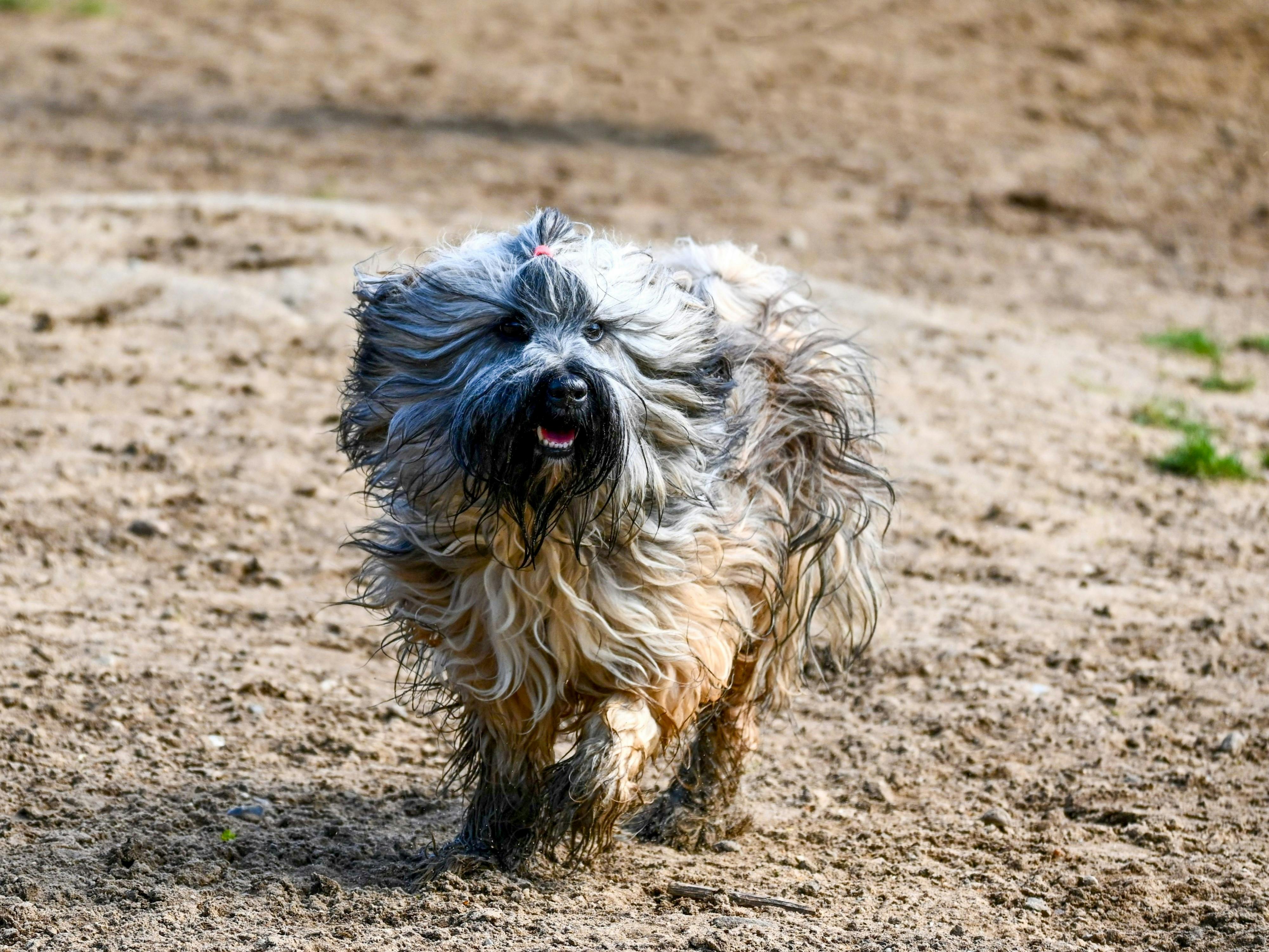
Have you ever wondered why your dog’s nose is always wet? It’s not just a quirky characteristic that makes them adorable; there are real reasons behind it. Many dog owners often ask, “Why do dogs have wet noses?” Let’s dive into this fascinating topic and explore 5 reasons why your pup's moist snout is more than just cute.
1. Enhanced Sense of Smell
Dogs have an incredible sense of smell, and their wet noses play a crucial role in this. The moisture on a dog's nose helps to trap scent particles in the air, making it easier for them to identify different smells. This is why dogs are often used for search and rescue missions, or even detecting drugs and explosives.
- Dogs have up to 300 million scent receptors in their noses.
- Wet noses can absorb scent chemicals better than dry ones.
- This ability helps them navigate their environment much more effectively.
2. Temperature Regulation
Just like humans sweat to cool down, dogs use their noses to help regulate their body temperature. The moisture on their noses can evaporate, which helps to cool them off. When dogs are panting, they’re also trying to release heat, but their noses do play a role in keeping them comfortable.
- A dog's normal body temperature is between 101 and 102.5 degrees Fahrenheit.
- On hot days, a dog's wet nose can help them stay cooler.
- Dogs tend to have wetter noses when they are relaxed or resting.
3. Communication with Other Dogs
Dogs are social creatures, and they communicate in various ways, including through their noses. A wet nose can signal different things to other dogs. For instance, when dogs greet each other, they often sniff each other’s noses and behinds. This behavior is a way of gathering information about each other, including health status, mood, and even sexual readiness.
- A wet nose can indicate a friendly and healthy dog.
- Dogs use their noses to read each other's pheromones.
- Nose-to-nose contact is an essential part of dog social interactions.
4. Health Indicator
A dog’s nose can tell you a lot about their health. While a wet nose is generally a good sign, it’s important to note that changes in moisture levels can indicate potential health issues. For instance, if your dog's nose becomes dry and cracked, it could be a sign of dehydration or illness. Regularly checking your dog's nose can help you monitor their well-being.
- Normal wetness indicates hydration and good health.
- A dry nose may suggest fever, dehydration, or allergies.
- Consistent changes in nose texture can warrant a vet visit.
5. Evolutionary Adaptation
The structure of a dog’s nose is not just random; it has evolved over thousands of years. Dogs descended from wolves, and their wet noses have helped them survive in various environments. Wolves use their noses to hunt and find food, and this trait has been passed down to domestic dogs. The wetness helps them detect prey and navigate their surroundings, making it a vital evolutionary adaptation.
- Dogs have been companions to humans for over 15,000 years.
- Their noses evolved to assist in hunting and survival.
- Adaptations continue to influence dog behavior today.
Fun Facts About Dog Noses
- Dogs' noses come in various colors, including black, brown, and even pink.
- Each dog has a unique nose print, similar to human fingerprints.
- Dogs can even detect certain diseases in humans, like cancer, just through scent.
Now that you know some of the reasons why dogs have wet noses, it’s clear that this trait is much more than a cute feature. Whether it’s for enhancing their sense of smell, communicating with other dogs, or signaling their health status, a wet nose plays a significant role in a dog’s life.
Next time your furry friend nudges you with their damp snout, remember that they’re not just being affectionate; they’re using their incredible sense of smell and innate abilities to engage with the world around them. So, cherish that wet nose—it’s a fascinating part of what makes your dog unique!
Do Wet Noses Mean a Healthy Dog? Exploring the Myths and Facts

Do wet noses mean a healthy dog? This is a question many pet owners often ask themselves. The idea that a wet nose indicates good health is a common belief, but is it actually true? Let's explore the myths and facts about why do dogs have wet noses and dive into some fascinating reasons behind this characteristic.
The Science Behind Wet Noses
When you think about it, dogs noses are wet for several reasons. One of the main functions of a dog's nose is to help them smell better. A wet nose can enhance their sense of smell by trapping scent particles in the moisture. This is kinda fascinating when you think about how much more dogs can smell than us humans.
Here's why do dogs have wet noses:
- Temperature Regulation: Dogs don't sweat like humans do. Instead, they cool off through their noses. A wet nose can help them regulate their body temperature, especially during hot weather.
- Scent Enhancement: The moisture on a dog's nose aids in absorbing scent particles. This allows them to detect smells better and gather more information about their environment.
- Health Indicator: While a wet nose is often associated with a healthy dog, it’s not always a definitive sign. Some dogs might have dry noses due to allergies, dehydration, or illness.
Wet Noses and Health Myths
Many people believe that a wet nose equals a healthy dog, but that ain't always the case. There are several myths surrounding this belief:
Myth: Always Wet Means Always Healthy
- Fact: While a wet nose can be a sign of a healthy dog, a dry nose doesn’t automatically mean they are sick. Various factors, such as weather, hydration, and activity level can influence nose moisture.
Myth: A Cold Nose Equals a Sick Dog
- Fact: Dogs can have cold noses for many reasons, including being in a cooler environment. A cold nose is not a reliable health indicator.
Myth: All Dogs Have Wet Noses
- Fact: Some breeds naturally have drier noses than others. For example, bulldogs or pugs might have less moisture on their noses than other breeds.
What Affects Nose Moisture?
Several factors can impact how wet or dry your dog's nose might be. These include:
- Weather Conditions: Hot or dry weather can lead to a drier nose.
- Health Issues: Conditions like allergies, infections, or autoimmune diseases can cause nose dryness.
- Dehydration: If a dog isn’t drinking enough water, it can lead to a dry nose.
- Age: Older dogs might have less moisture in their noses compared to young ones.
Observing Your Dog’s Nose
It’s important to pay attention to changes in your dog's nose. Here are some things to look out for:
- Color Changes: A healthy dog’s nose is typically a pink or black color. If you notice any discoloration, it could indicate a health issue.
- Cracks and Scaling: Dry, cracked noses can be a sign of dehydration or skin problems.
- Nose Temperature: If your dog’s nose suddenly becomes warm and dry, it might be worth consulting a veterinarian.
Practical Tips for a Healthy Nose
To maintain your dog's nose in good health, consider these practical tips:
- Stay Hydrated: Always provide fresh water to keep your dog hydrated.
- Regular Vet Checkups: Routine checkups can help catch any underlying health issues early.
- Protect from Extreme Weather: In extreme heat or cold, consider using nose balms or protective ointments.
The Fascinating Evolution of Dog Noses
Dogs have evolved to have wet noses over many years. The wetness of a dog’s nose is believed to be an adaptation for survival. Historical records show that early domesticated dogs had similar characteristics to their wild ancestors. It helps them interact better with their environment and improve their hunting abilities.
A Quick Comparison: Dogs vs. Cats
It's interesting to note how different animals handle nose moisture:
- Dogs: Wet noses for smell enhancement and cooling.
- Cats: Generally have dry noses, relying less on smell compared to dogs.
Fun Facts About Dog Noses
- A dog's sense of smell can be up to 100,000 times better than a human's!
- The unique pattern of a dog's nose is as distinctive as a human fingerprint.
- Dogs have more scent receptors in their noses than humans do.
In summary, while a wet nose can often indicate a healthy dog, it’s not the only factor to consider. Understanding the reasons behind wet noses, the myths surrounding them, and how to care for your dog can help ensure they stay happy and healthy. Keeping an eye on your dog's nose, along with their overall behavior, is essential in caring for your furry friend.
Understanding Canine Anatomy: What Makes a Dog’s Nose Wet?
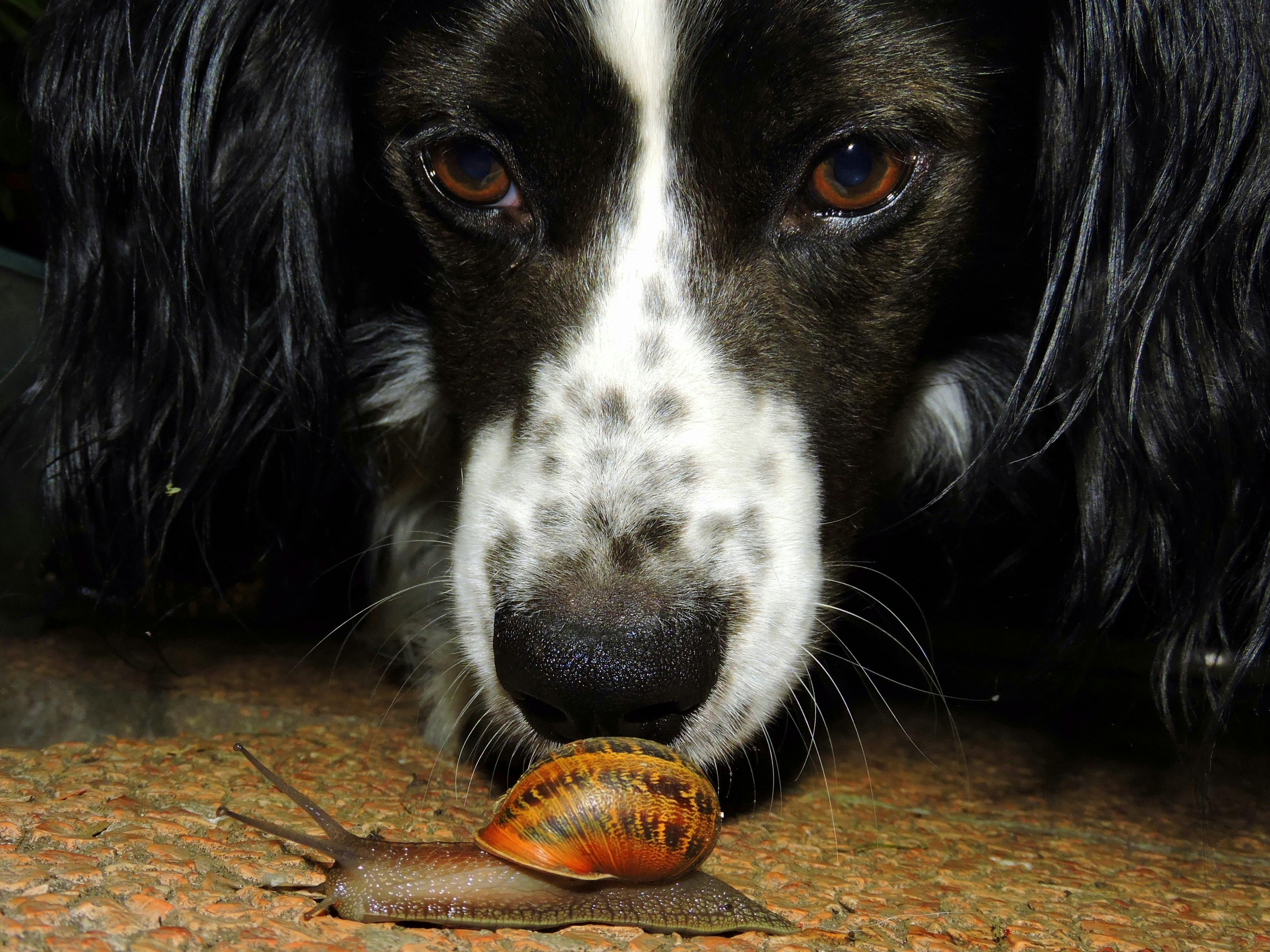
Dogs are truly fascinating creatures, and one of the most intriguing aspects about them is their noses. Have you ever wonder why do dogs have wet noses? It’s not just a cute quirk; there are several scientific and evolutionary reasons behind it. Let’s dive into the anatomy of canine noses and the reasons for that delightful dampness.
Understanding Canine Anatomy: The Structure of a Dog's Nose
A dog's nose is a complex organ, designed for a variety of functions. The wetness of a dog's nose is largely due to the presence of mucous membranes and other structures. Here’s a breakdown of what makes a dog's nose so special:
Mucous Glands: These glands keep the nose moist which help enhances a dog’s sense of smell.
Olfactory Receptors: Dogs have up to 300 million olfactory receptors, compared to the mere 5 million in humans. This makes their sense of smell incredibly more acute.
Vomeronasal Organ: Also known as Jacobson's organ, this allows dogs to detect pheromones, which is essential for social interactions and mating behaviors.
Why Do Dogs Have Wet Noses? Discover the Fascinating Reasons!
The wetness of a dog's nose serves several purposes. Here’s a list of the main reasons:
Enhanced Smell: A wet nose helps to dissolve scent particles, making it easier for dogs to detect smells. The moisture captures more odor molecules, giving a better sense of smell.
Temperature Regulation: Dogs do not sweat like humans do. Instead, they cool down through their noses and paw pads. The moisture on their noses can help regulate their body temperature.
Health Indicator: A dog's nose can be a good indicator of their health. A dry or warm nose might suggest a fever or other health issues, while a cool, wet nose is typically a sign of a healthy dog.
Communication: Dogs use their noses to gather information about their environment and other animals. The wetness may also play a role in social signaling among dogs.
Self-Cleaning: The moisture on a dog's nose can help keep it clean. It traps dirt and debris, making it easier for dogs to maintain their hygiene.
Historical Context: Why Did Evolution Favor Wet Noses?
The evolution of a wet nose in dogs goes back thousands of years. Early canines, like wolves, relied heavily on their sense of smell for hunting and survival. Those with wet noses undoubtedly had an advantage, leading to better hunting success and, consequently, better chances of survival and reproduction. Over generations, this trait became more prominent.
A Fun Comparison: Dogs vs. Cats
While dogs are known for their wet noses, cats have a different approach. Here’s how they compare:
| Feature | Dogs | Cats |
|---|---|---|
| Nose Moisture | Wet | Dry |
| Olfactory Receptors | Up to 300 million | About 50 to 80 million |
| Scent Detection | Excellent | Good |
| Temperature Regulation | Yes | Minimal |
Dogs excel in scent detection, which is why they are often used in search and rescue missions. Cats, on the other hand, may not need a wet nose as much for their hunting methods.
Practical Examples: What to Observe in Your Dog
When observing your dog, consider these points related to their nose:
Temperature: Feel your dog’s nose. A cool, moist nose usually indicates a healthy dog.
Behavior: If your dog’s nose suddenly becomes dry and warm, pay attention to their behavior. Changes in energy levels or appetite can indicate a possible health issue.
Environmental Factors: During hot weather, you may notice your dog’s nose is drier. Ensure they have plenty of water to stay hydrated.
Breed Differences: Some breeds may have drier noses than others. For instance, brachycephalic breeds like Bulldogs often exhibit different moisture levels due to their unique facial structures.
Final Thoughts
Understanding why do dogs have wet noses not only satisfies curiosity but also helps us become better pet owners. It’s a reminder of the intricate designs of nature and evolution. Next time you give your dog a pat, take a moment to appreciate that wet nose, knowing it plays a vital role in their health and happiness. So, whether you're a seasoned dog owner or a new puppy parent, keep an eye on that nose; it tells a story!
The Role of a Dog's Wet Nose in Their Sense of Smell: An Insider's Guide
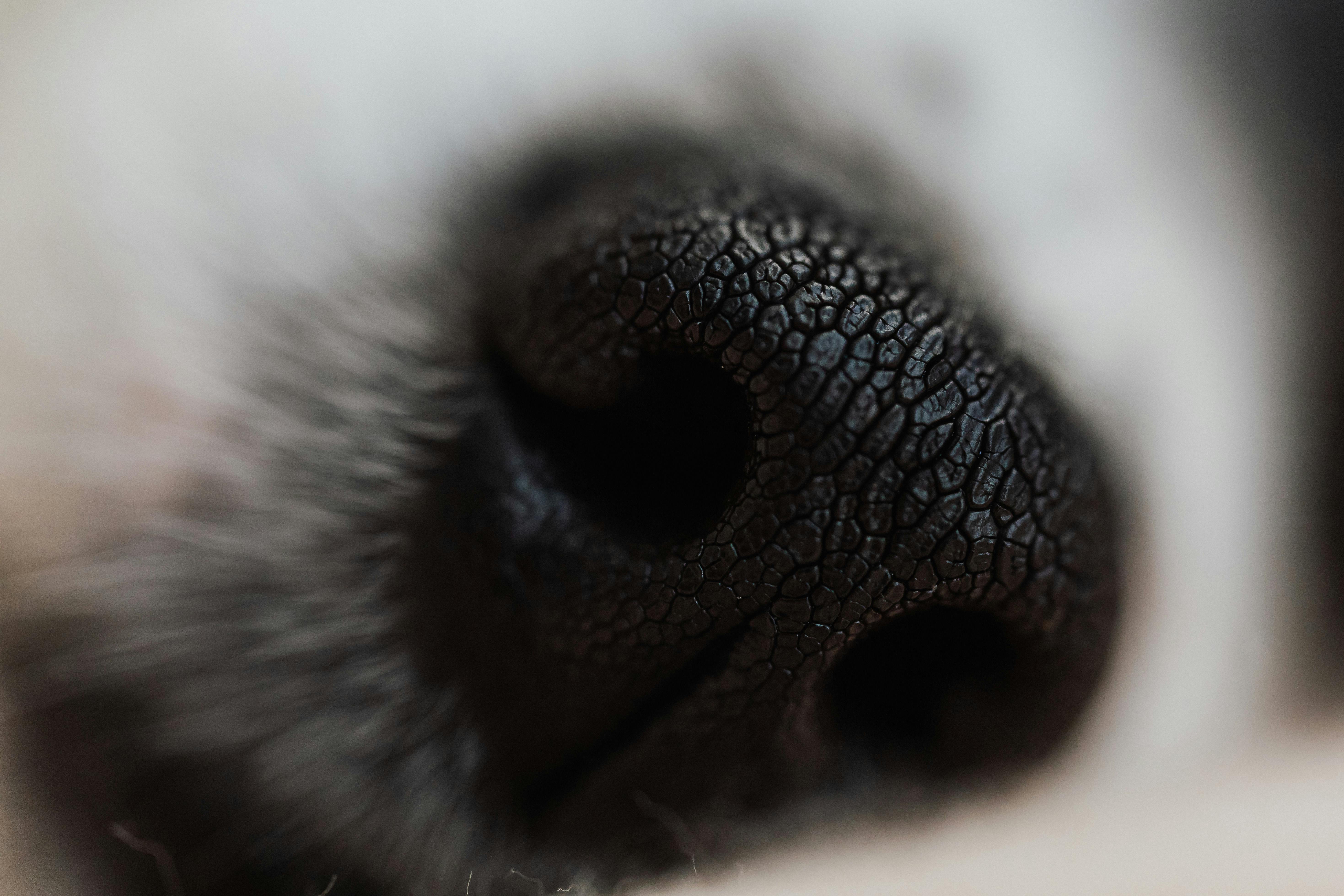
Dogs are often known for their incredible sense of smell, but one of the most intriguing aspects of this is the role played by their wet noses. If you've ever wondered, "why do dogs have wet noses?" you're not alone. The fascination surrounding a dog's nose goes beyond its moisture; it's a vital component of their olfactory capabilities.
The Science Behind a Dog's Wet Nose
So, why is a dog's nose wet? The moisture on a dog's nose comes from a combination of factors, including secretions from special glands and environmental conditions. When dogs lick their noses, this saliva helps to trap scent particles, enhancing their ability to smell. It’s like having a built-in scent enhancer!
- Enhanced Smell: The wetness helps dissolve scent particles, making it easier for dogs to identify different smells.
- Temperature Regulation: A wet nose can help regulate a dog's body temperature, especially during hot weather.
- Health Indicator: A dog’s nose can also indicate health; a dry nose may signal dehydration or illness.
Historical Context of Dogs' Senses
Human fascination with dogs' sense of smell dates back thousands of years. Ancient civilizations, like the Egyptians, recognized dogs as valuable companions and hunters. They understood that these animals could track scents over long distances, leading to their use in hunting and later in search-and-rescue missions.
Throughout history, dogs have been bred for specific tasks that highlight their smelling abilities. For instance, Bloodhounds are famous for their tracking skills, and Beagles are often used in detection roles because of their keen sense of smell.
The Anatomy of a Dog's Nose
Understanding why dogs have wet noses also involves looking at the anatomy of the nose. Here are some key features:
- Nasal Turbinates: These structures inside the nose increase surface area, allowing for more scent receptors.
- Scent Receptors: Dogs have up to 300 million scent receptors compared to humans' 5 million. This makes their ability to detect smells exponentially better.
- Jacobson's Organ: Also known as the vomeronasal organ, this helps dogs detect pheromones and other chemicals, adding another layer to their sense of smell.
The Role of a Wet Nose in Dog Behavior
A wet nose isn’t just a biological feature; it also plays a role in how dogs interact with the world. Here are some behaviors influenced by their wet noses:
- Exploration: Dogs use their noses to explore their environment, sniffing to gather information about other animals, people, and places.
- Communication: Dogs communicate through scent. A wet nose can pick up on subtle chemical cues left by other dogs, which helps them understand social hierarchies and reproductive statuses.
- Comfort: Dogs often nuzzle their noses against humans or other animals as a sign of affection or to seek comfort.
Fascinating Facts About Dog Noses
- Temperature Sensitivity: A dog's nose can detect temperature differences, which can be crucial for hunting and survival.
- Wet Nose vs. Dry Nose: Not every dog will have a consistently wet nose. Factors such as breed, age, and health can affect nose moisture.
- Nose Print Identification: Just like fingerprints in humans, a dog's nose print is unique and can be used for identification.
Practical Examples of Nose Usage
Dogs are employed in various fields thanks to their remarkable sense of smell. Here are a few practical applications:
- Search and Rescue: Dogs can locate missing persons in disaster situations by following scent trails.
- Detecting Diseases: Some dogs can even sniff out certain diseases, such as cancer or diabetes, through scent changes in a person's body.
- Law Enforcement: Drug-sniffing dogs are trained to detect illegal substances, making them invaluable in law enforcement.
Conclusion
The wet nose of a dog is more than just a cute feature; it's a critical element of their extraordinary sense of smell and plays various roles in their behavior and health. Understanding why dogs have wet noses not only deepens our appreciation for these loyal companions but also reminds us of the remarkable adaptations they have developed over time. Whether it's for communication, exploration, or health indicators, a dog's nose is a fascinating topic worth exploring. So, next time you see your furry friend with their wet nose, remember all the incredible things that simple feature represents!
Why Do Some Dogs Have Drier Noses? A Deep Dive into Canine Health
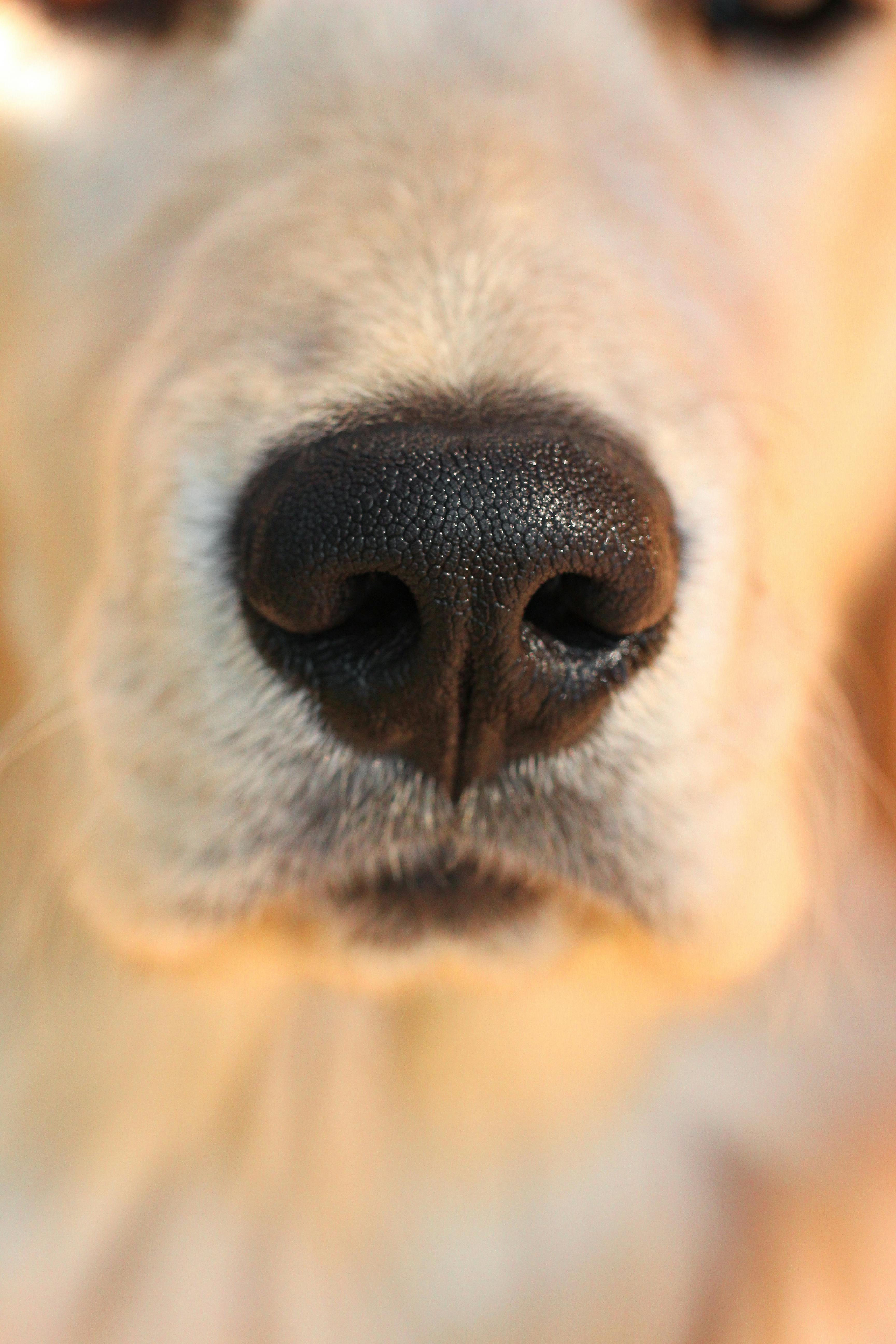
When you think about dogs, wet noses are often one of the first things that pops into mind. But have you ever wondered, why do some dogs have drier noses? It’s a question that many pet owners ask, and it can lead to a deeper understanding of canine health. This article is gonna explore the fascinating reasons behind both wet and dry noses in dogs, and it’s important for every dog owner to know this stuff!
What’s the Deal with Wet Noses?
Wet noses in dogs are not just an adorable trait; they serve multiple purposes. The moisture on a dog’s nose helps with their sense of smell. A wet nose can capture scent particles more effectively, allowing dogs to sniff out things we could only dream of. Here’s some cool facts about why dogs have wet noses:
- Enhanced Smell: Wet noses absorb scent better, which aids in their incredible olfactory abilities.
- Temperature Regulation: A wet nose helps cool down a dog’s body. Dogs don’t sweat like humans do, so they need other ways to regulate their temperature.
- Health Indicator: A wet nose is often a sign of good health. If your dog’s nose is warm and dry, it might be a red flag.
Why Do Some Dogs Have Drier Noses?
Now, let’s dive into why some dogs have drier noses. It can be a little bit concerning, especially if you're not sure what's going on. There’re many reasons why a dog’s nose might be dry, and not all of them are cause for alarm. Here’s a list of some common factors:
- Weather Conditions: Hot or dry weather can lead to dryness. Just like our skin gets dry, so can a dog’s nose.
- Dehydration: If your dog isn’t drinking enough water, it can affect their nose moisture.
- Health Issues: Certain health problems, like autoimmune diseases or allergies, can cause changes in a dog’s nose.
- Age: Older dogs may naturally have drier noses. Aging can affect their skin and moisture levels.
Understanding Nose Moisture: The Science Behind It
Let’s break down some scientific elements of why dog noses are wet. A dog’s nose contains mucous membranes that keep it moist. When a dog sniffs, the scent molecules interact with these membranes, enhancing their sense of smell.
Also, the moisture on a dog’s nose can come from their saliva. Dogs often lick their noses, which helps to keep it wet. So, if your dog’s nose is dry, it might mean they aren’t licking it as much, or they might not be producing enough saliva.
Quick Comparison: Wet Nose vs. Dry Nose
Here’s a little comparison table to help visualize the differences:
| Feature | Wet Nose | Dry Nose |
|---|---|---|
| Smell Ability | Enhanced | Reduced |
| Temperature Regulation | Effective | Less effective |
| Health Indicator | Generally healthy | May indicate issues |
| Causes | Normal behavior | Weather, dehydration, health issues |
When to Worry About Your Dog’s Nose
It’s essential to pay attention to changes in your dog’s nose. If their nose suddenly becomes dry and stays that way, or if it's cracked or bleeding, it’s time to take action. Here are some signs you should definitely consult a vet about:
- Persistent dryness accompanied by lethargy
- Cracked or bleeding nose
- Changes in behavior, like loss of appetite
- Unusual discharge from the nose
Interesting Dog Nose Facts
Here are some intriguing facts about dog noses that might surprise you:
- Unique Patterns: Just like human fingerprints, every dog has a unique nose print. This can even be used for identification!
- Nose Temperature: A dog’s nose is typically cooler than the rest of their body. If it’s warm, it’s not always a sign of illness, but it can be if it persists.
- Scent Detection: Dogs have up to 300 million smell receptors in their noses, compared to about 6 million in humans.
Knowing about your dog’s nose can help you monitor their health better. If you notice changes, it doesn’t hurt to consult your vet for peace of mind. Keeping your dog hydrated and taking care of their overall health can also promote a moist and healthy nose.
Remember, your dog’s nose is just one part of its well-being, but understanding it can help you be a better pet owner. Always keep an eye on those little things; they often tell a bigger story about your furry friend’s health and happiness.
7 Surprising Benefits of Your Dog’s Wet Nose You Didn’t Know About
When you think about dogs, one of the first things that comes to mind is their wet nose. It's cute, it’s funny, and it seems to be a universal trait among our furry friends. But why do dogs have wet noses and what purpose does it serve? You might be surprised to learn that those moist little noses not only add charm to their faces, but also come with some unexpected benefits. Here are seven surprising benefits of your dog’s wet nose you didn’t know about.
1. Natural Thermoregulation
Dogs don’t sweat like humans do. Instead, their bodies use their noses to help regulate temperature. The moisture on a dog's nose evaporates, helping to cool their body down. This is especially important during hot weather. So, if you notice your pup’s nose is a bit wetter after a romp in the park, it’s a sign they’re keeping cool.
2. Enhanced Sense of Smell
A wet nose is more than just a cute characteristic; it plays a vital role in a dog’s sense of smell. The moisture helps capture scent particles from the air, making it easier for dogs to detect different odors. This is why they are often used in search and rescue operations or sniffing out drugs.
3. Indicator of Health
A dog’s nose can be an indicator of their health. While many people think that a cold, wet nose means a dog is healthy and a dry nose might indicate illness, it’s not always that simple. Changes in nose moisture can signal various conditions. For example, if a dog’s nose suddenly becomes excessively dry or cracked, it might be worth a trip to the vet.
4. Social Communication
Dogs use their noses for more than just smelling; they also communicate with each other through scent. A wet nose can convey different messages to other dogs. When dogs greet each other, they often sniff each other's noses and faces. This is a way for them to gather information about each other, like their health, mood, and even diet.
5. Comfort and Bonding
Have you ever noticed how your dog nudges you with their nose? This is often a sign of affection and a way to seek attention. The wetness of their nose can feel comforting to you, too. When they lean in, they’re not just looking for a pat; they are bonding with you and expressing love. It’s an essential part of your relationship.
6. Sense of Taste
Dogs’ noses are also involved in their sense of taste. The moisture on their noses helps to enhance their tasting ability. When a dog licks something, its wet nose absorbs scent particles, which are then detected by their taste buds. This is why dogs seem to have such a keen interest in food and other objects they encounter.
7. Cooling Mechanism for the Brain
The wetness of a dog’s nose serves an additional purpose that goes beyond hydration and cooling of the body. It helps cool the brain. The nose has many blood vessels close to the surface, and evaporation of moisture cools the blood flowing to the brain, which can help to keep your pup alert and responsive.
Fascinating Trivia About Dog Noses
- Dogs have about 300 million scent receptors in their noses, compared to about 6 million in humans.
- The shape and size of a dog’s nose can affect their sense of smell; for instance, bloodhounds have very long noses that enhance their ability to track scents.
- Different breeds might have varying nose moisture levels, which can depend on factors like breed characteristics and environmental conditions.
- The moisture on a dog's nose can change throughout the day, often influenced by activity level, temperature, and humidity.
Practical Tips for Nose Care
- Regularly check your dog's nose for any signs of excessive dryness, cracking, or changes in color.
- Keep your dog hydrated, especially during hot weather, to ensure their nose stays moist and healthy.
- If your dog has allergies, consider consulting with your vet to manage any nasal issues.
It’s clear that the wet noses of dogs serve many purposes beyond just being adorable. From health indicators to enhanced communication, these moist features are fascinating and crucial to a dog’s overall well-being. Next time you give your furry friend a scratch behind the ears, take a moment to appreciate the science behind that wet nose! After all, it’s not just a cute quirk; it’s a remarkable aspect of what makes dogs so special.
How Weather Affects Your Dog’s Nose: Wet vs. Dry Explained

Dogs are fascinating creatures, and their wet noses are one of the most unique features that spark curiosity among pet owners. You might have often wonder why your dog's nose is wet and what role the weather plays in this. In this article, we dive into the relationship between a dog's nose and the weather, explore the reasons behind wet noses, and give you insights about how to care for your furry friend.
How Weather Affects Your Dog’s Nose: Wet vs. Dry Explained
The weather can have a significant impact on your dog's nose. In general, you might notice that during rainy or humid days, your dog's nose tends to be wetter. On the other hand, when it's dry or cold, their nose can become dry and cracked. This is because of several factors:
- Humidity: High humidity levels keep your dog's nose moist. The moisture in the air helps to maintain the natural hydration of their nose.
- Temperature: Warm weather can cause increased moisture production in the nasal tissues. However, when temperatures drop, the opposite can occur.
- Wind: Windy conditions might dry out your dog's nose faster than calm conditions.
- Indoor Heating: In winter, heating systems can dry out the air inside your home, leading to a dry nose in dogs.
Why Do Dogs Have Wet Noses? Discover the Fascinating Reasons!
So, why do dogs have wet noses? There are several reasons that explain this interesting phenomenon:
Sense of Smell: Dogs have an incredible sense of smell, and a wet nose enhances their ability to detect scents. The moisture helps to trap scent particles, making it easier for dogs to smell better.
Cooling Mechanism: A wet nose helps regulate a dog's body temperature. Just like humans sweat, dogs release moisture through their noses to help cool down.
Health Indicator: The condition of a dog’s nose can provide insights into their health. A healthy dog usually has a moist and cool nose, whereas a dry or cracked nose could indicate dehydration or illness.
Natural Lubrication: The moisture keeps the skin on the nose flexible and healthy. This is important for maintaining the protective barrier against environmental irritants.
Behavioral Aspect: Dogs often lick their noses, which keeps them wet. This can be an instinctual behavior linked to their social interactions and environmental exploration.
Comparing Wet and Dry Noses
Understanding the differences between wet and dry noses in dogs can be helpful for pet owners. Here’s a quick comparison:
Wet Nose:
- Generally cool to the touch
- Indicates good hydration and overall health
- Enhanced sense of smell
- More common in humid conditions
Dry Nose:
- Warm or hot to the touch
- May indicate dehydration or illness
- Sometimes associated with cold weather
- Can be a sign of a need for more water or veterinary care
Practical Tips for Maintaining Your Dog’s Nose
Maintaining your dog’s nose health is important, especially if the weather is changing. Here are some tips to ensure their nose stays in good condition:
- Hydration: Always provide fresh water, especially in hot weather. This helps keep their nose moist.
- Humidifier: Consider using a humidifier in your home during dry winter months. This can help combat dry indoor air.
- Regular Check-ups: Keep up with regular vet visits for check-ups, especially if you notice any drastic changes to their nose.
- Natural Remedies: If your dog's nose gets too dry, you can apply a small amount of coconut oil or a vet-approved balm to moisturize it.
- Monitor Environment: Pay attention to how weather changes might affect your dog. If they spend a lot of time outside, ensure they have shelter from harsh conditions.
Final Thoughts
Understanding how weather affects your dog's nose is just one part of being a responsible pet owner. Their wet noses serve multiple purposes, from enhancing their sense of smell to regulating their body temperature. While wet noses are a common sight in dogs, it's essential to monitor any changes. A dry nose can sometimes signal health issues that need attention. By being aware of your dog's needs and the environmental conditions, you ensure your furry friend stays healthy and happy, while also strengthening the bond you share.
The Connection Between Wet Noses and Dog Behavior: What Pet Owners Should Know
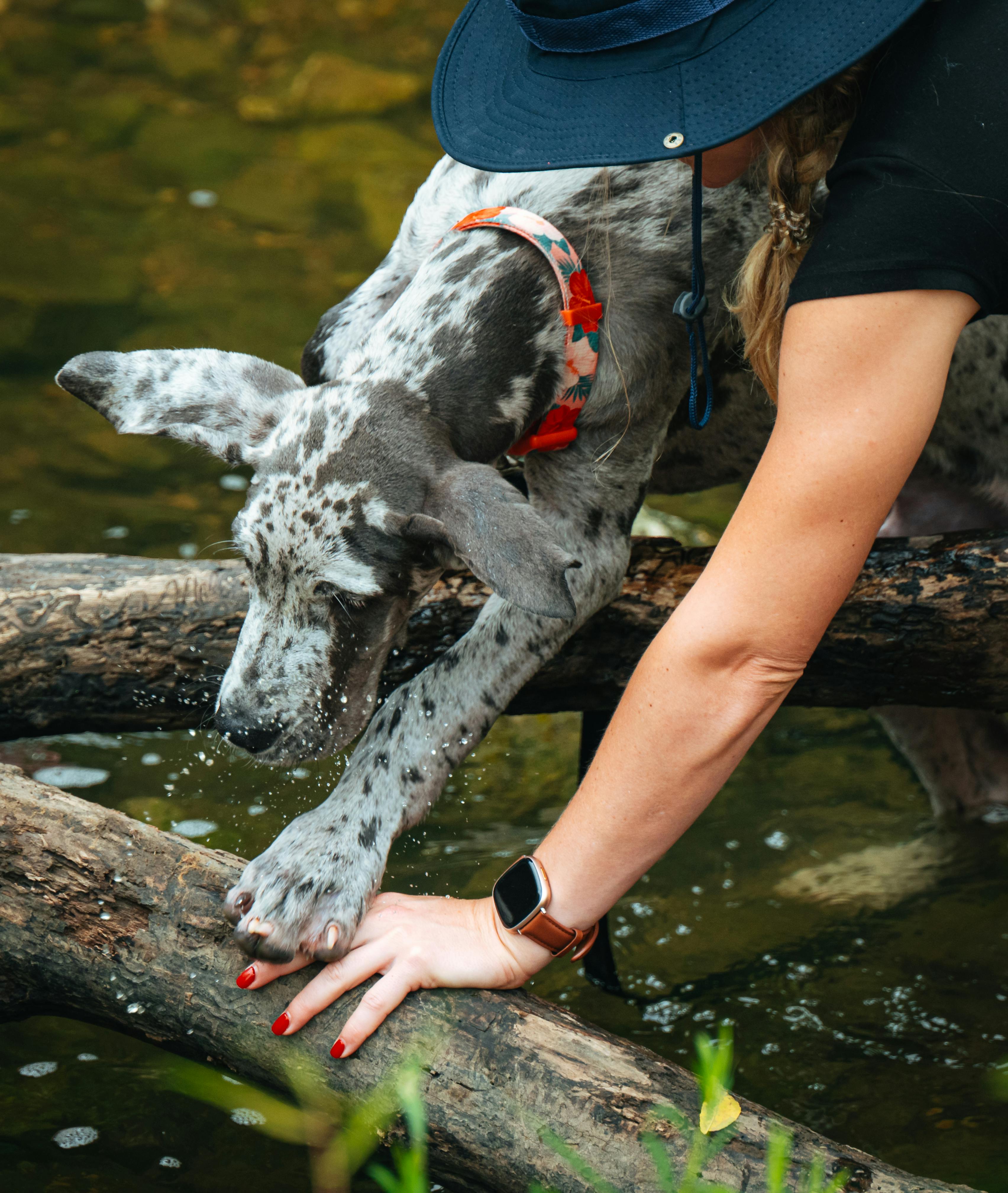
Dogs have long been considered man's best friend, but did you ever wonder about their wet noses? Why do dogs have wet noses anyway? This peculiar feature is more than just an interesting tidbit; it actually plays a significant role in canine behavior and health. Understanding the connection between wet noses and dog behavior can help pet owners deepen their bond with their furry companions. So, let’s dive into the fascinating reasons behind those damp snouts.
The Science Behind Wet Noses
A dog’s nose is wet for a reason, and it’s not just for show. Here’s what you should know:
Scent Enhancement: Dogs have an incredible sense of smell, and a wet nose helps to trap scent particles. When the nose is moist, it can absorb more odor molecules, making it easier for dogs to identify scents. This is why dogs often sniff around when they meet new people or other animals.
Temperature Regulation: Dogs don’t sweat like humans do; instead, they cool down primarily through panting. However, the moisture on their noses can also help with thermoregulation. When a dog’s nose is wet, it helps to dissipate heat, allowing them to stay cool during warm weather.
Health Indicator: A dog’s nose can also indicate their health status. Generally, a healthy dog has a cool and moist nose. If a dog’s nose suddenly becomes dry and warm, it could be a sign of illness, though this isn’t always the case. Pet owners should monitor other symptoms to get a clearer picture.
Historical Context
The connection between wet noses and dog behavior goes back thousands of years. Historically, dogs were bred for specific tasks, such as hunting or herding, which required a keen sense of smell. Breeders selected for traits that would enhance their olfactory capabilities, leading to the moist noses we see today.
Differences in Nose Types
There are different types of noses among dog breeds, and not all are equally wet. Here’s a quick comparison:
| Dog Breed | Nose Type | Wetness Level |
|---|---|---|
| Labrador Retriever | Broad, wet | High |
| Bulldog | Short, moist | Moderate |
| Dachshund | Long, damp | High |
| Chihuahua | Small, slightly wet | Low |
Behavioral Insights
So, what does a wet nose mean in terms of dog behavior? Well, it can reflect their mood and even their social interactions. Here’s how:
Curiosity: A dog with a wet nose is often more curious. They might greet you with a damp snout to investigate your scent or show affection.
Affectionate Behavior: Dogs use their noses to communicate. A nuzzle with a wet nose can be a sign of love or a request for attention.
Anxiety: Sometimes, a dog’s wet nose might signal stress. A nervous dog may lick their nose excessively, leading to increased moisture.
Practical Tips for Pet Owners
Understanding the significance of a dog’s wet nose can help owners create a better environment for their pets. Here are some tips:
Regular Vet Check-ups: Keep an eye on your dog’s nose. If you notice sudden changes in moisture or temperature, consult your veterinarian.
Hydration: Ensure your dog stays hydrated. A well-hydrated dog is more likely to have a moist nose.
Nose Care: Just like the rest of their body, dogs’ noses can get dry. If you live in a dry climate, consider applying a pet-safe moisturizer to help.
Fun Facts About Dog Noses
- Dogs have about 300 million scent receptors, compared to a human’s 5 million.
- The unique patterns on a dog’s nose are like fingerprints; no two dogs have the same nose print.
- A dog’s sense of smell is so powerful that they can detect certain diseases, including cancer.
Understanding the connection between wet noses and dog behavior can provide valuable insight into your pet's well-being. A wet nose signifies more than just a cute characteristic; it’s a window into their health and emotions. As you bond with your furry friend, pay attention to their wet nose, and remember that it’s part of what makes them unique. Just as their personalities shine through their behaviors, their wet noses tell a story of their health and emotions.
Is Your Dog’s Nose Too Wet? Signs That Could Indicate Health Issues
Is your dog's nose too wet? If you ever wondered if that moist little snout means anything, you’re not alone! Many dog owners have similar questions about their furry friends. Wet noses are often seen as a sign of health and vitality, but certain conditions could lead to concerns. Understanding why dogs have wet noses and what certain signs could mean is important for every pet parent, especially in a bustling city like New York.
Why Do Dogs Have Wet Noses?
Dogs noses are typically wet for several reasons, and it’s not just because they like to play in the rain. Here are some key points about the fascinating biology behind this feature:
- Scent Detection: Dogs have an incredible sense of smell, and a wet nose helps enhance this ability. Moisture captures scent particles better, allowing your pup to identify different smells more effectively.
- Cooling Mechanism: Like humans sweat, dogs also cool themselves down through their noses. When a dog breathes out, the moisture evaporates and helps regulate body temperature.
- Health Indicator: A wet nose can be a sign of a healthy dog. It’s often associated with being alert, happy, and well-hydrated.
Signs That Could Indicate Health Issues
While a wet nose can be a good sign, there are instances when it might indicate something is wrong. Watch for these signs that could suggest health problems:
- Dry Nose: If your dog's nose suddenly becomes dry or cracked, it could be a sign of dehydration or illness.
- Discoloration: Any changes in color, like a red or inflamed nose, should not be ignored. This might indicate an allergic reaction or infection.
- Excessive Wetness: If your dog’s nose is dripping or excessively wet, it can signal conditions such as nasal discharge or infections.
- Lethargy: If your dog seems unusually tired or disinterested, combined with a wet nose, it might be worth a trip to the vet.
- Behavioral Changes: Sudden changes in behavior such as lack of appetite or unusual barking may be linked to an underlying health condition.
Common Health Issues Associated with Wet Noses
Here are some common health issues that could affect your dog's nose and overall health:
- Allergies: Dogs can suffer from allergies just like humans. Pollen, dust mites, and certain foods can cause nasal irritation.
- Infections: Bacterial or viral infections can lead to increased nasal discharge, which may be accompanied by fever or coughing.
- Autoimmune Disorders: Conditions like lupus or pemphigus can affect the nose and cause lesions or crusting.
- Environmental Factors: Changes in climate or exposure to irritants can also affect your dog’s nose. For example, dry air in winter can lead to dryness.
How to Care for Your Dog’s Nose
Keeping your dog’s nose healthy is important. Here are some practical tips:
- Hydration: Always provide fresh water. Dehydration can lead to a dry nose.
- Regular Vet Checkups: Routine visits can help catch any potential issues early.
- Observe Changes: Keep an eye on any changes in your dog’s health or behavior. Documenting these can help your vet diagnose issues quicker.
- Clean Nose: Gently wipe your dog’s nose with a damp cloth to remove dirt or allergens.
Fascinating Facts About Dog Noses
Did you know that a dog’s nose print is as unique as a human fingerprint? Here are some other interesting facts:
- Dogs have up to 300 million scent receptors in their noses, compared to about 6 million in humans! This is why they are so good at tracking scents.
- The texture of a dog’s nose can change during their lifetime. Young puppies often have smoother noses that become more textured with age.
- Dogs can even detect certain diseases, such as diabetes or cancer, through changes in smell.
Whether your dog's nose is wet or dry, understanding the reasons behind it can help you better care for your furry friend. It’s essential to remain observant and proactive about your dog’s health. If you ever have any doubts, it's always best to consult with a veterinarian. They can provide tailored advice and ensure your dog's well-being.
Conclusion
In conclusion, the wet noses of dogs serve several important purposes that enhance their overall health and sensory capabilities. The moisture on their noses plays a crucial role in amplifying their sense of smell by capturing scent particles, which is vital for their communication and exploration of the environment. Additionally, a wet nose helps regulate their body temperature, acting as a natural cooling system. It's also worth noting that while a wet nose is generally a sign of good health, any significant changes could indicate underlying health issues. As dog owners, it’s essential to pay attention to these small details, as they reflect your pet's well-being. So next time you greet your furry friend, take a moment to appreciate that cold, wet nose—it’s a window into their world and a reminder of their unique biology. Consider scheduling regular vet check-ups to ensure your dog remains healthy and happy.