
Have you ever wondered why do dogs have wet noses? This intriguing question has fascinated pet owners and animal lovers alike for centuries. A dog’s nose is not just a cute feature; it serves essential purposes that contribute to a dog’s overall health and well-being. So, what makes their noses so uniquely moist? In this article, we’ll uncover the fascinating reasons behind this characteristic, revealing how it plays a crucial role in their sense of smell and even their ability to regulate body temperature. Did you know that a wet nose can indicate a happy and healthy pup? Discover the science behind why those adorable canine companions often greet you with a cool, damp snout! From understanding their sense of smell to exploring the benefits of nose moisture, we’ll dive deep into the world of dog anatomy. Are you ready to learn some surprising facts that will change the way you view your furry friend? Join us on this journey to uncover the secrets of dog noses and why they are far more than just an endearing trait. Let’s explore the remarkable wonders of man’s best friend together!
The Science Behind Wet Noses: Why Are Dogs’ Noses Always Moist?

When you see a dog, one of the first things you probably notice is their wet noses. It’s kinda cute, right? But have you ever wondered why dogs have wet noses? There’s actually a fascinating science behind it, and it goes beyond just being adorable. This article explores the reasons why dogs’ noses are usually moist, and how it connects to their health and senses.
The Purpose of a Wet Nose
Dogs noses are not just for sniffing; they play a critical role in their overall health. A wet nose can help with temperature regulation, but it also aids in their ability to smell. Here’s why:
Enhanced Scent Detection: A wet nose helps trap scent particles. This increases their ability to detect smells. Dogs have around 220 million scent receptors in their noses, compared to humans who only have about 5 million! The moisture in their noses helps to absorb these scent molecules, making their sense of smell even more powerful.
Temperature Regulation: Dogs can’t sweat like humans do. They primarily regulate their body heat through panting and also through their noses. A wet nose helps them cool down, especially during hot days.
Health Indicator: A wet nose usually indicates a healthy dog. If your dog’s nose is dry or cracked, it might be a sign of dehydration, fever, or other health issues. Keeping an eye on their nose can help you spot potential problems early.
Historical Perspective on Dog Noses
Throughout history, the dog’s nose has been an important subject of fascination. Ancient civilizations believed that dogs had mystical powers due to their keen sense of smell. There are records that suggest dogs were used for hunting and tracking due to their ability to sniff out prey.
In fact, the domestication of dogs was partly because of their hunting capabilities. Early humans recognized that dogs with moist noses were often better hunters. Just think about it: dogs helped humans survive, and their noses played a crucial role in that relationship.
Comparison: Wet Noses vs. Dry Noses
It’s interesting to note the differences between wet and dry noses, and what they might mean.
Wet Noses:
- Generally indicate good health
- Aid in scent detection
- Help with temperature regulation
Dry Noses:
- May signal dehydration or illness
- Can be a result of environmental factors (like heat)
- Might indicate stress in some cases
Fun Facts About Dog Noses
Did you know that the pattern of a dog’s nose is as unique as a human fingerprint? No two dogs have the same nose print.
Dogs can smell certain diseases, including cancer and diabetes, simply by detecting changes in body odor.
The moisture on a dog’s nose is not just water; it contains proteins that help process scents better.
Practical Considerations for Dog Owners
As a dog owner, you may want to pay attention to your dog’s nose. Here are some practical tips:
Regular Check-ups: Keep an eye on your dog’s nose. If it becomes persistently dry or cracked, consult a veterinarian.
Hydration is Key: Ensure your dog has access to clean, fresh water at all times to maintain hydration.
Temperature Awareness: On hot days, let your dog take breaks in the shade, and provide them with cool water to help them cool down.
The Role of Nose in Dog Behavior
A dog’s nose isn’t just for smelling; it’s a crucial part of their communication. Dogs often greet each other by sniffing each other’s noses to gather information. This social behavior helps them learn about each other and establishes a form of canine communication that is essential for their interactions.
Final Thoughts
The science behind why dogs have wet noses is multifaceted and fascinating. Their moist noses not only enhance their sense of smell and help regulate their body temperature, but they also serve as an indicator of their health. Understanding these aspects can help pet owners take better care of their furry friends. Next time you see those cute wet noses, you’ll know there’s a lot more going on than just cuteness!
7 Fascinating Reasons Dogs Have Wet Noses You Didn’t Know
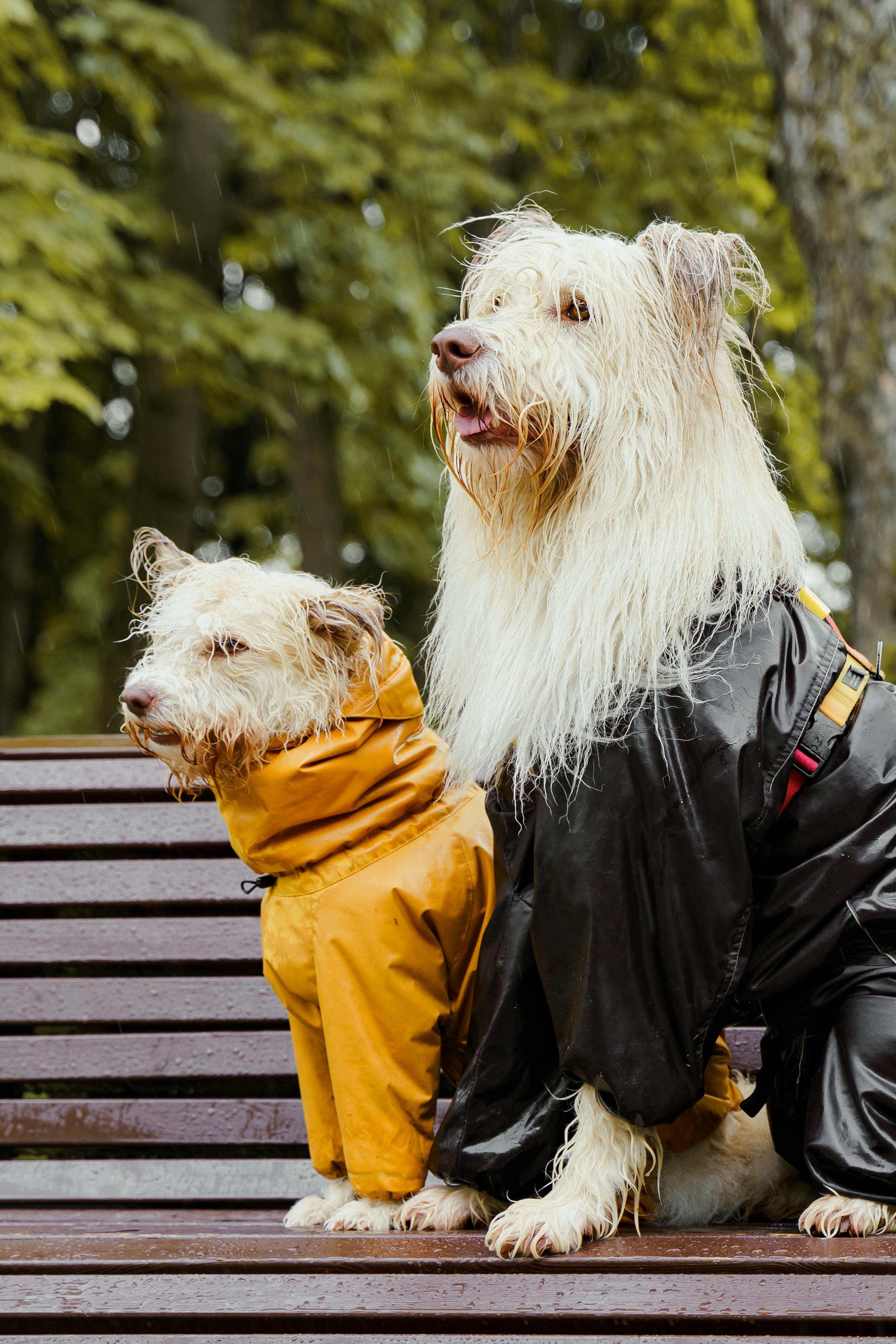
Dogs are wonderful creatures, and their wet noses often intrigue us as pet owners. You may have wondered, “Why do dogs have wet noses?” Well, there’s actually some fascinating science behind it! Let’s explore seven interesting reasons dogs have those moist noses that you probably never thought of.
1. Cooling Mechanism
One of the primary reasons for a dog’s wet nose is that it helps them cool down. Just like humans sweat, dogs also need a way to regulate their body temperature. The moisture on their nose helps to evaporate heat, keeping them comfortable. This is especially important during hot summer days when they can easily overheat.
2. Enhanced Sense of Smell
Dogs are known for their incredible sense of smell, and their wet noses play a key role in this ability. The moisture on their noses helps to dissolve scent molecules, making it easier for their olfactory receptors to pick up smells. In fact, dogs have up to 300 million scent receptors, compared to only 5 million in humans! A wet nose enhances their ability to detect scents, which is why they can smell things we can’t even fathom.
3. Health Indicator
A wet nose is often seen as a sign of a dog’s good health. Generally, a moist nose indicates that a dog is hydrated and well. However, it’s important to note that not all wet noses indicate good health. Changes in nose moisture can signal illness or dehydration. If you notice your dog’s nose is unusually dry or cracked, it might be worth a visit to the vet.
4. Communication Tool
Dogs also use their noses to communicate with each other and with us. A dog may nuzzle you with their wet nose as a sign of affection or to get your attention. Similarly, they use their noses to greet other dogs, gathering information about their health, mood, and identity. It’s like a social tool for them!
5. Protection from Bacteria
The moisture on a dog’s nose also serves a protective function. It creates a barrier that can help trap and eliminate bacteria and other pathogens. The wetness can wash away dirt and debris, reducing the risk of infections. Dogs that have dry noses may be more susceptible to skin problems, so keeping their noses hydrated is beneficial.
6. Sensitivity to Temperature
The wetness of a dog’s nose allows it to be sensitive to temperature changes. When a dog sniffs something, their nose picks up not just the scent but also the temperature of the object. This ability can help them assess their environment, making it easier for them to detect things like food or potential threats.
7. Evolutionary Trait
Lastly, the wet nose is an evolutionary trait that has been passed down through generations. Dogs are descendants of wolves, and in the wild, a wet nose aided in hunting and survival. A moist nose helps wolves track prey more effectively, which is a trait that has remained with domesticated dogs. So, every time you see your dog’s wet nose, you’re witnessing a tiny piece of their wild ancestry.
Quick Facts about Dog Noses
- Dogs’ noses can pick up scents from a mile away.
- The temperature of a dog’s nose can change depending on their activity level.
- Dogs have a “third eyelid” that helps keep their noses moist.
- The shape and size of a dog’s nose can vary greatly between breeds, affecting their sense of smell.
Comparison of Dog Nose Moisture
Here’s a quick comparison of the moisture levels seen in different dog breeds:
| Breed | Nose Moisture Level |
|---|---|
| Labrador Retriever | High |
| Bulldog | Moderate |
| Beagle | High |
| Poodle | Moderate |
| Chihuahua | Low |
As you can see, different breeds can show varying levels of moisture in their noses, which might be due to their unique genetics and environmental influences.
Understanding why dogs have wet noses not only satisfies our curiosity but also helps us care for our furry friends better. So next time your dog gives you that cold, wet nudge, remember the evolutionary purpose and fascinating science behind it. Dogs have a lot to teach us, and their wet noses are just the beginning!
How a Dog’s Wet Nose Enhances Their Sense of Smell: The Surprising Facts
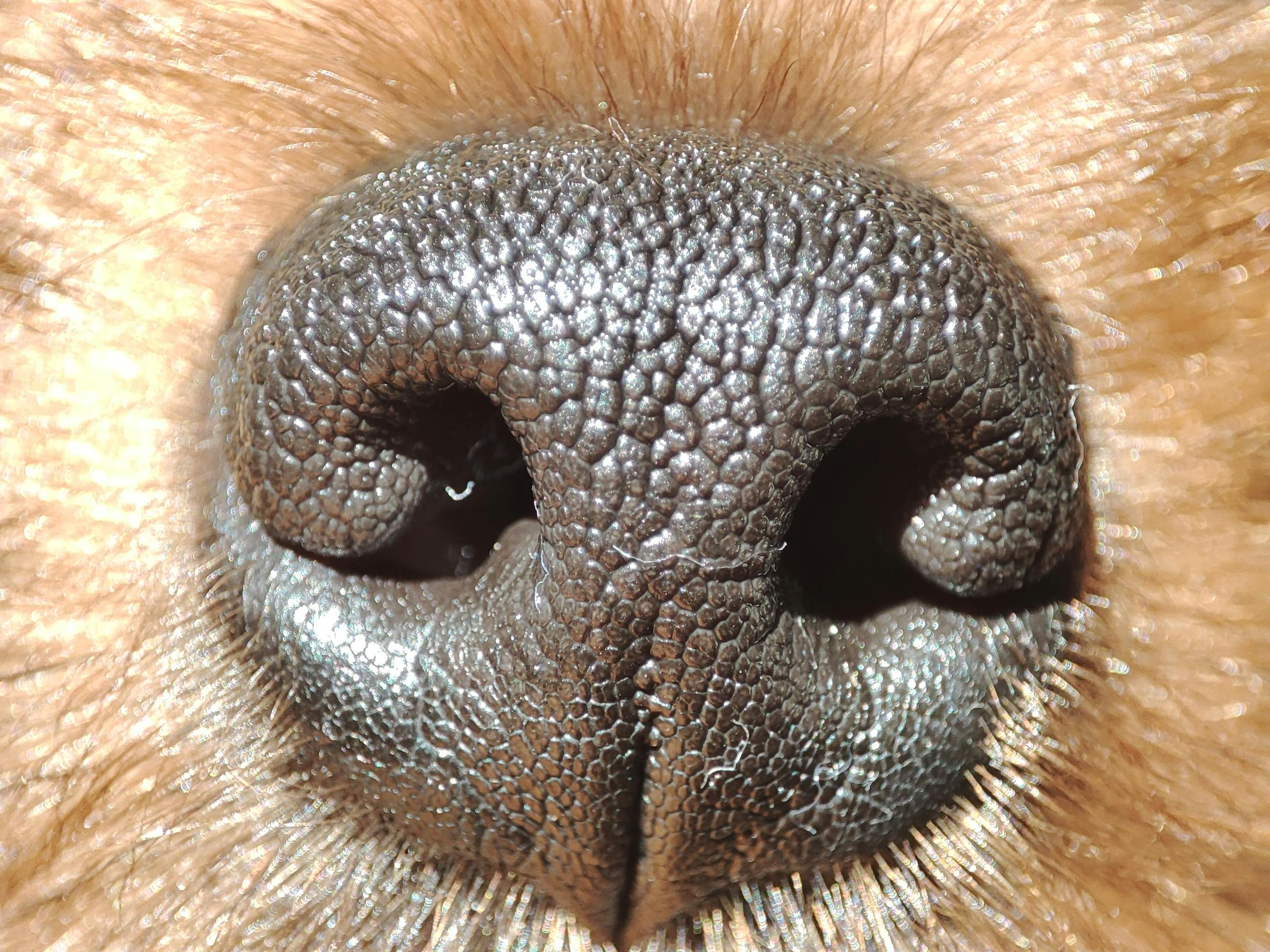
Dogs are one of the most beloved pets around the world, and their unique traits often leave us in awe. One of the most interesting aspects about dogs is their wet noses. Ever wondered why do dogs have wet noses? This question leads us to explore the fascinating science behind it, particularly their incredible sense of smell. In this article, we gonna dive into how a dog’s wet nose enhances their sense of smell, along with some surprising facts that might just blow your mind.
The Science Behind a Dog’s Nose
First off, let’s look at what makes a dog’s nose so special. Dogs have about 220 million scent receptors in their noses, compared to humans who only have about 5 million. This difference allows dogs to detect scents at incredibly low concentrations. But a wet nose plays a significant role in this process too!
When a dog’s nose is moist, it helps to trap scent particles. These particles then interact with the olfactory receptors, enhancing the dog’s ability to smell. So, the wetter the nose, the better the dog can smell. It’s like having a super-powered sniffing tool!
Why Do Dogs Have Wet Noses?
Now, you might be asking, why are dog noses wet in the first place? There are several reasons for this phenomenon:
Temperature Regulation: Dogs sweat through their paws but primarily use their noses to help regulate body temperature. A wet nose can help cool them down.
Enhanced Scent Absorption: As mentioned, moisture helps in catching scent particles. A wet surface can absorb more scents than a dry one, giving dogs a significant advantage in detecting odors.
Health Indicators: A dog’s nose can also indicate its health. A healthy dog usually has a cool, moist nose. If a dog’s nose becomes excessively dry, it could be a sign of dehydration or illness.
Social Communication: Dogs use their noses to communicate with each other. A moist nose allows them to pick up pheromones and other chemical signals that are crucial for social interaction among dogs.
The Historical Context of Dog Noses
Historically, dogs have been bred for their incredible sense of smell. Breeds like Bloodhounds and German Shepherds are especially known for their tracking abilities. These dogs have been used in various fields, including search and rescue, police work, and even in detecting medical conditions in humans.
In ancient times, people noticed that dogs with wet noses had a better ability to track scents. Over time, this trait became more pronounced through selective breeding. Today, we see the results of these practices in the amazing olfactory capabilities of modern dogs.
Fascinating Facts About Dog Noses
Here are some surprising facts about dog noses that might impress you:
Unique Nose Prints: Just like human fingerprints, every dog has a unique nose print. This uniqueness can even be used for identification purposes!
Scent Memory: Dogs have a remarkable scent memory and can remember smells for years. This helps them in recognizing their owners and familiar environments even after long periods.
Scent Discrimination: Dogs can differentiate between similar scents. For instance, they can tell the difference between different types of food, even if they are closely related.
Nasal Turbinates: Dogs have a complex structure in their noses called nasal turbinates that helps in enhancing their sense of smell. These structures create more surface area that allows scent particles to be absorbed more effectively.
Enhancing Your Dog’s Sense of Smell
If you’re a dog owner, you might want to consider activities that can help enhance your dog’s sense of smell even more. Here are some ideas:
Scent Games: Hide treats around your home or yard and encourage your dog to find them. This not only stimulates their sense of smell but also provides good exercise.
Training Classes: Enroll your dog in scent detection classes. Many trainers offer courses that help dogs hone their natural sniffing abilities.
Outdoor Exploration: Take your dog for walks in different environments. New smells can engage their sense of smell and provide mental stimulation.
Interactive Toys: Invest in toys that allow your dog to use their nose to uncover treats. These toys can keep your dog entertained and mentally stimulated.
In summary, a dog’s wet nose is way more than just an adorable feature. It’s an essential aspect of their biology that enhances their sense of smell and contributes to their health and communication. So, next time you see your furry friend with that wet nose, remember, it’s not just cute — it’s a powerful tool that connects them to the world in ways we can hardly imagine!
Is Your Dog’s Nose Too Wet? Understanding the Health Implications
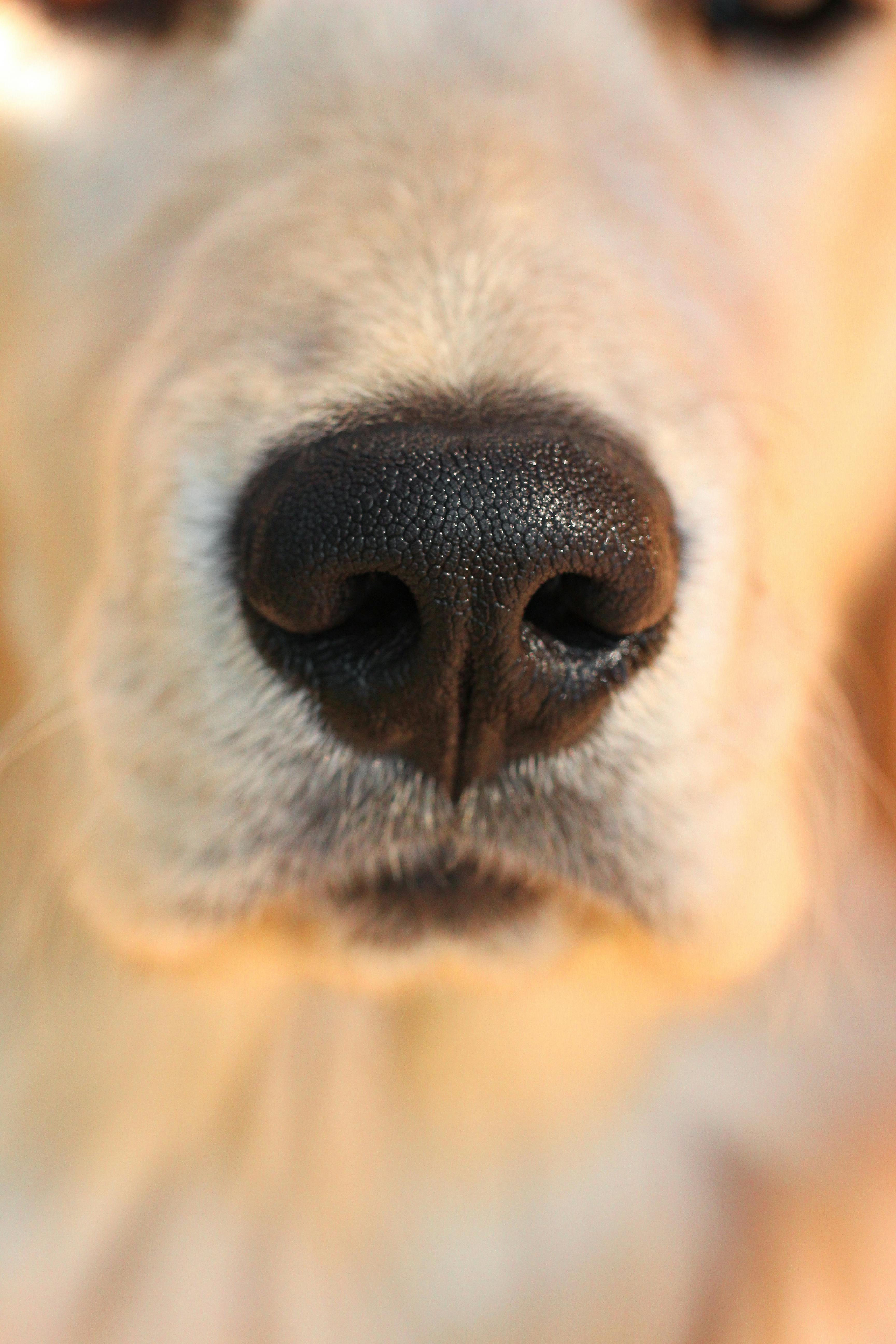
Is your dog’s nose too wet? This is a question many dog owners might find themselves asking at some point. Wet noses on dogs have been a point of curiosity for centuries, and there are several reasons behind that wetness. Understanding why dogs have wet noses and what it could mean for their health is essential for any dog lover.
Why Do Dogs Have Wet Noses?
First off, the wetness of a dog’s nose is not just an odd quirk of nature. It’s actually serves several important functions. Here’s some reasons why dogs noses are often wet:
Temperature Regulation: Dogs can’t sweat like humans do. Their primary method of cooling off is through panting and moisture on their noses. A wet nose helps them to regulate their body temperature.
Enhanced Sense of Smell: A wet nose can enhance a dog’s sense of smell. The moisture helps to capture scent particles, making it easier for them to detect different aromas in their environment.
Natural Behavior: Dogs often lick their noses. This behavior can help keep it moist, which is essential for their olfactory senses.
Health Indicator: The condition of a dog’s nose can indicate its health status. A wet nose is typically a sign of a healthy dog, while a dry or cracked nose could signal potential health issues.
Is Your Dog’s Nose Too Wet?
Now, you might be wondering, is there such a thing as a nose being too wet? While a wet nose is generally a sign of good health, there are some situations where excessive wetness could be a concern. Here are some factors to consider:
Excessive Nasal Discharge: If your dog’s nose is not just wet but also has a discharge that is colored or has a strong odor, it could indicate an infection or allergy.
Frequent Licking: If your dog is constantly licking their nose and it’s becoming excessively wet, it might be a sign of anxiety or stress.
Changes in Nose Condition: A sudden change from a typical wet nose to one that is excessively dry or cracked might signal a health problem.
Health Implications of a Wet Nose
A wet nose is generally associated with good health, but it’s important to monitor any changes. Here’s a few health implications to be aware of:
Infections: Some infections can lead to a runny nose, which is not normal. If you notice this, consult with your vet.
Allergies: Dogs can suffer from allergies just like humans. A wet nose accompanied by sneezing or itching could be signs of an allergic reaction.
Fever: A wet nose can sometimes be misleading. If your dog’s nose is warm and wet, it might actually be a sign of fever.
Common Myths About Dog Noses
There are many misconceptions about dog noses that can lead to confusion among pet owners. Here’s some of the most common myths debunked:
Wet Nose Means Healthy: While a wet nose is often a sign of good health, it’s not an absolute indicator.
Dry Nose Means Illness: A dry nose can be normal for some dogs, especially after a nap or in certain weather conditions.
Nose Color Indicates Health: The color of a dog’s nose doesn’t necessarily indicate its health status.
Practical Tips for Dog Owners
If you’re concerned about your dog’s nose, here are some practical tips you can follow:
Observe Changes: Keep an eye on your dog’s nose and overall behavior. Sudden changes can be a sign of health issues.
Regular Vet Visits: Regular check-ups can help catch potential problems early.
Stay Informed: Understanding your dog’s breed-specific traits can help you know what’s normal for them.
Conclusion
In summary, the wetness of your dog’s nose is a fascinating aspect of their biology that serves multiple purposes. While a wet nose is typically a sign of good health, it’s crucial to be aware of any changes that could indicate underlying health issues. Keeping informed and proactive about your dog’s health will ensure they lead a happy and healthy life. So next time you ask, “Is my dog’s nose too wet?” remember that it’s all part of their unique charm and biology!
The Connection Between Wet Noses and Dog Emotions: What You Need to Know

When we think about dogs, one of the first things that comes to mind is their wet noses. But have you ever wonder why do dogs have wet noses? It’s not just a quirky characteristic; there’s a lot more to it than meets the eye. Understanding the connection between wet noses and dog emotions can help us better understand our furry friends. In this article, we’ll explore the fascinating reasons behind those moist snouts and what it really means for their feelings and health.
The Science Behind Wet Noses
Wet noses are not just for show; they serve several important purposes. For starters, the moisture on a dog’s nose helps them to smell better. Dogs have a keen sense of smell, and a wet nose helps trap scent particles in the air. This is because the moisture allows for better olfactory function. So, when your dog gives you that wet-nosed nuzzle, they are not only showing affection but also gathering information about you and their surroundings.
Here are some interesting facts about dog noses:
- Scent Performance: A wet nose can absorb scent chemicals more effectively.
- Temperature Regulation: Dogs can regulate their body temperature through their noses. When they pant, it helps to cool them down.
- Health Indicator: A dog’s nose can indicate their health status. Changes in moisture or temperature can signal illness.
Dogs and Emotions
Dogs are incredibly emotional creatures, and their physical traits often reflect their feelings. A wet nose can reveal how a dog is feeling. For instance, when a dog is excited or happy, their nose tends to be moist. This happens because when they are stimulated emotionally, their bodies produce more mucus to keep their noses wet. In contrast, if a dog is stressed or anxious, you may notice their nose becoming dry.
Here’s a list of how wet noses relate with dog emotions:
- Happy: A moist, cool nose.
- Excited: Increased moisture and activity.
- Anxious: Drier and warmer nose.
- Illness: Changes in moisture can indicate health issues.
Historical Context
Historically, the understanding of dog’s noses has evolved. Ancient cultures often believed that a dog’s nose could foretell the weather. In some traditions, a cold, wet nose was seen as a sign of good health, while a dry nose was linked to illness. These beliefs, while not scientifically grounded, show how deeply humans have connected with their pets throughout history.
Practical Examples
You might wonder how this knowledge can be applied in your daily life with your dog. Here are a few practical examples of how to observe your dog’s nose and emotions:
- Monitoring Health: Regularly check your dog’s nose. If it’s excessively dry or warm, consult your vet.
- Understanding Behavior: Notice if your dog’s nose stays dry during stressful situations. You may need to provide comfort or reduce their anxiety.
- Training Tips: Use positive reinforcement when your dog approaches you with a wet nose. This can strengthen your bond.
The Myths and Misconceptions
There’s a lot of myths surrounding dog noses. Some people think that a cold nose means a dog is healthy, while a warm nose indicates sickness. However, that’s not entirely true. The temperature and moisture of a dog’s nose can fluctuate due to many factors, including the weather and the dog’s activity level. It’s much more important to observe overall behavior and health rather than focusing solely on the nose.
A Quick Comparison: Dog Noses vs. Human Noses
Here’s a quick breakdown of how dog noses compare to human noses:
| Feature | Dog Nose | Human Nose |
|---|---|---|
| Scent Detection | Highly developed | Less sensitive |
| Moisture Function | Helps in smelling | Less moisture function |
| Temperature Regulation | Essential for cooling | Mainly regulates body temp |
| Emotional Indicator | Reflects feelings | Less direct emotional signal |
Not only do these comparisons help us understand our dogs better, but they also highlight how unique each species is in terms of biological functions.
Understanding why do dogs have wet noses not only satisfies our curiosity but also deepens our connection with our pets. Dogs communicate their feelings and health through their noses, and as pet owners, it’s our responsibility to pay attention to these signals. A dog’s wet nose is a small but significant part of their overall well-being and emotional state. So, next time your dog greets you with that characteristic nuzzle, you’ll know there’s more to it than just a simple wet nose!
Why Do Some Dogs Have Drier Noses? Exploring the Variations in Canine Physiology
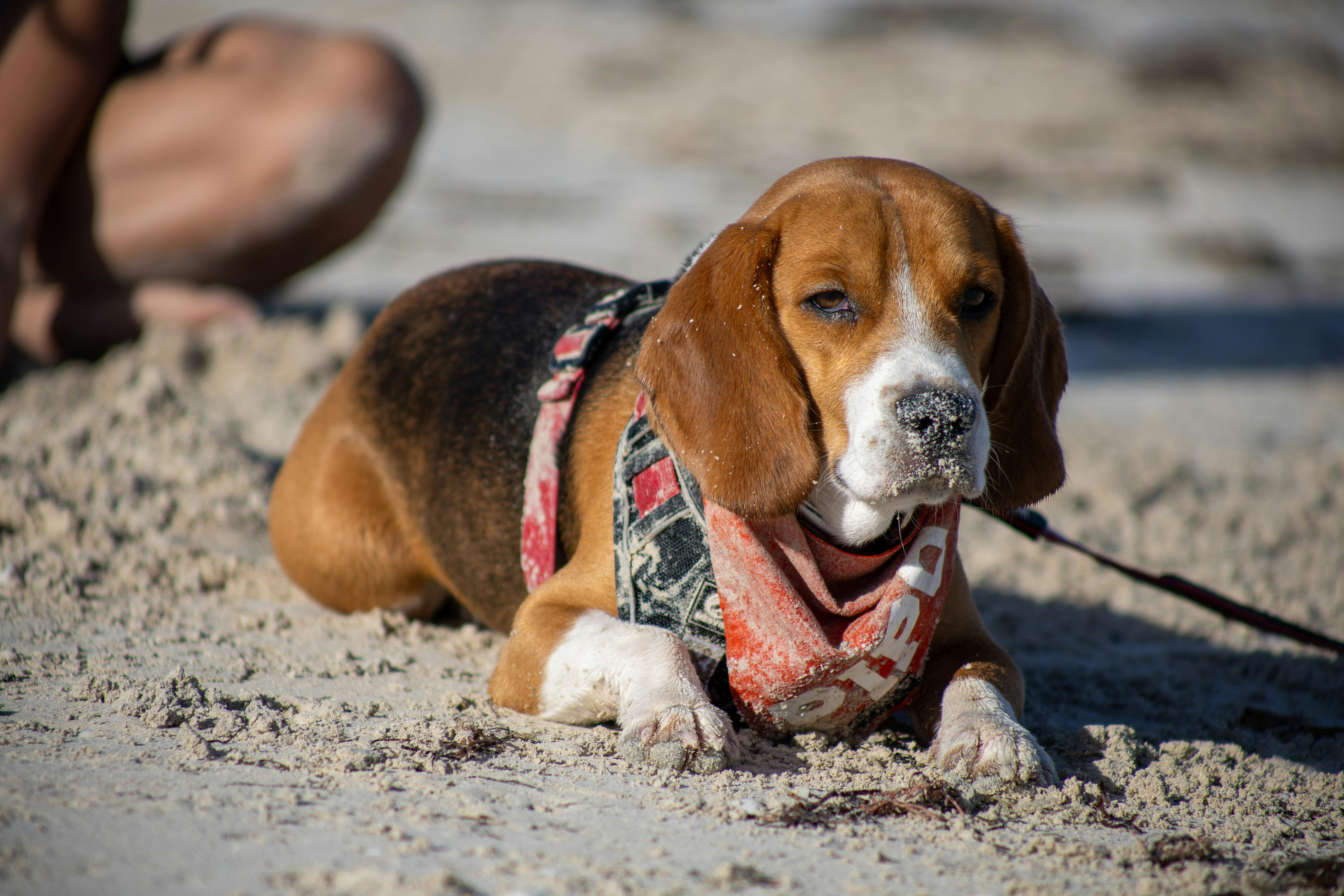
Have you ever noticed how some dogs have drier noses than others? It’s a curious thing, and many pet owners often wonder why this occurs. Understanding the variations in canine physiology can help us appreciate our furry friends even more. So, why do dogs have wet noses, and what’s the deal with those drier ones? Let’s explore the fascinating reasons behind these differences.
The Science Behind Wet and Dry Noses
Dogs have evolved to have wet noses for several reasons. A wet nose helps absorb scent molecules, which makes a dog’s sense of smell even more acute. This is essential for their survival instincts, hunting, and social interactions. But, not all dogs have the same nose moisture levels.
Here’s some reasons why dog noses can vary:
- Temperature Regulation: A wet nose can help dogs cool down. Dogs don’t sweat the same way humans do, so they rely on their noses to help maintain body temperature.
- Scent Detection: The moisture on a dog’s nose helps to capture scent particles. This is vital for their ability to detect smells and communicate with other dogs.
- Health Indicators: A sudden change in a dog’s nose condition can be a sign of health issues. A consistently dry nose might indicate dehydration, fever, or more serious health problems.
The Role of Breed and Environment
Different breeds have different characteristics, and this includes the wetness of their noses. For example, brachycephalic breeds like Bulldogs and Pugs may have drier noses more often due to their shorter snouts. The shape of their faces can affect how efficiently moisture is retained.
Moreover, environmental factors plays a big role too:
- Weather Conditions: Hot and dry climates can lead to drier noses. Conversely, humid environments can keep a dog’s nose wetter.
- Indoor vs Outdoor: Dogs who spend more time indoors in air-conditioned spaces might notice their noses getting drier, as the air is often less humid.
Comparing Wet and Dry Noses
Here’s a quick comparison of wet and dry noses in dogs:
| Feature | Wet Nose | Dry Nose |
|---|---|---|
| Scent Absorption | High | Lower |
| Temperature Regulation | Effective | Less effective |
| Health Indicator | Generally Healthy | May indicate issues |
| Breed Variations | Common in most breeds | More common in certain breeds |
Common Myths About Dog Noses
There are many myths surrounding dog noses that can confuse pet owners. Let’s debunk some of these:
Myth 1: A wet nose means a dog is healthy.
- Truth: While wet noses are often a good sign, other health indicators must be considered.
Myth 2: Dry noses are always a sign of illness.
- Truth: Dogs can have dry noses for various benign reasons, such as environmental factors or sleep.
Myth 3: All dog noses should be wet all the time.
- Truth: Just like humans, dogs can have variations in their physiology and that includes nose moisture.
When to Worry About a Dog’s Nose
It’s normal for a dog’s nose to vary throughout the day. However, if you notice persistent dryness, cracking, or unusual discoloration, it may be time to consult a vet. Here’s a list of symptoms that might require professional attention:
- Cracked or bleeding nose
- Change in color (e.g., bright red or black spots)
- Excessive dryness that lasts for days
- Accompanying symptoms like lethargy, vomiting, or loss of appetite
The Fascination with Canine Noses
Dogs are truly amazing creatures. Their noses aren’t just for sniffing; they play an important role in their overall health and well-being. Understanding why some dogs have drier noses can help owners take better care of their pets. Regular check-ups and awareness of changes can ensure that our furry friends stay healthy and happy.
In the grand scheme of things, while the variation in dog noses might seem trivial, it actually reflects the incredible adaptability and diversity of canines. So the next time you pet your dog, take a moment to appreciate that wet or dry nose. Each one tells a story of their breed, environment, and health, making our bond with them even more special.
Can a Wet Nose Indicate a Healthy Dog? Debunking Common Myths
When you see a dog with a wet nose, you might think, “Aww, that must mean he’s healthy!” But is that really true? Many people believe that a wet nose indicates a healthy dog, but this is far from the only factor to consider. Let’s dive into the science behind why dogs have wet noses and debunk some common myths that surround this topic.
Why Do Dogs Have Wet Noses?
Dogs noses are not just cute; they serve a purpose. The moisture on a dog’s nose can actually help them smell better. The wetness helps to capture scent particles from the air, which makes their sense of smell more effective. Here’s a quick breakdown of the reasons for a dog’s wet nose:
- Enhanced Smell: A moist nose absorbs scent molecules better.
- Thermoregulation: Dogs don’t sweat like humans. Their noses can help cool them down.
- Health Indicator: While a wet nose can indicate some aspects of health, it doesn’t tell the whole story.
The Myths About Wet Noses
Let’s take a look at some common myths regarding wet noses and their relation to a dog’s health and wellbeing:
Myth 1: A Wet Nose Equals a Healthy Dog
This is one of the biggest misconceptions. While some healthy dogs do have wet noses, a dry nose can also be normal. Dogs can experience changes in their nose moisture due to factors like weather, activity level, and even sleep.Myth 2: A Wet Nose Indicates a Dog is Sick
This is just as misleading as the first myth. A wet nose doesn’t necessarily mean a dog is sick, nor does a dry nose mean they are ill. Many factors can contribute to a dog’s nose condition.Myth 3: All Dogs Have Wet Noses
Not every dog has a wet nose. Breeds like bulldogs or pugs may have drier noses due to their unique facial structures.
Factors That Affect Nose Wetness
Understanding the factors that influence a dog’s nose can help clarify why there is so much variability. Here are some key influences:
- Weather Conditions: Hot weather can dry out a dog’s nose, while humidity can keep it moist.
- Activity Level: After a vigorous play session, your dog’s nose may be wetter due to increased saliva production.
- Age: Older dogs may have drier noses, which is typically normal.
What Else to Look For
When assessing your dog’s health, don’t just focus on the wetness of their nose. Instead, consider these additional signs:
- Energy Levels: Is your dog playful or sluggish? Changes in energy can indicate health issues.
- Appetite: A sudden loss of appetite can be a red flag.
- Behavior Changes: Is your dog acting differently? This could be a sign of illness.
- Physical Signs: Look for symptoms like vomiting, diarrhea, or unusual thirst.
Comparing Nose Conditions
Here’s a simplified table comparing wet and dry noses:
| Condition | Wet Nose | Dry Nose |
|---|---|---|
| Health Status | Can be healthy or sick | Can also be healthy or sick |
| Common Causes | Normal activity, humidity | Weather, dehydration |
| Smell Ability | Enhanced scent detection | May be less effective |
| Other Signs | Look for overall behavior | Assess other symptoms |
Final Thoughts
So, can a wet nose indicate a healthy dog? The answer is not a simple yes or no. While a wet nose can be a sign of good health in some cases, it is not the definitive indicator people often believe it to be. Each dog is unique, and health can be assessed through a combination of factors. Keep an eye on your furry friend’s overall behavior, appetite, and physical signs. So next time you see a wet nose, remember it’s just one piece of the puzzle in understanding your dog’s health. Your pooch’s well-being is about much more than just that moist little nose!
The Role of a Dog’s Nose in Communication: How Wetness Plays a Part
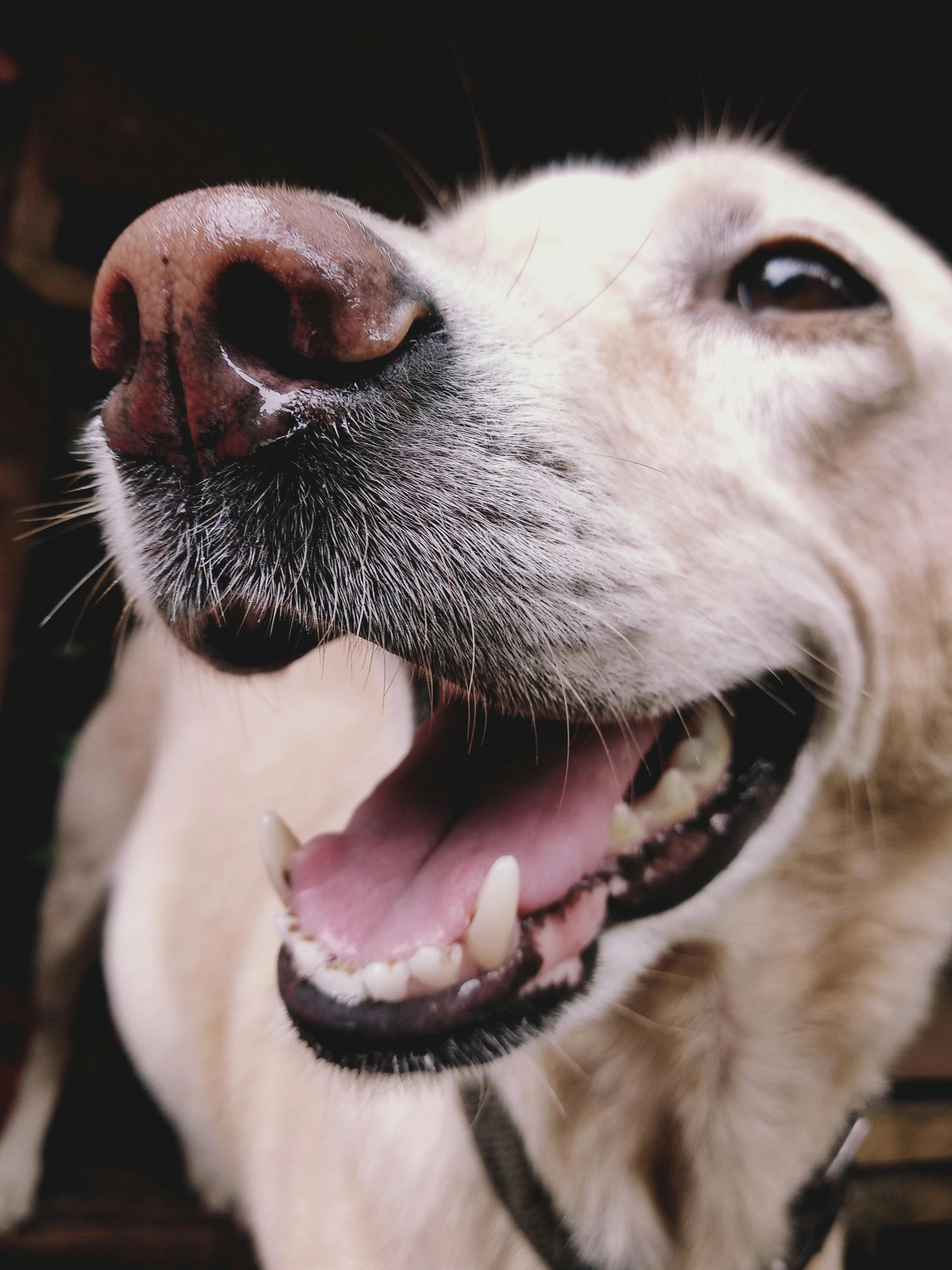
Dogs are remarkable creatures, and their noses are among the most fascinating aspects of their anatomy. Many dog lovers often wonder, why do dogs have wet noses? This question leads us to explore the role of a dog’s nose in communication and how its wetness plays a significant part in this process. There’s so much to learn about these furry companions, and their noses tell us a lot more than we think!
The Science Behind a Dog’s Nose
Dogs have a much stronger sense of smell compared to humans. In fact, studies suggest that a dog’s sense of smell is up to 100,000 times more sensitive than ours. This incredible ability is due to the structure of their noses, which contain millions of scent receptors. Wetness is an essential part of this; a dog’s nose is moist, helping to capture scent particles more effectively.
- Scent Receptors: Dogs have around 220 million scent receptors, while humans only have about 5 million.
- Nasal Anatomy: The unique structure of a dog’s nose allows them to differentiate between various scents with ease. The wetness helps with this process.
Why Are Dog Noses Wet?
The wetness of a dog’s nose can be attributed to several factors, including:
- Mucous Production: Dogs produce mucus that helps them absorb scent chemicals, making their sense of smell even more acute.
- Evaporation Cooling: A wet nose helps regulate their body temperature – much like sweating does for humans.
- Communication Tool: Dogs use their noses to communicate with each other and their environment. A wet nose can signal excitement, anxiety, or even health issues.
The Role of a Dog’s Nose in Communication
Dogs are social animals, and their noses play a crucial role in how they interact with the world. The wetness of a dog’s nose can indicate various emotional states. Here are some ways that the nose contributes to communication:
- Greeting: A wet nose often signals that a dog is excited to see someone. It’s their way of saying “hello.”
- Exploration: Dogs sniff to gather information about their surroundings. The moisture helps them pick up scents that might be floating in the air.
- Health Indicators: If a dog’s nose is unusually dry, it might indicate a health issue. Owners should pay attention to changes in their dog’s nose moisture levels.
Fun Facts About Dog Noses
Did you know that a dog’s nose print is unique, much like a human fingerprint? This is just one of the many intriguing facts about these amazing animals. Here are some more fun facts about dog noses:
- Color Variation: A dog’s nose can be black, brown, or even pink; the color often relates to their breed.
- Scent Memory: Dogs can remember scents for years, which helps them recognize familiar people and places.
- Nasal Heat Sensitivity: Dogs can detect heat via their noses, which is why they can find warm-blooded animals even in cold environments.
Health and Care for Your Dog’s Nose
Just like the rest of your dog’s body, the nose requires care. Here are some tips for keeping your dog’s nose healthy:
- Hydration: Ensure your dog is drinking enough water. Dehydration can lead to a dry nose.
- Avoid Irritants: Be cautious of chemicals and substances that could irritate their noses, such as certain cleaning agents.
- Regular Check-ups: Take your dog to the vet regularly to ensure their overall health, which includes checking their nose condition.
Comparing Dog Noses to Human Noses
Here’s a quick comparison of dog noses versus human noses:
| Feature | Dog Nose | Human Nose |
|---|---|---|
| Scent Receptors | 220 million | 5 million |
| Purpose | Hunting, communication | Breathing, smelling |
| Wetness | Generally wet | Generally dry |
| Sensitivity | Highly sensitive | Less sensitive |
Understanding why dogs have wet noses and how they communicate through scent can help pet owners bond better with their furry friends. Furthermore, being aware of the health aspects associated with their noses can lead to a happier, healthier life for your dog.
So, the next time you pet your dog and feel that wet nose, remember it’s not just cute – it’s a vital part of how they interact with you and the world around them!
Wet Nose Versus Dry Nose: What Your Dog’s Nose Says About Their Health
When you look at your dog, you might notice something interesting about their nose. It’s often wet and shiny, while some dogs have dry noses. This leads to a curious question: what does your dog’s nose say about their health? Wet noses, dry noses, and everything in between are part of the fascinating biology of dogs. Let’s dive into why dogs have wet noses and what it means for their overall health.
Why Do Dogs Have Wet Noses?
Dogs noses are wet for several reasons, and it’s an essential aspect of their health. The wetness comes from a combination of moisture-producing glands and their behavior. Here are a few reasons why dogs have wet noses:
Temperature Regulation: Dogs don’t sweat like humans do. Instead, they cool off by panting and through their noses. A wet nose helps them maintain a lower body temperature.
Enhanced Sense of Smell: The moisture on a dog’s nose helps to capture scent particles in the air. This is why their noses are so important for their incredible sense of smell.
Communication Tool: Dogs use their noses to gather information about their environment. A wet nose can indicate excitement or curiosity.
Health Indicator: A wet nose can be a sign of good health, while a dry or cracked nose may suggest underlying health issues.
The Science Behind Dog Noses
The canine nose is a marvel of nature. Dogs have up to 300 million scent receptors compared to humans, who have around six million. This incredible olfactory ability is partly due to the structure of their noses. The moist surface helps dogs to absorb and analyze scents more effectively.
Wet Nose vs. Dry Nose: What’s Normal?
Many dog owners often wonder whether a wet nose is a sign of health. Conversely, a dry nose can be a red flag. Here’s a comparison of wet and dry noses:
Wet Nose:
- Generally signifies good hydration and health.
- Common after exercise or when a dog is excited.
- May indicate the dog is feeling happy or alert.
Dry Nose:
- Can indicate dehydration or illness.
- Sometimes happens during sleep, which is normal.
- Persistent dryness might require a vet check-up.
Common Health Concerns Related to Nose Condition
While a wet nose is often a good sign, there are situations where a dog’s nose condition might indicate a health problem. Some common concerns include:
- Dehydration: If your dog’s nose is persistently dry and cracked, they might not be drinking enough water.
- Fever: A warm, dry nose could be a sign of a fever. If your dog shows other symptoms, it’s wise to consult a veterinarian.
- Nasal Infections: If a dog has a runny or constantly wet nose, it could indicate an infection or allergies.
- Autoimmune Disorders: In some cases, persistent dryness can be related to autoimmune issues.
How to Monitor Your Dog’s Nose
Keeping an eye on your dog’s nose can help you catch health issues early. Here’s what you can do:
- Check Regularly: Look at your dog’s nose daily for changes in wetness, color, or texture.
- Hydration: Ensure your dog always has access to fresh water.
- Behavioral Changes: Note if your dog is acting differently, like being less active or not eating well.
- Veterinary Visits: Regular check-ups can help monitor overall health, including nose condition.
Fun Facts About Dog Noses
- Dog noses come in different shapes and sizes, and some breeds have more pronounced noses, like Bloodhounds.
- The unique pattern of a dog’s nose is similar to a human fingerprint — no two are alike!
- Dogs can detect certain diseases, including cancer, through their sense of smell.
Understanding your dog’s nose is a part of being a responsible pet owner. A wet nose often indicates a happy, healthy pup, while a dry nose may be a cue to pay attention. Always remember to consult with a veterinarian if you have concerns about your dog’s health. They can provide the best guidance and help you ensure your furry friend is thriving. Being informed about the little things can make a big difference in your dog’s quality of life, even their little wet noses!
Exploring the Evolution of Dogs’ Wet Noses: A Journey Through Time and Function
Dogs are more than just man’s best friend; they are fascinating creatures with unique traits that have evolved over thousands of years. One of the most interesting features of dogs is their wet noses. Ever wondered, “Why do dogs have wet noses?” Well, you’re not alone! Many pet owners ponder this question, and it turns out there are some pretty cool reasons behind it. Let’s embark on this journey through time and function to explore the evolution of dogs’ wet noses.
The Evolutionary Background of Dogs’ Noses
Dogs, descendants of wolves, have been living alongside humans for over 15,000 years. Their noses, one of the most sensitive parts of their bodies, have undergone significant changes throughout history. The wetness of a dog’s nose isn’t just a random quirk; it has lots of evolutionary purposes.
- Scent Detection: Wet noses help dogs pick up scents better. The moisture captures scent particles from the air, making it easier for them to detect various smells.
- Thermoregulation: A dog’s nose helps regulate its body temperature. When a dog is overheated, moisture evaporates from its nose, which cools them down.
- Social Communication: Dogs often greet each other by sniffing noses. A wet nose signifies a dog is healthy and happy, making it a crucial aspect of doggy socialization.
The Science Behind Wet Noses
Ever thought about the biology behind those wet noses? Dogs’ noses contain a special type of mucous that keeps them moist. This mucous is produced by the nasal glands located inside the nose. When the nose is wet, it enhances a dog’s ability to smell. In fact, dogs have up to 300 million scent receptors compared to humans’ mere 5 million! This makes their sense of smell incredibly powerful.
Why Are Some Dogs’ Noses Drier Than Others?
You might notice some dogs have drier noses than others. This can be due to several factors, including:
- Breed Differences: Certain breeds, like brachycephalic dogs (think Pugs or Bulldogs), tend to have drier noses due to their unique facial structures.
- Health Factors: A dry nose can sometimes indicate health issues, such as dehydration, fever, or allergies. If a dog’s nose is persistently dry, it could be worth consulting a veterinarian.
- Environmental Conditions: Hot, dry weather can lead to drier noses in dogs. Similarly, air conditioning or heating can also affect nose moisture.
Fun Facts About Dogs’ Noses
Here are some interesting tidbits that you might not know about dogs’ noses:
- Color Variation: The color of a dog’s nose can vary widely, from black to pink to liver-colored. This can be influenced by genetics.
- Temperature Sensitivity: A dog’s nose can change in temperature due to environmental changes or a dog’s overall health status.
- Nose Prints: Just like human fingerprints, each dog’s nose print is unique. Some organizations even register these prints for identification purposes!
The Role of Wet Noses in Dog Behavior
Wet noses aren’t just for smelling and cooling down. They play a role in how dogs interact with their environment and other animals. For instance:
- Greeting Behavior: When dogs meet each other, a wet nose is often a sign of friendliness and approachability.
- Exploration: Dogs use their noses, wet or dry, to explore their surroundings. They gather information about other animals and people through scent.
- Comforting Mechanism: When a dog nudges you with its wet nose, it can be a way of seeking attention or comfort. This behavior shows their affection and desire for interaction.
Practical Tips for Dog Owners
As a dog owner, there are simple ways to ensure your dog’s nose stays healthy and moist:
- Hydration: Always ensure your dog has access to fresh water to prevent dehydration.
- Regular Vet Check-ups: Routine visits to the veterinarian can help monitor your dog’s overall health.
- Watch the Weather: During hot weather, keep your dog cool with shade and water, preventing dry noses.
Interesting Comparisons
To better understand the importance of a dog’s wet nose, let’s compare it to other animals:
- Cats: Cats also have moist noses, but their sense of smell isn’t as developed as dogs.
- Humans: Human noses are dry most of the time. We rely more on sight than smell, unlike dogs.
- Bears: Bears have an incredible sense of smell, much like dogs, but their noses are often wetter due to their larger size and the need for scent detection in survival.
Dogs have wet noses for several fascinating reasons that span from evolutionary advantages to social interactions. As pet owners, understanding this unique characteristic can help us appreciate our furry
Conclusion
In conclusion, the wet noses of dogs serve several important functions, primarily aiding in their sense of smell and regulating body temperature. The moisture on their noses enhances their ability to detect scents, allowing them to interpret their environment more effectively. Additionally, a wet nose helps in thermoregulation, as it cools the air the dog inhales and contributes to overall hydration. It’s fascinating to consider how such a simple feature plays a crucial role in a dog’s health and behavior. Understanding the science behind a dog’s wet nose not only deepens our appreciation for these beloved pets but also encourages us to pay attention to their well-being. So, next time you notice your furry friend’s cold, damp nose, remember it’s more than just an endearing trait—it’s a vital part of their biology. Embrace the unique qualities of your dog and ensure they receive the care and attention they deserve.
