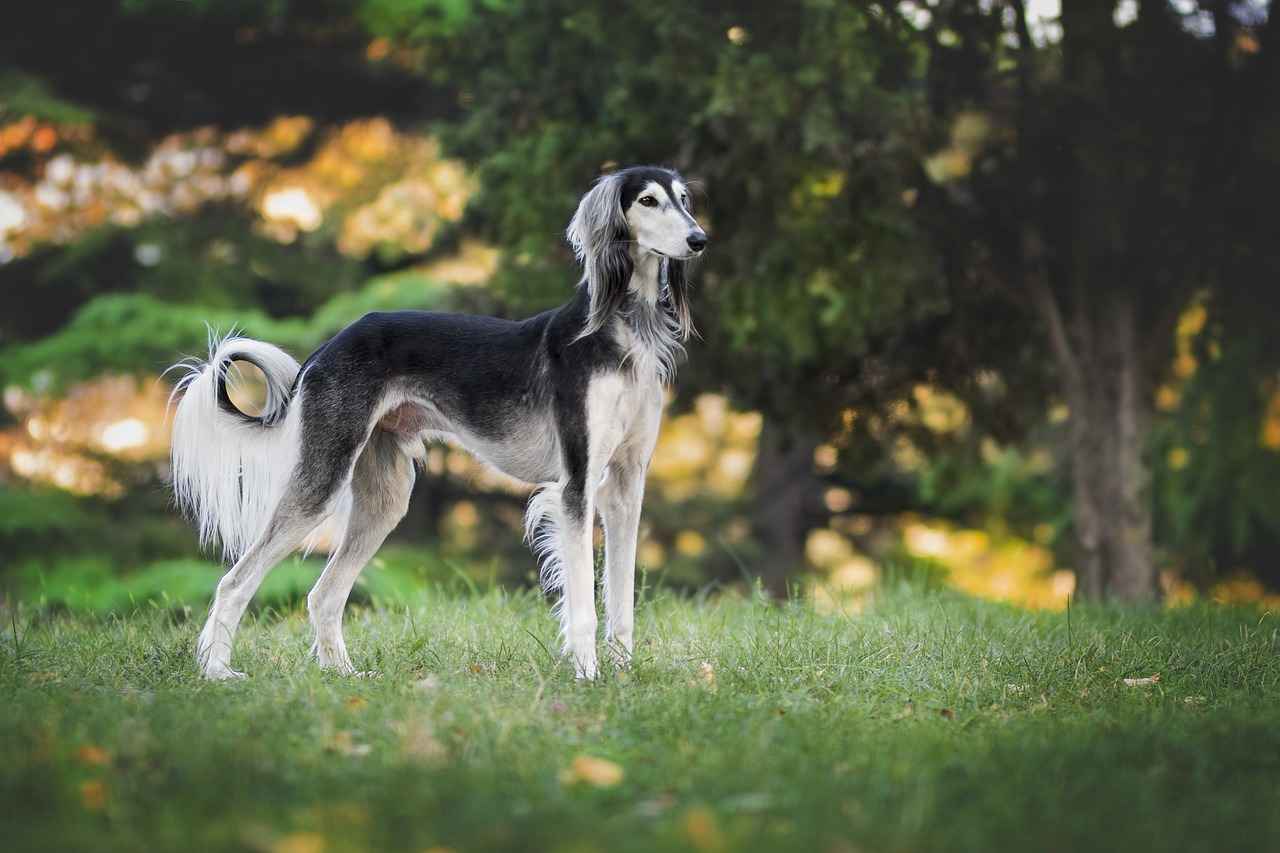
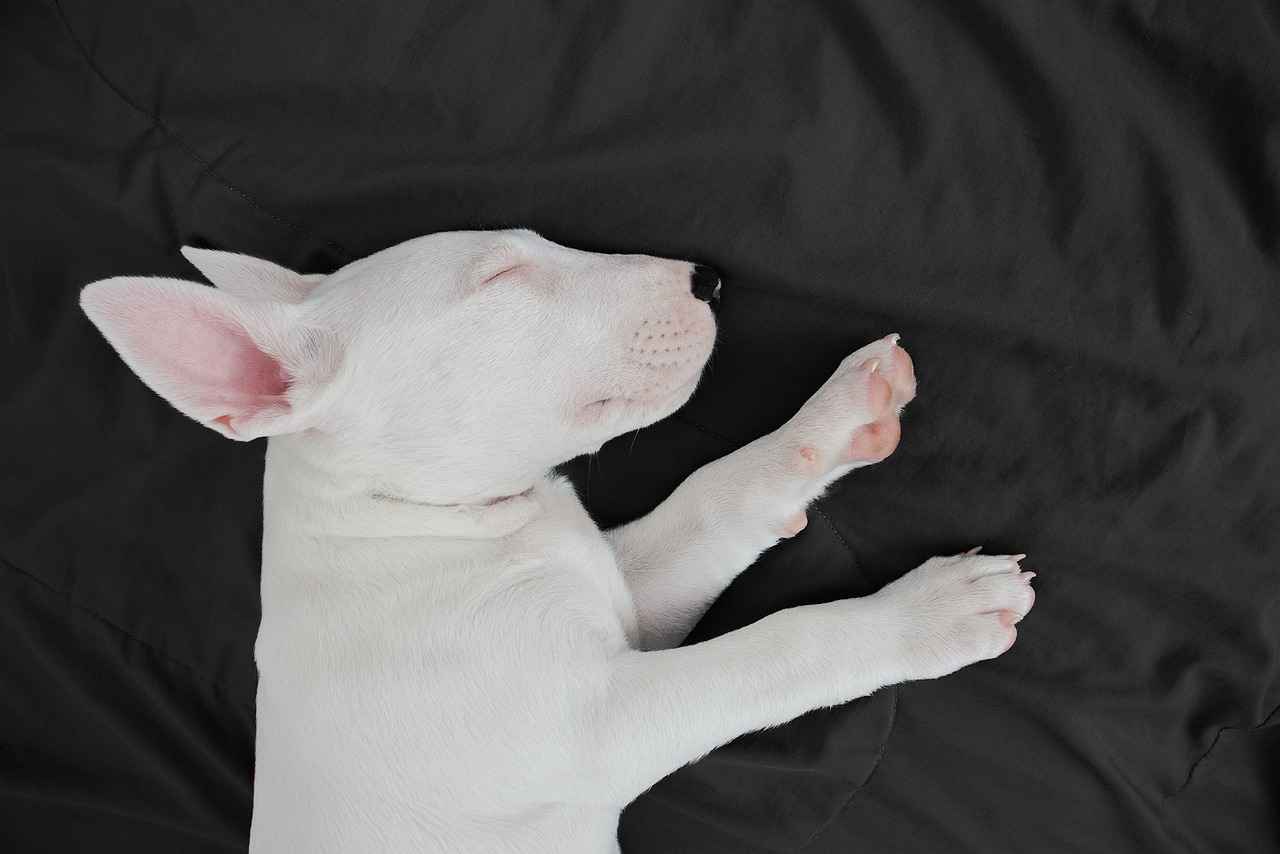
Have you ever wondered, why do dogs have wet noses? This common trait of our furry friends isn't just for show; it plays a crucial role in their health and behavior. In this article, we’ll explore the fascinating truth behind this intriguing question and uncover the science that lies beneath those cute, damp noses. A dog's nose is not only a key tool for their sense of smell, but it also helps them regulate their body temperature. Did you know that a wet nose can indicate your dog’s emotional state or even their health? As you read on, you'll discover how a simple wet nose can reveal so much about your pet's well-being. Are you curious about how this unique characteristic benefits your canine companion? Understanding the reasons behind why dogs have wet noses can deepen your bond with them and enhance your pet care knowledge. So, let’s dive into the world of dogs and uncover the secrets of their wet noses! You won't want to miss this fascinating exploration that could change the way you view your lovable pooch.
\n\nThe Science Behind the Moisture: Why Do Dogs Have Wet Noses?
\n\n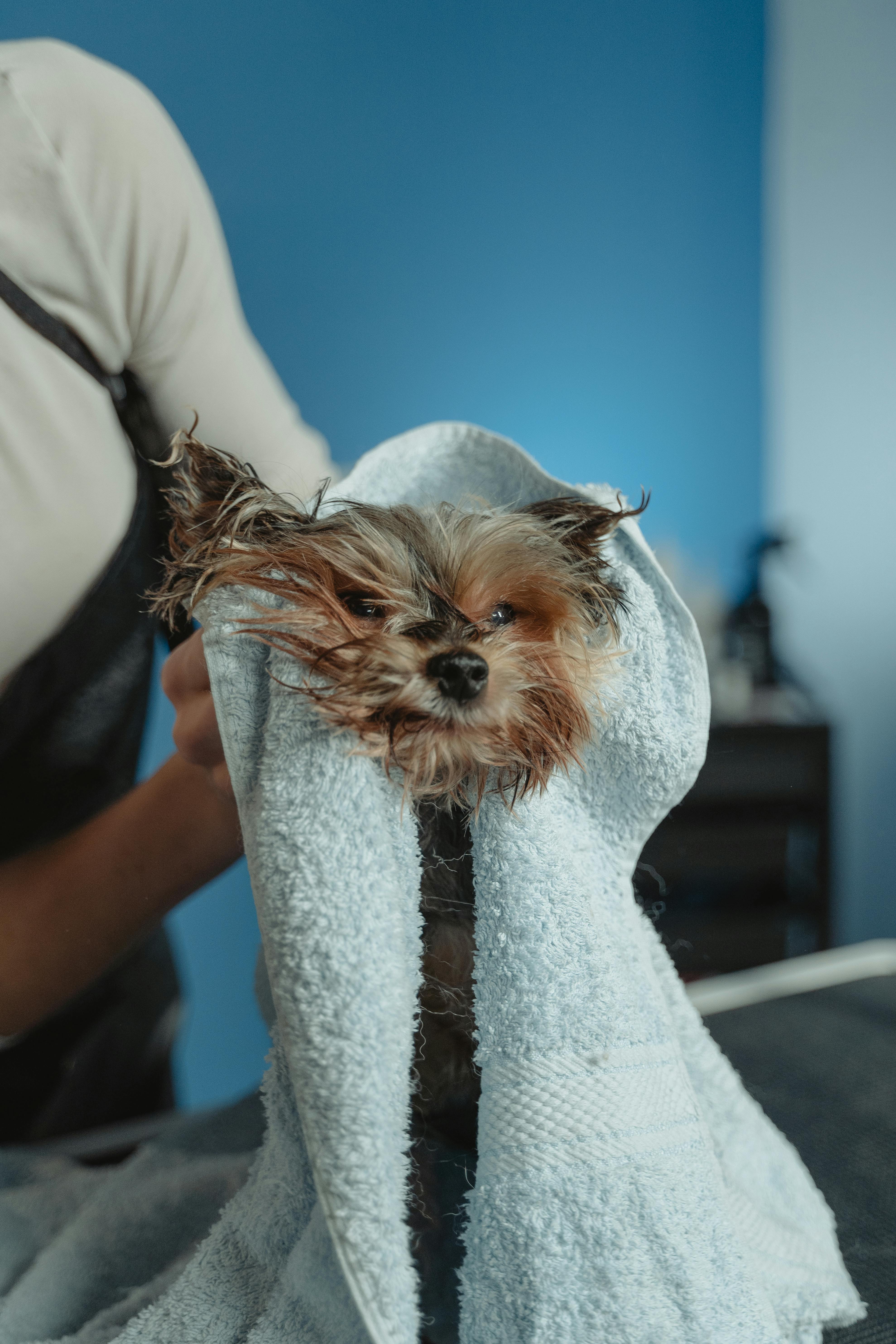 \n\n
\n\nHave you ever noticed that your furry friend’s nose is always moist? It’s a characteristic that many dog owners have observed, yet few delve into the science behind it. You might be wondering, why do dogs have wet noses? There’s more to this phenomenon than just cuteness. Wet noses play a crucial role in your dog's health and behavior. Let’s uncover the fascinating truth about this common canine feature.
\nThe Function of a Wet Nose
\nThe moisture on a dog's nose is not just for show. It actually serves several important purposes. Here’s a list of the primary functions:
\n- \n
- \n
Enhanced Smell: Dogs have an extraordinary sense of smell, and a wet nose helps in this regard. The moisture captures scent particles from the air, allowing dogs to better detect smells. It's like having a built-in air freshener that helps them sniff out everything from food to friends.
\n \n - \n
Temperature Regulation: Just like humans sweat to cool down, dogs can lose heat through their noses. The moisture evaporates, cooling their body in the process. So, when you see your dog panting on a hot day, remember their nose is working hard too!
\n \n - \n
Health Indicator: A dog’s nose can indicate its health status. A wet and cool nose usually means a healthy dog, while a dry or excessively warm nose might suggest illness or dehydration. However, this isn't a foolproof method—always consult a vet for health concerns.
\n \n
Historical Context of Dog Noses
\nDogs have been companions to humans for thousands of years. The evolution of their noses has been shaped by their environments and roles. Early dogs were hunters and scavengers, and having a wet nose would have been beneficial for survival.
\n- \n
- \n
Ancient Breeds: Some breeds, like Bloodhounds, have extremely wet noses, which enhance their tracking ability. Historically, these dogs were used for hunting and tracking, showcasing the practical benefits of moisture on their noses.
\n \n - \n
Cultural Significance: In many cultures, a dog’s wet nose symbolizes loyalty and love. It’s not uncommon for people to interpret a moist nose as a sign of affection when a dog nudges them during play or rest.
\n \n
Comparing Dog Noses to Other Animals
\nDogs aren’t the only animals with wet noses, but their moisture serves different purposes compared to other species. Here’s a comparison:
\n| Animal | \nNose Type | \nPurpose of Moisture | \n
|---|---|---|
| Dogs | \nWet | \nImproved smell, temperature regulation | \n
| Cats | \nMostly dry | \nLess reliance on scent | \n
| Pigs | \nWet | \nForaging and exploration of ground | \n
| Frogs | \nWet | \nMoisture absorption from the air | \n
Fun Facts About Dog Noses
\n- \n
- \n
Unique Patterns: Just like human fingerprints, every dog has a unique nose print. This uniqueness can even be used for identification!
\n \n - \n
Sensitivity: A dog’s nose contains up to 300 million olfactory receptors, compared to humans' 5 million. This makes their sense of smell about 40 times better than ours.
\n \n - \n
Licking Behavior: Dogs often lick their noses to keep them moist. This behavior can be a sign of anxiety or excitement, so pay attention to your dog’s mood!
\n \n
Practical Examples of Nose Care
\nTaking care of your dog's nose is important, especially in extreme weather. Here are some tips on how to keep their noses healthy:
\n- \n
- \n
Hydration: Always ensure your dog has access to fresh water. Dehydration can lead to a dry nose.
\n \n - \n
Protect from Elements: In winter, consider using a dog-safe balm to protect their noses from cracking due to cold weather. Similarly, in summer, watch for sunburn on their noses.
\n \n - \n
Regular Check-ups: During vet visits, make it a point to check your dog's nose. If you notice changes in texture or temperature, don’t hesitate to ask your vet.
\n \n
Understanding why dogs have wet noses is just the start. It opens up a world of appreciation for our canine companions. Their noses are more than a cute feature; they are essential tools that help them navigate the world. The next time you see your dog’s wet nose, remember the science behind it and cherish the bond it represents.
\n\n5 Surprising Benefits of a Dog’s Wet Nose You Never Knew About
\n\n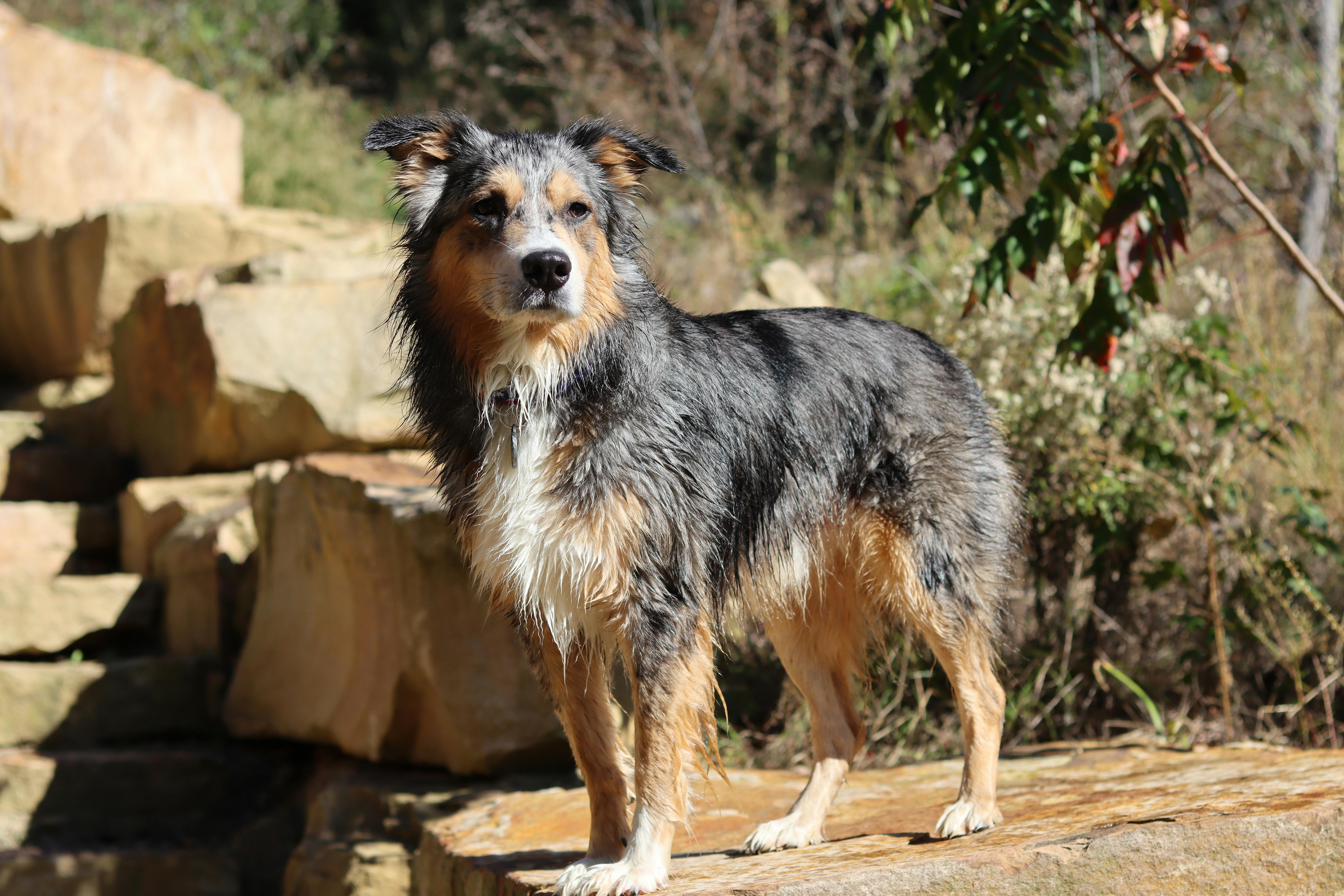 \n\n
\n\nDogs, those lovable furry companions, bring immense joy to our lives. But have you ever wondered why do dogs have wet noses? It’s more than just an adorable trait; there’s actually science behind it. In fact, there’re several surprising benefits to those moist noses that you might not have known about. Let’s dive into the fascinating truth about our canine friends and their unique physiology.
\n1. Enhanced Sense of Smell
\nOne of the primary reasons why dogs have wet noses is related to their extraordinary sense of smell. A dog’s nose contains a lot of olfactory receptors—around 300 million compared to about 6 million in humans. The moisture on their noses helps to trap scent particles from the air, making it easier for them to detect different smells. This is why dogs are used in various professions like search-and-rescue, drug detection, and even medical alerts.
\n2. Temperature Regulation
\nDogs don't sweat like humans do. Instead, they regulate their body temperature primarily through panting and their noses. The wetness on a dog's nose helps to cool them down. When the moisture evaporates, it cools the blood vessels just below the surface of the skin. This is particularly important during hot weather when dogs can easily overheat.
\n3. Communication Tool
\nDid you know that a dog’s wet nose can also be a form of communication? When dogs greet each other, they often sniff each other's noses and faces. A wet nose signifies a friendly, open demeanor, while a dry nose could be a sign that a dog is feeling unwell or stressed. So, when your dog approaches with a moist nose, it’s their way of saying, “Hey, I’m friendly and ready to play!”
\n4. Health Indicator
\nThe condition of a dog’s nose can sometimes indicate its overall health. Generally, a healthy dog has a moist and cool nose. However, a dry or cracked nose might signal dehydration or a possible health issue. Regularly checking your dog's nose can help you catch potential health problems early. Here’s a quick checklist of things to observe:
\n- \n
- Moisture level: Is it wet, dry, or cracked? \n
- Temperature: Is it warm or cool? \n
- Color: Is it pink, black, or discolored? \n
- Any discharge: Clear, yellow, or green? \n
If you notice any concerning changes, it’s important to consult with a veterinarian.
\n5. Bonding and Affection
\nDogs often use their noses to express affection. When they nuzzle you with their wet noses, it’s their way of showing love and seeking attention. This simple act fosters a deeper bond between you and your furry friend. It’s not just about the physical touch; it’s about the emotional connection that builds through these tiny gestures.
\nWhy Do Dogs Have Wet Noses? The Fascinating Truth
\nThe evolutionary background of dogs has also played a role in why their noses are wet. Ancient dogs needed to be efficient hunters, and having a moist nose helped them track prey. Over time, this trait became a defining characteristic of dogs.
\nIt’s also interesting to note that not all dog breeds have the same type of noses. Some breeds, like Bulldogs, may have shorter and flatter noses, while others, like Bloodhounds, have long and wrinkly noses. But regardless of their shape or size, the moisture found on dog noses serves several essential functions.
\nFun Facts About Dog Noses
\n- \n
- Dogs have unique nose prints, similar to human fingerprints. Each dog’s nose print is different, and it can be used to identify them if they get lost. \n
- A dog’s sense of smell is so powerful that they can detect certain diseases, like cancer or diabetes, in humans. \n
- Some dogs can smell things up to 40 feet underground, thanks to their keen olfactory abilities. \n
In summary, the wet noses of dogs are not just endearing features; they come with a trove of benefits that enhance their interactions with the world and us. From sniffing out scents to regulating their temperature, each moist touch is a reminder of the fascinating biology of our canine companions. So, next time your dog greets you with that familiar wet nose, remember all the science and love behind it!
\n\nHow Dogs Use Their Wet Noses to Understand the World: A Closer Look
\n\n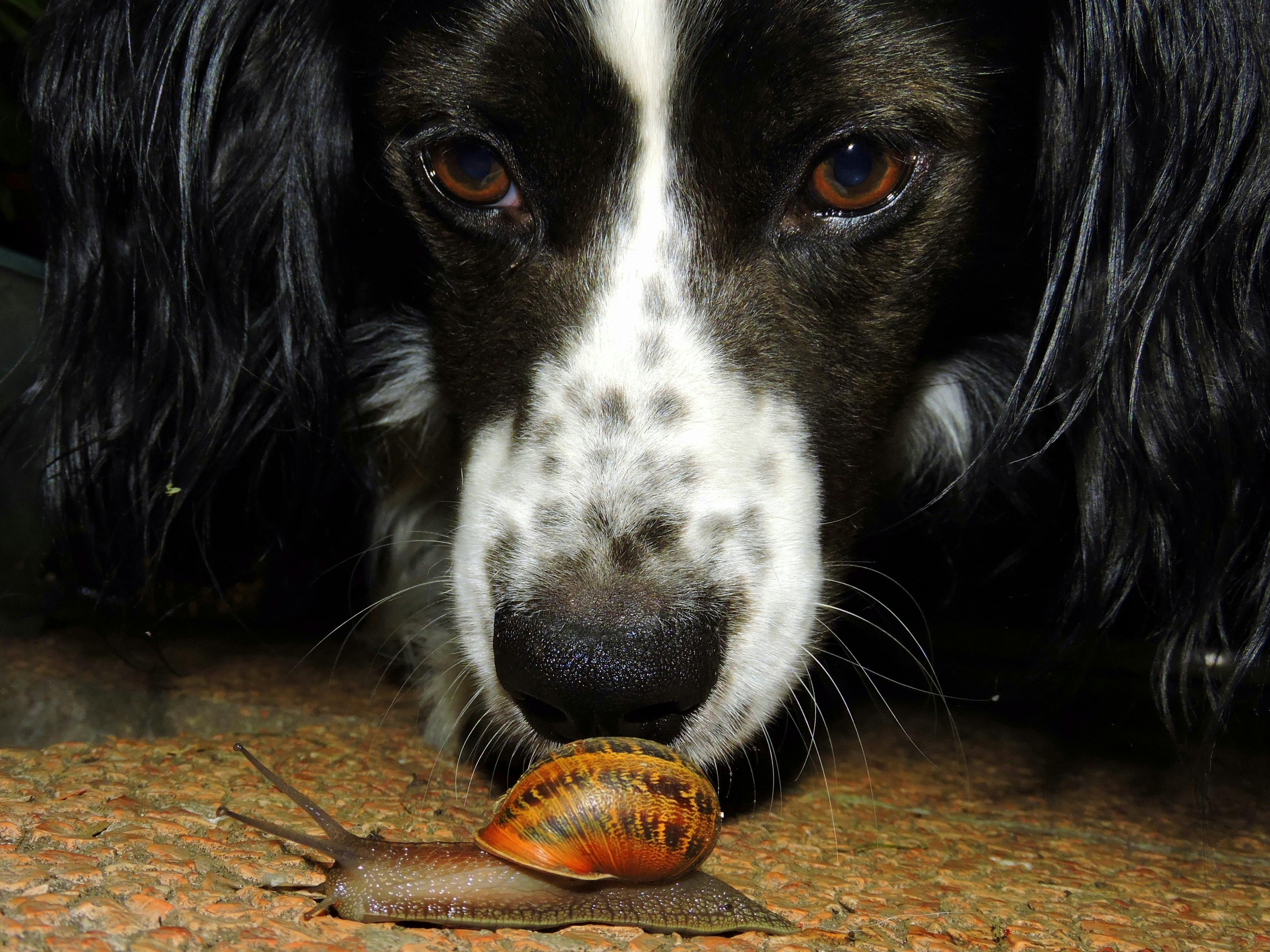 \n\n
\n\nDogs are amazing creatures, they can do things that just blow our minds, right? One of the most fascinating aspects of dogs is their wet noses. You might have wondered, “Why do dogs have wet noses?” Well, let's dive into this topic and uncover the mystery.
\nThe Science Behind Wet Noses
\nDogs' noses are moist for a reason, and it’s not just because they like to lick them. The wetness helps them gather scent particles from the air. When a dog's nose is moist, it can absorb more odors, which helps them to understand their surroundings better. Their sense of smell is around 10,000 to 100,000 times more sensitive than humans!
\n- \n
- Moisture Absorption: The wetness on a dog's nose helps to capture scent molecules. \n
- Temperature Regulation: A wet nose can help dogs cool down, acting like a natural air conditioner. \n
- Health Indicator: Changes in the moisture of a dog’s nose can indicate health issues. \n
How Dogs Use Their Noses to Explore the World
\nDogs use their noses like we use our eyes. They can tell a lot about their environment through scents. When a dog sniffs something, they’re not just smelling it; they're gathering information. It's like reading a book of smells!
\n- \n
- Communication: Dogs can pick up pheromones from other animals, which can tell them about the other dog's mood or health. \n
- Tracking: Many dogs are trained to track scents, which is why they are used in search and rescue operations. They can follow a scent trail for miles. \n
Historical Insight into Dogs’ Noses
\nHistorically, dogs have been bred for their incredible sense of smell. The Bloodhound is known for its tracking ability, while other breeds like Beagles are utilized for hunting because of their keen olfactory senses. In ancient times, dogs were invaluable partners to humans, helping in hunting and guarding. Their ability to smell out game or dangers kept many people safe.
\nFun Facts about Dogs' Noses
\nHere are some interesting tidbits about dogs' noses that might surprise you:
\n- \n
- Unique Patterns: Just like human fingerprints, every dog's nose print is unique. \n
- Nose Temperature: Dogs' noses can change temperature based on their health. A warm, dry nose might indicate a fever. \n
- Scent Memory: Dogs can remember scents for years, which is why they can recognize their owner even after a long time apart. \n
Why Do Dogs Have Wet Noses?
\nSo, why do dogs have wet noses? It's simple! The moisture enhances their sense of smell, keeps them cool, and provides vital health information. But there’s more to it! The wet surface of the nose also helps with the evaporation of sweat, which is important since dogs don’t sweat like humans do. They rely on panting, and a wet nose helps them manage body temperature.
\nPractical Examples of Dogs Using Their Noses
\nHere are some practical examples that illustrate how dogs use their noses in everyday life:
\n- \n
- Finding Lost Items: Dogs can be trained to locate lost items or even people by scent. \n
- Therapy and Assistance: Service dogs often use their noses to detect medical conditions, such as low blood sugar or seizures. \n
- Detecting Substances: Many dogs are used in law enforcement to sniff out drugs, explosives, or even certain diseases like cancer. \n
The Importance of Nose Care
\nWhile wet noses are generally a sign of a healthy dog, it’s important for pet owners to keep an eye on their dog’s nose health. Here are some tips:
\n- \n
- Hydration: Ensure your dog stays hydrated. A dry nose can indicate dehydration. \n
- Regular Check-ups: Visit the vet if you notice unusual changes in nose moisture or temperature. \n
- Clean Environment: Keep your dog's environment clean to prevent infections or irritations. \n
In summary, dogs' wet noses are not just adorable; they are essential tools that help them interact with and understand the world around them. Their incredible sense of smell allows them to communicate, explore, and even help humans in various ways. Next time you pet your furry friend, take a moment to appreciate the science behind that wet nose! It’s more than just a cute feature; it’s a gateway to the fascinating world of scents and sensations that dogs experience every day.
\n\nWet Nose Wonders: What Your Dog’s Moisture Levels Reveal About Their Health
\n\n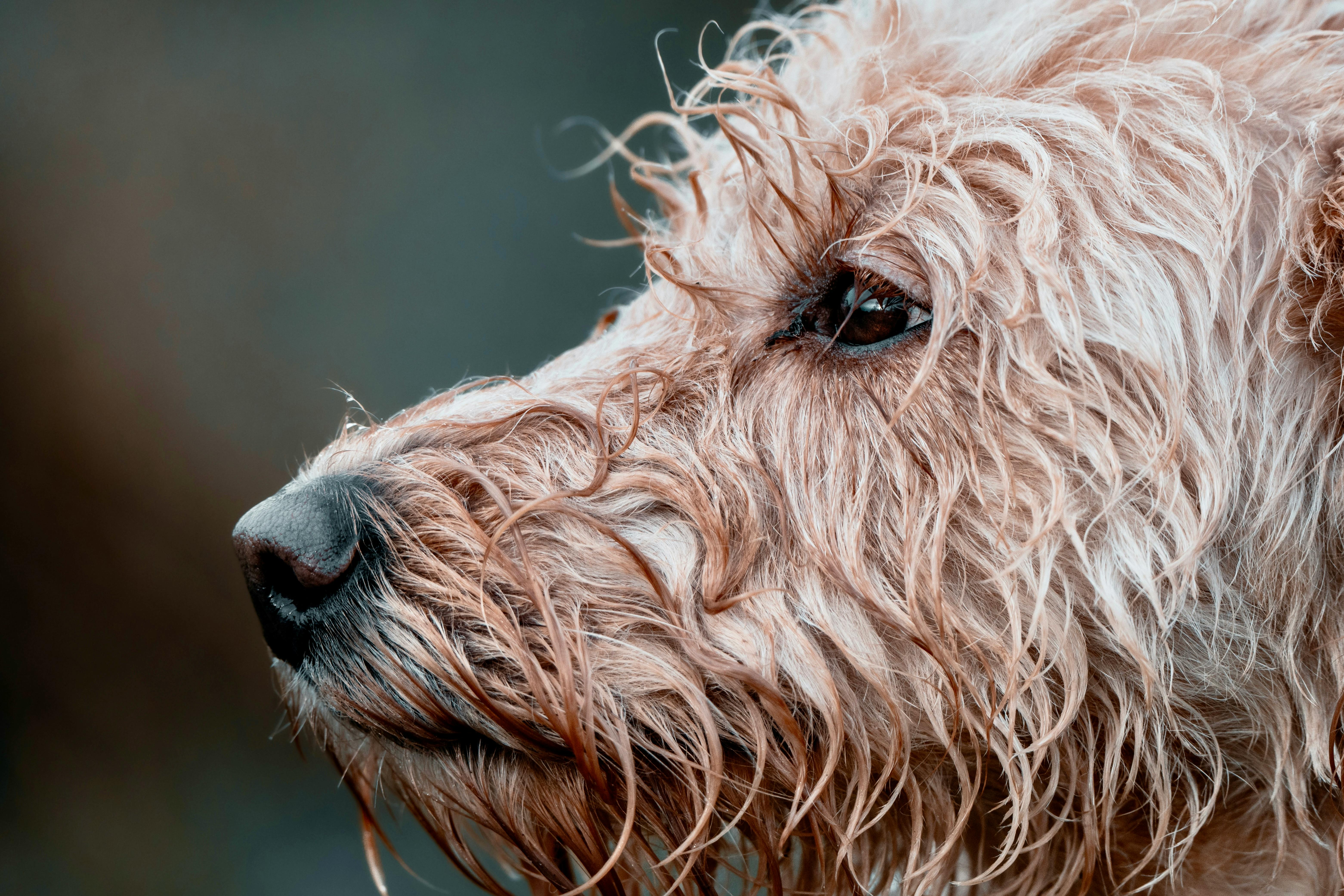 \n\n
\n\nHave you ever wondered why your dog's nose is wet? It's one of those quirks that dog owners often notice but may not fully understand. Wet noses are a common feature of our furry friends, and they can actually say a lot about their health. So let's dive into the fascinating world of canine moisture levels and discover the truth behind those wet noses.
\nWhy Do Dogs Have Wet Noses?
\nThe moisture on a dog's nose serves several important purposes. It's not just a random trait; it's a part of their biology that helps them function better in their environment. Here’s a few reasons why dogs noses are wet:
\n- \n
- Cooling Mechanism: Dogs don't sweat like humans do. Instead, they regulate their body temperature through panting and the moisture on their nose. When the moisture evaporates, it helps cool them down. \n
- Enhanced Smell: A wet nose can help capture scent particles. This is vital for dogs, as their sense of smell is much more acute than ours. The moisture allows them to pick up on more smells, helping them navigate the world. \n
- Health Indicator: The condition of a dog’s nose can indicate their health. A healthy nose is usually moist and cool. If a dog’s nose is dry or cracked, it might be a sign of dehydration or illness. \n
The Science Behind Moisture Levels
\nDogs have a special gland called the nasal mucosa which helps keep their nose moist. This is important for the olfactory receptors in their noses to work efficiently. When a dog sniffs, the moisture on their nose captures scent particles, allowing them to identify various smells.
\nWhat Can a Wet Nose Tell You?
\nHere’s the thing! The wetness of a dog’s nose can reveal a lot about their health. Here’s a quick guide:
\n- \n
- Normal Moisture Levels: If your dog’s nose is moist and cool, it usually means they are healthy and hydrated. \n
- Dry or Cracked Nose: This can be a sign of dehydration or skin issues. It might also indicate that your dog is feeling unwell. \n
- Excessively Wet Nose: If your dog’s nose is dripping wet, it could mean they are overly excited, or it might indicate some underlying health issue. \n
Common Myths About Dog Noses
\nThere are many myths surrounding dog noses that often confuse owners. Here are some of the most common ones:
\n- \n
- \n
A Cold Nose Means a Healthy Dog: While it's true that many healthy dogs have cold, wet noses, this is not a definitive rule. Some healthy dogs might have warm noses, especially after sleeping.
\n \n - \n
Dog Noses Change Color with Illness: Some people believe that a color change in a dog’s nose indicates health issues. This is not always true, as nose color can change naturally due to temperature or other factors.
\n \n - \n
Wet Noses Always Mean Happy Dogs: While a wet nose can indicate a relaxed dog, it doesn’t always mean they’re happy. Dogs can have wet noses for various reasons, including excitement or stress.
\n \n
Keeping Your Dog's Nose Healthy
\nTo ensure your dog's nose remains in tip-top shape, consider these tips:
\n- \n
- Hydration: Always provide fresh water for your dog. Dehydration can lead to a dry nose. \n
- Regular Vet Visits: Keep up with vet appointments for overall health checks. \n
- Observe Changes: Pay attention to any changes in your dog's nose. If you notice dryness, cracks, or unusual discharge, consult a veterinarian. \n
Fun Facts About Dog Noses
\n- \n
- Dogs have approximately 300 million smell receptors in their noses, compared to about 6 million in humans. \n
- The unique patterns on a dog's nose are as distinctive as human fingerprints. \n
- Dogs can detect certain diseases, such as cancer and diabetes, through their sense of smell. \n
In summary, a dog's wet nose is not just a quirky feature; it’s a vital part of their anatomy that plays a significant role in their health and behavior. Understanding why do dogs have wet noses and what those moisture levels reveal can help you be a better pet owner. So next time you give your furry friend a pat on the head, take a moment to appreciate the science behind their wet nose!
\n\nDebunking Myths: Do All Dogs Have Wet Noses? Find Out the Truth!
\n\n \n\n
\n\nDogs are often seen with their noses glistening and wet, but does that mean all dogs have wet noses? There’s a lot of myths surrounding this topic, and we gonna dive in to separate fact from fiction. Many people wonder why do dogs have wet noses in the first place. Is it for some health reason or just how they are made? Let's explore the fascinating truth behind this common canine feature.
\nThe Science Behind Wet Noses
\nFirst off, not all dogs actually have wet noses. Some dogs, especially certain breeds or those with specific health conditions, can have dry noses. The wetness of a dog's nose is primarily due to a thin layer of mucus that helps them smell better. This mucus captures scent particles in the air, which makes their sense of smell more acute.
\nHere’s some fascinating facts about why dogs have wet noses:
\n- \n
- Increased Olfactory Senses: The moisture enhances their ability to smell. Dogs have an extraordinary sense of smell, and wet noses help them detect scents more effectively. \n
- Regulating Body Temperature: Just like humans sweat, dogs can lose heat through their noses. A wet nose helps keep them cool. \n
- Health Indicator: A dog’s nose can indicate their health. If a dog’s nose suddenly becomes dry or hot, it could signify illness or dehydration. \n
- Communication: Dogs can also use their noses to communicate with other dogs. They often sniff each other’s noses as a greeting or to gather information. \n
Myths About Dog Noses
\nThere are several myths about dog noses that need to be debunked. Let's take a look at some of these misconceptions:
\n- \n
- Wet Nose Means Healthy Dog: While a wet nose can be a sign of health, it’s not a definitive indicator. Some healthy dogs can have dry noses too. \n
- All Dogs Have Wet Noses: As mentioned, not all dogs have wet noses. Factors like breed, age, and health can affect this. \n
- Dogs Can't Smell When Their Noses Are Dry: Dogs can still smell with dry noses, although wet noses are more efficient for scent capture. \n
- A Cold Nose Means a Cold Dog: A dog can have a cold nose and still be warm and cozy inside. Their body temperature is regulated in other ways. \n
The Importance of Nose Health
\nJust like humans, dogs need proper care for their noses. Here’s a checklist to ensure your dog's nose stays healthy:
\n- \n
- Regular Check-Ups: Visit the vet regularly to monitor your dog’s overall health. \n
- Hydration: Ensure your dog drinks enough water, as hydration affects nose moisture. \n
- Environmental Factors: Be cautious about weather conditions. Dry air can lead to a dry nose. \n
- Watch for Changes: Keep an eye on any sudden changes in your dog’s nose texture or temperature. \n
Historical Context
\nDogs have been domesticated for thousands of years, and their unique features, including wet noses, have been part of their adaptation to living with humans. Historically, dogs with better olfactory abilities were favored, leading to a breed evolution where wet noses became common.
\nInteresting Comparisons
\nWhen comparing dogs to other animals, their noses are quite unique. For example:
\n- \n
- Cats: Generally have dry noses; they don’t rely on their sense of smell as much as dogs do. \n
- Humans: Our noses are not wet, and our sense of smell is way less developed than a dog's. \n
- Bears: They have a keen sense of smell similar to dogs, but their noses are larger and more moist. \n
Fun Facts About Dog Noses
\nHere’s a list of fun facts about dog noses that might surprise you:
\n- \n
- Unique Patterns: A dog’s nose print is as unique as a human fingerprint. \n
- Color Variations: Nose color can vary, and it doesn’t always relate to the dog’s breed. \n
- Nose Temperature: The temperature of a dog’s nose can fluctuate throughout the day. \n
Understanding why do dogs have wet noses can lead to better care for our furry friends. Whether they’re wet or dry, knowing what to look for can help you keep your dog happy and healthy.
\nSo, next time you see a dog with a wet nose, remember the science behind it and enjoy the bond you share with your four-legged companion.
\n\nThe Role of a Wet Nose in Dog Communication: Insights You Won’t Want to Miss
\n\n \n\n
\n\nDogs are known as man's best friend, and part of what makes them so lovable is the way they communicate. One fascinating aspect of canine communication is their wet noses. Have you ever wondered why do dogs have wet noses? It’s not just a quirky trait that makes them adorable; there's actually a lot of science behind it. Understanding the role of a wet nose in dog communication can give you insights that you won’t want to miss.
\nWhy Do Dogs Have Wet Noses?
\nThe wetness of a dog's nose plays a critical role in their ability to interact with the world around them. Here are some reasons why dogs have wet noses:
\n- \n
- \n
Scent Detection: A wet nose helps enhance a dog's sense of smell. The moisture helps to capture scent particles in the air, allowing dogs to pick up on scents more effectively. Studies show that dogs have up to 300 million smell receptors compared to humans' 5 million. So, having a wet nose is like having an advanced tool for their scent detection.
\n \n - \n
Temperature Regulation: Dogs can't sweat like humans do. Instead, they rely on their noses to help regulate their body temperature. A wet nose can help cool them down, as the moisture evaporates and takes heat away. This is especially important in hot weather.
\n \n - \n
Health Indicator: The wetness of a dog's nose can be a sign of their health. A healthy dog usually has a moist and cool nose, while a dry or warm nose might indicate illness or dehydration. However, this is not a rule set in stone, as there can be exceptions.
\n \n - \n
Social Interaction: Dogs communicate with each other (and with humans) through a variety of signals, including nose contact. A wet nose can often mean a friendly greeting or an invitation to interact. It’s like their version of a handshake!
\n \n
Historical Context of Dog Noses
\nHistorically, dogs have been bred for various purposes, from hunting to companionship. The wet nose is an evolutionary trait that has helped them survive and thrive alongside humans. Ancient civilizations recognized the importance of a dog's sense of smell and often used them for tracking and hunting.
\n- \n
- \n
Evolutionary Advantage: Dogs that had a better capacity for detecting scents were more likely to find food and avoid dangers. Over time, the wet nose became a defining characteristic of many breeds.
\n \n - \n
Cultural Significance: In many cultures, dogs are seen as symbols of loyalty and companionship. Their wet noses often evoke feelings of affection and warmth, reinforcing their role in human society.
\n \n
The Science Behind a Wet Nose
\nThe biology of a dog's nose is fascinating. The anatomy of a dog's nose includes various components that contribute to its wetness and functionality. Here’s a simple breakdown:
\n- \n
- \n
Mucus Production: Dogs produce mucus in their nasal passages, which helps keep their noses moist. This mucus collects scent particles, which are then analyzed by the olfactory receptors.
\n \n - \n
Nasal Turbinates: These are structures within a dog's nose that increase the surface area, allowing for more scent detection. The moisture from the mucus also helps to trap scent particles.
\n \n - \n
Temperature Sensors: Dogs have specialized receptors in their noses that can detect changes in temperature. This ability helps them navigate their environment more effectively.
\n \n
Fascinating Facts About Dog Noses
\nHere are some interesting facts you might not know about dog noses:
\n- \n
- \n
Unique Prints: Just like human fingerprints, no two dog noses are alike. The patterns of ridges and bumps create a unique nose print for each dog.
\n \n - \n
Sense of Time: Some studies suggest that dogs can use their sense of smell to perceive time. They can detect the smell of their owner’s presence and even know when they are expected to return home.
\n \n - \n
Nose Work: Many dogs are trained for specific tasks that utilize their sense of smell, such as search and rescue, drug detection, and even medical alerts for conditions like diabetes.
\n \n - \n
Wet vs. Dry: A dog’s nose may vary throughout the day. It can become drier due to environmental factors or after sleeping, but it usually returns to its moist state.
\n \n
Understanding why do dogs have wet noses and the role they play in communication can enhance your relationship with your furry friends. Whether you’re enjoying a slobbery kiss or observing their curious sniffing, remember there’s a complex world of communication happening right under your nose. The wetness is not just a physical trait; it’s a window into their emotions, health, and instincts. So next time you see your dog with that adorable wet nose, appreciate the fascinating truth behind it!
\n\nWhy Is My Dog’s Nose Dry? Understanding the Importance of Nose Moisture
\n\n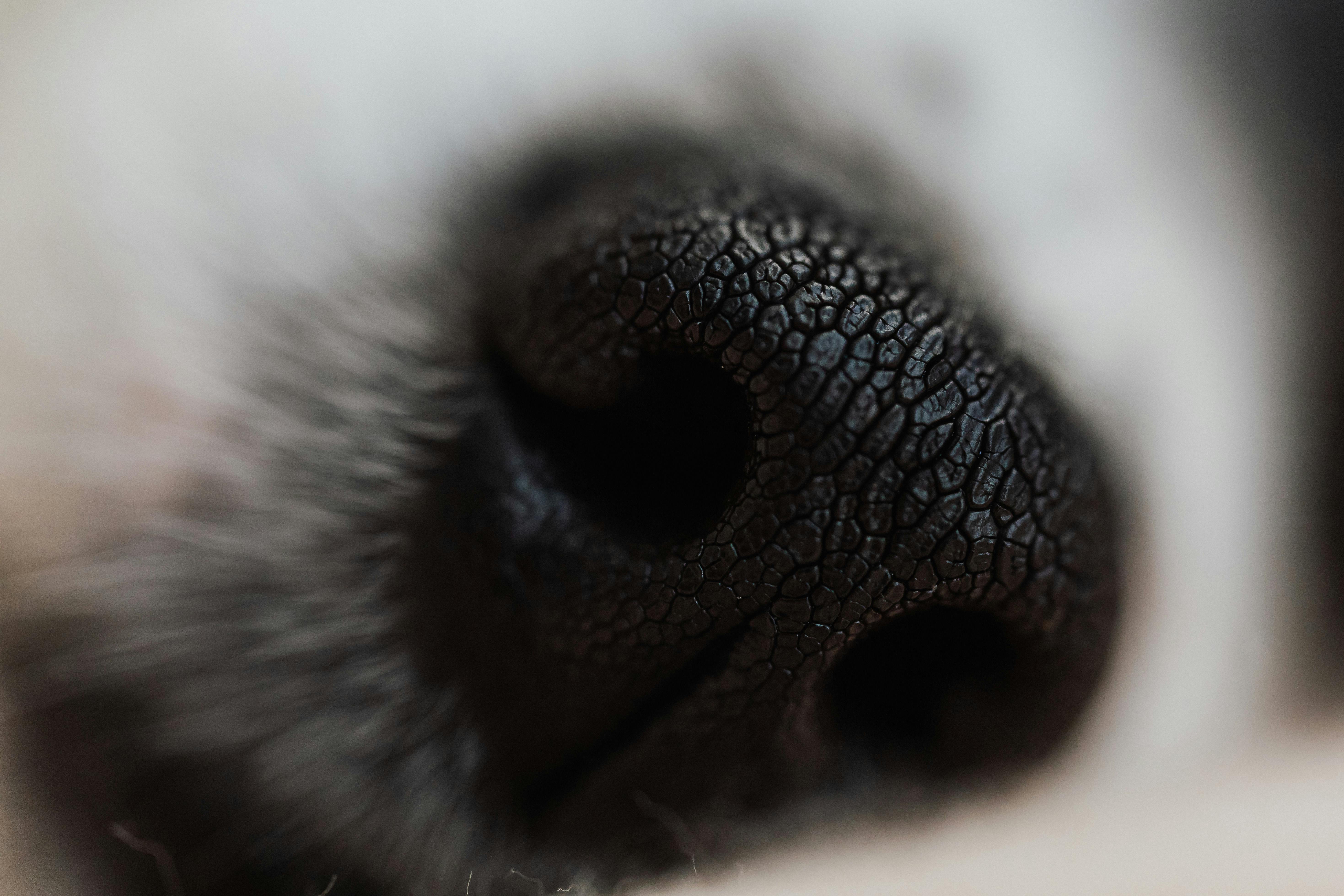 \n\n
\n\nHave you ever wondered why your dog's nose is sometimes dry? You’re not alone! Many pet owners notice changes in their dog’s nose moisture and often worry about what it means. Understanding why dogs have wet noses can help you take better care of your furry friend. Let’s dive into the fascinating world of canine noses and discover their importance in your dog's health.
\nThe Function of a Dog's Nose
\nA dog's nose, wet or dry, serves several important functions. The moisture on a dog's nose helps to enhance their sense of smell. Dogs have an extraordinary sense of smell, which is about 40 times better than that of humans. The wetness on their nose helps trap scent particles, making it easier for them to detect various smells.
\n- \n
- Enhanced Smell: Moisture helps capture scent particles. \n
- Temperature Regulation: Dogs can cool themselves by panting, but their noses also help with body temperature regulation. \n
- Communication: Dogs use their noses to gather information about their environment and communicate with other dogs. \n
Why Do Dogs Have Wet Noses?
\nYou might be asking yourself: why do dogs have wet noses anyway? It’s quite simple! The moisture helps them in several ways.
\n- \n
- Scent Gathering: As mentioned earlier, a wet nose is better at trapping scents. \n
- Cooling Mechanism: Dogs do not sweat like humans, so a wet nose helps them cool off. \n
- Health Indicator: A consistently wet nose is often seen as a sign of good health in dogs. \n
Factors That Affect Nose Moisture
\nA dog's nose moisture can change due to several factors. Some of these reasons can be entirely normal while others might indicate a potential health issue. Here are some common reasons for a dry or wet nose:
\n- \n
- Weather Conditions: Dry, hot weather can lead to a dry nose. \n
- Dehydration: If your dog isn’t drinking enough water, their nose may dry out. \n
- Sleep: Dogs tend to have drier noses when they wake up, as they may not be licking it while sleeping. \n
- Health Conditions: Certain illnesses or allergies may cause changes in nose moisture; for example, a dry nose could signal a fever or dehydration. \n
Some Common Misconceptions
\nThere are many myths surrounding a dog’s nose. Here are some misconceptions that people often have:
\n- \n
- A Wet Nose Means a Healthy Dog: While a wet nose is usually a sign of good health, a dry nose doesn’t always mean something is wrong. \n
- Dogs Can’t Smell When Their Nose is Dry: This is false! They can still smell, but it might be less effective. \n
- All Dogs Have Wet Noses: Not all dogs have the same level of moisture. Some breeds may naturally have drier noses. \n
When to Be Concerned
\nIt’s important to keep an eye on your dog's nose. If you notice any of the following signs, it might be time to consult a veterinarian:
\n- \n
- Prolonged dryness or cracking \n
- Nose bleeding or unusual discharge \n
- Change in behavior or appetite \n
- Signs of dehydration, like dry gums or lethargy \n
Tips to Maintain Nose Moisture
\nHere are some practical tips to help keep your dog’s nose moist and healthy:
\n- \n
- Hydration: Ensure your dog has access to fresh water at all times. \n
- Humidifier: Consider using a humidifier in your home, especially during winter months. \n
- Nose Balms: There are dog-safe balms available that can help keep your dog’s nose moisturized. \n
- Regular Vet Checkups: Regular visits to the vet can help catch health issues early. \n
Interesting Facts About Dog Noses
\n- \n
- Dogs have approximately 220 million scent receptors in their noses, while humans only have about 5 million. \n
- The unique patterns on a dog’s nose are as individual as human fingerprints! \n
- A dog's sense of smell is so powerful that it can detect certain diseases in humans, such as cancer and diabetes. \n
Understanding the intricacies of your dog's nose not only deepens your bond but also helps you to better care for their health. If your dog’s nose is dry, it might not be a cause for alarm, but staying informed can make all the difference in your pet’s well-being. By observing changes and ensuring your dog is hydrated, you can contribute to their overall happiness and health. So next time you feel your dog's nose, remember the fascinating functions it serves!
\n\nHow Climate Affects Your Dog’s Nose: Tips for Keeping It Healthy
\n\n \n\n
\n\nDogs are often considered man's best friend, but did you ever stop to wonder about those cute wet noses? There are lots of reasons why dogs have wet noses, and they can be affected by climate just like we are. Understanding how weather impacts this key feature of your pup can help you keep them healthy and happy.
\nWhy Do Dogs Have Wet Noses?
\nA dog’s nose is wet for several reasons, but the most important thing is that it plays a crucial role in their sense of smell. Dogs have an incredible olfactory system, and their wet noses help to absorb scent chemicals from the air. When those scents get to their moist noses, it enhance their ability to detect and identify smells. Here are some fun facts about why dogs have wet noses:
\n- \n
- Cooling Mechanism: Just like humans sweat, dogs can cool down through their noses. \n
- Scent Absorption: Moisture helps to trap scent particles, making it easier for your dog to smell things. \n
- Nasal Health: A wet nose can indicate good health, while a dry nose might suggest dehydration or illness. \n
How Climate Affects Your Dog’s Nose
\nClimate can have a significant impact on your dog's nose health. Whether you live in a hot, humid area or a dry, cold environment, it's important to pay attention to your pup's nasal condition. Here’s how different weather can affect your furry friend:
\n- \n
- Hot Weather: Excessive heat can lead to dryness. If your dog spends too much time in the sun, their nose might become cracked or chapped. \n
- Cold Weather: In colder climates, a dog’s nose might become dry and flaky. Windy conditions can exacerbate this issue. \n
- Humidity: High humidity levels can keep a dog’s nose moist and healthy, but too much moisture can also lead to conditions like fungal infections. \n
Tips for Keeping Your Dog’s Nose Healthy
\nSo, how can you ensure your dog maintains a healthy nose? Here are some practical tips:
\n- \n
- Hydration: Make sure your dog has access to fresh water at all times. Dehydration can lead to a dry nose. \n
- Avoid Overexposure: Limit your dog's time in extreme heat or cold. Dogs can get sunburned just like humans, especially on their noses. \n
- Use Nose Balm: There are products available specifically designed for dog noses. These can help keep it moisturized during dry or cold weather. \n
- Regular Vet Checkups: Regular visits to the vet can help catch any potential issues early on. \n
Common Myths About Dog Noses
\nThere are lots of myths surrounding dog noses. Here are a few that are popular but not necessarily true:
\n- \n
- \n
Myth: A cold, wet nose means a dog is sick.
\n- \n
- Fact: A dog's nose temperature isn’t a reliable indicator of health. \n
\n - \n
Myth: All dogs have wet noses.
\n- \n
- Fact: Some dogs naturally have drier noses, and this can be perfectly normal. \n
\n - \n
Myth: Dogs only need to cool down through their noses.
\n- \n
- Fact: Dogs primarily cool down through panting, but their nose does help with temperature regulation. \n
\n
Recognizing Signs of Nose Issues
\nSometimes, a dog’s nose can show signs of trouble. Here are some signs you should watch for:
\n- \n
- Cracks or Cuts: Look for any visible injuries on your dog’s nose. \n
- Discoloration: A sudden change in color can indicate a health issue. \n
- Persistent Dryness: If your dog’s nose remains dry for an extended period, it could be a sign of dehydration or illness. \n
Differences in Nose Types
\nDid you know that different breeds have different nose types? Some breeds have long noses, while others have flat faces. Here’s a quick overview:
\n- \n
- Long-Nosed Breeds: Greyhounds and Collies generally have more effective noses for scent detection. \n
- Flat-Faced Breeds: Bulldogs and Pugs may struggle with breathing, which can affect their nose health. \n
Understanding these differences can help you care for your dog better.
\nKeeping an eye on your dog's nose health is important, especially as the seasons change. By understanding how climate affects your dog's nose and taking proactive steps, you can help ensure your furry friend stays healthy and happy. Remember, a wet nose is often a sign of a happy dog, but also keep an eye out for any unusual changes. Your dog's health and happiness depend on it.
\n\n7 Fascinating Facts About Dog Noses That Will Blow Your Mind
\n\n \n\n
\n\nDogs are amazing creatures, and their noses are one of the most fascinating parts about them. You ever wonder why dogs have wet noses? It’s not just for show, and it has some really interesting reasons behind it. Let’s dive into seven mind-blowing facts about dog noses that might just surprise you!
\n1. The Wet Nose Mystery
\nWhy do dogs have wet noses? It’s one of the most common questions dog owners asked. The wetness of a dog's nose actually helps them to smell better! A moist nose can capture scent particles more effectively, which makes dogs incredible at sniffing things out. Their noses are like nature's own air filters, collecting and analyzing scents in the environment.
\n2. Scent Superstars
\nDid you know that a dog’s sense of smell is about 10,000 to 100,000 times more powerful than that of humans? That's right! While humans have around 5 million scent receptors in their noses, dogs boast a staggering 220 million. This incredible ability allows dogs to detect diseases, locate missing persons, and even find drugs or explosives. Their noses are, in a way, their own superpower!
\n3. Temperature Regulation
\nDogs also use their noses to help regulate their body temperature. When a dog is hot, they can lick their nose to cool it down. The moisture evaporates and helps to lower their overall body temperature, similar to how humans sweat. It’s a pretty neat way for them to stay cool without the luxury of air conditioning!
\n4. The Nose Print Identity
\nJust like human fingerprints, each dog has a unique nose print. The patterns of ridges and creases on a dog’s nose can actually be used to identify them. Some shelters and breeders even use nose prints as a way to keep track of dogs, which is kinda cool if you think about it. It’s like having a built-in identification system!
\n5. Communication Tool
\nDogs also use their noses to communicate with other dogs. When dogs sniff each other, they are gathering information about one another, like age, health, and even mood. This behavior is a normal part of their social interactions. So, next time your dog gets overly excited while meeting another dog, it’s just their way of saying “Hello! Let’s get to know each other!”
\n6. Evolutionary Background
\nDogs evolved from wolves, and their noses have been honed over thousands of years. The heightened sense of smell was advantageous for hunting and survival. As dogs became domesticated, this incredible ability didn’t diminish. In fact, it has been enhanced through breeding practices. Many working dogs today, like police or search-and-rescue dogs, are bred specifically for their superior sense of smell.
\n7. The Science of Scent
\nThe science of how dogs process scents is quite remarkable. Dogs have a special organ called the Jacobsen’s organ, which is located in the nasal cavity. This organ helps them interpret smells and is particularly useful for detecting pheromones, which are chemical signals that can indicate various things, such as mating readiness or territory marking. It’s like having a built-in chemistry lab right in their noses!
\nFascinating Facts Recap
\nHere’s a quick look at those fascinating facts about dog noses:
\n- \n
- Wetness enhances smell: A moist nose helps capture scent particles. \n
- Scent detection: Dogs have 10,000 to 100,000 times more scent receptors than humans. \n
- Body temperature regulation: Dogs lick their noses to cool down. \n
- Unique nose prints: Each dog’s nose is as unique as a fingerprint. \n
- Communication tool: Dogs sniff each other to gather information. \n
- Evolutionary advantage: Enhanced sense of smell evolved from their wolf ancestors. \n
- Jacobsen’s organ: Helps dogs detect pheromones and interpret scents. \n
Understanding why dogs have wet noses and the science behind their remarkable sense of smell can deepen your appreciation for these furry companions. So the next time you see your pup's adorable wet nose, remember that it’s not just a cute feature; it’s part of what makes them such incredible animals. Embrace the quirks of your dog, and know that their wet nose is just one of the many reasons why they truly are man's best friend!
\n\nWet Noses and Canine Cues: How Your Dog’s Nose Can Tell You What They Need
\n\n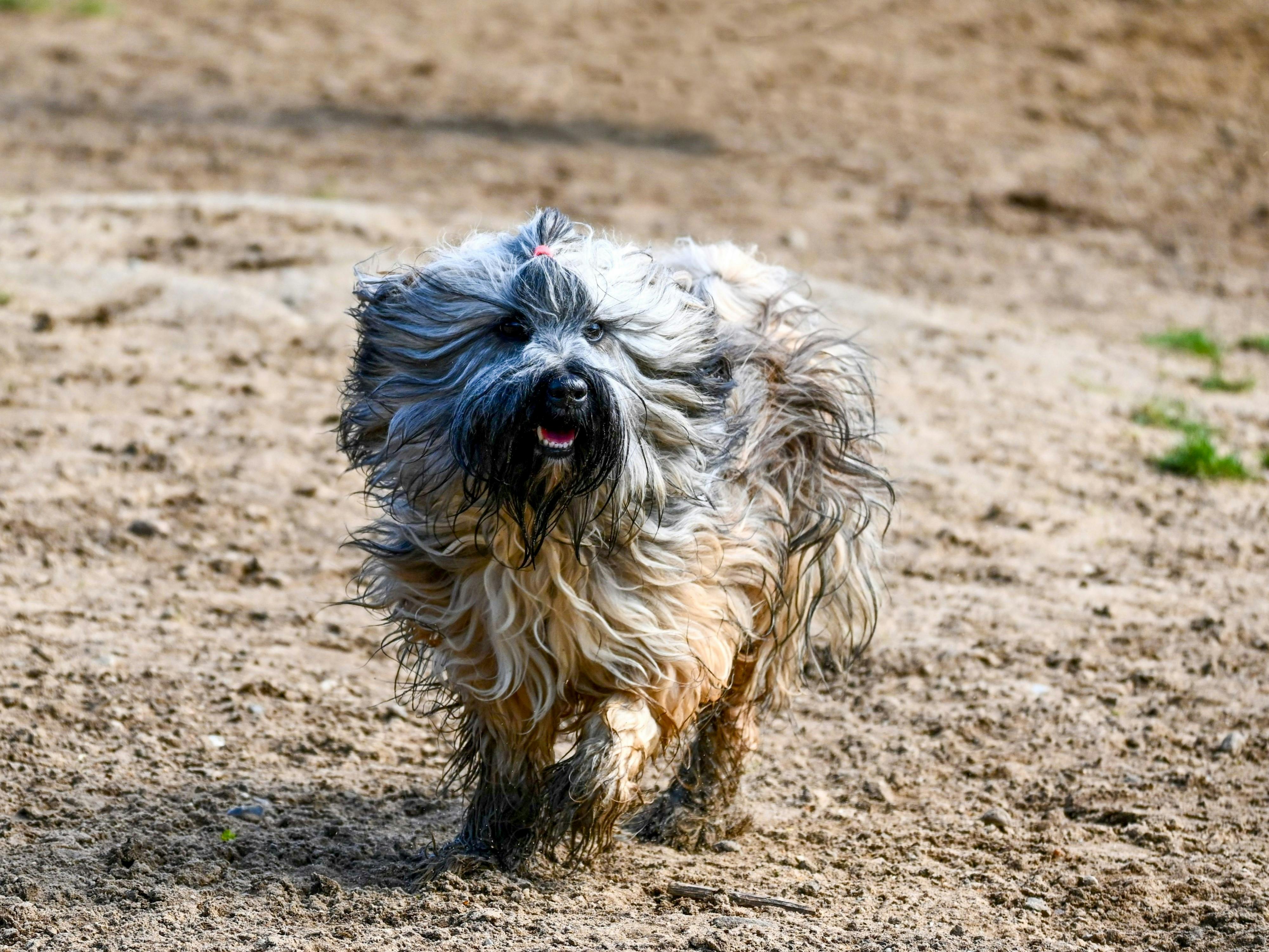 \n\n
\n\nDogs are often called man's best friend, and there's a good reason for that. They communicate with us in ways that are sometimes subtle, but one of the most noticeable features they have is their wet noses. Have you ever wondered why do dogs have wet noses? This question brings us to the intriguing world of canine cues and the messages our furry companions convey through their noses.
\nThe Science Behind Wet Noses
\nSo, why do dogs have wet noses? The answer is pretty simple yet fascinating. A dog's nose is wet primarily because it helps them to smell better. The moisture in the nose helps to capture scent particles in the air, enhancing their sense of smell, which is already much more developed than ours. Research suggests that a dog's sense of smell can be anywhere from 10,000 to 100,000 times more acute than a human's. This ability plays a critical role in how they interact with the world and us.
\nHere's a quick breakdown of the benefits of a wet nose:
\n- \n
- Enhanced Scent Detection: The moisture helps to trap odor molecules, making it easier for dogs to identify scents. \n
- Temperature Regulation: Dogs don’t sweat like humans do. Their noses can help them cool off by evaporating moisture. \n
- Health Indicator: A dog's nose can signal their health status. A dry nose might indicate dehydration or illness. \n
Historical Facts About Dog Noses
\nHistorically, dogs were bred for various traits, including their sense of smell. For instance, bloodhounds were specially trained to track scents over long distances, while terriers were bred to hunt small game. The evolution of their noses is a result of these breeding practices, where a wet nose became an essential tool for survival and companionship.
\nWhat Your Dog’s Nose Can Tell You
\nDogs communicate a lot through their noses. When they sniff other dogs, they’re gathering information about their health, mood, and even diet. Here’s what you can learn from your dog’s nose cues:
\n- \n
- Sniffing: When your dog sniffs the ground or objects, they are gathering information about their environment. \n
- Nose Rubbing: If your dog rubs their nose on you or other objects, it might be a sign of affection or a request for attention. \n
- Nose Licking: A dog that licks its nose frequently might be feeling anxious or stressed. \n
Fun Facts About Dog Noses
\n- \n
- Dogs have about 300 million smell receptors, compared to about 5 million in humans. \n
- The unique patterns on a dog's nose are like human fingerprints; no two dogs have the same nose print. \n
- Dogs can detect certain diseases, like cancer, by smelling changes in body odor. \n
The Role of Temperature and Environment
\nThe environment can affect a dog's nose condition. For example, during hot weather, a dog's nose might dry out, which can be a concern. Here are some factors that can affect your dog's nose:
\n- \n
- Climate: Hot, dry weather can lead to a dry nose. \n
- Hydration: If your dog isn’t drinking enough water, their nose may become dry. \n
- Health: Certain health problems can cause a change in nose moisture. \n
What to Do If Your Dog's Nose Is Too Dry
\nIf you notice your dog's nose is excessively dry or cracked, it’s important to take action. Here’s a quick guide:
\n- \n
- Check Hydration: Make sure your dog has constant access to fresh water. \n
- Moisturize: There are dog-safe moisturizers available if dryness is an issue. \n
- Vet Visit: If the problem persists, a trip to the vet is recommended to rule out any underlying health issues. \n
Understanding Nose Color Changes
\nThe color of a dog’s nose can also change for various reasons. A healthy nose is typically black or brown, depending on the breed. However, it can become lighter due to:
\n- \n
- Seasonal Changes: Some dogs experience a lighter nose in winter. \n
- Age: Older dogs may have discoloration. \n
- Health Issues: Certain illnesses can cause changes in nose pigmentation. \n
A dog’s nose is not just a cute feature; it’s a vital part of how they perceive the world. Understanding why do dogs have wet noses and knowing what those cues mean can deepen your bond with your furry friend. So next time you pet your dog and feel that cool, wet nose, remember that it’s more than just a charming trait. It’s a powerful tool for communication and understanding.
\n\nConclusion
\n\nIn summary, the wet noses of dogs serve several important functions that contribute to their overall health and behavior. The moisture on their noses enhances their sense of smell, allowing them to detect scents more effectively and interact more fully with their environment. Additionally, a wet nose can indicate a healthy dog, as it helps regulate body temperature and keep the nasal passages moist. Factors such as hydration, humidity, and even the dog's mood can influence the moisture levels of their noses. Understanding the significance of this characteristic can deepen our appreciation for our canine companions. As a final thought, next time you greet your furry friend and feel that familiar wet nose, remember that it’s not just a cute quirk; it’s a vital part of their biology. Embrace the unique traits of your dog and ensure they receive the care they deserve to maintain their health and happiness.
\n\n