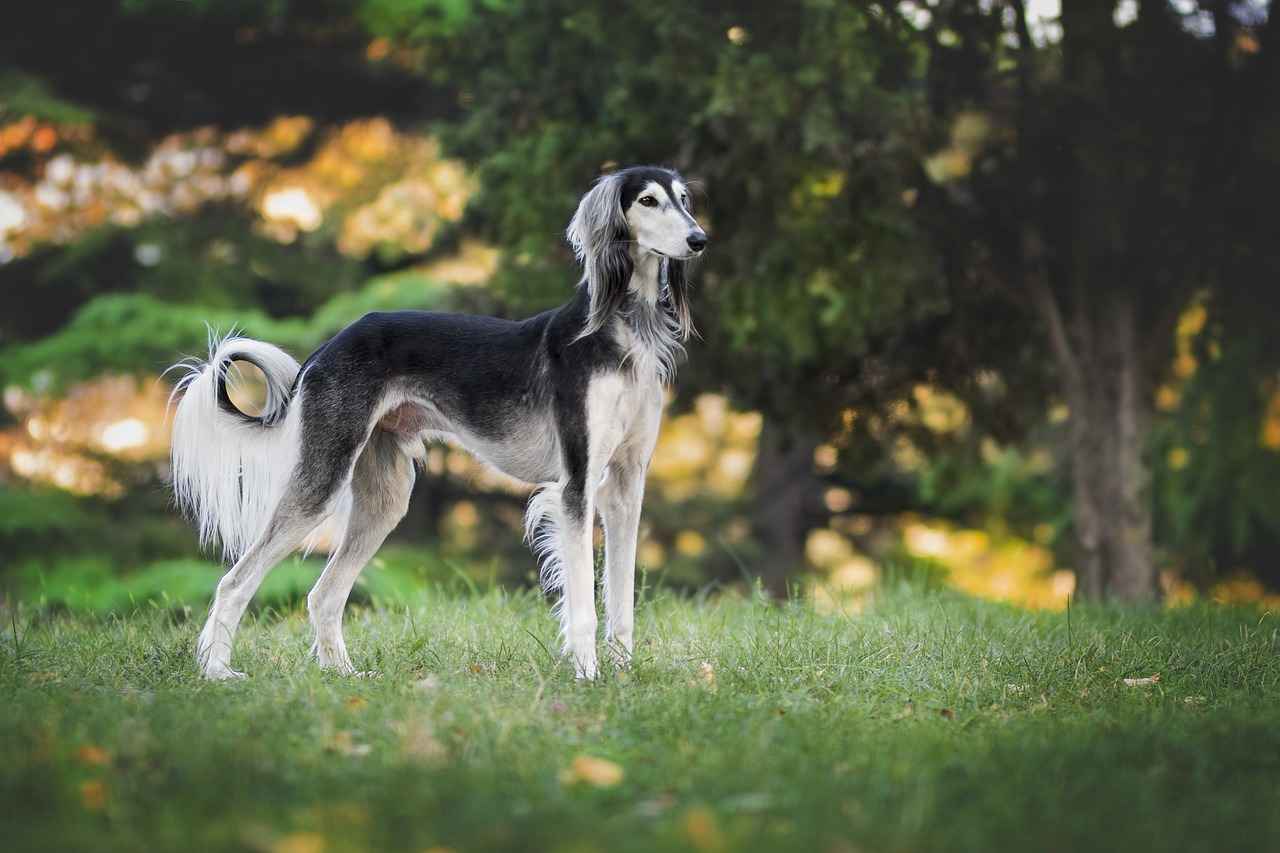
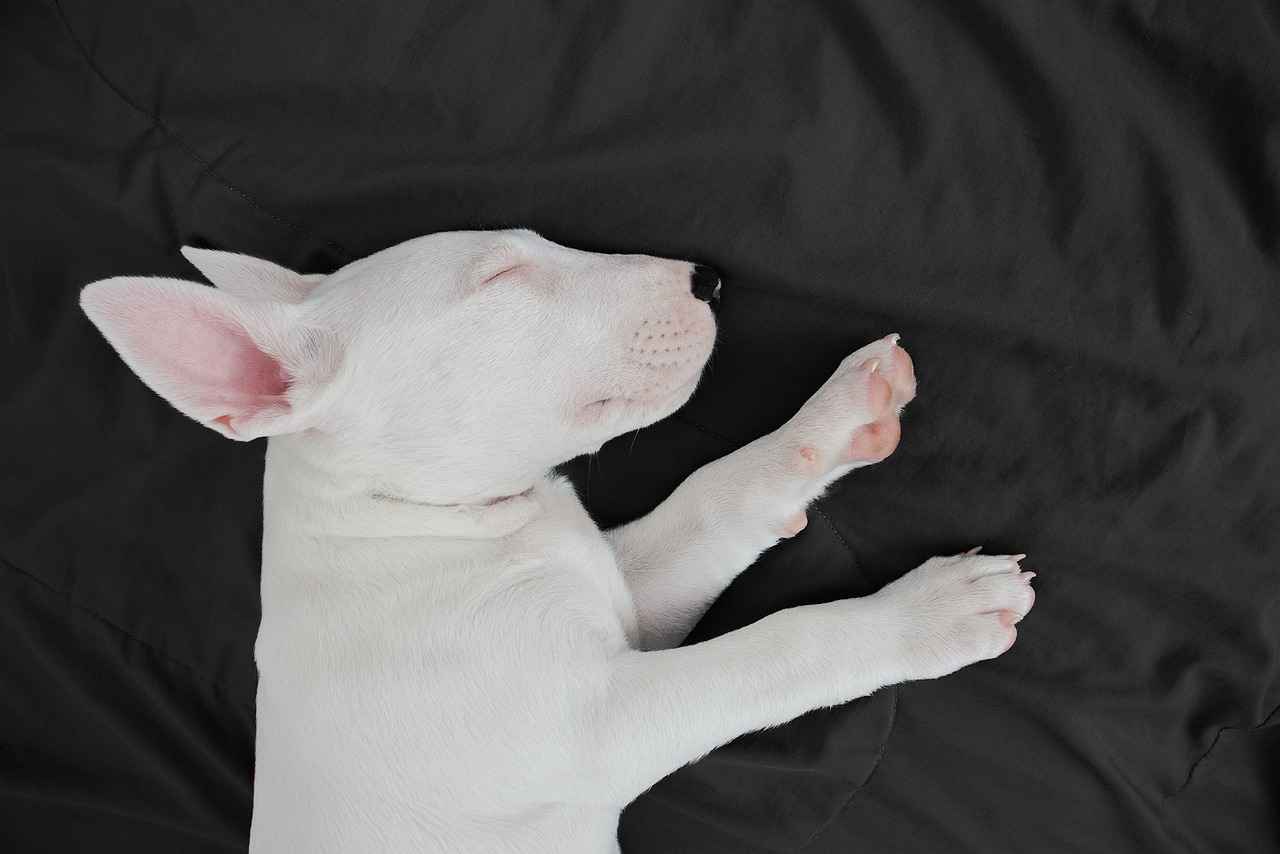
Have you ever wondered, "Why do dogs have wet noses?" This intriguing question not only sparks curiosity but also unveils fascinating reasons behind your furry friend's distinctive feature. A dog's wet nose is more than just an adorable trait; it's a vital part of their anatomy that serves several purposes. From enhancing their sense of smell to regulating body temperature, the science behind a dog's nose is both captivating and essential for their well-being. Did you know that a wet nose can indicate a dog's health status? It's true! When exploring the reasons for this unique characteristic, you'll discover how a dog's olfactory abilities are heightened by moisture. Plus, there's a deeper connection between a dog's nose and their emotions, making it a topic worth diving into. Whether you're a proud dog owner or simply a canine enthusiast, understanding why dogs have wet noses can enrich your bond with these lovable companions. So, are you ready to uncover the amazing facts that lie beneath that cold, wet nose? Join us as we explore the fascinating world of dogs and the secrets they hold!
\n\nThe Science Behind Canine Moisture: Why Do Dogs Have Wet Noses?
\n\n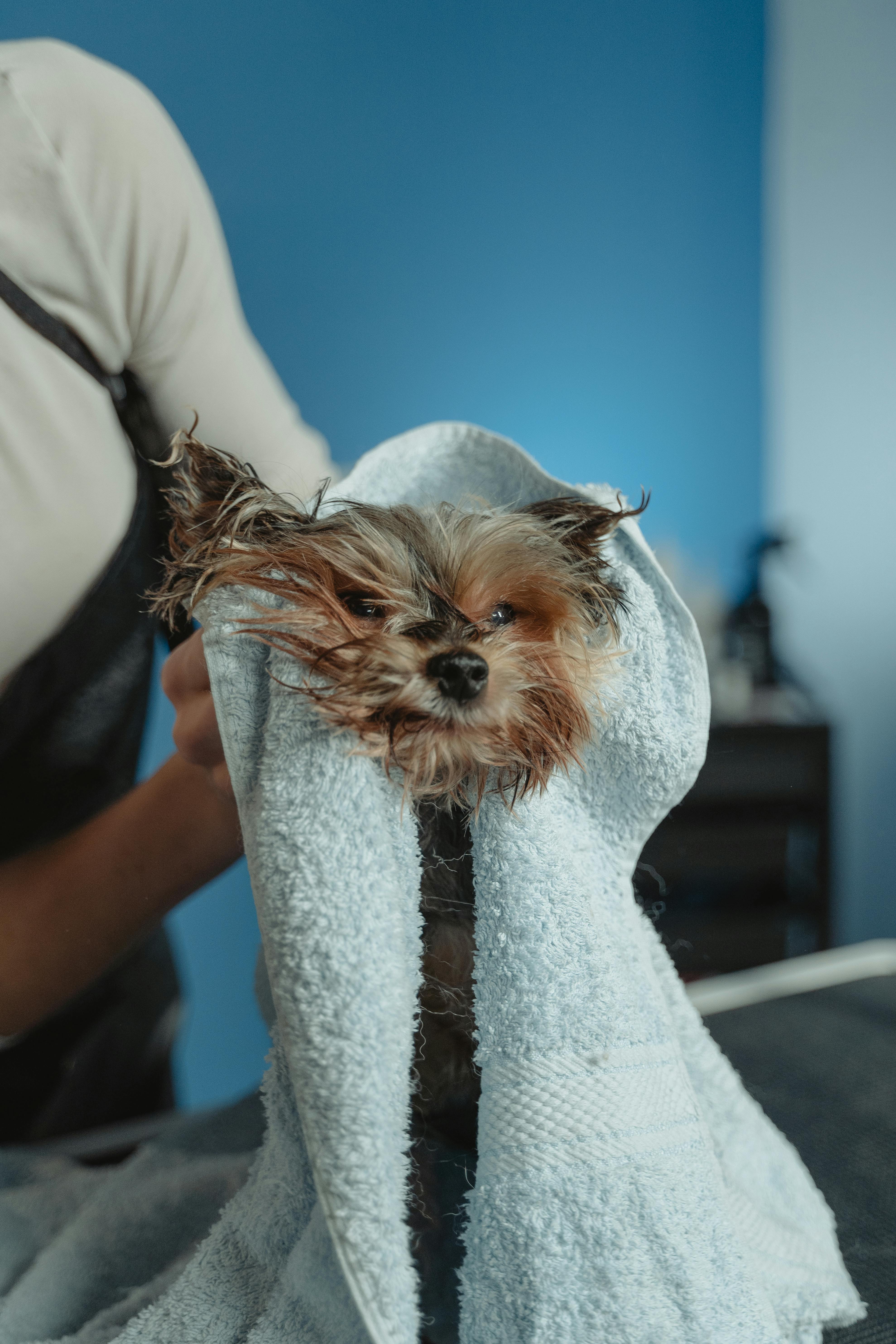 \n\n
\n\nDogs have always been our loyal companions, and one of their cutest and most curious traits is their wet noses. You might wonder, why do dogs have wet noses? Well, the answer is more complex than it seems, combining biology, behavior, and even a little bit of history. Let’s dive into the fascinating reasons why our furry friends have those moist, cold noses.
\nThe Biology Behind Wet Noses
\nDogs’ noses are not just for sniffing; they serve a purpose. A wet nose is actually a sign of good health in dogs. Here are some biological functions of a dog's nose:
\n- \n
- Temperature Regulation: Dogs do not sweat like humans do. Instead, they cool off through their noses. The moisture on their noses helps to cool their body temperature. \n
- Enhanced Smell: A wet surface can help capture scent particles in the air, enhancing a dog’s sense of smell. This is why dogs are often used in search and rescue missions—they can detect scents better when their noses are moist. \n
- Health Indicator: A dog’s nose is usually wet when they are healthy. A dry nose can indicate dehydration or fever, so it’s a good indicator to monitor. \n
The Evolutionary Perspective
\nHistorically, dogs descended from wolves, who also had wet noses. This trait likely evolved because it helps them thrive in their environments. Let’s look at how this adaptation has helped dogs over time:
\n- \n
- Hunting and Foraging: Wet noses enable better tracking of prey. When wolves hunted, a moist nose helped them pick up scents from the ground and air, improving their chances of survival. \n
- Communication: Dogs also use their noses to communicate with each other. A wet nose can signal to another dog that they are friendly and available for interaction. \n
Practical Examples of Nose Function
\nEver wonder why your dog always seems to know when you’re coming home? It’s likely because of their wet noses! Here are some everyday examples of how a dog’s nose works:
\n- \n
- Finding Food: If you drop a piece of food on the floor, your dog probably finds it almost immediately. Their wet nose helps them pick up the scent quickly. \n
- Detecting Emotions: Dogs can also smell hormonal changes in humans. If you’re anxious or stressed, they might sense it through the changes in your body’s chemistry. \n
Comparison: Dogs vs. Other Animals
\nLet’s see how dogs’ noses compare to those of other animals:
\n| Animal | \nNose Type | \nSensitivity Level | \nPurpose | \n
|---|---|---|---|
| Dogs | \nWet | \nExtremely High | \nHunting, tracking, cooling | \n
| Cats | \nDry | \nModerate | \nHunting, marking territory | \n
| Horses | \nWet/Dry | \nLow | \nBasic scent detection | \n
| Elephants | \nWet | \nVery High | \nCommunication, foraging | \n
Fun Facts about Dog Noses
\n- \n
- Unique Patterns: Just like human fingerprints, each dog has a unique nose print. \n
- Variety of Shapes: Different breeds have different nose shapes and moisture levels, which can affect their smelling abilities. \n
- Temperature Check: You can often tell a dog’s health by checking their nose. A cold, moist nose usually indicates they’re in good health. \n
Common Misunderstandings
\nMany people think that a dog’s nose should always be wet. However, this isn’t always the case. Here’s some common myths debunked:
\n- \n
- Myth: A dry nose means a dog is sick.
- \n
- Fact: While a dry nose can be a sign of illness, it’s not definitive. Factors like weather and sleeping patterns can affect the moisture level. \n
\n - Myth: All dogs have wet noses at all times.
- \n
- Fact: Some dogs may have drier noses due to breed differences or age. \n
\n
What to Monitor
\nAs a dog owner, you should keep an eye on your dog’s nose. Here are some signs to watch for:
\n- \n
- Dryness or Cracking: This can indicate dehydration or a skin condition. \n
- Discoloration: A change in color could be a sign of a health issue. \n
- Excessive Moisture: If your dog’s nose is excessively wet, it could indicate a problem with their health. \n
In the end, understanding why dogs have wet noses is just one of the many fascinating aspects of caring for these wonderful creatures. Their noses are not just cute; they serve crucial functions that reflect their biology and history. So next time you give your dog a scratch behind the ears, remember the science behind that wet nose and appreciate the amazing evolution that brought these loyal companions into our lives.
\n\nTop 5 Fascinating Reasons Your Dog’s Nose Is Always Damp
\n\n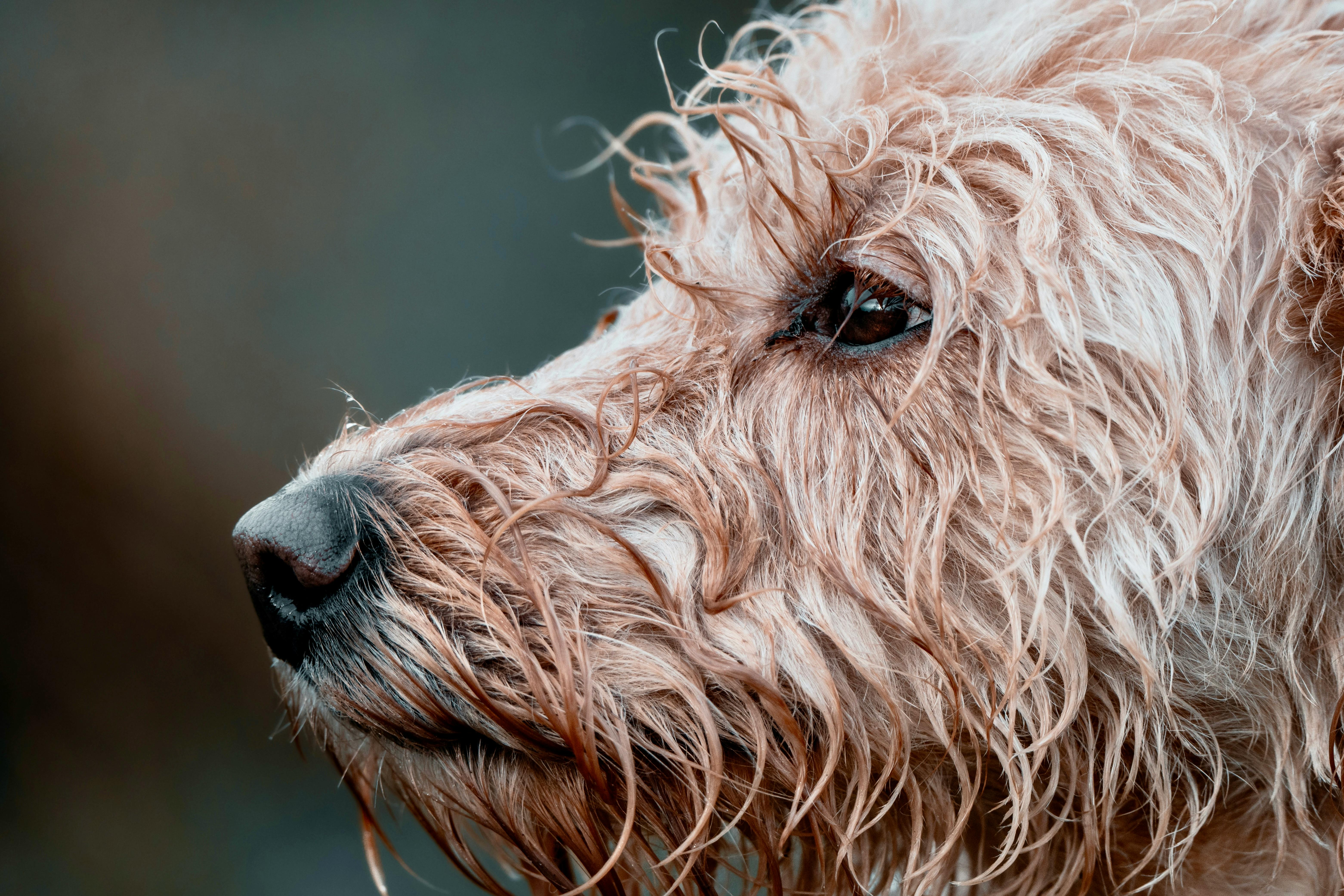 \n\n
\n\nHave you ever wondered why your dog’s nose feels like a small sponge? Or why it's always damp? Turns out, there's more to that wet nose than just being cute. In fact, there are several fascinating reasons why dogs have wet noses. Let's explore the top five reasons that not only explain this interesting trait but also give insight into your furry friend’s health and behavior.
\n1. Thermoregulation
\nOne of the primary reasons for a dog’s wet nose is thermoregulation. Dogs don’t sweat like humans do; instead, they rely on panting and having a damp nose to help regulate their body temperature. When a dog’s nose is moist, it can help cool the air they inhale, which in turn helps to cool their body.
\n- \n
- How it works: The moisture evaporates from the nose, cooling the blood vessels in the area. \n
- Importance: This is especially crucial on hot days when dogs might struggle to cool down. \n
2. Enhanced Sense of Smell
\nDogs are renowned for their impressive sense of smell, and a wet nose plays a significant role in that. The moisture on a dog’s nose captures scent particles in the air and enhances their ability to smell.
\n- \n
- Scent detection: A wet surface helps to dissolve the scent particles, making them easier to detect. \n
- Comparison: Humans have about 5 million scent receptors, while dogs have up to 300 million! \n
3. Communication Tool
\nDid you know that a dog’s nose can also be a means of communication? Dogs often use their noses to explore their environment and gather information about other animals and humans. A damp nose might indicate curiosity and friendliness.
\n- \n
- Interaction: Dogs often sniff each other’s noses as a greeting. \n
- Behavior: If your dog’s nose is damp and cold, it might be feeling relaxed and comfortable in its surroundings. \n
4. Health Indicator
\nThe moisture level of a dog’s nose can actually serve as a health indicator. A wet nose is often a sign of a healthy dog, while a dry, cracked nose could indicate dehydration or other health issues.
\n- \n
- Healthy signs: Wet, cool noses are generally a sign of a well-hydrated and happy dog. \n
- When to worry: If your dog’s nose is excessively dry or if there are cracks and sores, it’s best to consult a veterinarian. \n
5. Natural Behavior
\nLastly, having a wet nose is simply a part of being a dog. Puppies are born with moist noses, and this natural trait stays with them throughout their lives.
\n- \n
- Variations in moisture: The degree of wetness can change throughout the day based on activity levels, environment, and health. \n
- Normal ranges: It's normal for a dog’s nose to be wetter after eating or drinking, or after a good play session. \n
Quick Facts about Dog Noses
\n- \n
- Dogs’ noses come in various shapes and sizes depending on the breed. \n
- The color of a dog’s nose can vary, ranging from black to liver to pink. \n
- Dogs have different nose prints just like human fingerprints, which can be used for identification. \n
Things to Watch For
\n- \n
- Consistently dry nose: Could indicate dehydration or illness. \n
- Excessive discharge: If there’s a lot of mucus or pus, it could signal a health problem. \n
- Unusual temperatures: A warm nose might not always be a bad sign, but if it’s warm and dry for a prolonged period, check with a vet. \n
Understanding why your dog’s nose is damp can help you better appreciate the unique ways dogs interact with the world. Their noses are not just cute features; they are essential tools for cooling down, smelling, and communicating.
\nSo next time you pet your dog and feel that dampness, remember the fascinating reasons behind it. It’s all part of what makes our furry friends so special! Plus, being aware of changes in your dog’s nose can help you catch any health issues early, ensuring your pup stays happy and healthy.
\n\nIs Your Dog’s Wet Nose Normal? Understanding Canine Health Indicators
\n\n \n\n
\n\nHave you ever noticed your dog's wet nose and wondered if it’s normal? Many dog owners ask this question, and it’s more important than you might think. A dog’s nose can tell you a lot about its health, behavior, and even mood. Understanding why dogs have wet noses is not just a cute trivia; it can have serious implications for your pet's health. Let's dive into the fascinating world of canine noses and what they reveal about your furry friend.
\nWhy Do Dogs Have Wet Noses?
\nDogs have wet noses for several reasons, and understanding these can help you to know your pet better. Here are some of the most common reasons:
\n- \n
- \n
Cooling Mechanism: Dogs don’t sweat like humans do. Instead, they regulate their body temperature through their noses and paw pads. A wet nose helps them cool down more efficiently, especially during hot weather.
\n \n - \n
Sense of Smell: A wet surface on a dog's nose helps to enhance their sense of smell. The moisture collects scent particles from the air, improving their ability to detect various smells. This is why dogs are often used in search and rescue or detection work.
\n \n - \n
Health Indicator: A dog's nose can change based on their health. A healthy dog usually has a moist, cool nose. If it becomes dry or warm, it may indicate illness or dehydration, though there are exceptions.
\n \n - \n
Behavioral Signals: Sometimes, a dog’s nose gets wet when they are excited or happy. A dog may lick its nose more when they are interacting with people or other animals, signaling their eagerness to engage.
\n \n
The Science Behind a Wet Nose
\nThe moisture on your dog's nose comes from a combination of factors. Dogs have specialized glands that secrete mucus, and this mucus contains proteins that can help them identify scents more effectively. The wetness also assists in trapping particles, which the dog then can analyze with their olfactory receptors.
\nHere are some interesting facts about canine noses:
\n- \n
- \n
Nasal Anatomy: A dog's nose has up to 300 million scent receptors, compared to a human's 5 million. This gives them an incredible sense of smell, which is crucial for hunting and tracking.
\n \n - \n
Temperature Regulation: When a dog pants, it helps to cool down their body. The wetness on the nose supports this process, helping to pull heat away from the body.
\n \n - \n
Nasal Health: Regularly checking your dog’s nose can help you catch health issues early. A nose that is excessively dry or cracked could indicate dehydration or illness. If you notice any changes, consult your veterinarian.
\n \n
Common Misconceptions About Dog Noses
\nThere are many myths surrounding dog noses. Here are a few that are commonly believed:
\n- \n
- \n
Warm Nose Means Sick: While a warm or dry nose can indicate illness, it's not always the case. Some dogs simply have naturally warmer noses, and it may not indicate any health problems.
\n \n - \n
Wet Noses Equal Happy Dogs: A wet nose is often associated with a happy dog, but a dog can have a wet nose and still be feeling unwell. Always consider other signs of health and behavior.
\n \n - \n
All Dogs Have Wet Noses: Some breeds, like Bulldogs or Pugs, may have drier noses due to their unique anatomy. This does not mean they are unhealthy; it's just part of their breed characteristics.
\n \n
How to Care for Your Dog’s Nose
\nMaintaining your dog's nose is an essential part of pet care. Here are some tips:
\n- \n
- \n
Hydration: Ensure that your dog has access to fresh water at all times. Dehydration can lead to a dry nose.
\n \n - \n
Regular Vet Visits: Schedule routine check-ups with your veterinarian to monitor your dog’s overall health, including their nose.
\n \n - \n
Environmental Considerations: Protect your dog’s nose from extreme weather conditions. Cold, dry air can lead to cracked noses, while hot weather can cause overheating.
\n \n
Signs to Watch For
\nKeep an eye out for these signs that could indicate a problem:
\n- \n
- Cracked or peeling skin on the nose \n
- Excessive dryness or warmth \n
- Discoloration or unusual spots \n
- Persistent discharge or bleeding \n
If you notice any of these signs, it is best to consult your veterinarian.
\nUnderstanding your dog's nose can help you take better care of them and be aware of any health issues that may arise. The next time you give your furry friend a good scratch on the head, take a moment to appreciate that wet nose—it’s not just cute; it's a vital part of their health and well-being.
\n\n7 Surprising Benefits of a Wet Nose in Dogs: What Every Pet Owner Should Know
\n\n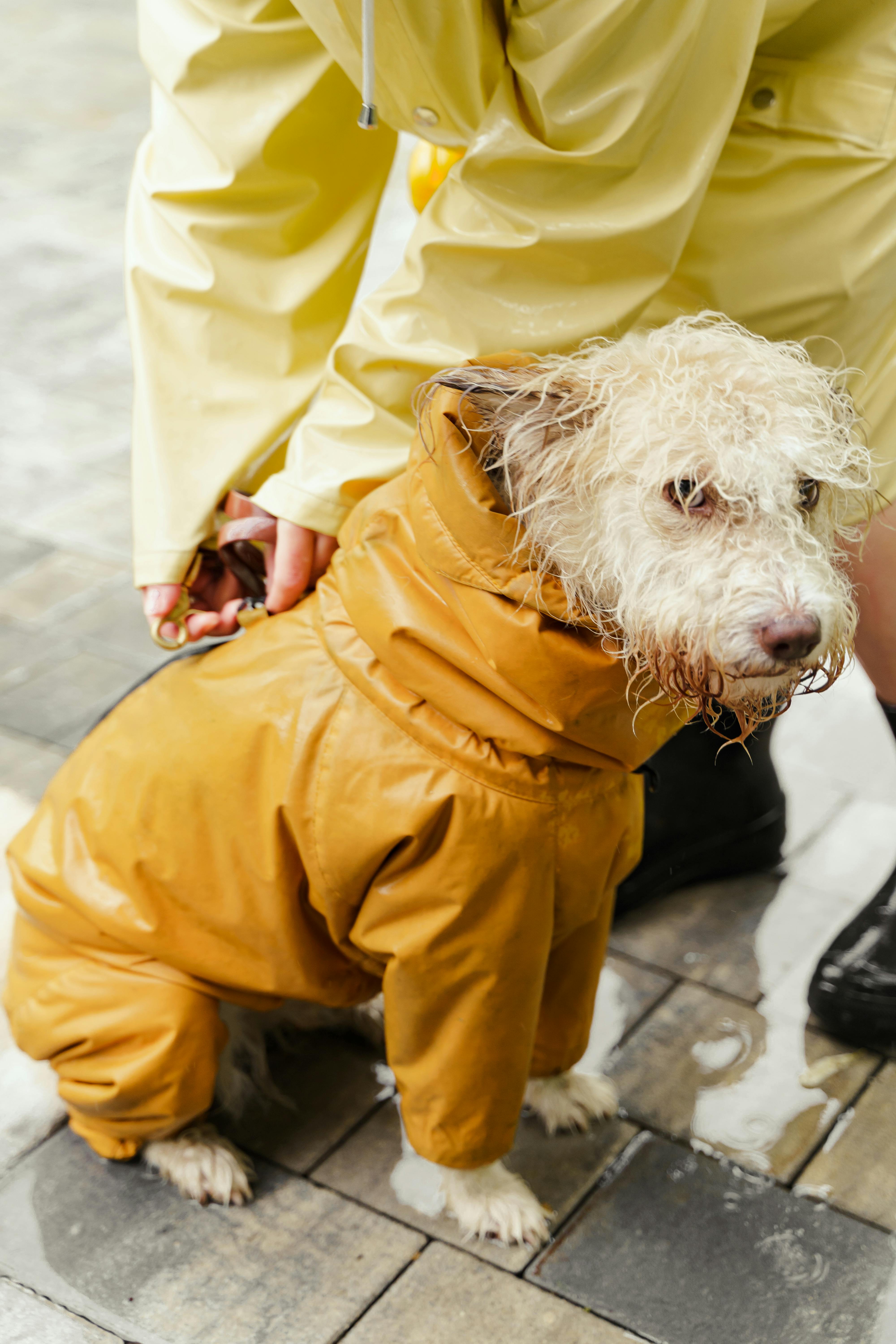 \n\n
\n\nEvery dog owner knows that their furry friend often has a distinctly wet nose, and many wonder why it is that way. While some might think it's just a quirk of nature, the truth is that there are several fascinating reasons behind this characteristic. In fact, there are surprising benefits of a wet nose that every pet owner should know about. Let's explore these benefits and uncover the science behind why do dogs have wet noses.
\n1. Enhanced Sense of Smell
\nDogs are known for their incredible sense of smell, and their wet noses play a key role in this. The moisture on a dog's nose helps to capture scent particles in the air, making it easier for them to detect different smells. This is especially important for hunting or tracking. A wet nose can pick up smells better than a dry one, which is why dogs are excellent at sniffing out things we can't even see!
\n2. Thermoregulation
\nDogs, unlike humans, do not sweat to cool down. Instead, they rely on other methods to regulate their body temperature, and a wet nose helps with that! The moisture on their noses evaporates, which can help to cool them down. When dogs are feeling hot, they often lick their noses more to maintain that moisture and keep their body temperature in check.
\n3. Communication Tool
\nDid you know that a dog's nose can also serve as a communication tool? When dogs greet each other, they often sniff each other's noses to gather information about each other. A wet nose might signal to another dog that they are friendly and open to interaction. This is part of their social behavior, and understanding this can help pet owners interpret their dog's interactions better.
\n4. Health Indicator
\nA wet nose can sometimes indicate good health in dogs. While it’s not a definitive sign, a moist nose is often associated with hydration and overall well-being. Conversely, a dry or cracked nose might signal an issue, such as dehydration or even illness. Pet owners should be observant of changes in their dog’s nose moisture as it could point to health problems.
\n5. Sensory Organ
\nThe nose of a dog is not just for smelling; it is actually an important sensory organ. The skin on a dog’s nose contains special receptors that help them detect different textures and temperatures. This means that when a dog touches something with their nose, they are gathering valuable information about their environment. This is particularly useful for puppies as they explore their world.
\n6. Bonding Experience
\nWhen you pet your dog or give them a gentle rub on the nose, it can enhance the bond between you and your furry companion. The act of petting and touching can release oxytocin, often called the "love hormone," in both you and your dog. This wet nose interaction can be part of what strengthens the human-animal connection, making both feel more secure and loved.
\n7. Natural Moisturizer
\nInterestingly, a wet nose can also act as a natural moisturizer for dogs. Just like humans can use creams and lotions, dogs’ noses have the ability to keep themselves moisturized naturally. The moisture helps to protect their nose from cracking and keeps it comfortable, which is essential for their overall health.
\nFascinating Facts About Dog Noses
\n- \n
- Dogs have more than 220 million scent receptors, which is vastly more than humans who only have about 5 million. \n
- The shape and size of a dog's nose can influence their sense of smell. Breeds like Bloodhounds and German Shepherds have particularly well-developed noses. \n
- A dog's nose print is unique, similar to a human fingerprint, and could be used to identify them. \n
Common Misconceptions About Wet Noses
\n- \n
- \n
Myth: A cold and wet nose means a dog is sick.
\n \n - \n
Fact: A dog's nose temperature and moisture can vary throughout the day and is not a reliable health indicator.
\n \n - \n
Myth: Dogs with dry noses are always dehydrated.
\n \n - \n
Fact: Environmental factors can cause temporary dryness; it’s important to look for other signs of hydration.
\n \n
In conclusion, understanding the reasons behind a dog's wet nose can enrich your relationship with your pet. From enhancing their sense of smell to serving as a communication tool, the benefits are numerous. Moreover, recognizing the health implications of a wet nose can help you keep an eye on your furry friend’s well-being. So, the next time you greet your dog, take a moment to appreciate that wet nose and all the wonders it brings!
\n\nWet Noses and Dog Behavior: How Your Pup’s Snout Influences Their Emotions
\n\n \n\n
\n\nWet noses are often a characteristic of dogs that brings a smile to our faces. But have you ever wondered why do dogs have wet noses? This question lead to a fascinating exploration of canine behavior and emotions. The truth is, a dog’s snout, particularly its moisture, plays a significant role in their overall well-being and communication. Let’s dive into the intriguing world of wet noses and how they relate to your pup’s feelings.
\nThe Science Behind a Wet Nose
\nThe moisture on a dog’s nose is not just there for fun. It serves several important functions. First, it helps dogs to sense the world around them. Dogs’ noses are packed with olfactory receptors—up to 300 million, compared to a human’s 5 million. This means they can detect scents at incredibly low concentrations. The wetness of a dog’s nose enhances these abilities.
\n- \n
- Moisture enhances scent detection: The wet surface captures scent particles, making it easier for dogs to identify smells. \n
- Temperature regulation: A wet nose helps cool a dog down, which is important for their health. \n
- Social communication: Dogs can use their noses to gather information about other dogs or their environment. \n
Why Do Dogs Have Wet Noses?
\nSo, why do dogs have wet noses? The reasons are multifaceted and deeply rooted in their biology and behavior.
\n- \n
- \n
Enhanced Smell: As mentioned, moisture helps dogs smell better. They often sniff things to gather information about their surroundings, and a wet nose aids in that process.
\n \n - \n
Emotional Indicator: A dog’s nose can reflect their emotional state. For instance, if a dog is anxious or scared, their nose might feel dryer than usual. Conversely, an excited dog usually has a wetter nose.
\n \n - \n
Health Indicator: A dog’s nose can also be an important health indicator. A sudden change in nose wetness can signify illness. For example, a dry nose might point to dehydration or fever.
\n \n
Historical Context of Dog Noses
\nHistorically, dogs have been bred for specific roles that require keen senses, including hunting and herding. The wet nose is a trait that has been perpetuated through generations.
\n- \n
- \n
Hunting Dogs: Breeds like Beagles and Bloodhounds were developed for their exceptional sense of smell. Their wet noses help them track scents over long distances.
\n \n - \n
Companion Animals: In today's world, many dogs serve as loyal companions. Their wet noses still help them connect with humans emotionally and socially.
\n \n
Dogs and Their Emotions
\nDogs communicate their feelings in various ways, and their noses play a bigger role than one might think. When dogs are feeling friendly, they often approach with a wet nose, ready to sniff and explore.
\n- \n
- Behavior Signs:
- \n
- A wet nose often indicates curiosity. \n
- A dry nose could suggest stress or unease. \n
- Dogs with wet noses may be more playful and engaged. \n
\n
Fun Facts About Dog Noses
\n- \n
- \n
Shape Matters: The shape of a dog’s nose can influence its sense of smell. Breeds with long noses, like Greyhounds, often have better olfactory capabilities than flat-faced breeds.
\n \n - \n
Unique Patterns: Just like human fingerprints, every dog’s nose print is unique. This has even been used for identification purposes!
\n \n - \n
Temperature Sense: Dogs can detect temperature changes through their noses, which can help them sense when something is too hot or cold in their environment.
\n \n
Practical Tips for Dog Owners
\nUnderstanding your dog's nose can help you be a better pet owner. Here’s some tips to keep in mind:
\n- \n
- \n
Monitor Nose Wetness: Keep an eye on your dog's nose. If it suddenly becomes dry for an extended period, consider consulting a vet.
\n \n - \n
Encourage Sniffing: Allow your dog to explore their environment through sniffing. It’s not just for fun; it’s essential for their mental stimulation.
\n \n - \n
Stay Hydrated: Ensure your dog has access to fresh water. A hydrated dog is more likely to have a healthy, wet nose.
\n \n
Summary
\nIn summary, a dog’s wet nose is more than just an adorable feature; it’s a complex part of their biology that influences their emotions and behavior. Understanding why do dogs have wet noses can deepen your bond with your furry friend. By paying attention to their nose and what it might indicate about their feelings or health, you can enhance your relationship. It’s a small detail that reveals a lot about the wonderful world of dogs. Remember, a wet nose is often a happy nose, and that’s something to cherish!
\n\nWhat Your Dog’s Wet Nose Says About Their Health: A Comprehensive Guide
\n\n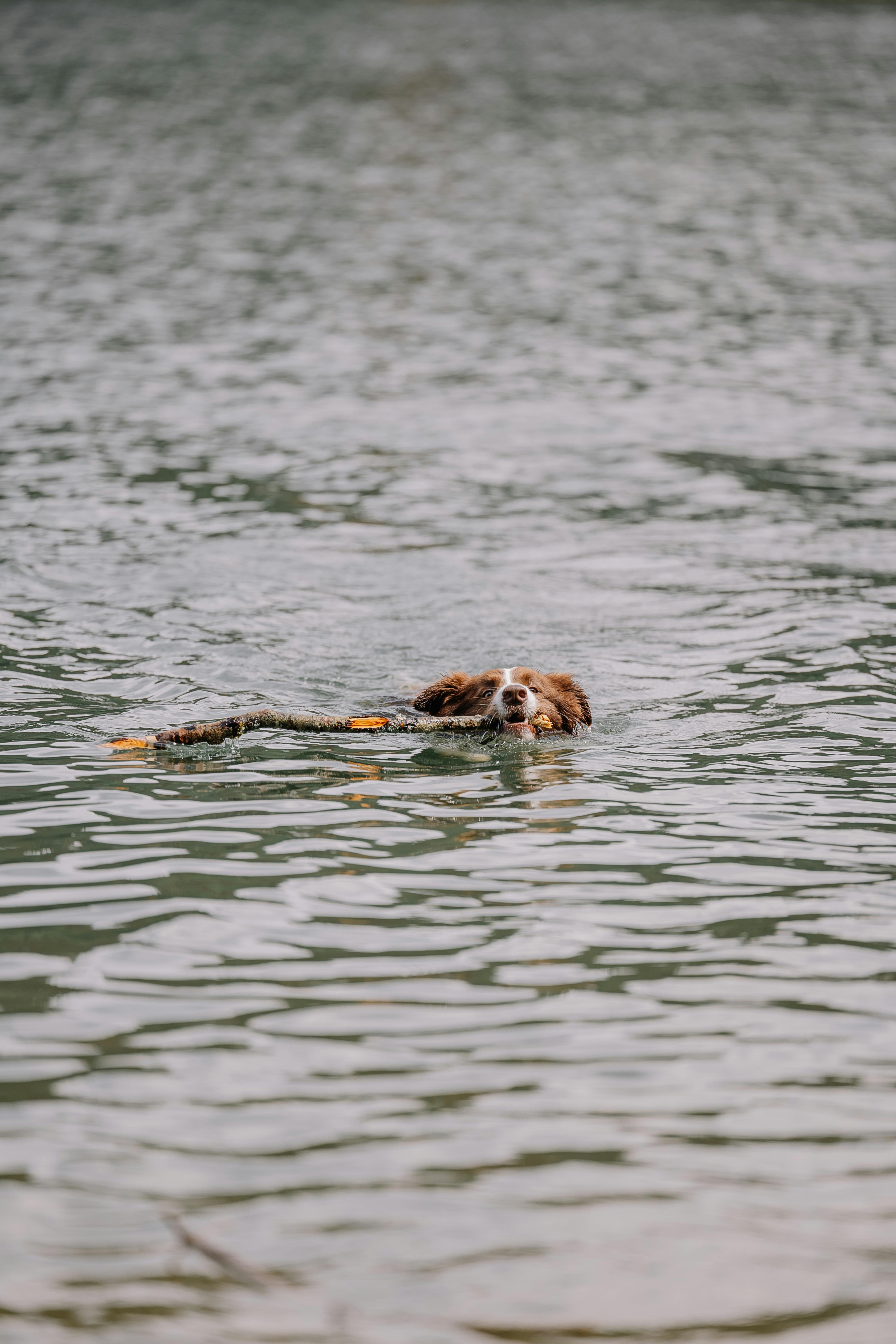 \n\n
\n\nHave you ever wondered why your furry friend’s nose is often wet? It’s a common curiosity among dog owners and for good reason! The moisture of a dog’s nose can tell us a lot about their health and behavior. In this guide, we delve into the fascinating reasons behind this phenomenon, plus what a wet nose might indicate about your dog's well-being.
\nWhy Do Dogs Have Wet Noses?
\nThere are several reasons why a dog’s nose is wet. First, it’s important to note that dogs have a unique physiological makeup. Their noses are not just for smelling but also serve to regulate their body temperature and keep them cool. Here are some key points about why dogs have wet noses:
\n- \n
- \n
Cooling Mechanism: Dogs don’t sweat like humans do. Instead, they rely on their noses to help cool off. The moisture evaporating from the nose surface helps to lower their body temperature.
\n \n - \n
Enhanced Sense of Smell: A wet nose helps trap scent particles in the air. This makes it easier for dogs to detect smells, which is critical to their survival and social behavior.
\n \n - \n
Health Indicator: The condition of a dog’s nose can reflect its health. A healthy nose is usually moist and cool, while a dry or cracked nose may indicate dehydration or illness.
\n \n - \n
Nasal Mucus Production: Dogs produce mucus in their noses, which contributes to the wetness. This mucus is important for trapping dust and other particles, helping to keep their airways clear.
\n \n
What Does a Wet Nose Mean?
\nSo, if your dog’s nose is wet, it’s usually a good sign! But it can also mean different things depending on the context. Here’s a breakdown of what to consider:
\n- \n
- \n
Normal Condition: If your dog’s nose is moist and cool, it generally means they are healthy and hydrated.
\n \n - \n
Dry Nose: A dry nose can sometimes be a sign of dehydration. However, it can also be normal for certain breeds or during certain weather conditions.
\n \n - \n
Temperature Changes: If your dog has a warm, dry nose, it might indicate a fever. Keeping an eye on their overall behavior can help you determine if a trip to the vet is necessary.
\n \n - \n
Infections or Allergies: Sometimes, a runny nose might mean your dog has an allergy or an infection. Look for other symptoms like sneezing, coughing, or lethargy.
\n \n
How to Monitor Your Dog’s Nose Health
\nRegularly checking your dog’s nose can help you catch potential health issues early. Here’s how to do that:
\n- \n
- \n
Observe the Temperature: Touch their nose with your hand. Is it cool or warm? A warm nose might require closer observation.
\n \n - \n
Check for Moisture: Is the nose dry or cracked? If so, try giving your dog more water and monitor any changes.
\n \n - \n
Look for Discharge: Notice any unusual discharge, like mucus or blood. This could be a sign of an underlying issue.
\n \n - \n
Behavioral Changes: Pay attention to your dog’s overall behavior. If they seem lazy or out of sorts, it might be worth a vet visit.
\n \n
Dogs and Their Noses: Fun Facts
\n- \n
- \n
Breed Differences: Certain breeds have different nose types. For instance, brachycephalic dogs (like Bulldogs) may have less nasal moisture due to their facial structure.
\n \n - \n
Nose Prints: Just like human fingerprints, every dog has a unique nose print that can be used for identification.
\n \n - \n
Nasal Butt: Dogs have a special part of their brain dedicated to processing smells, which is about 40 times larger than that of humans.
\n \n - \n
Temperature Regulation: Dogs can sweat through their paw pads, but their nose plays a crucial role in thermoregulation as well.
\n \n
When to Consult a Veterinarian
\nIf you observe any significant changes in your dog’s nose along with other symptoms, you should consult your veterinarian. Here’s a quick list of signs that warrant a vet visit:
\n- \n
- Persistent dry nose with cracking \n
- Excessive nasal discharge that is yellow or green \n
- Unusual behavior, such as lethargy or loss of appetite \n
- Any signs of pain or discomfort \n
Understanding what your dog’s wet nose says about their health is crucial for every pet owner. It’s not just a cute feature; it’s an important aspect of their well-being. Keeping an eye on your dog’s nose can help you catch health issues early and ensure they remain happy and healthy. So next time you feel that cool, moist nose, you can smile knowing that your furry friend is likely in good shape!
\n\nCurious Canines: The Evolutionary Purpose of Wet Noses in Dogs
\n\n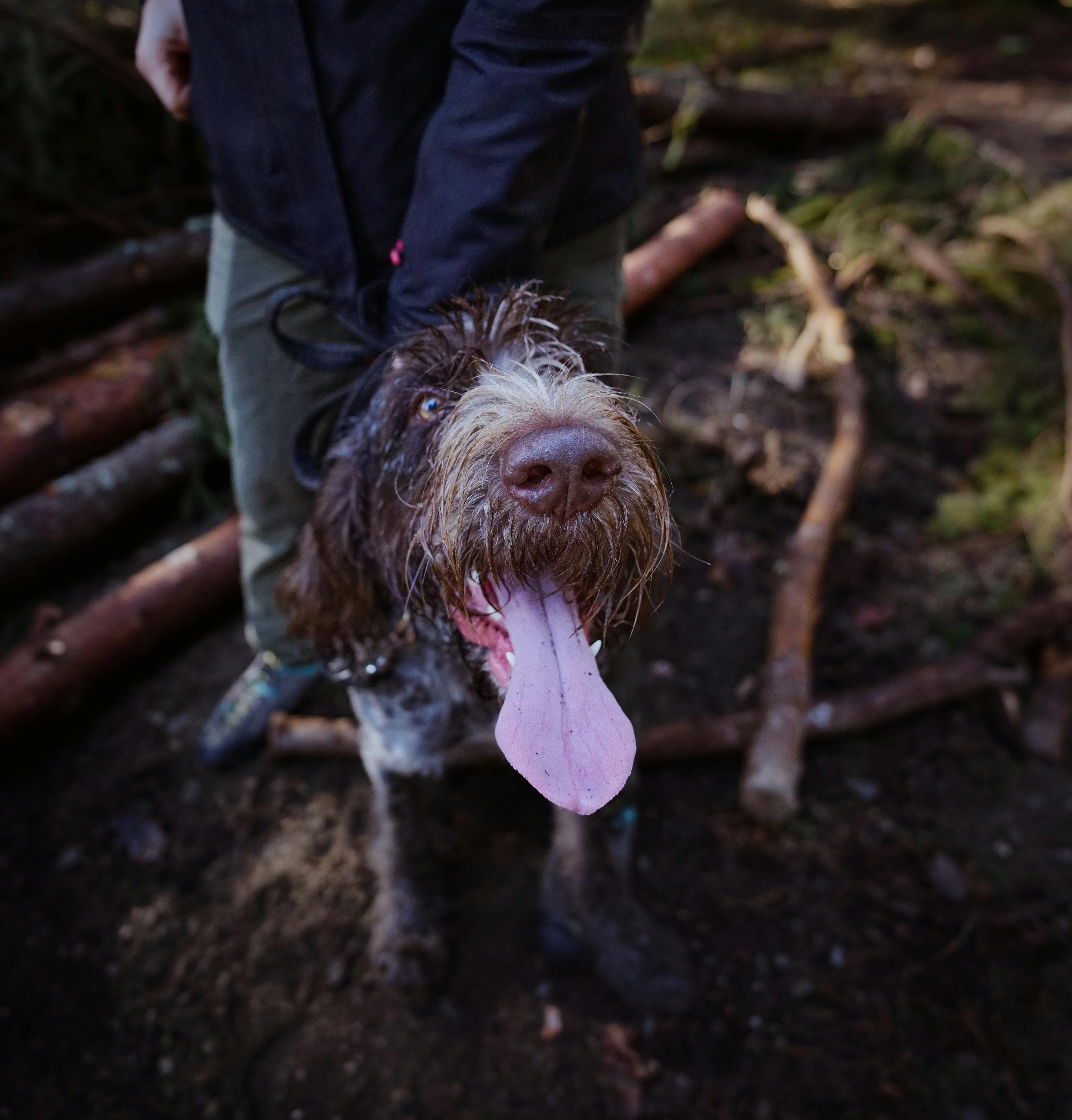 \n\n
\n\nDogs, often called man's best friend, have been companions to humans for thousands of years. One of the most intriguing features of these beloved animals is their wet noses. Have you ever wondered why do dogs have wet noses? The answer is not just a random characteristic; it’s tied to their evolution, health, and even communication. In this article, we’ll explore the fascinating reasons behind this unique trait.
\nThe Evolutionary Purpose of Wet Noses
\nWet noses in dogs isn’t just for show. It serves multiple purposes that have evolved over time.
\n- \n
- \n
Enhanced Sense of Smell: Dogs have an incredible sense of smell, estimated to be between 10,000 to 100,000 times more sensitive than that of humans. A wet nose helps to trap scent particles in the air, allowing dogs to pick up smells more effectively.
\n \n - \n
Cooling Mechanism: Just like humans sweat to cool down, dogs rely on their noses to help regulate body temperature. The moisture on a dog’s nose evaporates, which cools them down, especially on hot days.
\n \n - \n
Health Indicator: The condition of a dog’s nose can indicate their health. A wet, cool nose is typically a sign of a healthy dog, whereas a dry or cracked nose might suggest dehydration or illness.
\n \n
Historical Context of Dog Noses
\nHistorically, dogs have been domesticated for various purposes, from hunting to herding. The evolution of their noses has played a crucial role in their ability to perform these tasks.
\n- \n
- \n
Tracking and Hunting: Early humans relied on dogs to track and hunt game. The wet nose trait would have been advantageous, enhancing their tracking abilities.
\n \n - \n
Communication with Other Dogs: Dogs use their noses as a way to communicate. A wet nose can signal friendliness or submission, while a dry nose might indicate stress or discomfort.
\n \n
The Science Behind a Dog’s Nose
\nUnderstanding the biology of a dog’s nose can shed light on why it’s wet.
\n- \n
- \n
Mucous Membranes: Dogs have mucous membranes that keep their noses moist. This moisture not only helps to capture scents but also keeps the nose cool.
\n \n - \n
Scent Receptors: Dogs have up to 300 million scent receptors in their noses, compared to about 5 million in humans. This anatomical difference emphasizes the importance of a wet nose in enhancing their olfactory capabilities.
\n \n
Fun Facts About Dog Noses
\nHere are some interesting tidbits that might surprise you!
\n- \n
- \n
Unique Nose Prints: Just like human fingerprints, every dog has a unique nose print. This could theoretically be used for identification.
\n \n - \n
Nose Color: The color of a dog’s nose can vary based on breed, age, and even season. For instance, some dogs may have a black nose, while others might have a liver-colored or pink nose.
\n \n - \n
Temperature Regulation: Dogs can also use their tongues and paws to regulate body temperature, but the nose plays a significant role in this process too.
\n \n
Why Do Dogs Have Wet Noses? A Summary List
\n- \n
- Captures Scent Particles: Enhances sense of smell. \n
- Regulates Body Temperature: Essential for cooling. \n
- Health Indicator: Aids in assessing well-being. \n
- Communication Tool: Used to express emotions and intentions. \n
Comparing Dog Noses to Human Noses
\nHere’s a quick comparison of dog noses versus human noses:
\n| Feature | \nDog Nose | \nHuman Nose | \n
|---|---|---|
| Scent Receptors | \n300 million | \n5 million | \n
| Wetness | \nUsually wet | \nTypically dry | \n
| Temperature Control | \nEvaporates to cool | \nSweating through skin | \n
| Unique Prints | \nUnique to each dog | \nNot unique | \n
The differences highlight just how specialized a dog’s nose is for its lifestyle and needs.
\nPractical Examples of Dog Nose Usage
\n- \n
- \n
Search and Rescue: Dogs with wet noses are often trained for search and rescue missions to locate missing persons due to their heightened sense of smell.
\n \n - \n
Detection Work: In law enforcement, dogs use their noses to detect drugs or explosives, showcasing the evolutionary benefits of having a wet nose.
\n \n - \n
Therapeutic Roles: Many therapy dogs use their noses to comfort people, signaling their presence and emotional support.
\n \n
Understanding why do dogs have wet noses goes beyond mere curiosity; it provides insight into the remarkable adaptations that these animals have developed over centuries. The next time you pet a dog and feel that moist nose against your hand, remember that it’s not just a cute feature. It’s a testament to their evolution, skills, and bond with humans.
\n\nDo All Dogs Have Wet Noses? Debunking Myths and Misconceptions
\n\n\n\nDo all dogs have wet noses? This question sparks curiosity among dog lovers and pet owners alike. Many people believe that a dog’s wet nose is a sign of health and vitality, but is that really the case? Let’s dive into the fascinating reasons behind why dogs have wet noses and address some myths that have circulated over time.
\nThe Science Behind Wet Noses
\nDogs’ noses are wet for several reasons. Firstly, a wet nose helps them cool down. Dogs don’t sweat like humans do; instead, they rely on panting and their nose to regulate body temperature. When a dog’s nose is moist, it can help to evaporate heat more efficiently, which keeps them cool, especially during hot days.
\nSecondly, a wet nose increases their sense of smell. The moisture on a dog’s nose traps scent particles, allowing them to detect smells more effectively. This is why dogs are such great sniffers! They have an extraordinary olfactory system that is far superior to that of humans.
\n- \n
- Did you know? A dog’s sense of smell is estimated to be 10,000 to 100,000 times more sensitive than ours! \n
Myths and Misconceptions
\nLet’s address some common myths regarding dog noses:
\n- \n
- \n
Myth: A wet nose means a healthy dog.
\n- \n
- While many healthy dogs have wet noses, not all healthy dogs do. Dogs can have dry noses and still be perfectly fine. Factors like weather, breed, and overall health can influence nose moisture. \n
\n - \n
Myth: All dogs have wet noses.
\n- \n
- Contrary to popular belief, not all dogs have wet noses all the time. Some breeds may have drier noses due to their genetics or environmental conditions. \n
\n - \n
Myth: If a dog’s nose is warm, they have a fever.
\n- \n
- A dog’s nose temperature is not a reliable indicator of their health. Their noses can fluctuate in temperature based on various factors, including activity level or the environment. \n
\n - \n
Myth: Dogs lick their noses to keep them wet.
\n- \n
- While dogs do lick their noses, it’s not the primary reason for nose moisture. The moisture comes from their own body’s production of mucus and the surrounding environment. \n
\n
The Role of Nose Moisture in Dogs
\nNose moisture plays a crucial role in how dogs interact with the world. Here are some interesting points to consider:
\n- \n
- Enhanced Smell: The wetness helps in trapping scent molecules, which is vital for their hunting and tracking abilities. \n
- Thermoregulation: A moist nose can help dogs manage their body temperature, especially in warmer climates. \n
- Communication Tool: Dogs also use their noses to communicate with each other. A wet nose can signal a friendly and approachable demeanor. \n
Why Do Some Dogs Have Drier Noses?
\nSeveral factors can contribute to a dog having a dry nose. Here are some possible reasons:
\n- \n
- Dehydration: Just like humans, dogs need plenty of water. A dry nose can be a sign that your dog may need more fluids. \n
- Weather Conditions: Hot and dry weather can lead to increased nose dryness. Cold weather can also cause noses to become chapped. \n
- Allergies: Dogs can suffer from allergies, which may manifest in various ways, including dry noses. \n
- Health Issues: Certain medical conditions can lead to changes in nose moisture. If you notice significant changes, it’s best to consult with a veterinarian. \n
Fun Facts About Dog Noses
\n- \n
- Unique Patterns: Just like human fingerprints, every dog has a unique nose print that can be used to identify them. \n
- Nose Color: Dogs’ noses come in various colors, from black to pink, and this can be influenced by genetics. \n
- Sensitivity: Dogs’ noses have more than 200 million smell receptors, while humans only have about 5 million. \n
In summary, while wet noses in dogs can be a fascinating topic, it’s essential to debunk the myths surrounding them. Not every dog will have a wet nose, and this isn’t always an indicator of health. Understanding the reasons behind the wetness and the factors that contribute to nose moisture can help dog owners better care for their furry friends. Remember, if you ever have concerns about your dog’s health, it’s always best to reach out to a veterinarian for professional advice.
\n\nHow Temperature and Environment Affect Your Dog's Nose Moisture
\n\n \n\n
\n\nHave you ever wondered why your dog's nose is always wet? It’s a common question among pet owners, and the answer is quite fascinating. The moisture of a dog's nose can be affected by various factors, including temperature and environment. Understanding these influences can help you keep your furry friend healthy and happy. Let’s explore the reasons behind those wet noses and how different conditions impact them.
\nThe Anatomy of a Dog’s Nose
\nFirst, it’s helpful to know what makes a dog's nose wet in the first place. The outer layer of a dog’s nose, called the rhinarium, is designed to absorb moisture. This moisture comes from several sources, including:
\n- \n
- Saliva: Dogs often lick their noses, which adds moisture. \n
- Environment: Humid conditions can keep the nose moist. \n
- Body Temperature: When dogs are warm, they sweat a bit through their noses. \n
A wet nose is a signal that your dog is healthy. If a dog’s nose becomes dry and cracked, it could be a sign of dehydration or illness.
\nHow Temperature Impacts Nose Moisture
\nTemperature plays a significant role in how moist a dog’s nose stays. When it’s hot outside, dogs often pant to cool down, and their noses can dry out more quickly. Conversely, in cooler weather, a dog’s nose may retain moisture better. Here are some ways temperature affects your dog's nose:
\n- \n
- \n
High Temperatures:
\n- \n
- Can cause dehydration. \n
- May lead to a dry nose. \n
\n - \n
Low Temperatures:
\n- \n
- Can cause frostbite in extreme cases. \n
- Usually keeps noses more moist. \n
\n
Environmental Factors to Consider
\nThe environment in which your dog lives also affects the moisture of their nose. Humidity levels and air quality can make a big difference. Here’s how:
\n- \n
- \n
High Humidity:
\n- \n
- Keeps noses moist since water vapor is present in the air. \n
- Dogs living in humid areas often have wetter noses. \n
\n - \n
Low Humidity:
\n- \n
- May lead to dry noses. \n
- Dogs in dry climates might need more water to stay hydrated. \n
\n - \n
Indoor vs. Outdoor:
\n- \n
- Indoor heating during winter can dry out air, leading to drier noses. \n
- Ventilation in homes can also impact nose moisture. \n
\n
Why Do Dogs Have Wet Noses? The Fascinating Reasons!
\nThere are several fascinating reasons why dogs have wet noses. Let’s break them down:
\n- \n
- \n
Sense of Smell: A wet nose helps absorb scent chemicals, enhancing a dog’s ability to smell. It’s an evolutionary trait that makes them excellent hunters.
\n \n - \n
Regulating Body Temperature: Just like humans sweat to cool down, dogs rely on the moisture on their noses to help regulate their body temperature. A cooler nose can indicate a cooler body.
\n \n - \n
Communication Tool: Dogs use their noses to explore the world. A wet nose can signal excitement or curiosity to other dogs, making it a vital part of dog communication.
\n \n - \n
Health Indicator: A consistently wet nose is often a sign of good health. If it becomes dry or cracked, it might be time to check in with a vet.
\n \n
Practical Examples of Nose Moisture in Dogs
\nTo give you a clearer picture, here are some practical examples of how nose moisture varies among dogs:
\n- \n
- \n
A Labrador Retriever playing in the rain will likely have a wetter nose than a Chihuahua sitting indoors in an air-conditioned room.
\n \n - \n
Dogs who spend a lot of time outdoors in humid conditions, like a Beagle in Florida, will have consistently moist noses compared to a dog living in a dry desert climate.
\n \n - \n
Older dogs might have drier noses due to decreased hydration levels, and this is something to keep an eye on.
\n \n
Tips for Keeping Your Dog’s Nose Healthy
\nHere are some tips to ensure your dog's nose stays healthy and moist, regardless of the environment:
\n- \n
- \n
Hydration: Always provide fresh water. Dehydration can lead to a dry nose.
\n \n - \n
Humidity Control: Use a humidifier in dry conditions, especially during winter months.
\n \n - \n
Regular Vet Check-ups: Monitor any changes in nose moisture. If it dries out suddenly, it could be a sign of health issues.
\n \n - \n
Limit Exposure to Extreme Temperatures: Avoid excessive heat and cold to protect your dog’s nose.
\n \n
Understanding why dogs have wet noses and how temperature and environment affect them is key to keeping your pet healthy. It’s more than just a cute feature; it’s an essential part of their biology and well-being. Keep an eye on those noses, and you’ll ensure your furry friend stays happy and healthy!
\n\nThe Connection Between Wet Noses and Dog Senses: Exploring Olfactory Power
\n\n \n\n
\n\nHave you ever wondered why dogs have wet noses? It's not just an endearing trait; it relates deeply to how they experience the world. Our furry friends have a remarkable sense of smell, and their wet noses play an important role in this. Let’s dive into the fascinating connection between wet noses and dog senses, exploring the reasons behind this unique characteristic.
\nThe Science Behind Wet Noses
\nDog noses are usually moist, and this humidity is essential for several reasons. One major reason is that moisture helps to capture scent particles from the air, making it easier for dogs to detect smells. When a dog inhales, the wet surface of their nose attracts these scent molecules, which then travel to the olfactory receptors located in their nasal cavity.
\n- \n
- Enhanced Smelling: Wet noses allow for better absorption of scent particles. \n
- Thermoregulation: A wet nose can help to cool a dog down, acting almost like a radiator. \n
- Health Indicator: A wet nose often suggests that a dog is healthy, while dryness may indicate illness. \n
How Dog Noses Compare to Human Noses
\nDogs have a much more powerful sense of smell than humans. In fact, it is estimated that dogs can detect scents anywhere from 10,000 to 100,000 times better than we can. To put this into perspective:
\n- \n
- Human Nose: Approximately 5 million olfactory receptors. \n
- Dog Nose: Ranges from 125 million to 300 million olfactory receptors, depending on the breed. \n
This massive difference explains why dogs are often employed in roles such as search and rescue, detection of drugs or explosives, and even medical diagnoses. Their ability to sniff out substances is unmatched.
\nWhy Do Dogs Have Wet Noses?
\nHere are some fascinating reasons why dogs have wet noses:
\n- \n
- \n
Sensory Enhancement: As mentioned, the moisture on their noses helps them absorb scents more effectively. It’s almost like a natural sponge for smells.
\n \n - \n
Behavioral Signals: A dog’s nose can also be a form of communication. A dog may nuzzle or touch you with its wet nose as a sign of affection or to get your attention.
\n \n - \n
Cooling Mechanism: Dogs do not sweat like humans. Instead, they regulate their body temperature through panting and the moisture on their noses. The evaporation of this moisture can help cool them down.
\n \n - \n
Health Benefits: A wet nose can indicate that a dog is well-hydrated and healthy. Conversely, a dry nose may signal dehydration or illness, although this isn’t a definitive indicator.
\n \n - \n
Environmental Interaction: Wet noses help dogs better interact with their environment. They can gather information about their surroundings, including other animals and objects, by sniffing.
\n \n
Fun Facts About Dog Noses
\n- \n
- Unique Prints: Just like human fingerprints, each dog has a unique nose print. \n
- Breed Differences: Some breeds have wetter noses than others. For instance, hounds and retrievers tend to have very moist noses. \n
- Nasal Turbinates: Dogs have complex structures in their noses called turbinates that increase the surface area for olfactory receptors. \n
The Role of Wet Noses in Dog Behavior
\n- \n
- \n
Exploration: Dogs use their sense of smell, aided by their wet nose, to explore the world. This is why walks can take longer; they are busy sniffing everything!
\n \n - \n
Social Interaction: Dogs learn about each other through scent. A wet nose helps them get the most information about other dogs when they greet each other.
\n \n - \n
Hunting Instincts: In working breeds, wet noses play a critical role in tracking scents. This is essential for hunters and service dogs alike.
\n \n
Maintaining Your Dog’s Nose Health
\nKeeping your dog’s nose healthy is important. Here are some tips:
\n- \n
- Hydration: Ensure your dog has access to clean water at all times. \n
- Regular Vet Check-ups: Regular visits to the vet can help catch any potential issues early. \n
- Watch for Changes: If your dog’s nose becomes excessively dry or cracked, it might be time to consult your veterinarian. \n
The connection between wet noses and dog senses is truly remarkable. Understanding why dogs have wet noses adds another layer of appreciation for these incredible animals. Their olfactory power allows them to experience the world in ways we can hardly imagine, making them not just pets but also extraordinary companions with unique abilities. So next time you see your dog with that adorable wet nose, remember the fascinating science behind it!
\n\nConclusion
\n\nIn conclusion, the wet noses of dogs serve several important functions that contribute to their overall health and well-being. We explored how a moist nose helps enhance their sense of smell, as the moisture captures scent particles, allowing dogs to better interpret their environment. Additionally, wet noses play a role in thermoregulation, helping to cool the dog down during warm weather. We also discussed the role of nose moisture in signaling health, with changes in wetness potentially indicating underlying health issues. Understanding these aspects not only deepens our appreciation for our canine companions but also emphasizes the importance of regular health check-ups. Next time you greet your furry friend, take a moment to appreciate the significance of their wet nose. If you notice any unusual changes, don’t hesitate to consult your veterinarian to ensure your dog remains happy and healthy.
\n\n