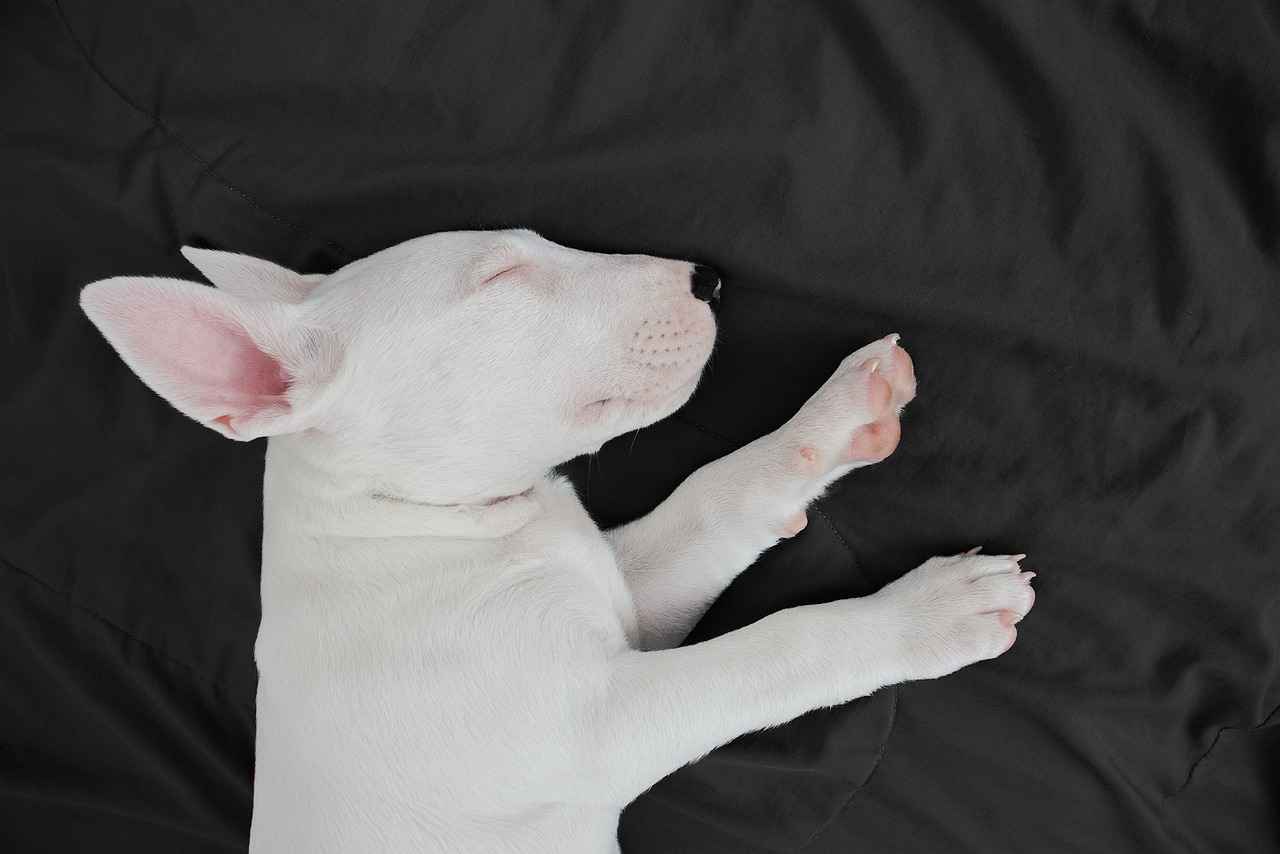
Have you ever wondered why do dogs have wet noses? This intriguing question sparks curiosity among pet lovers and dog owners alike. Wet noses are not just a cute feature; they serve several important functions for our furry friends. In this post, we will uncover the fascinating reasons behind this unique trait. For instance, did you know that a dog's nose plays a crucial role in their sense of smell? It’s true! A wet nose helps to enhance their olfactory capabilities, allowing them to detect scents more effectively. But that's not all—dogs also use their noses to regulate their body temperature. So, what are some other surprising benefits of a wet nose? You might be amazed to learn about the connection between a dog's health and the moisture of their nose. If you’ve ever asked yourself, “What does my dog’s wet nose mean?” or “Is it normal for my dog to have a dry nose?”, you’re in the right place! Join us on this exciting journey to discover the science and secrets behind why dogs have wet noses and how it impacts their overall well-being.
\n\nThe Science Behind Why Dogs Have Wet Noses: Unraveling Nature's Design
\n\n \n\n
\n\nDogs have been known for their playful barks and wagging tails, but there's something else that makes them unique: their wet noses. Have you ever wondered why do dogs have wet noses? The answer is not just a quirk of nature, but a fascinating blend of biology, evolution, and even a little bit of history. Let’s dive into the science behind it, unraveled in a way that is both informative and entertaining.
\nThe Biology of a Dog's Nose
\nA dog's nose is one of its most important features. It’s not just for smelling; it has several functions that are vital for a dog's well-being.
\n- \n
- \n
Scent Detection: Dogs' noses contain up to 300 million olfactory receptors, compared to a human's mere 5 million. This gives them an extraordinary sense of smell which is crucial for hunting, tracking, and even detecting diseases in humans.
\n \n - \n
Temperature Regulation: The wetness of a dog's nose helps in temperature control. When a dog pants, moisture from the nose evaporates, which cools down their body temperature.
\n \n - \n
Health Indicator: A wet nose can also indicate good health. When a dog is sick or dehydrated, its nose may become dry and warm, signaling to owners that something might be wrong.
\n \n
Why Are Dog Noses Wet?
\nSo, why do dogs have wet noses? One of the main reasons is due to a special mucous membrane that lines their noses. This mucous layer keeps the nose moist and enhances their sense of smell. Here's how it works:
\n- \n
- \n
Moisture Absorption: Dogs often lick their noses, which helps to keep it wet. This moisture absorbs scent particles from the environment, making it easier for them to detect different smells.
\n \n - \n
Temperature Regulation: The moisture on a dog’s nose can help regulate body temperature. Much like sweating in humans, evaporating moisture cools their body.
\n \n - \n
Enhanced Scent Reception: A wet nose can capture more scent particles in the air. This means that dogs can smell better when their noses are moist, allowing them to pick up on scents that might be missed otherwise.
\n \n
Historical Context and Evolution
\nDogs have been companions to humans for thousands of years. The evolution of their wet noses likely has roots in their hunting ancestry. Early canines relied heavily on their sense of smell for survival.
\n- \n
- \n
Hunting and Survival: Wet noses helped ancient dogs track prey more effectively. A moist nose would allow for more accurate scent detection, which would have been crucial during hunts.
\n \n - \n
Domestication: As dogs were domesticated, their noses remained wet as an evolutionary trait that aided in communication and interaction with humans. Dogs can sense emotional changes and pheromones from humans, and a wet nose can enhance this ability.
\n \n
Fun Facts About Dog Noses
\n- \n
- \n
Variety in Shapes: Different dog breeds have different nose shapes and sizes. For example, a Bloodhound has a larger and more droopy nose, which enhances its ability to smell.
\n \n - \n
Unique Patterns: Just like human fingerprints, each dog’s nose print is unique. This can potentially be used for identification.
\n \n - \n
Nose Temperature: A dog's nose can be a good indicator of health. While a warm, dry nose might suggest illness, it isn't always the case.
\n \n
Practical Examples of Nose Use
\n- \n
- \n
Search and Rescue: Dogs are trained to use their powerful noses in search and rescue operations. They can locate missing persons even in challenging environments.
\n \n - \n
Medical Detection: Some dogs are trained to detect diseases like cancer or diabetes by smelling changes in a person’s breath or skin.
\n \n - \n
Assistance Dogs: Service dogs often use their noses to help individuals with disabilities navigate their environments safely.
\n \n
Understanding Your Dog's Health
\nAs a dog owner, it’s vital to pay attention to your dog’s nose. A change in its moisture level can often indicate a health issue. Here’s a simple checklist to monitor:
\n- \n
- Dry Nose: Could indicate dehydration or illness. \n
- Consistently Wet Nose: Generally a sign of a healthy dog. \n
- Nasal Discharge: Could point toward allergies or infections. \n
By being aware of these signs, you can ensure your furry friend stays healthy and happy.
\nIn sum, the wet nose of a dog is a remarkable feature, shaped by millions of years of evolution and adaptation. Understanding why do dogs have wet noses not only enhances our appreciation of these loyal companions but also helps us care for them better. From their enhanced sense of smell to the biological functions it serves, their noses are a window into the complexity of nature's design. So next time you see your dog with that adorably wet nose, remember it’s more than just cute—it's a testament to their incredible biology and history.
\n\n5 Fascinating Reasons Your Dog’s Nose is Always Damp: What You Need to Know
\n\n \n\n
\n\nEver wondered why your furry friend’s nose is always a bit damp? It’s kinda fascinating, right? Dogs have wet noses for a bunch of reasons, and understanding them can help us appreciate our pets even more. So let's dive into the world of doggy noses and explore why they’re usually moist!
\nThe Science Behind Wet Noses
\nFirst off, a wet nose helps dogs to smell better. Dogs have an incredible sense of smell, which is way better than ours. When their noses are damp, it enhances their ability to pick up scents. Moisture on the nose traps scent molecules, making it easier for your pup to sniff out interesting things — from the neighbor’s cat to your last meal. It's like nature's own scent amplifier!
\nTemperature Regulation
\nAnother interesting reason dogs have wet noses is temperature regulation. Just like humans sweat to cool down, dogs use their noses to help maintain their body temperature. When a dog’s nose is moist, it helps cool them off. This is particularly important for breeds that are prone to overheating. If you notice your dog panting more than usual, a wet nose can be a sign they are trying to regulate their body heat.
\nNatural Cleaning Mechanism
\nDid you know that a dog’s nose is also self-cleaning? Yes, it is! The dampness on their nose helps to trap dust and dirt. When your dog licks its nose, it’s not just for fun; it actually helps to clean it. This self-cleaning ability is crucial because a clean nose helps to maintain their ability to smell properly. So, next time you see your pup giving their nose a good lick, just know they are taking care of their hygiene!
\nEmotional Indicators
\nDogs communicate through body language, and their nose condition can actually reflect their emotions or health. A wet nose might indicate that your dog is happy and healthy. Conversely, a dry nose could signal that they are stressed or unwell. However, it’s important to note that a dry nose isn’t always a cause for alarm. It can also change with the weather, activity level, and even the time of day. So, keep an eye on your dog's behavior more than just the nose!
\nBreed Differences
\nNot all dog breeds have the same type of nose. Some breeds naturally have drier noses than others. For example, breeds like Bulldogs or Boxers may have different moisture levels compared to hounds or retrievers. Here’s a quick comparison:
\nBreeds with Wet Noses:
\n- \n
- Beagles \n
- Labrador Retrievers \n
- Dachshunds \n
Breeds with Drier Noses:
\n- \n
- Bulldogs \n
- Pugs \n
- Boston Terriers \n
It’s fascinating how breed characteristics can influence something as simple as a dog’s nose!
\nCommon Myths About Dog Noses
\nThere are a lot of myths surrounding why dogs have wet noses. Let's bust a few of them:
\n- \n
- \n
Myth 1: A cold, wet nose means a dog is healthy.
\n- \n
- Truth: While a wet nose is often a sign of good health, it’s not the only indicator. Dogs can be healthy with a warm, dry nose too. \n
\n - \n
Myth 2: Dog noses should always be wet.
\n- \n
- Truth: Noses can vary in moisture due to multiple factors including weather, activity level, and even sleep. \n
\n - \n
Myth 3: Only sick dogs have dry noses.
\n- \n
- Truth: Dry noses can happen for many reasons and don't always indicate illness. \n
\n
Factors Impacting Nose Moisture
\nThere are several factors that can affect the moisture of your dog’s nose. Here’s a quick list:
\n- \n
- Weather Conditions: Hot and dry weather can lead to a dryer nose. \n
- Hydration Levels: Dehydrated dogs may have drier noses. \n
- Illness: Sometimes a change in nose moisture can indicate health issues. \n
It’s always good to monitor your dog’s overall behavior and health rather than just focusing on their nose.
\nIn summary, dog noses are damp for a plethora of reasons, from enhancing their sense of smell to acting as a natural cleaning mechanism. Understanding these factors can deepen your bond with your furry friend. So, the next time you give your pup a scratch behind the ears, take a moment to appreciate their fascinating, wet nose and all the cool things it does!
\n\nHow a Wet Nose Affects Your Dog’s Sense of Smell: Discover the Incredible Connection
\n\n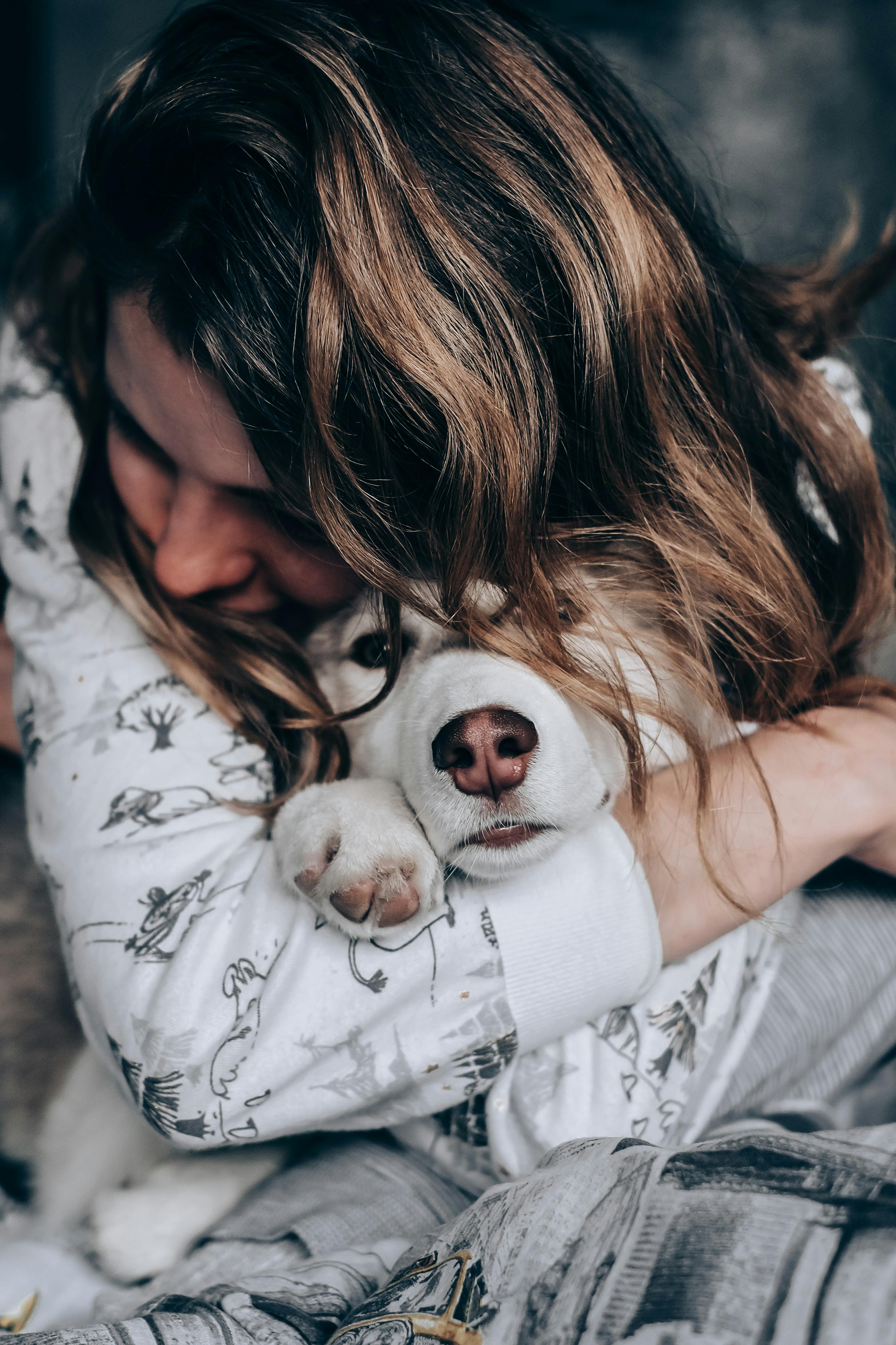 \n\n
\n\nDogs are truly fascinating creatures with a lot of unique traits, one of the most interesting is their wet noses. Have you ever wonder why do dogs have wet noses? Well, it’s not just for show. Their wet noses plays a crucial role in their ability to smell, which is way more powerful than humans. In fact, it’s estimated that a dog’s sense of smell is approximately 10,000 to 100,000 times more sensitive than ours! Let’s dive into this incredible connection between a wet nose and a dog’s sense of smell.
\nThe Science Behind Wet Noses
\nFirst off, let’s understand what makes a dog’s nose wet. The moisture on their nose comes from a combination of saliva and mucus. This wetness helps to trap scent particles in the air, allowing dogs to gather more information from their environment. When they sniff, the wetness on their noses enhances their olfactory receptors' ability to detect smells.
\nHere are some facts about how wet noses helps dogs detect scents:
\n- \n
- Increased Surface Area: A dog’s nose has a larger surface area compared to a human’s. This means more space for scent molecules to stick. \n
- Enhanced Scent Detection: The moisture helps to dissolve scent particles, making them easier for the olfactory receptors to detect. \n
- Cooling Mechanism: Wet noses also act like a natural air conditioning system for dogs, helping to cool them down and maintain body temperature. \n
Why Do Dogs Have Wet Noses?
\nThere are several reasons why dogs have wet noses, and understanding these can help appreciate why our furry friends are so good at sniffing out things.
\n- \n
- \n
Gathering Information: As mentioned, a wet nose helps to collect scent particles. Dogs rely on their sense of smell for many aspects of their life, includin’ finding food, identifying other animals, and even sensing emotions in humans.
\n \n - \n
Health Indicator: A dog’s nose can also be an indicator of their health. Generally, a moist and cool nose is a sign of a healthy dog, while a dry or warm nose might suggest illness or dehydration. Of course, this is not a foolproof method, but it’s a good starting point.
\n \n - \n
Social Interactions: Dogs often use their noses to communicate with each other. When they meet, a sniff can tell them a lot about the other dog, like their health, mood, and even their diet.
\n \n - \n
Temperature Regulation: Dogs do not sweat like humans do. Instead, they pant and their noses help to regulate their body temperature. A wet nose can help them stay cool.
\n \n
Fascinating Facts About Dogs' Sense of Smell
\n- \n
- Dogs have around 300 million olfactory receptors in their noses, compared to about 6 million in humans. \n
- Certain breeds, like Bloodhounds, can track scents that are several days old. \n
- Dogs can even detect diseases such as cancer or diabetes through their incredible sense of smell. \n
- They can differentiate between different odors, allowing them to detect specific substances like drugs or explosives. \n
The Connection Between Wet Noses and Smell
\nSo, the connection between a dog’s wet nose and their remarkable sense of smell is pretty significant. The wetness not only helps them gather information but also plays a role in their health and communication.
\nLet’s take a deeper look at the benefits of a wet nose for dogs:
\n- \n
- Improved Olfactory Performance: The combination of moisture and olfactory receptors enhances their ability to detect and differentiate scents. \n
- Temperature Control: Helps them stay cool and comfortable, especially during hot days. \n
- Health Monitoring: A wet nose can be a sign of hydration and overall health. \n
Practical Implications for Dog Owners
\nDog owners should pay attention to their pet’s noses. A change in moisture or temperature can indicate health issues. Here are some signs to watch for:
\n- \n
- Dry Nose: Could indicate dehydration or fever. \n
- Cracked or Bleeding Nose: Might suggest a more serious health issue and should be evaluated by a vet. \n
- Excessive Wetness: Could be a sign of allergies or infection. \n
In the end, the incredible connection between a wet nose and a dog’s sense of smell is a testament to how uniquely evolved these animals are. By understanding why do dogs have wet noses and how it affects their sense of smell, we can better care for our furry friends. So, next time you see your dog’s wet nose, remember that it is not just a cute quirk, but a vital part of their biology that helps them navigate the world around them.
\n\nIs a Wet Nose a Sign of a Healthy Dog? Debunking Common Myths
\n\n \n\n
\n\nIs a wet nose a sign of a healthy dog? Many dog owners think it is, but that's not always the case. The idea that a wet nose indicates good health is a common myth. In reality, there are several reasons that dogs have wet noses, and understanding them can help you take better care of your furry friend. Let's dive into the fascinating world of canine noses and debunk some myths along the way.
\nWhy Do Dogs Have Wet Noses?
\nDogs have wet noses for several reasons, and these reasons are both biological and behavioral. The moisture on their noses comes from a few different sources:
\n- \n
- Mucous Secretions: Dogs produce mucous that helps them to smell better. The moisture on their noses traps scent particles, enhancing their ability to identify different smells in their environment. \n
- Environmental Factors: Dogs often lick their noses, or the nose can get wet from rain or water. This can also be a way for them to cool off or regulate their body temperature. \n
- Thermoregulation: A wet nose can help in cooling down their bodies. Dogs don't sweat like humans do, and their noses can serve as a way to dissipate heat. \n
So, while a wet nose can be an indicator of certain behaviors or environmental conditions, it isn't a definitive sign of health.
\nCommon Myths About Wet Noses
\nThere are several myths floating around regarding the significance of your dog's wet nose. Let’s explore some of these misconceptions.
\n- \n
- \n
Myth: A Wet Nose Means a Healthy Dog
\n- \n
- Reality: Dogs can have wet noses and still be sick. Conditions like allergies, infections, or even dehydration can lead to variations in nose moisture. \n
\n - \n
Myth: A Dry Nose Means Illness
\n- \n
- Reality: A dog’s nose can be dry for many reasons, including weather changes or just waking up from a nap. It doesn't automatically indicate a health issue. \n
\n - \n
Myth: All Dogs Have Wet Noses
\n- \n
- Reality: Some breeds, particularly brachycephalic ones (like Bulldogs), may have drier noses due to their facial structure. \n
\n - \n
Myth: The Temperature of the Nose Indicates Health
\n- \n
- Reality: The temperature of a dog's nose can fluctuate throughout the day and isn’t a reliable measure of their health status. \n
\n
The Science Behind Dog Noses
\nDogs have an incredible sense of smell, estimated to be between 10,000 to 100,000 times more sensitive than humans. Their noses are packed with scent receptors, which is why they are often used in search and rescue or detection roles. Here are some interesting facts:
\n- \n
- Scent Receptors: A dog has about 220 million scent receptors, compared to a human’s mere 5 million. This makes their noses not just wet, but incredibly powerful! \n
- Jacobsen's Organ: This is a special organ in dogs that allows them to detect pheromones, which aids in communication with other dogs. \n
Factors That Affect Nose Moisture
\nSeveral factors can influence the moisture level of a dog's nose:
\n- \n
- Weather Conditions: Hot, dry weather can lead to a drier nose, while rain or humidity can increase moisture. \n
- Health Conditions: Some illnesses may cause a dog’s nose to become dry or cracked. \n
- Age: As dogs age, their nose may become drier over time. \n
Signs Your Dog Might Be Unwell
\nWhile a wet nose isn’t a surefire indicator of health, there are some signs you should be on the lookout for if you suspect illness:
\n- \n
- Loss of Appetite: If your dog isn’t eating, it could be a sign of trouble. \n
- Lethargy: Unusual tiredness or lack of energy can indicate an underlying issue. \n
- Changes in Behavior: If your dog is acting differently, like being more aggressive or withdrawn, it might be time to consult a vet. \n
- Vomiting or Diarrhea: These are clear signs that something is wrong and require immediate attention. \n
Quick Summary of Important Points
\n- \n
- A wet nose can enhance a dog's sense of smell but doesn't guarantee health. \n
- Conditions like allergies or dehydration can affect nose moisture. \n
- Environmental factors and breed characteristics also play a role in nose wetness. \n
- Always monitor your dog's overall behavior and health, not just their nose. \n
It's essential to take a holistic view of your dog's health rather than focusing solely on their nose. Regular veterinary check-ups, a balanced diet, and ample exercise can help ensure your dog remains healthy and happy. Remember, a wet nose is just one small part of your dog's overall well-being, not the definitive marker of it.
\n\nExploring the Temperature Regulation Role of Wet Noses in Dogs: Nature's Cooling System
\n\n \n\n
\n\nEver wonder why dogs have those wet noses? It's not just for cuteness or to keep their faces looking adorable. The wetness of a dog's nose actually plays a crucial role in their health and well-being. Let’s dive into the fascinating world of canine noses and explore how they function as nature's little cooling systems.
\nThe Science Behind Wet Noses
\nDogs' noses are not only moist but also cool to the touch. This moisture serves several important functions. When a dog licks its nose, it increases the surface area for evaporation. The evaporation process helps to cool the blood vessels located close to the surface of the nose, thus regulating the dog’s overall body temperature. Here are a few key points about this process:
\n- \n
- Temperature Regulation: Just like how humans sweat, dogs use their noses to help cool themselves down. \n
- Enhanced Sense of Smell: The moisture on a dog's nose helps to capture scent particles from the air, making it easier for them to detect different smells. \n
- Health Indicator: A wet nose often indicates a healthy dog, while a dry nose can signify illness or dehydration. \n
Why Do Dogs Have Wet Noses?
\nThe question of why do dogs have wet noses leads us into a deeper understanding of their anatomy and behavior. It is believed that wet noses evolved as a way for dogs to adapt and thrive in their environments. Here are some reasons:
\n- \n
- Evolutionary Advantage: Wet noses can help dogs cool down in hot weather, allowing them to hunt and play longer. \n
- Scent Detection: Dogs have an incredible sense of smell, estimated to be anywhere from 10,000 to 100,000 times more sensitive than humans. The moisture on their noses enhances this ability. \n
- Social Interaction: A wet nose is often a sign of a friendly dog. Dogs greet each other by sniffing, and a moist nose can indicate an open and approachable demeanor. \n
The Anatomy of a Dog's Nose
\nUnderstanding the structure of a dog’s nose helps to appreciate its functionality. Here’s a simple breakdown:
\n- \n
- Nasal Cavity: This area is lined with mucous membranes that help trap scent particles and moisture. \n
- Turbinates: These are small structures that increase surface area within the nasal cavity, helping with scent detection and temperature regulation. \n
- Moisture Glands: These glands secrete a thin layer of mucus, keeping the nose moist and enhancing the dog's ability to smell. \n
Historical Context of Dogs and Their Noses
\nDogs have been companions to humans for thousands of years. The relationship has been beneficial for both parties. Early humans likely valued dogs for their hunting abilities, which were enhanced by their keen sense of smell. Over time, selective breeding has produced various breeds with unique nose shapes and sizes.
\nFun Facts About Dog Noses
\n- \n
- Unique Patterns: Just like human fingerprints, every dog has a unique nose print. \n
- Dogs Sweat Differently: Dogs primarily sweat through their paw pads, but their noses also play a role in cooling down. \n
- Temperature Sensitivity: The temperature of a dog's nose can change based on the environment; it is often cooler than their body temperature. \n
Comparing Dog Noses to Other Animals
\nDogs are not the only animals with moist noses. Other animals, such as pigs and some types of amphibians, also have similar adaptations. However, the functions can vary. Here’s a comparison table:
\n| Animal | \nNose Type | \nFunction | \n
|---|---|---|
| Dog | \nWet and Cool | \nScent detection, cooling, social signals | \n
| Pig | \nWet and Cold | \nForaging and rooting for food | \n
| Amphibians | \nMoist and Smooth | \nRespiration and moisture absorption | \n
Practical Examples of Nose Health
\nKeeping a dog's nose healthy is crucial. Here’s how you can help maintain their nose:
\n- \n
- Hydration: Ensure your dog has plenty of water, especially in hot weather. \n
- Regular Checks: Look for any cracks, dryness, or discoloration, as these can be signs of health issues. \n
- Avoid Irritants: Keep your dog away from strong chemicals or allergens that can irritate their noses. \n
The wet nose of a dog is more than just a cute feature; it serves important functions that are essential for their survival and interaction with the world. By understanding the reasons behind this fascinating aspect of canine biology, dog owners can better care for their furry friends. Whether you're taking your dog for a walk or just enjoying some time at home, remember that their wet nose is a sign of a healthy and happy companion.
\n\nWet Noses and Dog Communication: How Your Pup Uses Their Nose to Connect
\n\n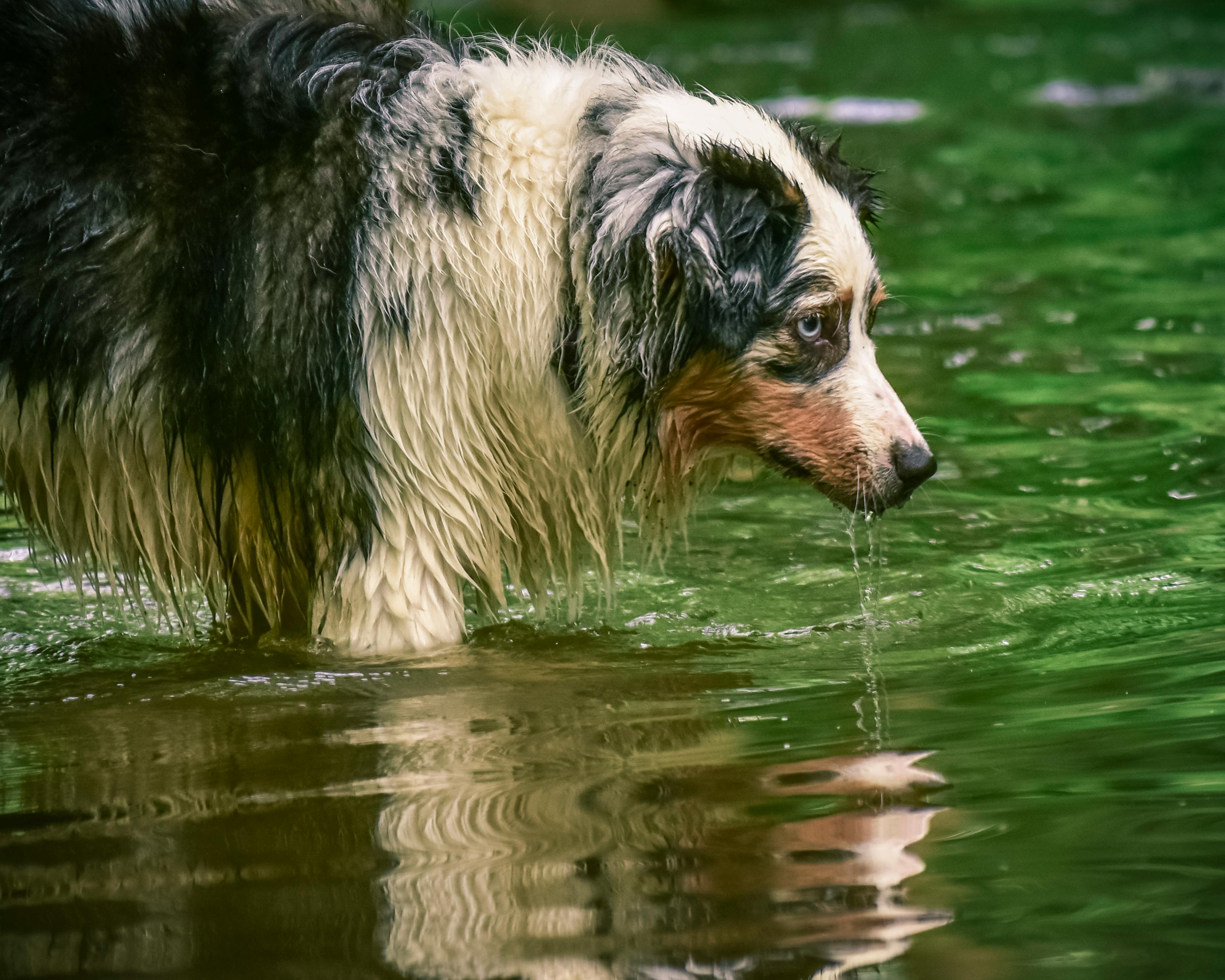 \n\n
\n\nDogs are often considered man's best friend, and one of the most intriguing aspects of their biology is their wet noses. You might be wondering, why do dogs have wet noses? Well, this unique trait serves several purposes, helping your pup communicate and connect with the world around them. Let's dive into the fascinating reasons behind this distinctive feature and explore how it aids in dog communication.
\nThe Biology of a Dog's Nose
\nFirst off, a dog's nose is not just a cute feature; it plays a crucial role in their overall health and sensory perception. Here are some key facts about a dog's nose:
\n- \n
- Moisture and Temperature Regulation: A wet nose helps dogs regulate their body temperature. The moisture on their nose evaporates, cooling them down, much like sweat in humans. \n
- Enhanced Smell: The moisture also helps in trapping scent particles. This means that when a dog sniffs something, the wet surface helps to absorb the scent, allowing them to detect even the faintest odors. \n
- Nasal Structure: Dogs have a complex nasal structure with up to 300 million olfactory receptors, compared to a human's 5 million. This makes their sense of smell incredibly powerful. \n
Why Are Dog Noses Wet?
\nNow, let's get back to the question at hand: why do dogs have wet noses? Here’s a list of reasons that might surprise you:
\n- \n
- Scent Detection: As mentioned earlier, wet noses can trap more scent particles, which enhance their ability to smell. This is why dogs are often used in search and rescue operations, as well as in detecting drugs or explosives. \n
- Communication: Dogs use their noses to communicate with each other. When they sniff another dog, they are gathering information about that dog’s health, mood, and even their diet. A wet nose can convey a sense of excitement or friendliness during these interactions. \n
- Health Indicator: The moisture level of a dog's nose can signal their health. A dog with a dry nose may be dehydrated or sick, while a moist nose often indicates good health. However, it’s not always the case, so it's important to monitor other signs too. \n
- Thermoregulation: Dogs don’t sweat like humans do. Instead, they rely on their noses to help cool down. A wet nose can mean that your dog is feeling hot, and they might need some water or a cool place to rest. \n
The Connection Between Dogs and Humans
\nDogs and humans have long shared a unique bond, and their noses play a significant role in this connection. When your pup nudges you with their wet nose, it’s not just an affectionate gesture; it’s a way for them to communicate. They might be seeking attention, food, or simply showing love.
\nHere’s how you can interpret your dog's nose nudges:
\n- \n
- Affection: A gentle nudge could mean your dog wants to be petted or cuddled. \n
- Hunger: If your dog nudges you around mealtime, they may be reminding you it’s time to eat. \n
- Excitement: A wet nose poking you during playtime can be their way of inviting you to join in. \n
Fun Facts About Dog Noses
\n- \n
- Individual Patterns: Just like human fingerprints, every dog has a unique nose print. This has led to the idea of using nose prints for identification. \n
- Color and Temperature: The color of a dog's nose can indicate their breed. For instance, some breeds like the Labrador Retriever have distinct black noses, while others might have brown or spotted noses. \n
- Nose Work: There are even competitions where dogs are trained to use their sense of smell to find hidden objects. This is called "nose work" and has become a popular sport among dog lovers. \n
Health Tips for Your Dog's Nose
\nMaintaining your dog’s nose is important for their overall health. Here are some tips:
\n- \n
- Hydration: Ensure your dog has access to fresh water to keep their nose moist. \n
- Check for Cracks: Look for any signs of dryness or cracking on their nose, which could indicate dehydration or health issues. \n
- Avoid Irritants: If your dog’s nose seems excessively dry or irritated, consider avoiding exposure to harsh chemicals or allergens. \n
Your dog's wet nose is not just a cute characteristic; it’s a vital part of their communication and health. Understanding why dogs have wet noses can enhance your relationship with your furry friend, allowing you to better interpret their needs and feelings. Next time your pup nudges you with that familiar wet nose, you’ll know they’re reaching out to connect with you in their own special way.
\n\nWhy Do Puppies Have Wet Noses? Understanding the Developmental Science
\n\n \n\n
\n\nWhen you see a puppy with a wet nose, it might make you wonder, right? Why do puppies have wet noses? Understanding the developmental science behind this phenomenon can be really fascinating. Most people just see a cute dog and think it's adorable, but there's actually a lot more to it than meets the eye. In this article, we gonna explore the reasons behind why dogs have wet noses and what it means for their health and behavior.
\nThe Science of a Wet Nose
\nThe first thing to know is that a dog's nose is not just for sniffing. It's actually a complex organ that plays a crucial role in their overall health. The wetness of a dog's nose is primarily due to moisture, which helps enhance their sense of smell. A wet nose can absorb scent chemicals better than a dry one. Dogs have about 220 million scent receptors in their noses, while humans only have around 5 million. This makes their sense of smell extremely sensitive and important for their survival.
\n- \n
- Moisture and Scent Detection: The wetness comes from a combination of secretions from the nasal glands and the surrounding environment. This moisture helps capture odor particles, improving their ability to detect scents. \n
- Temperature Regulation: A wet nose also helps dogs regulate their body temperature. Dogs don’t sweat like humans do; instead, they release heat through their noses and paw pads. So, having a moist nose can help them stay cool. \n
Why is it Important?
\nYou might be thinking, so what? Well, a wet nose can be an indicator of a dog's health. A healthy dog usually has a cool, moist nose, while a dry, warm nose could suggest illness. Of course, this isn’t always the case, and many factors can affect a dog's nose moisture.
\n- \n
- Normal Conditions: A wet nose is often seen when dogs are active or excited. Engaging in play or exercise increases their body temperature, causing them to produce more moisture. \n
- Health Indicators: A change in nose moisture can indicate various health issues such as fever or dehydration. However, it’s important to consult a veterinarian for proper diagnosis if you notice significant changes. \n
Historical Context
\nHistorically, dogs have been companions to humans for thousands of years. The evolution of their noses has been shaped by their roles in hunting and herding. Wet noses helped them track scents better, making them more effective in their jobs. As they evolved alongside humans, those traits became ingrained in the breeds we know today.
\nFun Facts About Dog Noses
\nHere are some interesting facts that might surprise you about dog noses:
\n- \n
- Unique Patterns: Just like human fingerprints, every dog's nose print is unique. This can even be used for identification purposes. \n
- Color Changes: A dog’s nose color can change with the seasons, often becoming darker in the summer and lighter during winter. \n
- Sniffing Skills: Dogs can detect certain diseases, including cancer, through their sense of smell. Amazing, right? \n
Comparisons with Other Animals
\nDogs aren’t the only animals with wet noses. Other species also have moist noses for similar reasons. Here’s a quick comparison:
\n| Animal | \nReason for Wet Nose | \n
|---|---|
| Dogs | \nEnhanced smell, temperature regulation | \n
| Cats | \nSimilar but less pronounced; helps with scent detection | \n
| Pigs | \nWet snouts are crucial for rooting and foraging | \n
| Hippos | \nMoist skin helps with temperature control and protection from sun | \n
Practical Examples
\nIf you’re a dog owner, you might notice some changes in your dog’s nose based on their activity level or health. For example:
\n- \n
- After Playing: If your dog just had a fun play session at the park, their nose may be extra wet from excitement and panting. \n
- During Hot Weather: On a hot day, your dog may have a wetter nose as they try to cool down and stay hydrated. \n
- When Sick: If your dog has a dry, warm nose and seems lethargic, it could be worth a trip to the vet. \n
It’s important to keep an eye on your furry friend’s nose and overall behavior. A wet nose is just one of many signs of health in dogs, but it’s a good indicator to start with.
\nSo, next time you see that cute puppy with a wet nose, remember, there’s a lot of science and health behind it. It’s not just adorable; it’s part of what makes dogs so special. From their evolutionary history to their unique biology, understanding a dog's wet nose gives us insight into their needs and well-being.
\n\nCan a Dog’s Nose Predict Illness? The Surprising Health Insights of Wet Noses
\n\n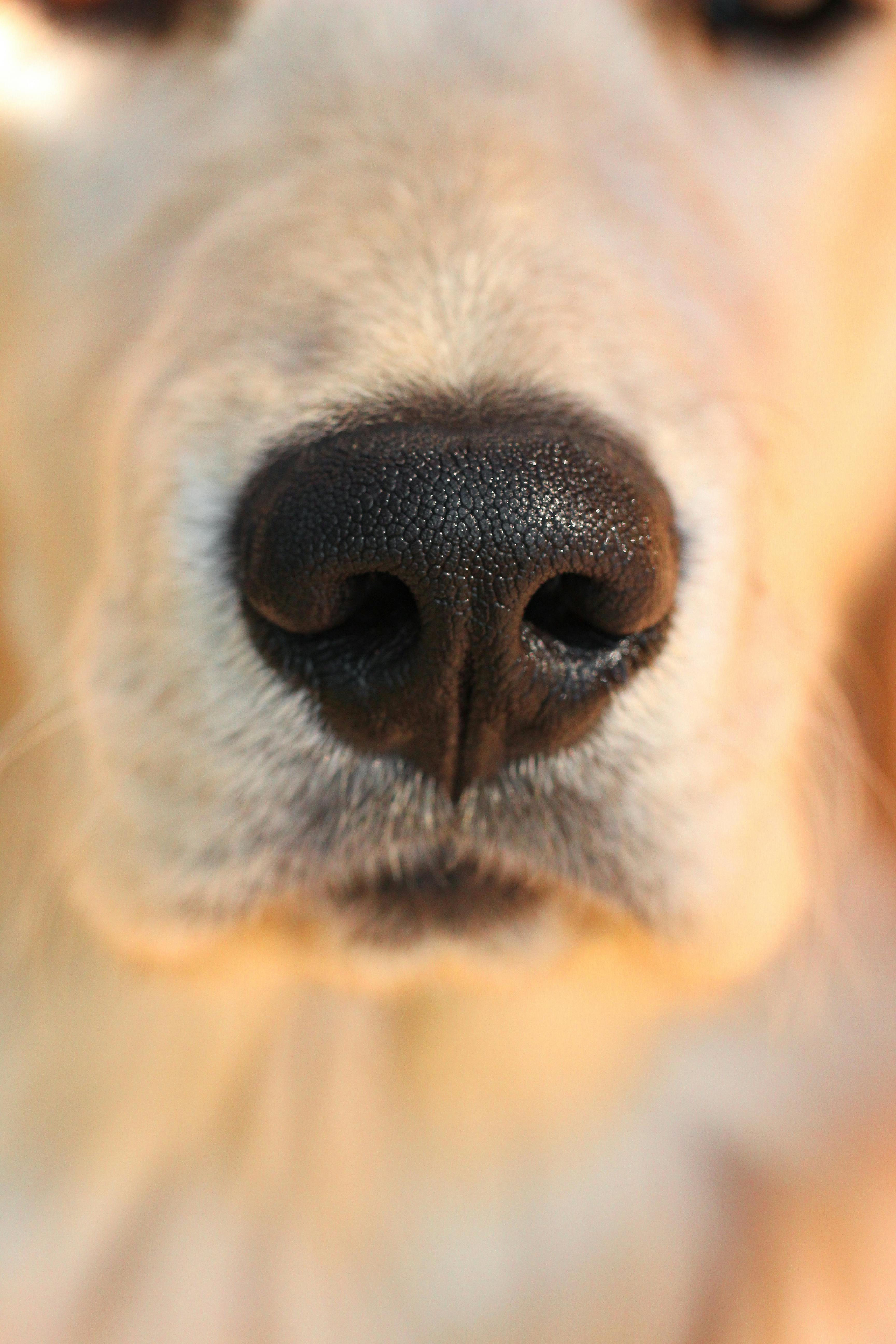 \n\n
\n\nHave you ever wondered why dogs have wet noses? It’s not just because they're always sniffing around or playing in the rain! Their damp noses actually serve multiple purposes, and some researchers even believe that they could possibly predict illnesses in humans. This raises a fascinating question: Can a dog’s nose predict illness? Let’s dive into these intriguing insights about our furry friends.
\nWhy Do Dogs Have Wet Noses?
\nFirst, let’s talk about the basic biology of a dog's nose. A dog’s nose is typically wet because of a thin layer of mucus that helps them absorb scent chemicals. When dogs lick their noses, it helps to keep them moist, enhancing their sense of smell. This moisture is crucial! Here are some reasons why wet noses are important:
\n- \n
- Enhanced Smell: A wet surface helps trap scent particles, making it easier for dogs to detect odors. \n
- Temperature Regulation: Dogs don’t sweat like humans do; they rely on their noses to help cool down their bodies. \n
- Health Indicator: A wet nose can be an indicator of a dog’s health. Changes in moisture can signal potential health issues. \n
The Science Behind a Dog’s Nose and Health
\nNow, can a dog’s nose really predict illnesses? Some studies suggest that dogs might be able to detect certain illnesses, including cancer and diabetes, through changes in their owner's scent. Dogs have an incredible sense of smell, which is estimated to be anywhere from 10,000 to 100,000 times better than that of a human. This extraordinary ability allows them to pick up on subtle changes in body chemistry.
\nHere’s a brief overview of how dogs might detect illnesses:
\n- \n
- Cancer Detection: Some dogs have been trained to sniff out cancer by detecting specific volatile organic compounds (VOCs) that are produced by cancer cells. \n
- Diabetes Alerts: Dogs can sense changes in blood sugar levels and alert their owners before a hypoglycemic episode occurs. \n
- Infectious Diseases: Research has shown that dogs can detect certain bacterial infections and even COVID-19 by smelling samples from infected individuals. \n
The Historical Context of Dogs and Health
\nThroughout history, dogs have been known for their unique abilities. In ancient times, they were often used by hunters due to their keen sense of smell. Over the years, people have also discovered that dogs can sense changes in human behavior and health. For instance, during the 19th century, dogs were used in hospitals to comfort patients, and their presence was believed to have therapeutic effects.
\nFascinating Facts About Dog Noses
\nHere are some interesting facts about dog noses that you might not know:
\n- \n
- Unique Prints: Just like human fingerprints, every dog’s nose print is unique and can be used for identification. \n
- Temperature Sensors: Dogs can detect changes in temperature through their noses, which helps them assess their environment. \n
- Variety of Shapes: Different breeds have different nose shapes that can affect their sense of smell. For instance, Bloodhounds are particularly known for their incredible tracking abilities. \n
Practical Examples of Dogs Predicting Health
\n- \n
- \n
Service Dogs: Many service dogs are trained to assist individuals with medical conditions. For example, diabetic alert dogs can sense low blood sugar levels and alert their owners.
\n \n - \n
Cancer Detection Programs: Some organizations train dogs specifically to detect cancers in patients. They often work alongside medical professionals in clinics.
\n \n - \n
Therapy Dogs: While not directly predicting illness, therapy dogs improve the emotional well-being of patients in hospitals, which can indirectly influence recovery rates.
\n \n
What to Look for in Your Dog’s Nose
\nChanges in your dog’s nose can often indicate health issues. Here’s a quick checklist of what to observe:
\n- \n
- Dryness: A dry nose can be a sign of dehydration or illness. \n
- Cracking: Cracked noses can suggest allergies or skin conditions. \n
- Discoloration: Unusual color changes might require a vet's attention. \n
- Excessive Moisture: If your dog’s nose is unusually wet, it may not always be a problem, but it’s worth keeping an eye on. \n
A dog’s nose is much more than just a cute feature; it plays a vital role in their health and their potential to alert us to our own health issues. So next time you give your furry friend a pat on the head, consider all the amazing things their wet nose can tell you! It’s a reminder of the special bond we share with our canine companions and the mysteries of their incredible senses.
\n\nThe Evolutionary Advantage of Wet Noses in Dogs: How it Enhances Survival
\n\n \n\n
\n\nDogs are some of the most beloved pets in the world, and their wet noses is a distinctive characteristic that sets them apart. But why do dogs have wet noses? This question isn't just for pet owners; it's a fascinating topic that intertwines evolution, biology, and the unique adaptations that make dogs such special companions. Wet noses aren’t just cute; they provide dogs with a significant evolutionary advantage in terms of survival.
\nThe Science Behind Wet Noses
\nWet noses in dogs primarily serves two main functions: enhancing their sense of smell and helping with thermoregulation. Dogs has an extraordinary sense of smell, being able to detect scents at incredibly low concentrations. A wet nose helps to trap scent particles more effectively. When a dog’s nose is moist, it can absorb these smell molecules, which then helps the dog to identify different scents around them more efficiently.
\n- \n
- Scent Absorption: A wet nose can hold onto scent particles better than a dry surface. \n
- Enhanced Detection: Dogs with moist noses are often better at tracking scents, which is crucial for hunting and survival. \n
Evolutionary Advantage
\nThe evolutionary advantage of wet noses goes beyond just smell. It appears that dogs have developed this trait as a survival mechanism. In the wild, being able to detect food, predators, and other animals can be the difference between life and death.
\n- \n
- Hunting: Dogs that can smell better can hunt more effectively. Wet noses help with this by allowing scent molecules to adhere, making it easier to track movements of prey. \n
- Social Signals: Dogs also use their noses to communicate. A wet nose can indicate to other dogs that they are friendly or non-threatening. \n
- Health Indicators: A dog’s nose can also indicate their health status. A warm or dry nose could signal illness, prompting early veterinary intervention. \n
Historical Context of Dog Noses
\nHistorically, dogs were domesticated from wolves, and many of their traits, including wet noses, can be traced back to their wild ancestors. Wolves with better scent detection capabilities likely had higher survival rates, leading to natural selection favoring this trait. Over time, as different breeds of dogs were developed, the wet nose remained a common feature, as it was beneficial for both hunting and companionship.
\nFun Facts About Dog Noses
\n- \n
- Dogs have about 220 million scent receptors, compared to a human's 5 million. \n
- The texture of a dog's nose is unique, much like a human fingerprint, and can be used for identification. \n
- Dogs can also detect certain diseases in humans, like diabetes and cancer, due to their superior sense of smell. \n
Comparison: Wet Noses vs. Dry Noses
\nWet Nose:
\n- \n
- Pros: Better scent absorption, improved tracking ability, social signaling. \n
- Cons: May require more care in certain weather conditions. \n
Dry Nose:
\n- \n
- Pros: Less maintenance in dry environments. \n
- Cons: Less effective at scent absorption, sometimes indicates health issues. \n
Why Do Dogs Have Wet Noses? The Practical Side
\nWhen thinking about why dogs have wet noses, it’s not just about the evolutionary advantages. There are practical implications too. For instance, when dogs are feeling sick, their noses may dry out, which can be an early sign for owners to seek veterinary advice. Regularly checking a dog's nose can provide insights into their health.
\nSummary of Benefits
\nIn summary, the wet nose of a dog is much more than just a cute feature. It plays crucial roles in their survival mechanisms. Here are the primary benefits of wet noses for dogs:
\n- \n
- Enhanced olfactory function, allowing better detection of food and threats. \n
- Improved social interactions with other dogs and humans. \n
- Health monitoring, giving owners clues about their dog's well-being. \n
Dogs having wet noses is a characteristic that has been honed over thousands of years, providing them with survival advantages that still apply today. Their moist noses are not only functional but are also a captivating aspect of dog biology that endears them to humans. So, next time you see a dog, take a moment to appreciate its wet nose and the evolutionary journey that brought it to this point.
\n\nTips for Keeping Your Dog’s Nose Healthy and Moist: Essential Care Guidelines
\n\n \n\n
\n\nTaking care of your dog’s nose is important for their overall health, but many pet owners often overlook this aspect. A healthy, moist nose is a sign of a happy dog. So, what can you do to keep your furry friend's nose in tip-top shape? Here are some tips for keeping your dog’s nose healthy and moist, plus some fascinating insights into why dogs have wet noses in the first place.
\nWhy Do Dogs Have Wet Noses?
\nFirst off, let's dive into the question that many dog owners wonder about: why do dogs have wet noses? The reasons are quite interesting, and they go beyond just a cute feature.
\n- \n
- \n
Temperature Regulation: One of the main reasons dog's noses are often wet is because it helps them regulate their body temperature. Dogs sweat very little, and their noses help them cool off. When they lick their noses, it keeps them damp which aids in thermal regulation.
\n \n - \n
Enhanced Smell: A moist nose can also enhance a dog's sense of smell. The moisture helps capture scent particles in the air, allowing dogs to detect various odors more effectively. This is especially important for working dogs, like search and rescue or service dogs.
\n \n - \n
Health Indicators: A dog’s nose can be an indicator of its overall health. A healthy nose is typically moist and cool, while a dry or cracked nose might indicate dehydration or an underlying health issue.
\n \n - \n
Nasal Mucus: Dogs produce mucus that keeps their noses wet. This mucus not only helps with their sense of smell but also acts as a barrier against dust, dirt, and other irritants.
\n \n
Tips for Keeping Your Dog’s Nose Healthy and Moist
\nNow that you understand why dogs have wet noses, let's look at some practical tips for keeping that nose healthy and moist.
\n- \n
- \n
Regular Hydration: Ensure your dog always has access to fresh water. Dehydration can lead to a dry nose. Keep their water bowl filled, and consider adding wet food to their diet for some extra moisture.
\n \n - \n
Avoid Extreme Temperatures: Just like humans, dogs can suffer from extreme weather. During hot days, provide shade when outside, and avoid leaving them in hot cars. Cold weather can also dry out their noses, so consider a doggy coat or nose balm for protection.
\n \n - \n
Use Nose Balm: There are special balms made for dogs that can help keep their noses moisturized. Check with your vet for recommendations and apply it when necessary, especially in winter months.
\n \n - \n
Watch for Allergens: Allergies can cause a dry or irritated nose. If you notice changes in your dog’s nose, consult with your veterinarian to rule out allergies to food or environmental factors.
\n \n - \n
Healthy Diet: A well-balanced diet contributes to overall health, including skin and nose condition. Omega-3 fatty acids can be particularly beneficial for skin health. Foods rich in these include fish oils or flaxseed.
\n \n - \n
Regular Vet Check-ups: Regular visits to the vet can help identify any health issues early on. During these check-ups, your veterinarian can check your dog’s nose and overall health to ensure everything is in good shape.
\n \n - \n
Grooming: Regular grooming isn’t just for looks; it helps keep your dog’s skin and nose in good condition. Brush their fur to remove dirt and debris, and keep their face clean too.
\n \n
Signs of a Problematic Nose
\nSometimes, despite your best efforts, your dog's nose may still show signs of trouble. Here are some signs to watch for:
\n- \n
- \n
Dryness or Cracking: If your dog’s nose appears excessively dry or has cracks, it can indicate dehydration or other health issues.
\n \n - \n
Discoloration: Changes in color, like dark spots or a pale nose, should be checked out by a vet.
\n \n - \n
Excessive Mucus: If there’s an unusual amount of mucus or discharge from the nose, this could signal an infection or allergy.
\n \n - \n
Foul Odor: A smelly nose can indicate a possible infection or other health concern.
\n \n - \n
Persistent Licking: If your dog is constantly licking their nose, it could be a sign of irritation or discomfort.
\n \n
Keeping your dog’s nose healthy requires attention and care, but it’s well worth the effort. A healthy, moist nose is not only a good sign of your dog's well-being, but it also contributes to their overall happiness and quality of life. By following these tips and understanding why dogs have wet noses, you can better ensure that your furry friend stays healthy and happy for years to come.
\n\nConclusion
\n\nIn conclusion, the wet noses of dogs serve multiple essential purposes, from enhancing their sense of smell to regulating body temperature. The moisture on their noses comes from a combination of natural secretions and environmental factors, making them more adept at detecting scents and gathering information about their surroundings. Additionally, a wet nose can indicate good health, as dehydration or illness may lead to dryness. Understanding the significance of your dog's nose can deepen your bond and help you monitor their well-being. So next time you greet your furry friend, take a moment to appreciate that cool, wet nose—it's not just an adorable feature, but a vital part of their unique biology. If you’re a dog owner, consider how you can support your pet's health with regular vet check-ups and a balanced diet, ensuring that their nose—and overall well-being—remains in top shape.
\n\n