Have you ever wondered why do dogs have wet noses? This seemingly simple question hides a world of fascinating insights about our furry friends. A dog's wet nose isn't just a quirky feature; it serves critical functions that enhance their sense of smell and keep them healthy. Many pet owners are curious about this phenomenon, and it's no wonder! Dogs depend on their noses for everything from communication to temperature regulation. But what exactly makes a dog's nose so moist? Could it be related to their hunting instincts, or is it simply nature's way of keeping them cool?
In this article, we will explore the science behind those adorable, wet noses and uncover the mysterious reasons that make dogs such incredible companions. We’ll delve into topics like the connection between wet noses and dog health, as well as how it impacts their interactions with the world. By the end, you’ll not only understand why your dog’s nose is wet but also appreciate the incredible biology that makes them such unique animals. So, let’s dive in and discover the intriguing world of canine noses!
The Science Behind Dog Noses: Why Are They Always Wet?
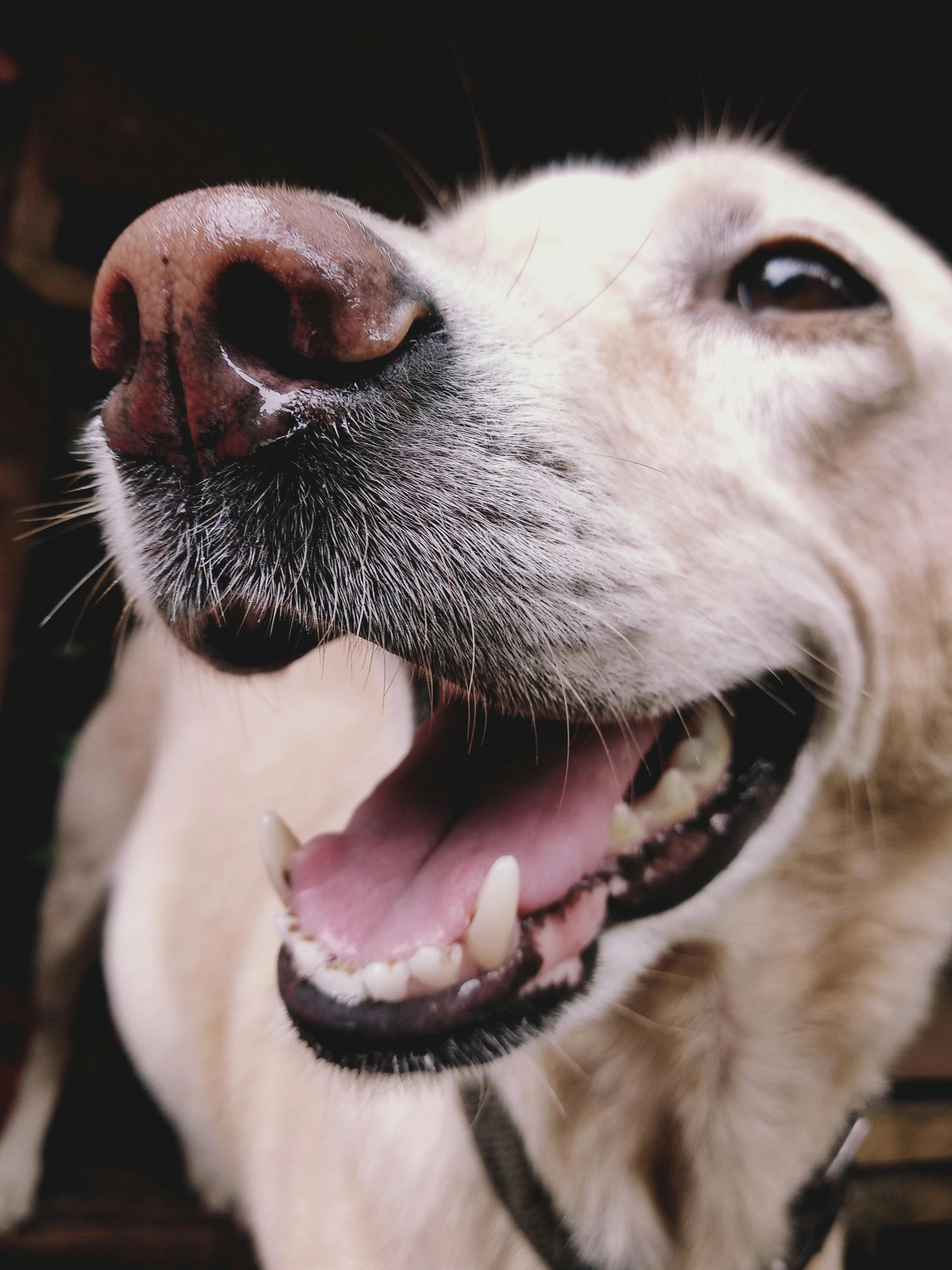
Dogs are one of the most beloved companions in the world, and their noses are often a topic of fascination for many. Have you ever wondered why do dogs have wet noses? Or why are they always moist? These questions lead us into the fascinating science behind dog noses.
The Science of Dog Noses
Dog noses are not just cute features; they are complex organs that serve many purposes. The moisture on a dog’s nose plays a crucial role in their sense of smell. Wet noses help to trap scent particles in the air, allowing dogs to detect smells more effectively. This is essential for their survival in the wild and is a skill that has been honed over thousands of years.
- Scent Detection: A dog's sense of smell is estimated to be 10,000 to 100,000 times more acute than that of humans.
- Moisture and Temperature: The wetness on a dog's nose is also critical for regulating temperature. It helps keep their body cool, especially during hot weather.
Why Are Dog Noses Wet?
So, why do dogs have wet noses? The answer lies in biology! Let's break it down:
- Mucus Production: Dogs have mucus glands in their noses that produce moisture. This mucus is what keeps their noses wet.
- Scent Absorption: When a dog sniffs, the moisture in their nose helps to absorb scent particles. This enhances their ability to identify different smells.
- Cooling Mechanism: Dogs do not sweat like humans do; instead, they regulate their body temperature through their noses and panting. A wet nose helps keep them cool.
Historical Context
Historically, dogs have been bred for various purposes, including hunting, herding, and companionship. Their remarkable noses have been a major factor in their roles as hunting partners. For example, Bloodhounds, which are known for their incredible sense of smell, can follow a scent trail that is days old. This historical reliance on dogs for tracking and finding has shaped their breeding and has given them their distinct characteristics like wet noses.
Fun Facts About Dog Noses
- Unique Prints: Just like human fingerprints, every dog's nose print is unique. They can be used to identify dogs, much like we use fingerprints for humans.
- Nose Temperature: A dog's nose temperature can indicate their health. A warm, dry nose might suggest a fever, while a cold, wet nose is usually a sign of a healthy dog.
- Color Changes: The color of a dog's nose can change with exposure to the sun. Dogs with lighter-colored noses can be more prone to sunburn.
What Does a Dry Nose Mean?
Sometimes, dog owners notice their furry friends have dry noses and might worry. It's not always a sign of something wrong, but there are various reasons for it:
- Dehydration: If a dog isn't drinking enough water, its nose might dry up.
- Allergies: Allergies can cause a dog's nose to become dry and flaky.
- Health Issues: Certain health problems can lead to changes in nose moisture. If you notice persistent dryness, it's best to consult a veterinarian.
How to Keep Your Dog’s Nose Healthy
Taking care of your dog's nose is important too. Here are some tips:
- Hydration: Ensure your dog has access to fresh water. This helps keep their body hydrated, including their noses.
- Limit Sun Exposure: If your dog has a light-colored nose, limit their sun exposure to prevent sunburn.
- Regular Vet Visits: Regular check-ups can help catch any potential health issues early.
Comparing Dog Noses to Human Noses
When we look at dog noses and compare them to our own, it's interesting to see the differences:
- Sensitivity: Dogs can detect scents at incredibly low concentrations, while humans struggle to smell certain odors at all.
- Moisture: A human's nose can get dry, but it doesn't serve the same function as a dog's wet nose for scent detection.
- Functionality: Dogs rely heavily on their noses for communication, hunting, and even navigating their environments, whereas humans rely more on sight.
Understanding why do dogs have wet noses and the science behind it can deepen our appreciation for these incredible animals. As we learn more about their biology, we can take better care of them and appreciate the unique traits that make dogs such wonderful companions. The wetness of a dog's nose is not just an adorable quirk; it’s a significant part of what makes dogs the amazing creatures they are.
Top 5 Reasons Your Dog’s Wet Nose Is a Sign of Good Health

When you see your dog with a wet nose, you might think, “Is my pup sick?” But actually, a wet nose is often a sign of good health! Many pet owners don’t understand why dogs have wet noses, but it's pretty fascinating. Let’s dive into the top 5 reasons why your dog’s wet nose is a sign of good health and explore the interesting facts surrounding this topic.
1. Natural Cooling System
Dogs don’t sweat like humans do. Instead, they rely on their noses to help regulate their body temperature. A wet nose helps to cool down their bodies through a process called evaporation. When the moisture on their nose evaporates, it leads to a cooling effect that helps maintain a comfortable body temperature. This natural cooling mechanism is especially important during hot weather or after exercise.
- Dogs have sweat glands, but they are mainly located in their paw pads.
- A wet nose can indicate that your dog is staying cool and comfortable.
- If their nose is dry, it could mean they are overheating or dehydrated.
2. Enhanced Sense of Smell
Dogs are known for their incredible sense of smell, and a wet nose plays a crucial role in this. The moisture on a dog’s nose helps to capture scent particles from the air, enhancing their ability to smell. This is why dogs are often employed in various jobs like search and rescue, detection work, and even in medical fields.
- A wet nose helps dogs detect scents better than a dry one.
- Their sense of smell is 10,000 to 100,000 times more sensitive than humans.
- Wetness from their nose helps to trap odor molecules, making it easier for them to analyze scents.
3. Indicator of Hydration
A dog’s nose can also be a simple indicator of their hydration levels. When a dog is well-hydrated, their nose tends to be moist and cool. Conversely, a dry, cracked nose might indicate dehydration. Keeping an eye on your dog’s hydration is important for their overall health, especially during hot days or after vigorous activities.
- Observe your dog's water intake, especially in warm weather.
- A hydrated dog will usually have a wet nose and moist gums.
- Dryness can also be a sign of illness, allergies, or environmental factors.
4. Communication Tool
Dogs use their noses not just for smelling but also as a communication tool. When dogs interact with each other, they often sniff each other's noses, which can convey a lot about their mood and health. A wet nose can indicate excitement or friendliness. This behavior is part of their social interaction and can help them bond with other dogs and humans.
- Wet noses can signal that a dog is relaxed and happy.
- Dogs often greet each other with nose-to-nose contact.
- Understanding dog communication can help owners know how their pets feel.
5. Indicator of Overall Health
A wet nose can also indicate that your dog is in good health. Regularly checking your dog’s nose can help you notice any changes that might signal health problems. If the nose is persistently dry, cracked, or has a change in color, it could be a sign that something is wrong. It’s always a good practice to consult with a veterinarian if you notice any concerning changes.
- Monitor your dog’s nose condition regularly.
- Signs of illness can include excessive dryness or cracking.
- Consult your vet if you observe unusual symptoms.
Why Do Dogs Have Wet Noses?
The reasons behind wet noses are not just limited to health indicators. Historically, dogs have developed this trait as part of their evolution. Wet noses are not just a random trait; they serve many important functions that help dogs survive in their environments.
- Dogs evolved from wolves, who also have wet noses for similar reasons.
- The structure of a dog's nose is designed to maximize its ability to smell.
- A wet nose is a genetic trait that has been passed down through generations.
In summary, a wet nose is a sign of good health for your furry friend. It plays essential roles in cooling their body, enhancing their sense of smell, indicating hydration, communicating with other dogs, and reflecting overall health. So, the next time you give your dog a pat and notice their wet nose, you can take comfort in knowing that they are likely doing just fine! Keep enjoying those precious moments with your canine companion.
Can a Dog’s Nose Predict Illness? Uncovering the Truth About Wet Noses
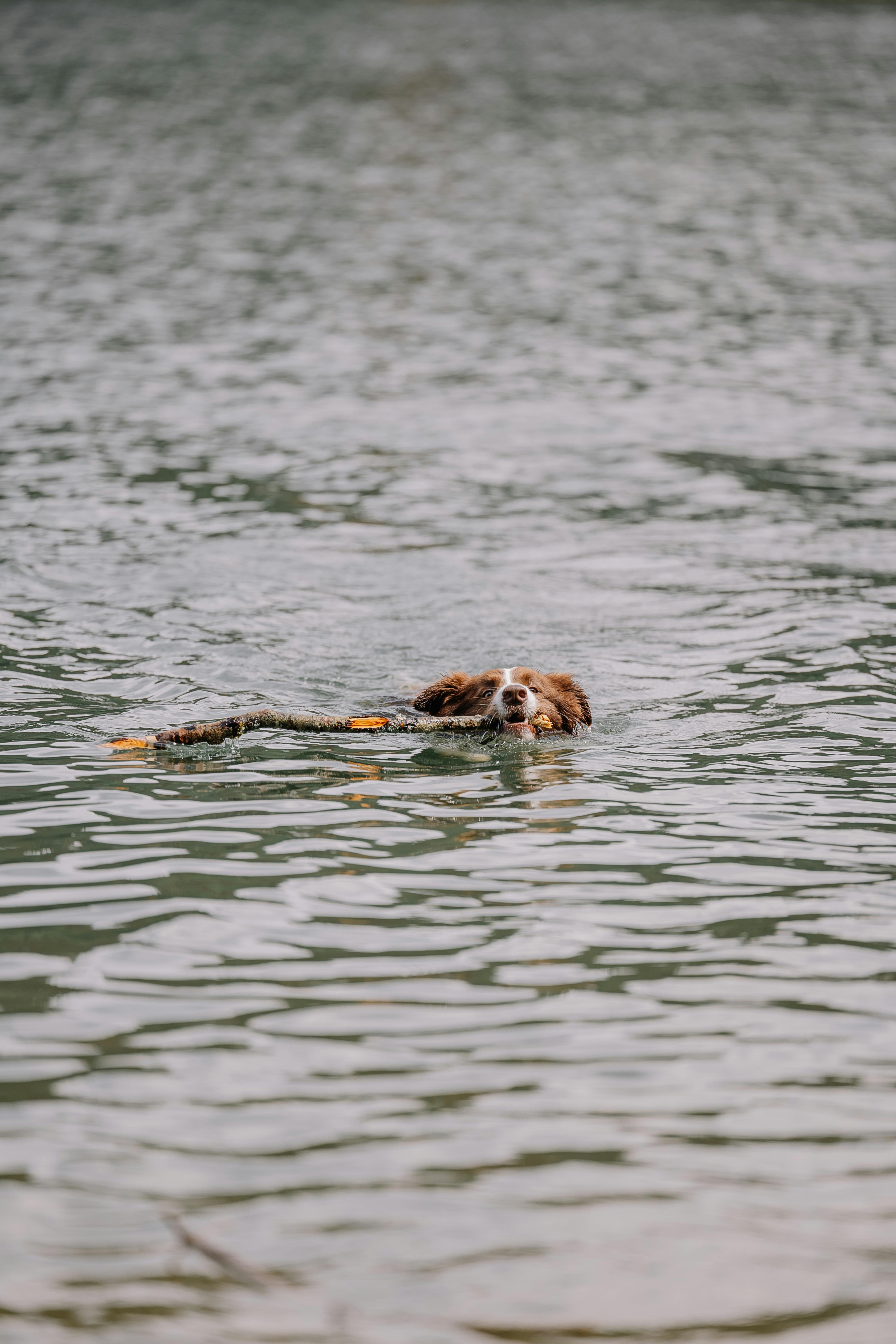
Can a dog’s nose predict illness? This question fascinates many pet owners and even some medical professionals. Dogs have been known for their incredible sense of smell, but can they really sniff out diseases? Many people often wonder why do dogs have wet noses and if that has anything to do with their health detection abilities. Let's dive into this intriguing subject.
The Science Behind Dog’s Sense of Smell
Dogs have around 220 million scent receptors in their noses, compared to humans, who only have about 5 million. This makes their sense of smell up to 100,000 times more acute. The structure of a dog’s nose is also specialized; it allows them to detect different scents simultaneously. This ability is not just for finding food or identifying other animals. Recent research suggests that dogs might be able to detect certain illnesses, such as cancer, diabetes, and even COVID-19.
- Cancer Detection: Some studies show that dogs can identify certain types of cancer through breath or urine samples.
- Diabetes Alert: Dogs might sense when their owners' blood sugar levels drop, alerting them to take action.
- Infectious Diseases: They can detect certain pathogens like the coronavirus, which is being studied for potential use in airports and healthcare facilities.
Why Do Dogs Have Wet Noses?
Now, shifting gears to the fascinating question of why do dogs have wet noses. A dog's nose isn't just wet for no reason. There are several purposes behind this unusual trait.
- Enhanced Smell: A wet nose traps scent particles better than a dry one. The moisture enhances their ability to smell by capturing and holding onto scent molecules.
- Temperature Regulation: Dogs don’t sweat like humans do. Instead, they regulate their body temperature partly through their noses. A wet nose can help them cool down.
- Communication: Dogs use their noses to interact with other dogs and humans. A wet nose signals a friendly and approachable demeanor. It’s a way for them to engage with their environment and the beings in it.
Fascinating Facts About Dog Noses
- Unique Patterns: Just like human fingerprints, every dog has a unique nose print. This can be used for identification purposes.
- Nasal Turbinates: Dogs have complex nasal structures called turbinates that help in smelling. These structures increase the surface area of the nasal cavity, allowing for enhanced olfactory capabilities.
- Scent Memory: Dogs can remember smells for years. This is why they can detect familiar scents even after a long time.
Dogs and Their Health: What You Should Know
Many pet owners might wonder if they should rely on their dog’s nose for medical alerts. While it's clear dogs have an incredible sense of smell, it’s important to remember that using them as medical detectors isn't foolproof. Here’s what to keep in mind:
- Training: Not all dogs can detect illnesses. Specialized training is often required for dogs to become proficient in this skill.
- Professional Evaluation: Always consult a veterinarian if you notice unusual behavior in your dog or suspect an illness.
- Personal Experience: Many owners report that their dogs behave differently when they are unwell. For example, dogs might be more clingy or avoid certain activities.
The Role of Nose Moisture in Health
A wet nose is often a sign of a healthy dog. However, a change in the moisture level of a dog’s nose can indicate health issues. Here are some signs to watch for:
- Dry Nose: Could indicate dehydration, fever, or illness.
- Excessively Wet Nose: Might suggest allergies, infections, or other health concerns.
- Cracked Nose: Could be a sign of a skin condition or other serious issues.
Comparison of Dog and Human Senses
Here’s a quick comparison of how dogs and humans perceive the world through their noses:
| Feature | Dogs | Humans |
|---|---|---|
| Number of Receptors | 220 million | 5 million |
| Sense of Smell | 100,000 times stronger | Basic detection |
| Unique Identification | Nose print unique | Fingerprint unique |
| Memory of Odors | Years | Short-term |
Many dog owners have anecdotal experiences that add to the allure of the notion that a dog’s nose can predict illness. While it might not be a guaranteed method of diagnosing health concerns, keeping an eye on your dog’s behavior and nose moisture can provide important clues about their health.
So next time you wonder why do dogs have wet noses, remember that it’s a fascinating adaptation that serves multiple purposes. Whether or not they can truly detect illness, the bond between dogs and humans is undeniably special, filled with instincts and love that can sometimes feel almost magical.
The Unique Anatomy of Dog Noses: What Makes Them Moist?
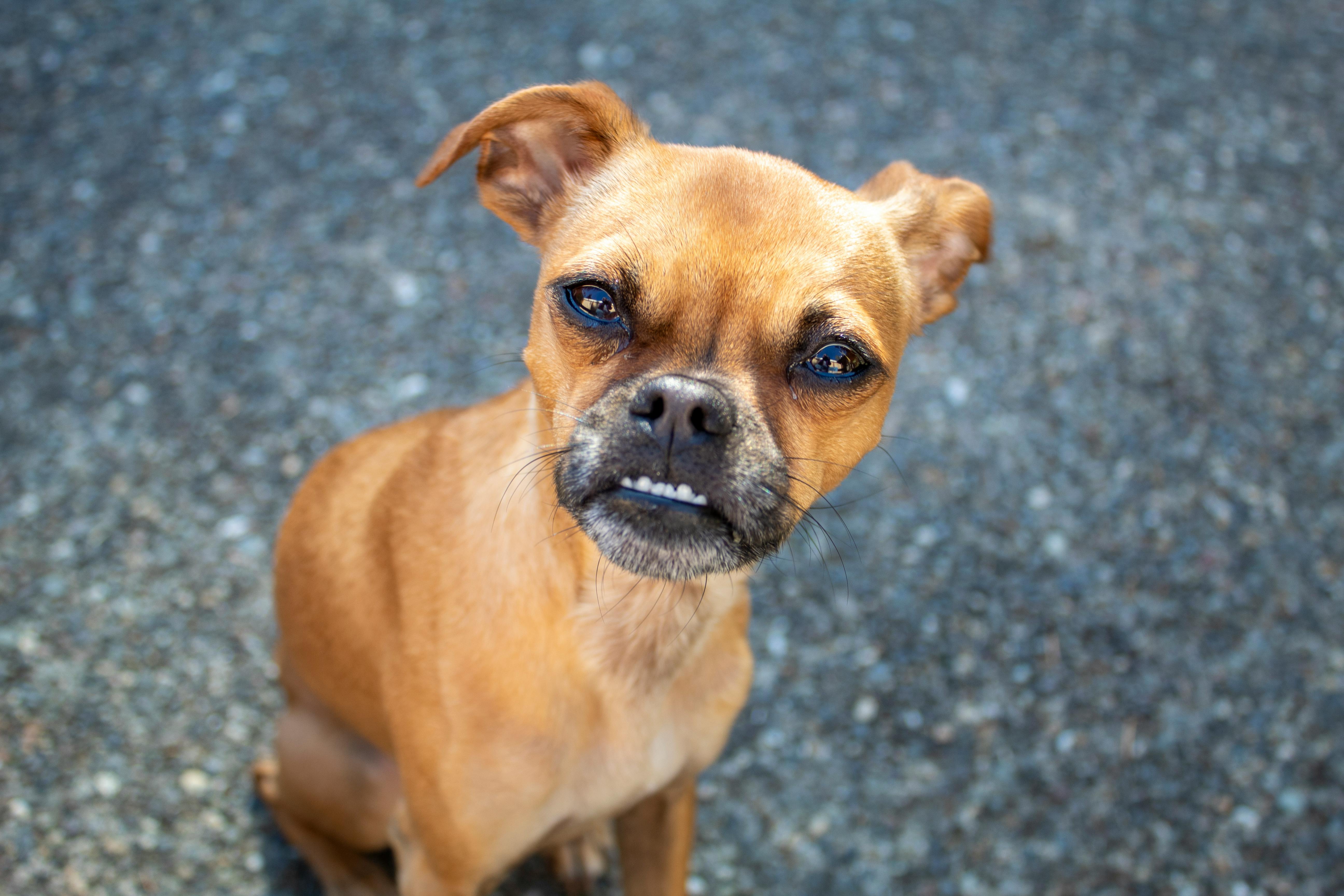
When you think about dogs, one of the first things that comes to mind is probably their adorable wet noses. But have you ever wondered why do dogs have wet noses? It’s more than just a cute feature; there's a fascinating anatomy behind it. Knowing more about this unique characteristic can help pet owners understand their furry friends better, and maybe even give you some fun facts to share.
The Anatomy of a Dog's Nose
Dog noses are indeed unique. They are moist, cool, and often have a texture that varies from breed to breed. The moistness of a dog’s nose is not just for show; it serves important biological functions.
Olfactory Capability: Dogs have an extraordinary sense of smell, estimated to be anywhere from 10,000 to 100,000 times more sensitive than humans. The moisture helps to trap scent particles in the air, making it easier for dogs to detect different smells.
Temperature Regulation: A wet nose can also play a role in regulating a dog's body temperature. When the nose is moist, it helps cool down their body through evaporation. This is especially important because dogs don't sweat like humans do.
Health Indicator: The state of a dog’s nose can sometimes indicate their health. A healthy dog generally has a moist nose, while a dry or cracked nose may suggest dehydration or illness.
Why Are Dog Noses Wet?
So, why do dogs have wet noses? Let’s break it down:
Nasal Structure: Dogs’ noses have a layer of mucus that keeps it moist. This mucus is produced by special glands, and it helps enhance their sense of smell. The moisture acts as a solvent that dissolves odor molecules, allowing dogs to smell better.
Environmental Factors: Dogs often lick their noses. This behavior not only keeps their noses moist but also helps them to explore their environment. When they lick, they’re also cleaning their noses, which can be a way to remove dirt or irritants.
Anatomical Differences: Different breeds have different nose structures. Breeds with longer snouts, like Greyhounds, tend to have more moisture than those with flat faces, like Pugs. This is because longer snouts have more surface area to maintain moisture.
Fun Facts About Dog Noses
- Unique Patterns: Just like human fingerprints, every dog has a unique nose print. Some researchers even suggest that nose prints could be used for identification purposes.
- Temperature Sensitivity: Dogs can sense changes in temperature through their noses. A wet nose can help them detect cooler or warmer air, which can be useful for hunting or tracking.
- Scent Memory: Dogs can remember scents for years. A wet nose plays a huge part in this, allowing them to recognize familiar smells even after a long time.
Comparison of Dog Breeds and Nose Moistness
Here is a simple comparison of a few dog breeds and their typical nose moisture:
| Dog Breed | Nose Moistness Level |
|---|---|
| Labrador Retriever | Very Moist |
| Pug | Moderate |
| Siberian Husky | Moist |
| Dachshund | Moderate to High |
| Bulldog | Often Dry |
Practical Examples of Nose Behavior
You may notice your dog engaging in certain behaviors that relate to their nose's moisture:
Licking Their Nose: This can happen when they are anxious or excited but it’s also a way for them to keep their scent receptors active.
Sniffing the Ground: When your dog is on a walk and they stop to sniff, they are using that wet nose to gather information about their surroundings.
Nose-to-Nose Greetings: When dogs meet, they often sniff each other's noses. This behavior is part of their communication and social interaction.
Dogs’ noses, while often overlooked, provide incredible insights into their health and emotions. Understanding why do dogs have wet noses can enhance your relationship with your furry companion. It’s not just a charming quirk; it’s deeply rooted in their biology and behavior. Next time you give your dog a scratch behind the ears, take a moment to appreciate that wonderful, moist nose and all the fascinating reasons behind it.
Wet Noses and Dog Behavior: What Your Pup Is Trying to Tell You
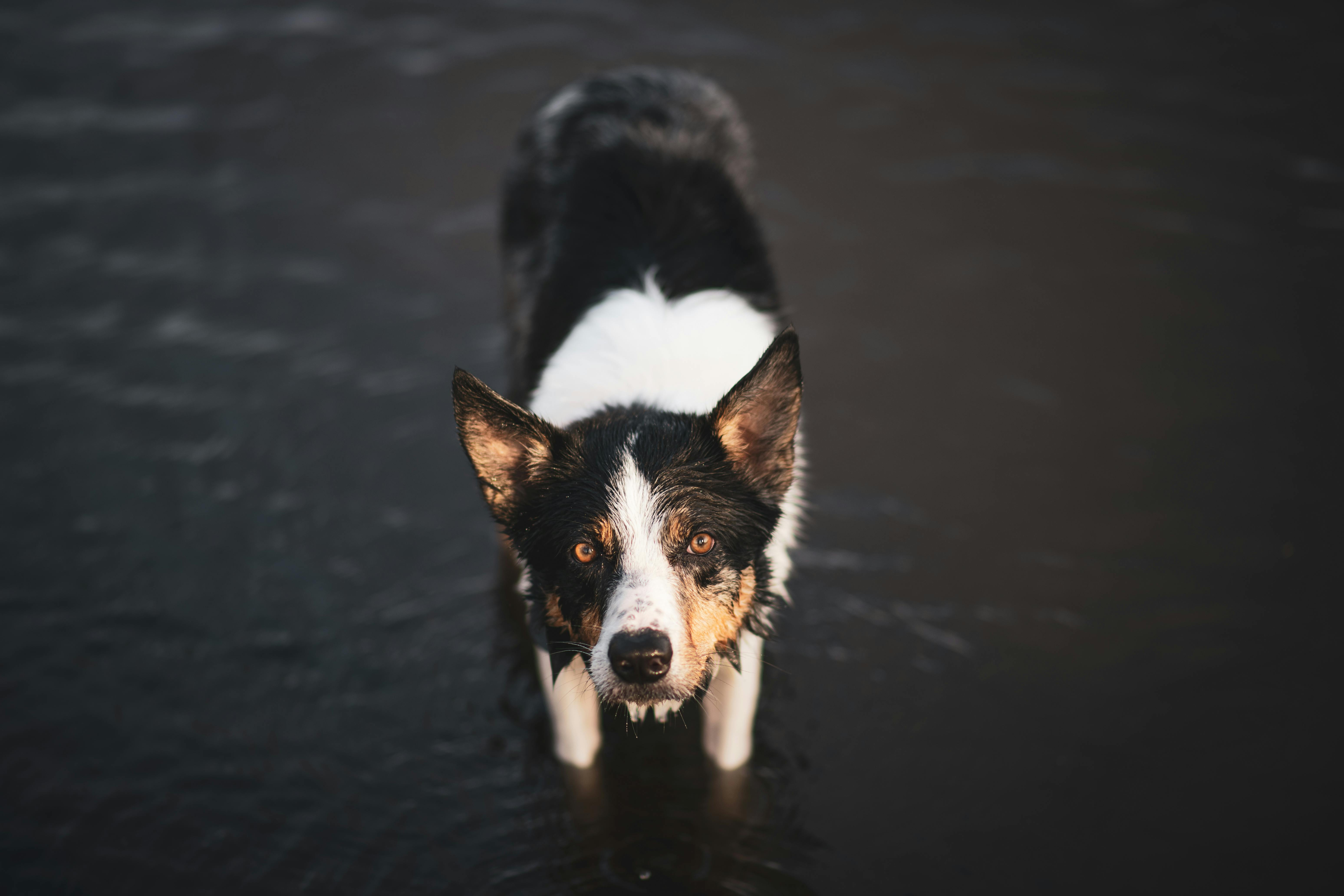
Dogs are truly fascinating creatures. If you ever wondered why do dogs have wet noses, you’re not alone. Many pet owners observe their pups with curiosity, noticing how their noses are often damp. It’s not just a quirky characteristic — it serves several important functions. Let's dive deeper into the world of canine noses and the behaviors they exhibit.
The Science Behind Wet Noses
Dog noses are wet for a variety of reasons, and it all comes down to biology. A dog's nose has mucous glands that keep it moist, which helps in a number of ways:
Enhanced Smell: The moisture on a dog’s nose helps to capture scent particles in the air. This is crucial because a dog’s sense of smell is about 10,000 to 100,000 times more sensitive than humans. Wet noses help them detect smells more effectively.
Temperature Regulation: Dogs can't sweat like humans do. Instead, they rely on their noses to help cool down. The moisture evaporating from their noses can aid in regulating their body temperature.
Health Indicator: A wet nose is often seen as a sign of a healthy dog. If a dog’s nose is dry or cracked, it might indicate dehydration, fever, or other health issues. However, remember, every dog is different.
Understanding Dog Behavior Through Their Noses
Now, let's explore how dogs use their noses to communicate and express themselves. Here’s what your pup might be trying to tell you:
Curiosity: When dogs sniff around, they're exploring their environment. They gather information about other animals, humans, and even their surroundings. A wet nose often indicates an active and curious dog, eager to learn more about what's nearby.
Comfort and Affection: Dogs often nuzzle their noses against people or other pets. This behavior can signify affection and trust. If your dog nudges you with a wet nose, it might be their way of saying, "I love you!"
Anxiety or Stress: A dog with a dry nose might be feeling anxious or stressed. If their nose is warm and dry, it’s usually a sign that something might be off. Look for other signs of stress, like pacing or whining.
Fun Facts About Dog Noses
Want to impress your friends with some cool dog nose trivia? Here are some interesting points:
Unique Nose Prints: Just like human fingerprints, every dog has a unique nose print that can be used to identify them.
Color Matters: The color of a dog's nose can vary widely — from black to pink, and even spotted! The color does not affect their sense of smell, but it can be a sign of breed characteristics.
Nose Work: Many dogs are trained in nose work, where they learn to identify specific scents. This can be used for search-and-rescue operations or even just for fun in competitive sports.
Comparing Dog Noses with Human Noses
Here’s a quick comparison of how dog noses differ from human noses:
| Feature | Dog Nose | Human Nose |
|---|---|---|
| Moisture Level | Usually wet | Typically dry |
| Smell Sensitivity | 10,000 to 100,000 times stronger | Average |
| Temperature Regulation | Helps cool body | Sweating is the primary method |
| Identification | Unique nose prints | Fingerprints |
Practical Tips for Monitoring Nose Health
It’s important to keep an eye on your dog’s nose for signs of health issues. Here’s a quick checklist:
Monitor Moisture: Check your dog’s nose regularly. If it’s consistently dry or warm, consult your vet.
Look for Cracks: If you notice any cracks or sores, it could indicate dehydration or another health concern.
Behavior Changes: If your dog’s nose changes from wet to dry suddenly, pay attention to their behavior. Are they lethargic? Not eating? These could be signs of illness.
Hydration: Ensure your dog has constant access to fresh water, especially during hot weather, to keep their nose and body hydrated.
In summary, a dog's wet nose is more than just a cute feature; it serves critical functions for their health and communication. Understanding what your pup is trying to tell you through this unique characteristic can strengthen your bond and help you care for them better. So next time you see your dog's damp nose, remember the fascinating biology and behavior behind it!
Is a Wet Nose Really Cooler? The Temperature Regulation of Dogs Explained
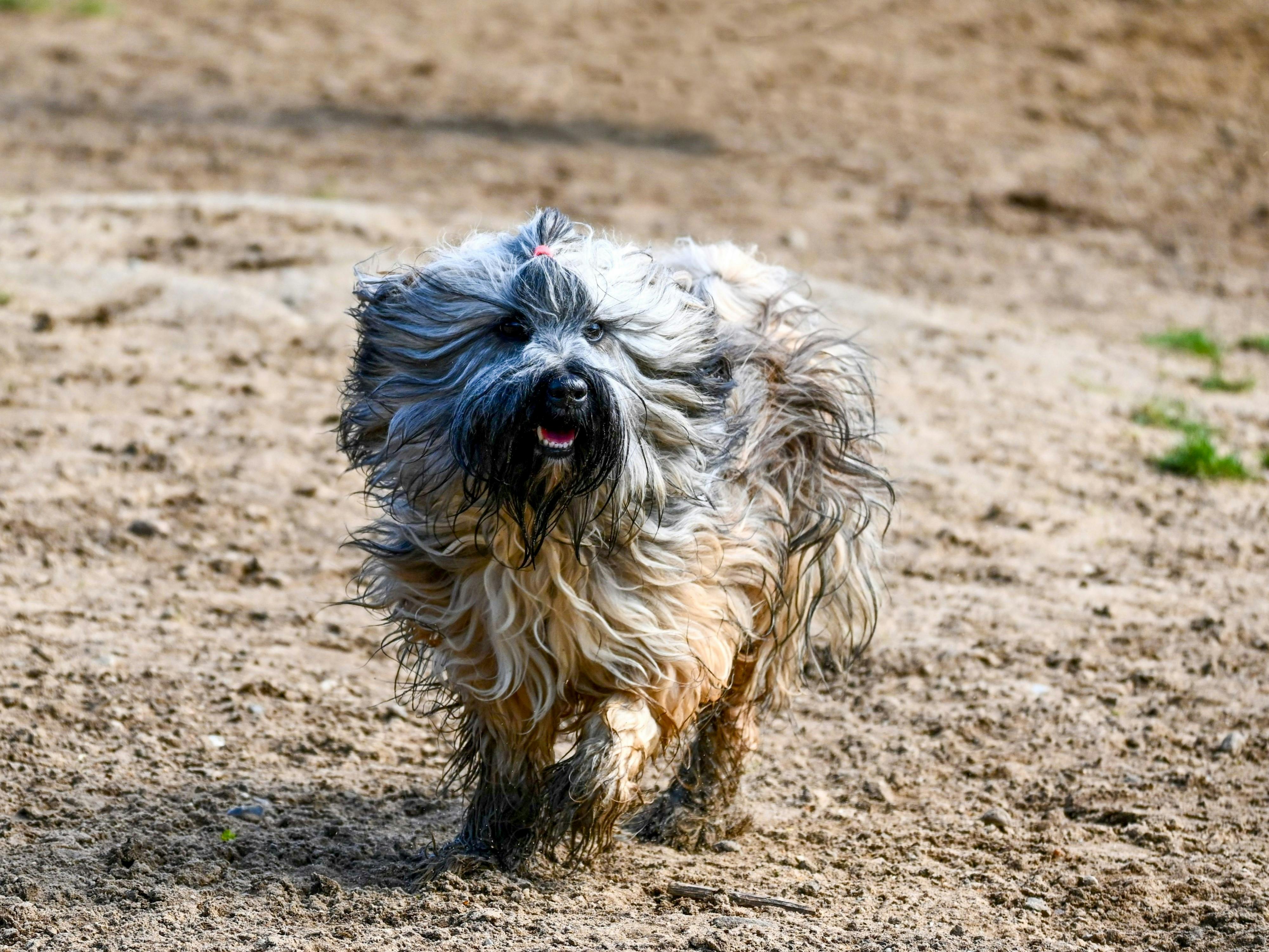
Dogs are known for their wagging tails, playful barks, and of course, their wet noses. But have you ever wondered "is a wet nose really cooler?" and why do dogs have wet noses in the first place? This question took me down a rabbit hole of fascinating facts about our furry friends. Let's explore the science behind this unique feature and why it matters.
The Science Behind Wet Noses
It’s not just a random characteristic. Dogs have wet noses for several reasons, primarily related to their health and sensory abilities. A wet nose can actually help dogs regulate their body temperature, which is crucial for their overall well-being. Here’s how it works:
- Cooling Mechanism: Dogs don't sweat like humans do. Instead, they cool down by panting and through their noses. The moisture on their noses helps to evaporate, which aids in cooling their body temperature.
- Enhanced Sense of Smell: A wet nose increases the olfactory receptors’ sensitivity. This means that dogs can pick up scents better. The moisture captures scent particles, allowing dogs to detect smells more effectively.
- Health Indicator: A wet nose is often seen as a sign of a healthy dog. If your dog’s nose is dry or cracked, it may indicate dehydration or illness.
Why Are Dogs’ Noses Wet?
There are several fascinating reasons why dogs’ noses are often wet. Here are some essential points to consider:
- Glands and Mucus: Dogs have specialized glands in their noses that produce moisture. This mucus not only keeps their noses wet but also helps them smell better.
- Environmental Factors: Dogs can get wet noses from the environment too. Rain, snow, or even water bowls can contribute to the moisture on their noses.
- Licking Behavior: Dogs frequently lick their noses. This habit not only keeps their nose wet but also assists in keeping their scent receptors functioning properly.
Historical Perspective
Did you know that the wet nose trait has evolutionary roots? Historically, dogs evolved from wolves, and their sense of smell was crucial for survival. Wet noses likely developed as a beneficial adaptation to help early canines find food, navigate their environment, and avoid danger. This adaptation has persisted through generations, making wet noses a common trait among many dog breeds today.
Fun Facts about Dogs’ Noses
- Unique Patterns: Just like human fingerprints, every dog’s nose print is unique. This means that no two dogs have the same nose!
- Temperature Regulation: Research shows that a dog’s normal body temperature ranges from 101 to 102.5 degrees Fahrenheit. Their wet noses help in maintaining this temperature.
- Species Differences: Not all animals have wet noses. For example, cats have dry noses. This difference can illustrate how different species have adapted to their environments.
How to Maintain Your Dog's Nose Health
Keeping your dog’s nose healthy is important for their overall wellness. Here are some tips:
- Hydration: Make sure your dog is drinking enough water. Dehydration can lead to a dry nose.
- Nose Balm: If your dog’s nose appears cracked or dry, consider using a pet-safe nose balm.
- Regular Vet Checks: Routine vet visits can help ensure that your dog's nose and overall health are in check.
Comparing Wet and Dry Noses
| Feature | Wet Nose | Dry Nose |
|---|---|---|
| Temperature | Cooler and helps in cooling down | Warmer, can indicate dehydration |
| Scent Detection | More sensitive | Less sensitive |
| Health Indicator | Generally healthy | May signify health issues |
The Importance of Nose Health
A dog’s nose can reveal a lot about its health status. It is interesting to note that a wet nose is not only a sign of a happy dog but also an essential factor in their sensory world. If you notice changes in your dog’s nose moisture levels, it’s wise to consult your veterinarian.
In summary, the wet nose phenomenon in dogs is a fascinating combination of biology, evolution, and health indicators. It's not just a cute feature—it's a crucial part of what makes dogs such incredible companions. Understanding why dogs have wet noses can deepen our appreciation for these amazing animals. So next time you feel that cool, wet nose nudge against you, remember that it’s not just adorable; it’s also a sign of your furry friend’s remarkable biology at work!
Myths vs. Facts: Debunking Common Misconceptions About Wet Dog Noses
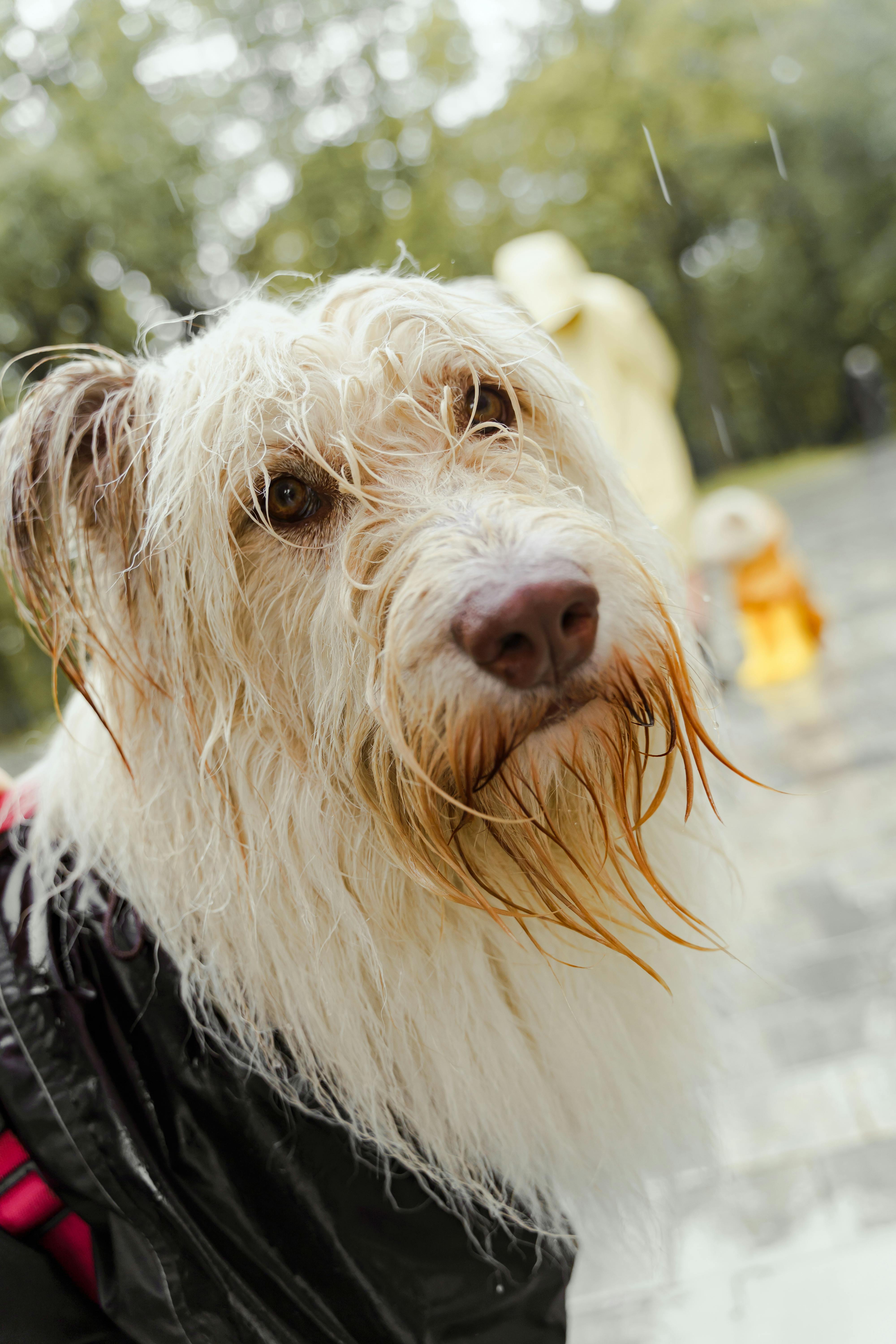
Dogs are often seen with wet noses, and many people wonder why this is. Some think it’s because they just came from a swim or they been playing in the rain. But the truth about wet dog noses is much more interesting. There’s a lot of myths floating around out there, and this blog is here to debunk some of them while explaining why do dogs have wet noses in the first place.
Myth #1: Wet Noses Are Always a Sign of Health
Many pet owners believe that if a dog’s nose is wet, then it must be healthy, and if it’s dry, it must be sick. But this isn’t entirely true. While a wet nose can indicate that a dog is well-hydrated and can help in regulating body temperature, it doesn’t necessarily mean that the dog is healthy. Dogs can have dry noses for many reasons, including weather conditions or even just their breed.
Myth #2: Dogs Sweat Through Their Noses
Some folks think dogs can sweat through their noses like humans do. This is a common misconception. Dogs don’t sweat in the same way that people do. Instead, they primarily cool down through panting. Their wet noses, however, play a significant role in helping them regulate temperature. The moisture on their noses can evaporate, which helps cool them down.
The Science Behind Wet Noses
So, why do dogs have wet noses? The answer lies in a combination of biology and behavior. Here’s some fascinating facts about dog noses:
- Moisture for Scent Detection: Dog noses are not just wet for no reason. The moisture helps to capture scent particles. This makes their sense of smell even more powerful. A wet nose can actually enhance a dog's ability to smell.
- Temperature Regulation: As mentioned before, wet noses help dogs cool down. The evaporation of moisture from their noses can aid in reducing body heat.
- Health Indicator: While a wet nose doesn’t guarantee health, it can indicate hydration levels. A dog that is dehydrated might have a dry nose.
Fun Facts About Dog Noses
- Dogs have around 300 million scent receptors in their noses, compared to a human's mere 5 million.
- The wetness of a dog’s nose can vary with temperature and humidity. A hot day could make their noses dryer than usual.
- The texture of a dog’s nose is unique, much like a human fingerprint!
Comparing Wet and Dry Noses
Here’s a simple comparison table of what wet and dry noses might indicate:
| Nose Condition | Possible Indication |
|---|---|
| Wet Nose | Hydrated, healthy, sensing |
| Dry Nose | Dehydration, weather-related, or breed-specific |
Understanding Breed Differences
Some dog breeds naturally have wetter noses than others. For instance, breeds like Labrador Retrievers and Golden Retrievers often have moist noses, while breeds like Bulldogs might have drier noses. It’s important for pet owners to understand their dog’s breed and what is normal for them.
Practical Tips for Pet Owners
If you’re a dog owner, you might be wondering what you can do to ensure your furry friend stays healthy. Here are some tips:
- Hydration: Always make sure your dog has access to fresh water. This helps maintain their nose moisture.
- Regular Vet Visits: Regular check-ups can help catch any potential health issues early.
- Watch for Changes: If there’s a sudden change in your dog’s nose moisture or overall behavior, it’s best to consult with a vet.
Final Thoughts
Wet noses are a fascinating feature of dogs that serve multiple purposes, from enhancing their sense of smell to helping regulate body temperature. While there are myths that can mislead pet owners, understanding the facts can help in taking better care of your canine companion. So, the next time you notice your dog’s wet nose, remember all the science and biology behind it! Keep this information in mind, and you’ll be well on your way to ensuring a happy and healthy life for your pet.
How to Keep Your Dog’s Nose Healthy: Tips for Pet Owners
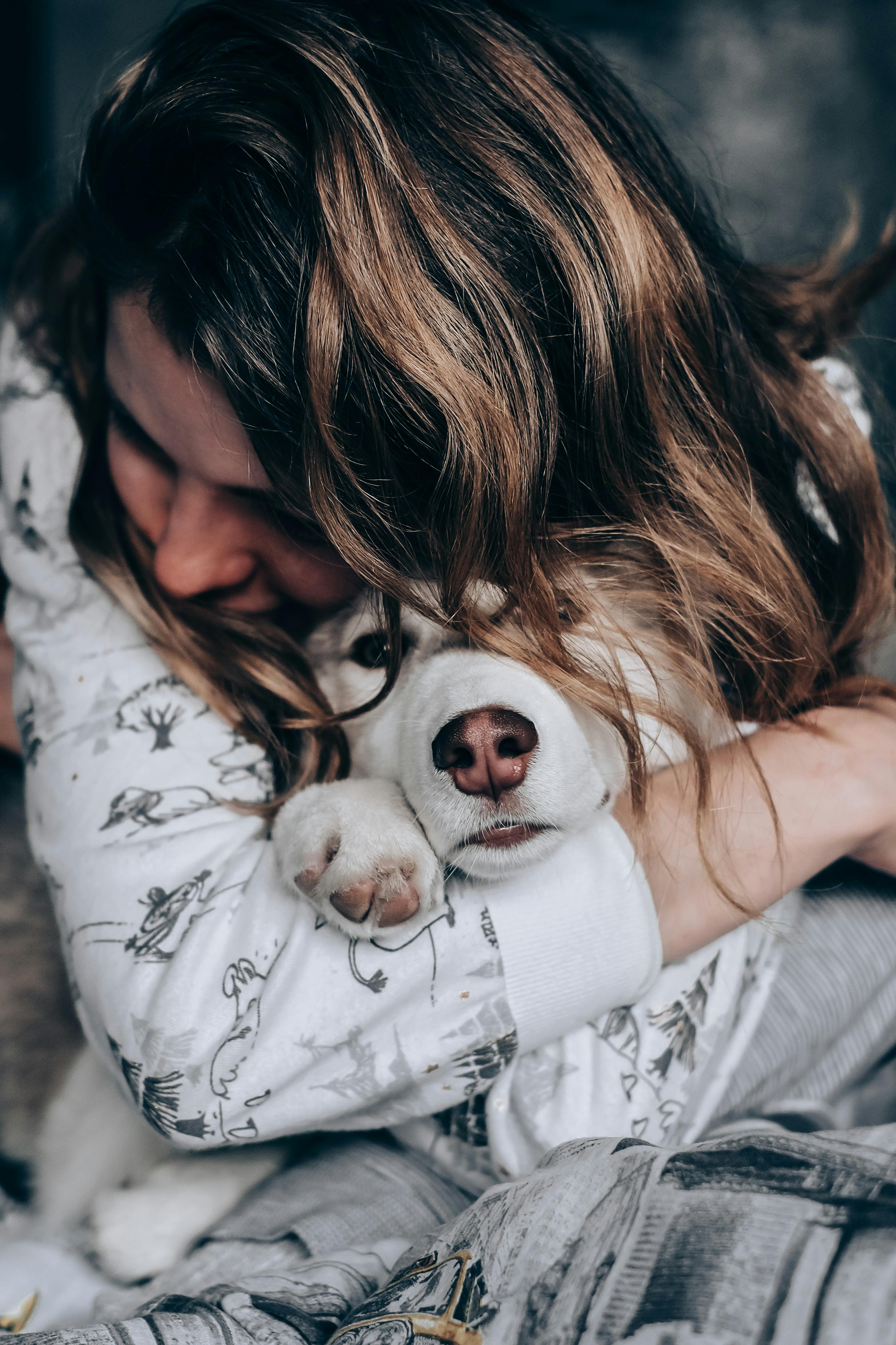
When you got a dog, you probably noticed its wet nose right away. But have you ever wondered why dogs have wet noses? Or how to keep that little nose healthy? Keeping your dog’s nose healthy is just as important as any other part of its body. A dog’s nose is not only adorable, it serves various important functions. In this article, we will explore the fascinating reasons behind those wet noses and share some helpful tips for pet owners to ensure their furry friends' noses stay in tip-top shape.
Why Do Dogs Have Wet Noses?
Dogs noses are wet for a bunch of reasons, and understanding these can help you appreciate your pet even more. Here are some of the main reasons:
Temperature Regulation: Dogs can’t sweat like humans do. Their noses help in cooling down their body. When a dog licks its nose, it adds moisture which evaporates and helps cool them down.
Enhanced Sense of Smell: A wet nose can help capture scent particles better. The moisture makes it easier for the olfactory receptors in the nose to pick up on smells, which is why dogs are such great sniffers!
Health Indicator: A dog’s nose is an indicator of its health. A healthy dog typically has a moist nose. If it’s dry or cracked, it could be a sign of dehydration or illness.
Communication Tool: Dogs use their noses to gather information about their surroundings and other animals. That’s why they often sniff other dogs' noses!
Tips for Keeping Your Dog’s Nose Healthy
Keeping your dog’s nose healthy is crucial for its overall well-being. Here are some practical tips for pet owners:
Hydration: Always ensure your dog has access to fresh water. Dehydration can lead to a dry nose, which is unhealthy.
Avoid Harsh Weather: Cold or hot weather can affect your dog’s nose. In winter, consider using a dog-safe nose balm to protect it from cracking. In summer, make sure they don't spend too much time in the sun.
Regular Vet Check-ups: Regular vet visits can help in identifying any health issues early on. If you notice any sudden changes in your dog’s nose, like color or texture, consult your vet.
Healthy Diet: A balanced diet rich in vitamins and minerals can contribute to healthy skin and noses. Omega-3 fatty acids are particularly good for skin health.
Clean Environment: Make sure your dog’s living area is clean. Dust and allergens can irritate their noses. Regular cleaning can help reduce these irritants.
Watch for Irritants: Be mindful of the products you use in your home. Some cleaning products, fragrances, or smoke can irritate your dog’s nose.
Signs of a Problematic Nose
Sometimes, even with all the right care, noses can develop issues. Here are some signs you should look out for:
Cracking or Bleeding: If your dog’s nose is cracked or bleeding, it may need immediate attention.
Discoloration: A sudden change in color, such as turning red or brown, can indicate health issues.
Excessive Dryness: If your dog’s nose is consistently dry, it may be a sign of dehydration or illness.
Foul Odor: A bad smell coming from your dog’s nose could mean an infection or other health concern.
Unusual Growths: Any bumps or growths on the nose should be checked by a vet.
Fun Facts About Dogs' Noses
Did you know that a dog’s nose print is unique, just like a human fingerprint? Here are some other fun facts:
Number of Scent Receptors: Dogs have around 220 million scent receptors in their noses, while humans only have about 5 million.
Nose Color: The color of a dog’s nose can vary by breed. Some dogs have pink noses, while others have black or liver-colored noses.
Nasal Turbinates: Dogs have complex structures in their noses, called nasal turbinates, which help them to detect scents more effectively.
Sniffing Behavior: Dogs have a special sniffing behavior called "sniffing the ground" that helps them gather more information about their environment.
Keeping your dog's nose healthy is essential for both their comfort and health. By taking simple steps, pet owners can ensure their furry companions have happy, moist noses. And remember, those wet noses are not just cute; they play a vital role in your dog’s life! If you notice any concerning changes, don’t hesitate to get in touch with your veterinarian. Your dog relies on you for its well-being, and that includes a healthy nose!
The Role of a Dog’s Wet Nose in Their Sense of Smell: Fascinating Insights
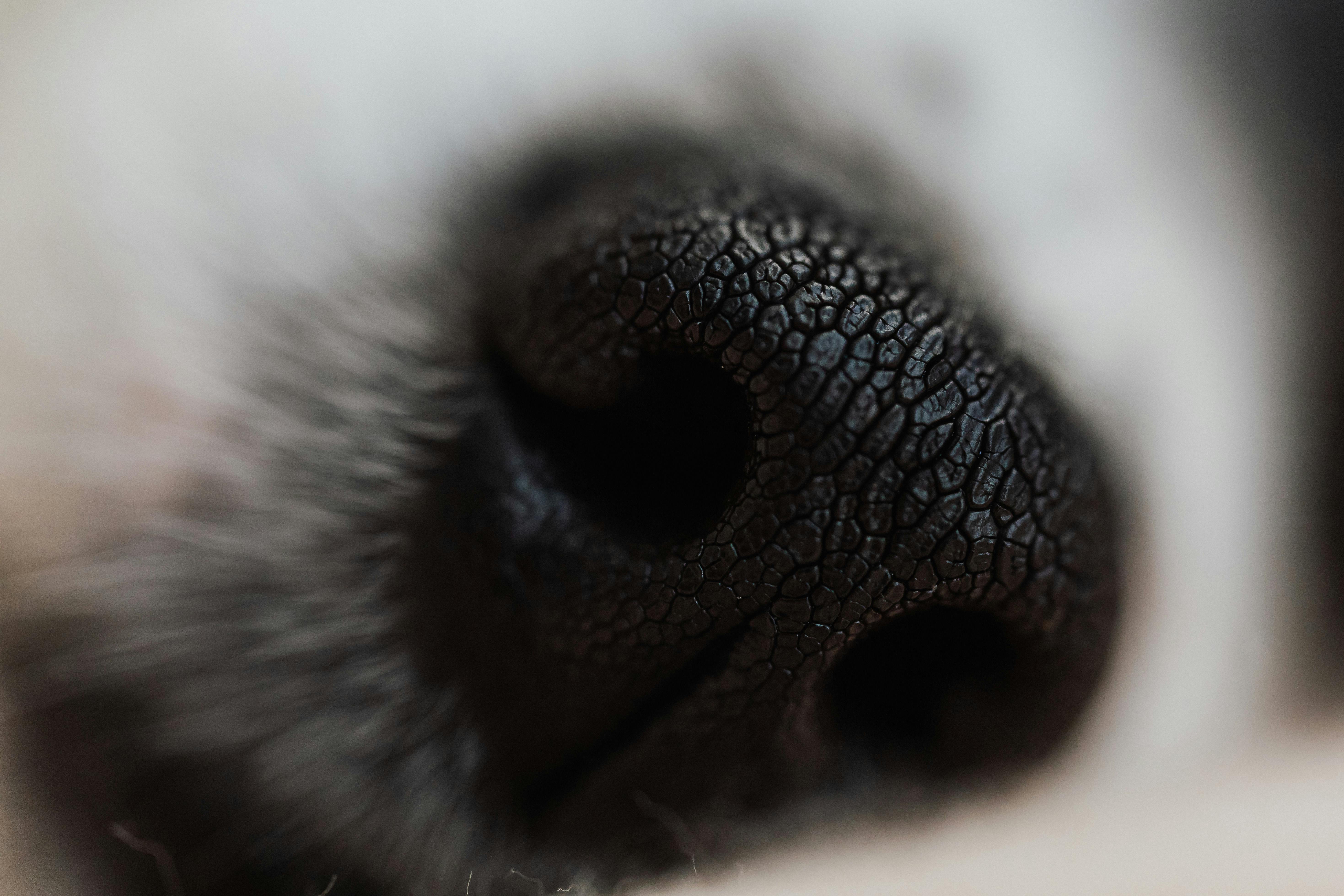
Dogs are truly amazing creatures with a unique ability to connect with their humans and the world around them. One of the most intriguing features of dogs is their wet noses. Ever wondered why do dogs have wet noses? Well, it’s more than just a cute characteristic; it plays a significant role in their incredible sense of smell.
The Science Behind a Dog's Wet Nose
A dog's nose is not just for show; it serves several practical functions. A wet nose helps dogs to smell better. The moisture on a dog's nose captures scent particles from the air, making it easier for them to detect and identify odors. Here some key points that highlight the importance of a wet nose:
- Scent Detection: The wetness increases the surface area of the nose, allowing it to trap more scent particles.
- Temperature Regulation: Dogs can regulate their body temperature through their noses, which can also affect their sense of smell.
- Health Indicator: A dog’s nose can indicate their health. Generally, a healthy dog has a cool, moist nose, while a dry nose might indicate illness.
Dogs have an extraordinary sense of smell, estimated to be anywhere from 10,000 to 100,000 times more sensitive than humans. This is largely due to the olfactory receptors in their noses.
Historical Context of Dogs and Their Noses
Dogs have been companions to humans for thousands of years. Historically, they were primarily used for hunting and herding, where their ability to smell played a critical role. Ancient civilizations recognized the power of a dog's nose, often using them in search and rescue operations or tracking down game.
A Closer Look at Dog Nose Physiology
The structure of a dog’s nose is fascinating. Here is a simple breakdown of its anatomy:
- Olfactory Bulb: This part of the brain is responsible for processing smells. Dogs have a larger olfactory bulb compared to humans.
- Nasal Cavity: The complex structure of their nasal cavity contains turbinates that help in filtering and detecting scents.
- Moisture Glands: These glands keep the nose wet, enhancing its scent-trapping capabilities.
Why Do Dogs Have Wet Noses?
So, why do dogs have wet noses? Let's explore some fascinating reasons:
- Thermal Regulation: A wet nose helps dogs cool down. Unlike humans who sweat, dogs rely on panting and moisture on their noses to help regulate their body temperature.
- Increased Sensitivity: The wetness on the nose creates a chemical reaction that allows dogs to detect even the faintest odors in the environment.
- Social Interaction: Dogs often use their noses to greet each other and understand the world around them. A wet nose can signify friendliness and openness.
The Role of a Dog's Nose in Everyday Life
In everyday life, a dog's nose plays an essential role in various situations. Here are some practical examples of how dogs use their noses:
- Detecting Diseases: Some dogs are trained to sniff out diseases like cancer or diabetes by detecting specific odors in a person's breath or skin.
- Search and Rescue: Dogs are often used in search and rescue missions, where their keen sense of smell helps locate missing persons.
- Detection Work: Many law enforcement agencies use dogs to sniff out drugs, explosives, and other contraband due to their exceptional olfactory skills.
Fun Facts about Dog Noses
Here are some fun facts about dog noses that you might find interesting:
- Unique Patterns: Just like human fingerprints, each dog's nose print is unique. This can even be used for identification purposes.
- Color Matters: The color of a dog’s nose can vary widely, from black to pink, and can change with their health or age.
- Nose Work: Many dog owners engage in nose work activities, where dogs are trained to find hidden scents in various environments.
The wet nose of a dog is not just an adorable feature; it plays a crucial role in their sensory experiences and health. Understanding the significance of your dog's nose can deepen the bond you share with them and enhance your appreciation for these remarkable animals. Whether you’re training a service dog or simply enjoying a walk in the park, remember the fascinating reasons behind that wet, cold nose. It’s a window into the world of scents and emotions that only your furry friend can fully appreciate.
Why Do Puppies Have Wet Noses? Exploring the Development of Canine Noses
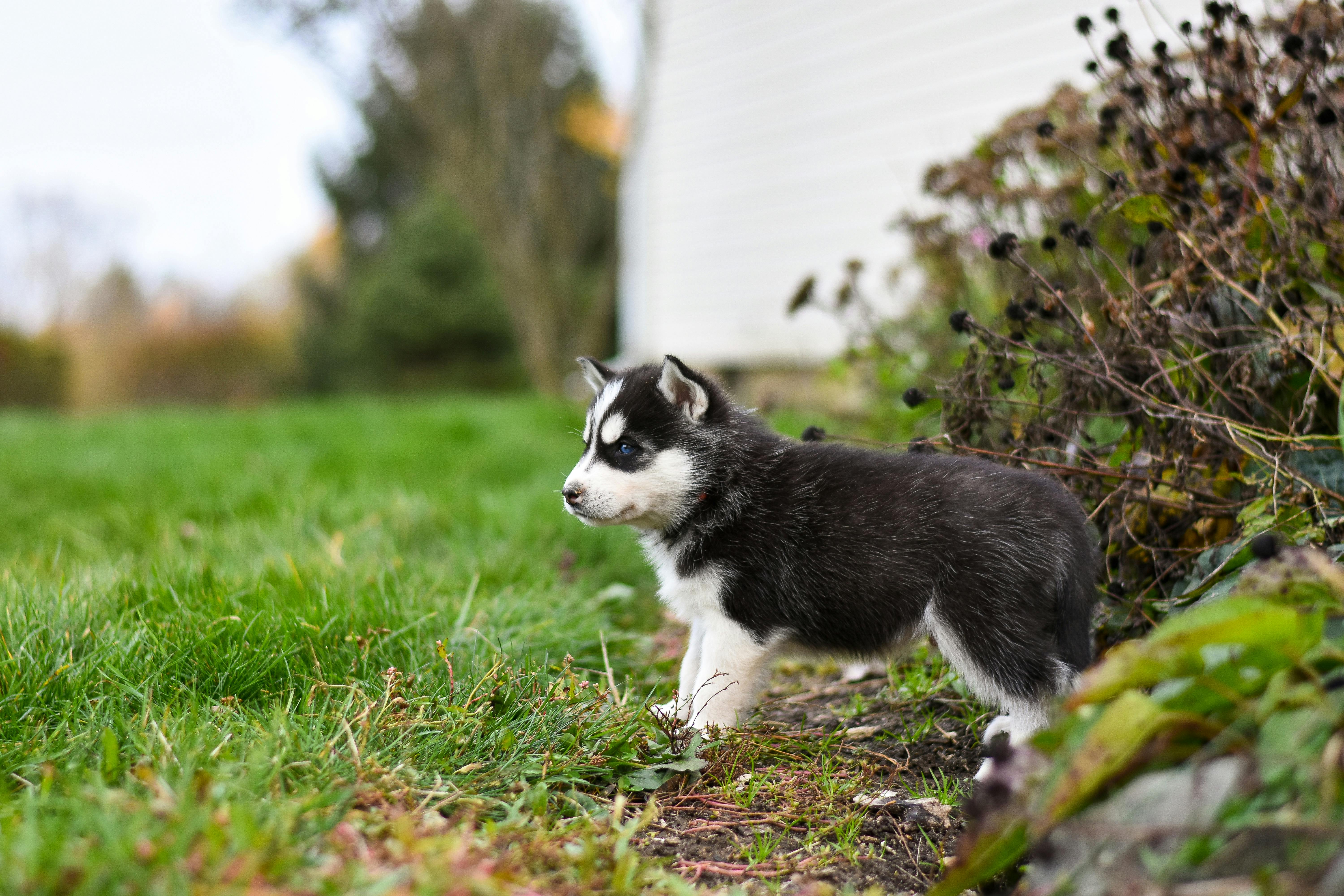
Puppies are adorable creatures that capture hearts with their playful antics and floppy ears. One of the quirkiest features of puppies, and dogs in general, is their wet noses. Have you ever wondered why do puppies have wet noses? This curious aspect of canine anatomy is not just a random occurrence. It’s actually tied to their biology and helps them in various ways. Let's explore the fascinating reasons behind those moist noses and what they mean for our furry companions.
The Anatomy of a Dog's Nose
Dog noses are complex organs that have evolved over thousands of years. Unlike humans, who primarily rely on sight, dogs depend heavily on their sense of smell. In fact, a dog's sense of smell is estimated to be anywhere from 10,000 to 100,000 times more sensitive than ours! The wetness of a dog's nose plays a crucial role in enhancing their olfactory abilities.
Here are some key facts about dog noses:
- Surface Area: Dog noses have a large surface area filled with olfactory receptors. This helps them detect different scents.
- Moisture: The moisture on a dog's nose helps to trap scent particles. That way, they can smell even better.
- Temperature Regulation: A wet nose can help regulate a dog’s body temperature.
Why Are Puppy Noses Wet?
You might be asking, why do dogs have wet noses? There are several reasons for this phenomenon. Let’s break it down:
Enhanced Smell: The moisture on their noses helps to pick up scents from the environment. When the nose is wet, it can better absorb scent particles, making it easier for dogs to identify smells.
Cooling Mechanism: Dogs do not sweat the way humans do. Instead, they primarily release heat through their noses and paw pads. A wet nose helps them stay cool, especially on warm days.
Health Indicator: A dog’s nose can also be an indicator of their health. A healthy dog usually has a moist and cool nose. If the nose becomes dry or warm, it might signal illness or dehydration.
Communication: Dogs also use their noses for social interactions. The scent left by other dogs can tell them things about their friends or foes. The wet nose helps them better engage in this olfactory communication.
Historical Context of Dog Noses
Dogs have been companions to humans for thousands of years. Their noses have adapted alongside them. Historically, dogs were bred for specific tasks like hunting, herding, and guarding. Their keen sense of smell was critical for these roles. For example:
- Hunting: Bloodhounds were used to track scents over long distances. Their wet noses helped them find prey.
- Herding: Sheepdogs needed to navigate and control livestock, using their sense of smell to communicate with their handlers.
- Guarding: Many breeds were developed to protect property, and their ability to detect intruders through scent was invaluable.
Interesting Comparisons
When comparing the noses of different animals, dogs certainly have some unique features. Here’s a quick comparison:
- Dogs vs. Cats: Dogs have about 220 million olfactory receptors compared to cats' 50-80 million. This makes dogs much better at smelling.
- Dogs vs. Humans: Humans only have about 5 million olfactory receptors. That’s why dogs often seem to know things we can’t detect.
Common Misconceptions about Dog Noses
There are several myths about why do dogs have wet noses. Let’s clear up a few of them:
- Myth: A wet nose means a dog is sick.
- Fact: A wet nose is often a sign of health, but other factors should be considered.
- Myth: Dog noses always stay wet.
- Fact: Noses can dry out due to various reasons like weather or health issues.
Fun Facts About Puppy Noses
- Color Variations: Dog noses can be black, brown, or even pink! The color often corresponds with the dog's coat.
- Unique Patterns: Just like human fingerprints, no two dog noses are exactly alike. The pattern of ridges on their noses can be used for identification.
Having a wet nose might seem like a small detail in the grand scheme of a dog's overall health and behavior, but it plays a significant role in their daily lives. Puppies’ wet noses are not just endearing; they are essential to their well-being and functionality. So next time you lean down to pet a puppy, take a moment to appreciate that wet nose and the science behind it. It’s just one of the many wonders of the canine world!
Conclusion
In conclusion, the wet noses of dogs play a crucial role in their overall health and sensory perception. The moisture helps enhance their sense of smell, allowing them to detect scents more effectively, which is essential for their survival and communication. Additionally, a wet nose can indicate a well-hydrated and healthy dog, while dryness might signal potential health issues. The unique composition of a dog’s nasal mucus also assists in cooling them down and keeping their sense of smell sharp. Understanding these fascinating aspects of your dog's anatomy not only deepens your bond but also helps you better care for your furry friend. Next time you give your dog a pat and feel that familiar wet nose, remember the science behind it and appreciate the remarkable ways these loyal companions interact with the world. Don't hesitate to share your newfound knowledge with fellow dog lovers and encourage them to pay closer attention to their pets' health!