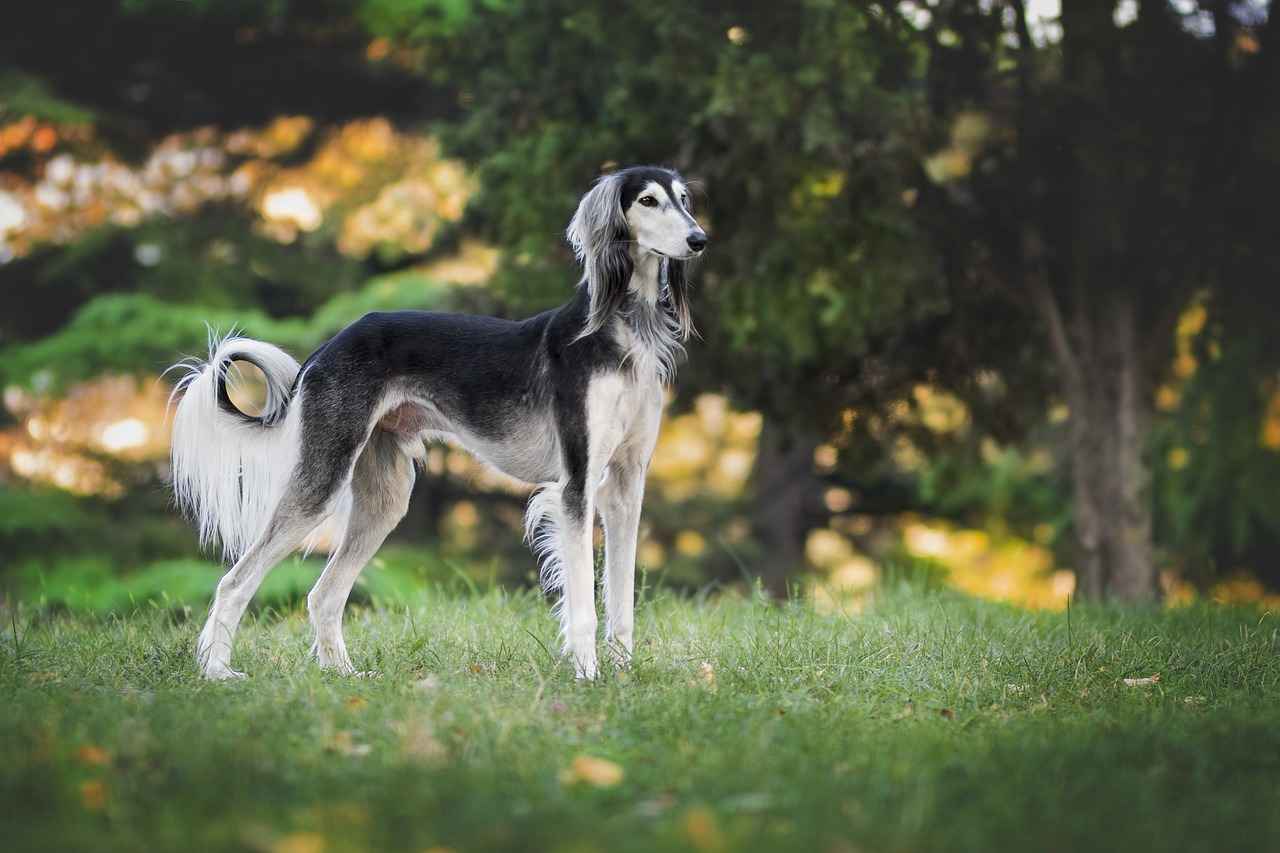
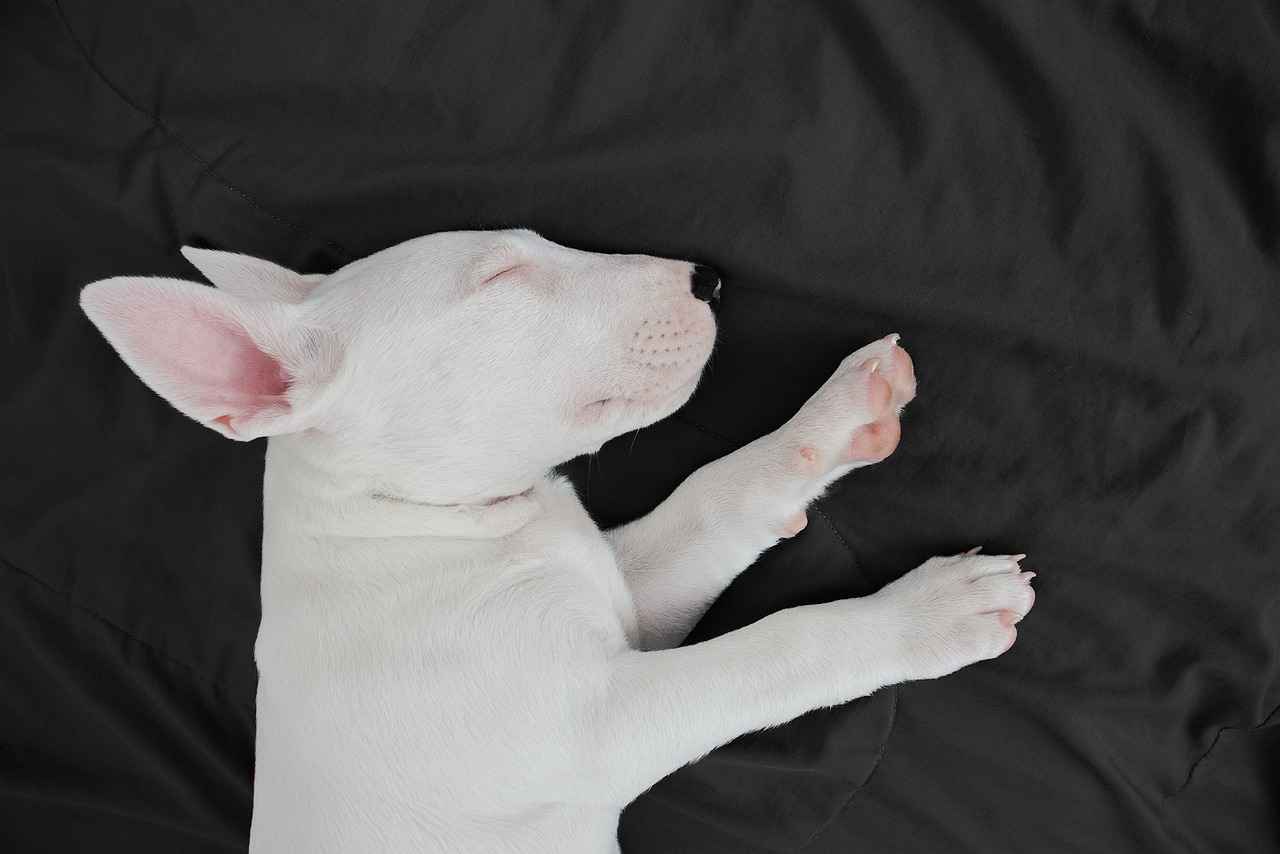
Have you ever wondered why do dogs have wet noses? This intriguing question is more than just a quirky characteristic; it reveals fascinating truths about our furry friends. A dog’s wet nose is not only cute but also serves essential functions that can leave you amazed. In fact, many pet owners often ask themselves, "Is a wet nose a sign of health?" or "What does it mean if my dog's nose is dry?" Understanding the reasons behind this unique trait can deepen the bond between you and your pup.
\nScientists and veterinarians agree that a dog's nose is packed with sensory receptors, making it a powerful tool for exploring the world. Moreover, a wet nose helps to regulate their body temperature and enhances their sense of smell, which is crucial for their survival instincts. But, what happens when their noses become dry or cracked? This can lead to concerns about their health. So, whether you’re a seasoned dog owner or considering bringing a new pup into your home, learning why dogs have wet noses is essential. Join us as we dive deeper into this fascinating topic and uncover the secrets behind those adorable, wet noses!
\n\nThe Science Behind a Dog's Wet Nose: What It Reveals About Their Health
\n\n \n\n
\n\nDogs are some of the most beloved pets worldwide, and their unique characteristics often leave us curious. One of the most noticeable traits is their wet noses. Have you ever wondered, why do dogs have wet noses? There’s actually a science behind it, and it reveals a lot about their health and behaviors.
\nThe Anatomy of a Dog's Nose
\nA dog's nose is not just a cute feature; it's a complex organ. The surface of a dog's nose is covered in a thin layer of mucus, which helps them absorb scent particles. This mucous layer is why their noses feels wet. This moisture is essential for enhancing their incredible sense of smell. Dogs have up to 300 million smell receptors compared to humans, who only have about 6 million. That’s a huge difference!
\nThe Importance of Moisture
\nSo, why do dogs need wet noses, anyway? Here’s some key points:
\n- \n
- Scent Detection: The moisture in a dog’s nose helps to bind scent particles, allowing better detection. When the nose is wet, it can pick up more smells, making a dog’s sense of smell super efficient. \n
- Temperature Regulation: A wet nose also helps in regulating a dog’s body temperature. Dogs do not sweat like humans; instead, they can lose heat through their noses and paw pads. Keeping their noses wet allows them to cool down. \n
- Health Indicator: A dog’s nose can be a good indicator of their health. A healthy dog typically has a cool, moist nose, while a dry nose might indicate dehydration or illness. But remember, it's not always a clear sign; other factors can contribute to a dry nose. \n
The Fascinating Reasons Behind a Dog's Wet Nose
\nThere are several reasons why a dog's nose is wet, and understanding them can help you keep your furry friend healthy:
\n- \n
- Natural Behavior: Dogs tend to lick their noses frequently. This behavior not only keeps their noses moist but also helps them gather more information about their environment through taste and scent. \n
- Environmental Factors: Weather can affect a dog’s nose. For example, in dry or hot conditions, a dog’s nose can dry out more quickly. Keeping your dog hydrated and ensuring they have a cool place to rest is important. \n
- Health Issues: While a wet nose is generally a sign of good health, if it becomes excessively dry or cracked, it might indicate a problem. Allergies, infections, or even nasal tumors could be the cause. Always consult your veterinarian if you notice significant changes in your dog’s nose condition. \n
Comparing Wet Noses with Other Animals
\nIt's interesting to compare dogs’ wet noses with those of other animals. Here’s a little breakdown:
\n- \n
- Cats: Cats typically have dry noses. Their sense of smell is also powerful, but they don’t rely on moisture in the same way dogs do. \n
- Pigs: Pigs have wet noses too, which helps them dig and root around in the dirt. They also have a keen sense of smell, similar to dogs. \n
- Humans: Unlike dogs, humans have dry noses. Our sense of smell is not nearly as developed, which is why we often rely on other senses. \n
Practical Tips for Dog Owners
\nMaintaining your dog’s nose is important for their overall health. Here are few tips for dog owners:
\n- \n
- Hydration: Always make sure your dog has access to fresh water. Proper hydration is key for a moist nose. \n
- Regular Vet Visits: Routine check-ups can help catch any potential health issues early. \n
- Observe Changes: Keep an eye on your dog’s nose condition. If it becomes excessively dry, call your vet for advice. \n
Common Misconceptions
\nThere are many myths surrounding a dog’s nose. Here are a few that need busting:
\n- \n
- A warm, dry nose means a dog is sick: This isn’t always true. Dogs can have warm, dry noses for many reasons, including being in a warm environment. \n
- Wet noses are only a sign of health: While generally true, there are exceptions. Always consider other symptoms. \n
The science behind a dog’s wet nose is truly fascinating. It’s not just about cuteness; it’s about health, behavior, and survival. Understanding this can help dog owners provide better care for their beloved pets. So next time you see your dog’s wet nose, remember all the amazing functions it serves. It’s just one more reason to love our furry friends!
\n\nTop 5 Fascinating Reasons Dogs Have Wet Noses You Didn’t Know!
\n\n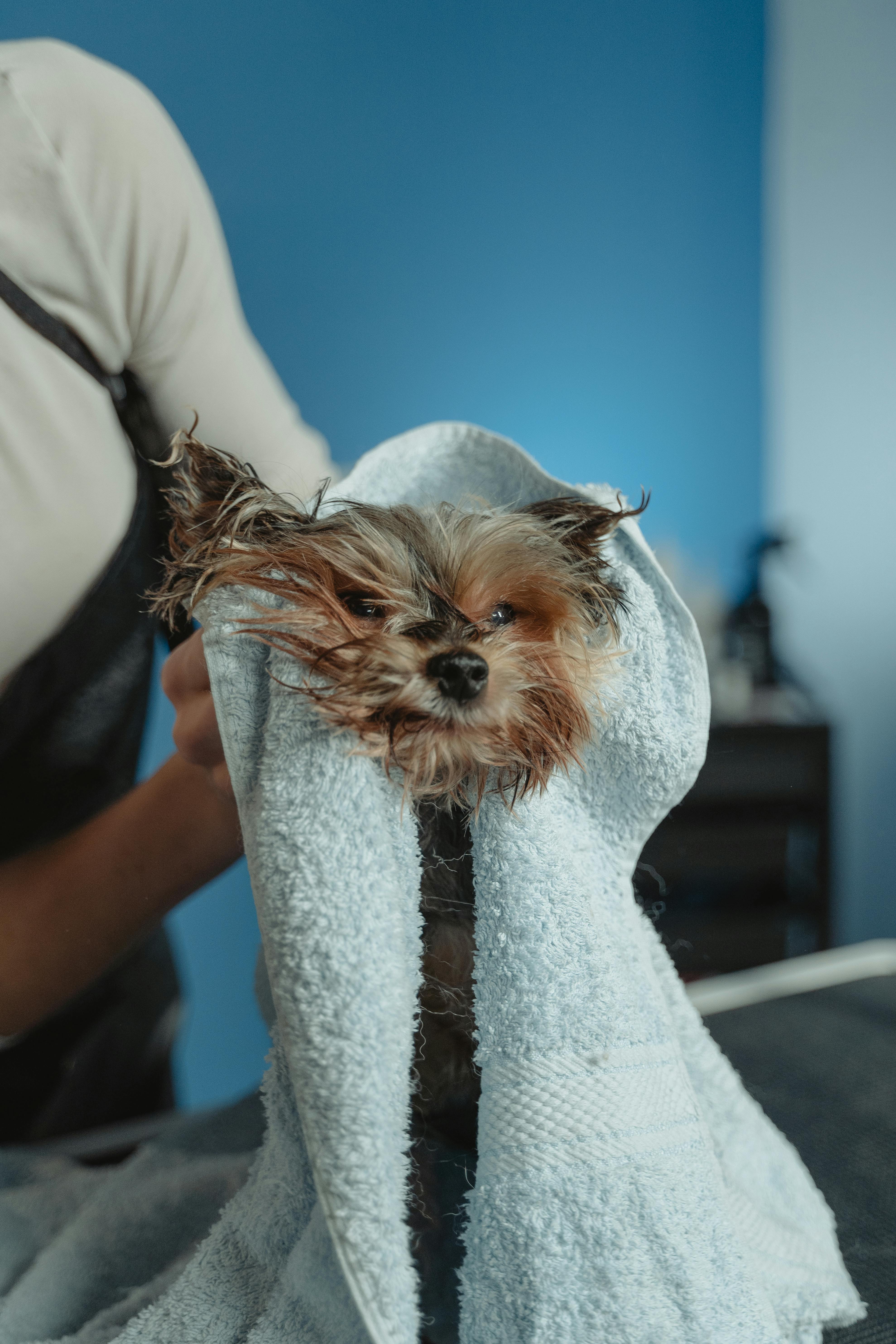 \n\n
\n\nDogs are known for many things, but one of the quirkiest features is their wet noses. Have you ever wonder why they are always damp? There’s a lot more to it than just being cute. In fact, there’s a bunch of intriguing reasons behind this unique trait. Here’s exploring the top 5 fascinating reasons dogs have wet noses that you probably didn’t know about!
\n1. Enhanced Sense of Smell
\nOne of the most obvious reasons is that wet noses help dogs smell better! Dog noses are packed with scent receptors—about 220 million of them, compared to a human's mere 5 million. A wet nose is more effective in capturing scent particles from the air. This moisture creates a better surface for the scent to stick to, which allows dogs to pick up smells more effectively. So, their wet noses contribute significantly to their powerful olfactory abilities, helping them sniff out everything from treats to potential dangers.
\n2. Temperature Regulation
\nDid you know that dogs sweat through their noses? Well, not exactly in the same way humans do, but their wet noses do play a role in regulating their body temperature. When a dog pants, moisture from their nose evaporates, which cools them down. This is particularly important during hot days, when dogs may struggle to cool off. A wet nose can be an indicator of a dog that is healthy and well-hydrated, as dehydration can lead to a dry nose.
\n3. Communication Tool
\nDogs are social animals, and their noses are vital for communication among themselves and with humans. When a dog meets another dog, they often sniff each other's noses, which is how they gather tons of information about each other. A wet nose can signify a friendly demeanor, and it encourages social interactions. So, the next time a dog approaches you with a wet nose, it might be saying, “Let’s be friends!”
\n4. Health Indicator
\nThe moisture level of a dog's nose can actually be a sign of their health. A healthy dog typically has a cool, moist nose; however, if it becomes dry and cracked, it could signify dehydration or illness. Vets often check the nose as part of a general health assessment, along with other signs like energy levels and appetite. While a wet nose isn’t a foolproof indicator of health, it does provide some clues about a dog’s wellbeing.
\n5. Evolutionary Advantage
\nThe evolutionary background of dogs include traits that enhance their survival, and a wet nose is one of them. Early canines relied on their sense of smell for hunting and foraging. A wet nose increases their ability to detect prey and avoid predators. Over time, this trait has been preserved through selective breeding, as dogs with better smelling abilities were more successful in the wild.
\nFun Facts About Dog Noses
\n- \n
- Dogs have unique nose prints, just like human fingerprints. Each dog's nose pattern is distinct! \n
- The color of a dog's nose can change based on climate and health conditions. For example, a cold winter might cause a dog’s nose to become lighter. \n
- Many dogs like to lick their noses, which keeps it moist and helps them absorb scents. \n
- Dogs’ noses can detect certain diseases in humans, like cancer or diabetes, thanks to their advanced olfactory skills. \n
Comparison: Dog Nose vs. Human Nose
\n| Feature | \nDog Nose | \nHuman Nose | \n
|---|---|---|
| Scent Receptors | \n220 million | \n5 million | \n
| Moisture Function | \nIncreases scent detection | \nMinimal moisture function | \n
| Temperature Regulation | \nEvaporates moisture to cool | \nSweating primarily through skin | \n
| Unique Patterns | \nYes, each dog has a unique print | \nNo unique prints | \n
Understanding why dogs have wet noses is not only fascinating, but it also enriches our bond with these wonderful creatures. It’s amazing to think that such a small part of them has such significant roles in their lives and ours. So, the next time your pup greets you with a nose nudge, remember the science behind that wet nose and all the wonders it brings into their world. Dogs are truly remarkable companions with a wealth of unique traits, and their wet noses are just one of the many things that make them special.
\n\nHow a Wet Nose Benefits Your Dog: Exploring Its Unique Functions
\n\n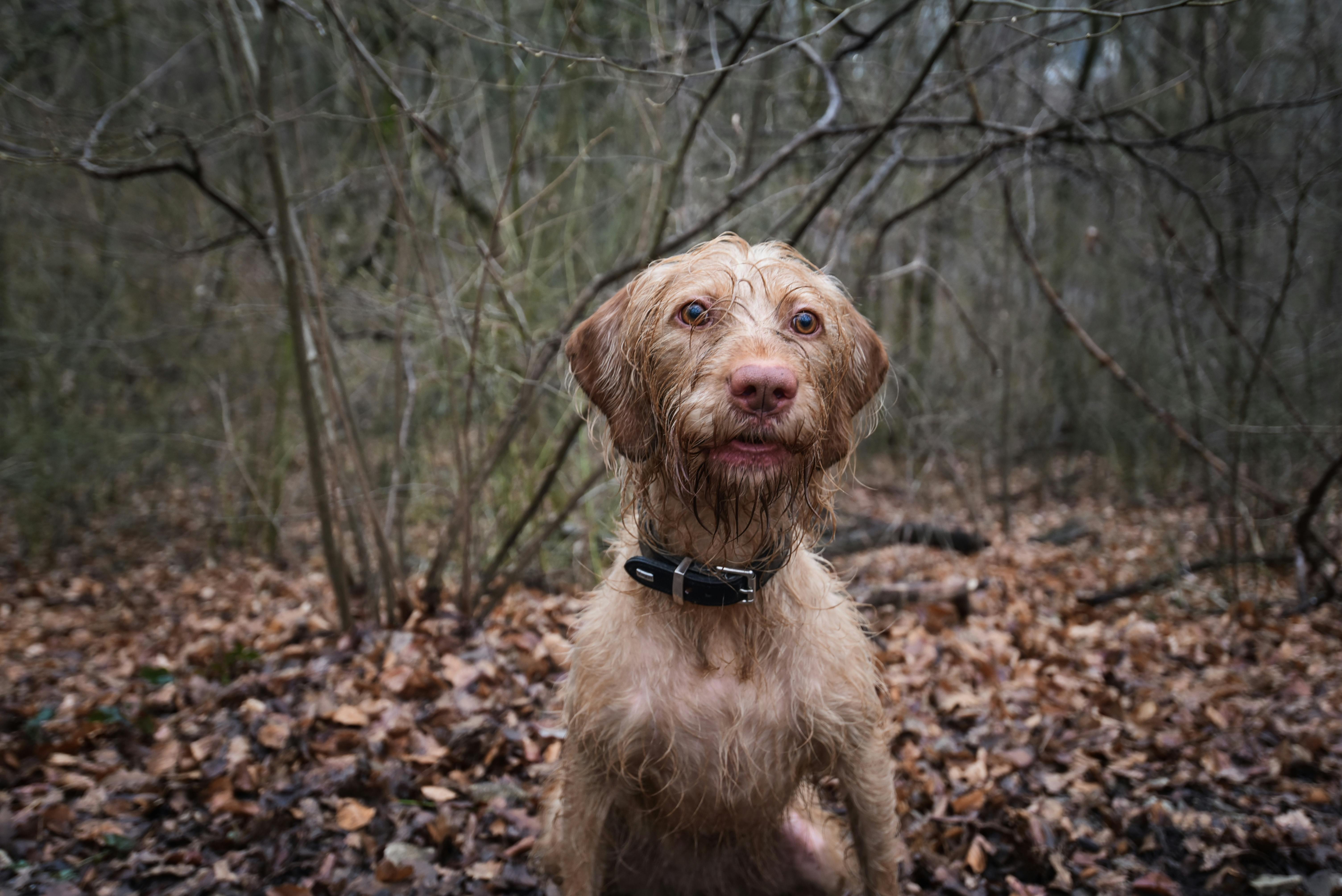 \n\n
\n\nDogs are some of the most beloved pets on this planet, and one of the most distinctive features about them is their wet nose. Ever wonder why do dogs have wet noses? It’s not just for show or cuteness, it actually serves some pretty important functions that contribute to their overall health and behavior. Let's explore the fascinating reasons behind this unique characteristic!
\nThe Science Behind Wet Noses
\nA dog’s nose is naturally moist, and there are several reasons for that. Firstly, the moisture helps to enhance their sense of smell. Dogs have an incredible sense of smell, far superior to humans, and having a wet nose helps them pick up scents more effectively. The moisture on their snout traps scent particles, which makes it easier for them to analyze and interpret the surrounding environment.
\n- \n
- The nasal cavity of dogs contains a specialized structure called the Jacobsen's organ, which is crucial for their olfactory abilities. \n
- Dogs have around 300 million smell receptors in their noses, while humans have only about 5 million. This explains why dogs can sense things we can't even imagine. \n
Temperature Regulation
\nAnother interesting function of a wet nose is related to temperature regulation. Dogs don’t sweat like humans do. Instead, they primarily cool themselves through panting and, to some extent, through their noses. A wet nose helps to cool their body temperature. When the moisture evaporates, it cools the blood flow in the nasal passages, which can help lower their overall body temperature.
\n- \n
- A dog’s normal body temperature ranges between 101°F and 102.5°F. \n
- If a dog’s nose is dry and warm, it can be an indicator of illness or stress. \n
Communication with Other Dogs
\nWet noses also play a role in canine communication. Dogs often greet each other by sniffing each other’s noses and behinds. A wet nose can convey different information to other dogs, like their health, mood, and even their reproductive status.
\n- \n
- Dogs may use their noses to gather information about another dog's emotional state. \n
- A wet nose might indicate excitement or friendliness, whereas a dry nose could suggest anxiety or discomfort. \n
Health Indicators
\nThe state of a dog’s nose can be an important health indicator. Generally, a healthy dog should have a cool, moist nose. However, there are various factors that can affect the moisture level of a dog's nose, including:
\n- \n
- Temperature: Dogs can have drier noses during hot weather. \n
- Activity Level: After lots of play or exercise, a dog’s nose may become drier. \n
- Illness: A consistently dry or cracked nose can sometimes signal a health issue. \n
Comparison: Wet vs. Dry Noses
\nLet’s break down some differences between wet and dry noses in dogs:
\nWet Nose:
\n- \n
- Typically cool to the touch \n
- Can enhance sense of smell \n
- Indicates good hydration and health \n
Dry Nose:
\n- \n
- May feel warm \n
- Can indicate dehydration or illness \n
- Might occur after exercise or during hot weather \n
Fun Facts About Dog Noses
\n- \n
- Dogs possess unique nose prints, similar to human fingerprints. Each dog’s nose has a distinct pattern of ridges and creases. \n
- The wetness of a dog’s nose can change throughout the day. It might be wetter in the morning and drier in the evening. \n
- Some breeds, like Bulldogs or Pugs, may have naturally drier noses due to their physical structure. \n
Practical Examples of Nose Care
\nCaring for your dog’s nose is important, and here are some simple tips to keep it healthy:
\n- \n
- Hydration: Ensure your dog has access to plenty of fresh water. \n
- Regular Check-ups: Visit a vet regularly, especially if you notice a change in your dog’s nose. \n
- Avoid Allergens: Try to limit exposure to irritants, like dust or chemicals, that may dry out their nose. \n
Understanding how a wet nose benefits your dog is not just a fun fact to share. It gives insight into their health, behavior, and emotional state. Next time you give your furry friend a pat, take a moment to appreciate that wet nose — it’s more than just adorable, it's a window into their world. So, when you ask yourself why do dogs have wet noses, remember it serves essential roles in their lives and well-being.
\n\nWhy Does My Dog Have a Wet Nose? Common Myths and Truths Explained
\n\n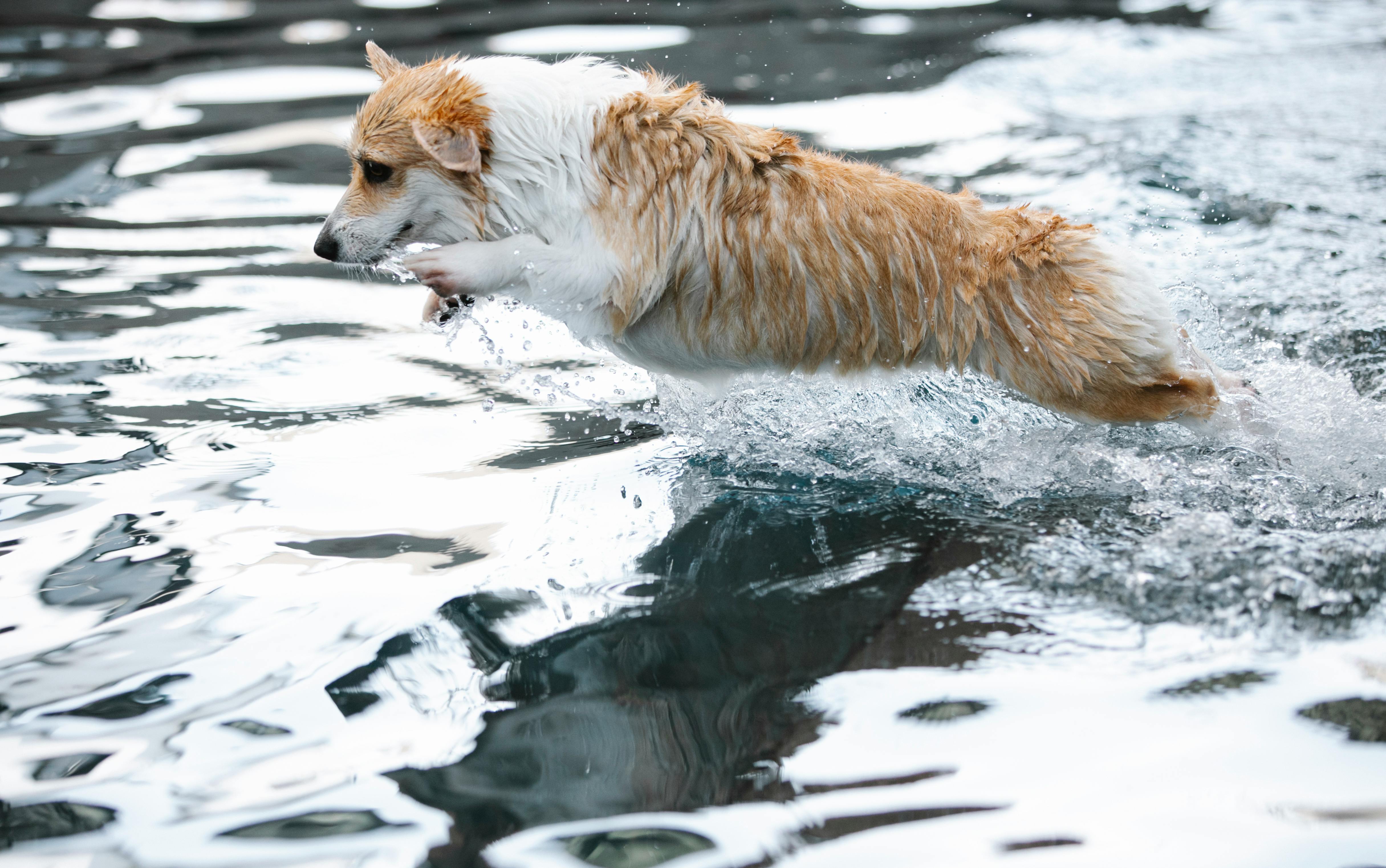 \n\n
\n\nHave you ever noticed your dog's nose and wondered why it’s always wet? This little quirk often leads to many questions, myths, and even some misconceptions. People thinks wet noses equals healthy dogs, but the reasons behind this phenomenon are actually more complex and fascinating than you might guess. Let's dive in to explore the truths and myths surrounding why do dogs have wet noses.
\nThe Science Behind Wet Noses
\nDogs’ noses are wet for several good reasons. First, moisture on a dog’s nose helps enhance their sense of smell. Dogs have an incredible olfactory system, and the wetness helps to capture scent particles in the air. This makes their noses incredibly sensitive, allowing them to detect smells that humans can’t even fathom.
\n- \n
- Moisture Retention: The moisture on a dog’s nose comes from the glands in the skin. \n
- Sweat Glands: Dogs don’t sweat like humans. Instead, they release moisture through their noses and paws. \n
- Cooling Mechanism: A wet nose can help cool down a dog’s body temperature. \n
Myths About Wet Noses
\nThere are numerous myths surrounding the wetness of a dog's nose. Let’s clarify some common misconceptions:
\n- \n
- \n
Wet Nose Means Healthy Dog: While a wet nose can indicate health, it’s not the only measure. A dog can be sick and still have a wet nose.
\n \n - \n
Dry Nose Equals Sick Dog: This is not always true. Dogs can have dry noses for many reasons, including weather conditions or just waking up.
\n \n - \n
Dogs Lick Their Noses to Keep Them Wet: Dogs do lick their noses, but it’s not the primary reason they’re wet. Their noses naturally produce moisture.
\n \n - \n
All Dogs Have Wet Noses: While most dogs do have wet noses, some breeds might have drier noses due to their unique physiology.
\n \n
Why Do Dogs Have Wet Noses? The Fascinating Reasons!
\nNow that we've addressed the myths, let’s break down the reasons why dogs have wet noses in detail.
\n- \n
- \n
Enhanced Smell: Wet noses trap scent particles more effectively, which makes sense given the dog’s highly developed sense of smell. They can smell up to 100,000 times better than humans!
\n \n - \n
Temperature Regulation: As mentioned, the moisture on their nose can help them cool down. In hot weather, dogs will often breathe through their mouths, but having a wet nose helps them cool off more efficiently.
\n \n - \n
Natural Behavior: It’s a natural characteristic of dog physiology. A dog's nose is designed to be moist; it’s part of their overall sensory system.
\n \n
Fun Facts About Dog Noses
\n- \n
- \n
Unique Patterns: Just like human fingerprints, every dog has a unique nose print. This can actually be used for identification!
\n \n - \n
Color Variation: The color of a dog’s nose can change with age or due to certain health conditions. A puppy's nose might start off pink and darken as they mature.
\n \n - \n
Temperature Sensitivity: Dogs’ noses can detect temperature changes, which is why they may often nuzzle or sniff at different objects or people.
\n \n
What to Do If Your Dog's Nose is Dry?
\nIf you notice your dog's nose is unusually dry or cracked, here are some actions you can take:
\n- \n
- \n
Hydration Check: Ensure your dog is drinking enough water. Dehydration can lead to a dry nose.
\n \n - \n
Environmental Factors: Dry weather, heat, or being indoors with air conditioning can cause dryness. Consider using a humidifier in your home.
\n \n - \n
Consult a Vet: If the dryness persists or is accompanied by other symptoms, it might be best to consult a veterinarian to rule out health issues.
\n \n
Summary of Key Points
\n- \n
- Dogs’ noses are wet for enhanced smell and temperature regulation. \n
- Wet noses don’t always equal a healthy dog, and dry noses aren’t always a sign of illness. \n
- Moisture comes from natural body functions, not just licking. \n
Understanding why do dogs have wet noses can enrich your knowledge as a pet owner. It helps you appreciate the uniqueness of your furry friend and also gives you a better insight into their health. Next time you lean down to pet your dog, take a moment to admire that wet nose and what it signifies about their remarkable biology.
\n\nThe Connection Between a Dog's Wet Nose and Their Sense of Smell
\n\n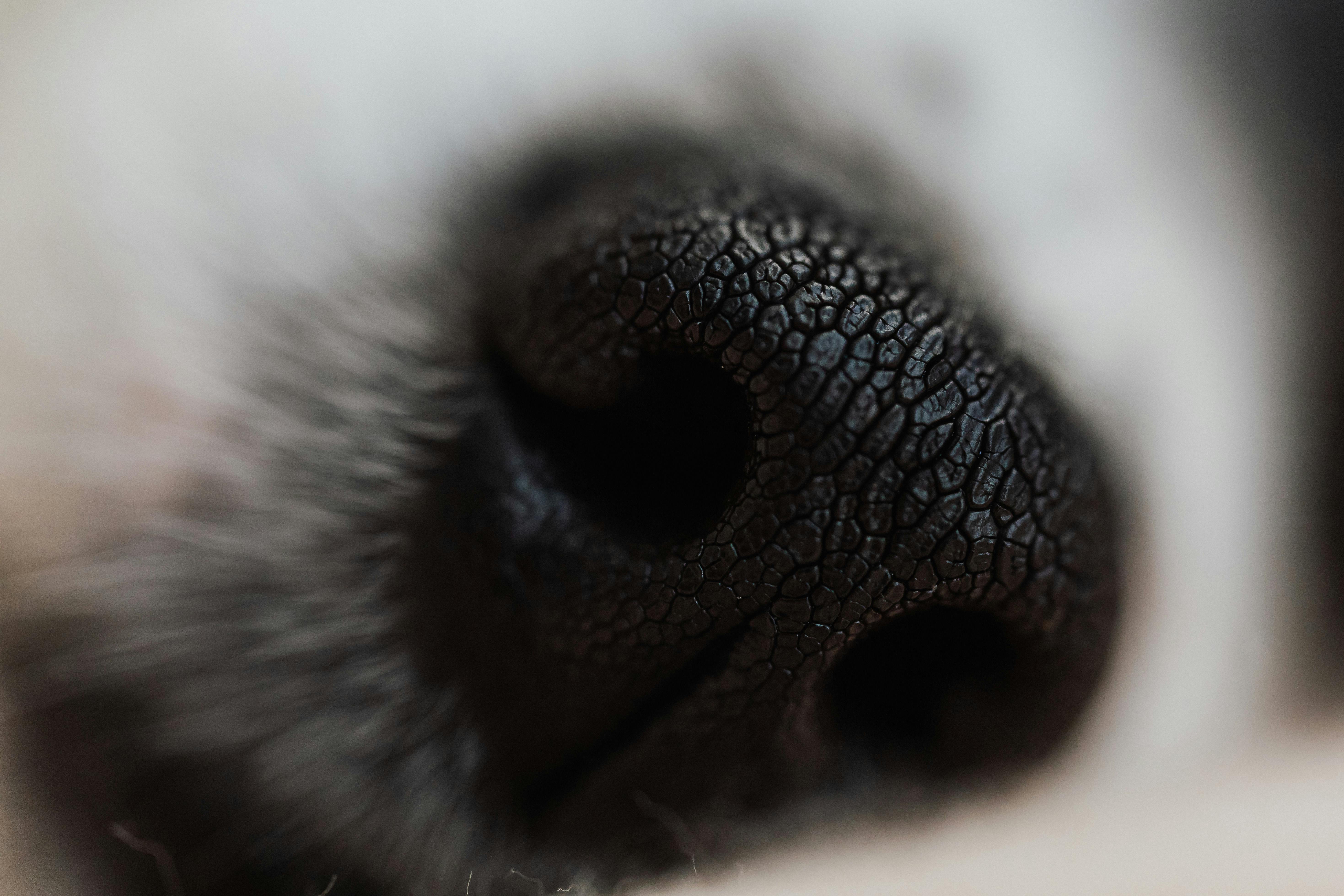 \n\n
\n\nHave you ever wondered why dogs have wet noses? It’s not just a random quirk of nature. There's a fascinating connection between a dog’s wet nose and their incredible sense of smell. Dogs are known to be one of the best sniffers in the animal kingdom, and their wet noses play a big role in that. Let’s dive into the science and some interesting facts about these lovable pets and their unique noses!
\nThe Science Behind a Dog's Wet Nose
\nA dog's nose is not just a cute feature; it’s a specialized tool for detecting scents. The moisture on a dog’s nose helps enhance their sense of smell. When a dog's nose is wet, it can absorb scent chemicals more effectively. This is because moisture helps dissolve the scent particles, making it easier for the olfactory receptors in the nose to pick up on them.
\n- \n
- Dogs have up to 300 million olfactory receptors in their noses, compared to about 5 million in humans. \n
- The surface area of a dog's nose is significantly larger than ours, allowing them to take in more scent. \n
- The moisture also helps cool a dog's body down, as dogs don't sweat like humans do. \n
Why Do Dogs Have Wet Noses?
\nSo, why do dogs have wet noses in the first place? Here are some main reasons:
\n- \n
- Enhanced Smell: As mentioned earlier, wet noses help dogs absorb scents better. \n
- Temperature Regulation: Dogs use their noses to help regulate their body temperature. When they breathe through their noses, they can cool down. \n
- Health Indicator: A wet nose can indicate a dog's health. If a dog’s nose is dry, it could be a sign of dehydration or illness. \n
Historical Context of Dogs’ Noses
\nHistorically, dogs have been bred for specific purposes, many of which rely on their sense of smell. For instance:
\n- \n
- Hunting Dogs: Bred to track game, these dogs often have heightened olfactory abilities. \n
- Service Dogs: Many service dogs are trained to detect medical conditions through scent, like diabetes or seizures. \n
- Search and Rescue: Dogs are invaluable in search and rescue missions, their noses guiding them to people trapped or lost. \n
Fun Facts About Dogs' Noses
\nHere are some fun and intriguing facts about dog noses that might surprise you:
\n- \n
- Dogs can detect certain diseases in humans, including cancer, through scent. \n
- Each dog’s nose has a unique pattern, much like a human fingerprint. \n
- A dog’s nose can detect scents at incredibly low concentrations, sometimes even at parts per trillion! \n
Comparison: Dog Noses vs. Human Noses
\nTo better understand the capabilities of a dog’s nose, let’s compare it to a human's:
\n| Feature | \nDog Nose | \nHuman Nose | \n
|---|---|---|
| Olfactory Receptors | \n300 million | \n5 million | \n
| Scent Detection Ability | \nCan detect scents at parts per trillion | \nLimited to higher concentrations | \n
| Nose Moisture | \nAlways moist for better scent absorption | \nTypically dry unless sick | \n
Practical Examples of How Dogs Use Their Noses
\nDogs utilize their noses in everyday situations. Here are a few ways:
\n- \n
- Finding Food: Dogs can sniff out food even when it’s hidden. Their sense of smell is often used in hunting or searching for treats. \n
- Identifying People: Dogs can recognize their owners or other familiar people by scent alone, even if they haven't seen them for a long time. \n
- Tracking: Dogs can follow a scent trail, making them useful for tracking lost individuals or animals. \n
The Importance of Nose Care
\nJust like any other part of a dog's body, their nose needs care too. Here are some tips:
\n- \n
- Keep it Clean: Wipe off any dirt or debris after walks. \n
- Hydration: Ensure your dog is drinking enough water to keep their nose moist. \n
- Monitor Changes: If a dog’s nose changes significantly (like becoming excessively dry or cracked), consult a veterinarian. \n
Understanding why dogs have wet noses and how they relate to their sense of smell is not only interesting but also highlights just how remarkable these animals are. Their ability to sniff out scents is unparalleled, and their wet noses are a crucial part of that talent. The next time you see a dog with a wet nose, remember that there’s a whole world of scents waiting to be discovered!
\n\nCurious Canines: Understanding Why Dogs Have Wet Noses and What It Means
\n\n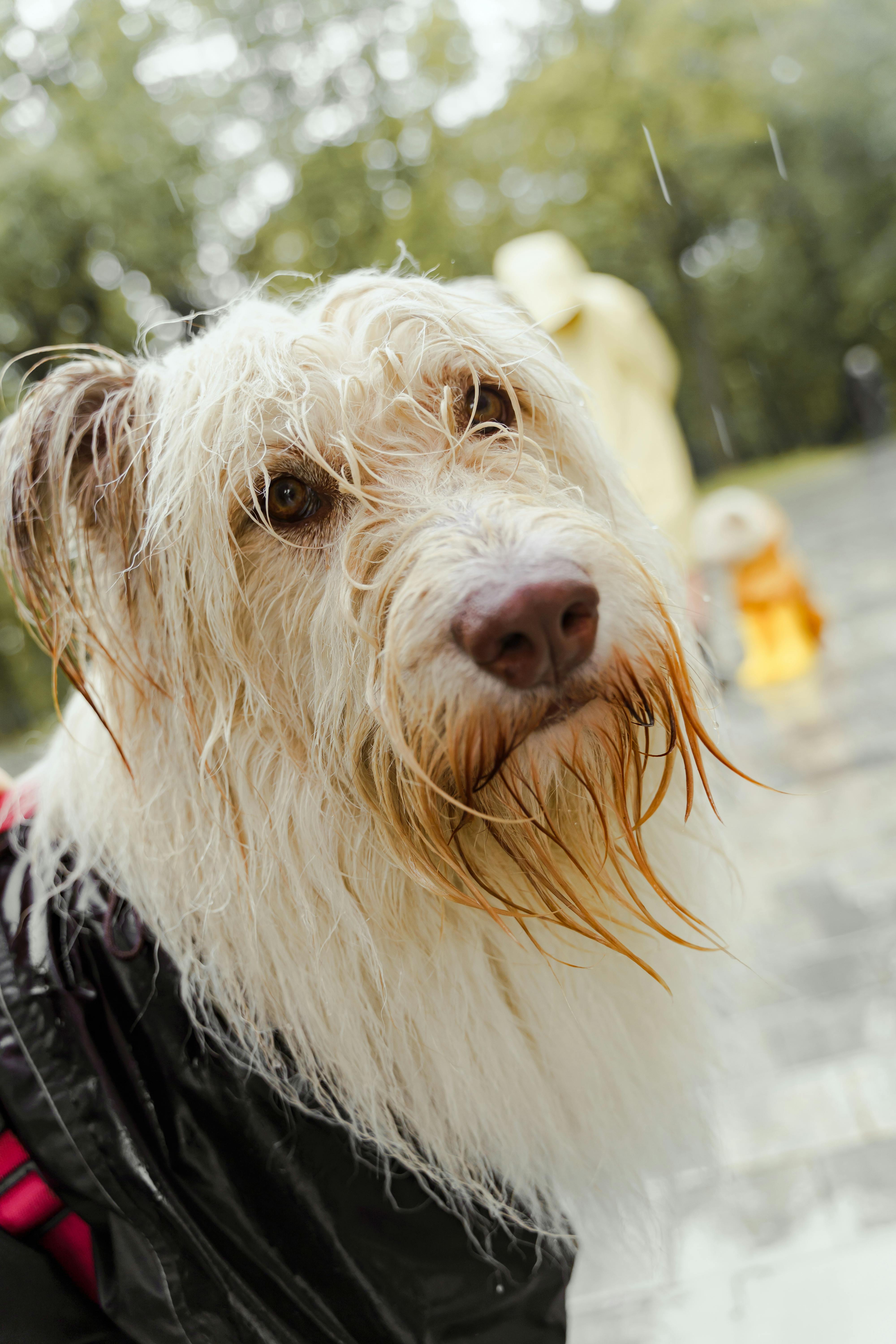 \n\n
\n\nHave you ever wondered, why do dogs have wet noses? It's a question that many dog lovers have pondered over the years. Wet noses are one of the most distinctive features of our furry friends, but few people stop to think about why that is. Believe it or not, there are several fascinating reasons behind this unique characteristic, and understanding them can enhance your bond with your canine companion.
\nThe Science Behind Wet Noses
\nDogs have noses that are not just wet for no reason. Their moist snouts play important roles in their health and senses. Here are some scientific insights:
\n- \n
- \n
Enhanced Scent Detection: A wet nose helps dogs to absorb scent molecules better. When the nose is moist, it can capture more scents, which is crucial for their hunting and tracking instincts. This is why dogs are often used in search and rescue operations.
\n \n - \n
Thermoregulation: Dogs don’t sweat like humans do. Instead, they rely on their noses to help regulate their body temperature. The moisture on their noses evaporates, which can help cool them down, especially in warm weather.
\n \n - \n
Health Indicator: A dog’s nose can be an indicator of their health. A wet nose is usually a sign of a healthy pup, while a dry or cracked nose could suggest dehydration or illness. However, this isn't a hard and fast rule, as many factors can influence nose moisture.
\n \n
Historical Context
\nThe relationship between humans and dogs goes back thousands of years. Ancient civilizations recognized the keen senses of dogs, particularly their sense of smell. They often bred dogs for specific tasks that required excellent olfactory abilities. Over time, the wet nose became an emblem of a dog’s ability to sniff out things that humans could not.
\nComparisons with Other Animals
\nInterestingly, dogs aren’t the only animals with wet noses. Here’s how they compare with some other animals:
\n- \n
- \n
Cats: Like dogs, cats have wet noses too, which serve a similar function. However, cats tend to have drier noses than dogs.
\n \n - \n
Humans: Human noses are usually dry and not as sensitive as those of dogs. We rely more on our eyes than our sense of smell.
\n \n - \n
Pigs: Pigs have wet snouts as well, which they use to root around in the dirt for food. Their sense of smell is among the best in the animal kingdom.
\n \n
Reasons Why Dogs Have Wet Noses
\nTo further explore why do dogs have wet noses, here are some fascinating reasons:
\n- \n
- \n
Sense of Smell: Dogs have a sense of smell that's 10,000 to 100,000 times more sensitive than humans. A wet nose helps them capture scents more effectively.
\n \n - \n
Cooling Mechanism: Dogs can’t sweat like people do. Their wet noses help keep them cool, especially when they’re panting.
\n \n - \n
Communication: Dogs often use their noses to communicate with each other. A wet nose can signal playfulness or curiosity, while a dry nose might mean something is off.
\n \n - \n
Health Check: As mentioned, a wet nose can indicate a dog is healthy. Keep in mind, though, that a dog’s nose does fluctuate in moisture throughout the day.
\n \n - \n
Breed Differences: Different breeds have different nose types. Some breeds have longer, wetter noses while others might have shorter, drier ones.
\n \n
Fun Facts About Dogs’ Noses
\n- \n
- \n
Dogs have over 220 million scent receptors in their noses, while humans only have about 5 million.
\n \n - \n
A dog's sense of smell can be used to detect diseases, including some types of cancer.
\n \n - \n
Dogs can even be trained to detect certain medical conditions, like low blood sugar in diabetics.
\n \n
Practical Examples of Nose Use
\nHere are some examples of how wet noses play a vital role in dogs' lives:
\n- \n
- \n
Search and Rescue: Dogs with wet noses can track missing persons using scent trails left behind.
\n \n - \n
Medical Detection: Some dogs are trained to alert their owners about medical issues, such as seizures or imminent allergic reactions.
\n \n - \n
Hunting: Many hunting breeds rely on their sense of smell to locate and retrieve game.
\n \n
So, the next time you see your dog with a wet nose, remember all the amazing functions it serves. From enhancing their sense of smell to regulating body temperature and serving as a health indicator, those wet noses are more than just cute features. They are vital tools that dogs use every day, and understanding this can deepen your appreciation for your furry friend. After all, our canine companions are gifted with abilities that continue to amaze us, making them truly special members of our families.
\n\nIs Your Dog’s Nose Too Dry? Signs of Potential Health Issues You Shouldn't Ignore
\n\n \n\n
\n\nIs your dog's nose too dry? Many dog owners often think about this question, and it might point to some underlying health issues. Dogs, like humans, have their own unique characteristics, and a dry nose can be a sign of trouble. In this article, we will explore the signs of potential health issues you shouldn't ignore, and we will also dive into the fascinating reasons why dogs have wet noses.
\nWhy Do Dogs Have Wet Noses?
\nHave you ever wondered why dogs' noses are typically wet? There's actually some cool science behind it. A dog's nose plays a significant role in their sense of smell, which is far superior to ours. Here are some reasons why dog noses tend to be wet:
\n- \n
- Enhanced Scent Detection: The moisture on a dog's nose helps capture scent particles from the air, which enhances their ability to detect smells. \n
- Cooling Mechanism: Dogs don’t sweat like humans do. Their noses help regulate their body temperature by evaporating moisture. \n
- Health Indicator: A wet nose can often indicate a healthy dog. It shows that the dog is hydrated and in good condition. \n
Signs of Potential Health Issues
\nA dry nose doesn't automatically mean something is wrong, but it can be an indicator of health issues. Here’s some signs you should look out for:
\n- \n
- Cracking or Peeling: If your dog's nose is cracked or peeling, it can be caused by sunburn or other skin conditions. \n
- Change in Color: If the color of the nose is changing from black to brown or red, it could suggest an underlying issue. \n
- Excessive Dryness: A dog’s nose should feel cool and moist. If it’s excessively dry, it could be a sign of dehydration or fever. \n
- Behavioral Changes: If your dog is lethargic or not eating, combined with a dry nose, it’s worth getting checked out. \n
What Causes a Dry Nose?
\nThere are many reasons why a dog’s nose can become dry. Here’s a list of common causes:
\n- \n
- Dehydration: Not getting enough water can lead to a dry nose. Ensure your dog always has access to fresh water. \n
- Environmental Factors: Hot weather, dry air, or spending too much time in the sun can dry out a dog's nose. \n
- Allergies: Dogs can be allergic to many things, including pollen, dust, or certain foods, which can affect their noses. \n
- Infections or Illness: Certain illnesses can cause a dry nose as a symptom. If you notice other signs of illness, seek veterinary care. \n
When to Consult a Veterinarian
\nIt’s crucial to know when to take your pup to the vet. If your dog’s nose stays dry for an extended period, or if other symptoms develop, consider the following:
\n- \n
- Persistent Dryness: If the dryness doesn't improve within a few days. \n
- Additional Symptoms: If your dog is showing signs like vomiting, diarrhea, or loss of appetite. \n
- Skin Issues: If there’s noticeable irritation or redness around the nose. \n
Fun Facts About Dog Noses
\n- \n
- Unique Patterns: Just like human fingerprints, every dog's nose print is unique! \n
- Heat Detection: Dogs can detect heat through their noses, which helps them find food or track other animals. \n
- Nose Temperature: A dog's nose temperature can vary throughout the day. It's generally cooler in the morning and warmer in the afternoon. \n
How to Care for Your Dog's Nose
\nProper care can help maintain your dog’s nose health. Here are some pointers:
\n- \n
- Hydration: Make sure your dog drinks enough water daily. \n
- Limit Sun Exposure: If you know your dog will be outside for a long time, consider using pet-safe sunscreen on their nose. \n
- Regular Check-Ups: Regular vet visits can help catch any issues early on. \n
In conclusion, keeping an eye on your dog’s nose can provide valuable insight into their health. Understanding why dogs have wet noses and recognizing the signs of potential health issues are essential for responsible pet ownership. If you notice any concerning signs, don’t hesitate to consult with a veterinarian. They can provide the best guidance on keeping your furry friend happy and healthy.
\n\nThe Role of a Wet Nose in Dog Communication: What Your Pup Is Trying to Tell You
\n\n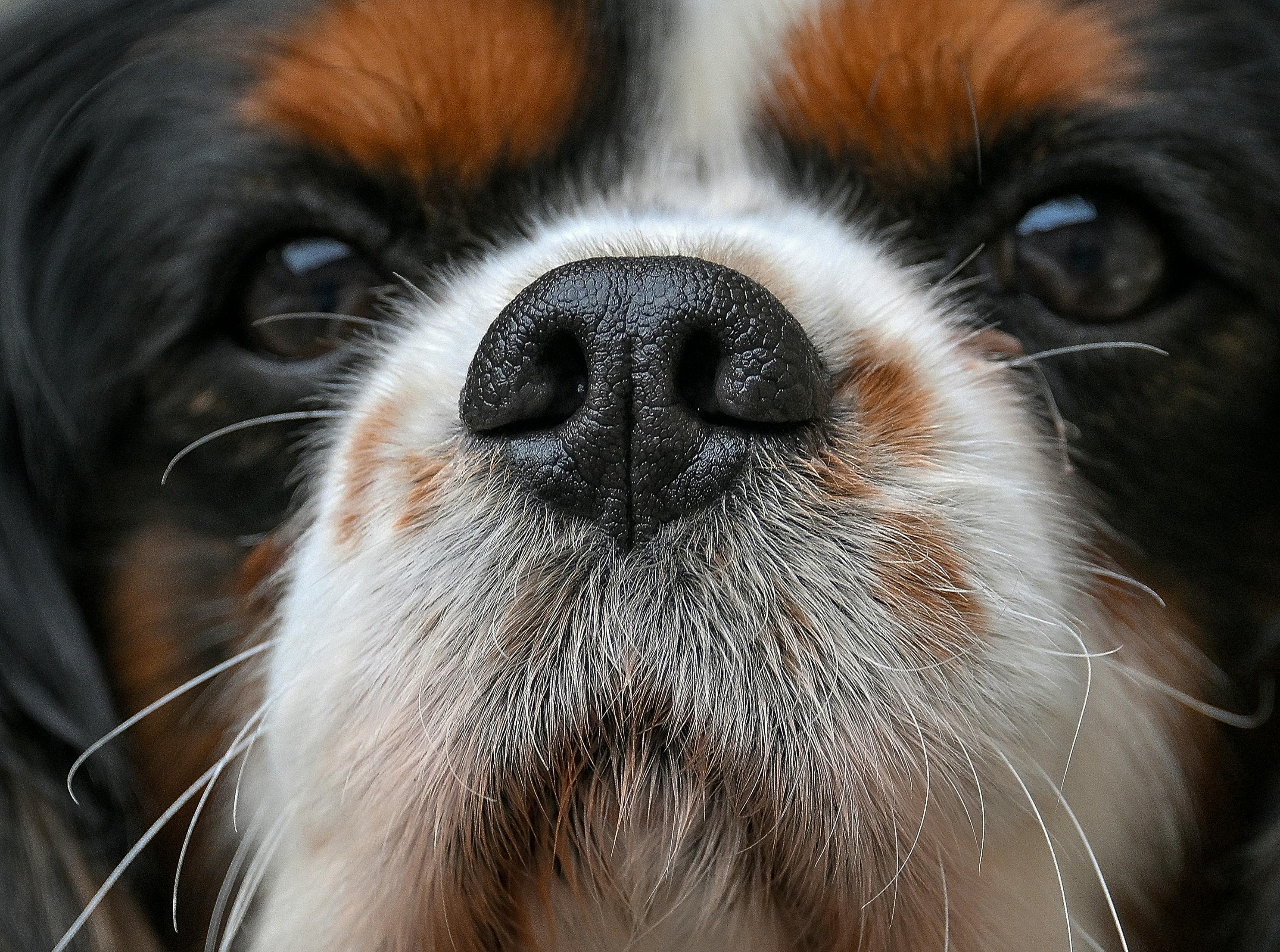 \n\n
\n\nDogs are more than just pets; they are companions and members of the family. One of the most fascinating aspects of our furry friends is their ability to communicate, and a wet nose is a significant part of that conversation. Have you ever wondered why do dogs have wet noses? Or what your pup is trying to tell you with that moist, cold touch? Understanding these behaviors can deepen the bond between you and your canine companion.
\nThe Anatomy of a Dog's Nose
\nWhen you think about a dog's nose, you might picture it as simply a cute feature, but it’s much more than that. A dog's nose has a complex structure that enables them to detect scents far better than humans can. Here’s some interesting facts about their noses:
\n- \n
- Moisture: Dogs' noses are often wet because the moisture helps to capture scent particles. This is why they can sniff out things that we can’t even imagine. \n
- Temperature Regulation: A wet nose also helps dogs to regulate their body temperature. Unlike humans who sweat, dogs can cool down through their noses. \n
- Size and Shape: Different breeds have different nose shapes which can affect their sense of smell. For example, hounds have long noses that enhance their ability to track scents. \n
Why Do Dogs Have Wet Noses?
\nSo, why do dogs have wet noses? There's a few reasons, and understanding these can help you interpret your dog's behavior better.
\n- \n
- \n
Scent Sensitivity: The wetness of a dog's nose increases its ability to smell. The moisture captures scent molecules, which allows them to gather more information about their environment.
\n \n - \n
Health Indicator: A dog's nose can be a good indicator of their health. Typically, a healthy dog will have a cool, wet nose. If it’s dry and warm, it may indicate a fever or dehydration.
\n \n - \n
Social Signals: Dogs often use their noses to communicate with other dogs and humans. A wet nose can signify affection, curiosity, or even playfulness.
\n \n - \n
Exploration and Curiosity: Dogs are naturally curious creatures. They use their noses to explore the world around them, and a wet nose is part of that exploration.
\n \n
What Your Pup Is Trying to Tell You
\nDogs communicate in many ways, and their noses play a crucial role. Here are some common scenarios where you can interpret their wet nose behavior:
\n- \n
- Greeting: When a dog nudges you with their wet nose, they often are showing affection. It’s like a doggy hug! \n
- Curiosity: If your pup is sniffing around, they might be trying to learn more about their surroundings, perhaps after another animal has passed by. \n
- Seeking Attention: A wet nose can also be a way for dogs to get your attention. If they poke you with their nose, they probably want to play or go outside. \n
The Fascinating Reasons Behind Wet Noses
\nUnderstanding why do dogs have wet noses can enhance your connection with your furry friend. Here’s a quick rundown of the benefits of having a wet nose:
\n- \n
- \n
Improved Sense of Smell: As already mentioned, a wet nose helps dogs to smell better. They can pick up on scents that are days or even weeks old.
\n \n - \n
Cooler Body Temperature: Dogs don't sweat like humans do. A wet nose helps to cool them down, especially on hot days.
\n \n - \n
Health Monitoring: Keeping an eye on your dog’s nose can help you spot health issues early. Changes can indicate problems that might need vet attention.
\n \n - \n
Social Interaction: Dogs use their noses to communicate with each other. They can learn a lot about another dog simply by sniffing.
\n \n
Fun Facts About Dog Noses
\n- \n
- Dogs have up to 300 million olfactory receptors in their noses, compared to about 6 million in humans! \n
- The shape of a dog’s nose can determine their health. Short-nosed breeds may have respiratory issues, while long-nosed breeds can smell better. \n
- Puppies are born with a wet nose, but it becomes dry as they age. It’s often a sign of good health. \n
So, the next time your dog nudges you with their wet nose, remember that it’s more than just a cute gesture. They are communicating, exploring, and connecting with you in a way that is natural to them. Embracing these moments can create a deeper understanding between you and your four-legged friend, making your bond stronger. Dogs may not speak human language, but their actions, especially their wet noses, tell us so much if we just pay attention.
\n\n7 Amazing Facts About Dogs' Wet Noses That Will Surprise Every Dog Owner
\n\n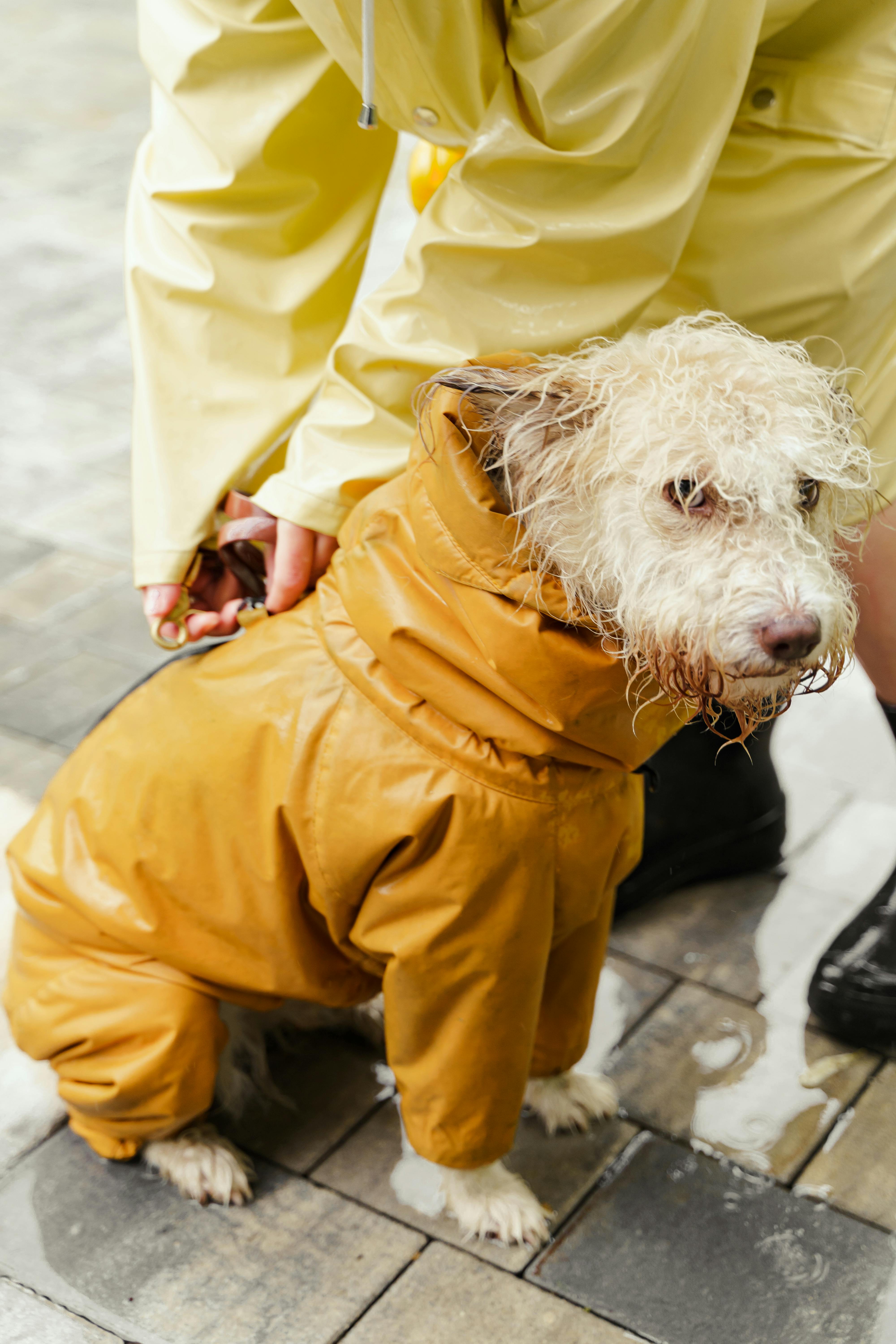 \n\n
\n\nDogs have a lot of unique traits, and one of the most interesting is their wet noses. If you're a dog owner, you might have pondered why your furry friend’s nose is often damp. Let’s explore this intriguing feature and uncover seven amazing facts about dogs’ wet noses that are sure to surprise you.
\n1. Dogs' Noses Are Super Sensitive
\nDid you know that a dog’s sense of smell is anywhere from 10,000 to 100,000 times more powerful than humans? Their wet noses help to trap scent molecules, boosting their olfactory capabilities. So, when your pup sniffs around, they are picking up scents that you can’t even imagine. It's like you getting a whiff of a delicious feast from miles away!
\n2. Moisture Regulation and Temperature Control
\nJust like humans sweat to regulate their body temperature, dogs use their noses for this purpose too. A wet nose helps dogs cool down and maintain their body temperature. When they’re feeling hot, the moisture on the surface of their nose evaporates, which provides a cooling effect. This is essential especially in the summertime when your dog may be running around and playing.
\n3. Communication and Social Interaction
\nDogs communicate not just through barks and body language but also through their noses. A wet nose can signal curiosity or interest in another dog or person. When two dogs meet, they often sniff each other's noses as a way of saying hello and gathering important information about each other, such as mood, health and even diet.
\n4. Health Indicator: What a Wet Nose Means
\nDog owners often worry when their pet has a dry nose. However, a wet nose can be a sign of good health. It’s generally considered normal for dogs to have a moist nose. But sometimes, if it’s excessively dry or cracked, it could indicate dehydration, fever, or other health issues. If you notice any unusual changes, it might be a good idea to consult your vet.
\n5. The Science Behind Wetness
\nEver wondered why some dogs have wetter noses than others? The level of moisture can vary based on the dog’s breed, age, and even environment. For example, breeds like Bulldogs might have drier noses compared to a Labrador Retriever. Factors such as humidity and temperature also play a big role. In dry or hot climates, you might notice your dog’s nose being less moist than usual.
\n6. Dogs and Their Unique Nose Prints
\nJust like human fingerprints, every dog has a unique nose print! The patterns of ridges and creases on their noses can be used for identification. Some shelters and organizations even use nose prints as a way to register dogs. So, if your pup was to ever get lost, their wet nose could help bring them back home.
\n7. A Reflection of Emotions
\nThe condition of a dog’s nose can also reflect their emotional state. A happy and relaxed dog usually has a moist nose, while a stressed or anxious dog might have a dryer one. Observing your dog’s nose can give you insights into how they’re feeling, helping you to understand better their mood and needs.
\nFun Facts About Dogs' Noses
\n- \n
- Dogs have about 300 million smell receptors in their noses, while humans have only around 5 million. \n
- The wetness of a dog’s nose is partly because they lick it; this helps to keep it clean and moist. \n
- Dogs can detect certain diseases in humans, such as cancer or diabetes, through their sense of smell. \n
Practical Tips for Dog Owners
\n- \n
- Regularly check your dog’s nose for any changes in texture or moisture levels. \n
- Ensure your dog stays hydrated, especially in warmer months. \n
- Pay attention to your dog’s behavior; if they seem lethargic or unwell, consult a vet. \n
Understanding why do dogs have wet noses can enhance your bond with your furry friend. It helps you appreciate their unique biology and communicate better with them. So next time you see your dog with that adorable, moist nose, you can smile knowing that there’s so much more to it than meets the eye. Embrace those wet-nosed moments—they’re not just cute; they’re fascinating!
\n\nFrom Temperature Regulation to Scent Detection: The Multifaceted Purpose of Wet Noses in Dogs
\n\n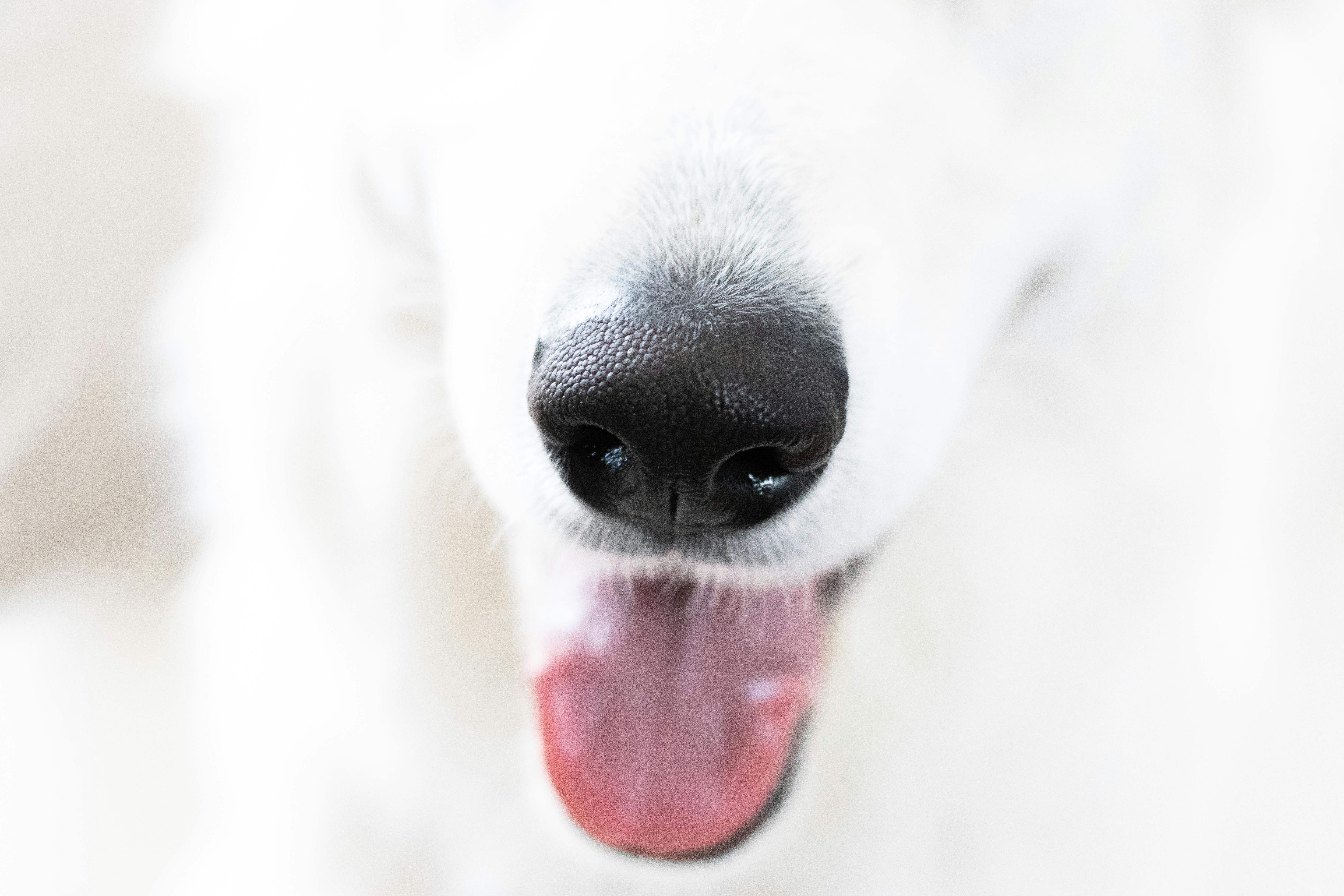 \n\n
\n\nDogs are often known for their adorable features, but one of the most interesting aspects of them is their wet noses. You might wonder, why do dogs have wet noses? It's not just for show, there are a number of reasons that contribute to why those little wet things are so essential to a dog's health and well-being. Let’s dive into this fascinating topic.
\nThe Science Behind Wet Noses
\nDogs' noses are moist for a variety of reasons, and these reasons are deeply rooted in biology. First and foremost, the moisture on a dog’s nose helps them in temperature regulation. When a dog pants, the moisture evaporates, which cools their body down. This is particularly important during hot weather or after exercise.
\n- \n
- Temperature Regulation: Wet noses helps cool them off. \n
- Scent Detection: The moisture aids in capturing scent particles. \n
- Health Indicator: Changes in nose moisture can signal health issues. \n
Scent Detection: A Dog’s Superpower
\nAnother big reason for the wetness is related to a dog’s incredible sense of smell. Dogs have up to 300 million scent receptors in their noses compared to a human’s 5 million. The wetness on their noses enhances their ability to detect scents. When the nose is moist, it can trap scent particles more effectively, allowing dogs to pick up on smells that are undetectable to us.
\n- \n
- Enhanced Smelling Ability: Wet noses catch more scent particles. \n
- Scent Memory: Dogs can remember scents for a long time, helping in various tasks like search and rescue. \n
Historical Context
\nHistorically, dogs were bred for specific tasks, and their noses played a crucial role. For instance, hunting dogs relied on their keen sense of smell to track game. Their wet noses were more than just a biological feature; they were a significant advantage in survival and hunting practices.
\n- \n
- Tracking Game: Early hunting practices relied on scent detection. \n
- Working Dogs: Many breeds were developed for specific scent-related tasks. \n
The Role of Nasal Mucus
\nThe wetness of a dog’s nose is due to a thin layer of mucus. This mucus serves several purposes:
\n- \n
- Humidity Regulation: Keeps the nose moist, enhancing the sense of smell. \n
- Protection: Acts as a barrier against bacteria and other pathogens. \n
- Health Monitoring: Changes in the mucus can indicate health issues, such as dehydration or illness. \n
Wet Noses and Dog Communication
\nDogs also use their noses to communicate with each other. The scents on their noses can convey a lot of information about their mood, health, and territory. For example, a dog might sniff another dog’s nose as a greeting, gathering all sorts of information about its fellow canine.
\n- \n
- Social Behavior: Nose-to-nose contact is common among dogs. \n
- Territorial Marking: Dogs may leave scent markers to claim territory. \n
The Importance of Keeping It Wet
\nA dog’s nose should generally be cool and moist. If you notice it becoming dry or excessively warm, it could indicate that something is wrong. Here are some signs to watch for:
\n- \n
- Dry Nose: Could indicate dehydration or illness. \n
- Cracked Skin: Might suggest allergies or other health issues. \n
- Color Changes: A significant change in color may require a vet’s attention. \n
Fun Facts About Dog Noses
\n- \n
- Unique Patterns: Just like human fingerprints, each dog’s nose print is unique. \n
- Temperature Sensitivity: Dogs can detect temperatures as low as -40 degrees Fahrenheit. \n
- Nose Size Matters: Larger breeds often have larger noses, which means more scent receptors. \n
In summary, the wet noses of dogs serve multiple essential purposes, from temperature regulation to scent detection. They are a vital part of a dog’s anatomy, helping them navigate their world and communicate with others. So, next time you see a dog, take a moment to appreciate that wet nose; it’s more than just a cute feature, it’s a fascinating tool that plays a critical role in their lives. Understanding why dogs have wet noses not only deepens our appreciation for them but also enhances our bond with these loyal companions.
\n\nConclusion
\n\nIn summary, the wet noses of dogs serve several important functions that contribute to their well-being and enhanced sensory perception. The moisture on a dog's nose helps to amplify their sense of smell, allowing them to detect scents more effectively, which is crucial for communication and navigation in their environment. Additionally, a wet nose plays a role in thermoregulation, helping dogs to cool down as they lack the ability to sweat like humans. While the general belief is that a wet nose indicates good health, it’s essential to monitor any significant changes, as they can sometimes signal health issues. Understanding these fascinating aspects of canine physiology not only enriches our connection with our furry friends but also highlights the importance of regular veterinary check-ups. So, the next time you pet your pup and feel that cool, damp nose, remember it’s a small yet remarkable feature of their biology that serves vital purposes.
\n\n