Have you ever wondered, why do dogs have wet noses? This intriguing question has captivated pet owners and animal lovers alike. The truth behind those damp, cold noses is not just a quirky trait; it’s a fascinating aspect of canine biology. A dog’s wet nose plays a vital role in their overall health and well-being, helping them to smell better and regulate their body temperature. But what exactly makes it so moist? Is it just a natural phenomenon, or is there more to the story? In this article, we’ll explore the scientific reasons behind your furry friend's wet nose, unraveling the mystery that has left many dog enthusiasts curious. From the importance of nose moisture in canine communication to its role in their hunting instincts, understanding these factors can enhance the bond you share with your pet. As you delve deeper into this subject, you’ll discover not only the biological advantages of a wet nose but also some surprising facts that may change how you view your dog. So, are you ready to uncover the secrets of your dog’s wet nose? Let’s get started on this fascinating journey together!
The Science Behind Wet Noses: What Makes Your Dog's Nose Damp?
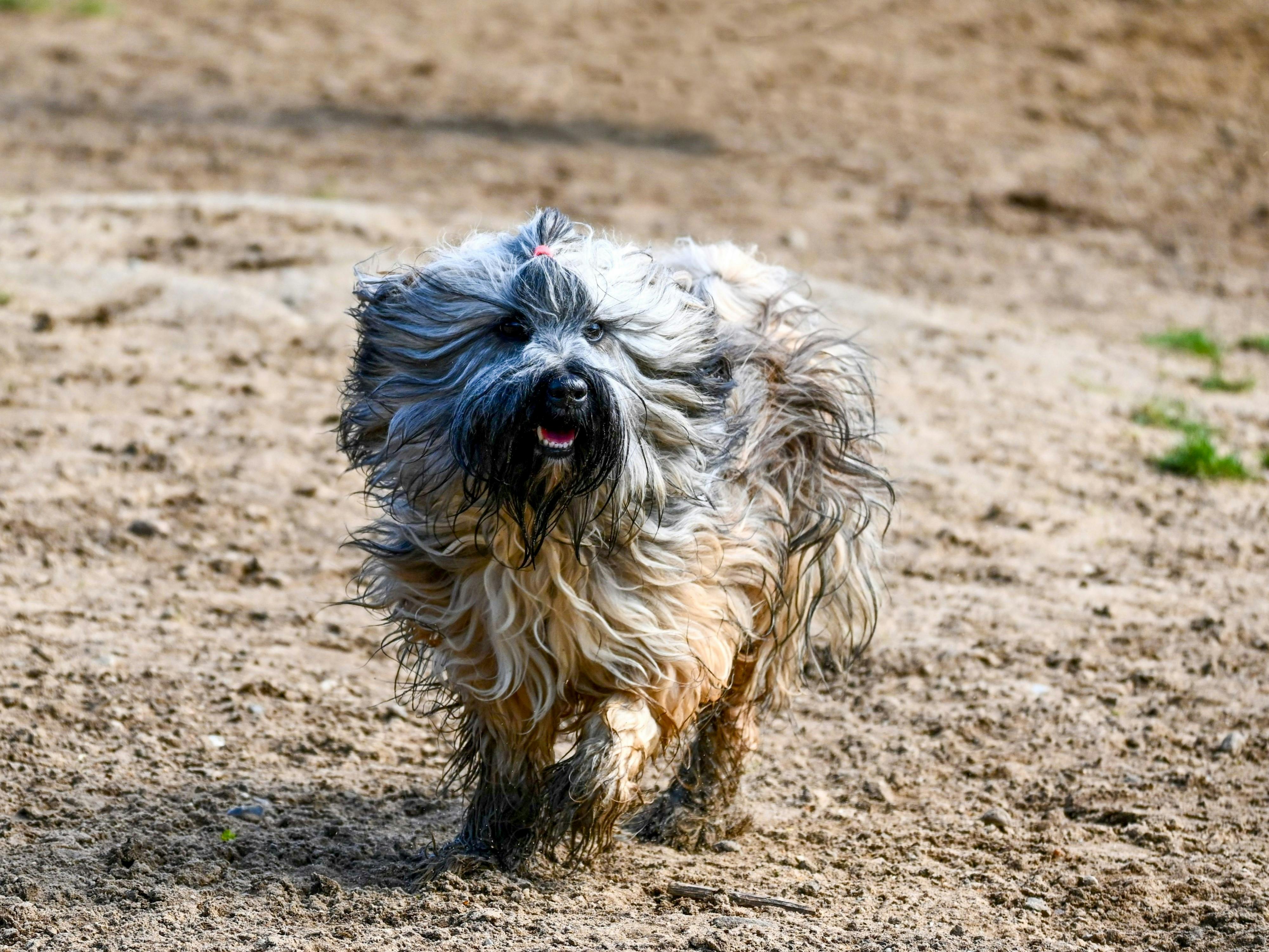
Dogs are often known for their warm hearts, wagging tails, and, of course, their wet noses. But have you ever wondered why do dogs have wet noses? This question leads us to the fascinating science behind wet noses and the many roles they play in a dog's life. Understanding the reasons behind this unique feature can deepen your appreciation for our furry companions and help you recognize their health signals better.
The Science of Wet Noses
A dog's nose is like a finely tuned instrument, and its dampness is part of what makes it so special. The moisture you feel on your dog's nose is primarily due to a thin layer of mucus, which plays several important roles:
Cooling Mechanism: Dogs don’t sweat like humans do. They primarily cool themselves through panting, but their noses also help. The evaporation of moisture from the nose helps to regulate their body temperature.
Enhanced Smell: A dog’s sense of smell is incredibly powerful. Wet noses help trap scent particles in the air, making it easier for dogs to pick up on smells. The moisture allows for better olfactory reception, which is why dogs can sniff out things we can’t even imagine.
Health Indicator: The condition of a dog's nose can also indicate their health. A cold, wet nose is often a sign of a healthy dog, while a dry, warm nose may suggest illness. However, it’s not a definitive rule, as many factors can influence nose moisture.
Historical Context of Wet Noses
Dogs have been companions to humans for thousands of years. Throughout history, their wet noses have been noted in various cultures. For example, ancient Egyptians revered dogs for their keen sense of smell and often depicted them in their art. The wet nose was seen as a sign of vitality and good health, which is still relevant today.
What Causes a Dog's Nose to be Wet?
Several factors can contribute to why dogs have wet noses. Here are some key points:
Environmental Conditions: Humidity and temperature can affect the moisture level on a dog's nose. A dog may have a wetter nose in a humid environment compared to a dry one.
Health Status: Dogs can get sick or dehydrate which can lead to changes in the moisture of their noses. A nose that remains wet consistently can indicate a healthy dog, while a dry nose might raise some red flags.
Behavioral Aspects: When dogs are active, they may have wetter noses. Playing outside or being excited can stimulate mucus production, leading to a damp nose.
Comparisons: Wet Nose vs. Dry Nose
To better understand the significance of a wet nose, here’s a simple comparison of the implications of wet noses against dry noses:
Wet Nose:
- Suggests hydration.
- Indicates a healthy dog.
- Enhances scent detection.
Dry Nose:
- May indicate dehydration.
- Can suggest health issues (but not always).
- Sometimes happens during sleep or calm periods.
Fun Facts About Dog Noses
- Dogs have about 220 million scent receptors in their noses, compared to humans who have about 5 million.
- A dog’s sense of smell is 40 times better than a human’s.
- The unique pattern of a dog’s nose is as distinct as a human fingerprint.
Practical Examples of Nose Care
Caring for your dog's nose is important! Here are some tips:
Hydration: Always ensure your dog has access to clean water. Dehydration can lead to a dry nose.
Check for Changes: Keep an eye on your dog’s nose condition. Sudden changes could indicate health problems.
Protect from Weather: If it's very hot or cold, consider using dog-safe balms to protect their nose.
Regular Vet Visits: Regular check-ups can help catch any underlying issues before they become serious.
Understanding why do dogs have wet noses not only enriches our knowledge about our canine friends, but it also fosters a deeper bond between us and them. Next time you give your dog a scratch behind the ears, take a moment to appreciate that damp little nose and the incredible science behind it. It's just one of the many wonders that make dogs such unique and lovable companions.
Why Do Dogs Have Wet Noses? Unveiling the Secrets to Canine Physiology
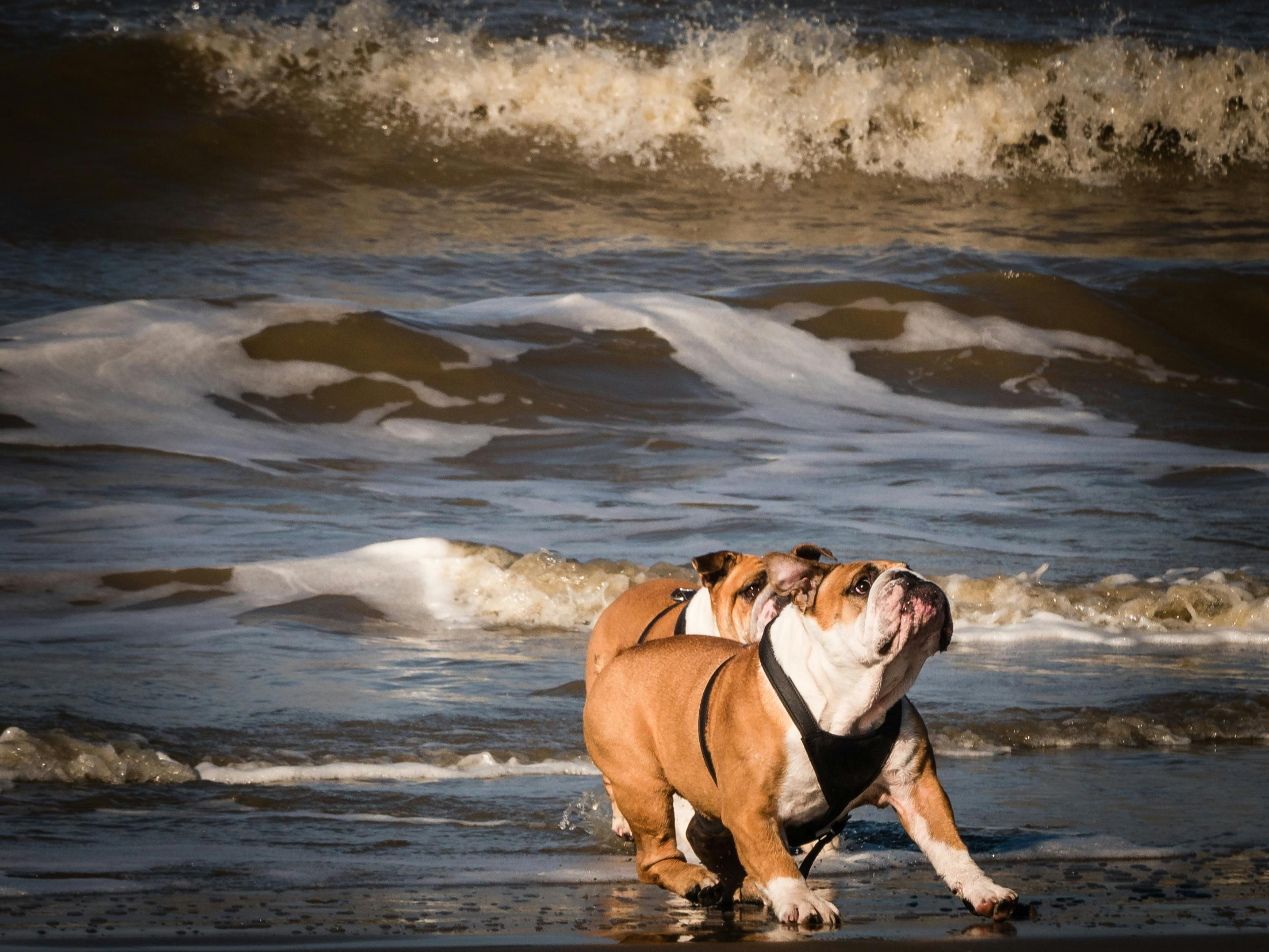
Dogs are often seen with their wet noses, and many people curious about why that is. It's a common question among pet lovers and animal enthusiasts alike. So, let’s dive into the topic and uncover the reasons behind this intriguing canine characteristic.
The Basics of Canine Physiology: Why Do Dogs Have Wet Noses?
Dogs have wet noses for a few reasons, and understanding these can give insight into their health and behavior. The moisture on a dog's nose usually comes from their own saliva or from environmental factors like dew or rain. But the wetness serves more than just a cosmetic purpose; it plays a crucial role in how dogs interact with the world around them.
Some key points to consider:
- Temperature Regulation: A wet nose helps dogs to cool down. When a dog pants, moisture evaporates off their nose, which helps to regulate their body temperature.
- Sense of Smell: Dogs have an extraordinary sense of smell, and moisture on their noses helps to capture scent particles in the air. This allows them to detect scents more effectively.
- Health Indicator: Often, a dog’s nose can be a signal of their health. A wet nose is generally a sign of a healthy dog, while a dry or cracked nose may indicate dehydration or illness.
Historical Context: The Evolution of the Dog's Nose
Dogs have evolved over thousands of years from their wild ancestors. Their wet noses are a product of natural selection; those with better olfactory senses were more likely to survive.
Here's some interesting historical facts:
- Ancient Breeds: Breeds like the Basenji and the Bloodhound, known for their keen sense of smell, also have particularly moist noses, highlighting the evolutionary link between the nose's moisture and olfactory capabilities.
- Domestication: As dogs became domesticated, their wet noses remained an essential part of their physiology, aiding them in hunting and retrieving as they adapted to human companionship.
The Science Behind a Dog’s Nose
Now, let’s break down the anatomy and function of a dog’s nose. The structure of a dog’s nose is highly specialized and serves several functions:
- Nasal Passages: A dog’s nasal cavity is lined with mucous membranes that help to trap particles and enhance their sense of smell.
- Scent Receptors: Dogs have around 220 million scent receptors in their noses, compared to a human's 5 million. The wetness helps to dissolve scent compounds, enhancing their ability to detect odors.
- Vasodilation: When dogs get hot, blood vessels in their noses dilate, allowing more blood flow to the surface. This increases moisture to help cool them down more effectively.
Fun Facts About Dog Noses
Did you know that a dog’s nose print is unique, much like a human fingerprint? Here are some more fun facts about dog noses:
- Color Differences: A dog’s nose can vary in color from black to brown, and even pink. The color doesn’t affect the functionality but is related to genetics.
- Nose Temperature: The temperature of a dog's nose can give clues about their health. A normal nose should feel cool and wet, while a warm, dry nose may signal a fever or illness.
- Scent Training: Many working dogs, like search and rescue or detection dogs, are trained to use their sense of smell to find missing persons or detect drugs and explosives.
What to Do if Your Dog’s Nose is Dry?
If you notice your dog's nose is dry or cracked, it may be worth taking some actions:
- Hydration: Ensure your dog is drinking enough water. Dehydration can lead to a dry nose.
- Environment: Consider the climate. Hot or dry weather can affect the moisture levels in a dog's nose.
- Veterinary Check: If the dryness persists, it could be a sign of a health issue, and it’s best to consult your veterinarian.
In Summary
The reason why dogs have wet noses is multifaceted, involving biology, evolution, and health indicators. Understanding why this feature exists can enhance our bond with our furry friends. Their noses are not just charming; they are vital tools for survival and communication. Next time you pet your dog and feel that delightful wet nose, remember the incredible functions it serves. It’s a little marvel of nature wrapped up in a bundle of fur and wagging tails.
5 Fascinating Reasons Dogs Need Wet Noses for Health and Communication

Have you ever noticed how your furry friend’s nose feels cold and wet? It’s not just a quirky feature of dogs; it actually serves essential roles for their well-being and communication. In this post, we’ll explore 5 fascinating reasons why dogs have wet noses. Understanding this can deepen your bond with your canine companion and make you appreciate their unique biology even more. So, why do dogs have wet noses? Let’s dive into these intriguing facts!
1. Enhanced Sense of Smell
Dogs have some of the most incredible olfactory systems in the animal kingdom. Their sense of smell is thousands to millions of times more sensitive than humans. Wet noses play a crucial role in this.
- The moisture on a dog’s nose helps capture scent particles from the air.
- It can amplify their ability to detect smells, making them excellent at tracking scents.
- When a dog sniffs, the wetness on their nose allows for better absorption of these scent molecules.
This is why, if you ever seen a dog sniffing around, they are not just being curious; they are gathering a ton of information about their environment.
2. Cooling Mechanism
Dogs don’t sweat like humans do. Instead, they rely on their noses and panting to regulate their body temperature. A wet nose helps in the cooling process in the following ways:
- The moisture evaporates, which cools the skin and helps lower their overall body temperature.
- It is especially important during hot weather or after exercise, when dogs can easily overheat.
This fascinating adaptation shows how nature has equipped dogs to thrive in various environments.
3. Communication Tool
Just like humans use facial expressions to communicate, dogs use their noses as a means of non-verbal communication. A wet nose can indicate various emotions:
- A dog with a wet nose is generally healthier, which signals to other dogs they are active and ready to engage.
- When greeting, dogs often wet their noses to convey friendliness and openness.
- Conversely, a dry nose might indicate stress or discomfort.
Understanding these signals can help owners respond appropriately to their pets' needs.
4. Health Indicator
A dog’s nose can serve as an important health indicator. A change in the moisture level can signal various health concerns. Here are some observations to keep in mind:
- A persistently dry or cracked nose could indicate dehydration or illness.
- A nose that is too wet may suggest a respiratory infection or other health issues.
- Regularly checking your dog’s nose can help you catch potential health problems early.
Regular veterinary check-ups are still essential, but paying attention to your dog’s nose can be a good first step in noticing changes.
5. Evolutionary Trait
The wet nose is not just a random feature; it has evolutionary significance. Scientists believe that the wetness of a dog's nose has evolved over time for survival. Here’s how:
- An enhanced sense of smell helped early dogs find food and avoid predators.
- The ability to maintain a cooler body temperature allowed them to be more active and agile hunters.
- Communication through scent was vital for social interactions within packs.
Through evolution, dogs have developed wet noses as a multi-functional tool that supports their health and social structure.
Quick Comparison of Dog Nose Types
| Nose Type | Characteristics | Health Indicators |
|---|---|---|
| Wet Nose | Cool, moist, and often shiny | Generally indicates good health |
| Dry Nose | Warm, dry, or cracked | Possible signs of illness |
| Cold Wet Nose | Can feel chilly to the touch | Usually healthy, active dog |
Practical Examples of Caring for Your Dog's Nose
- Ensure your dog has access to fresh water to keep their nose moist.
- If you notice a change in your dog’s nose texture or temperature, consider visiting a vet.
- Regular grooming can also help maintain the health of your dog’s nose and overall well-being.
Understanding why dogs have wet noses is not only fascinating but can be beneficial for their health and communication. By keeping an eye on this unique feature, you can ensure your furry friend remains happy and healthy. So, the next time you give your dog a scratch behind the ears, take a moment to appreciate that cold, wet nose and all that it represents in their world!
Do You Know Why Dogs’ Noses Are Always Wet? The Surprising Benefits Explained

Ever wonder why dogs’ noses are always wet? Many dog owners might think it's just a quirk of nature, but there's actually a surprising amount of science behind it. Dogs have wet noses for several fascinating reasons that go beyond what meets the eye. This article is gonna explore the benefits of those damp noses, provide some history on why they might have evolved this way, and shed light on what it all means for our furry friends.
The Science Behind Wet Noses
Dogs have moist noses for a variety of reasons, primarily related to their sense of smell and overall health. Here’s some reasons why their noses stays wet:
Enhanced Smell: The moisture helps to capture scent particles. A wet nose can absorb these particles better, which makes dogs’ sense of smell even sharper. Dogs are known to have around 220 million scent receptors, compared to humans who have only about 5 million.
Temperature Regulation: Dogs don’t sweat like humans do. Instead, they rely on their noses to help regulate body temperature. The moisture on their noses evaporates, which cools them down.
Health Indicator: A wet nose can also be a sign of a healthy dog. If a dog's nose is dry or warm, it might indicate health issues. Keep an eye on changes in your pet's nose; it could be a good indicator of his overall well-being.
Historical Context of Dogs’ Noses
Historically, the wet nose of a dog has been seen as a sign of vitality. Ancient cultures believed that a dog's nose was linked to its spirit. In some societies, a wet nose was considered a good omen, suggesting that the dog was in tune with both nature and its owner.
- Evolutionary Advantage: This trait might have developed over thousands of years. Early dogs who had wetter noses may have had better hunting abilities, leading to better survival rates. This natural selection favored those with moist noses, which could explain why this characteristic has persisted.
Benefits of Wet Noses: The Surprising Advantages
The benefits of having a wet nose extend beyond just smell and temperature control. Here are some surprising advantages:
Better Communication: Dogs use their noses to communicate. A wet nose can signal excitement or affection. When a dog nudges you with its nose, it’s not just being friendly; it’s also trying to bond and connect.
Scent Discrimination: Wet noses allow dogs to distinguish between different smells. This is crucial for hunting and tracking. For instance, search and rescue dogs rely heavily on their ability to differentiate scents in varying environments.
Social Interaction: Dogs often greet each other by sniffing. A wet nose makes this process more effective, helping them gather information about other dogs or animals.
Health Checks: Dog owners can perform simple health checks by observing their pet's nose. A change in the moisture level or temperature can indicate allergies, infections, or other health issues.
Fun Facts About Dogs and Their Noses
Here’s some interesting tidbits that you might not know about dogs’ noses:
Color Matters: The color of a dog's nose can vary based on breed and genetics. Some breeds, like the Dalmatian, have distinct nose colors that can change as they age.
Noseprints: Just like human fingerprints, each dog has a unique noseprint. This can even be used for identification purposes!
Size and Shape: The size and shape of a dog’s nose can affect its smell. Breeds with long, narrow snouts, like Bloodhounds, are often better at scent detection than those with shorter noses.
Nose Licking: Dogs often lick their noses, not just to keep them wet, but also to collect scents. This behavior is instinctual and plays a role in how they perceive their environment.
Practical Examples of Nose Health
Here are some practical tips for dog owners to ensure their furry friends’ noses stay healthy:
Regular Checks: Check your dog’s nose regularly for dryness, cracks, or changes in color.
Hydration: Make sure your dog stays hydrated. A well-hydrated dog is more likely to have a moist nose.
Veterinarian Visits: Regular check-ups can help catch any potential health issues early. Your vet can provide advice on nose health and overall well-being.
In conclusion, the wet noses of dogs are not just charming features; they serve multiple practical purposes that benefit both the dog and its owner. Understanding why dogs have wet noses can enhance our relationship with them, helping us care for their needs better. Next time you give your dog a scratch behind the ears, take a moment to appreciate that wet nose and all it represents!
Wet Noses and Scent: How a Dog’s Moist Nose Enhances Their Sense of Smell
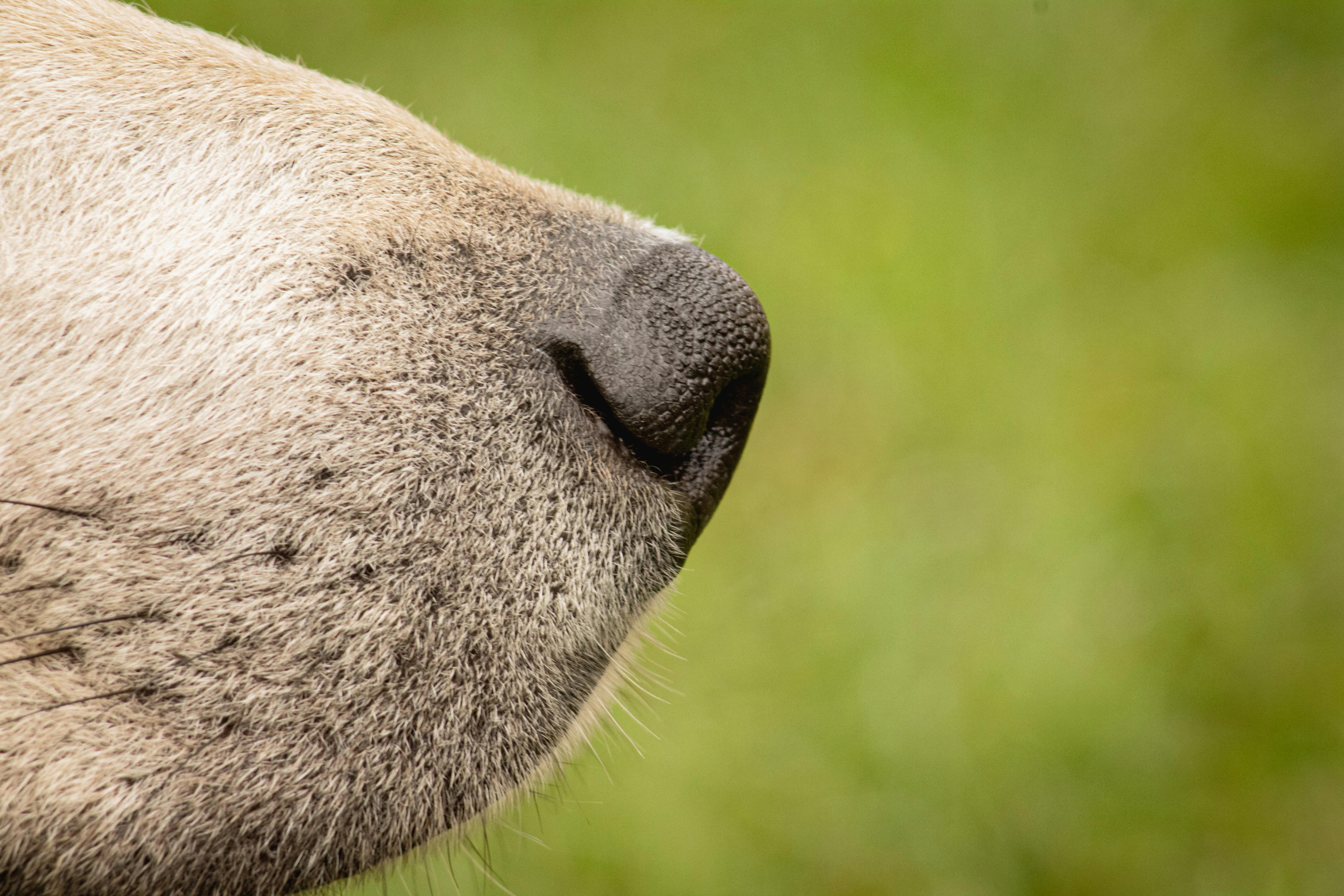
Have you ever wondered why dogs got their noses so wet? It's not just a quirky feature of their anatomy; it plays a significant role in their amazing ability to smell things. Wet noses and scent are intricately linked in the world of dogs, and understanding why they have wet noses is quite fascinating. Let’s explore the science behind this unique trait and why it matters in a dog’s everyday life.
The Anatomy of a Dog's Nose
A dog's nose is an incredible organ, designed specifically for their needs. It has more than 220 million scent receptors, compared to a human’s mere 5 million. This remarkable structure allows them to detect scents at incredibly low concentrations. The wetness of a dog's nose is not just for show; it helps to enhance their olfactory abilities.
Here’s some of the key features of a dog’s nose:
- Moisture: The moisture on a dog’s nose helps to capture scent particles from the air. When the nose is wet, it can absorb these particles more effectively, making it easier for dogs to detect different smells.
- Temperature Regulation: Dogs don’t sweat like humans do. Their wet noses help regulate body temperature, cooling them down when they need it.
- Enhanced Sensitivity: A wet surface can amplify scent molecules, allowing dogs to differentiate between various smells. This is crucial for hunting, tracking, and even social interactions with other dogs.
Why Do Dogs Have Wet Noses?
So, why is it that dogs have wet noses? There are several reasons, and they all connect back to their evolutionary history and survival skills. Here are some fascinating insights:
- Scent Detection: As mentioned, moisture on a dog's nose helps them pick up scents better. This is especially important for hunting breeds that were bred to track game.
- Communication: Dogs communicate with each other through scent, and a wet nose can help them send and receive these signals more effectively.
- Health Indicator: A wet nose is often seen as a sign of a healthy dog. If a dog’s nose becomes dry, it could indicate illness or dehydration. However, it’s not always a definitive sign of health, as dogs can have dry noses for various reasons.
Historical Context and Evolution
Understanding the evolutionary background of dogs helps us grasp why wet noses developed. Dogs are descendants of wolves, and their sense of smell has been crucial for survival. Wolves rely on their sense of smell for hunting and navigating their environment. As dogs became domesticated, they retained this essential trait, which has helped them bond with humans and serve various roles, from herding livestock to detecting drugs or even diseases.
Practical Examples of Scent Use
Dogs use their sense of smell in many practical ways, which can be seen in various fields. Here are some examples:
- Search and Rescue: Dogs are often used in search and rescue missions because of their ability to track scents over long distances.
- Medical Detection: Some dogs can detect diseases like cancer or diabetes through scent. They can smell changes in a person’s body chemistry.
- Service Animals: Many service dogs are trained to assist individuals with disabilities, using their keen sense of smell to help locate items or alert to specific situations.
Fun Facts About Dog Noses
- Unique Patterns: Just like human fingerprints, every dog has a unique nose print. This means that no two dog noses are alike!
- Color Variations: Dogs can have black, brown, or even pink noses, and the color may change with age or health conditions.
- Temperature Sensitivity: A dog's nose can detect temperature changes in the environment, helping them sense heat from a distance.
Caring for Your Dog's Nose
It’s important to take care of your dog's nose. Here are some tips:
- Hydration: Make sure your dog is properly hydrated, which helps keep their nose moist.
- Regular Check-Ups: During vet visits, ask your veterinarian to check your dog’s nose for any signs of issues, like dryness or cracking.
- Protect from Harsh Environments: If your dog spends a lot of time outside, especially in cold or dry conditions, consider using a nose balm to protect it.
In summary, the wet nose of a dog is more than just a charming characteristic; it’s a critical aspect of their sensory perception and overall health. By understanding the reasons behind their wet noses, you can appreciate your furry friend even more. Whether they’re sniffing out a treat or lending a helping paw, dogs and their remarkable noses are truly fascinating.
7 Reasons Why a Wet Nose is a Sign of a Happy and Healthy Dog

Dogs are truly amazing creatures, and one of the most charming features they possess is their wet nose. A wet nose might seem simple, but it actually holds a deeper significance in the world of our furry friends. In this article, we will explore seven reasons why a wet nose is a sign of a happy and healthy dog, and dive into the fascinating question: why do dogs have wet noses?
1. Natural Cooling System
Dogs can’t sweat like humans do, so they need alternative ways to regulate their body temperature. Their wet nose plays a crucial role in this. When the moisture evaporates from their nose, it helps cools them down. This is especially important on hot days when they might be more active. A dry nose could indicate overheating, so always keep an eye on your pup’s temperature, especially during summer!
2. Enhanced Sense of Smell
A wet nose helps dogs smell better. The moisture helps to capture scent particles in the air, which makes it easier for a dog to detect various smells. This is why dogs are often used for search and rescue missions; their ability to smell is impressive! When they have a wet nose, it means they are ready and alert to pick up all those fascinating scents around them.
3. Communication Tool
Believe it or not, a wet nose is also a way for dogs to communicate. Dogs often nuzzle their owners with their noses, and a wet nose can help them convey affection and happiness. If your dog nudges you with their wet nose, they probably just want some attention or a pet. It’s like their version of a hug!
4. Indicator of Health
A wet nose generally indicates good health in dogs. When they are hydrated and feeling good, their nose tends to be moist. However, if you notice your dog’s nose is consistently dry, it could be a sign of dehydration or illness. Keep an eye out for other symptoms like lethargy or loss of appetite, and consult a vet if you’re concerned. Regular check-ups can keep your furry friend in tip-top condition!
5. Temperature Regulation
Apart from cooling down, a wet nose helps with overall body temperature regulation. Dogs can absorb moisture through their noses, which can help maintain a stable internal temperature. If your dog’s nose is warm and dry, it might mean they are feeling unwell or stressed. Monitoring your dog’s nose condition can be a simple way to check on their health.
6. Sensitivity to Environment
Dogs’ noses are covered with special cells that make them sensitive to environmental changes. A wet nose can help them detect humidity levels, temperature changes, or even changes in air quality. This sensitivity is part of their instinctive survival mechanisms, allowing them to adapt to their environment. If your dog seems extra curious or alert, it might be because their nose is picking up on something interesting!
7. Social Behavior
Dogs are social animals, and a wet nose is part of their social behavior. When they meet other dogs or people, they often sniff to gather information. A wet nose allows them to interact more effectively with their surroundings. It’s their way of saying, “Hey, I’m friendly and curious!” So, a wet nose can also indicate that your dog is happy to be around others.
Fun Facts About Dogs' Wet Noses
- Variety of Shapes: Not all dogs have the same nose shape. Some have broad noses, while others have long and slender ones. Each type plays a role in their smelling ability.
- Breed Differences: Certain breeds, like Bloodhounds, have wetter noses compared to others. This is because they were bred for their incredible sense of smell.
- Age Factor: Puppies often have wetter noses than older dogs. As dogs age, their nose might dry out a bit, but it doesn’t always indicate health issues.
Quick Comparison of Dog Nose Conditions
| Wet Nose | Dry Nose |
|---|---|
| Indicates hydration and health | May indicate dehydration or illness, depending on other symptoms |
| Enhances sense of smell | May hinder ability to smell effectively |
| Cool to the touch | Warm or hot to the touch might indicate fever |
Understanding why dogs have wet noses can help owners better care for their pets. A wet nose is more than just a cute feature; it’s a sign of your dog’s health and happiness. If you notice changes in your dog’s nose moisture, don’t hesitate to consult your veterinarian. Keeping your dog happy and healthy is a priority for every pet owner. A wet nose is often a good sign, so cherish those moments with your furry friend!
How Temperature Affects Your Dog’s Nose: What Every Pet Owner Should Know
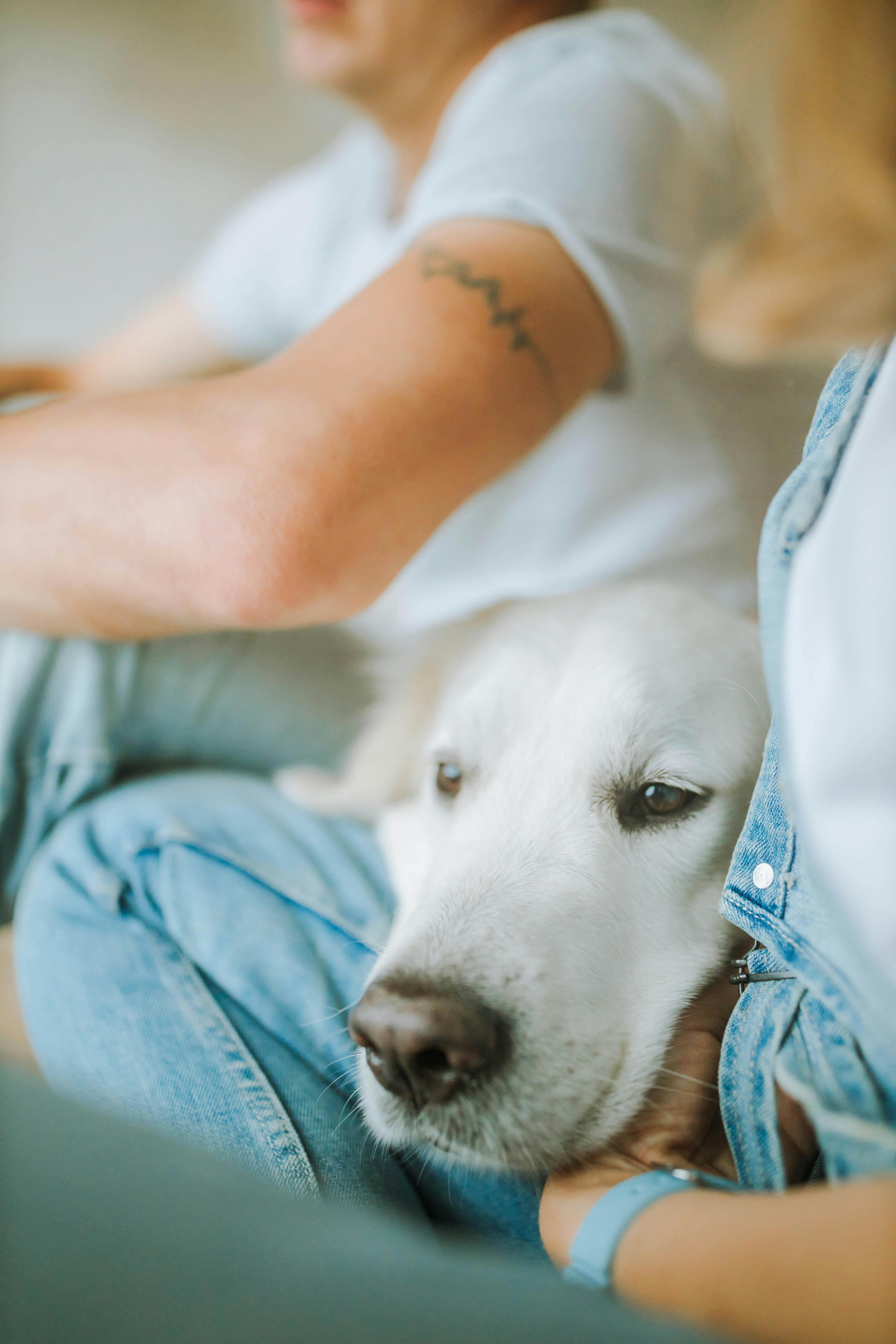
As pet owners, we often wonder about our furry friends' health and well-being, especially when it comes to their noses. One of the most curious aspects of dog anatomy is why do dogs have wet noses? It’s not just an adorable trait; it plays a significant role in their overall health. Additionally, temperature can greatly impact your dog’s nose, and understanding this relationship is essential for every dog owner.
Why Do Dogs Have Wet Noses?
Dogs noses are often damp, and there are several reasons for this phenomenon. Here’s a breakdown of the main reasons:
Thermoregulation: Dogs do not sweat like humans do. Instead, they rely on their noses to help cool down. The moisture on their nose evaporates, which helps to regulate their body temperature.
Enhanced Smell: A wet nose helps to capture scent particles in the air. This moisture absorbs the scents, allowing dogs to detect smells better, which is crucial for their survival and communication.
Health Indicator: A dog's nose can also be an indicator of their overall health. A warm, dry nose might suggest dehydration or illness, while a cool, wet nose usually signals a healthy pup.
How Temperature Affects Your Dog’s Nose
Temperature plays a crucial role in how your dog’s nose functions. When it’s hot outside, your dog’s nose can dry out, leading to potential problems. Here’s how temperature affects your pup’s nose:
Hot Weather: Excessive heat can lead to dehydration, which can dry up the moisture on your dog’s nose. If you notice your dog’s nose looking dry and cracked, this could be a sign they need more water or immediate relief from the heat.
Cold Weather: In colder temperatures, dogs may develop a condition known as snow nose. This is where their nose becomes light pink or lighter in color during winter months. While it’s usually not a concern, it can be something to keep an eye on.
Humidity Levels: High humidity can enhance the moisture on a dog’s nose, while low humidity can dry it out. It’s important to be aware of the weather conditions in your area, as they can affect your dog’s nose and overall comfort.
Practical Tips for Pet Owners
To ensure your dog’s nose stays healthy, here are some practical tips:
Hydration is Key: Always provide your dog with fresh water, especially during hot days. Dehydration can cause their nose to dry out quickly.
Limit Outdoor Time: During extreme temperatures, whether hot or cold, it’s wise to limit your dog’s outdoor activities. Take walks early in the morning or later in the evening when the temps are cooler.
Check for Cracks: A cracked nose can be uncomfortable for your dog. If you notice any cracks or excessive dryness, consult your veterinarian.
Use Nose Balm: There are products available specifically designed to moisturize and protect your dog’s nose. These balms can be especially helpful in cold weather.
Vet Visits: Regular check-ups with the vet can help catch any issues early. If you notice sudden changes in your dog’s nose, it may be time for a visit.
The Fascinating Anatomy of a Dog's Nose
Understanding the anatomy of a dog's nose can give insight into their sense of smell. Here’s a quick overview:
Olfactory Receptors: Dogs have about 300 million olfactory receptors in their noses, compared to humans’ 5 million. This allows them to detect odors at incredibly low concentrations.
Jacobsen's Organ: Also known as the vomeronasal organ, this structure helps dogs process pheromones, which play a crucial role in communication.
Nasal Turbinates: These are small bones inside the nose that increase surface area, allowing for better scent absorption as well as temperature regulation.
Comparisons to Human Noses
It’s interesting to compare our noses with those of dogs:
Moisture: Both humans and dogs have moist noses, but dogs rely on this moisture far more for their sense of smell.
Temperature Sensitivity: Dogs are much more sensitive to temperature changes. Their noses often reflect their body temperature, which is why it’s important to monitor them in varying climates.
Health Indicators: Just like dogs, a change in the condition of a human nose can indicate health issues.
Being a pet owner comes with its own challenges and joys. Understanding how temperature affects your dog’s nose, and knowing why dogs have wet noses can help you take better care of your furry friend. Keep an eye on their health, and be ready to adapt to the weather conditions for their comfort. Your dog's well-being is always worth the effort!
Curious Canines: Why Do Some Dogs Have Drier Noses Than Others?
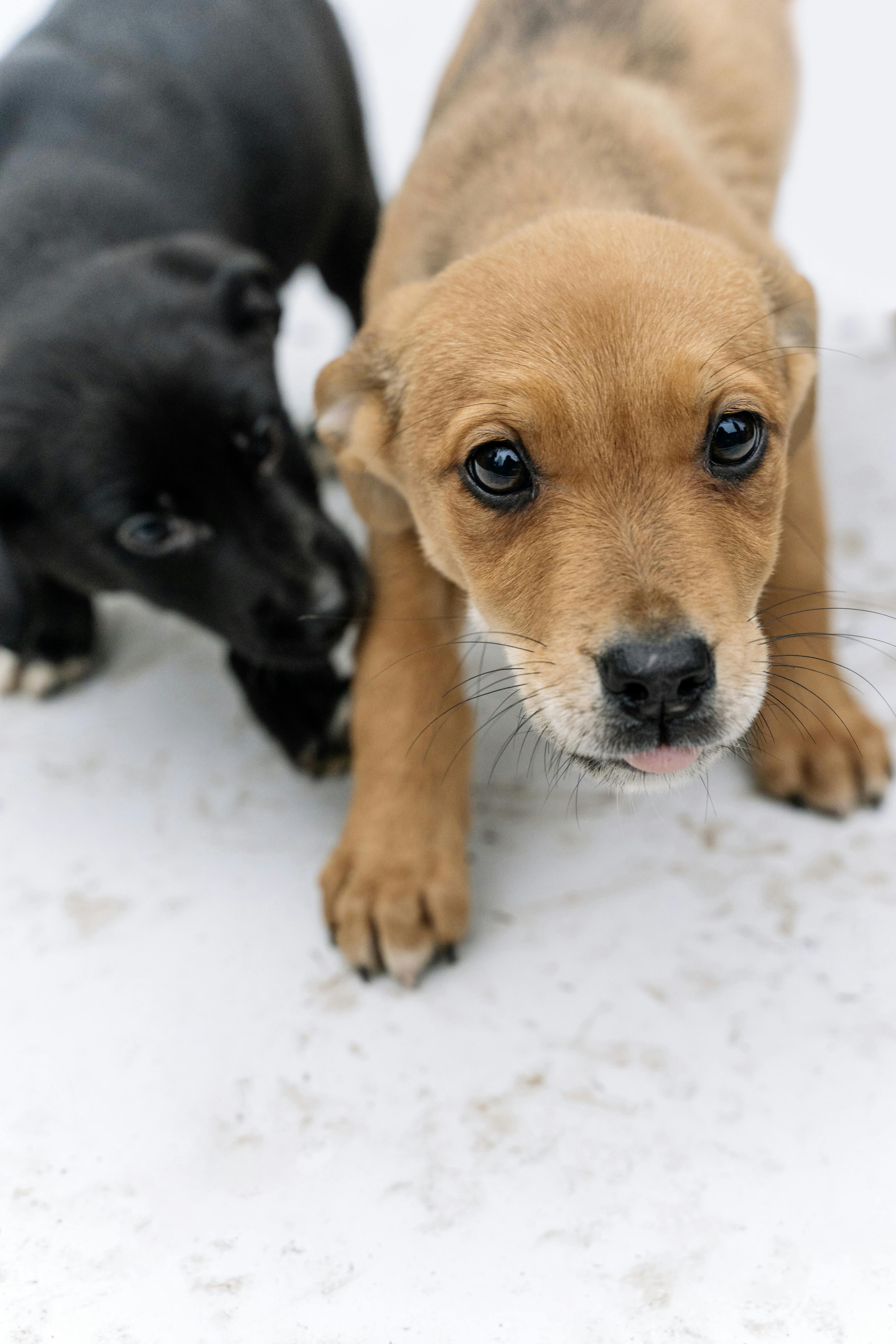
Curious Canines: Why Do Some Dogs Have Drier Noses Than Others?
Have you ever noticed that some dogs have wet noses while others seem to have drier ones? It’s a pretty fascinating subject, and it got many people wondering. Is it just a breed thing, or is there something more going on? Let’s dig into this canine curiosity and understand the science behind why dogs have wet noses, and what it means when they are dry.
The Science Behind Wet Noses
Dogs, like many animals, has wet noses for a reason. A wet nose helps them in a number of ways. Here’s why:
Sense of Smell: Dogs have incredible sense of smell. The moisture on their noses helps to capture scent particles in the air. This makes it easier for them to detect different smells. It's like having a built-in scent enhancer!
Temperature Regulation: Just like humans sweat to cool off, dogs also uses their noses to help regulate body temperature. A moist nose helps cool them down on a hot day.
Health Indicator: Generally, a wet nose can be a sign of good health. If a dog’s nose is dry, it could indicate dehydration or illness. But, not always! Sometimes, dogs just have dry noses due to environmental factors.
Why Do Some Dogs Have Drier Noses?
Now, you might be wondering why some dogs have drier noses compared to others. There could be several reasons for this.
Breed Characteristics: Certain breeds naturally have drier noses. For example, breeds like the Bulldog or the Shar Pei are known for their drier, wrinkled noses.
Environmental Factors: Weather plays a big role too. If it's very hot or dry, dogs might experience drier noses. Also, indoor heating can make the air dry, affecting your pup's nose.
Health Conditions: Sometimes, a dry nose could signal an underlying health issue. Allergies, infections, or skin problems can lead to dryness. If you notice persistent dryness, it’s a good idea to consult a veterinarian.
Comparing Wet and Dry Noses
Let’s take a closer look at some differences between wet and dry noses in dogs.
| Feature | Wet Nose | Dry Nose |
|---|---|---|
| Scent Detection | More efficient at capturing scents | Less efficient |
| Temperature Regulation | Helps cool the dog down | May indicate overheating or dehydration |
| Health Indicator | Generally healthy | Can signal health issues |
| Breed Examples | Labrador, Beagle | Bulldog, Shar Pei |
What To Do If Your Dog Has A Dry Nose
If you notice your canine friend has a dry nose, there are a few things you might wanna do.
Hydration: Make sure your dog is drinking enough water. Dehydration can lead to a dry nose.
Humidifier: If the air in your home is dry, consider using a humidifier. This can help maintain moisture in the air.
Consult a Vet: If the dryness is persistent or accompanied by other symptoms, like lethargy or loss of appetite, it’s best to see a vet.
Fun Facts About Dog Noses
Dogs’ noses are unique, much like human fingerprints. Each dog has a distinct nose print!
They can detect scents at incredibly low concentrations. Some studies indicate dogs can sense certain odors at parts per trillion!
A dog can smell about 10,000 to 100,000 times better than a human.
The moisture on their noses comes from a special gland that secretes mucus, helping keep it wet.
The Importance of Nose Health
Keeping an eye on your dog’s nose health is pretty important. A wet nose generally suggests they are happy and healthy, while a dry nose can serve as a warning sign. Regular check-ups with your vet and being observant can help you catch any potential issues early.
So next time you pet your furry friend, take a moment to check their nose. It can tell you a lot about their health and well-being. Whether it’s wet or dry, understanding your dog’s nose can deepen your bond and ensure you’re taking good care of your curious canine companion.
The Wet Nose Mystery: Can It Indicate Your Dog's Health Status?
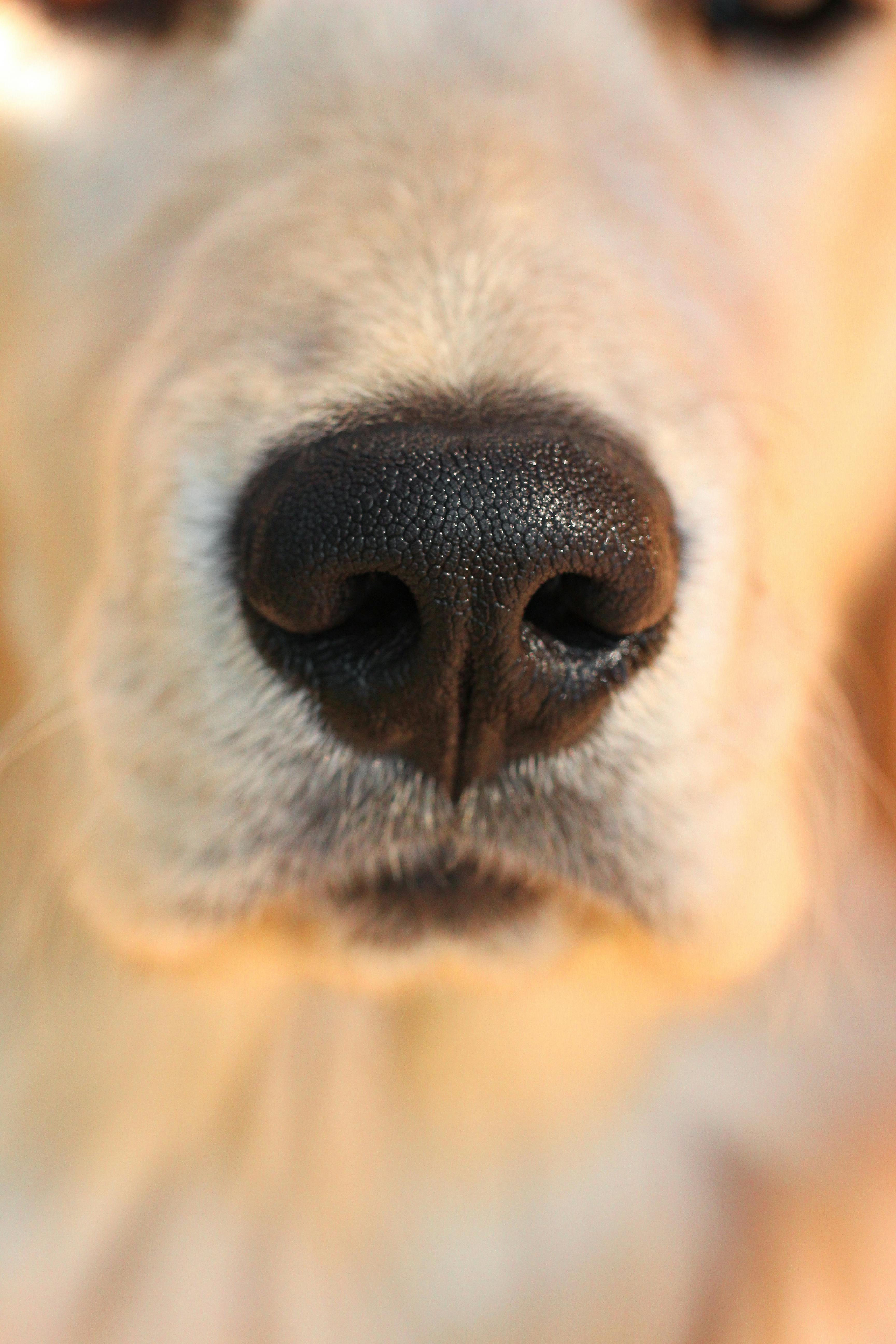
The wet nose of a dog has intrigued many pet owners and animal lovers alike. You might have noticed your furry friend’s cold, moist snout and wondered, "Why do dogs have wet noses?" or, "Does it mean anything about their health?" The truth is, the wet nose isn’t just a cute feature — it’s packed with fascinating reasons and health implications. Let’s dive into the wet nose mystery and explore the science behind it.
Why Do Dogs Have Wet Noses?
Dogs' noses are wet for several reasons, and each one plays an important role in their life. Here is some key points to think about:
Cooling Mechanism: Dogs don’t sweat like humans. Their primary way of cooling down is through panting and having a wet nose. The moisture on their noses evaporates, helping to regulate their body temperature.
Enhanced Sense of Smell: A wet nose helps dogs to better pick up scents. The moisture captures scent particles from the air, making it easier for them to sniff out interesting smells. The olfactory receptors are super sensitive, and a wet nose helps to maximize this sensitivity.
Health Indicator: A dog’s nose can sometimes be an indicator of their health. Generally, a healthy dog has a moist and cool nose. If their nose is excessively dry or warm, it might suggest dehydration or illness. However, this is not a definitive method of diagnosis.
Natural Cleaning: Dogs often lick their noses, which keeps them clean and free from debris. This helps maintain their sense of smell and keeps their nose functioning optimally.
The Science Behind a Dog's Wet Nose
The nose of a dog is not just a simple organ; it’s a complex structure. Here are some fascinating aspects:
Nasal Mucosa: The inside of a dog’s nose contains nasal mucosa, which produces mucus. This mucus helps to trap dust, pollen, and other particles. A wet nose means more mucus is present, which is a good thing for filtering air.
Vascular Tissue: The nose has lots of blood vessels that help to regulate temperature. When a dog is hot, blood vessels dilate, encouraging more moisture to be released.
Scent Detection: Dogs have an estimated 220 million scent receptors, which is significantly more than the 5 million in humans. Their wet noses act as a natural enhancer for this incredible ability.
What Can a Wet Nose Tell You About Your Dog's Health?
While a wet nose is usually a sign of a healthy dog, there are exceptions. Here’s a quick list of things to consider:
- Wet and Cool: Generally a sign of good health.
- Dry and Warm: May indicate fever or dehydration.
- Cracked or Bleeding: Could suggest allergies or infections.
- Excessive Moisture: Sometimes indicates a respiratory infection.
The Role of Breed and Environment
Not all dogs have the same type of noses. Different breeds can have varied nose characteristics, which can also affect moisture levels. For example:
Brachycephalic Breeds: These dogs, like Bulldogs or Pugs, often have flatter noses. They might not cool their noses as effectively, sometimes leading to drier noses.
Active Dogs: Dogs that are regularly active or are in hot climates may have wetter noses due to increased panting and licking.
Fun Facts About Dog Nose
- Dogs can actually smell about 40 times better than humans! That’s right, their noses are nature's super sniffers.
- Each dog has a unique nose print, similar to a human fingerprint. It can be used for identification purposes.
- Dogs have a special part of their brain that is devoted to processing smells, which is about 40 times larger than that of humans.
Practical Tips for Dog Owners
- Monitor Nose Health: Regularly check your dog’s nose and note any changes.
- Hydration: Ensure your dog has access to fresh water to keep them hydrated.
- Consult a Vet: If you notice any worrying changes, it’s always best to consult a veterinarian.
The wet nose of a dog is more than just an adorable feature; it serves vital functions that impact their health and well-being. Understanding these aspects can help you take better care of your furry friend and appreciate the unique characteristics that make dogs such incredible companions. Remember, the next time your dog greets you with a wet nose, it’s not just a sign of affection, but a window into their health and senses.
Tips for Keeping Your Dog’s Nose Healthy: Understanding Moisture and Care Needs

When you think about dogs, one of the first things that probably comes to mind is their wet noses. It's really a unique feature that many pet owners are curious about. Ever wonder why do dogs have wet noses? It's more than just a cute characteristic; it's also important for their overall health. This article gonna delve into why your furry friend’s nose is so moist, and provide some tips for keeping it healthy.
The Science Behind Wet Noses
Dogs have wet noses cause of a combination of factors, including anatomy and behavior. The moisture on their nose helps them to smell better, which is super critical for dogs. Here’s some fascinating facts:
- Dogs have around 300 million smell receptors in their noses, compared to only 6 million in humans.
- The moisture helps to capture scent particles, making it easier for dogs to detect smells.
- When a dog licks its nose, it also keeps it moist, which contributes to their sense of smell.
Why is a Dog's Nose Wet?
So, why exactly is a dog’s nose wet? Here’s some reasons:
Regulation of Body Temperature: Dogs don't sweat like humans. Their noses help to cool them down. When they breathe through their noses, the moisture evaporates, helping to regulate their temperature.
Enhanced Scent Detection: A wet nose can pick up scents more effectively. Imagine trying to smell a flower with a dry nose; you probably wouldn’t get the full aroma!
Health Indicator: A dog’s nose can also be an indicator of their health. If it’s consistently dry, it could signal dehydration or illness.
Keeping Your Dog’s Nose Healthy
Now that we understand why dogs have wet noses, let’s discuss some tips for keeping that nose healthy. It’s important to be proactive about your dog's care, especially their nose!
Regular Moisturizing: Sometimes, the nose can get dry, especially in colder months. You can apply natural oils like coconut oil or specially formulated nose balms.
Hydration is Key: Ensure your dog has constant access to fresh water. Dehydration can lead to a dry nose, so always monitor their water intake.
Monitoring for Cracks: If you notice cracks or sores on your dog's nose, it could be a sign of a more serious issue. Consult your vet if this happens.
Protect from Extreme Weather: Just like our skin, a dog’s nose can get sunburned. During hot weather, consider using dog-friendly sunscreen or keeping them shaded.
Regular Vet Check-ups: Regular visits to the veterinarian can help catch any underlying health issues early. Your vet can provide personalized advice based on your dog’s specific needs.
Common Nose Issues in Dogs
While most dogs have healthy noses, there are some common issues that can arise. Here’s a list of some problems to watch for:
Nasal Dermatitis: This is an inflammation of the nose that can cause dryness, redness, and scaling.
Nasal Tumors: Though rare, tumors can develop in the nasal cavity, leading to issues with breathing and discharge.
Infections: Bacterial or fungal infections can occur, leading to excessive moisture or discharge.
Tips for Recognizing Health Problems
So how do you know when something ain't right with your pup's nose? Look for these signs:
Changes in Moisture Levels: A sudden shift from wet to dry could indicate a health issue.
Discharge Color: Clear discharge is usually normal, but yellow or green might suggest an infection.
Behavior Changes: If your dog starts acting differently, such as loss of appetite or lethargy, it could be related to nasal health.
Conclusion
Keeping your dog’s nose healthy is essential not just for their sense of smell, but overall wellbeing. Their wet noses serve multiple purposes, from regulating temperature to enhancing their sense of smell. By taking simple steps like ensuring proper hydration and regular vet visits, you can help keep your furry friend healthy for years to come. Don’t ignore those little signs; your dog’s nose could tell you a lot about their health!
Conclusion
In conclusion, the wet noses of dogs serve several important functions that contribute to their overall health and sensory perception. The moisture helps enhance their sense of smell, enabling them to detect scents more effectively. Additionally, a wet nose plays a role in thermoregulation, helping dogs to cool down and maintain their body temperature. While the common belief that a wet nose indicates good health may not always be accurate, it is certainly a sign of a well-functioning olfactory system. Understanding the reasons behind this natural trait can deepen our appreciation for our canine companions. Next time you pet your dog, take a moment to consider the fascinating biology at play. Embrace this unique characteristic by ensuring your dog stays healthy and hydrated, and share your newfound knowledge with fellow dog lovers to spread awareness about the wonders of our furry friends.