Have you ever wondered, why do dogs have wet noses? This curious characteristic is not just an adorable quirk of your furry friend but holds fascinating reasons behind it! In fact, a dog's wet nose is essential for their sense of smell and overall health. Did you know that a wet nose helps to cool down your pooch and keeps them hydrated? It's true! But that's just the tip of the iceberg. In this article, we will explore the science behind wet noses and reveal how this unique trait can affect your dog's behavior and well-being. Are you curious about how a wet nose can enhance a dog’s sense of smell? Or maybe you’re wondering if all dog breeds have similar nose moisture levels? Stay tuned as we dive into the world of our canine companions and uncover the secrets behind their wet noses! Whether you're a proud dog owner or just a dog lover, this intriguing topic is bound to spark your interest. So, grab a treat for your pup, and let's unravel the mystery together!
The Science Behind Wet Noses: Why Do Dogs Have This Unique Trait?

Dogs are often referred to as man's best friend, and one of their most endearing features is their wet noses. The question arises: Why do dogs have wet noses? It's a fascinating topic that dives into both biology and behavior of our furry companions. Understanding the science behind this unique trait can shed light on not just how dogs interact with the world, but also why they are such beloved pets.
The Biology of a Dog's Nose
The wetness of a dog's nose is not just a random characteristic. It's actually a result of complex biological processes that serve several important functions. Here’s a breakdown:
Moisture for Scent Detection: A wet nose helps dogs to better detect scents. The moisture captures scent particles from the air, which enhances their ability to smell. Dogs have an extraordinary sense of smell, estimated to be 10,000 to 100,000 times more sensitive than that of humans.
Temperature Regulation: Dogs don't sweat like humans do. Instead, they cool off through their noses and pads on their feet. A wet nose can help regulate their body temperature, especially during hot weather.
Health Indicator: The condition of a dog’s nose can indicate their health status. A wet nose is usually a sign of a healthy dog, while a dry nose could indicate dehydration or illness. However, there are exceptions to this rule, and many dogs can have a dry nose and still be perfectly healthy.
Historical Context
Dogs have been our companions for thousands of years. The domestication of dogs is believed to have started around 20,000 to 40,000 years ago. Over time, certain traits, including the wet nose, became more pronounced due to natural selection and breeding practices. The wet nose trait likely evolved as a beneficial adaptation that helped dogs survive and thrive alongside humans.
Why Do Dogs Have Wet Noses? Discover The Fascinating Reasons!
There are several reasons why dogs have wet noses, and most of them relate to their survival and quality of life. Let’s explore some of these reasons more closely.
Enhanced Smell: As mentioned, a wet nose improves scent detection. Dogs rely heavily on their sense of smell for communication, navigation, and even hunting.
Increased Sensitivity: The moisture on their noses helps them better interpret their environment. Dogs can gather more information about their surroundings by sniffing, and the wetness aids in this process.
Social Interaction: Dogs often greet each other by sniffing each other’s noses and rear ends. A wet nose can be more inviting and friendly to other dogs, facilitating social interactions.
Practical Examples of Wet Noses in Dogs
Now that we've seen the reasons behind a wet nose, let’s look at some practical examples of how this trait plays out in the lives of dogs.
Dogs at Work: Search and rescue dogs, therapy dogs, and service dogs all benefit from their enhanced olfactory abilities, largely thanks to their wet noses. For example, search and rescue dogs can locate missing persons more effectively due to their superior sense of smell.
Health Monitoring: Pet owners often monitor their dogs' noses as a sign of health. A noticeable change from wet to dry can prompt a visit to the vet.
Behavioral Insights: Dogs with wet noses are often more playful and interactive. Playful dogs tend to have more moisture in their noses, which can indicate their excitement and engagement with the world around them.
Quick Facts about Dog Noses
- Dogs have about 220 million smell receptors in their noses, compared to about 5 million in humans.
- The nose print of a dog is as unique as a human fingerprint, which can be used for identification.
- A dog’s sense of smell can detect certain diseases, including cancer and diabetes, in humans.
In summary, the wet nose of a dog is not just a cute trait; it's a vital aspect of their biology that assists in their survival, health, and social interactions. From enhancing their ability to smell to regulating their body temperature, wet noses are a fascinating feature that showcases the remarkable adaptations of dogs. So, next time you give your furry friend a pat, take a moment to appreciate that wet nose and all the science behind it!
5 Fascinating Facts About Dog Noses: What Makes Them So Special?

Dogs are often called man's best friend, and a big part of their charm lies in those adorable wet noses. But have you ever wondered why dog noses are so special? They are not just for show — there’s actually a lot going on behind those snouts. Here’s a dive into 5 fascinating facts about dog noses, including the reasons why they are often wet.
1. Incredible Sense of Smell
Dog noses are super sensitive — they can detect odors at incredibly low concentrations. Studies show that dogs have up to 300 million smell receptors in their noses, compared to a human's 5 million. This makes them able to smell things that humans can’t even imagine.
- Comparison:
- Humans: 5 million smell receptors
- Dogs: 300 million smell receptors
This heightened sense of smell is why dogs are often used in search-and-rescue operations, detecting drugs, and even in medical fields to sniff out diseases like cancer.
2. Wet Noses: A Cooling Mechanism
You might have noticed that dog's noses are often wet. So why do dogs have wet noses? Well, there are several reasons for this. Firstly, the moisture helps enhance their sense of smell. When a dog's nose is wet, it can trap more scent particles, allowing them to pick up smells more effectively.
- Reasons for Wet Noses:
- Increases scent detection
- Helps regulate body temperature
- Keeps the nose cool during hot weather
A wet nose can also help them cool down. Dogs do not sweat like humans do; instead, they release heat through their noses and paw pads. So next time you see a dog with a wet nose, remember, it’s not just moisture — it’s science at work!
3. Unique Nose Prints
Just like human fingerprints, every dog has a unique nose print. The patterns and ridges on a dog’s nose can be used for identification. This is particularly interesting in the context of lost dogs or in breeding practices.
- Nose Print Facts:
- Unique to each dog
- Can be used for identification
- May change as dogs age
In fact, some companies have even developed databases that catalog dog nose prints to help reunite lost pets with their owners!
4. Temperature Regulation
Dogs also use their noses for temperature regulation. The moisture on their noses helps them stay cool, especially during hot weather. When a dog pants, it releases moisture from their mouths, and this, combined with a wet nose, facilitates cooling.
- Methods of Cooling:
- Wet nose helps trap heat
- Panting releases moisture
- Noses cool blood flow to the brain
When the temperature rises, a dog’s body works hard to maintain a stable internal temperature. So, a wet nose is just one part of a larger system to keep them comfortable.
5. Sense of Taste
Did you know that a dog’s sense of taste is closely linked to their sense of smell? Dogs have fewer taste buds than humans, but their ability to smell compensates for this.
- Taste Bud Comparison:
- Humans: Approximately 9,000 taste buds
- Dogs: Approximately 1,700 taste buds
This means that dogs rely heavily on their noses to determine if something is tasty or not. When they sniff food, they are actually tasting it through their sense of smell. This is why dogs can be so picky about their food!
Fun Facts Recap
- Dogs have 300 million smell receptors — they're basically super sniffers!
- Wet noses help increase their sense of smell and regulate temperature.
- Every dog has a unique nose print, just like fingerprints.
- A wet nose cools them down and helps them feel comfortable.
- Dogs taste food primarily through their sense of smell.
Dogs have noses that are truly remarkable. From their ability to detect scents to their unique nose prints, these furry companions have evolved to use their noses in ways that are crucial for their survival and interaction with the world. So, the next time you see a dog with a wet nose, remember all the fascinating things that little snout can do. It’s not just adorable; it’s a powerful tool for understanding their world!
Are Wet Noses Healthy? Understanding Your Dog's Nose Temperature
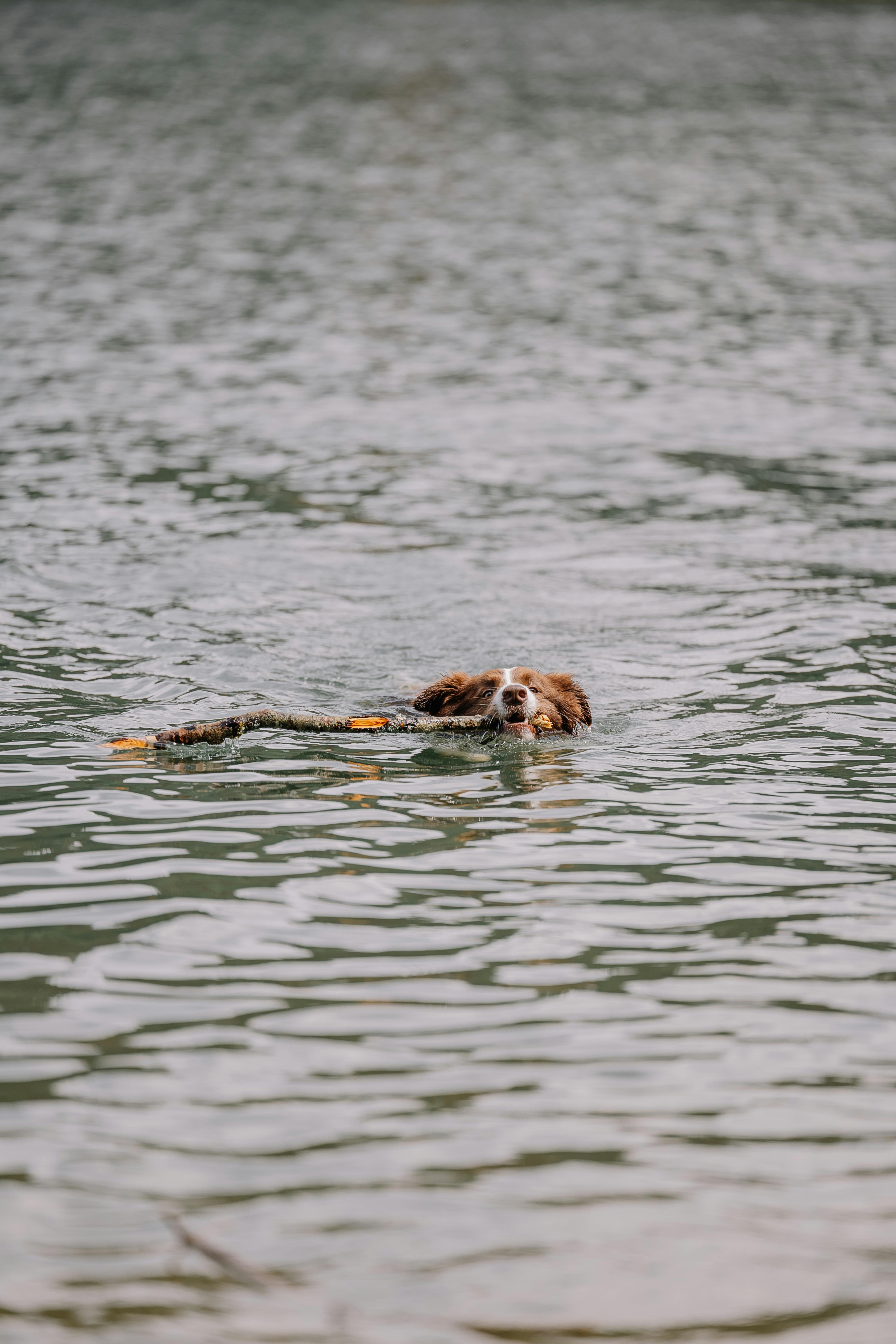
Have you ever wondered why your dog's nose feels cold and wet? Many dog owners often ask, "Are wet noses healthy?" The answer isn't just a simple yes or no. Understanding your dog's nose temperature and the reasons behind its wetness can reveal fascinating insights into your furry friend's health and behavior. Let’s dive into the world of canine noses!
The Science Behind a Dog's Wet Nose
Dogs have wet noses for several reasons, the most prominent being that it helps them to sense the world around them. The moisture on their noses enhances their sense of smell. When dogs sniff, the wetness captures scent particles, allowing their sensitive olfactory receptors to pick up various odors more efficiently. This is why dogs are excellent at tracking scents and finding things, like lost items or even missing persons.
Why Do Dogs Have Wet Noses?
There are a few key reasons why dogs have wet noses:
- Enhanced Smell: As mentioned, the moisture helps dogs smell better. The nose collects scent particles, making it easier for their brains to interpret smells.
- Temperature Regulation: Dogs don’t sweat like humans do. Instead, they use their noses to help cool down. A wet nose might help lower their body temperature, especially on hot days.
- Health Indicator: A wet nose can be a sign of health. Generally, a healthy dog has a moist nose. However, if your dog’s nose is consistently dry or cracked, it might be time to consult a vet.
Historical Context of Dogs' Noses
Dogs' noses have been studied for centuries. Historically, many cultures believed a dog's nose could predict its health. For example, in ancient Egypt, dogs were often revered and their noses were thought to hold mystical properties. In modern times, scientists have researched canine olfaction, revealing that dogs have up to 300 million scent receptors compared to about 6 million in humans.
The Temperature of a Dog's Nose
But what about the temperature of a dog's nose? A dog's nose is typically cooler than its body, which is normal. The average temperature of a dog's body ranges from 101 to 102.5 degrees Fahrenheit. In contrast, a dog's nose temperature can be around 98 to 99 degrees Fahrenheit. A warm, dry nose doesn’t automatically mean a dog is sick, but it could indicate a potential issue if it lasts for a long time.
What to Monitor for Nose Health
Here are some signs to look out for regarding your dog's nose health:
- Wetness: A healthy nose is usually moist. If it's dry or cracked, it might be a sign of dehydration or illness.
- Color Changes: A dog’s nose can change color due to various factors. If you notice a sudden change, particularly if it's accompanied by other symptoms, consult a vet.
- Nasal Discharge: Clear nasal discharge is normal, but if it’s thick, green, or bloody, get veterinary advice.
- Behavior Changes: If your dog seems lethargic or shows changes in appetite, it may be worth checking their nose and overall health.
Interesting Facts About Dogs’ Noses
- Dogs have a special organ called the Jacobsen’s organ, located in the nasal cavity. This organ helps them process smells more effectively.
- Some breeds have wetter noses than others. For instance, hounds often have particularly wet noses due to their tracking abilities.
- Dogs can detect certain diseases, including cancer, by smelling specific odors that diseased cells emit.
Comparison Table: Dog Nose Health Indicators
| Indicator | Healthy Nose | Unhealthy Nose |
|---|---|---|
| Moisture Level | Moist and cool | Dry or excessively warm |
| Color | Pinkish or black (depending on breed) | Pale, blue, or unusually dark |
| Discharge | Clear or minimal | Thick, discolored, or bloody |
| Temperature | Cooler than body temperature | Hot or unusually cold |
Overall, a wet nose is generally a good sign that your dog is healthy, but it’s not the only indicator. Keep an eye on their behavior and overall well-being. If you notice any concerning changes, a visit to the vet is always a good step. Understanding your dog's nose can not only help you monitor their health but also deepen your bond with them, as you learn more about the unique characteristics of your furry companion. So next time you see that wet nose, remember, it’s more than just a cute feature; it’s a window into your dog’s health and happiness!
How Do Dogs Use Their Wet Noses to Understand the World?

Dogs are often known for their playful nature and loyalty, but one of the most fascinating features they have is their wet noses. You ever wonder why dogs have wet noses? It's not just for show! Their noses do a lot more than you might think. Let's explore how dogs use their wet noses to understand the world around them and the reasons behind that distinctive wetness.
Why Do Dogs Have Wet Noses?
The moisture on a dog’s nose serves multiple important functions. Firstly, it helps to enhance their sense of smell. Dogs have an incredible olfactory system; they can smell things that humans can't even begin to imagine. A wet nose can trap scent particles more effectively. Here are some key points about this:
- Increased Scent Detection: A moist surface captures more odor molecules.
- Temperature Regulation: Dogs sweat through their noses. A wet nose can help them cool down.
- Health Indicator: A change in the moisture level can sometimes indicate health issues. For instance, a dry nose might suggest dehydration or illness.
The Anatomy of a Dog's Nose
Understanding the structure of a dog's nose can shed more light on its functions. The nose consists of several parts that play a role in how dogs interact with their environment.
- Nasal Cavity: This area is lined with olfactory receptors that detect smells.
- Vomeronasal Organ: Also known as Jacobson's organ, it helps dogs sense pheromones, which are chemical signals important for social interactions.
- Mucous Membrane: This layer keeps the nose moist and enhances smell.
How Do Dogs Use Their Wet Noses to Understand the World?
Dogs literally sniff out the world. Their sense of smell is estimated to be 10,000 to 100,000 times more sensitive than humans. For them, the world is rich with scents. Here’s how they use their noses:
Communication: Dogs use scents to communicate with each other. They can tell if another dog has been in the area, what kind of mood it was in, and even its health status.
Exploration: When a dog goes on a walk, it’s not just about exercise. They are gathering a ton of information. Each tree or patch of grass tells them a story.
Hunting and Tracking: For working dogs, wet noses are crucial. They can track scents over long distances, making them invaluable for search and rescue missions or hunting.
Emotional Connection: Dogs can detect human emotions through scent. Studies show they can pick up on stress and fear through changes in body odor.
The Science Behind a Dog's Wet Nose
There are scientific explanations for why a dog’s nose is wet. When a dog licks its nose, the moisture helps to dissolve odor particles, making it easier for them to identify scents. This process is called olfactory sampling. Here are some facts about this phenomenon:
- Olfactory Sampling Process: Dogs lick their noses to gather scents, which then trigger their brain's olfactory system to analyze the information.
- Scent Detection: The wetness helps them differentiate between scents, similar to how we might taste different flavors more distinctly when food is moist.
Why Is a Dog’s Nose Sometimes Dry?
You might notice that a dog’s nose can become dry sometimes. This isn’t always a cause for concern. Here are some reasons why a dog’s nose may dry out:
- Weather Changes: Hot weather or dry air can lead to a dry nose.
- Health Issues: Sometimes, dry noses can be a sign of illness, allergies, or dehydration.
- Age: Older dogs may have drier noses due to changes in skin elasticity.
Fun Facts about Dog Noses
- Dogs have about 300 million olfactory receptors, compared to a human's 5 million.
- The shape of a dog's nose can even indicate its breed and potential abilities.
- Each dog’s nose print is unique, much like human fingerprints.
Having a wet nose is just one of the many intriguing characteristics of dogs. It’s a window into their world, helping them navigate and understand their surroundings in ways we can only begin to appreciate. So, next time you see a dog with its wet nose sniffing around, remember: it’s not just being cute. It’s busy discovering the universe!
Wet Noses and Dog Behavior: What Your Pup's Nose Says About Them
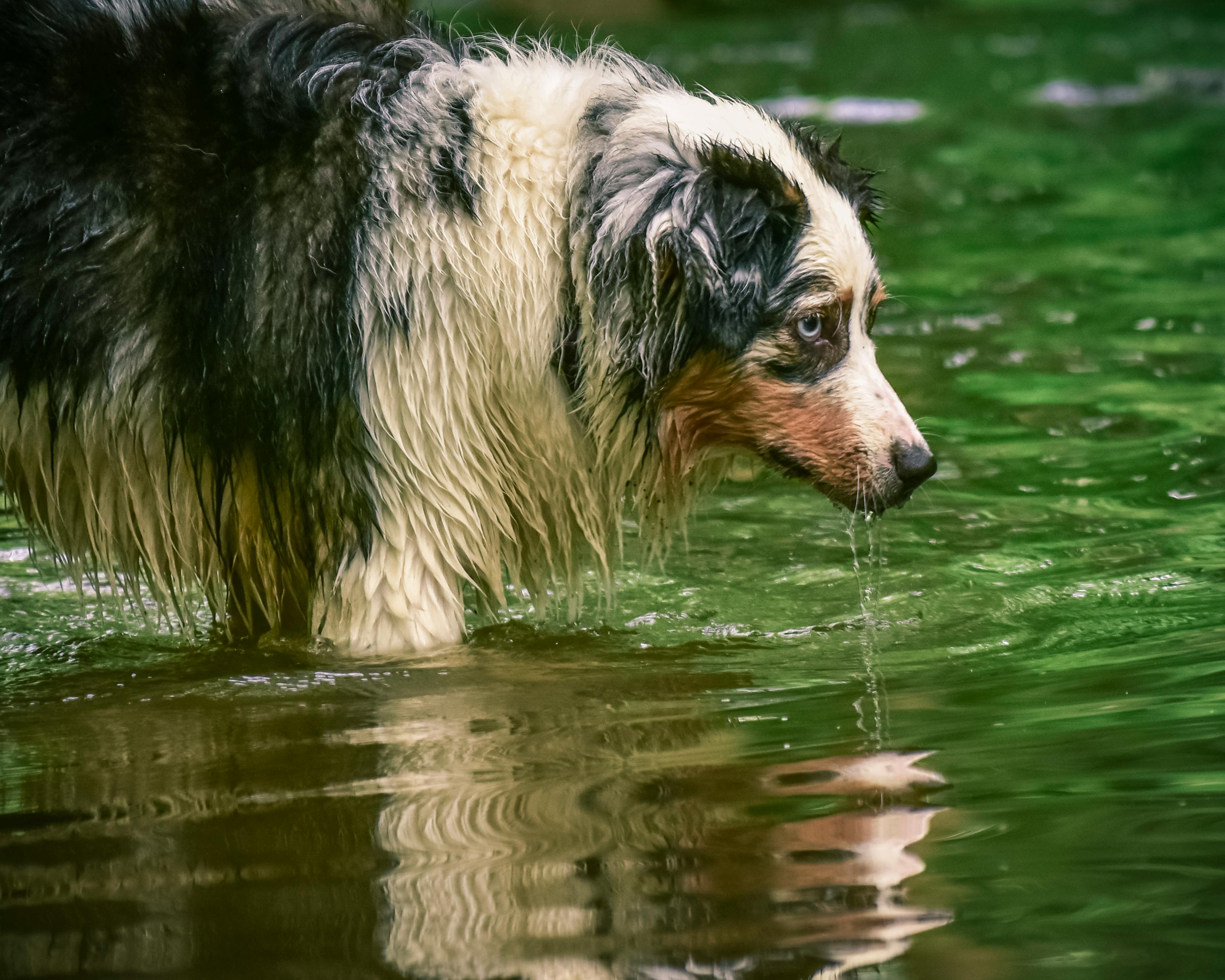
Wet noses is a hallmark of dogs, capturing the hearts of many pet owners. Ever wondered why do dogs have wet noses? This question doesn’t just scratch the surface of canine biology, it delves into their behavior and overall health. Understanding what your pup's nose says about them can be fascinating and informative.
The Science Behind Wet Noses
Dogs noses are wet for a whole bunch of reasons. One main reason is that it helps them to smell better! When their nose is moist, it can trap more scent particles. This makes it easier for dogs to sniff out interesting smells. A dog’s sense of smell is much more sharper than a human's. Some studies suggests that dogs can detect scents at concentrations nearly 100 million times lower than what humans can do.
Here are some fun facts about dog noses:
- Dogs have about 220 million scent receptors, compared to human’s 5 million.
- The wetness of their nose can also help regulate their body temperature.
- Dogs can actually sweat through their paw pads, but the nose plays a role in cooling down too.
Why Do Dogs Have Wet Noses?
The wetness is not just for show; it serves several crucial purposes. Dogs often lick their noses, which helps to keep them clean and moist. This behavior is instinctive and natural. It's also thought that wet noses contribute to a dog’s overall sense of smell.
- Enhanced Smell: A wet surface captures scent particles more effectively.
- Temperature Regulation: It aids in cooling down the dog’s body.
- Health Indicator: A dog’s nose moisture can indicate health status.
Health Indicators: What a Wet Nose Could Mean
Dog owners often worry about their pet’s health. The state of a dog’s nose can be a sign of their health. Here's a quick overview:
- Normal: A wet, cool nose is typically a sign of a healthy dog.
- Dry and Warm: This might indicate a fever or that they are dehydrated.
- Cracked or Bleeding: Could suggest allergies or infections.
- Excessively Wet: Sometimes it can be a sign of a respiratory issue.
Observing your dog’s behavior and nose condition could help catch potential health problems early.
Dog Behavior and Nose Exploration
Dogs use their noses to communicate and understand their environments. When they sniff around, they are gathering information about other animals, people, and even what was there hours ago. It’s like reading a newspaper for them.
Here are some common behaviors related to their nose:
- Sniffing Around: This is typical when they are curious or excited.
- Licking Their Nose: Often a sign of anxiety or nervousness.
- Nose Bumping: This can be a dog's way to show affection or to get your attention.
The Fascinating History of Dog Noses
Historically, dogs were bred for specific tasks, many of which relied heavily on their sense of smell. For example, bloodhounds are known for their tracking abilities, while terriers were bred to hunt vermin. The evolution of their wet noses is a result of these breeding practices and natural selection.
- Hunting and Tracking: Strong sense of smell enabled early hunting dogs to track prey.
- Companionship: As dogs became companions, their noses continued to play a crucial role in their interactions with humans.
Practical Examples of Nose-Related Behavior
If you’re a dog owner, you might notice these behaviors:
- Following a Scent Trail: Dogs might get sidetracked while walking due to an enticing smell.
- Greeting Other Dogs: They often sniff each other’s noses as a greeting.
Conclusion
So, why do dogs have wet noses? It’s not just a quirk of nature; it's a vital part of their biology, behavior, and communication. Understanding the significance of your pup's wet nose can help you better appreciate their unique characteristics and health. Keeping an eye on changes in this area can be a great way to monitor your dog’s well-being. Enjoying the journey of understanding your furry friend can be rewarding!
Why Is My Dog’s Nose Dry? Signs to Look For and When to Worry
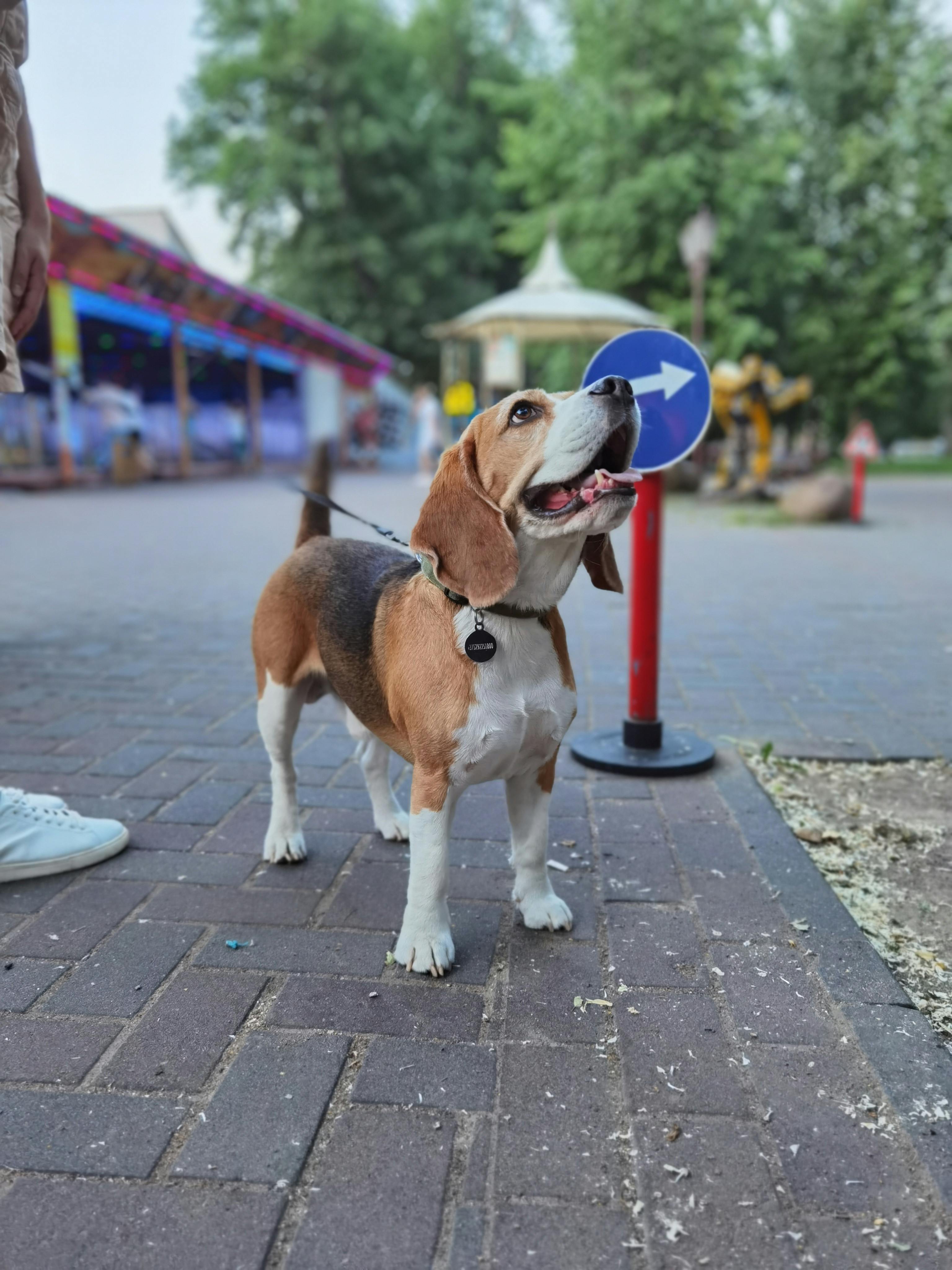
Every dog owner has probably wondered at some point, "Why is my dog’s nose dry?" It's a common concern and can be confusing. Dogs’ noses often change from wet to dry, and many people think it might indicate health issues. But the truth is more complex than that! In this article, we will explore the reasons behind why dogs have wet noses, signs to look for when your dog’s nose is dry, and when you might need to worry.
The Science Behind Wet Noses
So, why do dogs have wet noses? It’s not just an adorable trait. There are several fascinating reasons for this.
Cooling Mechanism: Dogs don’t sweat like humans do. Instead, they primarily rely on their noses to cool down. When they breathe, moisture evaporates from the surface of their noses, which helps regulate their body temperature.
Enhanced Smell: A wet nose can trap scent particles better than a dry one. This allows dogs to have a better sense of smell. The moisture in their noses can absorb scents, making it easier for them to pick up on various odors in their environment.
Health Indicator: A dog’s nose can provide clues about their health. A healthy dog typically has a cool, moist nose. However, a dry nose doesn't automatically mean something's wrong.
Common Causes of a Dry Nose
If you’ve noticed your dog’s nose is dry, it might be due to several reasons. Here’s a list of common causes:
Dehydration: Just like people, dogs can become dehydrated. If your dog isn’t drinking enough water, their nose may dry out.
Weather Changes: Hot, dry weather can cause a dog’s nose to become dry. Similarly, cold weather might lead to chapped noses.
Allergies: Dogs can suffer from allergies, which may cause their noses to dry out or become irritated.
Age: Older dogs may naturally have drier noses as their skin loses moisture.
Medical Conditions: Sometimes, underlying health issues such as autoimmune diseases can lead to persistent dryness.
Signs to Watch For
So, how do you know when a dry nose is a cause for concern? Here are some signs to look out for:
Cracking or Peeling: If your dog’s nose is not only dry but also cracking, it may indicate a more serious issue.
Discoloration: A change in color, like red or pink patches on the nose, could suggest irritation or infection.
Changes in Behavior: If your dog is lethargic, not eating, or showing signs of discomfort, it’s a good idea to consult a veterinarian.
Excessive Licking: If your dog is constantly licking their nose, it could mean they are uncomfortable or anxious.
When to Worry
While many cases of dry noses are harmless, there are times when you should definitely seek professional advice. Consider visiting your vet if:
- The dryness persists for several days without improvement.
- Accompanied by other symptoms such as vomiting, diarrhea, or fever.
- Your dog shows signs of pain or distress.
Comparing Wet and Dry Noses
Here’s a quick comparison of wet and dry noses, and what they might indicate:
Wet Nose:
- Cool to the touch
- Associated with good hydration
- May indicate a happy, healthy dog
Dry Nose:
- Warm or hot to the touch
- Could be a sign of dehydration
- Sometimes linked to health issues
Conclusion
Understanding your dog’s nose is key to keeping them healthy. Dogs have wet noses for good reasons—cooling down and enhanced smelling capabilities. If you notice your dog’s nose is dry, keep an eye on their overall health. It’s important to watch for signs of discomfort or changes in behavior. While a dry nose can be normal, being vigilant can help ensure your furry friend stays happy and healthy. If you ever feel unsure, don’t hesitate to reach out to your veterinarian for personalized advice. Remember, a little knowledge about your dog’s health can go a long way!
The Role of Wet Noses in Dog Thermoregulation: Keeping Cool and Comfortable
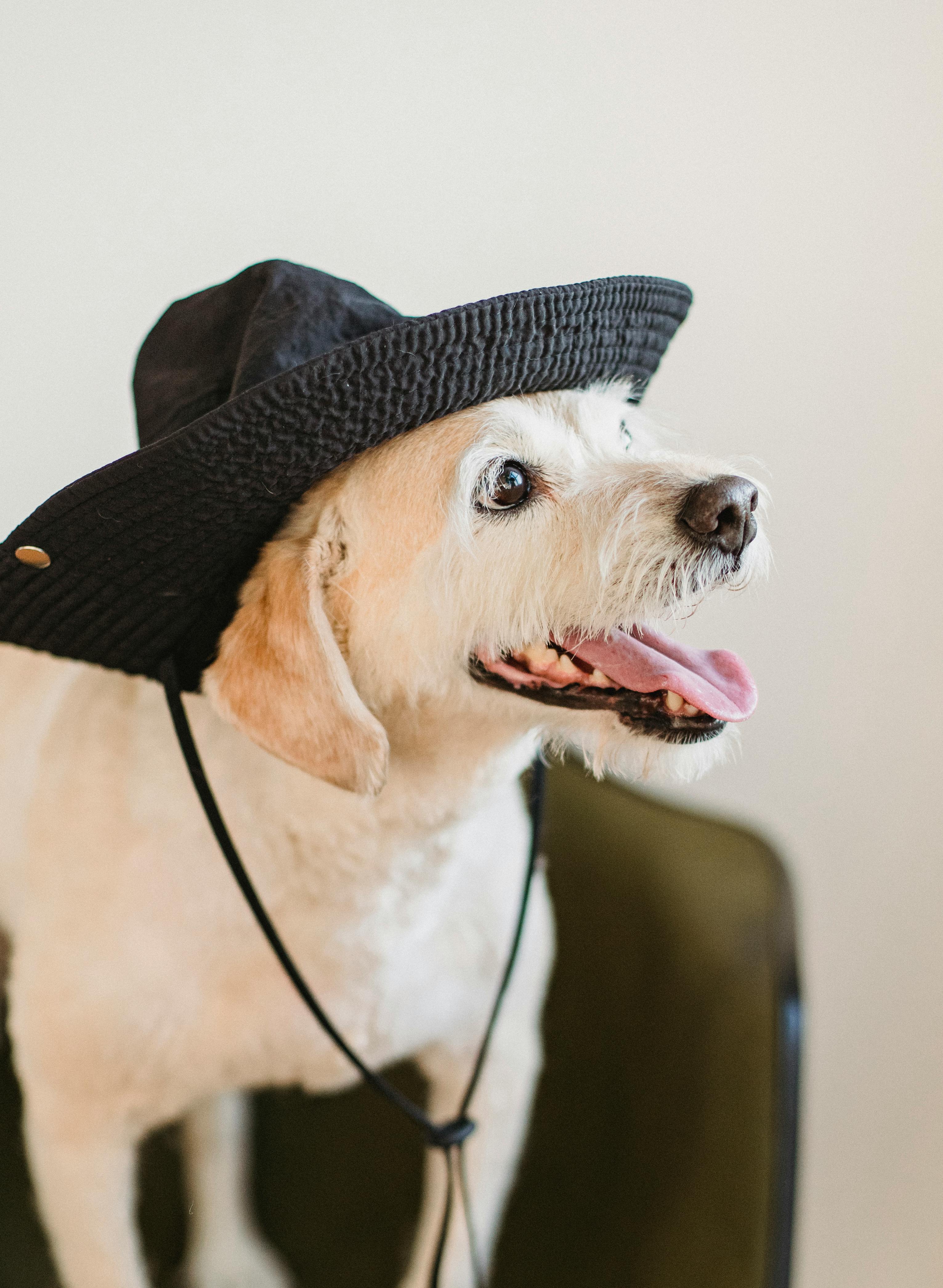
When you think about dogs, one of the first things that comes to mind is their adorable wet noses. But have you ever wondered why do dogs have wet noses? It turns out, those moist little noses play a significant role in how dogs regulate their body temperature and stay comfortable. It's not just cuteness; it's biology at work!
The Science Behind Wet Noses
A dog's nose is not just a feature for sniffing around — it's actually a complex organ that helps them perceive their environment. But what about the moisture? Dogs have mucous membranes that keep their noses wet, and this moisture is essential for their thermoregulation, which means maintaining a stable internal body temperature.
- Thermoregulation: Dogs don’t sweat like humans. Instead, they primarily regulate their body temperature through panting and the moisture in their noses.
- Moisture Absorption: A wet nose can absorb scent particles more effectively. This helps dogs to smell better, which is important for their communication and survival.
Historical Context of Wet Noses
Through time, dogs have evolved from wild ancestors that had to hunt for food and survive. Those with better smelling abilities and thermoregulation skills likely thrived more. Wet noses were advantageous, helping them detect food sources and potential threats.
- Domestication: As dogs became domesticated, these traits were preserved and even enhanced. Wet noses became a hallmark of canine health.
The Fascinating Reasons Why Dogs Have Wet Noses
Cooling Mechanism: Just like how sweating helps humans cool down, a wet nose aids a dog in staying cool. When the moisture evaporates from their nose, it cools their blood vessels, helping to lower their body temperature.
Enhanced Sense of Smell: A wet surface captures scent particles better. That’s why dogs can sniff out drugs, bombs, and even diseases like cancer.
Health Indicator: A wet and cool nose often indicates a healthy dog. If a dog’s nose is dry or warm, it might mean they are sick or dehydrated.
Communication Tool: Dogs often greet each other by sniffing each other's noses. The moisture helps them gather more information about their canine companions.
Differences Between Dog Breeds
Not all dogs have the same nose moisture levels. Breeds with shorter snouts, like Bulldogs, may not have the same thermoregulation capabilities as breeds with longer snouts, like Greyhounds. Here’s a quick comparison:
- Short-Nosed Breeds: Bulldogs, Pugs, and Shih Tzus may struggle more with heat regulation due to their anatomy.
- Long-Nosed Breeds: Retrievers and German Shepherds usually excel in thermoregulation and can manage heat better.
Tips for Keeping Your Dog Comfortable
As a responsible pet owner, it's important to help your dog stay cool, especially during the summer. Here are some quick tips:
- Provide Fresh Water: Always keep your dog's water bowl filled with fresh water.
- Limit Exercise: On hot days, limit walks to early morning or late evening.
- Shade and Shelter: Make sure your dog has a shaded area to relax in during the day.
- Cooling Mats: Consider investing in cooling mats designed specifically for dogs.
Common Myths About Dog Noses
There are many misconceptions about dog noses. Here are a few:
- A Dry Nose Means a Sick Dog: Not always true. A dry nose can be normal for some dogs, especially if they just woke up.
- All Dogs Have Wet Noses: Some breeds may naturally have drier noses due to their anatomical features.
Conclusion
So, next time you see your furry friend with that adorable wet nose, remember it’s not just for show! Those wet noses are vital for thermoregulation, enhanced smelling, and even communication. Understanding the reasons behind this unique feature makes it clear that our dogs are fascinating creatures. They have evolved in ways that help them not just survive but thrive alongside us. Whether you’re a dog owner or just a lover of these amazing animals, knowing the importance of their wet noses adds a new layer of appreciation. Take care of those wet noses, and they will take care of you!
Do All Dogs Have Wet Noses? Exploring Variations Across Breeds

Dogs, man's best friends, come in all shapes and sizes, and one common trait that many people notice is their wet noses. But do all dogs have wet noses? And why do dogs have wet noses anyway? These questions leads us to explore the fascinating world of canine physiology. There’s so much more to these lovable pets than just their wagging tails and playful barks.
Do All Dogs Have Wet Noses?
Not every dog has a wet nose all the time. While it is a common characteristic, the moisture level of a dog's nose can vary significantly across different breeds and individual dogs. Some breeds, like the Labrador Retriever or the Beagle, often have wetter noses compared to others such as the Bulldog or the Shih Tzu.
A few factors that affect the moisture of a dog's nose include:
- Breed Differences: Certain breeds naturally have drier noses due to their genetic makeup.
- Health Conditions: Illness or dehydration can cause a dog’s nose to become dry.
- Environmental Factors: Hot weather can lead to a dryer nose, while humidity may keep it moist.
Why Do Dogs Have Wet Noses?
The reasons behind why dogs have wet noses are quite fascinating, and there's a few significant factors involved.
Enhanced Sense of Smell: A moist nose helps dogs to smell better. When the nose is wet, it captures scent molecules more effectively, allowing dogs to identify smells more accurately. This is why dogs are so good at tracking; their noses are designed for it!
Cooling Mechanism: Dogs don't sweat like humans do. Instead, they regulate their body temperature through panting and by having moisture on their nose. The wetness helps to cool them down, acting as a natural air conditioner.
Health Indicator: A wet nose is often a sign of a healthy dog. If a dog’s nose suddenly becomes dry or cracked, it may be a sign of dehydration or illness, warranting a veterinary check-up.
Social Interaction: Dogs use their noses to communicate with each other. A wet nose can be more inviting and comforting, making it easier for dogs to engage with one another or with us humans.
Variations Across Breeds
Each breed has its own unique characteristics, including nose moisture. Here’s a brief comparison of a few dog breeds:
| Breed | Typical Nose Moisture Level | Notable Traits |
|---|---|---|
| Labrador | Wet | Friendly, energetic, and great with families |
| Bulldog | Dry | Calm, affectionate, and loyal |
| Beagle | Wet | Curious, vocal, and playful |
| Shih Tzu | Varies | Affectionate, playful, and great companions |
Factors Affecting Nose Moisture
It's not just genetics that play a role; environmental factors and health conditions can also impact a dog's nose moisture. Consider these points:
- Hydration Levels: Just like humans, dogs need water to stay hydrated. A lack of water can lead to a dry nose.
- Allergies: Pollen, dust, and other allergens can cause irritation, potentially affecting moisture levels.
- Weather: Cold and dry weather can dry out a dog's nose, while rain and humidity can keep it moist.
Common Myths About Dog Noses
There’s many misconceptions about dog noses that needs addressing:
Myth: A warm nose means a dog is sick.
- Fact: Dog noses fluctuate in temperature. A warm nose doesn't always indicate illness.
Myth: Only certain breeds have wet noses.
- Fact: All dogs can have wet noses, but it varies by breed and individual health.
Myth: A wet nose means a dog is happy.
- Fact: While a wet nose is often a sign of health, it doesn’t necessarily reflect a dog's mood.
Understanding the reasons behind a dog’s wet nose and how it varies across breeds is important for dog owners. It's more than just a cute feature; it plays a vital role in their health and behavior. So, the next time you pet your furry friend, take a moment to appreciate that wet nose and all that it signifies about their incredible physiology. Remember, a wet nose is not only a sign of a happy pup; it is a fascinating aspect of what makes dogs so special!
Can Dogs Smell Better with Wet Noses? The Connection Between Moisture and Scent

Dogs are often called man’s best friend, and their incredible sense of smell is one of the many reasons why. But have you ever wondered, can dogs smell better with wet noses? There’s actually a fascinating connection between moisture and scent, which makes understanding why dogs have wet noses really interesting. Let’s dig into the science, history, and some fun facts about our furry companions!
The Science Behind Wet Noses
Dogs' noses are not just cute; they serve a purpose! The moisture on a dog’s nose plays a key role in their ability to smell. When a dog sniffs, the wetness helps to capture scent particles from the air. This process is called olfactory reception, and it’s super important for how dogs interact with their environment.
Here’s how it works:
- Scent Absorption: The moisture on the nose absorbs scent particles, which then bind to receptors in the nasal cavity.
- Enhanced Detection: The more moisture there is, the better the dog can detect various scents. Wet noses can pick up even the faintest odors!
- Temperature Regulation: A wet nose also helps cool the dog’s body, which is important for their overall health.
Why Do Dogs Have Wet Noses?
There are several reasons why dogs have those adorable wet noses. Let’s look at some of the main ones:
- Olfactory Function: As mentioned earlier, moisture enhances their sense of smell.
- Health Indicator: A wet nose can be a sign of good health. When a dog is sick or dehydrated, their nose may become dry.
- Cooling Mechanism: Dogs don’t sweat like humans do. Instead, they cool down through their noses, and the moisture helps maintain a lower body temperature.
The Evolution of the Dog's Nose
The evolution of dogs and their noses is a fascinating story. Dogs have been companions to humans for thousands of years. Early humans relied on dogs for hunting and protection, and their keen sense of smell was crucial for survival. Over time, dogs developed wet noses as a natural adaptation to enhance their hunting abilities.
- Historical Context: Early breeds were bred for specific tasks, like tracking or hunting, which required excellent olfactory skills.
- Genetic Factors: Studies show that certain breeds have a more developed sense of smell than others, due to genetics.
Fun Facts About Dog Noses
Here are some fun and surprising facts about dog noses you might not know:
- Unique Patterns: Just like human fingerprints, every dog’s nose print is unique!
- Scent Discrimination: Dogs can differentiate between a variety of smells, which is why they are often used in search and rescue missions or detecting drugs.
- Sensitivity: A dog’s sense of smell can be up to 100,000 times more sensitive than a human’s!
How to Care for Your Dog's Nose
Just like any part of your pet's body, their nose needs care too! Here’s a simple list of things to remember:
- Hydration: Make sure your dog has plenty of water to keep their nose moist.
- Check for Dryness: If your dog's nose is consistently dry, it could be a sign of dehydration or health issues. Consult a vet if you’re concerned.
- Avoid Irritants: Keep your dog away from harsh chemicals or allergens that might irritate their nose.
Comparing Dog Breeds and Their Noses
Not all dogs are created equal when it comes to their noses. Some breeds have a more pronounced sense of smell. Here’s a quick comparison of a few popular breeds:
| Breed | Sense of Smell Strength | Use Case |
|---|---|---|
| Bloodhound | Exceptional | Tracking, search and rescue |
| Beagle | High | Detection, hunting |
| German Shepherd | Very High | Police and service dogs |
| Dachshund | Moderate | Small game hunting |
Each breed has its own unique features that contribute to its olfactory capabilities.
Understanding why dogs have wet noses and how it relates to their sense of smell is an engaging topic. The moisture on a dog’s nose is not just a random trait; it’s a vital part of their biology that enhances their ability to smell and interact with the world. The next time you give your furry friend a scratch behind the ears, take a moment to appreciate that wet nose. It’s more than just a cute feature; it’s a window into their fascinating world!
Fun Myths and Facts About Dog Noses: Debunking Common Misconceptions
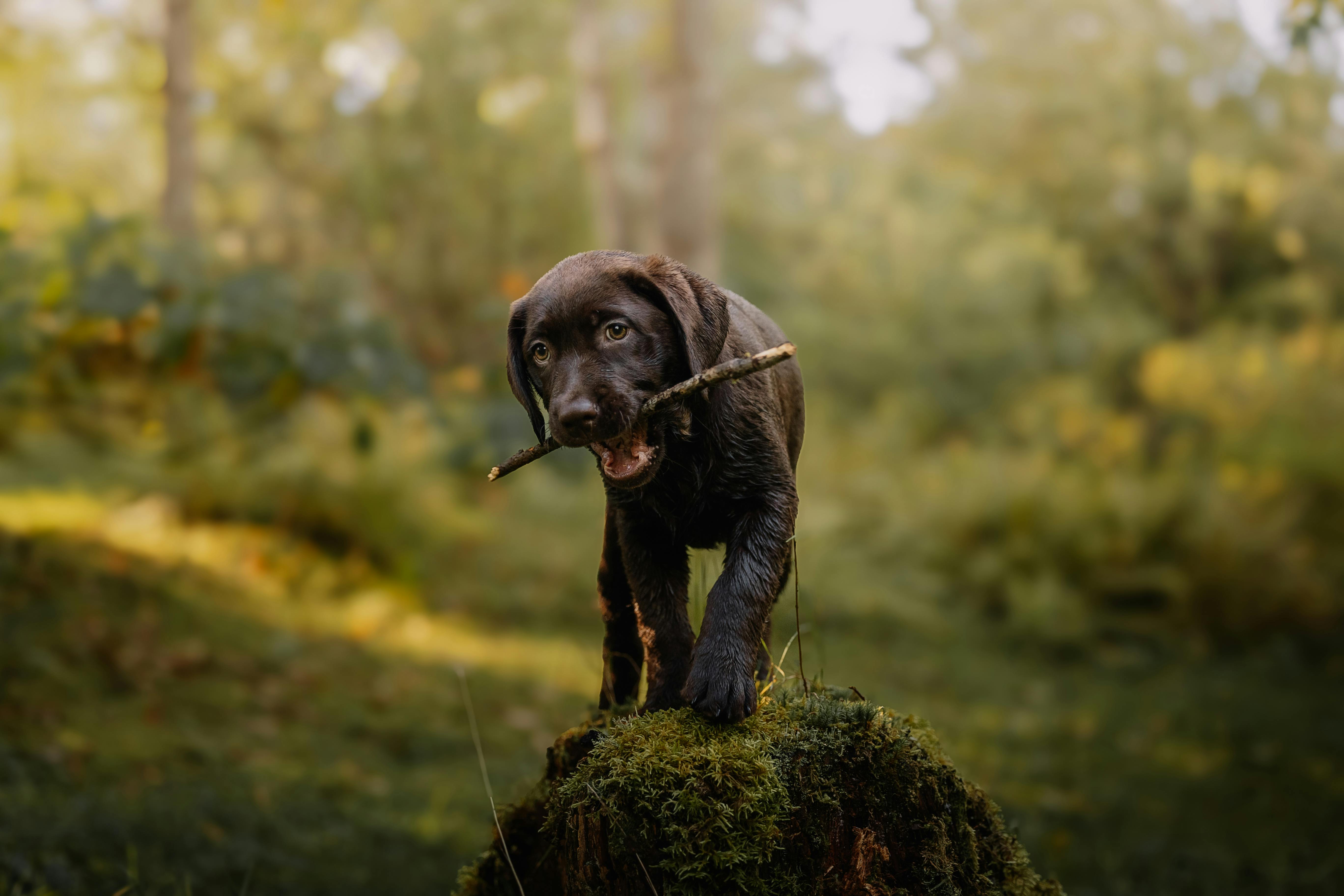
When you think about dogs, the first thing that probably comes to mind is their adorable faces and wagging tails. But have you ever noticed their noses? They are often wet and cold, leading to the question: why do dogs have wet noses? There’s a lot of myths and facts about dog noses that can be really interesting. Let’s dive into this fascinating topic and bust some common misconceptions while exploring the unique reasons behind those damp noses.
The Science Behind Wet Noses
Dog noses are not just cute; they are also crucial for their health and well-being. The moisture on their noses isn’t just for show. It plays a vital role in their sense of smell. Here’s how it works:
Enhanced Olfactory Function: Dogs have an extraordinary sense of smell, estimated to be 10,000 to 100,000 times more sensitive than humans. The moisture on their noses helps to capture scent particles from the air, which enhances their ability to detect smells.
Thermoregulation: A wet nose helps dogs cool down. When a dog pants, the evaporation of moisture from their nose aids in regulating body temperature. This is especially important during hot weather.
Health Indicator: A dog's nose can also signal their health. A warm, dry nose could indicate illness, while a cool, moist nose is generally a sign of a healthy dog.
Fun Myths About Dog Noses
There are many myths floating around about dog noses, and it’s easy to get confused. Here are some fun and incorrect beliefs that often pop up:
Myth 1: A dry nose means a dog is sick.
- Fact: While a dry nose can sometimes indicate a problem, it’s not a reliable health indicator. Many healthy dogs have dry noses.
Myth 2: Dogs can’t sweat; they only cool down through their noses.
- Fact: Dogs sweat through their paw pads, but their primary means of cooling down is panting, not just through their noses.
Myth 3: A dog’s nose can be used to predict the weather.
- Fact: While dogs might react to changes in humidity and pressure, there’s no scientific proof that their noses can forecast weather.
Historical Context of Dog Noses
Dog noses have fascinated humans for centuries. In ancient times, dogs were not just companions; they were also vital for hunting and herding. Their sense of smell was often the difference between life and death for early humans. Here's a brief look at how dogs' noses have been viewed throughout history:
Ancient Egypt: Dogs were revered, and their noses were seen as gifts from the gods, aiding in hunting and protection.
Middle Ages: Dogs were used in various roles, including as companions and helpers, with their noses being essential for tracking.
Modern Day: Today, dog noses are not just a part of their anatomy but are also studied extensively in science, particularly in fields like search and rescue and health detection.
Comparing Dog Noses to Human Noses
When you compare dog noses to human noses, the differences are striking. Here’s a quick comparison chart that outlines key distinctions:
| Feature | Dog Nose | Human Nose |
|---|---|---|
| Sense of Smell | 10,000 - 100,000 times stronger | Much less sensitive |
| Moisture | Wet and cold | Generally dry |
| Purpose | Detecting scents and cooling down | Breathing and filtering air |
| Temperature Regulation | Evaporation helps cool | Limited, primarily through sweating |
Practical Tips for Nose Care
Taking care of your dog’s nose is essential. Here are some practical tips to ensure their noses stay healthy:
- Regular Check-ups: Keep an eye on your dog’s nose and report any changes to your vet.
- Hydration: Ensure your dog drinks enough water, as dehydration can lead to a dry nose.
- Protect from Elements: In extreme weather, consider using nose balms or creams to protect them from cracking or drying out.
Understanding the reasons behind why dogs have wet noses not only helps you appreciate your furry friend more but also ensures their health and happiness. The next time you see that wet nose, remember the fascinating biological functions it serves. Embrace the quirks and myths, but always prioritize your dog’s well-being. After all, they rely on us to keep them safe and healthy!
Conclusion
In conclusion, the wet noses of dogs serve several important functions that contribute to their health and well-being. Firstly, the moisture helps to enhance their sense of smell, which is crucial for their ability to explore and understand their environment. Additionally, a wet nose plays a role in thermoregulation, helping to keep their body temperature in check, especially during hot weather. The wetness of a dog's nose can also be an indicator of their overall health, as changes in moisture levels may signal potential health issues. Understanding the science behind this unique feature can deepen our appreciation for our canine companions. So, the next time you notice your dog's cool, damp nose, take a moment to marvel at the remarkable biology at work. Consider sharing this knowledge with fellow dog lovers to foster a greater understanding of our furry friends and their fascinating traits.