
Have you ever wondered, why do dogs have wet noses? This intriguing question has sparked curiosity among dog lovers for years! A dog’s nose is not just a cute feature; it serves several important functions that are fascinating to explore. From enhancing their sense of smell to regulating body temperature, the reasons behind those moist noses are more than meets the eye. Did you know that a wet nose can indicate a dog’s health and well-being? It’s true! Many pet owners often ask, “Is a dog’s nose supposed to be wet?” This inquiry leads to a deeper understanding of canine physiology. Furthermore, the temperature and texture of a dog’s nose can reveal a lot about their mood and overall health. Are you eager to learn more about the science behind dog noses and their significance in a dog’s life? Join us as we dive into the captivating world of why dogs have wet noses and unravel the mysteries behind these adorable features! Discover the surprising truths and become a more informed dog owner today!
Unveiling the Science: Why Do Dogs Have Wet Noses? The Surprising Truth Explained
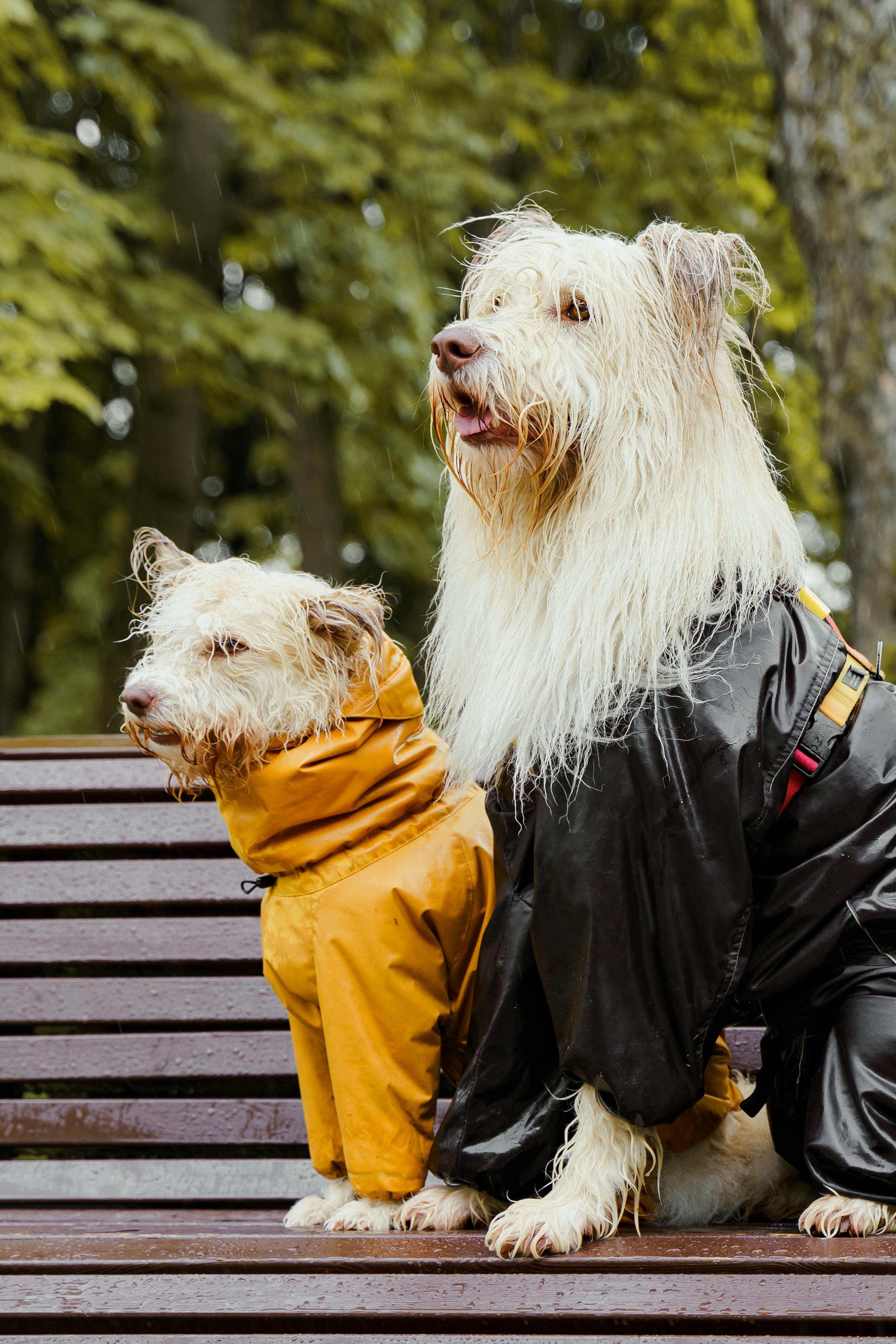
Dogs are often considered man’s best friend and their wet noses is one of those quirky characteristics that many people notice but few really understand. Have you ever wondered why do dogs have wet noses? It turns out, there are some fascinating reasons behind this common canine trait that goes beyond just being cute. Let’s dive into the science of dog noses and uncover the surprising truth!
The Science Behind Wet Noses
Firstly, a dog’s nose is not just for show. It’s a highly developed organ, packed with millions of scent receptors. While humans only have about 5 million, dogs have around 220 million! This makes their sense of smell about 40 times better than ours. But why do they need their noses to be wet?
Enhanced Smell: The moisture on a dog’s nose helps to capture scent particles from the air. When their noses are wet, it allows them to absorb those tiny particles better, enhancing their ability to smell. You might notice, when you take your dog on a walk, they spend a lot of time sniffing around — and this is exactly why!
Thermoregulation: Dogs don’t sweat like humans do. Instead, they rely on their noses to help regulate their body temperature. The moisture evaporates from their noses, helping to cool them down when they feel hot. So, when you see your dog with a wet nose, it might be their way of managing body heat.
Health Indicators: A wet nose is often a sign of a healthy dog, but it’s not the only indicator. Certain illnesses can dry out a dog’s nose, so many pet owners keep an eye on this aspect as part of their overall health monitoring.
Historical Context and Evolution
Dogs have been companions to humans for thousands of years, and over time, their physiology has adapted to their environments. The wet nose is believed to have evolved as a part of their hunting and survival strategies. Wet noses help them detect prey more effectively and even communicate with other dogs through scent.
Interestingly, different breeds have different nose characteristics. For example, bloodhounds, known for their incredible sense of smell, have particularly moist noses, while bulldogs may have a less prominent wetness.
Reasons Why Dog Noses are Wet
Here are some key reasons summarizing why do dogs have wet noses:
- Improves scent detection
- Helps with body temperature regulation
- Indicates overall health
- Aids in communication with other dogs
- Evolutionary adaptation for survival
Comparisons to Other Animals
While dogs have their unique set of traits, other animals also exhibit similar characteristics regarding nose moisture. For instance, cats have moist noses as well, but the reasons might slightly differ. Cats use their noses primarily for hunting and exploration, but they don’t rely on scent as much as dogs do.
Here’s a quick comparison:
| Animal | Nose Moisture Function |
|---|---|
| Dogs | Enhanced scent detection, thermoregulation |
| Cats | Scenting prey, exploratory behavior |
| Horses | Less reliance on smell, but still have moisture for sensory functions |
Fun Facts About Dog Noses
- Unique Patterns: Just like human fingerprints, every dog’s nose print is unique. This means you could actually identify a dog by their nose print!
- Color Variation: The color of a dog’s nose can vary widely among breeds. From black to liver or even pink, the color doesn’t impact their sense of smell.
- Sensitive to Temperature: A dog’s nose is also sensitive to temperature. If it’s too hot or too cold, they could experience discomfort, which is why you might find them seeking shade or warmth.
Practical Examples of Caring for Your Dog’s Nose
To ensure your dog’s nose stays healthy and wet, here are some practical tips:
- Hydration: Always provide fresh water. Dehydration can lead to a dry nose.
- Regular Vet Check-ups: Keep an eye on any sudden changes in nose texture or moisture.
- Avoid Harsh Conditions: Protect your dog from extreme weather that can dry out their nose.
Understanding why do dogs have wet noses is not just a fun fact — it’s a glimpse into the incredible biology of our furry friends. The next time you see that adorable wet nose, remember the science and the evolutionary journey that led to this fascinating trait. Dogs are not just pets; they are complex beings with unique adaptations that make them exceptional companions.
5 Fascinating Reasons Behind Your Dog’s Moist Nose: What Every Pet Owner Should Know
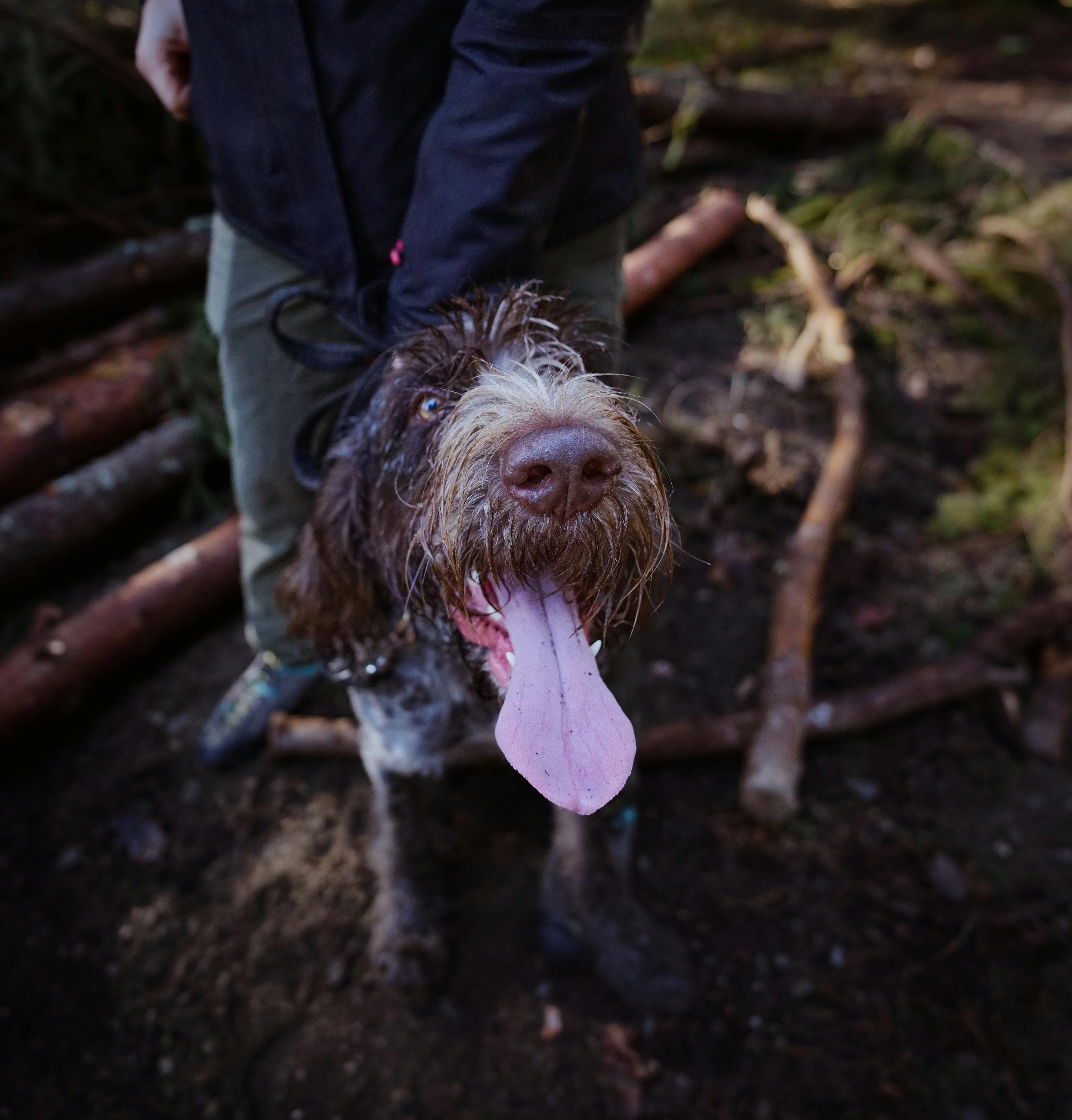
Have you ever wondered why your dog’s nose is often wet? It’s like a little mystery that all pet owners ponder from time to time. You might think it’s just because they love slobbering on everything, but actually, there’s science behind it. Knowing why dogs have wet noses can help you understand more about your furry friend and their health. So let’s dig into it, shall we? Here are 5 fascinating reasons behind your dog’s moist nose.
1. Thermoregulation: Keeping Cool
One of the main reasons dogs have wet noses is to help regulate their body temperature. Unlike humans who sweat through their skin, dogs primarily rely on panting and their noses to cool down. When their noses are wet, it helps to evaporate moisture, which cools down the nasal passages and the blood vessels nearby. This is super important during hot days when your dog might be outside playing around.
- Dogs can’t sweat like us.
- They rely on their noses for cooling.
- Wet noses helps to keep them at a safe temperature.
2. Sense of Smell: A Powerhouse Tool
Dogs are known for their incredible sense of smell, which is far superior to that of humans. A wet nose plays a crucial role in this. The moisture on their noses helps to capture scent particles from the air. When these particles stick to the wet surface, it allows dogs to analyze scents more effectively. So, next time your dog smells something interesting, remember that their wet nose is like a high-tech tool for sniffing out all kinds of smells!
- Dogs have around 220 million scent receptors.
- Moisture helps them pick up more scents.
- It’s like having a built-in olfactory enhancement.
3. Health Indicator: What’s Normal?
The condition of your dog’s nose can actually say a lot about their health. Generally, a healthy dog will have a nose that is moist and cool. If your dog’s nose becomes dry and cracked, it could be a sign of dehydration or illness. However, this isn’t a hard and fast rule; some dogs naturally have drier noses. Always keep an eye on any sudden changes, and if you’re worried, consulting a vet is a good idea.
- Healthy noses are usually moist.
- Dryness can indicate health problems.
- Always monitor changes in your dog’s nose.
4. Emotional Response: Feeling the Vibes
Dogs also use their noses to express emotions. When they are excited, anxious, or curious, their noses may get wetter as they explore their environment. This moisture can be a sign that they are feeling stimulated or engaged. So, if your pup’s nose is extra wet during playtime or when meeting new friends, it could be their way of showing enthusiasm!
- Wet noses can indicate excitement.
- Dogs express feelings through their senses.
- Emotional states can affect nose moisture.
5. Grooming Behavior: Natural Maintenance
Dogs also maintain their wet noses through grooming. They often lick their noses with their tongues, which keeps it moist and clean. This behavior is instinctual and helps to ensure that their sense of smell remains sharp. In a way, it’s like they are taking care of their most important sensory tool. So, if you see your dog licking their nose frequently, it’s just part of their natural routine!
- Dogs lick their noses for cleanliness.
- Grooming keeps their sense of smell effective.
- It’s a natural instinct for dogs.
Final Thoughts
Now that you know a bit more about why dogs have wet noses, you can appreciate this quirky characteristic even more. Whether it’s for thermoregulation, enhancing their sense of smell, indicating health, expressing emotions, or simply for grooming, a wet nose is an important part of your pet’s life. Next time you cuddle with your furry companion and feel that damp little nose against you, remember, it’s more than just cute—it’s a vital part of their well-being! Understanding these aspects can make you an even better pet owner, and that’s what every dog deserves. So keep those wet noses happy and healthy!
The Role of a Dog’s Wet Nose in Health: Can It Indicate Illness or Well-Being?

Have you ever noticed how your dog’s nose is often wet? It’s one of those quirks that most dog owners just accept without thinking too much about it. But, have you ever wondered why do dogs have wet noses? Or can this little feature actually tell us something about their health? Let’s delve into the fascinating role of a dog’s wet nose in health and well-being.
Why Do Dogs Have Wet Noses?
First off, the moisture on a dog’s nose is not just random. It serves several important functions. Here’s a quick breakdown:
Enhanced Smell: Dogs have an incredible sense of smell, and a wet nose helps to capture scent particles. The moisture on the nose helps dissolve these particles, making it easier for dogs to detect smells.
Temperature Regulation: Just like humans sweat, dogs can regulate their body temperature through their noses. A wet nose can help cool them down, although dogs primarily cool off through panting.
Health Indicator: A dog’s nose can be an indicator of their health. Generally, a wet and cool nose is considered a sign of a healthy dog. However, changes in moisture levels can be a signal of illness or stress.
The Science Behind a Wet Nose
The moisture on a dog’s nose comes from several sources. Saliva, environmental moisture, and even nasal secretions contribute to this wetness. Dogs often lick their noses, which helps keep it moist. In fact, the act of licking can also serve to clean their noses, helping to remove dirt and debris.
Can a Wet Nose Indicate Illness?
So, can a wet nose truly indicate whether a dog is sick or feeling well? There’s some truth to this. Here are some conditions where a dog’s nose may change:
Fever: If a dog has a fever, their nose may feel warm and dry. This can be a sign that something’s not right.
Dehydration: A dry nose can also indicate dehydration. If your dog hasn’t had enough water or is losing fluids, their nose may not be as moist as usual.
Respiratory Issues: Conditions affecting the respiratory system can lead to changes in a dog’s nose moisture. If a dog has a cold or respiratory infection, their nose may become excessively dry or, conversely, overly wet due to increased mucus production.
Historical Context of Dog Noses
Interestingly, the relationship between a dog’s nose and health is not a new concept. Historically, pet owners have relied on various signs, including the wetness of a dog’s nose, to assess their health. Ancient texts sometimes even mention the state of a dog’s nose as an indicator of its vitality.
Comparing Wet & Dry Noses
Here’s a simple comparison of wet versus dry noses:
Wet Nose:
- Cool to the touch
- Often indicates hydration and health
- Good scent detection
Dry Nose:
- Warm to the touch
- Can suggest dehydration or illness
- May accompany other symptoms like lethargy
Practical Examples of Nose Observation
As a dog owner, observing your dog’s nose can be quite telling. Here are some practical examples of when to pay attention:
After Exercise: A dog’s nose might be drier after playing, but it should return to wet soon after resting.
During Illness: If your dog is showing other symptoms like vomiting or lack of appetite combined with a dry nose, it’s time to consult a vet.
Seasonal Changes: In winter, you may notice your dog’s nose becoming drier due to the cold air. This isn’t usually a cause for concern unless it persists.
Conclusion
Understanding why do dogs have wet noses and their implications for health can help you be a more attentive pet owner. While a wet nose is often a sign of a healthy dog, changes in moisture levels can signal potential health issues. Keeping an eye on these changes, along with other signs of your dog’s well-being, will help ensure they stay as happy and healthy as possible. So, the next time you give your dog a scratch behind the ears, take a moment to check that nose!
Curious Canines: How a Wet Nose Enhances Your Dog’s Sense of Smell
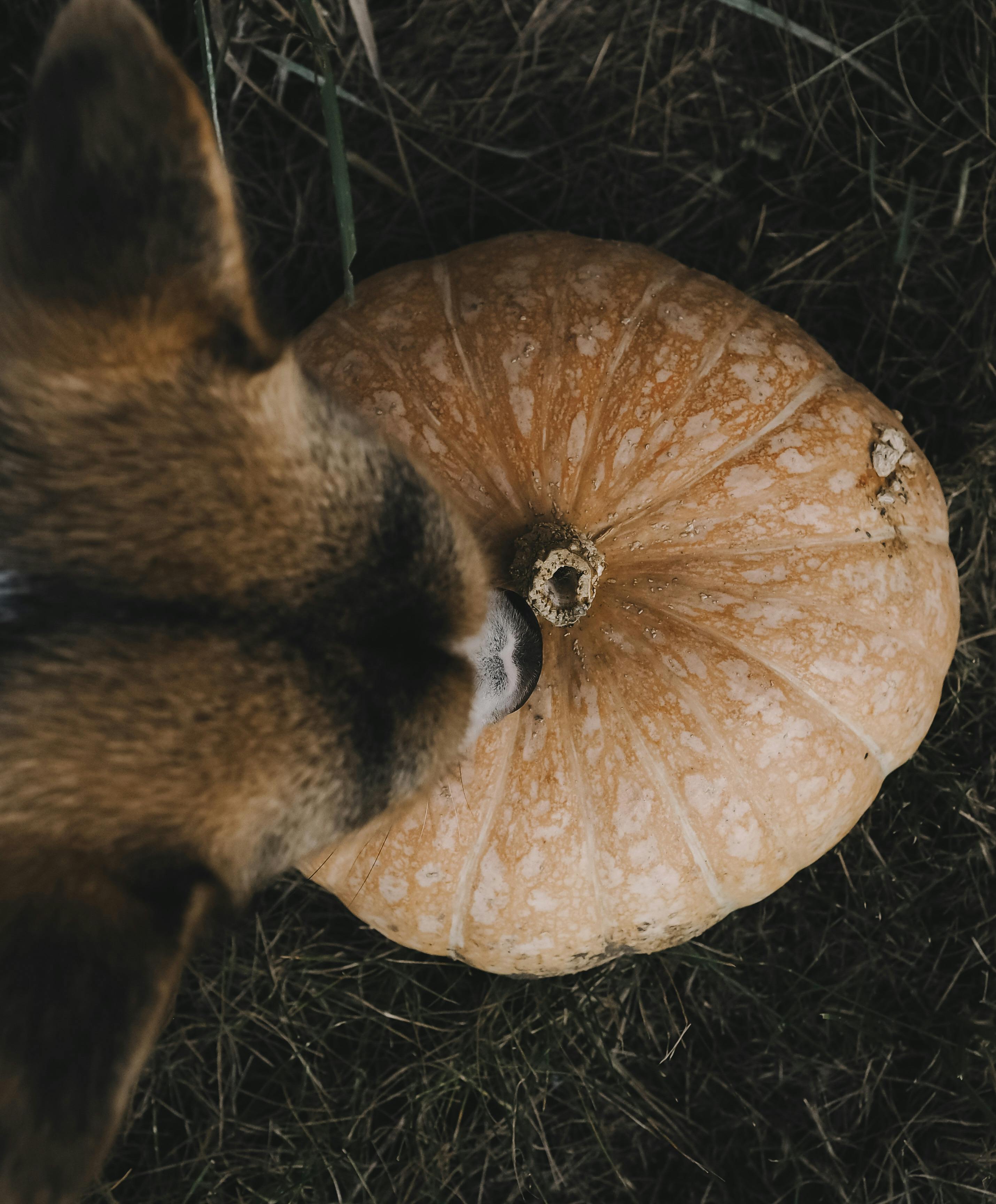
Curious Canines: How a Wet Nose Enhances Your Dog’s Sense of Smell, Why Do Dogs Have Wet Noses? Discover the Fascinating Reasons!
Ever wondered why dogs have wet noses? If you have, you’re not alone. Many pet owners and animal lovers alike have pondered this curious feature of canine physiology. Wet noses are not just adorable; they serve important functions that contribute to a dog’s incredible sense of smell. Understanding this can deepen your appreciation for your furry friend and even help you care for them better. So let’s dive into the fascinating world of dog noses!
The Anatomy of a Dog’s Nose
Dogs have a really unique nose structure that plays a key role in their ability to smell. Here’s what makes it special:
- Nasal Cavity: The nasal cavity of a dog is much larger than that of humans, giving them an enhanced ability to detect scents.
- Olfactory Receptors: Dogs have an estimated 300 million olfactory receptors compared to a human’s 5 million. This means they can smell things that are practically invisible to us.
- Vomeronasal Organ: Also known as Jacobson’s organ, it helps dogs detect pheromones, which are chemical signals that convey information about other animals.
Why Are Dog Noses Wet?
So, why do dogs have wet noses? The moisture on a dog’s nose plays several crucial roles:
- Enhanced Smell: A wet nose helps trap scent particles from the air. The moisture allows these particles to stick better, making it easier for dogs to pick up smells.
- Temperature Regulation: Dogs don’t sweat like humans do. Their wet noses help cool them down. When a dog pants, the moisture evaporates from the nose, helping regulate their body temperature.
- Health Indicator: The state of a dog’s nose can indicate its health. A wet, cool nose usually means your dog is healthy, while a dry, warm nose might suggest illness or dehydration.
The Science Behind Canine Smell
Dogs are often referred to as “man’s best friend,” not just for companionship but also because of their extraordinary capabilities. Here’s a comparison to help illustrate just how much more sensitive a dog’s sense of smell is than ours:
- Scent Detection:
- Humans: 1 part per trillion
- Dogs: 1 part per billion
- Olfactory Memory:
- Humans: Limited, often forget scents quickly
- Dogs: Long-lasting, can remember scents for years
This remarkable ability to smell can be attributed to their evolutionary history. Dogs have been domesticated for thousands of years, and their keen sense of smell has been utilized in various tasks, including hunting, search and rescue, and even medical detection.
Fun Facts About Dog Noses
Here are some interesting tidbits about dog noses that might surprise you:
- Unique Nose Prints: Just like human fingerprints, every dog has a unique nose print. This means that you could potentially identify a dog by its nose alone.
- Color Variations: The color of a dog’s nose can vary widely between breeds and can change with age or health. A black nose is common in many breeds, while some dogs may have pink or spotted noses.
- Nose Temperature: The temperature of a dog’s nose can indicate health. A cold, wet nose is usually a sign of a healthy pup, while a warm, dry nose may require a vet’s attention.
Caring for Your Dog’s Nose
Taking care of your dog’s nose is important for their overall health. Here’s a simple list of tips:
- Hydration: Ensure your dog stays well-hydrated, as a dry nose can indicate dehydration.
- Regular Check-ups: Regular veterinary visits can help catch any potential issues with your dog’s nose or overall health.
- Protect from Extreme Weather: In cold weather, consider using a nose balm to prevent cracking or dryness.
Conclusion
In summary, the wet nose of your dog is not just a charming feature; it plays a vital role in their sense of smell and overall health. Understanding why dogs have wet noses can help you appreciate these marvelous animals even more. So next time you give your dog a scratch behind the ears, take a moment to admire that wet, wonderful nose and all the science behind it!
The Evolutionary Advantage: Why Did Dogs Develop Wet Noses in the First Place?

Dogs, known as man’s best friend, have charmed humans for thousands of years. However, there’s more to these furry companions than just loyalty and playful antics. One of the most intriguing aspects of dogs is their wet noses. You might have asked yourself, “Why do dogs have wet noses?” Well, let’s dive into the evolutionary advantage behind this unique feature and explore some fascinating reasons why it matters.
The Evolutionary Advantage
The wet nose of a dog isn’t just cute; it serves several critical functions that have evolved over time. Research shows that early canines likely developed moist noses for several reasons:
Enhanced Smell: A wet nose helps to trap scent particles in the air. This makes it easier for dogs to smell things in their environment. Dogs have an extraordinary sense of smell, estimated to be between 10,000 to 100,000 times more sensitive than that of humans. A wet nose aids this ability, allowing them to identify scents, track prey, and recognize other animals.
Regulation of Body Temperature: Dogs do not sweat like humans. Instead, they primarily regulate their body temperature through panting. The moisture on their noses can also help cool them down in hot weather. When heat evaporates from the nose, it provides a slight cooling effect.
Health Indicator: A dog’s nose can be an indicator of health. Typically, a wet nose suggests a healthy dog, while a dry or cracked nose may indicate dehydration or illness. Owners often check their dog’s nose as part of their regular health assessments.
Historical Context
The wet nose trait likely developed over thousands of years of domestication. Early humans recognized the importance of scent in hunting and tracking, so breeding dogs with superior olfactory abilities became essential. Over time, the dogs’ wet noses became a standard characteristic.
Ancient Breeds: Breeds like the Bloodhound, known for their incredible sense of smell, have wet noses as a result of selective breeding. This characteristic was key in developing their tracking abilities, which were crucial for hunting and locating lost individuals.
Environmental Adaptations: Different breeds adapted to various environments, yet the wet nose remained a common trait. Whether in the cold climate of Siberia or the heat of the Sahara, a wet nose helps dogs stay connected to their surroundings.
Why Dogs Have Wet Noses: A Closer Look
Let’s break it down further. The wetness of a dog’s nose is not just random; it’s a product of biology and behavior.
Mucus Production: Dogs have specialized glands in their noses that produce mucus. This moisture helps capture scent particles and can also protect the sensitive tissues in their noses.
Licking Behavior: Dogs often lick their noses, which keeps them moist. This behavior is instinctual. When they lick their noses, they may also be tasting the scents they pick up, further enhancing their ability to process information about their environment.
Nose Variations: Interestingly, not all dogs have the same nose moisture. Breeds like Bulldogs or Pugs, with their shorter snouts, may have different moisture levels compared to longer-nosed breeds. However, the basic function remains the same.
Fascinating Facts about Dogs’ Noses
Dogs can smell diseases: Some studies show that dogs can detect certain diseases, including cancer and diabetes, through their sense of smell. Their wet noses play a crucial role in this ability.
Nasal Patterns: Each dog’s nose has a unique pattern, similar to human fingerprints. This means that just like humans, each dog can be identified by its nose.
Temperature Sensitivity: A dog’s nose is also sensitive to temperature changes. They can sense heat from other animals or even from the ground, which aids in hunting.
Social Signals: Dogs use their noses to communicate. A wet nose is often a sign of a relaxed and happy dog. A dog might greet another with a sniff, which can be a friendly gesture.
Understanding why dogs have wet noses gives us insight into their biology and behavior. It’s not just an adorable feature; it’s a crucial part of what makes dogs such remarkable companions. As you watch your furry friend wagging their tail, remember that their wet nose is more than just a cute quirk—it’s a key to their survival and communication. Embracing these fascinating aspects of dogs enriches our bond with them and allows us to appreciate their unique place in our lives.
Wet Noses and Temperature Regulation: How Dogs Stay Cool with Their Unique Anatomy

Dogs are known for their adorable wet noses, but have you ever stop to think about why they are like that? Wet noses are not just a cute feature; they play a crucial role in how dogs regulate their body temperature and gather information about their surroundings. Understanding this unique anatomy is fascinating and shows just how remarkable canines really are.
The Anatomy of a Dog’s Nose
A dog’s nose is made up of a complex structure of tissues and glands. The outer layer is moist, and this moisture is crucial for a few reasons.
- Moisture Glands: Dogs have special glands in their noses that keep it wet. This moisture helps to enhance their sense of smell.
- Temperature Regulation: The wetness on the nose helps dogs cool down. When they pant, the moisture evaporates and helps to lower their body temperature.
- Sensory Function: The wet surface picks up scents better. Dogs have a keen sense of smell, and a wet nose can detect scents more effectively than a dry one.
Why Do Dogs Have Wet Noses?
So, what’s the deal with the wetness? There are several reasons why dogs have wet noses, and they’re not just for show.
- Enhanced Smell: A wet nose helps trap scent particles in the air. The more moisture, the better they can smell.
- Cooling Mechanism: Dogs don’t sweat like humans. Instead, they rely on panting and their wet noses to help regulate their temperatures.
- Health Indicator: A dog’s nose can be a good indicator of its health. A cold, wet nose is often a sign of a happy, healthy pup, while a dry, warm nose can indicate illness.
The Science Behind Temperature Regulation
Dogs have a unique way of regulating their body temperature. Unlike humans, they don’t sweat through their skin. Instead, they rely on a few methods.
- Panting: When dogs pant, they take in air and evaporate moisture from their tongues and noses. This process cools them down.
- Wet Nose: The moisture on their noses helps cool their blood flow. When the blood vessels in the nose dilate, it helps to dissipate heat.
- Behavioral Changes: Dogs will often seek shade or lie on cool surfaces to help regulate their body temperature.
Fun Facts About Dogs’ Noses
- Unique Patterns: Just like human fingerprints, each dog’s nose print is unique. This can even be used for identification!
- Dogs Can Smell Emotions: Studies show that dogs can pick up on human emotions through scent. They can detect stress and fear through chemical changes in sweat.
- Sense of Smell: A dog’s sense of smell is estimated to be between 10,000 to 100,000 times more sensitive than humans!
How to Keep Your Dog’s Nose Healthy
Maintaining a healthy nose is important for your dog’s overall well-being. Here are some tips:
- Hydration: Keep your dog well-hydrated, especially during hot weather.
- Regular Check-ups: Regular vet visits can help identify any issues with your dog’s nose.
- Avoid Irritants: Be cautious of household cleaners or scents that may irritate your dog’s nose.
Comparing Dry vs Wet Noses: What’s Normal?
There’s a common belief that a dog’s nose should always be wet, but this isn’t always true. Here’s a quick comparison:
- Wet Nose: Typically indicates a healthy dog. They are often alert and interactive.
- Dry Nose: Can be normal, especially after sleeping. However, if it’s persistently dry and hot, it could indicate health issues.
Regular Nose Care
Taking care of your dog’s nose can be simple. Here are some steps you can take:
- Wipe Down: If your dog gets muddy or dirty, wipe their nose with a damp cloth.
- Monitor Temperature: Keep an eye on your dog in hot weather. If they seem overheated, provide water and shade immediately.
- Observe Changes: Look for any cracks, sores, or discoloration on the nose. If you see any of these signs, consult your veterinarian.
Understanding why dogs have wet noses and how they use them to regulate their temperatures offers a glimpse into the remarkable world of canine anatomy. It’s not just about the cuteness factor; it’s about their health and well-being. Next time you see a dog with a wet nose, you can appreciate not only its charm but also the incredible biology behind it.
Top 7 Myths About Wet Dog Noses Debunked: What You Really Need to Know
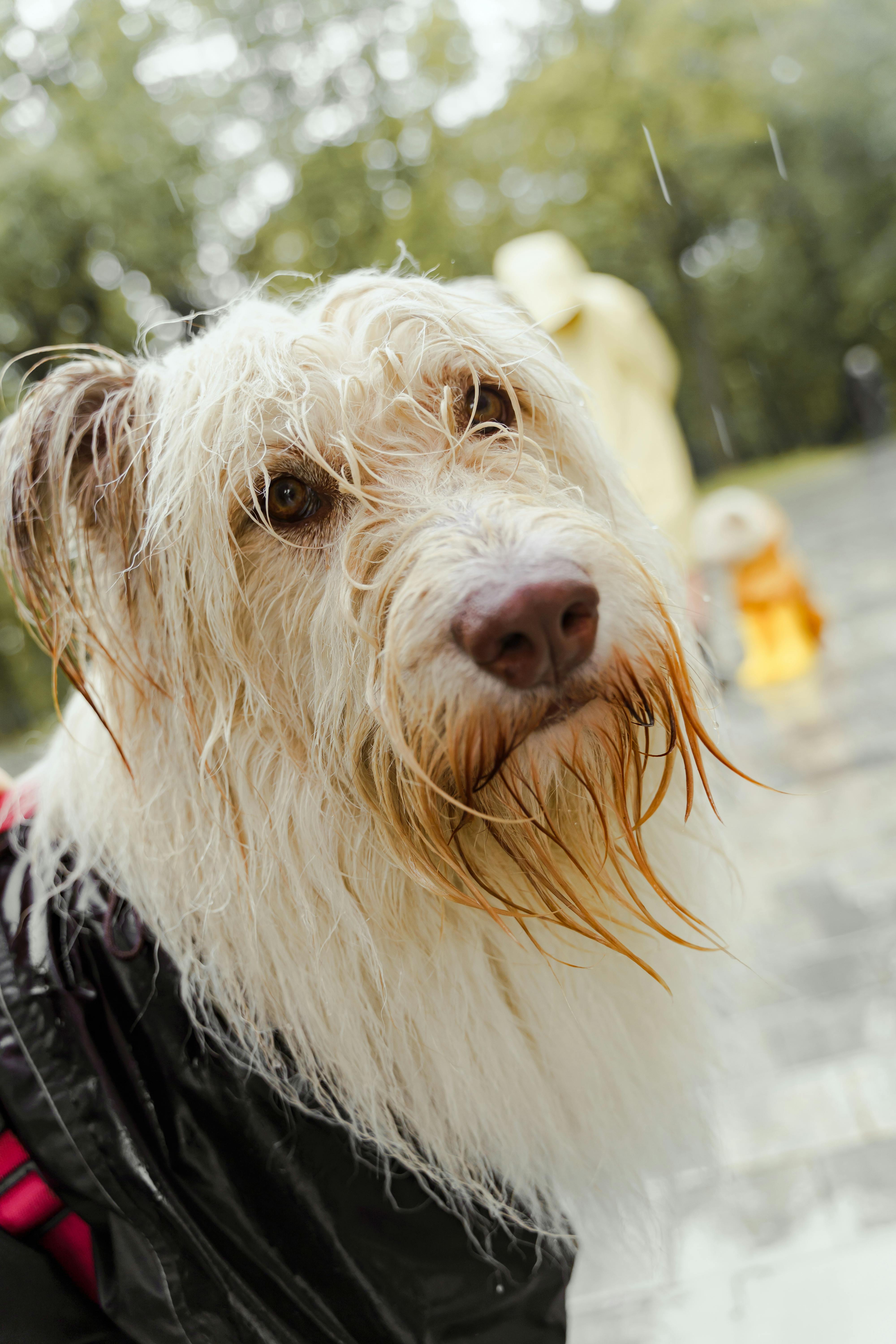
Ever wonder why your furry friend’s nose is always wet? It’s a common question among dog owners, and there’s a lot of myths floating around about wet dog noses. Let’s dive into the top 7 myths about wet dog noses and uncover the truth behind them. You might be surprised!
Myth 1: Wet Noses Means a Dog is Healthy
Many people think that if a dog has a wet nose, it’s a sign of good health. But that’s not always true! While a wet nose can indicate that a dog is well hydrated or not sick, it does not necessarily mean they are healthy. Just like humans, dogs can have various health issues that don’t always show up on the surface.
Myth 2: Dogs’ Noses are Wet Because of Licking
Another common belief is that dogs have wet noses simply because they lick them. While it is true that dogs do lick their noses, the moisture on their noses comes from other sources too. Dogs produce a thin layer of mucus which helps them smell better. This mucus helps to trap scent particles in the air, so a wet nose can actually enhance their sense of smell!
Myth 3: All Dogs Have Wet Noses
Not all dogs have wet noses, and this can vary depending on breed, health, and environment. Some breeds, like Bulldogs and Pugs, might have drier noses due to their facial structure. Environmental factors also play a role; dry air can lead to a dry nose. So, if you notice your dog’s nose is dry, it doesn’t necessarily mean they are sick.
Myth 4: A Dog’s Nose Changes Color When They’re Sick
Some dog owners believe that a change in the color of their dog’s nose is an indicator of illness. While certain illnesses can cause a change in nose color, it’s not a reliable sign. Factors such as temperature or even sun exposure can lead to color changes. It’s always best to consult with a veterinarian for a proper diagnosis rather than relying solely on nose color.
Myth 5: Wet Noses Help Dogs Cool Down
You might think that wet noses help dogs cool down, similar to how sweating works for humans. But that’s a myth! Dogs primarily regulate their body temperature through panting. Their noses are not designed for cooling, but rather for enhancing their sense of smell. So, if you see your pup with a wet nose, don’t assume they’re too hot.
Myth 6: Dogs Have Wet Noses Because They’re Always Near Water
While dogs love playing in water, their wet noses are not a result of splashing around. Wet noses are due to a combination of natural body functions and environmental factors. Sure, if they just jumped into a pool, their nose might be wetter, but it’s not the primary reason why they have wet noses.
Myth 7: You Should Worry if Your Dog’s Nose is Dry
Many dog owners panic if their dog’s nose feels dry, thinking it’s a sign of dehydration or illness. However, a dry nose can be completely normal depending on the time of day, weather, and activity level of the dog. Dogs tend to have wetter noses in the morning and drier noses in the afternoon. It’s important to observe other signs of illness, rather than focusing solely on nose moisture.
Why Do Dogs Have Wet Noses?
So, why do dogs have wet noses? Here’s a quick rundown of reasons:
- Enhanced Smell: The moisture helps to absorb scent particles, making it easier for dogs to detect smells.
- Thermoregulation: While not a main cooling mechanism, some moisture can help with temperature regulation.
- Communication: Dogs sometimes use their wet noses to communicate, showing affection or curiosity toward humans or other animals.
Practical Tips for Dog Owners:
- Check for Other Symptoms: If your dog’s nose is dry, look for other signs of illness like lethargy or loss of appetite.
- Hydration: Ensure your dog is drinking enough water, especially in hot weather.
- Regular Vet Visits: Keep up with regular check-ups to catch any potential health issues early.
Understanding the facts about wet dog noses can help you take better care of your furry friend. Remember, while a wet nose can be a sign of good health, it’s not the only indicator. Always consult with a veterinarian if you have concerns about your dog’s well-being. It’s fascinating to learn about the complex reasons behind something as simple as a wet nose!
Why Does My Dog’s Nose Change Color? Understanding Wet Noses and Their Variations

Have you ever noticed that your dog’s nose sometimes seems to change color? It’s one of those quirky things that can make you wonder about your furry friend’s health and well-being. The truth is, there are several reasons why a dog’s nose might look different from time to time. This article will explore the fascinating world of dog noses, including why they are wet, what their color changes might mean, and how you can keep your pup healthy.
Why Do Dogs Have Wet Noses?
Dog noses are interesting for many reasons, but their moisture is one of the most peculiar aspects. You might think it’s just a random feature, but it actually serves some significant purposes. Here’s some of the reasons:
- Temperature Regulation: Dogs don’t sweat like humans do. Instead, they cool down through their noses. The wetness helps to regulate their body temperature.
- Enhanced Smell: A wet nose can absorb scent chemicals better, which allows dogs to smell things more accurately. It’s like having a built-in olfactory enhancer!
- Health Indicator: A wet nose is often a sign of a healthy dog. If your dog’s nose is dry, it might indicate dehydration or other health issues.
The Color of Your Dog’s Nose
Now, let’s get back to the color changes. Dog noses can be black, brown, pink, or even spotted. But why does it change? Here are some common reasons:
- Seasonal Changes: In winter or colder months, some dogs might develop a lighter nose. This can be normal and is often referred to as “snow nose.”
- Allergies: Just like humans, dogs can have allergies that affect their skin, including their noses. If they are exposed to allergens, their nose might change color or texture.
- Injury or Irritation: If a dog gets hurt, the area might become discolored. Keep an eye out for any swelling or unusual behavior.
- Health Conditions: Certain health issues can also cause a change in nose color. For example, autoimmune diseases or infections might lead to discoloration.
What Should You Look For?
If you notice a change in your dog’s nose, it’s important to observe other symptoms. Here’s a short checklist to help you determine if there’s a reason for concern:
- Is your dog’s nose dry or cracked?
- Are there any unusual bumps or sores?
- Is there any discharge or bleeding?
- Is your dog acting differently, like being lethargic or not eating?
Interesting Facts About Dog Noses
Dog noses are not just functional; they are also fascinating! Did you know that:
- Dogs have up to 300 million smell receptors in their noses, while humans have only about 6 million.
- A dog’s sense of smell is 40 times better than ours.
- The texture of a dog’s nose is unique, much like a human fingerprint.
Common Misconceptions
Many people have misconceptions about dog noses. Let’s clear a few things up:
- A warm nose means a sick dog: This is a myth. A dog’s nose temperature can vary widely throughout the day.
- Nose color equals breed: While certain breeds might have specific nose colors, many dogs can have a range of colors regardless of their breed.
- Wet noses are always healthy: While a wet nose is generally a good sign, it’s not the only indicator of health. Always consider other signs and symptoms.
Caring for Your Dog’s Nose
Keeping your dog’s nose healthy is important. Here are some tips:
- Hydration: Make sure your dog always has access to fresh water.
- Regular Vet Checkups: Routine veterinary visits can help catch any potential health issues early.
- Protect from the Sun: Just like humans, dogs can get sunburned. If your dog has a light-colored nose, consider using dog-safe sunscreen when exposed to the sun for long periods.
Understanding why your dog’s nose changes color and remains wet can help you monitor their health. Always consult with a veterinarian if you have concerns, especially if you notice any significant changes. Remember, your dog’s nose is not just an adorable feature; it’s a window into their well-being. Keeping an eye on it ensures your furry friend stays happy and healthy!
The Connection Between Wet Noses and Dog Behavior: What Your Pup Is Trying to Tell You
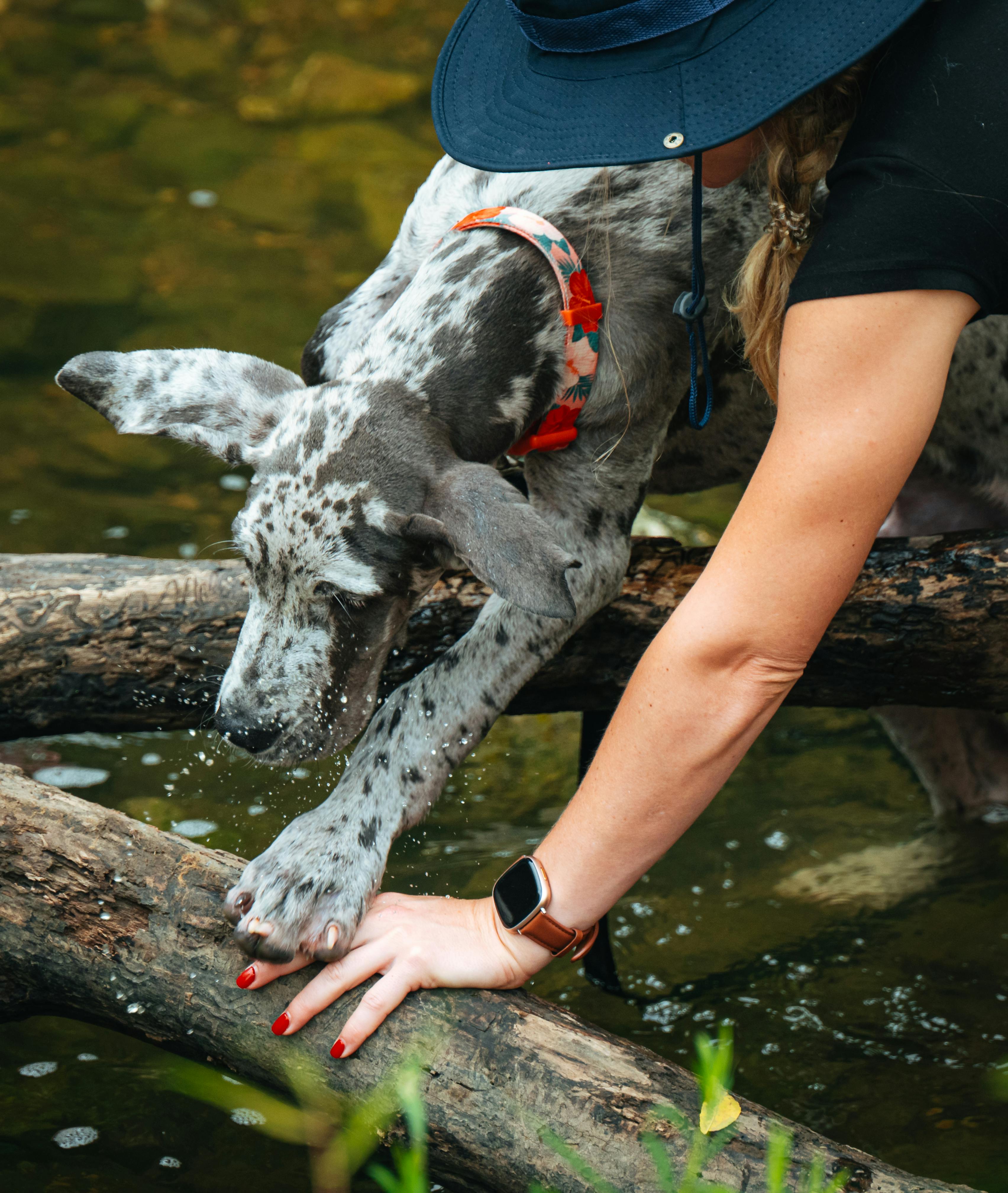
When you look at your dog, one of the first things you probably notice is their wet nose. Ever wonder why it’s so moist? Is it just something cute or does it mean something more? There’s actually a lot going on with that little nose of theirs! Dogs have wet noses for several reasons, and understanding these can help you better connect with your furry friend. So, let’s dive into the fascinating world of dog noses and what they might be trying to tell you.
The Science Behind a Wet Nose
Dogs have wet noses mainly due to the presence of mucus, which helps them in sense of smell. A wet nose can actually enhance their ability to detect scents. Here’s how:
- Scent Absorption: Moisture on the surface of the nose helps to capture scent particles in the air. This makes it easier for dogs to pick up on smells.
- Temperature Regulation: Dogs sweat through their noses! The wetness helps to cool down their body temperature, especially after a long walk or play session.
- Health Indicator: A wet nose can sometimes indicate that a dog is healthy. However, if a dog’s nose becomes excessively dry, it might be a sign of illness.
What Your Pup Is Trying to Tell You
Dogs communicate in many ways, and their noses are a big part of that language. A wet nose can mean a few different things depending on the context. Here are some scenarios:
- Excitement: When your dog is happy or excited, their nose may become wetter. This is often seen when they greet you after you’ve been away.
- Curiosity: If your dog is sniffing around a new place, their nose will likely be wet. They’re trying to learn more about their environment.
- Comfort: A wet nose can mean your dog is relaxed and comfortable. If they’re lying down with their nose resting on something, it’s a good sign they feel secure.
Historical Context of Dog Noses
Did you know that the wet nose is actually a trait that has developed over thousands of years? Early domesticated dogs likely had wet noses because they needed to hunt and find food. Here’s a brief timeline of how dog noses have evolved:
- Ancient Times: Early hunting dogs used their wet noses to track scents in the wild. This aided their survival.
- Middle Ages: Dogs were bred for specific traits, including scent detection. Wet noses became associated with certain breeds.
- Modern Era: Today, wet noses are seen as a sign of a healthy dog, reinforcing their importance in dog care.
Differences Between Dog Breeds
Not all dogs have the same kind of wet nose! Here’s a quick comparison of how different breeds might vary:
- Hound Breeds: Such as Beagles or Bloodhounds, often have very wet noses, enhancing their tracking abilities.
- Toy Breeds: Like Chihuahuas or Pomeranians, may have drier noses, often due to their smaller size and less active lifestyles.
- Working Breeds: Breeds like German Shepherds or Labrador Retrievers usually have wet noses, as they’re often active and working.
Practical Tips for Nose Care
Taking care of your dog’s nose can help maintain its health. Here are some tips:
- Hydration: Make sure your dog has constant access to clean water. This can help keep their nose moist.
- Temperature Awareness: Be mindful of extreme temperatures. A dog’s nose can become dry if they’re exposed to heat for too long.
- Regular Check-ups: Routine veterinary visits can help identify any potential health issues related to the nose.
Fun Facts About Dog Noses
- Unique Patterns: Just like human fingerprints, every dog’s nose print is unique.
- Sense of Smell: Dogs have up to 300 million smell receptors in their noses, compared to a human’s 6 million.
- Communication Tool: A dog’s nose can also tell them about other dogs’ health and mood through scent.
Understanding your dog’s nose and its significance can strengthen the bond you share. Their wet nose is not just a quirky feature; it plays a vital role in communication, health, and behavior. So next time you see that moist little nose, remember the fascinating reasons behind it! Whether it’s conveying excitement, curiosity, or just signaling that they’re feeling good, your pup’s wet nose is a window into their world.
How to Care for Your Dog’s Nose: Ensuring Optimal Health for a Wet, Happy Snout
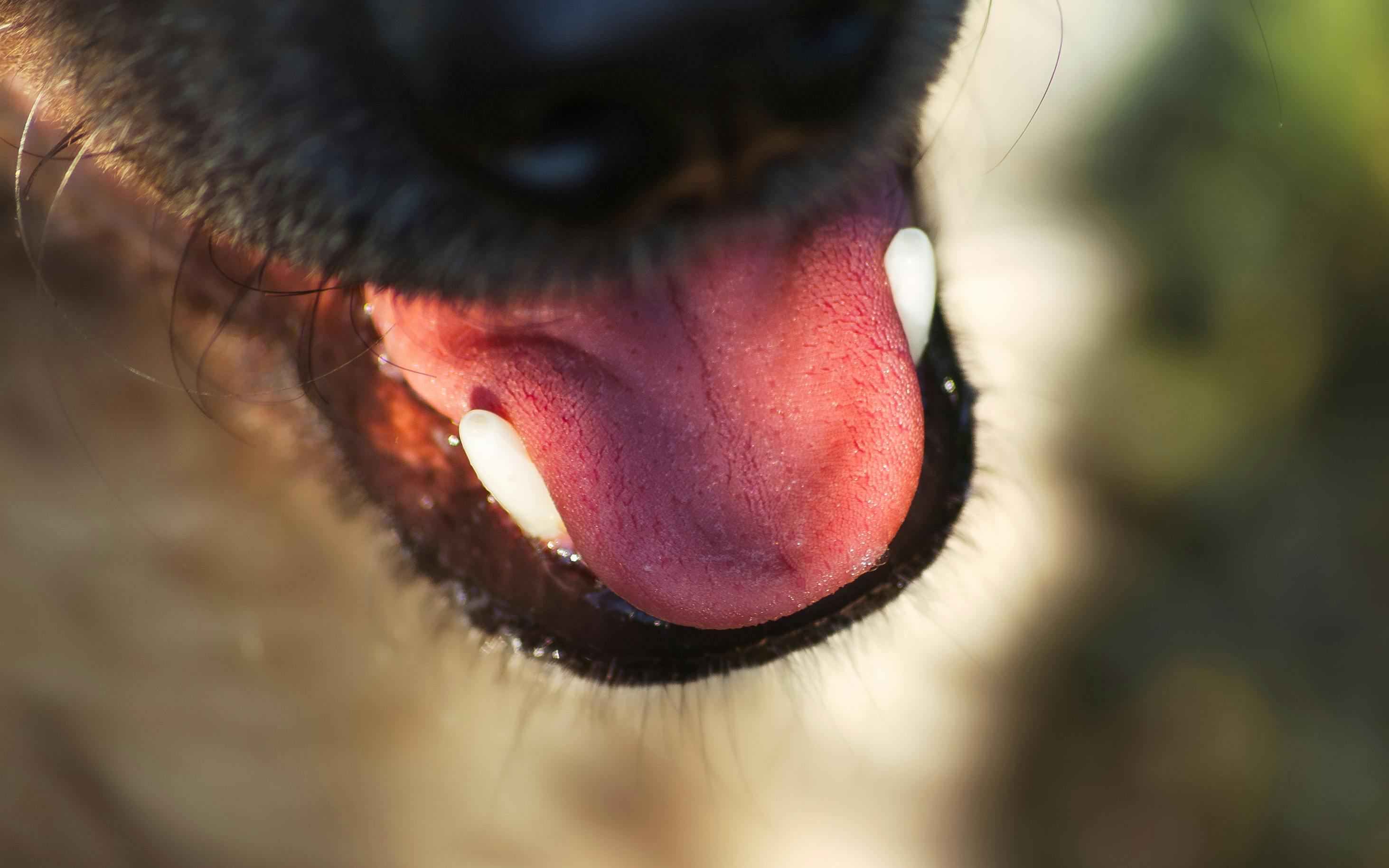
When you think about your furry friend, you probably picture their wagging tails, playful antics, and those irresistible puppy eyes. But have you ever stopped to wonder about their noses? If you have, you’re not alone. Many dog owners often ask, “Why do dogs have wet noses?” and “How can I care for my dog’s nose?” Understanding the science and care behind a dog’s snout is crucial for ensuring their overall health and happiness.
Why Do Dogs Have Wet Noses?
Dogs’ noses are not just for show. They serve several important purposes. The moisture on a dog’s nose helps to enhance their sense of smell. Here’s how it works:
Olfactory Function: A wet nose helps trap scent particles in the air, allowing dogs to detect smells better than humans can. This is why they can sniff out treats or even find lost items easily.
Temperature Regulation: Dogs don’t sweat like humans do. Instead, the moisture on their noses helps to cool them down. This is especially important during hot weather.
Health Indicator: A dog’s nose can indicate their health status. A wet, cool nose is usually a sign of a healthy dog, while a dry or warm nose might suggest they are sick or dehydrated.
Communication: Dogs often use their noses to communicate with other dogs. A sniff in the right place can tell them a lot about another dog’s health or mood.
How to Care for Your Dog’s Nose
Caring for your dog’s nose is essential for ensuring they stay healthy and happy. Here are some key tips:
Regular Cleaning: Just like we brush our teeth, dogs’ noses can benefit from cleaning. Use a damp cloth to wipe their noses gently. This can help remove dirt and prevent infections.
Hydration is Key: Make sure your dog is drinking plenty of water. Dehydration can lead to a dry nose. Always have fresh water accessible.
Watch for Cracks: If you notice cracks or dryness on your dog’s nose, it might be time to consult with a vet. Sometimes, it could be a simple case of dryness, but it can also signal underlying health issues.
Protect from the Sun: Dogs can get sunburned, especially those with light-colored noses. Use pet-friendly sunscreen if your dog will be outside for extended periods.
Be Aware of Allergies: Just like humans, dogs can have allergies. If your dog’s nose suddenly becomes dry or irritated, it could be due to an allergic reaction to something in their environment.
Common Nose Conditions in Dogs
It’s important to recognize that not all nose conditions are normal. Here’s a quick list of common issues:
Nasal Dermatitis: This causes inflammation and irritation of the skin on the nose. It can be due to allergies or contact with irritants.
Nasal Tumors: Though less common, tumors can develop on a dog’s nose. These can be benign or malignant and require veterinary attention.
Infections: Bacterial or fungal infections can affect a dog’s nose. Symptoms often include excessive discharge or swelling.
Frostbite: During cold weather, dogs can suffer from frostbite on their noses. Signs include discoloration or swelling.
The Fascinating Science Behind Dog Noses
Dogs have an extraordinary sense of smell, estimated to be anywhere from 10,000 to 100,000 times more acute than humans. This is largely due to the structure of their noses, which contain:
Olfactory Receptors: Dogs have around 300 million olfactory receptors compared to a human’s 5 million.
Vomeronasal Organ: This organ helps dogs detect pheromones, which are important for communication with other dogs.
Nasal Turbinates: These are structures in the nasal cavity that help to filter and warm the air, allowing for better scent detection.
Fun Facts About Dogs’ Noses
Unique Patterns: Just like human fingerprints, a dog’s nose print is unique to each individual. This means they can be used for identification!
Color Changes: A dog’s nose can change color due to seasonal changes, health issues, or even age.
Sniffing Techniques: Dogs have different sniffing techniques, like the “double sniff,” where they take one sniff and then follow up with another to gain more information.
Dogs are incredible creatures, and their noses are a key part of what makes them so special. By understanding why dogs have wet noses and how to care for them, you can help ensure your furry friend stays happy and healthy. Always keep an eye on their snout and consult your veterinarian if you notice any changes.
Conclusion
In conclusion, the wet noses of dogs serve several essential purposes that contribute to their overall health and well-being. Primarily, a moist nose enhances their sense of smell, allowing them to gather information about their environment more effectively. The secretion of mucus helps to trap scent particles, making them more accessible to their olfactory receptors. Additionally, the moisture on a dog’s nose plays a role in temperature regulation, helping them cool down. Notably, a wet nose is often a sign of a healthy dog, while a dry nose may indicate dehydration or illness. By understanding the significance of this unique characteristic, dog owners can better appreciate their furry friends’ biology and needs. So next time you give your dog a gentle pat on the head, take a moment to admire that wet nose and remember its vital role in their everyday life. Stay informed and attentive to your pet’s health for a happy, vibrant companionship!
