Have you ever wondered, why do dogs have wet noses? This intriguing question sparks curiosity among pet owners and animal lovers alike! Wet noses in dogs aren’t just an adorable trait; they serve several fascinating purposes that can enhance our understanding of canine behavior. Did you know that a dog’s nose is not only a thermometer but also a sophisticated tool for scent detection? That’s right! The moisture on their snouts helps to capture scent particles, making your furry friend an expert sniffer. In this article, we will explore the scientific reasons behind this unique characteristic, uncovering how it relates to a dog’s health and communication. Moreover, we will discuss how environmental factors, like humidity and temperature, play a role in keeping those noses moist! So, if you’ve ever asked yourself, “Why is my dog’s nose wet?” or “Does a wet nose mean my dog is healthy?” keep reading! You’re about to discover a world of fascinating facts that will deepen your bond with your canine companion. Let’s dive into the amazing world of dog noses and unveil the secrets behind this endearing quality!
The Science Behind a Dog's Wet Nose: What Does It Mean for Their Health?

Have you ever wonder why your dog’s nose is always wet? It’s not just an adorable trait, there’s a science behind it! A dog’s wet nose is actually an important part of their overall health and wellbeing. Let's explore the fascinating reasons why dogs have wet noses and what it means for their health.
The Purpose of a Dog's Wet Nose
Dog’s noses are wet for a couple of reasons. Firstly, the moisture helps with their sense of smell. Dogs have an incredible sense of smell, which is estimated to be 10,000 to 100,000 times more sensitive than humans. When their noses are wet, they can capture scent particles better. Here’s how:
- Enhanced Scent Detection: Moisture traps scent particles, allowing dogs to sniff out a wider range of smells.
- Cooling Mechanism: Just like humans sweat to cool down, dogs use their noses. The evaporation of moisture helps regulate their body temperature.
- Health Indicator: A wet nose usually indicates hydration and good health. If your dog’s nose is dry, it could signal an underlying health issue.
A Bit of History
The wet nose phenomenon isn't just about modern dogs. Historical evidence suggests that ancestors of dogs had similar characteristics. Early canines relied on their sense of smell for hunting and survival, which could explain why wet noses developed as a trait for optimal health.
- Evolution: As dogs evolved from wolves, those with wetter noses might have had a better survival rate due to improved scent detection.
- Breeding Practices: Human breeding has favored certain traits, but the wet nose has remained crucial for many breeds.
Why Do Dogs Have Wet Noses? The Science Explained
There’s a lot of fascinating science behind why dogs have such wet noses. Here’s a breakdown of the key points:
- Mucous Membrane: The surface of a dog’s nose is covered in a mucous membrane that keeps it moist. This membrane is similar to the lining in our sinuses.
- Temperature Regulation: Dogs sweat minimally through their paws, so having a wet nose helps in thermoregulation. It’s a natural way for them to cool down.
- Health Monitoring: Vets often check a dog’s nose as one indicator of their health. A sudden change from wet to dry can indicate fever, dehydration, or illness.
What Does a Wet Nose Mean for Their Health?
Here are some key health indicators related to a dog's nose:
- Wet and Cool: Generally indicates a healthy, hydrated dog.
- Dry and Warm: May suggest dehydration or fever.
- Cracked or Bleeding: Could indicate a more serious health issue that requires immediate veterinarian attention.
- Excessive Nasal Discharge: Could be a sign of allergies, infections, or other health problems.
Practical Examples of Nose Variations
Not all dogs have noses that stay consistently wet. Factors like breed, environment, and health can influence this. Here’s a quick comparison:
| Dog Breed | Typical Nose Condition |
|---|---|
| Labrador Retriever | Usually wet and cool |
| Bulldog | Often dry, especially in warm weather |
| Siberian Husky | Can vary, but typically moist |
| Chihuahua | Tends to be drier |
Common Misconceptions About Dog Noses
There are plenty of myths surrounding dog noses. Here’s a few to clear up:
- Myth: A warm nose means a sick dog.
- Fact: Temperature can vary for many reasons, including activity level.
- Myth: All dogs have wet noses.
- Fact: Some breeds naturally have drier noses due to genetics.
- Myth: A dry nose means dehydration.
- Fact: A dog’s nose can dry out for several reasons, including weather conditions.
Tips for Dog Owners
Here’s some practical tips to keep your dog’s nose healthy:
- Hydration: Always ensure your dog has access to fresh water.
- Cool Environment: During hot weather, provide shade and cooling options.
- Regular Vet Check-ups: Regular visits can help catch any health issues early on.
Understanding the science behind your dog’s wet nose can enhance your relationship with your furry friend. It’s not just a cute characteristic, but an essential part of their health and well-being. Keep an eye on the condition of their nose, and remember that every wet nose tells a story about their health!
5 Fascinating Facts About Why Dogs Have Wet Noses That Every Owner Should Know
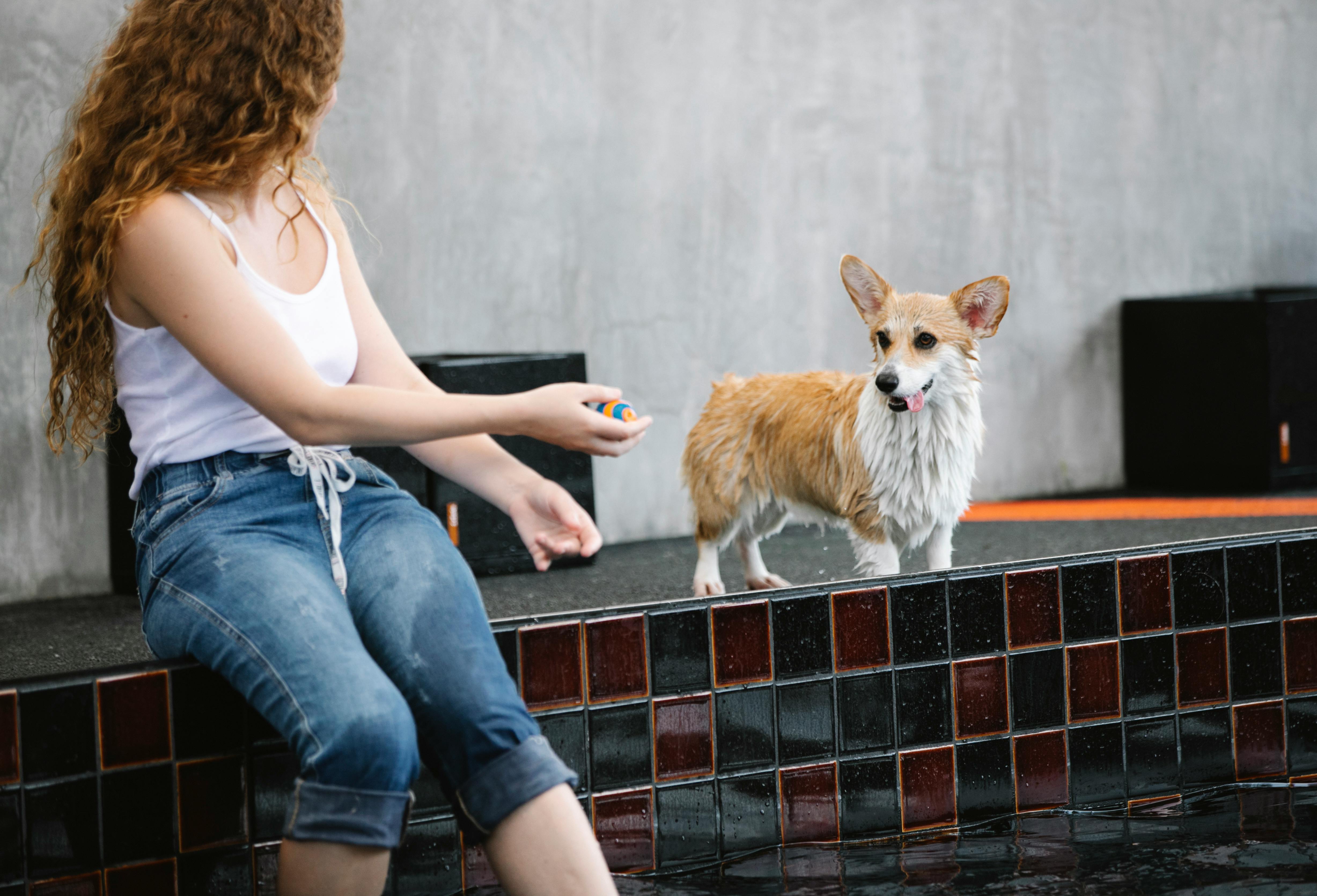
Dogs are often considered man's best friend, and many owners finds joy in their furry companions. One of the most curious things about dogs is their wet noses. Have you ever wondered why do dogs have wet noses? It's not just a random quirk; there are some fascinating reasons behind it. Let's explore five intriguing facts that every dog owner should know!
1. Sense of Smell Enhancement
Dogs have an incredible sense of smell, which is estimated to be between 10,000 to 100,000 times more sensitive than that of humans. Their wet noses plays a crucial role in this. The moisture on a dog's nose helps to capture scent particles from the air. When these particles mix with the moisture, it allows the dog to better analyze the smells around them.
- Wet noses helps to absorb scent chemicals.
- The moisture increases the surface area of the nose.
- Dogs can track scents much more effectively with a wet nose.
2. Temperature Regulation
Did you know that dogs can't sweat like humans? Instead, they relies on their noses to help regulate their body temperature. When a dog is feeling too warm, they will often lick their noses, which adds moisture. This moisture then evaporates, cooling them down somewhat. It’s a natural way for canines to stay comfortable, especially during hot weather.
- Moisture evaporation cools the dog’s body.
- Dogs also pant to regulate temperature.
- A proper nose moisture level is a sign of a healthy dog.
3. Communication Tool
Dogs communicate in various ways, and their noses is no exception. A wet nose can be a sign of eagerness or excitement. When dogs meet each other, they often sniff each other’s noses as a greeting. The wetness of the nose also indicates that the dog is healthy and hydrated. An excessively dry nose might suggest dehydration or health issues, and owners should pay attention to these signals.
- Sniffing is a form of greeting and social interaction.
- Wet noses can indicate excitement or happiness.
- Changes in nose moisture can signal health concerns.
4. Evolutionary Advantage
Over time, dogs evolved from their wild ancestors, who utilized their noses for survival. The wetness of a dog's nose might have provided an evolutionary advantage in hunting. A wet nose can help them track prey more effectively, as it better captures scents in their environment. This adaptive trait has been beneficial for dogs throughout history.
- Wet noses aid in hunting and tracking.
- Evolution favored dogs with better scent abilities.
- This trait has been passed down through generations.
5. Health Indicator
A dog's nose can tell you a lot about their health. Generally, a healthy dog's nose should be moist and cool to the touch. If the nose becomes excessively dry, cracked, or warm, it might indicate a health problem, such as fever or dehydration. Regularly checking your dog’s nose can help in detecting potential issues before they become serious.
- Healthy noses are moist and cool.
- Dry or warm noses may signal health issues.
- Monitoring your dog’s nose is part of responsible pet ownership.
Quick Facts Summary
Here’s a quick reference list of why dogs have wet noses:
- Enhances sense of smell: Moisture captures scent particles.
- Regulates temperature: Helps cool the dog down.
- Acts as a communication tool: Indicates excitement and health.
- Provides evolutionary advantage: Aids in hunting and tracking.
- Serves as a health indicator: Monitors hydration and overall health.
Many dog owners often overlook the significance of their pet's wet nose, but it plays a vital role in their daily lives. Understanding these facts not only helps owners develop a better bond with their furry friends, but it also aids in recognizing potential health problems. Next time you give your dog a pat, pay attention to that wet nose! It's more than just a cute feature; it’s a complex and fascinating part of what makes dogs such amazing companions. Keeping an eye on your dog’s nose can lead to a healthier and happier relationship between you and your beloved pet.
Is a Wet Nose a Sign of a Healthy Dog? Debunking Common Myths

When you see your furry friend with a wet nose, you might wonder what it means. Is a wet nose a sign of a healthy dog? Many people think so, but there’s more to this phenomenon than meets the eye. Let’s dive into the fascinating world of why dogs have wet noses and debunk some common myths along the way.
What Causes a Dog’s Nose to Be Wet?
Dog noses are often wet due to several factors. Firstly, the moisture can be the result of a dog's natural behavior. Dogs frequently lick their noses, and that saliva can make them appear damp. Here’s a quick rundown of why a dog’s nose might be wet:
- Licking: Dogs lick their noses to keep them clean and to enhance their sense of smell.
- Environmental Factors: Humidity and rain can contribute to a wet nose, as dogs often spend time outdoors.
- Health Indicators: In some cases, a wet nose may indicate hydration levels or even certain health conditions.
Debunking the Myths
Now, let’s talk about some common myths surrounding wet noses. Many people believe that a cold, wet nose is a surefire indication of a healthy dog. But this isn't always true. Here are some myths and the realities behind them:
Myth 1: A Wet Nose Equals Good Health
Reality: While a wet nose can be a sign of hydration, it doesn’t necessarily mean your dog is healthy. Dogs can have dry noses and still be perfectly fine.Myth 2: A Dog’s Nose Should Always Be Wet
Reality: Just like humans, dogs can experience variations in their body condition. A dog’s nose may be drier at different times, especially when they’re sleeping.Myth 3: Only Certain Breeds Have Wet Noses
Reality: Every dog, regardless of breed, can have a wet or dry nose. Factors like age, climate, and health can affect this.
The Science Behind Dog Noses
Dogs have incredibly sensitive noses, and the moisture plays a crucial role in their ability to smell. The wetness helps to capture scent particles in the air, making it easier for dogs to detect different odors. Here’s how it works:
- Scent Detection: The moisture in the nose helps to dissolve scent molecules, allowing olfactory receptors to detect them more effectively.
- Cooling Mechanism: A wet nose can also help dogs cool down, as moisture evaporating from the surface can reduce their body temperature.
Why Do Dogs Lick Their Noses?
Licking is a common behavior among dogs, and it serves several purposes. Here’s why dogs might lick their noses:
- Taste: Dogs may lick their noses to taste the scents they detect, as their sense of taste and smell are closely linked.
- Grooming: Just like cats, dogs groom themselves, and licking their noses is part of that process.
- Communication: Dogs sometimes lick their noses as a calming signal to communicate submission or lower their stress levels.
Fun Facts About Dog Noses
Here are some interesting tidbits about those adorable, wet noses:
- Unique Patterns: Just like human fingerprints, every dog has a unique nose print that can be used for identification.
- Temperature Regulation: Dogs sweat through their paws, but a wet nose can also help regulate their body temperature.
- Nose Size Matters: The size of a dog’s nose can affect its sense of smell; larger noses generally have more olfactory receptors.
When to Be Concerned
While a wet nose is often normal, there are times when it can signify a health issue. Here are some signs to watch for:
- Persistent Dryness: If your dog’s nose is persistently dry and cracked, it could indicate dehydration or a health problem.
- Discharge: Any unusual discharge or change in color may require a vet’s attention.
- Behavior Changes: If your dog is lethargic, not eating, or showing other signs of illness along with a dry nose, it’s time to consult a professional.
Understanding why do dogs have wet noses can enrich your knowledge of canine health and behavior. It’s a complex subject with many factors at play. While a wet nose can be a sign of hydration, it’s essential to consider the whole picture and not just rely on one physical trait. Keeping an eye on overall health, behavior, and other signs will lead to a happier, healthier pup. So, the next time you give your dog a pat and feel that wet nose, remember there’s a lot more going on than you might think!
How Does a Wet Nose Benefit Your Dog’s Sense of Smell? Unraveling the Mystery

Dogs are amazing creatures, and one of the most intriguing features they have is their wet noses. Have you ever wondered, how does a wet nose benefit your dog’s sense of smell? It’s a fascinating question, and it leads us to explore why do dogs have wet noses in the first place. Let’s unravel this mystery together and discover the science behind it!
The Science of a Dog's Nose
A dog’s nose is not just cute; it’s incredibly powerful. Dogs have a sense of smell that is estimated to be anywhere from 10,000 to 100,000 times more sensitive than humans. This ability comes largely from their unique nasal structure and the presence of specialized olfactory receptors. But how does that wetness help?
Moisture Retention: A wet nose helps to keep the olfactory receptors moist, which is crucial for detecting scents. When the receptors are wet, they can absorb more scent particles. This is why you often see dogs sniffing intensely with their noses all wet; they are literally soaking in the smells around them.
Temperature Regulation: Dogs also use their noses as a way to regulate body temperature. Just like sweating helps humans cool down, the moisture on a dog’s nose can aid in thermal regulation. When they pant and their noses remain wet, it helps prevent overheating.
Enhanced Scent Tracking: When a dog hunts or tracks something, having a wet nose makes it easier for them to follow scents over long distances. The moisture helps pick up and hold onto scent particles, making it easier for them to track their prey or find their way back home.
Historical Context on Dog Noses
Historically, dogs have been companions to humans for thousands of years, and their sense of smell has been honed for various purposes. Ancient civilizations utilized dogs for hunting, herding, and even search-and-rescue missions. The evolution of their wet noses has played a significant role in their ability to serve these functions effectively.
Hunting: In ancient times, dogs were bred specifically for their keen sense of smell. Hunters relied on them to find game, and a wet nose was an asset in tracking scents through different terrains.
Companionship: As dogs became household pets, their scenting ability still remained vital. They can smell human emotions, identify familiar scents, and even detect medical conditions like diabetes or seizures through scent.
Why Are Some Dog Noses Dry?
While a wet nose is often a sign of a healthy dog, there are times when a dog’s nose may be dry. This can be caused by various factors:
Dehydration: Just like humans, dogs need water. A dry nose might indicate that your dog is not drinking enough water.
Weather Conditions: Hot or dry weather can cause a dog’s nose to dry out. In contrast, a wet nose can be common in cooler, humid conditions.
Health Issues: Sometimes, a dry nose can indicate an underlying health problem. If a dog’s nose is persistently dry, it is wise to consult a veterinarian to rule out any issues.
Fascinating Facts about Dog Noses
- Dogs have about 300 million olfactory receptors in their noses, compared to about 5 million in humans.
- The part of a dog’s brain that processes smells is 40 times larger than that of humans.
- Dogs can even detect certain cancers and other diseases through their sense of smell.
Practical Tips for Nose Care
To keep your dog’s nose healthy, consider the following tips:
- Hydration: Ensure your dog has access to clean, fresh water at all times.
- Moisturizing: If your dog’s nose appears dry, consider using dog-safe moisturizers designed for noses.
- Routine Check-ups: Regular veterinary visits can help catch any potential health issues early.
Comparison of Dog Breeds and Their Noses
Different dog breeds have varying nose shapes and sizes which can affect their smelling abilities. For example:
- Bloodhounds: Known for their incredible tracking skills, they have long, droopy noses that help in scent absorption.
- Terriers: Smaller noses but can be quick and agile in detecting scents.
- Scent Hounds: Like Beagles, possess a unique structure that enhances their scent-tracking abilities.
In summary, the wet nose of a dog is not just an adorable feature; it serves multiple functions that enhance their incredible sense of smell. Keeping a dog’s nose healthy is important for their overall well-being. So, next time you see your furry friend with a damp nose, you can appreciate the remarkable biology behind it!
7 Reasons Why Your Dog's Nose Is Wet: Understanding Canine Physiology
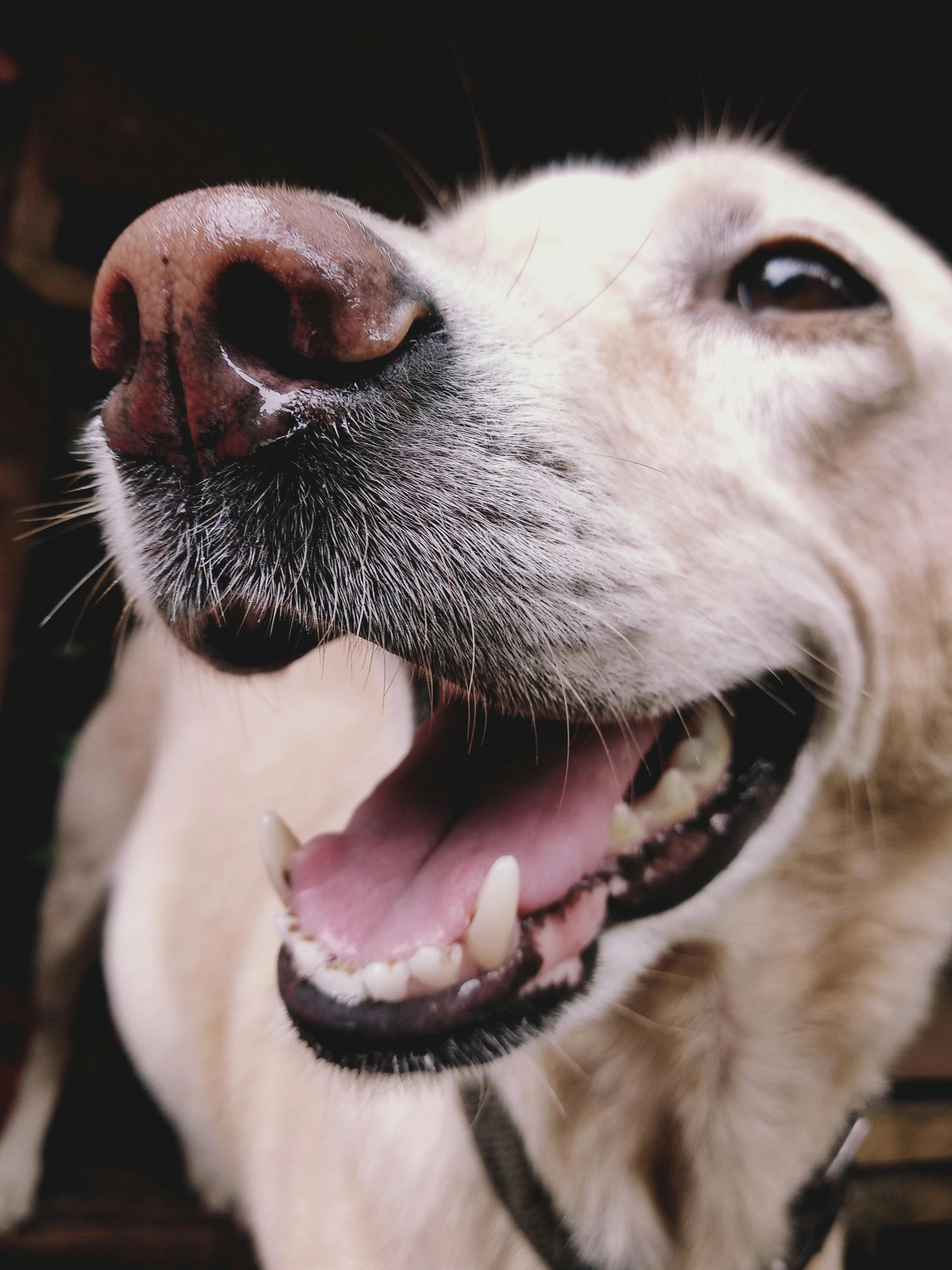
Ever wonder why your dog’s nose is often wet? It’s a curious trait that many pet owners notice but few understand. The wetness of a dog’s nose is not just a cute feature; it plays a crucial role in their overall health and behavior. Let’s explore 7 reasons why your dog’s nose is wet and understand the fascinating physiology behind it.
1. Thermoregulation: Keeping Cool
Dogs, unlike humans, don’t sweat through their skin. Instead, they regulate their body temperature primarily through their noses and panting. A wet nose can help cool them down. When the moisture on their nose evaporates, it cools the blood vessels underneath, helping to lower their body temperature. This is especially important during hot days or after exercise.
2. Enhanced Sense of Smell
A dog’s sense of smell is incredibly powerful. The wetness on their nose helps to capture scent particles from the air. The moisture allows these particles to dissolve, making it easier for dogs to analyze smells through their olfactory receptors. This is why dogs are often seen sniffing around—it's how they gather information about their environment.
3. Communication Tool
Dogs are social animals, and their noses play a role in communication. A wet nose can signal a dog's mood or state of health to other dogs or animals. If a dog approaches with a moist nose, it might indicate that they are feeling friendly or curious. Conversely, if a dog’s nose is dry, it could suggest they are unwell or stressed.
4. Natural Cleaning Mechanism
Dogs often lick their noses, which serves as a way to keep them clean. The moisture from their saliva helps to wash away dirt and debris. This natural cleaning process is vital because a clean nose can better perform its function in detecting scents. Plus, it helps prevent infections that may arise from dirt accumulation.
5. Hydration Indicator
A dog’s nose can sometimes serve as an indicator of their hydration level. Generally, a moist nose suggests that a dog is well-hydrated, while a dry nose might raise concerns. However, many factors can influence this, such as weather, activity level, and health conditions. It's essential to consider the whole picture rather than rely solely on the nose's wetness.
6. Breed Differences
Not all dogs have the same type of nose moisture. Some breeds naturally have drier noses than others. For instance, breeds like the Labrador Retriever typically have a wetter nose, while others, like the Bulldog, might have a dryer one. This variation is due to genetic factors and their individual physiology.
7. Environmental Factors
The environment plays a significant role in a dog's nose moisture. Humidity levels in the air can affect how wet a dog’s nose feels. In humid conditions, noses tend to stay wetter longer, while in dry, arid climates, they may dry out quicker. Seasonal changes can also impact this—hot summers often lead to drier noses, whereas winters can keep them moist.
Quick Reference: Understanding Dog Nose Moisture
Here’s a quick summary of the reasons why dogs have wet noses:
- Thermoregulation: Helps cool down the dog.
- Sense of Smell: Enhances olfactory abilities.
- Communication: Signals mood and health.
- Cleaning Mechanism: Maintains cleanliness of the nose.
- Hydration Indicator: Reflects hydration levels.
- Breed Differences: Varies among different breeds.
- Environmental Factors: Influenced by weather and climate.
Fascinating Facts about Dog Noses
- Dogs have up to 300 million smell receptors, compared to humans’ 5 million.
- The texture of a dog’s nose is unique, much like a human fingerprint.
- A dog's nose can change color due to various reasons, including health issues or exposure to sunlight.
Understanding why dogs have wet noses is just a glimpse into the complex nature of canine physiology. Each reason highlights a critical aspect of their health and well-being. So next time you notice your furry friend’s damp nose, you can appreciate the science behind it! Remember, while a wet nose is usually a sign of a happy and healthy dog, always consult with a veterinarian if you notice any drastic changes in your dog’s health or behavior.
The Role of Nose Moisture in Dog Behavior: What It Tells You About Your Pet

Dogs are among the most beloved pets worldwide, and their behaviors often intrigue their owners. One of the most noticeable features of dogs is their wet noses. You might have wonder, "Why do dogs have wet noses?" It's not just a cute trait; it actually plays a significant role in their behavior and health. Understanding the role of nose moisture in dog behavior can give you fascinating insights about your furry friend.
The Science Behind Wet Noses
Let's dive into what makes a dog's nose so moist. A dog's nose is naturally wet due to a combination of sweat glands and mucus. These secretions help to enhance their sense of smell, which is something dogs are famous for. In fact, a dog's sense of smell is estimated to be 10,000 to 100,000 times more acute than that of humans.
- Moisture and Smell: The wetness helps to trap scent particles, making it easier for dogs to detect various smells in their environment.
- Cooling Mechanism: Just like humans sweat to cool off, dogs use their moist noses to help regulate body temperature.
Why Does Nose Moisture Matter?
Wet noses can tell you a lot about your dog's health and emotional state. Here’s a breakdown of what a wet nose might reveal:
- Healthy Hydration: A moist nose usually indicates that your dog is well-hydrated and in good health.
- Temperature Regulation: Dogs can regulate their body temperature through their nose. If your pet's nose feels excessively dry, it may be a sign of overheating.
- Emotional Responses: When a dog is feeling relaxed and happy, their nose tends to be wet. Conversely, stress or anxiety might lead to a drier nose.
Common Myths About Dog Noses
There are several misconceptions about dog noses that are worth addressing. Here’s a list of some common myths:
Myth 1: A dry nose means a sick dog.
- Fact: While a dry nose can indicate illness, many dogs have dry noses for other reasons like weather or dehydration.
Myth 2: Dogs with wet noses are always healthy.
- Fact: A wet nose does not guarantee good health. Regular vet check-ups are essential.
Myth 3: All dogs have wet noses.
- Fact: Some breeds, like Bulldogs, may have drier noses due to their unique anatomy.
Factors Influencing Nose Moisture
Several factors can affect the moisture level of your dog's nose. It's helpful to recognize these elements as they can inform how you care for your pet.
- Weather Conditions: Humid weather tends to keep noses wetter, while dry or windy conditions can lead to dryness.
- Health Conditions: Certain health issues, like fever or dehydration, can cause changes in nose moisture.
- Age: Older dogs may naturally have drier noses than younger ones.
Practical Tips for Dog Owners
Being attentive to your dog's nose can help you understand their needs better. Here’s some practical advice:
- Regular Checks: Make a habit of checking your dog’s nose daily. Look for changes in moisture or color.
- Hydration: Always ensure your dog has access to fresh water, especially in hot weather.
- Consult Your Vet: If you notice a significant change in your dog's nose moisture or any other symptoms, it's always best to consult a veterinarian.
Comparing Dog Breeds and Nose Moisture
Different dog breeds display varying nose characteristics. Here’s a quick comparison:
| Breed | Typical Nose Moisture | Notes |
|---|---|---|
| Labrador | Usually wet | Very active and social dogs. |
| Bulldog | Often dry | Unique facial structure affects moisture. |
| Beagle | Generally wet | Known for their exceptional sense of smell. |
| Chihuahua | Variable | Can vary greatly based on individual health. |
Final Thoughts
Dogs' wet noses are more than just an adorable feature. They play a crucial role in your dog's health, behavior, and ability to interact with their environment. Understanding why do dogs have wet noses can enrich your relationship with your pet. Whether it's ensuring they're hydrated, recognizing signs of stress, or simply enjoying the quirks of your furry friend, being aware of your dog's nose can provide insight into their overall well-being. So next time you see that wet nose, remember, it’s not just cute—it’s a window into their world!
Why Do Dogs Have Wet Noses? Exploring the Evolutionary Advantages

Have you ever wonder why dogs have wet noses? This might seem like a silly question, but actually, there’s a lot of science behind it, and it’s quite fascinating! Dogs, our loyal companions, have been by our side for thousands of years, but their wet noses serve more than just a cute, unique look. Let’s explore the evolutionary advantages and some interesting facts that explain this intriguing characteristic.
The Anatomy of a Dog’s Nose
To really understand why dogs have wet noses, it’s important to take a look at how their noses are structured. Dogs noses are covered in a layer of moist tissue known as the nasal mucosa. This wetness helps with the sense of smell, which is incredibly important for dogs. Here’s how it works:
- Moisture Enhances Smell: The moisture on a dog's nose helps to capture scent molecules in the air. When these molecules land on the wet surface, they dissolve, allowing the olfactory receptors to detect them more effectively.
- Temperature Regulation: A wet nose can help dogs stay cool. Just like sweating for humans, a dog can regulate its body temperature through their noses.
Evolutionary Perspective
Dogs have evolved from wolves, which were excellent hunters. Over time, certain traits that enhanced survival became more prominent. Here’s how a wet nose fits into that picture:
- Hunting Efficiency: A moist nose allows dogs to pick up scents over long distances, aiding in tracking prey.
- Communication: Dogs use their noses not only for smelling food but also to communicate with other dogs. The moisture helps to convey pheromones, which are chemical signals that can indicate mood and reproductive status.
- Health Indicator: A wet nose is often a sign of a healthy dog. In the wild, a dry nose might indicate illness, which would be detrimental for survival.
Fun Facts About Dog Noses
Dogs noses come in all shapes and sizes, but they all share some interesting characteristics. Here are some fun facts:
- Unique Patterns: Just like human fingerprints, each dog's nose print is unique. This can be used for identification, although it's not common practice.
- Temperature Sensitivity: Dogs’ noses can detect temperature changes. This ability can help them sense heat or cold, which is useful in various environments.
- Nasal Folds: The folds and ridges on a dog's nose increase the surface area, allowing for even more olfactory receptors.
Why Do Dogs Have Wet Noses? The Science Behind It
The moisture on a dog's nose serves several critical functions. Let’s summarize the key points:
- Enhanced Smell: Helps capture scent molecules and enhances olfactory abilities.
- Health Monitoring: Can indicate health status; a healthy dog usually has a moist nose.
- Temperature Regulation: Aids in keeping the dog cool in various environments.
Comparisons with Other Animals
Dogs aren't the only animals with wet noses. Other mammals, like cats and some wild animals, also have moist noses. However, there are differences in how this characteristic benefits them. For instance, cats have different hunting styles that don’t rely as heavily on scent as dogs do.
Practical Examples
If you’ve ever noticed your dog’s nose changing from wet to dry, you might’ve wondered if something’s wrong. Here are some practical reminders:
- Normal Changes: It’s normal for a dog’s nose to change from wet to dry throughout the day.
- Health Indicators: If your dog’s nose is excessively dry, cracked, or has other abnormalities, it could be a sign to check with a vet.
Conclusion
So, the next time you find yourself asking, "Why do dogs have wet noses?" remember that it’s not just an adorable quirk. It’s a complex feature that has evolved over time, helping dogs to smell better, communicate, and even regulate their body temperature. The wet nose is just one of the many fascinating traits that make dogs special companions. Next time you pet your furry friend, take a moment to appreciate the science behind that cute, wet nose!
Can a Dog's Wet Nose Indicate Illness? Signs Every Pet Owner Must Watch For
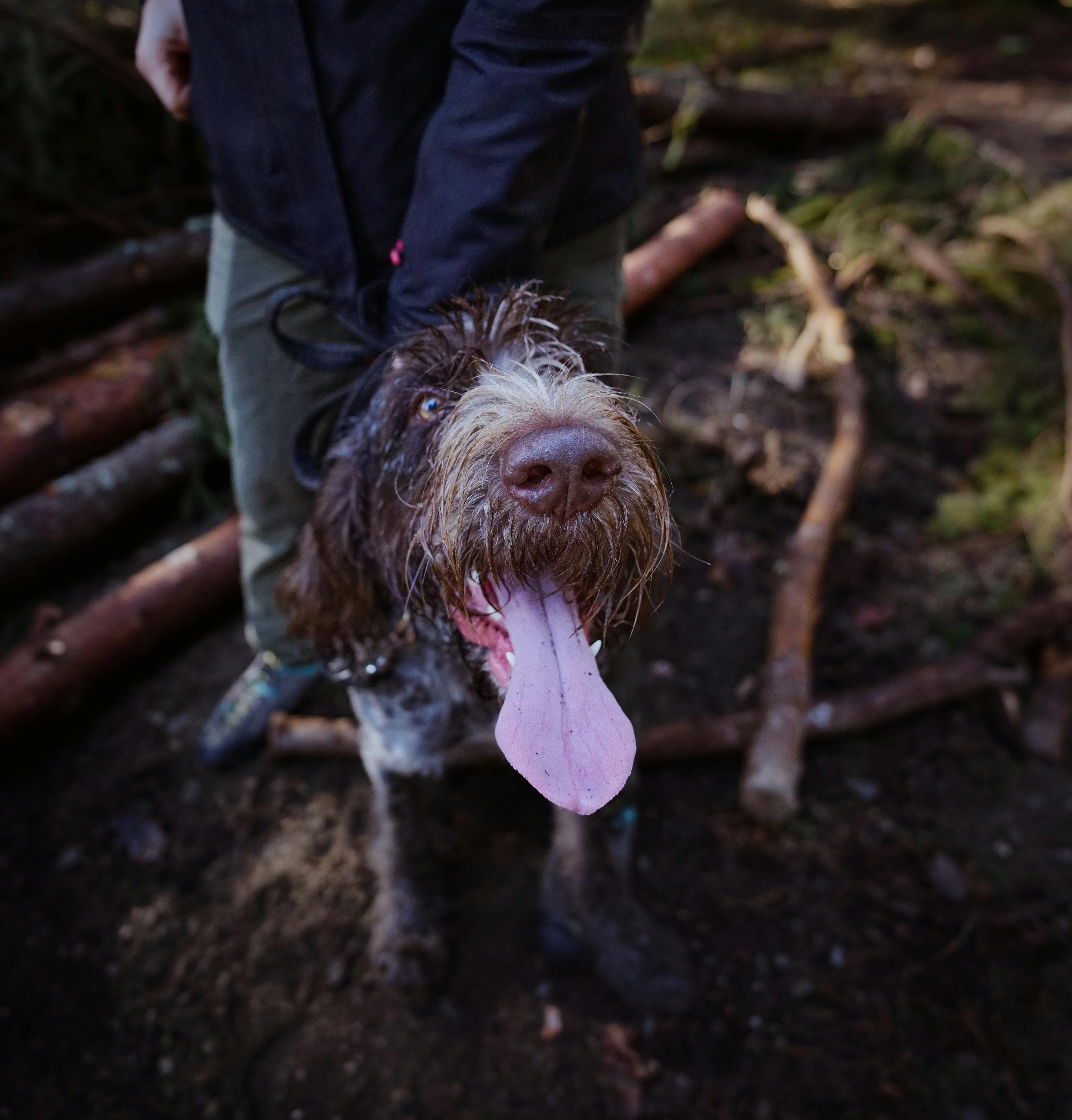
As a dog owner, you might of seen your furry friend’s nose wet and cold, and you may wondered why this is the case. But, did you ever think that a dog’s wet nose might also be an indicator of their health? Understanding the meaning behind a dog’s nose moisture and keeping an eye out for changes can be important for their well-being. Let’s dive into the fascinating reasons behind why dogs have wet noses and the signs every pet owner must watch for.
Why Do Dogs Have Wet Noses?
Dogs typically have wet noses for a bunch of reasons. First off, it helps them to sense their environment. A dog's sense of smell is far more developed than humans; their wet noses help to capture scent particles better. Here are some reasons for those wet noses:
- Cooling Mechanism: Dogs don’t sweat like humans do. Instead, they cool down through panting and their noses. A wet nose can help regulate their body temperature.
- Scent Detection: Moisture on a dog's nose helps absorb scent chemicals from the air, making it easier for them to detect scents. This is why dogs are often used in search and rescue missions!
- Health Indicator: A dog’s nose can also reflect their overall health. A healthy dog usually has a cool, moist nose, while changes in this can indicate illness.
Can a Dog’s Wet Nose Indicate Illness?
Now, onto the big question: Can a dog’s wet nose indicate illness? The answer is yes, but it’s not that simple. A wet nose by itself doesn’t mean your dog is sick, but it can be one of many signs. Here are some specific conditions where a dog's nose may change:
- Dry Nose: If your dog’s nose becomes dry and cracked, it could indicate dehydration, fever, or even a skin condition.
- Excessively Wet Nose: If your dog’s nose is dripping wet and they are drooling more than usual, it might be a sign of nausea or an oral issue.
- Change in Color: If the color of your dog’s nose changes from its usual hue, it might warrant a vet visit. This could indicate allergies, infections, or more serious conditions.
Signs Every Pet Owner Must Watch For
Being attentive to your dog’s behavior and physical condition is crucial. Here are some signs that should prompt you to take your dog to the vet:
- Changes in Appetite: If your dog stops eating or drinking, this could mean something’s wrong.
- Lethargy: If your dog seems unusually tired or uninterested in play, it could be a warning sign.
- Coughing or Sneezing: Persistent coughing or sneezing might indicate respiratory issues.
- Vomiting or Diarrhea: These symptoms are often serious and should not be ignored.
- Behavior Changes: If your usually friendly dog becomes aggressive or withdrawn, it could suggest pain or discomfort.
Practical Tips for Dog Owners
Monitoring your dog's health can be easier if you keep a few practices in mind. Here are some tips:
- Regular Vet Checkups: Schedule regular visits to the vet, even if your dog seems healthy. Early detection of issues is key.
- Observe Behavioral Changes: Keep an eye on changes in behavior. This can help you catch problems early.
- Hydration is Key: Ensure your dog always has access to fresh water. Dehydration can affect their nose and overall health.
- Healthy Diet: Feed your dog a balanced diet to keep their immune system strong.
- Grooming and Hygiene: Regular grooming can help detect skin issues before they become serious.
Conclusion
Understanding why dogs have wet noses and being aware of the signs of illness can help pet owners take proactive steps toward their furry friends’ health. While a wet nose can indicate many things, it’s important to consider the whole picture. Watch for other symptoms and changes in behavior, and don't hesitate to contact your vet if something seems off. Your dog relies on you for care, so keeping them healthy is a priority. A little knowledge can go a long way in ensuring your pet lives a happy and healthy life!
The Connection Between Dog Noses and Temperature Regulation: Why It Matters

Dogs are often seen with their tongues out and noses, well, wet! But have you ever stopped to think, why do dogs have wet noses? It's not just an endearing trait, it plays a big role in their overall health and how they regulate temperature. The connection between dog noses and temperature regulation is fascinating, and understanding it can help dog owners take better care of their furry friends.
The Science Behind Wet Noses
Dogs have wet noses mainly because of a special gland that produces moisture. This moisture is important for a number of reasons. First, it helps them to cool down. Dogs can't sweat like humans do. Instead, they depend on their noses to help regulate their body temperature. The evaporation of moisture from their noses cools them down, especially on hot days or after exercise. Isn't that interesting?
Moreover, the wetness of a dog’s nose also helps with their sense of smell. Dogs have an incredible olfactory system; their noses contain up to 300 million scent receptors, compared to about 5 million in humans. A moist nose helps to capture scent particles in the air, making it easier for them to detect various smells.
Why Do Dogs Have Wet Noses?
There are multiple reasons why dog noses are wet, and it’s more than just for cooling purposes. Check out these interesting facts:
Temperature Regulation: As mentioned earlier, moisture helps dogs cool down. Dogs have a normal body temperature of about 101 to 102.5 degrees Fahrenheit. If they get too hot, their noses help manage that heat.
Enhanced Smell: The wetness on their noses helps to absorb scent particles. This makes it easier for dogs to smell things which is why they are often used in search and rescue missions.
Health Indicator: A dog’s nose can also be a sign of their health. A healthy dog usually has a moist, cool nose. If a dog’s nose becomes excessively dry or warm, it may be a signal that something is wrong, and they might need to see a vet.
Communication Tool: Believe it or not, a dog’s nose can also communicate. A wet nose can be an indicator of a happy, relaxed dog.
Historical Context of Dog Noses
Historically, the role of dog noses has been observed and valued for centuries. In ancient times, dogs were bred for specific traits, including their sense of smell. Hunting dogs, for example, were prized for their ability to track scents over long distances. As humans began to understand more about dog behavior, the significance of a wet nose in health and temperature regulation became more recognized.
Fun Facts About Dog Noses
Here are some fun and intriguing facts about dog noses that might surprise you:
Unique Prints: Just like human fingerprints, every dog has a unique nose print that can be used for identification.
Color Matters: The color of a dog’s nose can vary greatly, and it can actually change with the seasons. For instance, some dogs may develop a darker nose in the winter months.
Breeds and Moisture: Certain breeds, like Bulldogs and Pugs, may have less moisture on their noses due to their facial structure, which could impact their ability to cool down.
Nose Conditions: Dogs can suffer from nose conditions, such as nasal hyperkeratosis, which causes their noses to become dry and cracked. This can affect their health, and vet attention is needed.
Caring for Your Dog’s Nose
To ensure your dog’s nose stays healthy and wet, consider these practical tips:
Hydration: Make sure your dog has access to fresh, clean water at all times.
Humidifier: In dry climates, using a humidifier can help keep their nose moist.
Regular Vet Check-ups: Regular vet visits can help catch any potential issues early.
Observation: Keep an eye on your dog’s nose. If you notice any significant changes, consult with your veterinarian.
In understanding the connection between dog noses and temperature regulation, we realize how crucial this simple feature is for our furry companions. Their wet noses are not only adorable but serve vital functions that help them stay healthy and happy. So next time you see your dog with their wet snout, you can appreciate all the science and history behind it!
How to Keep Your Dog’s Nose Healthy and Moist: Expert Tips for Pet Owners

Dogs are more than just pets; they are family. One of the most charming and unique features of dogs are their noses. Often wet, and sometimes cold, the dog's nose has fascinated pet owners for ages. But why do dogs have wet noses? And how can you keep that nose healthy and moist? Let's dive into these questions and explore expert tips for keeping your dog's nose in prime condition.
Why Do Dogs Have Wet Noses?
The wetness of a dog's nose serves several important purposes. Here are some of the main reasons:
Scent Detection: Dogs' noses are incredibly sensitive, and moisture helps to capture scent particles in the air, improving their ability to smell. The wetness makes it easier for them to pick up scent trails, which is why dogs are often used in search and rescue operations.
Temperature Regulation: A wet nose can help dogs to regulate their body temperature. When they pant, moisture evaporates from their noses, cooling them down. This is especially important during hot weather when dogs can easily overheat.
Health Indicator: The state of a dog's nose can indicate its health. A healthy dog usually has a moist, cool nose. If the nose is excessively dry, cracked, or warm, it could be a sign of illness or dehydration.
How to Keep Your Dog’s Nose Healthy and Moist
Keeping your dog's nose in good shape is essential. Here are some practical tips:
Hydration is Key: Make sure your dog has access to fresh, clean water at all times. Dehydration can lead to a dry and cracked nose.
Regular Vet Check-Ups: Routine veterinary visits can help catch any health issues before they become serious. Your vet can also give you specific advice based on your dog's breed and age.
Protect from the Elements: Exposure to extreme weather can damage your dog’s nose. In winter, cold air can dry it out, while summer sun can cause sunburn. Consider using dog-safe sunscreen or balms designed for pet noses.
Balanced Diet: A healthy diet contributes to overall health, including the condition of your dog’s nose. Ensure your dog is eating high-quality food that meets their nutritional needs.
Moisturizing Balms: There are products specifically made for dog noses that can help keep them moist. Look for natural options that are safe and effective.
Limit Exposure to Irritants: Smoke, dust, and chemicals can irritate your dog’s nose. Try to keep their environment clean and avoid exposing them to harmful substances.
Interesting Facts About Dog Noses
Unique Patterns: Just like human fingerprints, every dog has a unique nose print. This could potentially be used for identification purposes.
Scent Abilities: Dogs have approximately 300 million scent receptors in their noses, compared to humans who have about 5 million. This makes their sense of smell far superior.
Temperature Reading: A dog's nose can change in temperature. A warm, dry nose doesn’t always mean a dog is sick, but it can be an indicator worth checking out.
Common Nose Issues in Dogs
Sometimes, dogs can face issues with their noses. Here are some common problems:
Cracked Nose: This can be caused by dry air, allergies, or even sunburn. Using a moisturizer can help alleviate this condition.
Nasal Dermatitis: This is inflammation of the nose that may be caused by allergies or irritants. If you notice swelling or redness, it’s best to consult a vet.
Tumors or Growths: Rare, but possible. Any unusual growth should be examined by a veterinarian.
Practical Tips for Monitoring Your Dog's Nose
Daily Checks: Make it a habit to check your dog’s nose every day. Look for dryness, cracks, or any unusual changes in color or texture.
Watch Behavior: If your dog is excessively pawing at their nose or showing signs of discomfort, it may be time to consult a vet.
Use a Moisture Meter: There are devices that can measure the moisture level of your dog’s nose, helping you to gauge its health more accurately.
Keeping your dog's nose healthy and moist is essential for their overall well-being. By understanding the science behind why dogs have wet noses and following these expert tips, you can ensure that your furry friend stays happy and healthy. Remember, a moist nose isn't just cute; it's a sign of a healthy pup!
Conclusion
In conclusion, the wet noses of dogs serve several vital functions that contribute to their overall health and well-being. The moisture on their noses enhances their sense of smell, allowing them to detect scents more effectively, which is crucial for their communication and interaction with the environment. Additionally, a wet nose helps regulate their body temperature, as moisture evaporates and cools them down, especially during warmer weather. While a dry nose can sometimes indicate health issues, it is important to consider the context and observe other symptoms. Understanding why dogs have wet noses not only deepens our appreciation for these remarkable animals but also highlights the need for responsible pet care. So, the next time you give your furry friend a scratch behind the ears, take a moment to appreciate the science behind their wet nose and ensure they stay happy and healthy!