Have you ever wondered, why do dogs have wet noses? This intriguing question sparks curiosity among dog lovers and pet owners alike. A dog’s nose isn’t just a cute feature; it serves several fascinating purposes that contribute to their health and behavior. From the moment they are born, a dog’s wet nose plays a crucial role in their ability to smell, which is far superior than that of humans. But what makes it wet? And why is it important? Discover the amazing reasons behind this unique trait and learn how it helps your furry friend stay connected to the world around them. Wet noses in dogs are not just an adorable characteristic; they also help in sensing the environment, regulating body temperature, and even showing emotions. So, if you’ve ever asked yourself, why do dogs have wet noses, you’re in for a treat! Get ready to dive deep into the science of canine noses and unveil the secrets that make them so special. In this article, we will explore the benefits of a dog’s moist snout and how it impacts their overall health. Keep reading to satisfy your curiosity and find out more!
Unveiling the Mystery: Why Do Dogs Have Wet Noses? The Science Explained

Dogs are often seen with their wet noses, and many people wonder why this is the case. It’s not just an adorable feature; there’s actually some fascinating science behind it. Let’s dive into the reasons why dogs have wet noses and what it means for their health and wellbeing.
The Anatomy of a Dog's Nose
The structure of a dog's nose is quite complex. It's not just a simple appendage; it plays a crucial role in their sensory perception. The wetness of the nose is due mainly to moisture produced by the nasal glands. This moisture serves several purposes:
- Enhanced Smelling: Dogs have an extraordinary sense of smell, estimated to be anywhere from 10,000 to 100,000 times more sensitive than humans. A wet nose helps to capture scent particles better.
- Temperature Regulation: Just like sweat in humans, the moisture helps dogs cool down. A wet nose can aid in thermoregulation, especially during warmer months.
- Health Indicator: A wet nose is often seen as a sign of a healthy dog. It can indicate hydration levels and overall wellbeing.
The Science Behind the Wetness
So, why do dogs have wet noses? It’s all about biology and evolution. Here’s a breakdown of some important factors:
- Mucous Membranes: Dogs have mucous membranes in their noses which produce this moisture. This helps them to absorb scent molecules more efficiently.
- Licking Behavior: Dogs frequently lick their noses. This behavior not only keeps their nose moist but also helps them gather more information about their environment through taste.
- Hormonal Influence: Stress and excitement can change the moisture levels in a dog’s nose. When a dog is nervous, the nose might dry up, while a relaxed dog usually has a moist nose.
Historical Context of Dogs and Their Noses
Dogs have been companions to humans for thousands of years. Their noses have been key to their roles in hunting, herding, and even search and rescue. Historically, humans have relied on dogs’ keen sense of smell for various tasks, leading to selective breeding for certain traits, including that wet nose.
- Hunting Dogs: Breeds like Beagles and Bloodhounds have been bred for their excellent olfactory abilities, which are enhanced by their moist noses.
- Service Dogs: In modern times, dogs are trained to detect drugs, explosives, and even certain medical conditions like low blood sugar or seizures, thanks in part to their wet noses.
Fascinating Facts About Dog Noses
Here are some interesting points related to dog noses that you might not know:
- Unique Patterns: Just like human fingerprints, each dog’s nose print is unique. This can even be used for identification.
- Temperature Sensitivity: Dogs can detect changes in temperature through their noses, which can help them sense danger or changes in their environment.
- Nose Plugging: If a dog’s nose becomes dry, it could be a sign of illness or dehydration. A vet should check it out.
Comparisons: Dog Noses vs. Human Noses
When comparing dog noses to human noses, the differences are quite striking. Here’s a quick comparison:
| Feature | Dog Nose | Human Nose |
|---|---|---|
| Smell Sensitivity | 10,000 - 100,000 times | Average |
| Moisture Production | High | Moderate |
| Unique Patterns | Unique to each dog | Unique to each person |
| Functionality | Scent detection, cooling | Breathing, smelling |
Practical Examples of Nose Usage
- Search and Rescue: Dogs use their noses to locate missing persons in disaster situations or wilderness areas.
- Medical Detection: Some dogs can be trained to detect specific diseases, including cancer, through scent.
- Therapy Dogs: Their noses and calming presence help them to connect with individuals in hospitals or therapy settings.
Dogs having wet noses is more than just an adorable quirk; it’s a testament to their evolutionary adaptations and biological functions. It’s fascinating how something so simple can have such profound implications for their health and abilities. So, next time you see a dog with a wet nose, remember the science and history behind it!
The Surprising Benefits of a Wet Nose: How It Helps Your Dog Stay Healthy

Dogs are one of the most loyal companions to humans, and their health is often a top priority for any dog owner. One interesting aspect of a dog's health is its nose. Have you ever noticed how dogs have wet noses? You might have wonder why it is like that. The truth is, there are some surprising benefits to this characteristic. Not only does a wet nose help keep your dog healthy, it also serves several fascinating functions.
The Science Behind a Dog's Wet Nose
First, it’s important to understand why dogs have wet noses in the first place. A dog’s nose is covered with a thin layer of moisture, and this moisture helps to enhance their sense of smell. Here’s how it works:
- Increased Olfactory Receptors: Dogs have millions of olfactory receptors in their noses. A wet nose allows these receptors to absorb scent molecules more effectively.
- Temperature Regulation: A wet nose helps to cool down a dog's body temperature, especially after physical activities like running or playing fetch.
- Health Indicator: A wet nose can indicate a dog's health status. Generally, a moist nose indicates hydration and overall good health, while a dry nose can sometimes signal illness or dehydration.
Benefits of a Wet Nose for Dogs
You may be surprised to learn that a wet nose does more than just smell good. Here’s some of the benefits:
Better Smelling Ability: As mentioned, the moisture enhances the sense of smell. Dogs can smell things up to 100,000 times better than humans. This is why they are often used in search and rescue operations, as well as in detecting drugs or diseases.
Cooling Effect: Dogs don’t sweat like humans do. Instead, they rely on their noses to help cool down. A wet nose can lower their body temperature, which is crucial on hot days or after exercise.
Health Monitoring: Regularly checking your dog’s nose can help in monitoring its health. A sudden change from wet to dry might be a sign of stress or illness.
Social Interactions: Dogs often greet each other and humans with their noses. A wet nose can be seen as a friendly gesture.
Sense of Taste: Dogs use their noses not just for smell but also for taste. Wetting their nose helps them in tasting the environment around them.
Why Dogs’ Noses are Wet?
So, why do dogs have wet noses? It’s a combination of evolutionary adaptations and physiological functions. Here’s a breakdown:
Evolutionary Adaptation: The ancestors of modern dogs relied on their sense of smell for hunting and survival. A wet nose helped them sniff out prey more effectively.
Physiological Function: The moisture on a dog's nose comes from the nasal glands. When the dog licks its nose, it also helps keep the nose moist and clean.
Common Misconceptions
Many dog owners have questions about their furry friends' noses. Here are some common misconceptions:
A Dry Nose Means Illness: While a dry nose can be a sign of illness, it’s not always the case. Environmental factors, like heat or humidity, can also affect nose moisture.
All Dogs Have Wet Noses: Some breeds are more prone to having dryer noses than others. For example, brachycephalic breeds, like bulldogs, may have drier noses.
Tips for Dog Owners
To keep your dog's nose healthy, consider these tips:
- Hydration: Make sure your dog is drinking enough water. Dehydration can lead to a dry nose.
- Regular Vet Visits: Regular check-ups can help in monitoring your dog’s health, including the condition of their nose.
- Protect from Extreme Weather: In hot weather, make sure your dog has plenty of shade and water. In cold weather, protect their nose from cracking.
Final Thoughts
Understanding why dogs have wet noses not only provides insight into their health but also deepens the bond between you and your furry friend. A wet nose is more than just a cute feature; it plays a significant role in a dog's life. Noticing changes in your dog's nose can help you catch potential health issues early. So, next time you see that adorable, moist nose, remember all the benefits it brings to your beloved pet!
Wet Nose vs. Dry Nose: What Your Dog's Nose Says About Their Health
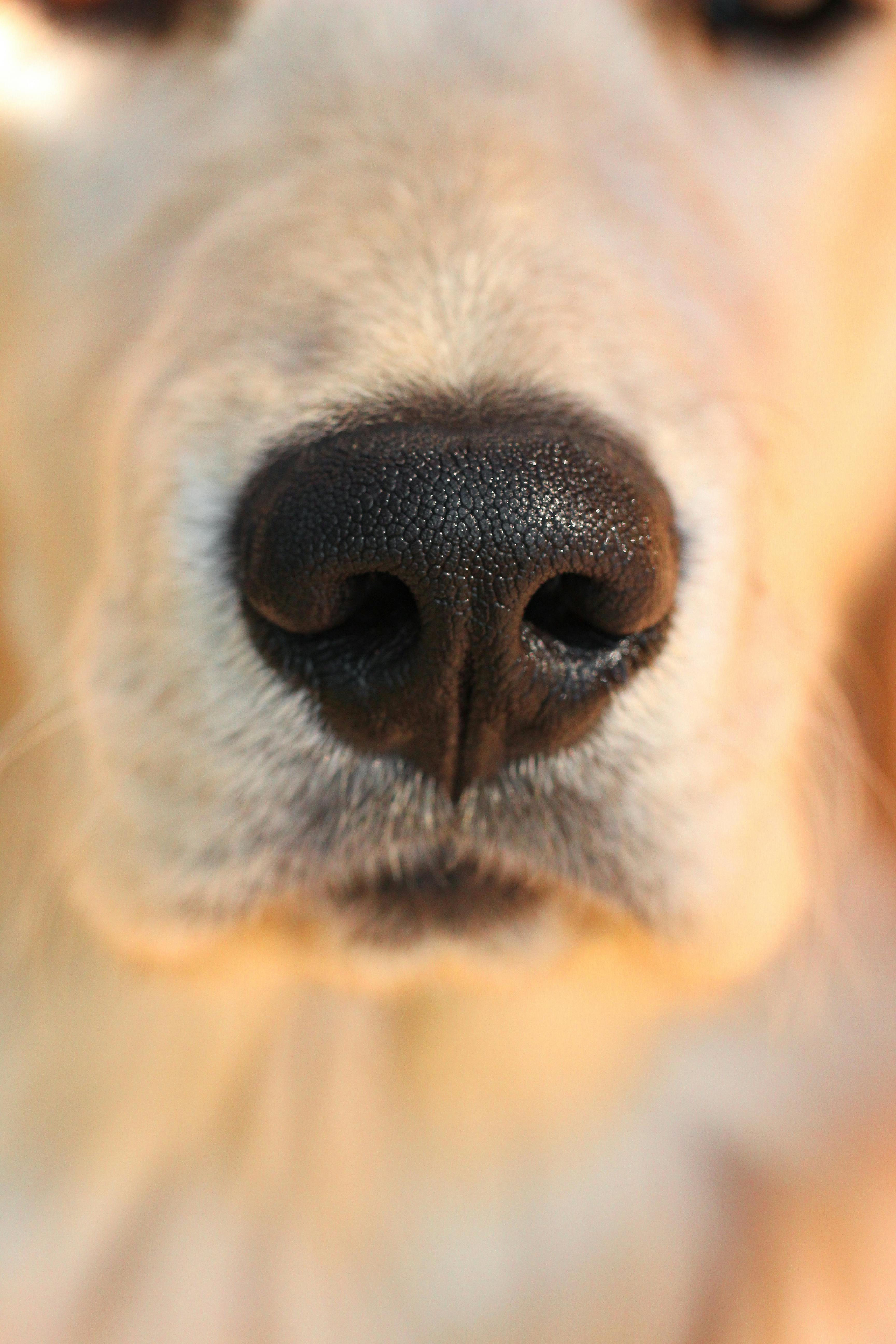
When you see your dog, one of the first things you might notice is their nose. Is it wet? Is it dry? What does it mean? These questions gets many dog owners wondering about their furry companions' health. A wet nose is often thought to be a sign of a healthy dog, but is this always true? Let’s dive into the fascinating world of dog noses and what they can tell us about our pets.
Why Do Dogs Have Wet Noses?
Dogs have wet noses for a few reasons, and it’s not just because they like to stick their noses in water. Here are some interesting points about why their noses are typically moist:
Cooling Mechanism: Just like humans sweat to cool off, dogs uses their noses to regulate body temperature. The moisture on their nose evaporates and helps cool them down.
Enhanced Sense of Smell: The wetness on a dog’s nose help capture scent particles. This make it easier for them to smell things. Dogs have an incredible sense of smell, and a wet nose enhances that ability.
Health Indicator: A wet nose is often seen as a sign of good health. However, it’s not the only indicator. A dog’s nose can change throughout the day depending on several factors like temperature and activity.
Natural Behavior: Dogs naturally lick their noses as part of their grooming routine. This keeps their noses moist and also helps them taste the scents around them.
Wet Nose vs. Dry Nose: What Do They Mean?
It’s important to know that both wet and dry noses can be normal, but they can also indicate different conditions. Here’s a quick comparison:
| Nose Condition | Possible Indicators |
|---|---|
| Wet Nose | Healthy, hydrated, alert |
| Dry Nose | Dehydration, fever, illness, or just a hot day |
When Should You Worry About a Dog's Nose?
Most of the time, a dog's nose is just fine, but there are certain signs that might means you should pay attention. Here’s a list of situations when you should consult a vet:
- Dry, Cracked Nose: If your dog’s nose becomes dry and starts to crack, this could indicate dehydration or sunburn.
- Persistent Changes: If you notice a sudden and persistent change from wet to dry or vice versa, this can be a sign of illness.
- Discharge or Bleeding: Any discharge, especially if it’s colored, or bleeding from the nose should be addressed immediately.
- Behavioral Changes: If your dog is drinking more water than usual or seems lethargic, it’s time for a check-up.
How to Care for Your Dog’s Nose
Keeping your dog’s nose healthy is important, and there are several simple ways to do this. Consider these tips:
Hydration: Make sure your dog has access to fresh water. Dehydration can lead to a dry nose.
Sun Protection: If your dog spends a lot of time outside, consider using pet-safe sunscreen on their nose to prevent sunburn.
Regular Vet Visits: Regular check-ups can catch any potential issues early on.
Watch for Allergens: Sometimes, allergies can cause nasal issues. Monitor your dog’s environment for any potential allergens.
Fun Facts About Dog Noses
Did you know that a dog's sense of smell is 10,000 to 100,000 times better than humans? That’s impressive!
Each dog’s nose print is unique, much like a human fingerprint. They can actually be used to identify them!
Dogs have about 300 million smell receptors in their noses. Humans have only about 5 million.
The color of a dog’s nose can vary greatly from breed to breed. Some have pink noses, while others have black or even spotted ones.
Conclusion
Understanding your dog’s nose can provide insight into their health. A wet nose is often a good sign, but don’t forget that changes can happen. Being attentive to your dog’s behavior and physical condition can help you catch any health issues early on. So, next time you give your pup a scratch behind the ears, take a moment to check their nose. It’s a window into their overall well-being. Stay informed and keep those noses wet!
Top 5 Fascinating Reasons Why Dogs Have Wet Noses You Never Knew
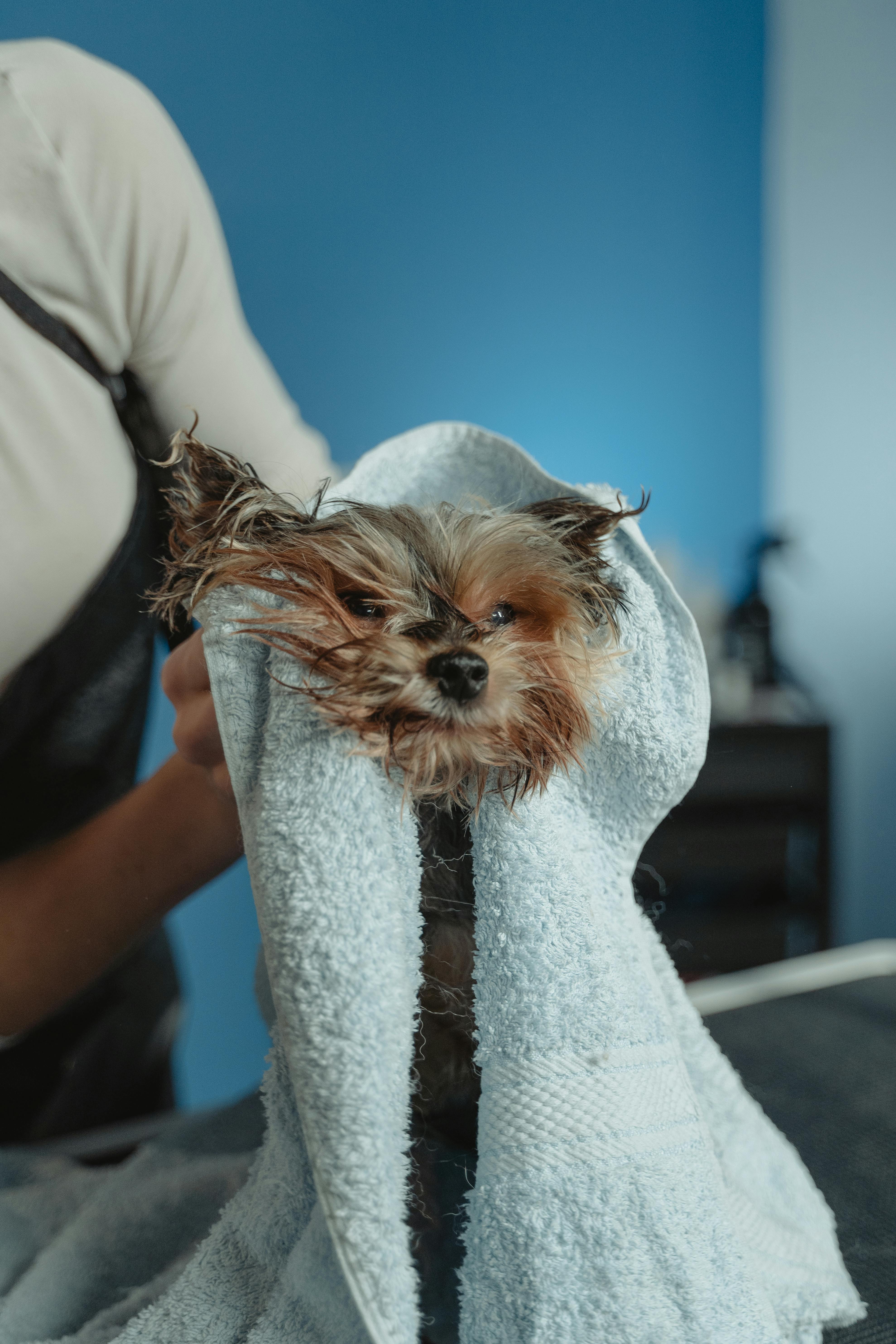
Have you ever wonder why dogs noses are always wet? It’s one of those quirky things about our furry friends that many people don’t think too much about. But, there’s actually some fascinating science behind it. In this article, we will explore the top five reasons why dogs have wet noses and maybe you discover something you never knew before. So, why do dogs have wet noses? Let’s jump right in!
1. Enhanced Sense of Smell
Dogs have this amazing ability to smell things that humans can’t even imagine. Their noses are specially designed with a large surface area and a complex structure of scent receptors. The wetness of a dog’s nose plays a crucial role in this. When their noses are moist, it helps to trap scent particles in the air.
- Scent receptors: Dogs have about 300 million scent receptors, compared to humans’ 5 million.
- Moisture: A wet nose absorbs scent particles which makes it easier for dogs to identify smells.
- Behavior: Have you noticed how dogs sniff everything? It’s because their noses are their main tools for exploring the world.
2. Thermoregulation
Dogs, unlike humans, do not sweat through their skin. They primarily regulate their body temperature through panting and their noses. A wet nose can help cool them down.
- Cooling mechanism: When a dog’s nose is wet, it evaporates, which has a cooling effect.
- Temperature control: This helps to maintain their body temperature, especially during hot weather.
- Health indicator: If a dog’s nose is excessively dry or warm, it might indicate illness or overheating.
3. Communication Tool
Dogs communicate in various ways, and their noses are part of that language. A wet nose can be a sign of a happy and healthy dog.
- Nose nudging: When a dog nudges you with its wet nose, it’s often a way of seeking attention or affection.
- Social signals: Dogs can also use their noses to gather information about other dogs and people.
- Scent marking: They might wet their noses to leave their scent on objects or other animals, marking their territory.
4. Natural Cleaning System
Dogs don't have the same hygiene routines as humans. Their wet noses can actually serve as part of their cleaning system.
- Self-cleaning: The moisture helps to keep their noses clean by trapping dust and dirt.
- Bacteria control: A wet nose can also inhibit the growth of bacteria, which helps reduce infections.
- Grooming: You might see a dog licking their own nose; this can help keep it moist and clean.
5. Evolutionary Advantage
The wet nose isn’t just a random trait; it has evolutionary benefits. Dogs are descendants of wolves, which had wet noses for similar reasons.
- Survival skill: In the wild, a good sense of smell is crucial for hunting and avoiding predators.
- Adaptation: The wet nose has adapted over time to help dogs thrive in various environments.
- Breeds with variations: Different breeds may have different nose shapes and moisture levels, but the wetness remains a common trait among most.
Fun Facts About Dogs’ Noses
- Dogs’ noses can also change color due to temperature and health.
- Puppies are often born with pink noses that darken as they mature.
- Dogs can even recognize their owners by their scent alone!
Comparison Table of Dog Breeds and Nose Characteristics
| Dog Breed | Nose Shape | Wetness Level | Scent Ability |
|---|---|---|---|
| Labrador | Broad and flat | High | Excellent |
| Beagle | Long and narrow | Moderate | Very Good |
| Poodle | Medium and rounded | High | Good |
| Bulldog | Short and flat | Moderate | Fair |
| Dachshund | Long and narrow | High | Good |
So, as you can see, there’s a lot more to a dog’s wet nose than meets the eye. From enhancing their sense of smell to serving as a communication tool, the reasons are fascinating. Next time your furry friend gives you a wet-nosed nudge, remember all the wonderful functions that little feature provides. It’s just one more reason why our dogs are truly amazing companions!
Is Your Dog’s Nose Wet? Here’s What It Means for Their Emotions and Behavior

Is your dog’s nose wet? You might be surprised to learn that this common trait holds more significance than just a quirky physical feature. Many dog owners often wonder about the implications of their furry friends’ wet noses. What does it mean for their emotions and behavior? And why do dogs have wet noses in the first place? Let’s dive into the fascinating reasons behind this unique characteristic, and how it relates to their feelings and overall health.
Why Do Dogs Have Wet Noses?
Dog noses are wet for several reasons, and understanding these can help owners read their pets better. Here’s a quick overview:
- Temperature Regulation: Dogs can’t sweat like humans do. Their noses help regulate body temperature. The moisture evaporates, which cools them down.
- Enhanced Sense of Smell: A wet nose helps capture scent particles more effectively. This is crucial because dogs have an incredible sense of smell, estimated to be 10,000 to 100,000 times more sensitive than ours.
- Health Indicator: A wet dog nose is typically a sign of a healthy dog. However, changes in moisture levels can indicate health issues.
The Emotional Connection
So, what does a wet nose say about a dog’s emotions? Many pet owners might not realize it, but the state of a dog’s nose can reflect their feelings. Here’s how:
- Happy and Excited: When dogs are relaxed and happy, their noses tend to be moist. You’ll often see this when they’re playing or getting attention.
- Anxious or Stressed: A dog that is anxious might have a dry nose. Stress can cause dehydration, leading to this change.
- Illness or Discomfort: If a dog’s nose is consistently dry, it might indicate they are not feeling well. This can also depend on the individual dog and their particular health needs.
What Affects Nose Moisture?
Several factors can influence how wet a dog’s nose is. Understanding these can help owners better interpret their pet’s condition:
- Environmental Conditions: Hot weather can dry out a dog’s nose. Conversely, a humid environment may keep it wetter.
- Activity Level: After a vigorous play session, a dog’s nose might be wetter due to panting and excitement.
- Health Problems: Certain illnesses, like canine distemper or allergies, can change nose moisture. Regular vet check-ups are essential.
Fun Facts About Dog Noses
Did you know that dog noses have unique patterns, similar to human fingerprints? Here are some more fun facts:
- Nose Prints: Each dog has a distinct nose print, which can be used for identification.
- Scent Memory: Dogs can remember scents for years. Their wet noses are a part of this memory system.
- Temperature Sensitivity: A dog’s nose can detect slight changes in temperature, helping them sense their surroundings.
Care for Your Dog’s Nose
Keeping a dog’s nose healthy is important for their overall well-being. Here are some tips:
- Hydration: Ensure your dog is drinking enough water. Dehydration can lead to a dry nose.
- Humidifiers: In dry climates, using a humidifier can help keep your dog's nose moist.
- Regular Vet Visits: If you notice any significant changes in your dog’s nose moisture, consult with a vet.
Comparing Wet and Dry Noses
| Wet Nose | Dry Nose |
|---|---|
| Indicates hydration & health | May indicate dehydration or illness |
| Common in happy, relaxed dogs | Common in stressed or ill dogs |
| Helps with scent detection | Less effective at capturing scents |
Observing your dog’s nose is just one way to gauge their health and emotions. Understanding these nuances can lead to better communication between you and your furry companion.
Conclusion
If your dog’s nose is wet, it likely means they are healthy and happy. However, changes in moisture can be significant. It's important to pay attention to these details to ensure your pet is feeling their best. Understanding the fascinating reasons why dogs have wet noses can help you become a more attentive and caring pet owner. Remember, a dog’s nose is not just a cute feature; it’s a window into their emotional state and health. So next time you give your dog a loving pat, take a moment to check their nose too!
Understanding the Anatomy: How a Dog’s Wet Nose Enhances Their Senses
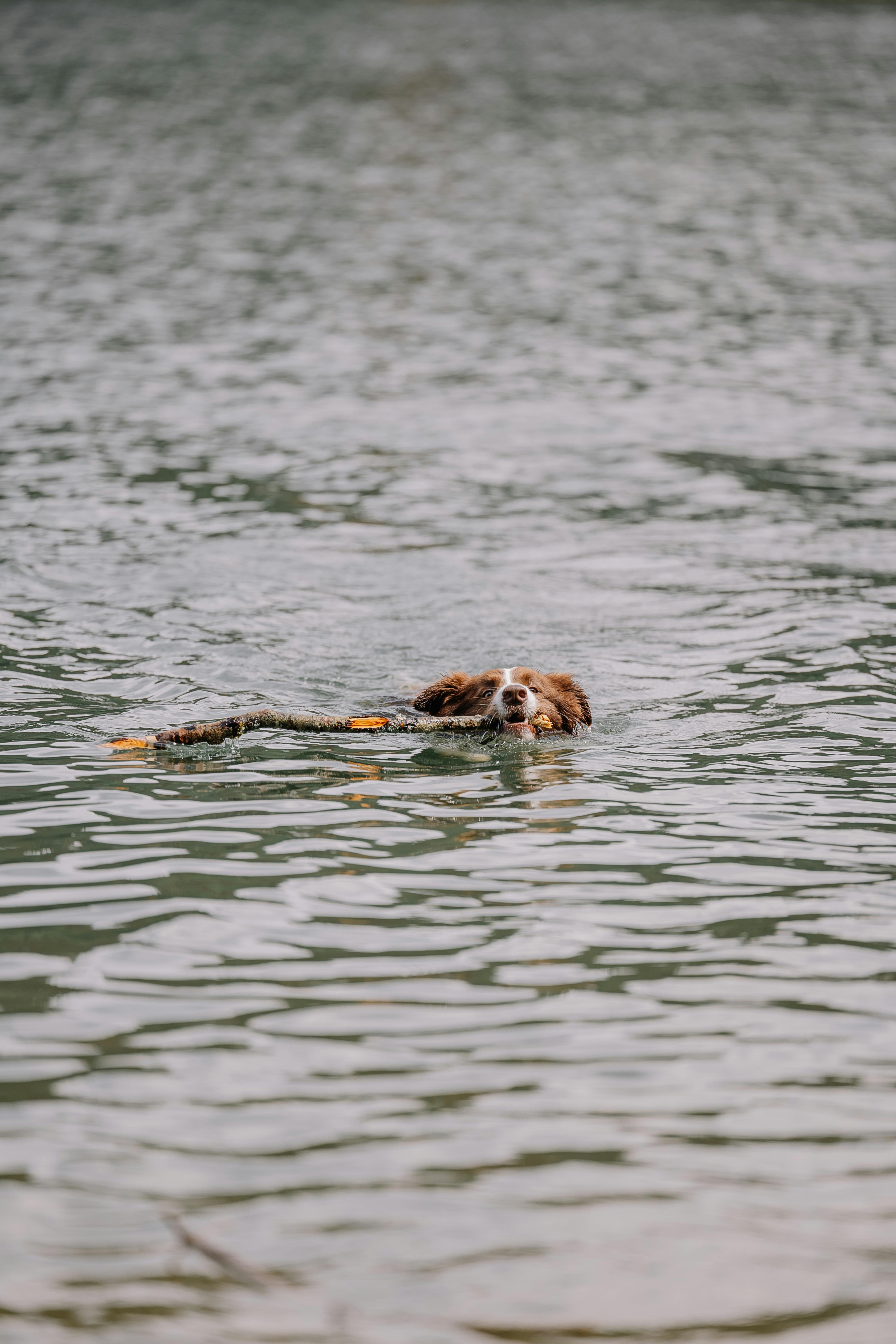
Have you ever wonder why dogs have wet noses? If you have a furry friend, you might notice that their noses are often moist, and this characteristic is more than just cute. It's a fascinating aspect of their biology that plays a significant role in how they experience the world. Below, we’ll delve into the anatomy of a dog’s nose, explore the reasons behind that wetness, and highlight how it enhances their senses.
The Anatomy of a Dog's Nose
A dog’s nose is a complex organ that contains an intricate network of olfactory receptors. In fact, dogs has up to 300 million olfactory receptors in their noses, compared to a human's mere 5 million. This means that dogs can smell things at incredibly low concentrations, making them exceptional at detecting scents.
Here's a breakdown of the components:
- Nasal Cavity: This is where the air enters and is filtered. It is lined with sensitive tissues that help in detecting smells.
- Olfactory Bulb: Located at the base of the brain, this structure processes the scents that dogs inhale.
- Jacobsen’s Organ: Also known as the vomeronasal organ, it detects pheromones, which are chemicals that can influence behavior and communication.
Why Do Dogs Have Wet Noses?
The moisture on a dog's nose serves multiple important purposes. It’s not just for show or because they like to slobber everywhere.
Enhanced Smell: A wet nose can capture scent particles better. When the nose is moist, it can trap more odor molecules, which are then analyzed by the olfactory receptors. This is why dogs can sniff out things you might miss entirely!
Thermoregulation: Dogs don’t sweat like humans. Instead, they rely on their noses to cool down. The moisture helps regulate their body temperature. When they breathe, the evaporation of the moisture cools the blood vessels nearby, thus helping them maintain a comfortable temperature.
Health Indicator: A dog’s nose can indicate its health. A wet, cold nose usually means a healthy pup. On the other hand, a dry or warm nose might suggest dehydration or illness. However, this is not a definitive health check, so always consult your vet.
Fascinating Facts About Wet Noses
Species Variation: Different breeds may have different nose structures. For example, brachycephalic breeds like Bulldogs may have less pronounced wetness due to their short snouts.
Texture and Color: A dog's nose may be smooth or textured, and colors can vary from black to pink. The texture can also help in capturing scents.
Nasal Patterns: Just like human fingerprints, every dog has a unique nose print. This means you could identify your dog by their nose if needed!
Practical Tips for Dog Owners
Monitor Nose Moisture: Regularly check your dog’s nose. If it becomes persistently dry, it might be a good idea to consult a veterinarian.
Hydration is Key: Make sure your dog always has access to fresh water. Dehydration can affect the moisture of their nose.
Diet Matters: A balanced diet rich in Omega-3 fatty acids can help maintain healthy skin and, consequently, a healthy nose.
Seasonal Care: In winter, dogs can suffer from dry noses due to the cold weather. Consider using nose balm or ointments designed for dogs.
What’s Your Dog’s Nose Telling You?
A wet nose is not just a characteristic feature; it’s the window to understanding your dog’s health and abilities. The moisture amplifies their sense of smell, which is essential for their survival and well-being.
When your dog nudges you with that moist nose, it's often a sign they want attention, food, or maybe just a cuddle. Dogs communicate so much through their noses, and understanding this can deepen your bond with your furry companion.
Understanding why do dogs have wet noses can help you appreciate your pet’s unique biology. Their wet noses not only enhance their senses but also serve as a tool for communication and temperature regulation. So, the next time you give your dog a scratch behind the ears, take a moment to appreciate that amazing nose!
The Role of Temperature: Why Dogs' Wet Noses Are Cooler Than You Think
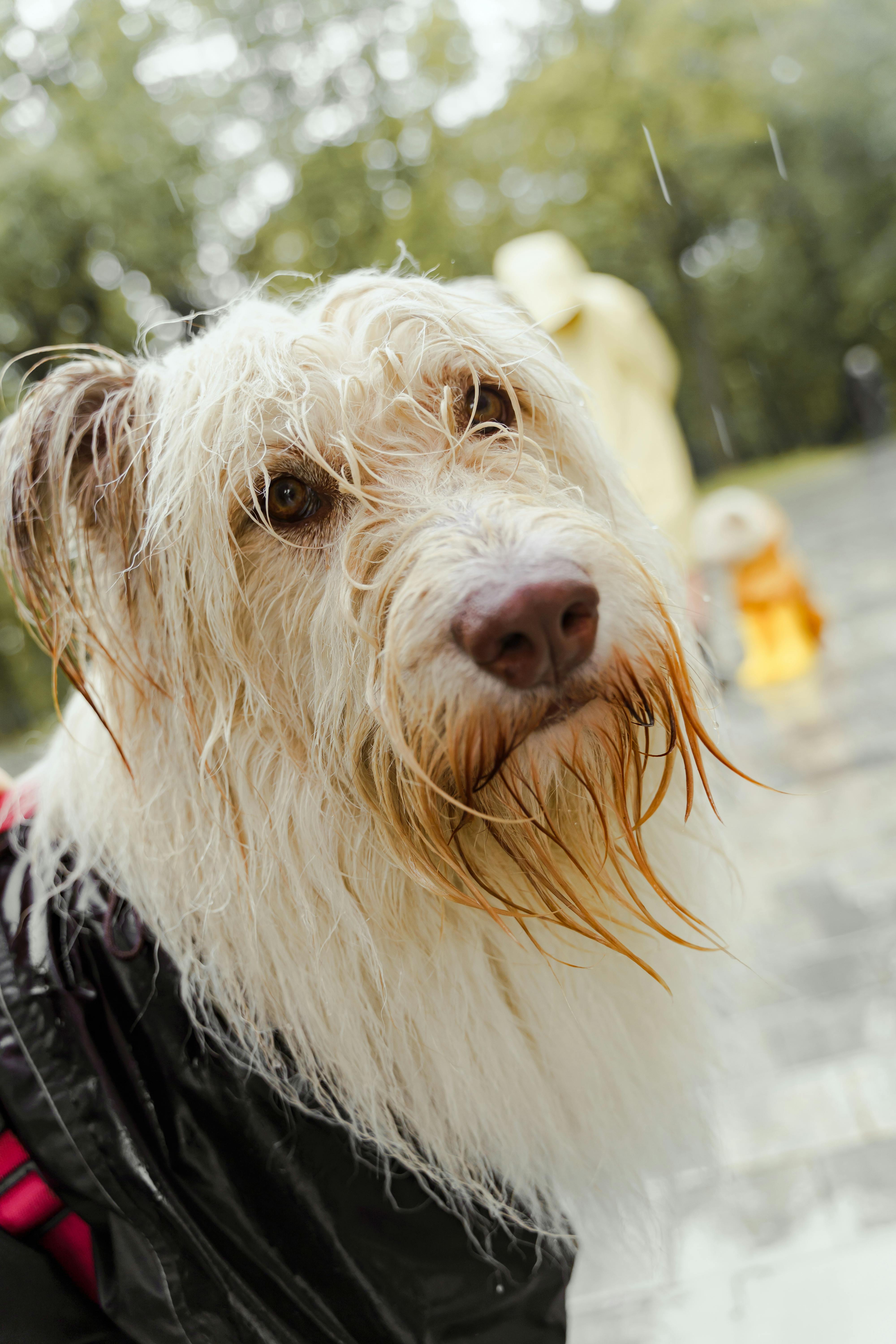
The fascination with dogs have long captured human hearts, but one particular feature continues to baffle many — their wet noses. It's not just a quirky trait; there's actually some science behind it. Ever wonder why do dogs have wet noses? The answer is more interesting than you might think! The role of temperature in this phenomenon is crucial, and understanding it can help us appreciate our furry companions even more.
The Science Behind Wet Noses
Wet noses in dogs serve several important purposes. First off, they help regulate body temperature. Dogs don't sweat like humans do; instead, they rely on their noses to cool off. The moisture on their noses evaporates, which helps to lower their body temperature. Isn’t it fascinating that such a simple feature plays a role in thermoregulation?
- Evaporation: When moisture evaporates from the nose, it cools the surrounding skin.
- Temperature Regulation: Dogs can maintain an optimal body temperature, especially during hot weather.
- Scent Detection: A wet nose can pick up scents more effectively, which is essential for dogs who rely on their sense of smell.
Why Are Dogs' Noses Wet?
So, why do dogs have wet noses? Let's break it down:
- Natural Moisture: Dogs have specialized glands in their noses that produce mucus. This mucus helps keep the nose moist, enhancing their ability to smell.
- Licking Behavior: Dogs often lick their noses, which adds to the moisture. It’s a behavior that not only keeps their noses wet but also helps them taste the scents they are smelling.
- Health Indicators: A dog’s nose can be an indicator of its health. A wet, cool nose usually signifies a healthy dog, while a dry nose can sometimes indicate illness or dehydration.
The Temperature Factor
Temperature plays a significant role in why dogs have wet noses. The cooler the nose, the better the dog can regulate its body heat. Research shows that a dog's average body temperature ranges between 101 to 102.5 degrees Fahrenheit. However, their noses generally maintain a cooler temperature, which can be around 20 degrees cooler than the rest of their body.
- Cooling Mechanism: When dogs are active, their body temperature rises, and the wet nose helps cool them down efficiently.
- Heat Sensitivity: Dogs are more sensitive to heat than humans, so having a cooler nose is vital for their comfort.
Historical Context
In history, dogs have been companions to humans for thousands of years. Their wet noses have been part of their survival toolkit. The ability to smell and regulate body temperature might have helped them hunt and avoid heat-related stress.
- Ancient breeds, like the Greyhound, were prized for their keen sense of smell, which is still evident today.
- Wet noses have become a symbol of affection, as dogs nuzzle their owners with their cool, moist noses.
Fun Facts About Dogs' Noses
- Dogs have approximately 300 million olfactory receptors in their noses, compared to about 5 million in humans.
- The structure of a dog's nose is unique, much like human fingerprints. No two dogs have the same nose print!
- A dog’s sense of smell is so powerful that they can detect certain diseases in humans, such as cancer and diabetes.
Practical Tips for Dog Owners
If you’re a dog owner, understanding the importance of your dog’s nose can help you care for them better. Here are some practical tips:
- Hydration: Ensure your dog stays hydrated, as a dry nose can be a sign of dehydration.
- Temperature Checks: Be aware of the weather. If it's extremely hot, keep your dog cool with plenty of water and shade.
- Regular Vet Check-ups: Monitor your dog’s nose. A sudden change in moisture or temperature may warrant a visit to the vet.
Comparing Dog Noses to Human Noses
Here’s a quick comparison between dog noses and human noses:
| Feature | Dog Noses | Human Noses |
|---|---|---|
| Moisture Level | Typically wet | Usually dry |
| Scent Receptors | About 300 million | About 5 million |
| Temperature | Cooler than body temperature | Generally matches body temperature |
| Function | Scent detection & cooling | Scent detection only |
Understanding why dogs have wet noses and the role temperature plays in this can deepen our bond with these amazing animals. Their noses are not just cute features; they are essential tools for survival and communication. Next time your dog nudges you with their cool, moist nose, remember there's a fascinating world of science behind it!
7 Common Myths About Dogs’ Wet Noses Debunked: What Every Pet Owner Should Know
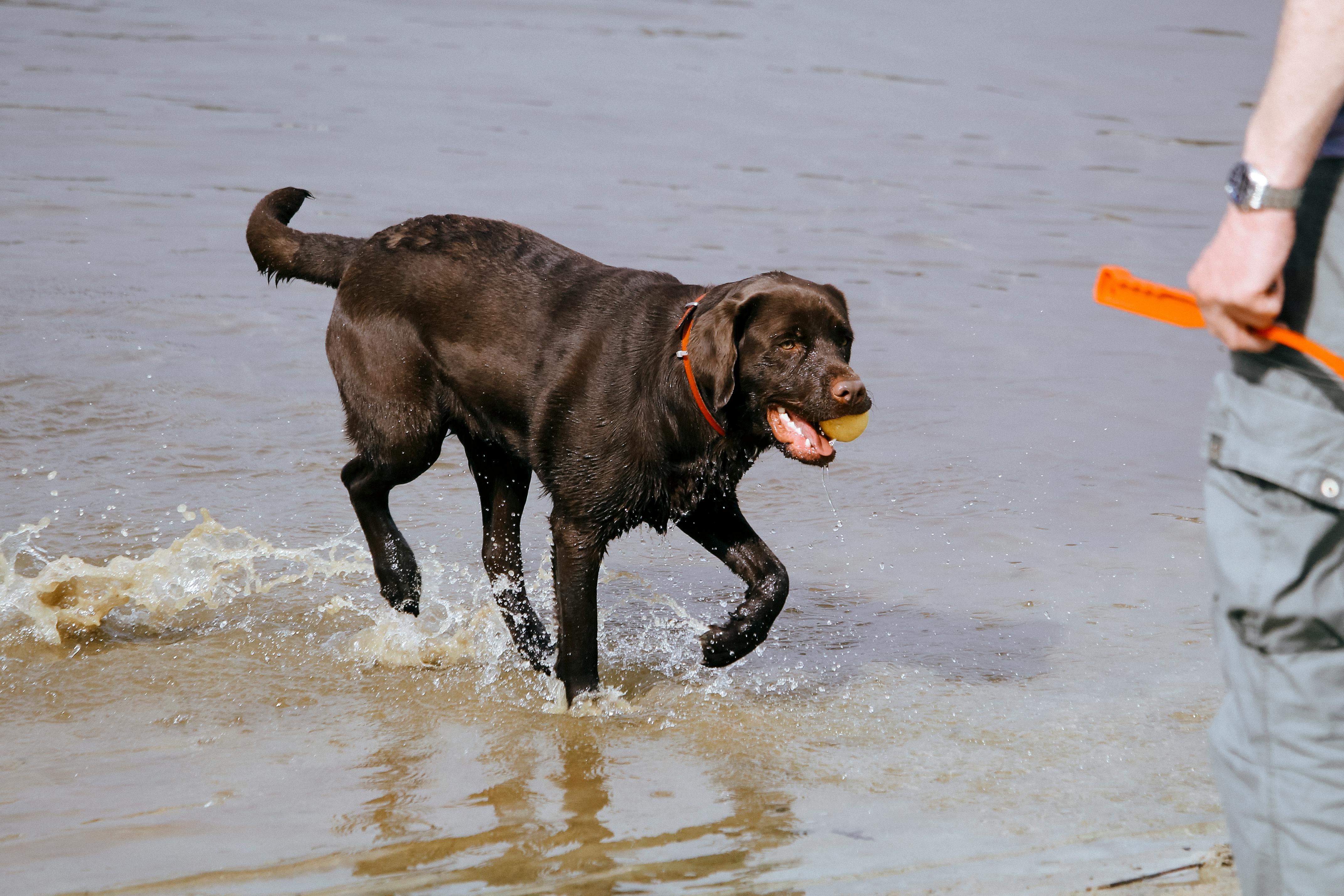
Dogs are man's best friend, and many pet owners often wonder about those wet noses. There's a lot more to your furry friend's nose than meets the eye. Let’s explore seven common myths about dogs’ wet noses that’ll help you understand why they are the way they are!
Myth #1: Wet Noses Mean Dogs Are Sick
Many people think that if a dog's nose is wet, it means they are healthy, and if it’s dry, they must be sick. This isn’t exactly true. While a wet nose can indicate hydration, it doesn’t always mean the dog is in perfect health. Dogs can have wet noses for various reasons, including excitement or just being out in the rain.
Myth #2: Dogs’ Noses Are Always Wet
Another common belief is that dogs’ noses are always wet. This isn't correct either. Dogs' noses can dry out, especially in hot weather or with age. Factors like dehydration, skin allergies, or illness can also lead to a dry nose. So, don’t panic if your dog’s nose feels a bit dry sometimes.
Myth #3: Dogs Have Wet Noses to Cool Themselves Off
While it’s true that dogs do sweat, they primarily regulate their body temperature through panting. Their wet noses help them to smell better by capturing scent particles, but they don’t serve much of a cooling function. The moisture on their noses helps enhance their sense of smell, which is crucial for their survival and communication.
Myth #4: All Dogs Have the Same Nose Moisture
Did you know that the moisture level of a dog’s nose can vary among breeds? Certain breeds, like bulldogs, tend to have drier noses compared to retrievers or hounds. The size, shape, and breed of the dog can affect how wet their nose gets.
Myth #5: A Dog’s Nose Color Is The Same As Their Skin Color
This is a widespread misconception. Many people think that a dog's nose color correlates with the color of their fur. However, dogs can have black, brown, or pink noses regardless of their coat color. It’s all about genetics! For instance, a white dog can have a black nose, and a black dog can have a pink one.
Myth #6: Dogs’ Noses Can Predict Weather
Some folks believe that dogs can sense when it’s going to rain based on the moisture level of their noses. While it’s true that dogs can detect changes in weather — like drops in atmospheric pressure — their noses don’t predict the weather. Their amazing sense of smell allows them to detect scents that may hint at impending rain, but it's not the nose itself that's doing the predicting.
Myth #7: A Wet Nose Is Always A Sign of Happiness
Not every wet nose means a happy dog. While excitement can lead to a wet nose, other factors come into play. Stress, anxiety, or even illness can cause a dog's nose to become wet, too. It’s important to observe your dog’s overall behavior and health rather than just relying on their nose.
The Fascinating Reasons Behind Wet Noses
So, why do dogs have wet noses? The moisture on a dog’s nose serves several important functions:
Enhanced Smell: The wetness helps to trap scent particles and increases their ability to smell. Dogs have an extraordinary sense of smell, which is why they’re used in search and rescue operations.
Thermal Regulation: Although it’s not their primary method of cooling off, a wet nose can help slightly in regulating temperature.
Communication: Dogs use their noses to communicate with other dogs. A moist nose can indicate a friendly or curious dog.
Sensation: The wetness can enhance tactile sensations, allowing dogs to feel their environment better.
Practical Care Tips for Your Dog’s Nose
Keeping your dog's nose healthy is important. Here are a few tips:
Hydration: Make sure your dog drinks plenty of water to keep their nose moist.
Check for Changes: Regularly check your dog’s nose for any changes in color or texture, as this can indicate health issues.
Limit Sun Exposure: Dogs with light-colored noses are more susceptible to sunburn. Use sunscreen made for pets if your dog will be outside for long periods.
Consult a Vet: If you notice your dog’s nose is excessively dry, cracked, or has any discharge, it’s best to consult your veterinarian.
Understanding your dog’s wet nose can make a big difference in how you care for them. With all the myths debunked, you can now appreciate the fascinating science behind your dog's most notable feature! Always remember, a dog's nose is just one part of the complex puzzle that makes up their health and happiness.
How to Care for Your Dog’s Nose: Tips for Maintaining a Healthy Wet Nose

Caring for your dog is more than just feeding and walking; it also includes maintaining their health, especially their nose. Ever wonder why does your dog's nose feels wet? Or how you can care for it? You’re not alone! Many dog owners have these questions. A dog's nose, often cold and moist, can tell you a lot about their health and well-being. In this article, we will dive into the fascinating world of the canine nose, why it’s wet, and how to keep it healthy.
Why Do Dogs Have Wet Noses?
Dogs have wet noses for several reasons, and understanding these can help you appreciate your furry friend even more.
Scent Detection: A wet nose helps dogs to smell better. The moisture on their nose helps to capture scent particles from the air, enhancing their ability to sniff out interesting smells. This is why dogs are often used in search-and-rescue missions or hunting.
Cooling Mechanism: Dogs don’t sweat like humans do. Instead, they cool off through panting and the moisture on their noses. A wet nose can help regulate their body temperature, especially on hot days.
Health Indicator: A healthy dog’s nose is typically moist. If a dog’s nose is excessively dry or cracked, it could be a sign of dehydration or illness. A change in the normal wetness of the nose could indicate a need for a vet visit.
Natural Behavior: Dogs lick their noses to keep them clean and moist. This is a natural behavior that also helps them to smell better.
Tips for Maintaining a Healthy Wet Nose
Now that we understand why dog's noses are wet, let’s explore how to take care of this essential feature. Here are some tips for maintaining your dog’s nose health:
Regular Hydration: Always provide fresh water for your dog. Dehydration can lead to a dry nose.
Monitor the Environment: Dry air can be harmful. If you live in a dry climate or during winter months, consider using a humidifier in your home.
Avoid Irritants: Keep your dog away from smoke, strong cleaning products, and other irritants that can dry out their nose.
Check for Cracks: Regularly inspect your dog’s nose for any cracks or sores. If you notice anything unusual, consult your vet.
Use Nose Balm: If your dog is prone to a dry nose, consider applying a pet-safe nose balm. These can help keep the nose moist and prevent cracking.
Watch for Changes: Pay attention to any sudden changes in your dog's nose texture or moisture level. This could indicate a health issue.
Healthy Diet: Ensure your dog is eating a balanced diet rich in omega fatty acids. These can be beneficial for skin and fur health, which includes the nose.
Common Nose Problems in Dogs
Being aware of potential issues can help you catch problems early. Here are some common nose conditions that can affect dogs:
Nasal Dermatitis: This is an inflammation that can cause crusting and soreness. It could be due to allergies or irritants.
Nasal Tumors: Though less common, tumors can develop in the nasal passages. Watch for signs like bleeding or excessive sneezing.
Infectious Diseases: Certain infections can cause changes in nose moisture and texture. Keep an eye out for other symptoms like coughing or lethargy.
Table of Healthy Nose Signs vs. Problematic Nose Signs
| Healthy Nose Signs | Problematic Nose Signs |
|---|---|
| Moist and cool | Dry and cracked |
| Smooth texture | Rough or scabby |
| No discharge | Excessive discharge |
| Normal color (black or pink) | Red, inflamed, or discolored |
Dogs rely heavily on their sense of smell, and their noses play a crucial role in that. Caring for your dog's nose is an essential part of their overall health. By keeping it moist and monitoring for any changes, you can ensure that your furry friend stays happy and healthy.
So next time you see your dog sniffing around with that adorable wet nose, remember the fascinating reasons behind it and the simple steps you can take to keep it in tip-top shape. Your dog's nose is not just for show—it's an essential tool for their well-being and happiness. Always consult with a vet if you have concerns about your dog's nose or any health issues, since early intervention often leads to better outcomes.
The Connection Between a Wet Nose and Your Dog’s Mood: What You Should Watch For
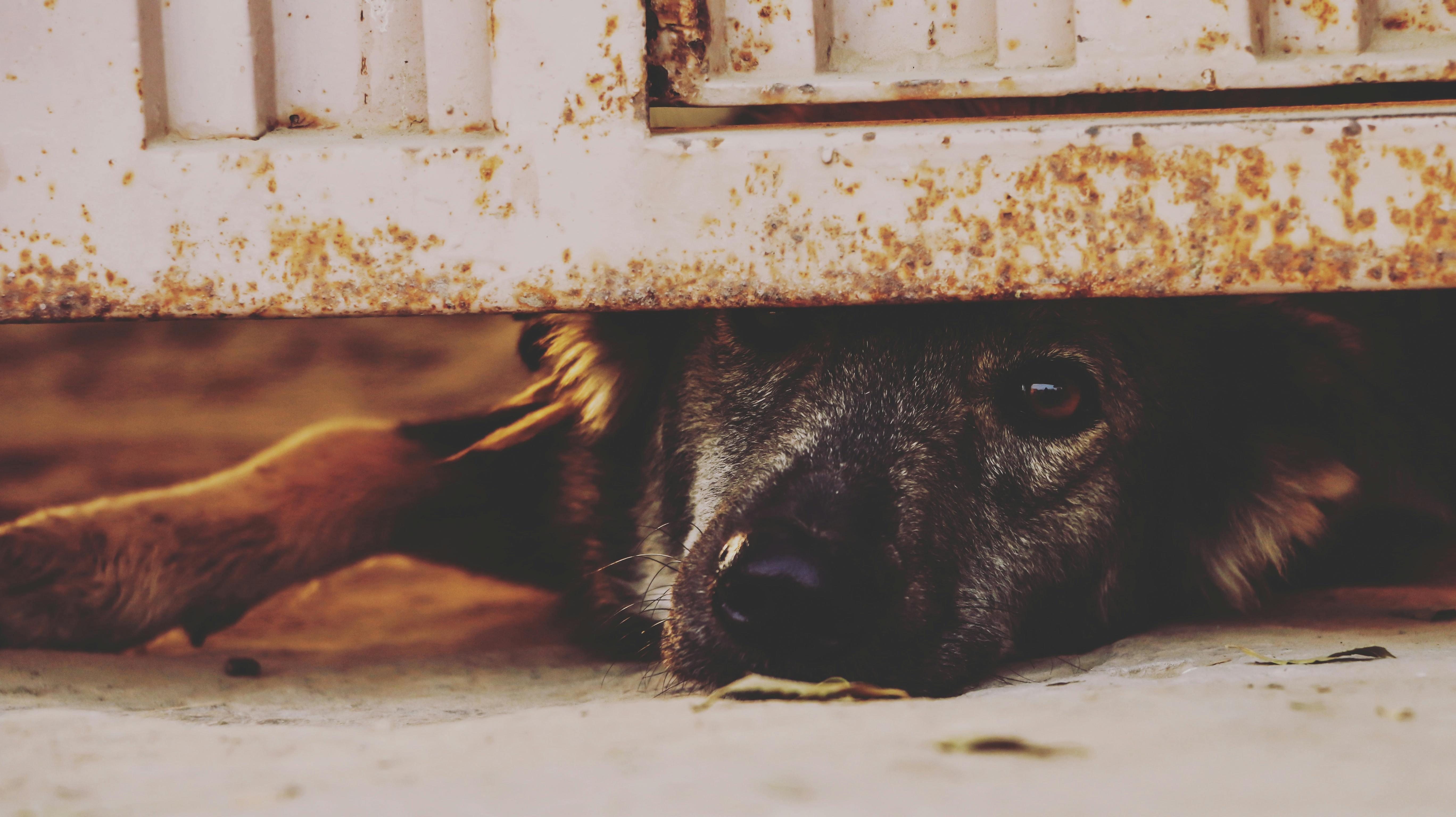
Dogs are often called "man’s best friend," and one of the most intriguing aspects of our furry companions is their wet noses. If you’re a dog owner or thinking about getting one, you might wonder, why do dogs have wet noses? This question leads to a fascinating exploration of a dog’s mood and behavior. A wet nose could be a clue to how they’re feeling, and understanding this can help strengthen the bond between you and your dog.
The Science Behind Wet Noses
It’s not just a quirky trait; there’s science behind a dog’s wet nose. The primary reason for the moisture is that dogs have specialized glands in their noses which produce mucus. This mucus helps dogs to absorb scent particles, making their sense of smell much more effective.
- Dogs have about 220 million scent receptors, compared to humans who only have about 5 million.
- A wet nose helps to enhance their olfactory capabilities.
- Dogs frequently lick their noses to maintain this moisture.
What Does a Wet Nose Indicate?
A wet nose can indicate a variety of things regarding your dog’s mood and health. Here’s what to keep in mind:
- Happy and Playful: A wet nose often indicates that a dog is healthy and happy. When they’re excited or playful, their noses tend to be moist.
- Relaxed and Calm: If your dog has a slightly damp nose while lounging around, it’s likely they’re content and relaxed.
- Stress or Anxiety: Sometimes, a dry nose could indicate stress or anxiety. When dogs are nervous, their noses may lose moisture.
Factors That Affect Nose Moisture
There are several factors that can influence the moisture of your dog’s nose. Here’s a quick look:
- Temperature: Warm weather can lead to a drier nose. This is because dogs may pant more and lose moisture through their mouths.
- Health Issues: Certain health problems can cause a dry nose. If your dog’s nose is dry for an extended period, especially if accompanied by other symptoms, it’s best to consult a vet.
- Dehydration: If your dog isn’t drinking enough water, their nose might be dryer than usual. Always ensure they have access to fresh water.
Common Misconceptions
There are some myths surrounding a dog’s nose that you should know about:
- Cold Nose Equals Healthy Dog: While a cold, wet nose is often considered a sign of good health, it’s not a guaranteed indicator. Some healthy dogs can have warmer noses.
- All Dogs Have Wet Noses: Not all dogs will have consistently wet noses. Breeds with shorter snouts may have drier noses due to their anatomy.
Signs of Health Concerns
It’s essential to monitor your dog’s nose moisture as it can indicate health issues. Here are some signs to watch for:
- Persistent Dryness: If your dog’s nose is persistently dry or cracked, it might signal dehydration or illness.
- Discoloration: Any sudden change in color of the nose can indicate problems. For instance, a very pale or very dark nose that changes color may need a vet's attention.
- Excessive Moisture: If the nose is too wet and accompanied by discharge, it might indicate an infection or allergy.
Practical Tips for Dog Owners
Knowing how to take care of your dog’s nose is important. Here are some tips:
- Regular Vet Check-ups: Regular visits to the veterinarian can help catch any potential health issues early.
- Hydration: Ensure your dog always has access to clean water, especially during hot weather.
- Observe Behavior: Keep an eye on your dog’s mood and behavior changes, as these can be indicators of health.
Having a dog comes with its own set of joys and challenges. Understanding the connection between a wet nose and your dog’s mood can help you become a better pet owner. You’ll be able to read their feelings and health more accurately, which is key to nurturing a harmonious relationship. A dog’s nose, wet or dry, tells a story; learning to interpret that story can enhance your connection with your furry friend. So, the next time you pet your dog, take a moment to check their nose – it might just reveal how they’re feeling that day!
Conclusion
In conclusion, the wet noses of dogs serve several important functions that contribute to their health and behavior. The moisture on a dog’s nose not only enhances their sense of smell, making them exceptional at detecting scents, but also plays a role in regulating their body temperature. The wetness helps to cool them down, acting as a natural air conditioning system. Furthermore, a moist nose can indicate a dog’s hydration level and overall well-being. While a dry nose might not always signal a problem, it’s essential for pet owners to be attentive to changes in their dog's nose moisture as they could indicate health issues. Understanding these unique characteristics can deepen the bond you share with your furry friend. So the next time you greet your dog, take a moment to appreciate that wet nose—it's not just a charming trait; it's a vital part of what makes your dog an incredible companion.